
H A M I D Fan
436 Beiträge

H A M I D Fan
Melden
Nutzer blockieren
$BTC Holder.
32 Following
1.3K+ Follower
6.0K+ Like gegeben
Beiträge
Alle
Live
Schau dir die Ländereien von Pixels richtig an
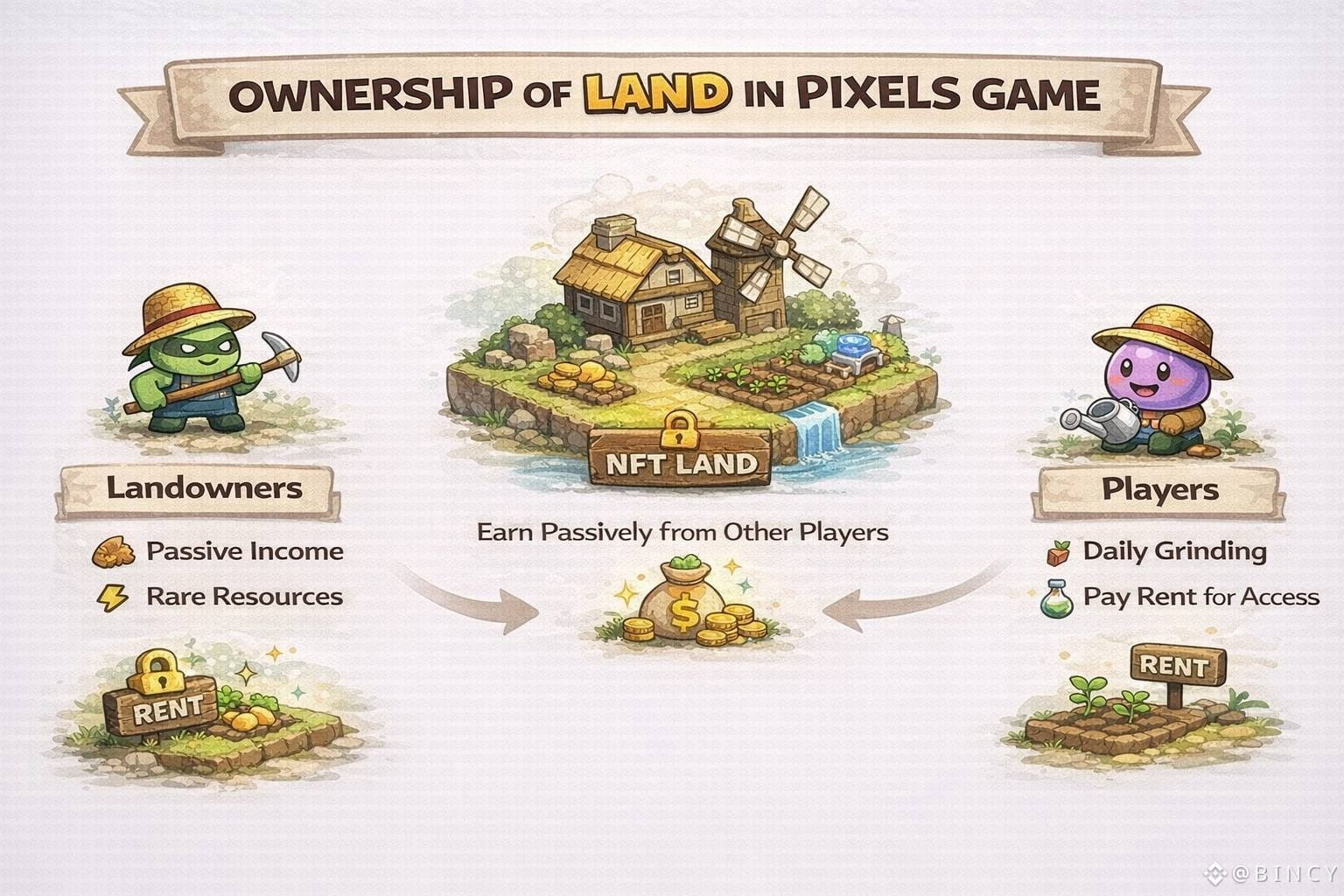
Es gibt nur etwa 5.000 NFT-Parzellen, und sie sind nicht nur kosmetisch. Sie sind im Grunde Produktionszentren. Wenn du eine besitzt, können andere Spieler darauf farmen, und du erhältst einen Anteil, ohne sogar online sein zu müssen.
Das verändert das ganze Spiel.
Es schafft ein stilles Klassensystem. Einige Spieler grinden täglich. Andere positionieren sich, um von diesem Grind zu profitieren. Und es ist nicht zufällig
seltene Ressourcen kommen nur aus diesen besessenen Ländereien, also wird der Zugang selbst wertvoll.
Meiner unpopulären Meinung nach wird es hier ernst für Pixels.
Pixel wird zu einer kleinen Wirtschaft, in der Eigentum, Zugang und Zeit miteinander konkurrieren.
#pixel @pixels
$PIXEL
Schau dir die Ländereien von Pixels richtig an
Es gibt nur etwa 5.000 NFT-Parzellen, und sie sind nicht nur kosmetisch. Sie sind im Grunde Produktionszentren. Wenn du eine besitzt, können andere Spieler darauf farmen, und du erhältst einen Anteil, ohne sogar online sein zu müssen.
Das verändert das ganze Spiel.
Es schafft ein stilles Klassensystem. Einige Spieler grinden täglich. Andere positionieren sich, um von diesem Grind zu profitieren. Und es ist nicht zufällig
seltene Ressourcen kommen nur aus diesen besessenen Ländereien, also wird der Zugang selbst wertvoll.
Meiner unpopulären Meinung nach wird es hier ernst für Pixels.
Pixel wird zu einer kleinen Wirtschaft, in der Eigentum, Zugang und Zeit miteinander konkurrieren.
#pixel @Pixels
$PIXEL
Es gibt nur etwa 5.000 NFT-Parzellen, und sie sind nicht nur kosmetisch. Sie sind im Grunde Produktionszentren. Wenn du eine besitzt, können andere Spieler darauf farmen, und du erhältst einen Anteil, ohne sogar online sein zu müssen.
Das verändert das ganze Spiel.
Es schafft ein stilles Klassensystem. Einige Spieler grinden täglich. Andere positionieren sich, um von diesem Grind zu profitieren. Und es ist nicht zufällig
seltene Ressourcen kommen nur aus diesen besessenen Ländereien, also wird der Zugang selbst wertvoll.
Meiner unpopulären Meinung nach wird es hier ernst für Pixels.
Pixel wird zu einer kleinen Wirtschaft, in der Eigentum, Zugang und Zeit miteinander konkurrieren.
#pixel @Pixels
$PIXEL
11
18
138
Pixels trifft mich mitten im Weg, weil es darum geht, wie sich Fortschritt wieder anfühlt.
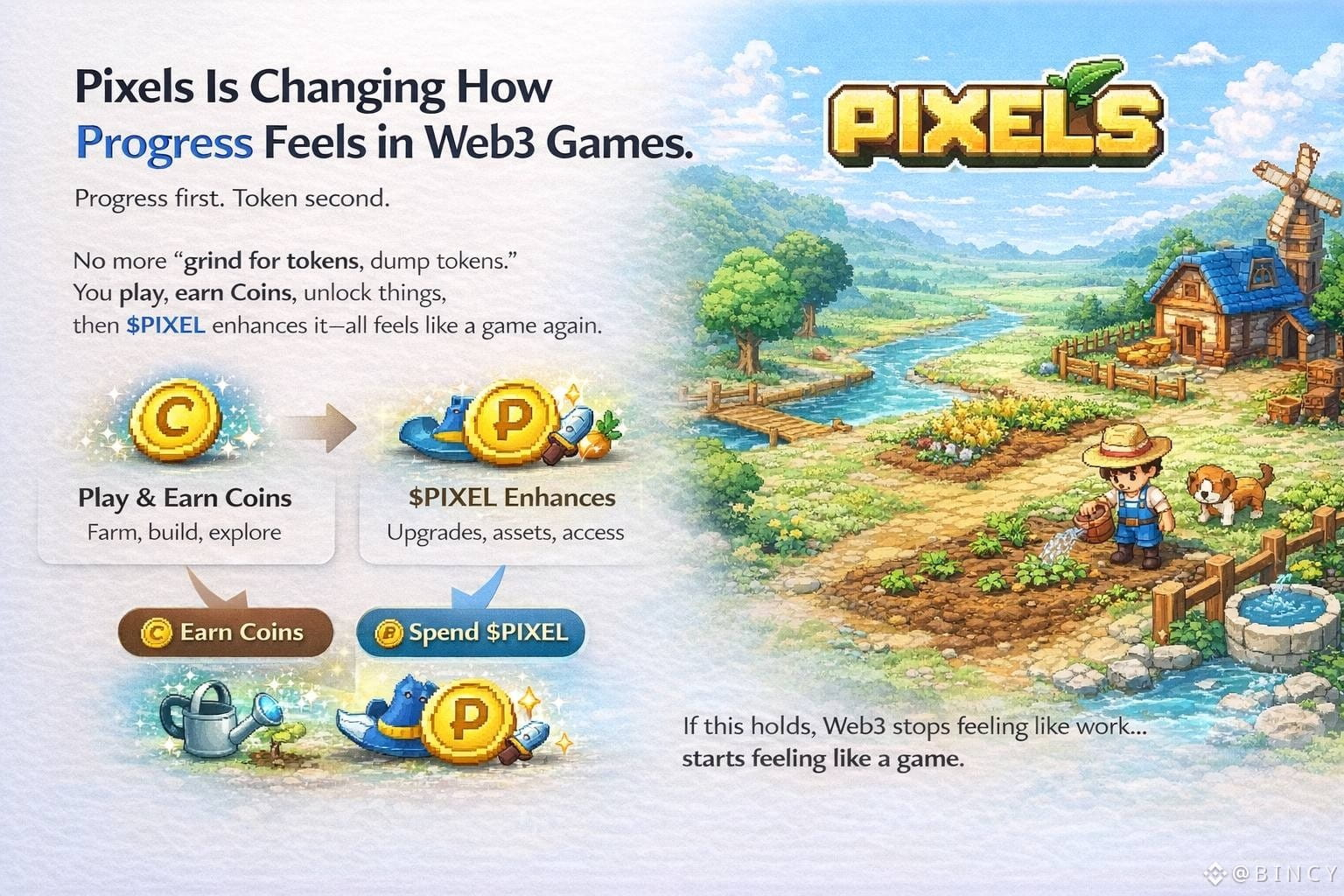
Die meisten Web3-Spiele haben das falsch verstanden. Fortschritt bedeutete, Werte zu extrahieren. Tokens farmen, Tokens abstoßen und wiederholen. Dieser Zyklus hat das Erlebnis getötet.
Pixels bricht diesen Rhythmus
Du spielst zuerst. Verdiene In-Game-Münzen. Baue, erkunde, steige auf wie in einem echten Spiel. Dann $PIXEL sitzt oben drauf, fast wie eine zweite Ebene, die kommt, wenn du Upgrades, Vermögenswerte oder tieferen Zugang möchtest.
Dieser Wandel ist wichtiger, als es klingt
Pixels verändert das Verhalten. Spieler bleiben länger. Sie kümmern sich mehr.
Wenn das hält, wird Pixels die Denkweise hinter Web3-Ökonomien reparieren
#pixel @pixels
$PIXEL
Pixels trifft mich mitten im Weg, weil es darum geht, wie sich Fortschritt wieder anfühlt.
Die meisten Web3-Spiele haben das falsch verstanden. Fortschritt bedeutete, Werte zu extrahieren. Tokens farmen, Tokens abstoßen und wiederholen. Dieser Zyklus hat das Erlebnis getötet.
Pixels bricht diesen Rhythmus
Du spielst zuerst. Verdiene In-Game-Münzen. Baue, erkunde, steige auf wie in einem echten Spiel. Dann $PIXEL sitzt oben drauf, fast wie eine zweite Ebene, die kommt, wenn du Upgrades, Vermögenswerte oder tieferen Zugang möchtest.
Dieser Wandel ist wichtiger, als es klingt
Pixels verändert das Verhalten. Spieler bleiben länger. Sie kümmern sich mehr.
Wenn das hält, wird Pixels die Denkweise hinter Web3-Ökonomien reparieren
#pixel @Pixels
$PIXEL
Die meisten Web3-Spiele haben das falsch verstanden. Fortschritt bedeutete, Werte zu extrahieren. Tokens farmen, Tokens abstoßen und wiederholen. Dieser Zyklus hat das Erlebnis getötet.
Pixels bricht diesen Rhythmus
Du spielst zuerst. Verdiene In-Game-Münzen. Baue, erkunde, steige auf wie in einem echten Spiel. Dann $PIXEL sitzt oben drauf, fast wie eine zweite Ebene, die kommt, wenn du Upgrades, Vermögenswerte oder tieferen Zugang möchtest.
Dieser Wandel ist wichtiger, als es klingt
Pixels verändert das Verhalten. Spieler bleiben länger. Sie kümmern sich mehr.
Wenn das hält, wird Pixels die Denkweise hinter Web3-Ökonomien reparieren
#pixel @Pixels
$PIXEL
18
22
626
Artikel
PIXELS BAUEN EINE GANZE SPIELWELTLass uns darüber sprechen, wohin Pixels geht, denn niemand tut es, und es ist nicht mehr nur ein Farmspiel.
Es verwandelt sich langsam in etwas viel Größeres.
Zunächst fühlte sich Pixels einfach an
1- Du erntest
2- erkunden
4- bauen
Das ist es
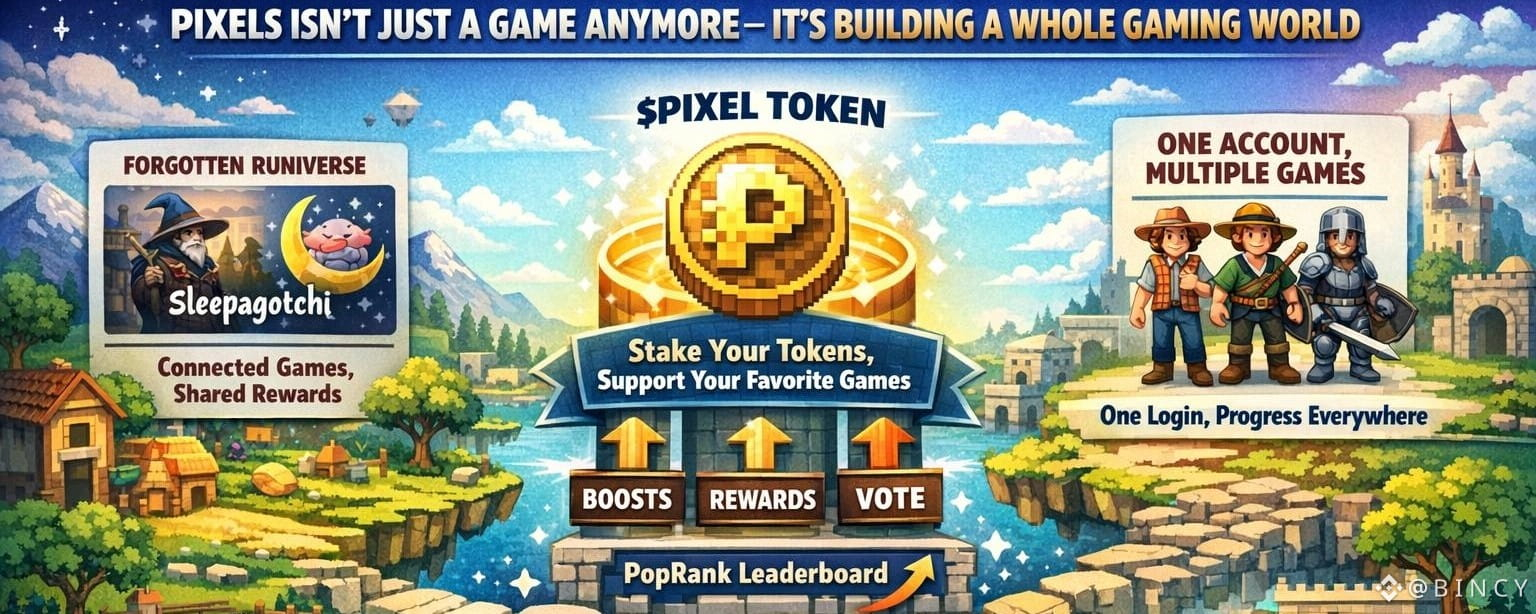
Aber wenn du dir ansiehst, was das Team in letzter Zeit geteilt hat, ist die Richtung klar: Sie versuchen nicht, ein Spiel zu entwickeln. Sie versuchen, ein ganzes Ökosystem aufzubauen.
Laut dem neuesten Fahrplan beginnt Pixels, sich mit anderen Spielen wie Forgotten Runiverse und Sleepagotchi zu verbinden. Und hier wird es interessant.
PIXELS BAUEN EINE GANZE SPIELWELT
Lass uns darüber sprechen, wohin Pixels geht, denn niemand tut es, und es ist nicht mehr nur ein Farmspiel.
Es verwandelt sich langsam in etwas viel Größeres.
Zunächst fühlte sich Pixels einfach an
1- Du erntest
2- erkunden
4- bauen
Das ist es
Aber wenn du dir ansiehst, was das Team in letzter Zeit geteilt hat, ist die Richtung klar: Sie versuchen nicht, ein Spiel zu entwickeln. Sie versuchen, ein ganzes Ökosystem aufzubauen.
Laut dem neuesten Fahrplan beginnt Pixels, sich mit anderen Spielen wie Forgotten Runiverse und Sleepagotchi zu verbinden. Und hier wird es interessant.
Es verwandelt sich langsam in etwas viel Größeres.
Zunächst fühlte sich Pixels einfach an
1- Du erntest
2- erkunden
4- bauen
Das ist es
Aber wenn du dir ansiehst, was das Team in letzter Zeit geteilt hat, ist die Richtung klar: Sie versuchen nicht, ein Spiel zu entwickeln. Sie versuchen, ein ganzes Ökosystem aufzubauen.
Laut dem neuesten Fahrplan beginnt Pixels, sich mit anderen Spielen wie Forgotten Runiverse und Sleepagotchi zu verbinden. Und hier wird es interessant.
15
18
126
Artikel
PIXELS FÜHLEN SICH ZU GESCHMEIDIG AN, ALSO HABE ICH TIEFER GEGRABENEs fühlte sich zu geschmeidig an.
Das war das erste, was mich verwirrt hat. Ich bin seit 2024 in Web3-Spielen unterwegs, und normalerweise spürt man die Reibung, Verzögerungen, Wallet-Prompts, random Gebühren, die wie Jump Scares auftauchen.
Pixels hatten das nicht.
Es hat einfach funktioniert.
Was mich ehrlich gesagt eher misstrauisch als beeindruckt hat.
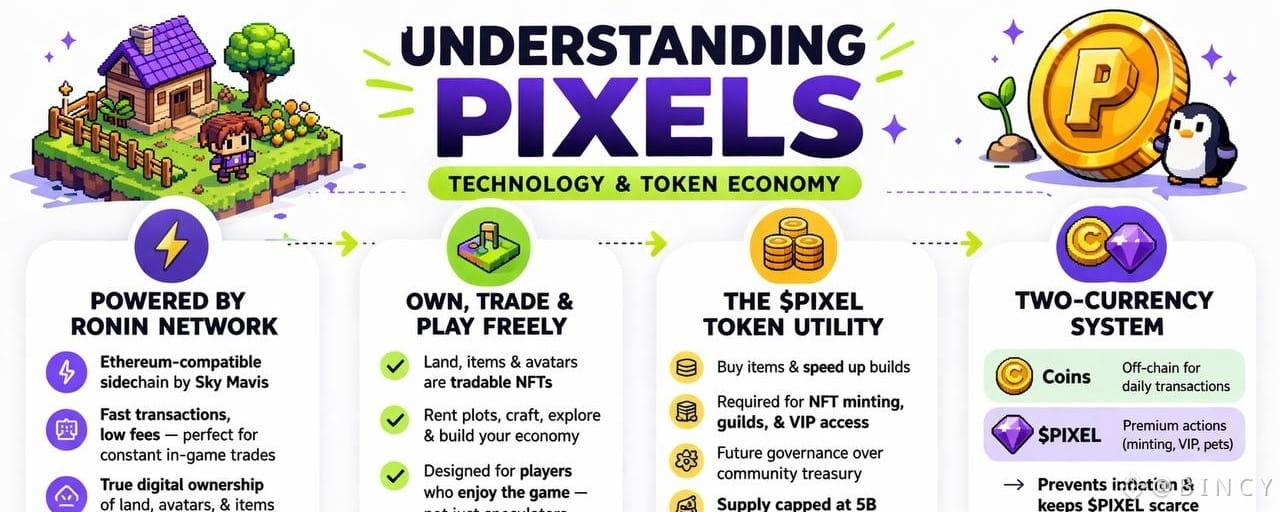
Ich habe angefangen, tiefer zu graben, um herauszufinden, was tatsächlich darunter läuft. Es stellt sich heraus, dass es auf dem Ronin Netzwerk basiert und ja, ich habe Ronin schon vorher mit Gaming-Setups gesehen, aber hier hat es endlich Klick gemacht. Schnelle Transaktionen, niedrige Gebühren – das ist nicht nur ein Spezifikationsblatt. Das bedeutet, dass ich nicht jedes Mal besteuert werde, wenn ich eine Ernte trade oder Items verschiebe. Das allein entfernt viel von der üblichen Web3-Müdigkeit.
PIXELS FÜHLEN SICH ZU GESCHMEIDIG AN, ALSO HABE ICH TIEFER GEGRABEN
Es fühlte sich zu geschmeidig an.
Das war das erste, was mich verwirrt hat. Ich bin seit 2024 in Web3-Spielen unterwegs, und normalerweise spürt man die Reibung, Verzögerungen, Wallet-Prompts, random Gebühren, die wie Jump Scares auftauchen.
Pixels hatten das nicht.
Es hat einfach funktioniert.
Was mich ehrlich gesagt eher misstrauisch als beeindruckt hat.
Ich habe angefangen, tiefer zu graben, um herauszufinden, was tatsächlich darunter läuft. Es stellt sich heraus, dass es auf dem Ronin Netzwerk basiert und ja, ich habe Ronin schon vorher mit Gaming-Setups gesehen, aber hier hat es endlich Klick gemacht. Schnelle Transaktionen, niedrige Gebühren – das ist nicht nur ein Spezifikationsblatt. Das bedeutet, dass ich nicht jedes Mal besteuert werde, wenn ich eine Ernte trade oder Items verschiebe. Das allein entfernt viel von der üblichen Web3-Müdigkeit.
Das war das erste, was mich verwirrt hat. Ich bin seit 2024 in Web3-Spielen unterwegs, und normalerweise spürt man die Reibung, Verzögerungen, Wallet-Prompts, random Gebühren, die wie Jump Scares auftauchen.
Pixels hatten das nicht.
Es hat einfach funktioniert.
Was mich ehrlich gesagt eher misstrauisch als beeindruckt hat.
Ich habe angefangen, tiefer zu graben, um herauszufinden, was tatsächlich darunter läuft. Es stellt sich heraus, dass es auf dem Ronin Netzwerk basiert und ja, ich habe Ronin schon vorher mit Gaming-Setups gesehen, aber hier hat es endlich Klick gemacht. Schnelle Transaktionen, niedrige Gebühren – das ist nicht nur ein Spezifikationsblatt. Das bedeutet, dass ich nicht jedes Mal besteuert werde, wenn ich eine Ernte trade oder Items verschiebe. Das allein entfernt viel von der üblichen Web3-Müdigkeit.
6
13
126
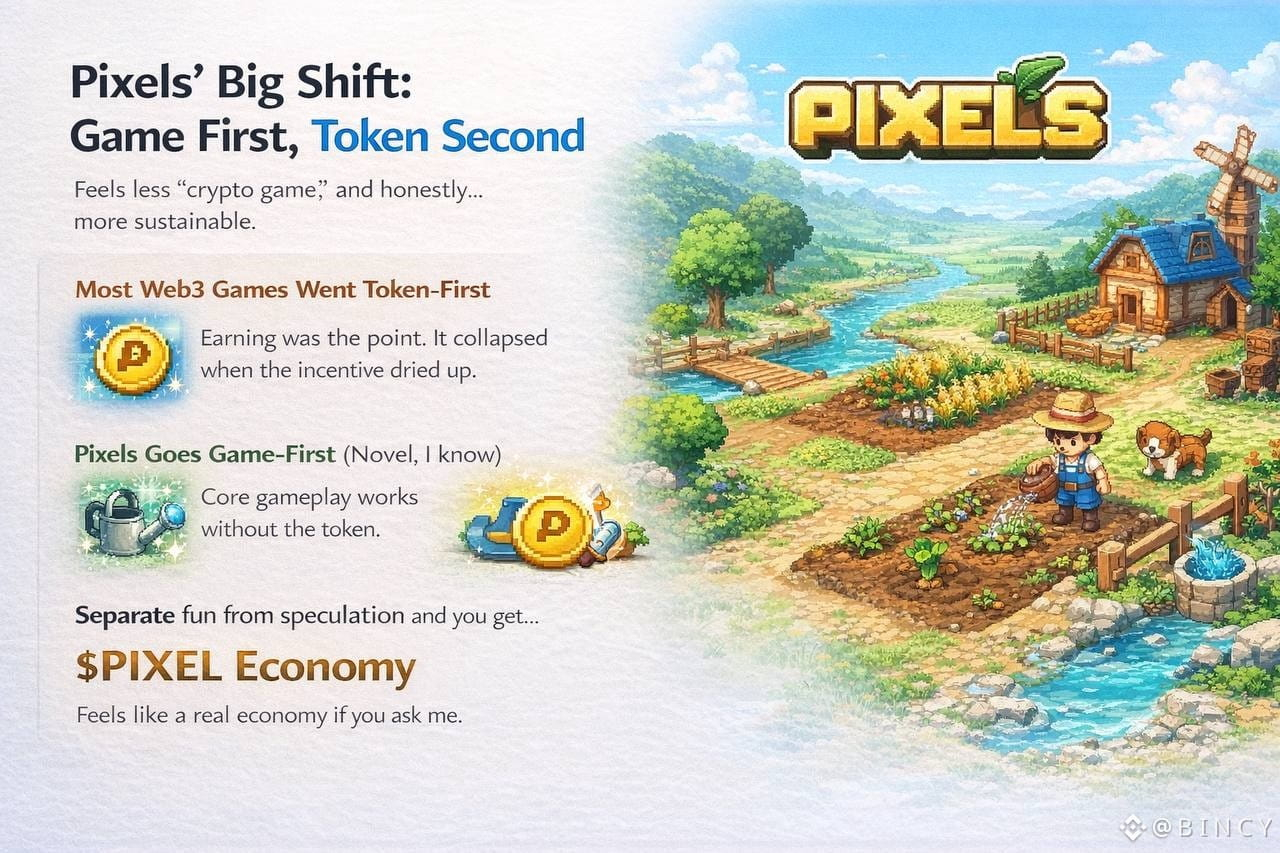
Für Pixels habe ich diese Entwicklung schon mal gesehen. Token zuerst, Gameplay zweitens. Es endet normalerweise immer gleich.
Pixels ist anders
Und ich bin mir sicher, dass du wissen möchtest, warum!
Das Ding ist, du kannst tatsächlich einfach spielen. Farmen, erkunden, ein bisschen grinden und es funktioniert ohne den Token in jede Aktion zu zwingen. Das ist selten.
Ich habe Zeit damit verbracht, die Ökonomie zu durchleuchten, und der echte Knaller hier ist, wie $PIXEL oben drauf sitzt, nicht darunter. Es wird für Upgrades, Vermögenswerte, soziale Schichten und nicht für das grundlegende Überleben verwendet.
Wenn ich mit dieser Einschätzung richtig liege, dann ist diese Trennung wichtiger, als die Leute denken.
Noch früh
Aber das ist näher an einer echten Ökonomie als die meisten.
#pixel
$PIXEL @pixels
Für Pixels habe ich diese Entwicklung schon mal gesehen. Token zuerst, Gameplay zweitens. Es endet normalerweise immer gleich.
Pixels ist anders
Und ich bin mir sicher, dass du wissen möchtest, warum!
Das Ding ist, du kannst tatsächlich einfach spielen. Farmen, erkunden, ein bisschen grinden und es funktioniert ohne den Token in jede Aktion zu zwingen. Das ist selten.
Ich habe Zeit damit verbracht, die Ökonomie zu durchleuchten, und der echte Knaller hier ist, wie $PIXEL oben drauf sitzt, nicht darunter. Es wird für Upgrades, Vermögenswerte, soziale Schichten und nicht für das grundlegende Überleben verwendet.
Wenn ich mit dieser Einschätzung richtig liege, dann ist diese Trennung wichtiger, als die Leute denken.
Noch früh
Aber das ist näher an einer echten Ökonomie als die meisten.
#pixel
$PIXEL @Pixels
Pixels ist anders
Und ich bin mir sicher, dass du wissen möchtest, warum!
Das Ding ist, du kannst tatsächlich einfach spielen. Farmen, erkunden, ein bisschen grinden und es funktioniert ohne den Token in jede Aktion zu zwingen. Das ist selten.
Ich habe Zeit damit verbracht, die Ökonomie zu durchleuchten, und der echte Knaller hier ist, wie $PIXEL oben drauf sitzt, nicht darunter. Es wird für Upgrades, Vermögenswerte, soziale Schichten und nicht für das grundlegende Überleben verwendet.
Wenn ich mit dieser Einschätzung richtig liege, dann ist diese Trennung wichtiger, als die Leute denken.
Noch früh
Aber das ist näher an einer echten Ökonomie als die meisten.
#pixel
$PIXEL @Pixels
9
16
121
Artikel
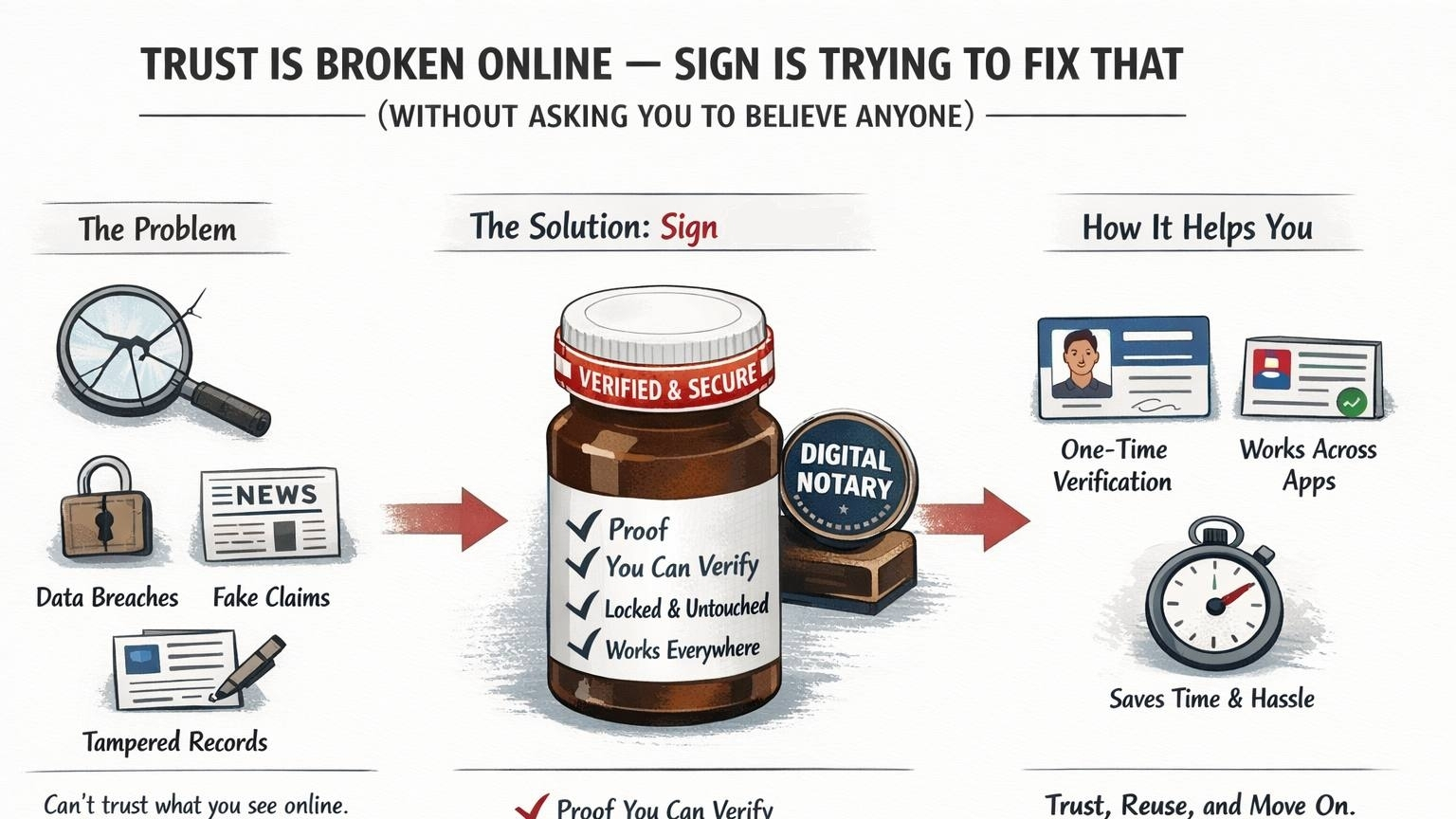
VERTRAUEN IST ONLINE KAPUTT SIGN VERSUCHT DAS ZU BEHEBENVertrauen im Internet ist momentan ziemlich kaputt. Jede Woche gibt's einen neuen Leak, falsche Behauptungen oder manipulierte Datenpunkte, und du sollst einfach glauben, dass es verifiziert ist, nur weil es jemand sagt. Meistens kannst du selbst nichts überprüfen. Man nimmt es einfach im Glauben hin.
Das ist das Problem!
Das Sign Protocol dreht das um. Anstatt dich zu bitten, Menschen oder Plattformen zu vertrauen, gibt es dir die Möglichkeit, Dinge direkt zu verifizieren. Keine Mittelsmann-Vibes.
Sign kommt mit dem Beweis, dass es echt ist und nicht verändert wurde. Nicht auf eine komplizierte, akademische Weise, sondern so, dass die Daten gesperrt sind und später nicht manipuliert werden können. Das allein behebt viel von dem Unsinn, mit dem wir online zu kämpfen haben.
VERTRAUEN IST ONLINE KAPUTT SIGN VERSUCHT DAS ZU BEHEBEN
Vertrauen im Internet ist momentan ziemlich kaputt. Jede Woche gibt's einen neuen Leak, falsche Behauptungen oder manipulierte Datenpunkte, und du sollst einfach glauben, dass es verifiziert ist, nur weil es jemand sagt. Meistens kannst du selbst nichts überprüfen. Man nimmt es einfach im Glauben hin.
Das ist das Problem!
Das Sign Protocol dreht das um. Anstatt dich zu bitten, Menschen oder Plattformen zu vertrauen, gibt es dir die Möglichkeit, Dinge direkt zu verifizieren. Keine Mittelsmann-Vibes.
Sign kommt mit dem Beweis, dass es echt ist und nicht verändert wurde. Nicht auf eine komplizierte, akademische Weise, sondern so, dass die Daten gesperrt sind und später nicht manipuliert werden können. Das allein behebt viel von dem Unsinn, mit dem wir online zu kämpfen haben.
Das ist das Problem!
Das Sign Protocol dreht das um. Anstatt dich zu bitten, Menschen oder Plattformen zu vertrauen, gibt es dir die Möglichkeit, Dinge direkt zu verifizieren. Keine Mittelsmann-Vibes.
Sign kommt mit dem Beweis, dass es echt ist und nicht verändert wurde. Nicht auf eine komplizierte, akademische Weise, sondern so, dass die Daten gesperrt sind und später nicht manipuliert werden können. Das allein behebt viel von dem Unsinn, mit dem wir online zu kämpfen haben.
6
13
263
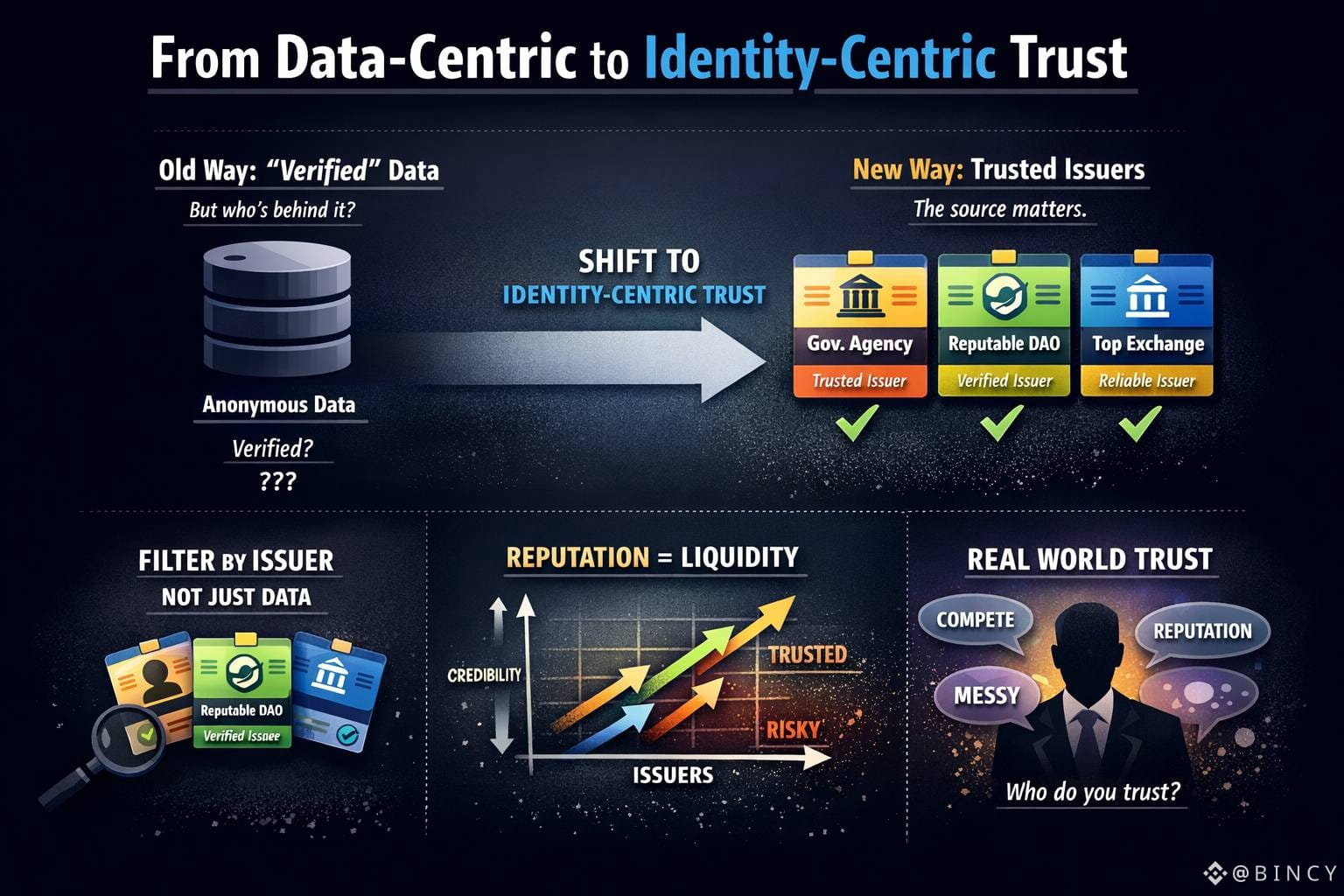
Das Nervige an den meisten On-Chain-Systemen ist, dass sie so tun, als wäre die Daten neutral. Das ist sie nicht. Ich habe genug verifizierte Datensätze erlebt, die im Grunde genommen nutzlos waren, weil es niemanden interessierte, wer sie signiert hat.
Hier kommt Sign ins Spiel.
Der Attestierer ist das Signal.
Jede Behauptung trägt eine Signatur, die tatsächlich zählt. Es ist Sign! Du beginnst, nach Herausgebern zu filtern, nicht nur nach Payload. Fühlt sich mehr so an, wie es in TradFi-Büros läuft; ehrlich gesagt vertraust du der Quelle vor der Zahl.
Jetzt hast du Herausgeber, die konkurrieren. Reputation wird zur Liquidität. Und ja, es wird chaotisch.
Gut
So funktioniert echter Trust mit Sign
#SignDigitalSovereignInfra @SignOfficial
$SIGN
Das Nervige an den meisten On-Chain-Systemen ist, dass sie so tun, als wäre die Daten neutral. Das ist sie nicht. Ich habe genug verifizierte Datensätze erlebt, die im Grunde genommen nutzlos waren, weil es niemanden interessierte, wer sie signiert hat.
Hier kommt Sign ins Spiel.
Der Attestierer ist das Signal.
Jede Behauptung trägt eine Signatur, die tatsächlich zählt. Es ist Sign! Du beginnst, nach Herausgebern zu filtern, nicht nur nach Payload. Fühlt sich mehr so an, wie es in TradFi-Büros läuft; ehrlich gesagt vertraust du der Quelle vor der Zahl.
Jetzt hast du Herausgeber, die konkurrieren. Reputation wird zur Liquidität. Und ja, es wird chaotisch.
Gut
So funktioniert echter Trust mit Sign
#SignDigitalSovereignInfra @SignOfficial
$SIGN
Hier kommt Sign ins Spiel.
Der Attestierer ist das Signal.
Jede Behauptung trägt eine Signatur, die tatsächlich zählt. Es ist Sign! Du beginnst, nach Herausgebern zu filtern, nicht nur nach Payload. Fühlt sich mehr so an, wie es in TradFi-Büros läuft; ehrlich gesagt vertraust du der Quelle vor der Zahl.
Jetzt hast du Herausgeber, die konkurrieren. Reputation wird zur Liquidität. Und ja, es wird chaotisch.
Gut
So funktioniert echter Trust mit Sign
#SignDigitalSovereignInfra @SignOfficial
$SIGN
5
12
120
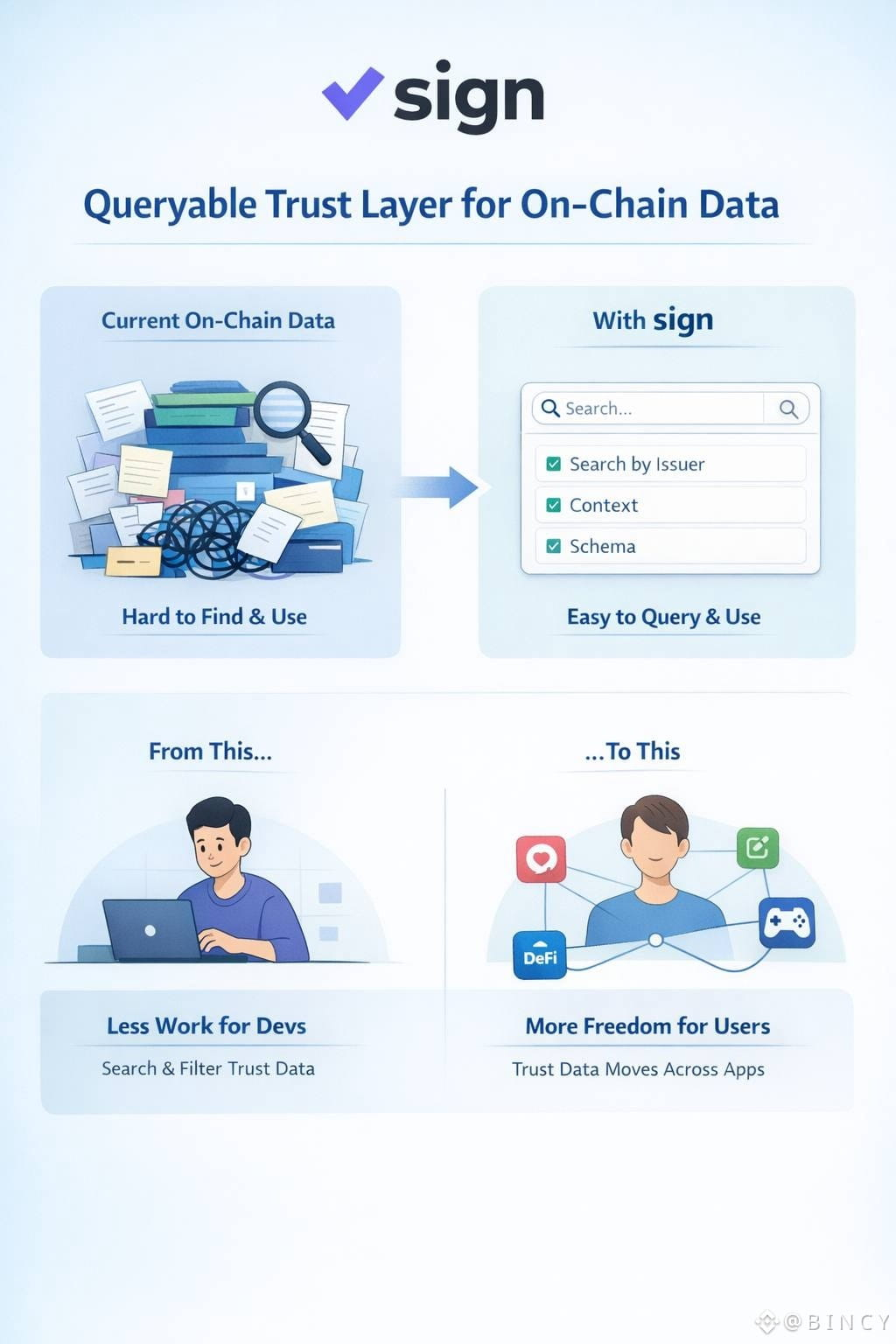
Sign ist nicht nur das Speichern von Vertrauensdaten, es macht sie tatsächlich nutzbar. Das klingt klein, aber es behebt ein echtes Problem
Im Moment sitzt eine Menge an On-Chain-Daten einfach da.
Sie können beweisen, dass etwas passiert ist, aber es tatsächlich wiederzufinden, zu filtern oder in eine andere App zu integrieren?
Entwickler müssen die gleiche Logik immer wieder neu aufbauen.
Was Sign mit abfragbaren Bestätigungen macht, fühlt sich mehr an wie die Arbeit mit einer normalen Datenbank. Sie können danach suchen, wer es ausgestellt hat, was es bedeutet, den Kontext und es einfach verwenden.
Für einen Entwickler reduziert das eine Menge Friktion. Für einen Benutzer bedeutet es, dass Ihr Beweis, der Identität, Reputation oder was auch immer ist, nicht in einer App stecken bleibt.
Es bewegt sich mit Ihnen
Das ist der Teil, der tatsächlich Dinge verändert
#SignDigitalSovereignInfra @SignOfficial
$SIGN
Sign ist nicht nur das Speichern von Vertrauensdaten, es macht sie tatsächlich nutzbar. Das klingt klein, aber es behebt ein echtes Problem
Im Moment sitzt eine Menge an On-Chain-Daten einfach da.
Sie können beweisen, dass etwas passiert ist, aber es tatsächlich wiederzufinden, zu filtern oder in eine andere App zu integrieren?
Entwickler müssen die gleiche Logik immer wieder neu aufbauen.
Was Sign mit abfragbaren Bestätigungen macht, fühlt sich mehr an wie die Arbeit mit einer normalen Datenbank. Sie können danach suchen, wer es ausgestellt hat, was es bedeutet, den Kontext und es einfach verwenden.
Für einen Entwickler reduziert das eine Menge Friktion. Für einen Benutzer bedeutet es, dass Ihr Beweis, der Identität, Reputation oder was auch immer ist, nicht in einer App stecken bleibt.
Es bewegt sich mit Ihnen
Das ist der Teil, der tatsächlich Dinge verändert
#SignDigitalSovereignInfra @SignOfficial
$SIGN
Im Moment sitzt eine Menge an On-Chain-Daten einfach da.
Sie können beweisen, dass etwas passiert ist, aber es tatsächlich wiederzufinden, zu filtern oder in eine andere App zu integrieren?
Entwickler müssen die gleiche Logik immer wieder neu aufbauen.
Was Sign mit abfragbaren Bestätigungen macht, fühlt sich mehr an wie die Arbeit mit einer normalen Datenbank. Sie können danach suchen, wer es ausgestellt hat, was es bedeutet, den Kontext und es einfach verwenden.
Für einen Entwickler reduziert das eine Menge Friktion. Für einen Benutzer bedeutet es, dass Ihr Beweis, der Identität, Reputation oder was auch immer ist, nicht in einer App stecken bleibt.
Es bewegt sich mit Ihnen
Das ist der Teil, der tatsächlich Dinge verändert
#SignDigitalSovereignInfra @SignOfficial
$SIGN
4
10
95
Artikel
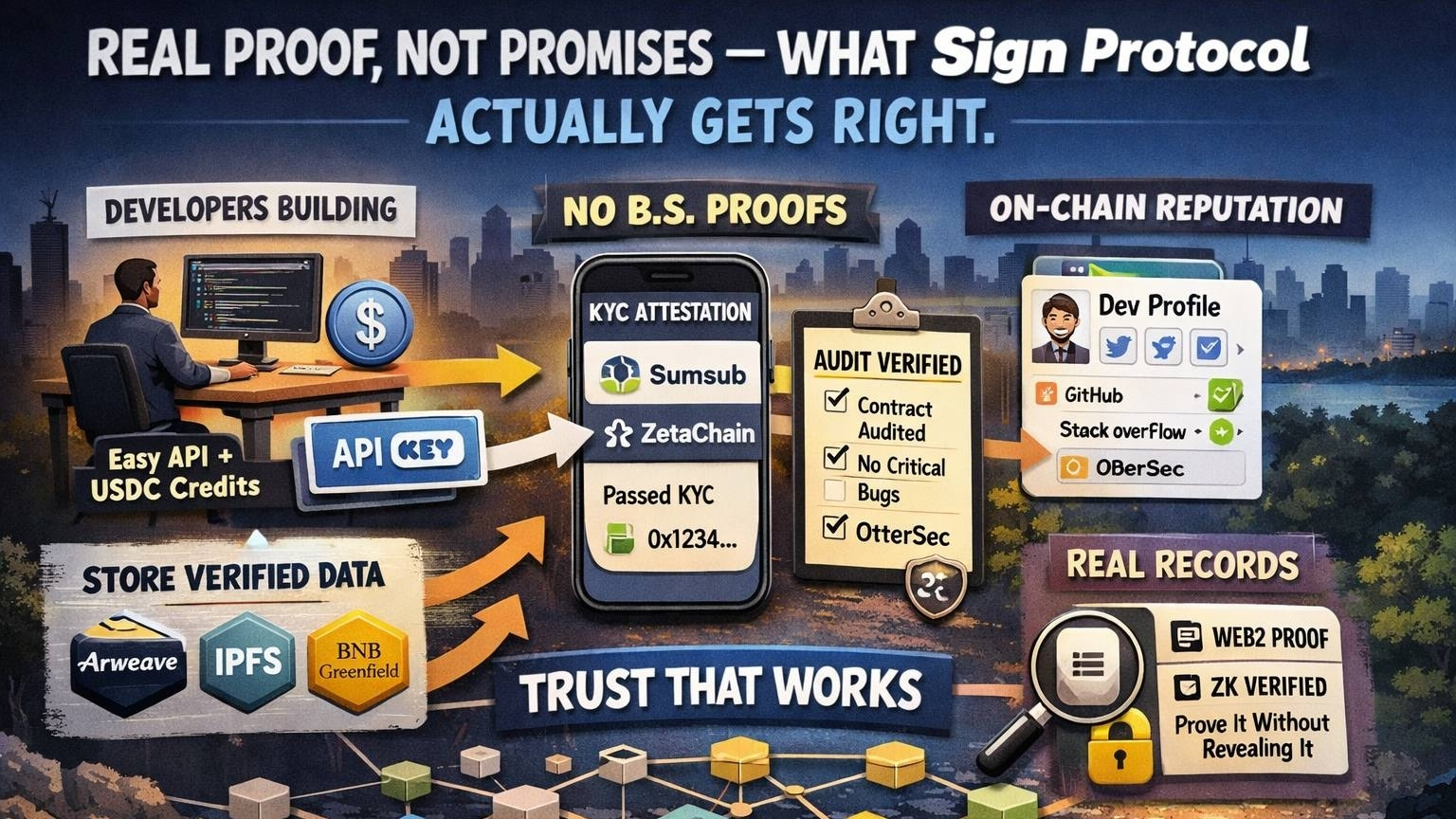
ECHTE BEWEISE: WAS Sign WIRKLICH RICHTIG MACHTDie meisten Projekte im Crypto-Bereich reden gerne über Vertrauen. Große Worte, schöne Präsentationen. Aber wenn du tatsächlich versuchst, etwas zu bauen, fällt es normalerweise schnell auseinander. Entweder du startest Knoten, kämpfst mit seltsamer Infrastruktur, oder klebst Off-Chain-Daten zusammen in etwas, das kaum funktioniert.
Das Zeichen ist anders, und ich sage das nicht leichtfertig.
Ich habe mit ihrem Entwickler-Setup herumgespielt, und das Erste, was mir aufgefallen ist, war die fehlende Reibung. Du schnappst dir einen API-Key, lädst ihn mit USDC-Credits auf, und schon bist du live. Das war's. Keine neue Sprache zu lernen. Keine schwere Infrastruktur. Einfach... fang an zu bauen. Ehrlich gesagt, das allein entfernt die Hälfte des üblichen Kopfschmerzes.
ECHTE BEWEISE: WAS Sign WIRKLICH RICHTIG MACHT
Die meisten Projekte im Crypto-Bereich reden gerne über Vertrauen. Große Worte, schöne Präsentationen. Aber wenn du tatsächlich versuchst, etwas zu bauen, fällt es normalerweise schnell auseinander. Entweder du startest Knoten, kämpfst mit seltsamer Infrastruktur, oder klebst Off-Chain-Daten zusammen in etwas, das kaum funktioniert.
Das Zeichen ist anders, und ich sage das nicht leichtfertig.
Ich habe mit ihrem Entwickler-Setup herumgespielt, und das Erste, was mir aufgefallen ist, war die fehlende Reibung. Du schnappst dir einen API-Key, lädst ihn mit USDC-Credits auf, und schon bist du live. Das war's. Keine neue Sprache zu lernen. Keine schwere Infrastruktur. Einfach... fang an zu bauen. Ehrlich gesagt, das allein entfernt die Hälfte des üblichen Kopfschmerzes.
Das Zeichen ist anders, und ich sage das nicht leichtfertig.
Ich habe mit ihrem Entwickler-Setup herumgespielt, und das Erste, was mir aufgefallen ist, war die fehlende Reibung. Du schnappst dir einen API-Key, lädst ihn mit USDC-Credits auf, und schon bist du live. Das war's. Keine neue Sprache zu lernen. Keine schwere Infrastruktur. Einfach... fang an zu bauen. Ehrlich gesagt, das allein entfernt die Hälfte des üblichen Kopfschmerzes.
6
12
139
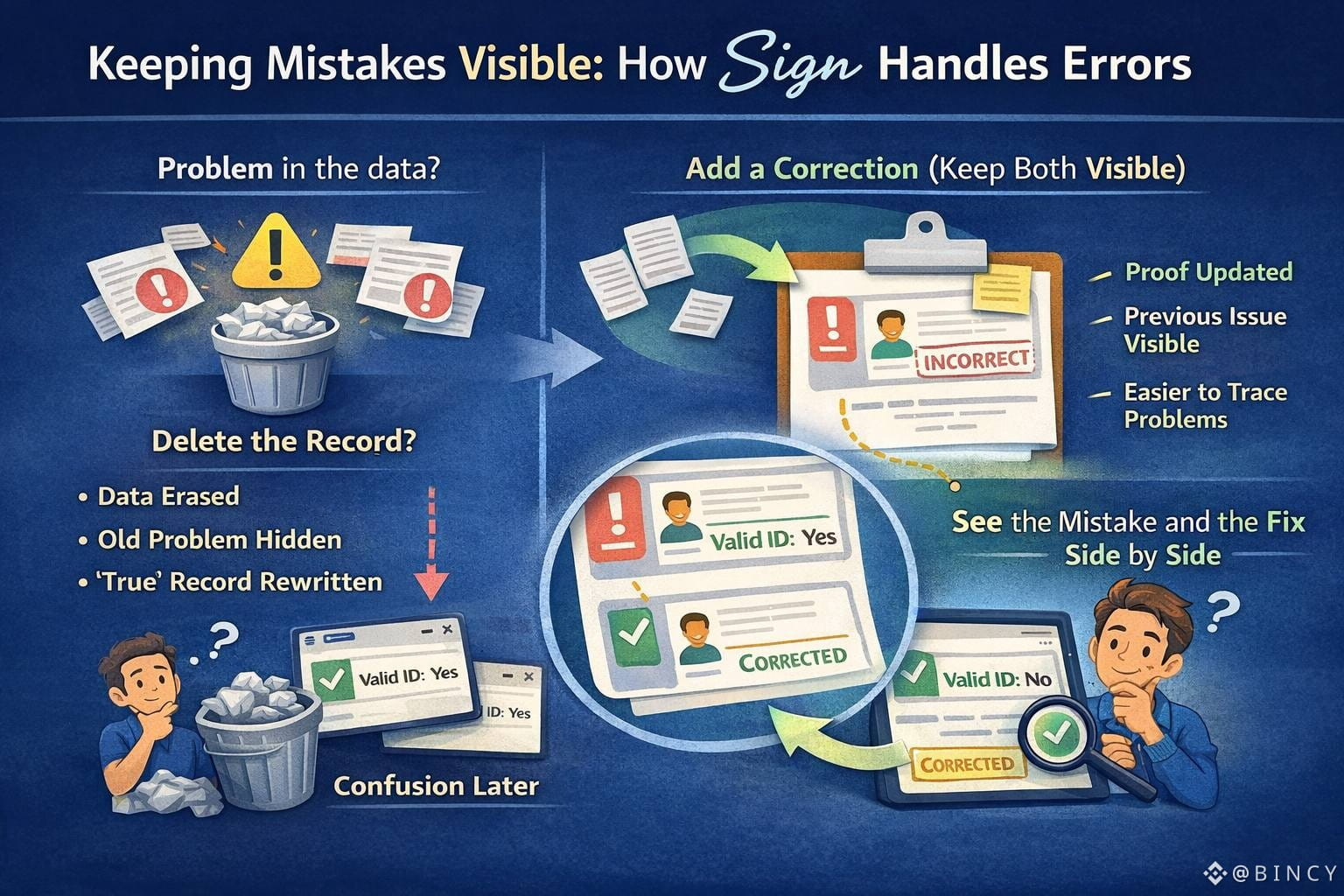
Ich habe das zunächst nicht bemerkt, aber Sign ändert auch, wie Fehler behandelt werden. In den meisten Systemen, sobald schlechte Daten eingegeben werden, ist es schwer, damit umzugehen. Man löscht sie entweder, versteckt sie oder versucht, sie zu überschreiben, und das führt normalerweise später zu Verwirrung. Was ich interessant fand, ist, dass Sign dich nicht zwingt, Fehler zu löschen. Stattdessen kannst du einen neuen Beweis hinzufügen, der den alten korrigiert oder in Frage stellt, während der ursprüngliche sichtbar bleibt. So wird nichts stillschweigend geändert oder verloren. Du kannst sowohl den Fehler als auch die Korrektur nebeneinander sehen. Das macht das System ehrlicher, aber auch einfacher zu debuggen. Wenn etwas schiefgeht, musst du nicht raten, was passiert ist, du kannst es zurückverfolgen. Es fühlt sich mehr wie eine Versionshistorie als wie eine Bereinigung an. Und da Apps den neuesten gültigen Beweis lesen können, funktionieren sie weiterhin normal. Es ist eine einfache Idee, aber sie macht Datensysteme insgesamt weniger anfällig.
#SignDigitalSovereignInfra @SignOfficial
$SIGN
Ich habe das zunächst nicht bemerkt, aber Sign ändert auch, wie Fehler behandelt werden. In den meisten Systemen, sobald schlechte Daten eingegeben werden, ist es schwer, damit umzugehen. Man löscht sie entweder, versteckt sie oder versucht, sie zu überschreiben, und das führt normalerweise später zu Verwirrung. Was ich interessant fand, ist, dass Sign dich nicht zwingt, Fehler zu löschen. Stattdessen kannst du einen neuen Beweis hinzufügen, der den alten korrigiert oder in Frage stellt, während der ursprüngliche sichtbar bleibt. So wird nichts stillschweigend geändert oder verloren. Du kannst sowohl den Fehler als auch die Korrektur nebeneinander sehen. Das macht das System ehrlicher, aber auch einfacher zu debuggen. Wenn etwas schiefgeht, musst du nicht raten, was passiert ist, du kannst es zurückverfolgen. Es fühlt sich mehr wie eine Versionshistorie als wie eine Bereinigung an. Und da Apps den neuesten gültigen Beweis lesen können, funktionieren sie weiterhin normal. Es ist eine einfache Idee, aber sie macht Datensysteme insgesamt weniger anfällig.
#SignDigitalSovereignInfra @SignOfficial
$SIGN
#SignDigitalSovereignInfra @SignOfficial
$SIGN
4
10
105
Artikel
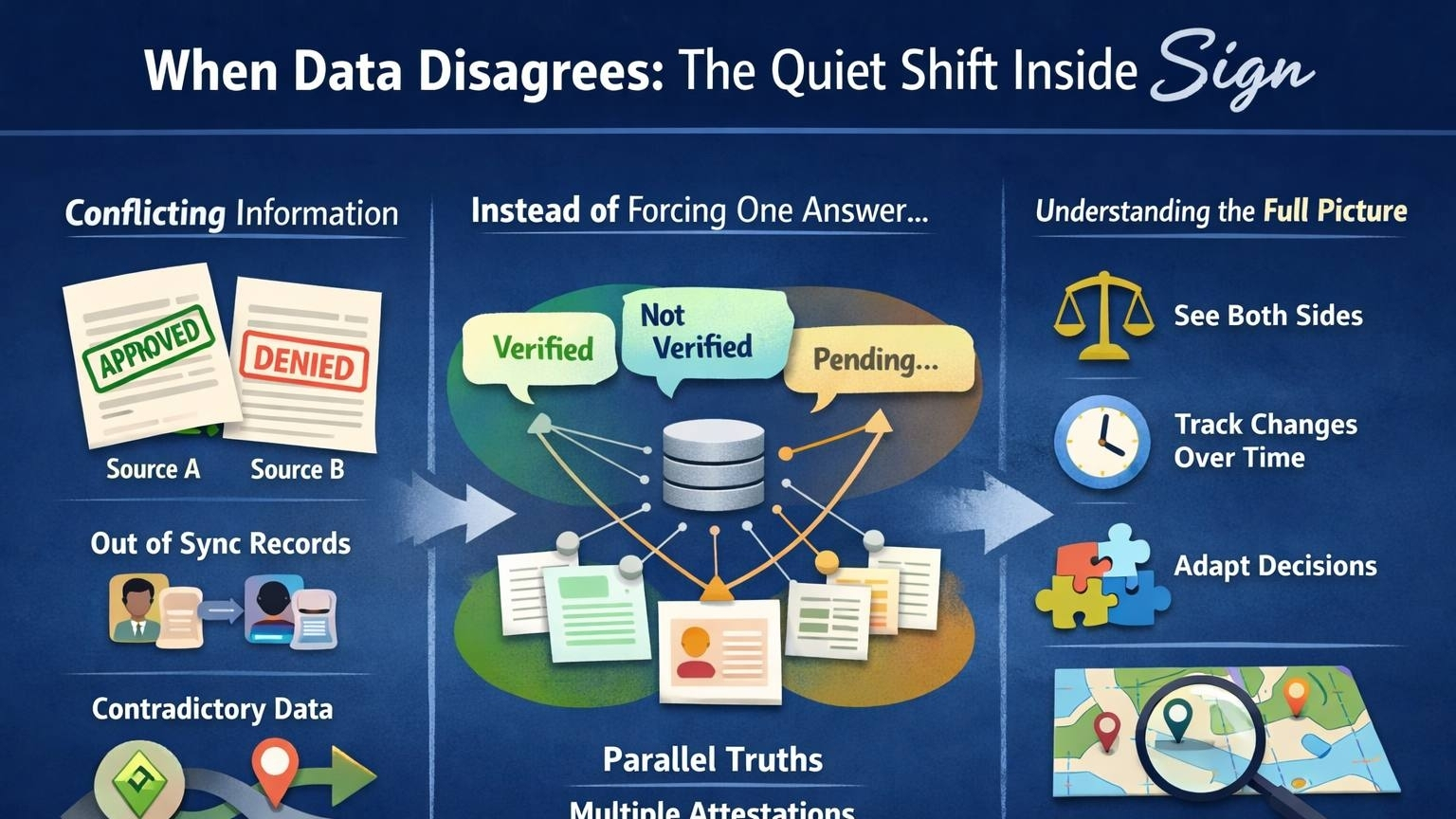
Sign und die Idee, widersprüchliche Daten koexistieren zu lassenIch hatte das nicht erwartet, aber der Teil von Sign, der mich zum Nachdenken brachte, geht nicht darum, Fakten zu beweisen, sondern darum, wie Systeme mit widersprüchlichen Informationen umgehen.
Denn in der realen Welt stimmen die Daten nicht immer überein.
Eine Quelle sagt, dass etwas gültig ist. Eine andere sagt, dass es nicht so ist. Ein Datensatz wird aktualisiert, ein anderer bleibt zurück. Und die meisten Systeme kommen damit nicht gut zurecht. Sie wählen entweder eine Version aus und ignorieren den Rest, oder sie versuchen, alles mit den neuesten Eingaben zu überschreiben, selbst wenn es nicht vollständig zuverlässig ist.
Das schafft blinde Flecken.
Sign und die Idee, widersprüchliche Daten koexistieren zu lassen
Ich hatte das nicht erwartet, aber der Teil von Sign, der mich zum Nachdenken brachte, geht nicht darum, Fakten zu beweisen, sondern darum, wie Systeme mit widersprüchlichen Informationen umgehen.
Denn in der realen Welt stimmen die Daten nicht immer überein.
Eine Quelle sagt, dass etwas gültig ist. Eine andere sagt, dass es nicht so ist. Ein Datensatz wird aktualisiert, ein anderer bleibt zurück. Und die meisten Systeme kommen damit nicht gut zurecht. Sie wählen entweder eine Version aus und ignorieren den Rest, oder sie versuchen, alles mit den neuesten Eingaben zu überschreiben, selbst wenn es nicht vollständig zuverlässig ist.
Das schafft blinde Flecken.
Denn in der realen Welt stimmen die Daten nicht immer überein.
Eine Quelle sagt, dass etwas gültig ist. Eine andere sagt, dass es nicht so ist. Ein Datensatz wird aktualisiert, ein anderer bleibt zurück. Und die meisten Systeme kommen damit nicht gut zurecht. Sie wählen entweder eine Version aus und ignorieren den Rest, oder sie versuchen, alles mit den neuesten Eingaben zu überschreiben, selbst wenn es nicht vollständig zuverlässig ist.
Das schafft blinde Flecken.
4
12
162
Artikel
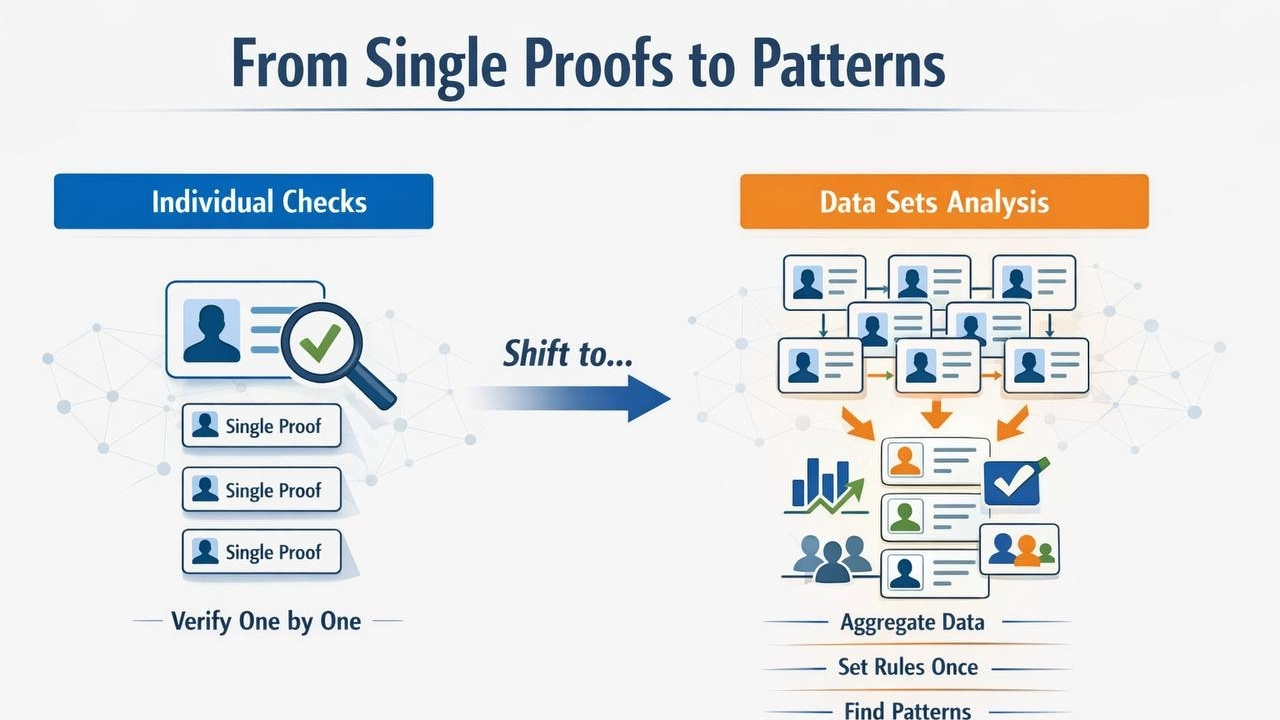
Von einzelnen Beweisen zu Mustern: Was Sign ermöglichtIch hatte das nicht erwartet, aber einer der interessanteren Teile von Sign dreht sich nicht darum, was die Daten sagen, sondern darum, wie Daten in großem Maßstab gruppiert und interpretiert werden können, ohne die Logik jedes Mal neu zu schreiben.
Weil die meisten Systeme Schwierigkeiten haben, wenn Sie von einzelnen Datensätzen zu Sammlungen davon wechseln. Ein Beweis ist einfach zu überprüfen. Aber in dem Moment, in dem Sie mit Hunderten oder Tausenden von Datensätzen umgehen, wird es chaotisch. Sie benötigen Filter, Aggregationsregeln, Schwellenwerte und benutzerdefinierte Logik, nur um einfache Fragen wie „Wie viele Benutzer qualifizieren sich?“ oder „Erfüllt diese Gruppe die Anforderungen?“ zu beantworten.
Von einzelnen Beweisen zu Mustern: Was Sign ermöglicht
Ich hatte das nicht erwartet, aber einer der interessanteren Teile von Sign dreht sich nicht darum, was die Daten sagen, sondern darum, wie Daten in großem Maßstab gruppiert und interpretiert werden können, ohne die Logik jedes Mal neu zu schreiben.
Weil die meisten Systeme Schwierigkeiten haben, wenn Sie von einzelnen Datensätzen zu Sammlungen davon wechseln. Ein Beweis ist einfach zu überprüfen. Aber in dem Moment, in dem Sie mit Hunderten oder Tausenden von Datensätzen umgehen, wird es chaotisch. Sie benötigen Filter, Aggregationsregeln, Schwellenwerte und benutzerdefinierte Logik, nur um einfache Fragen wie „Wie viele Benutzer qualifizieren sich?“ oder „Erfüllt diese Gruppe die Anforderungen?“ zu beantworten.
Weil die meisten Systeme Schwierigkeiten haben, wenn Sie von einzelnen Datensätzen zu Sammlungen davon wechseln. Ein Beweis ist einfach zu überprüfen. Aber in dem Moment, in dem Sie mit Hunderten oder Tausenden von Datensätzen umgehen, wird es chaotisch. Sie benötigen Filter, Aggregationsregeln, Schwellenwerte und benutzerdefinierte Logik, nur um einfache Fragen wie „Wie viele Benutzer qualifizieren sich?“ oder „Erfüllt diese Gruppe die Anforderungen?“ zu beantworten.
4
16
95
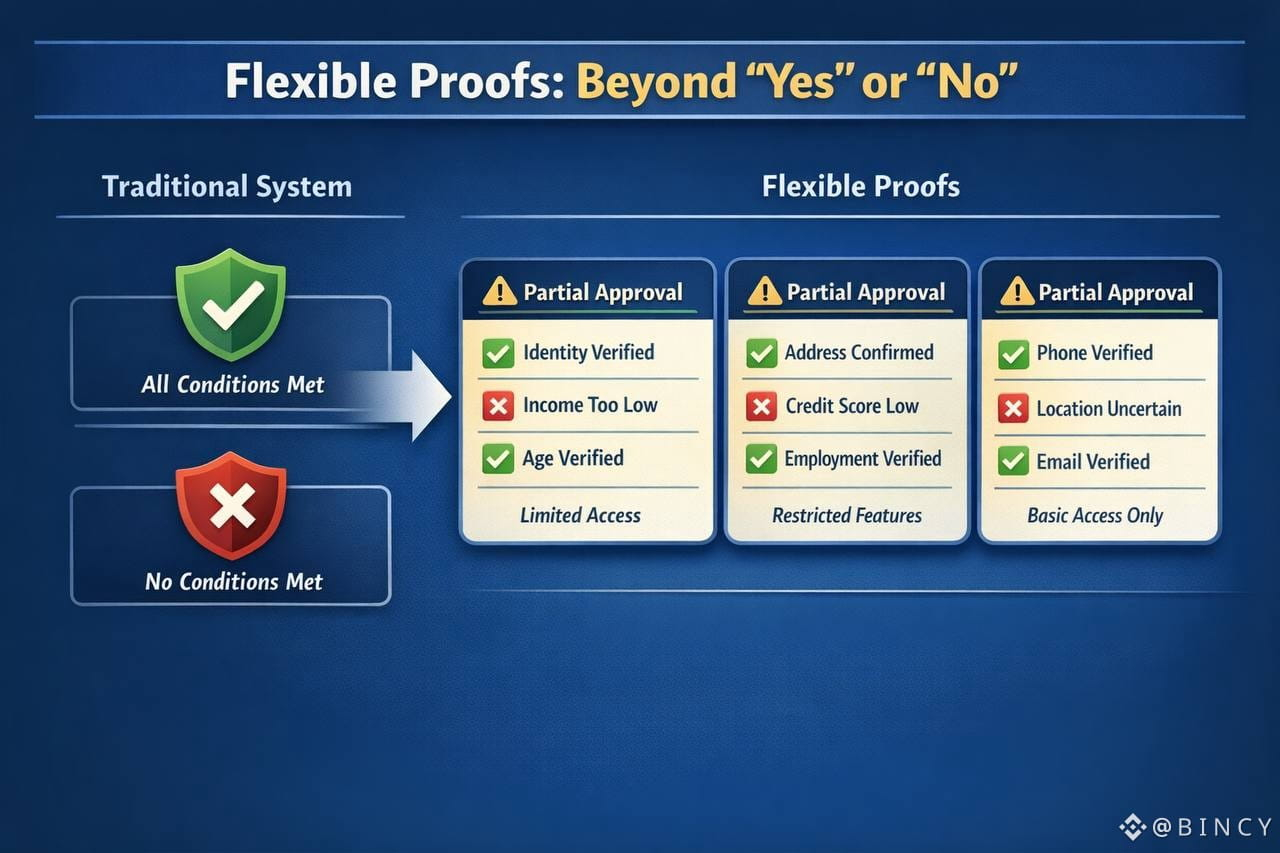
Ich habe das nicht erwartet, aber Sign hat mich dazu gebracht, über etwas Einfaches nachzudenken, das die meisten Systeme in ein Ja oder Nein zwängen. Du bestehst oder bestehst nicht. Das war's. Aber die realen Situationen sind nicht so klar, und ehrlich gesagt, hat es sich immer ein bisschen komisch angefühlt.
Was mir hier aufgefallen ist, ist, dass ein Beweis nicht vollständig gültig oder vollständig abgelehnt sein muss. Er kann zeigen, was tatsächlich passiert ist, wie welche Teile bestanden haben und welche nicht, anstatt all das hinter einem endgültigen Ergebnis zu verstecken.
Das ist schon ein großes Ding.
Denn jetzt muss eine App nicht alles gleich behandeln. Jemand könnte die Identitätsprüfungen bestehen, aber die Einkommensanforderungen nicht erfüllen, und anstatt komplett blockiert zu werden, können sie trotzdem eingeschränkten Zugang erhalten. Das fühlt sich einfach realistischer an.
Und da dieses Detail im Beweis selbst lebt, müssen Apps diese Logik nicht immer wieder neu aufbauen.
Es ist klein, aber es verändert, wie Entscheidungen tatsächlich funktionieren.
#SignDigitalSovereignInfra @SignOfficial
$SIGN
Ich habe das nicht erwartet, aber Sign hat mich dazu gebracht, über etwas Einfaches nachzudenken, das die meisten Systeme in ein Ja oder Nein zwängen. Du bestehst oder bestehst nicht. Das war's. Aber die realen Situationen sind nicht so klar, und ehrlich gesagt, hat es sich immer ein bisschen komisch angefühlt.
Was mir hier aufgefallen ist, ist, dass ein Beweis nicht vollständig gültig oder vollständig abgelehnt sein muss. Er kann zeigen, was tatsächlich passiert ist, wie welche Teile bestanden haben und welche nicht, anstatt all das hinter einem endgültigen Ergebnis zu verstecken.
Das ist schon ein großes Ding.
Denn jetzt muss eine App nicht alles gleich behandeln. Jemand könnte die Identitätsprüfungen bestehen, aber die Einkommensanforderungen nicht erfüllen, und anstatt komplett blockiert zu werden, können sie trotzdem eingeschränkten Zugang erhalten. Das fühlt sich einfach realistischer an.
Und da dieses Detail im Beweis selbst lebt, müssen Apps diese Logik nicht immer wieder neu aufbauen.
Es ist klein, aber es verändert, wie Entscheidungen tatsächlich funktionieren.
#SignDigitalSovereignInfra @SignOfficial
$SIGN
Was mir hier aufgefallen ist, ist, dass ein Beweis nicht vollständig gültig oder vollständig abgelehnt sein muss. Er kann zeigen, was tatsächlich passiert ist, wie welche Teile bestanden haben und welche nicht, anstatt all das hinter einem endgültigen Ergebnis zu verstecken.
Das ist schon ein großes Ding.
Denn jetzt muss eine App nicht alles gleich behandeln. Jemand könnte die Identitätsprüfungen bestehen, aber die Einkommensanforderungen nicht erfüllen, und anstatt komplett blockiert zu werden, können sie trotzdem eingeschränkten Zugang erhalten. Das fühlt sich einfach realistischer an.
Und da dieses Detail im Beweis selbst lebt, müssen Apps diese Logik nicht immer wieder neu aufbauen.
Es ist klein, aber es verändert, wie Entscheidungen tatsächlich funktionieren.
#SignDigitalSovereignInfra @SignOfficial
$SIGN
2
13
83
Artikel
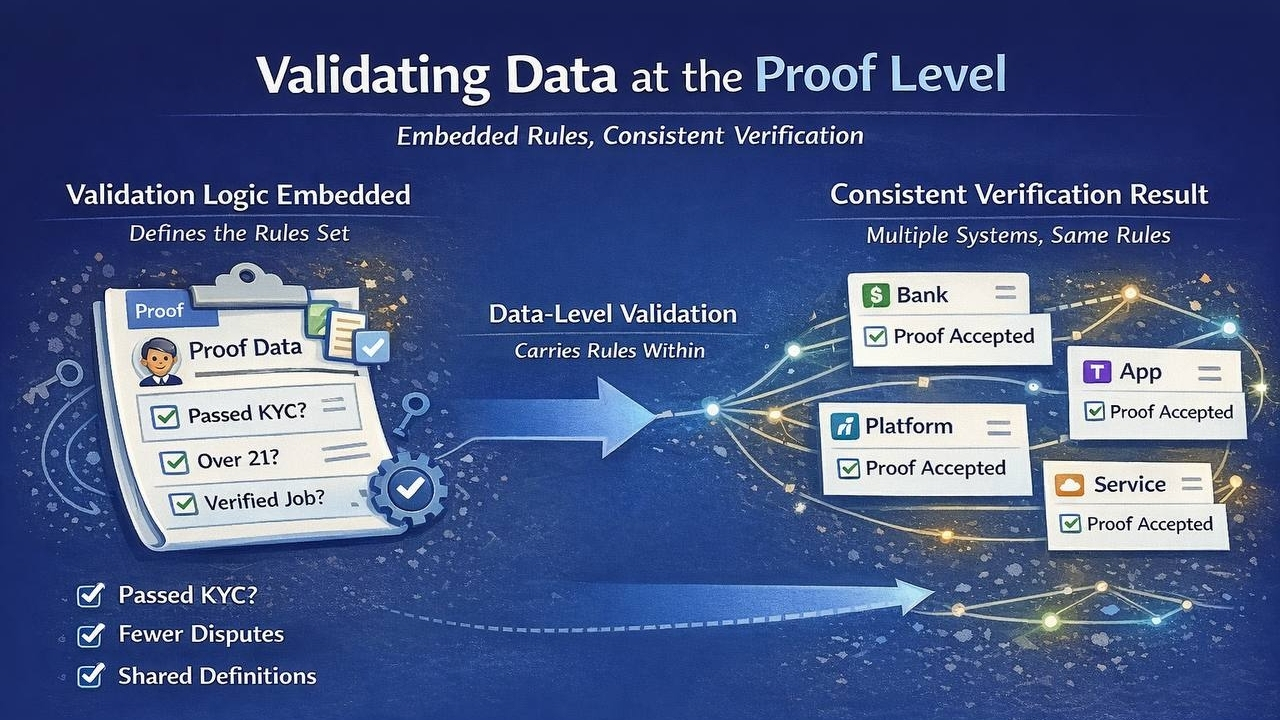
Eine Regel, viele Apps: Wie Sign das Validierungschaos reduziertIch hätte das nicht erwartet, aber der Teil von Sign, der mir im Gedächtnis geblieben ist, hat nichts mit dem Erstellen oder Teilen von Daten zu tun, sondern damit, wie Systeme entscheiden, welche Daten überhaupt wichtig sind.
Weil die meisten Anwendungen heute nicht nur Daten sammeln, sondern sie auch filtern. Sie entscheiden, was relevant ist, was qualifiziert, was akzeptiert oder ignoriert werden sollte. Und normalerweise lebt diese Logik tief innerhalb der App selbst. Versteckt. Hardcodiert. Unterschiedlich überall.
Hier fangen die Probleme an.
Jede App erstellt ihre eigenen Filterregeln von Grund auf. Eine Plattform überprüft drei Bedingungen. Eine andere überprüft fünf. Eine dritte überprüft die gleichen Dinge, aber auf eine leicht andere Weise. Selbst wenn sie versuchen, dasselbe Problem zu lösen, enden sie mit inkonsistenten Ergebnissen.
Eine Regel, viele Apps: Wie Sign das Validierungschaos reduziert
Ich hätte das nicht erwartet, aber der Teil von Sign, der mir im Gedächtnis geblieben ist, hat nichts mit dem Erstellen oder Teilen von Daten zu tun, sondern damit, wie Systeme entscheiden, welche Daten überhaupt wichtig sind.
Weil die meisten Anwendungen heute nicht nur Daten sammeln, sondern sie auch filtern. Sie entscheiden, was relevant ist, was qualifiziert, was akzeptiert oder ignoriert werden sollte. Und normalerweise lebt diese Logik tief innerhalb der App selbst. Versteckt. Hardcodiert. Unterschiedlich überall.
Hier fangen die Probleme an.
Jede App erstellt ihre eigenen Filterregeln von Grund auf. Eine Plattform überprüft drei Bedingungen. Eine andere überprüft fünf. Eine dritte überprüft die gleichen Dinge, aber auf eine leicht andere Weise. Selbst wenn sie versuchen, dasselbe Problem zu lösen, enden sie mit inkonsistenten Ergebnissen.
Weil die meisten Anwendungen heute nicht nur Daten sammeln, sondern sie auch filtern. Sie entscheiden, was relevant ist, was qualifiziert, was akzeptiert oder ignoriert werden sollte. Und normalerweise lebt diese Logik tief innerhalb der App selbst. Versteckt. Hardcodiert. Unterschiedlich überall.
Hier fangen die Probleme an.
Jede App erstellt ihre eigenen Filterregeln von Grund auf. Eine Plattform überprüft drei Bedingungen. Eine andere überprüft fünf. Eine dritte überprüft die gleichen Dinge, aber auf eine leicht andere Weise. Selbst wenn sie versuchen, dasselbe Problem zu lösen, enden sie mit inkonsistenten Ergebnissen.
8
23
305
Ich habe etwas über Sign erkannt, das du nicht
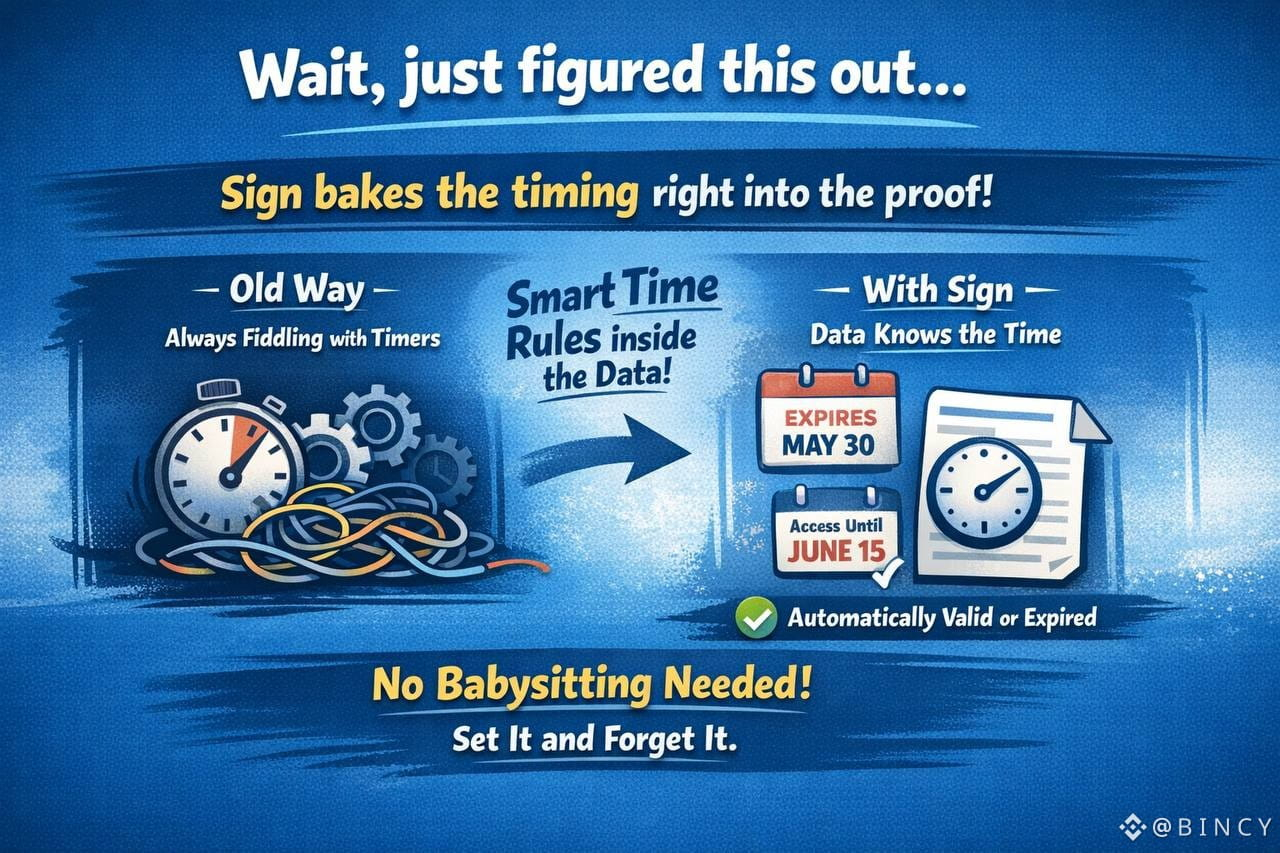
Die meisten Apps gehen mit der Zeit auf die dümmste Art und Weise um. Du hast Sachen, die ablaufen, entsperrt werden oder sich später ändern, und es ist immer ein chaotisches Setup mit Timern oder zusätzlicher Logik, die im Hintergrund läuft.
Es ist fragil.
Aber hier ist der Punkt: das Timing ist in den Beweis selbst eingebaut.
Anstatt ständig zu überprüfen, ob das noch gültig ist? weiß die Daten bereits. Es kann einfach ablaufen. Oder nach einem Datum aufhören zu funktionieren. Kein zusätzliches Gefummel.
Das ist tatsächlich sauber.
Wie wenn man Daten ihre eigene kleine Uhr gibt, damit Apps sie nicht die ganze Zeit betreuen müssen, was ehrlich gesagt wie die Hälfte der Bugs in den meisten Systemen erscheint.
Du legst die Regeln einmal fest.
Es läuft von selbst.
Habe nicht erwartet, dass das wichtig ist, aber ja, das ist eine dieser kleinen Dinge, die alles heimlich einfacher machen.
#SignDigitalSovereignInfra $SIGN @SignOfficial
Ich habe etwas über Sign erkannt, das du nicht
Die meisten Apps gehen mit der Zeit auf die dümmste Art und Weise um. Du hast Sachen, die ablaufen, entsperrt werden oder sich später ändern, und es ist immer ein chaotisches Setup mit Timern oder zusätzlicher Logik, die im Hintergrund läuft.
Es ist fragil.
Aber hier ist der Punkt: das Timing ist in den Beweis selbst eingebaut.
Anstatt ständig zu überprüfen, ob das noch gültig ist? weiß die Daten bereits. Es kann einfach ablaufen. Oder nach einem Datum aufhören zu funktionieren. Kein zusätzliches Gefummel.
Das ist tatsächlich sauber.
Wie wenn man Daten ihre eigene kleine Uhr gibt, damit Apps sie nicht die ganze Zeit betreuen müssen, was ehrlich gesagt wie die Hälfte der Bugs in den meisten Systemen erscheint.
Du legst die Regeln einmal fest.
Es läuft von selbst.
Habe nicht erwartet, dass das wichtig ist, aber ja, das ist eine dieser kleinen Dinge, die alles heimlich einfacher machen.
#SignDigitalSovereignInfra $SIGN @SignOfficial
Die meisten Apps gehen mit der Zeit auf die dümmste Art und Weise um. Du hast Sachen, die ablaufen, entsperrt werden oder sich später ändern, und es ist immer ein chaotisches Setup mit Timern oder zusätzlicher Logik, die im Hintergrund läuft.
Es ist fragil.
Aber hier ist der Punkt: das Timing ist in den Beweis selbst eingebaut.
Anstatt ständig zu überprüfen, ob das noch gültig ist? weiß die Daten bereits. Es kann einfach ablaufen. Oder nach einem Datum aufhören zu funktionieren. Kein zusätzliches Gefummel.
Das ist tatsächlich sauber.
Wie wenn man Daten ihre eigene kleine Uhr gibt, damit Apps sie nicht die ganze Zeit betreuen müssen, was ehrlich gesagt wie die Hälfte der Bugs in den meisten Systemen erscheint.
Du legst die Regeln einmal fest.
Es läuft von selbst.
Habe nicht erwartet, dass das wichtig ist, aber ja, das ist eine dieser kleinen Dinge, die alles heimlich einfacher machen.
#SignDigitalSovereignInfra $SIGN @SignOfficial
6
20
198
Artikel
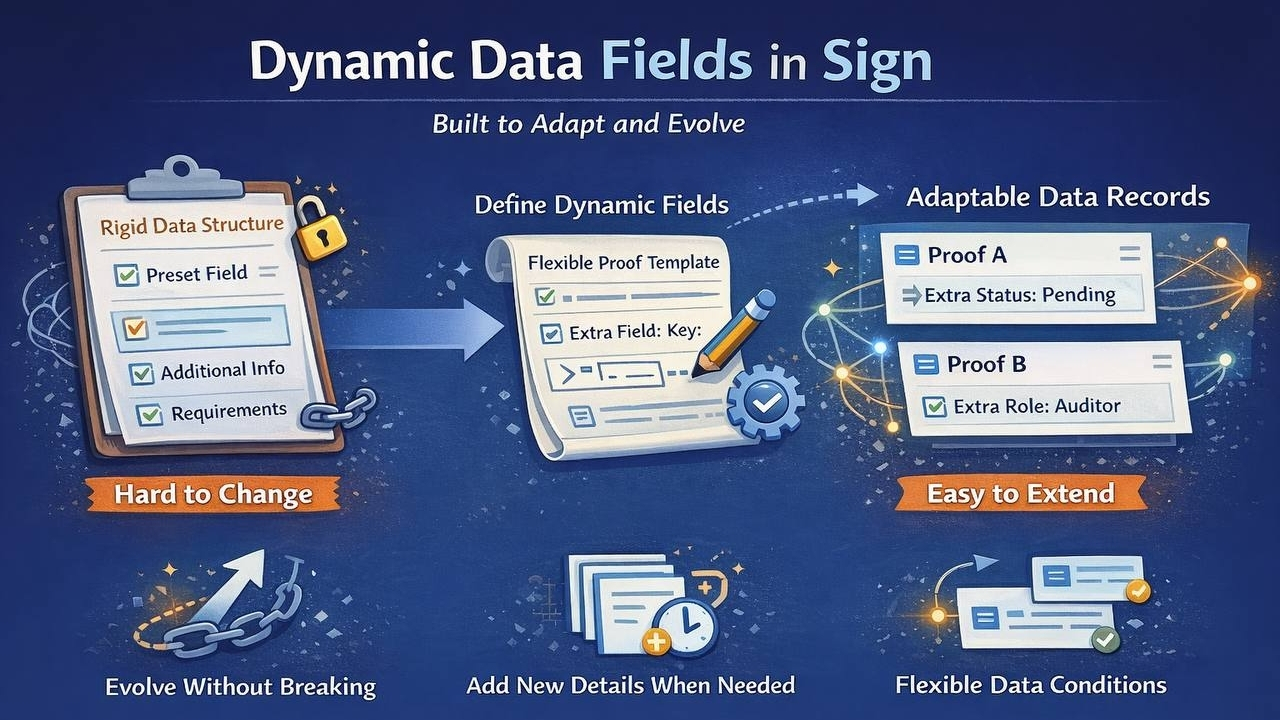
Warum starre Datenmodelle brechen und was Sign stattdessen tutIch habe das nicht erwartet, aber einer der übersehenen Teile von Sign betrifft nicht die Daten selbst, sondern wie flexibel diese Daten zum Zeitpunkt ihrer Erstellung sein können.
Weil die meisten Systeme dich zu früh in eine Struktur einsperren.
Du definierst, welche Felder existieren, was sie bedeuten und wie sie verwendet werden sollen, und das war's. Wenn sich später etwas ändert, brichst du entweder die Kompatibilität oder fängst an, umständliche Workarounds darauf aufzubauen. Im Laufe der Zeit werden Systeme starr. Schwer anzupassen. Noch schwieriger zu erweitern.
Sign geht das anders an, indem es Entwicklern erlaubt, dynamische Felder und Bedingungen zum Erstellungszeitpunkt zu definieren.
Warum starre Datenmodelle brechen und was Sign stattdessen tut
Ich habe das nicht erwartet, aber einer der übersehenen Teile von Sign betrifft nicht die Daten selbst, sondern wie flexibel diese Daten zum Zeitpunkt ihrer Erstellung sein können.
Weil die meisten Systeme dich zu früh in eine Struktur einsperren.
Du definierst, welche Felder existieren, was sie bedeuten und wie sie verwendet werden sollen, und das war's. Wenn sich später etwas ändert, brichst du entweder die Kompatibilität oder fängst an, umständliche Workarounds darauf aufzubauen. Im Laufe der Zeit werden Systeme starr. Schwer anzupassen. Noch schwieriger zu erweitern.
Sign geht das anders an, indem es Entwicklern erlaubt, dynamische Felder und Bedingungen zum Erstellungszeitpunkt zu definieren.
Weil die meisten Systeme dich zu früh in eine Struktur einsperren.
Du definierst, welche Felder existieren, was sie bedeuten und wie sie verwendet werden sollen, und das war's. Wenn sich später etwas ändert, brichst du entweder die Kompatibilität oder fängst an, umständliche Workarounds darauf aufzubauen. Im Laufe der Zeit werden Systeme starr. Schwer anzupassen. Noch schwieriger zu erweitern.
Sign geht das anders an, indem es Entwicklern erlaubt, dynamische Felder und Bedingungen zum Erstellungszeitpunkt zu definieren.
3
29
311
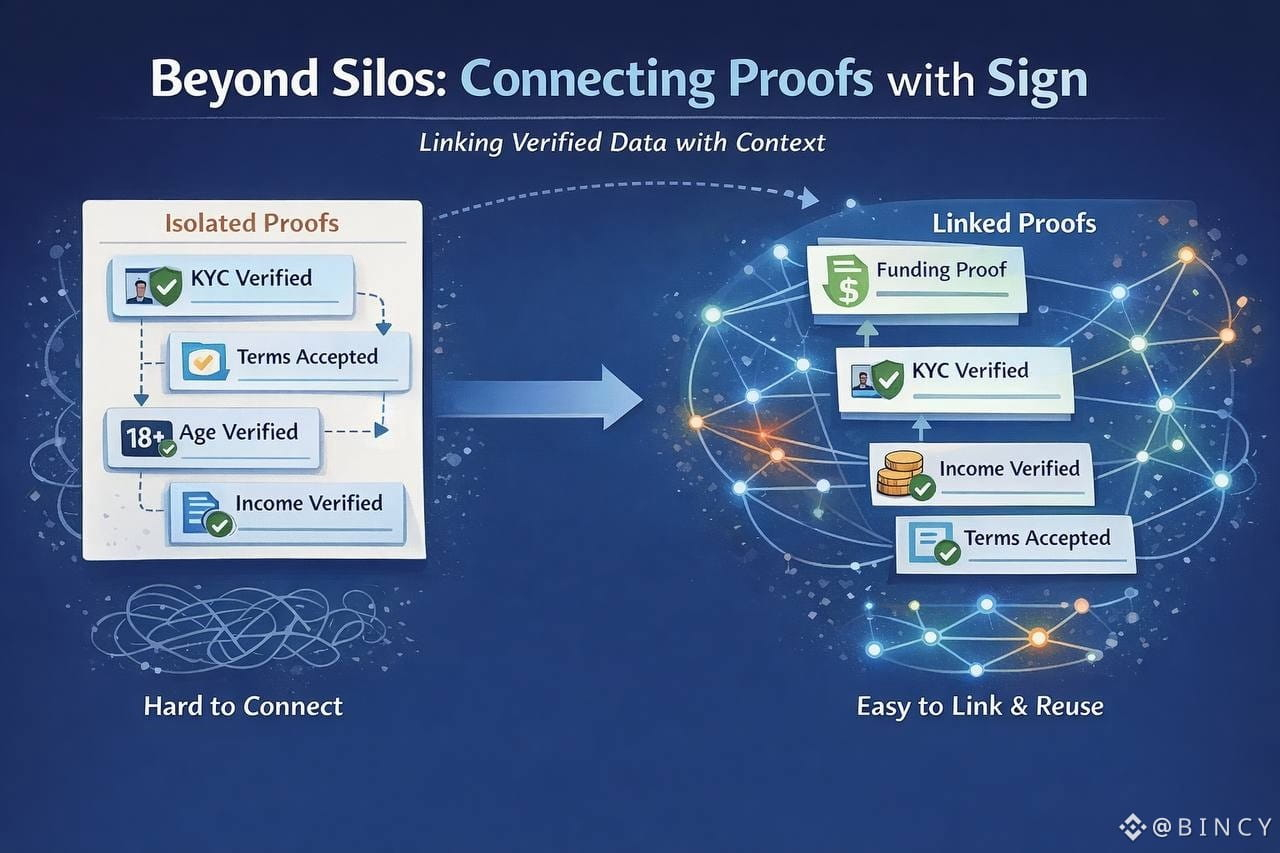
Daten sind immer noch viel zu isoliert. Eine App weiß das eine, eine andere weiß etwas anderes, und sie miteinander zu verbinden, ist immer chaotisch. Man muss ständig die gleiche Logik neu aufbauen, nur um die Dinge in Einklang zu bringen.
Was meine Aufmerksamkeit auf Sign gelenkt hat, ist die Idee, dass Beweise tatsächlich auf andere Beweise verweisen können. Nicht nur eigenständige Aufzeichnungen, die dort sitzen, sondern verknüpfte Teile, die aufeinander aufbauen.
Anstatt also alles von Grund auf neu zu überprüfen, kannst du einfach auf etwas zeigen, das bereits existiert.
Das ist gewissermaßen der Wandel.
Es ermöglicht dir, Daten zu verbinden, wie du Knoten verbindest, nicht Dateien. Und weil diese Links innerhalb des Datensatzes selbst leben, müssen Apps nicht raten oder den Kontext später rekonstruieren.
Fühlt sich einfach an. Aber das ist nicht, wie die meisten Systeme heute funktionieren.
Es macht alles weniger fragmentiert und ein bisschen benutzerfreundlicher.
#SignDigitalSovereignInfra @SignOfficial
$SIGN
Daten sind immer noch viel zu isoliert. Eine App weiß das eine, eine andere weiß etwas anderes, und sie miteinander zu verbinden, ist immer chaotisch. Man muss ständig die gleiche Logik neu aufbauen, nur um die Dinge in Einklang zu bringen.
Was meine Aufmerksamkeit auf Sign gelenkt hat, ist die Idee, dass Beweise tatsächlich auf andere Beweise verweisen können. Nicht nur eigenständige Aufzeichnungen, die dort sitzen, sondern verknüpfte Teile, die aufeinander aufbauen.
Anstatt also alles von Grund auf neu zu überprüfen, kannst du einfach auf etwas zeigen, das bereits existiert.
Das ist gewissermaßen der Wandel.
Es ermöglicht dir, Daten zu verbinden, wie du Knoten verbindest, nicht Dateien. Und weil diese Links innerhalb des Datensatzes selbst leben, müssen Apps nicht raten oder den Kontext später rekonstruieren.
Fühlt sich einfach an. Aber das ist nicht, wie die meisten Systeme heute funktionieren.
Es macht alles weniger fragmentiert und ein bisschen benutzerfreundlicher.
#SignDigitalSovereignInfra @SignOfficial
$SIGN
Was meine Aufmerksamkeit auf Sign gelenkt hat, ist die Idee, dass Beweise tatsächlich auf andere Beweise verweisen können. Nicht nur eigenständige Aufzeichnungen, die dort sitzen, sondern verknüpfte Teile, die aufeinander aufbauen.
Anstatt also alles von Grund auf neu zu überprüfen, kannst du einfach auf etwas zeigen, das bereits existiert.
Das ist gewissermaßen der Wandel.
Es ermöglicht dir, Daten zu verbinden, wie du Knoten verbindest, nicht Dateien. Und weil diese Links innerhalb des Datensatzes selbst leben, müssen Apps nicht raten oder den Kontext später rekonstruieren.
Fühlt sich einfach an. Aber das ist nicht, wie die meisten Systeme heute funktionieren.
Es macht alles weniger fragmentiert und ein bisschen benutzerfreundlicher.
#SignDigitalSovereignInfra @SignOfficial
$SIGN
5
32
412
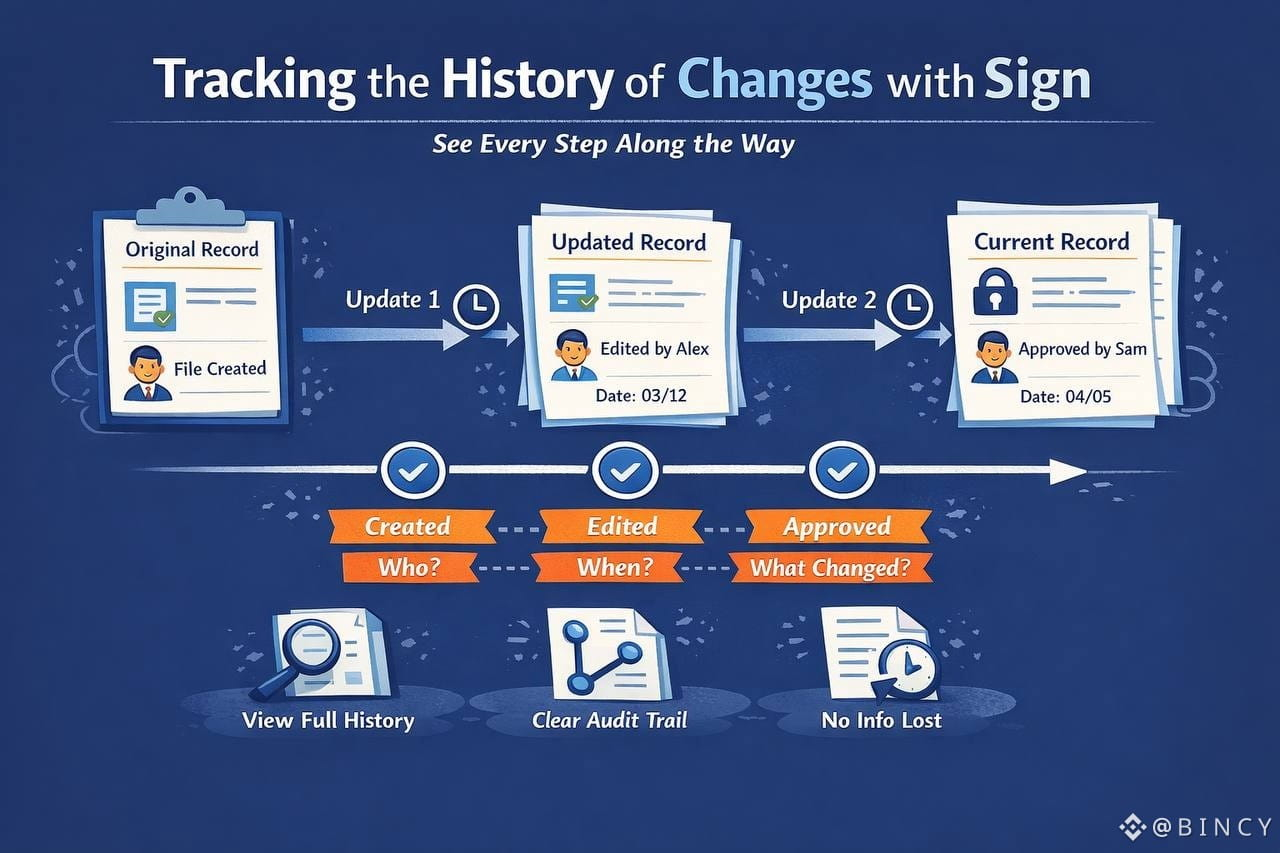
Ich habe das nicht erwartet, aber Sign löst auch etwas Kleines, das sich zu einem großen Kopfschmerz entwickelt, wenn es darum geht, die Historie von Änderungen zu verfolgen.
Die meisten Systeme zeigen nur den neuesten Zustand. Du siehst, was jetzt wahr ist, aber nicht, wie es dazu gekommen ist. Mit Sign erstellt jedes Update einen neuen Datensatz, anstatt den alten zu überschreiben. Das bedeutet, du kannst die gesamte Timeline eines Beweises von Anfang bis zum aktuellen Zustand nachverfolgen. Ich fand das nützlich, denn es ist wie Versionskontrolle, aber für reale Daten. Du kannst sehen, wer etwas geändert hat, wann es passiert ist und was genau anders war. Nichts wird stillschweigend ersetzt. Es baut einen klaren Prüfpfad auf, ohne zusätzlichen Aufwand. Und da jeder Schritt verknüpft ist, benötigen Apps keine separaten Protokollierungssysteme. Sie können einfach die Historie direkt lesen. Es fühlt sich einfach an, aber es behebt ein echtes Problem: Die meisten Systeme vergessen die Vergangenheit, während dieses hier sie intakt hält.
#SignDigitalSovereignInfra @SignOfficial
$SIGN
Ich habe das nicht erwartet, aber Sign löst auch etwas Kleines, das sich zu einem großen Kopfschmerz entwickelt, wenn es darum geht, die Historie von Änderungen zu verfolgen.
Die meisten Systeme zeigen nur den neuesten Zustand. Du siehst, was jetzt wahr ist, aber nicht, wie es dazu gekommen ist. Mit Sign erstellt jedes Update einen neuen Datensatz, anstatt den alten zu überschreiben. Das bedeutet, du kannst die gesamte Timeline eines Beweises von Anfang bis zum aktuellen Zustand nachverfolgen. Ich fand das nützlich, denn es ist wie Versionskontrolle, aber für reale Daten. Du kannst sehen, wer etwas geändert hat, wann es passiert ist und was genau anders war. Nichts wird stillschweigend ersetzt. Es baut einen klaren Prüfpfad auf, ohne zusätzlichen Aufwand. Und da jeder Schritt verknüpft ist, benötigen Apps keine separaten Protokollierungssysteme. Sie können einfach die Historie direkt lesen. Es fühlt sich einfach an, aber es behebt ein echtes Problem: Die meisten Systeme vergessen die Vergangenheit, während dieses hier sie intakt hält.
#SignDigitalSovereignInfra @SignOfficial
$SIGN
Die meisten Systeme zeigen nur den neuesten Zustand. Du siehst, was jetzt wahr ist, aber nicht, wie es dazu gekommen ist. Mit Sign erstellt jedes Update einen neuen Datensatz, anstatt den alten zu überschreiben. Das bedeutet, du kannst die gesamte Timeline eines Beweises von Anfang bis zum aktuellen Zustand nachverfolgen. Ich fand das nützlich, denn es ist wie Versionskontrolle, aber für reale Daten. Du kannst sehen, wer etwas geändert hat, wann es passiert ist und was genau anders war. Nichts wird stillschweigend ersetzt. Es baut einen klaren Prüfpfad auf, ohne zusätzlichen Aufwand. Und da jeder Schritt verknüpft ist, benötigen Apps keine separaten Protokollierungssysteme. Sie können einfach die Historie direkt lesen. Es fühlt sich einfach an, aber es behebt ein echtes Problem: Die meisten Systeme vergessen die Vergangenheit, während dieses hier sie intakt hält.
#SignDigitalSovereignInfra @SignOfficial
$SIGN
3
32
360
Artikel
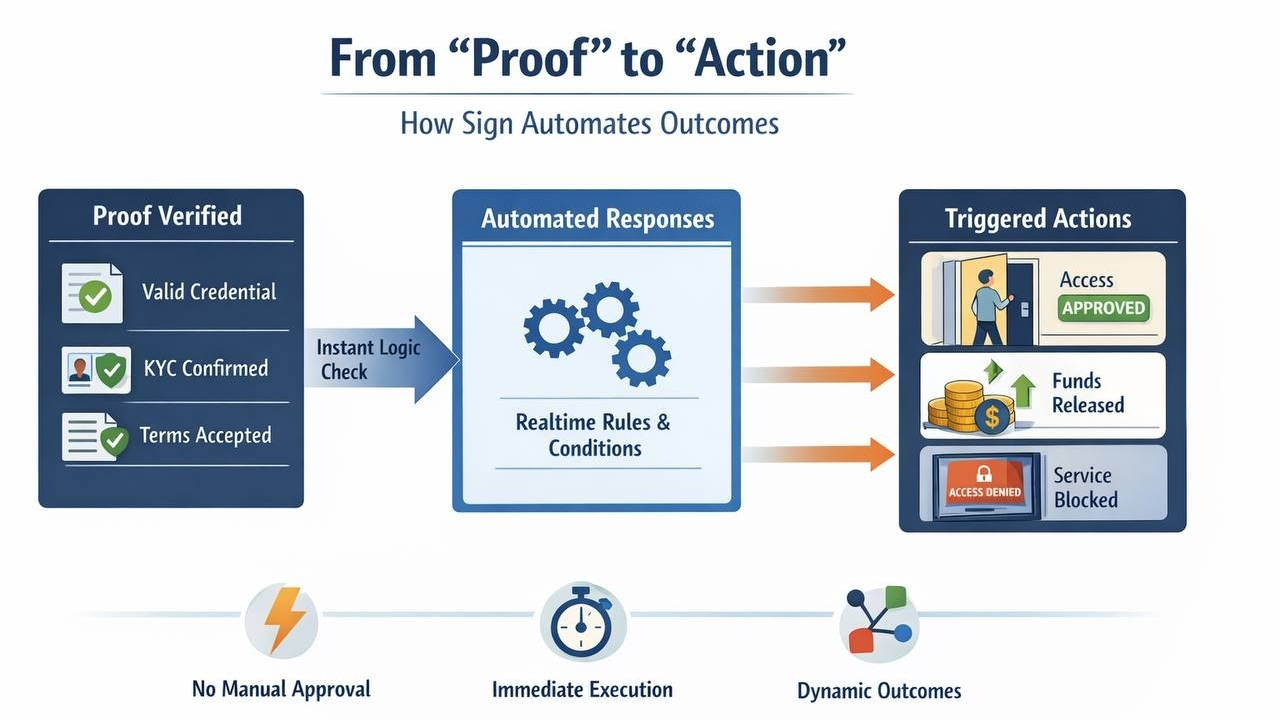
Von passiven Prüfungen zu aktiven Systemen: Was Sign richtig machtIch habe das nicht erwartet, aber der Teil von Sign, der meine Denkweise über Systeme wirklich verändert hat, sind nicht die Proofs selbst, sondern wie Aktionen daraus ausgelöst werden können.
Denn die meisten Systeme behandeln die Verifizierung als passiv. Du überprüfst etwas, bestätigst es, und dann... passiert automatisch nichts. Jemand muss immer den nächsten Schritt machen. Zugang genehmigen. Gelder freigeben. Einen Datensatz aktualisieren. Irgendwo im Prozess ist es immer manuell.
Diese Lücke ist größer, als sie aussieht.
Sign bringt etwas näher an programmierbare Reaktionen. Wenn ein Proof erstellt oder verifiziert wird, kann er sofort Logik auslösen. Nicht später. Nicht durch einen separaten Prozess. Genau in dem Moment der Validierung.
Von passiven Prüfungen zu aktiven Systemen: Was Sign richtig macht
Ich habe das nicht erwartet, aber der Teil von Sign, der meine Denkweise über Systeme wirklich verändert hat, sind nicht die Proofs selbst, sondern wie Aktionen daraus ausgelöst werden können.
Denn die meisten Systeme behandeln die Verifizierung als passiv. Du überprüfst etwas, bestätigst es, und dann... passiert automatisch nichts. Jemand muss immer den nächsten Schritt machen. Zugang genehmigen. Gelder freigeben. Einen Datensatz aktualisieren. Irgendwo im Prozess ist es immer manuell.
Diese Lücke ist größer, als sie aussieht.
Sign bringt etwas näher an programmierbare Reaktionen. Wenn ein Proof erstellt oder verifiziert wird, kann er sofort Logik auslösen. Nicht später. Nicht durch einen separaten Prozess. Genau in dem Moment der Validierung.
Denn die meisten Systeme behandeln die Verifizierung als passiv. Du überprüfst etwas, bestätigst es, und dann... passiert automatisch nichts. Jemand muss immer den nächsten Schritt machen. Zugang genehmigen. Gelder freigeben. Einen Datensatz aktualisieren. Irgendwo im Prozess ist es immer manuell.
Diese Lücke ist größer, als sie aussieht.
Sign bringt etwas näher an programmierbare Reaktionen. Wenn ein Proof erstellt oder verifiziert wird, kann er sofort Logik auslösen. Nicht später. Nicht durch einen separaten Prozess. Genau in dem Moment der Validierung.
4
32
170
Anmelden und weiter Inhalte entdecken
Krypto-Nutzer weltweit auf Binance Square kennenlernen
⚡️ Bleib in Sachen Krypto stets am Puls.
💬 Die weltgrößte Kryptobörse vertraut darauf.
👍 Erhalte verlässliche Einblicke von verifizierten Creators.
E-Mail-Adresse/Telefonnummer
Trendthemen
FedRateWatch
753,330 Aufrufe
3,547 Kommentare
Teile & gewinne Traffic-Belohnungen in unserer Kampagne mit angesagtem Hashtag
✨Thema: FOMC September, Was ist der nächste Schritt der Fed?
👉So nimmst du teil:
Veröffentliche einen kurzen Beitrag oder Artikel mit dem Hashtag #FedRateWatch
Erstelle Inhalte basierend auf den folgenden Blickwinkeln:
- Der August-Core-CPI stieg um 0,3% im Monatsvergleich, und die Wahrscheinlichkeit für eine 25bp-Erhöhung diese Woche liegt nun bei fast 90%. Erwartest du diese Woche eine Zinserhöhung? Handelt es sich um einen einmaligen Schritt oder den Beginn eines längeren Zinserhöhungszyklus?
- Wenn die Erhöhung erfolgt: Wie entwickelt sich das für BTC, Tech-Aktien und Gold? Aufwärts- oder abwärtsgerichtet?
- Wie planst du als Nächstes zu handeln? Teile deinen BTC-, Aktien- oder Gold-Trade/Bestände mit unserem Trade-Sharing-Widget.
⏰Kampagnenzeitraum:
- 2026-09-15 11:00 - 2026-09-17 3:00 UTC
🎁Belohnung:
- Qualifizierte Beiträge, die die oben genannten Richtlinien erfüllen und mehr als 100 Wörter enthalten, werden überprüft und erhalten möglicherweise einen zufälligen Traffic-Boost von 500 bis 3.000 Aufrufen. Du erhältst eine Benachrichtigung von deiner Feed-Secretary, wenn dein Beitrag ausgewählt wird.
- Erhalte die Chance, dass dein Artikel auf Binance Square Official vorgestellt wird
Du brauchst Ideen für deinen Beitrag? Besuche die Themenseite #FedRateWatch oder die Square Guide on How to Post for Better Reach.
Binance Square Official
·446 Likes
·1M Aufrufe
ArgentinaCommitsToOECDCryptoReportingBy2029
2,890 Aufrufe
92 Kommentare
EthereumFallsBelow$2400
2,012 Aufrufe
48 Kommentare