

TF_BTC
49.4k Beiträge

TF_BTC
Melden
Nutzer blockieren
Project Advisor & Square Partner | DM For Work on Binance Square | Market Analysis, Trade Signals, On-Chain
Gelegenheitstrader
2.2 Jahre
727 Following
8.0K+ Follower
23.4K+ Like gegeben
Beiträge
Alle
Zitierungen
Videos
PINNED
·
--
Verifiziert
Ich habe kürzlich einen Trading-Bot beobachtet. Eine Aufgabe: kaufen, wenn der Indikator grün aufleuchtet. Er führte den Auftrag perfekt aus, prüfte aber weder die Liquiditätstiefe noch plötzliche Gas-Spitzen. Er legte einfach los und ging gnadenlos unter.
Das ist das schmutzige Geheimnis hinter dem KI-Krypto-Narrativ. Wir sprechen über autonome Agenten, als wären sie brillante digitale Angestellte. Das sind sie nicht. Sie sind schnelle Skripte mit Zugriff auf eine Wallet. Für eine echte Agentenökonomie brauchen Maschinen mehr als Kapital. Sie brauchen eine Identität, durchsetzbare Regeln und native Zahlungen für Rechenleistung – ohne menschliche Genehmigung.
Genau diese Lücke schließt Kite AI. Sie bauen keinen weiteren Chatbot. Sie entwickeln die grundlegende Infrastruktur für den Handel von Maschine zu Maschine.
Ein Agent braucht eine verifizierbare Identität, um zu wissen, wer handelt, programmierbare Beschränkungen, damit er keinen Tresor leerräumen kann, und eine für KI-Workloads optimierte Layer 1, die Millionen von Mikrozahlungen mit Maschinengeschwindigkeit abwickelt.
Kite baut diese Infrastruktur: dezentrale Identitäten für Agenten, native KI-Tools und einen Hochfrequenz-Konsensmechanismus. Eine Infrastruktur für Maschinen – nicht nur für uns, damit wir auf hübsche Benutzeroberflächen klicken können.
Der Wandel hin zu agentengesteuerter Krypto wird chaotisch. Wir können KI nicht einfach an alte Blockchains anbauen. Wie lange dauert es, bis der Großteil des On-Chain-Volumens von Agent zu Agent fließt? Wird die Infrastruktur der Belastung standhalten oder unter Druck zusammenbrechen?
Sind wir bereit, autonomen Agenten die Schlüssel zu überlassen, oder brauchen wir weiterhin einen Menschen am Steuer? Lasst mich wissen, was ihr denkt.
#KiteBBW $KITE @GoKiteAI
{spot}(KITEUSDT)
Ich habe kürzlich einen Trading-Bot beobachtet. Eine Aufgabe: kaufen, wenn der Indikator grün aufleuchtet. Er führte den Auftrag perfekt aus, prüfte aber weder die Liquiditätstiefe noch plötzliche Gas-Spitzen. Er legte einfach los und ging gnadenlos unter.
Das ist das schmutzige Geheimnis hinter dem KI-Krypto-Narrativ. Wir sprechen über autonome Agenten, als wären sie brillante digitale Angestellte. Das sind sie nicht. Sie sind schnelle Skripte mit Zugriff auf eine Wallet. Für eine echte Agentenökonomie brauchen Maschinen mehr als Kapital. Sie brauchen eine Identität, durchsetzbare Regeln und native Zahlungen für Rechenleistung – ohne menschliche Genehmigung.
Genau diese Lücke schließt Kite AI. Sie bauen keinen weiteren Chatbot. Sie entwickeln die grundlegende Infrastruktur für den Handel von Maschine zu Maschine.
Ein Agent braucht eine verifizierbare Identität, um zu wissen, wer handelt, programmierbare Beschränkungen, damit er keinen Tresor leerräumen kann, und eine für KI-Workloads optimierte Layer 1, die Millionen von Mikrozahlungen mit Maschinengeschwindigkeit abwickelt.
Kite baut diese Infrastruktur: dezentrale Identitäten für Agenten, native KI-Tools und einen Hochfrequenz-Konsensmechanismus. Eine Infrastruktur für Maschinen – nicht nur für uns, damit wir auf hübsche Benutzeroberflächen klicken können.
Der Wandel hin zu agentengesteuerter Krypto wird chaotisch. Wir können KI nicht einfach an alte Blockchains anbauen. Wie lange dauert es, bis der Großteil des On-Chain-Volumens von Agent zu Agent fließt? Wird die Infrastruktur der Belastung standhalten oder unter Druck zusammenbrechen?
Sind wir bereit, autonomen Agenten die Schlüssel zu überlassen, oder brauchen wir weiterhin einen Menschen am Steuer? Lasst mich wissen, was ihr denkt.
#KiteBBW $KITE @KITE AI 中文
Das ist das schmutzige Geheimnis hinter dem KI-Krypto-Narrativ. Wir sprechen über autonome Agenten, als wären sie brillante digitale Angestellte. Das sind sie nicht. Sie sind schnelle Skripte mit Zugriff auf eine Wallet. Für eine echte Agentenökonomie brauchen Maschinen mehr als Kapital. Sie brauchen eine Identität, durchsetzbare Regeln und native Zahlungen für Rechenleistung – ohne menschliche Genehmigung.
Genau diese Lücke schließt Kite AI. Sie bauen keinen weiteren Chatbot. Sie entwickeln die grundlegende Infrastruktur für den Handel von Maschine zu Maschine.
Ein Agent braucht eine verifizierbare Identität, um zu wissen, wer handelt, programmierbare Beschränkungen, damit er keinen Tresor leerräumen kann, und eine für KI-Workloads optimierte Layer 1, die Millionen von Mikrozahlungen mit Maschinengeschwindigkeit abwickelt.
Kite baut diese Infrastruktur: dezentrale Identitäten für Agenten, native KI-Tools und einen Hochfrequenz-Konsensmechanismus. Eine Infrastruktur für Maschinen – nicht nur für uns, damit wir auf hübsche Benutzeroberflächen klicken können.
Der Wandel hin zu agentengesteuerter Krypto wird chaotisch. Wir können KI nicht einfach an alte Blockchains anbauen. Wie lange dauert es, bis der Großteil des On-Chain-Volumens von Agent zu Agent fließt? Wird die Infrastruktur der Belastung standhalten oder unter Druck zusammenbrechen?
Sind wir bereit, autonomen Agenten die Schlüssel zu überlassen, oder brauchen wir weiterhin einen Menschen am Steuer? Lasst mich wissen, was ihr denkt.
#KiteBBW $KITE @KITE AI 中文

45
1
36
6.1k
PINNED
·
--
Schnelles Ding für alle, die auf der Binance Wallet handeln 👇
Wenn du sowieso traden willst, nutze meinen Referral-Link und bekomme 10% Rabatt auf die Trading-Gebühren. Gleiche Binance, nur günstiger. Ich bekomme auch ein kleines Kickback, also hilft es mir ein bisschen – aber du behältst den Rabatt.
Beitreten --- [BINANCE WALLET](https://web3.binance.com/referral?ref=JEROB53T)
Schnelles Ding für alle, die auf der Binance Wallet handeln 👇
Wenn du sowieso traden willst, nutze meinen Referral-Link und bekomme 10% Rabatt auf die Trading-Gebühren. Gleiche Binance, nur günstiger. Ich bekomme auch ein kleines Kickback, also hilft es mir ein bisschen – aber du behältst den Rabatt.
Beitreten --- BINANCE WALLET
Wenn du sowieso traden willst, nutze meinen Referral-Link und bekomme 10% Rabatt auf die Trading-Gebühren. Gleiche Binance, nur günstiger. Ich bekomme auch ein kleines Kickback, also hilft es mir ein bisschen – aber du behältst den Rabatt.
Beitreten --- BINANCE WALLET

6
329
·
--
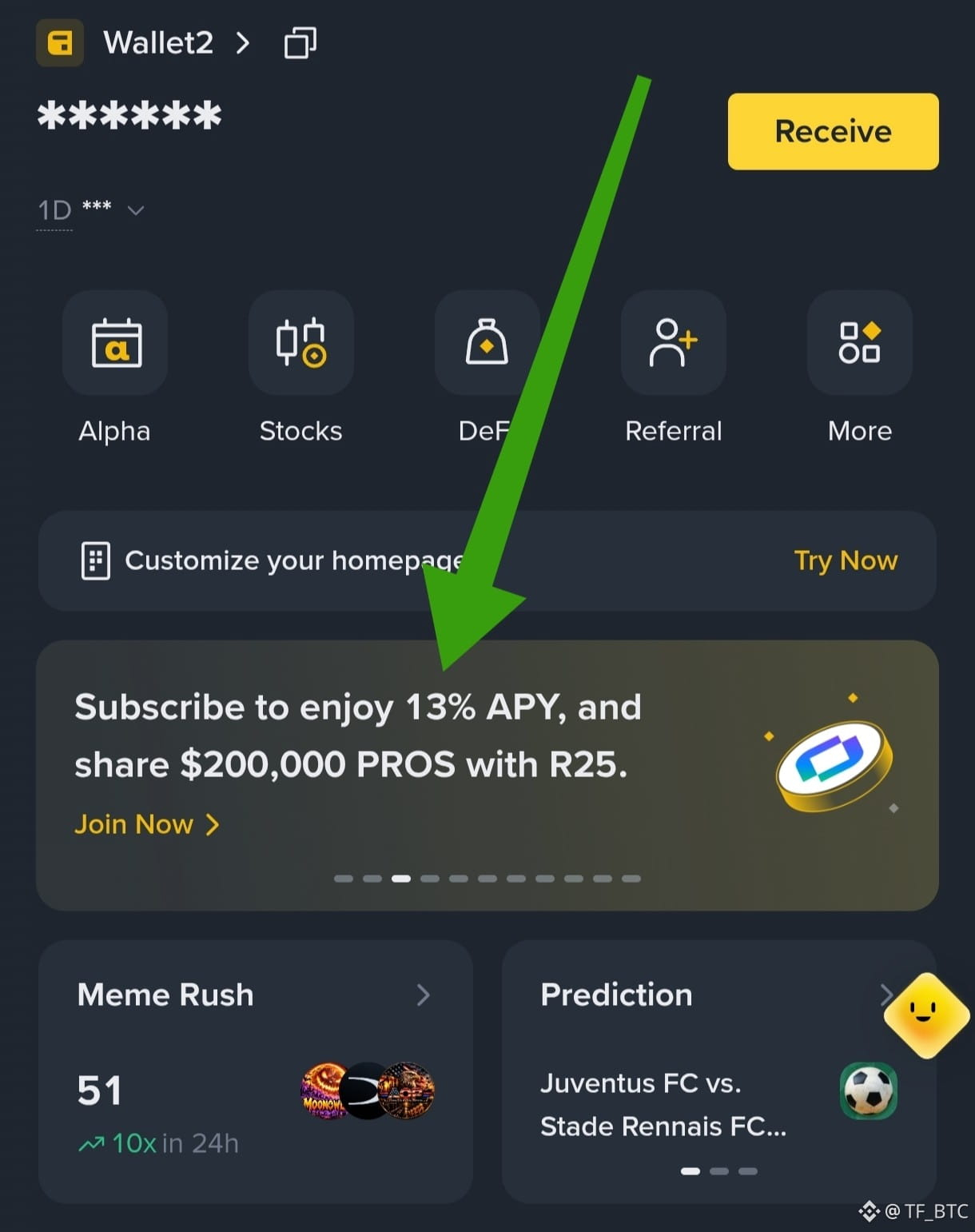
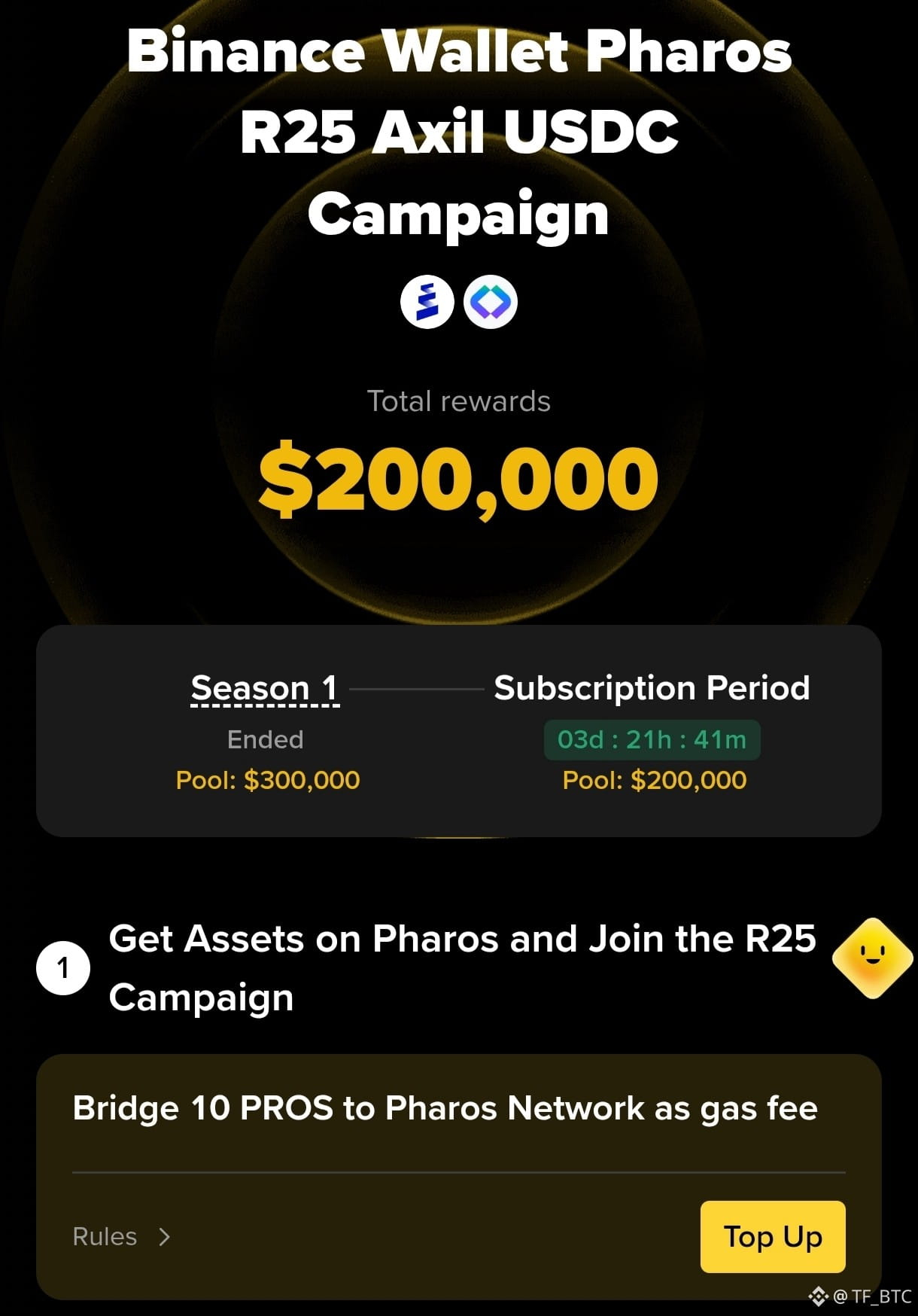
Noch 3 Tage! Verdiene 12,5 % APY + einen Anteil an 200.000 $ PROS mit Binance Wallet DeFi.
Mach hier mit: 👇
[https://web3.binance.com/referral?ref=JEROB53T](https://web3.binance.com/referral?ref=JEROB53T)
Lege USDC vor dem 26. Okt., 15:59 UTC, für 3 Monate im R25 Axil USDC Vault an.
💰 Ab 100 $ erhältst du Prämien von Promo A
🏆 Klettere in der Rangliste nach oben, bevor sie für Promo B eingefroren wird
Binance App → Wallet → DeFi → Protokoll → R25 → Axil Prime 3M USDC Vault
#Binance #crypto $BTC
{future}(BTCUSDT)
Noch 3 Tage! Verdiene 12,5 % APY + einen Anteil an 200.000 $ PROS mit Binance Wallet DeFi.
Mach hier mit: 👇
https://web3.binance.com/referral?ref=JEROB53T
Lege USDC vor dem 26. Okt., 15:59 UTC, für 3 Monate im R25 Axil USDC Vault an.
💰 Ab 100 $ erhältst du Prämien von Promo A
🏆 Klettere in der Rangliste nach oben, bevor sie für Promo B eingefroren wird
Binance App → Wallet → DeFi → Protokoll → R25 → Axil Prime 3M USDC Vault
#Binance #crypto $BTC
Mach hier mit: 👇
https://web3.binance.com/referral?ref=JEROB53T
Lege USDC vor dem 26. Okt., 15:59 UTC, für 3 Monate im R25 Axil USDC Vault an.
💰 Ab 100 $ erhältst du Prämien von Promo A
🏆 Klettere in der Rangliste nach oben, bevor sie für Promo B eingefroren wird
Binance App → Wallet → DeFi → Protokoll → R25 → Axil Prime 3M USDC Vault
#Binance #crypto $BTC
3
3
1.9k
·
--
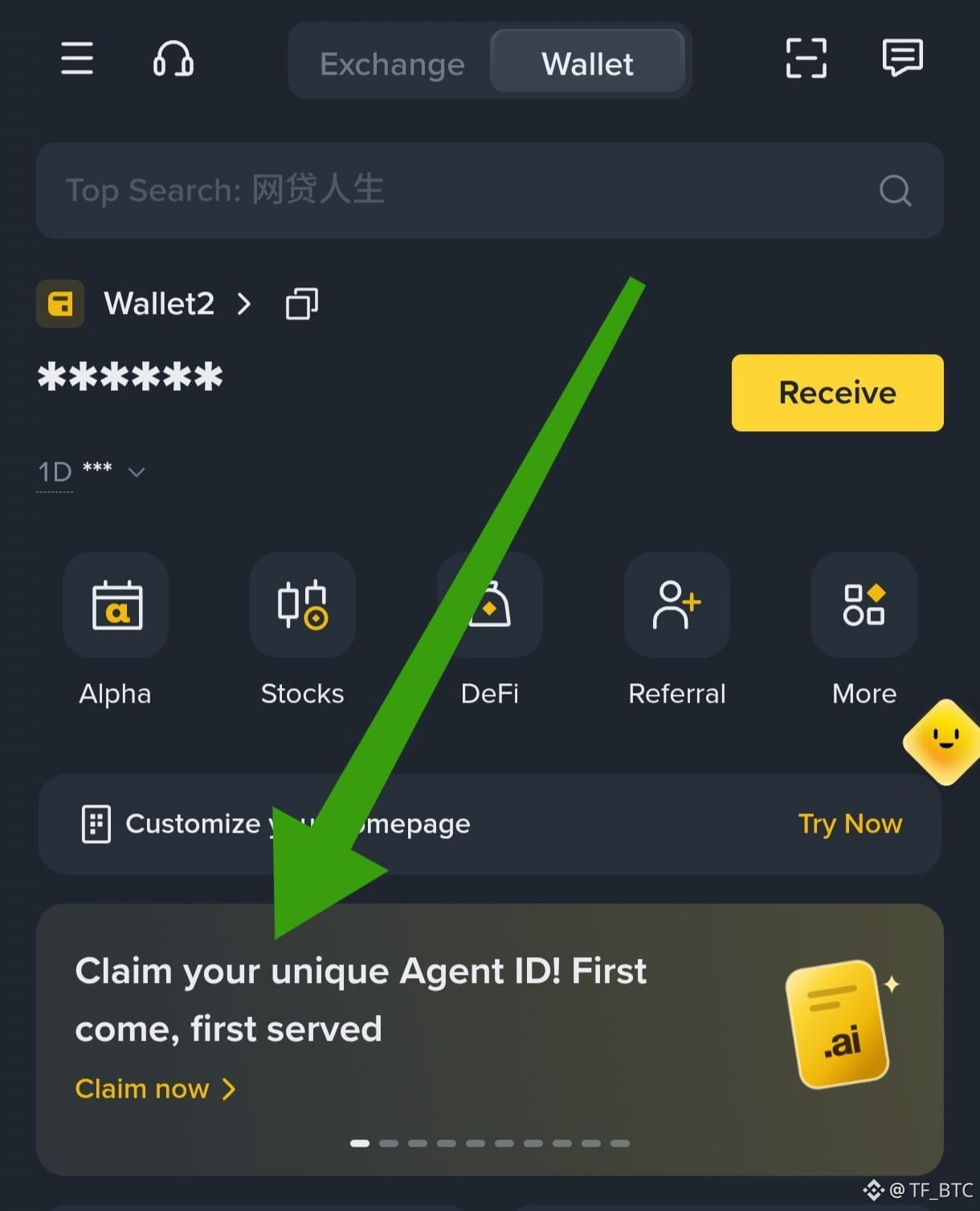
SICHERE DIR JETZT DEINE KOSTENLOSE BINANCE-AGENTEN-ID, BEVOR SIE VERGRIFFEN IST! 🚨
👇
[https://web3.binance.com/referral?ref=JEROB53T](https://web3.binance.com/referral?ref=JEROB53T)
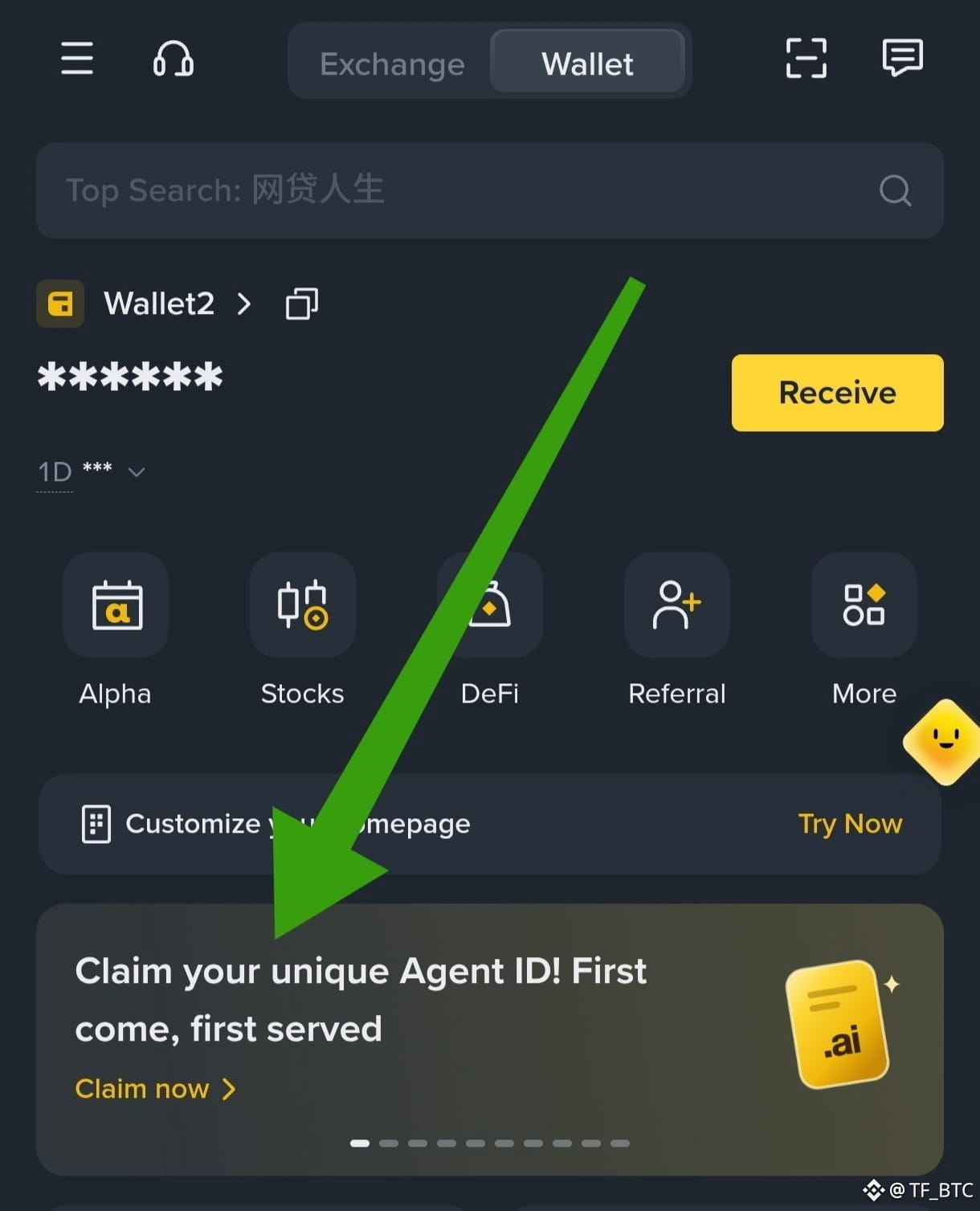
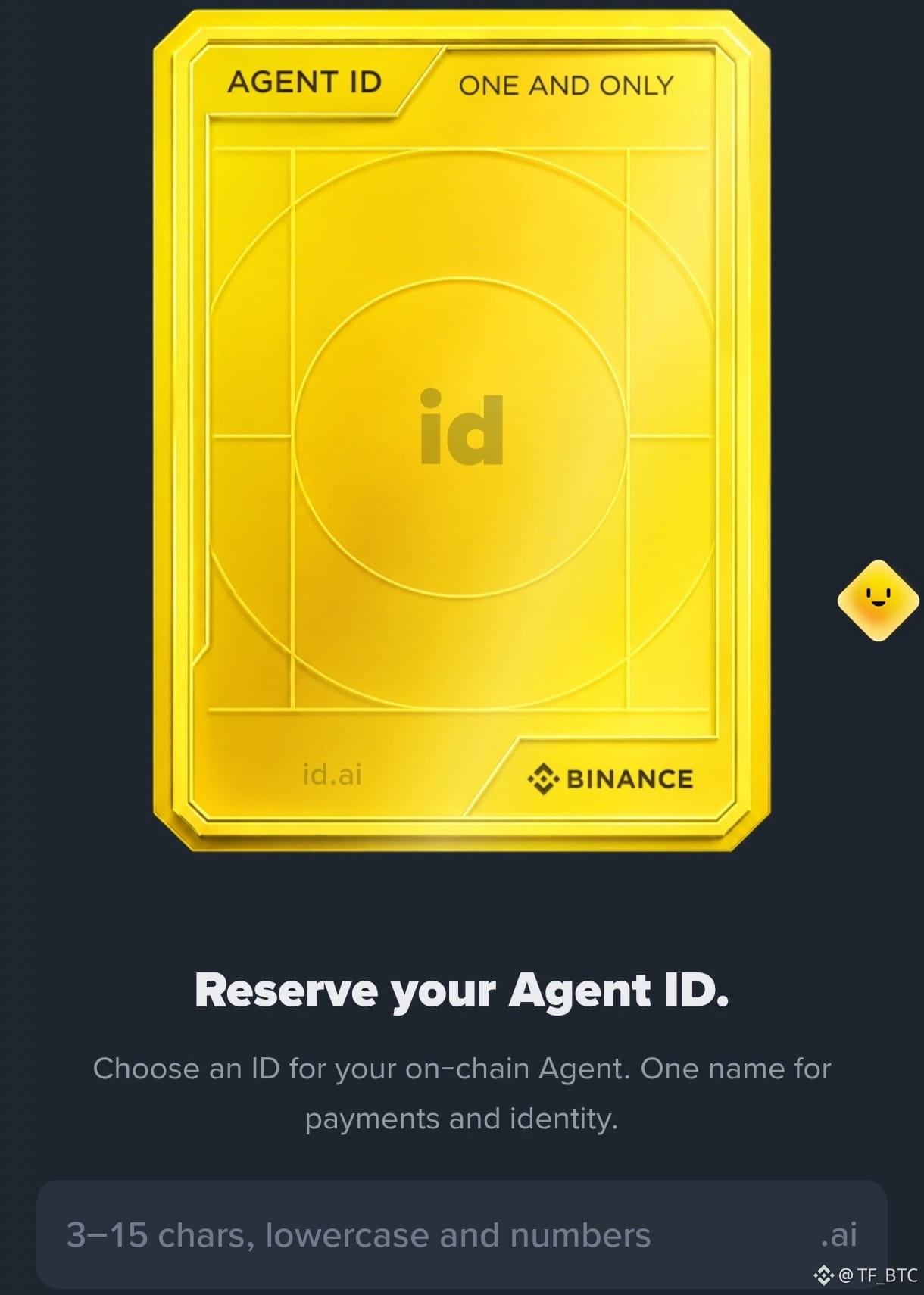
Was ist also eine Agenten-ID? Stell sie dir als deinen einzigartigen, personalisierten Benutzernamen für das neue KI-System in deiner Binance-Web3-Wallet vor (keine langen 0x-Adressen mehr).
Warum solltest du sie dir sofort sichern? Weil sie im Moment 100 % KOSTENLOS ist, aber es gilt strikt: Wer zuerst kommt, mahlt zuerst. Sobald die kurzen, einprägsamen Namen weg sind, sind sie für immer weg. Du willst später nicht mit einer zufälligen Zahlenfolge dastehen.
Doch wofür ist sie wirklich nützlich? Sie ist die ID für deinen Binance-KI-Agenten. Du kannst sie nutzen, damit die KI nach Alpha sucht, Token analysiert und Trades automatisch ausführt. Im Grunde dein eigener Krypto-Bot. 🚀 Kein ständiges Starren auf Charts mehr, wenn du das nicht willst.
Sichere dir deinen Namen, bevor er vergriffen ist:
#Binance #crypto $BTC
{future}(BTCUSDT)
SICHERE DIR JETZT DEINE KOSTENLOSE BINANCE-AGENTEN-ID, BEVOR SIE VERGRIFFEN IST! 🚨
👇
https://web3.binance.com/referral?ref=JEROB53T
Was ist also eine Agenten-ID? Stell sie dir als deinen einzigartigen, personalisierten Benutzernamen für das neue KI-System in deiner Binance-Web3-Wallet vor (keine langen 0x-Adressen mehr).
Warum solltest du sie dir sofort sichern? Weil sie im Moment 100 % KOSTENLOS ist, aber es gilt strikt: Wer zuerst kommt, mahlt zuerst. Sobald die kurzen, einprägsamen Namen weg sind, sind sie für immer weg. Du willst später nicht mit einer zufälligen Zahlenfolge dastehen.
Doch wofür ist sie wirklich nützlich? Sie ist die ID für deinen Binance-KI-Agenten. Du kannst sie nutzen, damit die KI nach Alpha sucht, Token analysiert und Trades automatisch ausführt. Im Grunde dein eigener Krypto-Bot. 🚀 Kein ständiges Starren auf Charts mehr, wenn du das nicht willst.
Sichere dir deinen Namen, bevor er vergriffen ist:
#Binance #crypto $BTC
👇
https://web3.binance.com/referral?ref=JEROB53T
Was ist also eine Agenten-ID? Stell sie dir als deinen einzigartigen, personalisierten Benutzernamen für das neue KI-System in deiner Binance-Web3-Wallet vor (keine langen 0x-Adressen mehr).
Warum solltest du sie dir sofort sichern? Weil sie im Moment 100 % KOSTENLOS ist, aber es gilt strikt: Wer zuerst kommt, mahlt zuerst. Sobald die kurzen, einprägsamen Namen weg sind, sind sie für immer weg. Du willst später nicht mit einer zufälligen Zahlenfolge dastehen.
Doch wofür ist sie wirklich nützlich? Sie ist die ID für deinen Binance-KI-Agenten. Du kannst sie nutzen, damit die KI nach Alpha sucht, Token analysiert und Trades automatisch ausführt. Im Grunde dein eigener Krypto-Bot. 🚀 Kein ständiges Starren auf Charts mehr, wenn du das nicht willst.
Sichere dir deinen Namen, bevor er vergriffen ist:
#Binance #crypto $BTC
4
1
17
6.9k
·
--
🚨 Binance hat eine einzigartige Agenten-ID eingeführt! 🔥
Hol dir jetzt deine: 👇
[https://web3.binance.com/referral?ref=JEROB53T](https://web3.binance.com/referral?ref=JEROB53T)
Du kannst dir jetzt deine eigene, einzigartige Binance-Agenten-ID sichern. Aber denk daran: Wer zuerst kommt, mahlt zuerst! 👀💛
Warte nicht zu lange. Schnapp dir deine Wunsch-ID, bevor sie sich jemand anderes holt! ⏳
Los, Leute! 🚀 Lieber holst du sie dir jetzt, als es später zu bereuen! 💯
#Binance #BinanceWeb3 #crypto #Web3
🚨 Binance hat eine einzigartige Agenten-ID eingeführt! 🔥
Hol dir jetzt deine: 👇
https://web3.binance.com/referral?ref=JEROB53T
Du kannst dir jetzt deine eigene, einzigartige Binance-Agenten-ID sichern. Aber denk daran: Wer zuerst kommt, mahlt zuerst! 👀💛
Warte nicht zu lange. Schnapp dir deine Wunsch-ID, bevor sie sich jemand anderes holt! ⏳
Los, Leute! 🚀 Lieber holst du sie dir jetzt, als es später zu bereuen! 💯
#Binance #BinanceWeb3 #crypto #Web3
Hol dir jetzt deine: 👇
https://web3.binance.com/referral?ref=JEROB53T
Du kannst dir jetzt deine eigene, einzigartige Binance-Agenten-ID sichern. Aber denk daran: Wer zuerst kommt, mahlt zuerst! 👀💛
Warte nicht zu lange. Schnapp dir deine Wunsch-ID, bevor sie sich jemand anderes holt! ⏳
Los, Leute! 🚀 Lieber holst du sie dir jetzt, als es später zu bereuen! 💯
#Binance #BinanceWeb3 #crypto #Web3
3
3
1.5k
·
--
Bullisch
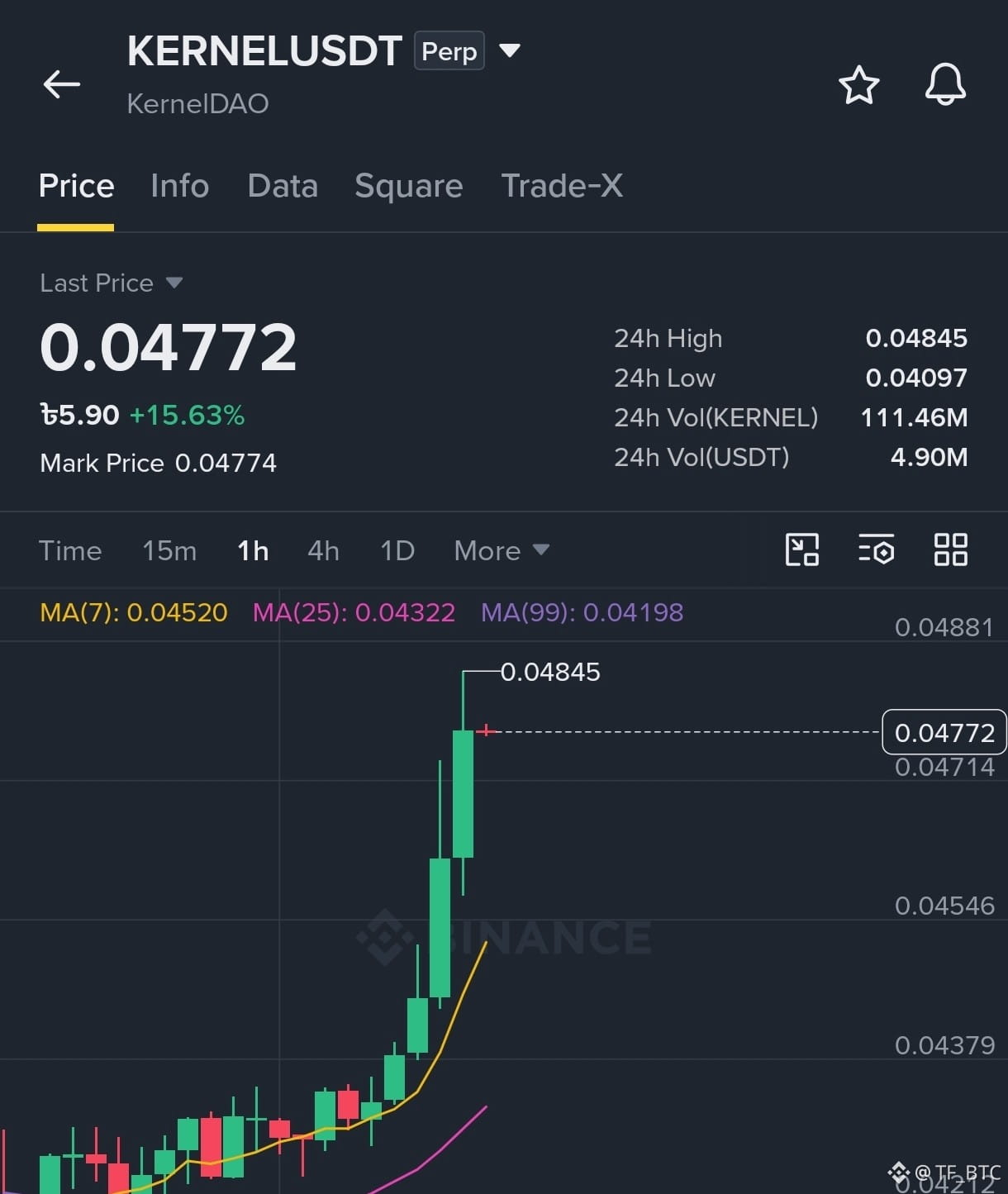
$KERNEL läuft 🔥 Gerade vor 18 Minuten angerufen! Glückwunsch, Leute!
$KERNEL
{future}(KERNELUSDT)
$KERNEL läuft 🔥 Gerade vor 18 Minuten angerufen! Glückwunsch, Leute!
$KERNEL
$KERNEL
1
1
243
·
--
Bullisch
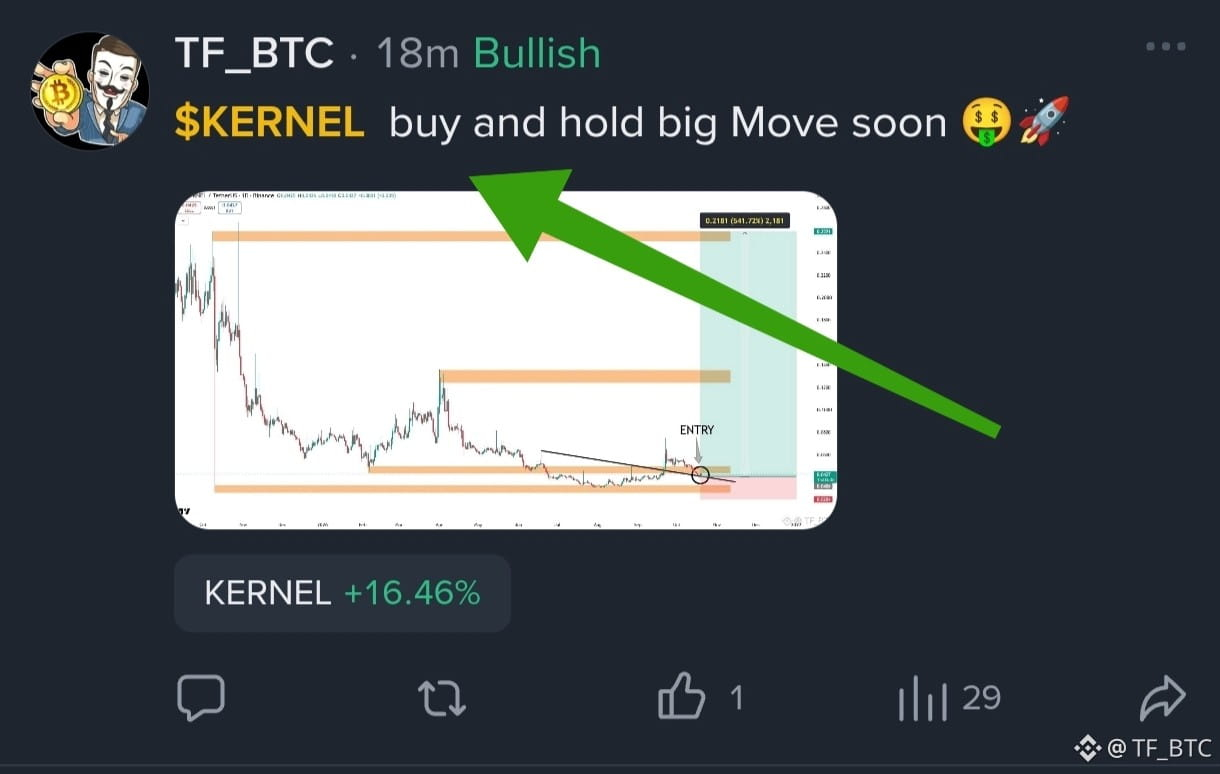
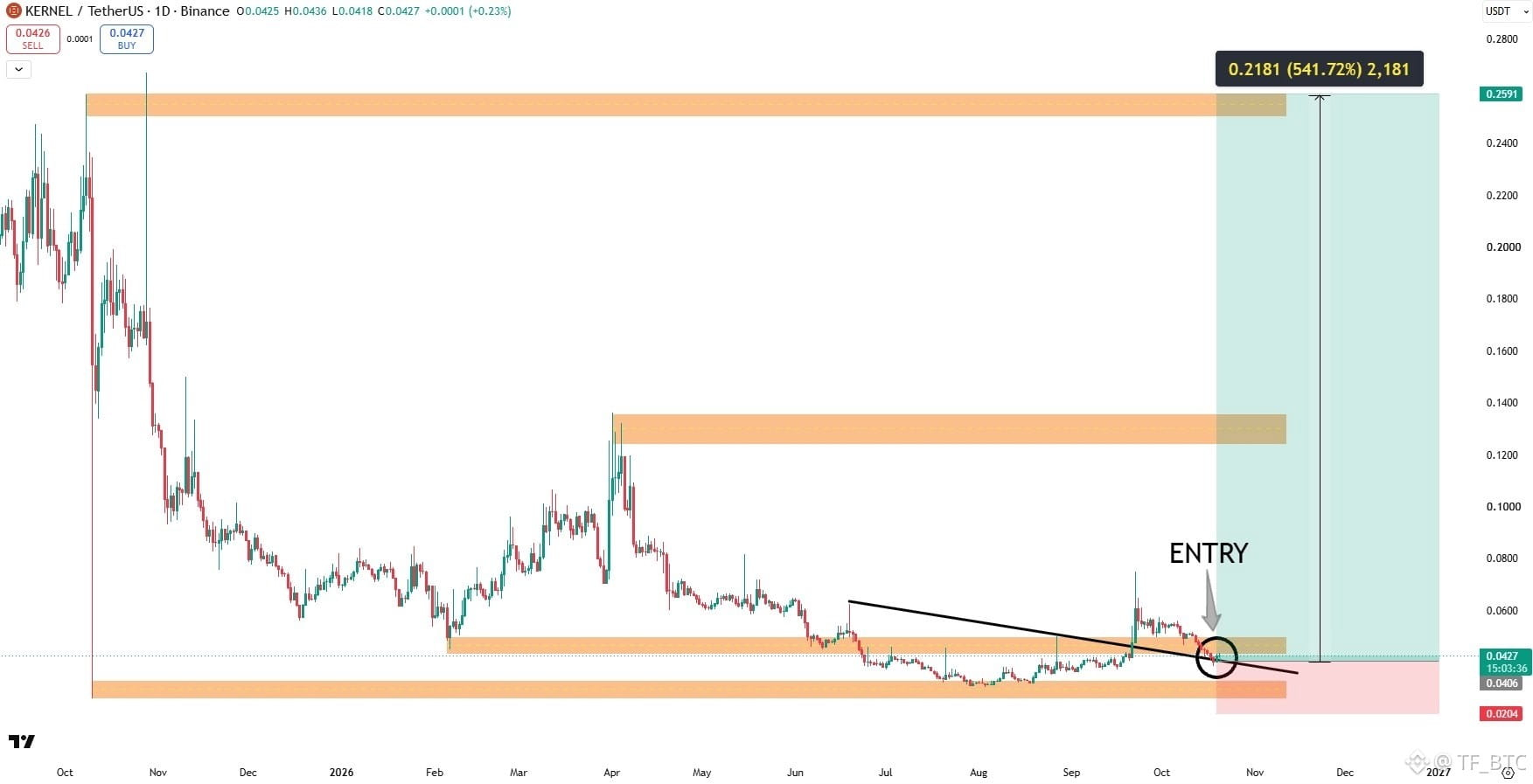
$KERNEL Kaufen und halten, eine große Bewegung kommt bald 🤑🚀
{future}(KERNELUSDT)
$KERNEL Kaufen und halten, eine große Bewegung kommt bald 🤑🚀
1
170
·
--
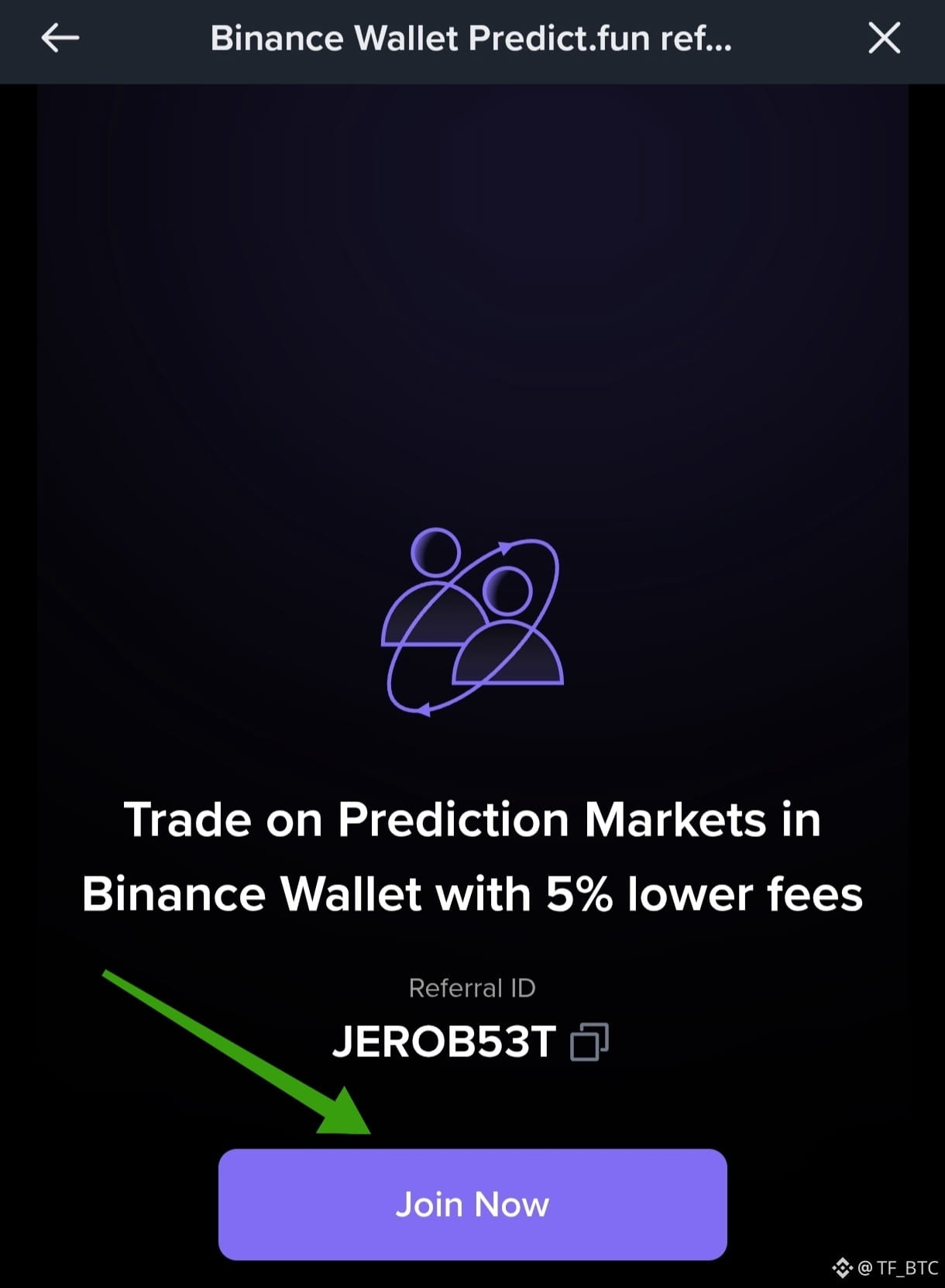
🚨 RIESENNEWS, LEUTE!! 🔥👀
Wenn ihr den Prediction Market in der Binance Wallet nutzt, hört gut zu! 👇
Ihr könnt 5 % Servicegebühren sparen, wenn ihr einfach über meinen Link beitretet.
Hier beitreten ---- ( [Predection Market](https://web3.binance.com/en/activity/prediction-referral?ref=JEROB53T) )
Wenn ihr sowieso Vorhersagen trefft, warum mehr bezahlen, wenn ihr sparen könnt? 👀🔥 Jeder kleine Betrag zählt!
👇 Tretet über meinen Link bei und sichert euch 5 % Rabatt auf die Gebühren!
[https://web3.binance.com/en/activity/prediction-referral?ref=JEROB53T](https://web3.binance.com/en/activity/prediction-referral?ref=JEROB53T)
Code: JEROB53T 💜
Teilt den Link auch mit euren Freunden! 🚀
🚨 RIESENNEWS, LEUTE!! 🔥👀
Wenn ihr den Prediction Market in der Binance Wallet nutzt, hört gut zu! 👇
Ihr könnt 5 % Servicegebühren sparen, wenn ihr einfach über meinen Link beitretet.
Hier beitreten ---- ( Predection Market )
Wenn ihr sowieso Vorhersagen trefft, warum mehr bezahlen, wenn ihr sparen könnt? 👀🔥 Jeder kleine Betrag zählt!
👇 Tretet über meinen Link bei und sichert euch 5 % Rabatt auf die Gebühren!
https://web3.binance.com/en/activity/prediction-referral?ref=JEROB53T
Code: JEROB53T 💜
Teilt den Link auch mit euren Freunden! 🚀
Wenn ihr den Prediction Market in der Binance Wallet nutzt, hört gut zu! 👇
Ihr könnt 5 % Servicegebühren sparen, wenn ihr einfach über meinen Link beitretet.
Hier beitreten ---- ( Predection Market )
Wenn ihr sowieso Vorhersagen trefft, warum mehr bezahlen, wenn ihr sparen könnt? 👀🔥 Jeder kleine Betrag zählt!
👇 Tretet über meinen Link bei und sichert euch 5 % Rabatt auf die Gebühren!
https://web3.binance.com/en/activity/prediction-referral?ref=JEROB53T
Code: JEROB53T 💜
Teilt den Link auch mit euren Freunden! 🚀
154
·
--
🔥 Hack für den Prognosemarkt der Binance Wallet! Spare heute 5 %! Mach hier mit--- ( [Predection Market](https://web3.binance.com/en/activity/prediction-referral?ref=JEROB53T) )
Empfehlungslink: [https://web3.binance.com/en/activity/prediction-referral?ref=JEROB53T](https://web3.binance.com/en/activity/prediction-referral?ref=JEROB53T)
$NVDAB $AAPLB $BTC
🔥 Hack für den Prognosemarkt der Binance Wallet! Spare heute 5 %! Mach hier mit--- ( Predection Market )
Empfehlungslink: https://web3.binance.com/en/activity/prediction-referral?ref=JEROB53T
$NVDAB $AAPLB $BTC
Empfehlungslink: https://web3.binance.com/en/activity/prediction-referral?ref=JEROB53T
$NVDAB $AAPLB $BTC
127
·
--
🔥 Spare jedes Mal 5 %, wenn du eine Prognose abgibst! 📈💰
[JOIN HERE PREDECTION MARKET](https://web3.binance.com/en/activity/prediction-referral?ref=JEROB53T)
Wenn du auf Prognosemärkten handelst, machen sich 5 % Ersparnis bei den Servicegebühren jedes Mal bemerkbar! Für alle, die regelmäßig Prognosen abgeben, ist das eine erhebliche Ersparnis. 🚀
💜 Tritt über meinen Binance-Wallet-Empfehlungslink bei und erhalte 5 % Rabatt auf die Servicegebühren!
🎁 Empfehlungscode: JEROB53T
👉 Hier beitreten:
[https://web3.binance.com/en/activity/prediction-referral?ref=JEROB53T](https://web3.binance.com/en/activity/prediction-referral?ref=JEROB53T)
Prognostiziere cleverer. Spare mehr. 💸🔥
$BR $NVDAB $BTC
{future}(BTCUSDT)
🔥 Spare jedes Mal 5 %, wenn du eine Prognose abgibst! 📈💰
JOIN HERE PREDECTION MARKET
Wenn du auf Prognosemärkten handelst, machen sich 5 % Ersparnis bei den Servicegebühren jedes Mal bemerkbar! Für alle, die regelmäßig Prognosen abgeben, ist das eine erhebliche Ersparnis. 🚀
💜 Tritt über meinen Binance-Wallet-Empfehlungslink bei und erhalte 5 % Rabatt auf die Servicegebühren!
🎁 Empfehlungscode: JEROB53T
👉 Hier beitreten:
https://web3.binance.com/en/activity/prediction-referral?ref=JEROB53T
Prognostiziere cleverer. Spare mehr. 💸🔥
$BR $NVDAB $BTC
JOIN HERE PREDECTION MARKET
Wenn du auf Prognosemärkten handelst, machen sich 5 % Ersparnis bei den Servicegebühren jedes Mal bemerkbar! Für alle, die regelmäßig Prognosen abgeben, ist das eine erhebliche Ersparnis. 🚀
💜 Tritt über meinen Binance-Wallet-Empfehlungslink bei und erhalte 5 % Rabatt auf die Servicegebühren!
🎁 Empfehlungscode: JEROB53T
👉 Hier beitreten:
https://web3.binance.com/en/activity/prediction-referral?ref=JEROB53T
Prognostiziere cleverer. Spare mehr. 💸🔥
$BR $NVDAB $BTC

56
·
--
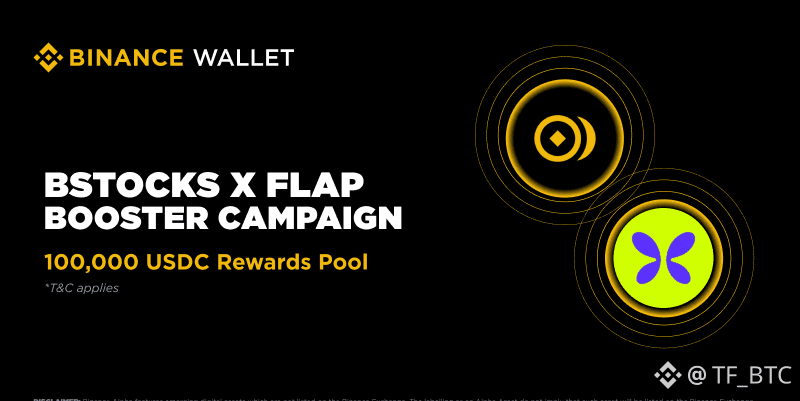
bStocks x Flap Booster ist LIVE! 🚀
Du möchtest dir einen Anteil an den 100.000 USDC an Prämien sichern? Hier die Kurzfassung:
✅ Binance-Nutzer mit mindestens 2 Alpha-Punkten können teilnehmen
✅ Die Teilnahme kostet 2 Punkte
✅ Teile dir den 100.000-USDC-Preispool
Hier teilnehmen: 👇
[https://web3.binance.com/referral?ref=JEROB53T](https://web3.binance.com/referral?ref=JEROB53T)
Noch ein kurzer Hinweis: DYOR, triff deine eigenen Entscheidungen und denk daran: Das ist keine Finanzberatung. Pass auf dich auf und viel Glück! 💰
bStocks x Flap Booster ist LIVE! 🚀
Du möchtest dir einen Anteil an den 100.000 USDC an Prämien sichern? Hier die Kurzfassung:
✅ Binance-Nutzer mit mindestens 2 Alpha-Punkten können teilnehmen
✅ Die Teilnahme kostet 2 Punkte
✅ Teile dir den 100.000-USDC-Preispool
Hier teilnehmen: 👇
https://web3.binance.com/referral?ref=JEROB53T
Noch ein kurzer Hinweis: DYOR, triff deine eigenen Entscheidungen und denk daran: Das ist keine Finanzberatung. Pass auf dich auf und viel Glück! 💰
Du möchtest dir einen Anteil an den 100.000 USDC an Prämien sichern? Hier die Kurzfassung:
✅ Binance-Nutzer mit mindestens 2 Alpha-Punkten können teilnehmen
✅ Die Teilnahme kostet 2 Punkte
✅ Teile dir den 100.000-USDC-Preispool
Hier teilnehmen: 👇
https://web3.binance.com/referral?ref=JEROB53T
Noch ein kurzer Hinweis: DYOR, triff deine eigenen Entscheidungen und denk daran: Das ist keine Finanzberatung. Pass auf dich auf und viel Glück! 💰

145
·
--
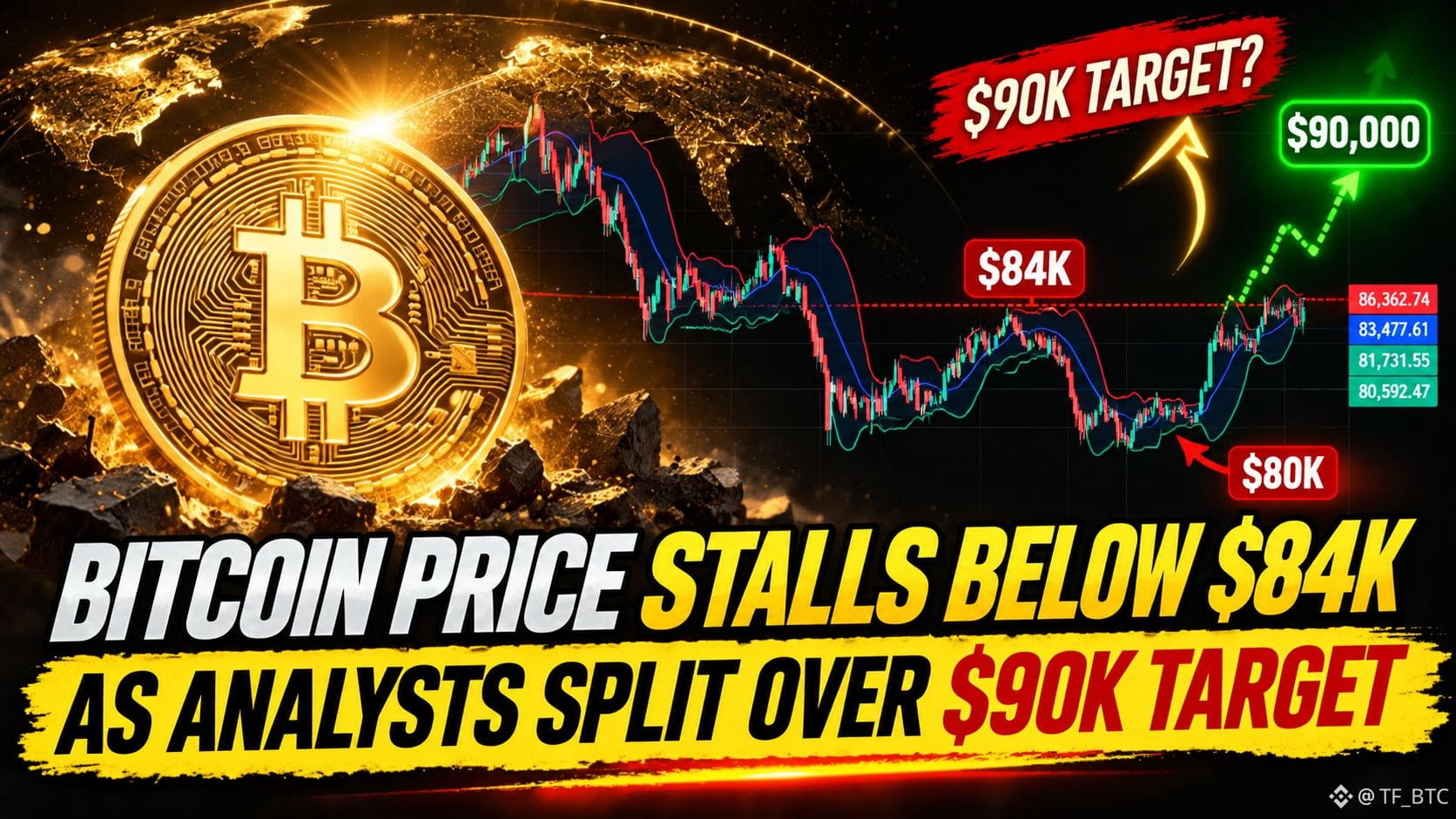
$BTC Bitcoin kämpft unter 84.000 $, während Trader eine mögliche Rallye auf 90.000 $ im Blick haben
Bitcoin versucht sich nach dem Rückgang unter 80.000 $ zu erholen, doch nahe 82.000 $ verliert die Erholung an Schwung. Trader beobachten nun, ob BTC die Marke von 84.000 $ überwinden und in Richtung 90.000 $ steigen kann.
Zum Zeitpunkt des Marktüberblicks am 17. Oktober wurde Bitcoin bei etwa 81.731 $ gehandelt und lag damit 2,44 % unter seinem Wochenstartkurs.
84.000 $ sind die entscheidende Marke
Bitcoin notiert weiterhin unter dem Mittelpunkt seiner täglichen Bollinger-Bänder bei 83.478 $, was darauf hindeutet, dass die Erholung nach wie vor auf Widerstand stößt. Das untere Band liegt bei etwa 80.592 $. Damit ist die Zone zwischen 80.000 und 80.600 $ ein wichtiger Bereich, den es im Auge zu behalten gilt, falls der Verkaufsdruck zurückkehrt.
Ein Anstieg über 84.000 $ könnte die kurzfristigen Aussichten verbessern. Der Marktkommentator Wealthmanager glaubt, dass ein Ausbruch den Weg zu 90.000 $ freimachen könnte.
Allerdings sind nicht alle überzeugt. Der Kryptoanalyst Jesse Olson bleibt im Tageschart pessimistisch, während andere Trader darauf warten, dass Bitcoin die Spanne von 84.000 bis 84.200 $ zurückerobert, bevor sie optimistischer werden.
Kann Bitcoin 90.000 $ erreichen?
Derzeit bewegt sich Bitcoin zwischen einer Unterstützung nahe 80.000 $ und einem Widerstand um 84.000 $. Ein bestätigter Ausbruch könnte 90.000 $ wieder in den Fokus rücken, während ein Rückgang unter die Unterstützung niedrigere Kursniveaus ins Spiel bringen könnte.
Die nächste Bewegung hängt wahrscheinlich davon ab, ob Käufer BTC über den Widerstand treiben können oder Verkäufer wieder die Kontrolle übernehmen.
Wichtige Marken im Blick:
80.000 $: Wichtige Unterstützung
83.478 $: Täglicher Mittelpunkt der Bollinger-Bänder
84.000–84.200 $: Entscheidende Ausbruchszone
90.000 $: Mögliches Kursziel nach oben
Die nächste Bewegung von Bitcoin bleibt ungewiss. Trader werden diese Marken genau beobachten, bevor sie ihren nächsten Schritt machen.
$BTC
{future}(BTCUSDT)
$BTC Bitcoin kämpft unter 84.000 $, während Trader eine mögliche Rallye auf 90.000 $ im Blick haben
Bitcoin versucht sich nach dem Rückgang unter 80.000 $ zu erholen, doch nahe 82.000 $ verliert die Erholung an Schwung. Trader beobachten nun, ob BTC die Marke von 84.000 $ überwinden und in Richtung 90.000 $ steigen kann.
Zum Zeitpunkt des Marktüberblicks am 17. Oktober wurde Bitcoin bei etwa 81.731 $ gehandelt und lag damit 2,44 % unter seinem Wochenstartkurs.
84.000 $ sind die entscheidende Marke
Bitcoin notiert weiterhin unter dem Mittelpunkt seiner täglichen Bollinger-Bänder bei 83.478 $, was darauf hindeutet, dass die Erholung nach wie vor auf Widerstand stößt. Das untere Band liegt bei etwa 80.592 $. Damit ist die Zone zwischen 80.000 und 80.600 $ ein wichtiger Bereich, den es im Auge zu behalten gilt, falls der Verkaufsdruck zurückkehrt.
Ein Anstieg über 84.000 $ könnte die kurzfristigen Aussichten verbessern. Der Marktkommentator Wealthmanager glaubt, dass ein Ausbruch den Weg zu 90.000 $ freimachen könnte.
Allerdings sind nicht alle überzeugt. Der Kryptoanalyst Jesse Olson bleibt im Tageschart pessimistisch, während andere Trader darauf warten, dass Bitcoin die Spanne von 84.000 bis 84.200 $ zurückerobert, bevor sie optimistischer werden.
Kann Bitcoin 90.000 $ erreichen?
Derzeit bewegt sich Bitcoin zwischen einer Unterstützung nahe 80.000 $ und einem Widerstand um 84.000 $. Ein bestätigter Ausbruch könnte 90.000 $ wieder in den Fokus rücken, während ein Rückgang unter die Unterstützung niedrigere Kursniveaus ins Spiel bringen könnte.
Die nächste Bewegung hängt wahrscheinlich davon ab, ob Käufer BTC über den Widerstand treiben können oder Verkäufer wieder die Kontrolle übernehmen.
Wichtige Marken im Blick:
80.000 $: Wichtige Unterstützung
83.478 $: Täglicher Mittelpunkt der Bollinger-Bänder
84.000–84.200 $: Entscheidende Ausbruchszone
90.000 $: Mögliches Kursziel nach oben
Die nächste Bewegung von Bitcoin bleibt ungewiss. Trader werden diese Marken genau beobachten, bevor sie ihren nächsten Schritt machen.
$BTC
Bitcoin versucht sich nach dem Rückgang unter 80.000 $ zu erholen, doch nahe 82.000 $ verliert die Erholung an Schwung. Trader beobachten nun, ob BTC die Marke von 84.000 $ überwinden und in Richtung 90.000 $ steigen kann.
Zum Zeitpunkt des Marktüberblicks am 17. Oktober wurde Bitcoin bei etwa 81.731 $ gehandelt und lag damit 2,44 % unter seinem Wochenstartkurs.
84.000 $ sind die entscheidende Marke
Bitcoin notiert weiterhin unter dem Mittelpunkt seiner täglichen Bollinger-Bänder bei 83.478 $, was darauf hindeutet, dass die Erholung nach wie vor auf Widerstand stößt. Das untere Band liegt bei etwa 80.592 $. Damit ist die Zone zwischen 80.000 und 80.600 $ ein wichtiger Bereich, den es im Auge zu behalten gilt, falls der Verkaufsdruck zurückkehrt.
Ein Anstieg über 84.000 $ könnte die kurzfristigen Aussichten verbessern. Der Marktkommentator Wealthmanager glaubt, dass ein Ausbruch den Weg zu 90.000 $ freimachen könnte.
Allerdings sind nicht alle überzeugt. Der Kryptoanalyst Jesse Olson bleibt im Tageschart pessimistisch, während andere Trader darauf warten, dass Bitcoin die Spanne von 84.000 bis 84.200 $ zurückerobert, bevor sie optimistischer werden.
Kann Bitcoin 90.000 $ erreichen?
Derzeit bewegt sich Bitcoin zwischen einer Unterstützung nahe 80.000 $ und einem Widerstand um 84.000 $. Ein bestätigter Ausbruch könnte 90.000 $ wieder in den Fokus rücken, während ein Rückgang unter die Unterstützung niedrigere Kursniveaus ins Spiel bringen könnte.
Die nächste Bewegung hängt wahrscheinlich davon ab, ob Käufer BTC über den Widerstand treiben können oder Verkäufer wieder die Kontrolle übernehmen.
Wichtige Marken im Blick:
80.000 $: Wichtige Unterstützung
83.478 $: Täglicher Mittelpunkt der Bollinger-Bänder
84.000–84.200 $: Entscheidende Ausbruchszone
90.000 $: Mögliches Kursziel nach oben
Die nächste Bewegung von Bitcoin bleibt ungewiss. Trader werden diese Marken genau beobachten, bevor sie ihren nächsten Schritt machen.
$BTC
4
213
·
--
Bullisch
PAAR : $AGT USDT
EINSTIEG : Jetzt
MARKTPREIS (0.069200)
RICHTUNG : LONG
CROSS : 10X
TP 1 : 0.083000
TP-1 : 0.097800
SL : 0.053000
$AGT
{future}(AGTUSDT)
PAAR : $AGT USDT
EINSTIEG : Jetzt
MARKTPREIS (0.069200)
RICHTUNG : LONG
CROSS : 10X
TP 1 : 0.083000
TP-1 : 0.097800
SL : 0.053000
$AGT
EINSTIEG : Jetzt
MARKTPREIS (0.069200)
RICHTUNG : LONG
CROSS : 10X
TP 1 : 0.083000
TP-1 : 0.097800
SL : 0.053000
$AGT
2
332
·
--
Bullisch
📊 FUTURES
$1000XEC /USDT
LONG Unter: 0.008450
MAX 👉3x-7x LEVERAGE Halten
TAKE PROFIT:0.008800 |0.009200|0.009500+
SL 0.07800
LONG $1000XEC
{future}(1000XECUSDT)
📊 FUTURES
$1000XEC /USDT
LONG Unter: 0.008450
MAX 👉3x-7x LEVERAGE Halten
TAKE PROFIT:0.008800 |0.009200|0.009500+
SL 0.07800
LONG $1000XEC
$1000XEC /USDT
LONG Unter: 0.008450
MAX 👉3x-7x LEVERAGE Halten
TAKE PROFIT:0.008800 |0.009200|0.009500+
SL 0.07800
LONG $1000XEC
1
213
·
--
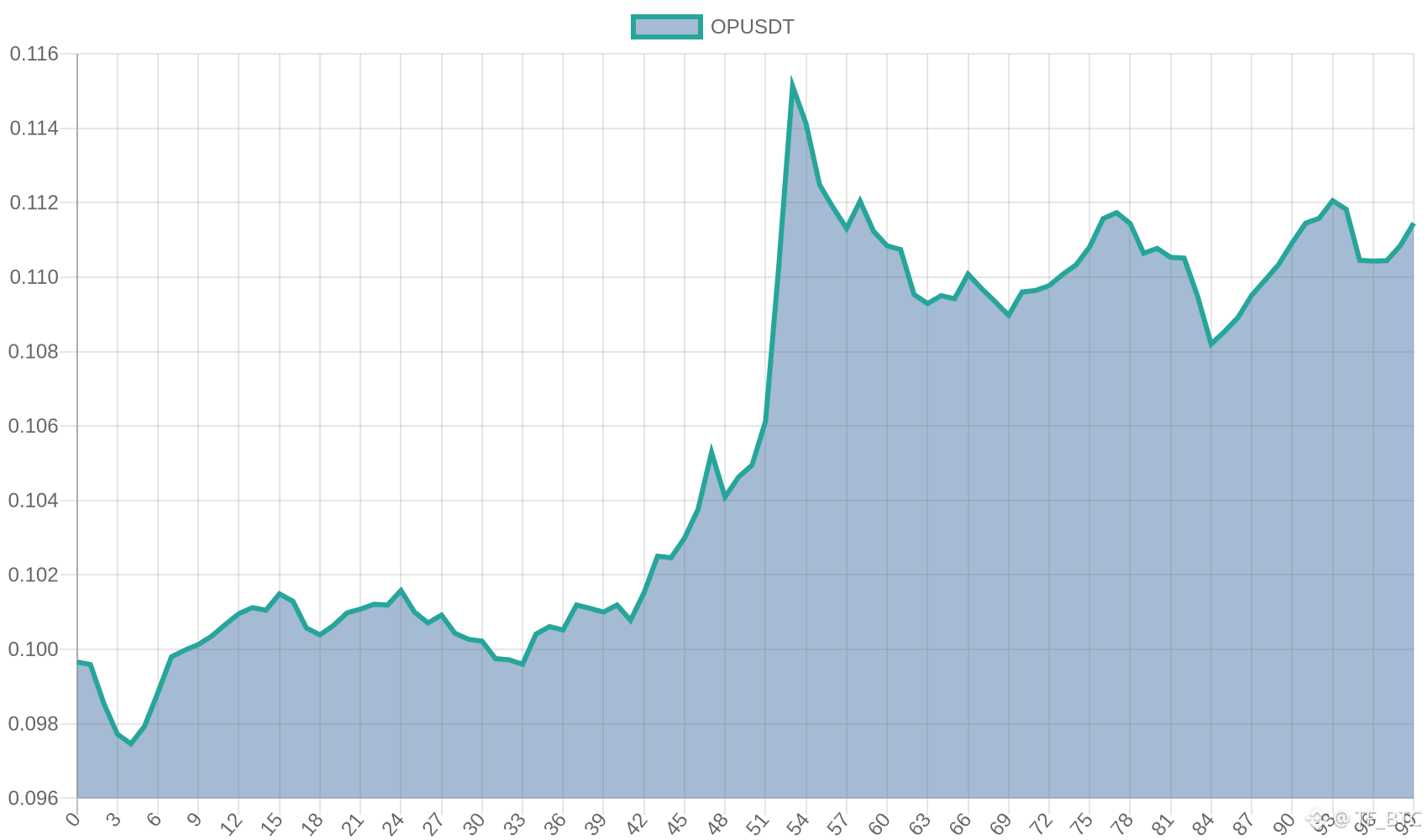
$OP pumping +13,80% und es gibt kein Halten mehr. Käufer haben die Kontrolle, Verkäufer sind gefangen. Ziel zuerst 0,122833, dann 0,129786. Long bleiben!
$OP pumping +13,80% und es gibt kein Halten mehr. Käufer haben die Kontrolle, Verkäufer sind gefangen. Ziel zuerst 0,122833, dann 0,129786. Long bleiben!
1
159
·
--
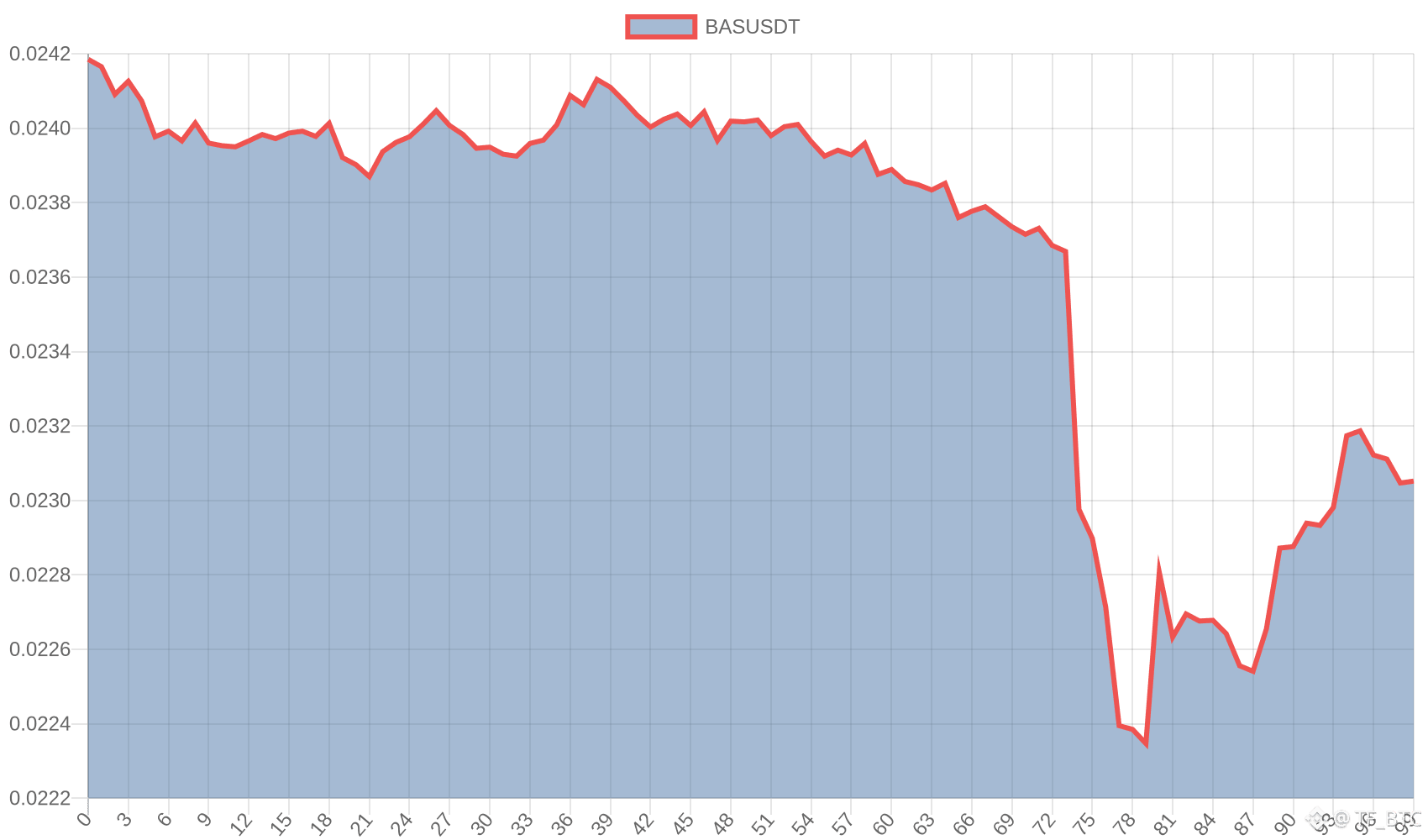
$BAS an einem Entscheidungszeitpunkt — 24h -4,41%. Wenn der Support bei 0,022301 bricht, geht es direkt runter auf 0,020963. Bereit, den Breakdown zu shorten!
$BAS an einem Entscheidungszeitpunkt — 24h -4,41%. Wenn der Support bei 0,022301 bricht, geht es direkt runter auf 0,020963. Bereit, den Breakdown zu shorten!
2
230
·
--
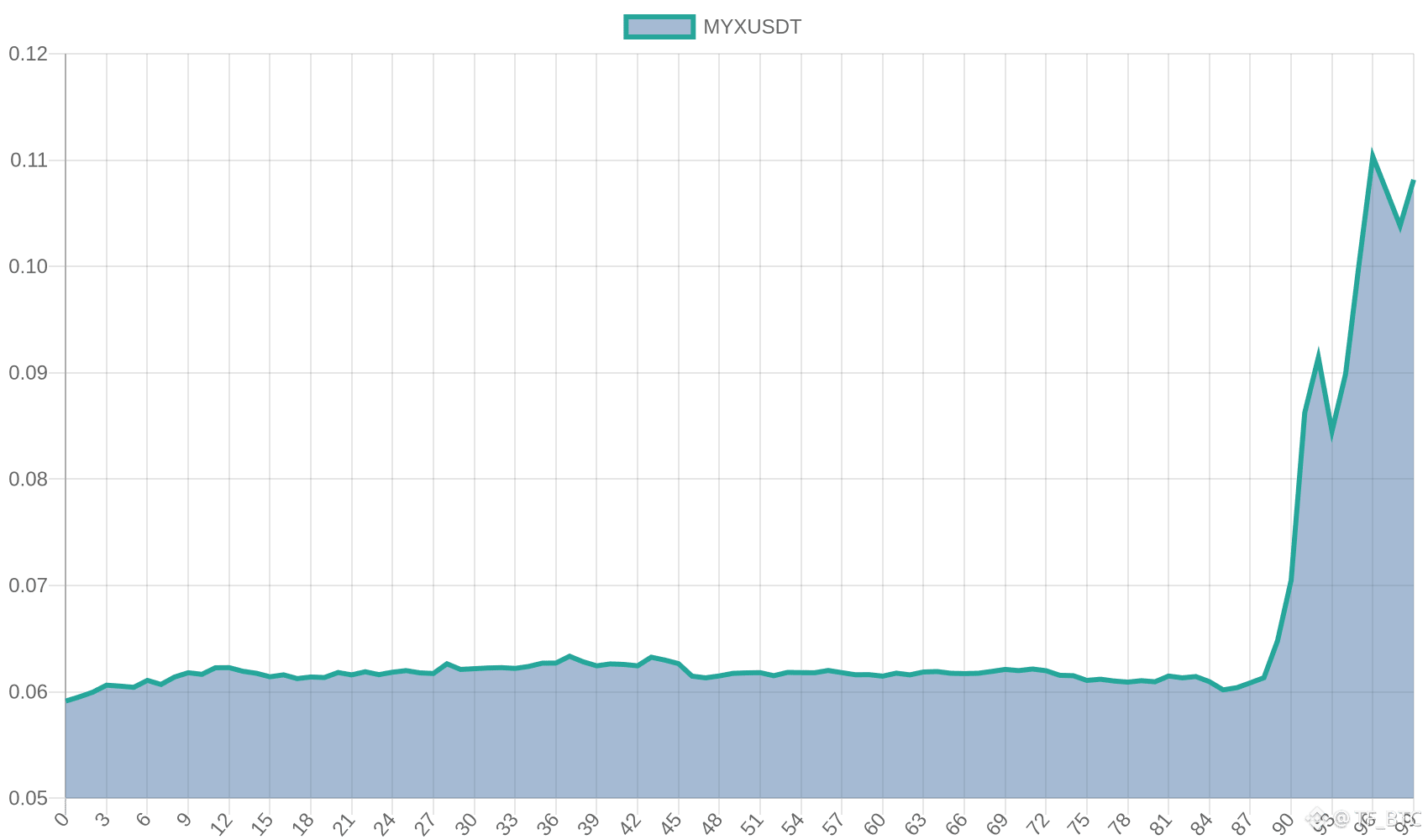
$MYX — gesunde Rückentlastung, nichts kaputt. Käufer verteidigen dieses Niveau. Richte einen Long in einem Hinterhalt ein, Ziel 0.121900.
$MYX — gesunde Rückentlastung, nichts kaputt. Käufer verteidigen dieses Niveau. Richte einen Long in einem Hinterhalt ein, Ziel 0.121900.
337
·
--
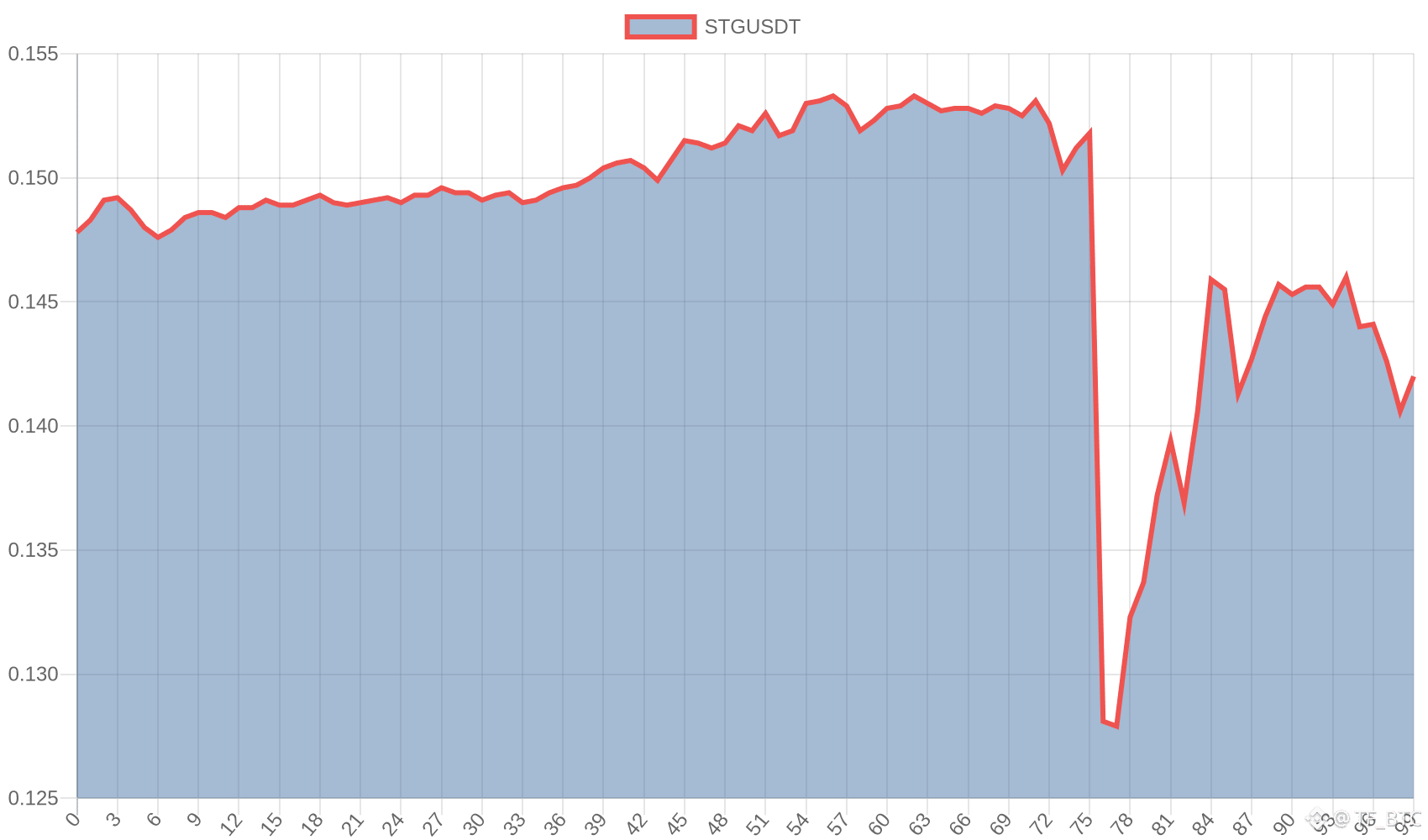
$STG — Markt wartet auf eine Entscheidung. -4,83% bisher. Wenn Verkäufer zurücktreten, liegt das Ziel bei 0,103588. Genau im Blick!
$STG — Markt wartet auf eine Entscheidung. -4,83% bisher. Wenn Verkäufer zurücktreten, liegt das Ziel bei 0,103588. Genau im Blick!
1
160
·
--
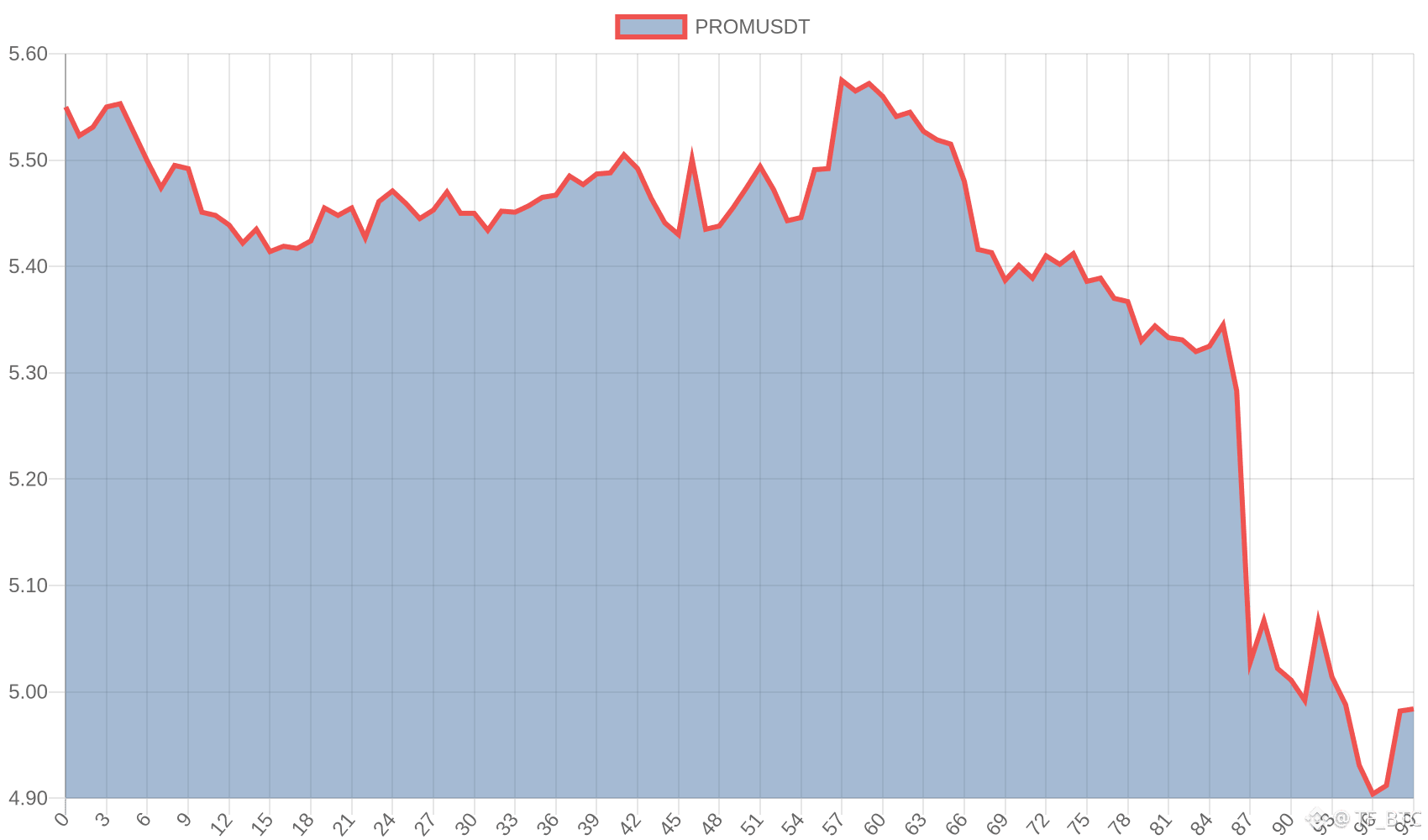
$PROM — Dumping auf das Volumen. 12,7 Mio. wurden in 24 Std. gehandelt und der Preis macht weiterhin tiefere Tiefs. Das ist echter Verkauf. Ziel 4,5609!
$PROM — Dumping auf das Volumen. 12,7 Mio. wurden in 24 Std. gehandelt und der Preis macht weiterhin tiefere Tiefs. Das ist echter Verkauf. Ziel 4,5609!
77
·
--
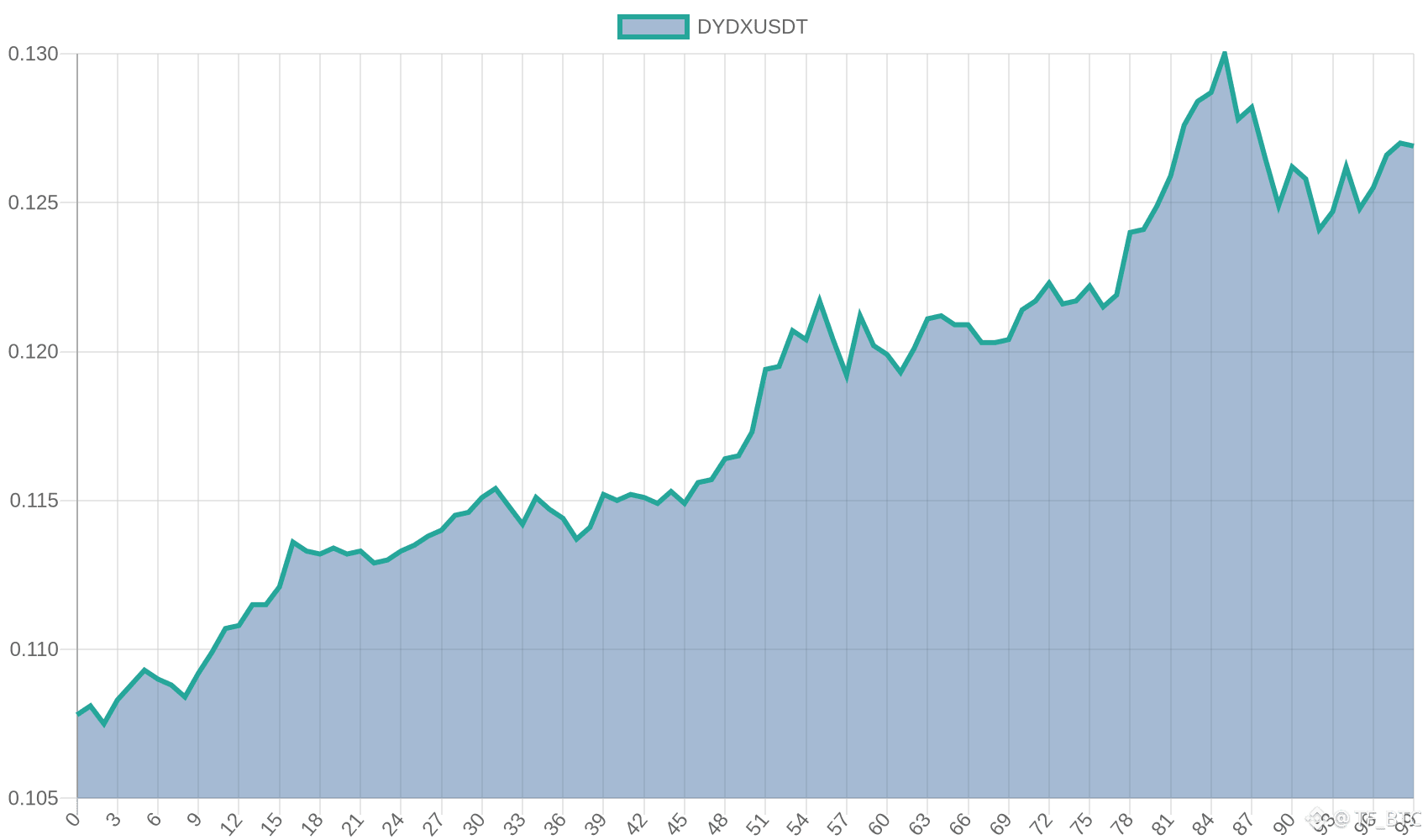
$DYDX — aufgewickelt und bereit. Heute +17,70%, aber die Struktur ist bullisch. Ziel 0.138966, long!
$DYDX — aufgewickelt und bereit. Heute +17,70%, aber die Struktur ist bullisch. Ziel 0.138966, long!
235
Anmelden und weiter Inhalte entdecken
Krypto-Nutzer weltweit auf Binance Square kennenlernen
⚡️ Bleib in Sachen Krypto stets am Puls.
💬 Die weltgrößte Kryptobörse vertraut darauf.
👍 Erhalte verlässliche Einblicke von verifizierten Creators.
E-Mail-Adresse/Telefonnummer