
Alpha Byte
10.8k Beiträge

Alpha Byte
Melden
Nutzer blockieren
Crypto Enthusiast || Crypto Dogen || Sharing news insights and trends || Exploring decentralized finance & NFTS
Trade eröffnen
Regelmäßiger Trader
2.4 Jahre
1.6K+ Following
25.7K+ Follower
19.7K+ Like gegeben
Beiträge
Portfolio
Alle
Zitierungen
Live
·
--
#baby $BABY
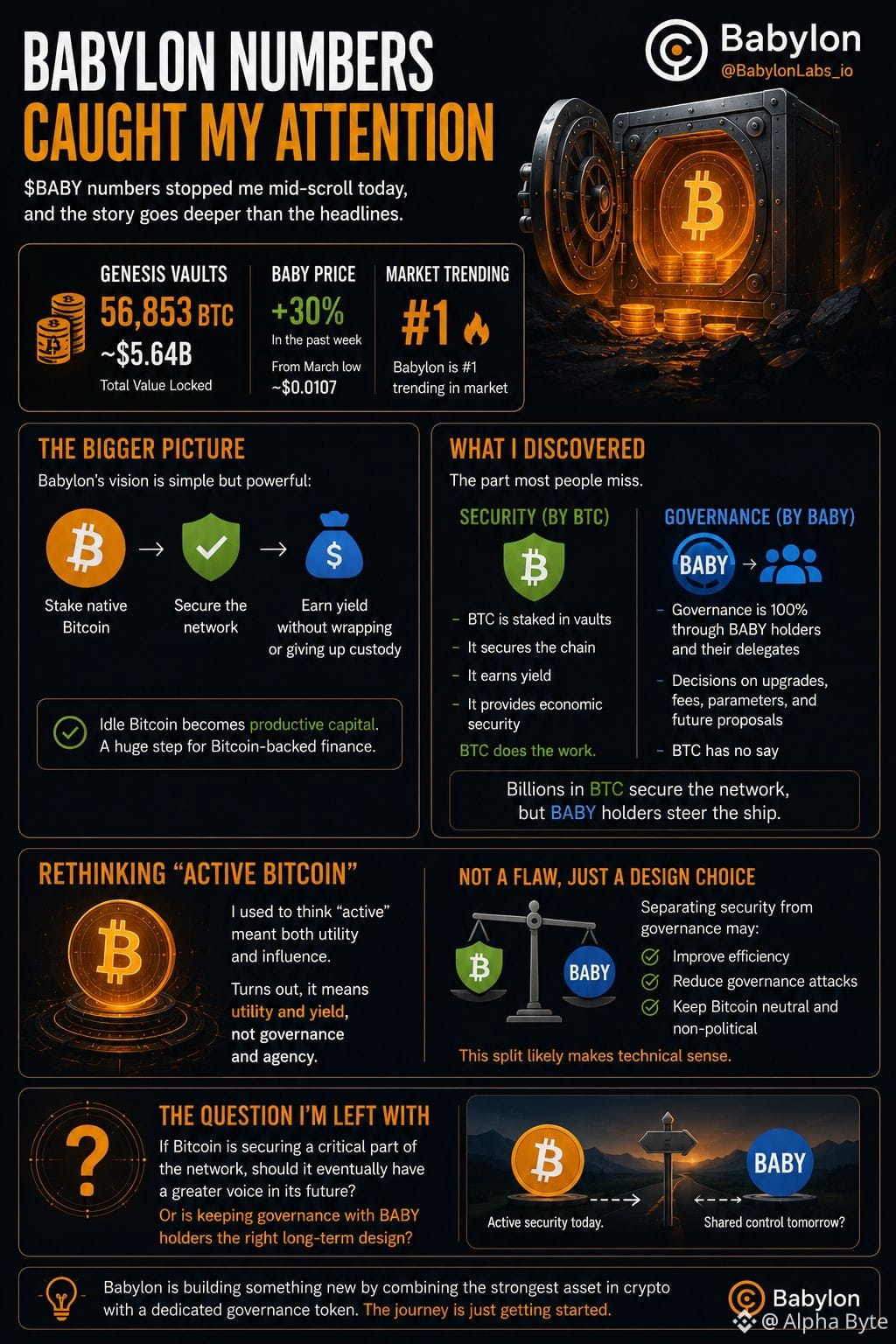
Heute habe ich mir Babylons neuesten Kennzahlen angesehen, als eine Zahl sofort mein Interesse geweckt hat. Mehr als 56.853 BTC sind inzwischen in Genesis-Tresoren gebunden – das entspricht ungefähr 5,64 Milliarden US-Dollar an Wert. Gleichzeitig hat BABY seit seinem März-Tief bei rund 0,0107 US-Dollar um etwa 30% zugelegt, während Babylon ebenfalls an die Spitze der Trend-Rankings geklettert ist. Diese Schlagzeilen sind beeindruckend, aber sie waren es nicht, was mich weiterlesen ließ.
Die spannendere Erkenntnis kam, als ich mir ansah, wie das Protokoll tatsächlich funktioniert.
Babylons Vision ist es, inaktive Bitcoin in produktives Kapital zu verwandeln. BTC-Inhaber können ihr nativer Bitcoin einsetzen, helfen, das Netzwerk abzusichern, und Belohnungen verdienen, ohne ihre Assets zu verpacken oder die Kontrolle über das Verwahrungsrecht aufzugeben. Das allein ist bereits ein bedeutender Schritt für die von Bitcoin gestützte Finanzierung.
Was mich jedoch überrascht hat, war die Trennung zwischen Sicherheit und Governance.
Selbst mit Milliarden an Dollarwert an Bitcoin, die dabei helfen, das Protokoll abzusichern, nehmen BTC-Inhaber nicht direkt an der Governance teil. Entscheidungen über Upgrades, Protokollparameter und künftige Änderungen werden von BABY-Inhabern und deren Delegierten getroffen. Bitcoin liefert die ökonomische Sicherheit, während BABY die Richtung des Netzwerks vorgibt.
Das hat verändert, wie ich die Idee von „aktivem Bitcoin“ verstanden habe. Zunächst dachte ich, aktiv bedeute sowohl Nutzen als auch Einfluss. Stattdessen wird Bitcoin aktiv, indem es Sicherheit bereitstellt und Rendite erzeugt, während die Governance in den Händen eines anderen Assets bleibt.
Ich sage nicht, dass das das falsche Design ist. Tatsächlich könnte die Trennung von Governance und Sicherheit das Protokoll effizienter machen. Aber es wirft eine interessante Frage auf: Wenn Bitcoin eine so kritische Rolle dabei spielt, das Netzwerk abzusichern, sollte es dann irgendwann auch eine deutlichere Stimme in seiner Zukunft haben – oder ist genau diese Trennung das, was dafür sorgt, dass das System funktioniert? Das ist etwas, das ich sehr genau beobachten werde.
@babylonlabs_io $BABY #baby
#baby $BABY
Heute habe ich mir Babylons neuesten Kennzahlen angesehen, als eine Zahl sofort mein Interesse geweckt hat. Mehr als 56.853 BTC sind inzwischen in Genesis-Tresoren gebunden – das entspricht ungefähr 5,64 Milliarden US-Dollar an Wert. Gleichzeitig hat BABY seit seinem März-Tief bei rund 0,0107 US-Dollar um etwa 30% zugelegt, während Babylon ebenfalls an die Spitze der Trend-Rankings geklettert ist. Diese Schlagzeilen sind beeindruckend, aber sie waren es nicht, was mich weiterlesen ließ.
Die spannendere Erkenntnis kam, als ich mir ansah, wie das Protokoll tatsächlich funktioniert.
Babylons Vision ist es, inaktive Bitcoin in produktives Kapital zu verwandeln. BTC-Inhaber können ihr nativer Bitcoin einsetzen, helfen, das Netzwerk abzusichern, und Belohnungen verdienen, ohne ihre Assets zu verpacken oder die Kontrolle über das Verwahrungsrecht aufzugeben. Das allein ist bereits ein bedeutender Schritt für die von Bitcoin gestützte Finanzierung.
Was mich jedoch überrascht hat, war die Trennung zwischen Sicherheit und Governance.
Selbst mit Milliarden an Dollarwert an Bitcoin, die dabei helfen, das Protokoll abzusichern, nehmen BTC-Inhaber nicht direkt an der Governance teil. Entscheidungen über Upgrades, Protokollparameter und künftige Änderungen werden von BABY-Inhabern und deren Delegierten getroffen. Bitcoin liefert die ökonomische Sicherheit, während BABY die Richtung des Netzwerks vorgibt.
Das hat verändert, wie ich die Idee von „aktivem Bitcoin“ verstanden habe. Zunächst dachte ich, aktiv bedeute sowohl Nutzen als auch Einfluss. Stattdessen wird Bitcoin aktiv, indem es Sicherheit bereitstellt und Rendite erzeugt, während die Governance in den Händen eines anderen Assets bleibt.
Ich sage nicht, dass das das falsche Design ist. Tatsächlich könnte die Trennung von Governance und Sicherheit das Protokoll effizienter machen. Aber es wirft eine interessante Frage auf: Wenn Bitcoin eine so kritische Rolle dabei spielt, das Netzwerk abzusichern, sollte es dann irgendwann auch eine deutlichere Stimme in seiner Zukunft haben – oder ist genau diese Trennung das, was dafür sorgt, dass das System funktioniert? Das ist etwas, das ich sehr genau beobachten werde.
@BabylonLabs_io $BABY #baby
Heute habe ich mir Babylons neuesten Kennzahlen angesehen, als eine Zahl sofort mein Interesse geweckt hat. Mehr als 56.853 BTC sind inzwischen in Genesis-Tresoren gebunden – das entspricht ungefähr 5,64 Milliarden US-Dollar an Wert. Gleichzeitig hat BABY seit seinem März-Tief bei rund 0,0107 US-Dollar um etwa 30% zugelegt, während Babylon ebenfalls an die Spitze der Trend-Rankings geklettert ist. Diese Schlagzeilen sind beeindruckend, aber sie waren es nicht, was mich weiterlesen ließ.
Die spannendere Erkenntnis kam, als ich mir ansah, wie das Protokoll tatsächlich funktioniert.
Babylons Vision ist es, inaktive Bitcoin in produktives Kapital zu verwandeln. BTC-Inhaber können ihr nativer Bitcoin einsetzen, helfen, das Netzwerk abzusichern, und Belohnungen verdienen, ohne ihre Assets zu verpacken oder die Kontrolle über das Verwahrungsrecht aufzugeben. Das allein ist bereits ein bedeutender Schritt für die von Bitcoin gestützte Finanzierung.
Was mich jedoch überrascht hat, war die Trennung zwischen Sicherheit und Governance.
Selbst mit Milliarden an Dollarwert an Bitcoin, die dabei helfen, das Protokoll abzusichern, nehmen BTC-Inhaber nicht direkt an der Governance teil. Entscheidungen über Upgrades, Protokollparameter und künftige Änderungen werden von BABY-Inhabern und deren Delegierten getroffen. Bitcoin liefert die ökonomische Sicherheit, während BABY die Richtung des Netzwerks vorgibt.
Das hat verändert, wie ich die Idee von „aktivem Bitcoin“ verstanden habe. Zunächst dachte ich, aktiv bedeute sowohl Nutzen als auch Einfluss. Stattdessen wird Bitcoin aktiv, indem es Sicherheit bereitstellt und Rendite erzeugt, während die Governance in den Händen eines anderen Assets bleibt.
Ich sage nicht, dass das das falsche Design ist. Tatsächlich könnte die Trennung von Governance und Sicherheit das Protokoll effizienter machen. Aber es wirft eine interessante Frage auf: Wenn Bitcoin eine so kritische Rolle dabei spielt, das Netzwerk abzusichern, sollte es dann irgendwann auch eine deutlichere Stimme in seiner Zukunft haben – oder ist genau diese Trennung das, was dafür sorgt, dass das System funktioniert? Das ist etwas, das ich sehr genau beobachten werde.
@BabylonLabs_io $BABY #baby
9
8
271
·
--
#baby $BABY
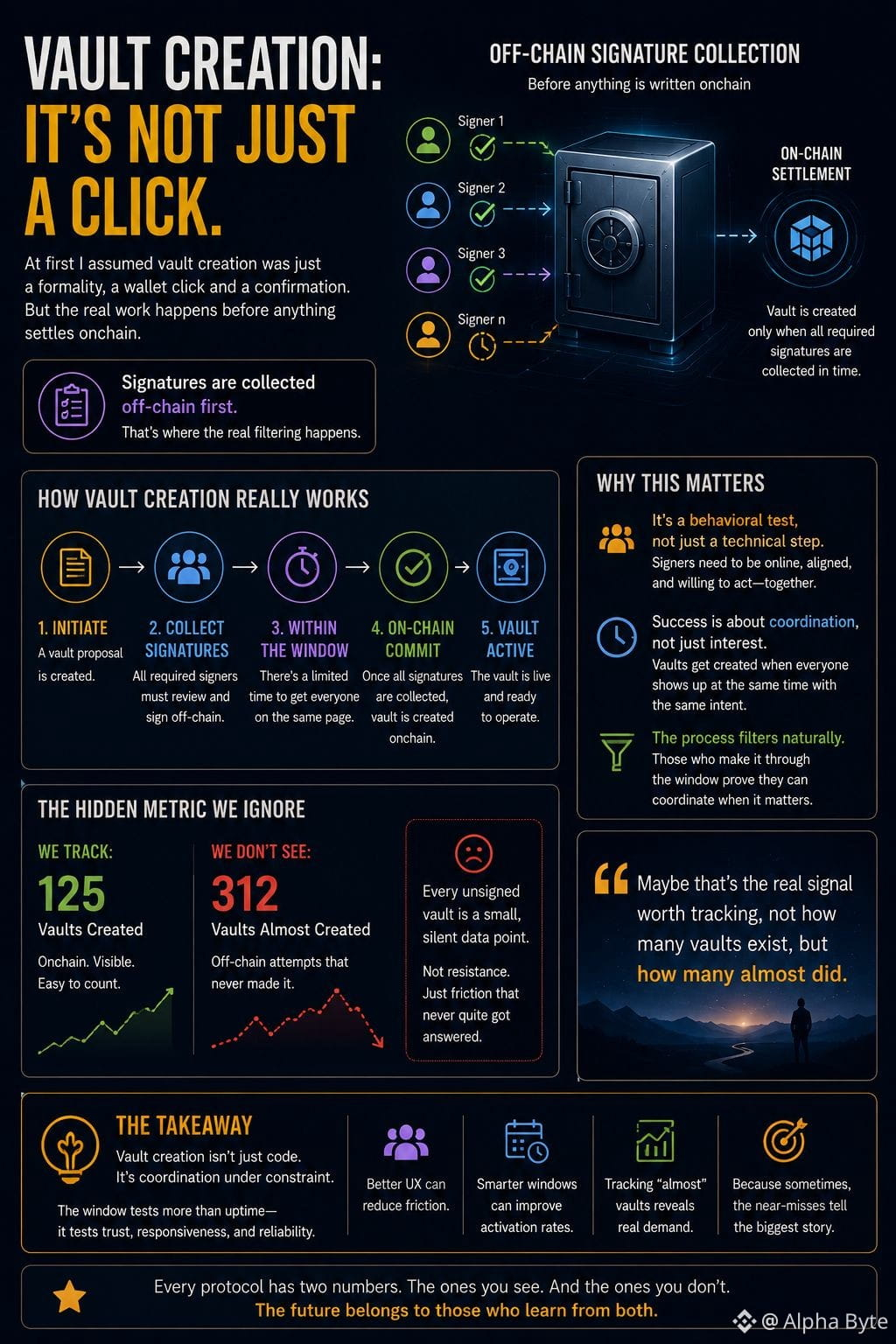
Als ich zum ersten Mal von der Erstellung von Tresoren hörte, nahm ich an, dass es einer der einfachsten Teile des Prozesses sei. Eine Wallet öffnen, eine Transaktion signieren und auf die Bestätigung warten. Es fühlte sich wie ein routinierter Schritt an, der nicht viel Aufmerksamkeit verdient.
Je mehr ich jedoch erkundete, wie es tatsächlich funktioniert, desto klarer wurde mir, dass im Hintergrund viel mehr passiert.
Bevor überhaupt etwas On-Chain erfasst wird, müssen die erforderlichen Signaturen off-chain gesammelt werden. Zunächst klang das nach einem kleinen technischen Detail. Doch als ich darüber nachdachte, wurde mir klar, dass es in Wahrheit ein Test der Koordination ist. Jede erforderliche Gegenpartei muss online sein, verfügbar und innerhalb eines begrenzten Zeitfensters bereit sein, zuzustimmen. Wenn auch nur ein Teilnehmer diese Gelegenheit verpasst, kann es sein, dass der Tresor nie erstellt wird.
Das hat meine Sicht auf den Prozess komplett verändert. Erfolgreiche Tresorerstellung hängt nicht nur davon ab, wie viele Menschen daran teilnehmen möchten. Sie hängt auch davon ab, ob alle Beteiligten im richtigen Moment miteinander koordinieren können. In vielerlei Hinsicht fühlt es sich eher an, als würde man eine menschliche Herausforderung lösen—als eine rein technische.
Was ebenfalls meine Aufmerksamkeit erregte, waren die Tresore, die niemals on-chain erscheinen. Wir feiern normalerweise die erfolgreichen, weil sie sich leicht messen lassen, aber die nicht signierten Tresore erzählen leise eine andere Geschichte. Sie bedeuten nicht zwangsläufig Ablehnung oder Misserfolg. Häufig spiegeln sie kleine Momente wider, in denen Timing, Verfügbarkeit oder Koordination einfach nicht zusammengepasst haben.
Für mich ist das eines der interessantesten Signale, die ein Protokoll verfolgen könnte. Anstatt sich nur auf die Anzahl der erfolgreich erstellten Tresore zu konzentrieren, könnte es genauso wertvoll sein zu verstehen, wie viele fast passiert wären. Manchmal ist die größte Quelle der Reibung nicht die Technologie selbst—sondern Menschen dazu zu bringen, genau zur richtigen Zeit gemeinsam da zu sein.
@babylonlabs_io $BABY #baby
#baby $BABY
Als ich zum ersten Mal von der Erstellung von Tresoren hörte, nahm ich an, dass es einer der einfachsten Teile des Prozesses sei. Eine Wallet öffnen, eine Transaktion signieren und auf die Bestätigung warten. Es fühlte sich wie ein routinierter Schritt an, der nicht viel Aufmerksamkeit verdient.
Je mehr ich jedoch erkundete, wie es tatsächlich funktioniert, desto klarer wurde mir, dass im Hintergrund viel mehr passiert.
Bevor überhaupt etwas On-Chain erfasst wird, müssen die erforderlichen Signaturen off-chain gesammelt werden. Zunächst klang das nach einem kleinen technischen Detail. Doch als ich darüber nachdachte, wurde mir klar, dass es in Wahrheit ein Test der Koordination ist. Jede erforderliche Gegenpartei muss online sein, verfügbar und innerhalb eines begrenzten Zeitfensters bereit sein, zuzustimmen. Wenn auch nur ein Teilnehmer diese Gelegenheit verpasst, kann es sein, dass der Tresor nie erstellt wird.
Das hat meine Sicht auf den Prozess komplett verändert. Erfolgreiche Tresorerstellung hängt nicht nur davon ab, wie viele Menschen daran teilnehmen möchten. Sie hängt auch davon ab, ob alle Beteiligten im richtigen Moment miteinander koordinieren können. In vielerlei Hinsicht fühlt es sich eher an, als würde man eine menschliche Herausforderung lösen—als eine rein technische.
Was ebenfalls meine Aufmerksamkeit erregte, waren die Tresore, die niemals on-chain erscheinen. Wir feiern normalerweise die erfolgreichen, weil sie sich leicht messen lassen, aber die nicht signierten Tresore erzählen leise eine andere Geschichte. Sie bedeuten nicht zwangsläufig Ablehnung oder Misserfolg. Häufig spiegeln sie kleine Momente wider, in denen Timing, Verfügbarkeit oder Koordination einfach nicht zusammengepasst haben.
Für mich ist das eines der interessantesten Signale, die ein Protokoll verfolgen könnte. Anstatt sich nur auf die Anzahl der erfolgreich erstellten Tresore zu konzentrieren, könnte es genauso wertvoll sein zu verstehen, wie viele fast passiert wären. Manchmal ist die größte Quelle der Reibung nicht die Technologie selbst—sondern Menschen dazu zu bringen, genau zur richtigen Zeit gemeinsam da zu sein.
@BabylonLabs_io $BABY #baby
Als ich zum ersten Mal von der Erstellung von Tresoren hörte, nahm ich an, dass es einer der einfachsten Teile des Prozesses sei. Eine Wallet öffnen, eine Transaktion signieren und auf die Bestätigung warten. Es fühlte sich wie ein routinierter Schritt an, der nicht viel Aufmerksamkeit verdient.
Je mehr ich jedoch erkundete, wie es tatsächlich funktioniert, desto klarer wurde mir, dass im Hintergrund viel mehr passiert.
Bevor überhaupt etwas On-Chain erfasst wird, müssen die erforderlichen Signaturen off-chain gesammelt werden. Zunächst klang das nach einem kleinen technischen Detail. Doch als ich darüber nachdachte, wurde mir klar, dass es in Wahrheit ein Test der Koordination ist. Jede erforderliche Gegenpartei muss online sein, verfügbar und innerhalb eines begrenzten Zeitfensters bereit sein, zuzustimmen. Wenn auch nur ein Teilnehmer diese Gelegenheit verpasst, kann es sein, dass der Tresor nie erstellt wird.
Das hat meine Sicht auf den Prozess komplett verändert. Erfolgreiche Tresorerstellung hängt nicht nur davon ab, wie viele Menschen daran teilnehmen möchten. Sie hängt auch davon ab, ob alle Beteiligten im richtigen Moment miteinander koordinieren können. In vielerlei Hinsicht fühlt es sich eher an, als würde man eine menschliche Herausforderung lösen—als eine rein technische.
Was ebenfalls meine Aufmerksamkeit erregte, waren die Tresore, die niemals on-chain erscheinen. Wir feiern normalerweise die erfolgreichen, weil sie sich leicht messen lassen, aber die nicht signierten Tresore erzählen leise eine andere Geschichte. Sie bedeuten nicht zwangsläufig Ablehnung oder Misserfolg. Häufig spiegeln sie kleine Momente wider, in denen Timing, Verfügbarkeit oder Koordination einfach nicht zusammengepasst haben.
Für mich ist das eines der interessantesten Signale, die ein Protokoll verfolgen könnte. Anstatt sich nur auf die Anzahl der erfolgreich erstellten Tresore zu konzentrieren, könnte es genauso wertvoll sein zu verstehen, wie viele fast passiert wären. Manchmal ist die größte Quelle der Reibung nicht die Technologie selbst—sondern Menschen dazu zu bringen, genau zur richtigen Zeit gemeinsam da zu sein.
@BabylonLabs_io $BABY #baby
7
7
264
·
--
#baby $BABY
Als ich zum ersten Mal von dem Self-Claim-Mechanismus erfuhr, nahm ich an, dass es sich dabei lediglich um eine Backup-Option handelt. Ich dachte, er existiere für außergewöhnliche Situationen, die die meisten Nutzer nie benötigen würden. Nachdem ich mehr Zeit damit verbracht hatte zu verstehen, wie er tatsächlich funktioniert, wurde mir klar, dass er einen viel größeren Zweck erfüllt.
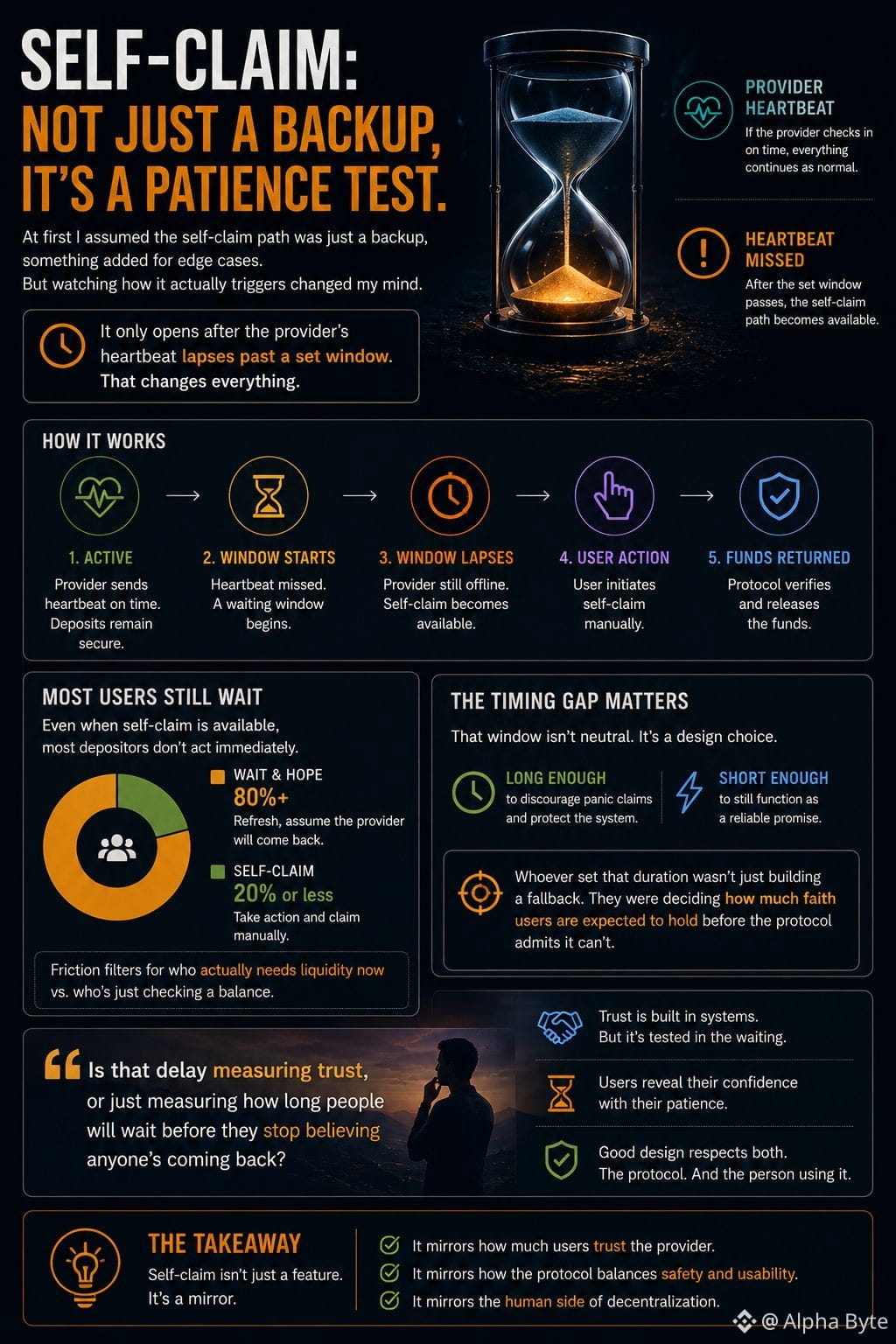
Der Self-Claim-Pfad wird erst verfügbar, nachdem ein Anbieter für einen bestimmten Zeitraum seinen erforderlichen Heartbeat nicht sendet. Diese Einzelheit veränderte meine Sichtweise vollständig. Anstatt nur eine Notfallfunktion zu sein, fühlt es sich an wie ein sorgfältig gestalteter Test von Geduld und Nutzerverhalten.
Was ich interessant fand, ist, dass viele Nutzer nicht sofort einen Self-Claim initiieren, sobald er verfügbar ist. Die meisten warten einfach. Sie aktualisieren die Seite, erwarten, dass der Anbieter sich erholt, und gehen davon aus, dass alles wieder normal wird, ohne dass sie etwas unternehmen müssen. Dieses Verhalten zeigt etwas Wichtiges darüber, wie Menschen natürlicherweise auf Unsicherheit reagieren.
Die Wartezeit erzeugt eine nützliche Reibung. Sie trennt Nutzer, die wirklich sofortigen Zugriff auf ihr Geld benötigen, von denen, die lediglich ihre Kontostände beobachten. In diesem Sinne ist die Verzögerung nicht nur eine technische Anforderung – sie beeinflusst leise, wie das gesamte System genutzt wird.
Je mehr ich darüber nachdachte, desto mehr schätzte ich, wie sorgfältig dieses Timing gewählt worden sein muss. Es ist lang genug, um unnötige Panik-Claims abzuschrecken, und gleichzeitig kurz genug, um den Nutzern zu versichern, dass es immer noch einen verlässlichen Rückfallmechanismus gibt, falls etwas schiefgeht.
Für mich ist die interessanteste Frage nicht, ob der Self-Claim-Mechanismus funktioniert. Sondern ob die Wartezeit tatsächlich Vertrauen misst. Ab wann hören Nutzer auf zu glauben, dass der Anbieter zurückkehren wird, und entscheiden sich, selbst zu handeln? Manchmal ist der wichtigste Teil eines Protokolls nicht die Technologie – sondern die Art und Weise, wie sein Design das menschliche Verhalten formt.
@babylonlabs_io $BABY #baby
#baby $BABY
Als ich zum ersten Mal von dem Self-Claim-Mechanismus erfuhr, nahm ich an, dass es sich dabei lediglich um eine Backup-Option handelt. Ich dachte, er existiere für außergewöhnliche Situationen, die die meisten Nutzer nie benötigen würden. Nachdem ich mehr Zeit damit verbracht hatte zu verstehen, wie er tatsächlich funktioniert, wurde mir klar, dass er einen viel größeren Zweck erfüllt.
Der Self-Claim-Pfad wird erst verfügbar, nachdem ein Anbieter für einen bestimmten Zeitraum seinen erforderlichen Heartbeat nicht sendet. Diese Einzelheit veränderte meine Sichtweise vollständig. Anstatt nur eine Notfallfunktion zu sein, fühlt es sich an wie ein sorgfältig gestalteter Test von Geduld und Nutzerverhalten.
Was ich interessant fand, ist, dass viele Nutzer nicht sofort einen Self-Claim initiieren, sobald er verfügbar ist. Die meisten warten einfach. Sie aktualisieren die Seite, erwarten, dass der Anbieter sich erholt, und gehen davon aus, dass alles wieder normal wird, ohne dass sie etwas unternehmen müssen. Dieses Verhalten zeigt etwas Wichtiges darüber, wie Menschen natürlicherweise auf Unsicherheit reagieren.
Die Wartezeit erzeugt eine nützliche Reibung. Sie trennt Nutzer, die wirklich sofortigen Zugriff auf ihr Geld benötigen, von denen, die lediglich ihre Kontostände beobachten. In diesem Sinne ist die Verzögerung nicht nur eine technische Anforderung – sie beeinflusst leise, wie das gesamte System genutzt wird.
Je mehr ich darüber nachdachte, desto mehr schätzte ich, wie sorgfältig dieses Timing gewählt worden sein muss. Es ist lang genug, um unnötige Panik-Claims abzuschrecken, und gleichzeitig kurz genug, um den Nutzern zu versichern, dass es immer noch einen verlässlichen Rückfallmechanismus gibt, falls etwas schiefgeht.
Für mich ist die interessanteste Frage nicht, ob der Self-Claim-Mechanismus funktioniert. Sondern ob die Wartezeit tatsächlich Vertrauen misst. Ab wann hören Nutzer auf zu glauben, dass der Anbieter zurückkehren wird, und entscheiden sich, selbst zu handeln? Manchmal ist der wichtigste Teil eines Protokolls nicht die Technologie – sondern die Art und Weise, wie sein Design das menschliche Verhalten formt.
@BabylonLabs_io $BABY #baby
Als ich zum ersten Mal von dem Self-Claim-Mechanismus erfuhr, nahm ich an, dass es sich dabei lediglich um eine Backup-Option handelt. Ich dachte, er existiere für außergewöhnliche Situationen, die die meisten Nutzer nie benötigen würden. Nachdem ich mehr Zeit damit verbracht hatte zu verstehen, wie er tatsächlich funktioniert, wurde mir klar, dass er einen viel größeren Zweck erfüllt.
Der Self-Claim-Pfad wird erst verfügbar, nachdem ein Anbieter für einen bestimmten Zeitraum seinen erforderlichen Heartbeat nicht sendet. Diese Einzelheit veränderte meine Sichtweise vollständig. Anstatt nur eine Notfallfunktion zu sein, fühlt es sich an wie ein sorgfältig gestalteter Test von Geduld und Nutzerverhalten.
Was ich interessant fand, ist, dass viele Nutzer nicht sofort einen Self-Claim initiieren, sobald er verfügbar ist. Die meisten warten einfach. Sie aktualisieren die Seite, erwarten, dass der Anbieter sich erholt, und gehen davon aus, dass alles wieder normal wird, ohne dass sie etwas unternehmen müssen. Dieses Verhalten zeigt etwas Wichtiges darüber, wie Menschen natürlicherweise auf Unsicherheit reagieren.
Die Wartezeit erzeugt eine nützliche Reibung. Sie trennt Nutzer, die wirklich sofortigen Zugriff auf ihr Geld benötigen, von denen, die lediglich ihre Kontostände beobachten. In diesem Sinne ist die Verzögerung nicht nur eine technische Anforderung – sie beeinflusst leise, wie das gesamte System genutzt wird.
Je mehr ich darüber nachdachte, desto mehr schätzte ich, wie sorgfältig dieses Timing gewählt worden sein muss. Es ist lang genug, um unnötige Panik-Claims abzuschrecken, und gleichzeitig kurz genug, um den Nutzern zu versichern, dass es immer noch einen verlässlichen Rückfallmechanismus gibt, falls etwas schiefgeht.
Für mich ist die interessanteste Frage nicht, ob der Self-Claim-Mechanismus funktioniert. Sondern ob die Wartezeit tatsächlich Vertrauen misst. Ab wann hören Nutzer auf zu glauben, dass der Anbieter zurückkehren wird, und entscheiden sich, selbst zu handeln? Manchmal ist der wichtigste Teil eines Protokolls nicht die Technologie – sondern die Art und Weise, wie sein Design das menschliche Verhalten formt.
@BabylonLabs_io $BABY #baby
8
7
164
·
--
#baby $BABY
Heute habe ich mir ein wenig Zeit genommen, um das Modell „Babylon's Trustless Bitcoin Vault“ zu erkunden. Die Idee hat mich sofort angesprochen, weil sie etwas verspricht, das sich viele Bitcoin-Nutzer seit Jahren wünschen: die Möglichkeit, natives BTC als Sicherheit zu verwenden—ohne es zu verpacken, ohne auf Brücken zu setzen oder die Selbstverwahrung aufzugeben. Das fühlt sich wie ein frischer Ansatz für Bitcoin-gestütztes DeFi an.
Anstatt bei der Idee stehenzubleiben, habe ich mir dann Live-Daten angesehen, um zu prüfen, wie es in der Praxis aussieht.
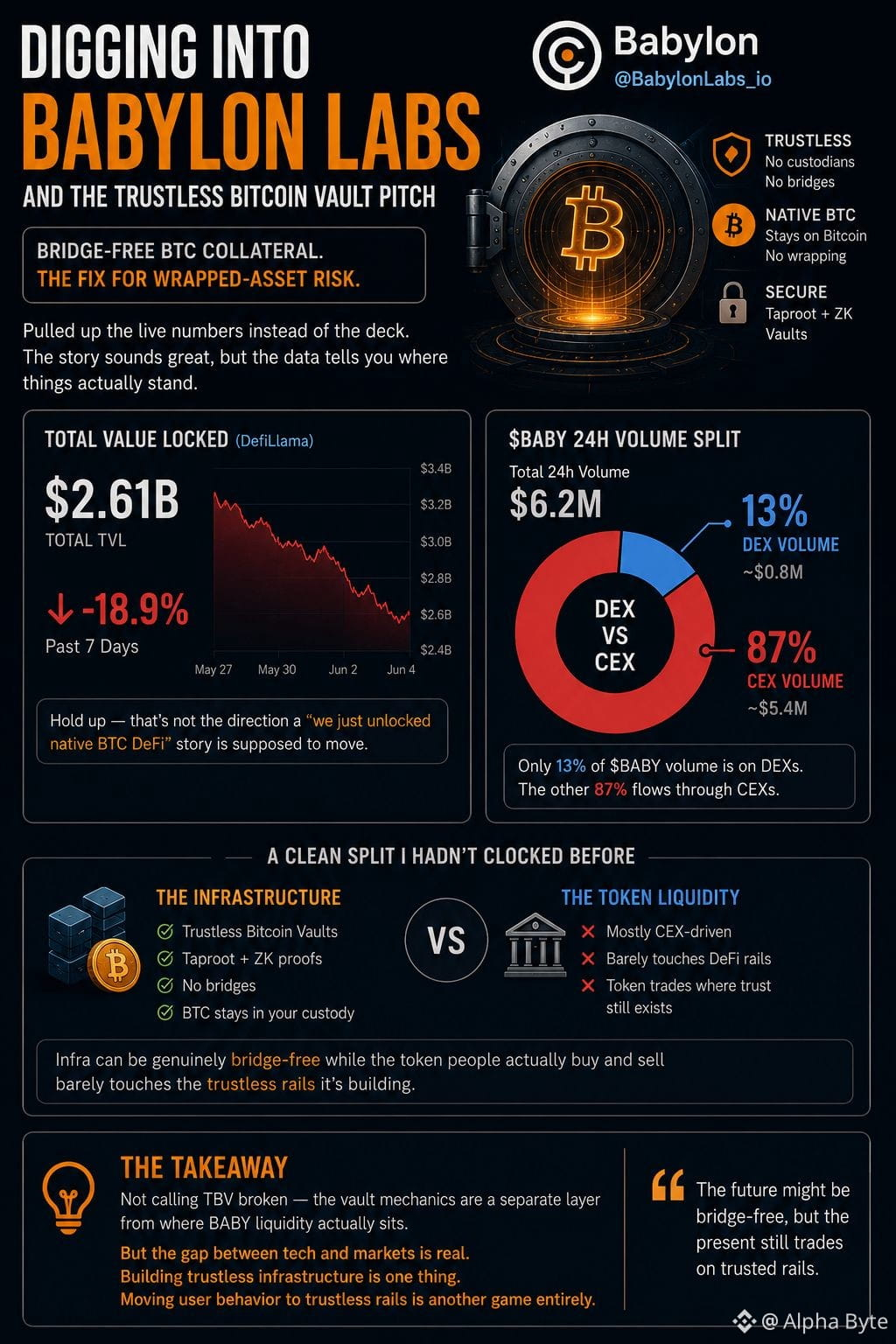
Die erste Zahl, die ins Auge fiel, war „Babylon's Total Value Locked“. Laut DeFiLlama hält das Protokoll derzeit rund 2,61 Milliarden US-Dollar an TVL, doch dieser Wert ist in den vergangenen sieben Tagen um nahezu 19% gefallen. Das war nicht der Trend, den ich bei einem Projekt erwartet hätte, dessen Ziel es ist, die nativen Bitcoin-Fähigkeiten auszubauen.
Danach habe ich mir die Handelsaktivität von BABY angesehen. In den letzten 24 Stunden lag das Handelsvolumen bei ungefähr 6,2 Millionen US-Dollar, wobei nur etwa 13% auf dezentralen Börsen stattfanden. Die restlichen 87% wurden über zentralisierte Börsen abgewickelt.
Dieser Kontrast hat mich zum Nachdenken gebracht. Babylon baut Infrastruktur, die darauf ausgelegt ist, die Abhängigkeit von vertrauenswürdigen Intermediären zu verringern—doch der meiste Handel mit dem eigenen Token findet weiterhin über zentralisierte Plattformen statt. Natürlich sind das zwei unterschiedliche Bereiche des Ökosystems. Die Trustless Bitcoin-Vault-Technologie kann genau so funktionieren, wie sie vorgesehen ist, selbst wenn die Token-Liquidität weiterhin auf zentralisierte Börsen konzentriert bleibt.
Für mich bestand die interessante Erkenntnis nicht darin, dass „etwas falsch“ wäre. Es war die Lücke zwischen technologischer Innovation und dem Verhalten der Nutzer. Vertrauenlose Infrastruktur zu bauen ist eine Herausforderung, aber Nutzer dazu zu bewegen, dezentralisierte Märkte wirklich vollständig anzunehmen, wird wahrscheinlich noch viel länger dauern. Zu beobachten, wie sich dieses Gleichgewicht im Laufe der Zeit verändert, wird ebenso spannend sein wie die Technologie selbst.
@babylonlabs_io $BABY #baby
#baby $BABY
Heute habe ich mir ein wenig Zeit genommen, um das Modell „Babylon's Trustless Bitcoin Vault“ zu erkunden. Die Idee hat mich sofort angesprochen, weil sie etwas verspricht, das sich viele Bitcoin-Nutzer seit Jahren wünschen: die Möglichkeit, natives BTC als Sicherheit zu verwenden—ohne es zu verpacken, ohne auf Brücken zu setzen oder die Selbstverwahrung aufzugeben. Das fühlt sich wie ein frischer Ansatz für Bitcoin-gestütztes DeFi an.
Anstatt bei der Idee stehenzubleiben, habe ich mir dann Live-Daten angesehen, um zu prüfen, wie es in der Praxis aussieht.
Die erste Zahl, die ins Auge fiel, war „Babylon's Total Value Locked“. Laut DeFiLlama hält das Protokoll derzeit rund 2,61 Milliarden US-Dollar an TVL, doch dieser Wert ist in den vergangenen sieben Tagen um nahezu 19% gefallen. Das war nicht der Trend, den ich bei einem Projekt erwartet hätte, dessen Ziel es ist, die nativen Bitcoin-Fähigkeiten auszubauen.
Danach habe ich mir die Handelsaktivität von BABY angesehen. In den letzten 24 Stunden lag das Handelsvolumen bei ungefähr 6,2 Millionen US-Dollar, wobei nur etwa 13% auf dezentralen Börsen stattfanden. Die restlichen 87% wurden über zentralisierte Börsen abgewickelt.
Dieser Kontrast hat mich zum Nachdenken gebracht. Babylon baut Infrastruktur, die darauf ausgelegt ist, die Abhängigkeit von vertrauenswürdigen Intermediären zu verringern—doch der meiste Handel mit dem eigenen Token findet weiterhin über zentralisierte Plattformen statt. Natürlich sind das zwei unterschiedliche Bereiche des Ökosystems. Die Trustless Bitcoin-Vault-Technologie kann genau so funktionieren, wie sie vorgesehen ist, selbst wenn die Token-Liquidität weiterhin auf zentralisierte Börsen konzentriert bleibt.
Für mich bestand die interessante Erkenntnis nicht darin, dass „etwas falsch“ wäre. Es war die Lücke zwischen technologischer Innovation und dem Verhalten der Nutzer. Vertrauenlose Infrastruktur zu bauen ist eine Herausforderung, aber Nutzer dazu zu bewegen, dezentralisierte Märkte wirklich vollständig anzunehmen, wird wahrscheinlich noch viel länger dauern. Zu beobachten, wie sich dieses Gleichgewicht im Laufe der Zeit verändert, wird ebenso spannend sein wie die Technologie selbst.
@BabylonLabs_io $BABY #baby
Heute habe ich mir ein wenig Zeit genommen, um das Modell „Babylon's Trustless Bitcoin Vault“ zu erkunden. Die Idee hat mich sofort angesprochen, weil sie etwas verspricht, das sich viele Bitcoin-Nutzer seit Jahren wünschen: die Möglichkeit, natives BTC als Sicherheit zu verwenden—ohne es zu verpacken, ohne auf Brücken zu setzen oder die Selbstverwahrung aufzugeben. Das fühlt sich wie ein frischer Ansatz für Bitcoin-gestütztes DeFi an.
Anstatt bei der Idee stehenzubleiben, habe ich mir dann Live-Daten angesehen, um zu prüfen, wie es in der Praxis aussieht.
Die erste Zahl, die ins Auge fiel, war „Babylon's Total Value Locked“. Laut DeFiLlama hält das Protokoll derzeit rund 2,61 Milliarden US-Dollar an TVL, doch dieser Wert ist in den vergangenen sieben Tagen um nahezu 19% gefallen. Das war nicht der Trend, den ich bei einem Projekt erwartet hätte, dessen Ziel es ist, die nativen Bitcoin-Fähigkeiten auszubauen.
Danach habe ich mir die Handelsaktivität von BABY angesehen. In den letzten 24 Stunden lag das Handelsvolumen bei ungefähr 6,2 Millionen US-Dollar, wobei nur etwa 13% auf dezentralen Börsen stattfanden. Die restlichen 87% wurden über zentralisierte Börsen abgewickelt.
Dieser Kontrast hat mich zum Nachdenken gebracht. Babylon baut Infrastruktur, die darauf ausgelegt ist, die Abhängigkeit von vertrauenswürdigen Intermediären zu verringern—doch der meiste Handel mit dem eigenen Token findet weiterhin über zentralisierte Plattformen statt. Natürlich sind das zwei unterschiedliche Bereiche des Ökosystems. Die Trustless Bitcoin-Vault-Technologie kann genau so funktionieren, wie sie vorgesehen ist, selbst wenn die Token-Liquidität weiterhin auf zentralisierte Börsen konzentriert bleibt.
Für mich bestand die interessante Erkenntnis nicht darin, dass „etwas falsch“ wäre. Es war die Lücke zwischen technologischer Innovation und dem Verhalten der Nutzer. Vertrauenlose Infrastruktur zu bauen ist eine Herausforderung, aber Nutzer dazu zu bewegen, dezentralisierte Märkte wirklich vollständig anzunehmen, wird wahrscheinlich noch viel länger dauern. Zu beobachten, wie sich dieses Gleichgewicht im Laufe der Zeit verändert, wird ebenso spannend sein wie die Technologie selbst.
@BabylonLabs_io $BABY #baby
11
12
210
·
--
#baby $BABY
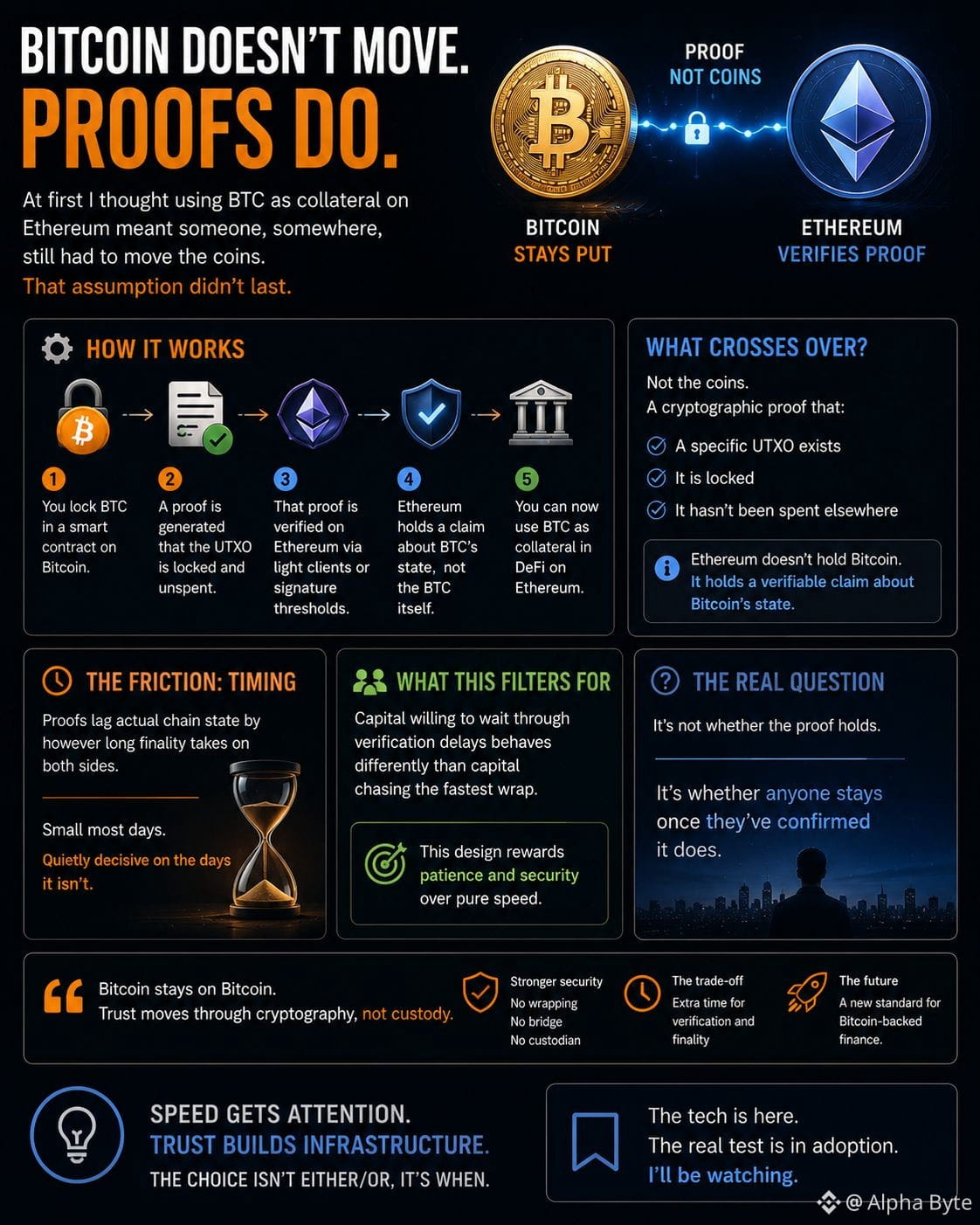
Als ich zum ersten Mal davon erfuhr, Bitcoin als Sicherheit (Collateral) auf Ethereum zu verwenden, ging ich davon aus, dass der Prozess zwangsläufig mit der Übertragung des eigentlichen BTC zu tun haben musste. Es schien so, als müsse es eine Brücke geben, ein Wrapped Token oder einen Verwahrer, der die Coins irgendwo im Hintergrund hält.
Nachdem ich mehr Zeit damit verbracht hatte, die Funktionsweise dieser Systeme zu verstehen, merkte ich, dass diese Annahme nicht stimmt.
Der Bitcoin selbst verlässt seine eigene Blockchain nie. Statt den Vermögenswert zu übertragen, überträgt das System einen Nachweis. Eine kryptografische Bestätigung bestätigt, dass eine bestimmte Bitcoin-UTXO existiert, gesperrt bleibt und nicht ausgegeben wurde. Ethereum übernimmt nicht die Verwahrung des Bitcoins – es verifiziert lediglich diesen Nachweis mithilfe kryptografischer Mechanismen, statt sich auf einen zentralen Vermittler zu verlassen.
Ich fand diese Idee überraschend interessant. Anstatt Bitcoin zwischen Netzwerken zu verschieben, lässt das Protokoll den Bitcoin genau dort, wo er hingehört, während eine andere Blockchain seinen Zustand über Verifikation erkennt. Das ist eine andere Art, über Interoperabilität nachzudenken: weniger über Bewegung, mehr über Vertrauen.
Der Nachteil besteht jedoch in der Zeit. Diese Nachweise werden nicht sofort aktualisiert. Sie hängen von Bestätigungen und Finalität sowohl in Bitcoin als auch in Ethereum ab, sodass es zu einer Verzögerung kommen kann, bevor die Sicherheit nutzbar wird. In den meisten Tagen dürfte diese Verzögerung kaum ins Gewicht fallen, aber in Phasen starker Marktaktivität könnte sie deutlich spürbarer werden.
Am meisten stach für mich nicht die Technologie selbst hervor, sondern das Verhalten, das sie fördert. Menschen, die bereit sind, auf mehr Sicherheit zu warten, haben oft eine andere Denkweise als jene, die die schnellstmögliche Transaktion anstreben.
Für mich ist die größere Frage nicht, ob der kryptografische Nachweis funktioniert. Sondern ob Nutzer weiterhin stärkere Garantien der Geschwindigkeit vorziehen werden, während sich bitcoinbasiertes Finanzieren weiterentwickelt.
@babylonlabs_io $BABY #baby
#baby $BABY
Als ich zum ersten Mal davon erfuhr, Bitcoin als Sicherheit (Collateral) auf Ethereum zu verwenden, ging ich davon aus, dass der Prozess zwangsläufig mit der Übertragung des eigentlichen BTC zu tun haben musste. Es schien so, als müsse es eine Brücke geben, ein Wrapped Token oder einen Verwahrer, der die Coins irgendwo im Hintergrund hält.
Nachdem ich mehr Zeit damit verbracht hatte, die Funktionsweise dieser Systeme zu verstehen, merkte ich, dass diese Annahme nicht stimmt.
Der Bitcoin selbst verlässt seine eigene Blockchain nie. Statt den Vermögenswert zu übertragen, überträgt das System einen Nachweis. Eine kryptografische Bestätigung bestätigt, dass eine bestimmte Bitcoin-UTXO existiert, gesperrt bleibt und nicht ausgegeben wurde. Ethereum übernimmt nicht die Verwahrung des Bitcoins – es verifiziert lediglich diesen Nachweis mithilfe kryptografischer Mechanismen, statt sich auf einen zentralen Vermittler zu verlassen.
Ich fand diese Idee überraschend interessant. Anstatt Bitcoin zwischen Netzwerken zu verschieben, lässt das Protokoll den Bitcoin genau dort, wo er hingehört, während eine andere Blockchain seinen Zustand über Verifikation erkennt. Das ist eine andere Art, über Interoperabilität nachzudenken: weniger über Bewegung, mehr über Vertrauen.
Der Nachteil besteht jedoch in der Zeit. Diese Nachweise werden nicht sofort aktualisiert. Sie hängen von Bestätigungen und Finalität sowohl in Bitcoin als auch in Ethereum ab, sodass es zu einer Verzögerung kommen kann, bevor die Sicherheit nutzbar wird. In den meisten Tagen dürfte diese Verzögerung kaum ins Gewicht fallen, aber in Phasen starker Marktaktivität könnte sie deutlich spürbarer werden.
Am meisten stach für mich nicht die Technologie selbst hervor, sondern das Verhalten, das sie fördert. Menschen, die bereit sind, auf mehr Sicherheit zu warten, haben oft eine andere Denkweise als jene, die die schnellstmögliche Transaktion anstreben.
Für mich ist die größere Frage nicht, ob der kryptografische Nachweis funktioniert. Sondern ob Nutzer weiterhin stärkere Garantien der Geschwindigkeit vorziehen werden, während sich bitcoinbasiertes Finanzieren weiterentwickelt.
@BabylonLabs_io $BABY #baby
Als ich zum ersten Mal davon erfuhr, Bitcoin als Sicherheit (Collateral) auf Ethereum zu verwenden, ging ich davon aus, dass der Prozess zwangsläufig mit der Übertragung des eigentlichen BTC zu tun haben musste. Es schien so, als müsse es eine Brücke geben, ein Wrapped Token oder einen Verwahrer, der die Coins irgendwo im Hintergrund hält.
Nachdem ich mehr Zeit damit verbracht hatte, die Funktionsweise dieser Systeme zu verstehen, merkte ich, dass diese Annahme nicht stimmt.
Der Bitcoin selbst verlässt seine eigene Blockchain nie. Statt den Vermögenswert zu übertragen, überträgt das System einen Nachweis. Eine kryptografische Bestätigung bestätigt, dass eine bestimmte Bitcoin-UTXO existiert, gesperrt bleibt und nicht ausgegeben wurde. Ethereum übernimmt nicht die Verwahrung des Bitcoins – es verifiziert lediglich diesen Nachweis mithilfe kryptografischer Mechanismen, statt sich auf einen zentralen Vermittler zu verlassen.
Ich fand diese Idee überraschend interessant. Anstatt Bitcoin zwischen Netzwerken zu verschieben, lässt das Protokoll den Bitcoin genau dort, wo er hingehört, während eine andere Blockchain seinen Zustand über Verifikation erkennt. Das ist eine andere Art, über Interoperabilität nachzudenken: weniger über Bewegung, mehr über Vertrauen.
Der Nachteil besteht jedoch in der Zeit. Diese Nachweise werden nicht sofort aktualisiert. Sie hängen von Bestätigungen und Finalität sowohl in Bitcoin als auch in Ethereum ab, sodass es zu einer Verzögerung kommen kann, bevor die Sicherheit nutzbar wird. In den meisten Tagen dürfte diese Verzögerung kaum ins Gewicht fallen, aber in Phasen starker Marktaktivität könnte sie deutlich spürbarer werden.
Am meisten stach für mich nicht die Technologie selbst hervor, sondern das Verhalten, das sie fördert. Menschen, die bereit sind, auf mehr Sicherheit zu warten, haben oft eine andere Denkweise als jene, die die schnellstmögliche Transaktion anstreben.
Für mich ist die größere Frage nicht, ob der kryptografische Nachweis funktioniert. Sondern ob Nutzer weiterhin stärkere Garantien der Geschwindigkeit vorziehen werden, während sich bitcoinbasiertes Finanzieren weiterentwickelt.
@BabylonLabs_io $BABY #baby
12
10
190
·
--
#baby $BABY
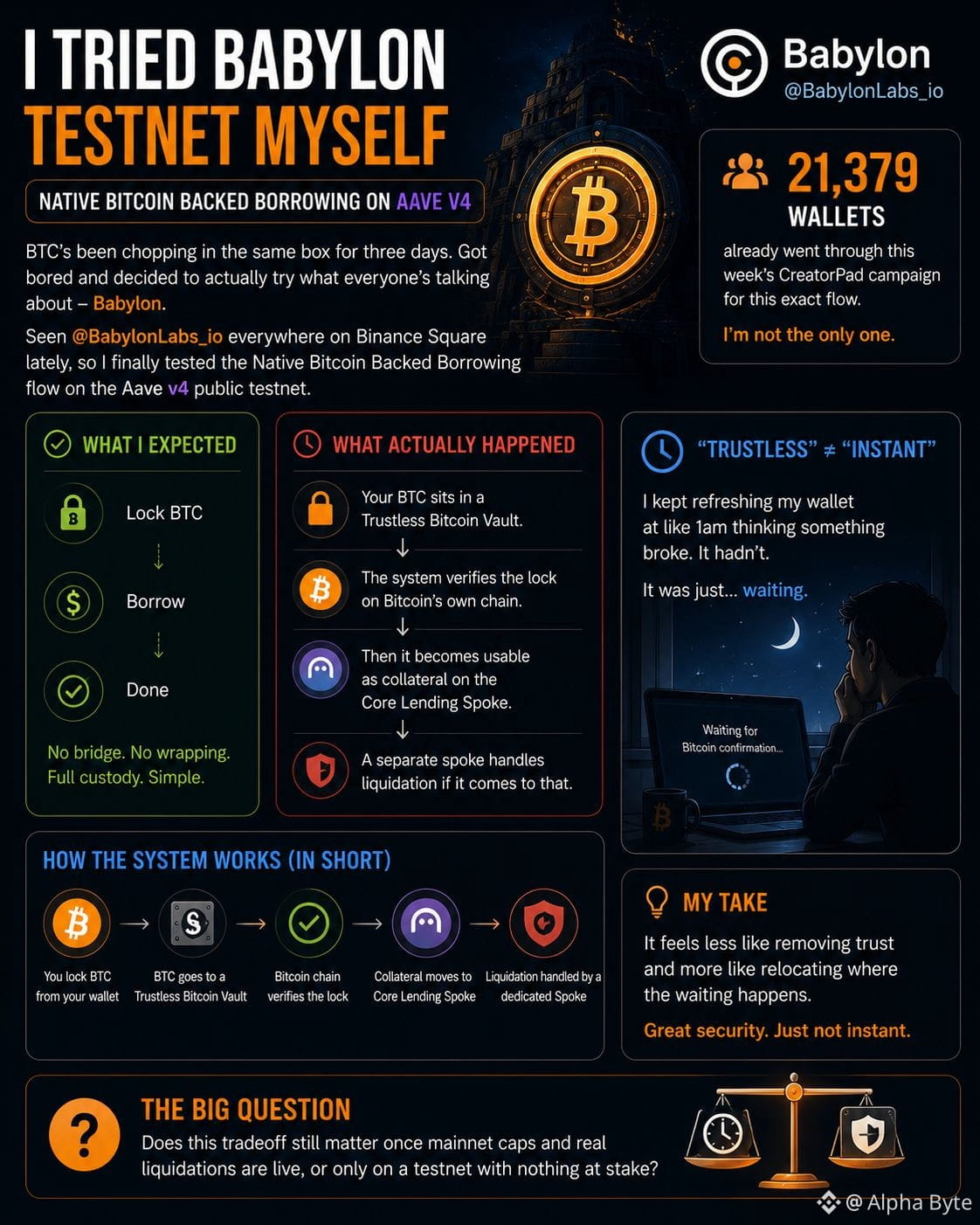
Bitcoin wird seit den letzten Tagen in derselben Spanne gehandelt, und nachdem ich zu lange die Charts beobachtet hatte, beschloss ich, etwas anderes auszuprobieren. Babylon tauchte überall in meinem Feed auf, also testete ich schließlich den Native Bitcoin Backed Borrowing-Flow auf dem Aave-v4-Public-Testnet, um zu sehen, wie er sich in der Praxis tatsächlich anfühlt.
Bevor ich es ausprobierte, erwartete ich ein unkompliziertes Erlebnis. Bitcoin sperren, dagegen leihen und weitermachen. Da Babylon auf natives BTC setzt, ohne Wrapping, Brücken oder die Aufgabe der Verwahrung, nahm ich an, dass der Prozess nahezu sofort ablaufen würde.
Die Realität sah anders aus.
Nachdem ich meinen Bitcoin gesperrt hatte, musste ich warten, während das Protokoll die Transaktion auf der eigenen Blockchain von Bitcoin verifizierte, bevor der BTC als Sicherheit verwendet werden konnte. Die Mittel blieben in einem Trustless Bitcoin Vault, während der Verifizierungsprozess lief, wobei separate Komponenten sowohl für das Verleihen als auch für mögliche Liquidationen zuständig waren. Alles funktionierte genau wie vorgesehen, aber die Verzögerung hat mich überrascht.
Ich ertappte mich dabei, dass ich mein Wallet mehrmals aktualisierte, in der Hoffnung, dass etwas schiefgelaufen sein könnte. Schließlich wurde mir klar: „trustless“ bedeutet nicht zwangsläufig „sofort“. Babylon entfernt die Verzögerungen nicht, sondern verschiebt sie in den Bestätigungsprozess von Bitcoin und stellt dabei Sicherheit über Geschwindigkeit.
Später erfuhr ich, dass bereits mehr als 21.000 Wallets an derselben CreatorPad-Kampagne teilgenommen hatten. Das ließ mich erkennen, dass ich nicht der einzige bin, der diese Lernkurve durchlebt.
Für mich hat das Erlebnis meine Sicht auf das Protokoll verändert. Etwas über ein Produkt zu lesen und es tatsächlich zu nutzen, sind zwei völlig unterschiedliche Dinge. Die größere Frage ist jetzt, ob sich dieser Trade-off zwischen Sicherheit und Warten auch dann noch lohnend anfühlen wird, wenn Babylon Mainnet erreicht und echte Assets, Kreditlimits und Liquidationen ins Spiel kommen. Das werde ich als Nächstes im Blick behalten.
@babylonlabs_io $BABY #baby
#baby $BABY
Bitcoin wird seit den letzten Tagen in derselben Spanne gehandelt, und nachdem ich zu lange die Charts beobachtet hatte, beschloss ich, etwas anderes auszuprobieren. Babylon tauchte überall in meinem Feed auf, also testete ich schließlich den Native Bitcoin Backed Borrowing-Flow auf dem Aave-v4-Public-Testnet, um zu sehen, wie er sich in der Praxis tatsächlich anfühlt.
Bevor ich es ausprobierte, erwartete ich ein unkompliziertes Erlebnis. Bitcoin sperren, dagegen leihen und weitermachen. Da Babylon auf natives BTC setzt, ohne Wrapping, Brücken oder die Aufgabe der Verwahrung, nahm ich an, dass der Prozess nahezu sofort ablaufen würde.
Die Realität sah anders aus.
Nachdem ich meinen Bitcoin gesperrt hatte, musste ich warten, während das Protokoll die Transaktion auf der eigenen Blockchain von Bitcoin verifizierte, bevor der BTC als Sicherheit verwendet werden konnte. Die Mittel blieben in einem Trustless Bitcoin Vault, während der Verifizierungsprozess lief, wobei separate Komponenten sowohl für das Verleihen als auch für mögliche Liquidationen zuständig waren. Alles funktionierte genau wie vorgesehen, aber die Verzögerung hat mich überrascht.
Ich ertappte mich dabei, dass ich mein Wallet mehrmals aktualisierte, in der Hoffnung, dass etwas schiefgelaufen sein könnte. Schließlich wurde mir klar: „trustless“ bedeutet nicht zwangsläufig „sofort“. Babylon entfernt die Verzögerungen nicht, sondern verschiebt sie in den Bestätigungsprozess von Bitcoin und stellt dabei Sicherheit über Geschwindigkeit.
Später erfuhr ich, dass bereits mehr als 21.000 Wallets an derselben CreatorPad-Kampagne teilgenommen hatten. Das ließ mich erkennen, dass ich nicht der einzige bin, der diese Lernkurve durchlebt.
Für mich hat das Erlebnis meine Sicht auf das Protokoll verändert. Etwas über ein Produkt zu lesen und es tatsächlich zu nutzen, sind zwei völlig unterschiedliche Dinge. Die größere Frage ist jetzt, ob sich dieser Trade-off zwischen Sicherheit und Warten auch dann noch lohnend anfühlen wird, wenn Babylon Mainnet erreicht und echte Assets, Kreditlimits und Liquidationen ins Spiel kommen. Das werde ich als Nächstes im Blick behalten.
@BabylonLabs_io $BABY #baby
Bitcoin wird seit den letzten Tagen in derselben Spanne gehandelt, und nachdem ich zu lange die Charts beobachtet hatte, beschloss ich, etwas anderes auszuprobieren. Babylon tauchte überall in meinem Feed auf, also testete ich schließlich den Native Bitcoin Backed Borrowing-Flow auf dem Aave-v4-Public-Testnet, um zu sehen, wie er sich in der Praxis tatsächlich anfühlt.
Bevor ich es ausprobierte, erwartete ich ein unkompliziertes Erlebnis. Bitcoin sperren, dagegen leihen und weitermachen. Da Babylon auf natives BTC setzt, ohne Wrapping, Brücken oder die Aufgabe der Verwahrung, nahm ich an, dass der Prozess nahezu sofort ablaufen würde.
Die Realität sah anders aus.
Nachdem ich meinen Bitcoin gesperrt hatte, musste ich warten, während das Protokoll die Transaktion auf der eigenen Blockchain von Bitcoin verifizierte, bevor der BTC als Sicherheit verwendet werden konnte. Die Mittel blieben in einem Trustless Bitcoin Vault, während der Verifizierungsprozess lief, wobei separate Komponenten sowohl für das Verleihen als auch für mögliche Liquidationen zuständig waren. Alles funktionierte genau wie vorgesehen, aber die Verzögerung hat mich überrascht.
Ich ertappte mich dabei, dass ich mein Wallet mehrmals aktualisierte, in der Hoffnung, dass etwas schiefgelaufen sein könnte. Schließlich wurde mir klar: „trustless“ bedeutet nicht zwangsläufig „sofort“. Babylon entfernt die Verzögerungen nicht, sondern verschiebt sie in den Bestätigungsprozess von Bitcoin und stellt dabei Sicherheit über Geschwindigkeit.
Später erfuhr ich, dass bereits mehr als 21.000 Wallets an derselben CreatorPad-Kampagne teilgenommen hatten. Das ließ mich erkennen, dass ich nicht der einzige bin, der diese Lernkurve durchlebt.
Für mich hat das Erlebnis meine Sicht auf das Protokoll verändert. Etwas über ein Produkt zu lesen und es tatsächlich zu nutzen, sind zwei völlig unterschiedliche Dinge. Die größere Frage ist jetzt, ob sich dieser Trade-off zwischen Sicherheit und Warten auch dann noch lohnend anfühlen wird, wenn Babylon Mainnet erreicht und echte Assets, Kreditlimits und Liquidationen ins Spiel kommen. Das werde ich als Nächstes im Blick behalten.
@BabylonLabs_io $BABY #baby
9
9
170
·
--
$SOL
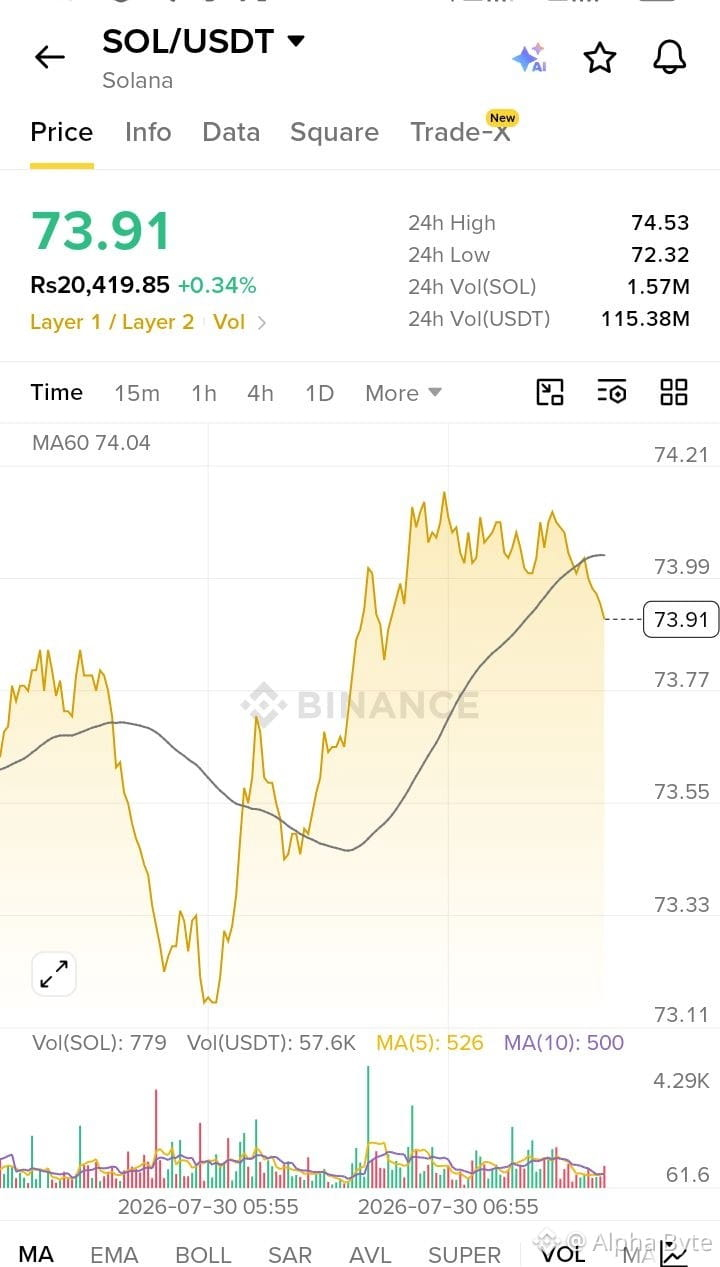
Long Trade Setup: – SOL machte einen starken Move vom $73,2-Bereich und stieg auf etwa $74,1, bevor es wieder zurücksetzte. Derzeit handelt der Kurs nahe $73,9, nachdem es an dem lokalen Hoch zu einer kleinen Ablehnung gekommen ist. – Die wichtigste Zone zum Halten liegt bei etwa $73,9. Wenn dieser Bereich gehalten wird, bleibt die kurzfristig bullische Struktur bestehen. – Ein Ausbruch über $74,2 könnte den Weg für eine weitere Aufwärtsbewegung und neue Intraday-Hochs öffnen.
Risikohinweis: – Wenn SOL unter $73,9 fällt und sich nicht zurückholt, könnte die Korrektur bis in den Bereich von $73,7 ausgeweitet werden.
Nächster Schritt: – Achte darauf, ob Käufer $73,9 verteidigen, oder auf einen sauberen Ausbruch über $74,2.
$SOL
Long Trade Setup: – SOL machte einen starken Move vom $73,2-Bereich und stieg auf etwa $74,1, bevor es wieder zurücksetzte. Derzeit handelt der Kurs nahe $73,9, nachdem es an dem lokalen Hoch zu einer kleinen Ablehnung gekommen ist. – Die wichtigste Zone zum Halten liegt bei etwa $73,9. Wenn dieser Bereich gehalten wird, bleibt die kurzfristig bullische Struktur bestehen. – Ein Ausbruch über $74,2 könnte den Weg für eine weitere Aufwärtsbewegung und neue Intraday-Hochs öffnen.
Risikohinweis: – Wenn SOL unter $73,9 fällt und sich nicht zurückholt, könnte die Korrektur bis in den Bereich von $73,7 ausgeweitet werden.
Nächster Schritt: – Achte darauf, ob Käufer $73,9 verteidigen, oder auf einen sauberen Ausbruch über $74,2.
Long Trade Setup: – SOL machte einen starken Move vom $73,2-Bereich und stieg auf etwa $74,1, bevor es wieder zurücksetzte. Derzeit handelt der Kurs nahe $73,9, nachdem es an dem lokalen Hoch zu einer kleinen Ablehnung gekommen ist. – Die wichtigste Zone zum Halten liegt bei etwa $73,9. Wenn dieser Bereich gehalten wird, bleibt die kurzfristig bullische Struktur bestehen. – Ein Ausbruch über $74,2 könnte den Weg für eine weitere Aufwärtsbewegung und neue Intraday-Hochs öffnen.
Risikohinweis: – Wenn SOL unter $73,9 fällt und sich nicht zurückholt, könnte die Korrektur bis in den Bereich von $73,7 ausgeweitet werden.
Nächster Schritt: – Achte darauf, ob Käufer $73,9 verteidigen, oder auf einen sauberen Ausbruch über $74,2.
82
·
--
$BTC
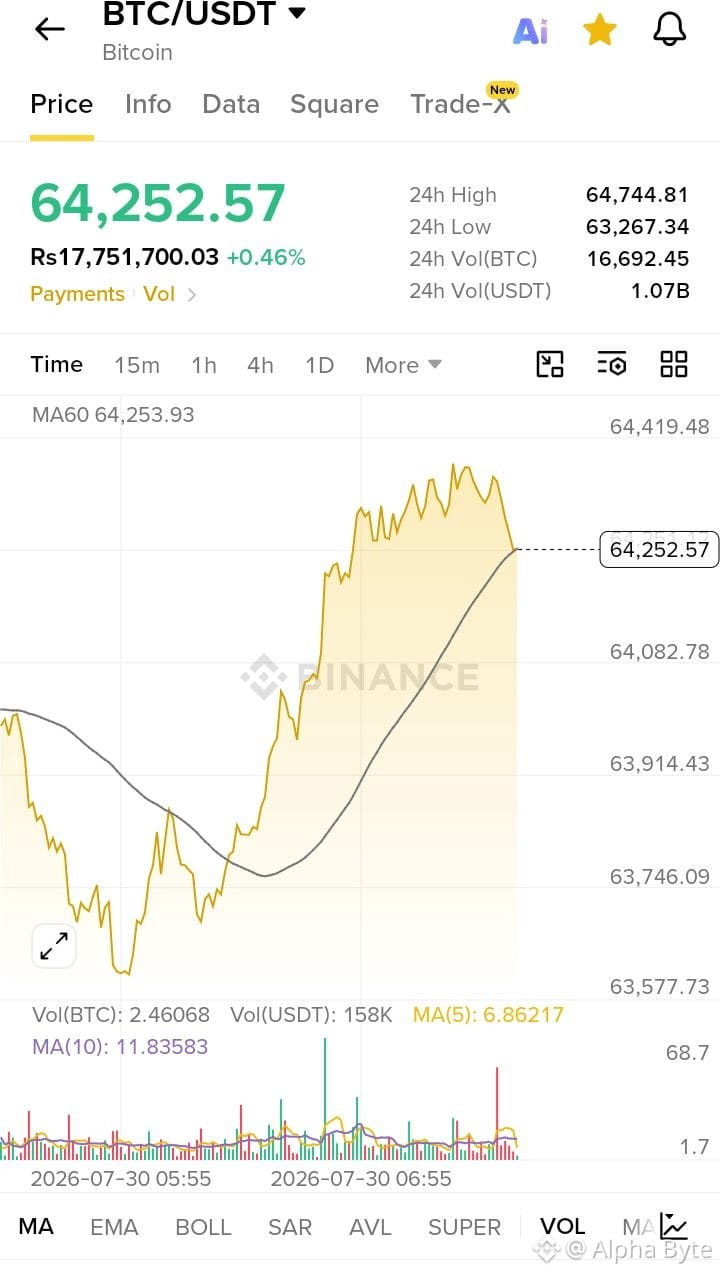
Long Trade Setup: – BTC ist aus dem $63,7K-Bereich heraus angestiegen und wird nun nach einem starken Move bei etwa $64,25K gehandelt. Nach dem Test des lokalen Hochs nahe $64,4K hat der Kurs begonnen, leicht zurückzuziehen. – Die entscheidende Marke, die es zu halten gilt, liegt bei etwa $64,2K. Oberhalb dieses Bereichs bleibt der kurzfristige Trend positiv. – Ein klarer Ausbruch über $64,4K könnte den Weg für einen weiteren Anstieg hin zu neuen Intraday-Höchstständen öffnen.
Risk Note: – Wenn BTC die Marke von $64,2K verliert, könnte der Rücksetzer weitergehen Richtung $64K-Bereich oder tiefer.
Next Move: – Beobachte, ob Käufer $64,2K verteidigen, oder ob der Kurs mit Stärke über $64,4K ausbricht.
$BTC
Long Trade Setup: – BTC ist aus dem $63,7K-Bereich heraus angestiegen und wird nun nach einem starken Move bei etwa $64,25K gehandelt. Nach dem Test des lokalen Hochs nahe $64,4K hat der Kurs begonnen, leicht zurückzuziehen. – Die entscheidende Marke, die es zu halten gilt, liegt bei etwa $64,2K. Oberhalb dieses Bereichs bleibt der kurzfristige Trend positiv. – Ein klarer Ausbruch über $64,4K könnte den Weg für einen weiteren Anstieg hin zu neuen Intraday-Höchstständen öffnen.
Risk Note: – Wenn BTC die Marke von $64,2K verliert, könnte der Rücksetzer weitergehen Richtung $64K-Bereich oder tiefer.
Next Move: – Beobachte, ob Käufer $64,2K verteidigen, oder ob der Kurs mit Stärke über $64,4K ausbricht.
Long Trade Setup: – BTC ist aus dem $63,7K-Bereich heraus angestiegen und wird nun nach einem starken Move bei etwa $64,25K gehandelt. Nach dem Test des lokalen Hochs nahe $64,4K hat der Kurs begonnen, leicht zurückzuziehen. – Die entscheidende Marke, die es zu halten gilt, liegt bei etwa $64,2K. Oberhalb dieses Bereichs bleibt der kurzfristige Trend positiv. – Ein klarer Ausbruch über $64,4K könnte den Weg für einen weiteren Anstieg hin zu neuen Intraday-Höchstständen öffnen.
Risk Note: – Wenn BTC die Marke von $64,2K verliert, könnte der Rücksetzer weitergehen Richtung $64K-Bereich oder tiefer.
Next Move: – Beobachte, ob Käufer $64,2K verteidigen, oder ob der Kurs mit Stärke über $64,4K ausbricht.
159
·
--
#baby $BABY
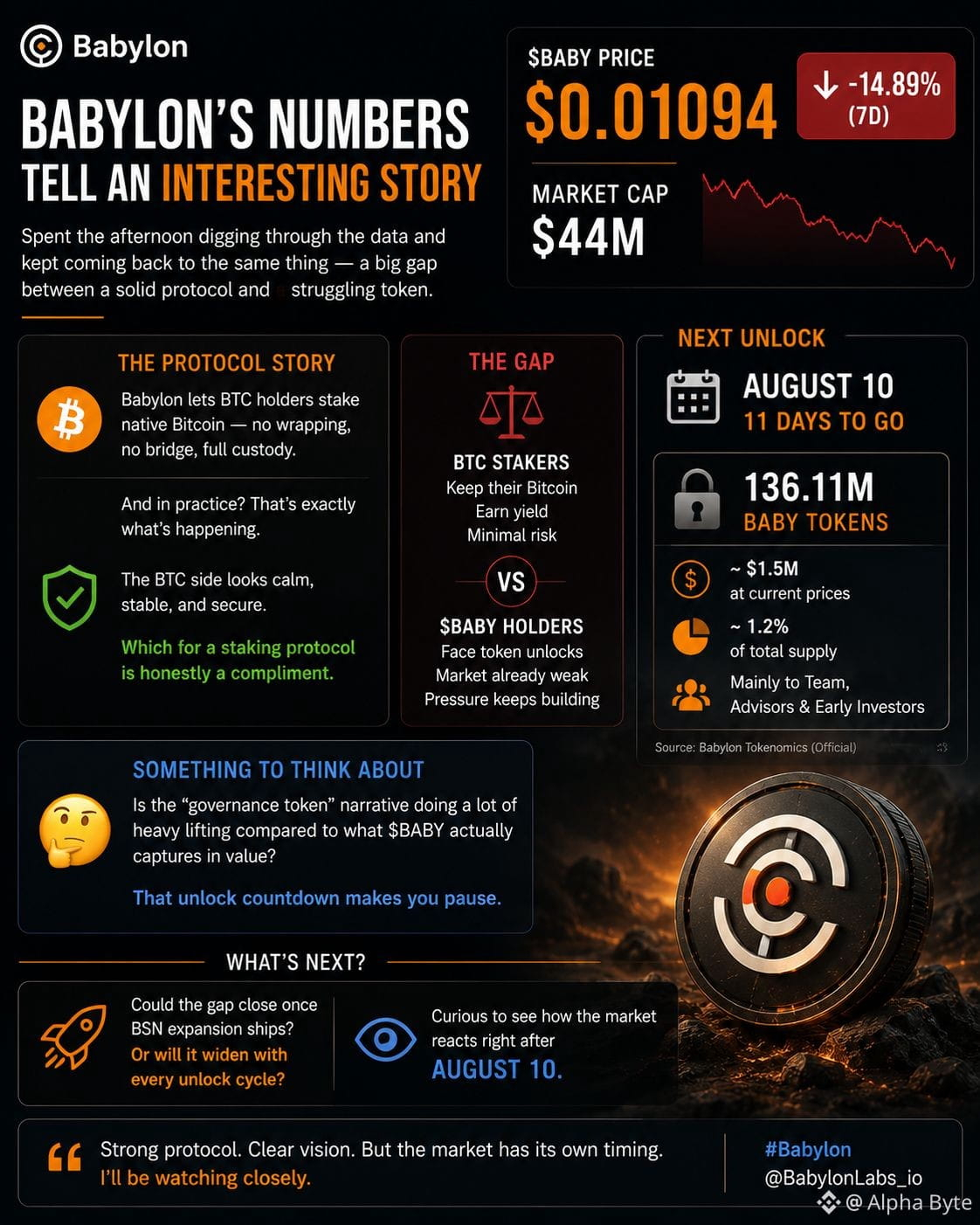
Heute Nachmittag habe ich mir ein wenig Zeit genommen, um Babylons neueste Marktdaten durchzusehen, in der Hoffnung auf ein schnelles Update, bevor ich weitergehe. Stattdessen zog mich eine Zahl immer wieder in ihren Bann zurück. BABY wurde bei etwa 0,01094 $ gehandelt, fast 15 % niedriger als noch vor sieben Tagen, mit einer Marktkapitalisierung von rund 44 Millionen $. Sogar für eine Weile bin ich weg, kam zurück – und der Preis hatte sich kaum verändert. Diese ruhige Marktbewegung hat mich mehr zum Nachdenken gebracht, als es ein plötzlicher Spike je könnte.
Was an Babylon weiterhin heraussticht, ist nicht nur der Token – sondern das Protokoll selbst. Der Ansatz ist unkompliziert. Bitcoin-Holder können natives BTC staken, ohne es zu wrappen, ohne einen Bridge-Umweg oder indem sie die Verwahrung an jemand anderen abgeben. Allein das macht Babylon anders als viele andere BTCFi-Projekte. Das Staking-Erlebnis fühlt sich einfach und sicher an – genau das, was viele Bitcoin-Nutzer wollen.
Die größere Frage – zumindest aus meiner Perspektive – ist, wie BABY in dieses Bild passt. Laut dem veröffentlichten Tokenomics-Plan von Babylon kommt als Nächstes am 10. August ein Unlock: Dann werden 136,11 Millionen BABY-Token freigegeben, die bei den aktuellen Preisen etwa 1,5 Millionen $ wert sind. Der Großteil dieser Zuteilung geht an das Team, die Advisor und frühe Investoren.
Das schafft einen spannenden Kontrast. Ein Bitcoin-Staker bleibt mit BTC exponiert und verdient dabei Rewards, aber für BABY-Holder kommt zusätzliches Token-Angebot in einen bereits schwachen Markt. Das lässt mich fragen, ob der Governance-Token mit wachsendem Ökosystem irgendwann mehr Wert einfangen wird – oder ob der Supply-Druck weiterhin das Gespräch dominieren wird.
Ich will das nicht als bullisch oder bärisch bezeichnen. Ich halte den 10. August lediglich für einen wichtigen Zeitpunkt, den man im Blick behalten sollte. Manchmal sagt die Reaktion des Marktes auf einen Unlock viel mehr über die langfristige Ausrichtung eines Projekts aus als der Unlock selbst.
@babylonlabs_io $BABY #baby
#baby $BABY
Heute Nachmittag habe ich mir ein wenig Zeit genommen, um Babylons neueste Marktdaten durchzusehen, in der Hoffnung auf ein schnelles Update, bevor ich weitergehe. Stattdessen zog mich eine Zahl immer wieder in ihren Bann zurück. BABY wurde bei etwa 0,01094 $ gehandelt, fast 15 % niedriger als noch vor sieben Tagen, mit einer Marktkapitalisierung von rund 44 Millionen $. Sogar für eine Weile bin ich weg, kam zurück – und der Preis hatte sich kaum verändert. Diese ruhige Marktbewegung hat mich mehr zum Nachdenken gebracht, als es ein plötzlicher Spike je könnte.
Was an Babylon weiterhin heraussticht, ist nicht nur der Token – sondern das Protokoll selbst. Der Ansatz ist unkompliziert. Bitcoin-Holder können natives BTC staken, ohne es zu wrappen, ohne einen Bridge-Umweg oder indem sie die Verwahrung an jemand anderen abgeben. Allein das macht Babylon anders als viele andere BTCFi-Projekte. Das Staking-Erlebnis fühlt sich einfach und sicher an – genau das, was viele Bitcoin-Nutzer wollen.
Die größere Frage – zumindest aus meiner Perspektive – ist, wie BABY in dieses Bild passt. Laut dem veröffentlichten Tokenomics-Plan von Babylon kommt als Nächstes am 10. August ein Unlock: Dann werden 136,11 Millionen BABY-Token freigegeben, die bei den aktuellen Preisen etwa 1,5 Millionen $ wert sind. Der Großteil dieser Zuteilung geht an das Team, die Advisor und frühe Investoren.
Das schafft einen spannenden Kontrast. Ein Bitcoin-Staker bleibt mit BTC exponiert und verdient dabei Rewards, aber für BABY-Holder kommt zusätzliches Token-Angebot in einen bereits schwachen Markt. Das lässt mich fragen, ob der Governance-Token mit wachsendem Ökosystem irgendwann mehr Wert einfangen wird – oder ob der Supply-Druck weiterhin das Gespräch dominieren wird.
Ich will das nicht als bullisch oder bärisch bezeichnen. Ich halte den 10. August lediglich für einen wichtigen Zeitpunkt, den man im Blick behalten sollte. Manchmal sagt die Reaktion des Marktes auf einen Unlock viel mehr über die langfristige Ausrichtung eines Projekts aus als der Unlock selbst.
@BabylonLabs_io $BABY #baby
Heute Nachmittag habe ich mir ein wenig Zeit genommen, um Babylons neueste Marktdaten durchzusehen, in der Hoffnung auf ein schnelles Update, bevor ich weitergehe. Stattdessen zog mich eine Zahl immer wieder in ihren Bann zurück. BABY wurde bei etwa 0,01094 $ gehandelt, fast 15 % niedriger als noch vor sieben Tagen, mit einer Marktkapitalisierung von rund 44 Millionen $. Sogar für eine Weile bin ich weg, kam zurück – und der Preis hatte sich kaum verändert. Diese ruhige Marktbewegung hat mich mehr zum Nachdenken gebracht, als es ein plötzlicher Spike je könnte.
Was an Babylon weiterhin heraussticht, ist nicht nur der Token – sondern das Protokoll selbst. Der Ansatz ist unkompliziert. Bitcoin-Holder können natives BTC staken, ohne es zu wrappen, ohne einen Bridge-Umweg oder indem sie die Verwahrung an jemand anderen abgeben. Allein das macht Babylon anders als viele andere BTCFi-Projekte. Das Staking-Erlebnis fühlt sich einfach und sicher an – genau das, was viele Bitcoin-Nutzer wollen.
Die größere Frage – zumindest aus meiner Perspektive – ist, wie BABY in dieses Bild passt. Laut dem veröffentlichten Tokenomics-Plan von Babylon kommt als Nächstes am 10. August ein Unlock: Dann werden 136,11 Millionen BABY-Token freigegeben, die bei den aktuellen Preisen etwa 1,5 Millionen $ wert sind. Der Großteil dieser Zuteilung geht an das Team, die Advisor und frühe Investoren.
Das schafft einen spannenden Kontrast. Ein Bitcoin-Staker bleibt mit BTC exponiert und verdient dabei Rewards, aber für BABY-Holder kommt zusätzliches Token-Angebot in einen bereits schwachen Markt. Das lässt mich fragen, ob der Governance-Token mit wachsendem Ökosystem irgendwann mehr Wert einfangen wird – oder ob der Supply-Druck weiterhin das Gespräch dominieren wird.
Ich will das nicht als bullisch oder bärisch bezeichnen. Ich halte den 10. August lediglich für einen wichtigen Zeitpunkt, den man im Blick behalten sollte. Manchmal sagt die Reaktion des Marktes auf einen Unlock viel mehr über die langfristige Ausrichtung eines Projekts aus als der Unlock selbst.
@BabylonLabs_io $BABY #baby
8
8
134
·
--
#baby $BABY
Als ich mir den Airdrop zum ersten Mal ansah, dachte ich, es sei einfach eine Möglichkeit, wie ein Protokoll frühe Unterstützer dafür belohnt. Es wirkte wie eine faire Geste – Eigentum an die Menschen zu geben, die früh da waren, das System getestet und damit Schwung erzeugt haben, bevor der breitere Markt überhaupt aufmerksam wurde.
Doch nachdem ich mir das Verhalten verschiedener Wallets genauer angesehen hatte, begann ich, es anders zu sehen. Der Airdrop war nicht nur eine Belohnung. Er zeigte auch den Unterschied zwischen vorübergehender Teilnahme und echter Verbundenheit.
Einige Wallets zeigten ein klares Muster. Sie tauchten in den Incentive-Zeiträumen auf, erledigten Aufgaben schnell, machten die Belohnungen geltend und verschwanden dann wieder. Ihre Aktivität wirkte oberflächlich beeindruckend, war aber größtenteils von der Gelegenheit getrieben – nicht von langfristigem Interesse. Jeder konnte dieses Verhalten kopieren, wenn er nur kurz die richtige Strategie verfolgte.
Die spannenderen Signale kamen von kleineren Wallets, die aktiv waren, ohne dem maximalen Reward hinterherzulaufen. Diese Nutzer blieben auch in ruhigen Monaten im Austausch, in denen es keine großen Anreize gab. Sie farmten keine Aufmerksamkeit; sie blieben einfach verbunden, weil sie an das Ökosystem glaubten.
Das ist die Herausforderung bei der Gestaltung von Anreizen. Ein System kann Transaktionen, Teilnahme und erledigte Aktionen leicht messen, aber es kann nicht den Grund hinter diesen Handlungen vollständig erfassen. Es kann Präsenz belohnen, doch echte Loyalität zu verstehen ist viel schwieriger.
Für mich ist die wichtigste Erkenntnis: Ein Airdrop geht nicht nur darum, wer die Belohnung erhält. Die eigentliche Geschichte beginnt erst, nachdem die Belohnung verteilt ist. Die Nutzer, die weiter aufbauen, entdecken und beitragen, wenn es nichts Unmittelbares zu gewinnen gibt, sind diejenigen, die echte Verbundenheit zeigen.
Am Ende ist das stärkste Signal des Glaubens nicht das Erscheinen wegen der Belohnung. Es ist das Bleiben, wenn die Belohnung längst weg ist.
@babylonlabs_io $BABY #baby
#baby $BABY
Als ich mir den Airdrop zum ersten Mal ansah, dachte ich, es sei einfach eine Möglichkeit, wie ein Protokoll frühe Unterstützer dafür belohnt. Es wirkte wie eine faire Geste – Eigentum an die Menschen zu geben, die früh da waren, das System getestet und damit Schwung erzeugt haben, bevor der breitere Markt überhaupt aufmerksam wurde.
Doch nachdem ich mir das Verhalten verschiedener Wallets genauer angesehen hatte, begann ich, es anders zu sehen. Der Airdrop war nicht nur eine Belohnung. Er zeigte auch den Unterschied zwischen vorübergehender Teilnahme und echter Verbundenheit.
Einige Wallets zeigten ein klares Muster. Sie tauchten in den Incentive-Zeiträumen auf, erledigten Aufgaben schnell, machten die Belohnungen geltend und verschwanden dann wieder. Ihre Aktivität wirkte oberflächlich beeindruckend, war aber größtenteils von der Gelegenheit getrieben – nicht von langfristigem Interesse. Jeder konnte dieses Verhalten kopieren, wenn er nur kurz die richtige Strategie verfolgte.
Die spannenderen Signale kamen von kleineren Wallets, die aktiv waren, ohne dem maximalen Reward hinterherzulaufen. Diese Nutzer blieben auch in ruhigen Monaten im Austausch, in denen es keine großen Anreize gab. Sie farmten keine Aufmerksamkeit; sie blieben einfach verbunden, weil sie an das Ökosystem glaubten.
Das ist die Herausforderung bei der Gestaltung von Anreizen. Ein System kann Transaktionen, Teilnahme und erledigte Aktionen leicht messen, aber es kann nicht den Grund hinter diesen Handlungen vollständig erfassen. Es kann Präsenz belohnen, doch echte Loyalität zu verstehen ist viel schwieriger.
Für mich ist die wichtigste Erkenntnis: Ein Airdrop geht nicht nur darum, wer die Belohnung erhält. Die eigentliche Geschichte beginnt erst, nachdem die Belohnung verteilt ist. Die Nutzer, die weiter aufbauen, entdecken und beitragen, wenn es nichts Unmittelbares zu gewinnen gibt, sind diejenigen, die echte Verbundenheit zeigen.
Am Ende ist das stärkste Signal des Glaubens nicht das Erscheinen wegen der Belohnung. Es ist das Bleiben, wenn die Belohnung längst weg ist.
@BabylonLabs_io $BABY #baby
Als ich mir den Airdrop zum ersten Mal ansah, dachte ich, es sei einfach eine Möglichkeit, wie ein Protokoll frühe Unterstützer dafür belohnt. Es wirkte wie eine faire Geste – Eigentum an die Menschen zu geben, die früh da waren, das System getestet und damit Schwung erzeugt haben, bevor der breitere Markt überhaupt aufmerksam wurde.
Doch nachdem ich mir das Verhalten verschiedener Wallets genauer angesehen hatte, begann ich, es anders zu sehen. Der Airdrop war nicht nur eine Belohnung. Er zeigte auch den Unterschied zwischen vorübergehender Teilnahme und echter Verbundenheit.
Einige Wallets zeigten ein klares Muster. Sie tauchten in den Incentive-Zeiträumen auf, erledigten Aufgaben schnell, machten die Belohnungen geltend und verschwanden dann wieder. Ihre Aktivität wirkte oberflächlich beeindruckend, war aber größtenteils von der Gelegenheit getrieben – nicht von langfristigem Interesse. Jeder konnte dieses Verhalten kopieren, wenn er nur kurz die richtige Strategie verfolgte.
Die spannenderen Signale kamen von kleineren Wallets, die aktiv waren, ohne dem maximalen Reward hinterherzulaufen. Diese Nutzer blieben auch in ruhigen Monaten im Austausch, in denen es keine großen Anreize gab. Sie farmten keine Aufmerksamkeit; sie blieben einfach verbunden, weil sie an das Ökosystem glaubten.
Das ist die Herausforderung bei der Gestaltung von Anreizen. Ein System kann Transaktionen, Teilnahme und erledigte Aktionen leicht messen, aber es kann nicht den Grund hinter diesen Handlungen vollständig erfassen. Es kann Präsenz belohnen, doch echte Loyalität zu verstehen ist viel schwieriger.
Für mich ist die wichtigste Erkenntnis: Ein Airdrop geht nicht nur darum, wer die Belohnung erhält. Die eigentliche Geschichte beginnt erst, nachdem die Belohnung verteilt ist. Die Nutzer, die weiter aufbauen, entdecken und beitragen, wenn es nichts Unmittelbares zu gewinnen gibt, sind diejenigen, die echte Verbundenheit zeigen.
Am Ende ist das stärkste Signal des Glaubens nicht das Erscheinen wegen der Belohnung. Es ist das Bleiben, wenn die Belohnung längst weg ist.
@BabylonLabs_io $BABY #baby

9
8
180
·
--
#baby $BABY
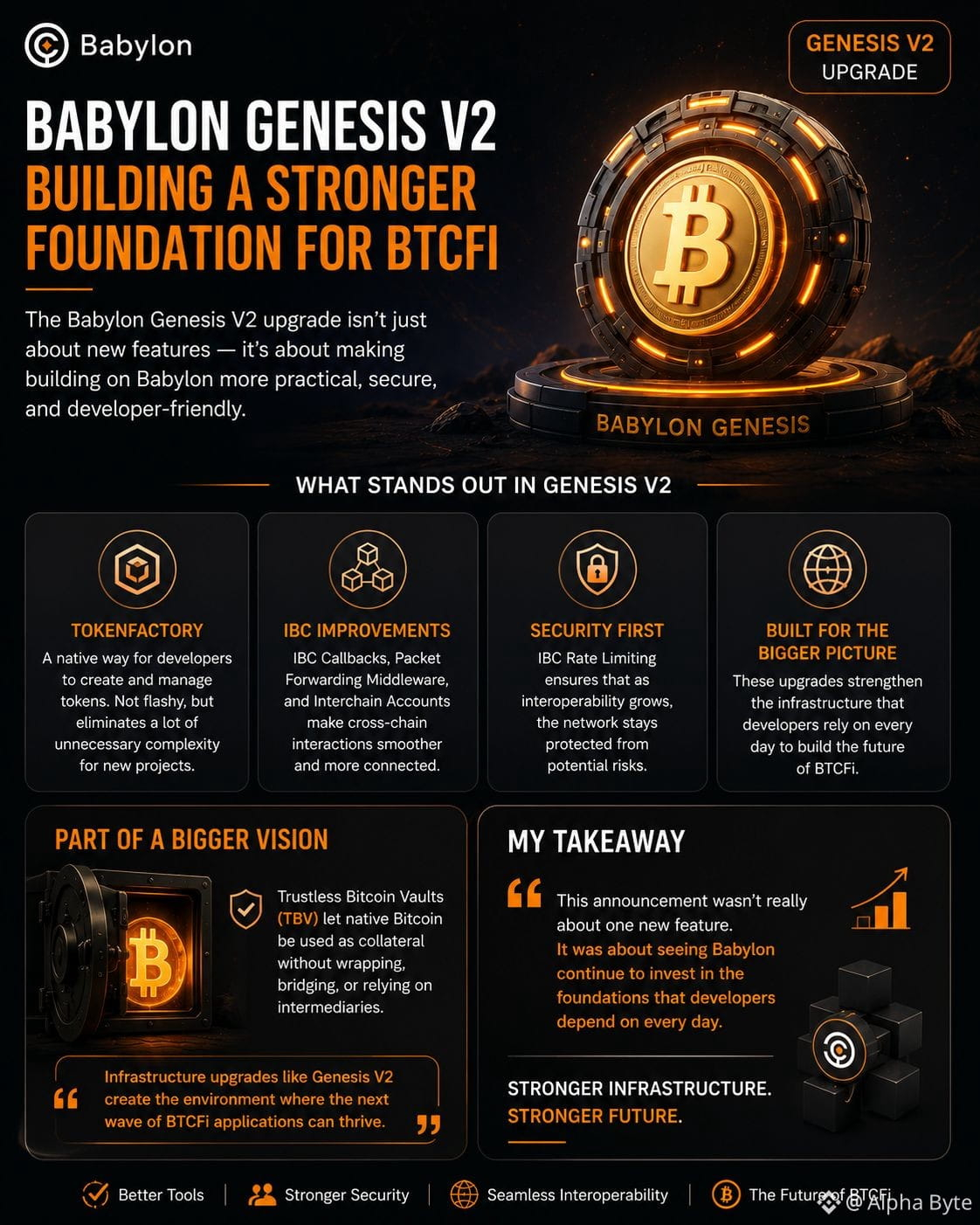
Als ich zum ersten Mal damit begann, Blockchain-Projekte zu verfolgen, ging ich davon aus, dass jedes Protokoll-Upgrade vor allem dazu dient, aufregende neue Funktionen hinzuzufügen. Je größer die Ankündigung, desto höher meine Erwartungen. Doch nachdem ich über das Babylon Genesis V2-Upgrade gelesen hatte, wurde mir klar, dass die wertvollsten Verbesserungen oft die sind, die die Grundlage stärken, statt das Rampenlicht zu stehlen.
Das erste, was meine Aufmerksamkeit geweckt hat, war TokenFactory. Entwicklern eine native Möglichkeit zu geben, Tokens zu erstellen und zu verwalten, klingt vielleicht nicht nach der aufregendsten Funktion, aber es beseitigt unnötige Komplexität und macht das Bauen auf Babylon viel praxisnäher. Manchmal sind die besten Innovationen die, die das Entwicklererlebnis leise verbessern.
Auch die IBC-Verbesserungen haben mich beeindruckt. Funktionen wie IBC Callbacks, Packet Forwarding Middleware und Interchain Accounts sind darauf ausgelegt, grenzübergreifende Interaktionen reibungsloser und besser vernetzt zu machen. Anstatt jede Blockchain-Interaktion als separaten Prozess zu behandeln, helfen diese Tools Entwicklern dabei, Anwendungen zu bauen, die nahtlos über verschiedene Ökosysteme hinweg funktionieren.
Ein weiterer Aspekt, den ich schätzte, war der Fokus auf Sicherheit. Mit der Einführung von IBC Rate Limiting zeigt Babylon, dass der Ausbau der Interoperabilität niemals auf Kosten der Sicherheit gehen darf. Stärkere Verbindungen zwischen Ketten sind wichtig, aber ebenso entscheidend ist der Schutz dieser Verbindungen.
Wenn man sich Babylons größere Vision ansieht, fügen sich diese Upgrades perfekt in Initiativen wie Trustless Bitcoin Vaults ein, die darauf abzielen, dass natives Bitcoin als Sicherheit dienen kann, ohne zu umwickeln, zu überbrücken oder auf Vermittler zu setzen. Auch wenn Genesis V2 nicht dieselbe Begeisterung auslöst wie ein großes Produkt-Launch, stellt es die Infrastruktur bereit, die Entwickler benötigen, um die nächste Generation von BTCFi-Anwendungen zu bauen.
Für mich geht es bei diesem Upgrade nicht um eine einzelne Funktion. Es geht darum, dass Babylon weiterhin in Tools, Sicherheit und die Grundlage investiert, die langfristiges Wachstum ermöglichen.
@babylonlabs_io
#baby
$BABY
#baby $BABY
Als ich zum ersten Mal damit begann, Blockchain-Projekte zu verfolgen, ging ich davon aus, dass jedes Protokoll-Upgrade vor allem dazu dient, aufregende neue Funktionen hinzuzufügen. Je größer die Ankündigung, desto höher meine Erwartungen. Doch nachdem ich über das Babylon Genesis V2-Upgrade gelesen hatte, wurde mir klar, dass die wertvollsten Verbesserungen oft die sind, die die Grundlage stärken, statt das Rampenlicht zu stehlen.
Das erste, was meine Aufmerksamkeit geweckt hat, war TokenFactory. Entwicklern eine native Möglichkeit zu geben, Tokens zu erstellen und zu verwalten, klingt vielleicht nicht nach der aufregendsten Funktion, aber es beseitigt unnötige Komplexität und macht das Bauen auf Babylon viel praxisnäher. Manchmal sind die besten Innovationen die, die das Entwicklererlebnis leise verbessern.
Auch die IBC-Verbesserungen haben mich beeindruckt. Funktionen wie IBC Callbacks, Packet Forwarding Middleware und Interchain Accounts sind darauf ausgelegt, grenzübergreifende Interaktionen reibungsloser und besser vernetzt zu machen. Anstatt jede Blockchain-Interaktion als separaten Prozess zu behandeln, helfen diese Tools Entwicklern dabei, Anwendungen zu bauen, die nahtlos über verschiedene Ökosysteme hinweg funktionieren.
Ein weiterer Aspekt, den ich schätzte, war der Fokus auf Sicherheit. Mit der Einführung von IBC Rate Limiting zeigt Babylon, dass der Ausbau der Interoperabilität niemals auf Kosten der Sicherheit gehen darf. Stärkere Verbindungen zwischen Ketten sind wichtig, aber ebenso entscheidend ist der Schutz dieser Verbindungen.
Wenn man sich Babylons größere Vision ansieht, fügen sich diese Upgrades perfekt in Initiativen wie Trustless Bitcoin Vaults ein, die darauf abzielen, dass natives Bitcoin als Sicherheit dienen kann, ohne zu umwickeln, zu überbrücken oder auf Vermittler zu setzen. Auch wenn Genesis V2 nicht dieselbe Begeisterung auslöst wie ein großes Produkt-Launch, stellt es die Infrastruktur bereit, die Entwickler benötigen, um die nächste Generation von BTCFi-Anwendungen zu bauen.
Für mich geht es bei diesem Upgrade nicht um eine einzelne Funktion. Es geht darum, dass Babylon weiterhin in Tools, Sicherheit und die Grundlage investiert, die langfristiges Wachstum ermöglichen.
@BabylonLabs_io
#baby
$BABY
Als ich zum ersten Mal damit begann, Blockchain-Projekte zu verfolgen, ging ich davon aus, dass jedes Protokoll-Upgrade vor allem dazu dient, aufregende neue Funktionen hinzuzufügen. Je größer die Ankündigung, desto höher meine Erwartungen. Doch nachdem ich über das Babylon Genesis V2-Upgrade gelesen hatte, wurde mir klar, dass die wertvollsten Verbesserungen oft die sind, die die Grundlage stärken, statt das Rampenlicht zu stehlen.
Das erste, was meine Aufmerksamkeit geweckt hat, war TokenFactory. Entwicklern eine native Möglichkeit zu geben, Tokens zu erstellen und zu verwalten, klingt vielleicht nicht nach der aufregendsten Funktion, aber es beseitigt unnötige Komplexität und macht das Bauen auf Babylon viel praxisnäher. Manchmal sind die besten Innovationen die, die das Entwicklererlebnis leise verbessern.
Auch die IBC-Verbesserungen haben mich beeindruckt. Funktionen wie IBC Callbacks, Packet Forwarding Middleware und Interchain Accounts sind darauf ausgelegt, grenzübergreifende Interaktionen reibungsloser und besser vernetzt zu machen. Anstatt jede Blockchain-Interaktion als separaten Prozess zu behandeln, helfen diese Tools Entwicklern dabei, Anwendungen zu bauen, die nahtlos über verschiedene Ökosysteme hinweg funktionieren.
Ein weiterer Aspekt, den ich schätzte, war der Fokus auf Sicherheit. Mit der Einführung von IBC Rate Limiting zeigt Babylon, dass der Ausbau der Interoperabilität niemals auf Kosten der Sicherheit gehen darf. Stärkere Verbindungen zwischen Ketten sind wichtig, aber ebenso entscheidend ist der Schutz dieser Verbindungen.
Wenn man sich Babylons größere Vision ansieht, fügen sich diese Upgrades perfekt in Initiativen wie Trustless Bitcoin Vaults ein, die darauf abzielen, dass natives Bitcoin als Sicherheit dienen kann, ohne zu umwickeln, zu überbrücken oder auf Vermittler zu setzen. Auch wenn Genesis V2 nicht dieselbe Begeisterung auslöst wie ein großes Produkt-Launch, stellt es die Infrastruktur bereit, die Entwickler benötigen, um die nächste Generation von BTCFi-Anwendungen zu bauen.
Für mich geht es bei diesem Upgrade nicht um eine einzelne Funktion. Es geht darum, dass Babylon weiterhin in Tools, Sicherheit und die Grundlage investiert, die langfristiges Wachstum ermöglichen.
@BabylonLabs_io
#baby
$BABY
12
11
182
·
--
#baby $BABY
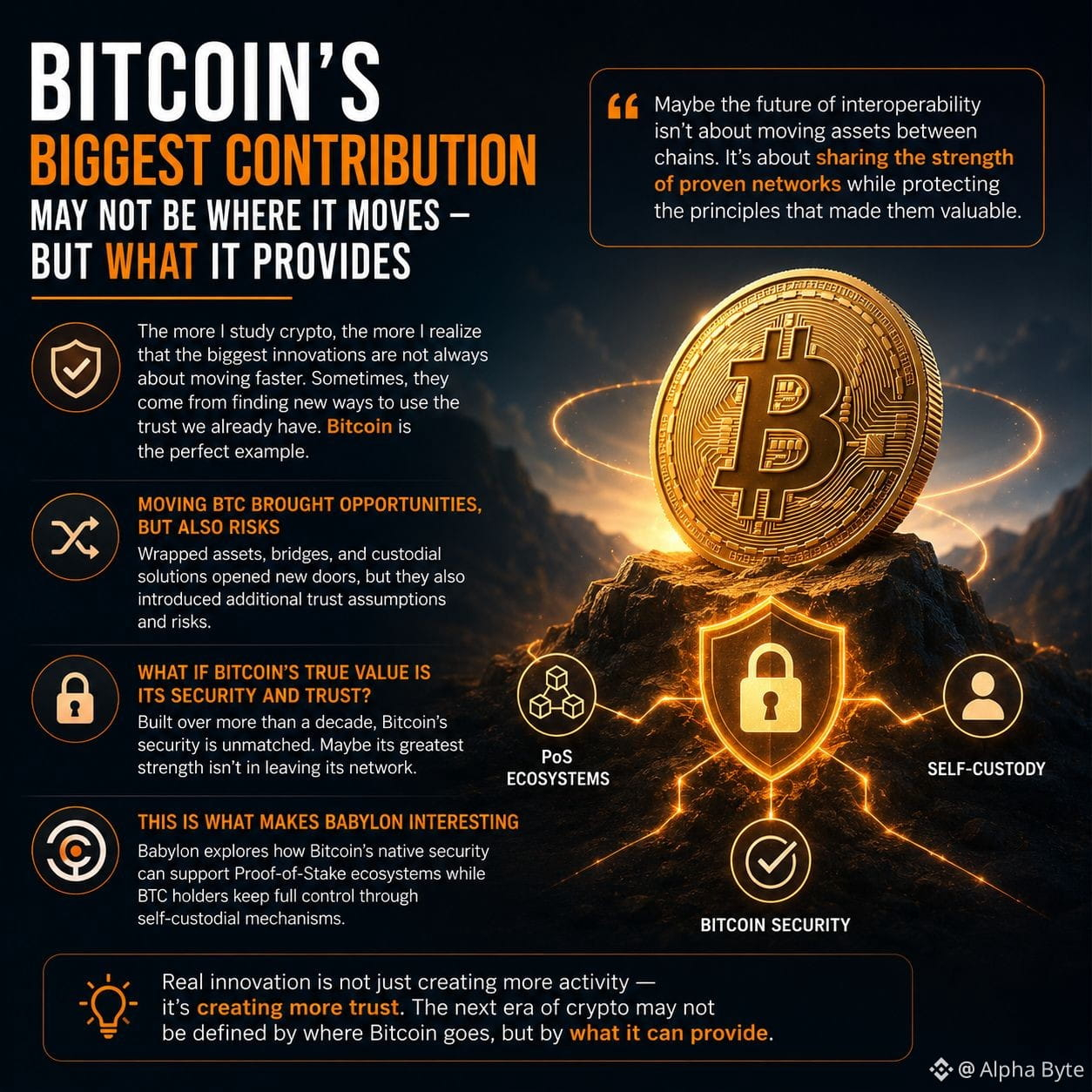
Als ich zum ersten Mal begann, mich mit dem Krypto-Universum zu beschäftigen, dachte ich, Innovation sei vor allem eine Frage von Tempo. Jedes Projekt schien darauf ausgerichtet zu sein, Transaktionen schneller, günstiger und effizienter zu machen. Doch je mehr ich lernte, desto klarer wurde mir: Echte Innovation bedeutet nicht immer, Vermögenswerte schnell zu bewegen. Manchmal geht es darum, das Vertrauen besser zu nutzen, das bereits vorhanden ist.
Bitcoin ist ein perfektes Beispiel für diese Idee.
Seit Jahren versuchen viele Projekte, den Einsatz von Bitcoin auszubauen, indem sie ihn über Wrapped Assets, Brücken und custodiale Lösungen in andere Blockchain-Ökosysteme überführen. Diese Methoden schufen zwar neue Möglichkeiten, brachten jedoch auch zusätzliche Risiken mit sich und verlangten von den Nutzern, noch weitere Systeme über Bitcoin hinaus zu vertrauen.
Das hat mich anders denken lassen. Was wäre, wenn die größte Stärke von Bitcoin nicht seine Fähigkeit wäre, sich über verschiedene Chains hinweg zu bewegen? Was wäre, wenn sein echter Wert in der Sicherheit, Verlässlichkeit und dem Vertrauen liegt, die es sich im Laufe der Jahre aufgebaut hat?
Deshalb sticht Babylon für mich heraus. Anstatt die Nutzer dazu zu ermutigen, ihren Bitcoin woandershin zu transferieren, untersucht Babylon, wie die native Sicherheit von Bitcoin dabei helfen kann, Proof-of-Stake-Netzwerke zu stärken – und gleichzeitig BTC-Inhabern ermöglicht, die volle Kontrolle über ihre Assets durch Self-Custody zu behalten. Es respektiert die Eigenschaften, die Bitcoin von Anfang an wertvoll gemacht haben, statt zu versuchen, sie zu verändern.
Wenn man das Gesamtbild betrachtet, glaube ich, dass diese Idee über ein einzelnes Projekt hinausgeht. Die Zukunft der Blockchain-Interoperabilität hängt möglicherweise nicht davon ab, ständig Vermögenswerte zwischen Netzwerken zu verschieben. Stattdessen könnte es darum gehen, die Stärke vertrauenswürdiger Ökosysteme zu teilen und gleichzeitig die Prinzipien zu bewahren, die sie sicher machen.
Am Ende ist wahre Innovation nicht nur das Schaffen von mehr Aktivität. Sie bedeutet, mehr Vertrauen aufzubauen. Und vielleicht wird das nächste Kapitel von Krypto nicht dadurch definiert, wohin Bitcoin geht, sondern durch die Sicherheit und das Vertrauen, die es dem gesamten Blockchain-Ökosystem bieten kann.
@babylonlabs_io $BABY #baby
#baby $BABY
Als ich zum ersten Mal begann, mich mit dem Krypto-Universum zu beschäftigen, dachte ich, Innovation sei vor allem eine Frage von Tempo. Jedes Projekt schien darauf ausgerichtet zu sein, Transaktionen schneller, günstiger und effizienter zu machen. Doch je mehr ich lernte, desto klarer wurde mir: Echte Innovation bedeutet nicht immer, Vermögenswerte schnell zu bewegen. Manchmal geht es darum, das Vertrauen besser zu nutzen, das bereits vorhanden ist.
Bitcoin ist ein perfektes Beispiel für diese Idee.
Seit Jahren versuchen viele Projekte, den Einsatz von Bitcoin auszubauen, indem sie ihn über Wrapped Assets, Brücken und custodiale Lösungen in andere Blockchain-Ökosysteme überführen. Diese Methoden schufen zwar neue Möglichkeiten, brachten jedoch auch zusätzliche Risiken mit sich und verlangten von den Nutzern, noch weitere Systeme über Bitcoin hinaus zu vertrauen.
Das hat mich anders denken lassen. Was wäre, wenn die größte Stärke von Bitcoin nicht seine Fähigkeit wäre, sich über verschiedene Chains hinweg zu bewegen? Was wäre, wenn sein echter Wert in der Sicherheit, Verlässlichkeit und dem Vertrauen liegt, die es sich im Laufe der Jahre aufgebaut hat?
Deshalb sticht Babylon für mich heraus. Anstatt die Nutzer dazu zu ermutigen, ihren Bitcoin woandershin zu transferieren, untersucht Babylon, wie die native Sicherheit von Bitcoin dabei helfen kann, Proof-of-Stake-Netzwerke zu stärken – und gleichzeitig BTC-Inhabern ermöglicht, die volle Kontrolle über ihre Assets durch Self-Custody zu behalten. Es respektiert die Eigenschaften, die Bitcoin von Anfang an wertvoll gemacht haben, statt zu versuchen, sie zu verändern.
Wenn man das Gesamtbild betrachtet, glaube ich, dass diese Idee über ein einzelnes Projekt hinausgeht. Die Zukunft der Blockchain-Interoperabilität hängt möglicherweise nicht davon ab, ständig Vermögenswerte zwischen Netzwerken zu verschieben. Stattdessen könnte es darum gehen, die Stärke vertrauenswürdiger Ökosysteme zu teilen und gleichzeitig die Prinzipien zu bewahren, die sie sicher machen.
Am Ende ist wahre Innovation nicht nur das Schaffen von mehr Aktivität. Sie bedeutet, mehr Vertrauen aufzubauen. Und vielleicht wird das nächste Kapitel von Krypto nicht dadurch definiert, wohin Bitcoin geht, sondern durch die Sicherheit und das Vertrauen, die es dem gesamten Blockchain-Ökosystem bieten kann.
@BabylonLabs_io $BABY #baby
Als ich zum ersten Mal begann, mich mit dem Krypto-Universum zu beschäftigen, dachte ich, Innovation sei vor allem eine Frage von Tempo. Jedes Projekt schien darauf ausgerichtet zu sein, Transaktionen schneller, günstiger und effizienter zu machen. Doch je mehr ich lernte, desto klarer wurde mir: Echte Innovation bedeutet nicht immer, Vermögenswerte schnell zu bewegen. Manchmal geht es darum, das Vertrauen besser zu nutzen, das bereits vorhanden ist.
Bitcoin ist ein perfektes Beispiel für diese Idee.
Seit Jahren versuchen viele Projekte, den Einsatz von Bitcoin auszubauen, indem sie ihn über Wrapped Assets, Brücken und custodiale Lösungen in andere Blockchain-Ökosysteme überführen. Diese Methoden schufen zwar neue Möglichkeiten, brachten jedoch auch zusätzliche Risiken mit sich und verlangten von den Nutzern, noch weitere Systeme über Bitcoin hinaus zu vertrauen.
Das hat mich anders denken lassen. Was wäre, wenn die größte Stärke von Bitcoin nicht seine Fähigkeit wäre, sich über verschiedene Chains hinweg zu bewegen? Was wäre, wenn sein echter Wert in der Sicherheit, Verlässlichkeit und dem Vertrauen liegt, die es sich im Laufe der Jahre aufgebaut hat?
Deshalb sticht Babylon für mich heraus. Anstatt die Nutzer dazu zu ermutigen, ihren Bitcoin woandershin zu transferieren, untersucht Babylon, wie die native Sicherheit von Bitcoin dabei helfen kann, Proof-of-Stake-Netzwerke zu stärken – und gleichzeitig BTC-Inhabern ermöglicht, die volle Kontrolle über ihre Assets durch Self-Custody zu behalten. Es respektiert die Eigenschaften, die Bitcoin von Anfang an wertvoll gemacht haben, statt zu versuchen, sie zu verändern.
Wenn man das Gesamtbild betrachtet, glaube ich, dass diese Idee über ein einzelnes Projekt hinausgeht. Die Zukunft der Blockchain-Interoperabilität hängt möglicherweise nicht davon ab, ständig Vermögenswerte zwischen Netzwerken zu verschieben. Stattdessen könnte es darum gehen, die Stärke vertrauenswürdiger Ökosysteme zu teilen und gleichzeitig die Prinzipien zu bewahren, die sie sicher machen.
Am Ende ist wahre Innovation nicht nur das Schaffen von mehr Aktivität. Sie bedeutet, mehr Vertrauen aufzubauen. Und vielleicht wird das nächste Kapitel von Krypto nicht dadurch definiert, wohin Bitcoin geht, sondern durch die Sicherheit und das Vertrauen, die es dem gesamten Blockchain-Ökosystem bieten kann.
@BabylonLabs_io $BABY #baby
11
9
301
·
--
Newtons Skalierbarkeits-Roadmap hat mich an einen Freund erinnert, der sich auf seinen ersten Marathon vorbereitet hatEin Gespräch mit einem Freund ist mir viel länger im Kopf geblieben, als ich erwartet hatte.
Er bereitete sich auf seinen ersten Marathon vor, und etwa vier Monate vor dem Renntag sagte er mir mit großer Zuversicht, dass er unter vier Stunden ins Ziel kommen würde.
Seine Überlegung war ganz einfach.
Er berechnete das Tempo, das er einhalten musste, multiplizierte es mit der gesamten Strecke, und alles passte perfekt zusammen. Wenn man sich die Zahlen ansah, war es schwer, ihm zu widersprechen. Die Mathematik stimmte. Sein Trainingsplan wirkte organisiert. Sein wöchentliches Laufpensum wurde besser, und jede Tabellenkalkulation zeigte, dass er auf Kurs war.
Newtons Skalierbarkeits-Roadmap hat mich an einen Freund erinnert, der sich auf seinen ersten Marathon vorbereitet hat
Ein Gespräch mit einem Freund ist mir viel länger im Kopf geblieben, als ich erwartet hatte.
Er bereitete sich auf seinen ersten Marathon vor, und etwa vier Monate vor dem Renntag sagte er mir mit großer Zuversicht, dass er unter vier Stunden ins Ziel kommen würde.
Seine Überlegung war ganz einfach.
Er berechnete das Tempo, das er einhalten musste, multiplizierte es mit der gesamten Strecke, und alles passte perfekt zusammen. Wenn man sich die Zahlen ansah, war es schwer, ihm zu widersprechen. Die Mathematik stimmte. Sein Trainingsplan wirkte organisiert. Sein wöchentliches Laufpensum wurde besser, und jede Tabellenkalkulation zeigte, dass er auf Kurs war.
Er bereitete sich auf seinen ersten Marathon vor, und etwa vier Monate vor dem Renntag sagte er mir mit großer Zuversicht, dass er unter vier Stunden ins Ziel kommen würde.
Seine Überlegung war ganz einfach.
Er berechnete das Tempo, das er einhalten musste, multiplizierte es mit der gesamten Strecke, und alles passte perfekt zusammen. Wenn man sich die Zahlen ansah, war es schwer, ihm zu widersprechen. Die Mathematik stimmte. Sein Trainingsplan wirkte organisiert. Sein wöchentliches Laufpensum wurde besser, und jede Tabellenkalkulation zeigte, dass er auf Kurs war.
7
6
258
·
--
Newton VaultKit brachte mich zu der Erkenntnis, dass Vertrauen nicht verschwindet – es verlagert sichEin Satz tauchte immer wieder auf, während ich die Dokumentation von Newton Protocol gelesen habe, und je mehr ich ihn sah, desto mehr begann ich darüber nachzudenken, was er wirklich bedeutete.
„Der Kurator verspricht, die Regeln zu befolgen“ wird zu „Der Vault selbst setzt die Regeln durch“.
Auf den ersten Blick ist das eine unglaublich überzeugende Idee.
Es deutet auf eine Zukunft hin, in der Benutzer nicht mehr darauf vertrauen müssen, dass die Person, die einen DeFi-Vault verwaltet, handelt, weil der Smart Contract selbst dafür sorgt, dass jede Aktion einem vordefinierten Set an Richtlinien folgt. Statt auf Versprechen zu setzen, setzt das Protokoll auf Durchsetzung.
Newton VaultKit brachte mich zu der Erkenntnis, dass Vertrauen nicht verschwindet – es verlagert sich
Ein Satz tauchte immer wieder auf, während ich die Dokumentation von Newton Protocol gelesen habe, und je mehr ich ihn sah, desto mehr begann ich darüber nachzudenken, was er wirklich bedeutete.
„Der Kurator verspricht, die Regeln zu befolgen“ wird zu „Der Vault selbst setzt die Regeln durch“.
Auf den ersten Blick ist das eine unglaublich überzeugende Idee.
Es deutet auf eine Zukunft hin, in der Benutzer nicht mehr darauf vertrauen müssen, dass die Person, die einen DeFi-Vault verwaltet, handelt, weil der Smart Contract selbst dafür sorgt, dass jede Aktion einem vordefinierten Set an Richtlinien folgt. Statt auf Versprechen zu setzen, setzt das Protokoll auf Durchsetzung.
„Der Kurator verspricht, die Regeln zu befolgen“ wird zu „Der Vault selbst setzt die Regeln durch“.
Auf den ersten Blick ist das eine unglaublich überzeugende Idee.
Es deutet auf eine Zukunft hin, in der Benutzer nicht mehr darauf vertrauen müssen, dass die Person, die einen DeFi-Vault verwaltet, handelt, weil der Smart Contract selbst dafür sorgt, dass jede Aktion einem vordefinierten Set an Richtlinien folgt. Statt auf Versprechen zu setzen, setzt das Protokoll auf Durchsetzung.
14
10
338
·
--
#newt $NEWT
Ich habe mir etwas Zeit genommen, um über das jüngste Token-Unlock von Newton Protocol nachzudenken, und es hat mich daran erinnert, wie unterschiedlich Dinge auf dem Papier aussehen können im Vergleich dazu, wie sie sich auf dem Markt tatsächlich entwickeln. Am 24. Juni wurden im Rahmen eines einzelnen Events rund 139 Millionen NEWT-Token freigeschaltet. Das war nicht überraschend. Der Vesting-Plan war schon lange zuvor veröffentlicht worden, sodass technisch gesehen nichts Unerwartetes passiert ist.
Doch der Markt reagiert selten nur auf Zeitpläne. Er reagiert auf Angebot, Liquidität und darauf, ob es genügend Käufer gibt, die in der Lage und bereit sind, die neuen Token zu absorbieren, sobald sie in Umlauf kommen.
Darum denke ich, dass Token-Unlocks mehr sind als bloße Kalenderereignisse. Sie werden zu echten Tests der Nachfrage. Einerseits ist es eine Sache, ein starkes Protokoll mit klarer Roadmap zu entwerfen, aber eine andere, nachzuweisen, dass genug Menschen am Ökosystem teilnehmen wollen, um ein wachsendes Token-Angebot zu stützen.
Was Newton besonders interessant macht, ist, dass die Entwicklung nicht stehen geblieben ist. Das Team liefert weiterhin Updates, verbessert die Autorisierungsinfrastruktur, erweitert Integrationen und bringt das Protokoll Schritt für Schritt näher an eine praktische Nutzung. Aus technischer Perspektive läuft also eine echte Entwicklung in die richtige Richtung.
Trotzdem bewegen sich Technologie und Token-Performance nicht immer gleichzeitig. Ein Protokoll kann genau wie vorgesehen funktionieren, während sein Token dennoch unter Verkaufsdruck gerät, weil das Angebot schneller wächst als die organische Nachfrage. Das ist nicht einzigartig bei Newton. Es ist eine Herausforderung, der viele Blockchain-Projekte in frühen Phasen während ihrer Vesting-Perioden begegnen.
Für mich ist der spannendste Teil nicht die anfängliche Reaktion nach einem großen Unlock. Entscheidend ist, was danach passiert. Steigt das Handelsvolumen, wenn neue Käufer hinzukommen? Erholt sich der Markt allmählich, sobald das zusätzliche Angebot absorbiert wird? Oder drückt die zusätzliche Liquidität den Preis noch Wochen lang weiter?
Diese Fragen zeigen oft mehr als der Unlock selbst. Fundamentaldaten und Tokenomics laufen auf unterschiedlichen Zeitachsen.
#Newt @NewtonProtocol $NEWT
#newt $NEWT
Ich habe mir etwas Zeit genommen, um über das jüngste Token-Unlock von Newton Protocol nachzudenken, und es hat mich daran erinnert, wie unterschiedlich Dinge auf dem Papier aussehen können im Vergleich dazu, wie sie sich auf dem Markt tatsächlich entwickeln. Am 24. Juni wurden im Rahmen eines einzelnen Events rund 139 Millionen NEWT-Token freigeschaltet. Das war nicht überraschend. Der Vesting-Plan war schon lange zuvor veröffentlicht worden, sodass technisch gesehen nichts Unerwartetes passiert ist.
Doch der Markt reagiert selten nur auf Zeitpläne. Er reagiert auf Angebot, Liquidität und darauf, ob es genügend Käufer gibt, die in der Lage und bereit sind, die neuen Token zu absorbieren, sobald sie in Umlauf kommen.
Darum denke ich, dass Token-Unlocks mehr sind als bloße Kalenderereignisse. Sie werden zu echten Tests der Nachfrage. Einerseits ist es eine Sache, ein starkes Protokoll mit klarer Roadmap zu entwerfen, aber eine andere, nachzuweisen, dass genug Menschen am Ökosystem teilnehmen wollen, um ein wachsendes Token-Angebot zu stützen.
Was Newton besonders interessant macht, ist, dass die Entwicklung nicht stehen geblieben ist. Das Team liefert weiterhin Updates, verbessert die Autorisierungsinfrastruktur, erweitert Integrationen und bringt das Protokoll Schritt für Schritt näher an eine praktische Nutzung. Aus technischer Perspektive läuft also eine echte Entwicklung in die richtige Richtung.
Trotzdem bewegen sich Technologie und Token-Performance nicht immer gleichzeitig. Ein Protokoll kann genau wie vorgesehen funktionieren, während sein Token dennoch unter Verkaufsdruck gerät, weil das Angebot schneller wächst als die organische Nachfrage. Das ist nicht einzigartig bei Newton. Es ist eine Herausforderung, der viele Blockchain-Projekte in frühen Phasen während ihrer Vesting-Perioden begegnen.
Für mich ist der spannendste Teil nicht die anfängliche Reaktion nach einem großen Unlock. Entscheidend ist, was danach passiert. Steigt das Handelsvolumen, wenn neue Käufer hinzukommen? Erholt sich der Markt allmählich, sobald das zusätzliche Angebot absorbiert wird? Oder drückt die zusätzliche Liquidität den Preis noch Wochen lang weiter?
Diese Fragen zeigen oft mehr als der Unlock selbst. Fundamentaldaten und Tokenomics laufen auf unterschiedlichen Zeitachsen.
#Newt @NewtonProtocol $NEWT
Ich habe mir etwas Zeit genommen, um über das jüngste Token-Unlock von Newton Protocol nachzudenken, und es hat mich daran erinnert, wie unterschiedlich Dinge auf dem Papier aussehen können im Vergleich dazu, wie sie sich auf dem Markt tatsächlich entwickeln. Am 24. Juni wurden im Rahmen eines einzelnen Events rund 139 Millionen NEWT-Token freigeschaltet. Das war nicht überraschend. Der Vesting-Plan war schon lange zuvor veröffentlicht worden, sodass technisch gesehen nichts Unerwartetes passiert ist.
Doch der Markt reagiert selten nur auf Zeitpläne. Er reagiert auf Angebot, Liquidität und darauf, ob es genügend Käufer gibt, die in der Lage und bereit sind, die neuen Token zu absorbieren, sobald sie in Umlauf kommen.
Darum denke ich, dass Token-Unlocks mehr sind als bloße Kalenderereignisse. Sie werden zu echten Tests der Nachfrage. Einerseits ist es eine Sache, ein starkes Protokoll mit klarer Roadmap zu entwerfen, aber eine andere, nachzuweisen, dass genug Menschen am Ökosystem teilnehmen wollen, um ein wachsendes Token-Angebot zu stützen.
Was Newton besonders interessant macht, ist, dass die Entwicklung nicht stehen geblieben ist. Das Team liefert weiterhin Updates, verbessert die Autorisierungsinfrastruktur, erweitert Integrationen und bringt das Protokoll Schritt für Schritt näher an eine praktische Nutzung. Aus technischer Perspektive läuft also eine echte Entwicklung in die richtige Richtung.
Trotzdem bewegen sich Technologie und Token-Performance nicht immer gleichzeitig. Ein Protokoll kann genau wie vorgesehen funktionieren, während sein Token dennoch unter Verkaufsdruck gerät, weil das Angebot schneller wächst als die organische Nachfrage. Das ist nicht einzigartig bei Newton. Es ist eine Herausforderung, der viele Blockchain-Projekte in frühen Phasen während ihrer Vesting-Perioden begegnen.
Für mich ist der spannendste Teil nicht die anfängliche Reaktion nach einem großen Unlock. Entscheidend ist, was danach passiert. Steigt das Handelsvolumen, wenn neue Käufer hinzukommen? Erholt sich der Markt allmählich, sobald das zusätzliche Angebot absorbiert wird? Oder drückt die zusätzliche Liquidität den Preis noch Wochen lang weiter?
Diese Fragen zeigen oft mehr als der Unlock selbst. Fundamentaldaten und Tokenomics laufen auf unterschiedlichen Zeitachsen.
#Newt @NewtonProtocol $NEWT
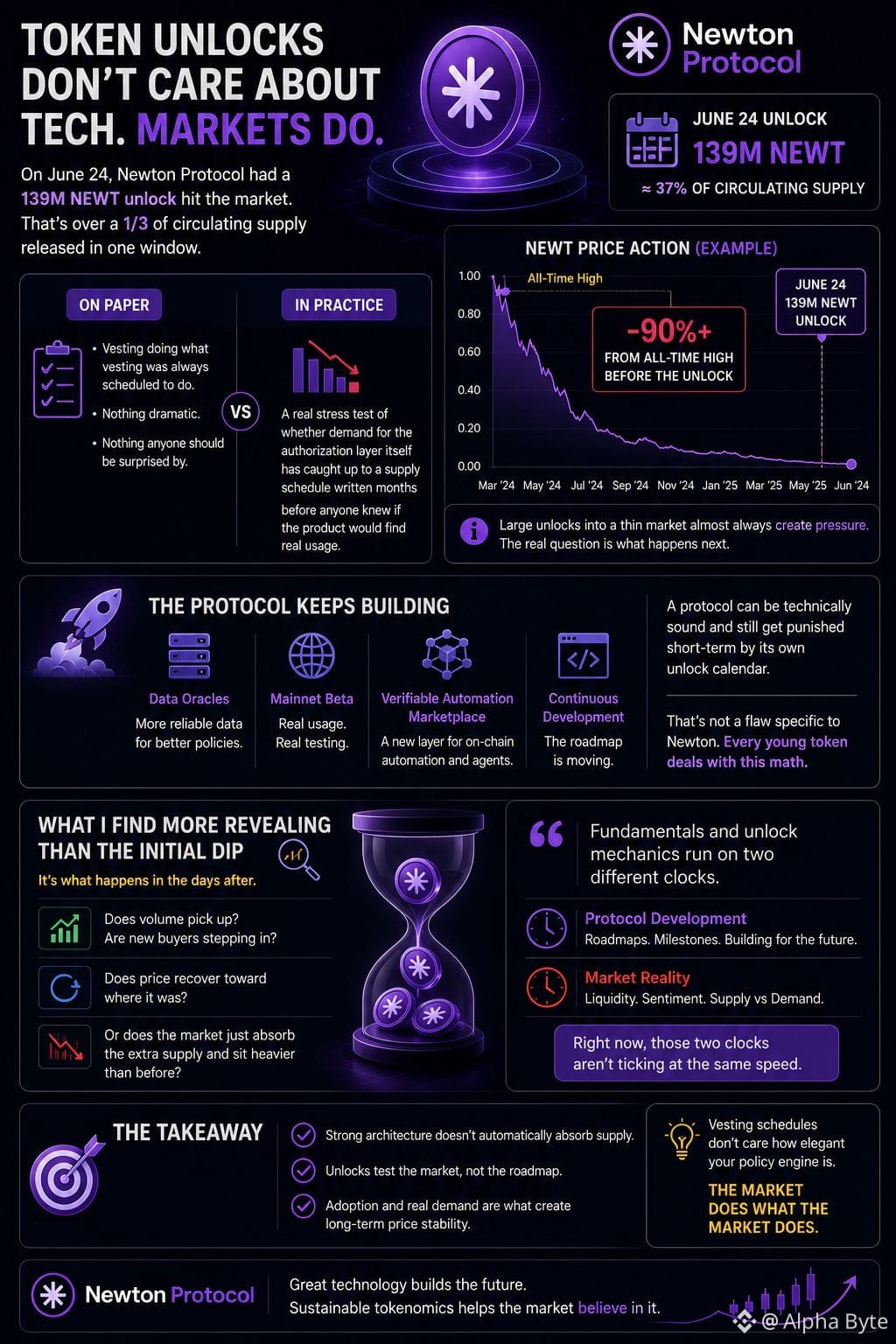
13
9
312
·
--
Baut Newton Protocol die Zukunft der Blockchain-Compliance oder löst es ein Problem, das der Markt noch nicht erkenntJe mehr Zeit ich damit verbringe, das Newton-Protokoll zu recherchieren, desto öfter kehre ich zu einer Frage zurück, die ich einfach nicht loswerde.
Schauen wir auf die Compliance-Infrastruktur, auf die die Blockchain irgendwann angewiesen sein wird, oder auf eine Technologie, die nur deshalb früher eintrifft, weil der Markt noch nicht bereit ist, ihren Wert zu erkennen?
Das ist eine unbequeme Frage, weil beide Antworten wahr sein könnten.
Eine Sache, die ich nach Jahren des Verfolgens von Krypto gelernt habe, ist: Diese Branche hat noch nie einen Mangel an brillanten Ingenieuren gehabt. Jeder Zyklus bringt schnellere Blockchains, bessere Skalierungslösungen, smartere Kryptografie und zunehmend ausgefeiltere Infrastruktur. Beeindruckende Technologie zu bauen war nie die größte Herausforderung von Krypto.
Baut Newton Protocol die Zukunft der Blockchain-Compliance oder löst es ein Problem, das der Markt noch nicht erkennt
Je mehr Zeit ich damit verbringe, das Newton-Protokoll zu recherchieren, desto öfter kehre ich zu einer Frage zurück, die ich einfach nicht loswerde.
Schauen wir auf die Compliance-Infrastruktur, auf die die Blockchain irgendwann angewiesen sein wird, oder auf eine Technologie, die nur deshalb früher eintrifft, weil der Markt noch nicht bereit ist, ihren Wert zu erkennen?
Das ist eine unbequeme Frage, weil beide Antworten wahr sein könnten.
Eine Sache, die ich nach Jahren des Verfolgens von Krypto gelernt habe, ist: Diese Branche hat noch nie einen Mangel an brillanten Ingenieuren gehabt. Jeder Zyklus bringt schnellere Blockchains, bessere Skalierungslösungen, smartere Kryptografie und zunehmend ausgefeiltere Infrastruktur. Beeindruckende Technologie zu bauen war nie die größte Herausforderung von Krypto.
Schauen wir auf die Compliance-Infrastruktur, auf die die Blockchain irgendwann angewiesen sein wird, oder auf eine Technologie, die nur deshalb früher eintrifft, weil der Markt noch nicht bereit ist, ihren Wert zu erkennen?
Das ist eine unbequeme Frage, weil beide Antworten wahr sein könnten.
Eine Sache, die ich nach Jahren des Verfolgens von Krypto gelernt habe, ist: Diese Branche hat noch nie einen Mangel an brillanten Ingenieuren gehabt. Jeder Zyklus bringt schnellere Blockchains, bessere Skalierungslösungen, smartere Kryptografie und zunehmend ausgefeiltere Infrastruktur. Beeindruckende Technologie zu bauen war nie die größte Herausforderung von Krypto.
11
8
287
·
--
#newt $NEWT
Ich habe mir heute den Token-Freigabeplan von Newton Protocol angesehen, und eine einzige Zahl hat mich sofort vom Scrollen abgehalten. Am 24. Juni wurden im Rahmen eines einzelnen Ereignisses ungefähr 139 Millionen NEWT-Token freigegeben. Das stellte zu diesem Zeitpunkt einen sehr großen Anteil der im Umlauf befindlichen Menge dar, und es hat mir wieder einmal gezeigt, wie wichtig Tokenomics sind, wenn man ein Projekt bewertet.
Noch mehr ist mir aufgefallen, dass der Token bereits mehr als 90% seines Werts gegenüber dem Allzeithoch verloren hatte, bevor diese Freigabe überhaupt stattgefunden hat. Das hat mir deutlich gemacht, dass es häufig eine Lücke zwischen technischem Fortschritt und Marktperformance gibt.
Newton zugute: Die Entwicklung hat nicht nachgelassen. Das Team veröffentlicht weiterhin Updates, erweitert Integrationen, bringt die Mainnet-Beta an den Start und führt Produkte wie den Verifiable Automation Marketplace ein. Aus technologischer Perspektive sieht es so aus, als würde die Roadmap genau wie geplant voranschreiten.
Allerdings preisen Märkte nicht nur Technologie. Sie bewerten Angebot, Nachfrage, Liquidität und Erwartungen. Selbst das stärkste Infrastrukturprojekt kann unter Preisdruck geraten, wenn neue Token schneller in Umlauf kommen, als dass echte Nachfrage geschaffen wird. So funktionieren Märkte nun einmal.
Das ist keine Kritik an Newton Protocol. Ich halte das Projekt sogar für innovativ. Aber ich habe gelernt, dass es wichtig ist, zwei unterschiedliche Fragen zu trennen. Erstens: Verbessert sich das Protokoll? Zweitens: Schafft die Token-Ökonomie genug Nachfrage, um ein fortlaufendes Angebot aufzunehmen, ohne den Preis zu belasten?
Die beiden hängen zusammen, sind aber nicht dasselbe.
Für mich ist das die wichtigste Erkenntnis aus dem Studium des Freigabeplans. Vested Events kümmern sich nicht darum, wie elegant ein Protokoll ist oder wie fortgeschritten seine Technologie wird. Solange echte Akzeptanz keine nachhaltige Nachfrage erzeugt, wird jede Freigabe ein weiterer Test dafür, ob der Markt in der Lage ist, zusätzliches Angebot zu absorbieren. In Krypto gilt: Super Technologie ist wichtig – aber gesunde Tokenomics sind mindestens genauso entscheidend.
#Newt @NewtonProtocol $NEWT
#newt $NEWT
Ich habe mir heute den Token-Freigabeplan von Newton Protocol angesehen, und eine einzige Zahl hat mich sofort vom Scrollen abgehalten. Am 24. Juni wurden im Rahmen eines einzelnen Ereignisses ungefähr 139 Millionen NEWT-Token freigegeben. Das stellte zu diesem Zeitpunkt einen sehr großen Anteil der im Umlauf befindlichen Menge dar, und es hat mir wieder einmal gezeigt, wie wichtig Tokenomics sind, wenn man ein Projekt bewertet.
Noch mehr ist mir aufgefallen, dass der Token bereits mehr als 90% seines Werts gegenüber dem Allzeithoch verloren hatte, bevor diese Freigabe überhaupt stattgefunden hat. Das hat mir deutlich gemacht, dass es häufig eine Lücke zwischen technischem Fortschritt und Marktperformance gibt.
Newton zugute: Die Entwicklung hat nicht nachgelassen. Das Team veröffentlicht weiterhin Updates, erweitert Integrationen, bringt die Mainnet-Beta an den Start und führt Produkte wie den Verifiable Automation Marketplace ein. Aus technologischer Perspektive sieht es so aus, als würde die Roadmap genau wie geplant voranschreiten.
Allerdings preisen Märkte nicht nur Technologie. Sie bewerten Angebot, Nachfrage, Liquidität und Erwartungen. Selbst das stärkste Infrastrukturprojekt kann unter Preisdruck geraten, wenn neue Token schneller in Umlauf kommen, als dass echte Nachfrage geschaffen wird. So funktionieren Märkte nun einmal.
Das ist keine Kritik an Newton Protocol. Ich halte das Projekt sogar für innovativ. Aber ich habe gelernt, dass es wichtig ist, zwei unterschiedliche Fragen zu trennen. Erstens: Verbessert sich das Protokoll? Zweitens: Schafft die Token-Ökonomie genug Nachfrage, um ein fortlaufendes Angebot aufzunehmen, ohne den Preis zu belasten?
Die beiden hängen zusammen, sind aber nicht dasselbe.
Für mich ist das die wichtigste Erkenntnis aus dem Studium des Freigabeplans. Vested Events kümmern sich nicht darum, wie elegant ein Protokoll ist oder wie fortgeschritten seine Technologie wird. Solange echte Akzeptanz keine nachhaltige Nachfrage erzeugt, wird jede Freigabe ein weiterer Test dafür, ob der Markt in der Lage ist, zusätzliches Angebot zu absorbieren. In Krypto gilt: Super Technologie ist wichtig – aber gesunde Tokenomics sind mindestens genauso entscheidend.
#Newt @NewtonProtocol $NEWT
Ich habe mir heute den Token-Freigabeplan von Newton Protocol angesehen, und eine einzige Zahl hat mich sofort vom Scrollen abgehalten. Am 24. Juni wurden im Rahmen eines einzelnen Ereignisses ungefähr 139 Millionen NEWT-Token freigegeben. Das stellte zu diesem Zeitpunkt einen sehr großen Anteil der im Umlauf befindlichen Menge dar, und es hat mir wieder einmal gezeigt, wie wichtig Tokenomics sind, wenn man ein Projekt bewertet.
Noch mehr ist mir aufgefallen, dass der Token bereits mehr als 90% seines Werts gegenüber dem Allzeithoch verloren hatte, bevor diese Freigabe überhaupt stattgefunden hat. Das hat mir deutlich gemacht, dass es häufig eine Lücke zwischen technischem Fortschritt und Marktperformance gibt.
Newton zugute: Die Entwicklung hat nicht nachgelassen. Das Team veröffentlicht weiterhin Updates, erweitert Integrationen, bringt die Mainnet-Beta an den Start und führt Produkte wie den Verifiable Automation Marketplace ein. Aus technologischer Perspektive sieht es so aus, als würde die Roadmap genau wie geplant voranschreiten.
Allerdings preisen Märkte nicht nur Technologie. Sie bewerten Angebot, Nachfrage, Liquidität und Erwartungen. Selbst das stärkste Infrastrukturprojekt kann unter Preisdruck geraten, wenn neue Token schneller in Umlauf kommen, als dass echte Nachfrage geschaffen wird. So funktionieren Märkte nun einmal.
Das ist keine Kritik an Newton Protocol. Ich halte das Projekt sogar für innovativ. Aber ich habe gelernt, dass es wichtig ist, zwei unterschiedliche Fragen zu trennen. Erstens: Verbessert sich das Protokoll? Zweitens: Schafft die Token-Ökonomie genug Nachfrage, um ein fortlaufendes Angebot aufzunehmen, ohne den Preis zu belasten?
Die beiden hängen zusammen, sind aber nicht dasselbe.
Für mich ist das die wichtigste Erkenntnis aus dem Studium des Freigabeplans. Vested Events kümmern sich nicht darum, wie elegant ein Protokoll ist oder wie fortgeschritten seine Technologie wird. Solange echte Akzeptanz keine nachhaltige Nachfrage erzeugt, wird jede Freigabe ein weiterer Test dafür, ob der Markt in der Lage ist, zusätzliches Angebot zu absorbieren. In Krypto gilt: Super Technologie ist wichtig – aber gesunde Tokenomics sind mindestens genauso entscheidend.
#Newt @NewtonProtocol $NEWT
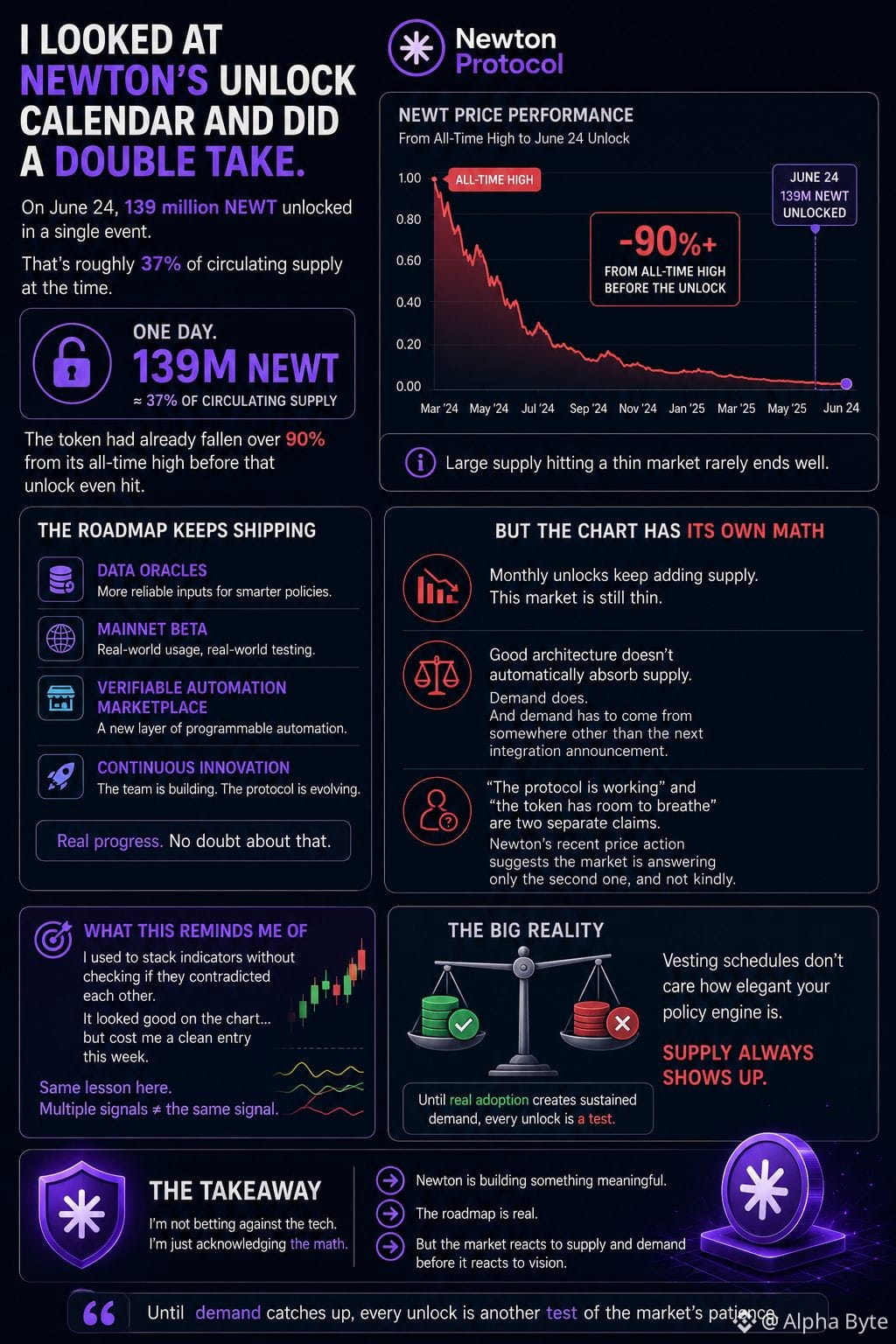
13
12
455
·
--
Die stille Veränderung, die ich fast verpasst hätte: Wie Automatisierung das Vertrauen im digitalen Finanzwesen neu definiertEs war weder eine Schlagzeile noch eine große Ankündigung, die meine Aufmerksamkeit erregt hat.
Es gab kein dramatisches Marktereignis, keinen milliardenschweren Exploit und auch keinen bahnbrechenden Produktlaunch. Stattdessen war es etwas so Alltägliches, dass ich es fast völlig übersehen hätte.
Ich sah mir ein Dashboard an, das Bestätigungen zu Stablecoin-Reserven anzeigte. Alle paar Augenblicke aktualisierte sich automatisch ein kleiner Zeitstempel. Niemand klickte auf eine Schaltfläche. Kein Analyst genehmigte das Update. Kein Executive gab den Prozess frei.
Das System machte einfach genau das weiter, wofür es programmiert worden war.
Die stille Veränderung, die ich fast verpasst hätte: Wie Automatisierung das Vertrauen im digitalen Finanzwesen neu definiert
Es war weder eine Schlagzeile noch eine große Ankündigung, die meine Aufmerksamkeit erregt hat.
Es gab kein dramatisches Marktereignis, keinen milliardenschweren Exploit und auch keinen bahnbrechenden Produktlaunch. Stattdessen war es etwas so Alltägliches, dass ich es fast völlig übersehen hätte.
Ich sah mir ein Dashboard an, das Bestätigungen zu Stablecoin-Reserven anzeigte. Alle paar Augenblicke aktualisierte sich automatisch ein kleiner Zeitstempel. Niemand klickte auf eine Schaltfläche. Kein Analyst genehmigte das Update. Kein Executive gab den Prozess frei.
Das System machte einfach genau das weiter, wofür es programmiert worden war.
Es gab kein dramatisches Marktereignis, keinen milliardenschweren Exploit und auch keinen bahnbrechenden Produktlaunch. Stattdessen war es etwas so Alltägliches, dass ich es fast völlig übersehen hätte.
Ich sah mir ein Dashboard an, das Bestätigungen zu Stablecoin-Reserven anzeigte. Alle paar Augenblicke aktualisierte sich automatisch ein kleiner Zeitstempel. Niemand klickte auf eine Schaltfläche. Kein Analyst genehmigte das Update. Kein Executive gab den Prozess frei.
Das System machte einfach genau das weiter, wofür es programmiert worden war.
10
8
147
·
--
#newt $NEWT
Eigentlich hatte ich vor, heute etwas Zeit damit zu verbringen, Charts zu überprüfen, aber am Ende bin ich in ein völlig anderes Kaninchenloch geraten. Als ich @NewtonProtocol policy-Packs durchsuchte, fiel mir ein Detail besonders auf und blieb mir noch lange im Kopf, nachdem ich die Seite bereits geschlossen hatte.
Was ich interessant fand, war nicht eine einzelne Policy oder ein bestimmter Datenanbieter. Es war die Art, wie mehrere unabhängige Services kombiniert werden, um zu einer einzigen Autorisierungsentscheidung zu gelangen. Ein Preis-Orakel kann die Abweichung im Markt überwachen, ein anderer Anbieter kann das Depeg-Risiko bewerten, ein weiterer kann die Gesundheit des Vault einschätzen, während ein separater Service Compliance- oder Gegenparteiprüfungen durchführt. Newton erwartet nicht, dass diese Anbieter miteinander übereinstimmen. Stattdessen kombiniert es ihre Ergebnisse zu einer einzigen „Pass-or-Fail“-Entscheidung, bevor es zur Ausführung kommt.
Die Idee ist nachvollziehbar, aber sie hat auch eine Frage aufgeworfen, die mich nicht mehr losließ. Was passiert, wenn zwei vertrauenswürdige Quellen still und heimlich voneinander abweichen? Stell dir vor, ein Service meldet, dass alles normal läuft, während ein anderer beginnt, erhöhtes Risiko zu erkennen. Wählt die Policy automatisch die sicherste Option, oder gleicht sie die Signale aus und macht weiter? Ich konnte keine eindeutige Erklärung finden, und genau diese Ungewissheit machte das System noch spannender.
Das erinnerte mich auch an etwas, das ich diese Woche beim Trading erlebt habe. Ich hatte mehrere Indikatoren in meinem Chart, und auf den ersten Blick schienen alle dasselbe Setup zu stützen. Später merkte ich, dass sie tatsächlich widersprüchliche Signale sendeten. Weil ich nicht hinterfragt hatte, wie sie miteinander zusammenspielen, verpasste ich das, was sich am Ende als ein solider Einstieg herausstellte.
Diese Erfahrung hat mir gezeigt, wie überraschend gut diese Funktion von Newton mit meinen eigenen Erlebnissen zusammenpasst. Gute Entscheidungen sind nicht immer dadurch gekennzeichnet, dass man mehr Informationen sammelt. Sie bestehen darin, zu verstehen, wie unterschiedliche Informationen zusammenwirken. Ich denke, das gleiche Prinzip gilt auch hier. Die Stärke einer Policy hängt nicht einfach davon ab, wie viele Datenquellen sie einbezieht, sondern davon, wie bedacht diese Signale kombiniert werden, wenn der Markt unsicher wird.
#Newt @NewtonProtocol $NEWT
#newt $NEWT
Eigentlich hatte ich vor, heute etwas Zeit damit zu verbringen, Charts zu überprüfen, aber am Ende bin ich in ein völlig anderes Kaninchenloch geraten. Als ich @NewtonProtocol policy-Packs durchsuchte, fiel mir ein Detail besonders auf und blieb mir noch lange im Kopf, nachdem ich die Seite bereits geschlossen hatte.
Was ich interessant fand, war nicht eine einzelne Policy oder ein bestimmter Datenanbieter. Es war die Art, wie mehrere unabhängige Services kombiniert werden, um zu einer einzigen Autorisierungsentscheidung zu gelangen. Ein Preis-Orakel kann die Abweichung im Markt überwachen, ein anderer Anbieter kann das Depeg-Risiko bewerten, ein weiterer kann die Gesundheit des Vault einschätzen, während ein separater Service Compliance- oder Gegenparteiprüfungen durchführt. Newton erwartet nicht, dass diese Anbieter miteinander übereinstimmen. Stattdessen kombiniert es ihre Ergebnisse zu einer einzigen „Pass-or-Fail“-Entscheidung, bevor es zur Ausführung kommt.
Die Idee ist nachvollziehbar, aber sie hat auch eine Frage aufgeworfen, die mich nicht mehr losließ. Was passiert, wenn zwei vertrauenswürdige Quellen still und heimlich voneinander abweichen? Stell dir vor, ein Service meldet, dass alles normal läuft, während ein anderer beginnt, erhöhtes Risiko zu erkennen. Wählt die Policy automatisch die sicherste Option, oder gleicht sie die Signale aus und macht weiter? Ich konnte keine eindeutige Erklärung finden, und genau diese Ungewissheit machte das System noch spannender.
Das erinnerte mich auch an etwas, das ich diese Woche beim Trading erlebt habe. Ich hatte mehrere Indikatoren in meinem Chart, und auf den ersten Blick schienen alle dasselbe Setup zu stützen. Später merkte ich, dass sie tatsächlich widersprüchliche Signale sendeten. Weil ich nicht hinterfragt hatte, wie sie miteinander zusammenspielen, verpasste ich das, was sich am Ende als ein solider Einstieg herausstellte.
Diese Erfahrung hat mir gezeigt, wie überraschend gut diese Funktion von Newton mit meinen eigenen Erlebnissen zusammenpasst. Gute Entscheidungen sind nicht immer dadurch gekennzeichnet, dass man mehr Informationen sammelt. Sie bestehen darin, zu verstehen, wie unterschiedliche Informationen zusammenwirken. Ich denke, das gleiche Prinzip gilt auch hier. Die Stärke einer Policy hängt nicht einfach davon ab, wie viele Datenquellen sie einbezieht, sondern davon, wie bedacht diese Signale kombiniert werden, wenn der Markt unsicher wird.
#Newt @NewtonProtocol $NEWT
Eigentlich hatte ich vor, heute etwas Zeit damit zu verbringen, Charts zu überprüfen, aber am Ende bin ich in ein völlig anderes Kaninchenloch geraten. Als ich @NewtonProtocol policy-Packs durchsuchte, fiel mir ein Detail besonders auf und blieb mir noch lange im Kopf, nachdem ich die Seite bereits geschlossen hatte.
Was ich interessant fand, war nicht eine einzelne Policy oder ein bestimmter Datenanbieter. Es war die Art, wie mehrere unabhängige Services kombiniert werden, um zu einer einzigen Autorisierungsentscheidung zu gelangen. Ein Preis-Orakel kann die Abweichung im Markt überwachen, ein anderer Anbieter kann das Depeg-Risiko bewerten, ein weiterer kann die Gesundheit des Vault einschätzen, während ein separater Service Compliance- oder Gegenparteiprüfungen durchführt. Newton erwartet nicht, dass diese Anbieter miteinander übereinstimmen. Stattdessen kombiniert es ihre Ergebnisse zu einer einzigen „Pass-or-Fail“-Entscheidung, bevor es zur Ausführung kommt.
Die Idee ist nachvollziehbar, aber sie hat auch eine Frage aufgeworfen, die mich nicht mehr losließ. Was passiert, wenn zwei vertrauenswürdige Quellen still und heimlich voneinander abweichen? Stell dir vor, ein Service meldet, dass alles normal läuft, während ein anderer beginnt, erhöhtes Risiko zu erkennen. Wählt die Policy automatisch die sicherste Option, oder gleicht sie die Signale aus und macht weiter? Ich konnte keine eindeutige Erklärung finden, und genau diese Ungewissheit machte das System noch spannender.
Das erinnerte mich auch an etwas, das ich diese Woche beim Trading erlebt habe. Ich hatte mehrere Indikatoren in meinem Chart, und auf den ersten Blick schienen alle dasselbe Setup zu stützen. Später merkte ich, dass sie tatsächlich widersprüchliche Signale sendeten. Weil ich nicht hinterfragt hatte, wie sie miteinander zusammenspielen, verpasste ich das, was sich am Ende als ein solider Einstieg herausstellte.
Diese Erfahrung hat mir gezeigt, wie überraschend gut diese Funktion von Newton mit meinen eigenen Erlebnissen zusammenpasst. Gute Entscheidungen sind nicht immer dadurch gekennzeichnet, dass man mehr Informationen sammelt. Sie bestehen darin, zu verstehen, wie unterschiedliche Informationen zusammenwirken. Ich denke, das gleiche Prinzip gilt auch hier. Die Stärke einer Policy hängt nicht einfach davon ab, wie viele Datenquellen sie einbezieht, sondern davon, wie bedacht diese Signale kombiniert werden, wenn der Markt unsicher wird.
#Newt @NewtonProtocol $NEWT
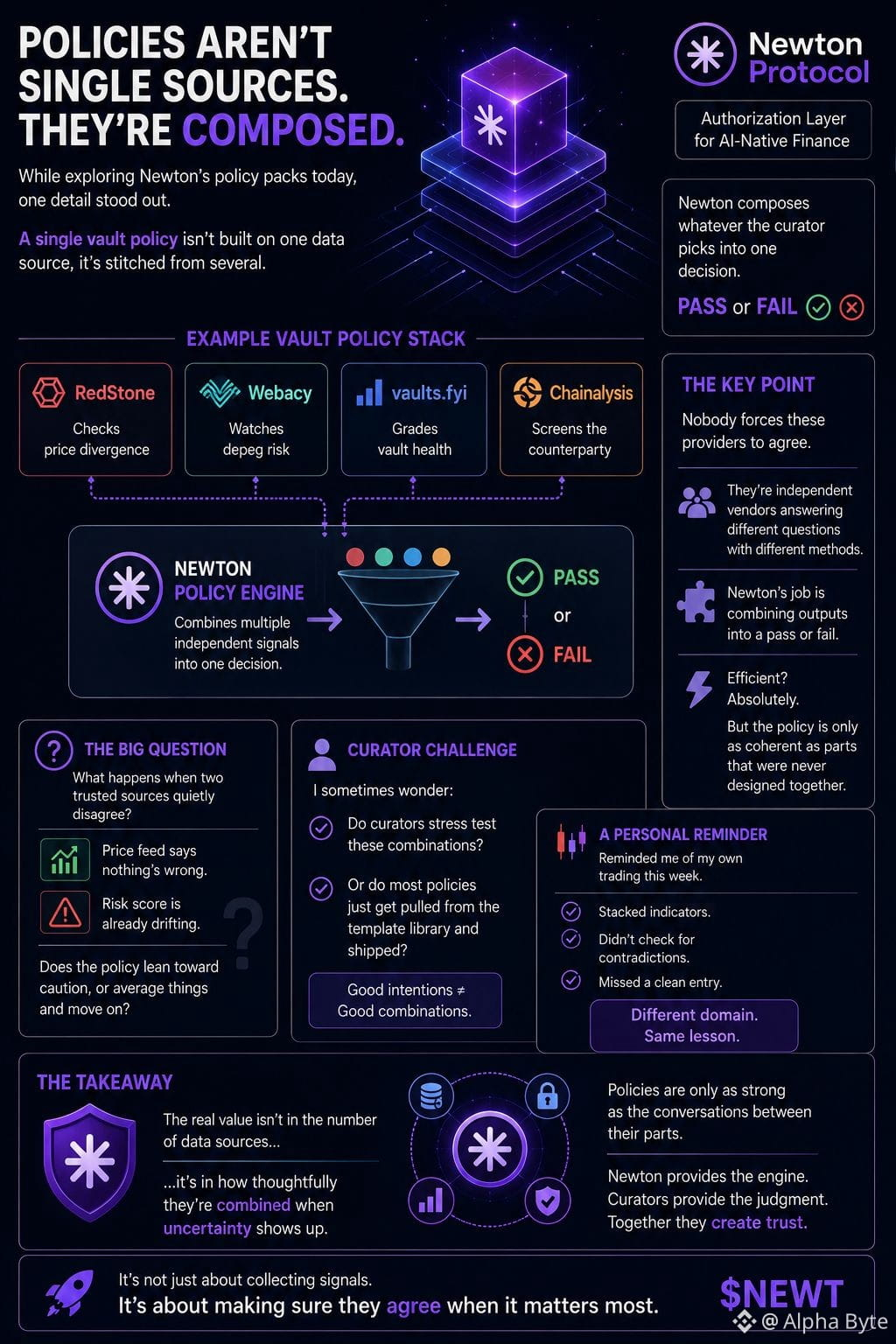
10
8
293
·
--
Das Problem war nie der GeistWir alle sind aufgewachsen und haben dieselbe Geschichte gehört.
Jemand entdeckt eine magische Lampe. Ein Geist erscheint und bietet unbegrenzte Möglichkeiten durch ein paar einfache Wünsche. Es klingt wie die perfekte Fantasie, bis etwas immer schiefgeht. Nicht, weil der Geist böse ist, sondern weil er den Wunsch niemals hinterfragt. Er erfüllt einfach genau das, was ihm aufgetragen wurde.
Während ich das Newton Protocol erforschte, merkte ich, dass ich darüber genauso nachdachte wie zuvor.
Zuerst glaubte ich, ich hätte seine größte Schwäche gefunden.
Newton entscheidet nicht, ob eine Richtlinie gut oder schlecht ist. Es urteilt nicht darüber, ob ein Entwickler die richtige Entscheidung getroffen hat. Es schreibt keine Regeln um, wenn sie unfair erscheinen. Es prüft lediglich, ob die definierte Richtlinie erfüllt wurde, und wenn ja, lässt es die Ausführung fortsetzen.
Das Problem war nie der Geist
Wir alle sind aufgewachsen und haben dieselbe Geschichte gehört.
Jemand entdeckt eine magische Lampe. Ein Geist erscheint und bietet unbegrenzte Möglichkeiten durch ein paar einfache Wünsche. Es klingt wie die perfekte Fantasie, bis etwas immer schiefgeht. Nicht, weil der Geist böse ist, sondern weil er den Wunsch niemals hinterfragt. Er erfüllt einfach genau das, was ihm aufgetragen wurde.
Während ich das Newton Protocol erforschte, merkte ich, dass ich darüber genauso nachdachte wie zuvor.
Zuerst glaubte ich, ich hätte seine größte Schwäche gefunden.
Newton entscheidet nicht, ob eine Richtlinie gut oder schlecht ist. Es urteilt nicht darüber, ob ein Entwickler die richtige Entscheidung getroffen hat. Es schreibt keine Regeln um, wenn sie unfair erscheinen. Es prüft lediglich, ob die definierte Richtlinie erfüllt wurde, und wenn ja, lässt es die Ausführung fortsetzen.
Jemand entdeckt eine magische Lampe. Ein Geist erscheint und bietet unbegrenzte Möglichkeiten durch ein paar einfache Wünsche. Es klingt wie die perfekte Fantasie, bis etwas immer schiefgeht. Nicht, weil der Geist böse ist, sondern weil er den Wunsch niemals hinterfragt. Er erfüllt einfach genau das, was ihm aufgetragen wurde.
Während ich das Newton Protocol erforschte, merkte ich, dass ich darüber genauso nachdachte wie zuvor.
Zuerst glaubte ich, ich hätte seine größte Schwäche gefunden.
Newton entscheidet nicht, ob eine Richtlinie gut oder schlecht ist. Es urteilt nicht darüber, ob ein Entwickler die richtige Entscheidung getroffen hat. Es schreibt keine Regeln um, wenn sie unfair erscheinen. Es prüft lediglich, ob die definierte Richtlinie erfüllt wurde, und wenn ja, lässt es die Ausführung fortsetzen.
11
10
218
Anmelden und weiter Inhalte entdecken
Krypto-Nutzer weltweit auf Binance Square kennenlernen
⚡️ Bleib in Sachen Krypto stets am Puls.
💬 Die weltgrößte Kryptobörse vertraut darauf.
👍 Erhalte verlässliche Einblicke von verifizierten Creators.
E-Mail-Adresse/Telefonnummer
Trendthemen
FedRateWatch
698,649 Aufrufe
3,329 Kommentare
Teile & gewinne Traffic-Belohnungen in unserer Kampagne mit angesagtem Hashtag
✨Thema: FOMC September, Was ist der nächste Schritt der Fed?
👉So nimmst du teil:
Veröffentliche einen kurzen Beitrag oder Artikel mit dem Hashtag #FedRateWatch
Erstelle Inhalte basierend auf den folgenden Blickwinkeln:
- Der August-Core-CPI stieg um 0,3% im Monatsvergleich, und die Wahrscheinlichkeit für eine 25bp-Erhöhung diese Woche liegt nun bei fast 90%. Erwartest du diese Woche eine Zinserhöhung? Handelt es sich um einen einmaligen Schritt oder den Beginn eines längeren Zinserhöhungszyklus?
- Wenn die Erhöhung erfolgt: Wie entwickelt sich das für BTC, Tech-Aktien und Gold? Aufwärts- oder abwärtsgerichtet?
- Wie planst du als Nächstes zu handeln? Teile deinen BTC-, Aktien- oder Gold-Trade/Bestände mit unserem Trade-Sharing-Widget.
⏰Kampagnenzeitraum:
- 2026-09-15 11:00 - 2026-09-17 3:00 UTC
🎁Belohnung:
- Qualifizierte Beiträge, die die oben genannten Richtlinien erfüllen und mehr als 100 Wörter enthalten, werden überprüft und erhalten möglicherweise einen zufälligen Traffic-Boost von 500 bis 3.000 Aufrufen. Du erhältst eine Benachrichtigung von deiner Feed-Secretary, wenn dein Beitrag ausgewählt wird.
- Erhalte die Chance, dass dein Artikel auf Binance Square Official vorgestellt wird
Du brauchst Ideen für deinen Beitrag? Besuche die Themenseite #FedRateWatch oder die Square Guide on How to Post for Better Reach.
Binance Square Official
·429 Likes
·967.7k Aufrufe
ArgentinaCommitsToOECDCryptoReportingBy2029
0 Aufrufe
2 Kommentare
EthereumFallsBelow$2400
1,059 Aufrufe
37 Kommentare