

Kaan Kaya 1
429 Beiträge

Kaan Kaya 1
Melden
Nutzer blockieren
Web3 strategist | On-chain analyst Building new projects, sharing smart money insights 📊 Open to collaborations with teams creating real value.
0 Following
1 Follower
17 Like gegeben
Beiträge
·
--
XRP hat einen Geschwindigkeitsvorteil. Aber reicht das heute noch? Erinnert ihr euch noch daran, als schnelle und günstige Überweisungen ein großes Verkaufsargument in der Kryptowelt waren? Genau damit wirbt $XRP im Grunde schon seit Jahren. Aber inzwischen gibt es $SOL, Stablecoins auf mehreren Netzwerken und jede Menge andere Möglichkeiten, Geld zu bewegen, ohne viel dafür zu bezahlen. Deshalb frage ich mich, worin XRP heute tatsächlich seinen größten Vorteil hat. Ist es die Technologie, die Zahlungspartnerschaften oder einfach die Tatsache, dass die Leute den Namen schon kennen? Ich sage nicht, dass XRP verschwinden wird. Es fühlt sich nur so an, als hätte die Konkurrenz in einigen Bereichen aufgeholt. Nutzt hier noch jemand XRP für Überweisungen oder halten die meisten es heutzutage eher? #Makro-Einblicke# #Altcoin-Saison#
XRP hat einen Geschwindigkeitsvorteil. Aber reicht das heute noch? Erinnert ihr euch noch daran, als schnelle und günstige Überweisungen ein großes Verkaufsargument in der Kryptowelt waren? Genau damit wirbt $XRP im Grunde schon seit Jahren. Aber inzwischen gibt es $SOL, Stablecoins auf mehreren Netzwerken und jede Menge andere Möglichkeiten, Geld zu bewegen, ohne viel dafür zu bezahlen. Deshalb frage ich mich, worin XRP heute tatsächlich seinen größten Vorteil hat. Ist es die Technologie, die Zahlungspartnerschaften oder einfach die Tatsache, dass die Leute den Namen schon kennen? Ich sage nicht, dass XRP verschwinden wird. Es fühlt sich nur so an, als hätte die Konkurrenz in einigen Bereichen aufgeholt. Nutzt hier noch jemand XRP für Überweisungen oder halten die meisten es heutzutage eher? #Makro-Einblicke# #Altcoin-Saison#

66
·
--
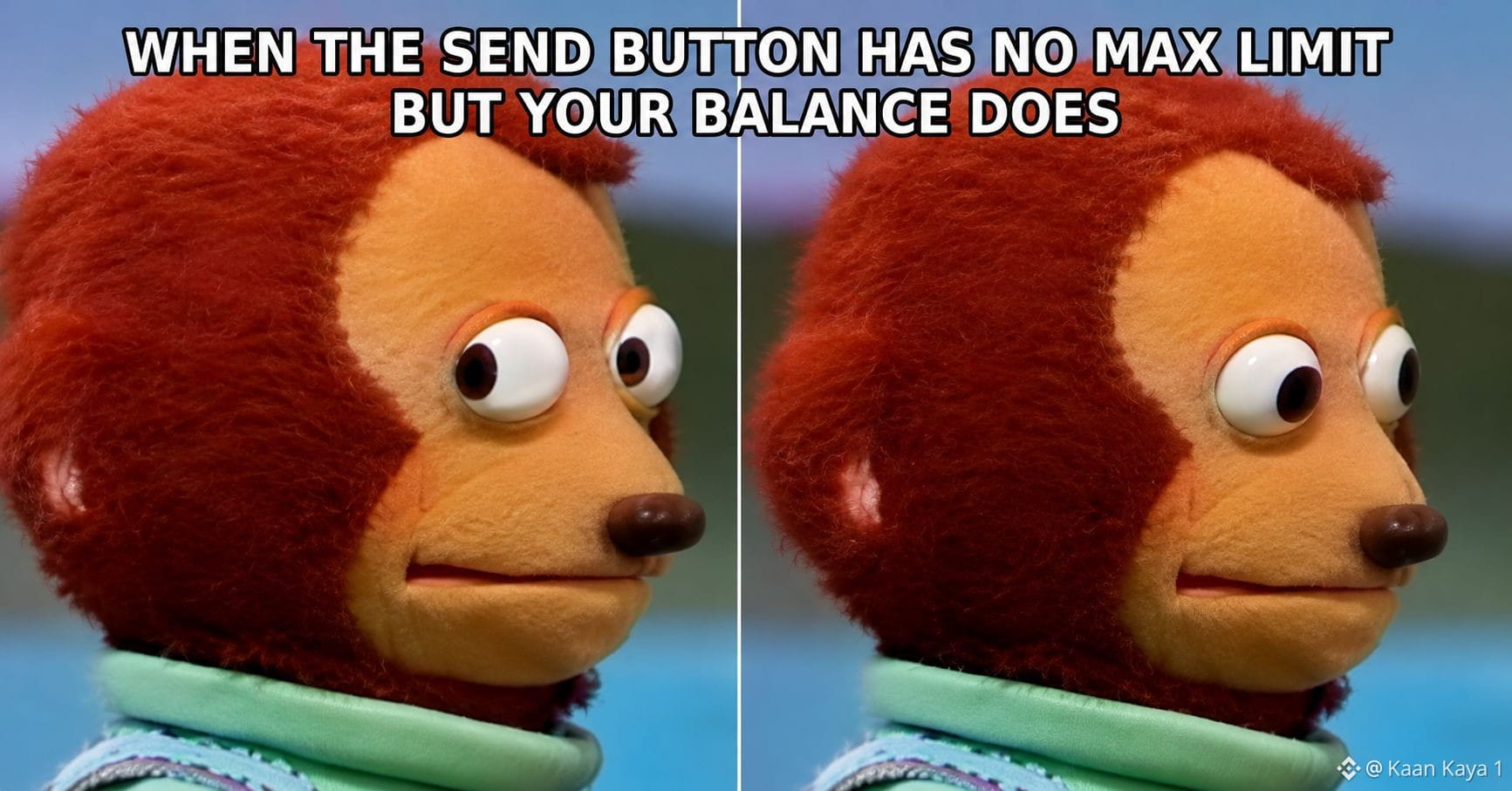
🔍 Ich wollte das Überweisungslimit herausfinden und stieß zuerst auf mein eigenes Guthaben Ich habe schon genug $BTC-Wallets und Börsen-Apps genutzt, um zu wissen, dass hinter jedem „Senden“-Button irgendein Haken steckt. Meistens ist es ein Mindestbetrag, der kleine Überweisungen sinnlos macht, oder ein Tageslimit, das genau dann greift, wenn man mehr überweisen muss 🙃 Als ich also QuickSend in der WhiteBIT-App öffnete, tat ich das, was ich bei einer neuen Überweisungsfunktion immer mache: Ich lotete erst einmal die Grenzen aus, bevor ich echtes Geld versendete. https://bit.ly/4dBD8CM Zuerst probierte ich den kleinsten Betrag aus. Er lag beim Gegenwert von 1 USDT. Dann gab ich eine Zahl ein, die viel höher war, als ich jemals tatsächlich überweisen würde, und wartete auf die übliche Meldung „Limit überschritten“. Sie kam nie, denn bei QuickSend gibt es kein Höchstlimit. Nur mein eigenes Guthaben konnte mich bremsen 😅 Der Rest funktioniert so, wie man es von einem Messenger erwarten würde. Man wählt die Person über ihren Nickname aus oder scannt ihren QR-Code, das Geld kommt sofort an und man hat 10 Sekunden Zeit, die Überweisung abzubrechen, falls man versehentlich auf „Senden“ getippt hat. Dadurch habe ich die anderen Überweisungstools auf meinem Handy mit anderen Augen gesehen. Die meisten sind ganz klar auf einen bestimmten Zweck ausgelegt. Manche eignen sich dafür, das Mittagessen aufzuteilen, mit kleinen Beträgen und niedrigen Limits. Andere sind für größere Geldsummen gedacht und haben so hohe Mindestbeträge, dass man darüber niemals einem Freund ein paar Dollar schicken würde. Hier kann man über denselben Bildschirm sowohl den Kaffee für einen Kollegen als auch einen deutlich größeren Betrag überweisen, ohne die App zu wechseln. Ich verbrachte eine Minute damit, die Limits zu testen, und dachte am Ende darüber nach, wie viel diese Zahlen darüber aussagen, für wen ein Tool gedacht ist. Wenn ich das nächste Mal jemandem ein paar Dollar schicke oder einen größeren Betrag überweise, benutze ich denselben Button 🙂 Haftungsausschluss: Dies ist keine Finanz- oder Anlageberatung. Informiere dich selbst, bevor du Entscheidungen triffst. Die Nutzung erfolgt auf eigene Gefahr. #BTC-Kursanalyse# #Bitcoin-Kursprognose: Was kommt als Nächstes für Bitcoin?#
🔍 Ich wollte das Überweisungslimit herausfinden und stieß zuerst auf mein eigenes Guthaben Ich habe schon genug $BTC-Wallets und Börsen-Apps genutzt, um zu wissen, dass hinter jedem „Senden“-Button irgendein Haken steckt. Meistens ist es ein Mindestbetrag, der kleine Überweisungen sinnlos macht, oder ein Tageslimit, das genau dann greift, wenn man mehr überweisen muss 🙃 Als ich also QuickSend in der WhiteBIT-App öffnete, tat ich das, was ich bei einer neuen Überweisungsfunktion immer mache: Ich lotete erst einmal die Grenzen aus, bevor ich echtes Geld versendete. https://bit.ly/4dBD8CM Zuerst probierte ich den kleinsten Betrag aus. Er lag beim Gegenwert von 1 USDT. Dann gab ich eine Zahl ein, die viel höher war, als ich jemals tatsächlich überweisen würde, und wartete auf die übliche Meldung „Limit überschritten“. Sie kam nie, denn bei QuickSend gibt es kein Höchstlimit. Nur mein eigenes Guthaben konnte mich bremsen 😅 Der Rest funktioniert so, wie man es von einem Messenger erwarten würde. Man wählt die Person über ihren Nickname aus oder scannt ihren QR-Code, das Geld kommt sofort an und man hat 10 Sekunden Zeit, die Überweisung abzubrechen, falls man versehentlich auf „Senden“ getippt hat. Dadurch habe ich die anderen Überweisungstools auf meinem Handy mit anderen Augen gesehen. Die meisten sind ganz klar auf einen bestimmten Zweck ausgelegt. Manche eignen sich dafür, das Mittagessen aufzuteilen, mit kleinen Beträgen und niedrigen Limits. Andere sind für größere Geldsummen gedacht und haben so hohe Mindestbeträge, dass man darüber niemals einem Freund ein paar Dollar schicken würde. Hier kann man über denselben Bildschirm sowohl den Kaffee für einen Kollegen als auch einen deutlich größeren Betrag überweisen, ohne die App zu wechseln. Ich verbrachte eine Minute damit, die Limits zu testen, und dachte am Ende darüber nach, wie viel diese Zahlen darüber aussagen, für wen ein Tool gedacht ist. Wenn ich das nächste Mal jemandem ein paar Dollar schicke oder einen größeren Betrag überweise, benutze ich denselben Button 🙂 Haftungsausschluss: Dies ist keine Finanz- oder Anlageberatung. Informiere dich selbst, bevor du Entscheidungen triffst. Die Nutzung erfolgt auf eigene Gefahr. #BTC-Kursanalyse# #Bitcoin-Kursprognose: Was kommt als Nächstes für Bitcoin?#
·
--
Übersetzung ansehen
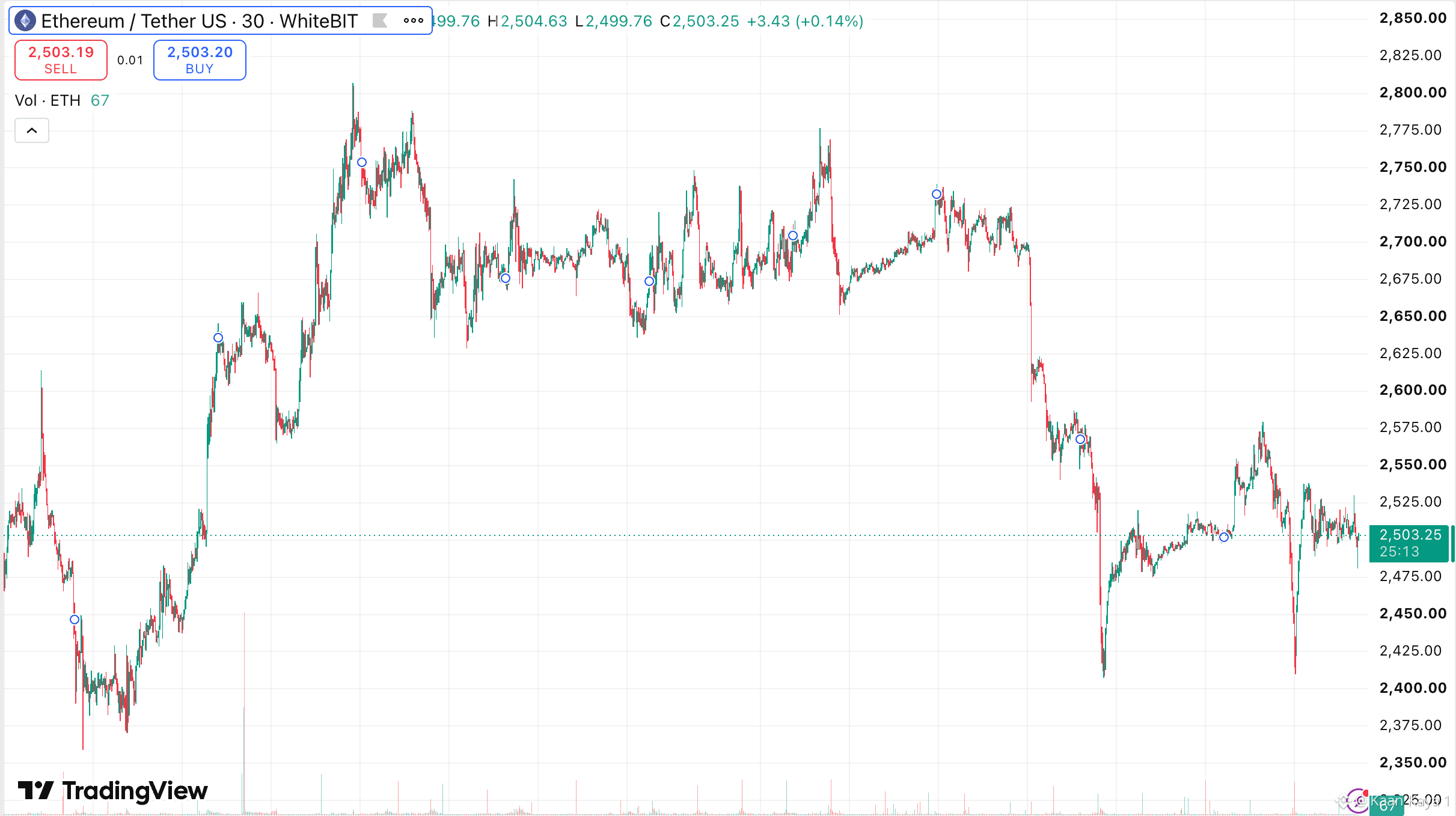
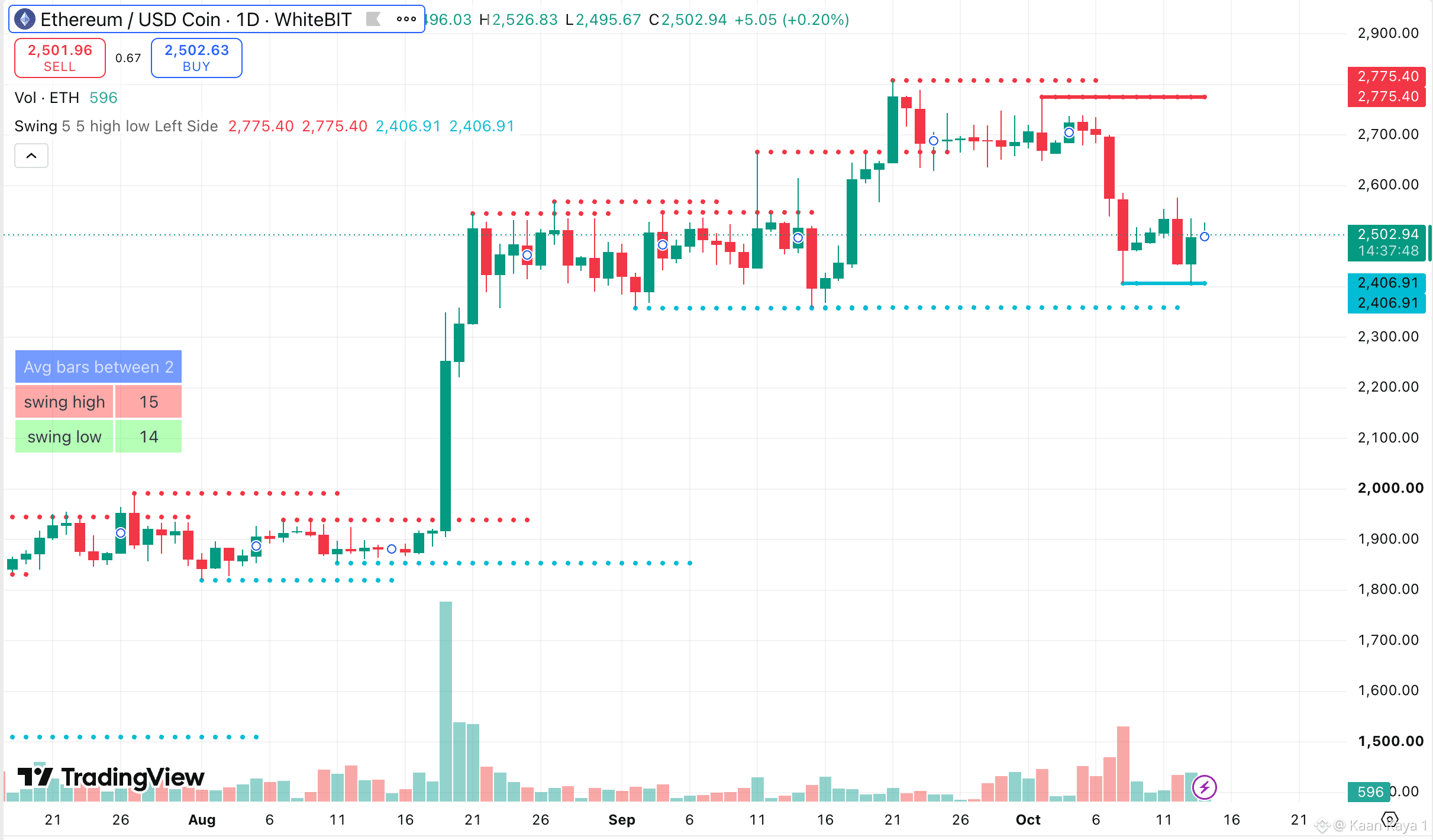
Everyone Wants the Next Altcoin Season. But Who's Actually Buying? Every time Bitcoin slows down for a few days, the altcoin season predictions start appearing again. Someone posts an ETH/BTC chart, someone else finds a forgotten 2021 pattern, and suddenly half the timeline is talking about a rotation. 😂 But there's one thing I'd want to see before getting excited: are people actually putting new money into altcoins, or just moving the same capital around? Imagine $BTC stays flat while $ETH gains 5%, then traders take profits and move into $SOL , which gains another 8%. A handful of charts look great, but that doesn't necessarily mean the overall market has attracted much fresh capital. And there's nothing wrong with rotations. They're part of how crypto markets work. I just think there's a difference between a few popular tokens outperforming and hundreds of smaller projects finding sustained demand. For now, I'd be watching whether trading volume broadens beyond the usual names and whether rallies hold up after the first wave of excitement. Because calling an altcoin season after three green candles is easy. Actually making money through one is a completely different experience. #BTC Price Analysis# #Bitcoin Price Prediction: What is Bitcoins next move?#
Everyone Wants the Next Altcoin Season. But Who's Actually Buying? Every time Bitcoin slows down for a few days, the altcoin season predictions start appearing again. Someone posts an ETH/BTC chart, someone else finds a forgotten 2021 pattern, and suddenly half the timeline is talking about a rotation. 😂 But there's one thing I'd want to see before getting excited: are people actually putting new money into altcoins, or just moving the same capital around? Imagine $BTC stays flat while $ETH gains 5%, then traders take profits and move into $SOL , which gains another 8%. A handful of charts look great, but that doesn't necessarily mean the overall market has attracted much fresh capital. And there's nothing wrong with rotations. They're part of how crypto markets work. I just think there's a difference between a few popular tokens outperforming and hundreds of smaller projects finding sustained demand. For now, I'd be watching whether trading volume broadens beyond the usual names and whether rallies hold up after the first wave of excitement. Because calling an altcoin season after three green candles is easy. Actually making money through one is a completely different experience. #BTC Price Analysis# #Bitcoin Price Prediction: What is Bitcoins next move?#
65
·
--
Alle wollen die nächste Altcoin-Saison. Aber wer kauft tatsächlich? Jedes Mal, wenn Bitcoin ein paar Tage lang auf der Stelle tritt, tauchen wieder Vorhersagen zur Altcoin-Saison auf. Jemand postet einen ETH/BTC-Chart, jemand anderes entdeckt ein vergessenes Muster aus dem Jahr 2021, und plötzlich spricht die halbe Timeline von einer Rotation. 😂 Aber bevor ich mich zu früh freue, würde ich gern eines sehen: Stecken die Leute tatsächlich neues Geld in Altcoins oder schieben sie nur dasselbe Kapital hin und her? Stell dir vor, $BTC bleibt stabil, während $ETH um 5 % zulegt. Dann nehmen Trader Gewinne mit und steigen bei $SOL ein, das weitere 8 % gewinnt. Eine Handvoll Charts sieht großartig aus, aber das bedeutet nicht unbedingt, dass viel frisches Kapital in den Gesamtmarkt geflossen ist. Und an Rotationen ist nichts auszusetzen. Sie gehören einfach dazu, wenn es um die Funktionsweise der Kryptomärkte geht. Ich glaube nur, dass es einen Unterschied gibt zwischen einigen beliebten Token, die besser abschneiden, und Hunderten kleinerer Projekte, die anhaltende Nachfrage finden. Im Moment würde ich darauf achten, ob sich das Handelsvolumen über die üblichen Namen hinaus ausweitet und ob die Rallys nach der ersten Begeisterungswelle anhalten. Denn nach drei grünen Kerzen eine Altcoin-Saison auszurufen, ist leicht. Während einer solchen Saison tatsächlich Geld zu verdienen, ist eine ganz andere Erfahrung. #ETHBlockchain #ETHFoundation
Alle wollen die nächste Altcoin-Saison. Aber wer kauft tatsächlich? Jedes Mal, wenn Bitcoin ein paar Tage lang auf der Stelle tritt, tauchen wieder Vorhersagen zur Altcoin-Saison auf. Jemand postet einen ETH/BTC-Chart, jemand anderes entdeckt ein vergessenes Muster aus dem Jahr 2021, und plötzlich spricht die halbe Timeline von einer Rotation. 😂 Aber bevor ich mich zu früh freue, würde ich gern eines sehen: Stecken die Leute tatsächlich neues Geld in Altcoins oder schieben sie nur dasselbe Kapital hin und her? Stell dir vor, $BTC bleibt stabil, während $ETH um 5 % zulegt. Dann nehmen Trader Gewinne mit und steigen bei $SOL ein, das weitere 8 % gewinnt. Eine Handvoll Charts sieht großartig aus, aber das bedeutet nicht unbedingt, dass viel frisches Kapital in den Gesamtmarkt geflossen ist. Und an Rotationen ist nichts auszusetzen. Sie gehören einfach dazu, wenn es um die Funktionsweise der Kryptomärkte geht. Ich glaube nur, dass es einen Unterschied gibt zwischen einigen beliebten Token, die besser abschneiden, und Hunderten kleinerer Projekte, die anhaltende Nachfrage finden. Im Moment würde ich darauf achten, ob sich das Handelsvolumen über die üblichen Namen hinaus ausweitet und ob die Rallys nach der ersten Begeisterungswelle anhalten. Denn nach drei grünen Kerzen eine Altcoin-Saison auszurufen, ist leicht. Während einer solchen Saison tatsächlich Geld zu verdienen, ist eine ganz andere Erfahrung. #ETHBlockchain #ETHFoundation

80
·
--
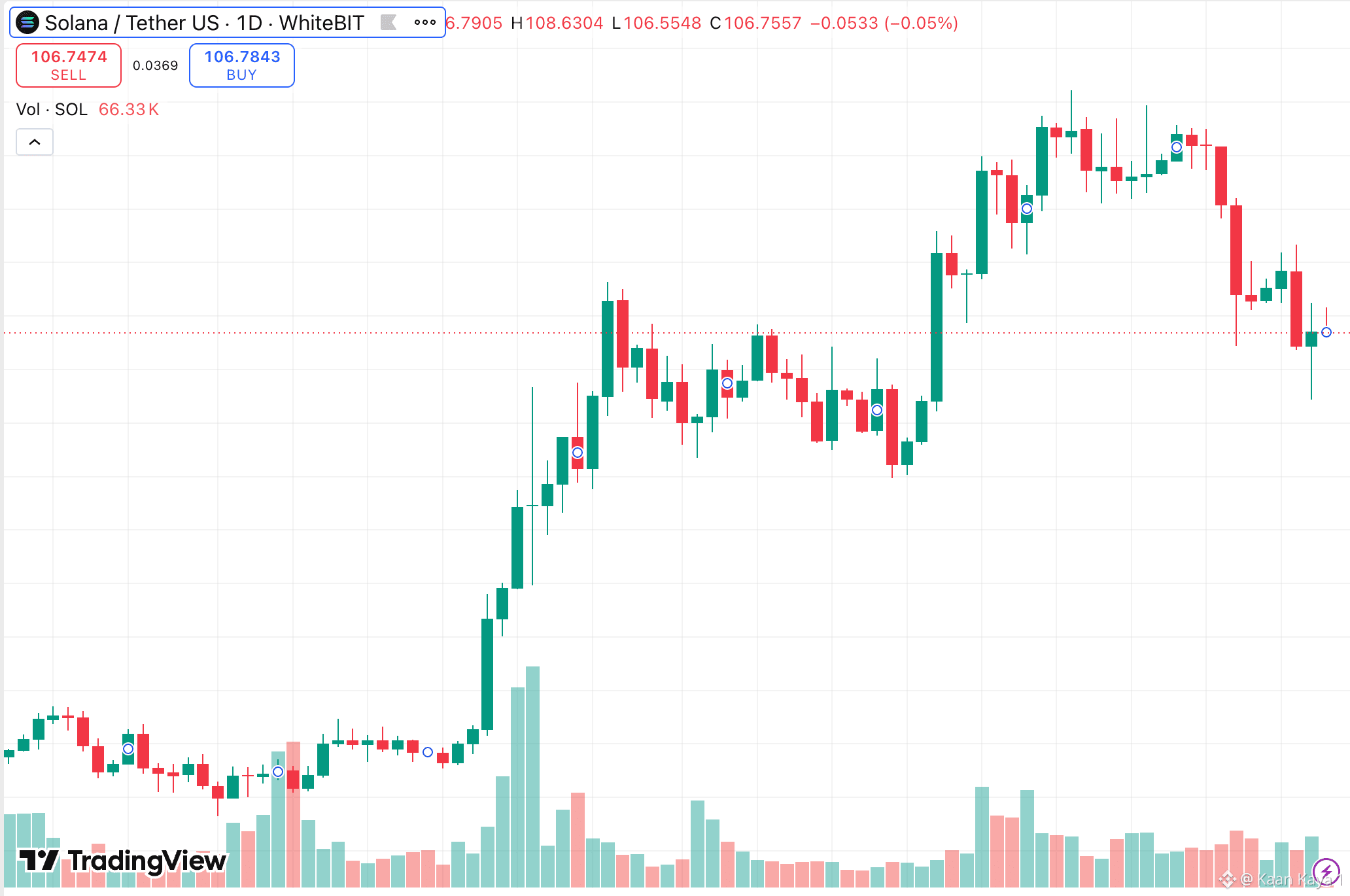
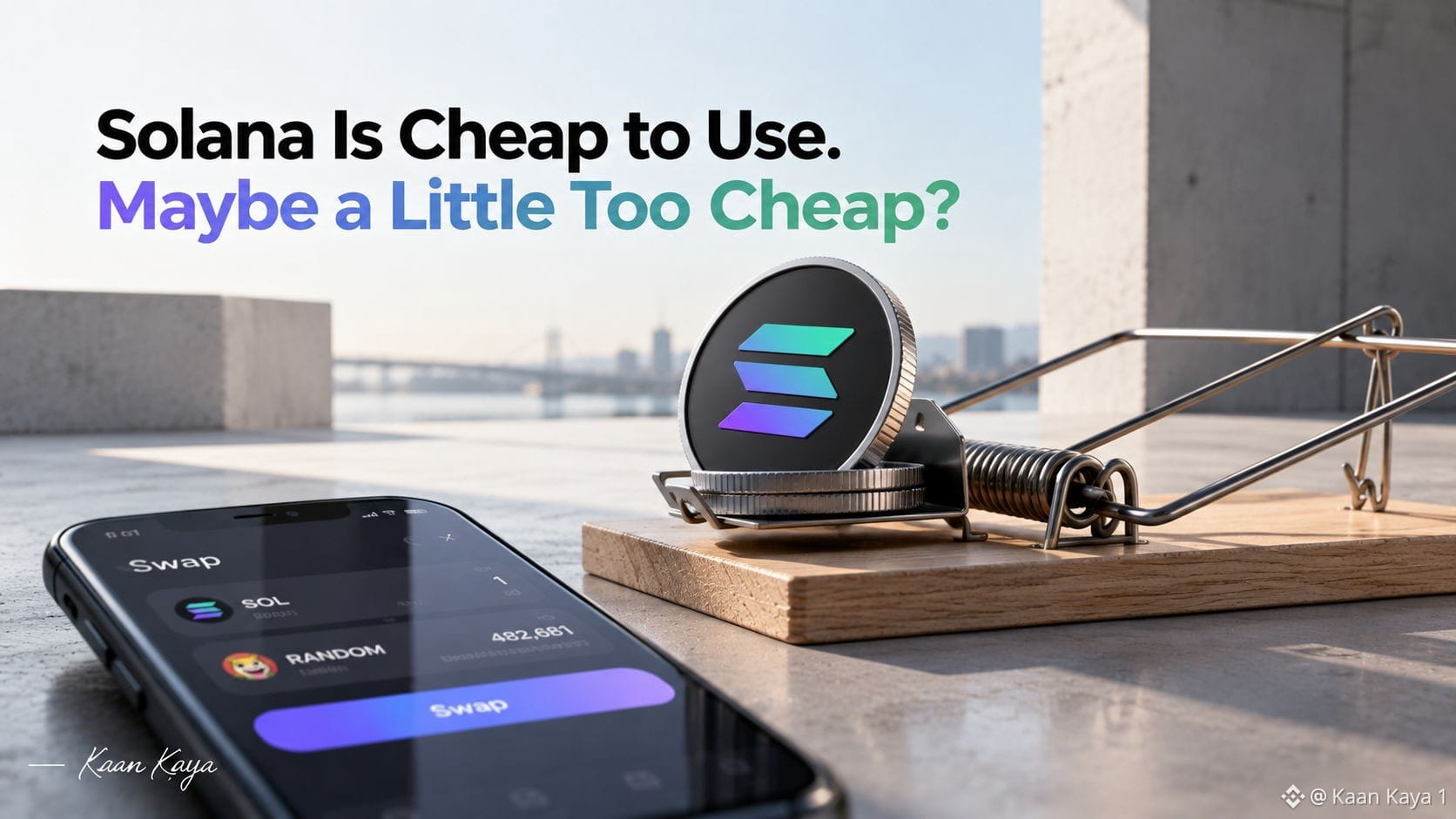
Solana ist günstig zu nutzen. Vielleicht ein bisschen zu günstig? 😉 Was ich an $SOL irgendwie lustig finde, ist, wie einfach es ist, etwas zu handeln, das man wahrscheinlich besser nicht handeln sollte. 😂 Die Gebühren sind so niedrig, dass sich ein weiterer Swap kaum wie eine bewusste Entscheidung anfühlt. Du siehst einen zufälligen Token im Trend? Zwei Klicks, und du bist dabei. Das ist großartig für die Akzeptanz, aber ich frage mich, wie viel Aktivität von Leuten kommt, die Solana tatsächlich nutzen, und wie viel von Tradern, die den ganzen Tag zwischen Meme-Coins hin- und herspringen. Ich beschwere mich natürlich nicht über günstige Transaktionen. Ich frage mich nur, ob einfacheres Trading auch dazu verleitet, ein bisschen zu viel zu handeln. Ist euch das auch schon aufgefallen? #Makro-Einblicke# #Altcoin-Saison#
Solana ist günstig zu nutzen. Vielleicht ein bisschen zu günstig? 😉 Was ich an $SOL irgendwie lustig finde, ist, wie einfach es ist, etwas zu handeln, das man wahrscheinlich besser nicht handeln sollte. 😂 Die Gebühren sind so niedrig, dass sich ein weiterer Swap kaum wie eine bewusste Entscheidung anfühlt. Du siehst einen zufälligen Token im Trend? Zwei Klicks, und du bist dabei. Das ist großartig für die Akzeptanz, aber ich frage mich, wie viel Aktivität von Leuten kommt, die Solana tatsächlich nutzen, und wie viel von Tradern, die den ganzen Tag zwischen Meme-Coins hin- und herspringen. Ich beschwere mich natürlich nicht über günstige Transaktionen. Ich frage mich nur, ob einfacheres Trading auch dazu verleitet, ein bisschen zu viel zu handeln. Ist euch das auch schon aufgefallen? #Makro-Einblicke# #Altcoin-Saison#
47
·
--
Dogecoin hat keinen Fahrplan zur Weltherrschaft. Und das ist völlig in Ordnung. Es ist schon lustig, wie ernst manche Leute manchmal versuchen, $DOGE zu analysieren. 😂 Da findet man seitenlange Analysen zu Tokenomics, möglichen Anwendungsszenarien und langfristigen Kurszielen für einen Coin, der buchstäblich als Witz angefangen hat. Aber vielleicht hat Dogecoin genau deshalb so lange überlebt. Der Coin muss nicht so tun, als würde er das Finanzwesen revolutionieren. Die Leute wissen genau, worauf sie sich einlassen. Das heißt natürlich nicht, dass er deshalb eine gute Anlage ist. Es zeigt nur, dass eine starke Community und ein bekanntes Meme einen Coin manchmal länger relevant halten können als ein schickes Whitepaper. Würdest du DOGE auch 2030 noch halten? #Makroeinblicke# #Altcoin-Saison#
Dogecoin hat keinen Fahrplan zur Weltherrschaft. Und das ist völlig in Ordnung. Es ist schon lustig, wie ernst manche Leute manchmal versuchen, $DOGE zu analysieren. 😂 Da findet man seitenlange Analysen zu Tokenomics, möglichen Anwendungsszenarien und langfristigen Kurszielen für einen Coin, der buchstäblich als Witz angefangen hat. Aber vielleicht hat Dogecoin genau deshalb so lange überlebt. Der Coin muss nicht so tun, als würde er das Finanzwesen revolutionieren. Die Leute wissen genau, worauf sie sich einlassen. Das heißt natürlich nicht, dass er deshalb eine gute Anlage ist. Es zeigt nur, dass eine starke Community und ein bekanntes Meme einen Coin manchmal länger relevant halten können als ein schickes Whitepaper. Würdest du DOGE auch 2030 noch halten? #Makroeinblicke# #Altcoin-Saison#

70
·
--
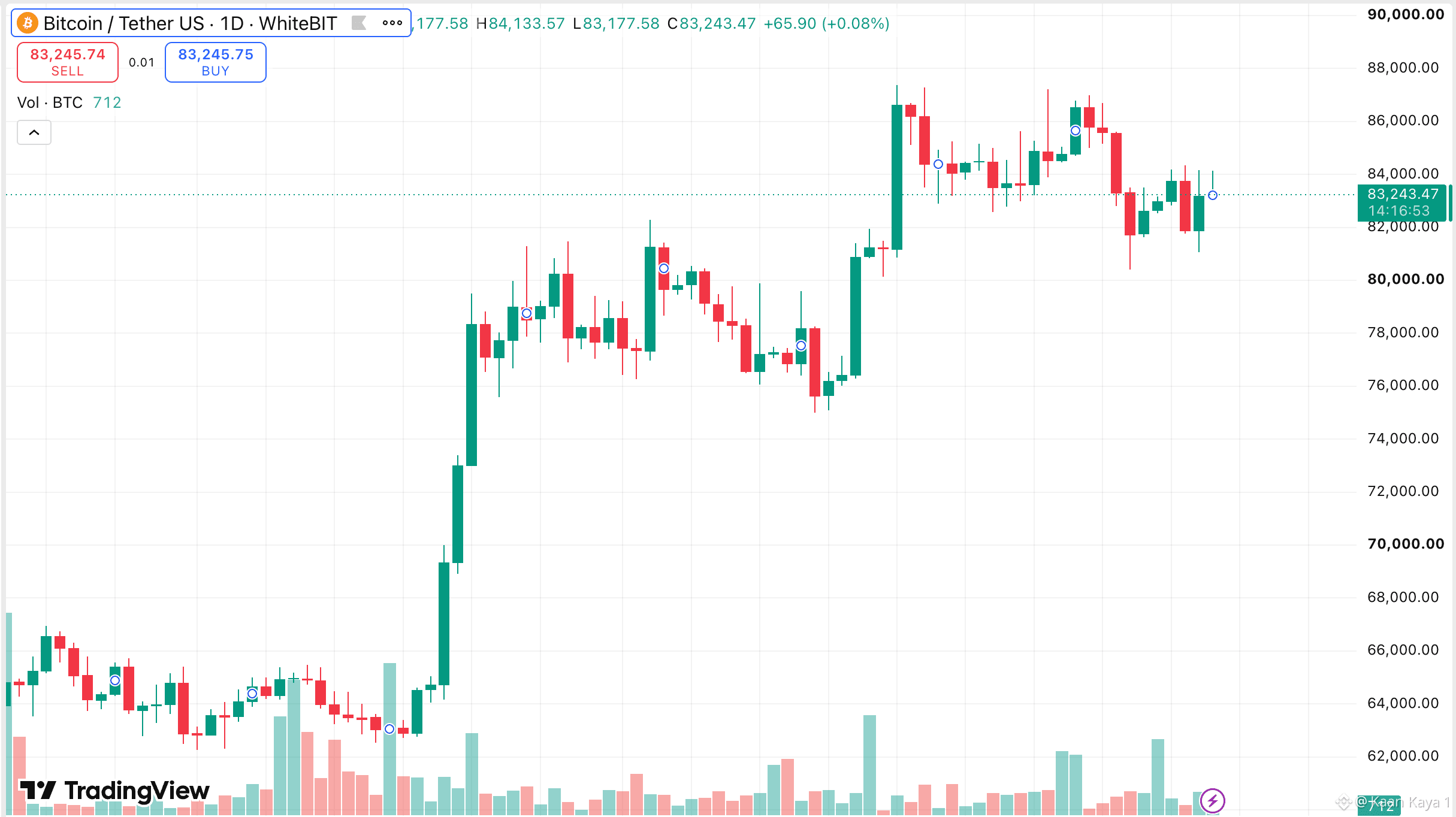
Bitcoins größter Flex könnte sein, wie langweilig es wird. Weißt du noch, als eine Bewegung von 10 % bei $BTC kaum jemanden überraschte? Jetzt verbringen Trader Stunden damit, über eine 2-%-Kerze zu diskutieren, als wäre sie ein historisches Ereignis. 😂 Vielleicht sieht so ein reiferer Bitcoin-Markt aus: mehr Institutionen, mehr langfristige Anleger und weniger Leute, die erwarten, dass jeder Dienstag ihr Leben verändert. Natürlich kann Bitcoin immer noch alle überraschen, wenn die Volatilität zurückkehrt. Aber ich frage mich, ob manche Trader insgeheim das Chaos mehr vermissen als die Gewinne. Hättest du lieber einen ruhigeren $BTC oder den wilden Bitcoin von 2021? #BTC-Preisanalyse# #Bitcoin-Kursprognose: Was kommt als Nächstes für Bitcoin?#
Bitcoins größter Flex könnte sein, wie langweilig es wird. Weißt du noch, als eine Bewegung von 10 % bei $BTC kaum jemanden überraschte? Jetzt verbringen Trader Stunden damit, über eine 2-%-Kerze zu diskutieren, als wäre sie ein historisches Ereignis. 😂 Vielleicht sieht so ein reiferer Bitcoin-Markt aus: mehr Institutionen, mehr langfristige Anleger und weniger Leute, die erwarten, dass jeder Dienstag ihr Leben verändert. Natürlich kann Bitcoin immer noch alle überraschen, wenn die Volatilität zurückkehrt. Aber ich frage mich, ob manche Trader insgeheim das Chaos mehr vermissen als die Gewinne. Hättest du lieber einen ruhigeren $BTC oder den wilden Bitcoin von 2021? #BTC-Preisanalyse# #Bitcoin-Kursprognose: Was kommt als Nächstes für Bitcoin?#

43
·
--
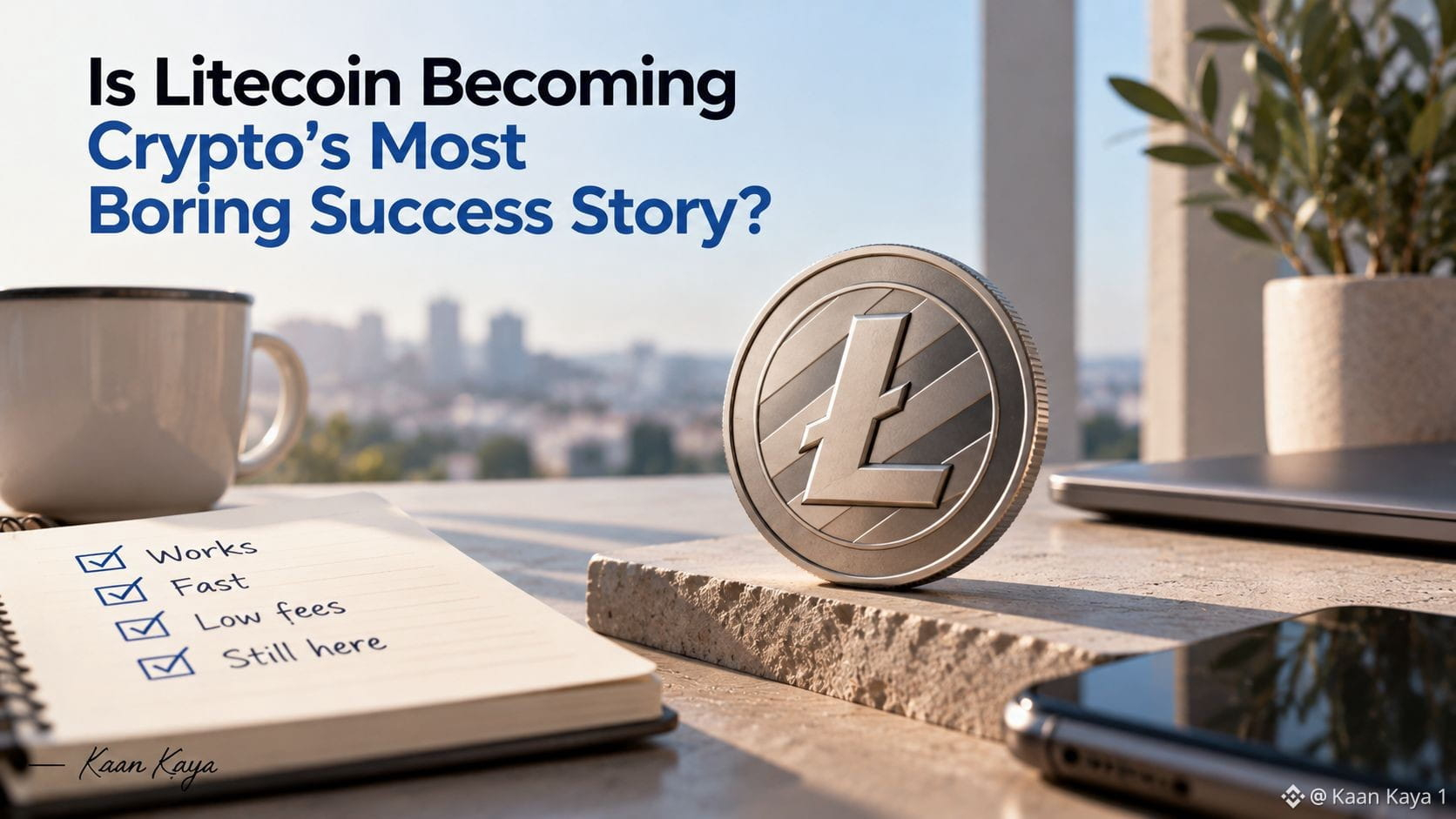
Wird Litecoin zur langweiligsten Erfolgsgeschichte der Kryptowelt? Niemand spricht mehr wirklich über $LTC, was schon lustig ist, wenn man bedenkt, dass es all die Jahre überdauert hat. 😅 Kein endloser Hype, keine neue Erzählung jede Woche. Einfach ein Netzwerk, mit dem man Kryptowährungen bewegen kann. Manchmal frage ich mich, ob wir so sehr davon besessen sind, das nächste 100x zu finden, dass wir vergessen, dass es auch wertvoll ist, wenn Dinge einfach funktionieren. Nutzt hier noch jemand Litecoin, oder ist es komplett von eurem Radar verschwunden? #Makro-Einblicke# #Altcoin-Saison#
Wird Litecoin zur langweiligsten Erfolgsgeschichte der Kryptowelt? Niemand spricht mehr wirklich über $LTC, was schon lustig ist, wenn man bedenkt, dass es all die Jahre überdauert hat. 😅 Kein endloser Hype, keine neue Erzählung jede Woche. Einfach ein Netzwerk, mit dem man Kryptowährungen bewegen kann. Manchmal frage ich mich, ob wir so sehr davon besessen sind, das nächste 100x zu finden, dass wir vergessen, dass es auch wertvoll ist, wenn Dinge einfach funktionieren. Nutzt hier noch jemand Litecoin, oder ist es komplett von eurem Radar verschwunden? #Makro-Einblicke# #Altcoin-Saison#
51
·
--
🚨 Kryptowährungen in dein EMI integrieren? Bau das Backend nicht von Grund auf selbst Stell dir vor: Deine Nutzer fragen ständig nach $BTC, $ETH und allen möglichen Kryptowährungen, und jemand schlägt vor, eine eigene Verwahrungs- und Handelsinfrastruktur aufzubauen. Dann kommen die Kostenschätzungen. Entwickler, Sicherheitsaudits, Lizenzen in jedem Markt, in dem du tätig bist, und ein Zeitplan, der in Quartalen gemessen wird. Wenn alles fertig ist, ist der Markt längst weitergezogen 😬 Wenn du nach einer Abkürzung suchst, könnte ein Angebot wie Notbanks Crypto as a Service einen Blick wert sein. Theoretisch können Unternehmen damit über eine einzige API den Handel mit Kryptowährungen, die Verwahrung, Stablecoins und globale Geldtransfers integrieren. Python-, Java- und Node-SDKs sollen die Umsetzung beschleunigen 🌍 https://www.notbank.com/en/crypto-as-a-service?utm_source=coinmarketcap&utm_medium=caaaaskkk&utm_campaign=post Compliance-Teams dürfte vor allem der Sicherheitsaspekt interessieren. Notbank ist nach ISO/IEC 27001:2013 zertifiziert und arbeitet über regulierte Unternehmen in Chile, Argentinien, Brasilien, Kolumbien und Peru. Ein EMI könnte also prüfen, wie diese Zulassungen zu den eigenen Märkten passen. 🛡 Eine Demo anzufordern wäre ein sinnvoller erster Schritt, um zu sehen, wie sich das Angebot in deine bestehende Infrastruktur einfügen könnte 🚀 Haftungsausschluss: Dies ist keine Finanz- oder Anlageberatung. Informiere dich selbst, bevor du Entscheidungen triffst. Die Nutzung erfolgt auf eigenes Risiko. #BTC-Kursanalyse# #Bitcoin-Kursprognose: Was ist Bitcoins nächster Schritt?#
🚨 Kryptowährungen in dein EMI integrieren? Bau das Backend nicht von Grund auf selbst Stell dir vor: Deine Nutzer fragen ständig nach $BTC, $ETH und allen möglichen Kryptowährungen, und jemand schlägt vor, eine eigene Verwahrungs- und Handelsinfrastruktur aufzubauen. Dann kommen die Kostenschätzungen. Entwickler, Sicherheitsaudits, Lizenzen in jedem Markt, in dem du tätig bist, und ein Zeitplan, der in Quartalen gemessen wird. Wenn alles fertig ist, ist der Markt längst weitergezogen 😬 Wenn du nach einer Abkürzung suchst, könnte ein Angebot wie Notbanks Crypto as a Service einen Blick wert sein. Theoretisch können Unternehmen damit über eine einzige API den Handel mit Kryptowährungen, die Verwahrung, Stablecoins und globale Geldtransfers integrieren. Python-, Java- und Node-SDKs sollen die Umsetzung beschleunigen 🌍 https://www.notbank.com/en/crypto-as-a-service?utm_source=coinmarketcap&utm_medium=caaaaskkk&utm_campaign=post Compliance-Teams dürfte vor allem der Sicherheitsaspekt interessieren. Notbank ist nach ISO/IEC 27001:2013 zertifiziert und arbeitet über regulierte Unternehmen in Chile, Argentinien, Brasilien, Kolumbien und Peru. Ein EMI könnte also prüfen, wie diese Zulassungen zu den eigenen Märkten passen. 🛡 Eine Demo anzufordern wäre ein sinnvoller erster Schritt, um zu sehen, wie sich das Angebot in deine bestehende Infrastruktur einfügen könnte 🚀 Haftungsausschluss: Dies ist keine Finanz- oder Anlageberatung. Informiere dich selbst, bevor du Entscheidungen triffst. Die Nutzung erfolgt auf eigenes Risiko. #BTC-Kursanalyse# #Bitcoin-Kursprognose: Was ist Bitcoins nächster Schritt?#

67
·
--
Uniswap steht vor einer größeren Herausforderung, als den nächsten 10x-Coin zu finden Alle sind damit beschäftigt, nach dem nächsten Meme-Coin zu suchen. Mich interessiert aber eher, ob die Leute die Börsen, auf denen sie damit handeln, tatsächlich weiterhin nutzen. 😅 Nehmen wir Uniswap. Den meisten, die $ETH gegen USDC tauschen, sind Governance oder ausgefeilte Technologie egal. Sie wollen einfach einen guten Preis, niedrige Gebühren und eine Transaktion, die funktioniert. Und genau da wird es für $UNI interessant. Mehr Handelsvolumen bedeutet nicht automatisch mehr Wert für den Token. Ich würde lieber sehen, dass Trader jede Woche wiederkommen, als einen riesigen Volumenanstieg, nur weil irgendein zufälliger Meme-Coin viral gegangen ist. Was ist eurer Meinung nach für eine DEX wichtiger: Handelsvolumen oder treue Nutzer? #Makro-Einblicke# #Altcoin-Saison#
Uniswap steht vor einer größeren Herausforderung, als den nächsten 10x-Coin zu finden Alle sind damit beschäftigt, nach dem nächsten Meme-Coin zu suchen. Mich interessiert aber eher, ob die Leute die Börsen, auf denen sie damit handeln, tatsächlich weiterhin nutzen. 😅 Nehmen wir Uniswap. Den meisten, die $ETH gegen USDC tauschen, sind Governance oder ausgefeilte Technologie egal. Sie wollen einfach einen guten Preis, niedrige Gebühren und eine Transaktion, die funktioniert. Und genau da wird es für $UNI interessant. Mehr Handelsvolumen bedeutet nicht automatisch mehr Wert für den Token. Ich würde lieber sehen, dass Trader jede Woche wiederkommen, als einen riesigen Volumenanstieg, nur weil irgendein zufälliger Meme-Coin viral gegangen ist. Was ist eurer Meinung nach für eine DEX wichtiger: Handelsvolumen oder treue Nutzer? #Makro-Einblicke# #Altcoin-Saison#

48
·
--
Verleihen oder halten? Wie ein Treasury-Team sich entscheiden könnte Die meisten Gespräche im Vorstand über die Krypto-Treasury enden mit einem Schulterzucken. „Das kommt darauf an.“ Ich wollte sehen, wie die Antwort aussieht, wenn man die Regel tatsächlich aufschreibt. Also habe ich einen fiktiven, aber realistischen Fall zusammengestellt: ein Unternehmen mit 10 Mio. $ in $BTC und Stablecoins, einem Vorstand, der einen klaren Puffer möchte, und einem Treasury-Team, das Spielraum braucht, um den Rest in Einlageprodukte zu investieren. Der Artikel zeigt, wie sich die Richtlinie entwickelt, welche Rolle Lending und Staking spielen und warum die Person, die das Geld bewegen kann, genauso wichtig ist wie die Zahl. Dabei schaue ich mir an, wie WhiteBIT, BitGo und Kraken in dieses Bild passen könnten. Der Artikel ist kurz, und das Ende ist bewusst unspektakulär. Genau darum geht es. 👉 Den vollständigen Artikel lesen: https://medium.com/coinmonks/ten-million-in-stablecoins-three-million-untouchable-now-what-1aea741787ab #BTC-Kursanalyse# #Bitcoin-Kursprognose: Was ist der nächste Schritt von Bitcoin?#
Verleihen oder halten? Wie ein Treasury-Team sich entscheiden könnte Die meisten Gespräche im Vorstand über die Krypto-Treasury enden mit einem Schulterzucken. „Das kommt darauf an.“ Ich wollte sehen, wie die Antwort aussieht, wenn man die Regel tatsächlich aufschreibt. Also habe ich einen fiktiven, aber realistischen Fall zusammengestellt: ein Unternehmen mit 10 Mio. $ in $BTC und Stablecoins, einem Vorstand, der einen klaren Puffer möchte, und einem Treasury-Team, das Spielraum braucht, um den Rest in Einlageprodukte zu investieren. Der Artikel zeigt, wie sich die Richtlinie entwickelt, welche Rolle Lending und Staking spielen und warum die Person, die das Geld bewegen kann, genauso wichtig ist wie die Zahl. Dabei schaue ich mir an, wie WhiteBIT, BitGo und Kraken in dieses Bild passen könnten. Der Artikel ist kurz, und das Ende ist bewusst unspektakulär. Genau darum geht es. 👉 Den vollständigen Artikel lesen: https://medium.com/coinmonks/ten-million-in-stablecoins-three-million-untouchable-now-what-1aea741787ab #BTC-Kursanalyse# #Bitcoin-Kursprognose: Was ist der nächste Schritt von Bitcoin?#

76
·
--
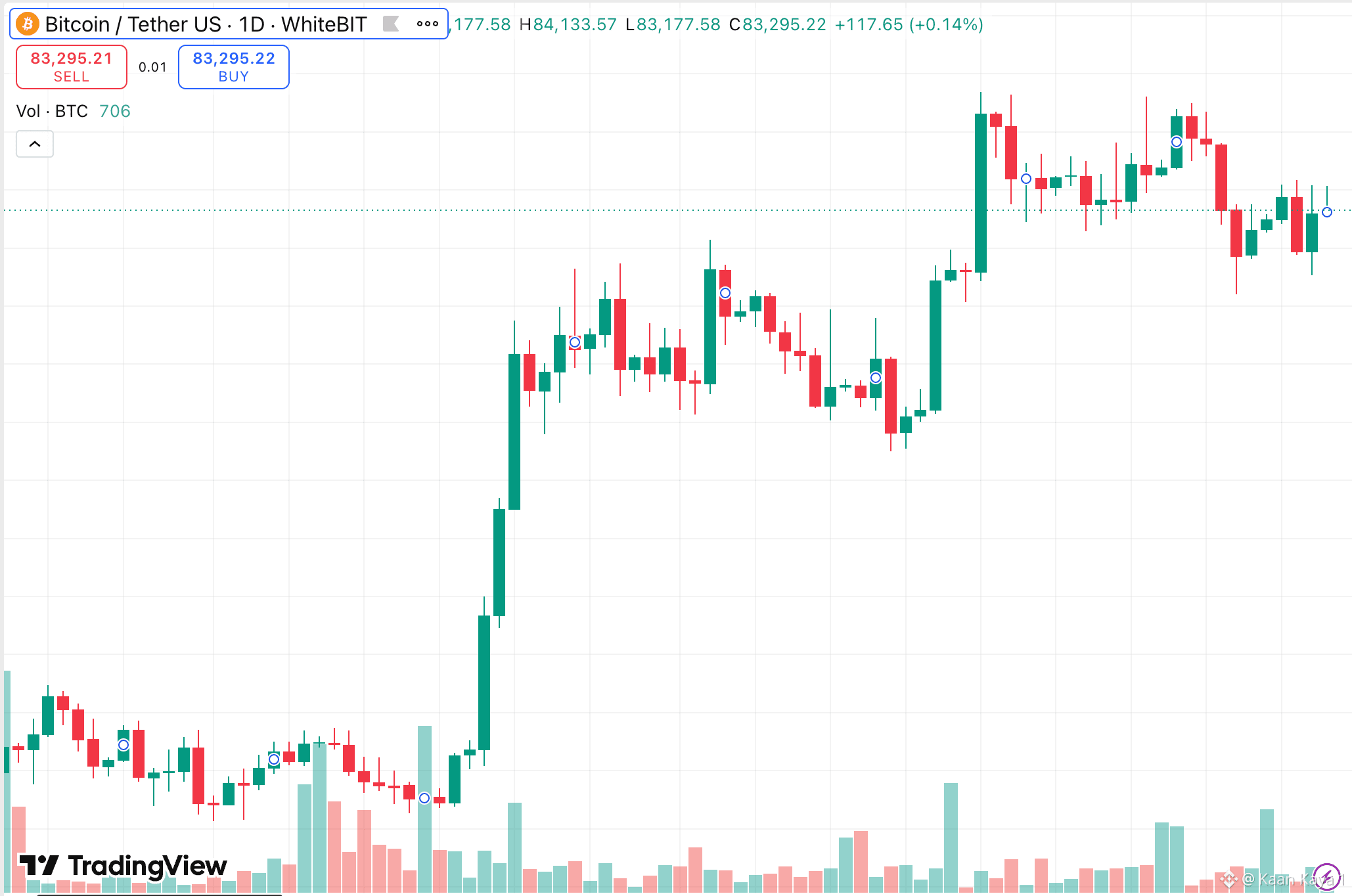
Bitcoins nervigste Bewegung könnte sein, sich überhaupt nicht zu bewegen 👀 Alle warten darauf, dass Bitcoin etwas Dramatisches macht, aber ehrlich gesagt können Seitwärtsmärkte anstrengender sein als echte Crashs. 😅 Es gibt einen kleinen Pump, man denkt, der Ausbruch ist endlich da, und zwei Stunden später steht $BTC wieder genau da, wo alles angefangen hat. Das Lustige daran: Nichts zu tun ist auch eine Trading-Entscheidung. Du musst nicht jede noch so kleine Bewegung mitnehmen, nur weil der Chart offen ist. Ich habe definitiv schon Leute gesehen, die mehr Geld verloren haben, weil sie versucht haben, einen langweiligen Markt zu traden, als sie verloren hätten, wenn sie einfach auf ein gutes Setup gewartet hätten. Geht es noch jemandem besser damit, einfach die Hände stillzuhalten, oder tun wir alle immer noch so, als wäre jede grüne Kerze der Anfang von etwas Großem? #BTC-Kursanalyse# #Bitcoin-Kursprognose: Was ist Bitcoins nächster Schritt?#
Bitcoins nervigste Bewegung könnte sein, sich überhaupt nicht zu bewegen 👀 Alle warten darauf, dass Bitcoin etwas Dramatisches macht, aber ehrlich gesagt können Seitwärtsmärkte anstrengender sein als echte Crashs. 😅 Es gibt einen kleinen Pump, man denkt, der Ausbruch ist endlich da, und zwei Stunden später steht $BTC wieder genau da, wo alles angefangen hat. Das Lustige daran: Nichts zu tun ist auch eine Trading-Entscheidung. Du musst nicht jede noch so kleine Bewegung mitnehmen, nur weil der Chart offen ist. Ich habe definitiv schon Leute gesehen, die mehr Geld verloren haben, weil sie versucht haben, einen langweiligen Markt zu traden, als sie verloren hätten, wenn sie einfach auf ein gutes Setup gewartet hätten. Geht es noch jemandem besser damit, einfach die Hände stillzuhalten, oder tun wir alle immer noch so, als wäre jede grüne Kerze der Anfang von etwas Großem? #BTC-Kursanalyse# #Bitcoin-Kursprognose: Was ist Bitcoins nächster Schritt?#

61
·
--
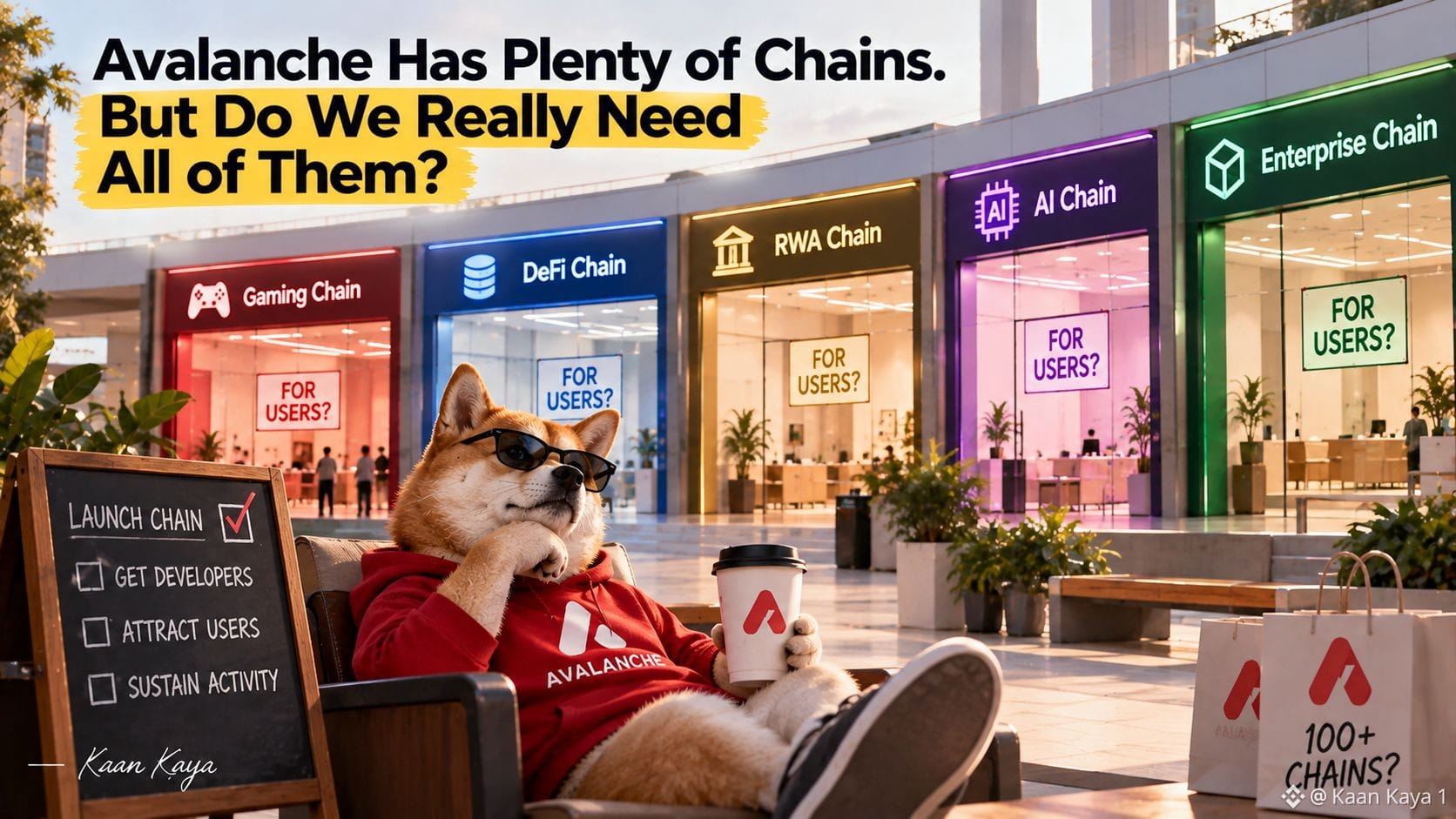
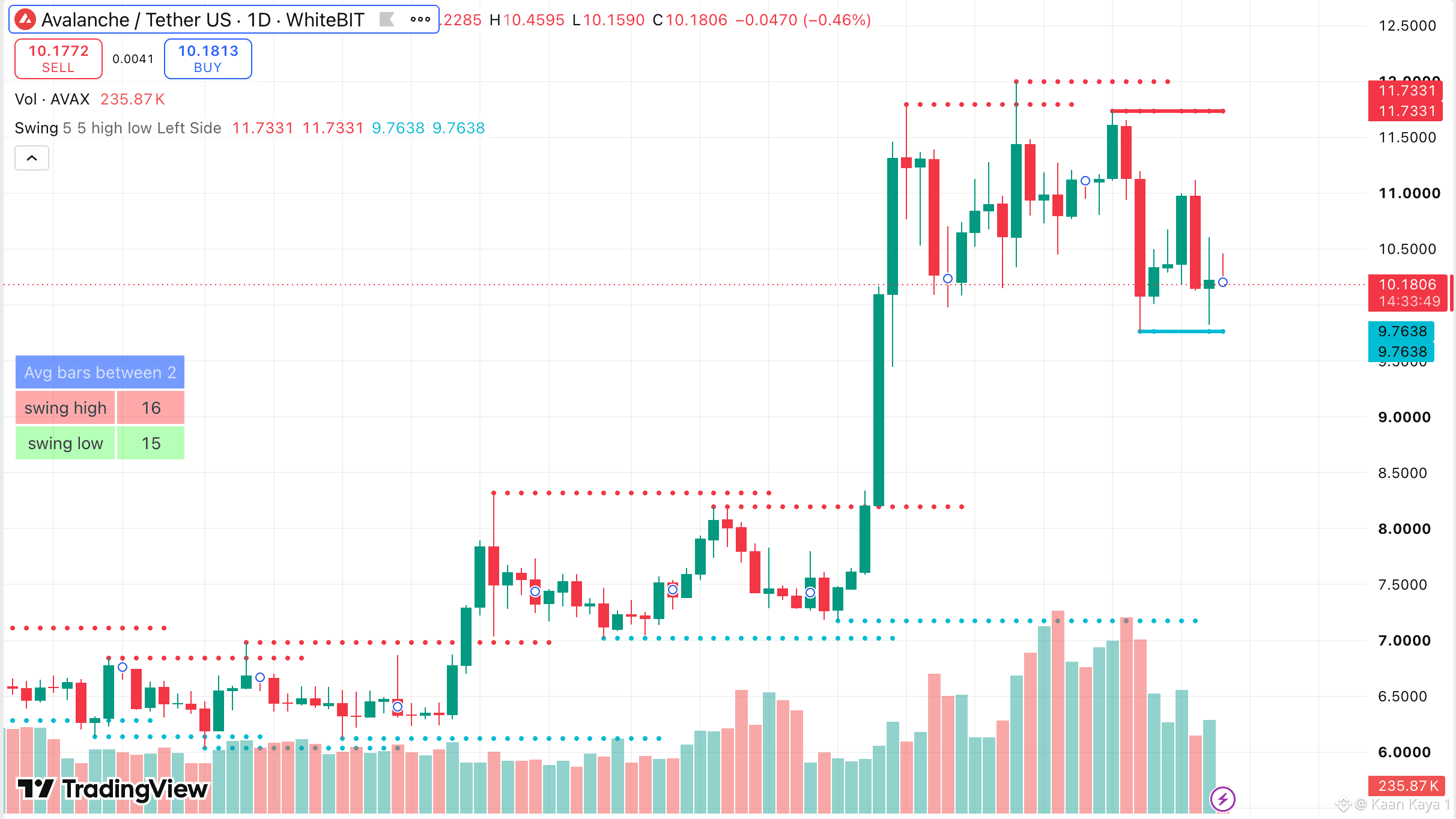
Avalanche hat jede Menge Chains. Aber brauchen wir sie wirklich alle? Wisst ihr noch, als jedes Krypto-Projekt seinen eigenen Token wollte? Inzwischen fühlt es sich so an, als wollte jeder seine eigene Blockchain. 😅 Avalanche setzt sich dafür ein, dass Unternehmen, Spiele und Finanzplattformen eigene Netzwerke betreiben können, statt alles auf eine gemeinsame Chain zu quetschen. Ich kann den Reiz daran verstehen. Ein Spieleunternehmen möchte wahrscheinlich nicht, dass seine Transaktionen mit DeFi-Liquidationen um dieselben Ressourcen konkurrieren. Ein Finanzinstitut braucht vielleicht spezielle Regeln für Validatoren, Zugriffsrechte und Compliance. Aber an diesem Punkt werde ich ein wenig skeptisch. Eine Blockchain zu starten wird immer einfacher. Den Leuten einen Grund zu geben, sie zu nutzen, ist nach wie vor unglaublich schwierig. Ein Unternehmen kann eigene Validatoren, individuelle Gebühren und ein wunderschön gestaltetes Ökosystem haben. Nichts davon garantiert, dass Entwickler dort bauen oder Nutzer auftauchen. Bei $AVAX würde ich darauf achten, ob diese dedizierten Netzwerke anhaltende Aktivität erzeugen und wie sich diese Aktivität in eine Nachfrage nach dem Token übersetzt. Nur die Anzahl gestarteter Chains zu zählen, sagt uns nicht genug. Es ist ein bisschen so, als würde man fünfzig Einkaufszentren eröffnen. Klingt beeindruckend, bis man am Samstag dort vorbeischaut und feststellt, dass die meisten Läden leer sind. Ich würde lieber zehn gut besuchte Netzwerke sehen als hundert, die hauptsächlich in Partnerschaftsankündigungen existieren. #Makro-Insights# #Altcoin-Saison#
Avalanche hat jede Menge Chains. Aber brauchen wir sie wirklich alle? Wisst ihr noch, als jedes Krypto-Projekt seinen eigenen Token wollte? Inzwischen fühlt es sich so an, als wollte jeder seine eigene Blockchain. 😅 Avalanche setzt sich dafür ein, dass Unternehmen, Spiele und Finanzplattformen eigene Netzwerke betreiben können, statt alles auf eine gemeinsame Chain zu quetschen. Ich kann den Reiz daran verstehen. Ein Spieleunternehmen möchte wahrscheinlich nicht, dass seine Transaktionen mit DeFi-Liquidationen um dieselben Ressourcen konkurrieren. Ein Finanzinstitut braucht vielleicht spezielle Regeln für Validatoren, Zugriffsrechte und Compliance. Aber an diesem Punkt werde ich ein wenig skeptisch. Eine Blockchain zu starten wird immer einfacher. Den Leuten einen Grund zu geben, sie zu nutzen, ist nach wie vor unglaublich schwierig. Ein Unternehmen kann eigene Validatoren, individuelle Gebühren und ein wunderschön gestaltetes Ökosystem haben. Nichts davon garantiert, dass Entwickler dort bauen oder Nutzer auftauchen. Bei $AVAX würde ich darauf achten, ob diese dedizierten Netzwerke anhaltende Aktivität erzeugen und wie sich diese Aktivität in eine Nachfrage nach dem Token übersetzt. Nur die Anzahl gestarteter Chains zu zählen, sagt uns nicht genug. Es ist ein bisschen so, als würde man fünfzig Einkaufszentren eröffnen. Klingt beeindruckend, bis man am Samstag dort vorbeischaut und feststellt, dass die meisten Läden leer sind. Ich würde lieber zehn gut besuchte Netzwerke sehen als hundert, die hauptsächlich in Partnerschaftsankündigungen existieren. #Makro-Insights# #Altcoin-Saison#
75
·
--
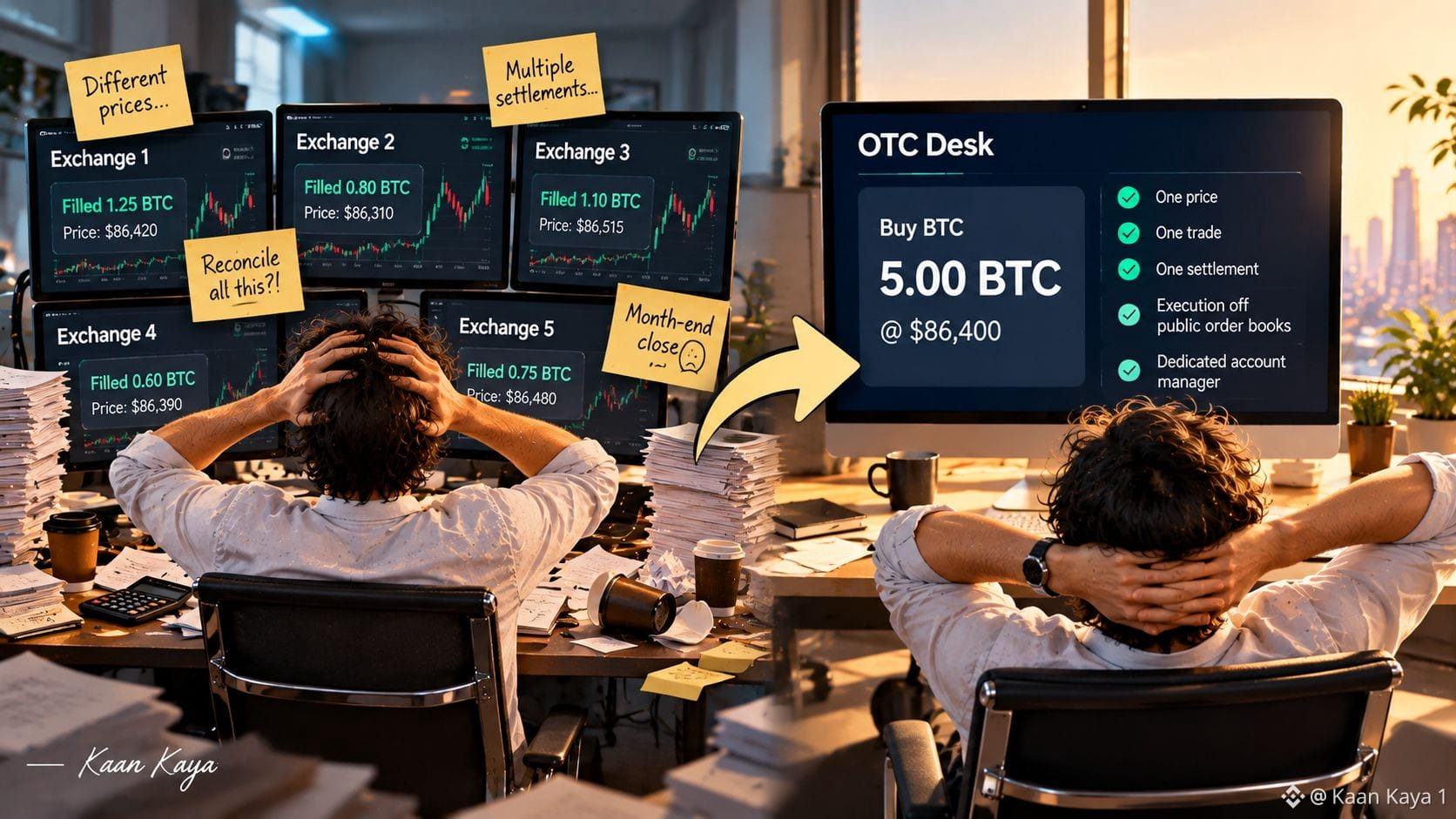
Deine große $BTC-Order wird auf fünf Teile aufgesplittet. Sollte sie das? Eine große Order aufzuteilen klingt clever – bis du am Monatsende fünf Konten, fünf Preise und fünf Abrechnungen zusammenführen musst 😩. Wenn du einen größeren Betrag in $BTC bewegen musst und keine einzelne Börse genug Liquidität hat, um alles abzuwickeln, ist das genau die Art von Situation, für die OTC-Desks geschaffen sind. Sie bringen große Käufer und Verkäufer direkt zusammen, sodass ein großer Trade oft in einem Schritt statt in mehreren Teilen abgewickelt werden kann. Der Desk von WhiteBIT ist ein gutes Beispiel dafür, wie das funktionieren kann. Er unterstützt Trades ohne Obergrenze, führt sie vertraulich und außerhalb öffentlicher Orderbücher aus und bietet Echtzeitkurse sowie einen persönlichen Ansprechpartner, den du direkt kontaktieren kannst. https://institutional.whitebit.com/otc?utm_source=coinmarketcap&utm_medium=otcdkkk&utm_campaign=post Außerdem können USD, EUR, GBP, CHF, USDT und USDC abgewickelt werden; der Mindestbetrag liegt normalerweise bei etwa 100.000 $. Die übliche Alternative ist, die Order aufzuteilen. Ein Teil geht an einen Handelsplatz, ein anderer an einen zweiten Desk, ein dritter an einen weiteren Ort. Jeder ausgeführte Teil hat seinen eigenen Preis und seine eigene Abrechnung – und anschließend muss jemand aus dem Ops-Team alles zusammenführen. Wer schon einmal einen Monatsabschluss gemacht hat, weiß, wie das läuft. Ein einzelner OTC-Trade ist viel übersichtlicher. Ihr vereinbart einen Preis, unterzeichnet eine Vereinbarung und habt am Ende einen Datensatz zur Ablage. Wenn ein Desk den gesamten Betrag abwickeln kann, erspart dir das eine Menge Kopfzerbrechen. Eine Aufteilung ist weiterhin sinnvoll, wenn kein einzelner Handelsplatz die Größe der Order bewältigen kann. Die eigentliche Frage ist also, wie groß deine Order im Vergleich zu dem ist, was ein einzelner Desk abwickeln kann 🤝. Haftungsausschluss: Dies ist keine Finanz- oder Anlageberatung. Informiere dich selbst, bevor du Entscheidungen triffst. Die Nutzung erfolgt auf eigene Gefahr. #BTC-Kursanalyse# #Bitcoin-Kursprognose: Was kommt als Nächstes für Bitcoin?#
Deine große $BTC-Order wird auf fünf Teile aufgesplittet. Sollte sie das? Eine große Order aufzuteilen klingt clever – bis du am Monatsende fünf Konten, fünf Preise und fünf Abrechnungen zusammenführen musst 😩. Wenn du einen größeren Betrag in $BTC bewegen musst und keine einzelne Börse genug Liquidität hat, um alles abzuwickeln, ist das genau die Art von Situation, für die OTC-Desks geschaffen sind. Sie bringen große Käufer und Verkäufer direkt zusammen, sodass ein großer Trade oft in einem Schritt statt in mehreren Teilen abgewickelt werden kann. Der Desk von WhiteBIT ist ein gutes Beispiel dafür, wie das funktionieren kann. Er unterstützt Trades ohne Obergrenze, führt sie vertraulich und außerhalb öffentlicher Orderbücher aus und bietet Echtzeitkurse sowie einen persönlichen Ansprechpartner, den du direkt kontaktieren kannst. https://institutional.whitebit.com/otc?utm_source=coinmarketcap&utm_medium=otcdkkk&utm_campaign=post Außerdem können USD, EUR, GBP, CHF, USDT und USDC abgewickelt werden; der Mindestbetrag liegt normalerweise bei etwa 100.000 $. Die übliche Alternative ist, die Order aufzuteilen. Ein Teil geht an einen Handelsplatz, ein anderer an einen zweiten Desk, ein dritter an einen weiteren Ort. Jeder ausgeführte Teil hat seinen eigenen Preis und seine eigene Abrechnung – und anschließend muss jemand aus dem Ops-Team alles zusammenführen. Wer schon einmal einen Monatsabschluss gemacht hat, weiß, wie das läuft. Ein einzelner OTC-Trade ist viel übersichtlicher. Ihr vereinbart einen Preis, unterzeichnet eine Vereinbarung und habt am Ende einen Datensatz zur Ablage. Wenn ein Desk den gesamten Betrag abwickeln kann, erspart dir das eine Menge Kopfzerbrechen. Eine Aufteilung ist weiterhin sinnvoll, wenn kein einzelner Handelsplatz die Größe der Order bewältigen kann. Die eigentliche Frage ist also, wie groß deine Order im Vergleich zu dem ist, was ein einzelner Desk abwickeln kann 🤝. Haftungsausschluss: Dies ist keine Finanz- oder Anlageberatung. Informiere dich selbst, bevor du Entscheidungen triffst. Die Nutzung erfolgt auf eigene Gefahr. #BTC-Kursanalyse# #Bitcoin-Kursprognose: Was kommt als Nächstes für Bitcoin?#
·
--
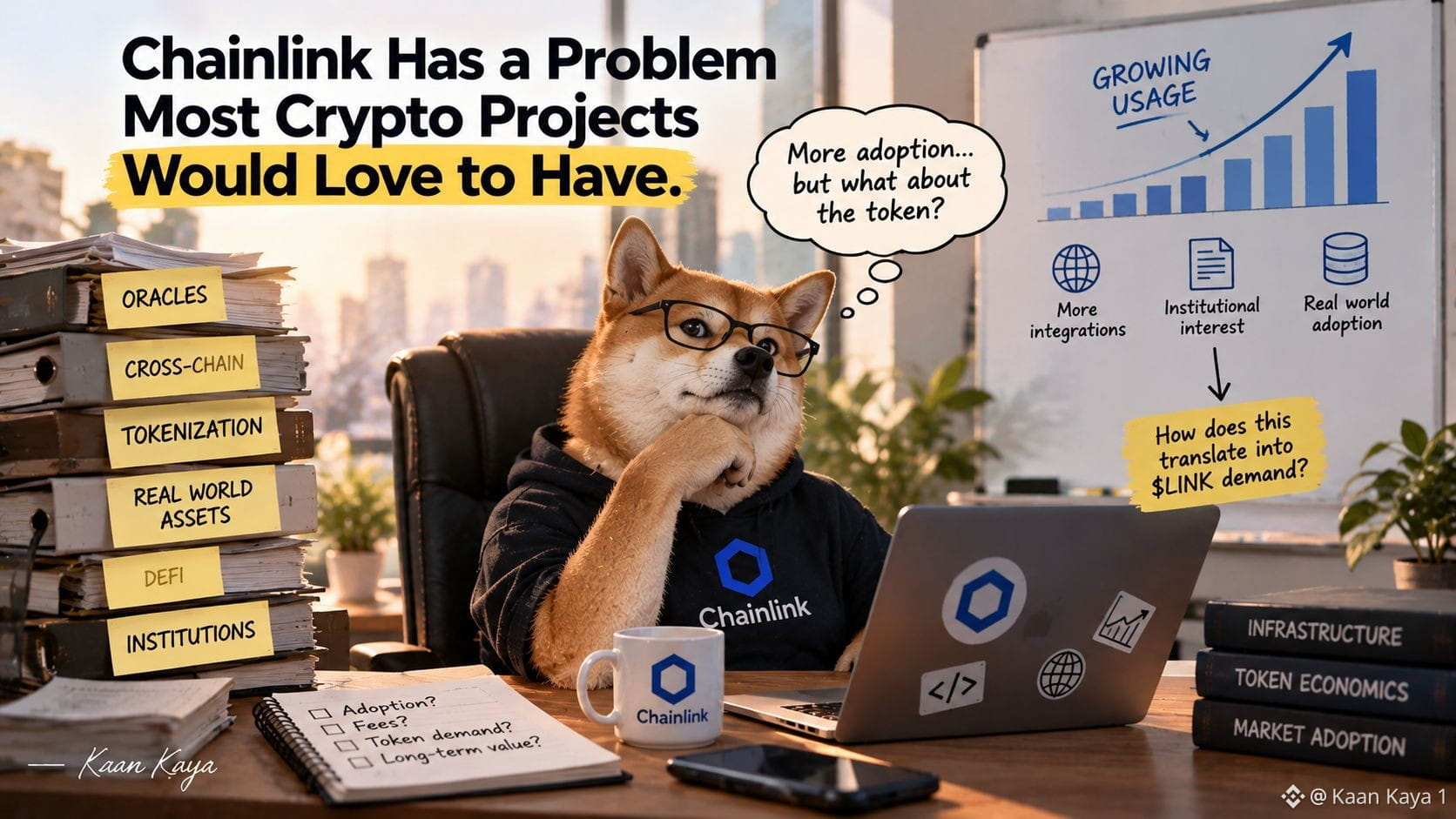
Chainlink hat ein Problem, das sich die meisten Kryptoprojekte wünschen würden Chainlink gehört zu den Projekten, die längst nicht so viel Aufmerksamkeit bekommen wie der neueste Meme-Coin, obwohl es an einigen ziemlich wichtigen Bereichen der Krypto-Infrastruktur beteiligt ist. Orakel, Cross-Chain-Kommunikation, tokenisierte Vermögenswerte ... die Liste wird immer länger. Aber über etwas habe ich nachgedacht: Nur weil ein Projekt nützlicher wird, bedeutet das nicht automatisch, dass sein Token dadurch wertvoller wird. Banken könnten die Technologie von Chainlink integrieren, DeFi-Protokolle könnten sich auf seine Datenfeeds verlassen und Institutionen könnten seine Infrastruktur nutzen, um tokenisierte Vermögenswerte zwischen Netzwerken zu bewegen. Gut für die Akzeptanz. Aber was bedeutet das für jemanden, der $LINK hält? An dieser Stelle würde ich mir genauer ansehen, wie sich die Netzwerknutzung auf die Token-Nachfrage, Gebühren und Anreize auswirkt, statt Partnerschaftsankündigungen zu zählen. Versteht mich nicht falsch: Ich finde, es lohnt sich, die Akzeptanz von Infrastruktur im Blick zu behalten. Die wirtschaftlichen Zusammenhänge dahinter finde ich einfach interessanter als eine weitere Schlagzeile über eine große Institution, die mit Blockchain experimentiert. Eine Partnerschaftsankündigung kann Händler für einen Tag begeistern. Nachhaltige Nachfrage ist ein viel längeres Thema. #Makro-Einblicke# #Altcoin-Saison#
Chainlink hat ein Problem, das sich die meisten Kryptoprojekte wünschen würden Chainlink gehört zu den Projekten, die längst nicht so viel Aufmerksamkeit bekommen wie der neueste Meme-Coin, obwohl es an einigen ziemlich wichtigen Bereichen der Krypto-Infrastruktur beteiligt ist. Orakel, Cross-Chain-Kommunikation, tokenisierte Vermögenswerte ... die Liste wird immer länger. Aber über etwas habe ich nachgedacht: Nur weil ein Projekt nützlicher wird, bedeutet das nicht automatisch, dass sein Token dadurch wertvoller wird. Banken könnten die Technologie von Chainlink integrieren, DeFi-Protokolle könnten sich auf seine Datenfeeds verlassen und Institutionen könnten seine Infrastruktur nutzen, um tokenisierte Vermögenswerte zwischen Netzwerken zu bewegen. Gut für die Akzeptanz. Aber was bedeutet das für jemanden, der $LINK hält? An dieser Stelle würde ich mir genauer ansehen, wie sich die Netzwerknutzung auf die Token-Nachfrage, Gebühren und Anreize auswirkt, statt Partnerschaftsankündigungen zu zählen. Versteht mich nicht falsch: Ich finde, es lohnt sich, die Akzeptanz von Infrastruktur im Blick zu behalten. Die wirtschaftlichen Zusammenhänge dahinter finde ich einfach interessanter als eine weitere Schlagzeile über eine große Institution, die mit Blockchain experimentiert. Eine Partnerschaftsankündigung kann Händler für einen Tag begeistern. Nachhaltige Nachfrage ist ein viel längeres Thema. #Makro-Einblicke# #Altcoin-Saison#
47
·
--
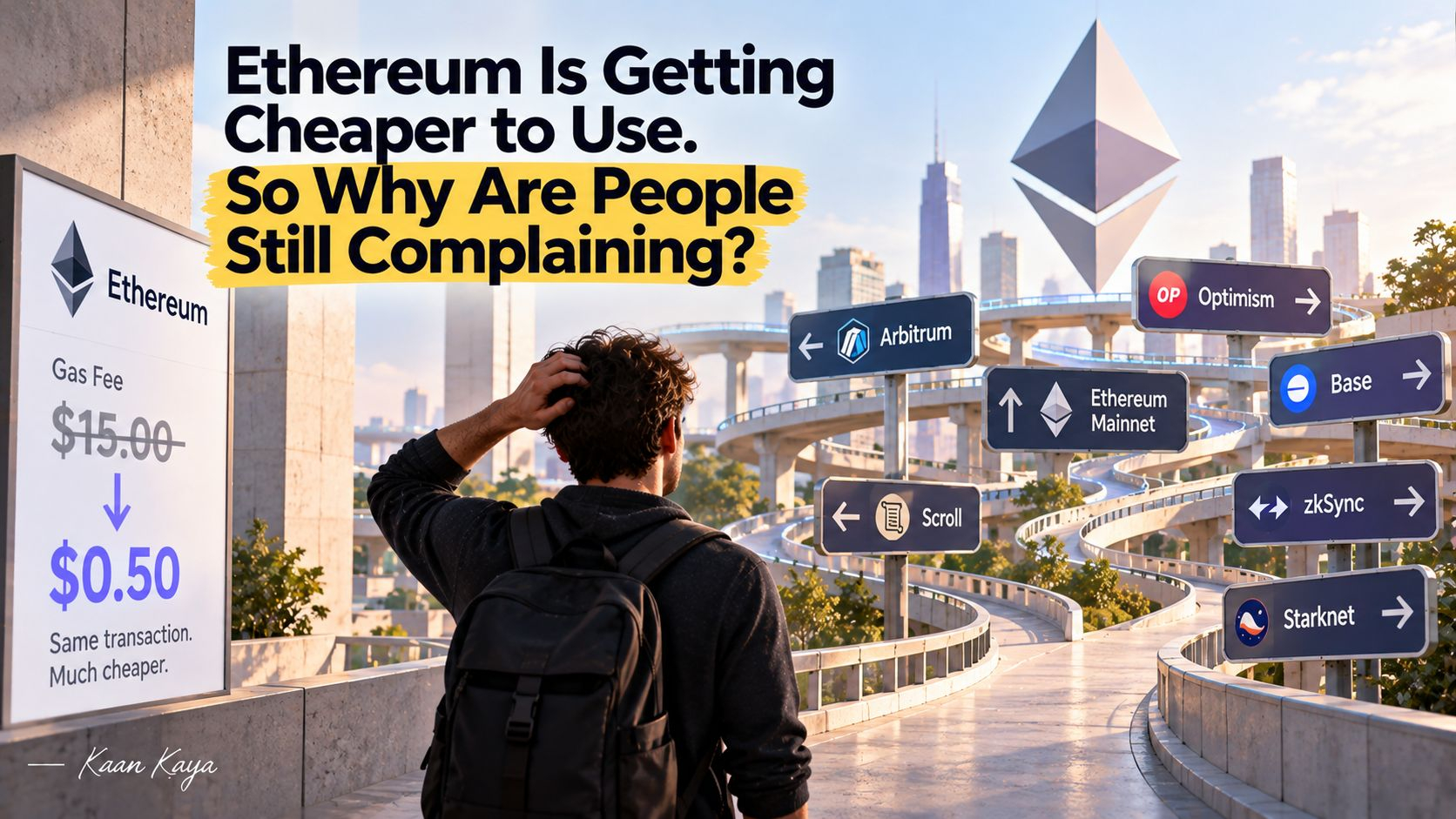
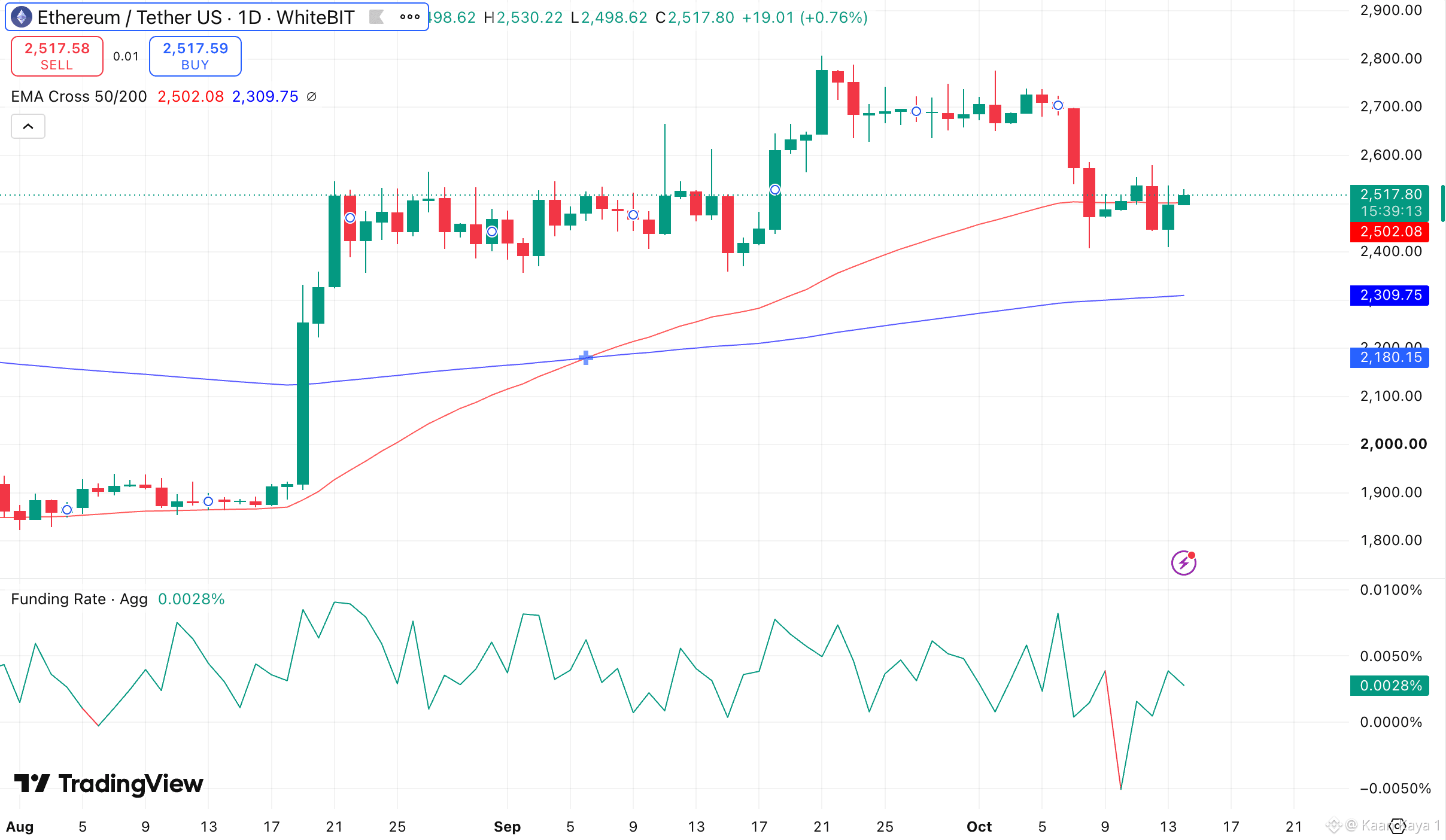
Ethereum wird immer günstiger in der Nutzung. Warum beschweren sich die Leute also immer noch? Weißt du noch, als eine Krypto-Überweisung im Wert von 20 $ weitere 15 $ an Gasgebühren kosten konnte? Ethereum hat seitdem einen langen Weg zurückgelegt, vor allem, wenn du Layer-2-Netzwerke nutzt. Aber mir fällt immer wieder etwas auf: Die Leute haben nicht unbedingt das Gefühl, dass Krypto einfacher geworden ist. Man muss immer noch herausfinden, in welchem Netzwerk sich die eigenen Guthaben befinden, ob eine Börse dieses Netzwerk unterstützt und warum derselbe Token manchmal an fünf verschiedenen Orten auftaucht. Und wehe, du sendest etwas über das falsche Netzwerk 😅 Das ist der seltsame Kompromiss bei Ethereums Skalierungsstrategie. Wir haben Transaktionen günstiger gemacht, indem wir die Aktivitäten auf verschiedene Netzwerke verteilt haben. Gleichzeitig haben wir die Nutzung aber auch komplizierter für alle gemacht, die sich mit Krypto noch nicht auskennen. Ich glaube nicht, dass $ETH noch einen beeindruckenden Vergleich der Transaktionsgeschwindigkeit braucht, um alltägliche Nutzer zu überzeugen. Es braucht mehr Apps, mit denen man einfach Geld senden, handeln oder etwas bezahlen kann, ohne darüber nachdenken zu müssen, welche Chain die Arbeit erledigt. Günstige Transaktionen sind toll. Noch besser wäre es, wenn man sie seinen Freunden nicht erklären müsste. #ETHBlockchain #ETHFoundation
Ethereum wird immer günstiger in der Nutzung. Warum beschweren sich die Leute also immer noch? Weißt du noch, als eine Krypto-Überweisung im Wert von 20 $ weitere 15 $ an Gasgebühren kosten konnte? Ethereum hat seitdem einen langen Weg zurückgelegt, vor allem, wenn du Layer-2-Netzwerke nutzt. Aber mir fällt immer wieder etwas auf: Die Leute haben nicht unbedingt das Gefühl, dass Krypto einfacher geworden ist. Man muss immer noch herausfinden, in welchem Netzwerk sich die eigenen Guthaben befinden, ob eine Börse dieses Netzwerk unterstützt und warum derselbe Token manchmal an fünf verschiedenen Orten auftaucht. Und wehe, du sendest etwas über das falsche Netzwerk 😅 Das ist der seltsame Kompromiss bei Ethereums Skalierungsstrategie. Wir haben Transaktionen günstiger gemacht, indem wir die Aktivitäten auf verschiedene Netzwerke verteilt haben. Gleichzeitig haben wir die Nutzung aber auch komplizierter für alle gemacht, die sich mit Krypto noch nicht auskennen. Ich glaube nicht, dass $ETH noch einen beeindruckenden Vergleich der Transaktionsgeschwindigkeit braucht, um alltägliche Nutzer zu überzeugen. Es braucht mehr Apps, mit denen man einfach Geld senden, handeln oder etwas bezahlen kann, ohne darüber nachdenken zu müssen, welche Chain die Arbeit erledigt. Günstige Transaktionen sind toll. Noch besser wäre es, wenn man sie seinen Freunden nicht erklären müsste. #ETHBlockchain #ETHFoundation
83
·
--
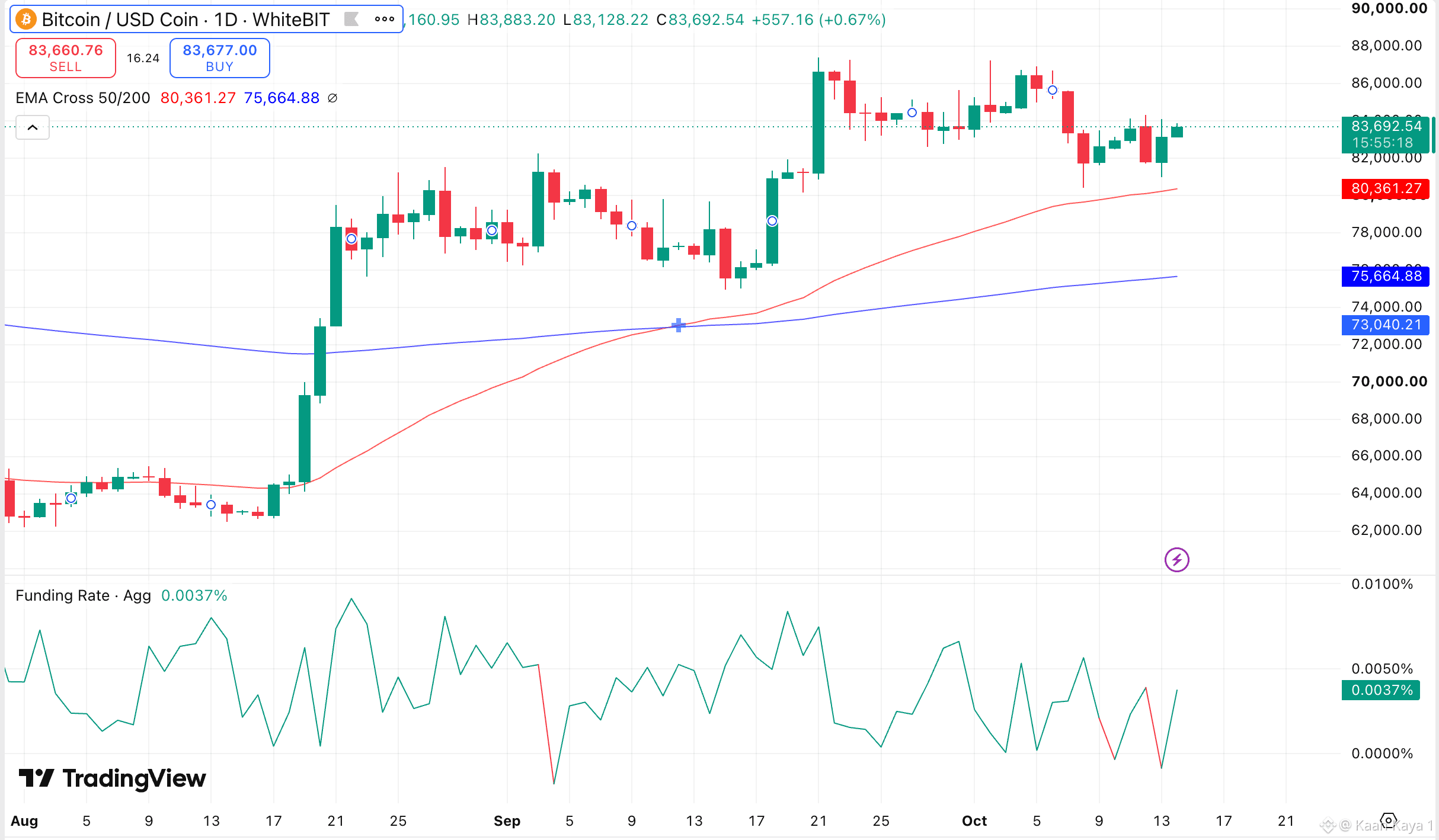
Jeder will, dass sich Bitcoin bewegt. Niemand ist sich einig, was als Nächstes passiert. Crypto Twitter ist ziemlich unterhaltsam, wenn Bitcoin seitwärts läuft. Die eine Hälfte der Timeline ist überzeugt, dass ein Ausbruch bevorsteht, die andere bereitet sich schon auf den nächsten Absturz vor. Und irgendwie haben beide Seiten Charts, die überzeugend aussehen 😂 Ich denke, das Schwierigste am Trading mit $BTC ist gerade nicht, ein mögliches Setup zu finden. Es ist die Entscheidung, welchen Signalen man tatsächlich Aufmerksamkeit schenken sollte. Ein paar grüne Kerzen können einen Widerstand schwach aussehen lassen. Eine plötzliche rote Kerze kann den ganzen Markt wieder bearish wirken lassen. Beides sagt nicht viel aus, solange Volumen, Liquidität und Anschlusskäufe oder -verkäufe die Bewegung nicht bestätigen. Persönlich verpasse ich lieber die ersten 2 % einer Rally, als die nächsten drei Tage einen Einstieg zu verteidigen, den ich gemacht habe, weil plötzlich alle auf X ganz aufgeregt waren. Mich würde interessieren, wie andere damit umgehen. Handelt ihr die kleineren Bewegungen oder wartet ihr darauf, dass Bitcoin eine Richtung einschlägt? #BTC-Kursanalyse# #Bitcoin-Kursprognose: Was kommt als Nächstes für Bitcoin?#
Jeder will, dass sich Bitcoin bewegt. Niemand ist sich einig, was als Nächstes passiert. Crypto Twitter ist ziemlich unterhaltsam, wenn Bitcoin seitwärts läuft. Die eine Hälfte der Timeline ist überzeugt, dass ein Ausbruch bevorsteht, die andere bereitet sich schon auf den nächsten Absturz vor. Und irgendwie haben beide Seiten Charts, die überzeugend aussehen 😂 Ich denke, das Schwierigste am Trading mit $BTC ist gerade nicht, ein mögliches Setup zu finden. Es ist die Entscheidung, welchen Signalen man tatsächlich Aufmerksamkeit schenken sollte. Ein paar grüne Kerzen können einen Widerstand schwach aussehen lassen. Eine plötzliche rote Kerze kann den ganzen Markt wieder bearish wirken lassen. Beides sagt nicht viel aus, solange Volumen, Liquidität und Anschlusskäufe oder -verkäufe die Bewegung nicht bestätigen. Persönlich verpasse ich lieber die ersten 2 % einer Rally, als die nächsten drei Tage einen Einstieg zu verteidigen, den ich gemacht habe, weil plötzlich alle auf X ganz aufgeregt waren. Mich würde interessieren, wie andere damit umgehen. Handelt ihr die kleineren Bewegungen oder wartet ihr darauf, dass Bitcoin eine Richtung einschlägt? #BTC-Kursanalyse# #Bitcoin-Kursprognose: Was kommt als Nächstes für Bitcoin?#

78
·
--
🔍 Strategie oder Workaround? Ich überprüfe meinen eigenen Bot Vor ein paar Tagen räumte ich eine alte Bot-Konfiguration auf – eine dieser Aufgaben nach dem Motto: „Es funktioniert, also lass es in Ruhe.“ 😅 Mir fiel auf, wie viele Zeilen nur dazu da waren, mich unter dem API-Anfragelimit zu halten. Ich bündelte Anfragen, rief das $BTC-Orderbuch seltener ab und ließ einige Ansätze aus, weil die Zahlen nicht aufgingen. Jahrelang hielt ich das für gute Praxis. Dann wurde mein Anfragelimit im WhiteBIT-VIP-Programm erhöht, und ich begann, diese alten Regeln mit anderen Augen zu sehen. War das tatsächlich Teil der Strategie oder nur ein Workaround? https://whitebit.com/vip-program?utm_source=coinmarketcap&utm_medium=post&utm_campaign=kaannViP Das Timing der Orders fiel mir am leichtesten auf. Ich staffelte Orders wegen des Anfragelimits und begann dann, das als Teil meiner Strategie zu betrachten. Nach einer Weile hatte ich völlig vergessen, woher diese Regel eigentlich kam. ⚙️ Erst durch das erhöhte Anfragelimit fiel mir das auf. Eine einfache API-Anbindung hilft, niedrigere Handelsgebühren – je nach VIP-Stufe und Bedingungen bis zu -0,001 % – machen sich bei größeren Volumina bemerkbar, und persönlicher Support ist nützlich, sobald Bots regelmäßig laufen. Das Kuriose ist, dass keine einzelne „große Funktion“ alles verändert hat. Mir wurde einfach klar, wie viele Entscheidungen mir das alte Limit abgenommen hatte. Die Hälfte dessen, was ich meine Trading-Philosophie nannte, stellte sich als Umgehen eines Anfragelimits heraus. Haftungsausschluss: Dies ist keine Finanz- oder Anlageberatung. Recherchiere selbst, bevor du Entscheidungen triffst. Die Nutzung erfolgt auf eigenes Risiko. #BTC-Kursanalyse# #Bitcoin-Kursprognose: Was kommt als Nächstes für Bitcoin?#
🔍 Strategie oder Workaround? Ich überprüfe meinen eigenen Bot Vor ein paar Tagen räumte ich eine alte Bot-Konfiguration auf – eine dieser Aufgaben nach dem Motto: „Es funktioniert, also lass es in Ruhe.“ 😅 Mir fiel auf, wie viele Zeilen nur dazu da waren, mich unter dem API-Anfragelimit zu halten. Ich bündelte Anfragen, rief das $BTC-Orderbuch seltener ab und ließ einige Ansätze aus, weil die Zahlen nicht aufgingen. Jahrelang hielt ich das für gute Praxis. Dann wurde mein Anfragelimit im WhiteBIT-VIP-Programm erhöht, und ich begann, diese alten Regeln mit anderen Augen zu sehen. War das tatsächlich Teil der Strategie oder nur ein Workaround? https://whitebit.com/vip-program?utm_source=coinmarketcap&utm_medium=post&utm_campaign=kaannViP Das Timing der Orders fiel mir am leichtesten auf. Ich staffelte Orders wegen des Anfragelimits und begann dann, das als Teil meiner Strategie zu betrachten. Nach einer Weile hatte ich völlig vergessen, woher diese Regel eigentlich kam. ⚙️ Erst durch das erhöhte Anfragelimit fiel mir das auf. Eine einfache API-Anbindung hilft, niedrigere Handelsgebühren – je nach VIP-Stufe und Bedingungen bis zu -0,001 % – machen sich bei größeren Volumina bemerkbar, und persönlicher Support ist nützlich, sobald Bots regelmäßig laufen. Das Kuriose ist, dass keine einzelne „große Funktion“ alles verändert hat. Mir wurde einfach klar, wie viele Entscheidungen mir das alte Limit abgenommen hatte. Die Hälfte dessen, was ich meine Trading-Philosophie nannte, stellte sich als Umgehen eines Anfragelimits heraus. Haftungsausschluss: Dies ist keine Finanz- oder Anlageberatung. Recherchiere selbst, bevor du Entscheidungen triffst. Die Nutzung erfolgt auf eigenes Risiko. #BTC-Kursanalyse# #Bitcoin-Kursprognose: Was kommt als Nächstes für Bitcoin?#

·
--
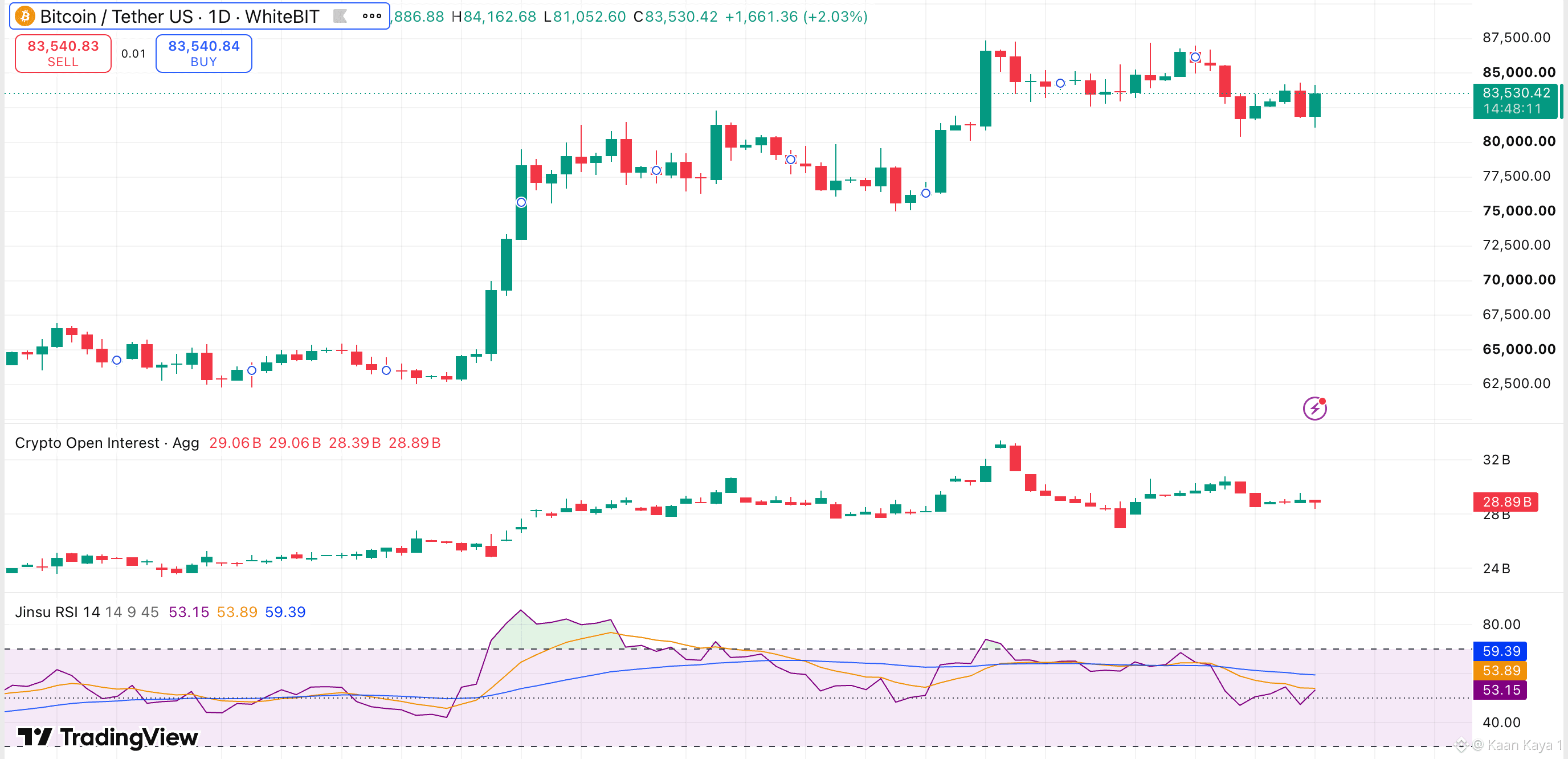
Bitcoin braucht nicht viel, um Trader wieder in Aufregung zu versetzen 👀 Schon erstaunlich, wie schnell sich die Stimmung rund um $BTC ändert. Ein paar grüne Kerzen, und plötzlich sprechen alle vom nächsten großen Ausbruch. Aber zwischen einer kurzen Erholung und einem Markt, der tatsächlich bereit ist, weiter zu steigen, gibt es einen Unterschied. Mich interessiert eher, ob die Käufer auch dann noch auftauchen, wenn die anfängliche Aufregung nachlässt. Meistens zeigt sich erst dann, wie viel Überzeugung wirklich hinter einer Bewegung steckt. Beobachtet sonst noch jemand Bitcoin, verspürt aber noch nicht den Drang, einzusteigen? #BTC-Kursanalyse# #Bitcoin-Kursprognose: Was kommt als Nächstes für Bitcoin?#
Bitcoin braucht nicht viel, um Trader wieder in Aufregung zu versetzen 👀 Schon erstaunlich, wie schnell sich die Stimmung rund um $BTC ändert. Ein paar grüne Kerzen, und plötzlich sprechen alle vom nächsten großen Ausbruch. Aber zwischen einer kurzen Erholung und einem Markt, der tatsächlich bereit ist, weiter zu steigen, gibt es einen Unterschied. Mich interessiert eher, ob die Käufer auch dann noch auftauchen, wenn die anfängliche Aufregung nachlässt. Meistens zeigt sich erst dann, wie viel Überzeugung wirklich hinter einer Bewegung steckt. Beobachtet sonst noch jemand Bitcoin, verspürt aber noch nicht den Drang, einzusteigen? #BTC-Kursanalyse# #Bitcoin-Kursprognose: Was kommt als Nächstes für Bitcoin?#

79
·
--
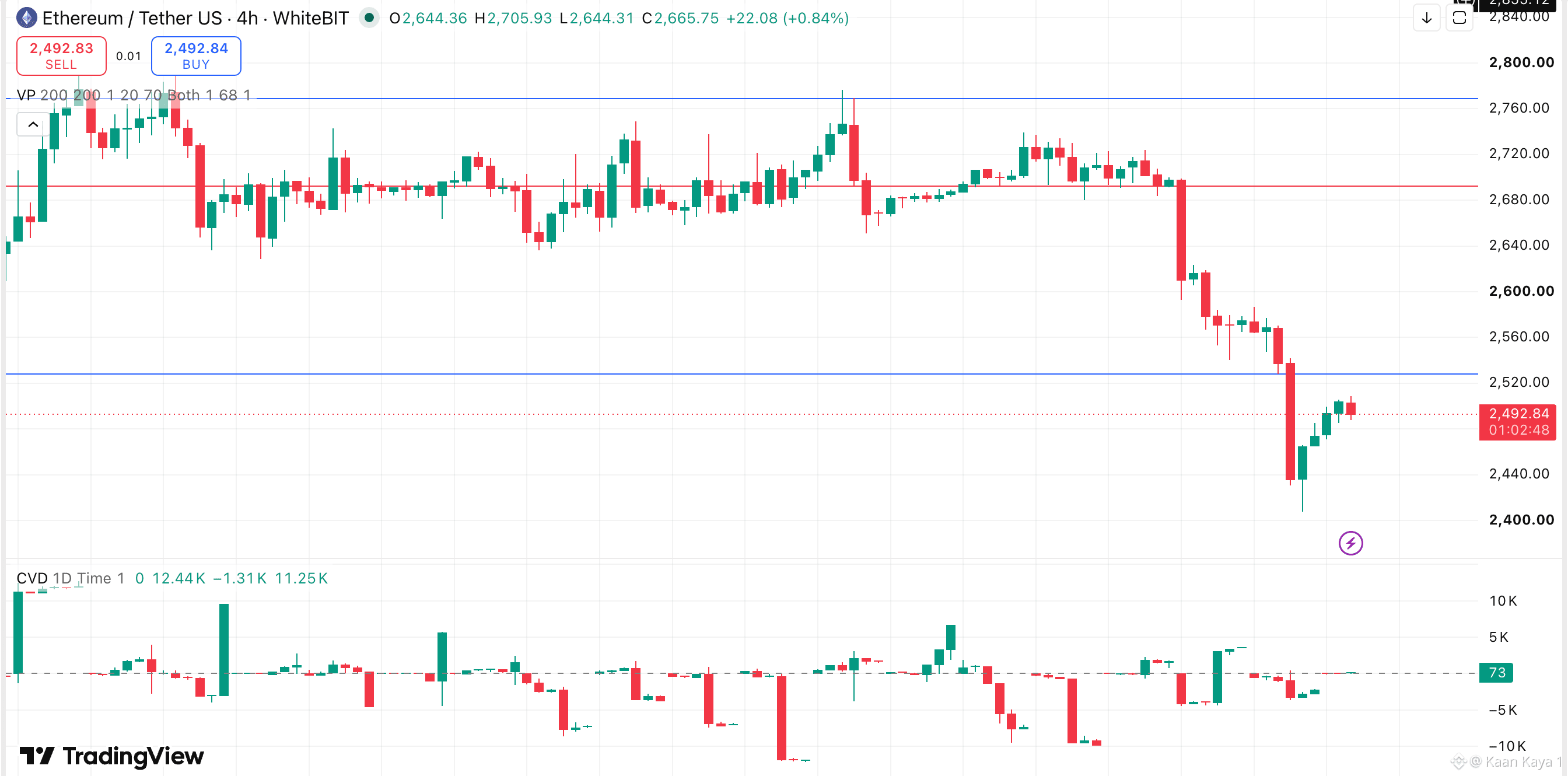
Ethereums L2s werden günstiger. Doch wer verdient damit eigentlich Geld? Erinnerst du dich noch, als eine $ETH-Transaktion für 30 $ als ziemlich normaler Dienstag galt? Mittlerweile kannst du auf einigen Layer-2-Netzwerken Geld für ein paar Cent verschieben, manchmal sogar noch günstiger. Gut für die Nutzer. Für die Unternehmen, die diese Netzwerke betreiben, ist das Gespräch etwas unangenehmer. Denn niedrigere Gebühren bedeuten nicht automatisch bessere wirtschaftliche Aussichten. Ein L2 kann Millionen Transaktionen verarbeiten und seine Nutzer zufriedenstellen – und trotzdem kaum nennenswerte Einnahmen erzielen, wenn man Infrastruktur, Datenverfügbarkeit und Anreize für das Ökosystem berücksichtigt. Und dann gibt es noch einen Haken: Wenn mehrere Netzwerke praktisch dieselben günstigen Überweisungen und Zugang zu ähnlichen Apps bieten, warum sollte man dann bei einem davon bleiben? Jahrelang haben wir uns gefragt, ob Ethereum skalieren kann. Vielleicht sollten wir uns als Nächstes fragen, ob all diese Skalierungsnetzwerke tragfähige Geschäftsmodelle aufbauen können. Es würde mich nicht überraschen, wenn es beim nächsten großen Wettbewerb unter den L2s weniger darum geht, wer die niedrigsten Gebühren hat, sondern vielmehr darum, wer Nutzer hat, die tatsächlich wiederkommen – ohne dafür bezahlt zu werden. #ETHBlockchain #ETHFoundation
Ethereums L2s werden günstiger. Doch wer verdient damit eigentlich Geld? Erinnerst du dich noch, als eine $ETH-Transaktion für 30 $ als ziemlich normaler Dienstag galt? Mittlerweile kannst du auf einigen Layer-2-Netzwerken Geld für ein paar Cent verschieben, manchmal sogar noch günstiger. Gut für die Nutzer. Für die Unternehmen, die diese Netzwerke betreiben, ist das Gespräch etwas unangenehmer. Denn niedrigere Gebühren bedeuten nicht automatisch bessere wirtschaftliche Aussichten. Ein L2 kann Millionen Transaktionen verarbeiten und seine Nutzer zufriedenstellen – und trotzdem kaum nennenswerte Einnahmen erzielen, wenn man Infrastruktur, Datenverfügbarkeit und Anreize für das Ökosystem berücksichtigt. Und dann gibt es noch einen Haken: Wenn mehrere Netzwerke praktisch dieselben günstigen Überweisungen und Zugang zu ähnlichen Apps bieten, warum sollte man dann bei einem davon bleiben? Jahrelang haben wir uns gefragt, ob Ethereum skalieren kann. Vielleicht sollten wir uns als Nächstes fragen, ob all diese Skalierungsnetzwerke tragfähige Geschäftsmodelle aufbauen können. Es würde mich nicht überraschen, wenn es beim nächsten großen Wettbewerb unter den L2s weniger darum geht, wer die niedrigsten Gebühren hat, sondern vielmehr darum, wer Nutzer hat, die tatsächlich wiederkommen – ohne dafür bezahlt zu werden. #ETHBlockchain #ETHFoundation

67
Anmelden und weiter Inhalte entdecken
Krypto-Nutzer weltweit auf Binance Square kennenlernen
⚡️ Bleib in Sachen Krypto stets am Puls.
💬 Die weltgrößte Kryptobörse vertraut darauf.
👍 Erhalte verlässliche Einblicke von verifizierten Creators.
E-Mail-Adresse/Telefonnummer
Trendthemen
BinancePick
3.1M Aufrufe
153,244 Kommentare
Mach bei #Gewinnsaison mit: Prognostiziere Unternehmensergebnisse auf Binance Pick und teile deine Meinung auf Binance Square!
Binance Square Official
·413 Likes
·343.4k Aufrufe
EarningsSeason
5.3M Aufrufe
26,056 Kommentare
AnthropicTTMRevenueGrewAbout1200%
35,426 Aufrufe
442 Kommentare