

Astik_Mondal_
5.6k Beiträge

Astik_Mondal_
Melden
Nutzer blockieren
Let's democratizing investing for everyone🌍 | Beginner to advanced breakdowns | crypto & macro | Let's grow together
Trade eröffnen
Gelegenheitstrader
4.9 Jahre
1 Following
459 Follower
5.8K+ Like gegeben
Beiträge
Portfolio
Alle
Zitierungen
Videos
🚨 BITCOIN RÜCKT IN SÜDAFRIKA GERADE NÄHER AN DEN MAINSTREAM-BANKENSEKTOR HERAN 🇿🇦
Die First National Bank, Südafrikas größte Finanzdienstleistungsgruppe, soll ihren 8,6 MILLIONEN Kunden erlauben, Bitcoin direkt über ihre Banking-Plattform zu kaufen.
Keine separate Kryptobörse.
Keine zusätzliche Ebene.
Der Zugang zu Bitcoin wird direkt in das traditionelle Bankensystem integriert.
Für Millionen Kunden könnte der Kauf von $BTC so einfach werden wie die Nutzung ihres bestehenden Bankkontos.
Und wenn weitere große Banken nachziehen?
Dann wird die Brücke zwischen dem traditionellen Finanzwesen und Bitcoin noch kürzer.
#Bitcoin #BTC #Crypto #BitcoinAdoption #SouthAfrica
🚨 BITCOIN RÜCKT IN SÜDAFRIKA GERADE NÄHER AN DEN MAINSTREAM-BANKENSEKTOR HERAN 🇿🇦
Die First National Bank, Südafrikas größte Finanzdienstleistungsgruppe, soll ihren 8,6 MILLIONEN Kunden erlauben, Bitcoin direkt über ihre Banking-Plattform zu kaufen.
Keine separate Kryptobörse.
Keine zusätzliche Ebene.
Der Zugang zu Bitcoin wird direkt in das traditionelle Bankensystem integriert.
Für Millionen Kunden könnte der Kauf von $BTC so einfach werden wie die Nutzung ihres bestehenden Bankkontos.
Und wenn weitere große Banken nachziehen?
Dann wird die Brücke zwischen dem traditionellen Finanzwesen und Bitcoin noch kürzer.
#Bitcoin #BTC #Crypto #BitcoinAdoption #SouthAfrica
Die First National Bank, Südafrikas größte Finanzdienstleistungsgruppe, soll ihren 8,6 MILLIONEN Kunden erlauben, Bitcoin direkt über ihre Banking-Plattform zu kaufen.
Keine separate Kryptobörse.
Keine zusätzliche Ebene.
Der Zugang zu Bitcoin wird direkt in das traditionelle Bankensystem integriert.
Für Millionen Kunden könnte der Kauf von $BTC so einfach werden wie die Nutzung ihres bestehenden Bankkontos.
Und wenn weitere große Banken nachziehen?
Dann wird die Brücke zwischen dem traditionellen Finanzwesen und Bitcoin noch kürzer.
#Bitcoin #BTC #Crypto #BitcoinAdoption #SouthAfrica
1
144
Übersetzung ansehen
🚨 CFTC Chairman: Only FEDERALLY regulated crypto exchanges will be allowed to offer leverage.
The extreme 100x leverage seen offshore has never been permitted in the U.S.
“And this will be no different.”
Clear rules. No more offshore free-for-all.
#CFTC #Crypto #Bitcoin #Leverage #Regulation
🚨 CFTC Chairman: Only FEDERALLY regulated crypto exchanges will be allowed to offer leverage.
The extreme 100x leverage seen offshore has never been permitted in the U.S.
“And this will be no different.”
Clear rules. No more offshore free-for-all.
#CFTC #Crypto #Bitcoin #Leverage #Regulation
The extreme 100x leverage seen offshore has never been permitted in the U.S.
“And this will be no different.”
Clear rules. No more offshore free-for-all.
#CFTC #Crypto #Bitcoin #Leverage #Regulation
69
Übersetzung ansehen
🚨 ZCASH ETF WAR IS HEATING UP.
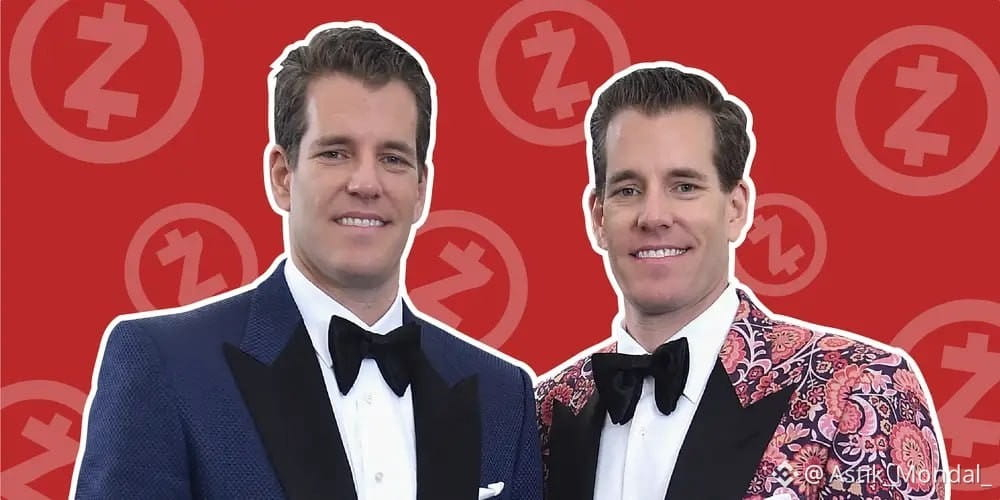
The Winklevoss group just filed for a spot $ZEC ETF under the ticker WINK on Nasdaq.
And this isn’t just another ETF filing.
The fund would hold $ZEC directly, use Gemini as custodian and charge a 0.25% fee.
Even bigger: Winklevoss Capital has indicated it could buy up to $100 MILLION of shares.
That would put serious skin in the game.
Winklevoss is now the THIRD issuer chasing the U.S. Zcash ETF market, following Grayscale and Bitwise.
And Grayscale’s ZEC ETF is already sitting at nearly $890 MILLION in assets after launching in August.
Three major players.
One Zcash market.
The race for institutional $ZEC exposure is getting crowded FAST.
#Zcash #ZEC #Crypto #CryptoETF #Bitcoin
🚨 ZCASH ETF WAR IS HEATING UP.
The Winklevoss group just filed for a spot $ZEC ETF under the ticker WINK on Nasdaq.
And this isn’t just another ETF filing.
The fund would hold $ZEC directly, use Gemini as custodian and charge a 0.25% fee.
Even bigger: Winklevoss Capital has indicated it could buy up to $100 MILLION of shares.
That would put serious skin in the game.
Winklevoss is now the THIRD issuer chasing the U.S. Zcash ETF market, following Grayscale and Bitwise.
And Grayscale’s ZEC ETF is already sitting at nearly $890 MILLION in assets after launching in August.
Three major players.
One Zcash market.
The race for institutional $ZEC exposure is getting crowded FAST.
#Zcash #ZEC #Crypto #CryptoETF #Bitcoin
The Winklevoss group just filed for a spot $ZEC ETF under the ticker WINK on Nasdaq.
And this isn’t just another ETF filing.
The fund would hold $ZEC directly, use Gemini as custodian and charge a 0.25% fee.
Even bigger: Winklevoss Capital has indicated it could buy up to $100 MILLION of shares.
That would put serious skin in the game.
Winklevoss is now the THIRD issuer chasing the U.S. Zcash ETF market, following Grayscale and Bitwise.
And Grayscale’s ZEC ETF is already sitting at nearly $890 MILLION in assets after launching in August.
Three major players.
One Zcash market.
The race for institutional $ZEC exposure is getting crowded FAST.
#Zcash #ZEC #Crypto #CryptoETF #Bitcoin
1
81
Übersetzung ansehen
🚨 EU MEMBERSHIP MAY NO LONGER MEAN “NO WAY BACK.”
The EU is reportedly considering a 15-year safeguard period for future members.
Under the proposal, even after joining the bloc, a country could potentially lose EU funding or face suspension of voting rights if it seriously violates rule-of-law standards, EU values, or obstructs decision-making.
The message from Brussels is clear:
Joining the EU could come with stronger long-term conditions.
The proposal is reportedly aimed at preventing another Hungary-style standoff giving the EU more leverage after a country becomes a member.
But voting-right suspensions would be reserved for the most serious cases.
And this is NOT final yet.
EU member states would still need to approve the plan.
If adopted, it could fundamentally change how future EU enlargement works.
#EU #Europe #Geopolitics #Politics #BreakingNews
🚨 EU MEMBERSHIP MAY NO LONGER MEAN “NO WAY BACK.”
The EU is reportedly considering a 15-year safeguard period for future members.
Under the proposal, even after joining the bloc, a country could potentially lose EU funding or face suspension of voting rights if it seriously violates rule-of-law standards, EU values, or obstructs decision-making.
The message from Brussels is clear:
Joining the EU could come with stronger long-term conditions.
The proposal is reportedly aimed at preventing another Hungary-style standoff giving the EU more leverage after a country becomes a member.
But voting-right suspensions would be reserved for the most serious cases.
And this is NOT final yet.
EU member states would still need to approve the plan.
If adopted, it could fundamentally change how future EU enlargement works.
#EU #Europe #Geopolitics #Politics #BreakingNews
The EU is reportedly considering a 15-year safeguard period for future members.
Under the proposal, even after joining the bloc, a country could potentially lose EU funding or face suspension of voting rights if it seriously violates rule-of-law standards, EU values, or obstructs decision-making.
The message from Brussels is clear:
Joining the EU could come with stronger long-term conditions.
The proposal is reportedly aimed at preventing another Hungary-style standoff giving the EU more leverage after a country becomes a member.
But voting-right suspensions would be reserved for the most serious cases.
And this is NOT final yet.
EU member states would still need to approve the plan.
If adopted, it could fundamentally change how future EU enlargement works.
#EU #Europe #Geopolitics #Politics #BreakingNews


1
6
·
--
Bullisch
🚨 EILMELDUNG: ELON MUSKS SPACEX HAT SOEBEN EINE BEWERTUNG VON 2,38 BILLIONEN US-DOLLAR ERREICHT.
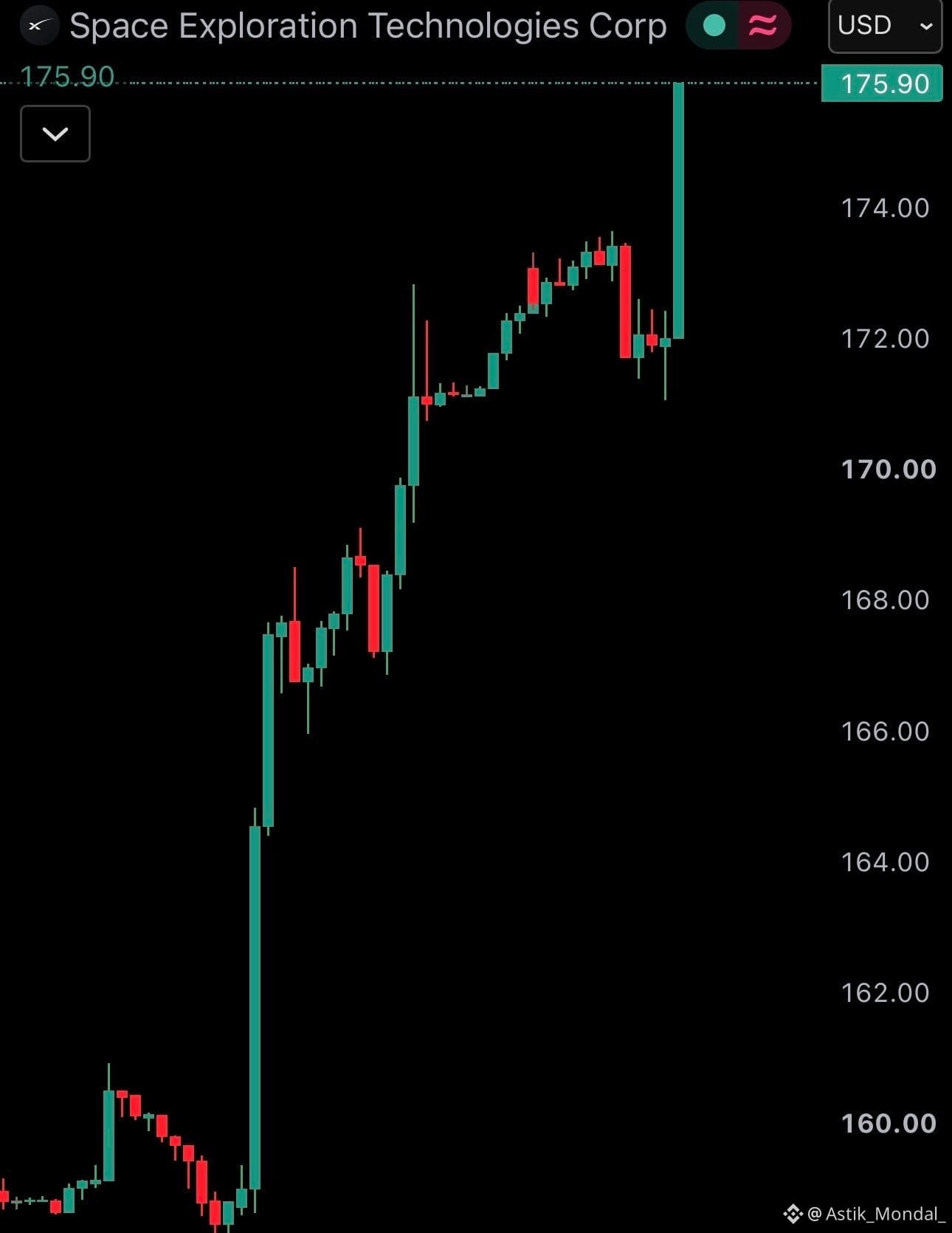
Berichten zufolge stiegen die SpaceX-Aktien auf 175 US-Dollar und hievten das Unternehmen damit über die Marktkapitalisierungsmarke von 2,38 Billionen US-Dollar.
Denk mal darüber nach.
Ein privat geführtes Raumfahrtunternehmen wird inzwischen höher bewertet als einige der größten börsennotierten Konzerne der Welt.
Und das alles noch vor einem möglichen Börsengang.
Musks Raumfahrtimperium wird längst nicht mehr nur als Raketenunternehmen bewertet.
Starlink, Satelliteninfrastruktur, die Vormachtstellung bei Raketenstarts und die gesamte Raumfahrtwirtschaft spielen dabei eine Rolle.
Die entscheidende Frage:
Wie hoch kann die Bewertung von SpaceX steigen, wenn das Unternehmen irgendwann an die Börse geht?
#SpaceX #ElonMusk #Stocks #Markets #Investing $SPCX
{future}(SPCXUSDT)
🚨 EILMELDUNG: ELON MUSKS SPACEX HAT SOEBEN EINE BEWERTUNG VON 2,38 BILLIONEN US-DOLLAR ERREICHT.
Berichten zufolge stiegen die SpaceX-Aktien auf 175 US-Dollar und hievten das Unternehmen damit über die Marktkapitalisierungsmarke von 2,38 Billionen US-Dollar.
Denk mal darüber nach.
Ein privat geführtes Raumfahrtunternehmen wird inzwischen höher bewertet als einige der größten börsennotierten Konzerne der Welt.
Und das alles noch vor einem möglichen Börsengang.
Musks Raumfahrtimperium wird längst nicht mehr nur als Raketenunternehmen bewertet.
Starlink, Satelliteninfrastruktur, die Vormachtstellung bei Raketenstarts und die gesamte Raumfahrtwirtschaft spielen dabei eine Rolle.
Die entscheidende Frage:
Wie hoch kann die Bewertung von SpaceX steigen, wenn das Unternehmen irgendwann an die Börse geht?
#SpaceX #ElonMusk #Stocks #Markets #Investing $SPCX
Berichten zufolge stiegen die SpaceX-Aktien auf 175 US-Dollar und hievten das Unternehmen damit über die Marktkapitalisierungsmarke von 2,38 Billionen US-Dollar.
Denk mal darüber nach.
Ein privat geführtes Raumfahrtunternehmen wird inzwischen höher bewertet als einige der größten börsennotierten Konzerne der Welt.
Und das alles noch vor einem möglichen Börsengang.
Musks Raumfahrtimperium wird längst nicht mehr nur als Raketenunternehmen bewertet.
Starlink, Satelliteninfrastruktur, die Vormachtstellung bei Raketenstarts und die gesamte Raumfahrtwirtschaft spielen dabei eine Rolle.
Die entscheidende Frage:
Wie hoch kann die Bewertung von SpaceX steigen, wenn das Unternehmen irgendwann an die Börse geht?
#SpaceX #ElonMusk #Stocks #Markets #Investing $SPCX
1
1
581
Übersetzung ansehen
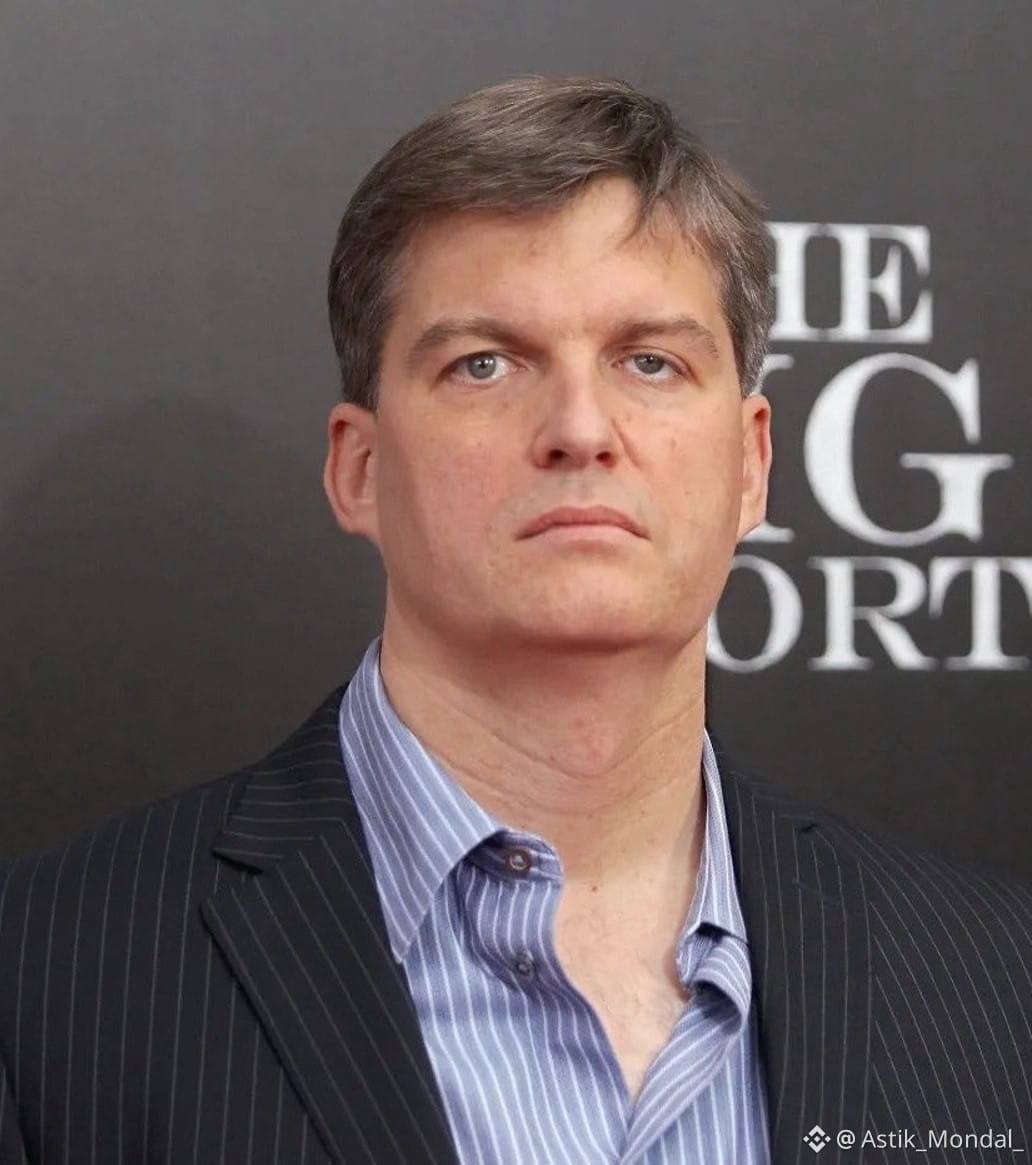
🚨 MICHAEL BURRY JUST DOUBLED DOWN ON HIS STOCK MARKET CRASH WARNING.
The “Big Short” investor says the market is currently in the “first stage of grief”:
DENIAL.
And according to Burry, history offers a disturbing parallel.
He points to 2000 and 2008, saying this phase lasted roughly 6–9 months before the damage became impossible to ignore.
His warning?
The stock market could still be in the early stages of a much larger correction.
The irony is striking:
Burry has repeatedly warned that stocks could crash this year.
And TODAY, the S&P 500 hit another all-time high.
Markets are making new records.
Burry is warning of what could come next.
Whether he’s right or wrong, the divergence between record prices and rising crash fears is something investors are watching closely.
#Stocks #SP500 #Markets #Investing #WallStreet
🚨 MICHAEL BURRY JUST DOUBLED DOWN ON HIS STOCK MARKET CRASH WARNING.
The “Big Short” investor says the market is currently in the “first stage of grief”:
DENIAL.
And according to Burry, history offers a disturbing parallel.
He points to 2000 and 2008, saying this phase lasted roughly 6–9 months before the damage became impossible to ignore.
His warning?
The stock market could still be in the early stages of a much larger correction.
The irony is striking:
Burry has repeatedly warned that stocks could crash this year.
And TODAY, the S&P 500 hit another all-time high.
Markets are making new records.
Burry is warning of what could come next.
Whether he’s right or wrong, the divergence between record prices and rising crash fears is something investors are watching closely.
#Stocks #SP500 #Markets #Investing #WallStreet
The “Big Short” investor says the market is currently in the “first stage of grief”:
DENIAL.
And according to Burry, history offers a disturbing parallel.
He points to 2000 and 2008, saying this phase lasted roughly 6–9 months before the damage became impossible to ignore.
His warning?
The stock market could still be in the early stages of a much larger correction.
The irony is striking:
Burry has repeatedly warned that stocks could crash this year.
And TODAY, the S&P 500 hit another all-time high.
Markets are making new records.
Burry is warning of what could come next.
Whether he’s right or wrong, the divergence between record prices and rising crash fears is something investors are watching closely.
#Stocks #SP500 #Markets #Investing #WallStreet
1
10
⚡️ GOLD HAT EIN NEUES SCHLACHTFELD.
ICE, der Eigentümer der NYSE, führt Gold-Futures in London ein – dem Herzen des globalen physischen Goldmarkts.
Und die Zahlen sind gewaltig.
In London werden täglich außerbörslich Goldgeschäfte im Wert von fast 190 MILLIARDEN US-Dollar abgewickelt. Außerdem lagern dort Goldbarren im Wert von rund 1,4 BILLIONEN US-Dollar.
London spielt auch eine entscheidende Rolle bei der globalen Preisfindung für Gold.
Jetzt bringt ICE seinen Futures-Markt näher an den Ort, an dem das physische Metall tatsächlich lagert.
Das ist wichtig.
New York dominiert seit Jahren den Gold-Futures-Handel.
Doch physisches Gold konzentriert sich zunehmend in London, und geopolitische Spannungen verändern, wo Institutionen ihre Goldbarren lagern möchten.
Die niederländische Zentralbank hat kürzlich mehr als 78 TONNEN Gold von New York nach London verlegt.
Die Botschaft lässt sich immer schwerer ignorieren:
Die globale Marktstruktur für Gold verändert sich.
Und ICE will dabei eine zentrale Rolle spielen.
#Gold #Markets #Finance #Commodities #Investing $XAU $XAUT
⚡️ GOLD HAT EIN NEUES SCHLACHTFELD.
ICE, der Eigentümer der NYSE, führt Gold-Futures in London ein – dem Herzen des globalen physischen Goldmarkts.
Und die Zahlen sind gewaltig.
In London werden täglich außerbörslich Goldgeschäfte im Wert von fast 190 MILLIARDEN US-Dollar abgewickelt. Außerdem lagern dort Goldbarren im Wert von rund 1,4 BILLIONEN US-Dollar.
London spielt auch eine entscheidende Rolle bei der globalen Preisfindung für Gold.
Jetzt bringt ICE seinen Futures-Markt näher an den Ort, an dem das physische Metall tatsächlich lagert.
Das ist wichtig.
New York dominiert seit Jahren den Gold-Futures-Handel.
Doch physisches Gold konzentriert sich zunehmend in London, und geopolitische Spannungen verändern, wo Institutionen ihre Goldbarren lagern möchten.
Die niederländische Zentralbank hat kürzlich mehr als 78 TONNEN Gold von New York nach London verlegt.
Die Botschaft lässt sich immer schwerer ignorieren:
Die globale Marktstruktur für Gold verändert sich.
Und ICE will dabei eine zentrale Rolle spielen.
#Gold #Markets #Finance #Commodities #Investing $XAU $XAUT
ICE, der Eigentümer der NYSE, führt Gold-Futures in London ein – dem Herzen des globalen physischen Goldmarkts.
Und die Zahlen sind gewaltig.
In London werden täglich außerbörslich Goldgeschäfte im Wert von fast 190 MILLIARDEN US-Dollar abgewickelt. Außerdem lagern dort Goldbarren im Wert von rund 1,4 BILLIONEN US-Dollar.
London spielt auch eine entscheidende Rolle bei der globalen Preisfindung für Gold.
Jetzt bringt ICE seinen Futures-Markt näher an den Ort, an dem das physische Metall tatsächlich lagert.
Das ist wichtig.
New York dominiert seit Jahren den Gold-Futures-Handel.
Doch physisches Gold konzentriert sich zunehmend in London, und geopolitische Spannungen verändern, wo Institutionen ihre Goldbarren lagern möchten.
Die niederländische Zentralbank hat kürzlich mehr als 78 TONNEN Gold von New York nach London verlegt.
Die Botschaft lässt sich immer schwerer ignorieren:
Die globale Marktstruktur für Gold verändert sich.
Und ICE will dabei eine zentrale Rolle spielen.
#Gold #Markets #Finance #Commodities #Investing $XAU $XAUT

1
7
🚨 ONDO EROBERT DEN KI-IPO-MARKT ON-CHAIN.
Ondo Finance bringt Berichten zufolge tokenisierte Beteiligungen an einem nicht namentlich genannten KI-Unternehmen vor dem Börsengang auf den Markt – und erweitert damit sein Angebot über die tokenisierte Aktienplattform im Wert von 1 MILLIARDE US-DOLLAR hinaus.
Berechtigte Anleger könnten rund um die Uhr über selbstverwahrte Wallets Zugang erhalten.
Doch es gibt einen wichtigen Haken:
Diese Token verbriefen KEIN direktes Eigentum an dem Unternehmen.
Stattdessen richten sich die Auszahlungen nach dem Wert, der je Stammaktie bei einem qualifizierenden Liquiditätsereignis erzielt wird – einschließlich eines Börsengangs.
Und KI könnte erst der Anfang sein.
Ondo zufolge könnte dasselbe Modell auch auf folgende Bereiche ausgeweitet werden:
Robotik.
Cybersicherheit.
Biotechnologie.
Infrastruktur.
Die größere Entwicklung?
Der Zugang zu privaten Märkten rückt näher an die Blockchain.
Der IPO-Markt könnte ganz anders aussehen, wenn tokenisierter Zugang zum Mainstream wird.
#Crypto #Ondo #AI #RWA #Tokenization $ONDO
🚨 ONDO EROBERT DEN KI-IPO-MARKT ON-CHAIN.
Ondo Finance bringt Berichten zufolge tokenisierte Beteiligungen an einem nicht namentlich genannten KI-Unternehmen vor dem Börsengang auf den Markt – und erweitert damit sein Angebot über die tokenisierte Aktienplattform im Wert von 1 MILLIARDE US-DOLLAR hinaus.
Berechtigte Anleger könnten rund um die Uhr über selbstverwahrte Wallets Zugang erhalten.
Doch es gibt einen wichtigen Haken:
Diese Token verbriefen KEIN direktes Eigentum an dem Unternehmen.
Stattdessen richten sich die Auszahlungen nach dem Wert, der je Stammaktie bei einem qualifizierenden Liquiditätsereignis erzielt wird – einschließlich eines Börsengangs.
Und KI könnte erst der Anfang sein.
Ondo zufolge könnte dasselbe Modell auch auf folgende Bereiche ausgeweitet werden:
Robotik.
Cybersicherheit.
Biotechnologie.
Infrastruktur.
Die größere Entwicklung?
Der Zugang zu privaten Märkten rückt näher an die Blockchain.
Der IPO-Markt könnte ganz anders aussehen, wenn tokenisierter Zugang zum Mainstream wird.
#Crypto #Ondo #AI #RWA #Tokenization $ONDO
Ondo Finance bringt Berichten zufolge tokenisierte Beteiligungen an einem nicht namentlich genannten KI-Unternehmen vor dem Börsengang auf den Markt – und erweitert damit sein Angebot über die tokenisierte Aktienplattform im Wert von 1 MILLIARDE US-DOLLAR hinaus.
Berechtigte Anleger könnten rund um die Uhr über selbstverwahrte Wallets Zugang erhalten.
Doch es gibt einen wichtigen Haken:
Diese Token verbriefen KEIN direktes Eigentum an dem Unternehmen.
Stattdessen richten sich die Auszahlungen nach dem Wert, der je Stammaktie bei einem qualifizierenden Liquiditätsereignis erzielt wird – einschließlich eines Börsengangs.
Und KI könnte erst der Anfang sein.
Ondo zufolge könnte dasselbe Modell auch auf folgende Bereiche ausgeweitet werden:
Robotik.
Cybersicherheit.
Biotechnologie.
Infrastruktur.
Die größere Entwicklung?
Der Zugang zu privaten Märkten rückt näher an die Blockchain.
Der IPO-Markt könnte ganz anders aussehen, wenn tokenisierter Zugang zum Mainstream wird.
#Crypto #Ondo #AI #RWA #Tokenization $ONDO


1
8
🚨 LEOPOLD ASCHENBRENNERS VIRAL GEGANGENE OPTIONSWETTE HAT SICH RICHTIG AUSGEZAHLT.
Vier kurzfristige Calls sollen Berichten zufolge rund 45,6 MILLIONEN US-Dollar Gewinn eingebracht haben.
Und alle vier Positionen vom 2. Oktober schlossen IM GELD:
SNDK: 1.719,99 $ gegenüber einem Strike von 1.600 $
MU: 1.074,89 $ gegenüber einem Strike von 1.000 $
MRVL: 272,29 $ gegenüber einem Strike von 250 $
INTC: 119,33 $ gegenüber einem Strike von 115 $
Die gemeldeten Kosten?
Rund 96 MILLIONEN US-Dollar.
Die gemeldete Rendite?
47 % in nur ZWEI WOCHEN.
Das sind etwa 45,6 Mio. $ Gewinn mit einem kurzfristigen Optionsgeschäft.
Genau solche Trades ziehen an der Wall Street die Aufmerksamkeit auf sich.
Riesiges Kapital. Riesige Überzeugung. Riesige Gewinne.
Aber nicht vergessen: Derselbe Hebel, der Gewinne von 45 Mio. $ ermöglichen kann, kann das Kapital genauso schnell vernichten.
#Stocks #Options #WallStreet #Investing #Markets
🚨 LEOPOLD ASCHENBRENNERS VIRAL GEGANGENE OPTIONSWETTE HAT SICH RICHTIG AUSGEZAHLT.
Vier kurzfristige Calls sollen Berichten zufolge rund 45,6 MILLIONEN US-Dollar Gewinn eingebracht haben.
Und alle vier Positionen vom 2. Oktober schlossen IM GELD:
SNDK: 1.719,99 $ gegenüber einem Strike von 1.600 $
MU: 1.074,89 $ gegenüber einem Strike von 1.000 $
MRVL: 272,29 $ gegenüber einem Strike von 250 $
INTC: 119,33 $ gegenüber einem Strike von 115 $
Die gemeldeten Kosten?
Rund 96 MILLIONEN US-Dollar.
Die gemeldete Rendite?
47 % in nur ZWEI WOCHEN.
Das sind etwa 45,6 Mio. $ Gewinn mit einem kurzfristigen Optionsgeschäft.
Genau solche Trades ziehen an der Wall Street die Aufmerksamkeit auf sich.
Riesiges Kapital. Riesige Überzeugung. Riesige Gewinne.
Aber nicht vergessen: Derselbe Hebel, der Gewinne von 45 Mio. $ ermöglichen kann, kann das Kapital genauso schnell vernichten.
#Stocks #Options #WallStreet #Investing #Markets
Vier kurzfristige Calls sollen Berichten zufolge rund 45,6 MILLIONEN US-Dollar Gewinn eingebracht haben.
Und alle vier Positionen vom 2. Oktober schlossen IM GELD:
SNDK: 1.719,99 $ gegenüber einem Strike von 1.600 $
MU: 1.074,89 $ gegenüber einem Strike von 1.000 $
MRVL: 272,29 $ gegenüber einem Strike von 250 $
INTC: 119,33 $ gegenüber einem Strike von 115 $
Die gemeldeten Kosten?
Rund 96 MILLIONEN US-Dollar.
Die gemeldete Rendite?
47 % in nur ZWEI WOCHEN.
Das sind etwa 45,6 Mio. $ Gewinn mit einem kurzfristigen Optionsgeschäft.
Genau solche Trades ziehen an der Wall Street die Aufmerksamkeit auf sich.
Riesiges Kapital. Riesige Überzeugung. Riesige Gewinne.
Aber nicht vergessen: Derselbe Hebel, der Gewinne von 45 Mio. $ ermöglichen kann, kann das Kapital genauso schnell vernichten.
#Stocks #Options #WallStreet #Investing #Markets


1
166
🚨 EILMELDUNG: Trump hat gerade eine Durchführungsverordnung unterzeichnet, mit der die Bundessteuer auf rot eingefärbten Diesel abgeschafft wird.
Fernfahrer sparen so über 100 $ pro Tankfüllung.
Direkte Entlastung für die Menschen, die Amerika in Bewegung halten.
#Trump #Diesel #Truckers #Economy #Energy
🚨 EILMELDUNG: Trump hat gerade eine Durchführungsverordnung unterzeichnet, mit der die Bundessteuer auf rot eingefärbten Diesel abgeschafft wird.
Fernfahrer sparen so über 100 $ pro Tankfüllung.
Direkte Entlastung für die Menschen, die Amerika in Bewegung halten.
#Trump #Diesel #Truckers #Economy #Energy
Fernfahrer sparen so über 100 $ pro Tankfüllung.
Direkte Entlastung für die Menschen, die Amerika in Bewegung halten.
#Trump #Diesel #Truckers #Economy #Energy
412
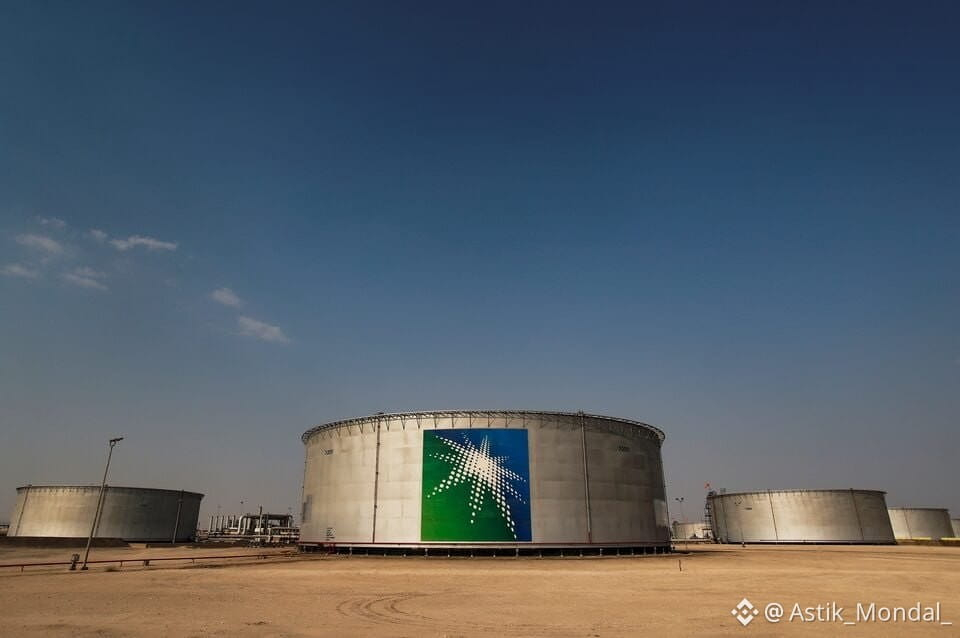
🚨 SAUDI-ARABIEN HAT DEN ÖLMARKT GERADE ERSCHÜTTERT.
Saudi Aramco hat den Preis für sein Arab-Light-Rohöl für Asien im November um 3 Dollar pro Barrel gesenkt.
Damit liegt er 5 Dollar UNTER der regionalen Benchmark – auf dem niedrigsten Stand seit 6 Jahren.
Und der eigentliche Schock?
Händler hatten damit gerechnet, dass Saudi-Arabien die Preise um bis zu 5 Dollar ANHEBT.
Stattdessen schlug der weltgrößte Ölproduzent die entgegengesetzte Richtung ein.
Das ist ein wichtiges Signal für die globalen Energiemärkte.
Niedrigere saudische Preise könnten einen härteren Wettbewerb um Marktanteile in Asien, Druck auf Rohöl-Benchmarks und eine möglicherweise bedeutende Verschiebung der Dynamik innerhalb der OPEC+ bedeuten.
Ölhändler stellen sich jetzt eine Frage:
Warum hat Saudi-Arabien diesen Schritt gerade jetzt unternommen?
Die Antwort könnte erhebliche Auswirkungen auf die Inflation, die Energiepreise und die globalen Märkte haben.
Behalte das genau im Auge.
#Oil #SaudiArabia #OPEC #Energy #Markets
🚨 SAUDI-ARABIEN HAT DEN ÖLMARKT GERADE ERSCHÜTTERT.
Saudi Aramco hat den Preis für sein Arab-Light-Rohöl für Asien im November um 3 Dollar pro Barrel gesenkt.
Damit liegt er 5 Dollar UNTER der regionalen Benchmark – auf dem niedrigsten Stand seit 6 Jahren.
Und der eigentliche Schock?
Händler hatten damit gerechnet, dass Saudi-Arabien die Preise um bis zu 5 Dollar ANHEBT.
Stattdessen schlug der weltgrößte Ölproduzent die entgegengesetzte Richtung ein.
Das ist ein wichtiges Signal für die globalen Energiemärkte.
Niedrigere saudische Preise könnten einen härteren Wettbewerb um Marktanteile in Asien, Druck auf Rohöl-Benchmarks und eine möglicherweise bedeutende Verschiebung der Dynamik innerhalb der OPEC+ bedeuten.
Ölhändler stellen sich jetzt eine Frage:
Warum hat Saudi-Arabien diesen Schritt gerade jetzt unternommen?
Die Antwort könnte erhebliche Auswirkungen auf die Inflation, die Energiepreise und die globalen Märkte haben.
Behalte das genau im Auge.
#Oil #SaudiArabia #OPEC #Energy #Markets
Saudi Aramco hat den Preis für sein Arab-Light-Rohöl für Asien im November um 3 Dollar pro Barrel gesenkt.
Damit liegt er 5 Dollar UNTER der regionalen Benchmark – auf dem niedrigsten Stand seit 6 Jahren.
Und der eigentliche Schock?
Händler hatten damit gerechnet, dass Saudi-Arabien die Preise um bis zu 5 Dollar ANHEBT.
Stattdessen schlug der weltgrößte Ölproduzent die entgegengesetzte Richtung ein.
Das ist ein wichtiges Signal für die globalen Energiemärkte.
Niedrigere saudische Preise könnten einen härteren Wettbewerb um Marktanteile in Asien, Druck auf Rohöl-Benchmarks und eine möglicherweise bedeutende Verschiebung der Dynamik innerhalb der OPEC+ bedeuten.
Ölhändler stellen sich jetzt eine Frage:
Warum hat Saudi-Arabien diesen Schritt gerade jetzt unternommen?
Die Antwort könnte erhebliche Auswirkungen auf die Inflation, die Energiepreise und die globalen Märkte haben.
Behalte das genau im Auge.
#Oil #SaudiArabia #OPEC #Energy #Markets
1
9
Übersetzung ansehen
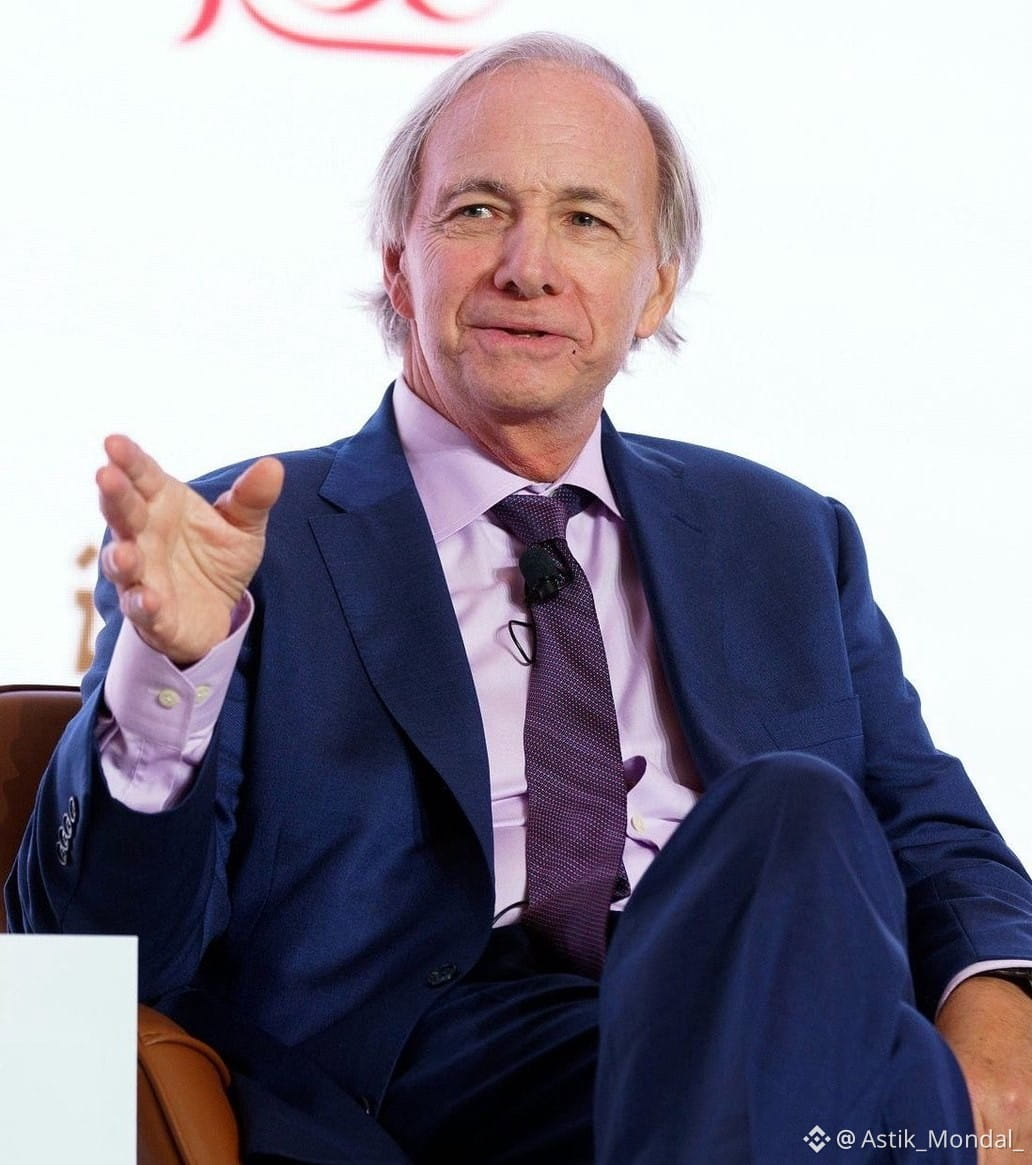
🚨 JUST IN: 🇺🇸 BILLIONAIRE RAY DALIO WARNS A U.S. DEBT CRISIS COULD HIT WITHIN 3 YEARS.
One of the world's most closely watched investors is sounding the alarm.
The concern?
America’s debt is growing faster than the system can comfortably absorb.
If borrowing costs stay elevated while deficits remain massive, interest payments can put even more pressure on government finances.
And the consequences could spread far beyond Washington.
Higher yields → tighter liquidity → pressure on stocks and crypto.
But if Treasury demand weakens sharply, markets could face an even bigger volatility shock.
The key question:
How much longer can the U.S. keep expanding its debt without triggering a broader financial reset?
Markets may be watching this more closely than ever.
#Bitcoin #Crypto #USDebt #Finance #Markets
🚨 JUST IN: 🇺🇸 BILLIONAIRE RAY DALIO WARNS A U.S. DEBT CRISIS COULD HIT WITHIN 3 YEARS.
One of the world's most closely watched investors is sounding the alarm.
The concern?
America’s debt is growing faster than the system can comfortably absorb.
If borrowing costs stay elevated while deficits remain massive, interest payments can put even more pressure on government finances.
And the consequences could spread far beyond Washington.
Higher yields → tighter liquidity → pressure on stocks and crypto.
But if Treasury demand weakens sharply, markets could face an even bigger volatility shock.
The key question:
How much longer can the U.S. keep expanding its debt without triggering a broader financial reset?
Markets may be watching this more closely than ever.
#Bitcoin #Crypto #USDebt #Finance #Markets
One of the world's most closely watched investors is sounding the alarm.
The concern?
America’s debt is growing faster than the system can comfortably absorb.
If borrowing costs stay elevated while deficits remain massive, interest payments can put even more pressure on government finances.
And the consequences could spread far beyond Washington.
Higher yields → tighter liquidity → pressure on stocks and crypto.
But if Treasury demand weakens sharply, markets could face an even bigger volatility shock.
The key question:
How much longer can the U.S. keep expanding its debt without triggering a broader financial reset?
Markets may be watching this more closely than ever.
#Bitcoin #Crypto #USDebt #Finance #Markets
1
30
🚨 ACHTUNG: US-Staatsanleihen im Wert von 153 MILLIARDEN DOLLAR kommen HEUTE auf den Markt.
Und die Märkte schauen genau hin.
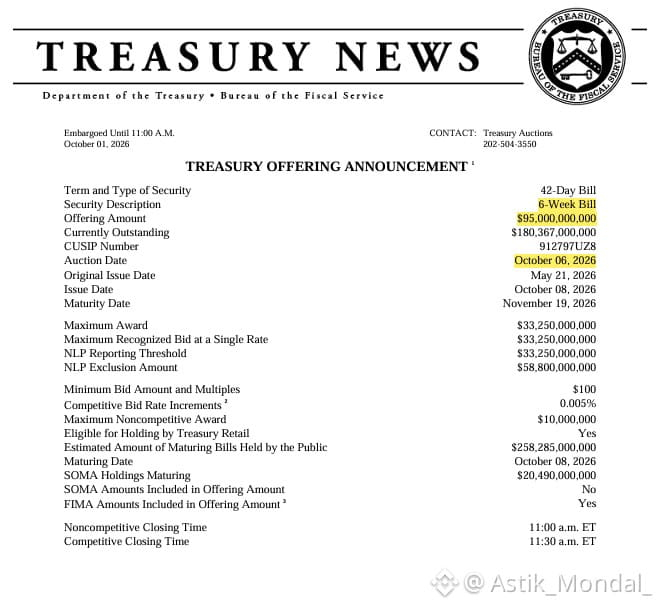
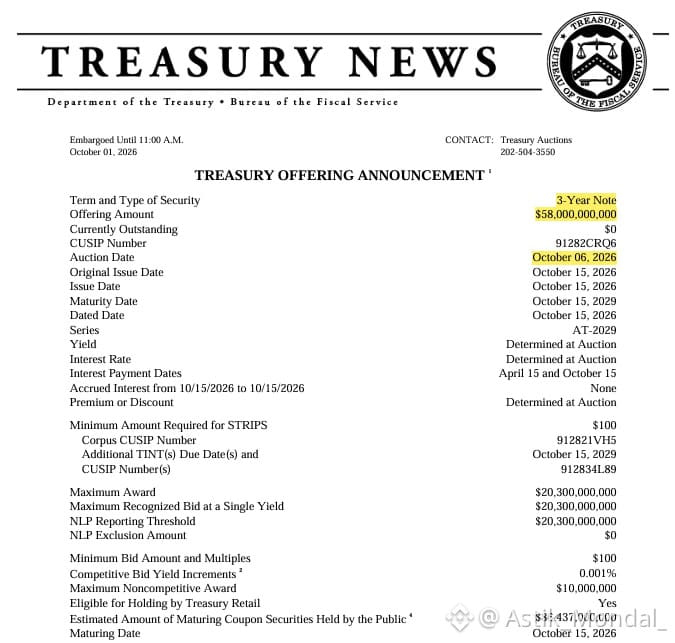
Das US-Finanzministerium versteigert 6-wöchige Schatzwechsel im Wert von 95 Mrd. Dollar sowie eine wichtige 3-jährige Staatsanleihe im Wert von 58 Mrd. Dollar.
Warum ist das wichtig?
Weil die Nachfrage die Renditen bewegen kann – und die Renditen alles bewegen können.
🔥 Starke Nachfrage → Renditen sinken → der Liquiditätsdruck lässt nach → Aktien und Kryptowährungen könnten profitieren.
⚠️ Schwache Nachfrage → Renditen steigen → die Finanzierungsbedingungen verschärfen sich → Risikoanlagen könnten unter Druck geraten.
Das ist mehr als eine Anleiheauktion.
Es ist ein Echtzeittest dafür, wie groß der Appetit der Anleger auf US-Staatsschulden noch ist.
Behalte die Renditen im Blick.
Die Reaktion könnte auf Aktien, Anleihen, den Dollar und Kryptowährungen ausstrahlen.
Die heutige Auktion könnte eines der wichtigsten kurzfristigen Marktsignale sein, die es zu beobachten gilt.
#Bitcoin #Crypto #Stocks #Treasury #Finance
🚨 ACHTUNG: US-Staatsanleihen im Wert von 153 MILLIARDEN DOLLAR kommen HEUTE auf den Markt.
Und die Märkte schauen genau hin.
Das US-Finanzministerium versteigert 6-wöchige Schatzwechsel im Wert von 95 Mrd. Dollar sowie eine wichtige 3-jährige Staatsanleihe im Wert von 58 Mrd. Dollar.
Warum ist das wichtig?
Weil die Nachfrage die Renditen bewegen kann – und die Renditen alles bewegen können.
🔥 Starke Nachfrage → Renditen sinken → der Liquiditätsdruck lässt nach → Aktien und Kryptowährungen könnten profitieren.
⚠️ Schwache Nachfrage → Renditen steigen → die Finanzierungsbedingungen verschärfen sich → Risikoanlagen könnten unter Druck geraten.
Das ist mehr als eine Anleiheauktion.
Es ist ein Echtzeittest dafür, wie groß der Appetit der Anleger auf US-Staatsschulden noch ist.
Behalte die Renditen im Blick.
Die Reaktion könnte auf Aktien, Anleihen, den Dollar und Kryptowährungen ausstrahlen.
Die heutige Auktion könnte eines der wichtigsten kurzfristigen Marktsignale sein, die es zu beobachten gilt.
#Bitcoin #Crypto #Stocks #Treasury #Finance
Und die Märkte schauen genau hin.
Das US-Finanzministerium versteigert 6-wöchige Schatzwechsel im Wert von 95 Mrd. Dollar sowie eine wichtige 3-jährige Staatsanleihe im Wert von 58 Mrd. Dollar.
Warum ist das wichtig?
Weil die Nachfrage die Renditen bewegen kann – und die Renditen alles bewegen können.
🔥 Starke Nachfrage → Renditen sinken → der Liquiditätsdruck lässt nach → Aktien und Kryptowährungen könnten profitieren.
⚠️ Schwache Nachfrage → Renditen steigen → die Finanzierungsbedingungen verschärfen sich → Risikoanlagen könnten unter Druck geraten.
Das ist mehr als eine Anleiheauktion.
Es ist ein Echtzeittest dafür, wie groß der Appetit der Anleger auf US-Staatsschulden noch ist.
Behalte die Renditen im Blick.
Die Reaktion könnte auf Aktien, Anleihen, den Dollar und Kryptowährungen ausstrahlen.
Die heutige Auktion könnte eines der wichtigsten kurzfristigen Marktsignale sein, die es zu beobachten gilt.
#Bitcoin #Crypto #Stocks #Treasury #Finance
1
12
🚨 ALTCOINS WEISEN DERZEIT DIE GRÖSSTE BEWERTUNGSLÜCKE IM KRYPTOBEREICH AUF.
Seit dem Höchststand von 2021 haben die meisten Privatanleger, die Altcoins halten, nichts als Verlustrunden gedreht: jahrelanges Seitwärtsgeplänkel, während Bitcoin und Tech-Aktien ohne sie weiter stiegen. Dieser Frust ist real.
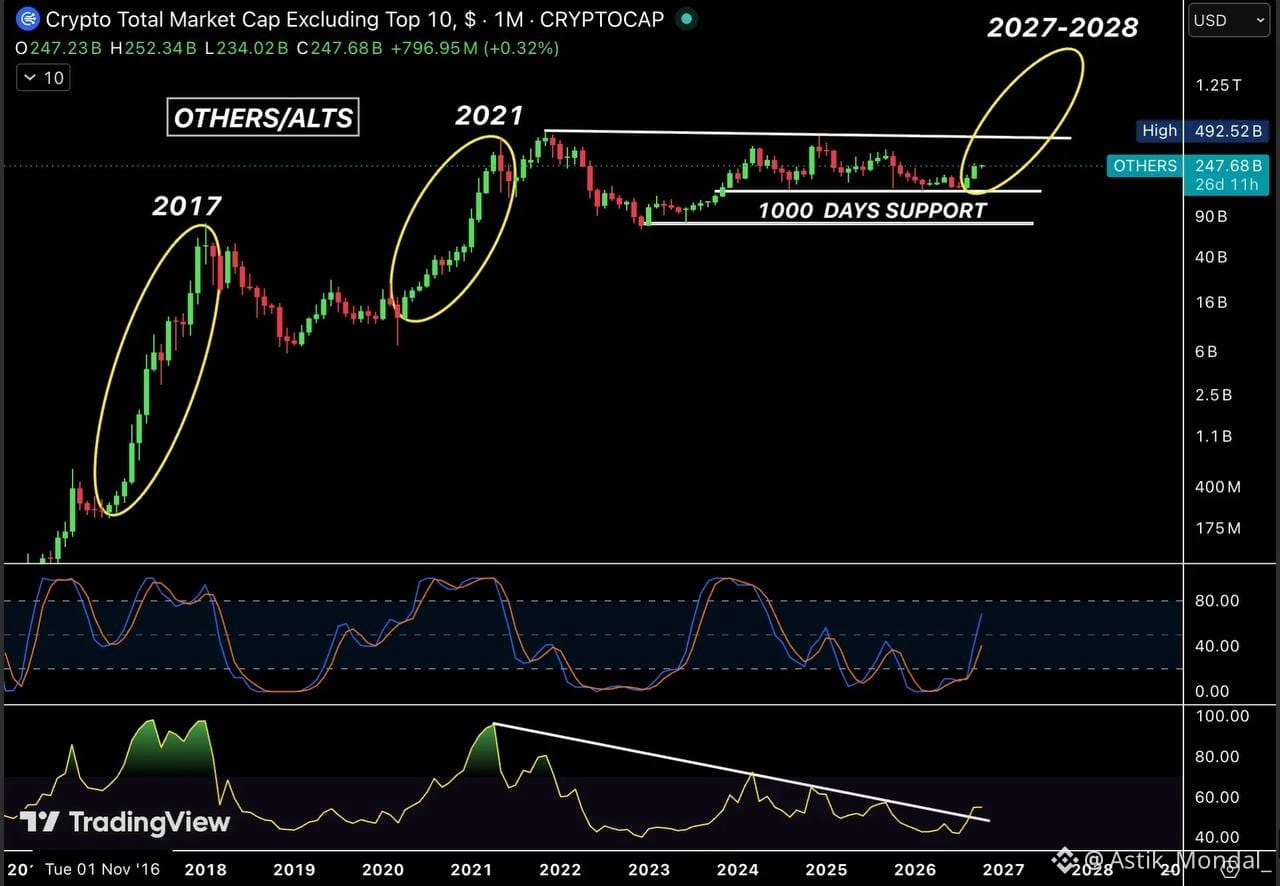
Doch Frust und Unterbewertung sind nicht dasselbe. Schauen wir uns die tatsächlichen Zahlen an: Der US-Aktienmarkt ist fast 77 Billionen Dollar wert. Der Gesamtwert des überirdischen Goldbestands liegt bei rund 31 Billionen Dollar. Bitcoin allein ist etwa 1,7 Billionen Dollar wert. Alles andere im Kryptobereich – alle Altcoins zusammen, die Top 10 ausgenommen – ist gerade einmal 247,68 Milliarden Dollar wert.
Das ist gegenüber den anderen drei kein Rundungsfehler, sondern eine völlig andere Größenordnung. Bei einer derart großen Lücke braucht es keinen Geldsegen, um etwas zu bewegen. Schon ein kleiner Teil der Liquidität, der in Altcoins umgeschichtet wird, hat in der Vergangenheit gereicht, um die gesamte Kategorie steil nach oben zu treiben – genau das geschah 2017 und 2021.
Der Chart zeigt, wo der Kampf gerade stattfindet: Der Widerstand liegt in der Spanne von 350 bis 450 Milliarden Dollar – eine Marke, an der Altcoins seit über einem Jahr scheitern. Ein bestätigter Ausbruch über diese Spanne würde im Laufe des nächsten Zyklus den Weg in Richtung 1 bis 2 Billionen Dollar freimachen.
Es gibt handfeste Gründe, warum diesmal mehr dahintersteckt als bloße Chartmuster. DeFi, die Tokenisierung realer Vermögenswerte und echte institutionelle Infrastruktur entwickeln sich weiter – anders als noch 2021. Die Infrastruktur ist inzwischen in der Lage, erstmals nennenswertes Kapital aus der traditionellen Finanzwelt in diesen Bereich zu ziehen.
Unterbewertung bedeutet keine Garantie. Doch die Lücke in diesem Chart ist real und war im Vergleich zum restlichen Finanzsektor seit Jahren nicht mehr so groß.
#Altcoins #Crypto #Bitcoin #DeFi #Altseason
🚨 ALTCOINS WEISEN DERZEIT DIE GRÖSSTE BEWERTUNGSLÜCKE IM KRYPTOBEREICH AUF.
Seit dem Höchststand von 2021 haben die meisten Privatanleger, die Altcoins halten, nichts als Verlustrunden gedreht: jahrelanges Seitwärtsgeplänkel, während Bitcoin und Tech-Aktien ohne sie weiter stiegen. Dieser Frust ist real.
Doch Frust und Unterbewertung sind nicht dasselbe. Schauen wir uns die tatsächlichen Zahlen an: Der US-Aktienmarkt ist fast 77 Billionen Dollar wert. Der Gesamtwert des überirdischen Goldbestands liegt bei rund 31 Billionen Dollar. Bitcoin allein ist etwa 1,7 Billionen Dollar wert. Alles andere im Kryptobereich – alle Altcoins zusammen, die Top 10 ausgenommen – ist gerade einmal 247,68 Milliarden Dollar wert.
Das ist gegenüber den anderen drei kein Rundungsfehler, sondern eine völlig andere Größenordnung. Bei einer derart großen Lücke braucht es keinen Geldsegen, um etwas zu bewegen. Schon ein kleiner Teil der Liquidität, der in Altcoins umgeschichtet wird, hat in der Vergangenheit gereicht, um die gesamte Kategorie steil nach oben zu treiben – genau das geschah 2017 und 2021.
Der Chart zeigt, wo der Kampf gerade stattfindet: Der Widerstand liegt in der Spanne von 350 bis 450 Milliarden Dollar – eine Marke, an der Altcoins seit über einem Jahr scheitern. Ein bestätigter Ausbruch über diese Spanne würde im Laufe des nächsten Zyklus den Weg in Richtung 1 bis 2 Billionen Dollar freimachen.
Es gibt handfeste Gründe, warum diesmal mehr dahintersteckt als bloße Chartmuster. DeFi, die Tokenisierung realer Vermögenswerte und echte institutionelle Infrastruktur entwickeln sich weiter – anders als noch 2021. Die Infrastruktur ist inzwischen in der Lage, erstmals nennenswertes Kapital aus der traditionellen Finanzwelt in diesen Bereich zu ziehen.
Unterbewertung bedeutet keine Garantie. Doch die Lücke in diesem Chart ist real und war im Vergleich zum restlichen Finanzsektor seit Jahren nicht mehr so groß.
#Altcoins #Crypto #Bitcoin #DeFi #Altseason
Seit dem Höchststand von 2021 haben die meisten Privatanleger, die Altcoins halten, nichts als Verlustrunden gedreht: jahrelanges Seitwärtsgeplänkel, während Bitcoin und Tech-Aktien ohne sie weiter stiegen. Dieser Frust ist real.
Doch Frust und Unterbewertung sind nicht dasselbe. Schauen wir uns die tatsächlichen Zahlen an: Der US-Aktienmarkt ist fast 77 Billionen Dollar wert. Der Gesamtwert des überirdischen Goldbestands liegt bei rund 31 Billionen Dollar. Bitcoin allein ist etwa 1,7 Billionen Dollar wert. Alles andere im Kryptobereich – alle Altcoins zusammen, die Top 10 ausgenommen – ist gerade einmal 247,68 Milliarden Dollar wert.
Das ist gegenüber den anderen drei kein Rundungsfehler, sondern eine völlig andere Größenordnung. Bei einer derart großen Lücke braucht es keinen Geldsegen, um etwas zu bewegen. Schon ein kleiner Teil der Liquidität, der in Altcoins umgeschichtet wird, hat in der Vergangenheit gereicht, um die gesamte Kategorie steil nach oben zu treiben – genau das geschah 2017 und 2021.
Der Chart zeigt, wo der Kampf gerade stattfindet: Der Widerstand liegt in der Spanne von 350 bis 450 Milliarden Dollar – eine Marke, an der Altcoins seit über einem Jahr scheitern. Ein bestätigter Ausbruch über diese Spanne würde im Laufe des nächsten Zyklus den Weg in Richtung 1 bis 2 Billionen Dollar freimachen.
Es gibt handfeste Gründe, warum diesmal mehr dahintersteckt als bloße Chartmuster. DeFi, die Tokenisierung realer Vermögenswerte und echte institutionelle Infrastruktur entwickeln sich weiter – anders als noch 2021. Die Infrastruktur ist inzwischen in der Lage, erstmals nennenswertes Kapital aus der traditionellen Finanzwelt in diesen Bereich zu ziehen.
Unterbewertung bedeutet keine Garantie. Doch die Lücke in diesem Chart ist real und war im Vergleich zum restlichen Finanzsektor seit Jahren nicht mehr so groß.
#Altcoins #Crypto #Bitcoin #DeFi #Altseason
1
30
🇯🇵🚨 JAPANS ANLEIHENMARKT HAT SOEBEN EINEN HÖCHSTSTAND SEIT 30 JAHREN ERREICHT.
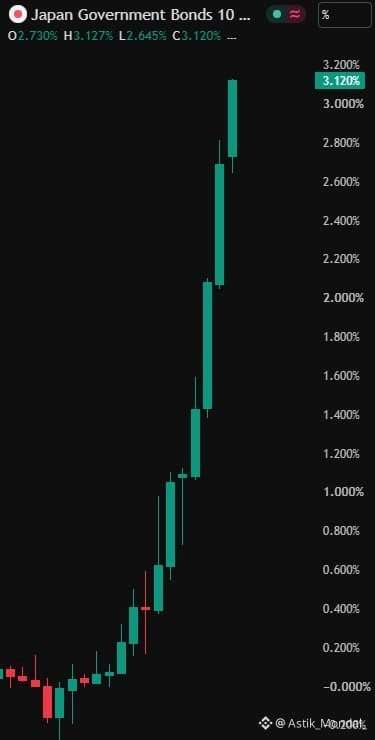
Japans neue zehnjährige Staatsanleihe wird einen Kupon von 3,1 % haben – den höchsten Stand seit rund 30 Jahren.
Das ist ein tiefgreifender Wandel für einen der größten Anleihenmärkte der Welt.
Jahrzehntelang stand Japan für extrem niedrige Zinsen und billiges Geld.
Jetzt steigen die Kreditkosten stark an.
Und die Folgen reichen weit über Japan hinaus.
Höhere japanische Renditen können heimische Anleihen attraktiver machen und so möglicherweise Kapital aus ausländischen Märkten abziehen.
Das ist für globale Anleihen, Aktien, Währungen und sogar Risikoanlagen wie Kryptowährungen von Bedeutung.
Die Ära nahezu kostenloser Kredite in Japan weicht einer völlig anderen Realität.
Die Frage, auf die die Märkte achten:
Wie stark verändert sich die globale Liquidität, wenn die japanischen Renditen weiter steigen?
#Japan #Bonds #BOJ #Markets #Crypto
🇯🇵🚨 JAPANS ANLEIHENMARKT HAT SOEBEN EINEN HÖCHSTSTAND SEIT 30 JAHREN ERREICHT.
Japans neue zehnjährige Staatsanleihe wird einen Kupon von 3,1 % haben – den höchsten Stand seit rund 30 Jahren.
Das ist ein tiefgreifender Wandel für einen der größten Anleihenmärkte der Welt.
Jahrzehntelang stand Japan für extrem niedrige Zinsen und billiges Geld.
Jetzt steigen die Kreditkosten stark an.
Und die Folgen reichen weit über Japan hinaus.
Höhere japanische Renditen können heimische Anleihen attraktiver machen und so möglicherweise Kapital aus ausländischen Märkten abziehen.
Das ist für globale Anleihen, Aktien, Währungen und sogar Risikoanlagen wie Kryptowährungen von Bedeutung.
Die Ära nahezu kostenloser Kredite in Japan weicht einer völlig anderen Realität.
Die Frage, auf die die Märkte achten:
Wie stark verändert sich die globale Liquidität, wenn die japanischen Renditen weiter steigen?
#Japan #Bonds #BOJ #Markets #Crypto
Japans neue zehnjährige Staatsanleihe wird einen Kupon von 3,1 % haben – den höchsten Stand seit rund 30 Jahren.
Das ist ein tiefgreifender Wandel für einen der größten Anleihenmärkte der Welt.
Jahrzehntelang stand Japan für extrem niedrige Zinsen und billiges Geld.
Jetzt steigen die Kreditkosten stark an.
Und die Folgen reichen weit über Japan hinaus.
Höhere japanische Renditen können heimische Anleihen attraktiver machen und so möglicherweise Kapital aus ausländischen Märkten abziehen.
Das ist für globale Anleihen, Aktien, Währungen und sogar Risikoanlagen wie Kryptowährungen von Bedeutung.
Die Ära nahezu kostenloser Kredite in Japan weicht einer völlig anderen Realität.
Die Frage, auf die die Märkte achten:
Wie stark verändert sich die globale Liquidität, wenn die japanischen Renditen weiter steigen?
#Japan #Bonds #BOJ #Markets #Crypto
EWJETF-0,50%
1
9
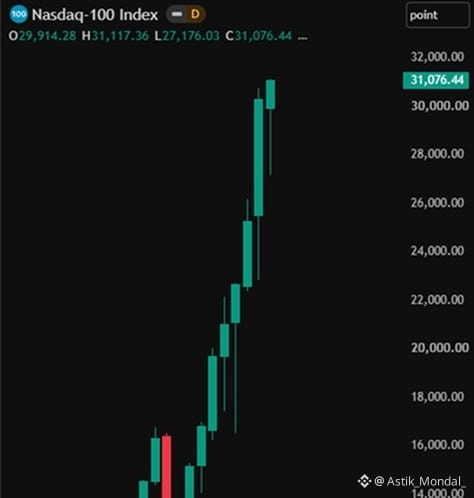
🚨 EILMELDUNG: DER NASDAQ 100 LIEGT JETZT MEHR ALS 150 % IM PLUS, SEIT MICHAEL BURRY ANLEGERN ZUM VERKAUF GERATEN HAT.
Der Index schloss soeben mit einem historischen Stand von 31.076 Punkten.
Damit schloss er zum zweiten Mal in Folge auf einem Rekordhoch.
Und der Zeitpunkt lässt sich kaum ignorieren.
Im Januar 2023 warnte Michael Burry Anleger vor einem massiven Markteinbruch.
Seitdem?
Der Nasdaq 100 ist um mehr als 150 % gestiegen.
Eine deutliche Erinnerung daran, dass es leicht ist, den Höchststand vorherzusagen ...
Zu wissen, wann man investiert bleiben sollte, ist viel schwieriger.
Der KI-Boom, die Dominanz der Mega-Cap-Technologieunternehmen und die ungebrochene Nachfrage nach Wachstumsaktien haben die Erzählung am Markt grundlegend verändert.
Burrys Warnung wurde zu einer der bekanntesten pessimistischen Prognosen dieses Börsenzyklus.
Der Markt hatte eine ganz andere Antwort.
Und jetzt steht der Nasdaq 100 erneut auf einem Allzeithoch.
#Nasdaq #StockMarket #MichaelBurry #AI #Investing
🚨 EILMELDUNG: DER NASDAQ 100 LIEGT JETZT MEHR ALS 150 % IM PLUS, SEIT MICHAEL BURRY ANLEGERN ZUM VERKAUF GERATEN HAT.
Der Index schloss soeben mit einem historischen Stand von 31.076 Punkten.
Damit schloss er zum zweiten Mal in Folge auf einem Rekordhoch.
Und der Zeitpunkt lässt sich kaum ignorieren.
Im Januar 2023 warnte Michael Burry Anleger vor einem massiven Markteinbruch.
Seitdem?
Der Nasdaq 100 ist um mehr als 150 % gestiegen.
Eine deutliche Erinnerung daran, dass es leicht ist, den Höchststand vorherzusagen ...
Zu wissen, wann man investiert bleiben sollte, ist viel schwieriger.
Der KI-Boom, die Dominanz der Mega-Cap-Technologieunternehmen und die ungebrochene Nachfrage nach Wachstumsaktien haben die Erzählung am Markt grundlegend verändert.
Burrys Warnung wurde zu einer der bekanntesten pessimistischen Prognosen dieses Börsenzyklus.
Der Markt hatte eine ganz andere Antwort.
Und jetzt steht der Nasdaq 100 erneut auf einem Allzeithoch.
#Nasdaq #StockMarket #MichaelBurry #AI #Investing
Der Index schloss soeben mit einem historischen Stand von 31.076 Punkten.
Damit schloss er zum zweiten Mal in Folge auf einem Rekordhoch.
Und der Zeitpunkt lässt sich kaum ignorieren.
Im Januar 2023 warnte Michael Burry Anleger vor einem massiven Markteinbruch.
Seitdem?
Der Nasdaq 100 ist um mehr als 150 % gestiegen.
Eine deutliche Erinnerung daran, dass es leicht ist, den Höchststand vorherzusagen ...
Zu wissen, wann man investiert bleiben sollte, ist viel schwieriger.
Der KI-Boom, die Dominanz der Mega-Cap-Technologieunternehmen und die ungebrochene Nachfrage nach Wachstumsaktien haben die Erzählung am Markt grundlegend verändert.
Burrys Warnung wurde zu einer der bekanntesten pessimistischen Prognosen dieses Börsenzyklus.
Der Markt hatte eine ganz andere Antwort.
Und jetzt steht der Nasdaq 100 erneut auf einem Allzeithoch.
#Nasdaq #StockMarket #MichaelBurry #AI #Investing
1
53
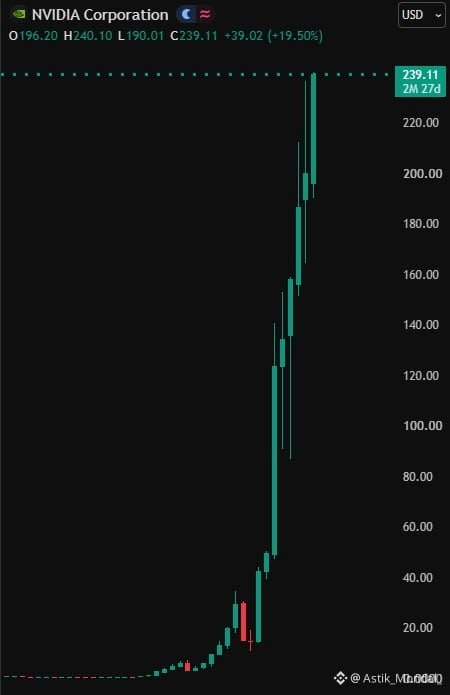
🚨 EILMELDUNG: NVIDIA $NVDA HAT GERADE EINEN WEITEREN REKORD AUFGESTELLT UND NÄHERT SICH NUN EINER BEWERTUNG VON 6 BILLIONEN DOLLAR.
Nvidia legte heute um 2,2 % zu und schloss bei 239,11 $.
Doch die größere Schlagzeile?
Die Aktie erreichte kurzzeitig mit 240,10 $ ein neues Allzeithoch, bevor sie knapp darunter schloss.
Der KI-Boom treibt Nvidia immer weiter in unerforschtes Terrain.
Ein Unternehmen, das einst vor allem für seine GPUs bekannt war, nähert sich nun einer Bewertung, die in der Geschichte nur wenige Unternehmen je erreicht haben.
Und da die Ausgaben für KI-Infrastruktur weiter steigen, behält die Wall Street eine Zahl genau im Auge:
6 BILLIONEN DOLLAR.
Nvidia kommt dieser Marke gefährlich nahe.
#Nvidia #NVDA #AI #StockMarket #Technology $NVDA
🚨 EILMELDUNG: NVIDIA $NVDA HAT GERADE EINEN WEITEREN REKORD AUFGESTELLT UND NÄHERT SICH NUN EINER BEWERTUNG VON 6 BILLIONEN DOLLAR.
Nvidia legte heute um 2,2 % zu und schloss bei 239,11 $.
Doch die größere Schlagzeile?
Die Aktie erreichte kurzzeitig mit 240,10 $ ein neues Allzeithoch, bevor sie knapp darunter schloss.
Der KI-Boom treibt Nvidia immer weiter in unerforschtes Terrain.
Ein Unternehmen, das einst vor allem für seine GPUs bekannt war, nähert sich nun einer Bewertung, die in der Geschichte nur wenige Unternehmen je erreicht haben.
Und da die Ausgaben für KI-Infrastruktur weiter steigen, behält die Wall Street eine Zahl genau im Auge:
6 BILLIONEN DOLLAR.
Nvidia kommt dieser Marke gefährlich nahe.
#Nvidia #NVDA #AI #StockMarket #Technology $NVDA
Nvidia legte heute um 2,2 % zu und schloss bei 239,11 $.
Doch die größere Schlagzeile?
Die Aktie erreichte kurzzeitig mit 240,10 $ ein neues Allzeithoch, bevor sie knapp darunter schloss.
Der KI-Boom treibt Nvidia immer weiter in unerforschtes Terrain.
Ein Unternehmen, das einst vor allem für seine GPUs bekannt war, nähert sich nun einer Bewertung, die in der Geschichte nur wenige Unternehmen je erreicht haben.
Und da die Ausgaben für KI-Infrastruktur weiter steigen, behält die Wall Street eine Zahl genau im Auge:
6 BILLIONEN DOLLAR.
Nvidia kommt dieser Marke gefährlich nahe.
#Nvidia #NVDA #AI #StockMarket #Technology $NVDA
1
212
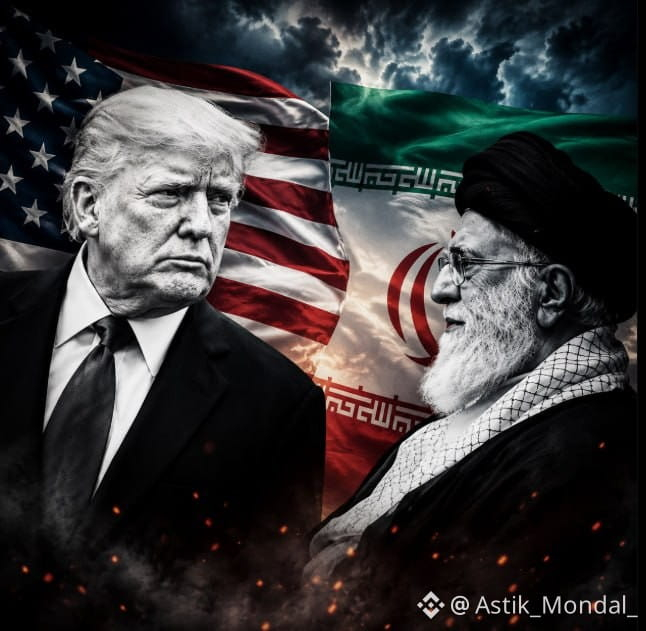
🇺🇸🇮🇷 EILMELDUNG: TRUMP BRINGT IRAN MIT DER BEDROHUNG IN VERBINDUNG, DIE DIE USA DAZU ZWANG, IHRE B-1-BOMBER AUS GROSSBRITANNIEN ABZUZIEHEN.
Die USA zogen plötzlich alle 12 B-1-Bomber von der RAF Fairford ab, nachdem die Behörden Sicherheitswarnungen erhalten hatten.
Trump sagt, es habe „einige Drohungen“ gegeben und die USA wüssten, von wem sie ausgingen.
Auf die Frage, ob die Drohungen mit Iran in Verbindung stünden, sagte Trump:
„Sie würden mit Iran in Verbindung stehen.“
Der Schritt erfolgte nach einem mutmaßlichen Terroranschlagsplan nahe der RAF Fairford, einem wichtigen US-Bomberstützpunkt, der bei Einsätzen gegen Iran genutzt wurde.
JD Vance sagte, die USA seien „einigermaßen zuversichtlich“, dass Iran daran beteiligt gewesen sei.
Doch es gibt weiterhin einen wichtigen Unsicherheitsfaktor:
Außenminister Marco Rubio sagte, die Verlegung der Bomber solle NICHT direkt mit den jüngsten Festnahmen in Verbindung gebracht werden.
Iran hat eine Beteiligung bestritten.
Die strategische Botschaft ist jedoch unübersehbar:
Eine bedeutende US-Bomberstreitmacht wurde nun wegen einer wahrgenommenen Sicherheitsbedrohung von einem wichtigen europäischen Stützpunkt abgezogen.
Und da die Spannungen zwischen Washington und Teheran ohnehin bereits extrem hoch sind, könnte selbst ein mutmaßlicher Angriff auf US-Militäranlagen die Lage dramatisch verschärfen.
Die Frage lautet nun:
Was passiert, wenn die nächste Drohung zu einem tatsächlichen Angriff wird?
#Iran #Trump #USA #Geopolitics #BreakingNews
🇺🇸🇮🇷 EILMELDUNG: TRUMP BRINGT IRAN MIT DER BEDROHUNG IN VERBINDUNG, DIE DIE USA DAZU ZWANG, IHRE B-1-BOMBER AUS GROSSBRITANNIEN ABZUZIEHEN.
Die USA zogen plötzlich alle 12 B-1-Bomber von der RAF Fairford ab, nachdem die Behörden Sicherheitswarnungen erhalten hatten.
Trump sagt, es habe „einige Drohungen“ gegeben und die USA wüssten, von wem sie ausgingen.
Auf die Frage, ob die Drohungen mit Iran in Verbindung stünden, sagte Trump:
„Sie würden mit Iran in Verbindung stehen.“
Der Schritt erfolgte nach einem mutmaßlichen Terroranschlagsplan nahe der RAF Fairford, einem wichtigen US-Bomberstützpunkt, der bei Einsätzen gegen Iran genutzt wurde.
JD Vance sagte, die USA seien „einigermaßen zuversichtlich“, dass Iran daran beteiligt gewesen sei.
Doch es gibt weiterhin einen wichtigen Unsicherheitsfaktor:
Außenminister Marco Rubio sagte, die Verlegung der Bomber solle NICHT direkt mit den jüngsten Festnahmen in Verbindung gebracht werden.
Iran hat eine Beteiligung bestritten.
Die strategische Botschaft ist jedoch unübersehbar:
Eine bedeutende US-Bomberstreitmacht wurde nun wegen einer wahrgenommenen Sicherheitsbedrohung von einem wichtigen europäischen Stützpunkt abgezogen.
Und da die Spannungen zwischen Washington und Teheran ohnehin bereits extrem hoch sind, könnte selbst ein mutmaßlicher Angriff auf US-Militäranlagen die Lage dramatisch verschärfen.
Die Frage lautet nun:
Was passiert, wenn die nächste Drohung zu einem tatsächlichen Angriff wird?
#Iran #Trump #USA #Geopolitics #BreakingNews
Die USA zogen plötzlich alle 12 B-1-Bomber von der RAF Fairford ab, nachdem die Behörden Sicherheitswarnungen erhalten hatten.
Trump sagt, es habe „einige Drohungen“ gegeben und die USA wüssten, von wem sie ausgingen.
Auf die Frage, ob die Drohungen mit Iran in Verbindung stünden, sagte Trump:
„Sie würden mit Iran in Verbindung stehen.“
Der Schritt erfolgte nach einem mutmaßlichen Terroranschlagsplan nahe der RAF Fairford, einem wichtigen US-Bomberstützpunkt, der bei Einsätzen gegen Iran genutzt wurde.
JD Vance sagte, die USA seien „einigermaßen zuversichtlich“, dass Iran daran beteiligt gewesen sei.
Doch es gibt weiterhin einen wichtigen Unsicherheitsfaktor:
Außenminister Marco Rubio sagte, die Verlegung der Bomber solle NICHT direkt mit den jüngsten Festnahmen in Verbindung gebracht werden.
Iran hat eine Beteiligung bestritten.
Die strategische Botschaft ist jedoch unübersehbar:
Eine bedeutende US-Bomberstreitmacht wurde nun wegen einer wahrgenommenen Sicherheitsbedrohung von einem wichtigen europäischen Stützpunkt abgezogen.
Und da die Spannungen zwischen Washington und Teheran ohnehin bereits extrem hoch sind, könnte selbst ein mutmaßlicher Angriff auf US-Militäranlagen die Lage dramatisch verschärfen.
Die Frage lautet nun:
Was passiert, wenn die nächste Drohung zu einem tatsächlichen Angriff wird?
#Iran #Trump #USA #Geopolitics #BreakingNews
1
82
Übersetzung ansehen
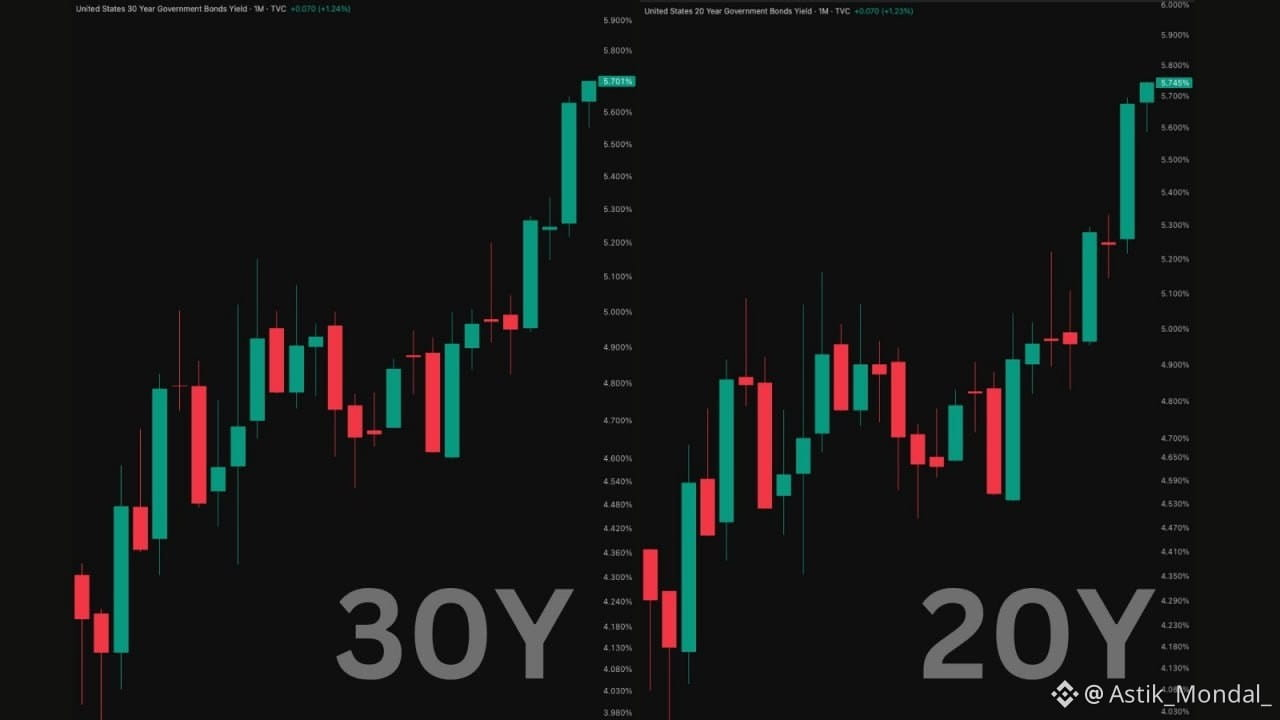
🚨 THE U.S. BOND MARKET IS FLASHING A WARNING WALL STREET CAN’T IGNORE.
The 20-year Treasury yield just hit 5.735%.
The 30-year is pushing 5.7%.
The 10-year touched 5.34%.
All near levels not seen in roughly 24 years.
And this is bigger than bonds.
Long-term yields have surged more than 100 basis points since early March as inflation, massive government debt and geopolitical risk push borrowing costs higher.
Meanwhile, the S&P 500 is still hovering near record highs.
AI is keeping the party alive.
But underneath the surface, cracks are starting to appear.
Mortgage rates are rising.
Housing activity is weakening.
Credit spreads are beginning to widen.
Stocks can ignore rising yields for a while.
They cannot ignore them forever.
If borrowing costs stay this high, the pressure eventually moves into:
Growth.
Corporate earnings.
Valuations.
And ultimately, asset prices.
The market may still look strong today.
But the bond market is warning that the cost of money is changing fast.
And that could become the next major risk for stocks and crypto.
#Bitcoin #StockMarket #Bonds #FederalReserve #Economy
🚨 THE U.S. BOND MARKET IS FLASHING A WARNING WALL STREET CAN’T IGNORE.
The 20-year Treasury yield just hit 5.735%.
The 30-year is pushing 5.7%.
The 10-year touched 5.34%.
All near levels not seen in roughly 24 years.
And this is bigger than bonds.
Long-term yields have surged more than 100 basis points since early March as inflation, massive government debt and geopolitical risk push borrowing costs higher.
Meanwhile, the S&P 500 is still hovering near record highs.
AI is keeping the party alive.
But underneath the surface, cracks are starting to appear.
Mortgage rates are rising.
Housing activity is weakening.
Credit spreads are beginning to widen.
Stocks can ignore rising yields for a while.
They cannot ignore them forever.
If borrowing costs stay this high, the pressure eventually moves into:
Growth.
Corporate earnings.
Valuations.
And ultimately, asset prices.
The market may still look strong today.
But the bond market is warning that the cost of money is changing fast.
And that could become the next major risk for stocks and crypto.
#Bitcoin #StockMarket #Bonds #FederalReserve #Economy
The 20-year Treasury yield just hit 5.735%.
The 30-year is pushing 5.7%.
The 10-year touched 5.34%.
All near levels not seen in roughly 24 years.
And this is bigger than bonds.
Long-term yields have surged more than 100 basis points since early March as inflation, massive government debt and geopolitical risk push borrowing costs higher.
Meanwhile, the S&P 500 is still hovering near record highs.
AI is keeping the party alive.
But underneath the surface, cracks are starting to appear.
Mortgage rates are rising.
Housing activity is weakening.
Credit spreads are beginning to widen.
Stocks can ignore rising yields for a while.
They cannot ignore them forever.
If borrowing costs stay this high, the pressure eventually moves into:
Growth.
Corporate earnings.
Valuations.
And ultimately, asset prices.
The market may still look strong today.
But the bond market is warning that the cost of money is changing fast.
And that could become the next major risk for stocks and crypto.
#Bitcoin #StockMarket #Bonds #FederalReserve #Economy
TLTETF-0,49%
SPYB+0,55%
1
77
🚨 EILMELDUNG: 3-FACH GEHEBELTE BITCOIN- UND ETHEREUM-ETFs SIND WALL STREET EINEN SCHRITT NÄHER.
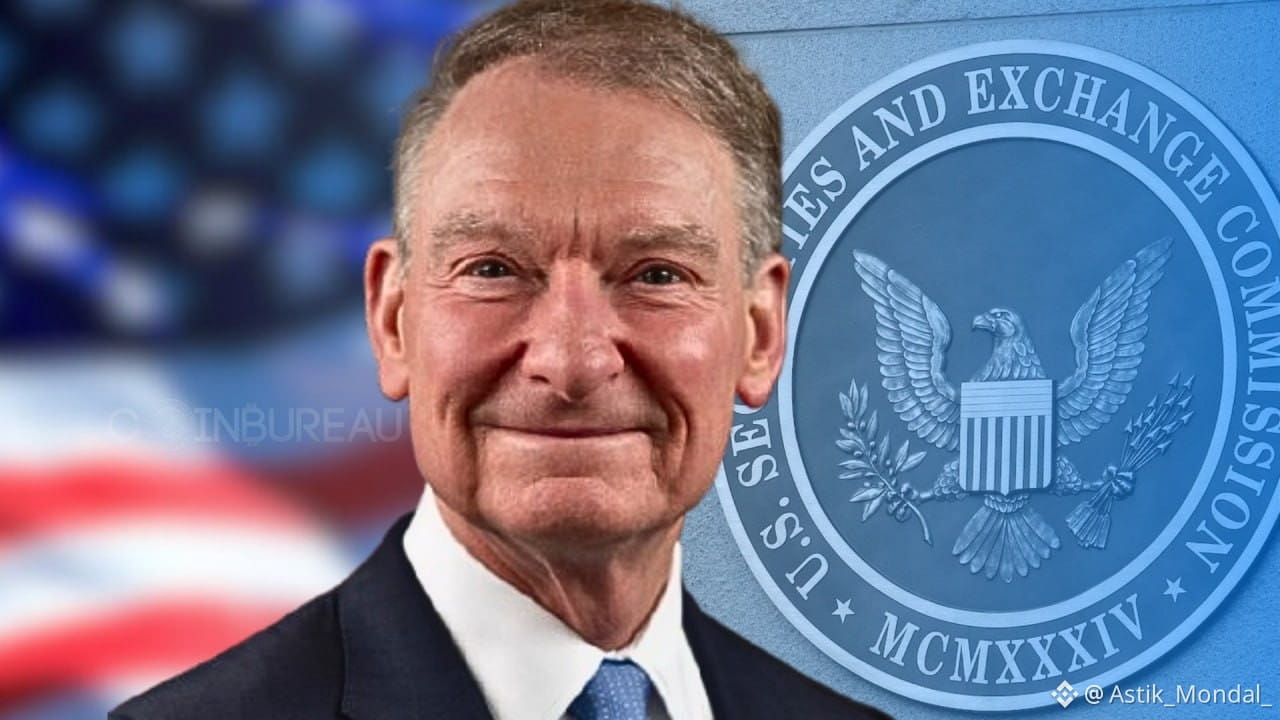
Die SEC hat eine Regeländerung genehmigt, die es Volatility Shares ermöglicht, 3-fach gehebelte ETFs auf Bitcoin, Ethereum, Gold, Silber, Rohöl und Erdgas aufzulegen.
Und auf diesen Punkt sollten Krypto-Trader besonders achten:
Diese Produkte würden regulierte Futures nutzen, statt die zugrunde liegenden Vermögenswerte direkt zu halten.
Das bedeutet, dass traditionelle US-Brokerage-Konten Anlegern schon bald ein deutlich verstärktes Engagement in BTC und ETH ermöglichen könnten.
Allerdings gibt es einen Haken:
Die ETFs werden NOCH NICHT gehandelt.
Ihre Registrierungsunterlagen müssen noch endgültig genehmigt werden, bevor sie aufgelegt werden können.
Sollte die Genehmigung erfolgen, könnte dadurch eine völlig neue Hebelwirkung in die traditionellen Märkte Einzug halten.
Für Bitcoin und Ethereum ist die Botschaft klar:
Die Wall Street schafft immer mehr Möglichkeiten, das Krypto-Engagement zu verstärken.
Die nächste Frage ist, wie viel Kapital tatsächlich über diese Produkte fließen wird, sobald sie starten.
Denn ein 3-facher Hebel kann Gewinne vervielfachen
und auch Verluste.
Der Markt könnte in eine neue Ära des regulierten Krypto-Hebelhandels eintreten.
#Bitcoin #Ethereum #Crypto #ETF #Finance
🚨 EILMELDUNG: 3-FACH GEHEBELTE BITCOIN- UND ETHEREUM-ETFs SIND WALL STREET EINEN SCHRITT NÄHER.
Die SEC hat eine Regeländerung genehmigt, die es Volatility Shares ermöglicht, 3-fach gehebelte ETFs auf Bitcoin, Ethereum, Gold, Silber, Rohöl und Erdgas aufzulegen.
Und auf diesen Punkt sollten Krypto-Trader besonders achten:
Diese Produkte würden regulierte Futures nutzen, statt die zugrunde liegenden Vermögenswerte direkt zu halten.
Das bedeutet, dass traditionelle US-Brokerage-Konten Anlegern schon bald ein deutlich verstärktes Engagement in BTC und ETH ermöglichen könnten.
Allerdings gibt es einen Haken:
Die ETFs werden NOCH NICHT gehandelt.
Ihre Registrierungsunterlagen müssen noch endgültig genehmigt werden, bevor sie aufgelegt werden können.
Sollte die Genehmigung erfolgen, könnte dadurch eine völlig neue Hebelwirkung in die traditionellen Märkte Einzug halten.
Für Bitcoin und Ethereum ist die Botschaft klar:
Die Wall Street schafft immer mehr Möglichkeiten, das Krypto-Engagement zu verstärken.
Die nächste Frage ist, wie viel Kapital tatsächlich über diese Produkte fließen wird, sobald sie starten.
Denn ein 3-facher Hebel kann Gewinne vervielfachen
und auch Verluste.
Der Markt könnte in eine neue Ära des regulierten Krypto-Hebelhandels eintreten.
#Bitcoin #Ethereum #Crypto #ETF #Finance
Die SEC hat eine Regeländerung genehmigt, die es Volatility Shares ermöglicht, 3-fach gehebelte ETFs auf Bitcoin, Ethereum, Gold, Silber, Rohöl und Erdgas aufzulegen.
Und auf diesen Punkt sollten Krypto-Trader besonders achten:
Diese Produkte würden regulierte Futures nutzen, statt die zugrunde liegenden Vermögenswerte direkt zu halten.
Das bedeutet, dass traditionelle US-Brokerage-Konten Anlegern schon bald ein deutlich verstärktes Engagement in BTC und ETH ermöglichen könnten.
Allerdings gibt es einen Haken:
Die ETFs werden NOCH NICHT gehandelt.
Ihre Registrierungsunterlagen müssen noch endgültig genehmigt werden, bevor sie aufgelegt werden können.
Sollte die Genehmigung erfolgen, könnte dadurch eine völlig neue Hebelwirkung in die traditionellen Märkte Einzug halten.
Für Bitcoin und Ethereum ist die Botschaft klar:
Die Wall Street schafft immer mehr Möglichkeiten, das Krypto-Engagement zu verstärken.
Die nächste Frage ist, wie viel Kapital tatsächlich über diese Produkte fließen wird, sobald sie starten.
Denn ein 3-facher Hebel kann Gewinne vervielfachen
und auch Verluste.
Der Markt könnte in eine neue Ära des regulierten Krypto-Hebelhandels eintreten.
#Bitcoin #Ethereum #Crypto #ETF #Finance
1
324
Anmelden und weiter Inhalte entdecken
Krypto-Nutzer weltweit auf Binance Square kennenlernen
⚡️ Bleib in Sachen Krypto stets am Puls.
💬 Die weltgrößte Kryptobörse vertraut darauf.
👍 Erhalte verlässliche Einblicke von verifizierten Creators.
E-Mail-Adresse/Telefonnummer
Trendthemen
BinanceLaunchesBinanceIntelligence
654,464 Aufrufe
4,015 Kommentare
🧠 Traden wie ein erfahrener Investmentfonds? Jetzt übernimmt die KI das kostenlos für dich! 🤖📈
Wilsontrader97
·10 Likes
·11.3k Aufrufe
BTCFallsBelow$84K
11,658 Aufrufe
48 Kommentare
DubaiVARAIssuesReserveAssetAuditCircular
367 Aufrufe
68 Kommentare