
Crypto A_24
346 Beiträge

Crypto A_24
Melden
Nutzer blockieren
No need to verify me because i am always verified✅
11 Following
34 Follower
91 Like gegeben
Beiträge
Alle
Zitierungen
·
--
Übersetzung ansehen
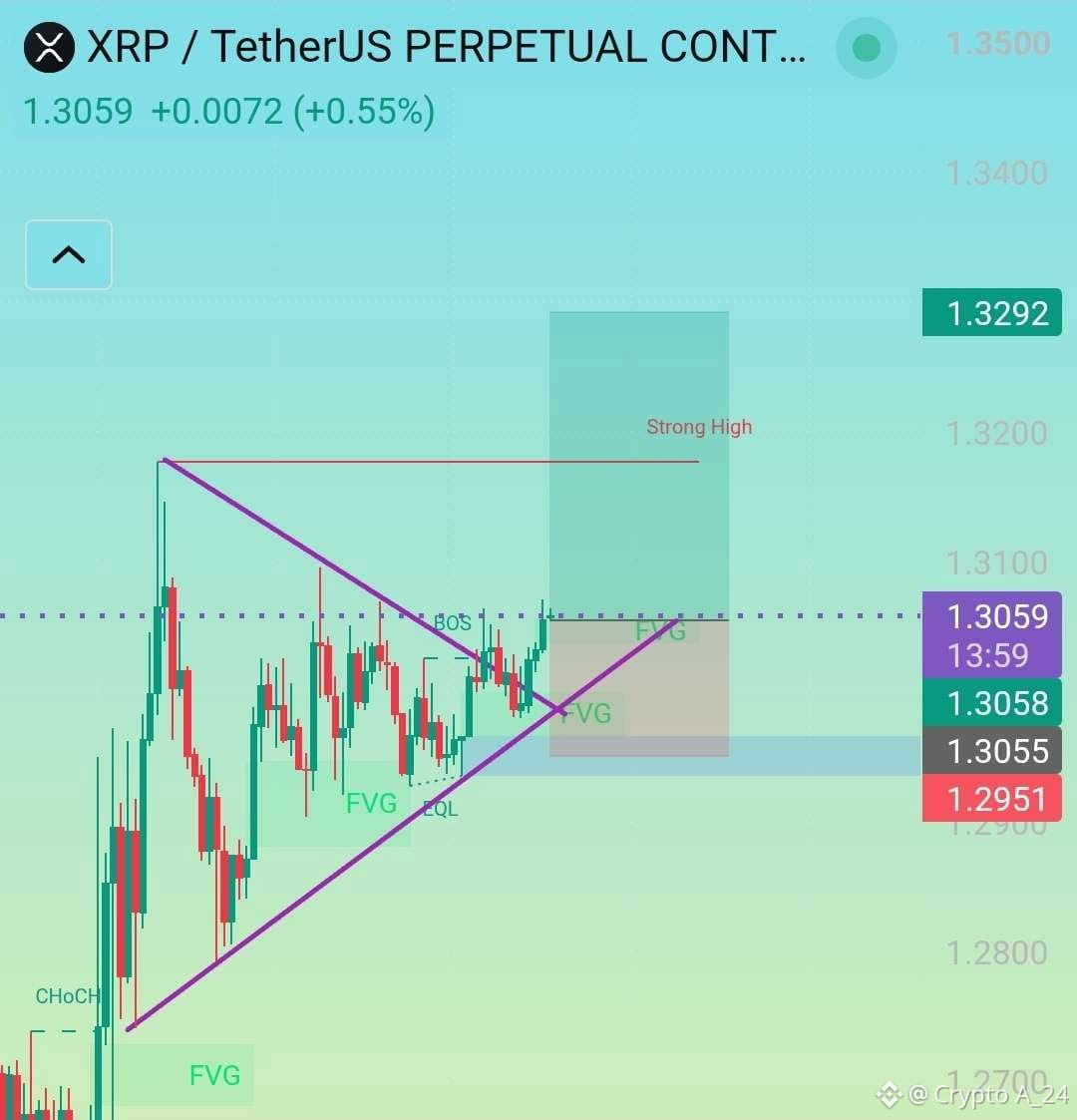
Clean higher-low structure holding. Watching for volume to clear the $1.32 high. $XRP handle the super support level...
Entry: $1.295 – $1.305 (FVG retest)
SL: $1.290
TP: $1.329
Clean higher-low structure holding. Watching for volume to clear the $1.32 high. $XRP handle the super support level...
Entry: $1.295 – $1.305 (FVG retest)
SL: $1.290
TP: $1.329
Entry: $1.295 – $1.305 (FVG retest)
SL: $1.290
TP: $1.329
60
·
--
Übersetzung ansehen
USDT Moved the Money - but It Couldn’t Remove Counterparty Risk
$USDT sat at the center of a $230M Venezuelan oil transaction that ultimately delivered only a fraction of the contracted cargo, according to a Financial Times investigation into Poland’s state-controlled energy group Orlen.
The deal can be reduced to one chain:
Orlen Trading Switzerland → $230M advance → intermediaries → USDT conversion → local brokers → PDVSA-linked oil supply
The original contract covered roughly 6M barrels worth $345M. Yet only one fuel-oil cargo valued at about $28.8M was reportedly delivered. Including shipping and legal costs, the Polish government now estimates Orlen’s wider losses at around $424M.
What stands out is where the risk actually accumulated. USDT solved the settlement problem created by restricted banking access: value could move quickly across borders and outside conventional correspondent-bank rails. But every additional intermediary introduced another layer of execution, custody and counterparty risk. At one point, according to the FT, staff physically carried USB devices containing tens of millions of dollars in USDT to meetings in Caracas.
That makes this less a story about stablecoin technology failing and more about what stablecoins cannot solve. A payment rail can make settlement faster and more accessible; it cannot guarantee that the seller, broker or intermediary on the other side of the transaction will ultimately deliver the underlying asset.
USDT Moved the Money - but It Couldn’t Remove Counterparty Risk
$USDT sat at the center of a $230M Venezuelan oil transaction that ultimately delivered only a fraction of the contracted cargo, according to a Financial Times investigation into Poland’s state-controlled energy group Orlen.
The deal can be reduced to one chain:
Orlen Trading Switzerland → $230M advance → intermediaries → USDT conversion → local brokers → PDVSA-linked oil supply
The original contract covered roughly 6M barrels worth $345M. Yet only one fuel-oil cargo valued at about $28.8M was reportedly delivered. Including shipping and legal costs, the Polish government now estimates Orlen’s wider losses at around $424M.
What stands out is where the risk actually accumulated. USDT solved the settlement problem created by restricted banking access: value could move quickly across borders and outside conventional correspondent-bank rails. But every additional intermediary introduced another layer of execution, custody and counterparty risk. At one point, according to the FT, staff physically carried USB devices containing tens of millions of dollars in USDT to meetings in Caracas.
That makes this less a story about stablecoin technology failing and more about what stablecoins cannot solve. A payment rail can make settlement faster and more accessible; it cannot guarantee that the seller, broker or intermediary on the other side of the transaction will ultimately deliver the underlying asset.
$USDT sat at the center of a $230M Venezuelan oil transaction that ultimately delivered only a fraction of the contracted cargo, according to a Financial Times investigation into Poland’s state-controlled energy group Orlen.
The deal can be reduced to one chain:
Orlen Trading Switzerland → $230M advance → intermediaries → USDT conversion → local brokers → PDVSA-linked oil supply
The original contract covered roughly 6M barrels worth $345M. Yet only one fuel-oil cargo valued at about $28.8M was reportedly delivered. Including shipping and legal costs, the Polish government now estimates Orlen’s wider losses at around $424M.
What stands out is where the risk actually accumulated. USDT solved the settlement problem created by restricted banking access: value could move quickly across borders and outside conventional correspondent-bank rails. But every additional intermediary introduced another layer of execution, custody and counterparty risk. At one point, according to the FT, staff physically carried USB devices containing tens of millions of dollars in USDT to meetings in Caracas.
That makes this less a story about stablecoin technology failing and more about what stablecoins cannot solve. A payment rail can make settlement faster and more accessible; it cannot guarantee that the seller, broker or intermediary on the other side of the transaction will ultimately deliver the underlying asset.

1
·
--
$XRP 3. Szenarien Und Was Als Nächstes Zu Beobachten Ist
Ein Kommentar von Makro- und Kryptoanalysten skizziert grob drei Wege. Erstens: ein Anstieg plus eine eher restriktive (hawkische) Ausrichtung, mit Aussagen über weitere Erhöhungen oder einen langsamen Pfad hin zu Zinssenkungen. Das belastet tendenziell nicht rentierliche Vermögenswerte und begünstigt Bitcoin gegenüber kleineren, illiquiden Token. Zweitens: eine Erhöhung, gerahmt als nahe am Ende der Straffung, die eine Entlastungs- (Relief-)Bidding-Phase bei großen Werten unterstützen könnte und später auch Altcoins, falls sich die realen Renditen stabilisieren. Drittens: ein Ergebnis ohne Erhöhung, das eine geringere Wahrscheinlichkeit hat und kurzfristig wahrscheinlich Volatilität auslösen würde, weil Händler platzierte Wetten abbauen.
Überlagert wird das durch, dass in derselben Woche auch die Abstimmung zum US-CLARITY Act sowie die Entscheidungen der Bank of England und der Bank of Japan anstehen. Dadurch können sich Finanzierungsbedingungen und Schlagzeilen zur Regulierung jede durch die Fed ausgelöste Krypto-Bewegung verstärken.
Was das bedeutet: Achten Sie stärker auf den Tonfall in der Fed-Erklärung, auf das Verhalten von Bitcoin um die identifizierte Unterstützungs- und Widerstands-Spanne sowie auf die nachfolgenden ETF-Zuflüsse, als allein auf die Schlagzeilen zur Zinshöhe.
#XRP
$XRP 3. Szenarien Und Was Als Nächstes Zu Beobachten Ist
Ein Kommentar von Makro- und Kryptoanalysten skizziert grob drei Wege. Erstens: ein Anstieg plus eine eher restriktive (hawkische) Ausrichtung, mit Aussagen über weitere Erhöhungen oder einen langsamen Pfad hin zu Zinssenkungen. Das belastet tendenziell nicht rentierliche Vermögenswerte und begünstigt Bitcoin gegenüber kleineren, illiquiden Token. Zweitens: eine Erhöhung, gerahmt als nahe am Ende der Straffung, die eine Entlastungs- (Relief-)Bidding-Phase bei großen Werten unterstützen könnte und später auch Altcoins, falls sich die realen Renditen stabilisieren. Drittens: ein Ergebnis ohne Erhöhung, das eine geringere Wahrscheinlichkeit hat und kurzfristig wahrscheinlich Volatilität auslösen würde, weil Händler platzierte Wetten abbauen.
Überlagert wird das durch, dass in derselben Woche auch die Abstimmung zum US-CLARITY Act sowie die Entscheidungen der Bank of England und der Bank of Japan anstehen. Dadurch können sich Finanzierungsbedingungen und Schlagzeilen zur Regulierung jede durch die Fed ausgelöste Krypto-Bewegung verstärken.
Was das bedeutet: Achten Sie stärker auf den Tonfall in der Fed-Erklärung, auf das Verhalten von Bitcoin um die identifizierte Unterstützungs- und Widerstands-Spanne sowie auf die nachfolgenden ETF-Zuflüsse, als allein auf die Schlagzeilen zur Zinshöhe.
#XRP
Ein Kommentar von Makro- und Kryptoanalysten skizziert grob drei Wege. Erstens: ein Anstieg plus eine eher restriktive (hawkische) Ausrichtung, mit Aussagen über weitere Erhöhungen oder einen langsamen Pfad hin zu Zinssenkungen. Das belastet tendenziell nicht rentierliche Vermögenswerte und begünstigt Bitcoin gegenüber kleineren, illiquiden Token. Zweitens: eine Erhöhung, gerahmt als nahe am Ende der Straffung, die eine Entlastungs- (Relief-)Bidding-Phase bei großen Werten unterstützen könnte und später auch Altcoins, falls sich die realen Renditen stabilisieren. Drittens: ein Ergebnis ohne Erhöhung, das eine geringere Wahrscheinlichkeit hat und kurzfristig wahrscheinlich Volatilität auslösen würde, weil Händler platzierte Wetten abbauen.
Überlagert wird das durch, dass in derselben Woche auch die Abstimmung zum US-CLARITY Act sowie die Entscheidungen der Bank of England und der Bank of Japan anstehen. Dadurch können sich Finanzierungsbedingungen und Schlagzeilen zur Regulierung jede durch die Fed ausgelöste Krypto-Bewegung verstärken.
Was das bedeutet: Achten Sie stärker auf den Tonfall in der Fed-Erklärung, auf das Verhalten von Bitcoin um die identifizierte Unterstützungs- und Widerstands-Spanne sowie auf die nachfolgenden ETF-Zuflüsse, als allein auf die Schlagzeilen zur Zinshöhe.
#XRP
107
·
--
Übersetzung ansehen
$BTC Bitcoin Warning: Is BTC Still a Risk Asset?
- Bloomberg Intelligence strategist Mike McGlone has issued a bearish warning about Bitcoin’s current setup
- His concern: $BTC has delivered returns broadly comparable to the S&P 500 over the past five years, but with roughly 3× more volatility
- That creates a difficult risk-reward profile for traditional portfolio managers
- Bitcoin is also facing resistance near the $80,000 area while equity valuations remain elevated
- Futures markets are reportedly pricing in approximately 70 basis points of potential Fed rate hikes over the next year
- If liquidity tightens, high-beta assets such as Bitcoin could face serious selling pressure
- McGlone argues that Bitcoin has recently behaved more like a leveraged risk asset than a completely independent store of value
- His extreme downside scenario points toward the $10,000 zone if the S&P 500 suffers a sustained decline of around 20%
- But this is the key condition that could invalidate the bearish thesis:
- $BTC must decouple from equities and continue performing strongly even if the stock market falls
- If Bitcoin holds its strength during an equity sell-off, it could prove that the asset is maturing beyond its traditional high-beta profile
- That would be a major signal for the entire crypto market
- The real question is no longer only “Can Bitcoin reach higher?”
- The bigger question is: “Can Bitcoin remain strong when traditional markets weaken?”
- Watch the $80,000 resistance zone, Fed expectations, S&P 500 momentum, ETF flows, and Bitcoin’s correlation with equities
- One analyst’s warning is not a guaranteed prediction, but it highlights the macro risks every crypto investor should monitor
Is Bitcoin becoming a true macro hedge — or is it still just the riskiest trade in the room?
$BTC Bitcoin Warning: Is BTC Still a Risk Asset?
- Bloomberg Intelligence strategist Mike McGlone has issued a bearish warning about Bitcoin’s current setup
- His concern: $BTC has delivered returns broadly comparable to the S&P 500 over the past five years, but with roughly 3× more volatility
- That creates a difficult risk-reward profile for traditional portfolio managers
- Bitcoin is also facing resistance near the $80,000 area while equity valuations remain elevated
- Futures markets are reportedly pricing in approximately 70 basis points of potential Fed rate hikes over the next year
- If liquidity tightens, high-beta assets such as Bitcoin could face serious selling pressure
- McGlone argues that Bitcoin has recently behaved more like a leveraged risk asset than a completely independent store of value
- His extreme downside scenario points toward the $10,000 zone if the S&P 500 suffers a sustained decline of around 20%
- But this is the key condition that could invalidate the bearish thesis:
- $BTC must decouple from equities and continue performing strongly even if the stock market falls
- If Bitcoin holds its strength during an equity sell-off, it could prove that the asset is maturing beyond its traditional high-beta profile
- That would be a major signal for the entire crypto market
- The real question is no longer only “Can Bitcoin reach higher?”
- The bigger question is: “Can Bitcoin remain strong when traditional markets weaken?”
- Watch the $80,000 resistance zone, Fed expectations, S&P 500 momentum, ETF flows, and Bitcoin’s correlation with equities
- One analyst’s warning is not a guaranteed prediction, but it highlights the macro risks every crypto investor should monitor
Is Bitcoin becoming a true macro hedge — or is it still just the riskiest trade in the room?
- Bloomberg Intelligence strategist Mike McGlone has issued a bearish warning about Bitcoin’s current setup
- His concern: $BTC has delivered returns broadly comparable to the S&P 500 over the past five years, but with roughly 3× more volatility
- That creates a difficult risk-reward profile for traditional portfolio managers
- Bitcoin is also facing resistance near the $80,000 area while equity valuations remain elevated
- Futures markets are reportedly pricing in approximately 70 basis points of potential Fed rate hikes over the next year
- If liquidity tightens, high-beta assets such as Bitcoin could face serious selling pressure
- McGlone argues that Bitcoin has recently behaved more like a leveraged risk asset than a completely independent store of value
- His extreme downside scenario points toward the $10,000 zone if the S&P 500 suffers a sustained decline of around 20%
- But this is the key condition that could invalidate the bearish thesis:
- $BTC must decouple from equities and continue performing strongly even if the stock market falls
- If Bitcoin holds its strength during an equity sell-off, it could prove that the asset is maturing beyond its traditional high-beta profile
- That would be a major signal for the entire crypto market
- The real question is no longer only “Can Bitcoin reach higher?”
- The bigger question is: “Can Bitcoin remain strong when traditional markets weaken?”
- Watch the $80,000 resistance zone, Fed expectations, S&P 500 momentum, ETF flows, and Bitcoin’s correlation with equities
- One analyst’s warning is not a guaranteed prediction, but it highlights the macro risks every crypto investor should monitor
Is Bitcoin becoming a true macro hedge — or is it still just the riskiest trade in the room?
57
·
--
Übersetzung ansehen
🚨 Market Brief: Oil Is Driving the Market Again
Markets enter Fed week with a difficult macro setup: Brent above $107, US 10Y near 5%, and $BTC below $77K.
₿ Crypto: Bitcoin is trading around $76.7K, while ETH is near $2.48K. Macro remains the main pressure point. For a stronger risk-on signal, I want to see BTC reclaim $80K + Treasury yields move lower.
🇺🇸 US Macro:
CPI: 3.4% YoY
PPI: 5.4% YoY
Payrolls: +162K
Unemployment: 4.1%
US 10Y: ~4.97%
The market is heavily pricing another Fed hike.
📉 Stocks: US futures are under pressure as higher oil and yields hit growth valuations. A sustained 10Y >5% remains the key risk for Nasdaq.
🇨🇳 China & Geopolitics: China is pushing for deeper BRICS cooperation and Middle East de-escalation. For markets, diplomacy matters because it could directly affect oil:
De-escalation → Oil ↓ → Inflation ↓ → Yields ↓ → Risk assets ↑
🤖 AI: the AI race is entering a new phase. Anthropic is calling for slower frontier-model development and stronger safety standards, while capital continues chasing major AI opportunities.
🎯 My view: today, oil matters more than Bitcoin.
Brent >$110 → Fed hawkish → 10Y >5% → Nasdaq ↓ → BTC pressure
The bullish alternative:
Oil ↓ → Yields ↓ → #BTC >$80K → Risk-On
Key levels: BTC $80K | Brent $110 | US 10Y 5% | DXY 100
#BTC #Price #Analysis
🚨 Market Brief: Oil Is Driving the Market Again
Markets enter Fed week with a difficult macro setup: Brent above $107, US 10Y near 5%, and $BTC below $77K.
₿ Crypto: Bitcoin is trading around $76.7K, while ETH is near $2.48K. Macro remains the main pressure point. For a stronger risk-on signal, I want to see BTC reclaim $80K + Treasury yields move lower.
🇺🇸 US Macro:
CPI: 3.4% YoY
PPI: 5.4% YoY
Payrolls: +162K
Unemployment: 4.1%
US 10Y: ~4.97%
The market is heavily pricing another Fed hike.
📉 Stocks: US futures are under pressure as higher oil and yields hit growth valuations. A sustained 10Y >5% remains the key risk for Nasdaq.
🇨🇳 China & Geopolitics: China is pushing for deeper BRICS cooperation and Middle East de-escalation. For markets, diplomacy matters because it could directly affect oil:
De-escalation → Oil ↓ → Inflation ↓ → Yields ↓ → Risk assets ↑
🤖 AI: the AI race is entering a new phase. Anthropic is calling for slower frontier-model development and stronger safety standards, while capital continues chasing major AI opportunities.
🎯 My view: today, oil matters more than Bitcoin.
Brent >$110 → Fed hawkish → 10Y >5% → Nasdaq ↓ → BTC pressure
The bullish alternative:
Oil ↓ → Yields ↓ → #BTC >$80K → Risk-On
Key levels: BTC $80K | Brent $110 | US 10Y 5% | DXY 100
#BTC #Price #Analysis
Markets enter Fed week with a difficult macro setup: Brent above $107, US 10Y near 5%, and $BTC below $77K.
₿ Crypto: Bitcoin is trading around $76.7K, while ETH is near $2.48K. Macro remains the main pressure point. For a stronger risk-on signal, I want to see BTC reclaim $80K + Treasury yields move lower.
🇺🇸 US Macro:
CPI: 3.4% YoY
PPI: 5.4% YoY
Payrolls: +162K
Unemployment: 4.1%
US 10Y: ~4.97%
The market is heavily pricing another Fed hike.
📉 Stocks: US futures are under pressure as higher oil and yields hit growth valuations. A sustained 10Y >5% remains the key risk for Nasdaq.
🇨🇳 China & Geopolitics: China is pushing for deeper BRICS cooperation and Middle East de-escalation. For markets, diplomacy matters because it could directly affect oil:
De-escalation → Oil ↓ → Inflation ↓ → Yields ↓ → Risk assets ↑
🤖 AI: the AI race is entering a new phase. Anthropic is calling for slower frontier-model development and stronger safety standards, while capital continues chasing major AI opportunities.
🎯 My view: today, oil matters more than Bitcoin.
Brent >$110 → Fed hawkish → 10Y >5% → Nasdaq ↓ → BTC pressure
The bullish alternative:
Oil ↓ → Yields ↓ → #BTC >$80K → Risk-On
Key levels: BTC $80K | Brent $110 | US 10Y 5% | DXY 100
#BTC #Price #Analysis

70
·
--
Übersetzung ansehen
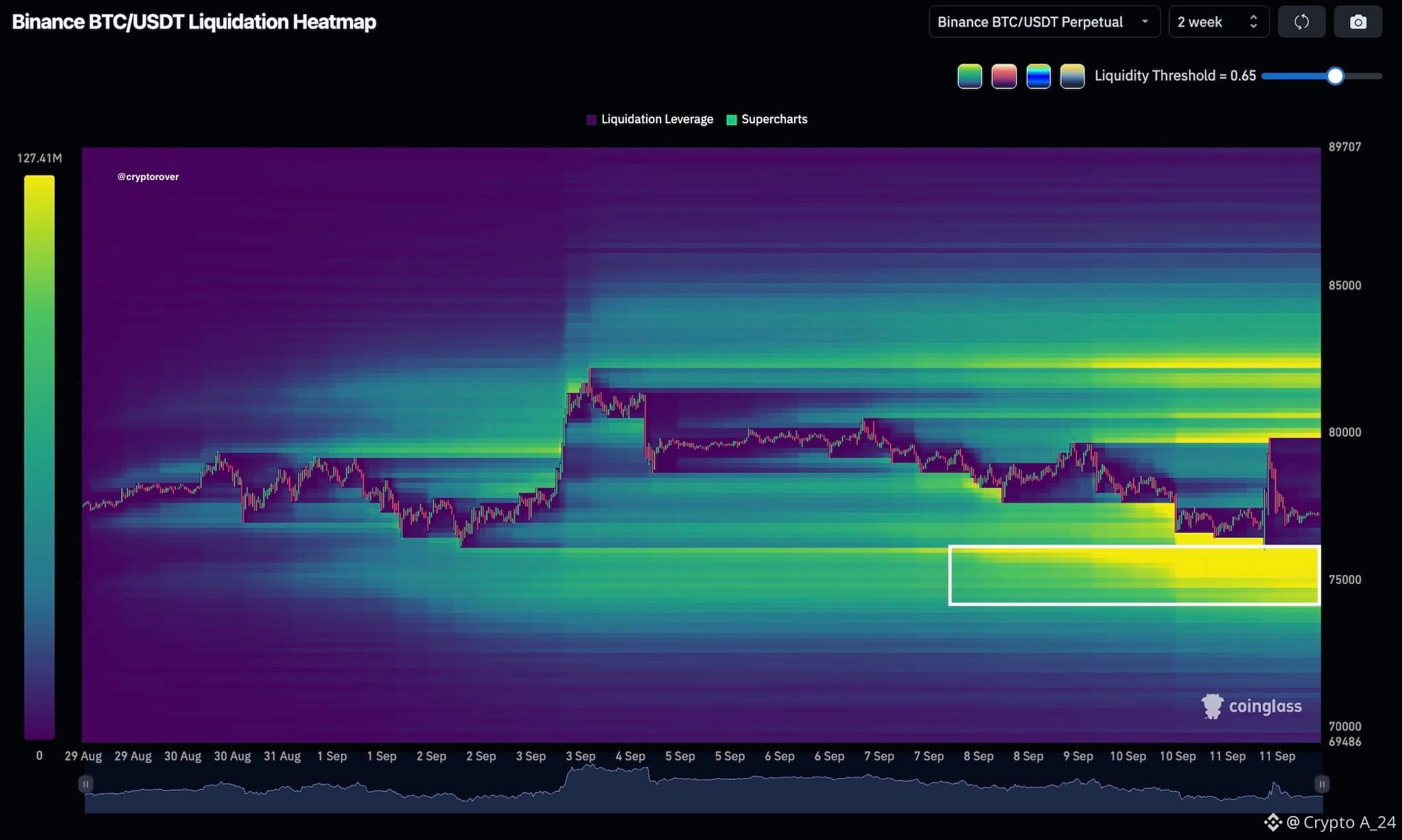
Most of the upside liquidity has already been swept.
That changes the short-term setup for BTC.
When price clears a large amount of liquidity above the market, the easy upside fuel can start drying up. From here, Bitcoin may need fresh spot demand to push meaningfully higher instead of simply continuing to squeeze shorts.
That doesn’t mean a reversal is guaranteed. It means the next move becomes more dependent on real buying pressure and how BTC reacts around key resistance.
After the recent volatility, I’m watching whether buyers can keep absorbing supply.
The liquidity has been taken. Now we see if demand is still there.
#BTC #Price #Analysis
#BTC $BTC $ETH
Most of the upside liquidity has already been swept.
That changes the short-term setup for BTC.
When price clears a large amount of liquidity above the market, the easy upside fuel can start drying up. From here, Bitcoin may need fresh spot demand to push meaningfully higher instead of simply continuing to squeeze shorts.
That doesn’t mean a reversal is guaranteed. It means the next move becomes more dependent on real buying pressure and how BTC reacts around key resistance.
After the recent volatility, I’m watching whether buyers can keep absorbing supply.
The liquidity has been taken. Now we see if demand is still there.
#BTC #Price #Analysis
#BTC $BTC $ETH
That changes the short-term setup for BTC.
When price clears a large amount of liquidity above the market, the easy upside fuel can start drying up. From here, Bitcoin may need fresh spot demand to push meaningfully higher instead of simply continuing to squeeze shorts.
That doesn’t mean a reversal is guaranteed. It means the next move becomes more dependent on real buying pressure and how BTC reacts around key resistance.
After the recent volatility, I’m watching whether buyers can keep absorbing supply.
The liquidity has been taken. Now we see if demand is still there.
#BTC #Price #Analysis
#BTC $BTC $ETH
52
·
--
Übersetzung ansehen
$BTC is testing the 50W EMA 👀
This level could decide the next major move.
If BTC gets a weekly close below the 50W EMA, I’d be watching the $72K–$74K zone next.
Key support. Key week.
$BTC #Crypto
Follow for more signals & updates
$BTC is testing the 50W EMA 👀
This level could decide the next major move.
If BTC gets a weekly close below the 50W EMA, I’d be watching the $72K–$74K zone next.
Key support. Key week.
$BTC #Crypto
Follow for more signals & updates
This level could decide the next major move.
If BTC gets a weekly close below the 50W EMA, I’d be watching the $72K–$74K zone next.
Key support. Key week.
$BTC #Crypto
Follow for more signals & updates

69
·
--
Übersetzung ansehen
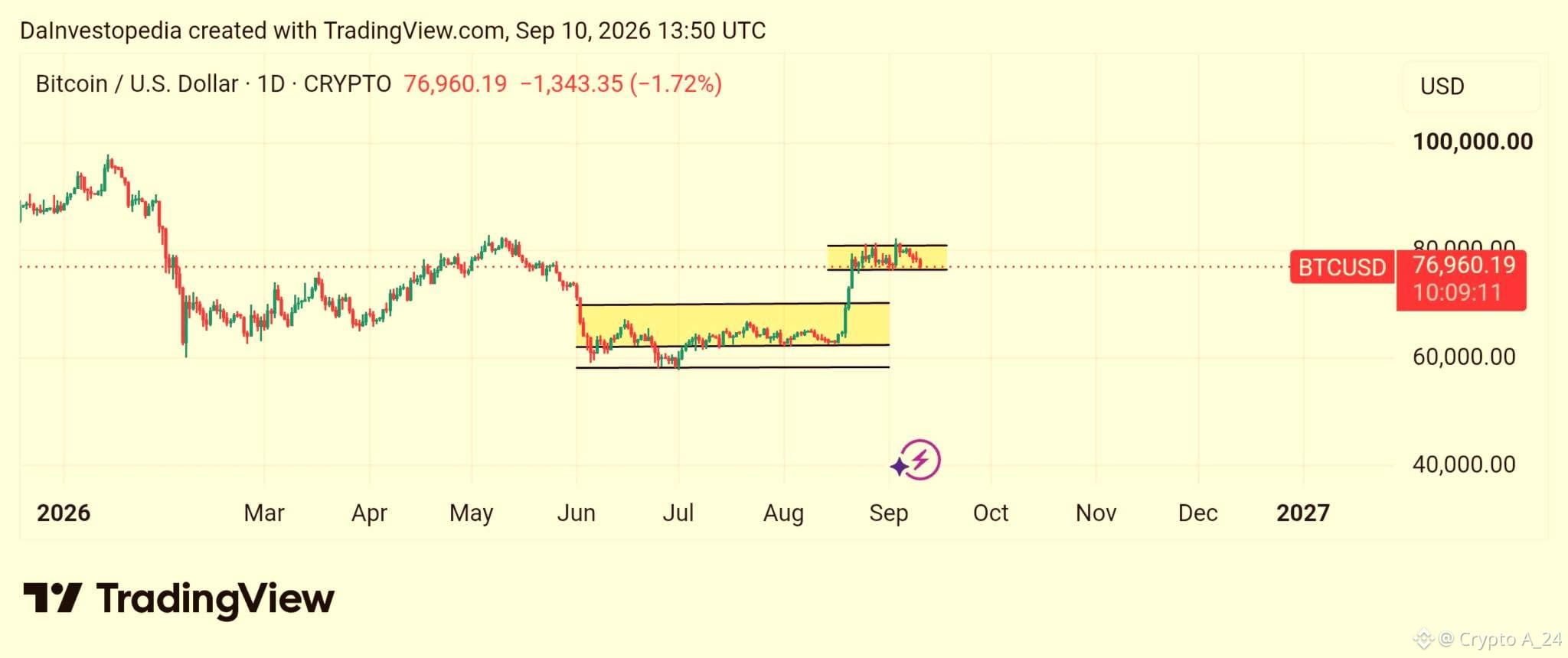
$BTC remains structurally bullish after breaking above the $70K range. Price is now consolidating around $77K–$80K, with $80K as the key resistance. A clean breakout above $80K could target $85K–$90K, while losing $75K may bring a retest of the $70K breakout zone. Overall, the trend remains bullish, but confirmation above $80K is crucial.
#BTC #BTC #Price #Analysis
$BTC remains structurally bullish after breaking above the $70K range. Price is now consolidating around $77K–$80K, with $80K as the key resistance. A clean breakout above $80K could target $85K–$90K, while losing $75K may bring a retest of the $70K breakout zone. Overall, the trend remains bullish, but confirmation above $80K is crucial.
#BTC #BTC #Price #Analysis
#BTC #BTC #Price #Analysis
53
·
--
Übersetzung ansehen
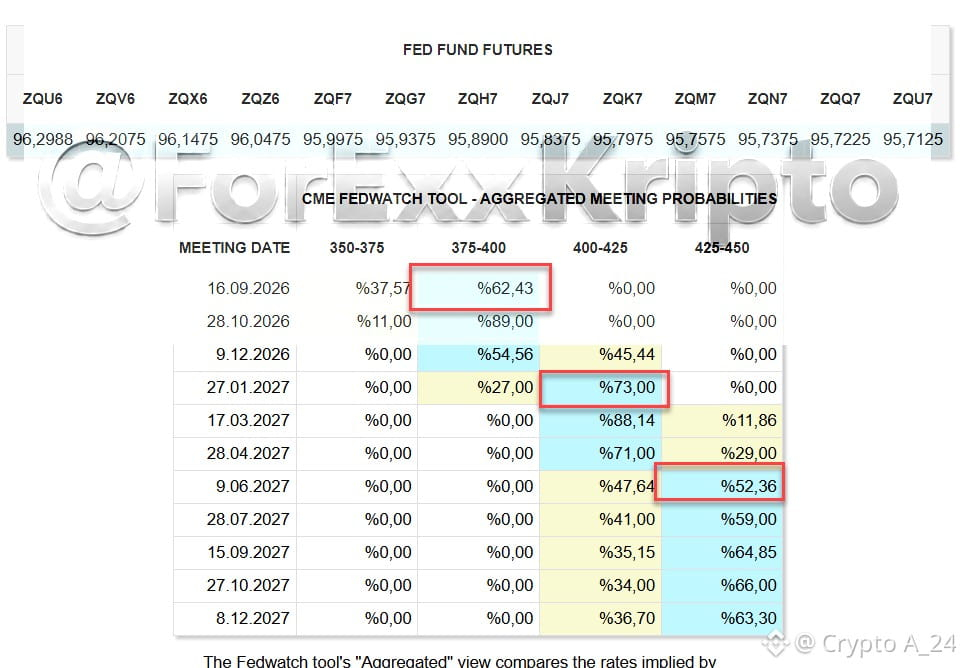
$BTC Ahead of Friday’s CPI data, the probability of a **rate hike** at the September 16 meeting is currently around 62%. Today’s PPI data at 15:30 TRT could serve as a preview of tomorrow’s CPI report, and the market could react sharply to today’s figure as well.
Markets are now pricing **three Fed rate hikes across 2026–2027**, whereas just last week the expectation was for a total of only one rate hike.
Pricing has been extremely aggressive because the environment remains highly uncertain, and this uncertainty is driving elevated volatility across markets.
$BTC Ahead of Friday’s CPI data, the probability of a **rate hike** at the September 16 meeting is currently around 62%. Today’s PPI data at 15:30 TRT could serve as a preview of tomorrow’s CPI report, and the market could react sharply to today’s figure as well.
Markets are now pricing **three Fed rate hikes across 2026–2027**, whereas just last week the expectation was for a total of only one rate hike.
Pricing has been extremely aggressive because the environment remains highly uncertain, and this uncertainty is driving elevated volatility across markets.
Markets are now pricing **three Fed rate hikes across 2026–2027**, whereas just last week the expectation was for a total of only one rate hike.
Pricing has been extremely aggressive because the environment remains highly uncertain, and this uncertainty is driving elevated volatility across markets.
55
·
--
Übersetzung ansehen
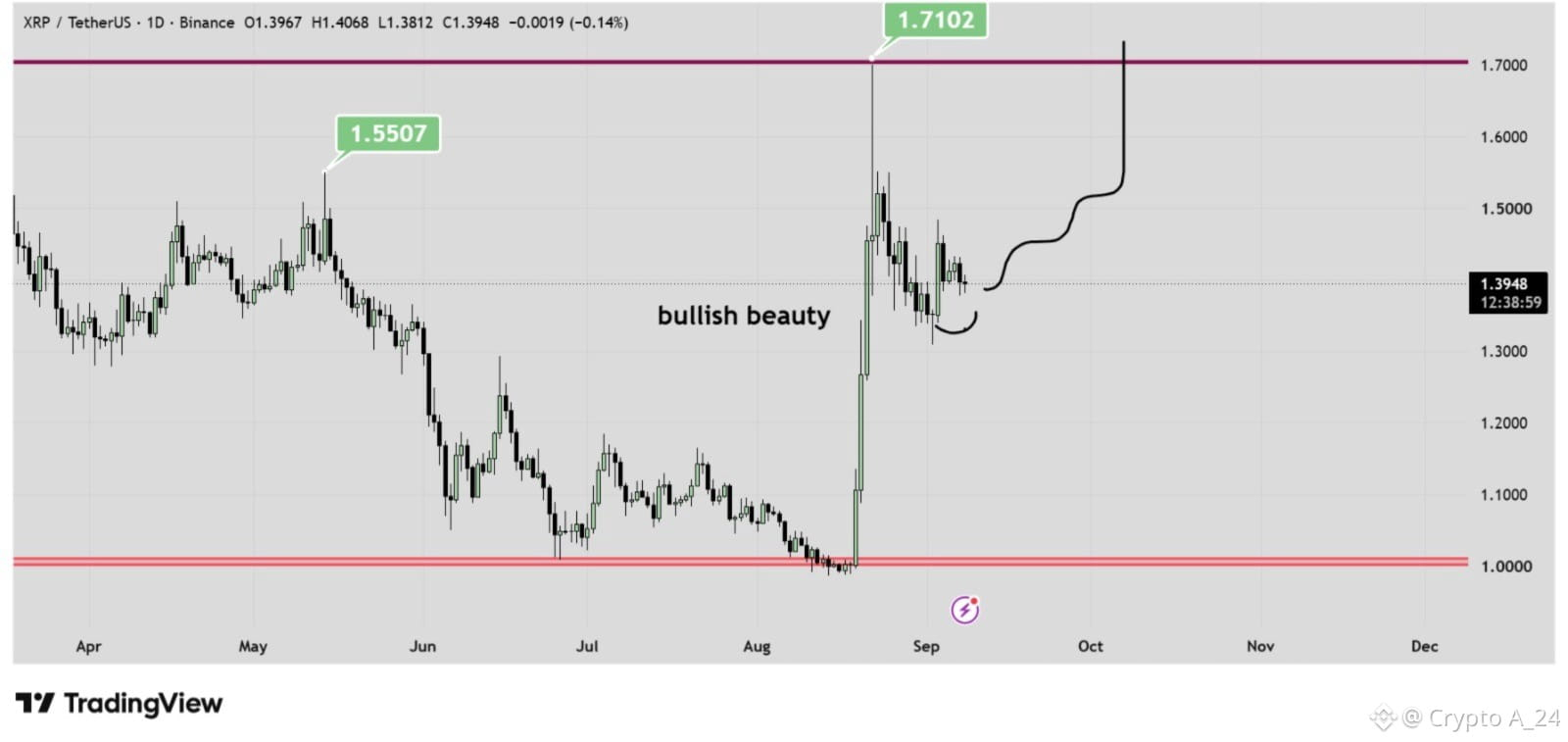
$XRP bounced hard from the $1.00 support and is now holding around $1.39 after the breakout.
If buyers keep this momentum, $1.55 is the first level to reclaim, followed by the major $1.70 target.
$XRP bounced hard from the $1.00 support and is now holding around $1.39 after the breakout.
If buyers keep this momentum, $1.55 is the first level to reclaim, followed by the major $1.70 target.
If buyers keep this momentum, $1.55 is the first level to reclaim, followed by the major $1.70 target.
38
·
--
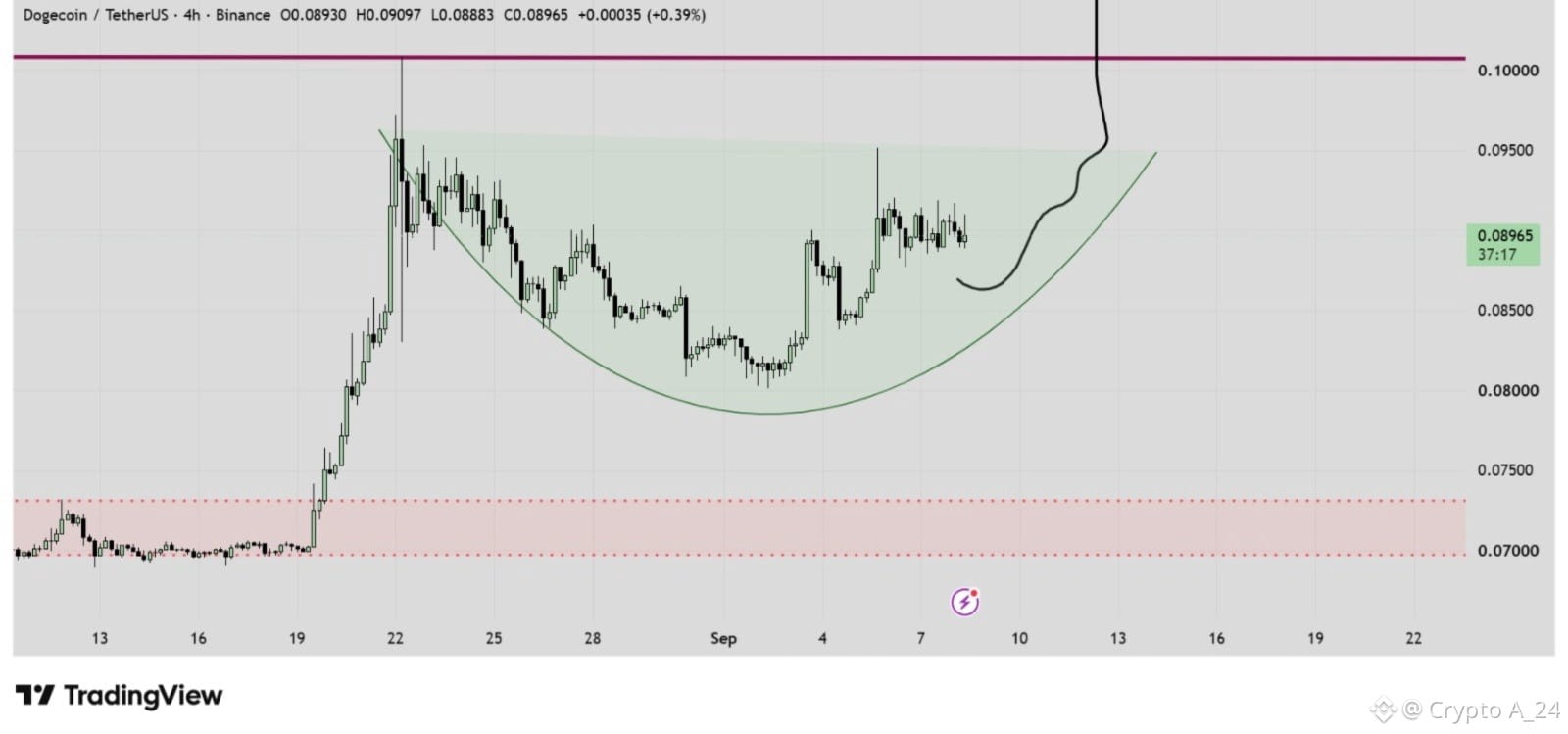
$DOGE bildet eine abgerundete bullische Struktur um $0.089.
Wenn Käufer die Kontrolle behalten und der Kurs über $0.095 ausbricht, liegt das nächste große Kursziel bei etwa $0.10.
$DOGE bildet eine abgerundete bullische Struktur um $0.089.
Wenn Käufer die Kontrolle behalten und der Kurs über $0.095 ausbricht, liegt das nächste große Kursziel bei etwa $0.10.
Wenn Käufer die Kontrolle behalten und der Kurs über $0.095 ausbricht, liegt das nächste große Kursziel bei etwa $0.10.
40
·
--
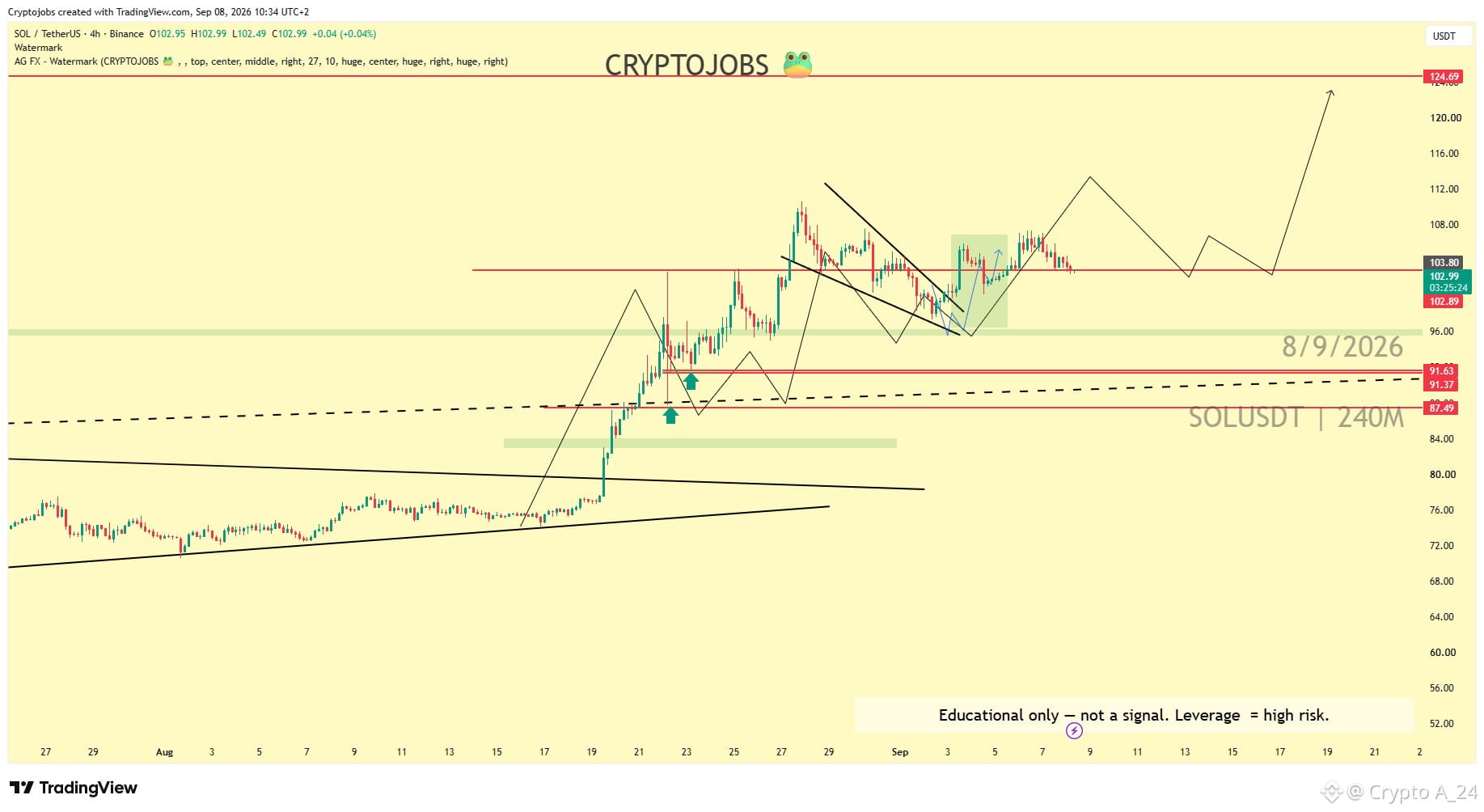
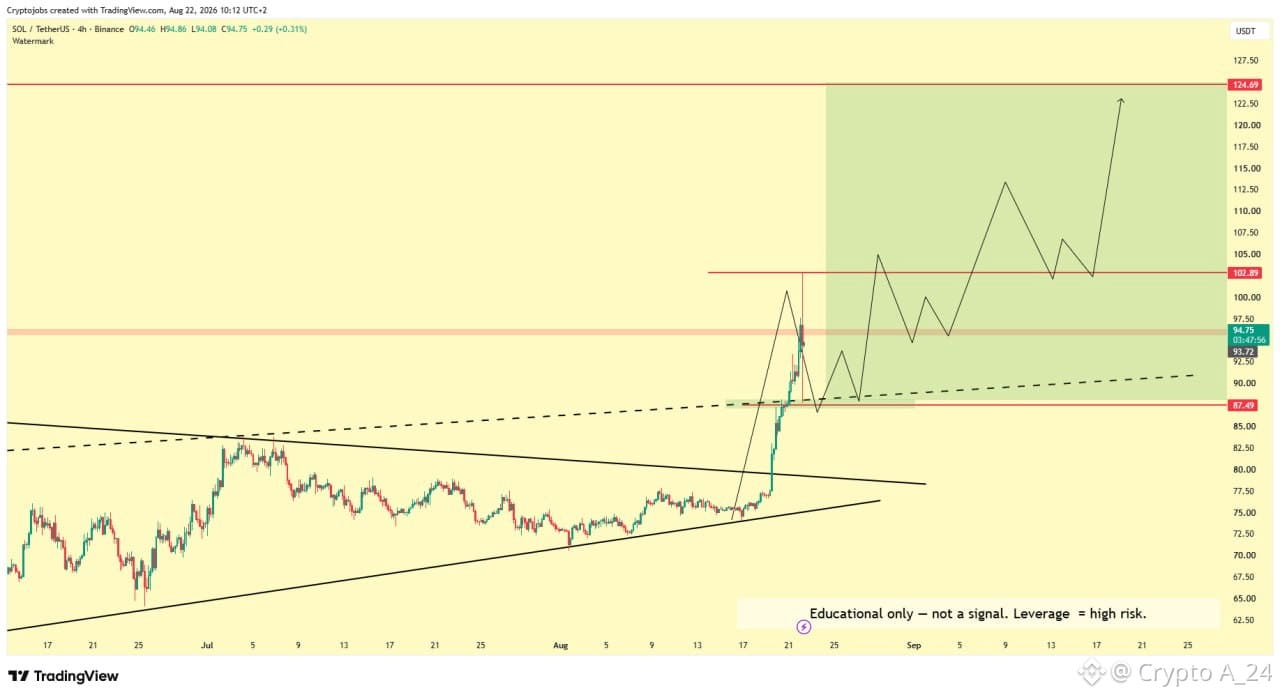
$SOL ruhiges Rennen ist wild 📈
17. Aug → 79$
8. Sep → 103$
+40% hat kaum Lärm gemacht. Meine Einschätzung? Die Aufmerksamkeit des Marktes war zerstreut, Alts bewegen sich in Taschen. Die Struktur, auf die ich achte, hat nicht das Rampenlicht bekommen, das sie verdient.
Charts & Gruppen hatten das hier früh, die Expositionslücke ist real.
#SOL #Trading
$SOL ruhiges Rennen ist wild 📈
17. Aug → 79$
8. Sep → 103$
+40% hat kaum Lärm gemacht. Meine Einschätzung? Die Aufmerksamkeit des Marktes war zerstreut, Alts bewegen sich in Taschen. Die Struktur, auf die ich achte, hat nicht das Rampenlicht bekommen, das sie verdient.
Charts & Gruppen hatten das hier früh, die Expositionslücke ist real.
#SOL #Trading
17. Aug → 79$
8. Sep → 103$
+40% hat kaum Lärm gemacht. Meine Einschätzung? Die Aufmerksamkeit des Marktes war zerstreut, Alts bewegen sich in Taschen. Die Struktur, auf die ich achte, hat nicht das Rampenlicht bekommen, das sie verdient.
Charts & Gruppen hatten das hier früh, die Expositionslücke ist real.
#SOL #Trading
58
·
--
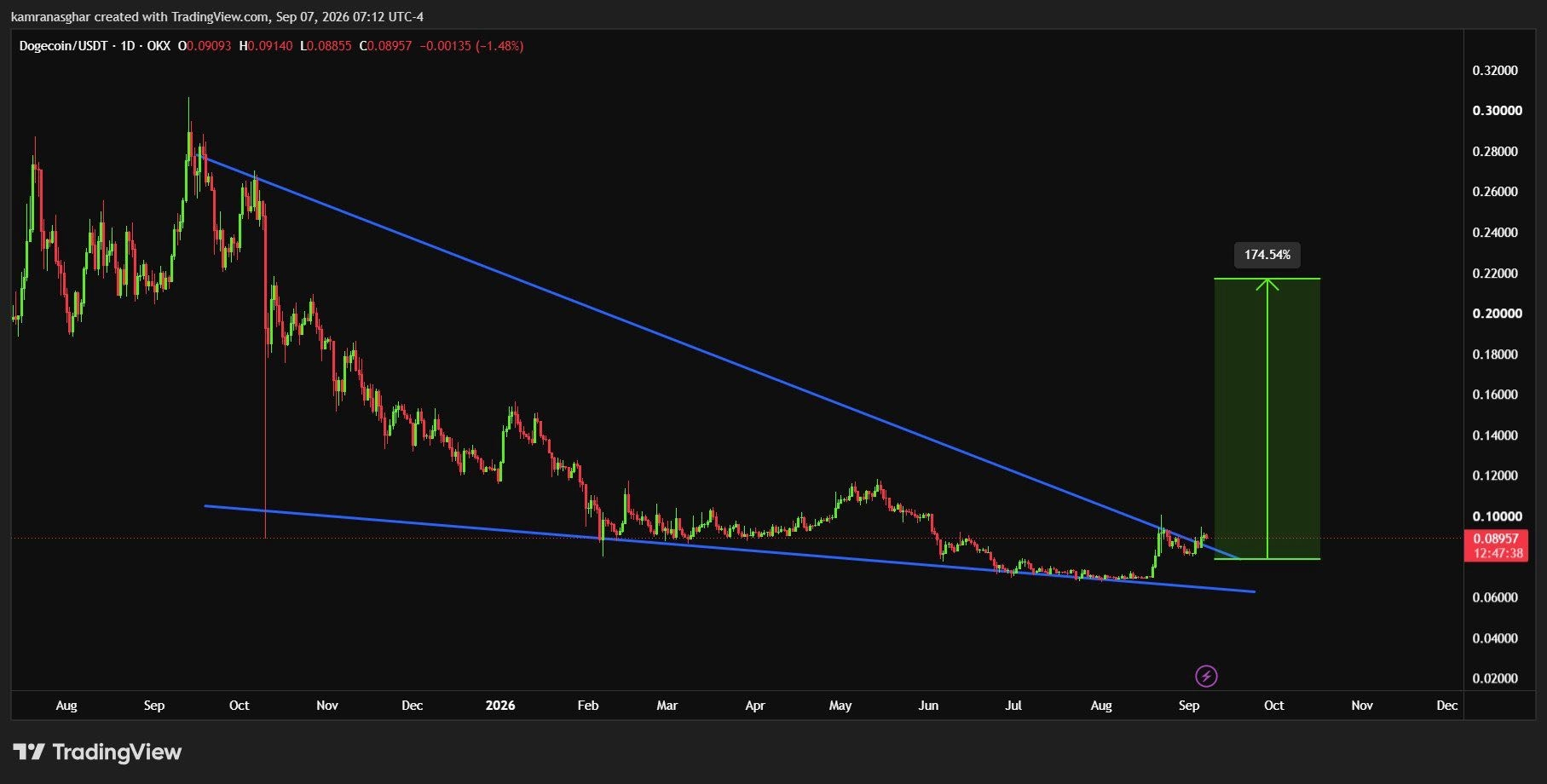
🚀 $DOGE Descending Wedge Breakout:
Der Kurs bricht aus einer mehrmonatigen Keilstruktur aus und zielt auf 0.2180 USD ab
🚀 $DOGE Descending Wedge Breakout:
Der Kurs bricht aus einer mehrmonatigen Keilstruktur aus und zielt auf 0.2180 USD ab
Der Kurs bricht aus einer mehrmonatigen Keilstruktur aus und zielt auf 0.2180 USD ab
54
·
--
ANTIKE BITCOIN-WALLETS ERWACHEN
• Galaxy Research: 4 lange inaktive BTC-Wallets haben 202,84 BTC (~15,73 Mio. USD) von 29. Aug. bis 4. Sept. bewegt.
• Größtes: 146,06 BTC (~11,31 Mio. USD), seit Nov. 2013 unberührt, ~12.902% im Plus gegenüber den Kosten.
• Ein 40-BTC-Wallet aus Nov. 2011 verwandelte rund 120 USD in mehr als 3 Mio. USD.
• 6,78 BTC wurden an eine Adresse gesendet, die mit Coinbase in Verbindung steht; sie wird häufig mit möglichem Trading in Verbindung gebracht.
Bitte führe deine eigenen Recherchen sorgfältig durch, bevor du irgendwelche Transaktionen vornimmst (DYOR). $BTC
#Bitcoin
ANTIKE BITCOIN-WALLETS ERWACHEN
• Galaxy Research: 4 lange inaktive BTC-Wallets haben 202,84 BTC (~15,73 Mio. USD) von 29. Aug. bis 4. Sept. bewegt.
• Größtes: 146,06 BTC (~11,31 Mio. USD), seit Nov. 2013 unberührt, ~12.902% im Plus gegenüber den Kosten.
• Ein 40-BTC-Wallet aus Nov. 2011 verwandelte rund 120 USD in mehr als 3 Mio. USD.
• 6,78 BTC wurden an eine Adresse gesendet, die mit Coinbase in Verbindung steht; sie wird häufig mit möglichem Trading in Verbindung gebracht.
Bitte führe deine eigenen Recherchen sorgfältig durch, bevor du irgendwelche Transaktionen vornimmst (DYOR). $BTC
#Bitcoin
• Galaxy Research: 4 lange inaktive BTC-Wallets haben 202,84 BTC (~15,73 Mio. USD) von 29. Aug. bis 4. Sept. bewegt.
• Größtes: 146,06 BTC (~11,31 Mio. USD), seit Nov. 2013 unberührt, ~12.902% im Plus gegenüber den Kosten.
• Ein 40-BTC-Wallet aus Nov. 2011 verwandelte rund 120 USD in mehr als 3 Mio. USD.
• 6,78 BTC wurden an eine Adresse gesendet, die mit Coinbase in Verbindung steht; sie wird häufig mit möglichem Trading in Verbindung gebracht.
Bitte führe deine eigenen Recherchen sorgfältig durch, bevor du irgendwelche Transaktionen vornimmst (DYOR). $BTC
#Bitcoin

80
·
--
📊 FUTURES (BINANCE)
$GLM
LONG unterhalb von : 0.11300
MAX 👉3x-7x Hebel halten
TAKE PROFIT:0.13000 |0.16000|0.18000+
SL 0.0850
📊 FUTURES (BINANCE)
$GLM
LONG unterhalb von : 0.11300
MAX 👉3x-7x Hebel halten
TAKE PROFIT:0.13000 |0.16000|0.18000+
SL 0.0850
$GLM
LONG unterhalb von : 0.11300
MAX 👉3x-7x Hebel halten
TAKE PROFIT:0.13000 |0.16000|0.18000+
SL 0.0850
69
·
--
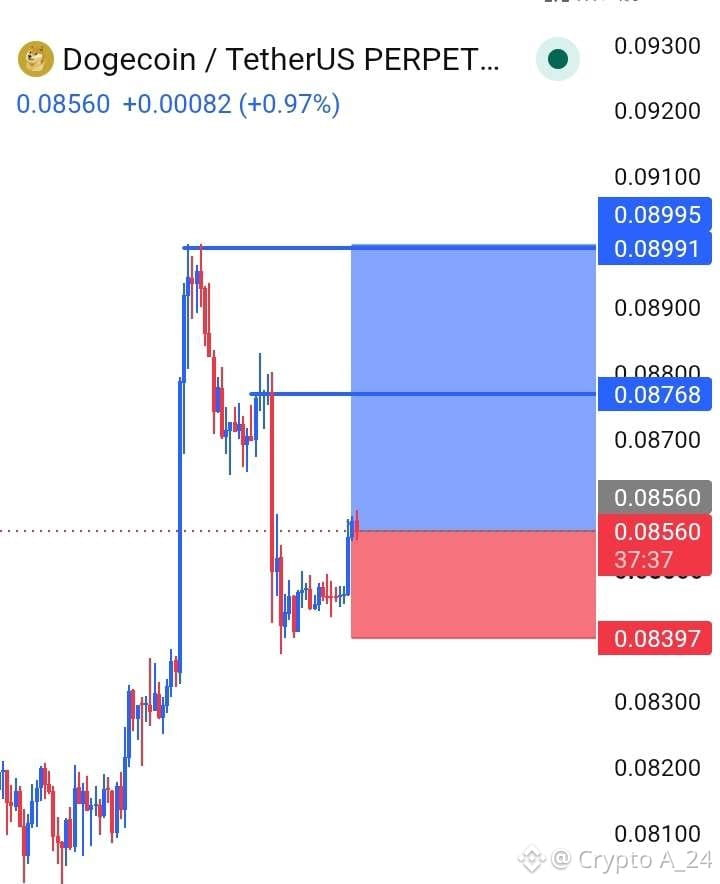
🪙 $DOGE ...!!...Bullisches Breakout-Setup...!!...
Der Preis hält sich über der jüngsten Basis und die Käufer drängen auf eine Erholung... Ich gehe mit 🪙 $DOGE mit maximal 30x Hebel long...
Die nächste Bewegung könnte schnell kommen...!!
SL: 0.08397
TP: 0.08768
KAUFEN und HANDELN 🪙 $DOGE
🪙 $DOGE ...!!...Bullisches Breakout-Setup...!!...
Der Preis hält sich über der jüngsten Basis und die Käufer drängen auf eine Erholung... Ich gehe mit 🪙 $DOGE mit maximal 30x Hebel long...
Die nächste Bewegung könnte schnell kommen...!!
SL: 0.08397
TP: 0.08768
KAUFEN und HANDELN 🪙 $DOGE
Der Preis hält sich über der jüngsten Basis und die Käufer drängen auf eine Erholung... Ich gehe mit 🪙 $DOGE mit maximal 30x Hebel long...
Die nächste Bewegung könnte schnell kommen...!!
SL: 0.08397
TP: 0.08768
KAUFEN und HANDELN 🪙 $DOGE
73
·
--
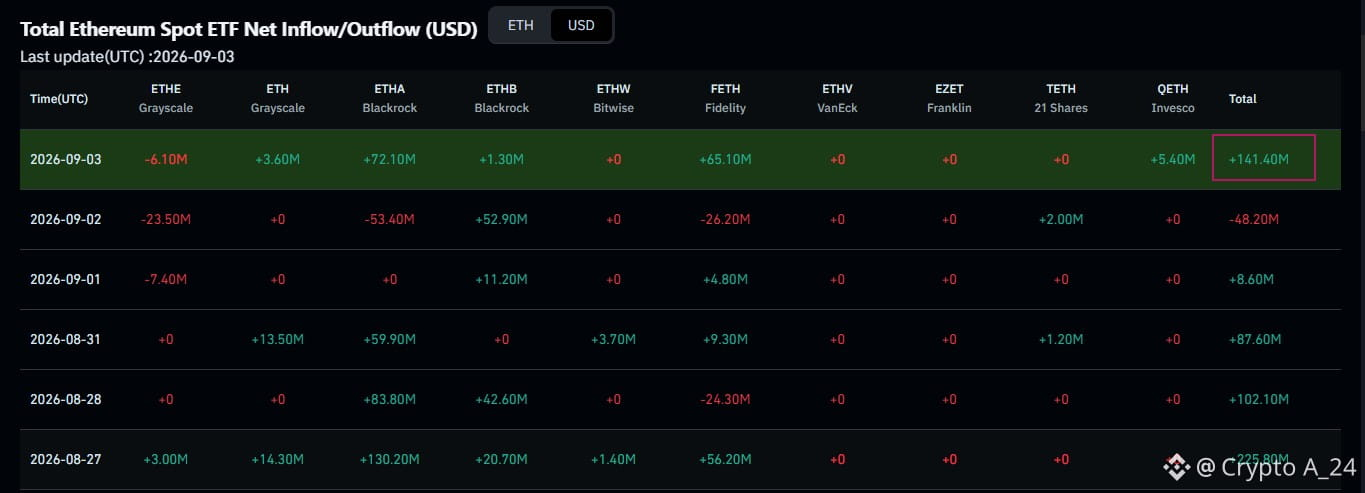
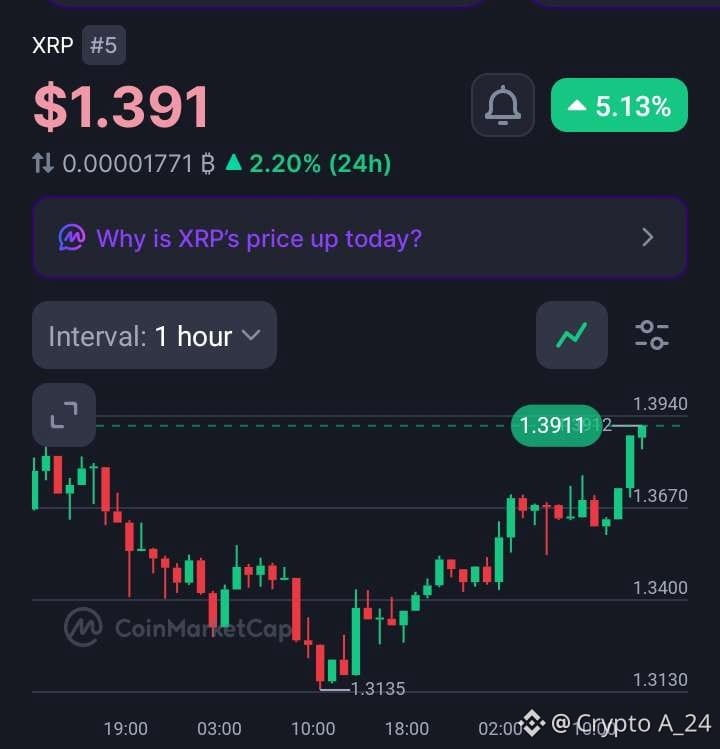
$XRP 3.65% bewegt sich auf $1,37 und sticht hervor, weil die Rally eine echte institutionelle Unterstützung im Hintergrund hat. Spot-ETFs verzeichneten $14,38 Millionen Nettozuflüsse ohne keine Abflüsse, während der XRP-ETF von Bitwise $507 Millionen an Vermögenswerten erreichte. Das deutet darauf hin, dass die regulierte Nachfrage weiterhin stetig wächst.
Ich mag auch, dass #XRP nicht nur auf ETF-Hype setzt. Ripples Partnerschaft mit SettleMint und die zunehmende Aktivität auf der XRP Ledger-Seite zeigen Fortschritte auf der Nutzenseite. Die RLUSD-Versorgung, die $1 Milliarde auf der Ledger übersteigt, fügt der übergreifenden Story des Ökosystems noch eine weitere Ebene hinzu.
$1,34 ist jetzt die Marke, die man im Blick behalten sollte. Wenn man darüber bleibt, könnte $1,40 bis $1,43 wieder in den Fokus rücken. Aber bevorstehende Ereignisse könnten Volatilität verursachen. Anhaltende ETF-Zuflüsse würden das bullische Szenario weiter untermauern. Siehst du, dass Institutionen der größte Wachstumstreiber für XRP werden?
#Macro #Insights #Altcoin #Season
$XRP 3.65% bewegt sich auf $1,37 und sticht hervor, weil die Rally eine echte institutionelle Unterstützung im Hintergrund hat. Spot-ETFs verzeichneten $14,38 Millionen Nettozuflüsse ohne keine Abflüsse, während der XRP-ETF von Bitwise $507 Millionen an Vermögenswerten erreichte. Das deutet darauf hin, dass die regulierte Nachfrage weiterhin stetig wächst.
Ich mag auch, dass #XRP nicht nur auf ETF-Hype setzt. Ripples Partnerschaft mit SettleMint und die zunehmende Aktivität auf der XRP Ledger-Seite zeigen Fortschritte auf der Nutzenseite. Die RLUSD-Versorgung, die $1 Milliarde auf der Ledger übersteigt, fügt der übergreifenden Story des Ökosystems noch eine weitere Ebene hinzu.
$1,34 ist jetzt die Marke, die man im Blick behalten sollte. Wenn man darüber bleibt, könnte $1,40 bis $1,43 wieder in den Fokus rücken. Aber bevorstehende Ereignisse könnten Volatilität verursachen. Anhaltende ETF-Zuflüsse würden das bullische Szenario weiter untermauern. Siehst du, dass Institutionen der größte Wachstumstreiber für XRP werden?
#Macro #Insights #Altcoin #Season
Ich mag auch, dass #XRP nicht nur auf ETF-Hype setzt. Ripples Partnerschaft mit SettleMint und die zunehmende Aktivität auf der XRP Ledger-Seite zeigen Fortschritte auf der Nutzenseite. Die RLUSD-Versorgung, die $1 Milliarde auf der Ledger übersteigt, fügt der übergreifenden Story des Ökosystems noch eine weitere Ebene hinzu.
$1,34 ist jetzt die Marke, die man im Blick behalten sollte. Wenn man darüber bleibt, könnte $1,40 bis $1,43 wieder in den Fokus rücken. Aber bevorstehende Ereignisse könnten Volatilität verursachen. Anhaltende ETF-Zuflüsse würden das bullische Szenario weiter untermauern. Siehst du, dass Institutionen der größte Wachstumstreiber für XRP werden?
#Macro #Insights #Altcoin #Season
78
·
--
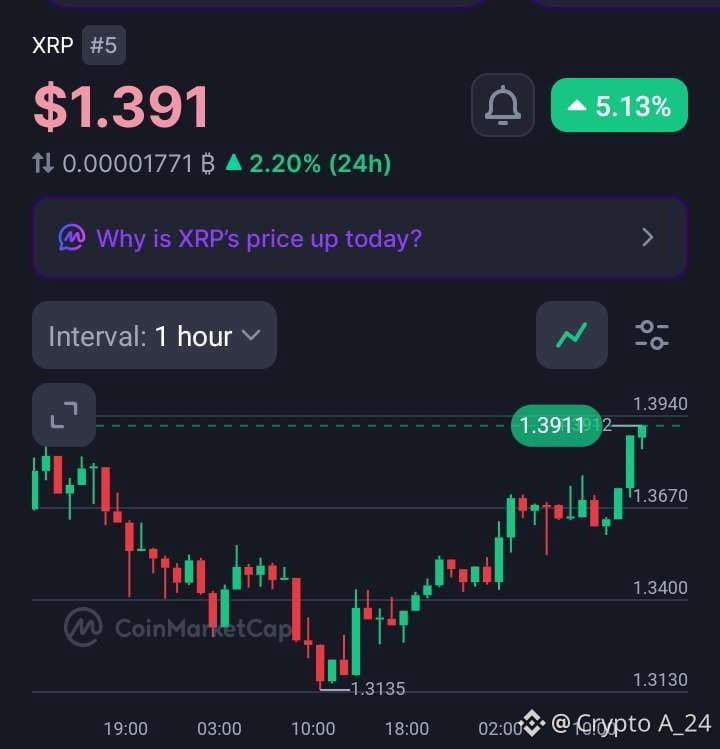
$XRP 3.65% Bewegung auf $1.37 sticht hervor, weil die Rallye echte institutionelle Unterstützung dahinter hat. Spot-ETFs verzeichneten Nettozuflüsse von $14,38 Millionen ohne jegliche Abflüsse, während Bitwise's XRP-ETF ein Vermögen von $507 Millionen erreichte. Das deutet darauf hin, dass die regulierte Nachfrage weiter stetig wächst.
Ich mag auch, dass #XRP nicht nur auf ETF-Euphorie setzt. Ripples Partnerschaft mit SettleMint und die wachsende Aktivität des XRP Ledger zeigen Fortschritte auf der Nutzenseite. Dass das RLUSD-Angebot auf dem Ledger die Marke von $1 Milliarde überschreitet, fügt der breiteren Ökosystem-Story eine weitere Ebene hinzu.
$1,34 ist jetzt das Niveau, das man im Auge behalten sollte. Ein Halten darüber könnte $1,40 bis $1,43 wieder in den Fokus rücken. Doch bevorstehende Ereignisse könnten Volatilität erzeugen. Anhaltende ETF-Zuflüsse würden das bullische Szenario stärken. Glaubst du, dass Institutionen zum größten Wachstumstreiber von XRP werden?
#Macro #Insights #Altcoin #Season
$XRP 3.65% Bewegung auf $1.37 sticht hervor, weil die Rallye echte institutionelle Unterstützung dahinter hat. Spot-ETFs verzeichneten Nettozuflüsse von $14,38 Millionen ohne jegliche Abflüsse, während Bitwise's XRP-ETF ein Vermögen von $507 Millionen erreichte. Das deutet darauf hin, dass die regulierte Nachfrage weiter stetig wächst.
Ich mag auch, dass #XRP nicht nur auf ETF-Euphorie setzt. Ripples Partnerschaft mit SettleMint und die wachsende Aktivität des XRP Ledger zeigen Fortschritte auf der Nutzenseite. Dass das RLUSD-Angebot auf dem Ledger die Marke von $1 Milliarde überschreitet, fügt der breiteren Ökosystem-Story eine weitere Ebene hinzu.
$1,34 ist jetzt das Niveau, das man im Auge behalten sollte. Ein Halten darüber könnte $1,40 bis $1,43 wieder in den Fokus rücken. Doch bevorstehende Ereignisse könnten Volatilität erzeugen. Anhaltende ETF-Zuflüsse würden das bullische Szenario stärken. Glaubst du, dass Institutionen zum größten Wachstumstreiber von XRP werden?
#Macro #Insights #Altcoin #Season
Ich mag auch, dass #XRP nicht nur auf ETF-Euphorie setzt. Ripples Partnerschaft mit SettleMint und die wachsende Aktivität des XRP Ledger zeigen Fortschritte auf der Nutzenseite. Dass das RLUSD-Angebot auf dem Ledger die Marke von $1 Milliarde überschreitet, fügt der breiteren Ökosystem-Story eine weitere Ebene hinzu.
$1,34 ist jetzt das Niveau, das man im Auge behalten sollte. Ein Halten darüber könnte $1,40 bis $1,43 wieder in den Fokus rücken. Doch bevorstehende Ereignisse könnten Volatilität erzeugen. Anhaltende ETF-Zuflüsse würden das bullische Szenario stärken. Glaubst du, dass Institutionen zum größten Wachstumstreiber von XRP werden?
#Macro #Insights #Altcoin #Season
80
·
--
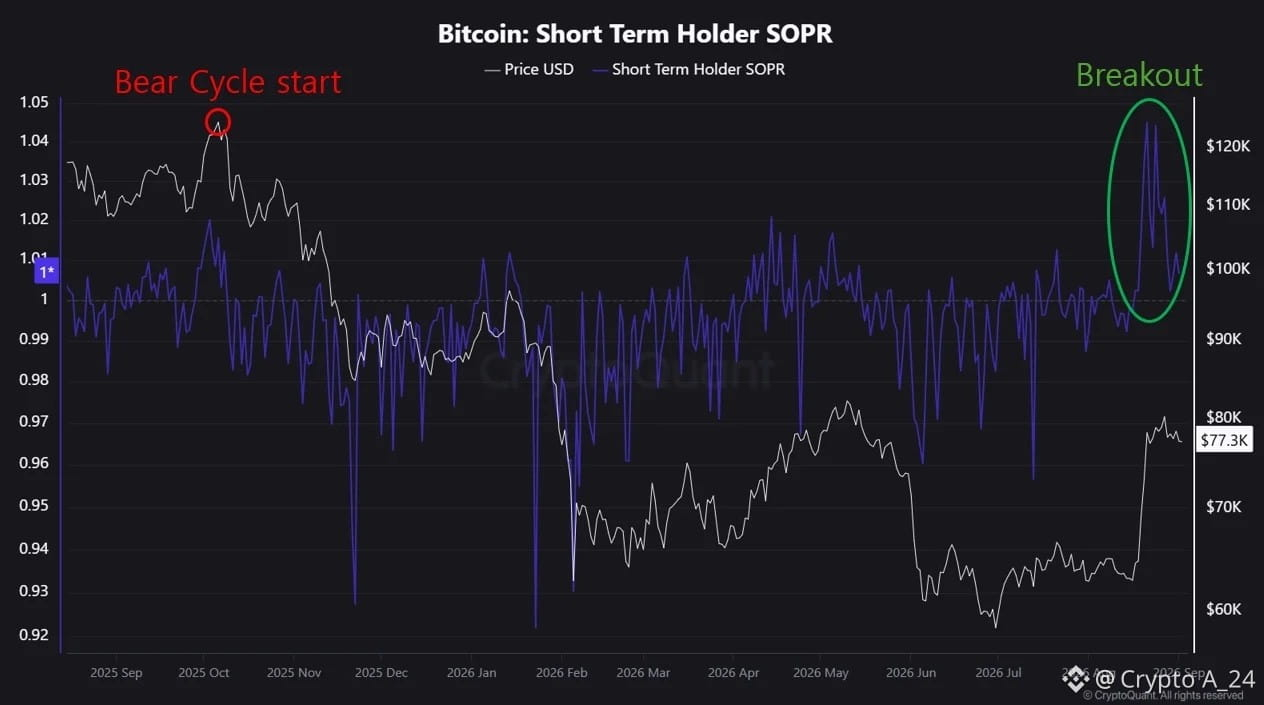
$BTC KÖNNTE EINEN ZYKLUSWECHSEL
SIGNALISIEREN
Nach dem TOP bei 126.000 $ verbrachte Bitcoin etwa 11 Monate
unter starkem Verkaufsdruck, wobei viele
Inhaber mit Verlust oder nahezu zum Einstand verkauften.
BTC fiel schließlich auf etwa 58.000 $.
Jetzt ist Gewinnmitnahme wieder da, aber der Preis
hält sich.
Endet der Bärenzyklus endlich?
$BTC KÖNNTE EINEN ZYKLUSWECHSEL
SIGNALISIEREN
Nach dem TOP bei 126.000 $ verbrachte Bitcoin etwa 11 Monate
unter starkem Verkaufsdruck, wobei viele
Inhaber mit Verlust oder nahezu zum Einstand verkauften.
BTC fiel schließlich auf etwa 58.000 $.
Jetzt ist Gewinnmitnahme wieder da, aber der Preis
hält sich.
Endet der Bärenzyklus endlich?
SIGNALISIEREN
Nach dem TOP bei 126.000 $ verbrachte Bitcoin etwa 11 Monate
unter starkem Verkaufsdruck, wobei viele
Inhaber mit Verlust oder nahezu zum Einstand verkauften.
BTC fiel schließlich auf etwa 58.000 $.
Jetzt ist Gewinnmitnahme wieder da, aber der Preis
hält sich.
Endet der Bärenzyklus endlich?
79
Anmelden und weiter Inhalte entdecken
Krypto-Nutzer weltweit auf Binance Square kennenlernen
⚡️ Bleib in Sachen Krypto stets am Puls.
💬 Die weltgrößte Kryptobörse vertraut darauf.
👍 Erhalte verlässliche Einblicke von verifizierten Creators.
E-Mail-Adresse/Telefonnummer
Trendthemen
BTCBreaks80K
11,400 Aufrufe
367 Kommentare
🚨 BITCOIN $80K RÜCKT WIEDER IN DEN FOKUS! 🔥
BTC drängt auf den psychologischen Widerstand bei $80.000 zu, nachdem die $78K-Zone zurückerobert wurde. Ein sauberer Ausbruch und das Halten über $80K könnten als Nächstes $82K–$85K in den Fokus rücken. 📈
Aber Trader müssen die Zurückweisungszone genau im Blick behalten — der Verlust von $77K–$78K könnte einen weiteren Rücksetzer auslösen.
🎯 Wichtige Kursmarken:
• 🔥 Ausbruch: $80K
• 🚀 Nächste Zone: $82K–$85K
• ⚠️ Unterstützung: $77K–$78K
$80K ist nicht nur eine Zahl — es ist die Marke, die die Bullen erobern müssen.
Sehen wir gleich den nächsten BTC-Ausbruch? 👇
#bitcoin #BTC #BinanceSquare #btcbreaks80k
$BTC
ASHFAQ NAEEM
·2 Likes
·3.5k Aufrufe
比特币突破8万
17,658 Aufrufe
70 Kommentare
BuffettBecomesBerkshireChairmanEmeritus
93 Aufrufe
38 Kommentare