

Arden_Cole
530 Beiträge

Arden_Cole
Melden
Nutzer blockieren
Crypto Master — I don’t predict markets, I understand them. I advise discipline, not hype.
130 Following
5.7K+ Follower
2.9K+ Like gegeben
Beiträge
Alle
Zitierungen
Live
·
--
Lieber @Binance_Customer_Support
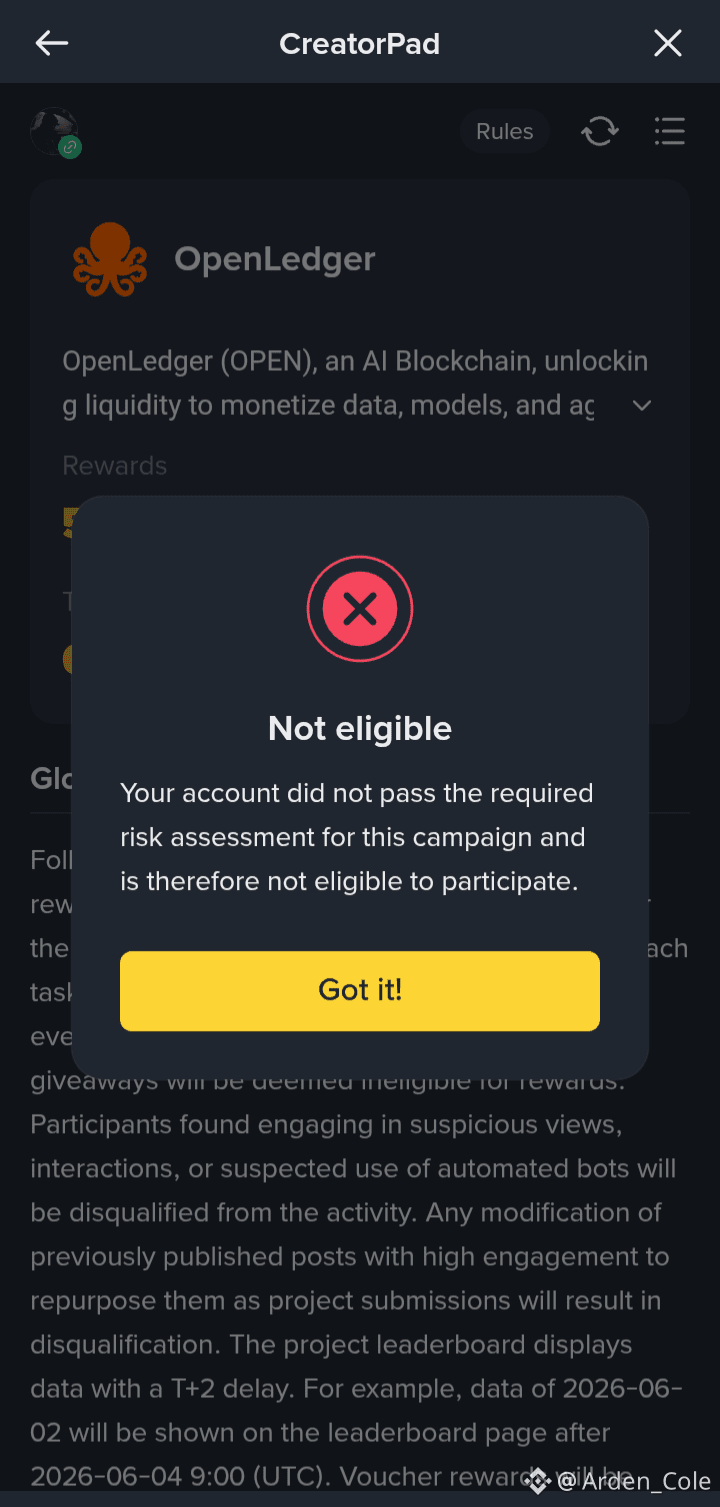
Ich habe kürzlich versucht, an einer Binance-Kampagne teilzunehmen, aber mein Konto wurde als nicht berechtigt markiert aufgrund der erforderlichen Risikobewertung.
Ich verstehe vollkommen, dass Binance strenge Kontrollen hat, um die Nutzer zu schützen und eine sichere Plattform aufrechtzuerhalten. Ich respektiere diese Richtlinien und schätze die Bedeutung, sie zu befolgen.
Ich möchte klarstellen, dass ich immer versucht habe, mein Konto ehrlich und verantwortungsbewusst zu nutzen. Wenn es irgendwelche Aktionen meinerseits gab, die Bedenken ausgelöst haben, war das nicht beabsichtigt. Ich bedauere es aufrichtig und werde in Zukunft darauf achten, vorsichtiger zu sein.
Ich bitte das Binance-Team freundlich, mein Konto erneut zu überprüfen und mir eine Chance zu geben, diese Angelegenheit zu klären. Ich bin bereit, alle erforderlichen Details bereitzustellen, jede Verifizierung abzuschließen oder alle Anweisungen zu befolgen, die von eurer Seite benötigt werden.
Dieses Konto ist mir sehr wertvoll, und ich hoffe, dass Binance meinen Fall überdenken kann.
Danke für eure Zeit und Unterstützung.
#Binance #BinanceSupport #appeal
Lieber @Binance Customer Support
Ich habe kürzlich versucht, an einer Binance-Kampagne teilzunehmen, aber mein Konto wurde als nicht berechtigt markiert aufgrund der erforderlichen Risikobewertung.
Ich verstehe vollkommen, dass Binance strenge Kontrollen hat, um die Nutzer zu schützen und eine sichere Plattform aufrechtzuerhalten. Ich respektiere diese Richtlinien und schätze die Bedeutung, sie zu befolgen.
Ich möchte klarstellen, dass ich immer versucht habe, mein Konto ehrlich und verantwortungsbewusst zu nutzen. Wenn es irgendwelche Aktionen meinerseits gab, die Bedenken ausgelöst haben, war das nicht beabsichtigt. Ich bedauere es aufrichtig und werde in Zukunft darauf achten, vorsichtiger zu sein.
Ich bitte das Binance-Team freundlich, mein Konto erneut zu überprüfen und mir eine Chance zu geben, diese Angelegenheit zu klären. Ich bin bereit, alle erforderlichen Details bereitzustellen, jede Verifizierung abzuschließen oder alle Anweisungen zu befolgen, die von eurer Seite benötigt werden.
Dieses Konto ist mir sehr wertvoll, und ich hoffe, dass Binance meinen Fall überdenken kann.
Danke für eure Zeit und Unterstützung.
#Binance #BinanceSupport #appeal
Ich habe kürzlich versucht, an einer Binance-Kampagne teilzunehmen, aber mein Konto wurde als nicht berechtigt markiert aufgrund der erforderlichen Risikobewertung.
Ich verstehe vollkommen, dass Binance strenge Kontrollen hat, um die Nutzer zu schützen und eine sichere Plattform aufrechtzuerhalten. Ich respektiere diese Richtlinien und schätze die Bedeutung, sie zu befolgen.
Ich möchte klarstellen, dass ich immer versucht habe, mein Konto ehrlich und verantwortungsbewusst zu nutzen. Wenn es irgendwelche Aktionen meinerseits gab, die Bedenken ausgelöst haben, war das nicht beabsichtigt. Ich bedauere es aufrichtig und werde in Zukunft darauf achten, vorsichtiger zu sein.
Ich bitte das Binance-Team freundlich, mein Konto erneut zu überprüfen und mir eine Chance zu geben, diese Angelegenheit zu klären. Ich bin bereit, alle erforderlichen Details bereitzustellen, jede Verifizierung abzuschließen oder alle Anweisungen zu befolgen, die von eurer Seite benötigt werden.
Dieses Konto ist mir sehr wertvoll, und ich hoffe, dass Binance meinen Fall überdenken kann.
Danke für eure Zeit und Unterstützung.
#Binance #BinanceSupport #appeal
1
1
479
·
--
Bullisch
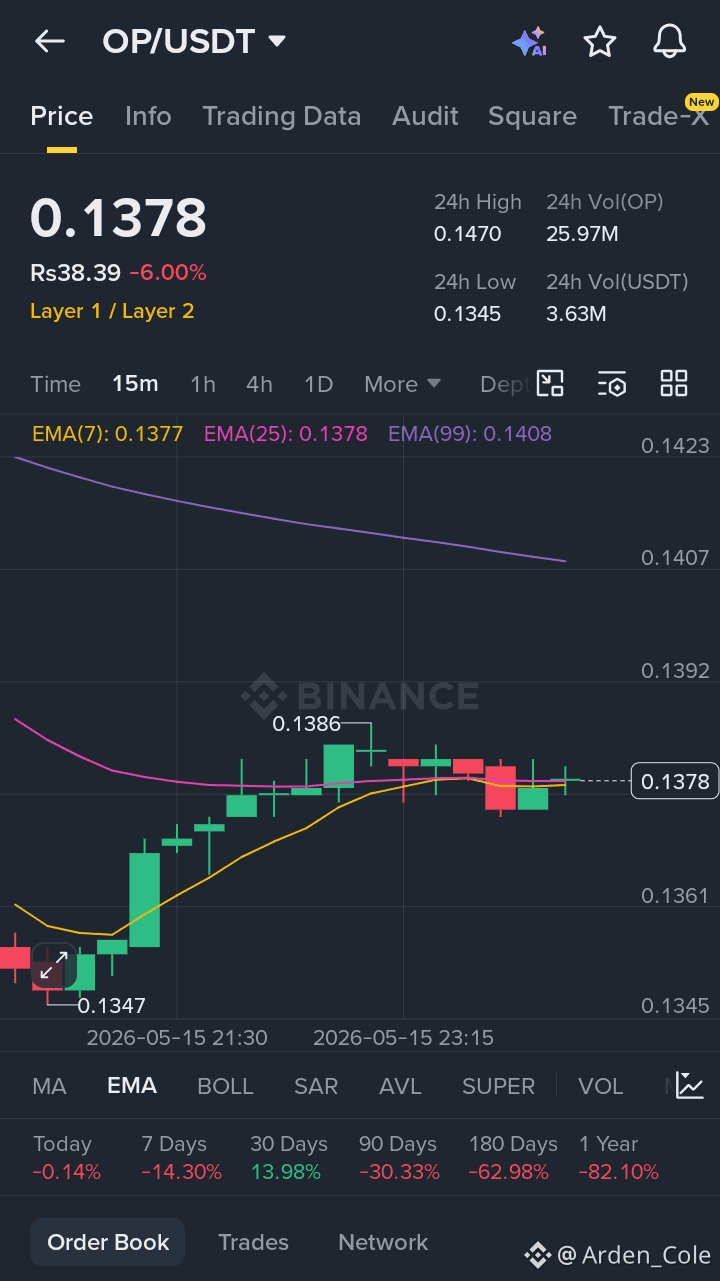
$OP aktueller Preis: $0.1377
$OP versucht, Unterstützung in der Nähe der aktuellen Niveaus aufzubauen. Ein sauberer Halt über dem Einstieg kann Käufer zurückbringen und Platz für eine Aufwärtsbewegung schaffen.
Trade Setup, Long:
Einstiegszone: $0.1370 bis $0.1384
Stop-Loss: $0.1336
Ziele:
$0.1411
$0.1446
$0.1487
$OP
{spot}(OPUSDT)
$OP aktueller Preis: $0.1377
$OP versucht, Unterstützung in der Nähe der aktuellen Niveaus aufzubauen. Ein sauberer Halt über dem Einstieg kann Käufer zurückbringen und Platz für eine Aufwärtsbewegung schaffen.
Trade Setup, Long:
Einstiegszone: $0.1370 bis $0.1384
Stop-Loss: $0.1336
Ziele:
$0.1411
$0.1446
$0.1487
$OP
$OP versucht, Unterstützung in der Nähe der aktuellen Niveaus aufzubauen. Ein sauberer Halt über dem Einstieg kann Käufer zurückbringen und Platz für eine Aufwärtsbewegung schaffen.
Trade Setup, Long:
Einstiegszone: $0.1370 bis $0.1384
Stop-Loss: $0.1336
Ziele:
$0.1411
$0.1446
$0.1487
$OP
256
·
--
$INJ
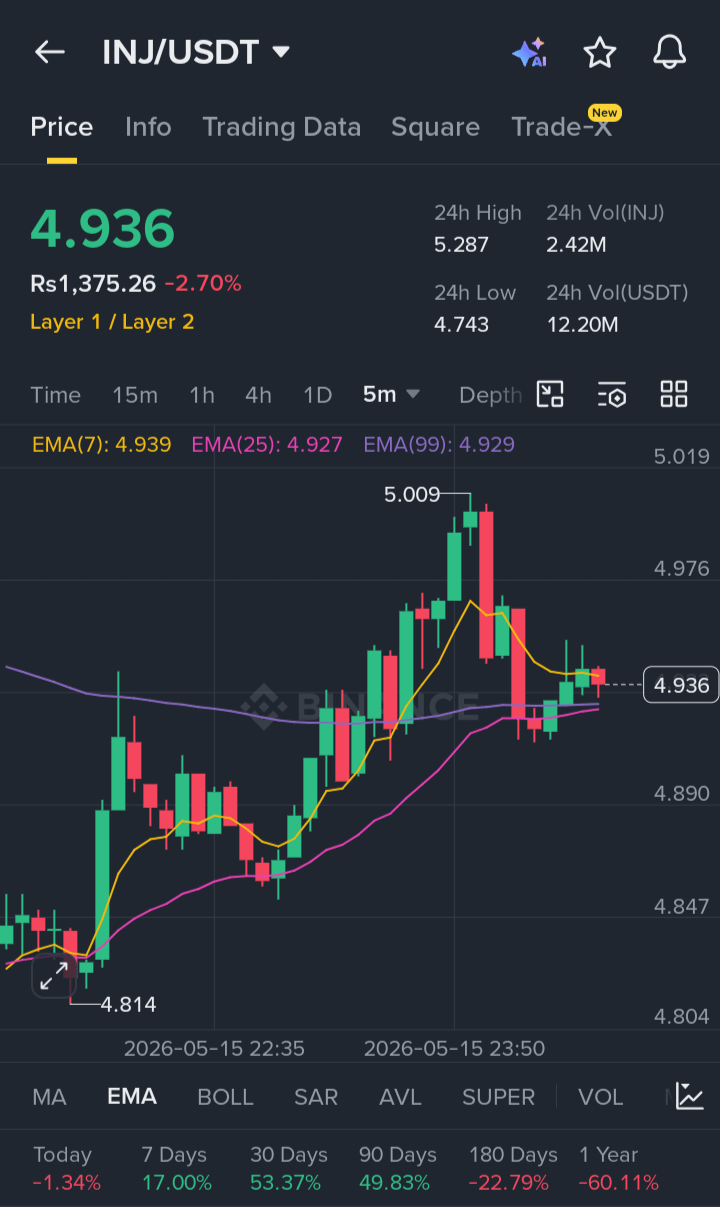
INJ aktueller Preis: $4,93
$INJ befindet sich in der Nähe einer Schlüsselreaktionszone, wobei die Käufer Stärke zeigen müssen. Wenn der Preis über dem Einstieg bleibt, kann die Aufwärtsbewegung schnell aufgebaut werden.
Trade-Setup, Long:
Einstiegszone: $4,905 bis $4,955
Stop-Loss: $4,782
Ziele:
$5,053
$5,176
$5,324
$INJ
{spot}(INJUSDT)
$INJ
INJ aktueller Preis: $4,93
$INJ befindet sich in der Nähe einer Schlüsselreaktionszone, wobei die Käufer Stärke zeigen müssen. Wenn der Preis über dem Einstieg bleibt, kann die Aufwärtsbewegung schnell aufgebaut werden.
Trade-Setup, Long:
Einstiegszone: $4,905 bis $4,955
Stop-Loss: $4,782
Ziele:
$5,053
$5,176
$5,324
$INJ
INJ aktueller Preis: $4,93
$INJ befindet sich in der Nähe einer Schlüsselreaktionszone, wobei die Käufer Stärke zeigen müssen. Wenn der Preis über dem Einstieg bleibt, kann die Aufwärtsbewegung schnell aufgebaut werden.
Trade-Setup, Long:
Einstiegszone: $4,905 bis $4,955
Stop-Loss: $4,782
Ziele:
$5,053
$5,176
$5,324
$INJ
208
·
--
Bullisch
$ATOM
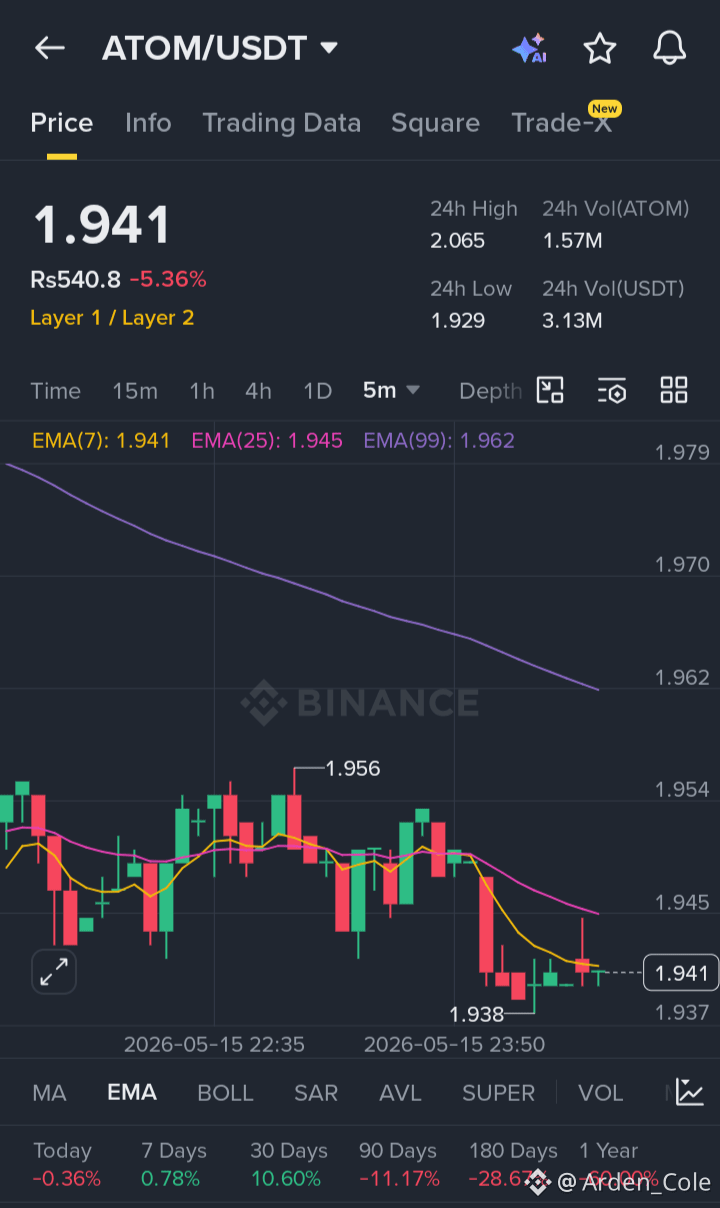
Atom aktueller Preis: $1,94
$ATOM handelt nahe der Unterstützung nach recentem Druck. Ein sauberer Bounce vom Einstieg kann die kurzfristige Momentum zurück zu den Käufern verschieben.
Trade Setup, Long:
Einstiegszone: $1,930 bis $1,950
Stop Loss: $1,882
Ziele:
$1,988
$2,037
$2,095
$ATOM
{spot}(ATOMUSDT)
$ATOM
Atom aktueller Preis: $1,94
$ATOM handelt nahe der Unterstützung nach recentem Druck. Ein sauberer Bounce vom Einstieg kann die kurzfristige Momentum zurück zu den Käufern verschieben.
Trade Setup, Long:
Einstiegszone: $1,930 bis $1,950
Stop Loss: $1,882
Ziele:
$1,988
$2,037
$2,095
$ATOM
Atom aktueller Preis: $1,94
$ATOM handelt nahe der Unterstützung nach recentem Druck. Ein sauberer Bounce vom Einstieg kann die kurzfristige Momentum zurück zu den Käufern verschieben.
Trade Setup, Long:
Einstiegszone: $1,930 bis $1,950
Stop Loss: $1,882
Ziele:
$1,988
$2,037
$2,095
$ATOM
223
·
--
Bullisch
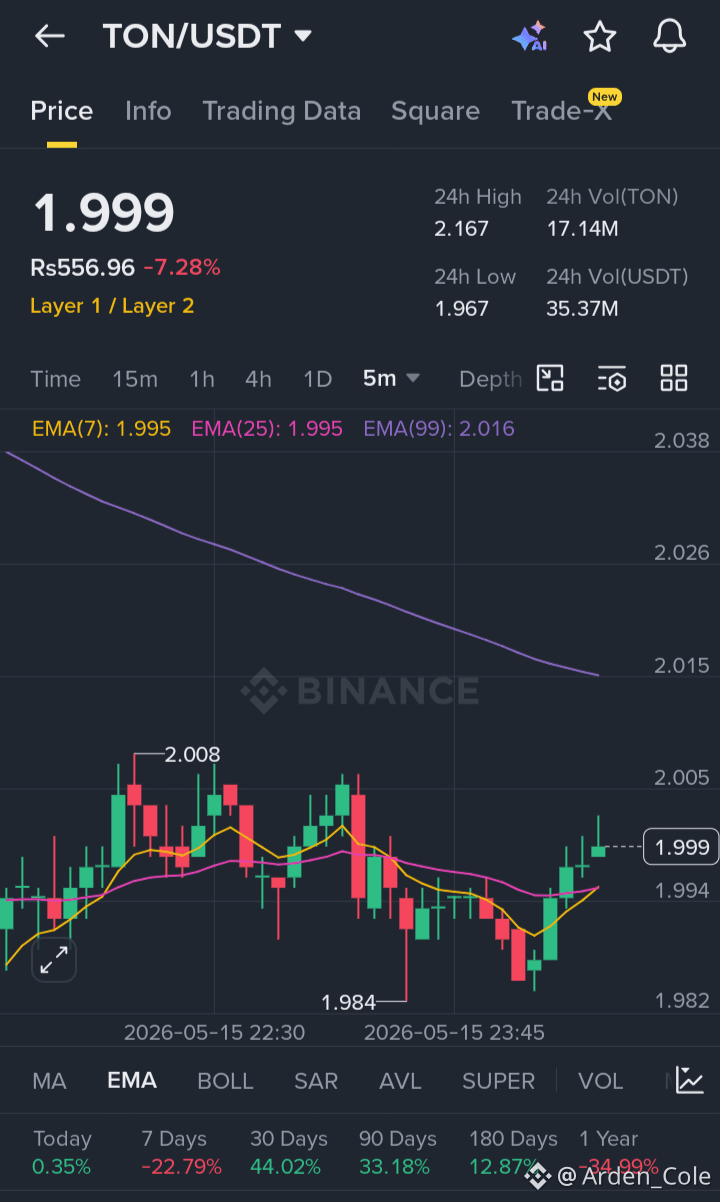
$TON
$TON aktueller Preis: $1.99
Ton befindet sich in der Nähe eines wichtigen Unterstützungsbereichs nach einem starken Rücksetzer. Wenn die Käufer diese Zone verteidigen, könnte sich eine Erholungsbewegung in Richtung Widerstand bilden.
Trade-Setup, Long:
Einstiegszone: $1.980 bis $2.000
Stop-Loss: $1.930
Ziele:
$2.040
$2.090
$2.149
$TON
$TON
$TON aktueller Preis: $1.99
Ton befindet sich in der Nähe eines wichtigen Unterstützungsbereichs nach einem starken Rücksetzer. Wenn die Käufer diese Zone verteidigen, könnte sich eine Erholungsbewegung in Richtung Widerstand bilden.
Trade-Setup, Long:
Einstiegszone: $1.980 bis $2.000
Stop-Loss: $1.930
Ziele:
$2.040
$2.090
$2.149
$TON
$TON aktueller Preis: $1.99
Ton befindet sich in der Nähe eines wichtigen Unterstützungsbereichs nach einem starken Rücksetzer. Wenn die Käufer diese Zone verteidigen, könnte sich eine Erholungsbewegung in Richtung Widerstand bilden.
Trade-Setup, Long:
Einstiegszone: $1.980 bis $2.000
Stop-Loss: $1.930
Ziele:
$2.040
$2.090
$2.149
$TON
212
·
--
Bullisch
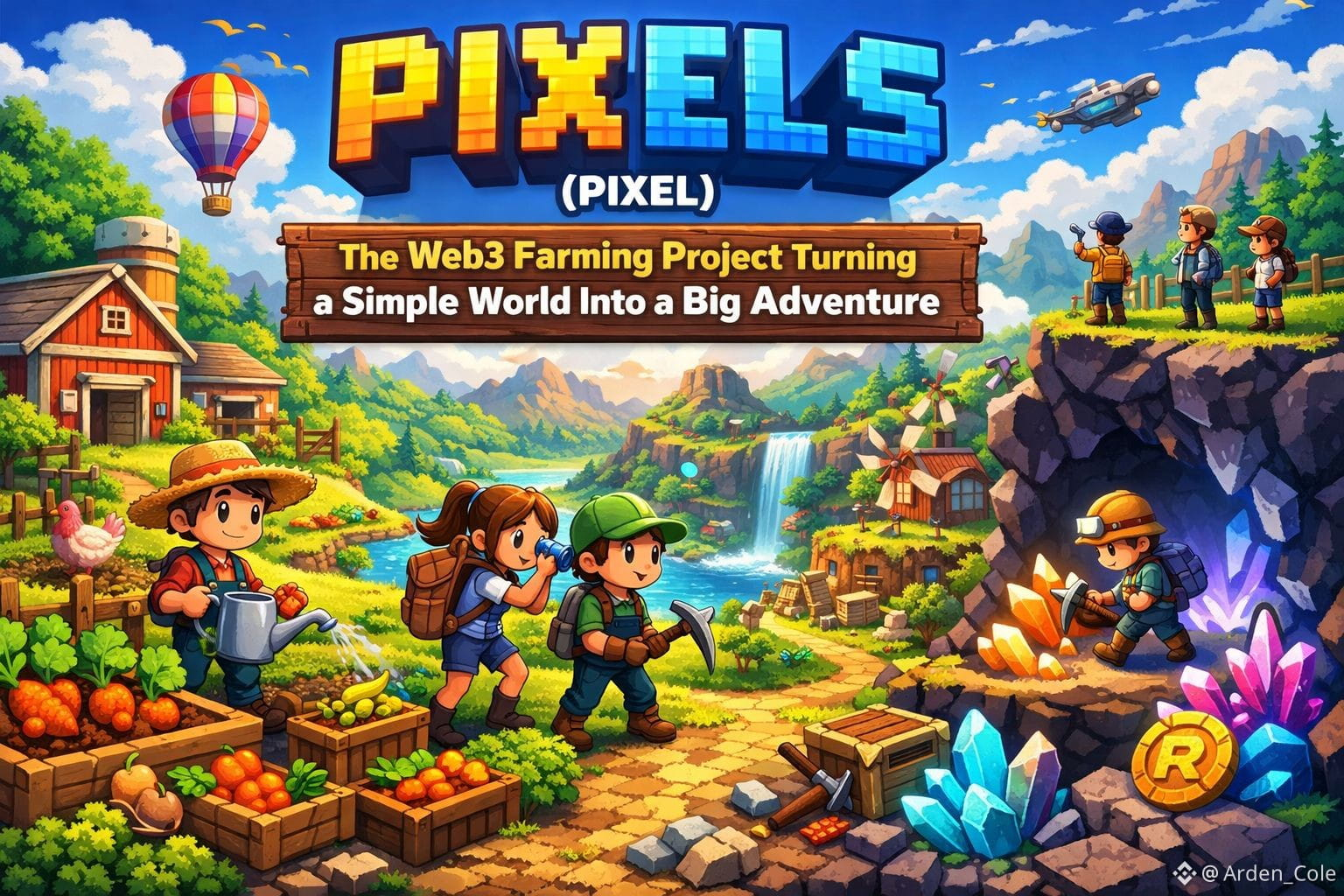
Pixels (PIXEL), Das Web3 Farming-Projekt, das eine einfache Welt in ein großes Abenteuer verwandelt
Pixels (PIXEL) ist nicht nur ein weiteres Web3-Projekt, das Aufmerksamkeit sucht. Es fühlt sich lebendig an. Auf dem Ronin-Netzwerk aufgebaut, zieht dieses Open-World-Spiel die Spieler in einen bunten Raum, wo Farming, Erkundung und Kreativität auf unterhaltsame und einfache Weise zusammenkommen. Du bist nicht damit beschäftigt, immer wieder eine langweilige Aufgabe zu erledigen. Du baust Pflanzen an, entdeckst neue Orte, sammelst nützliche Ressourcen und gestaltest deine eigene Reise, während du die Welt mit anderen Spielern teilst.
Was Pixels spannend macht, ist, wie flüssig und natürlich es sich anfühlt. Das Spiel ist einfach genug für Anfänger, um es zu genießen, hat aber dennoch genug Tiefe, um die Spieler interessiert zu halten. In dem einen Moment arbeitest du auf deinem Land, im nächsten bist du draußen unterwegs, triffst andere und schaltest frische Möglichkeiten frei. Diese Mischung aus ruhigem Farming und ständiger Entdeckung gibt Pixels seinen Funken.
Im Gegensatz zu vielen Blockchain-Spielen, die zu viel Wert auf die technische Seite legen, steht bei Pixels der Spaß im Vordergrund. Deshalb hebt es sich ab. Es bietet eine Welt, die sozial, aktiv und belohnend ist, nicht kalt oder verwirrend. Für alle, die nach einem Web3-Spiel suchen, das leicht verständlich, aber dennoch voller Energie ist, fühlt sich Pixels (PIXEL) wie ein Projekt an, das es wert ist, beobachtet zu werden.
@pixels #pixel $PIXEL
Pixels (PIXEL), Das Web3 Farming-Projekt, das eine einfache Welt in ein großes Abenteuer verwandelt
Pixels (PIXEL) ist nicht nur ein weiteres Web3-Projekt, das Aufmerksamkeit sucht. Es fühlt sich lebendig an. Auf dem Ronin-Netzwerk aufgebaut, zieht dieses Open-World-Spiel die Spieler in einen bunten Raum, wo Farming, Erkundung und Kreativität auf unterhaltsame und einfache Weise zusammenkommen. Du bist nicht damit beschäftigt, immer wieder eine langweilige Aufgabe zu erledigen. Du baust Pflanzen an, entdeckst neue Orte, sammelst nützliche Ressourcen und gestaltest deine eigene Reise, während du die Welt mit anderen Spielern teilst.
Was Pixels spannend macht, ist, wie flüssig und natürlich es sich anfühlt. Das Spiel ist einfach genug für Anfänger, um es zu genießen, hat aber dennoch genug Tiefe, um die Spieler interessiert zu halten. In dem einen Moment arbeitest du auf deinem Land, im nächsten bist du draußen unterwegs, triffst andere und schaltest frische Möglichkeiten frei. Diese Mischung aus ruhigem Farming und ständiger Entdeckung gibt Pixels seinen Funken.
Im Gegensatz zu vielen Blockchain-Spielen, die zu viel Wert auf die technische Seite legen, steht bei Pixels der Spaß im Vordergrund. Deshalb hebt es sich ab. Es bietet eine Welt, die sozial, aktiv und belohnend ist, nicht kalt oder verwirrend. Für alle, die nach einem Web3-Spiel suchen, das leicht verständlich, aber dennoch voller Energie ist, fühlt sich Pixels (PIXEL) wie ein Projekt an, das es wert ist, beobachtet zu werden.
@Pixels #pixel $PIXEL
Pixels (PIXEL) ist nicht nur ein weiteres Web3-Projekt, das Aufmerksamkeit sucht. Es fühlt sich lebendig an. Auf dem Ronin-Netzwerk aufgebaut, zieht dieses Open-World-Spiel die Spieler in einen bunten Raum, wo Farming, Erkundung und Kreativität auf unterhaltsame und einfache Weise zusammenkommen. Du bist nicht damit beschäftigt, immer wieder eine langweilige Aufgabe zu erledigen. Du baust Pflanzen an, entdeckst neue Orte, sammelst nützliche Ressourcen und gestaltest deine eigene Reise, während du die Welt mit anderen Spielern teilst.
Was Pixels spannend macht, ist, wie flüssig und natürlich es sich anfühlt. Das Spiel ist einfach genug für Anfänger, um es zu genießen, hat aber dennoch genug Tiefe, um die Spieler interessiert zu halten. In dem einen Moment arbeitest du auf deinem Land, im nächsten bist du draußen unterwegs, triffst andere und schaltest frische Möglichkeiten frei. Diese Mischung aus ruhigem Farming und ständiger Entdeckung gibt Pixels seinen Funken.
Im Gegensatz zu vielen Blockchain-Spielen, die zu viel Wert auf die technische Seite legen, steht bei Pixels der Spaß im Vordergrund. Deshalb hebt es sich ab. Es bietet eine Welt, die sozial, aktiv und belohnend ist, nicht kalt oder verwirrend. Für alle, die nach einem Web3-Spiel suchen, das leicht verständlich, aber dennoch voller Energie ist, fühlt sich Pixels (PIXEL) wie ein Projekt an, das es wert ist, beobachtet zu werden.
@Pixels #pixel $PIXEL
1
1
161
·
--
Artikel
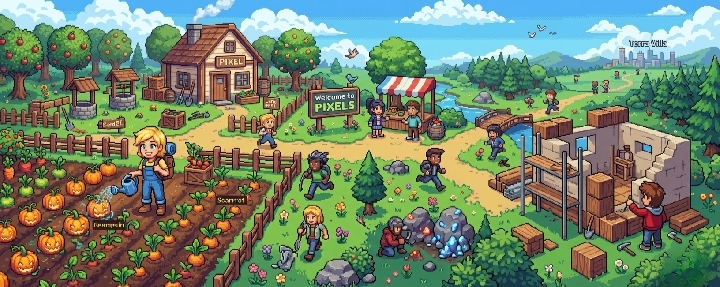
Pixels (PIXEL), Ein Web3-Spiel, das sich zuerst nach Spaß anfühltViele Web3-Spiele haben ein großes Problem. Sie reden so viel über Token, Netzwerke und digitale Eigentumsrechte, dass die Leute vergessen, dass es eigentlich um Spiele gehen sollte. Pixels fällt nicht so sehr in diese Falle. Das ist ein Teil dessen, warum es heraussticht.
Pixels ist ein soziales Casual Game, das auf dem Ronin-Netzwerk basiert. Es nimmt eine einfache Idee und macht sie unterhaltsam: Farmen, Erkunden, Bauen und eine Welt mit anderen Spielern teilen. Es versucht nicht, dich sofort zu überfordern. Stattdessen bietet es dir eine bunte Open World, ein entspanntes Tempo und genug Aktivitäten, dass du immer wieder zurückkommen möchtest.
Pixels (PIXEL), Ein Web3-Spiel, das sich zuerst nach Spaß anfühlt
Viele Web3-Spiele haben ein großes Problem. Sie reden so viel über Token, Netzwerke und digitale Eigentumsrechte, dass die Leute vergessen, dass es eigentlich um Spiele gehen sollte. Pixels fällt nicht so sehr in diese Falle. Das ist ein Teil dessen, warum es heraussticht.
Pixels ist ein soziales Casual Game, das auf dem Ronin-Netzwerk basiert. Es nimmt eine einfache Idee und macht sie unterhaltsam: Farmen, Erkunden, Bauen und eine Welt mit anderen Spielern teilen. Es versucht nicht, dich sofort zu überfordern. Stattdessen bietet es dir eine bunte Open World, ein entspanntes Tempo und genug Aktivitäten, dass du immer wieder zurückkommen möchtest.
Pixels ist ein soziales Casual Game, das auf dem Ronin-Netzwerk basiert. Es nimmt eine einfache Idee und macht sie unterhaltsam: Farmen, Erkunden, Bauen und eine Welt mit anderen Spielern teilen. Es versucht nicht, dich sofort zu überfordern. Stattdessen bietet es dir eine bunte Open World, ein entspanntes Tempo und genug Aktivitäten, dass du immer wieder zurückkommen möchtest.
1
1
110
·
--
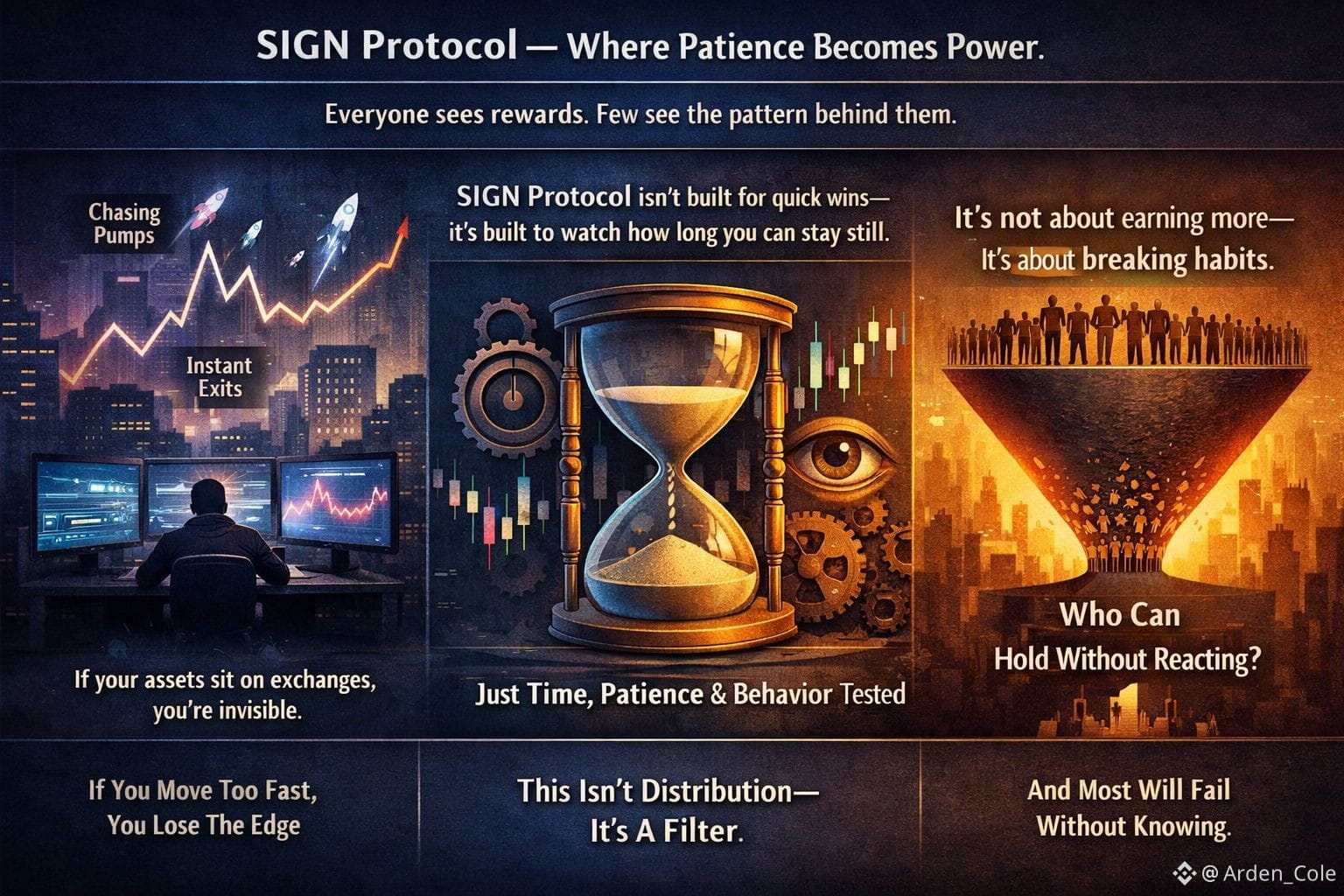
SIGN-Protokoll — Wo Geduld zur Kraft wird
Jeder sieht die Belohnungen. Wenige erkennen das Muster dahinter.
Das SIGN-Protokoll ist nicht für schnelle Gewinne gemacht – es ist darauf ausgelegt, zu beobachten, wie lange du stillsitzen kannst. Kein Verfolgen von Pumps, keine sofortigen Ausstiege. Nur Zeit, Geduld und Verhalten, das in Echtzeit getestet wird.
Wenn deine Assets auf Börsen liegen, bist du unsichtbar. Wenn du zu schnell handelst, verlierst du den Vorteil. Dieses System begünstigt leise diejenigen, die dem Drang widerstehen, zu handeln.
Es geht nicht darum, mehr zu verdienen – es geht darum, Gewohnheiten zu durchbrechen.
Wenn immer mehr Leute einsteigen, dünnen sich die Belohnungen aus, der Druck steigt, und nur eines zählt:
Wer kann halten, ohne zu reagieren?
Denn das hier ist keine Verteilung.
Es ist ein Filter.
Und die meisten werden nicht einmal merken, wenn sie daran scheitern. 🚀
@SignOfficial #SignDigitalSovereignInfra $SIGN
SIGN-Protokoll — Wo Geduld zur Kraft wird
Jeder sieht die Belohnungen. Wenige erkennen das Muster dahinter.
Das SIGN-Protokoll ist nicht für schnelle Gewinne gemacht – es ist darauf ausgelegt, zu beobachten, wie lange du stillsitzen kannst. Kein Verfolgen von Pumps, keine sofortigen Ausstiege. Nur Zeit, Geduld und Verhalten, das in Echtzeit getestet wird.
Wenn deine Assets auf Börsen liegen, bist du unsichtbar. Wenn du zu schnell handelst, verlierst du den Vorteil. Dieses System begünstigt leise diejenigen, die dem Drang widerstehen, zu handeln.
Es geht nicht darum, mehr zu verdienen – es geht darum, Gewohnheiten zu durchbrechen.
Wenn immer mehr Leute einsteigen, dünnen sich die Belohnungen aus, der Druck steigt, und nur eines zählt:
Wer kann halten, ohne zu reagieren?
Denn das hier ist keine Verteilung.
Es ist ein Filter.
Und die meisten werden nicht einmal merken, wenn sie daran scheitern. 🚀
@SignOfficial #SignDigitalSovereignInfra $SIGN
Jeder sieht die Belohnungen. Wenige erkennen das Muster dahinter.
Das SIGN-Protokoll ist nicht für schnelle Gewinne gemacht – es ist darauf ausgelegt, zu beobachten, wie lange du stillsitzen kannst. Kein Verfolgen von Pumps, keine sofortigen Ausstiege. Nur Zeit, Geduld und Verhalten, das in Echtzeit getestet wird.
Wenn deine Assets auf Börsen liegen, bist du unsichtbar. Wenn du zu schnell handelst, verlierst du den Vorteil. Dieses System begünstigt leise diejenigen, die dem Drang widerstehen, zu handeln.
Es geht nicht darum, mehr zu verdienen – es geht darum, Gewohnheiten zu durchbrechen.
Wenn immer mehr Leute einsteigen, dünnen sich die Belohnungen aus, der Druck steigt, und nur eines zählt:
Wer kann halten, ohne zu reagieren?
Denn das hier ist keine Verteilung.
Es ist ein Filter.
Und die meisten werden nicht einmal merken, wenn sie daran scheitern. 🚀
@SignOfficial #SignDigitalSovereignInfra $SIGN
102
·
--
Artikel
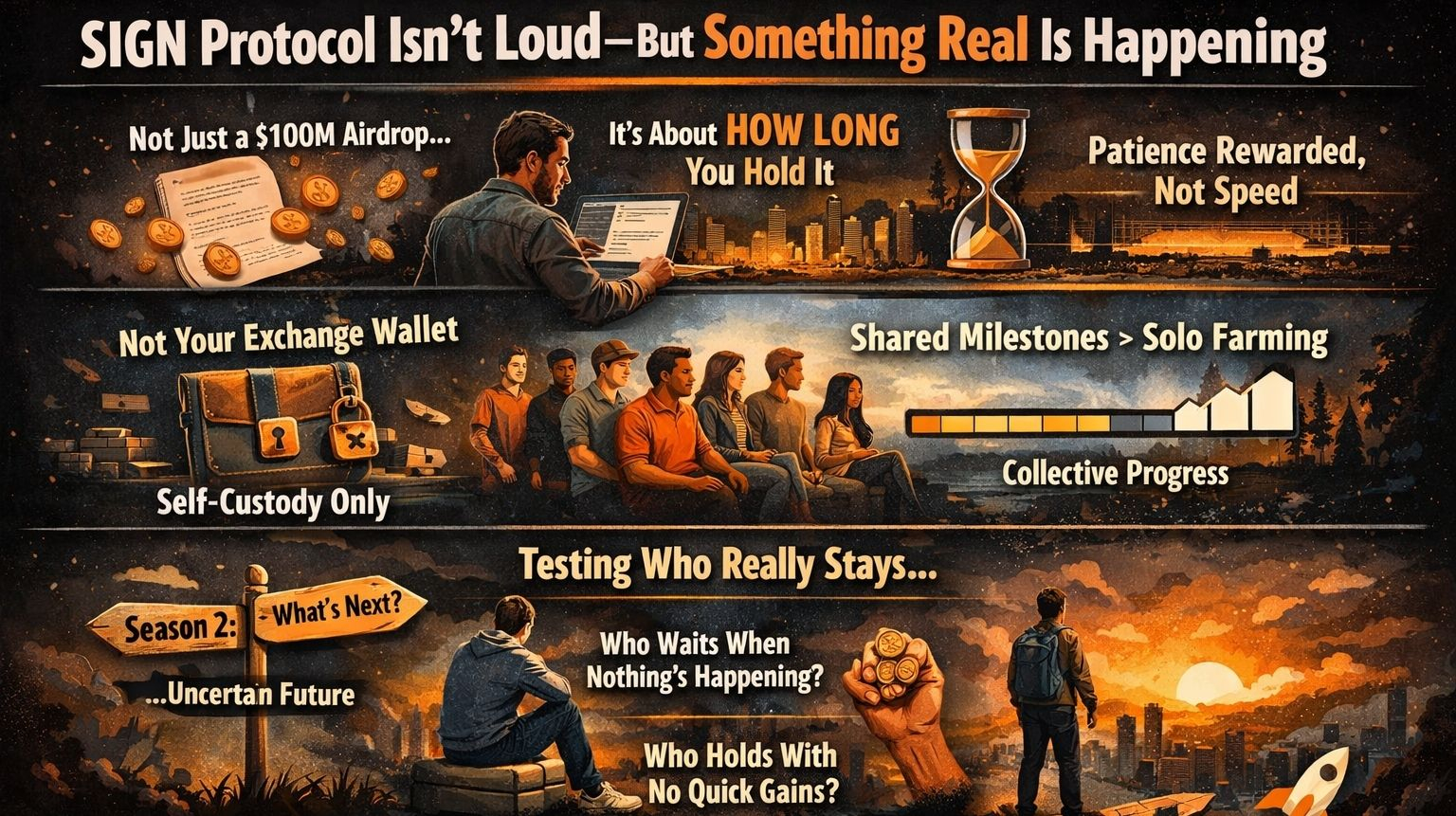
SIGN-Protokoll ist nicht laut – aber etwas Reales passiert.Um ehrlich zu sein… ich habe es anfangs fast ignoriert.
Ein weiteres „OBI“, ein weiteres Belohnungssystem, eine weitere Welle von Leuten, die über Tokens reden. Es sah vertraut aus – zu vertraut.
Aber je mehr ich in das SIGN-Protokoll hineingeschaut habe, desto weniger fühlte es sich wie der übliche Zyklus an.
Denn das verhält sich nicht wie ein normaler Airdrop.
Es fühlt sich… absichtlich an.
Die meisten Projekte werfen Belohnungen auf die Nutzer und hoffen, dass etwas hängen bleibt.
SIGN macht etwas Ruhigeres.
Es beobachtet, was die Leute tun, wenn du die Regeln nur ein wenig änderst.
SIGN-Protokoll ist nicht laut – aber etwas Reales passiert.
Um ehrlich zu sein… ich habe es anfangs fast ignoriert.
Ein weiteres „OBI“, ein weiteres Belohnungssystem, eine weitere Welle von Leuten, die über Tokens reden. Es sah vertraut aus – zu vertraut.
Aber je mehr ich in das SIGN-Protokoll hineingeschaut habe, desto weniger fühlte es sich wie der übliche Zyklus an.
Denn das verhält sich nicht wie ein normaler Airdrop.
Es fühlt sich… absichtlich an.
Die meisten Projekte werfen Belohnungen auf die Nutzer und hoffen, dass etwas hängen bleibt.
SIGN macht etwas Ruhigeres.
Es beobachtet, was die Leute tun, wenn du die Regeln nur ein wenig änderst.
Ein weiteres „OBI“, ein weiteres Belohnungssystem, eine weitere Welle von Leuten, die über Tokens reden. Es sah vertraut aus – zu vertraut.
Aber je mehr ich in das SIGN-Protokoll hineingeschaut habe, desto weniger fühlte es sich wie der übliche Zyklus an.
Denn das verhält sich nicht wie ein normaler Airdrop.
Es fühlt sich… absichtlich an.
Die meisten Projekte werfen Belohnungen auf die Nutzer und hoffen, dass etwas hängen bleibt.
SIGN macht etwas Ruhigeres.
Es beobachtet, was die Leute tun, wenn du die Regeln nur ein wenig änderst.
118
·
--
Bullisch
SIGN — Wo der Beweis aufhört, wiederholt zu werden und anfängt zu leben
Es gibt einen leisen Wandel, der stattfindet, und die meisten Menschen haben es noch nicht bemerkt.
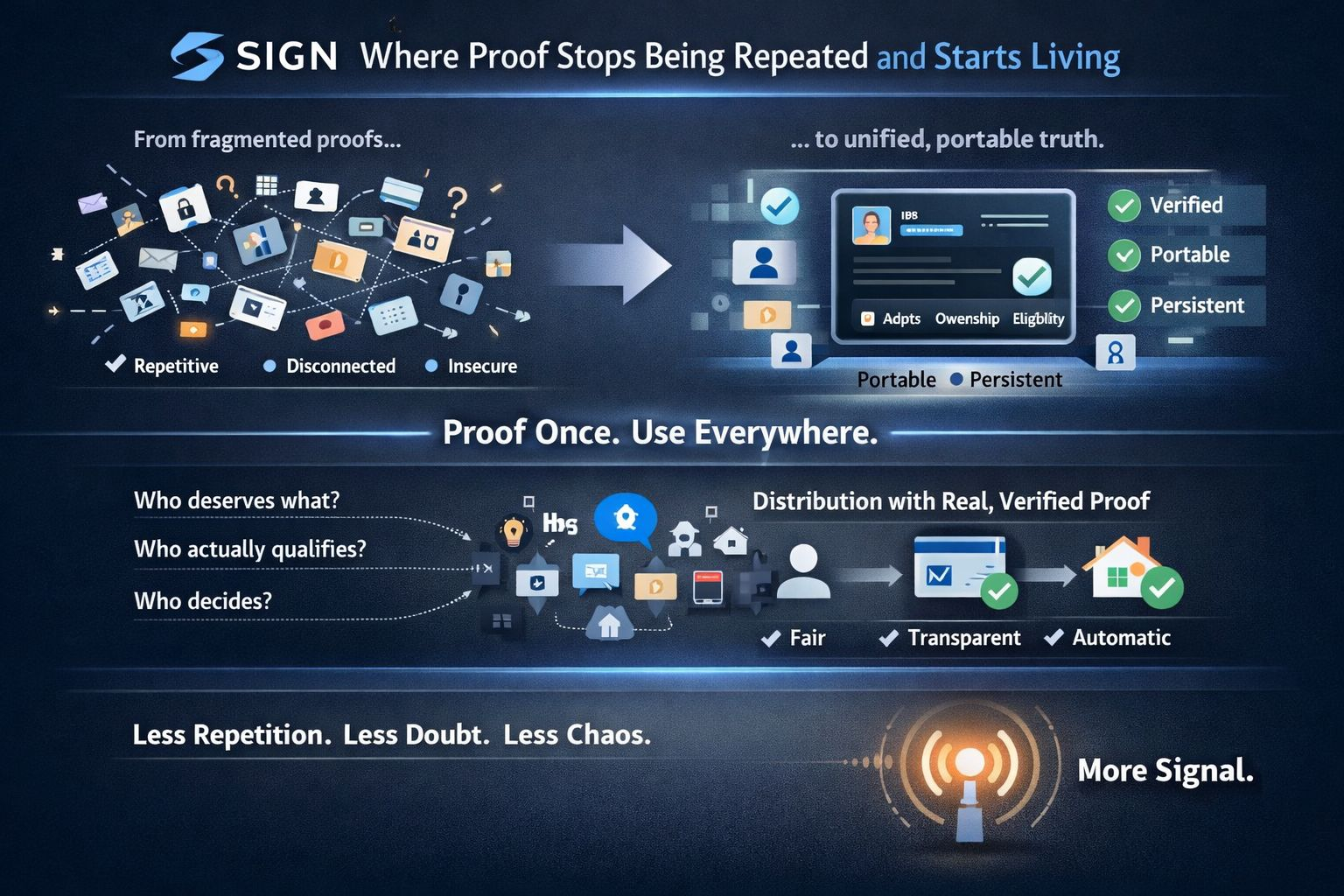
Wir sind seit Jahren in dieser Schleife gefangen — beweisen immer wieder die gleichen Dinge, als ob nichts haften bleibt. Identität, Berechtigung, Eigentum… alles setzt sich zurück, abhängig davon, wo man hingeht. Fast so, als hätte das Internet kein Gedächtnis, nur Fragmente.
SIGN tritt in diese Lücke ein, nicht mit Lärm, sondern mit Struktur.
Anstatt dich zu bitten, dich zu wiederholen, lässt es den Beweis existieren. Sobald etwas verifiziert ist, verschwindet es nicht einfach auf einer Plattform. Es bleibt nutzbar. Tragbar. Überprüfbar. So, wie es von Anfang an hätte sein sollen.
Und dann kommt der Teil, wo die Dinge normalerweise auseinanderfallen — Distribution.
Wer verdient was?
Wer ist tatsächlich qualifiziert?
Wer entscheidet?
SIGN versucht nicht zu raten. Es verknüpft die Distribution mit echtem, aufgezeichnetem Beweis. Keine Last-Minute-Listen. Keine vagen Regeln. Nur klare Logik, unterstützt durch überprüfbare Daten.
Es versucht nicht, dich mit Hype zu beeindrucken.
Es versucht, die Reibung zu entfernen, die du nicht einmal bemerkt hast, dass du sie tolerierst.
Weniger Wiederholung.
Weniger Zweifel.
Weniger Chaos.
Mehr Signal.
@SignOfficial #SignDigitalSovereignInfra $SIGN
SIGN — Wo der Beweis aufhört, wiederholt zu werden und anfängt zu leben
Es gibt einen leisen Wandel, der stattfindet, und die meisten Menschen haben es noch nicht bemerkt.
Wir sind seit Jahren in dieser Schleife gefangen — beweisen immer wieder die gleichen Dinge, als ob nichts haften bleibt. Identität, Berechtigung, Eigentum… alles setzt sich zurück, abhängig davon, wo man hingeht. Fast so, als hätte das Internet kein Gedächtnis, nur Fragmente.
SIGN tritt in diese Lücke ein, nicht mit Lärm, sondern mit Struktur.
Anstatt dich zu bitten, dich zu wiederholen, lässt es den Beweis existieren. Sobald etwas verifiziert ist, verschwindet es nicht einfach auf einer Plattform. Es bleibt nutzbar. Tragbar. Überprüfbar. So, wie es von Anfang an hätte sein sollen.
Und dann kommt der Teil, wo die Dinge normalerweise auseinanderfallen — Distribution.
Wer verdient was?
Wer ist tatsächlich qualifiziert?
Wer entscheidet?
SIGN versucht nicht zu raten. Es verknüpft die Distribution mit echtem, aufgezeichnetem Beweis. Keine Last-Minute-Listen. Keine vagen Regeln. Nur klare Logik, unterstützt durch überprüfbare Daten.
Es versucht nicht, dich mit Hype zu beeindrucken.
Es versucht, die Reibung zu entfernen, die du nicht einmal bemerkt hast, dass du sie tolerierst.
Weniger Wiederholung.
Weniger Zweifel.
Weniger Chaos.
Mehr Signal.
@SignOfficial #SignDigitalSovereignInfra $SIGN
Es gibt einen leisen Wandel, der stattfindet, und die meisten Menschen haben es noch nicht bemerkt.
Wir sind seit Jahren in dieser Schleife gefangen — beweisen immer wieder die gleichen Dinge, als ob nichts haften bleibt. Identität, Berechtigung, Eigentum… alles setzt sich zurück, abhängig davon, wo man hingeht. Fast so, als hätte das Internet kein Gedächtnis, nur Fragmente.
SIGN tritt in diese Lücke ein, nicht mit Lärm, sondern mit Struktur.
Anstatt dich zu bitten, dich zu wiederholen, lässt es den Beweis existieren. Sobald etwas verifiziert ist, verschwindet es nicht einfach auf einer Plattform. Es bleibt nutzbar. Tragbar. Überprüfbar. So, wie es von Anfang an hätte sein sollen.
Und dann kommt der Teil, wo die Dinge normalerweise auseinanderfallen — Distribution.
Wer verdient was?
Wer ist tatsächlich qualifiziert?
Wer entscheidet?
SIGN versucht nicht zu raten. Es verknüpft die Distribution mit echtem, aufgezeichnetem Beweis. Keine Last-Minute-Listen. Keine vagen Regeln. Nur klare Logik, unterstützt durch überprüfbare Daten.
Es versucht nicht, dich mit Hype zu beeindrucken.
Es versucht, die Reibung zu entfernen, die du nicht einmal bemerkt hast, dass du sie tolerierst.
Weniger Wiederholung.
Weniger Zweifel.
Weniger Chaos.
Mehr Signal.
@SignOfficial #SignDigitalSovereignInfra $SIGN
1
2
107
·
--
Artikel
SIGN fühlt sich an wie eines dieser Projekte, das leise versucht, ein Durcheinander aufzuräumen, das jeder gerade hinterlassen hat.Es gibt viele Projekte im Bereich Krypto und digitale Infrastruktur, die mit einer großen Menge an Lärm einherkommen. Große Versprechen. Große Diagramme. Große Sprache. Du liest die Landing Page und hast das Gefühl, dass du in einem Absatz zehn Minuten Marketing abbekommen hast.
SIGN ist aus diesem Grund nicht wirklich interessant.
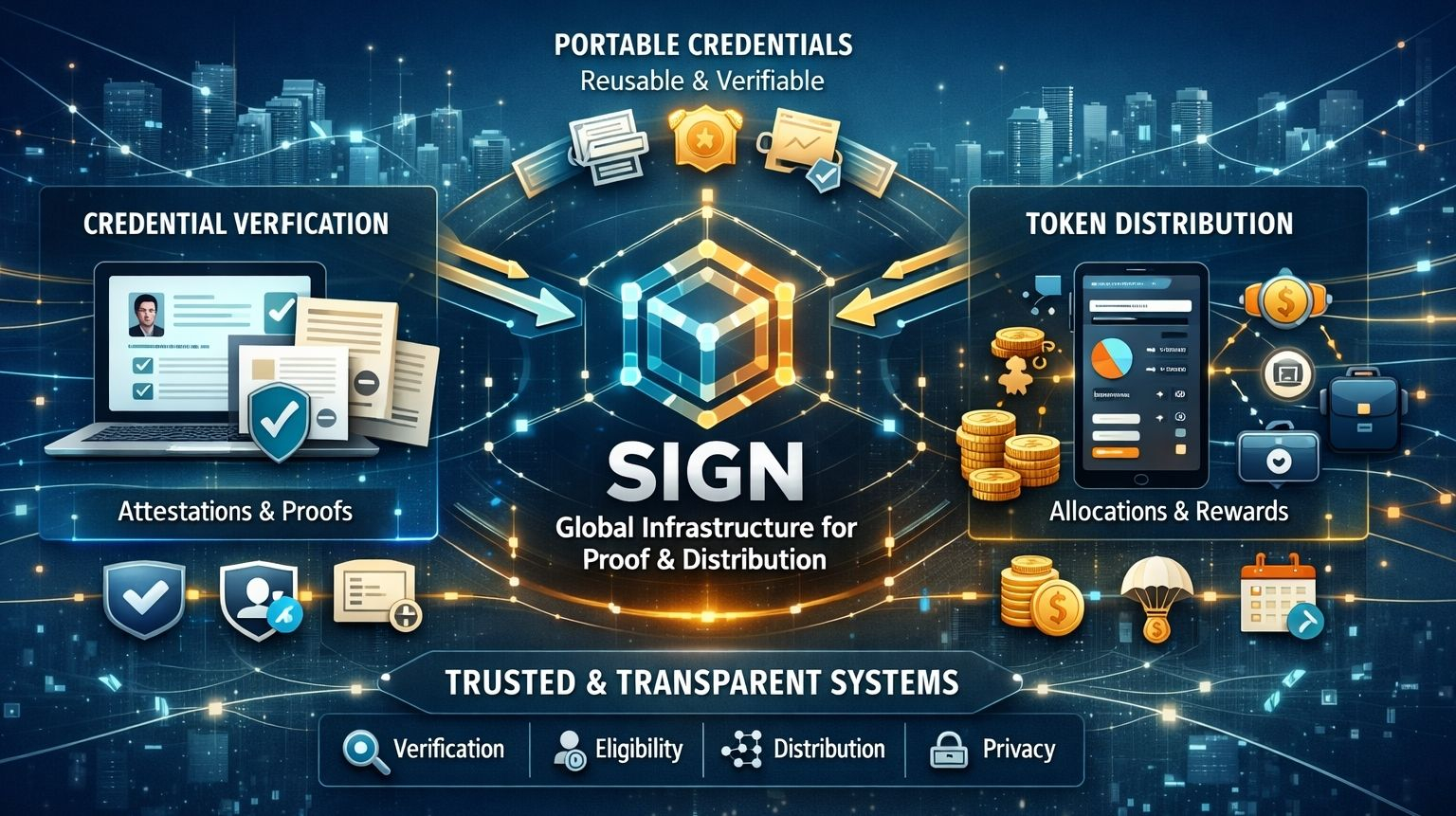
Es ist interessant, weil es aussieht wie ein Projekt, das um etwas gebaut ist, das viel weniger glamourös ist: die Nutzung von Nachweisen.
Das klingt fast zu einfach, aber genau das ist der Punkt. Das Internet ist voller Dinge, die verifiziert, überprüft, aufgezeichnet und verteilt werden müssen, und doch fühlen sich die Werkzeuge dafür immer noch zerstreut an. Eine App möchte ein Format. Eine andere möchte ein anderes. Eine dritte möchte, dass du denselben Prozess immer wieder wiederholst, als ob die ersten beiden nie passiert wären. SIGN versucht, in der Mitte zu sitzen und das Ganze weniger nervig, weniger zerbrechlich und viel wiederverwendbarer zu machen.
SIGN fühlt sich an wie eines dieser Projekte, das leise versucht, ein Durcheinander aufzuräumen, das jeder gerade hinterlassen hat.
Es gibt viele Projekte im Bereich Krypto und digitale Infrastruktur, die mit einer großen Menge an Lärm einherkommen. Große Versprechen. Große Diagramme. Große Sprache. Du liest die Landing Page und hast das Gefühl, dass du in einem Absatz zehn Minuten Marketing abbekommen hast.
SIGN ist aus diesem Grund nicht wirklich interessant.
Es ist interessant, weil es aussieht wie ein Projekt, das um etwas gebaut ist, das viel weniger glamourös ist: die Nutzung von Nachweisen.
Das klingt fast zu einfach, aber genau das ist der Punkt. Das Internet ist voller Dinge, die verifiziert, überprüft, aufgezeichnet und verteilt werden müssen, und doch fühlen sich die Werkzeuge dafür immer noch zerstreut an. Eine App möchte ein Format. Eine andere möchte ein anderes. Eine dritte möchte, dass du denselben Prozess immer wieder wiederholst, als ob die ersten beiden nie passiert wären. SIGN versucht, in der Mitte zu sitzen und das Ganze weniger nervig, weniger zerbrechlich und viel wiederverwendbarer zu machen.
SIGN ist aus diesem Grund nicht wirklich interessant.
Es ist interessant, weil es aussieht wie ein Projekt, das um etwas gebaut ist, das viel weniger glamourös ist: die Nutzung von Nachweisen.
Das klingt fast zu einfach, aber genau das ist der Punkt. Das Internet ist voller Dinge, die verifiziert, überprüft, aufgezeichnet und verteilt werden müssen, und doch fühlen sich die Werkzeuge dafür immer noch zerstreut an. Eine App möchte ein Format. Eine andere möchte ein anderes. Eine dritte möchte, dass du denselben Prozess immer wieder wiederholst, als ob die ersten beiden nie passiert wären. SIGN versucht, in der Mitte zu sitzen und das Ganze weniger nervig, weniger zerbrechlich und viel wiederverwendbarer zu machen.
1
2
202
·
--
Bullisch
SIGN: Wenn Identität zum neuen Torwächter wird
Etwas hat sich verschoben.
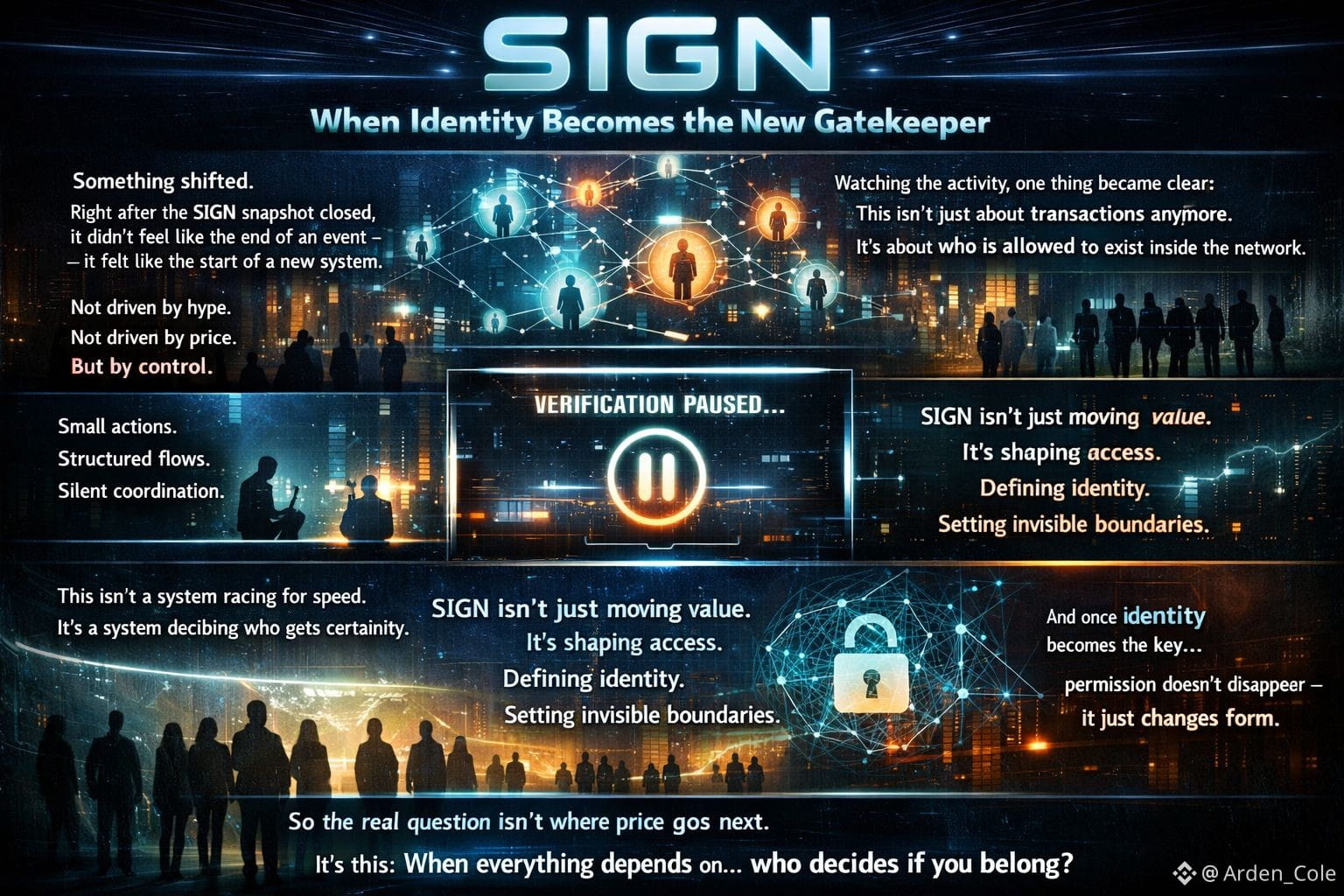
Direkt nach dem Abschluss des SIGN-Snapshots fühlte es sich nicht wie das Ende eines Events an — es fühlte sich an wie der Beginn eines neuen Systems.
Nicht getrieben von Hype.
Nicht getrieben vom Preis.
Sondern von Kontrolle.
Wenn man die Aktivität beobachtet, wird eines klar: Es geht nicht mehr nur um Transaktionen. Es geht darum, wer innerhalb des Netzwerks existieren darf.
Kleine Aktionen.
Strukturierte Flüsse.
Stille Koordination.
Und dann sticht ein Moment hervor — eine einfache Verifizierung, die nicht scheiterte… nicht erfolgreich war… sie pausierte.
Diese Pause sagte alles aus.
Denn dies ist kein System, das auf Geschwindigkeit aus ist.
Es ist ein System, das entscheidet, wer Gewissheit erhält.
SIGN bewegt nicht nur Werte.
Es gestaltet den Zugang.
Definiert Identität.
Setzt unsichtbare Grenzen.
Und sobald Identität der Schlüssel wird…
berechtigungen verschwinden nicht —
sondern ändern nur die Form.
Die wahre Frage ist also nicht, wo der Preis als nächstes hingeht.
Es ist diese:
Wenn alles von Identität abhängt… wer entscheidet, ob du dazugehört?
@SignOfficial #SignDigitalSovereignInfra $SIGN
SIGN: Wenn Identität zum neuen Torwächter wird
Etwas hat sich verschoben.
Direkt nach dem Abschluss des SIGN-Snapshots fühlte es sich nicht wie das Ende eines Events an — es fühlte sich an wie der Beginn eines neuen Systems.
Nicht getrieben von Hype.
Nicht getrieben vom Preis.
Sondern von Kontrolle.
Wenn man die Aktivität beobachtet, wird eines klar: Es geht nicht mehr nur um Transaktionen. Es geht darum, wer innerhalb des Netzwerks existieren darf.
Kleine Aktionen.
Strukturierte Flüsse.
Stille Koordination.
Und dann sticht ein Moment hervor — eine einfache Verifizierung, die nicht scheiterte… nicht erfolgreich war… sie pausierte.
Diese Pause sagte alles aus.
Denn dies ist kein System, das auf Geschwindigkeit aus ist.
Es ist ein System, das entscheidet, wer Gewissheit erhält.
SIGN bewegt nicht nur Werte.
Es gestaltet den Zugang.
Definiert Identität.
Setzt unsichtbare Grenzen.
Und sobald Identität der Schlüssel wird…
berechtigungen verschwinden nicht —
sondern ändern nur die Form.
Die wahre Frage ist also nicht, wo der Preis als nächstes hingeht.
Es ist diese:
Wenn alles von Identität abhängt… wer entscheidet, ob du dazugehört?
@SignOfficial #SignDigitalSovereignInfra $SIGN
Etwas hat sich verschoben.
Direkt nach dem Abschluss des SIGN-Snapshots fühlte es sich nicht wie das Ende eines Events an — es fühlte sich an wie der Beginn eines neuen Systems.
Nicht getrieben von Hype.
Nicht getrieben vom Preis.
Sondern von Kontrolle.
Wenn man die Aktivität beobachtet, wird eines klar: Es geht nicht mehr nur um Transaktionen. Es geht darum, wer innerhalb des Netzwerks existieren darf.
Kleine Aktionen.
Strukturierte Flüsse.
Stille Koordination.
Und dann sticht ein Moment hervor — eine einfache Verifizierung, die nicht scheiterte… nicht erfolgreich war… sie pausierte.
Diese Pause sagte alles aus.
Denn dies ist kein System, das auf Geschwindigkeit aus ist.
Es ist ein System, das entscheidet, wer Gewissheit erhält.
SIGN bewegt nicht nur Werte.
Es gestaltet den Zugang.
Definiert Identität.
Setzt unsichtbare Grenzen.
Und sobald Identität der Schlüssel wird…
berechtigungen verschwinden nicht —
sondern ändern nur die Form.
Die wahre Frage ist also nicht, wo der Preis als nächstes hingeht.
Es ist diese:
Wenn alles von Identität abhängt… wer entscheidet, ob du dazugehört?
@SignOfficial #SignDigitalSovereignInfra $SIGN
98
·
--
Artikel
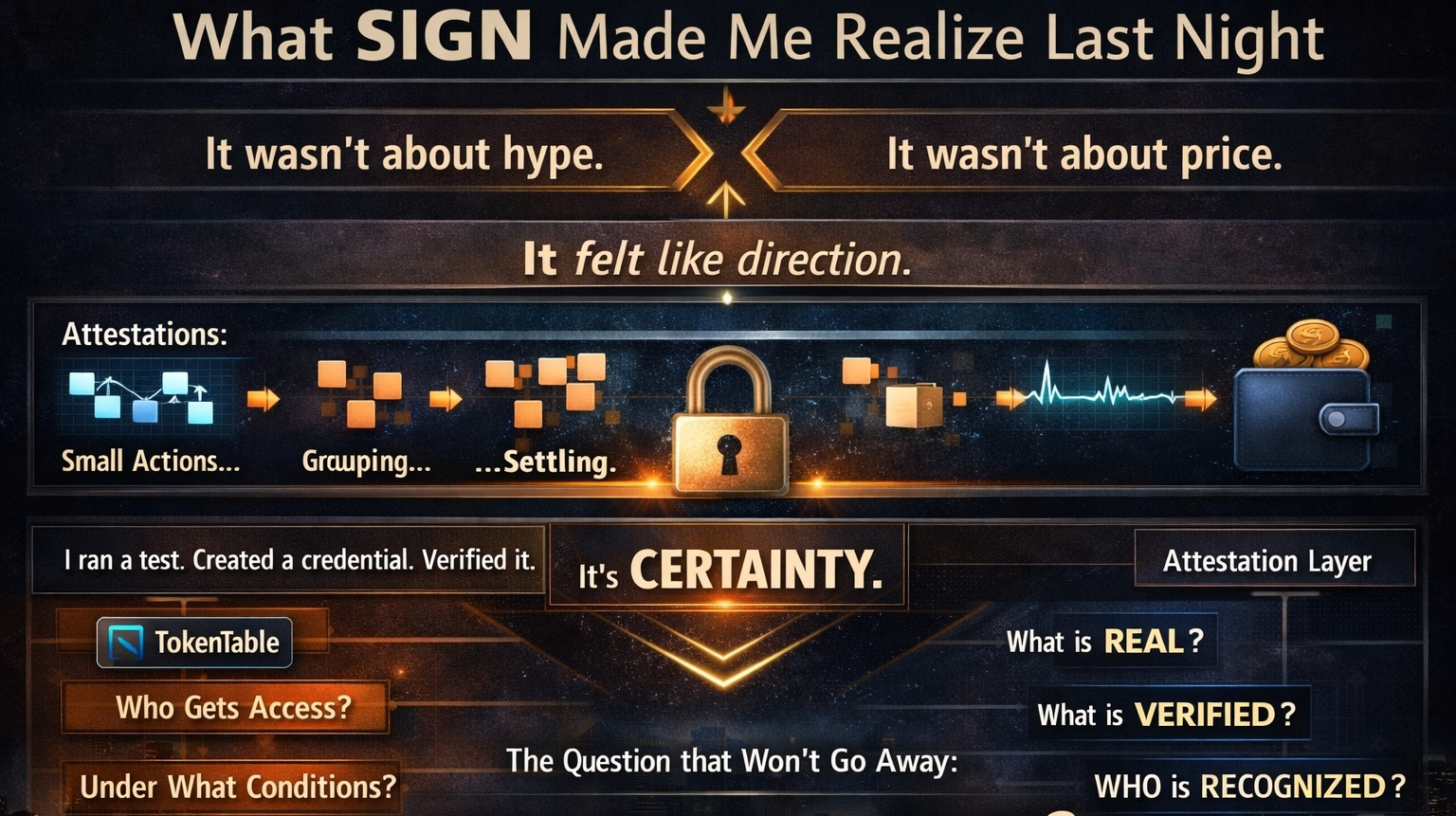
Was SIGN mich letzte Nacht erkennen ließLetzte Nacht, direkt nachdem der @SignOfficial Attestierungs-Snapshot geschlossen wurde, bin ich nicht offline gegangen.
Nicht wegen des Hypes.
Nicht wegen des Preises.
Irgendwas davon hat einfach in meinem Kopf festgesessen.
Früher hatte ich beobachtet, wie $BTC und $SIREN genau so reagierten, wie ich es erwartet hatte. Saubere Reaktionen. Vorhersehbare Liquidität. Nichts Überraschendes.
Aber SIGN fühlte sich anders an.
Es fühlte sich nicht mehr wie Trading an.
Es fühlte sich wie eine Richtung an.
Während ich die On-Chain-Aktivitäten durchging, bemerkte ich etwas Subtiles.
Der Attestierungsfluss war nicht zufällig.
Gas hat nicht stark gespitzt, aber es hat sich gerade genug in einem kurzen Fenster bewegt, um... koordiniert zu wirken.
Was SIGN mich letzte Nacht erkennen ließ
Letzte Nacht, direkt nachdem der @SignOfficial Attestierungs-Snapshot geschlossen wurde, bin ich nicht offline gegangen.
Nicht wegen des Hypes.
Nicht wegen des Preises.
Irgendwas davon hat einfach in meinem Kopf festgesessen.
Früher hatte ich beobachtet, wie $BTC und $SIREN genau so reagierten, wie ich es erwartet hatte. Saubere Reaktionen. Vorhersehbare Liquidität. Nichts Überraschendes.
Aber SIGN fühlte sich anders an.
Es fühlte sich nicht mehr wie Trading an.
Es fühlte sich wie eine Richtung an.
Während ich die On-Chain-Aktivitäten durchging, bemerkte ich etwas Subtiles.
Der Attestierungsfluss war nicht zufällig.
Gas hat nicht stark gespitzt, aber es hat sich gerade genug in einem kurzen Fenster bewegt, um... koordiniert zu wirken.
Nicht wegen des Hypes.
Nicht wegen des Preises.
Irgendwas davon hat einfach in meinem Kopf festgesessen.
Früher hatte ich beobachtet, wie $BTC und $SIREN genau so reagierten, wie ich es erwartet hatte. Saubere Reaktionen. Vorhersehbare Liquidität. Nichts Überraschendes.
Aber SIGN fühlte sich anders an.
Es fühlte sich nicht mehr wie Trading an.
Es fühlte sich wie eine Richtung an.
Während ich die On-Chain-Aktivitäten durchging, bemerkte ich etwas Subtiles.
Der Attestierungsfluss war nicht zufällig.
Gas hat nicht stark gespitzt, aber es hat sich gerade genug in einem kurzen Fenster bewegt, um... koordiniert zu wirken.
178
·
--
Bullisch
SIGN: Web3 wieder einfach machen
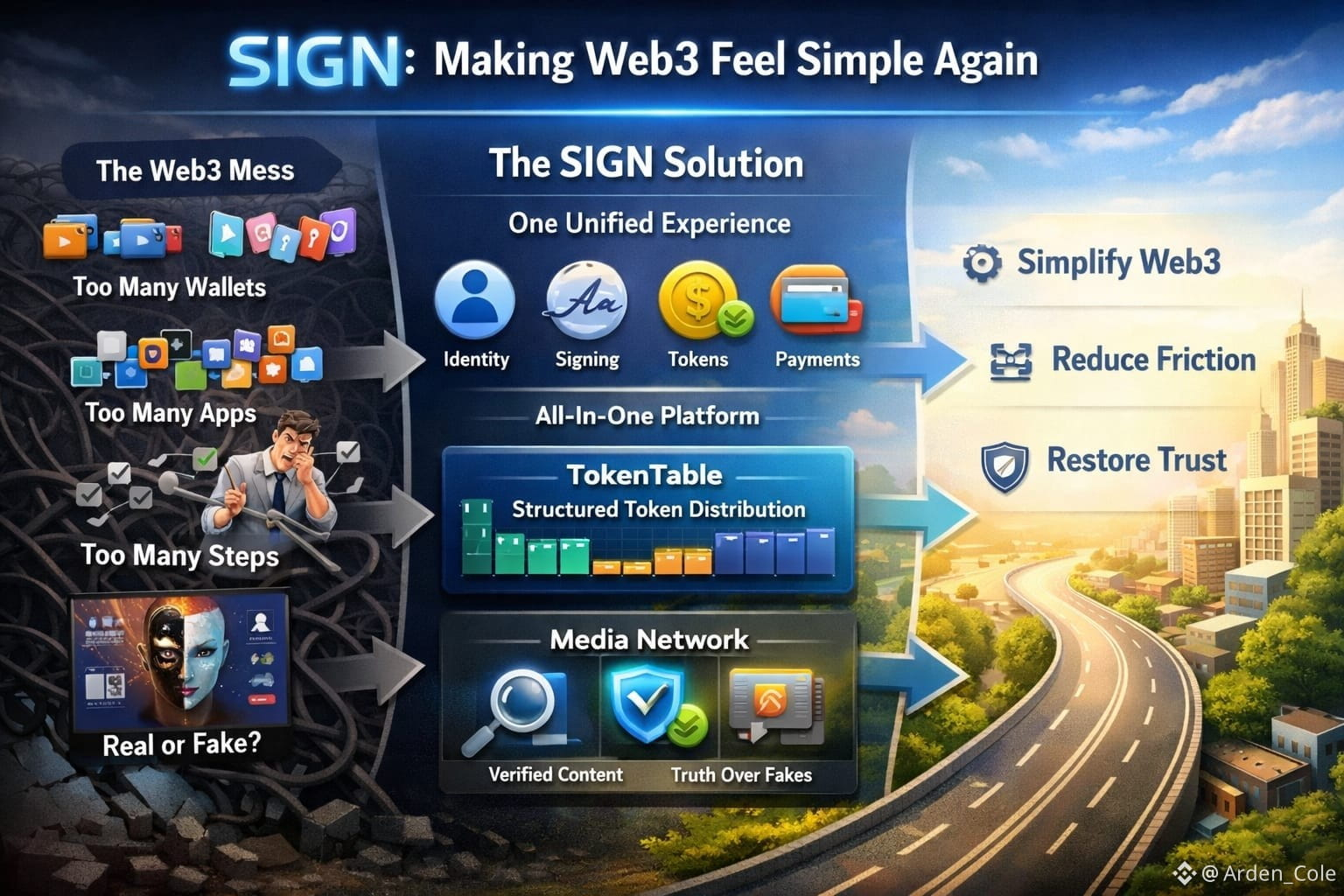
Web3 sollte die Dinge einfacher machen, aber irgendwo auf dem Weg wurde es zum Gegenteil. Zu viele Wallets, zu viele Apps und zu viele Schritte, nur um grundlegende Aktionen abzuschließen. Es fühlt sich mehr nach Arbeit als nach Innovation an. Außerdem wird es mit KI-Inhalten überall immer schwieriger zu erkennen, was echt ist und was nicht.
Deshalb fühlt sich SIGN interessant an. Es versucht nicht, mehr Lärm zu erzeugen. Stattdessen konzentriert es sich darauf, Reibung zu reduzieren. Die Idee ist einfach: Identität, Unterzeichnung, Token-Aktionen und Zahlungen in ein reibungsloses Erlebnis zu bringen, damit die Nutzer nicht ständig zwischen Tools springen müssen.
Aber es geht noch tiefer. TokenTable bringt Struktur in die Verteilung, mit kontrollierten Releases und besserem Management über die Zeit. Und das Media Network kümmert sich um Vertrauen und hilft, Inhalte in einer Welt voller Fake-Inhalte zu verifizieren.
Es mag noch nicht perfekt sein, aber die Richtung fühlt sich richtig an.
@SignOfficial #SignDigitalSovereignInfra $SIGN
SIGN: Web3 wieder einfach machen
Web3 sollte die Dinge einfacher machen, aber irgendwo auf dem Weg wurde es zum Gegenteil. Zu viele Wallets, zu viele Apps und zu viele Schritte, nur um grundlegende Aktionen abzuschließen. Es fühlt sich mehr nach Arbeit als nach Innovation an. Außerdem wird es mit KI-Inhalten überall immer schwieriger zu erkennen, was echt ist und was nicht.
Deshalb fühlt sich SIGN interessant an. Es versucht nicht, mehr Lärm zu erzeugen. Stattdessen konzentriert es sich darauf, Reibung zu reduzieren. Die Idee ist einfach: Identität, Unterzeichnung, Token-Aktionen und Zahlungen in ein reibungsloses Erlebnis zu bringen, damit die Nutzer nicht ständig zwischen Tools springen müssen.
Aber es geht noch tiefer. TokenTable bringt Struktur in die Verteilung, mit kontrollierten Releases und besserem Management über die Zeit. Und das Media Network kümmert sich um Vertrauen und hilft, Inhalte in einer Welt voller Fake-Inhalte zu verifizieren.
Es mag noch nicht perfekt sein, aber die Richtung fühlt sich richtig an.
@SignOfficial #SignDigitalSovereignInfra $SIGN
Web3 sollte die Dinge einfacher machen, aber irgendwo auf dem Weg wurde es zum Gegenteil. Zu viele Wallets, zu viele Apps und zu viele Schritte, nur um grundlegende Aktionen abzuschließen. Es fühlt sich mehr nach Arbeit als nach Innovation an. Außerdem wird es mit KI-Inhalten überall immer schwieriger zu erkennen, was echt ist und was nicht.
Deshalb fühlt sich SIGN interessant an. Es versucht nicht, mehr Lärm zu erzeugen. Stattdessen konzentriert es sich darauf, Reibung zu reduzieren. Die Idee ist einfach: Identität, Unterzeichnung, Token-Aktionen und Zahlungen in ein reibungsloses Erlebnis zu bringen, damit die Nutzer nicht ständig zwischen Tools springen müssen.
Aber es geht noch tiefer. TokenTable bringt Struktur in die Verteilung, mit kontrollierten Releases und besserem Management über die Zeit. Und das Media Network kümmert sich um Vertrauen und hilft, Inhalte in einer Welt voller Fake-Inhalte zu verifizieren.
Es mag noch nicht perfekt sein, aber die Richtung fühlt sich richtig an.
@SignOfficial #SignDigitalSovereignInfra $SIGN
1
1
101
·
--
Artikel
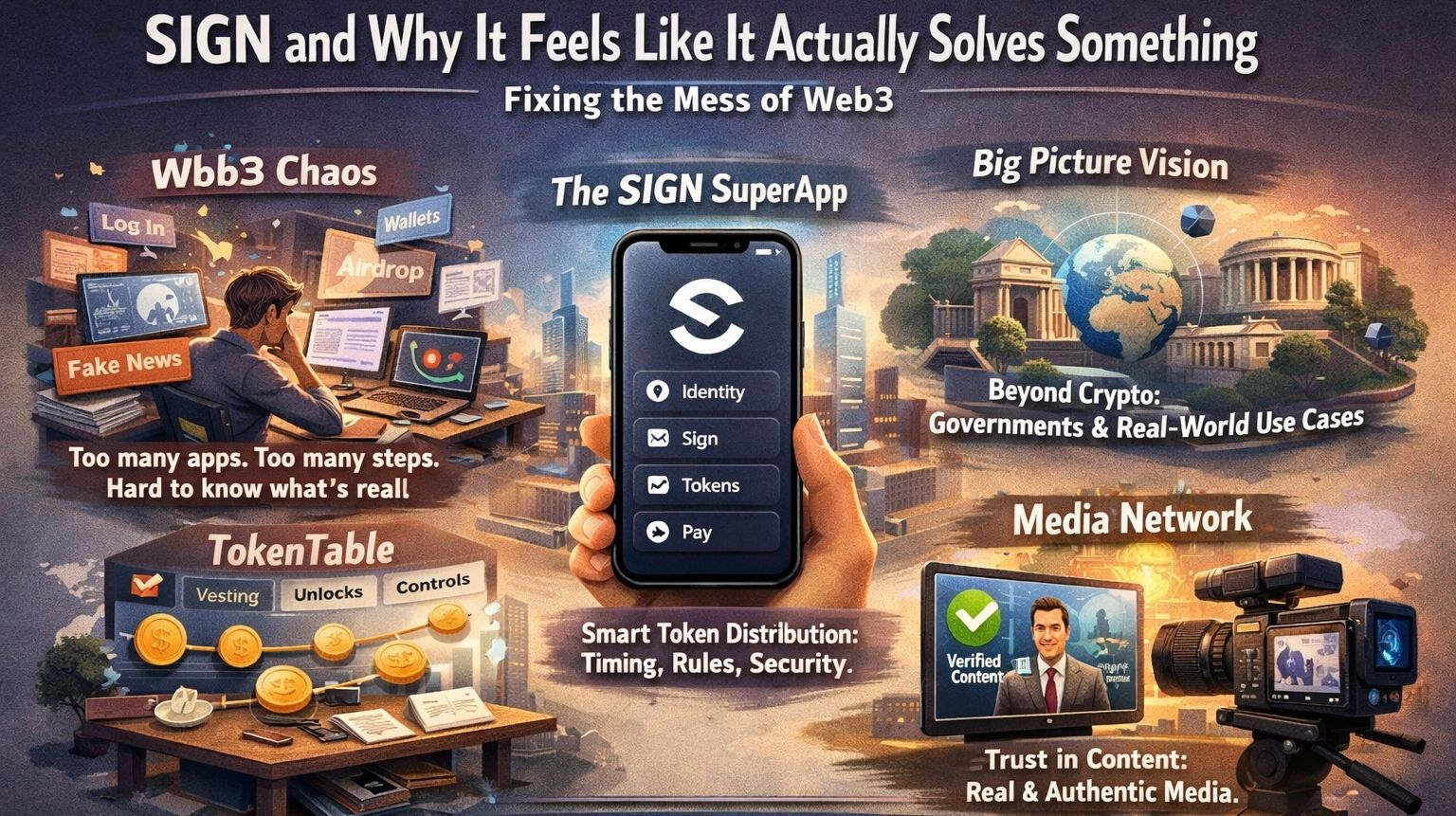
SIGN und warum es sich anfühlt, als würde es tatsächlich etwas lösenIn letzter Zeit fühlt sich das Internet seltsam schwer zu nutzen an. Besonders im Crypto-Bereich. Alles braucht zu viele Schritte. Zu viele Apps. Zu viele Wallets. Zu viele Orte, an denen man das Gleiche immer wieder verifizieren muss. Und ehrlich gesagt, zur Hälfte der Zeit ist es schwierig zu wissen, was überhaupt noch real ist. Zwischen KI-Inhalten, gefälschten Screenshots und endlosen Dashboards wird die Sicht schnell verschwommen.
Das ist ein Teil des Grundes, warum SIGN meine Aufmerksamkeit erregt hat.
Nicht, weil es am lautesten schreit. Nicht, weil es sich zu sehr anstrengt. Einfach, weil es sich anfühlt, als ob es versucht, etwas Chaotisches wieder einfach zu machen.
SIGN und warum es sich anfühlt, als würde es tatsächlich etwas lösen
In letzter Zeit fühlt sich das Internet seltsam schwer zu nutzen an. Besonders im Crypto-Bereich. Alles braucht zu viele Schritte. Zu viele Apps. Zu viele Wallets. Zu viele Orte, an denen man das Gleiche immer wieder verifizieren muss. Und ehrlich gesagt, zur Hälfte der Zeit ist es schwierig zu wissen, was überhaupt noch real ist. Zwischen KI-Inhalten, gefälschten Screenshots und endlosen Dashboards wird die Sicht schnell verschwommen.
Das ist ein Teil des Grundes, warum SIGN meine Aufmerksamkeit erregt hat.
Nicht, weil es am lautesten schreit. Nicht, weil es sich zu sehr anstrengt. Einfach, weil es sich anfühlt, als ob es versucht, etwas Chaotisches wieder einfach zu machen.
Das ist ein Teil des Grundes, warum SIGN meine Aufmerksamkeit erregt hat.
Nicht, weil es am lautesten schreit. Nicht, weil es sich zu sehr anstrengt. Einfach, weil es sich anfühlt, als ob es versucht, etwas Chaotisches wieder einfach zu machen.
82
·
--
Bullisch
SIGN: Der verborgene Krieg hinter fairen Airdrops
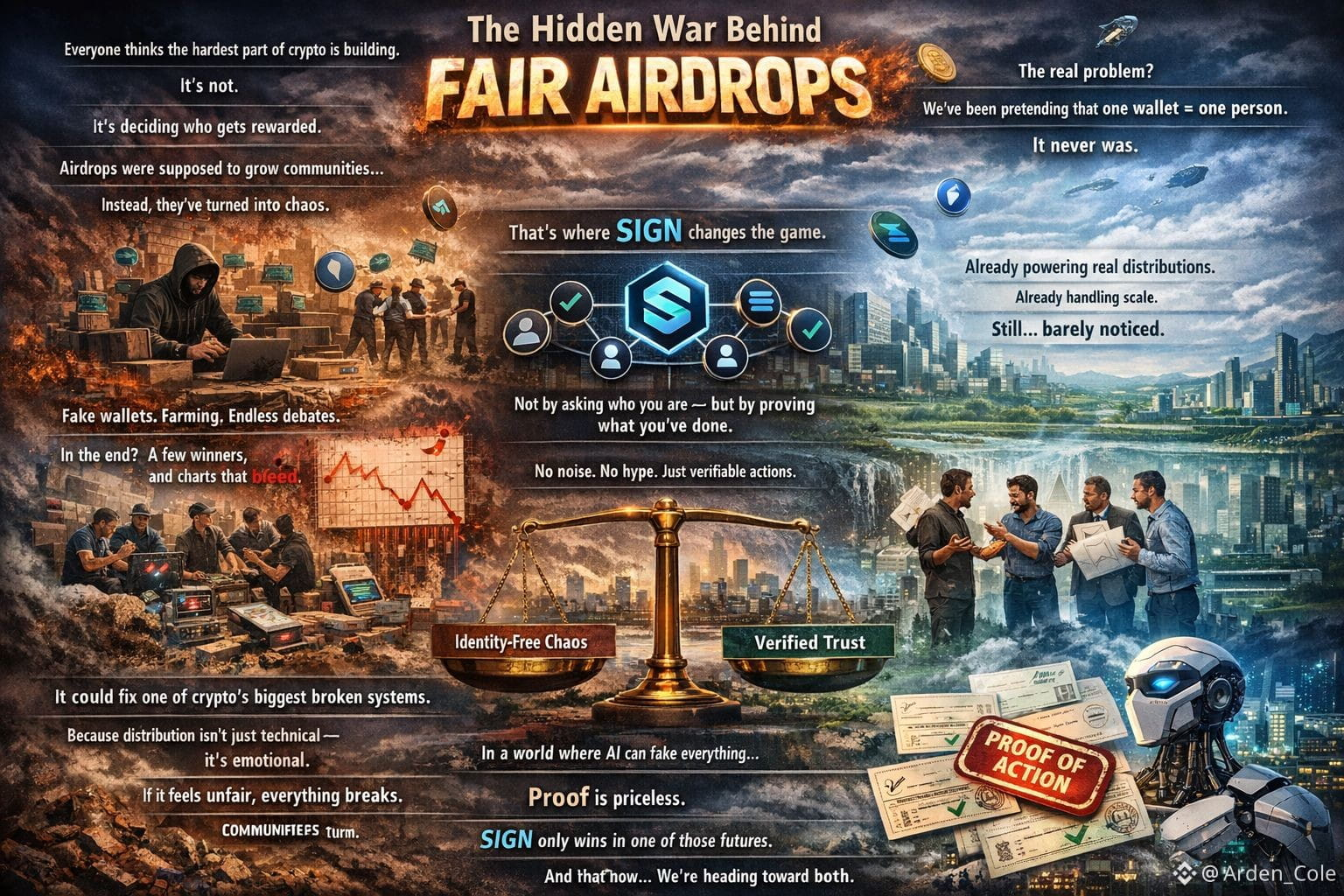
Jeder denkt, der schwierigste Teil von Krypto ist das Bauen.
Das ist es nicht.
Es ist die Entscheidung, wer belohnt wird.
Airdrops sollten Gemeinschaften wachsen lassen…
Stattdessen sind sie ins Chaos umgeschlagen.
Fake-Wallets. Farming. Endlose Debatten.
Und am Ende?
Ein paar Gewinner, viel Frustration und Charts, die langsam bluten.
Das eigentliche Problem?
Wir haben so getan, als ob eine Wallet = eine Person ist.
Das war es nie.
Hier kommt SIGN ins Spiel und verändert leise die Regeln.
Nicht indem gefragt wird, wer du bist —
sondern indem bewiesen wird, was du getan hast.
Kein Lärm. Kein Hype. Nur verifizierbare Aktionen.
Und dieser kleine Wandel?
Er könnte eines der größten kaputten Systeme im Krypto beheben.
Denn Verteilung ist nicht nur technisch —
sie ist emotional.
Wenn es unfair erscheint, bricht alles zusammen.
Das Vertrauen verschwindet. Gemeinschaften wenden sich ab.
SIGN tritt direkt in diese Druckzone ein.
Bereits echte Verteilungen antreibend.
Bereits mit Skalierung umgehen.
Trotzdem… kaum bemerkt.
Und das ist der interessante Teil.
Wenn es funktioniert, spricht niemand darüber.
Wenn es scheitert, werden alle darüber reden.
Aber in einer Welt, in der KI alles fälschen kann…
wird der Beweis wertvoller denn je.
Keine Versprechen. Keine Erzählungen.
Beweis.
Also ist die eigentliche Frage nicht über SIGN.
Es geht um Krypto selbst:
Bleiben wir ein System, in dem Identität keine Rolle spielt?
Oder bewegen wir uns auf eines zu, in dem Vertrauen verdient wird?
Denn SIGN gewinnt nur in einer dieser Zukunftsvisionen.
Und gerade jetzt…
Steuern wir auf beide zu.
@SignOfficial #SignDigitalSovereignInfra $SIGN
SIGN: Der verborgene Krieg hinter fairen Airdrops
Jeder denkt, der schwierigste Teil von Krypto ist das Bauen.
Das ist es nicht.
Es ist die Entscheidung, wer belohnt wird.
Airdrops sollten Gemeinschaften wachsen lassen…
Stattdessen sind sie ins Chaos umgeschlagen.
Fake-Wallets. Farming. Endlose Debatten.
Und am Ende?
Ein paar Gewinner, viel Frustration und Charts, die langsam bluten.
Das eigentliche Problem?
Wir haben so getan, als ob eine Wallet = eine Person ist.
Das war es nie.
Hier kommt SIGN ins Spiel und verändert leise die Regeln.
Nicht indem gefragt wird, wer du bist —
sondern indem bewiesen wird, was du getan hast.
Kein Lärm. Kein Hype. Nur verifizierbare Aktionen.
Und dieser kleine Wandel?
Er könnte eines der größten kaputten Systeme im Krypto beheben.
Denn Verteilung ist nicht nur technisch —
sie ist emotional.
Wenn es unfair erscheint, bricht alles zusammen.
Das Vertrauen verschwindet. Gemeinschaften wenden sich ab.
SIGN tritt direkt in diese Druckzone ein.
Bereits echte Verteilungen antreibend.
Bereits mit Skalierung umgehen.
Trotzdem… kaum bemerkt.
Und das ist der interessante Teil.
Wenn es funktioniert, spricht niemand darüber.
Wenn es scheitert, werden alle darüber reden.
Aber in einer Welt, in der KI alles fälschen kann…
wird der Beweis wertvoller denn je.
Keine Versprechen. Keine Erzählungen.
Beweis.
Also ist die eigentliche Frage nicht über SIGN.
Es geht um Krypto selbst:
Bleiben wir ein System, in dem Identität keine Rolle spielt?
Oder bewegen wir uns auf eines zu, in dem Vertrauen verdient wird?
Denn SIGN gewinnt nur in einer dieser Zukunftsvisionen.
Und gerade jetzt…
Steuern wir auf beide zu.
@SignOfficial #SignDigitalSovereignInfra $SIGN
Jeder denkt, der schwierigste Teil von Krypto ist das Bauen.
Das ist es nicht.
Es ist die Entscheidung, wer belohnt wird.
Airdrops sollten Gemeinschaften wachsen lassen…
Stattdessen sind sie ins Chaos umgeschlagen.
Fake-Wallets. Farming. Endlose Debatten.
Und am Ende?
Ein paar Gewinner, viel Frustration und Charts, die langsam bluten.
Das eigentliche Problem?
Wir haben so getan, als ob eine Wallet = eine Person ist.
Das war es nie.
Hier kommt SIGN ins Spiel und verändert leise die Regeln.
Nicht indem gefragt wird, wer du bist —
sondern indem bewiesen wird, was du getan hast.
Kein Lärm. Kein Hype. Nur verifizierbare Aktionen.
Und dieser kleine Wandel?
Er könnte eines der größten kaputten Systeme im Krypto beheben.
Denn Verteilung ist nicht nur technisch —
sie ist emotional.
Wenn es unfair erscheint, bricht alles zusammen.
Das Vertrauen verschwindet. Gemeinschaften wenden sich ab.
SIGN tritt direkt in diese Druckzone ein.
Bereits echte Verteilungen antreibend.
Bereits mit Skalierung umgehen.
Trotzdem… kaum bemerkt.
Und das ist der interessante Teil.
Wenn es funktioniert, spricht niemand darüber.
Wenn es scheitert, werden alle darüber reden.
Aber in einer Welt, in der KI alles fälschen kann…
wird der Beweis wertvoller denn je.
Keine Versprechen. Keine Erzählungen.
Beweis.
Also ist die eigentliche Frage nicht über SIGN.
Es geht um Krypto selbst:
Bleiben wir ein System, in dem Identität keine Rolle spielt?
Oder bewegen wir uns auf eines zu, in dem Vertrauen verdient wird?
Denn SIGN gewinnt nur in einer dieser Zukunftsvisionen.
Und gerade jetzt…
Steuern wir auf beide zu.
@SignOfficial #SignDigitalSovereignInfra $SIGN
73
·
--
Artikel
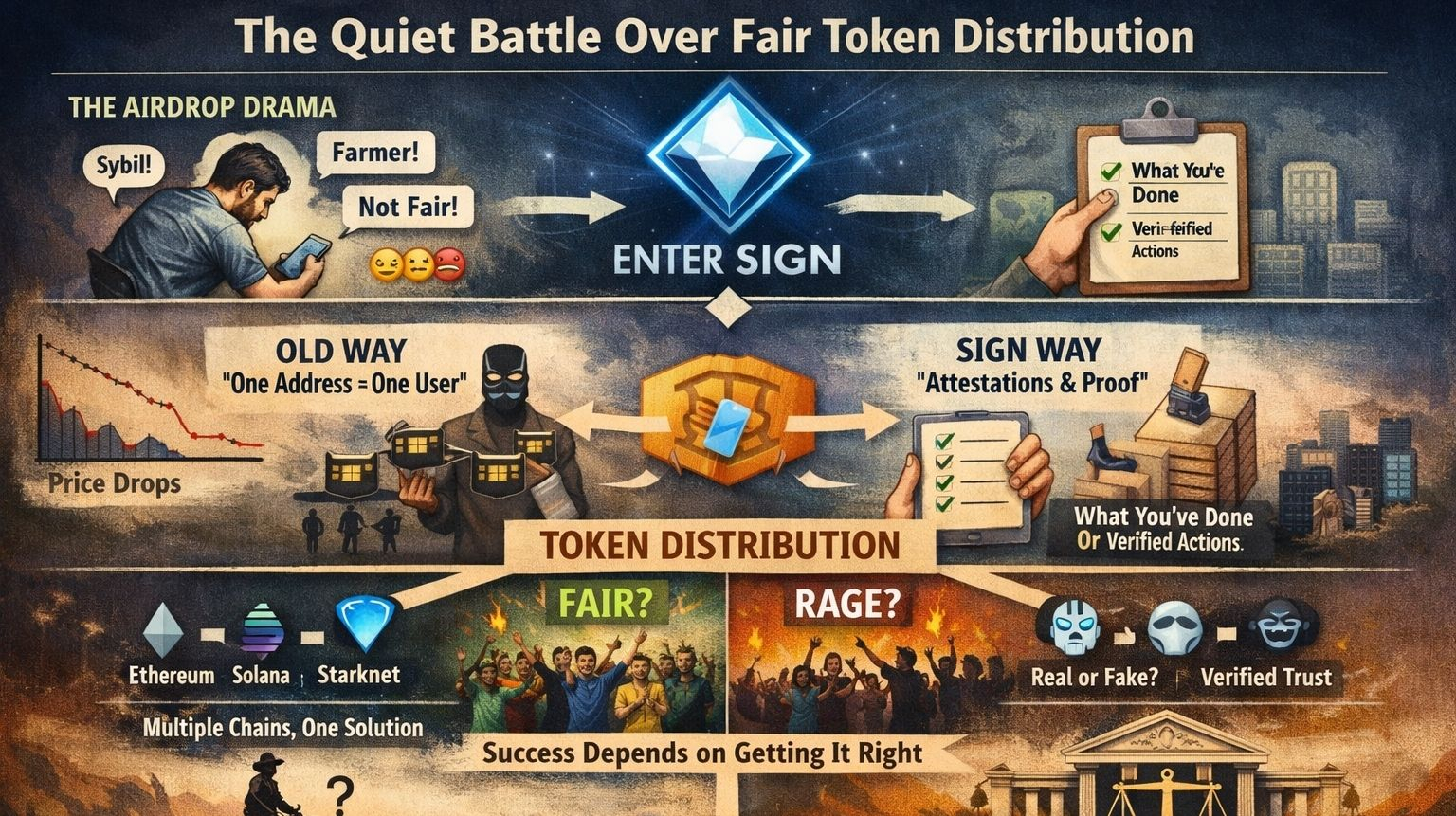
Der stille Kampf um die faire Token-VerteilungIch war halb am Schlafen, hab wie gewohnt gescrollt und bin in eine weitere Airdrop-Debatte geraten.
Die gleiche Geschichte jedes Mal.
Leute streiten sich über Wallets, nennen sich gegenseitig Farmer oder Sybils und versuchen zu entscheiden, wer "echt" ist und wer nicht. Manchmal fühlt es sich weniger nach Krypto an und mehr wie ein Gerichtssaal.
Und es endet immer auf die gleiche Weise. Ein paar Leute gewinnen und posten ihre Screenshots. Die meisten fühlen sich genervt. Dann fällt der Preis langsam und alle tun verwirrt.
Mitten im ganzen Lärm ist mir immer wieder eine Sache aufgefallen: SIGN.
Der stille Kampf um die faire Token-Verteilung
Ich war halb am Schlafen, hab wie gewohnt gescrollt und bin in eine weitere Airdrop-Debatte geraten.
Die gleiche Geschichte jedes Mal.
Leute streiten sich über Wallets, nennen sich gegenseitig Farmer oder Sybils und versuchen zu entscheiden, wer "echt" ist und wer nicht. Manchmal fühlt es sich weniger nach Krypto an und mehr wie ein Gerichtssaal.
Und es endet immer auf die gleiche Weise. Ein paar Leute gewinnen und posten ihre Screenshots. Die meisten fühlen sich genervt. Dann fällt der Preis langsam und alle tun verwirrt.
Mitten im ganzen Lärm ist mir immer wieder eine Sache aufgefallen: SIGN.
Die gleiche Geschichte jedes Mal.
Leute streiten sich über Wallets, nennen sich gegenseitig Farmer oder Sybils und versuchen zu entscheiden, wer "echt" ist und wer nicht. Manchmal fühlt es sich weniger nach Krypto an und mehr wie ein Gerichtssaal.
Und es endet immer auf die gleiche Weise. Ein paar Leute gewinnen und posten ihre Screenshots. Die meisten fühlen sich genervt. Dann fällt der Preis langsam und alle tun verwirrt.
Mitten im ganzen Lärm ist mir immer wieder eine Sache aufgefallen: SIGN.
1
62
·
--
Bullisch
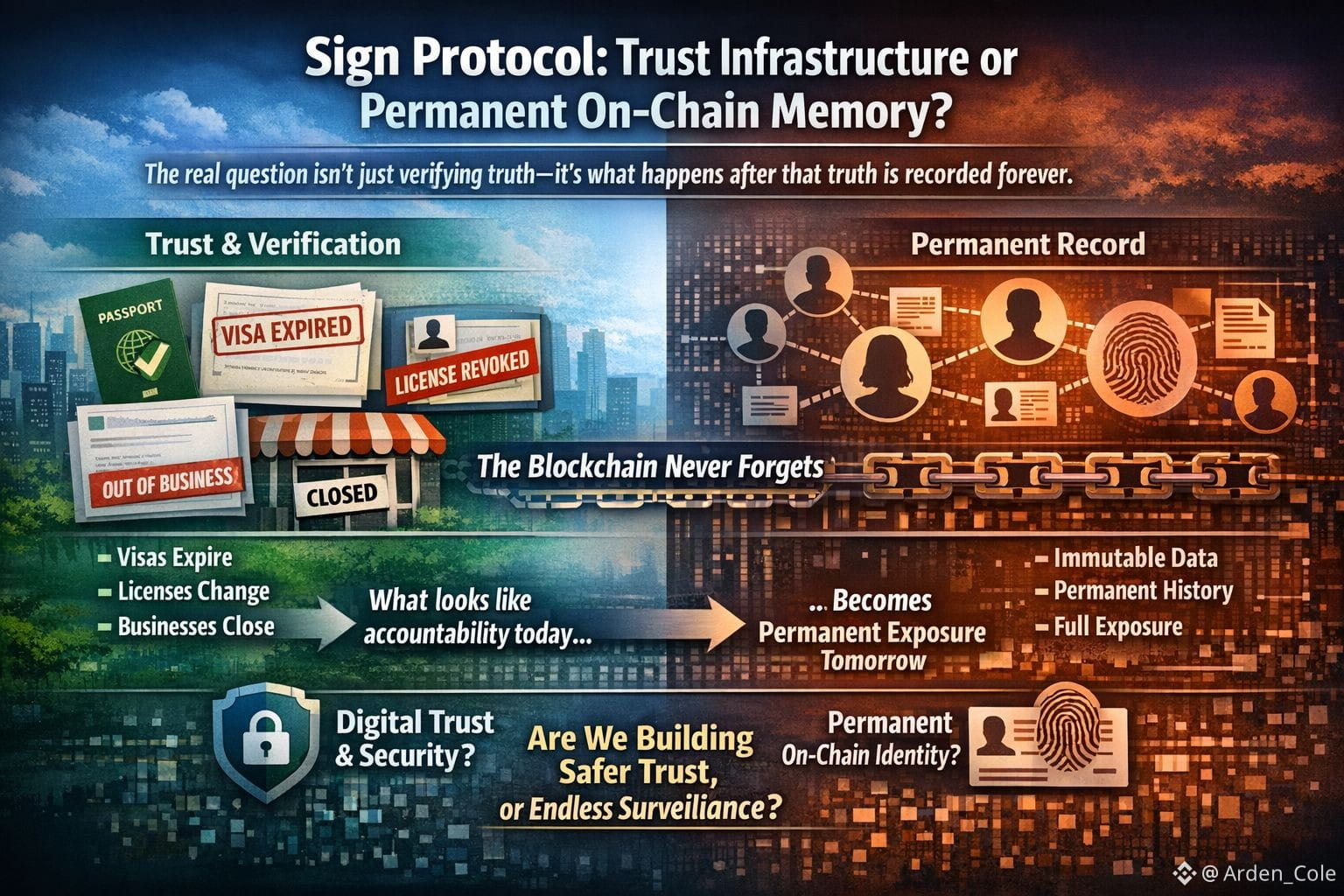
Sign Protocol: Vertrauensinfrastruktur oder permanente On-Chain-Erinnerung?
Die eigentliche Frage rund um das Sign Protocol ist nicht nur, ob es die Wahrheit verifizieren kann. Es geht darum, was passiert, nachdem diese Wahrheit für immer aufgezeichnet wurde.
Jede Bestätigung kann das Vertrauen stärken, hinterlässt jedoch auch eine dauerhafte Spur. Ein Visum kann ablaufen. Eine Lizenz kann entzogen werden. Ein Unternehmen kann schließen. Eigentum kann den Besitzer wechseln. Das Leben geht weiter.
Die Blockchain tut das nicht.
Hier wird die Debatte ernst.
Was heute nach Verantwortung aussieht, kann morgen zur dauerhaften Offenlegung werden.
Das Sign Protocol könnte eines der stärksten Bestätigungssysteme in Web3 aufbauen — zwingt uns aber auch zu einem härteren Gespräch:
Schaffen wir besseres digitales Vertrauen oder normalisieren wir eine permanente, identitätsgebundene Historie on-chain?
Diese Spannung macht dieses Projekt so mächtig — und so umstritten.
@SignOfficial #SignDigitalSovereignInfra $SIGN
Sign Protocol: Vertrauensinfrastruktur oder permanente On-Chain-Erinnerung?
Die eigentliche Frage rund um das Sign Protocol ist nicht nur, ob es die Wahrheit verifizieren kann. Es geht darum, was passiert, nachdem diese Wahrheit für immer aufgezeichnet wurde.
Jede Bestätigung kann das Vertrauen stärken, hinterlässt jedoch auch eine dauerhafte Spur. Ein Visum kann ablaufen. Eine Lizenz kann entzogen werden. Ein Unternehmen kann schließen. Eigentum kann den Besitzer wechseln. Das Leben geht weiter.
Die Blockchain tut das nicht.
Hier wird die Debatte ernst.
Was heute nach Verantwortung aussieht, kann morgen zur dauerhaften Offenlegung werden.
Das Sign Protocol könnte eines der stärksten Bestätigungssysteme in Web3 aufbauen — zwingt uns aber auch zu einem härteren Gespräch:
Schaffen wir besseres digitales Vertrauen oder normalisieren wir eine permanente, identitätsgebundene Historie on-chain?
Diese Spannung macht dieses Projekt so mächtig — und so umstritten.
@SignOfficial #SignDigitalSovereignInfra $SIGN
Die eigentliche Frage rund um das Sign Protocol ist nicht nur, ob es die Wahrheit verifizieren kann. Es geht darum, was passiert, nachdem diese Wahrheit für immer aufgezeichnet wurde.
Jede Bestätigung kann das Vertrauen stärken, hinterlässt jedoch auch eine dauerhafte Spur. Ein Visum kann ablaufen. Eine Lizenz kann entzogen werden. Ein Unternehmen kann schließen. Eigentum kann den Besitzer wechseln. Das Leben geht weiter.
Die Blockchain tut das nicht.
Hier wird die Debatte ernst.
Was heute nach Verantwortung aussieht, kann morgen zur dauerhaften Offenlegung werden.
Das Sign Protocol könnte eines der stärksten Bestätigungssysteme in Web3 aufbauen — zwingt uns aber auch zu einem härteren Gespräch:
Schaffen wir besseres digitales Vertrauen oder normalisieren wir eine permanente, identitätsgebundene Historie on-chain?
Diese Spannung macht dieses Projekt so mächtig — und so umstritten.
@SignOfficial #SignDigitalSovereignInfra $SIGN
97
·
--
Artikel
Die größte Stärke des Sign Protocol könnte auch sein größtes Datenschutzrisiko sein.Je mehr ich über das Sign Protocol nachdenke, desto mehr habe ich das Gefühl, dass seine Datenschutzkompromisse viel mehr Aufmerksamkeit verdienen, als sie derzeit bekommen.
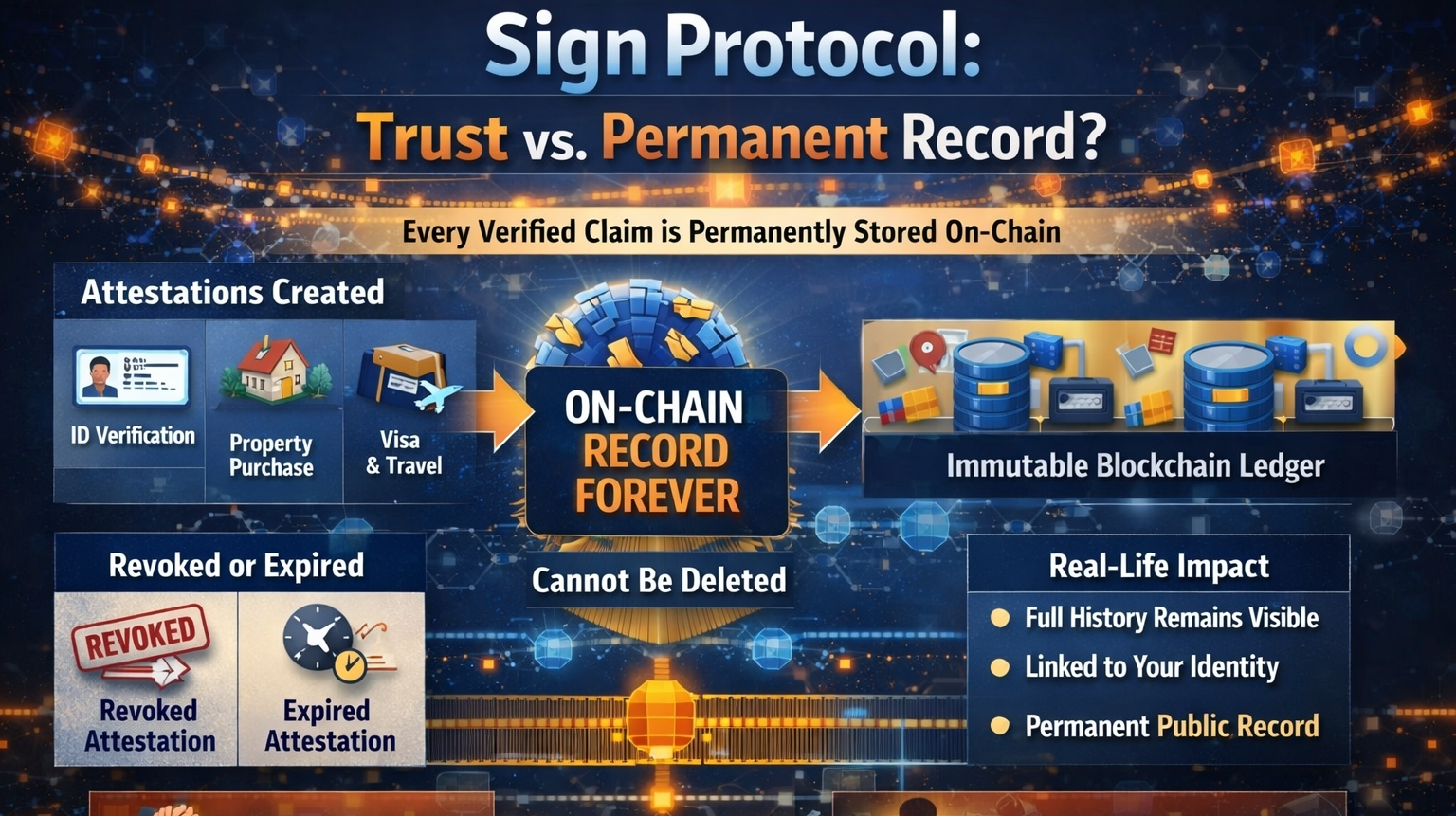
Auf den ersten Blick sieht das System beeindruckend aus. Das Sign Protocol ist darauf ausgelegt, digitale Attestierungen über ihren gesamten Lebenszyklus zu erstellen, zu verifizieren und zu verwalten. Das umfasst die Ausstellung durch vertrauenswürdige Stellen, die Verifizierung durch Dritte, die Widerrufung, wenn ein Anspruch nicht mehr gültig ist, die Ablauffrist für zeitlich begrenzte Aufzeichnungen und selektive Offenlegung, um nur bestimmte Teile der Daten bei Bedarf offenzulegen. Aus technischer Sicht klingt das nach einem vollständigen und gut strukturierten Vertrauensrahmen.
Die größte Stärke des Sign Protocol könnte auch sein größtes Datenschutzrisiko sein.
Je mehr ich über das Sign Protocol nachdenke, desto mehr habe ich das Gefühl, dass seine Datenschutzkompromisse viel mehr Aufmerksamkeit verdienen, als sie derzeit bekommen.
Auf den ersten Blick sieht das System beeindruckend aus. Das Sign Protocol ist darauf ausgelegt, digitale Attestierungen über ihren gesamten Lebenszyklus zu erstellen, zu verifizieren und zu verwalten. Das umfasst die Ausstellung durch vertrauenswürdige Stellen, die Verifizierung durch Dritte, die Widerrufung, wenn ein Anspruch nicht mehr gültig ist, die Ablauffrist für zeitlich begrenzte Aufzeichnungen und selektive Offenlegung, um nur bestimmte Teile der Daten bei Bedarf offenzulegen. Aus technischer Sicht klingt das nach einem vollständigen und gut strukturierten Vertrauensrahmen.
Auf den ersten Blick sieht das System beeindruckend aus. Das Sign Protocol ist darauf ausgelegt, digitale Attestierungen über ihren gesamten Lebenszyklus zu erstellen, zu verifizieren und zu verwalten. Das umfasst die Ausstellung durch vertrauenswürdige Stellen, die Verifizierung durch Dritte, die Widerrufung, wenn ein Anspruch nicht mehr gültig ist, die Ablauffrist für zeitlich begrenzte Aufzeichnungen und selektive Offenlegung, um nur bestimmte Teile der Daten bei Bedarf offenzulegen. Aus technischer Sicht klingt das nach einem vollständigen und gut strukturierten Vertrauensrahmen.
1
121
·
--
Bullisch
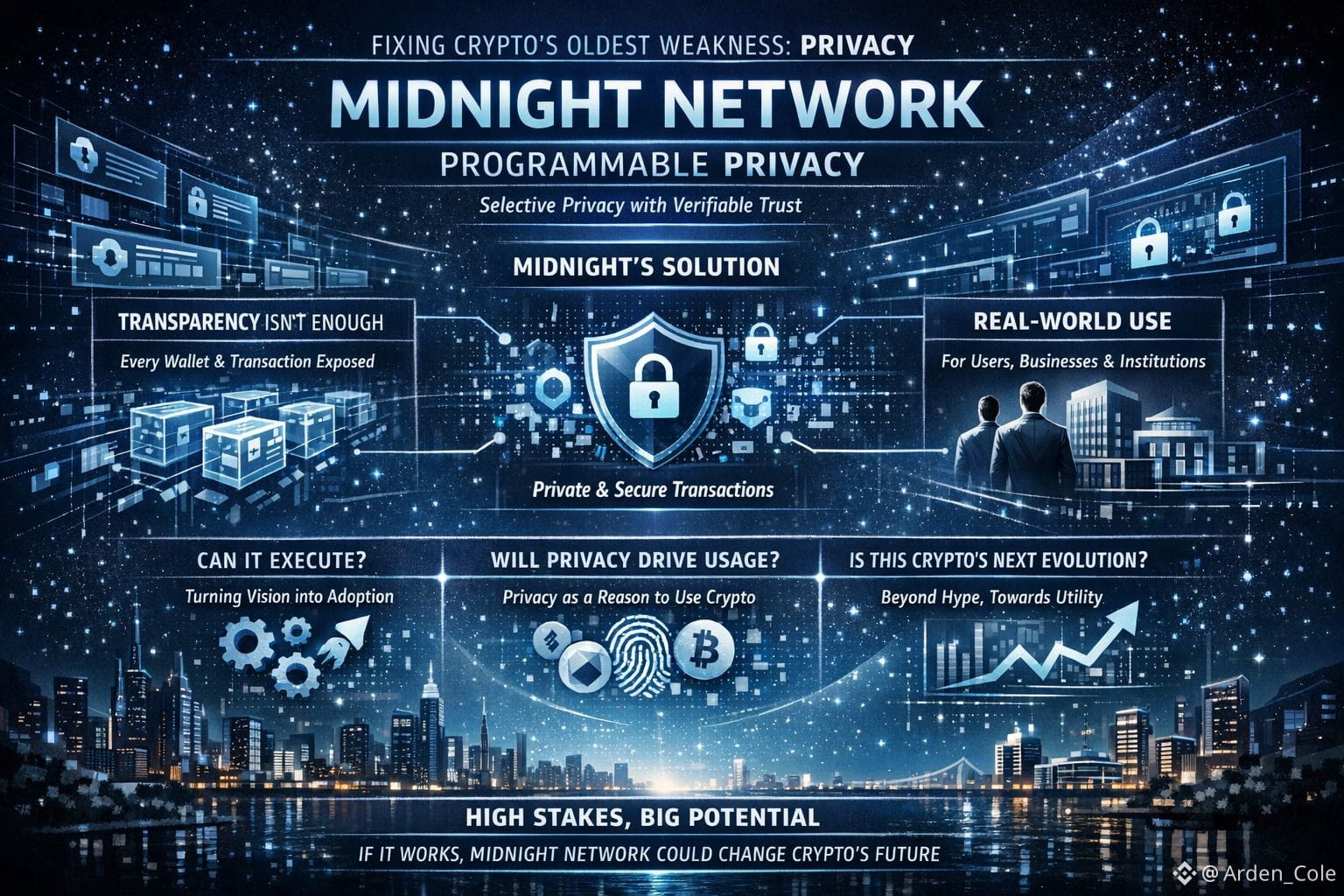
Midnight Network ist eines der wenigen Krypto-Projekte, das sofort größer als der Hype erscheint.
Nicht, weil es eine weitere Revolution verspricht.
Weil es eine der ältesten Schwächen von Krypto anspricht: den vollständigen Mangel an Privatsphäre.
Zu lange hat die Branche so getan, als wäre totale Transparenz genug. Das ist sie nicht. Echte Nutzer, echte Unternehmen und echte Institutionen werden Systeme, in denen jede Wallet, jede Bewegung und jeder Saldo offengelegt werden kann, niemals vollständig akzeptieren.
Hier wird Midnight Network interessant.
Seine Vision von programmierbarer Privatsphäre fühlt sich schärfer, praktischer und mehr im Einklang mit der Funktionsweise realer Finanzsysteme an. Keine blinde Geheimhaltung. Kein Chaos. Sondern selektive Privatsphäre mit eingebautem, verifizierbarem Vertrauen.
Das ist eine ernsthafte Idee.
Die Herausforderung besteht jetzt in der Umsetzung.
Kann Midnight Network starkes Design in echte Akzeptanz umsetzen?
Kann es Entwickler, Nutzer und Unternehmen anziehen, bevor der Markt zum nächsten Trend übergeht?
Kann Privatsphäre endlich ein Grund werden, Krypto zu nutzen, und nicht nur ein Merkmal, über das die Leute sprechen?
Das macht dieses Projekt sehenswert.
Nicht, weil es garantiert gewinnt.
Sondern weil, wenn es funktioniert, Midnight Network beweisen könnte, dass Krypto noch Raum hat, sich in etwas viel Nützlicheres als Spekulation zu entwickeln.
@MidnightNetwork #night $NIGHT
Midnight Network ist eines der wenigen Krypto-Projekte, das sofort größer als der Hype erscheint.
Nicht, weil es eine weitere Revolution verspricht.
Weil es eine der ältesten Schwächen von Krypto anspricht: den vollständigen Mangel an Privatsphäre.
Zu lange hat die Branche so getan, als wäre totale Transparenz genug. Das ist sie nicht. Echte Nutzer, echte Unternehmen und echte Institutionen werden Systeme, in denen jede Wallet, jede Bewegung und jeder Saldo offengelegt werden kann, niemals vollständig akzeptieren.
Hier wird Midnight Network interessant.
Seine Vision von programmierbarer Privatsphäre fühlt sich schärfer, praktischer und mehr im Einklang mit der Funktionsweise realer Finanzsysteme an. Keine blinde Geheimhaltung. Kein Chaos. Sondern selektive Privatsphäre mit eingebautem, verifizierbarem Vertrauen.
Das ist eine ernsthafte Idee.
Die Herausforderung besteht jetzt in der Umsetzung.
Kann Midnight Network starkes Design in echte Akzeptanz umsetzen?
Kann es Entwickler, Nutzer und Unternehmen anziehen, bevor der Markt zum nächsten Trend übergeht?
Kann Privatsphäre endlich ein Grund werden, Krypto zu nutzen, und nicht nur ein Merkmal, über das die Leute sprechen?
Das macht dieses Projekt sehenswert.
Nicht, weil es garantiert gewinnt.
Sondern weil, wenn es funktioniert, Midnight Network beweisen könnte, dass Krypto noch Raum hat, sich in etwas viel Nützlicheres als Spekulation zu entwickeln.
@MidnightNetwork #night $NIGHT
Nicht, weil es eine weitere Revolution verspricht.
Weil es eine der ältesten Schwächen von Krypto anspricht: den vollständigen Mangel an Privatsphäre.
Zu lange hat die Branche so getan, als wäre totale Transparenz genug. Das ist sie nicht. Echte Nutzer, echte Unternehmen und echte Institutionen werden Systeme, in denen jede Wallet, jede Bewegung und jeder Saldo offengelegt werden kann, niemals vollständig akzeptieren.
Hier wird Midnight Network interessant.
Seine Vision von programmierbarer Privatsphäre fühlt sich schärfer, praktischer und mehr im Einklang mit der Funktionsweise realer Finanzsysteme an. Keine blinde Geheimhaltung. Kein Chaos. Sondern selektive Privatsphäre mit eingebautem, verifizierbarem Vertrauen.
Das ist eine ernsthafte Idee.
Die Herausforderung besteht jetzt in der Umsetzung.
Kann Midnight Network starkes Design in echte Akzeptanz umsetzen?
Kann es Entwickler, Nutzer und Unternehmen anziehen, bevor der Markt zum nächsten Trend übergeht?
Kann Privatsphäre endlich ein Grund werden, Krypto zu nutzen, und nicht nur ein Merkmal, über das die Leute sprechen?
Das macht dieses Projekt sehenswert.
Nicht, weil es garantiert gewinnt.
Sondern weil, wenn es funktioniert, Midnight Network beweisen könnte, dass Krypto noch Raum hat, sich in etwas viel Nützlicheres als Spekulation zu entwickeln.
@MidnightNetwork #night $NIGHT
117
Anmelden und weiter Inhalte entdecken
Krypto-Nutzer weltweit auf Binance Square kennenlernen
⚡️ Bleib in Sachen Krypto stets am Puls.
💬 Die weltgrößte Kryptobörse vertraut darauf.
👍 Erhalte verlässliche Einblicke von verifizierten Creators.
E-Mail-Adresse/Telefonnummer
Trendthemen
NFPWatch
10.4M Aufrufe
16,830 Kommentare
Krypto-News | Bitcoin nähert sich der Marke von 85.000 US-Dollar, während die Renditen von US-Staatsanleihen vor dem Bericht zu den NFP zurückgehen
Binance News
·8 Likes
·8.6k Aufrufe
BitcoinRisesToward$85K
7,059 Aufrufe
31 Kommentare
AmazonPlansToSell$8BNvidiaChips
858 Aufrufe
33 Kommentare