
NeonWick
1.3k Beiträge

NeonWick
139 Following
5.2K+ Follower
1.0K+ Like gegeben
Beiträge
Alle
Zitierungen
Videos
Live
Übersetzung ansehen


Devil9
·
--
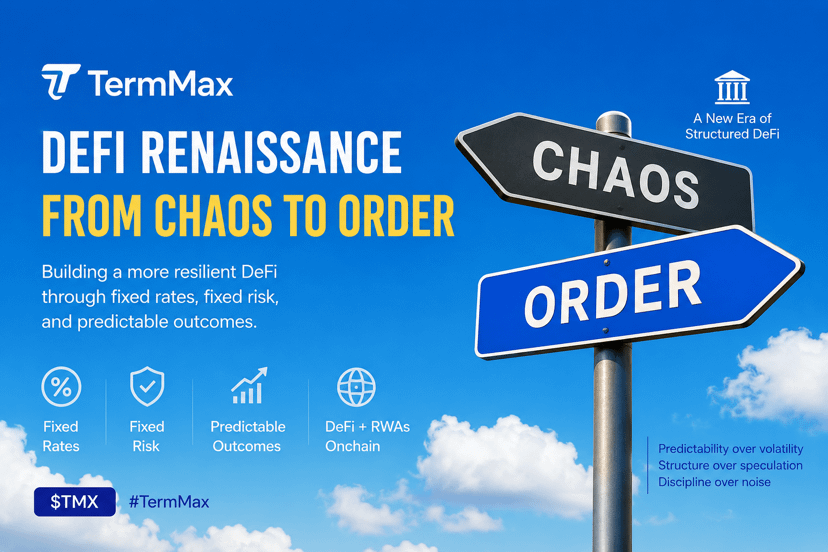
@TermMax #TermMax Vor ein paar Tagen habe ich wieder über TermMax’ Renaissance-Programm gelesen. Anfangs dachte ich, es könnte einfach nur eine weitere DeFi-Kampagne sein. Aber während ich über feste Zinssätze, festes Risiko und vorhersehbare Ergebnisse las, kam mir eine Frage in den Sinn: Wenn DeFi inzwischen so stark gewachsen ist – warum sind wir dann immer noch so bereit, hohe Kreditkosten und Liquidationsrisiken zu akzeptieren, die sich so schnell ändern können?
Es gibt viele Möglichkeiten in DeFi. Aber wenn die Volatilität zuschlägt, kann selbst eine gute Strategie auf kurzfristige Entscheidungen beschränkt werden – aus Angst vor einer Liquidation. Wenn sich der Markt plötzlich dreht, können viele Positionen gleichzeitig betroffen sein.
Das Renaissance-Programm hat mich es aus einem anderen Blickwinkel betrachten lassen. Der Fokus liegt nicht nur darauf, Funktionen zu präsentieren, sondern gemeinsam mit der Community zu hinterfragen, wie DeFi aussehen sollte. Als ich mir den Renaissance Passport und die Strategiesimulationen ansah, stellte sich erneut eine Frage: Wollen wir immer ein DeFi, in dem Menschen hohen Ertrag und hohes Risiko jagen – oder brauchen wir auch ein System, in dem Kapital effektiver geplant werden kann?
Hier fängt für mich die Idee des Festzins-Kreditgebens an, wirklich praktisch zu werden. Wenn die Kreditkosten bereits bekannt sind, wird die Planung einfacher. Festes Risiko- Leverage und strukturierte Produkte können außerdem mehr Raum für langfristige Strategien schaffen.
Was ich noch interessanter finde: TermMax beschränkt diese Idee nicht nur auf DeFi. Das Unternehmen blickt auch Richtung RWAs und versucht, mehr vorhersehbare Finanzstrukturen On-Chain zu bringen.
Dass DeFi reift, bedeutet nicht nur, zu fragen: Wie viel Rendite? Es geht auch darum zu fragen: Wie viel Risiko? Wie vorhersehbar ist das Ergebnis? Und wie gut lässt sich Kapital planen?
Deshalb sehe ich TermMax’ Renaissance-Programm als mehr als nur eine Kampagne. Es fühlt sich eher wie eine Richtung an. Jetzt möchte ich sehen, wie weit sich diese Idee, von Chaos zu Ordnung zu wechseln, tatsächlich in echte Akzeptanz übersetzen lässt. @TermMax #TermMax
Es gibt viele Möglichkeiten in DeFi. Aber wenn die Volatilität zuschlägt, kann selbst eine gute Strategie auf kurzfristige Entscheidungen beschränkt werden – aus Angst vor einer Liquidation. Wenn sich der Markt plötzlich dreht, können viele Positionen gleichzeitig betroffen sein.
Das Renaissance-Programm hat mich es aus einem anderen Blickwinkel betrachten lassen. Der Fokus liegt nicht nur darauf, Funktionen zu präsentieren, sondern gemeinsam mit der Community zu hinterfragen, wie DeFi aussehen sollte. Als ich mir den Renaissance Passport und die Strategiesimulationen ansah, stellte sich erneut eine Frage: Wollen wir immer ein DeFi, in dem Menschen hohen Ertrag und hohes Risiko jagen – oder brauchen wir auch ein System, in dem Kapital effektiver geplant werden kann?
Hier fängt für mich die Idee des Festzins-Kreditgebens an, wirklich praktisch zu werden. Wenn die Kreditkosten bereits bekannt sind, wird die Planung einfacher. Festes Risiko- Leverage und strukturierte Produkte können außerdem mehr Raum für langfristige Strategien schaffen.
Was ich noch interessanter finde: TermMax beschränkt diese Idee nicht nur auf DeFi. Das Unternehmen blickt auch Richtung RWAs und versucht, mehr vorhersehbare Finanzstrukturen On-Chain zu bringen.
Dass DeFi reift, bedeutet nicht nur, zu fragen: Wie viel Rendite? Es geht auch darum zu fragen: Wie viel Risiko? Wie vorhersehbar ist das Ergebnis? Und wie gut lässt sich Kapital planen?
Deshalb sehe ich TermMax’ Renaissance-Programm als mehr als nur eine Kampagne. Es fühlt sich eher wie eine Richtung an. Jetzt möchte ich sehen, wie weit sich diese Idee, von Chaos zu Ordnung zu wechseln, tatsächlich in echte Akzeptanz übersetzen lässt. @TermMax #TermMax
Übersetzung ansehen
Devil9
·
--
@Dusk $DUSK #dusk Wir haben schon so oft gehört, dass Transparenz die größte Stärke von Blockchain ist. Aber hier ist eine Frage: Ist es wirklich der beste Ansatz für regulierte Finanzmärkte, alles öffentlich zu machen?Denken Sie an ein Unternehmen, das seinen Treasury-Bestand verlagert, oder an einen Investor, der ein großes Portfolio neu ausbalanciert. Ein Market Maker könnte ebenfalls eine Handelsstrategie umsetzen. Wenn jede Einzelheit on-chain sichtbar bleibt, kann Transparenz Vertrauen aufbauen. Sie kann aber auch Informationen offenlegen, die Unternehmen möglicherweise lieber privat halten möchten.
Genau hier finde ich dusk interessant.
Dusk betrachtet Privatsphäre nicht als das Gegenteil von Transparenz. Stattdessen geht es darum, wie sensible Informationen privat bleiben können, während autorisierte Parteien weiterhin überprüfen können, was geprüft werden muss. @Dusk #dusk
Das bedeutet nicht, Informationen vor Regulierungsbehörden zu verbergen. Zero-Knowledge-Proofs können dabei helfen zu beweisen, dass bestimmte Compliance-Anforderungen erfüllt sind, ohne jemanden dazu zu zwingen, jede persönliche Einzelheit oder jede Transaktion öffentlich offenzulegen.
Ich denke, diese Unterscheidung ist für regulierte Finanzen sehr wichtig. In Krypto kann die Idee, dass alles sichtbar ist, mächtig sein. Aber wenn wir Anleihen, Aktien, ETFs und andere regulierte Vermögenswerte on-chain bringen wollen, muss Privatsphäre möglicherweise Teil der Infrastruktur selbst werden. Deshalb fühlt sich die programmierbare Privatsphäre von Dusk größer an als nur private Transaktionen zu haben. Die eigentliche Frage ist diese.
Können Finanzmärkte transparenter werden, ohne jeden einzelnen Teilnehmer dazu zu zwingen, vollständig offengelegt zu sein?Wenn Blockchain Privatsphäre, Compliance, selektive Offenlegung und planbare Abwicklung innerhalb derselben Infrastruktur ausbalancieren kann, könnte die institutionelle Übernahme viel praktischer werden. Für mich ist das eines der spannendsten Dinge an dusk. Es geht nicht nur darum, Finanzwesen on-chain zu bringen. Es geht darum, eine Umgebung zu schaffen, die reguliertes Finance wirklich nutzen kann.
Was denken Sie? Ist Privatsphäre für die institutionelle Übernahme genauso wichtig wie Transparenz?$AKE $AVAAI
Genau hier finde ich dusk interessant.
Dusk betrachtet Privatsphäre nicht als das Gegenteil von Transparenz. Stattdessen geht es darum, wie sensible Informationen privat bleiben können, während autorisierte Parteien weiterhin überprüfen können, was geprüft werden muss. @Dusk #dusk
Das bedeutet nicht, Informationen vor Regulierungsbehörden zu verbergen. Zero-Knowledge-Proofs können dabei helfen zu beweisen, dass bestimmte Compliance-Anforderungen erfüllt sind, ohne jemanden dazu zu zwingen, jede persönliche Einzelheit oder jede Transaktion öffentlich offenzulegen.
Ich denke, diese Unterscheidung ist für regulierte Finanzen sehr wichtig. In Krypto kann die Idee, dass alles sichtbar ist, mächtig sein. Aber wenn wir Anleihen, Aktien, ETFs und andere regulierte Vermögenswerte on-chain bringen wollen, muss Privatsphäre möglicherweise Teil der Infrastruktur selbst werden. Deshalb fühlt sich die programmierbare Privatsphäre von Dusk größer an als nur private Transaktionen zu haben. Die eigentliche Frage ist diese.
Können Finanzmärkte transparenter werden, ohne jeden einzelnen Teilnehmer dazu zu zwingen, vollständig offengelegt zu sein?Wenn Blockchain Privatsphäre, Compliance, selektive Offenlegung und planbare Abwicklung innerhalb derselben Infrastruktur ausbalancieren kann, könnte die institutionelle Übernahme viel praktischer werden. Für mich ist das eines der spannendsten Dinge an dusk. Es geht nicht nur darum, Finanzwesen on-chain zu bringen. Es geht darum, eine Umgebung zu schaffen, die reguliertes Finance wirklich nutzen kann.
Was denken Sie? Ist Privatsphäre für die institutionelle Übernahme genauso wichtig wie Transparenz?$AKE $AVAAI
Devil9
·
--
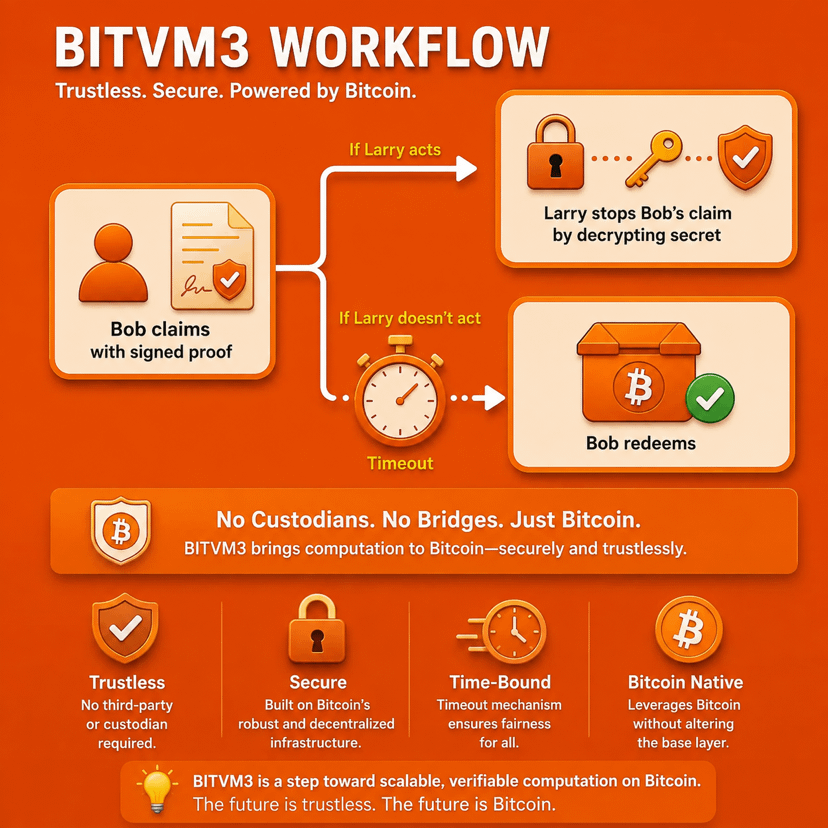
Als ich zum ersten Mal hörte, dass TBV die Notwendigkeit von Custodians und Bridges entfernt, dachte ich, dass die größte Quelle der Reibung endlich verschwunden sei. Aber nachdem ich mehr Zeit damit verbracht hatte, das Design zu verstehen, merkte ich etwas Interessantes: Die Reibung wird nicht eliminiert. Sie wurde lediglich an einen anderen Ort verlagert @BabylonLabs_io #baby
Im statt darauf zu vertrauen, dass eine dritte Partei Bitcoin-Nutzer verwaltet, werden native BTC per Taproot gesperrt – das ist ein großer Schritt nach vorn. Allerdings liegt der Nachteil darin, dass der eigene Abwicklungsprozess von Bitcoin nun zum Engpass wird. Der Einstieg in das System dauert also weiterhin eine Weile, und wer eine sofortige Bewegung erwartet, muss sich auf diese Realität einstellen
Dasselbe Muster zeigt sich auch bei der Liquidation. Da Bitcoin nicht für eine Hochgeschwindigkeits-Ausführung entworfen wurde, werden zusätzliche Mechanismen benötigt, um mit Abwicklungsverzögerungen umzugehen. Der vertraute Vermittler ist vielleicht weg, aber die Zeit wird zu einem Teil der Architektur
Für mich ist das eine bedeutende Verbesserung, weil die Sicherheit nicht mehr von einem Operator abhängt. Sie basiert auf den eigenen Garantien von Bitcoin. Dennoch wirft das einen interessanten Gedanken auf
Wenn die Kosten der Teilnahme nicht mehr darin bestehen, jemand anderem zu vertrauen, sondern einfach nur länger zu warten: Werden die Leute diesen Trade-off dann bereitwillig akzeptieren? Oder wird ein Teil des Kapitals immer Systeme bevorzugen, die ein wenig Sicherheit gegen Geschwindigkeit eintauschen @BabylonLabs_io $BABY #baby
$VIC
$BICO
#Write2Earn
#TrendingTopic
#BTC
@CZ
Im statt darauf zu vertrauen, dass eine dritte Partei Bitcoin-Nutzer verwaltet, werden native BTC per Taproot gesperrt – das ist ein großer Schritt nach vorn. Allerdings liegt der Nachteil darin, dass der eigene Abwicklungsprozess von Bitcoin nun zum Engpass wird. Der Einstieg in das System dauert also weiterhin eine Weile, und wer eine sofortige Bewegung erwartet, muss sich auf diese Realität einstellen
Dasselbe Muster zeigt sich auch bei der Liquidation. Da Bitcoin nicht für eine Hochgeschwindigkeits-Ausführung entworfen wurde, werden zusätzliche Mechanismen benötigt, um mit Abwicklungsverzögerungen umzugehen. Der vertraute Vermittler ist vielleicht weg, aber die Zeit wird zu einem Teil der Architektur
Für mich ist das eine bedeutende Verbesserung, weil die Sicherheit nicht mehr von einem Operator abhängt. Sie basiert auf den eigenen Garantien von Bitcoin. Dennoch wirft das einen interessanten Gedanken auf
Wenn die Kosten der Teilnahme nicht mehr darin bestehen, jemand anderem zu vertrauen, sondern einfach nur länger zu warten: Werden die Leute diesen Trade-off dann bereitwillig akzeptieren? Oder wird ein Teil des Kapitals immer Systeme bevorzugen, die ein wenig Sicherheit gegen Geschwindigkeit eintauschen @BabylonLabs_io $BABY #baby
$VIC
$BICO
#Write2Earn
#TrendingTopic
#BTC
@CZ
Devil9
·
--
Die meisten Krypto-Diskussionen beginnen mit „Was kann dieses Protokoll?“ In letzter Zeit stelle ich stattdessen eine andere Frage: Was fordert es die Nutzer eigentlich abzugeben? Deshalb ist Babylon auf meiner Beobachtungsliste geblieben. Die Kernidee ist, Bitcoin sauber nativer zu halten: es über das eigene Skripting von Bitcoin zu verankern, Wrapper und Brücken zu vermeiden, die bereits echte Verluste verursacht haben, und zuzulassen, dass dieses Sicherheiten-Setup in Bereiche wie Aave v4 fließt. Wenn sich ungenutztes BTC auf diese Weise skaliert bewegen lässt, verändert das wirklich, wo die Bitcoin-Liquidität On-Chain lebt. @BabylonLabs_io #baby
Aber die Trade-offs sollte man beim Namen nennen. Staking auf dem Mainnet sperrt grob etwa fünfzehn Monate – man kann keine Stücke entbinden, sobald man sich anders fühlt. Die Delegation an einen Finality Provider bedeutet, sich dessen Verhalten anzueignen, weil Slashing Teil des Designs ist. Liquidationen kommen als zusätzliche Schicht hinzu. Die Schulden auf Ethereum müssen sofort beglichen werden, während das Freigeben von BTC auf Bitcoin echte Zeit benötigt. Liquidation Liquidity Providers schließen diese Lücke, indem sie Kapital für eine sofortige Abwicklung vorfinanzieren. Geschwindigkeit für den Liquidator – aber die offene Frage ist, ob dieser Mechanismus unter realem Stress zuverlässig auftaucht oder nur eine neue Abhängigkeit einführt.
Wrapped BTC hat bereits Jahre an Produktionshistorie, tiefe Liquidität und Integrationen über nahezu jedes große Protokoll hinweg. TBV ist jedoch weiterhin nur auf öffentlichem Testnet, mitten in der Prüfung und noch nicht gegen echten Marktdruck getestet. Ein saubereres Design löscht nicht automatisch einen mehrjährigen Vorsprung. Meine ehrliche Einschätzung: Das ist einer der ernsthafteren Versuche, native Bitcoin-Sicherheiten zu lösen, aber es ist noch nicht zwangsläufig der unvermeidliche Sieger. Das echte Urteil kommt nach dem Testnet, wenn echtes Kapital jede Annahme auf die Probe stellt.
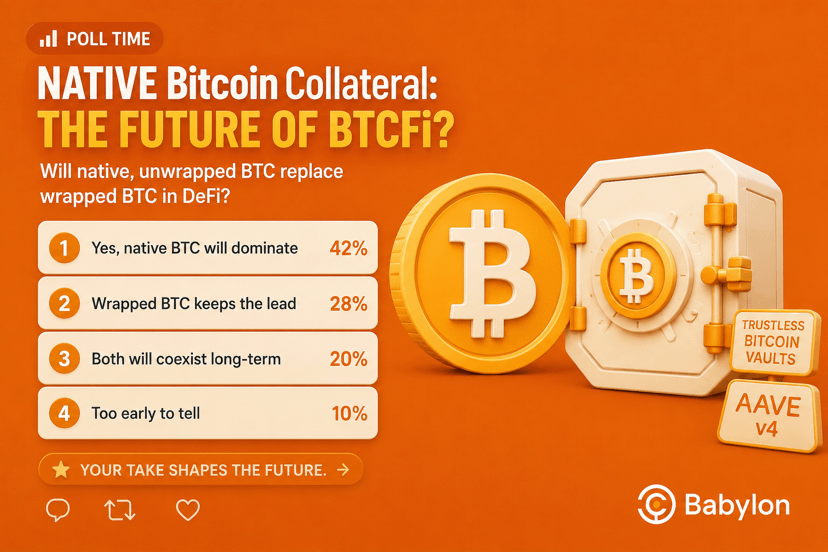
Also bleibt die eigentliche Frage: Wenn native, unverpackte Bitcoin-Sicherheiten sich weiter als verlässlich erweisen – würdest du sie dann Wrapped BTC vorziehen, oder bleibt die vorhandene Liquidität zu stark, um sie zu ersetzen? @BabylonLabs_io $BABY #baby $BLESS $KOMA
✅ Native BTC gewinnt
🔶 Wrapped BTC bleibt
⚖️ Beides wird koexistieren
🤔 Noch zu früh, um es zu sagen
Aber die Trade-offs sollte man beim Namen nennen. Staking auf dem Mainnet sperrt grob etwa fünfzehn Monate – man kann keine Stücke entbinden, sobald man sich anders fühlt. Die Delegation an einen Finality Provider bedeutet, sich dessen Verhalten anzueignen, weil Slashing Teil des Designs ist. Liquidationen kommen als zusätzliche Schicht hinzu. Die Schulden auf Ethereum müssen sofort beglichen werden, während das Freigeben von BTC auf Bitcoin echte Zeit benötigt. Liquidation Liquidity Providers schließen diese Lücke, indem sie Kapital für eine sofortige Abwicklung vorfinanzieren. Geschwindigkeit für den Liquidator – aber die offene Frage ist, ob dieser Mechanismus unter realem Stress zuverlässig auftaucht oder nur eine neue Abhängigkeit einführt.
Wrapped BTC hat bereits Jahre an Produktionshistorie, tiefe Liquidität und Integrationen über nahezu jedes große Protokoll hinweg. TBV ist jedoch weiterhin nur auf öffentlichem Testnet, mitten in der Prüfung und noch nicht gegen echten Marktdruck getestet. Ein saubereres Design löscht nicht automatisch einen mehrjährigen Vorsprung. Meine ehrliche Einschätzung: Das ist einer der ernsthafteren Versuche, native Bitcoin-Sicherheiten zu lösen, aber es ist noch nicht zwangsläufig der unvermeidliche Sieger. Das echte Urteil kommt nach dem Testnet, wenn echtes Kapital jede Annahme auf die Probe stellt.
Also bleibt die eigentliche Frage: Wenn native, unverpackte Bitcoin-Sicherheiten sich weiter als verlässlich erweisen – würdest du sie dann Wrapped BTC vorziehen, oder bleibt die vorhandene Liquidität zu stark, um sie zu ersetzen? @BabylonLabs_io $BABY #baby $BLESS $KOMA
✅ Native BTC gewinnt
🔶 Wrapped BTC bleibt
⚖️ Beides wird koexistieren
🤔 Noch zu früh, um es zu sagen
Devil9
·
--
Die meisten Krypto-Diskussionen beginnen mit „Was kann dieses Protokoll?“ In letzter Zeit stelle ich stattdessen eine andere Frage: Was fordert es die Nutzer eigentlich abzugeben? Deshalb ist Babylon auf meiner Beobachtungsliste geblieben. Die Kernidee ist, Bitcoin sauber nativer zu halten: es über das eigene Skripting von Bitcoin zu verankern, Wrapper und Brücken zu vermeiden, die bereits echte Verluste verursacht haben, und zuzulassen, dass dieses Sicherheiten-Setup in Bereiche wie Aave v4 fließt. Wenn sich ungenutztes BTC auf diese Weise skaliert bewegen lässt, verändert das wirklich, wo die Bitcoin-Liquidität On-Chain lebt. @BabylonLabs_io #baby
Aber die Trade-offs sollte man beim Namen nennen. Staking auf dem Mainnet sperrt grob etwa fünfzehn Monate – man kann keine Stücke entbinden, sobald man sich anders fühlt. Die Delegation an einen Finality Provider bedeutet, sich dessen Verhalten anzueignen, weil Slashing Teil des Designs ist. Liquidationen kommen als zusätzliche Schicht hinzu. Die Schulden auf Ethereum müssen sofort beglichen werden, während das Freigeben von BTC auf Bitcoin echte Zeit benötigt. Liquidation Liquidity Providers schließen diese Lücke, indem sie Kapital für eine sofortige Abwicklung vorfinanzieren. Geschwindigkeit für den Liquidator – aber die offene Frage ist, ob dieser Mechanismus unter realem Stress zuverlässig auftaucht oder nur eine neue Abhängigkeit einführt.
Wrapped BTC hat bereits Jahre an Produktionshistorie, tiefe Liquidität und Integrationen über nahezu jedes große Protokoll hinweg. TBV ist jedoch weiterhin nur auf öffentlichem Testnet, mitten in der Prüfung und noch nicht gegen echten Marktdruck getestet. Ein saubereres Design löscht nicht automatisch einen mehrjährigen Vorsprung. Meine ehrliche Einschätzung: Das ist einer der ernsthafteren Versuche, native Bitcoin-Sicherheiten zu lösen, aber es ist noch nicht zwangsläufig der unvermeidliche Sieger. Das echte Urteil kommt nach dem Testnet, wenn echtes Kapital jede Annahme auf die Probe stellt.
Also bleibt die eigentliche Frage: Wenn native, unverpackte Bitcoin-Sicherheiten sich weiter als verlässlich erweisen – würdest du sie dann Wrapped BTC vorziehen, oder bleibt die vorhandene Liquidität zu stark, um sie zu ersetzen? @BabylonLabs_io $BABY #baby $BLESS $KOMA
✅ Native BTC gewinnt
🔶 Wrapped BTC bleibt
⚖️ Beides wird koexistieren
🤔 Noch zu früh, um es zu sagen
Aber die Trade-offs sollte man beim Namen nennen. Staking auf dem Mainnet sperrt grob etwa fünfzehn Monate – man kann keine Stücke entbinden, sobald man sich anders fühlt. Die Delegation an einen Finality Provider bedeutet, sich dessen Verhalten anzueignen, weil Slashing Teil des Designs ist. Liquidationen kommen als zusätzliche Schicht hinzu. Die Schulden auf Ethereum müssen sofort beglichen werden, während das Freigeben von BTC auf Bitcoin echte Zeit benötigt. Liquidation Liquidity Providers schließen diese Lücke, indem sie Kapital für eine sofortige Abwicklung vorfinanzieren. Geschwindigkeit für den Liquidator – aber die offene Frage ist, ob dieser Mechanismus unter realem Stress zuverlässig auftaucht oder nur eine neue Abhängigkeit einführt.
Wrapped BTC hat bereits Jahre an Produktionshistorie, tiefe Liquidität und Integrationen über nahezu jedes große Protokoll hinweg. TBV ist jedoch weiterhin nur auf öffentlichem Testnet, mitten in der Prüfung und noch nicht gegen echten Marktdruck getestet. Ein saubereres Design löscht nicht automatisch einen mehrjährigen Vorsprung. Meine ehrliche Einschätzung: Das ist einer der ernsthafteren Versuche, native Bitcoin-Sicherheiten zu lösen, aber es ist noch nicht zwangsläufig der unvermeidliche Sieger. Das echte Urteil kommt nach dem Testnet, wenn echtes Kapital jede Annahme auf die Probe stellt.
Also bleibt die eigentliche Frage: Wenn native, unverpackte Bitcoin-Sicherheiten sich weiter als verlässlich erweisen – würdest du sie dann Wrapped BTC vorziehen, oder bleibt die vorhandene Liquidität zu stark, um sie zu ersetzen? @BabylonLabs_io $BABY #baby $BLESS $KOMA
✅ Native BTC gewinnt
🔶 Wrapped BTC bleibt
⚖️ Beides wird koexistieren
🤔 Noch zu früh, um es zu sagen
Devil9
·
--
Ich dachte früher, Babylon sei nur eine weitere Möglichkeit, Bitcoin „produktiv“ zu machen. Je länger ich darüber nachdachte, desto klarer wurde, dass das Gegenteil stimmt. Die meisten BTCFi-Projekte gehen von derselben Stelle aus: „Wie bringen wir Bitcoin aus seinen eigenen Regeln heraus, damit es anderswo funktionieren kann?“ Babylon stellt stattdessen eine ruhigere Frage: Wie können wir Bitcoin genau das lassen, was es ist – und dennoch dafür sorgen, dass es eine Wirkung hat? @BabylonLabs_io #baby
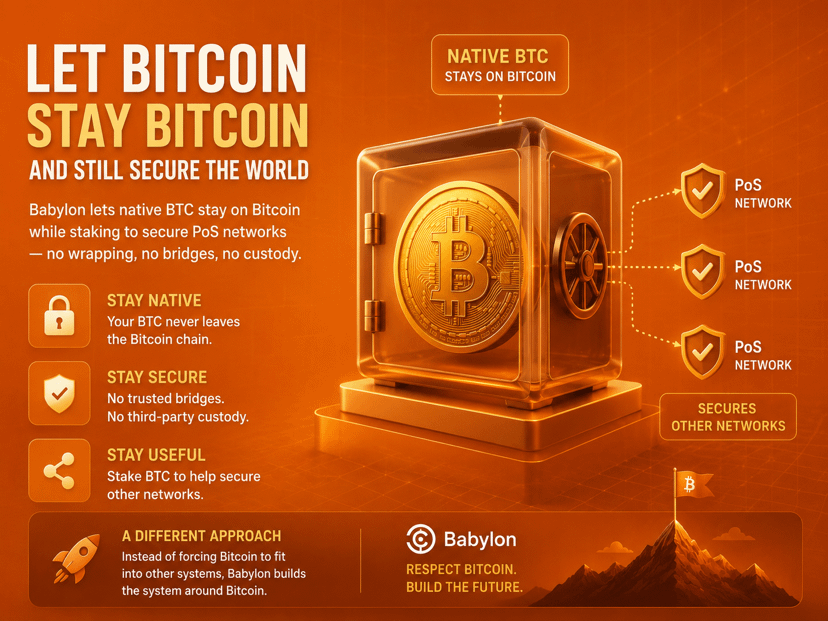
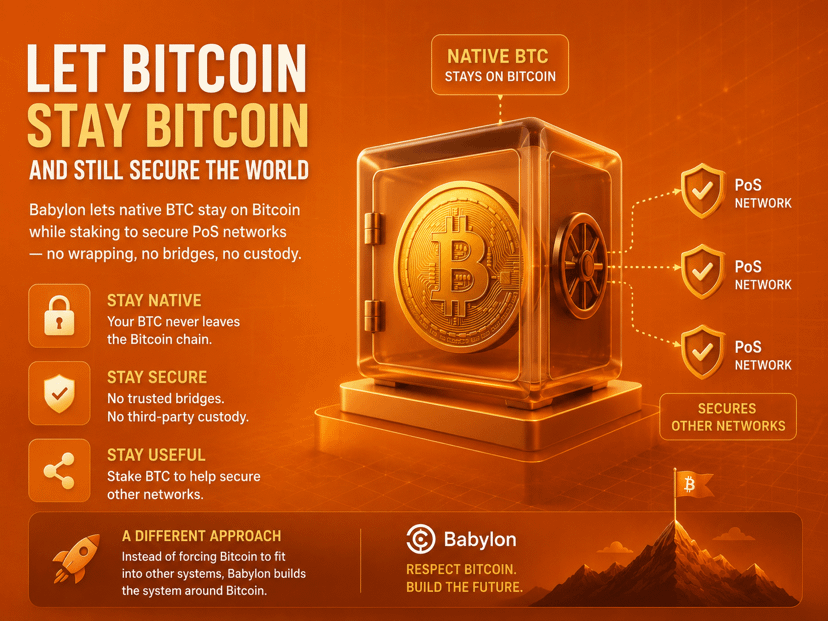
Native BTC verlässt die Bitcoin-Kette nie. Es wird nicht zu einer umhüllten Version seiner selbst. Es bittet die Inhaber nicht darum, einer Bridge oder einem Custodian zu vertrauen. Und trotzdem kann es durch das Staking-Design andere Netzwerke dabei unterstützen, abgesichert zu werden.
Diese eine Entscheidung verändert den gesamten Rahmen.
Wir haben jahrelang versucht, Bitcoin dazu zu bringen, sich wie jedes andere Asset zu verhalten, damit es in bestehende Systeme passt. Babylon ist eines der wenigen Projekte, das offenbar das System um die Einschränkungen von Bitcoin herum aufbaut.
Ich bin immer noch nicht sicher, ob das am Ende der Hauptpfad ist, den BTCFi einschlägt. Akzeptanz, Anreize und die tatsächliche Nutzung werden das entscheiden. Aber die Idee selbst – dass Bitcoin nicht etwas anderes werden muss, um nützlich zu sein – ist das, was bei mir bleibt. Es ist selten, die Doku zu schließen und das Gefühl zu haben, das Projekt habe das Asset, für das es gebaut wurde, wirklich respektiert. Genau dann weiß ich normalerweise, dass ich etwas gelesen habe, das es wert ist, behalten zu werden. @BabylonLabs_io $BABY #baby $IDOL $LAB
Native BTC verlässt die Bitcoin-Kette nie. Es wird nicht zu einer umhüllten Version seiner selbst. Es bittet die Inhaber nicht darum, einer Bridge oder einem Custodian zu vertrauen. Und trotzdem kann es durch das Staking-Design andere Netzwerke dabei unterstützen, abgesichert zu werden.
Diese eine Entscheidung verändert den gesamten Rahmen.
Wir haben jahrelang versucht, Bitcoin dazu zu bringen, sich wie jedes andere Asset zu verhalten, damit es in bestehende Systeme passt. Babylon ist eines der wenigen Projekte, das offenbar das System um die Einschränkungen von Bitcoin herum aufbaut.
Ich bin immer noch nicht sicher, ob das am Ende der Hauptpfad ist, den BTCFi einschlägt. Akzeptanz, Anreize und die tatsächliche Nutzung werden das entscheiden. Aber die Idee selbst – dass Bitcoin nicht etwas anderes werden muss, um nützlich zu sein – ist das, was bei mir bleibt. Es ist selten, die Doku zu schließen und das Gefühl zu haben, das Projekt habe das Asset, für das es gebaut wurde, wirklich respektiert. Genau dann weiß ich normalerweise, dass ich etwas gelesen habe, das es wert ist, behalten zu werden. @BabylonLabs_io $BABY #baby $IDOL $LAB
Devil9
·
--
Ich dachte früher, Babylon sei nur eine weitere Möglichkeit, Bitcoin „produktiv“ zu machen. Je länger ich darüber nachdachte, desto klarer wurde, dass das Gegenteil stimmt. Die meisten BTCFi-Projekte gehen von derselben Stelle aus: „Wie bringen wir Bitcoin aus seinen eigenen Regeln heraus, damit es anderswo funktionieren kann?“ Babylon stellt stattdessen eine ruhigere Frage: Wie können wir Bitcoin genau das lassen, was es ist – und dennoch dafür sorgen, dass es eine Wirkung hat? @BabylonLabs_io #baby
Native BTC verlässt die Bitcoin-Kette nie. Es wird nicht zu einer umhüllten Version seiner selbst. Es bittet die Inhaber nicht darum, einer Bridge oder einem Custodian zu vertrauen. Und trotzdem kann es durch das Staking-Design andere Netzwerke dabei unterstützen, abgesichert zu werden.
Diese eine Entscheidung verändert den gesamten Rahmen.
Wir haben jahrelang versucht, Bitcoin dazu zu bringen, sich wie jedes andere Asset zu verhalten, damit es in bestehende Systeme passt. Babylon ist eines der wenigen Projekte, das offenbar das System um die Einschränkungen von Bitcoin herum aufbaut.
Ich bin immer noch nicht sicher, ob das am Ende der Hauptpfad ist, den BTCFi einschlägt. Akzeptanz, Anreize und die tatsächliche Nutzung werden das entscheiden. Aber die Idee selbst – dass Bitcoin nicht etwas anderes werden muss, um nützlich zu sein – ist das, was bei mir bleibt. Es ist selten, die Doku zu schließen und das Gefühl zu haben, das Projekt habe das Asset, für das es gebaut wurde, wirklich respektiert. Genau dann weiß ich normalerweise, dass ich etwas gelesen habe, das es wert ist, behalten zu werden. @BabylonLabs_io $BABY #baby $IDOL $LAB
Native BTC verlässt die Bitcoin-Kette nie. Es wird nicht zu einer umhüllten Version seiner selbst. Es bittet die Inhaber nicht darum, einer Bridge oder einem Custodian zu vertrauen. Und trotzdem kann es durch das Staking-Design andere Netzwerke dabei unterstützen, abgesichert zu werden.
Diese eine Entscheidung verändert den gesamten Rahmen.
Wir haben jahrelang versucht, Bitcoin dazu zu bringen, sich wie jedes andere Asset zu verhalten, damit es in bestehende Systeme passt. Babylon ist eines der wenigen Projekte, das offenbar das System um die Einschränkungen von Bitcoin herum aufbaut.
Ich bin immer noch nicht sicher, ob das am Ende der Hauptpfad ist, den BTCFi einschlägt. Akzeptanz, Anreize und die tatsächliche Nutzung werden das entscheiden. Aber die Idee selbst – dass Bitcoin nicht etwas anderes werden muss, um nützlich zu sein – ist das, was bei mir bleibt. Es ist selten, die Doku zu schließen und das Gefühl zu haben, das Projekt habe das Asset, für das es gebaut wurde, wirklich respektiert. Genau dann weiß ich normalerweise, dass ich etwas gelesen habe, das es wert ist, behalten zu werden. @BabylonLabs_io $BABY #baby $IDOL $LAB
Devil9
·
--
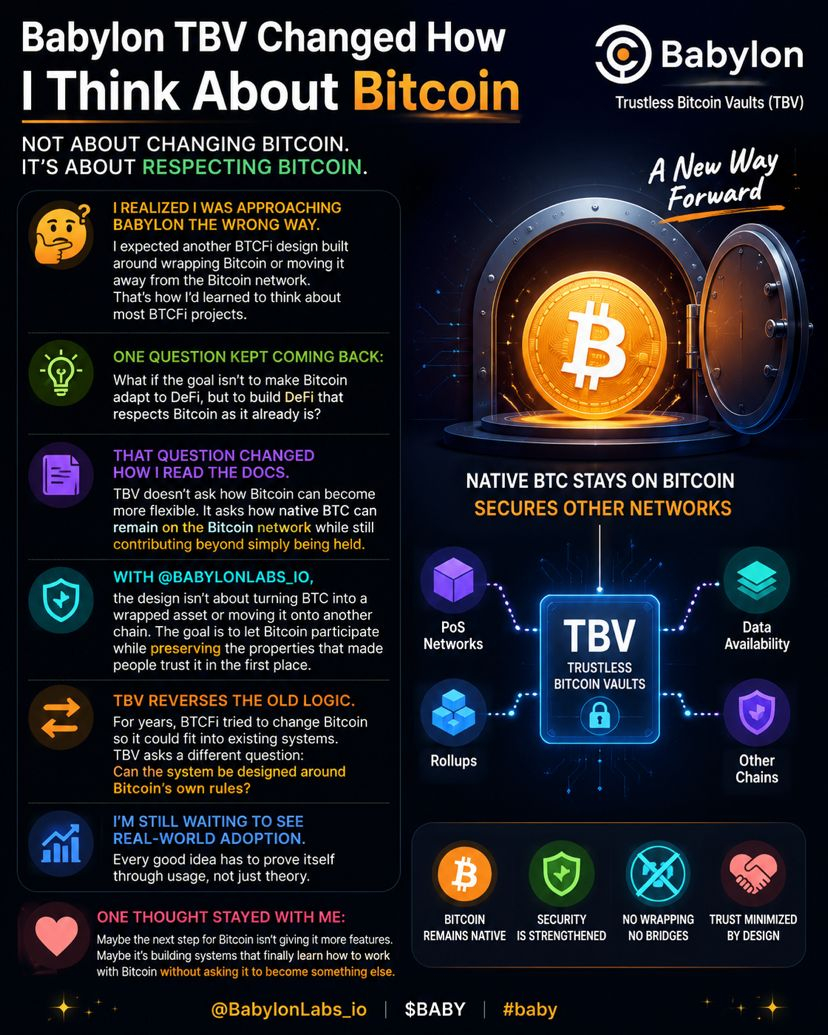
Ich merkte, dass ich Babylon auf die falsche Art und Weise ansteuerte. Ich öffnete die Dokumentation der Trustless Bitcoin Vaults (TBV) in der Erwartung, ein weiteres BTCFi-Design zu sehen, das auf dem Umwickeln von Bitcoin basiert oder Bitcoin vom Bitcoin-Netzwerk wegbewegt. So hatte ich gelernt, über die meisten BTCFi-Projekte nachzudenken. Je mehr ich las, desto klarer wurde mir, dass TBV dieses Problem gar nicht lösen will. Stattdessen kam immer wieder eine Idee zurück. @BabylonLabs_io $BABY #baby
Was wäre, wenn das Ziel nicht wäre, Bitcoin an DeFi anzupassen, sondern DeFi zu bauen, das Bitcoin respektiert, so wie es bereits ist? Diese Frage veränderte, wie ich den Rest der Dokumentation las. TBV beginnt nicht damit zu fragen, wie Bitcoin flexibler werden könnte. Es beginnt damit zu fragen, wie natives BTC auf dem Bitcoin-Netzwerk bleiben kann, während es dennoch über das reine „Halten“ hinaus beitragen kann. Mit BabylonLabs_io ist das Design nicht darauf ausgerichtet, BTC in einen umwickelten Vermögenswert zu verwandeln oder es auf eine andere Chain zu verlagern. Die Absicht ist, dass Bitcoin mitwirken kann und dabei die Eigenschaften bewahrt werden, die die Menschen von Anfang an dazu gebracht haben, ihm zu vertrauen. Es ist eine kleine Verschiebung der Perspektive, aber ich glaube, dass sie zu einer ganz anderen Design-Philosophie führt. In den Jahren zuvor hat sich sehr viel BTCFi-Innovation darauf konzentriert, Bitcoin so zu verändern, dass es in bestehende Systeme passt. TBV scheint diese Logik umzukehren. Statt Bitcoin zu bitten, in das System zu passen, fragt es, ob das System so gestaltet werden kann, dass es sich an die eigenen Regeln von Bitcoin hält. Ich bin noch gespannt zu sehen, wie dieser Ansatz sich in der realen Welt bewährt, denn jede gute Idee muss sich irgendwann durch Adoption beweisen – nicht nur durch Theorie. Aber ich schloss die Dokumentation mit einem Gedanken.
Vielleicht ist der nächste Schritt für Bitcoin nicht, ihm mehr Funktionen zu geben. Vielleicht ist es der Aufbau von Systemen, die endlich lernen, mit Bitcoin zusammenzuarbeiten, ohne zu verlangen, dass es zu etwas anderem wird. @BabylonLabs_io #baby $KOMA $AXTIB
Was wäre, wenn das Ziel nicht wäre, Bitcoin an DeFi anzupassen, sondern DeFi zu bauen, das Bitcoin respektiert, so wie es bereits ist? Diese Frage veränderte, wie ich den Rest der Dokumentation las. TBV beginnt nicht damit zu fragen, wie Bitcoin flexibler werden könnte. Es beginnt damit zu fragen, wie natives BTC auf dem Bitcoin-Netzwerk bleiben kann, während es dennoch über das reine „Halten“ hinaus beitragen kann. Mit BabylonLabs_io ist das Design nicht darauf ausgerichtet, BTC in einen umwickelten Vermögenswert zu verwandeln oder es auf eine andere Chain zu verlagern. Die Absicht ist, dass Bitcoin mitwirken kann und dabei die Eigenschaften bewahrt werden, die die Menschen von Anfang an dazu gebracht haben, ihm zu vertrauen. Es ist eine kleine Verschiebung der Perspektive, aber ich glaube, dass sie zu einer ganz anderen Design-Philosophie führt. In den Jahren zuvor hat sich sehr viel BTCFi-Innovation darauf konzentriert, Bitcoin so zu verändern, dass es in bestehende Systeme passt. TBV scheint diese Logik umzukehren. Statt Bitcoin zu bitten, in das System zu passen, fragt es, ob das System so gestaltet werden kann, dass es sich an die eigenen Regeln von Bitcoin hält. Ich bin noch gespannt zu sehen, wie dieser Ansatz sich in der realen Welt bewährt, denn jede gute Idee muss sich irgendwann durch Adoption beweisen – nicht nur durch Theorie. Aber ich schloss die Dokumentation mit einem Gedanken.
Vielleicht ist der nächste Schritt für Bitcoin nicht, ihm mehr Funktionen zu geben. Vielleicht ist es der Aufbau von Systemen, die endlich lernen, mit Bitcoin zusammenzuarbeiten, ohne zu verlangen, dass es zu etwas anderem wird. @BabylonLabs_io #baby $KOMA $AXTIB
Devil9
·
--
Ich merkte, dass ich Babylon auf die falsche Art und Weise ansteuerte. Ich öffnete die Dokumentation der Trustless Bitcoin Vaults (TBV) in der Erwartung, ein weiteres BTCFi-Design zu sehen, das auf dem Umwickeln von Bitcoin basiert oder Bitcoin vom Bitcoin-Netzwerk wegbewegt. So hatte ich gelernt, über die meisten BTCFi-Projekte nachzudenken. Je mehr ich las, desto klarer wurde mir, dass TBV dieses Problem gar nicht lösen will. Stattdessen kam immer wieder eine Idee zurück. @BabylonLabs_io $BABY #baby
Was wäre, wenn das Ziel nicht wäre, Bitcoin an DeFi anzupassen, sondern DeFi zu bauen, das Bitcoin respektiert, so wie es bereits ist? Diese Frage veränderte, wie ich den Rest der Dokumentation las. TBV beginnt nicht damit zu fragen, wie Bitcoin flexibler werden könnte. Es beginnt damit zu fragen, wie natives BTC auf dem Bitcoin-Netzwerk bleiben kann, während es dennoch über das reine „Halten“ hinaus beitragen kann. Mit BabylonLabs_io ist das Design nicht darauf ausgerichtet, BTC in einen umwickelten Vermögenswert zu verwandeln oder es auf eine andere Chain zu verlagern. Die Absicht ist, dass Bitcoin mitwirken kann und dabei die Eigenschaften bewahrt werden, die die Menschen von Anfang an dazu gebracht haben, ihm zu vertrauen. Es ist eine kleine Verschiebung der Perspektive, aber ich glaube, dass sie zu einer ganz anderen Design-Philosophie führt. In den Jahren zuvor hat sich sehr viel BTCFi-Innovation darauf konzentriert, Bitcoin so zu verändern, dass es in bestehende Systeme passt. TBV scheint diese Logik umzukehren. Statt Bitcoin zu bitten, in das System zu passen, fragt es, ob das System so gestaltet werden kann, dass es sich an die eigenen Regeln von Bitcoin hält. Ich bin noch gespannt zu sehen, wie dieser Ansatz sich in der realen Welt bewährt, denn jede gute Idee muss sich irgendwann durch Adoption beweisen – nicht nur durch Theorie. Aber ich schloss die Dokumentation mit einem Gedanken.
Vielleicht ist der nächste Schritt für Bitcoin nicht, ihm mehr Funktionen zu geben. Vielleicht ist es der Aufbau von Systemen, die endlich lernen, mit Bitcoin zusammenzuarbeiten, ohne zu verlangen, dass es zu etwas anderem wird. @BabylonLabs_io #baby $KOMA $AXTIB
Was wäre, wenn das Ziel nicht wäre, Bitcoin an DeFi anzupassen, sondern DeFi zu bauen, das Bitcoin respektiert, so wie es bereits ist? Diese Frage veränderte, wie ich den Rest der Dokumentation las. TBV beginnt nicht damit zu fragen, wie Bitcoin flexibler werden könnte. Es beginnt damit zu fragen, wie natives BTC auf dem Bitcoin-Netzwerk bleiben kann, während es dennoch über das reine „Halten“ hinaus beitragen kann. Mit BabylonLabs_io ist das Design nicht darauf ausgerichtet, BTC in einen umwickelten Vermögenswert zu verwandeln oder es auf eine andere Chain zu verlagern. Die Absicht ist, dass Bitcoin mitwirken kann und dabei die Eigenschaften bewahrt werden, die die Menschen von Anfang an dazu gebracht haben, ihm zu vertrauen. Es ist eine kleine Verschiebung der Perspektive, aber ich glaube, dass sie zu einer ganz anderen Design-Philosophie führt. In den Jahren zuvor hat sich sehr viel BTCFi-Innovation darauf konzentriert, Bitcoin so zu verändern, dass es in bestehende Systeme passt. TBV scheint diese Logik umzukehren. Statt Bitcoin zu bitten, in das System zu passen, fragt es, ob das System so gestaltet werden kann, dass es sich an die eigenen Regeln von Bitcoin hält. Ich bin noch gespannt zu sehen, wie dieser Ansatz sich in der realen Welt bewährt, denn jede gute Idee muss sich irgendwann durch Adoption beweisen – nicht nur durch Theorie. Aber ich schloss die Dokumentation mit einem Gedanken.
Vielleicht ist der nächste Schritt für Bitcoin nicht, ihm mehr Funktionen zu geben. Vielleicht ist es der Aufbau von Systemen, die endlich lernen, mit Bitcoin zusammenzuarbeiten, ohne zu verlangen, dass es zu etwas anderem wird. @BabylonLabs_io #baby $KOMA $AXTIB
Devil9
·
--
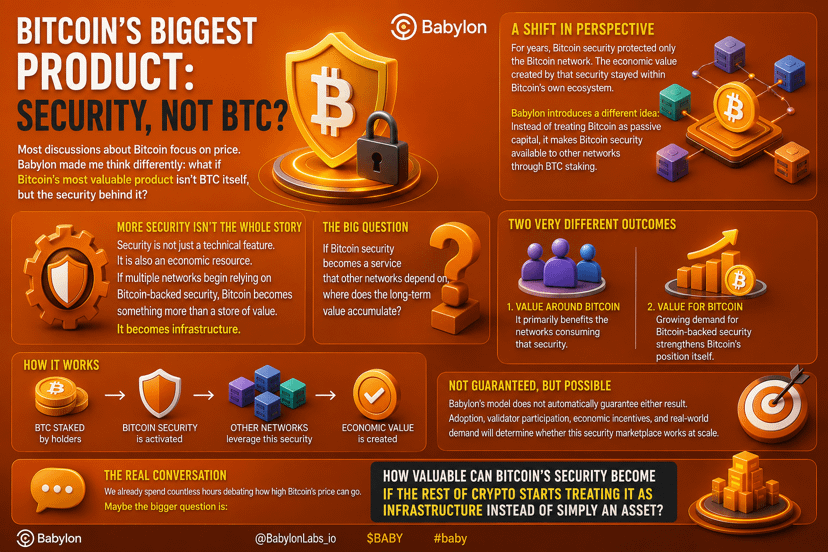
Die meisten Diskussionen über Bitcoin konzentrieren sich auf den Preis.Babylon hat mich an etwas anderes denken lassen: Was wäre, wenn das wertvollste Produkt von Bitcoin nicht BTC selbst ist, sondern die Sicherheit dahinter? Über Jahre hinweg schützte die Bitcoin-Sicherheit nur das Bitcoin-Netzwerk. Der wirtschaftliche Wert, der durch diese Sicherheit entsteht, blieb größtenteils innerhalb des eigenen Bitcoin-Ökosystems. Babylon führt eine andere Idee ein. Anstatt Bitcoin als passives Kapital zu betrachten, versucht es, Bitcoin-Sicherheit über das BTC-Staking anderen Netzwerken zugänglich zu machen. @BabylonLabs_io #baby
Zunächst klingt das recht unkompliziert. Mehr Sicherheit sollte besser sein.Aber je genauer ich hinsah, desto interessanter wurde der Trade-off.Sicherheit ist nicht nur eine technische Funktion. Sie ist auch eine wirtschaftliche Ressource. Wenn mehrere Netzwerke beginnen, sich auf mit Bitcoin abgesicherte Sicherheit zu verlassen, wird Bitcoin mehr als nur ein Wertaufbewahrungsmittel. Es wird zu Infrastruktur.Das wirft eine Frage auf, die ich selten diskutiert sehe.Wenn Bitcoin-Sicherheit zu einem Dienst wird, von dem andere Netzwerke abhängig sind: Wo sammelt sich dann der langfristige Wert?
Profitiert es in erster Linie von den Netzwerken, die diese Sicherheit nutzen?Oder stärkt die wachsende Nachfrage nach mit Bitcoin abgesicherter Sicherheit vor allem die Position von Bitcoin selbst?Die Antwort ist entscheidend, weil das sehr unterschiedliche Ergebnisse sind.Eines schafft Wert rund um Bitcoin.Das andere schafft Wert für Bitcoin.Babylons Modell garantiert automatisch keines der beiden Ergebnisse. Akzeptanz, Validator-Teilnahme, wirtschaftliche Anreize und reale Nachfrage werden letztlich bestimmen, ob dieser Security-Marktplatz im großen Maßstab funktioniert.Trotzdem denke ich, dass dies die wichtigere Diskussion ist.Wir verbringen bereits unzählige Stunden damit, darüber zu debattieren, wie hoch der Bitcoin-Preis steigen kann.
Vielleicht ist die größere Frage: Wie wertvoll kann die Bitcoin-Sicherheit werden, wenn der Rest der Krypto-Welt sie nicht mehr nur als Asset betrachtet, sondern als Infrastruktur? @BabylonLabs_io $BABY #baby $KOMA $SNXX
Zunächst klingt das recht unkompliziert. Mehr Sicherheit sollte besser sein.Aber je genauer ich hinsah, desto interessanter wurde der Trade-off.Sicherheit ist nicht nur eine technische Funktion. Sie ist auch eine wirtschaftliche Ressource. Wenn mehrere Netzwerke beginnen, sich auf mit Bitcoin abgesicherte Sicherheit zu verlassen, wird Bitcoin mehr als nur ein Wertaufbewahrungsmittel. Es wird zu Infrastruktur.Das wirft eine Frage auf, die ich selten diskutiert sehe.Wenn Bitcoin-Sicherheit zu einem Dienst wird, von dem andere Netzwerke abhängig sind: Wo sammelt sich dann der langfristige Wert?
Profitiert es in erster Linie von den Netzwerken, die diese Sicherheit nutzen?Oder stärkt die wachsende Nachfrage nach mit Bitcoin abgesicherter Sicherheit vor allem die Position von Bitcoin selbst?Die Antwort ist entscheidend, weil das sehr unterschiedliche Ergebnisse sind.Eines schafft Wert rund um Bitcoin.Das andere schafft Wert für Bitcoin.Babylons Modell garantiert automatisch keines der beiden Ergebnisse. Akzeptanz, Validator-Teilnahme, wirtschaftliche Anreize und reale Nachfrage werden letztlich bestimmen, ob dieser Security-Marktplatz im großen Maßstab funktioniert.Trotzdem denke ich, dass dies die wichtigere Diskussion ist.Wir verbringen bereits unzählige Stunden damit, darüber zu debattieren, wie hoch der Bitcoin-Preis steigen kann.
Vielleicht ist die größere Frage: Wie wertvoll kann die Bitcoin-Sicherheit werden, wenn der Rest der Krypto-Welt sie nicht mehr nur als Asset betrachtet, sondern als Infrastruktur? @BabylonLabs_io $BABY #baby $KOMA $SNXX
Devil9
·
--
Die meisten Diskussionen über Bitcoin konzentrieren sich auf den Preis.Babylon hat mich an etwas anderes denken lassen: Was wäre, wenn das wertvollste Produkt von Bitcoin nicht BTC selbst ist, sondern die Sicherheit dahinter? Über Jahre hinweg schützte die Bitcoin-Sicherheit nur das Bitcoin-Netzwerk. Der wirtschaftliche Wert, der durch diese Sicherheit entsteht, blieb größtenteils innerhalb des eigenen Bitcoin-Ökosystems. Babylon führt eine andere Idee ein. Anstatt Bitcoin als passives Kapital zu betrachten, versucht es, Bitcoin-Sicherheit über das BTC-Staking anderen Netzwerken zugänglich zu machen. @BabylonLabs_io #baby
Zunächst klingt das recht unkompliziert. Mehr Sicherheit sollte besser sein.Aber je genauer ich hinsah, desto interessanter wurde der Trade-off.Sicherheit ist nicht nur eine technische Funktion. Sie ist auch eine wirtschaftliche Ressource. Wenn mehrere Netzwerke beginnen, sich auf mit Bitcoin abgesicherte Sicherheit zu verlassen, wird Bitcoin mehr als nur ein Wertaufbewahrungsmittel. Es wird zu Infrastruktur.Das wirft eine Frage auf, die ich selten diskutiert sehe.Wenn Bitcoin-Sicherheit zu einem Dienst wird, von dem andere Netzwerke abhängig sind: Wo sammelt sich dann der langfristige Wert?
Profitiert es in erster Linie von den Netzwerken, die diese Sicherheit nutzen?Oder stärkt die wachsende Nachfrage nach mit Bitcoin abgesicherter Sicherheit vor allem die Position von Bitcoin selbst?Die Antwort ist entscheidend, weil das sehr unterschiedliche Ergebnisse sind.Eines schafft Wert rund um Bitcoin.Das andere schafft Wert für Bitcoin.Babylons Modell garantiert automatisch keines der beiden Ergebnisse. Akzeptanz, Validator-Teilnahme, wirtschaftliche Anreize und reale Nachfrage werden letztlich bestimmen, ob dieser Security-Marktplatz im großen Maßstab funktioniert.Trotzdem denke ich, dass dies die wichtigere Diskussion ist.Wir verbringen bereits unzählige Stunden damit, darüber zu debattieren, wie hoch der Bitcoin-Preis steigen kann.
Vielleicht ist die größere Frage: Wie wertvoll kann die Bitcoin-Sicherheit werden, wenn der Rest der Krypto-Welt sie nicht mehr nur als Asset betrachtet, sondern als Infrastruktur? @BabylonLabs_io $BABY #baby $KOMA $SNXX
Zunächst klingt das recht unkompliziert. Mehr Sicherheit sollte besser sein.Aber je genauer ich hinsah, desto interessanter wurde der Trade-off.Sicherheit ist nicht nur eine technische Funktion. Sie ist auch eine wirtschaftliche Ressource. Wenn mehrere Netzwerke beginnen, sich auf mit Bitcoin abgesicherte Sicherheit zu verlassen, wird Bitcoin mehr als nur ein Wertaufbewahrungsmittel. Es wird zu Infrastruktur.Das wirft eine Frage auf, die ich selten diskutiert sehe.Wenn Bitcoin-Sicherheit zu einem Dienst wird, von dem andere Netzwerke abhängig sind: Wo sammelt sich dann der langfristige Wert?
Profitiert es in erster Linie von den Netzwerken, die diese Sicherheit nutzen?Oder stärkt die wachsende Nachfrage nach mit Bitcoin abgesicherter Sicherheit vor allem die Position von Bitcoin selbst?Die Antwort ist entscheidend, weil das sehr unterschiedliche Ergebnisse sind.Eines schafft Wert rund um Bitcoin.Das andere schafft Wert für Bitcoin.Babylons Modell garantiert automatisch keines der beiden Ergebnisse. Akzeptanz, Validator-Teilnahme, wirtschaftliche Anreize und reale Nachfrage werden letztlich bestimmen, ob dieser Security-Marktplatz im großen Maßstab funktioniert.Trotzdem denke ich, dass dies die wichtigere Diskussion ist.Wir verbringen bereits unzählige Stunden damit, darüber zu debattieren, wie hoch der Bitcoin-Preis steigen kann.
Vielleicht ist die größere Frage: Wie wertvoll kann die Bitcoin-Sicherheit werden, wenn der Rest der Krypto-Welt sie nicht mehr nur als Asset betrachtet, sondern als Infrastruktur? @BabylonLabs_io $BABY #baby $KOMA $SNXX
Devil9
·
--
Die meisten Diskussionen über Bitcoin konzentrieren sich auf den Preis.Babylon hat mich an etwas anderes denken lassen: Was wäre, wenn das wertvollste Produkt von Bitcoin nicht BTC selbst ist, sondern die Sicherheit dahinter? Über Jahre hinweg schützte die Bitcoin-Sicherheit nur das Bitcoin-Netzwerk. Der wirtschaftliche Wert, der durch diese Sicherheit entsteht, blieb größtenteils innerhalb des eigenen Bitcoin-Ökosystems. Babylon führt eine andere Idee ein. Anstatt Bitcoin als passives Kapital zu betrachten, versucht es, Bitcoin-Sicherheit über das BTC-Staking anderen Netzwerken zugänglich zu machen. @BabylonLabs_io #baby
Zunächst klingt das recht unkompliziert. Mehr Sicherheit sollte besser sein.Aber je genauer ich hinsah, desto interessanter wurde der Trade-off.Sicherheit ist nicht nur eine technische Funktion. Sie ist auch eine wirtschaftliche Ressource. Wenn mehrere Netzwerke beginnen, sich auf mit Bitcoin abgesicherte Sicherheit zu verlassen, wird Bitcoin mehr als nur ein Wertaufbewahrungsmittel. Es wird zu Infrastruktur.Das wirft eine Frage auf, die ich selten diskutiert sehe.Wenn Bitcoin-Sicherheit zu einem Dienst wird, von dem andere Netzwerke abhängig sind: Wo sammelt sich dann der langfristige Wert?
Profitiert es in erster Linie von den Netzwerken, die diese Sicherheit nutzen?Oder stärkt die wachsende Nachfrage nach mit Bitcoin abgesicherter Sicherheit vor allem die Position von Bitcoin selbst?Die Antwort ist entscheidend, weil das sehr unterschiedliche Ergebnisse sind.Eines schafft Wert rund um Bitcoin.Das andere schafft Wert für Bitcoin.Babylons Modell garantiert automatisch keines der beiden Ergebnisse. Akzeptanz, Validator-Teilnahme, wirtschaftliche Anreize und reale Nachfrage werden letztlich bestimmen, ob dieser Security-Marktplatz im großen Maßstab funktioniert.Trotzdem denke ich, dass dies die wichtigere Diskussion ist.Wir verbringen bereits unzählige Stunden damit, darüber zu debattieren, wie hoch der Bitcoin-Preis steigen kann.
Vielleicht ist die größere Frage: Wie wertvoll kann die Bitcoin-Sicherheit werden, wenn der Rest der Krypto-Welt sie nicht mehr nur als Asset betrachtet, sondern als Infrastruktur? @BabylonLabs_io $BABY #baby $KOMA $SNXX
Zunächst klingt das recht unkompliziert. Mehr Sicherheit sollte besser sein.Aber je genauer ich hinsah, desto interessanter wurde der Trade-off.Sicherheit ist nicht nur eine technische Funktion. Sie ist auch eine wirtschaftliche Ressource. Wenn mehrere Netzwerke beginnen, sich auf mit Bitcoin abgesicherte Sicherheit zu verlassen, wird Bitcoin mehr als nur ein Wertaufbewahrungsmittel. Es wird zu Infrastruktur.Das wirft eine Frage auf, die ich selten diskutiert sehe.Wenn Bitcoin-Sicherheit zu einem Dienst wird, von dem andere Netzwerke abhängig sind: Wo sammelt sich dann der langfristige Wert?
Profitiert es in erster Linie von den Netzwerken, die diese Sicherheit nutzen?Oder stärkt die wachsende Nachfrage nach mit Bitcoin abgesicherter Sicherheit vor allem die Position von Bitcoin selbst?Die Antwort ist entscheidend, weil das sehr unterschiedliche Ergebnisse sind.Eines schafft Wert rund um Bitcoin.Das andere schafft Wert für Bitcoin.Babylons Modell garantiert automatisch keines der beiden Ergebnisse. Akzeptanz, Validator-Teilnahme, wirtschaftliche Anreize und reale Nachfrage werden letztlich bestimmen, ob dieser Security-Marktplatz im großen Maßstab funktioniert.Trotzdem denke ich, dass dies die wichtigere Diskussion ist.Wir verbringen bereits unzählige Stunden damit, darüber zu debattieren, wie hoch der Bitcoin-Preis steigen kann.
Vielleicht ist die größere Frage: Wie wertvoll kann die Bitcoin-Sicherheit werden, wenn der Rest der Krypto-Welt sie nicht mehr nur als Asset betrachtet, sondern als Infrastruktur? @BabylonLabs_io $BABY #baby $KOMA $SNXX
Devil9
·
--
Newtons Sicherheit ist vertrauenslos, weil Betreiber als falsch erwiesen werden können
Seit Jahren wird die Sicherheit von Blockchain-Systemen anhand einer einfachen Frage gemessen: Wie teuer ist es, das Netzwerk anzugreifen? Bitcoin antwortet mit Hashing-Leistung. Proof-of-Stake-Netzwerke antworten mit eingesetztem Kapital. Je größer die wirtschaftlichen Kosten, desto sicherer wird das System.
Das Newton-Protokoll geht von demselben wirtschaftlichen Grundprinzip aus, setzt es jedoch an einer völlig anderen Stelle um.
Anstatt die Reihenfolge von Transaktionen oder die Blockproduktion zu schützen, schützt Newton die Autorisierung.
Diese Unterscheidung verändert fast alles.
Das Newton-Protokoll geht von demselben wirtschaftlichen Grundprinzip aus, setzt es jedoch an einer völlig anderen Stelle um.
Anstatt die Reihenfolge von Transaktionen oder die Blockproduktion zu schützen, schützt Newton die Autorisierung.
Diese Unterscheidung verändert fast alles.
Devil9
·
--
@NewtonProtocol $NEWT #Newt Dieser Beitrag ist etwas ganz Besonderes für mich. Es ist nicht einfach nur ein weiterer Beitrag – es ist derjenige, auf den ich in dieser Kampagne die größten Hoffnungen setze.
Wenn er gut abschneidet, habe ich die Chance, in die Top-Rangliste zu gelangen. Wenn er die Erwartungen nicht erfüllt, ist diese Gelegenheit dahin.
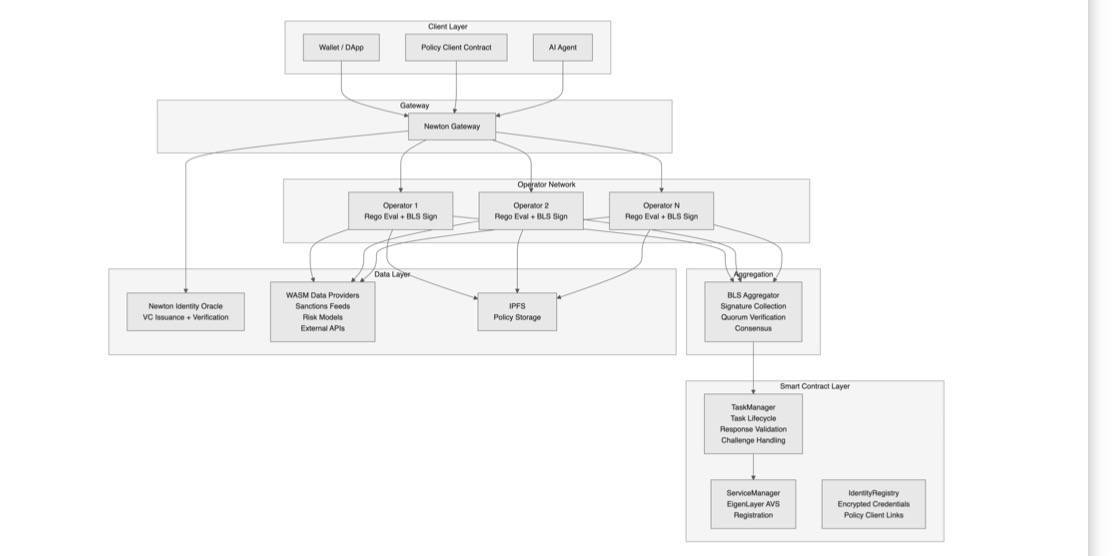
Von diesem Punkt an liegt das Ergebnis nicht mehr in meiner Hand. Es hängt von der Qualität meiner Arbeit ab und davon, wie sie bewertet wird. Was auch immer das Ergebnis ist, ich werde weiter lernen und mich weiterhin bemühen, es noch besser zu machen. Die meisten Autorisierungssysteme verlangen von dir, denjenigen zu vertrauen, der die Regeln bewertet. Newton Protocol verfolgt einen anderen Ansatz, indem es den gesamten Entscheidungsprozess dezentralisiert.
Statt sich auf einen einzelnen Server zu verlassen, wird jede Transaktionsabsicht über ein rotierendes Gateway geleitet, das lediglich die Kommunikation koordiniert. Es kann keine Policy-Ergebnisse ändern oder Genehmigungen fälschen, weil Betreiber unabhängig dieselben Eingaben verifizieren und kryptografische Bestätigungen (Attestations) erzeugen. Selbst wenn das Gateway des Zensierens verdächtigt wird, können Anwendungen es durch Force-Inclusion umgehen. @NewtonProtocol #Newt
Die eigentliche Stärke liegt darin, wie Policies ausgeführt werden. Jeder Operator ruft exakt dieselbe Rego-Policy von IPFS ab, wertet sie in einer Sandbox-Umgebung aus und signiert das Ergebnis. Da Policies programmierbar sind, ist Newton nicht auf KYC oder Compliance beschränkt. Die gleiche Infrastruktur kann KI-Agenten, digitale Nachweise, Enterprise-Access-Control oder die Verifizierung der Lieferkette absichern.
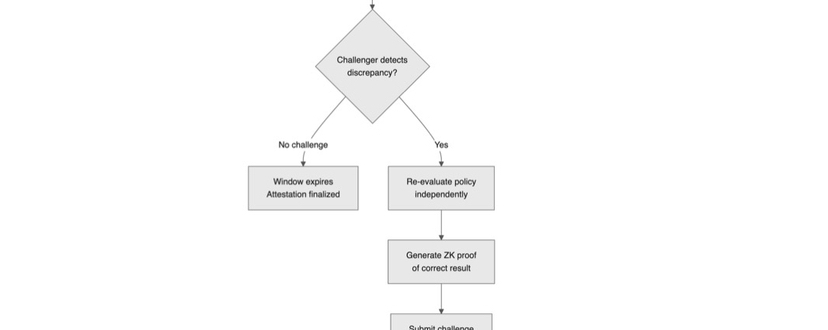
Der Konsens wird durch EigenLayer-Restaking gestützt, bei dem Operatoren wirtschaftlich gefährdet sind. Sobald genug stake-gewichtete Operatoren übereinstimmen, werden ihre Signaturen in einen einzelnen BLS-Beweis komprimiert, wodurch die Verifizierung effizient wird, ohne die Dezentralisierung aufzugeben. Wenn jemand ein falsches Ergebnis einreicht, kann ein Challenger die Policy neu berechnen und das korrekte Ergebnis beweisen, was zu Slashing für unehrliche Operatoren führt.
Newton’s Architektur versucht nicht nur, die Ausführung zu dezentralisieren. Sie dezentralisiert die Autorität, „Ja“ oder „Nein“ zu sagen – und macht jede Entscheidung zugleich nachprüfbar.$VELVET $DN
Wenn er gut abschneidet, habe ich die Chance, in die Top-Rangliste zu gelangen. Wenn er die Erwartungen nicht erfüllt, ist diese Gelegenheit dahin.
Von diesem Punkt an liegt das Ergebnis nicht mehr in meiner Hand. Es hängt von der Qualität meiner Arbeit ab und davon, wie sie bewertet wird. Was auch immer das Ergebnis ist, ich werde weiter lernen und mich weiterhin bemühen, es noch besser zu machen. Die meisten Autorisierungssysteme verlangen von dir, denjenigen zu vertrauen, der die Regeln bewertet. Newton Protocol verfolgt einen anderen Ansatz, indem es den gesamten Entscheidungsprozess dezentralisiert.
Statt sich auf einen einzelnen Server zu verlassen, wird jede Transaktionsabsicht über ein rotierendes Gateway geleitet, das lediglich die Kommunikation koordiniert. Es kann keine Policy-Ergebnisse ändern oder Genehmigungen fälschen, weil Betreiber unabhängig dieselben Eingaben verifizieren und kryptografische Bestätigungen (Attestations) erzeugen. Selbst wenn das Gateway des Zensierens verdächtigt wird, können Anwendungen es durch Force-Inclusion umgehen. @NewtonProtocol #Newt
Die eigentliche Stärke liegt darin, wie Policies ausgeführt werden. Jeder Operator ruft exakt dieselbe Rego-Policy von IPFS ab, wertet sie in einer Sandbox-Umgebung aus und signiert das Ergebnis. Da Policies programmierbar sind, ist Newton nicht auf KYC oder Compliance beschränkt. Die gleiche Infrastruktur kann KI-Agenten, digitale Nachweise, Enterprise-Access-Control oder die Verifizierung der Lieferkette absichern.
Der Konsens wird durch EigenLayer-Restaking gestützt, bei dem Operatoren wirtschaftlich gefährdet sind. Sobald genug stake-gewichtete Operatoren übereinstimmen, werden ihre Signaturen in einen einzelnen BLS-Beweis komprimiert, wodurch die Verifizierung effizient wird, ohne die Dezentralisierung aufzugeben. Wenn jemand ein falsches Ergebnis einreicht, kann ein Challenger die Policy neu berechnen und das korrekte Ergebnis beweisen, was zu Slashing für unehrliche Operatoren führt.
Newton’s Architektur versucht nicht nur, die Ausführung zu dezentralisieren. Sie dezentralisiert die Autorität, „Ja“ oder „Nein“ zu sagen – und macht jede Entscheidung zugleich nachprüfbar.$VELVET $DN
Devil9
·
--
Vertrauen vor Automatisierung: Warum das Newton-Protokoll mich anders denken ließ
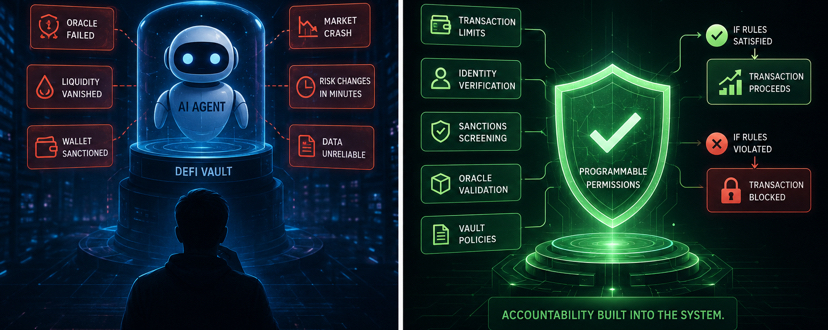
Eines der größten Themen im Krypto-Bereich ist heute Automatisierung. Jede Woche versprechen neue Projekte KI-Agenten, die schneller handeln, Portfolios verwalten und komplexe Strategien umsetzen können – ohne ständige menschliche Aufsicht. Auf den ersten Blick scheint das die natürliche Weiterentwicklung von DeFifaster Execution zu sein: geringere Kosten und Systeme, die rund um die Uhr arbeiten. Wer würde das nicht wollen?
Aber nachdem ich mehr Zeit damit verbracht hatte, das Newton-Protokoll zu studieren, habe ich etwas erkannt. Zumindest für mich geht es in dem Gespräch nicht mehr um Geschwindigkeit.
Aber nachdem ich mehr Zeit damit verbracht hatte, das Newton-Protokoll zu studieren, habe ich etwas erkannt. Zumindest für mich geht es in dem Gespräch nicht mehr um Geschwindigkeit.
Devil9
·
--
OpenGradient (OPG) wurde den Binance-HODLer-Airdrops hinzugefügt. Nutzer, die ihr BNB bei Simple Earn (Flexible/Gesperrt) oder bei On-Chain Yields abonniert haben, sind berechtigt, den OPG-Airdrop zu erhalten. OpenGradient startete mit einer gesamten Genesis-Zuteilung von 1.000.000.000 OPG, wobei 6.400.000 OPG für HODLer-Airdrops vorgesehen waren. Berechtigte Nutzer erhalten ihre Tokens innerhalb von etwa 5 Stunden nach der Ankündigung in ihrer Spot Wallet. Die Teilnahme erfordert abgeschlossenes KYC und einen Wohnsitz in einer berechtigten Region. Zusätzlich wird der OpenGradient-Research-Report innerhalb von 48 Stunden nach der Ankündigung veröffentlicht. Mach immer deine eigene Recherche (DYOR), bevor du Anlageentscheidungen triffst. #OPG @OpenGradient
Ein Punkt, auf den ich bei KI-Infrastruktur stärker achte, ist nicht nur die Modellqualität – sondern das, was nach dem Deployment passiert.
Jeder kann ein Modell starten. Die schwierigere Frage ist, ob Nutzer seinen Ausgaben vertrauen können, ob Entwickler auf persistierenden Kontext aufbauen können und ob jemand auch noch Monate später bereit ist, Inferenz weiter bereitzustellen.
Deshalb wirkt OpenGradient spannender als eine typische KI-Erzählung. Es verbindet drei Komponenten, die oft getrennt voneinander diskutiert werden: verifizierbare Berechnung, persistentes KI-Gedächtnis und ein Anreizsystem, das Rechenanbieter dazu ermutigt, online zu bleiben.
Wenn eines davon ausfällt, leidet die Nutzererfahrung. Verifizierte Ausgaben verlieren an Wert ohne zuverlässige Infrastruktur. Gedächtnis wird nutzlos ohne Vertrauen. Selbst das beste Modell kann nicht helfen, wenn niemand es weiter betreibt. #OPG $OPG @OpenGradient
Die langfristige Chance ergibt sich möglicherweise nicht nur daraus, dass man KI allein „smarter“ macht, sondern daraus, eine Infrastruktur zu bauen, die zuverlässig bleibt, während die Akzeptanz wächst.
Das ist der Teil, den ich am meisten im Blick habe.$AIGENSYN $SYN
Welcher Teil der KI-Infrastruktur wird deiner Meinung nach den größten langfristigen Mehrwert schaffen?
Ein Punkt, auf den ich bei KI-Infrastruktur stärker achte, ist nicht nur die Modellqualität – sondern das, was nach dem Deployment passiert.
Jeder kann ein Modell starten. Die schwierigere Frage ist, ob Nutzer seinen Ausgaben vertrauen können, ob Entwickler auf persistierenden Kontext aufbauen können und ob jemand auch noch Monate später bereit ist, Inferenz weiter bereitzustellen.
Deshalb wirkt OpenGradient spannender als eine typische KI-Erzählung. Es verbindet drei Komponenten, die oft getrennt voneinander diskutiert werden: verifizierbare Berechnung, persistentes KI-Gedächtnis und ein Anreizsystem, das Rechenanbieter dazu ermutigt, online zu bleiben.
Wenn eines davon ausfällt, leidet die Nutzererfahrung. Verifizierte Ausgaben verlieren an Wert ohne zuverlässige Infrastruktur. Gedächtnis wird nutzlos ohne Vertrauen. Selbst das beste Modell kann nicht helfen, wenn niemand es weiter betreibt. #OPG $OPG @OpenGradient
Die langfristige Chance ergibt sich möglicherweise nicht nur daraus, dass man KI allein „smarter“ macht, sondern daraus, eine Infrastruktur zu bauen, die zuverlässig bleibt, während die Akzeptanz wächst.
Das ist der Teil, den ich am meisten im Blick habe.$AIGENSYN $SYN
Welcher Teil der KI-Infrastruktur wird deiner Meinung nach den größten langfristigen Mehrwert schaffen?
Devil9
·
--
Jenseits der KI-Erzählung verdient die Marktstruktur von OpenGradient Aufmerksamkeit. Mit einer Marktkapitalisierung von 26 Mio. $, einem umlaufenden Angebot von ~198 Mio., fast 80% der Token, die immer noch gesperrt sind, sowie definierten Handelsparametern hängt die Zukunft des Tokens nicht nur von der Technologie ab. Akzeptanz, Liquidität und das Management der Freigaben werden letztlich entscheiden, ob der langfristige Wert von OPG mit seiner Infrastruktur übereinstimmt. #OPG @OpenGradient
Eine Sache, die ich bei KI mit Fokus auf Privatsphäre zunehmend hinterfrage, ist nicht, ob sie meine Identität verbergen kann. Es ist die Frage, ob Privatsphäre allein ausreicht, um ein KI-System vertrauenswürdig zu machen.
Viele Projekte betonen verschlüsseltes Routing, TEEs, Relays oder anonyme Anfragen. Das sind bedeutende Verbesserungen der Infrastruktur. Aber den Schutz darüber, wer eine Frage gestellt hat, ist etwas anderes als der Nachweis, wie die Antwort zustande gekommen ist.
Darum glaube ich, dass oft zwei Gespräche miteinander vermischt werden. Privatsphäre schützt Nutzer. Verifikation beweist, dass ein Modell eine bestimmte Ausgabe erzeugt hat, ohne dass dabei getäuscht wurde. Keines davon garantiert automatisch, dass die Antwort zuverlässig, unvoreingenommen oder sogar nützlich ist.
Genau das hat mich an OpenGradient Chat aufmerksam gemacht. Es kombiniert eine datenschutzfreundliche Infrastruktur mit einer Multi-Model-Ausführungsschicht, aber diese Funktionen müssen dennoch unabhängig bewertet werden. Eine starke Architektur schafft nicht automatisch eine dauerhafte Akzeptanz.$UB
Am Ende werden Nutzer eine KI nicht einfach deshalb wählen, weil sie privater ist. Sie werden sie nur weiterverwenden, wenn Privatsphäre, Leistung und Vertrauen gemeinsam funktionieren, ohne dabei die Nutzererfahrung zu beeinträchtigen. #OPG $OPG @OpenGradient
Das ist der Maßstab, an dem sich jedes datenschutzorientierte KI-Produkt irgendwann messen lassen muss.$TAC
Was für den langfristigen Wert von OPG am wichtigsten ist?
Eine Sache, die ich bei KI mit Fokus auf Privatsphäre zunehmend hinterfrage, ist nicht, ob sie meine Identität verbergen kann. Es ist die Frage, ob Privatsphäre allein ausreicht, um ein KI-System vertrauenswürdig zu machen.
Viele Projekte betonen verschlüsseltes Routing, TEEs, Relays oder anonyme Anfragen. Das sind bedeutende Verbesserungen der Infrastruktur. Aber den Schutz darüber, wer eine Frage gestellt hat, ist etwas anderes als der Nachweis, wie die Antwort zustande gekommen ist.
Darum glaube ich, dass oft zwei Gespräche miteinander vermischt werden. Privatsphäre schützt Nutzer. Verifikation beweist, dass ein Modell eine bestimmte Ausgabe erzeugt hat, ohne dass dabei getäuscht wurde. Keines davon garantiert automatisch, dass die Antwort zuverlässig, unvoreingenommen oder sogar nützlich ist.
Genau das hat mich an OpenGradient Chat aufmerksam gemacht. Es kombiniert eine datenschutzfreundliche Infrastruktur mit einer Multi-Model-Ausführungsschicht, aber diese Funktionen müssen dennoch unabhängig bewertet werden. Eine starke Architektur schafft nicht automatisch eine dauerhafte Akzeptanz.$UB
Am Ende werden Nutzer eine KI nicht einfach deshalb wählen, weil sie privater ist. Sie werden sie nur weiterverwenden, wenn Privatsphäre, Leistung und Vertrauen gemeinsam funktionieren, ohne dabei die Nutzererfahrung zu beeinträchtigen. #OPG $OPG @OpenGradient
Das ist der Maßstab, an dem sich jedes datenschutzorientierte KI-Produkt irgendwann messen lassen muss.$TAC
Was für den langfristigen Wert von OPG am wichtigsten ist?
Devil9
·
--
Hast du das Gefühl, dass das meiste, was wir über KI wissen, daher kommt, dass wir von anderen Leuten darüber hören?
Du hast wahrscheinlich schon eine Menge gehört über die Größe von Modellen, über Denkfähigkeiten und über die Performance. Heute möchte ich eine andere Überlegung teilen.
Wenn zukünftige KI-Systeme anfangen, Entscheidungen auf Basis unserer langfristigen Erinnerungen, Vorlieben, Ziele und unseres persönlichen Kontexts zu treffen: Wie können wir dann darauf vertrauen, dass die Informationen, die sie verwenden, tatsächlich korrekt sind?
Diese Frage kam mir, als ich mir Projekte wie MemSync angesehen habe.
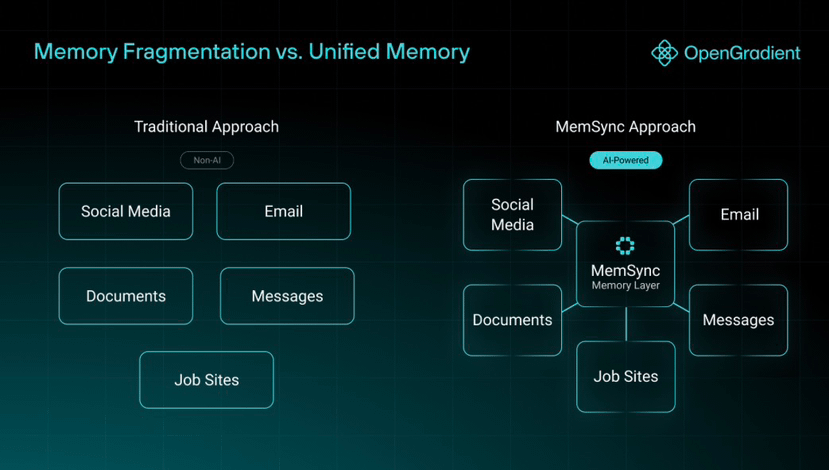
Ihr Fokus liegt darauf, eine der großen Herausforderungen der KI zu lösen: die Fragmentierung von Erinnerungen.
Ihre These ist, dass KI nicht nur die Frage verstehen sollte, die heute gestellt wird. Sie sollte außerdem die langfristige Identität eines Nutzers verstehen (Semantisches Gedächtnis) sowie aktuelle Aktivitäten, Ziele und laufende Projekte (Episodisches Gedächtnis).
Dieser Ansatz könnte dazu führen, dass KI mit der Zeit viel persönlicher und nützlicher wird.
Aber genau hier beginnt auch eine weitere Herausforderung.
Je stärker KI sich zunehmend auf Erinnerungen stützt, desto wichtiger könnte die Verifikation werden – sogar mehr als das Gedächtnis selbst.
Wenn ein KI-Agent meinen bisherigen Kontext nutzt, um eine Entscheidung zu treffen:
Ist diese Erinnerung authentisch? Wurde sie verändert?
Kann der Denk- bzw. Begründungsprozess unabhängig verifiziert werden?
Deshalb hat mich der Ansatz von OpenGradient besonders interessiert.
Viele KI-Projekte konzentrieren sich darauf, KI intelligenter zu machen. OpenGradient arbeitet jedoch an einer verifizierbaren KI-Infrastruktur – also an einer, bei der Berechnungen, Inferenz und KI-Ausgaben unabhängig überprüft werden können, statt dass man sie einfach nur für wahr hält.
Meiner Ansicht nach stehen MemSync und OpenGradient für unterschiedliche Ebenen derselben zukünftigen KI-Stack. #OPG @OpenGradient
MemSync hilft KI, besser zu erinnern.
OpenGradient hilft sicherzustellen, dass das, woran KI sich erinnert und was sie nutzt, auch vertrauenswürdig ist.
Vielleicht wird die beste KI der Zukunft nicht die sein, die alles speichert.
Vielleicht ist es die, die sowohl ihren Speicher als auch ihre Begründung nachweisen kann. #OPG $OPG @OpenGradient
Was wird für die KI-Adoption in der langen Frist wichtiger sein – Besseres Gedächtnis oder Verifizierbare Intelligenz?$HEI $SLX
Du hast wahrscheinlich schon eine Menge gehört über die Größe von Modellen, über Denkfähigkeiten und über die Performance. Heute möchte ich eine andere Überlegung teilen.
Wenn zukünftige KI-Systeme anfangen, Entscheidungen auf Basis unserer langfristigen Erinnerungen, Vorlieben, Ziele und unseres persönlichen Kontexts zu treffen: Wie können wir dann darauf vertrauen, dass die Informationen, die sie verwenden, tatsächlich korrekt sind?
Diese Frage kam mir, als ich mir Projekte wie MemSync angesehen habe.
Ihr Fokus liegt darauf, eine der großen Herausforderungen der KI zu lösen: die Fragmentierung von Erinnerungen.
Ihre These ist, dass KI nicht nur die Frage verstehen sollte, die heute gestellt wird. Sie sollte außerdem die langfristige Identität eines Nutzers verstehen (Semantisches Gedächtnis) sowie aktuelle Aktivitäten, Ziele und laufende Projekte (Episodisches Gedächtnis).
Dieser Ansatz könnte dazu führen, dass KI mit der Zeit viel persönlicher und nützlicher wird.
Aber genau hier beginnt auch eine weitere Herausforderung.
Je stärker KI sich zunehmend auf Erinnerungen stützt, desto wichtiger könnte die Verifikation werden – sogar mehr als das Gedächtnis selbst.
Wenn ein KI-Agent meinen bisherigen Kontext nutzt, um eine Entscheidung zu treffen:
Ist diese Erinnerung authentisch? Wurde sie verändert?
Kann der Denk- bzw. Begründungsprozess unabhängig verifiziert werden?
Deshalb hat mich der Ansatz von OpenGradient besonders interessiert.
Viele KI-Projekte konzentrieren sich darauf, KI intelligenter zu machen. OpenGradient arbeitet jedoch an einer verifizierbaren KI-Infrastruktur – also an einer, bei der Berechnungen, Inferenz und KI-Ausgaben unabhängig überprüft werden können, statt dass man sie einfach nur für wahr hält.
Meiner Ansicht nach stehen MemSync und OpenGradient für unterschiedliche Ebenen derselben zukünftigen KI-Stack. #OPG @OpenGradient
MemSync hilft KI, besser zu erinnern.
OpenGradient hilft sicherzustellen, dass das, woran KI sich erinnert und was sie nutzt, auch vertrauenswürdig ist.
Vielleicht wird die beste KI der Zukunft nicht die sein, die alles speichert.
Vielleicht ist es die, die sowohl ihren Speicher als auch ihre Begründung nachweisen kann. #OPG $OPG @OpenGradient
Was wird für die KI-Adoption in der langen Frist wichtiger sein – Besseres Gedächtnis oder Verifizierbare Intelligenz?$HEI $SLX

Devil9
·
--
Hast du das Gefühl, dass das meiste, was wir über KI wissen, daher kommt, dass wir von anderen Leuten darüber hören?
Du hast wahrscheinlich schon eine Menge gehört über die Größe von Modellen, über Denkfähigkeiten und über die Performance. Heute möchte ich eine andere Überlegung teilen.
Wenn zukünftige KI-Systeme anfangen, Entscheidungen auf Basis unserer langfristigen Erinnerungen, Vorlieben, Ziele und unseres persönlichen Kontexts zu treffen: Wie können wir dann darauf vertrauen, dass die Informationen, die sie verwenden, tatsächlich korrekt sind?
Diese Frage kam mir, als ich mir Projekte wie MemSync angesehen habe.
Ihr Fokus liegt darauf, eine der großen Herausforderungen der KI zu lösen: die Fragmentierung von Erinnerungen.
Ihre These ist, dass KI nicht nur die Frage verstehen sollte, die heute gestellt wird. Sie sollte außerdem die langfristige Identität eines Nutzers verstehen (Semantisches Gedächtnis) sowie aktuelle Aktivitäten, Ziele und laufende Projekte (Episodisches Gedächtnis).
Dieser Ansatz könnte dazu führen, dass KI mit der Zeit viel persönlicher und nützlicher wird.
Aber genau hier beginnt auch eine weitere Herausforderung.
Je stärker KI sich zunehmend auf Erinnerungen stützt, desto wichtiger könnte die Verifikation werden – sogar mehr als das Gedächtnis selbst.
Wenn ein KI-Agent meinen bisherigen Kontext nutzt, um eine Entscheidung zu treffen:
Ist diese Erinnerung authentisch? Wurde sie verändert?
Kann der Denk- bzw. Begründungsprozess unabhängig verifiziert werden?
Deshalb hat mich der Ansatz von OpenGradient besonders interessiert.
Viele KI-Projekte konzentrieren sich darauf, KI intelligenter zu machen. OpenGradient arbeitet jedoch an einer verifizierbaren KI-Infrastruktur – also an einer, bei der Berechnungen, Inferenz und KI-Ausgaben unabhängig überprüft werden können, statt dass man sie einfach nur für wahr hält.
Meiner Ansicht nach stehen MemSync und OpenGradient für unterschiedliche Ebenen derselben zukünftigen KI-Stack. #OPG @OpenGradient
MemSync hilft KI, besser zu erinnern.
OpenGradient hilft sicherzustellen, dass das, woran KI sich erinnert und was sie nutzt, auch vertrauenswürdig ist.
Vielleicht wird die beste KI der Zukunft nicht die sein, die alles speichert.
Vielleicht ist es die, die sowohl ihren Speicher als auch ihre Begründung nachweisen kann. #OPG $OPG @OpenGradient
Was wird für die KI-Adoption in der langen Frist wichtiger sein – Besseres Gedächtnis oder Verifizierbare Intelligenz?$HEI $SLX
Du hast wahrscheinlich schon eine Menge gehört über die Größe von Modellen, über Denkfähigkeiten und über die Performance. Heute möchte ich eine andere Überlegung teilen.
Wenn zukünftige KI-Systeme anfangen, Entscheidungen auf Basis unserer langfristigen Erinnerungen, Vorlieben, Ziele und unseres persönlichen Kontexts zu treffen: Wie können wir dann darauf vertrauen, dass die Informationen, die sie verwenden, tatsächlich korrekt sind?
Diese Frage kam mir, als ich mir Projekte wie MemSync angesehen habe.
Ihr Fokus liegt darauf, eine der großen Herausforderungen der KI zu lösen: die Fragmentierung von Erinnerungen.
Ihre These ist, dass KI nicht nur die Frage verstehen sollte, die heute gestellt wird. Sie sollte außerdem die langfristige Identität eines Nutzers verstehen (Semantisches Gedächtnis) sowie aktuelle Aktivitäten, Ziele und laufende Projekte (Episodisches Gedächtnis).
Dieser Ansatz könnte dazu führen, dass KI mit der Zeit viel persönlicher und nützlicher wird.
Aber genau hier beginnt auch eine weitere Herausforderung.
Je stärker KI sich zunehmend auf Erinnerungen stützt, desto wichtiger könnte die Verifikation werden – sogar mehr als das Gedächtnis selbst.
Wenn ein KI-Agent meinen bisherigen Kontext nutzt, um eine Entscheidung zu treffen:
Ist diese Erinnerung authentisch? Wurde sie verändert?
Kann der Denk- bzw. Begründungsprozess unabhängig verifiziert werden?
Deshalb hat mich der Ansatz von OpenGradient besonders interessiert.
Viele KI-Projekte konzentrieren sich darauf, KI intelligenter zu machen. OpenGradient arbeitet jedoch an einer verifizierbaren KI-Infrastruktur – also an einer, bei der Berechnungen, Inferenz und KI-Ausgaben unabhängig überprüft werden können, statt dass man sie einfach nur für wahr hält.
Meiner Ansicht nach stehen MemSync und OpenGradient für unterschiedliche Ebenen derselben zukünftigen KI-Stack. #OPG @OpenGradient
MemSync hilft KI, besser zu erinnern.
OpenGradient hilft sicherzustellen, dass das, woran KI sich erinnert und was sie nutzt, auch vertrauenswürdig ist.
Vielleicht wird die beste KI der Zukunft nicht die sein, die alles speichert.
Vielleicht ist es die, die sowohl ihren Speicher als auch ihre Begründung nachweisen kann. #OPG $OPG @OpenGradient
Was wird für die KI-Adoption in der langen Frist wichtiger sein – Besseres Gedächtnis oder Verifizierbare Intelligenz?$HEI $SLX
Devil9
·
--
Hast du das Gefühl, dass das meiste, was wir über KI wissen, daher kommt, dass wir von anderen Leuten darüber hören?
Du hast wahrscheinlich schon eine Menge gehört über die Größe von Modellen, über Denkfähigkeiten und über die Performance. Heute möchte ich eine andere Überlegung teilen.
Wenn zukünftige KI-Systeme anfangen, Entscheidungen auf Basis unserer langfristigen Erinnerungen, Vorlieben, Ziele und unseres persönlichen Kontexts zu treffen: Wie können wir dann darauf vertrauen, dass die Informationen, die sie verwenden, tatsächlich korrekt sind?
Diese Frage kam mir, als ich mir Projekte wie MemSync angesehen habe.
Ihr Fokus liegt darauf, eine der großen Herausforderungen der KI zu lösen: die Fragmentierung von Erinnerungen.
Ihre These ist, dass KI nicht nur die Frage verstehen sollte, die heute gestellt wird. Sie sollte außerdem die langfristige Identität eines Nutzers verstehen (Semantisches Gedächtnis) sowie aktuelle Aktivitäten, Ziele und laufende Projekte (Episodisches Gedächtnis).
Dieser Ansatz könnte dazu führen, dass KI mit der Zeit viel persönlicher und nützlicher wird.
Aber genau hier beginnt auch eine weitere Herausforderung.
Je stärker KI sich zunehmend auf Erinnerungen stützt, desto wichtiger könnte die Verifikation werden – sogar mehr als das Gedächtnis selbst.
Wenn ein KI-Agent meinen bisherigen Kontext nutzt, um eine Entscheidung zu treffen:
Ist diese Erinnerung authentisch? Wurde sie verändert?
Kann der Denk- bzw. Begründungsprozess unabhängig verifiziert werden?
Deshalb hat mich der Ansatz von OpenGradient besonders interessiert.
Viele KI-Projekte konzentrieren sich darauf, KI intelligenter zu machen. OpenGradient arbeitet jedoch an einer verifizierbaren KI-Infrastruktur – also an einer, bei der Berechnungen, Inferenz und KI-Ausgaben unabhängig überprüft werden können, statt dass man sie einfach nur für wahr hält.
Meiner Ansicht nach stehen MemSync und OpenGradient für unterschiedliche Ebenen derselben zukünftigen KI-Stack. #OPG @OpenGradient
MemSync hilft KI, besser zu erinnern.
OpenGradient hilft sicherzustellen, dass das, woran KI sich erinnert und was sie nutzt, auch vertrauenswürdig ist.
Vielleicht wird die beste KI der Zukunft nicht die sein, die alles speichert.
Vielleicht ist es die, die sowohl ihren Speicher als auch ihre Begründung nachweisen kann. #OPG $OPG @OpenGradient
Was wird für die KI-Adoption in der langen Frist wichtiger sein – Besseres Gedächtnis oder Verifizierbare Intelligenz?$HEI $SLX
Du hast wahrscheinlich schon eine Menge gehört über die Größe von Modellen, über Denkfähigkeiten und über die Performance. Heute möchte ich eine andere Überlegung teilen.
Wenn zukünftige KI-Systeme anfangen, Entscheidungen auf Basis unserer langfristigen Erinnerungen, Vorlieben, Ziele und unseres persönlichen Kontexts zu treffen: Wie können wir dann darauf vertrauen, dass die Informationen, die sie verwenden, tatsächlich korrekt sind?
Diese Frage kam mir, als ich mir Projekte wie MemSync angesehen habe.
Ihr Fokus liegt darauf, eine der großen Herausforderungen der KI zu lösen: die Fragmentierung von Erinnerungen.
Ihre These ist, dass KI nicht nur die Frage verstehen sollte, die heute gestellt wird. Sie sollte außerdem die langfristige Identität eines Nutzers verstehen (Semantisches Gedächtnis) sowie aktuelle Aktivitäten, Ziele und laufende Projekte (Episodisches Gedächtnis).
Dieser Ansatz könnte dazu führen, dass KI mit der Zeit viel persönlicher und nützlicher wird.
Aber genau hier beginnt auch eine weitere Herausforderung.
Je stärker KI sich zunehmend auf Erinnerungen stützt, desto wichtiger könnte die Verifikation werden – sogar mehr als das Gedächtnis selbst.
Wenn ein KI-Agent meinen bisherigen Kontext nutzt, um eine Entscheidung zu treffen:
Ist diese Erinnerung authentisch? Wurde sie verändert?
Kann der Denk- bzw. Begründungsprozess unabhängig verifiziert werden?
Deshalb hat mich der Ansatz von OpenGradient besonders interessiert.
Viele KI-Projekte konzentrieren sich darauf, KI intelligenter zu machen. OpenGradient arbeitet jedoch an einer verifizierbaren KI-Infrastruktur – also an einer, bei der Berechnungen, Inferenz und KI-Ausgaben unabhängig überprüft werden können, statt dass man sie einfach nur für wahr hält.
Meiner Ansicht nach stehen MemSync und OpenGradient für unterschiedliche Ebenen derselben zukünftigen KI-Stack. #OPG @OpenGradient
MemSync hilft KI, besser zu erinnern.
OpenGradient hilft sicherzustellen, dass das, woran KI sich erinnert und was sie nutzt, auch vertrauenswürdig ist.
Vielleicht wird die beste KI der Zukunft nicht die sein, die alles speichert.
Vielleicht ist es die, die sowohl ihren Speicher als auch ihre Begründung nachweisen kann. #OPG $OPG @OpenGradient
Was wird für die KI-Adoption in der langen Frist wichtiger sein – Besseres Gedächtnis oder Verifizierbare Intelligenz?$HEI $SLX
Anmelden und weiter Inhalte entdecken