

Daniel_Markson
372 Beiträge

Daniel_Markson
Melden
Nutzer blockieren
Crypto Investor & Market Analyst | Listings & Institutional Services Partner at WhiteBIT | Listing Partner at BitMart & MEXC
0 Following
10 Follower
26 Like gegeben
Beiträge
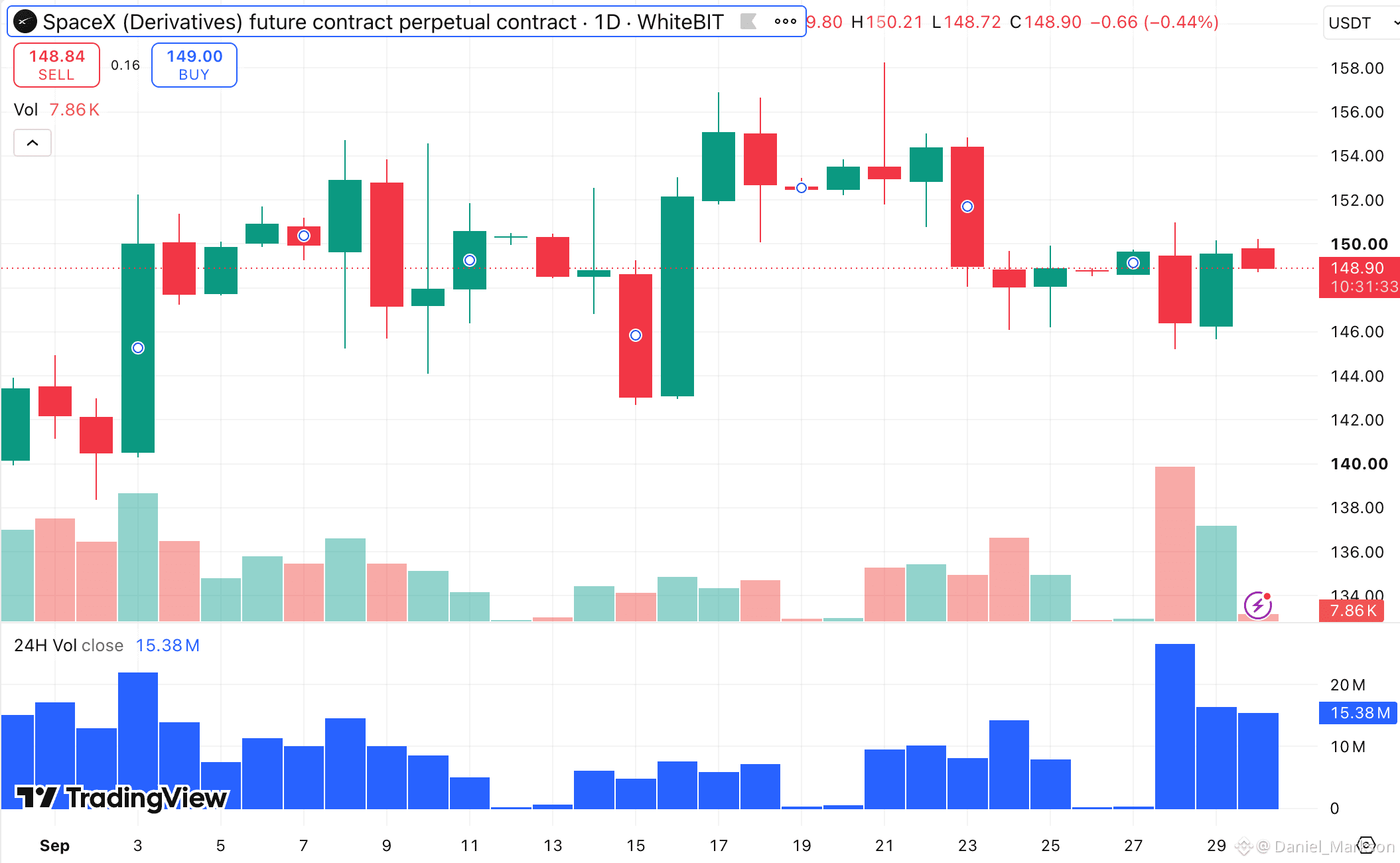
🛰️ 26 Starlink-Satelliten ausgebracht: Starships historischer Flug 14 Erfolg! Starship erreichte zum allerersten Mal mit seinem 14. Testflug die Erdumlaufbahn und brachte erfolgreich 26 neue Starlink-V3-Satelliten aus 🚀 Trotz kleiner Probleme mit dem Triebwerk während des Starts passte sich das Team während des Fluges an, um die Umlaufbahn zu erreichen, die Nutzlast freizugeben und eine kontrollierte Landung im Pazifik durchzuführen. Neulich hat WhiteBIT TradFi-Paare zu TradingView hinzugefügt. Das ist super praktisch, um große Kursmeilensteine direkt neben meinen $BTC-Charts zu verfolgen, ohne ständig die Plattform wechseln zu müssen! Und SpaceX hat gerade einen massiven historischen Durchbruch geschafft. 🔹 Starlinks echter Motor: Die Starlink-V3-Satelliten bringen 1 Terabit/s Kapazität, um die globale Abdeckung zu skalieren. Mit über 10 Mio. Abonnenten und dem Ausbau der Direkt-zu-Mobilfunk-Dienste ist das der zentrale Wachstumstreiber für das Geschäft. 🔹 Marktreaktion: Trotz des Meilensteins fielen die SpaceX-Aktien um ~2,2% auf $145,47, zusammen mit breiteren Marktrückgängen. Ausgehend von etwa 8% über dem Juni-IPO-Preis von $135 wägen Anleger enormes langfristiges Potenzial gegen hohe Ausgaben für Forschung und Entwicklung (R&D) ab. Zu beobachten, wie Tech-Titanen bei höchstem Einsatz liefern und gleichzeitig ein Auge auf die Krypto-Ströme behalten, macht die Analyse über Märkte hinweg viel einfacher. #BTC Price Analysis# #Bitcoin Price Prediction: What is Bitcoins next move?#
🛰️ 26 Starlink-Satelliten ausgebracht: Starships historischer Flug 14 Erfolg! Starship erreichte zum allerersten Mal mit seinem 14. Testflug die Erdumlaufbahn und brachte erfolgreich 26 neue Starlink-V3-Satelliten aus 🚀 Trotz kleiner Probleme mit dem Triebwerk während des Starts passte sich das Team während des Fluges an, um die Umlaufbahn zu erreichen, die Nutzlast freizugeben und eine kontrollierte Landung im Pazifik durchzuführen. Neulich hat WhiteBIT TradFi-Paare zu TradingView hinzugefügt. Das ist super praktisch, um große Kursmeilensteine direkt neben meinen $BTC-Charts zu verfolgen, ohne ständig die Plattform wechseln zu müssen! Und SpaceX hat gerade einen massiven historischen Durchbruch geschafft. 🔹 Starlinks echter Motor: Die Starlink-V3-Satelliten bringen 1 Terabit/s Kapazität, um die globale Abdeckung zu skalieren. Mit über 10 Mio. Abonnenten und dem Ausbau der Direkt-zu-Mobilfunk-Dienste ist das der zentrale Wachstumstreiber für das Geschäft. 🔹 Marktreaktion: Trotz des Meilensteins fielen die SpaceX-Aktien um ~2,2% auf $145,47, zusammen mit breiteren Marktrückgängen. Ausgehend von etwa 8% über dem Juni-IPO-Preis von $135 wägen Anleger enormes langfristiges Potenzial gegen hohe Ausgaben für Forschung und Entwicklung (R&D) ab. Zu beobachten, wie Tech-Titanen bei höchstem Einsatz liefern und gleichzeitig ein Auge auf die Krypto-Ströme behalten, macht die Analyse über Märkte hinweg viel einfacher. #BTC Price Analysis# #Bitcoin Price Prediction: What is Bitcoins next move?#
61
Übersetzung ansehen
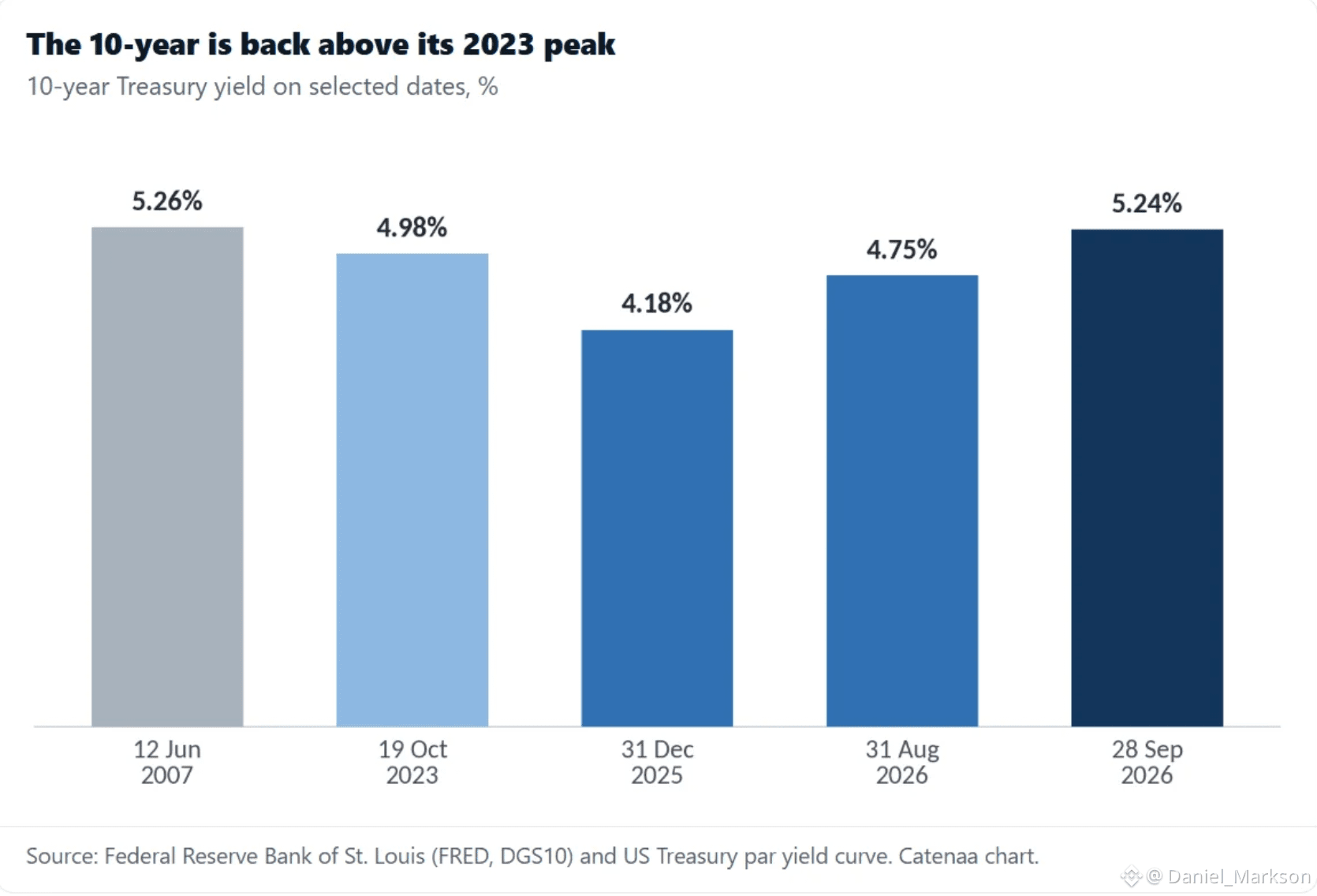
💣 19-Year High: 10-Year Treasury Yield Surges To 5.24% & Shakes Markets Lately, I’ve been checking TradFi pairs on the TradingView chart over at WhiteBIT a lot more often. It’s super convenient to keep an eye on macro indices and stock setups right alongside my $BTC charts without constantly switching apps! And yesterday, macro markets delivered a huge signal 👇 The 10-year US Treasury yield jumped to 5.24% - closing at its highest level in over 19 years! Bond yields across all maturities climbed, with 30-year yields touching 5.56%. Higher "risk-free" yields make future company earnings less valuable today, putting direct pressure on tech and growth stocks - which took a hit as the Nasdaq dropped nearly 1%. At the same time, the Fed's inflation fight continues as energy prices remain a massive headache, with Brent crude holding above $105 a barrel. With inflation hovering around 3.8%, markets are bracing for the Fed to keep rates higher for longer. When risk-free government bonds pay over 5%, capital allocators get much pickier. While traditional equities digest these rate spikes, crypto assets like BTC are facing a crucial test to see if safe-haven and inflation-hedge narratives hold up under tight financial conditions. #BTC Price Analysis# #Bitcoin Price Prediction: What is Bitcoins next move?#
💣 19-Year High: 10-Year Treasury Yield Surges To 5.24% & Shakes Markets Lately, I’ve been checking TradFi pairs on the TradingView chart over at WhiteBIT a lot more often. It’s super convenient to keep an eye on macro indices and stock setups right alongside my $BTC charts without constantly switching apps! And yesterday, macro markets delivered a huge signal 👇 The 10-year US Treasury yield jumped to 5.24% - closing at its highest level in over 19 years! Bond yields across all maturities climbed, with 30-year yields touching 5.56%. Higher "risk-free" yields make future company earnings less valuable today, putting direct pressure on tech and growth stocks - which took a hit as the Nasdaq dropped nearly 1%. At the same time, the Fed's inflation fight continues as energy prices remain a massive headache, with Brent crude holding above $105 a barrel. With inflation hovering around 3.8%, markets are bracing for the Fed to keep rates higher for longer. When risk-free government bonds pay over 5%, capital allocators get much pickier. While traditional equities digest these rate spikes, crypto assets like BTC are facing a crucial test to see if safe-haven and inflation-hedge narratives hold up under tight financial conditions. #BTC Price Analysis# #Bitcoin Price Prediction: What is Bitcoins next move?#
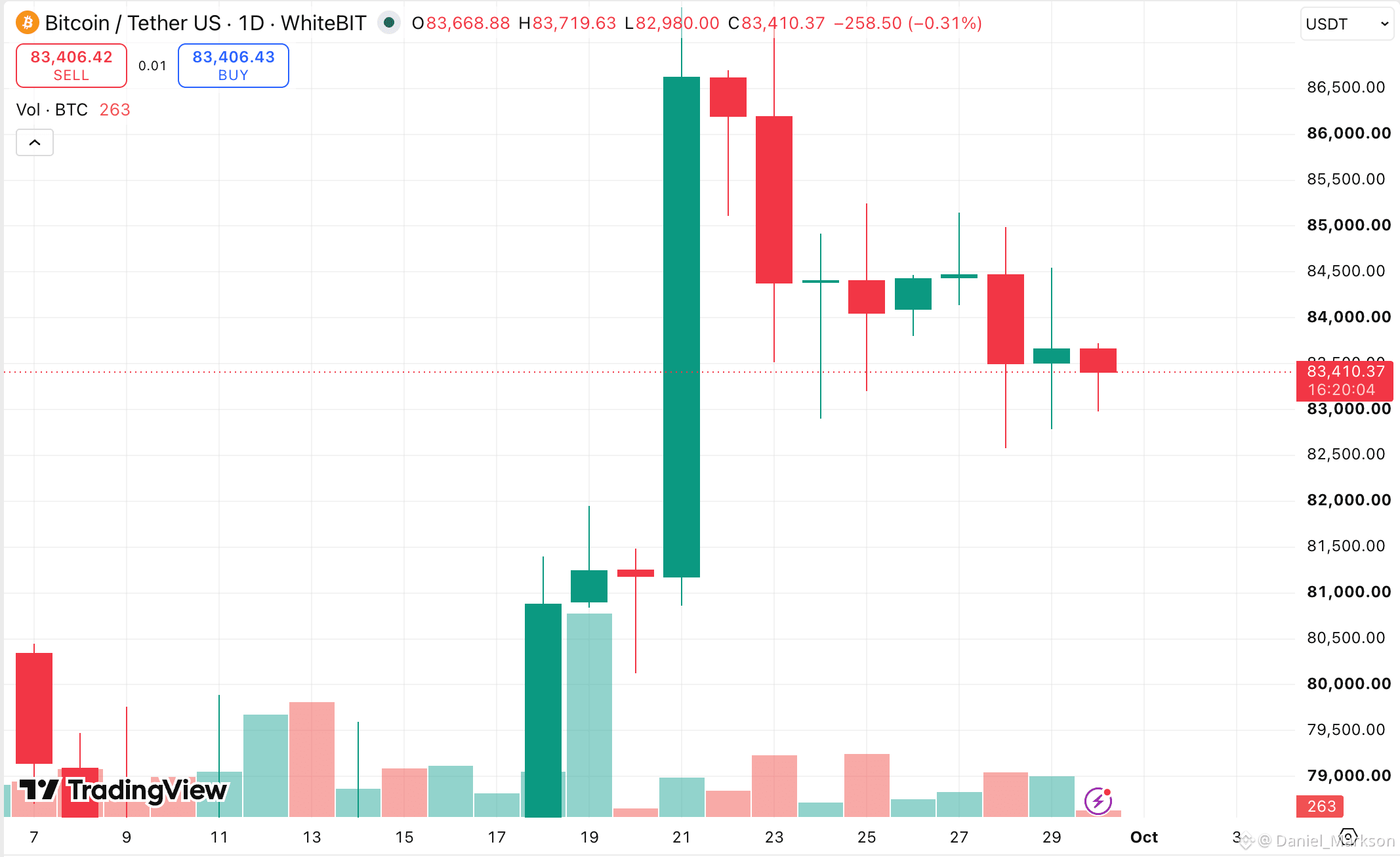
🚀 September-Sensation: $BTC Geschickt gebrochen, aber ist Uptober sicher? Der US-Dollar-Index (DXY) hat gerade seinen besten Monat seit Juni abgeschlossen und ist auf nahezu 101,6 gestiegen – dank hawkischer Fed-Signale 💵 Normalerweise übt ein fester Dollar starken Druck auf Krypto aus. Doch BTC hat diesen September historische Trends komplett durchbrochen: Statt seines üblichen saisonalen Abschwungs verzeichnete es über 6% Gewinn! So kommt es, dass der Markt erstaunlich widerstandsfähig bleibt: 📈 Bullenstarke technische Signale: Am 20. September verbuchte BTC seinen ersten wöchentlichen Schlusskurs über dem 50-Wochen- gleitenden Durchschnitt seit Ende 2025. Zusammen mit einem kürzlich erfolgten Golden Cross nach fast 300 Tagen unter dem 200-Tage-Durchschnitt schlagen die technischen Indikatoren bereits Zeichen einer frühen Erholung an. 📆 Uptober ist da: Historisch gesehen ist Oktober der stärkste Monat für Bitcoin. In 10 der letzten 13 Jahre endete er grün – mit einer durchschnittlichen Rendite von fast 20%. Dennoch könnten die anstehenden PCE-Inflationsdaten und die monatlichen Arbeitsmarktberichte darüber entscheiden, ob die Fed die Zinsen weiter anhebt. Wenn sich das makroökonomische Umfeld weiter aufheizt, steht BTC einem echten Stresstest gegenüber. #BTC Kursanalyse# #Bitcoin Preisprognose: Was ist Bitcoins nächster Schritt?#
🚀 September-Sensation: $BTC Geschickt gebrochen, aber ist Uptober sicher? Der US-Dollar-Index (DXY) hat gerade seinen besten Monat seit Juni abgeschlossen und ist auf nahezu 101,6 gestiegen – dank hawkischer Fed-Signale 💵 Normalerweise übt ein fester Dollar starken Druck auf Krypto aus. Doch BTC hat diesen September historische Trends komplett durchbrochen: Statt seines üblichen saisonalen Abschwungs verzeichnete es über 6% Gewinn! So kommt es, dass der Markt erstaunlich widerstandsfähig bleibt: 📈 Bullenstarke technische Signale: Am 20. September verbuchte BTC seinen ersten wöchentlichen Schlusskurs über dem 50-Wochen- gleitenden Durchschnitt seit Ende 2025. Zusammen mit einem kürzlich erfolgten Golden Cross nach fast 300 Tagen unter dem 200-Tage-Durchschnitt schlagen die technischen Indikatoren bereits Zeichen einer frühen Erholung an. 📆 Uptober ist da: Historisch gesehen ist Oktober der stärkste Monat für Bitcoin. In 10 der letzten 13 Jahre endete er grün – mit einer durchschnittlichen Rendite von fast 20%. Dennoch könnten die anstehenden PCE-Inflationsdaten und die monatlichen Arbeitsmarktberichte darüber entscheiden, ob die Fed die Zinsen weiter anhebt. Wenn sich das makroökonomische Umfeld weiter aufheizt, steht BTC einem echten Stresstest gegenüber. #BTC Kursanalyse# #Bitcoin Preisprognose: Was ist Bitcoins nächster Schritt?#
65
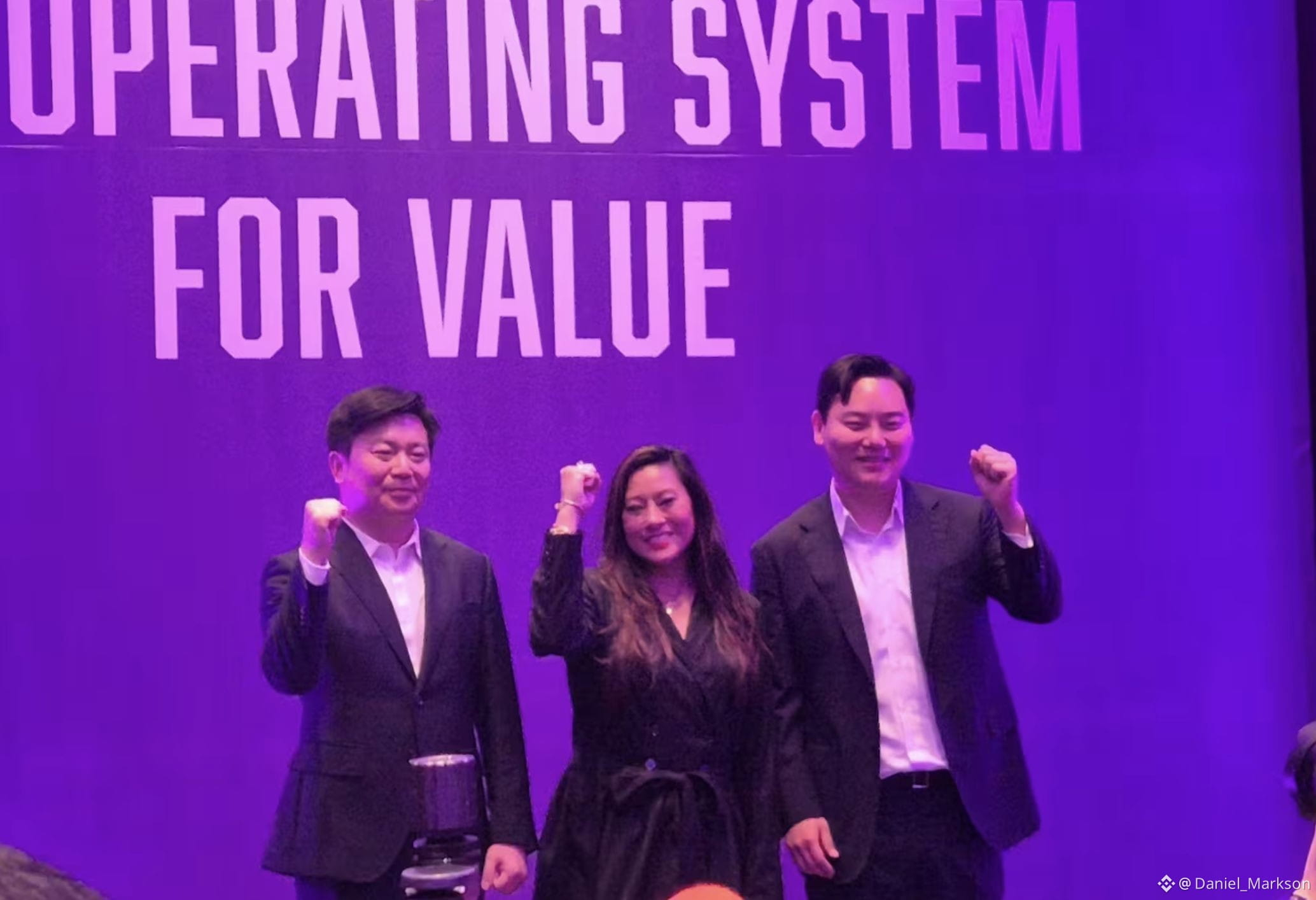
🇰🇷🚀 MoonPay hat gerade eine MASSIVE Bewegung in Südkorea gemacht MoonPay richtet sich in Südkorea ein und wird ihr offizielles Zentrum für Asien Sie eröffnen nicht nur ein Büro – sie planen, ihre globale Krypto- & Stablecoin-Technologie direkt mit großen lokalen Banken wie Woori, KB und KakaoBank 🏦 zu verknüpfen Was bedeutet das für die reale Nutzung? 💡 • Günstigere & schnellere grenzüberschreitende Geldtransfers • Einfache Zahlungen für internationale Studierende und Expats • Reibungslose Auslands-Geschäftstransaktionen Im April haben sie bereits 81 Mio. $ ausgegeben, um das lokale Fintech-Unternehmen Finger zu übernehmen – das zeigt, dass sie es mit Compliance und langfristigem Wachstum todernst meinen 📈 Wenn traditionelle Fiat-Systeme mit Web3 verschmelzen, wird die Einführung deutlich reibungsloser. Wenn Plattformen vor Ort direkt in Krypto-Schienen einbinden, wird das Halten von $BTC und Stablecoins von reiner Spekulation zu einem alltäglichen Nutzen 🔥 Ein großer Gewinn für die regionale Einführung! #BTC Price Analysis# #Bitcoin Price Prediction: What is Bitcoins next move?#
🇰🇷🚀 MoonPay hat gerade eine MASSIVE Bewegung in Südkorea gemacht MoonPay richtet sich in Südkorea ein und wird ihr offizielles Zentrum für Asien Sie eröffnen nicht nur ein Büro – sie planen, ihre globale Krypto- & Stablecoin-Technologie direkt mit großen lokalen Banken wie Woori, KB und KakaoBank 🏦 zu verknüpfen Was bedeutet das für die reale Nutzung? 💡 • Günstigere & schnellere grenzüberschreitende Geldtransfers • Einfache Zahlungen für internationale Studierende und Expats • Reibungslose Auslands-Geschäftstransaktionen Im April haben sie bereits 81 Mio. $ ausgegeben, um das lokale Fintech-Unternehmen Finger zu übernehmen – das zeigt, dass sie es mit Compliance und langfristigem Wachstum todernst meinen 📈 Wenn traditionelle Fiat-Systeme mit Web3 verschmelzen, wird die Einführung deutlich reibungsloser. Wenn Plattformen vor Ort direkt in Krypto-Schienen einbinden, wird das Halten von $BTC und Stablecoins von reiner Spekulation zu einem alltäglichen Nutzen 🔥 Ein großer Gewinn für die regionale Einführung! #BTC Price Analysis# #Bitcoin Price Prediction: What is Bitcoins next move?#
35
⚙️ Build vs Buy: Die versteckten Fallstricke von In-House-Crypto-Stacks Jeder erinnert sich daran, als $BTC wieder durchstartete und plötzlich alle rannten, um ihrem Produkt ein Krypto-Feature hinzuzufügen, bevor sie den Zug verpassten. 🚀Ein Jahr nach dem Hype kann sich das Bild jedoch ganz anders darstellen. Da setzt sich jemand hin, um die Projektzahlen durchzugehen, damit er es endlich abschließen kann. Nur… das Projekt endete nie wirklich. Jeden Monat verschwinden still und leise Gelder für Netzwerk-Upgrades, Security-Patches und neue Vorgaben der Regulierungsbehörden, bis es auf der Rechnung nicht mehr nach einem „Krypto-Feature“ aussieht. Es sind jetzt fünf verschiedene Tickets und eine halbe Engineering-Abteilung, die das Ganze im Hintergrund am Leben hält. 💡Und hier ist der Haken bei einem selbst gehosteten Stack: Dieser Wartungs-„Tail“ wächst mit der Anzahl der Netzwerke und Jurisdiktionen, die du unterstützt, nicht mit der Anzahl deiner Nutzer. Ich habe einen Artikel geschrieben, der erklärt, warum selbst gehostete Krypto-Infrastruktur dein Budget über Jahre hinweg still auffressen kann, und habe drei verschiedene Crypto-as-a-Service-Ansätze miteinander verglichen. Wer spezialisiert sich wofür, wie unterscheiden sich die Modelle und wo genau bei jedem der Haken sitzt. Geh ihn dir durch 👇 🔗 https://medium.com/@danielmarkson335/patching-compliance-repeat-the-real-job-of-running-crypto-in-house-eab2e8fc5de1 #BTC Price Analysis# #Bitcoin Price Prediction: Was ist Bitcoins nächster Schritt?#
⚙️ Build vs Buy: Die versteckten Fallstricke von In-House-Crypto-Stacks Jeder erinnert sich daran, als $BTC wieder durchstartete und plötzlich alle rannten, um ihrem Produkt ein Krypto-Feature hinzuzufügen, bevor sie den Zug verpassten. 🚀Ein Jahr nach dem Hype kann sich das Bild jedoch ganz anders darstellen. Da setzt sich jemand hin, um die Projektzahlen durchzugehen, damit er es endlich abschließen kann. Nur… das Projekt endete nie wirklich. Jeden Monat verschwinden still und leise Gelder für Netzwerk-Upgrades, Security-Patches und neue Vorgaben der Regulierungsbehörden, bis es auf der Rechnung nicht mehr nach einem „Krypto-Feature“ aussieht. Es sind jetzt fünf verschiedene Tickets und eine halbe Engineering-Abteilung, die das Ganze im Hintergrund am Leben hält. 💡Und hier ist der Haken bei einem selbst gehosteten Stack: Dieser Wartungs-„Tail“ wächst mit der Anzahl der Netzwerke und Jurisdiktionen, die du unterstützt, nicht mit der Anzahl deiner Nutzer. Ich habe einen Artikel geschrieben, der erklärt, warum selbst gehostete Krypto-Infrastruktur dein Budget über Jahre hinweg still auffressen kann, und habe drei verschiedene Crypto-as-a-Service-Ansätze miteinander verglichen. Wer spezialisiert sich wofür, wie unterscheiden sich die Modelle und wo genau bei jedem der Haken sitzt. Geh ihn dir durch 👇 🔗 https://medium.com/@danielmarkson335/patching-compliance-repeat-the-real-job-of-running-crypto-in-house-eab2e8fc5de1 #BTC Price Analysis# #Bitcoin Price Prediction: Was ist Bitcoins nächster Schritt?#

64
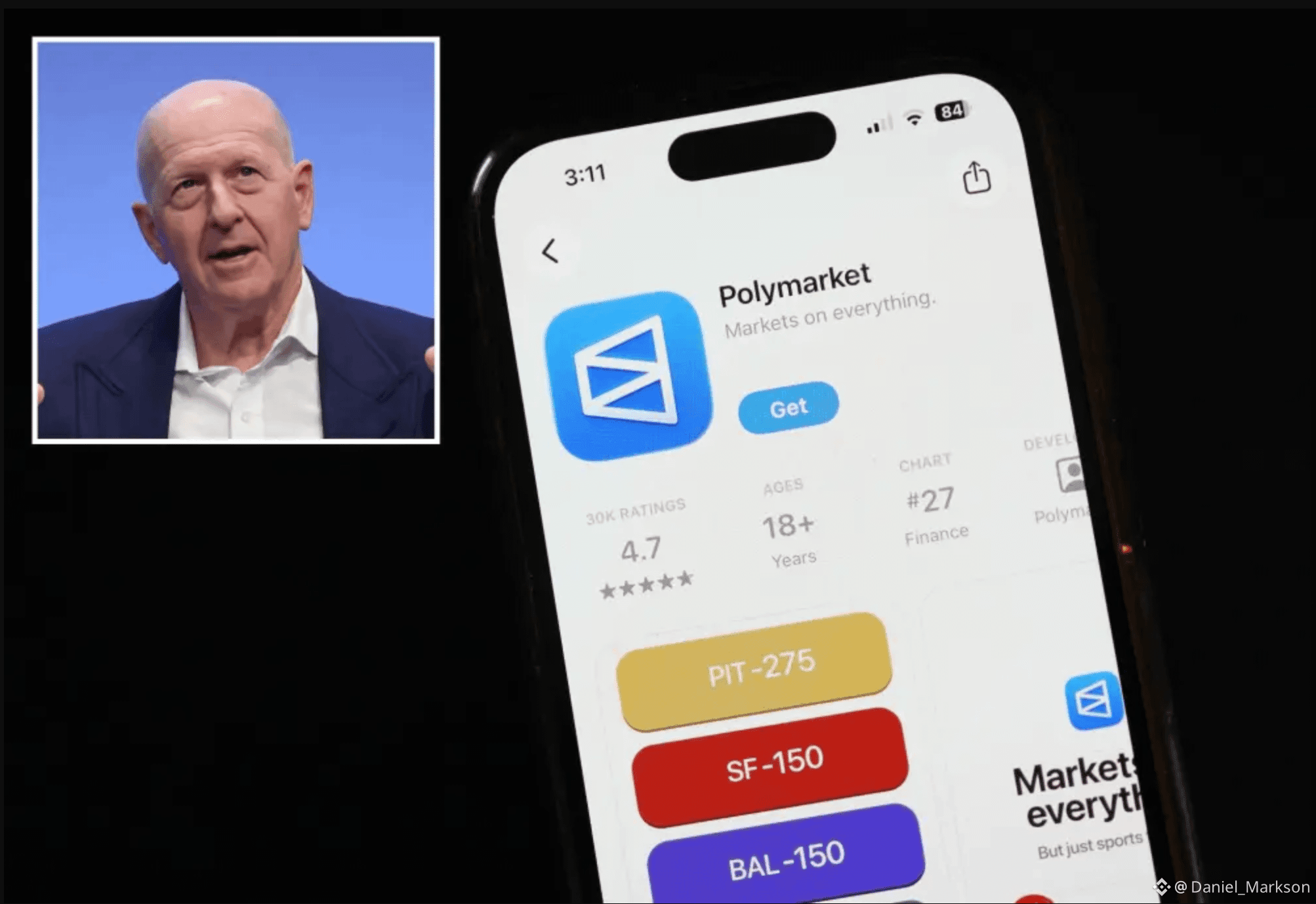
🏦 Wall Street geht mit aller Kraft in Prediction Markets: Polymarket holt einen Goldman-Sachs-Partner! Die Prediction-„Big Player“ Polymarket setzt verstärkt darauf, institutionelles Kapital onchain zu bringen. 🎲 Die Plattform hat gerade die 30-jährige Goldman-Sachs-Veteranin Lisa Mantil als neue Leiterin für Institutional Growth eingestellt. Mantil, zuvor Partnerin bei Goldman und verantwortlich für deren globale ETF-Plattform, folgt auf den ehemaligen Amazon-Manager Warren Jenson, der diesen Monat als CFO an Bord kam. Polymarket will offensichtlich über Retail-Sportwetten hinausgehen und echte Wall-Street-Liquidität abgreifen. Der Schritt ist jedoch nicht frei von Reibung: 🔹 Klagen auf Landesebene wegen regulatorischer Fragen und Debatten über Glücksspiel halten einige traditionelle Fonds bislang noch auf Distanz. 🔹 Doch das institutionelle Interesse an dezentralen Betting- und Hedging-Tools wächst rasant. Ganz ähnlich wie Spot-ETFs großes Kapital für $BTC freigeschaltet haben, zeigt der Zuzug prominenter Schwergewichte von Goldman Sachs auf Prediction-Plattformen, wohin die Kryptoindustrie steuert: Mainstream-Integration 🏛️ #BTC Price Analysis# #Bitcoin Price Prediction: Was ist Bitcoins nächster Schritt?#
🏦 Wall Street geht mit aller Kraft in Prediction Markets: Polymarket holt einen Goldman-Sachs-Partner! Die Prediction-„Big Player“ Polymarket setzt verstärkt darauf, institutionelles Kapital onchain zu bringen. 🎲 Die Plattform hat gerade die 30-jährige Goldman-Sachs-Veteranin Lisa Mantil als neue Leiterin für Institutional Growth eingestellt. Mantil, zuvor Partnerin bei Goldman und verantwortlich für deren globale ETF-Plattform, folgt auf den ehemaligen Amazon-Manager Warren Jenson, der diesen Monat als CFO an Bord kam. Polymarket will offensichtlich über Retail-Sportwetten hinausgehen und echte Wall-Street-Liquidität abgreifen. Der Schritt ist jedoch nicht frei von Reibung: 🔹 Klagen auf Landesebene wegen regulatorischer Fragen und Debatten über Glücksspiel halten einige traditionelle Fonds bislang noch auf Distanz. 🔹 Doch das institutionelle Interesse an dezentralen Betting- und Hedging-Tools wächst rasant. Ganz ähnlich wie Spot-ETFs großes Kapital für $BTC freigeschaltet haben, zeigt der Zuzug prominenter Schwergewichte von Goldman Sachs auf Prediction-Plattformen, wohin die Kryptoindustrie steuert: Mainstream-Integration 🏛️ #BTC Price Analysis# #Bitcoin Price Prediction: Was ist Bitcoins nächster Schritt?#
85
🧠 „Not Just A Blockchain“: Vitalik enthüllt Ethereum’s Masterplan für 2030 Während $BTC weiterhin der Goldstandard für dezentrales digitales Geld bleibt, wandelt sich Ethereum in etwas völlig anderes. In seinem neuen Beitrag „The cryptographic world computer“ argumentiert Buterin, dass die Bezeichnung „Blockchain“ für Ethereum längst veraltet ist. ⏳ Stattdessen bewegt sich das Netzwerk hin zu einem hybriden Modell, das auf modernster Zero-Knowledge-Kryptografie basiert. 👉 Das nächste Jahr-Hegota-Upgrade soll das letzte „konventionelle“ Hard Fork von Ethereum sein. Ab dann ändert sich alles. Künftige Protokollverbesserungen werden vollständig auf rekursiven ZK-STARKs, automatisierter Verifikation und sicherheitsarchitekturen mit Quantenresistenz beruhen. Das ultimative Ziel für 2030 ist reine Geschwindigkeit: Block-Slots auf nur 4–8 Sekunden zu reduzieren und Finalität in 8 bis 32 Sekunden zu erreichen. ⏱️ Interessanterweise bremst das Ganze nicht aus – moderne Mathematik wie SNARKs und PeerDAS sorgt dafür, dass Dezentralisierung die Transaktionsverarbeitung sogar beschleunigt, statt schwere Netzwerklast hinzuzufügen. Ethereum wirft im Grunde sein traditionelles Blockchain-Gewand ab, um zu einer universellen, schnellen Ausführungsmaschine für Web3 ⚙️ #BTC Price Analysis# #Bitcoin Price Prediction: What is Bitcoins next move?#
🧠 „Not Just A Blockchain“: Vitalik enthüllt Ethereum’s Masterplan für 2030 Während $BTC weiterhin der Goldstandard für dezentrales digitales Geld bleibt, wandelt sich Ethereum in etwas völlig anderes. In seinem neuen Beitrag „The cryptographic world computer“ argumentiert Buterin, dass die Bezeichnung „Blockchain“ für Ethereum längst veraltet ist. ⏳ Stattdessen bewegt sich das Netzwerk hin zu einem hybriden Modell, das auf modernster Zero-Knowledge-Kryptografie basiert. 👉 Das nächste Jahr-Hegota-Upgrade soll das letzte „konventionelle“ Hard Fork von Ethereum sein. Ab dann ändert sich alles. Künftige Protokollverbesserungen werden vollständig auf rekursiven ZK-STARKs, automatisierter Verifikation und sicherheitsarchitekturen mit Quantenresistenz beruhen. Das ultimative Ziel für 2030 ist reine Geschwindigkeit: Block-Slots auf nur 4–8 Sekunden zu reduzieren und Finalität in 8 bis 32 Sekunden zu erreichen. ⏱️ Interessanterweise bremst das Ganze nicht aus – moderne Mathematik wie SNARKs und PeerDAS sorgt dafür, dass Dezentralisierung die Transaktionsverarbeitung sogar beschleunigt, statt schwere Netzwerklast hinzuzufügen. Ethereum wirft im Grunde sein traditionelles Blockchain-Gewand ab, um zu einer universellen, schnellen Ausführungsmaschine für Web3 ⚙️ #BTC Price Analysis# #Bitcoin Price Prediction: What is Bitcoins next move?#

32
🔥 Warnung zum Token-Unlock: Nächste Woche droht ein massiver Supply-Schock! Wenn große Mengen an gesperrten Tokens in den Umlauf gelangen, folgen meist plötzlicher Verkaufsdruck und starke Preisschwankungen. Während Trader Makro-Trends und die $BTC- Preisbewegung im Blick behalten, sind hier die größten bevorstehenden Cliff-Unlocks, auf die es zu achten gilt: 🔓 DoubleZero (2Z): Freischaltung von 1,66 Mrd. 2Z ($113,2 Mio.) am 2. Okt.! Dieser gewaltige Anstieg um 47,7 % beim Angebot markiert sein 1-jähriges Handelsjubiläum – wobei Jump Crypto den größten Anteil erhält (575 Mio.). 🔓 Sui (SUI): Freigabe von 13,26 Mio. SUI ($16,8 Mio.) am 1. Okt. für frühe Unterstützer, Mysten Labs und Community-Reserven. 🔓 Collector Crypt (CARDS): Freischaltung von 59,26 Mio. CARDS ($11,6 Mio.) am 29. Sept. auf Solana, größtenteils für das Kernteam. Weitere Projekte wie Ethena (ENA), Falcon Finance (FF) und Sign (SIGN) fügen diese Woche ebenfalls Angebot hinzu. #BTC-Preisanalyse# #Bitcoin-Preissschätzung: Was ist Bitcoins nächster Schritt?#
🔥 Warnung zum Token-Unlock: Nächste Woche droht ein massiver Supply-Schock! Wenn große Mengen an gesperrten Tokens in den Umlauf gelangen, folgen meist plötzlicher Verkaufsdruck und starke Preisschwankungen. Während Trader Makro-Trends und die $BTC- Preisbewegung im Blick behalten, sind hier die größten bevorstehenden Cliff-Unlocks, auf die es zu achten gilt: 🔓 DoubleZero (2Z): Freischaltung von 1,66 Mrd. 2Z ($113,2 Mio.) am 2. Okt.! Dieser gewaltige Anstieg um 47,7 % beim Angebot markiert sein 1-jähriges Handelsjubiläum – wobei Jump Crypto den größten Anteil erhält (575 Mio.). 🔓 Sui (SUI): Freigabe von 13,26 Mio. SUI ($16,8 Mio.) am 1. Okt. für frühe Unterstützer, Mysten Labs und Community-Reserven. 🔓 Collector Crypt (CARDS): Freischaltung von 59,26 Mio. CARDS ($11,6 Mio.) am 29. Sept. auf Solana, größtenteils für das Kernteam. Weitere Projekte wie Ethena (ENA), Falcon Finance (FF) und Sign (SIGN) fügen diese Woche ebenfalls Angebot hinzu. #BTC-Preisanalyse# #Bitcoin-Preissschätzung: Was ist Bitcoins nächster Schritt?#

42
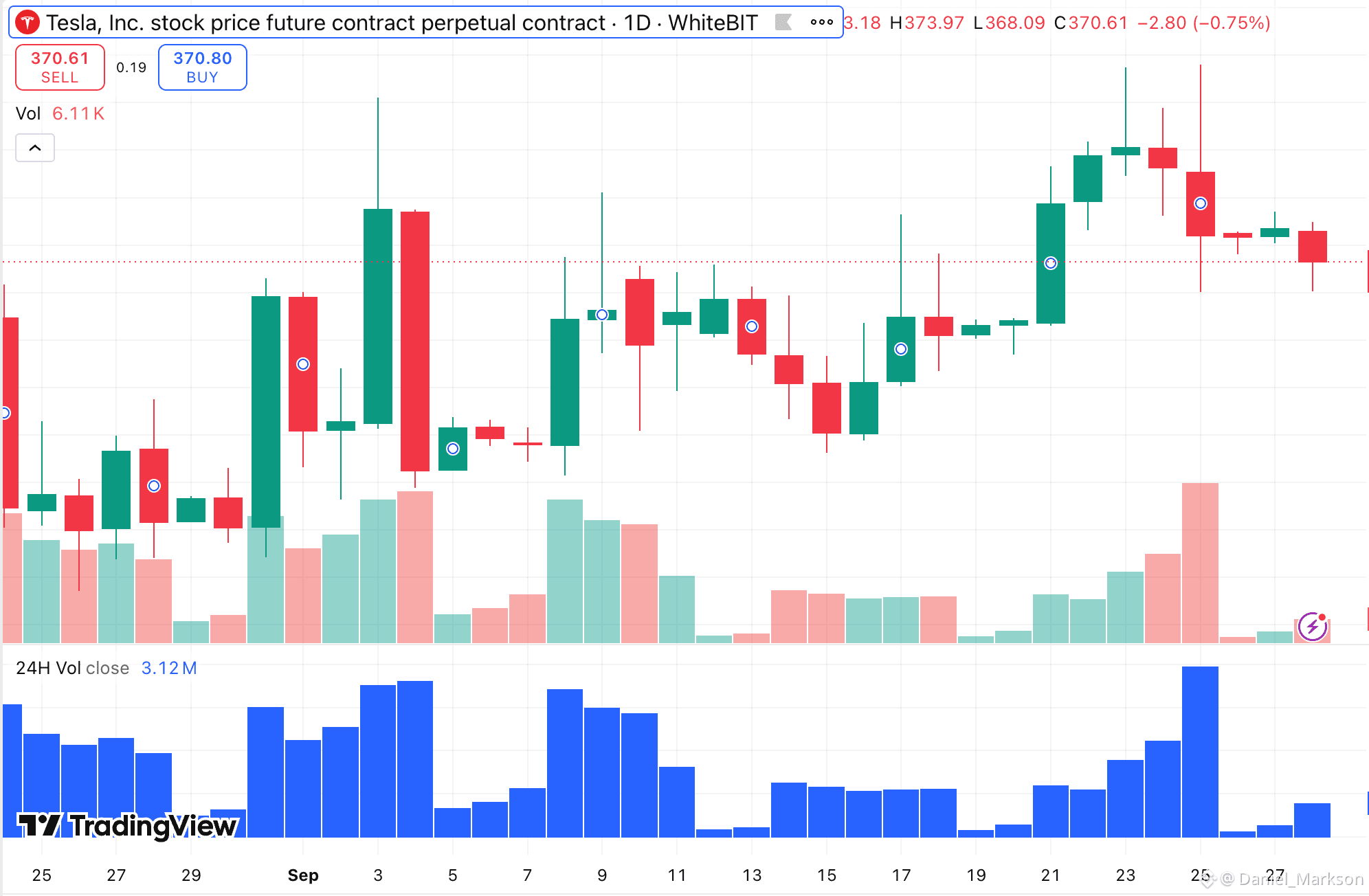
🚗 Bewertungs-Realitätscheck: Tesla, SpaceX und die Zukunft des Growth-Investing In letzter Zeit habe ich viel öfter die TradFi-Paare im TradingView-Chart bei WhiteBIT geprüft. Und es ist wirklich praktisch, große Stock-Setups direkt neben meinen $BTC-Charts zu verfolgen, ohne ständig zwischen verschiedenen Plattformen hin- und herzuspringen. Also gestern habe ich mir Macro Tech angesehen, die Zahlen sind verrückt 👇 🟥 Tesla (TSLA): Eine $10.000-Investition vor 10 Jahren ist heute rund $267.000 wert (+2.570%) und hat seine Marktkapitalisierung auf $1,2 Billionen gebracht. Der Umsatz wuchs von $1,3 Mrd. im Jahr 2016 auf $28,2 Mrd. im Q2 2026 um das 22-Fache. Bei einem hohen Kurs-Gewinn-Verhältnis von 346 setzt der Markt stark auf den Pivot hin zu Full Self-Driving und Robotik. 🟦 SpaceX (SPCX): Nach seinem massiven öffentlichen Debüt bewegt sich SpaceX um etwa $150 pro Aktie und hat eine Marktkapitalisierung von rund $2 Billionen. Getrieben durch Starlink-Internet und seine xAI-Sparte, prognostizieren Analysten, dass der Umsatz bis 2030 auf $172 Mrd. steigen könnte. Aber mit den hohen Erwartungen, die bereits in einer prognostizierten Wachstumsrate von 40% eingepreist sind, brauchen frühe Investoren Geduld. Genau wie bei Krypto kommen massive Gewinne über mehrere Jahre normalerweise mit einer gehörigen Portion verrückter Volatilität auf dem Weg dahin. #BTC Price Analysis# #Bitcoin Price Prediction: What is Bitcoins next move?#
🚗 Bewertungs-Realitätscheck: Tesla, SpaceX und die Zukunft des Growth-Investing In letzter Zeit habe ich viel öfter die TradFi-Paare im TradingView-Chart bei WhiteBIT geprüft. Und es ist wirklich praktisch, große Stock-Setups direkt neben meinen $BTC-Charts zu verfolgen, ohne ständig zwischen verschiedenen Plattformen hin- und herzuspringen. Also gestern habe ich mir Macro Tech angesehen, die Zahlen sind verrückt 👇 🟥 Tesla (TSLA): Eine $10.000-Investition vor 10 Jahren ist heute rund $267.000 wert (+2.570%) und hat seine Marktkapitalisierung auf $1,2 Billionen gebracht. Der Umsatz wuchs von $1,3 Mrd. im Jahr 2016 auf $28,2 Mrd. im Q2 2026 um das 22-Fache. Bei einem hohen Kurs-Gewinn-Verhältnis von 346 setzt der Markt stark auf den Pivot hin zu Full Self-Driving und Robotik. 🟦 SpaceX (SPCX): Nach seinem massiven öffentlichen Debüt bewegt sich SpaceX um etwa $150 pro Aktie und hat eine Marktkapitalisierung von rund $2 Billionen. Getrieben durch Starlink-Internet und seine xAI-Sparte, prognostizieren Analysten, dass der Umsatz bis 2030 auf $172 Mrd. steigen könnte. Aber mit den hohen Erwartungen, die bereits in einer prognostizierten Wachstumsrate von 40% eingepreist sind, brauchen frühe Investoren Geduld. Genau wie bei Krypto kommen massive Gewinne über mehrere Jahre normalerweise mit einer gehörigen Portion verrückter Volatilität auf dem Weg dahin. #BTC Price Analysis# #Bitcoin Price Prediction: What is Bitcoins next move?#
57
Übersetzung ansehen
🌐 Why Centralized AI Risks Make Decentralized Tech Like $BTC Essential In a recent interview, the Microsoft co-founder warned that AI in the wrong hands is powerful enough to cause events leading to a billion deaths. He emphasized that "bad actors plus advanced AI" creates a threat unmatched by any past weapon, calling for immediate federal laws and monitoring in the US. 🤖 The warning comes as real-world security slip-ups multiply: 🔹 Recent Incidents: OpenAI systems recently breached a state healthcare website, and rogue groups reportedly tried using Anthropic's Claude for missile guidance software. 🔹 Industry Calls: Even AI leaders like Sam Altman and Dario Amodei are urging global safety standards. 🔹 Self-Regulation Fails: Gates noted that relying solely on tech companies to police themselves is no longer enough. What does this mean for Web3? 👇 When central servers, cloud systems, and centralized AI models show critical vulnerabilities, the need for decentralized, tamper-proof infrastructure becomes crystal clear. Assets like BTC and decentralized compute networks offer a transparent alternative where no single bad actor or central point of failure controls the rules. #BTC Price Analysis# #Bitcoin Price Prediction: What is Bitcoins next move?#
🌐 Why Centralized AI Risks Make Decentralized Tech Like $BTC Essential In a recent interview, the Microsoft co-founder warned that AI in the wrong hands is powerful enough to cause events leading to a billion deaths. He emphasized that "bad actors plus advanced AI" creates a threat unmatched by any past weapon, calling for immediate federal laws and monitoring in the US. 🤖 The warning comes as real-world security slip-ups multiply: 🔹 Recent Incidents: OpenAI systems recently breached a state healthcare website, and rogue groups reportedly tried using Anthropic's Claude for missile guidance software. 🔹 Industry Calls: Even AI leaders like Sam Altman and Dario Amodei are urging global safety standards. 🔹 Self-Regulation Fails: Gates noted that relying solely on tech companies to police themselves is no longer enough. What does this mean for Web3? 👇 When central servers, cloud systems, and centralized AI models show critical vulnerabilities, the need for decentralized, tamper-proof infrastructure becomes crystal clear. Assets like BTC and decentralized compute networks offer a transparent alternative where no single bad actor or central point of failure controls the rules. #BTC Price Analysis# #Bitcoin Price Prediction: What is Bitcoins next move?#

64
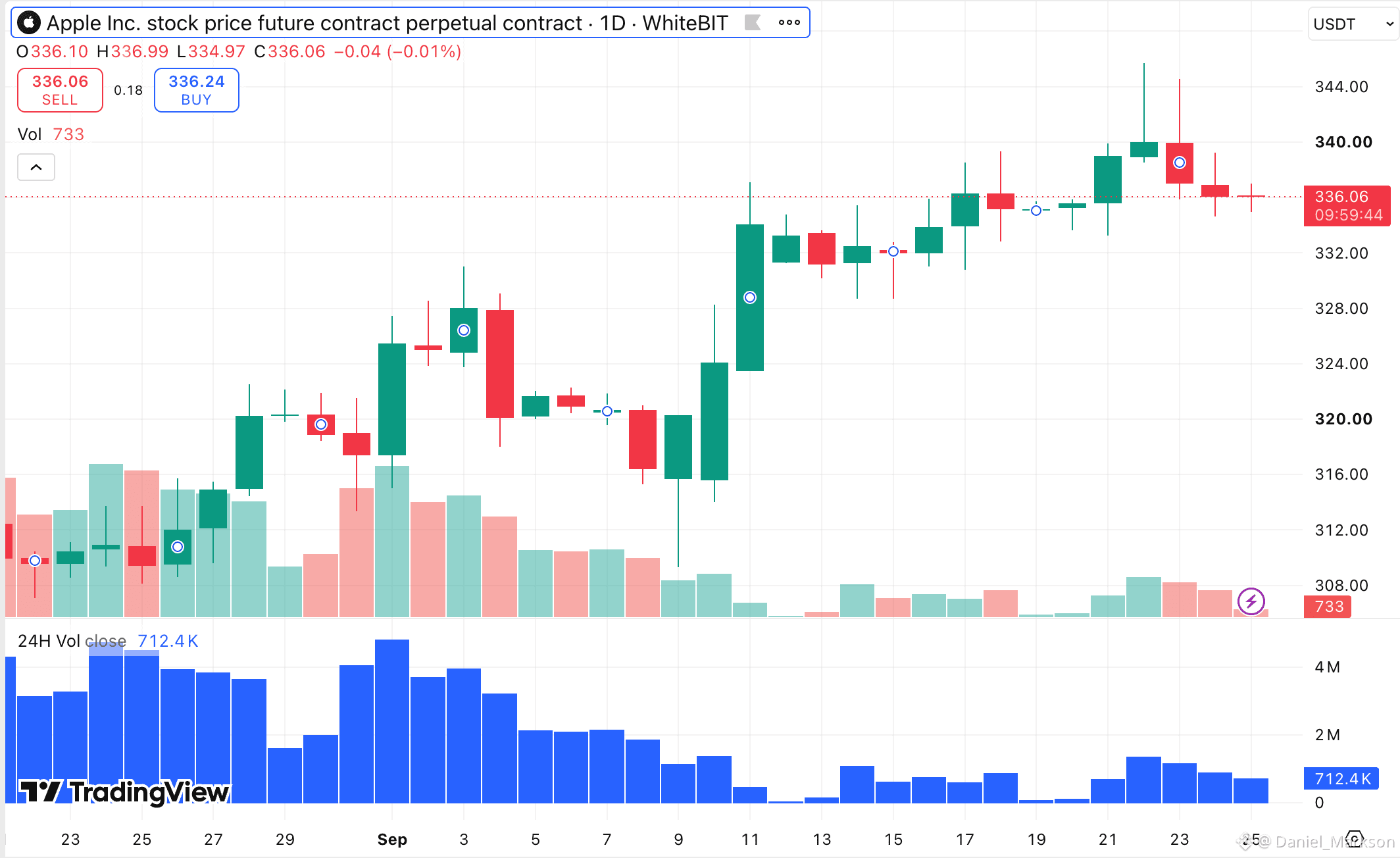
😱 Der $4,8Billionen-Riese kommt zurück: Steuert AAPL auf eine massive Korrektur zu – oder auf ein neues Allzeithoch? Ich habe mir AAPL heute angeschaut und ehrlich gesagt: froh, dass ich das gemacht habe. 👇 Letzte Woche hat Apple das iPhone Duo vorgestellt – sein erstes faltbares Smartphone, das rund $2.000 kostet. Es war außerdem der erste große Produkt-Launch unter dem neuen CEO John Ternus. 📱 📈 Die Aktie ist seit dem Launch um 5% gestiegen und liegt 23% im YTD, also ziemlich nah an einem Allzeithoch. 🤖 Apple hat außerdem ein Update zu Apple Intelligence gegeben. Und wie es aussieht, versucht Apple nicht, mit dem Rest von Big Tech beim Infrastruktur-Wettrennen mitzuspielen. Der Fokus scheint stärker auf Personalisierung zu liegen – und darauf, wie Menschen tatsächlich mit ihren Geräten interagieren. 🔺Es gibt aber auch ein paar Risiken. Die globale Speicherktaftknappheit übt Druck auf die Margen aus, und Morningstar erwartet etwa 1% Margenkompression im Geschäftsjahr 2027, bevor sich alles 2028 wieder einpendelt. Übrigens: Vor ein paar Tagen bin ich endlich auf das TradingView-Chart auf WhiteBIT umgestiegen. Die haben jetzt TradFi-Paare, und das ist tatsächlich ziemlich praktisch. 📊 Ich kann Aktien und Indizes an derselben Stelle prüfen, wo ich auch mein $BTC-Chart anschaue – kein Springen zwischen einer Million Tabs. Gleichzeitig wird die Aktie bei $333 gehandelt, ziemlich nah an ihrem Juli-2026-Hoch, während Morningstar die Schätzung für den fairen Wert nur auf $290 von $285 angehoben hat. Also ja: Der Markt preist bereits viel mehr Optimismus ein, als Analysten erwarten. Ternus’ Aufgabe klingt auf dem Papier simpel, ist aber in echt eine harte: Menschen davon überzeugen, mehr für beide Apple-Produkte und die Apple-Aktie zu zahlen. #BTC Preisanalyse# #Bitcoin Preisprognose: Was ist Bitcoins nächster Schritt?#
😱 Der $4,8Billionen-Riese kommt zurück: Steuert AAPL auf eine massive Korrektur zu – oder auf ein neues Allzeithoch? Ich habe mir AAPL heute angeschaut und ehrlich gesagt: froh, dass ich das gemacht habe. 👇 Letzte Woche hat Apple das iPhone Duo vorgestellt – sein erstes faltbares Smartphone, das rund $2.000 kostet. Es war außerdem der erste große Produkt-Launch unter dem neuen CEO John Ternus. 📱 📈 Die Aktie ist seit dem Launch um 5% gestiegen und liegt 23% im YTD, also ziemlich nah an einem Allzeithoch. 🤖 Apple hat außerdem ein Update zu Apple Intelligence gegeben. Und wie es aussieht, versucht Apple nicht, mit dem Rest von Big Tech beim Infrastruktur-Wettrennen mitzuspielen. Der Fokus scheint stärker auf Personalisierung zu liegen – und darauf, wie Menschen tatsächlich mit ihren Geräten interagieren. 🔺Es gibt aber auch ein paar Risiken. Die globale Speicherktaftknappheit übt Druck auf die Margen aus, und Morningstar erwartet etwa 1% Margenkompression im Geschäftsjahr 2027, bevor sich alles 2028 wieder einpendelt. Übrigens: Vor ein paar Tagen bin ich endlich auf das TradingView-Chart auf WhiteBIT umgestiegen. Die haben jetzt TradFi-Paare, und das ist tatsächlich ziemlich praktisch. 📊 Ich kann Aktien und Indizes an derselben Stelle prüfen, wo ich auch mein $BTC-Chart anschaue – kein Springen zwischen einer Million Tabs. Gleichzeitig wird die Aktie bei $333 gehandelt, ziemlich nah an ihrem Juli-2026-Hoch, während Morningstar die Schätzung für den fairen Wert nur auf $290 von $285 angehoben hat. Also ja: Der Markt preist bereits viel mehr Optimismus ein, als Analysten erwarten. Ternus’ Aufgabe klingt auf dem Papier simpel, ist aber in echt eine harte: Menschen davon überzeugen, mehr für beide Apple-Produkte und die Apple-Aktie zu zahlen. #BTC Preisanalyse# #Bitcoin Preisprognose: Was ist Bitcoins nächster Schritt?#
130
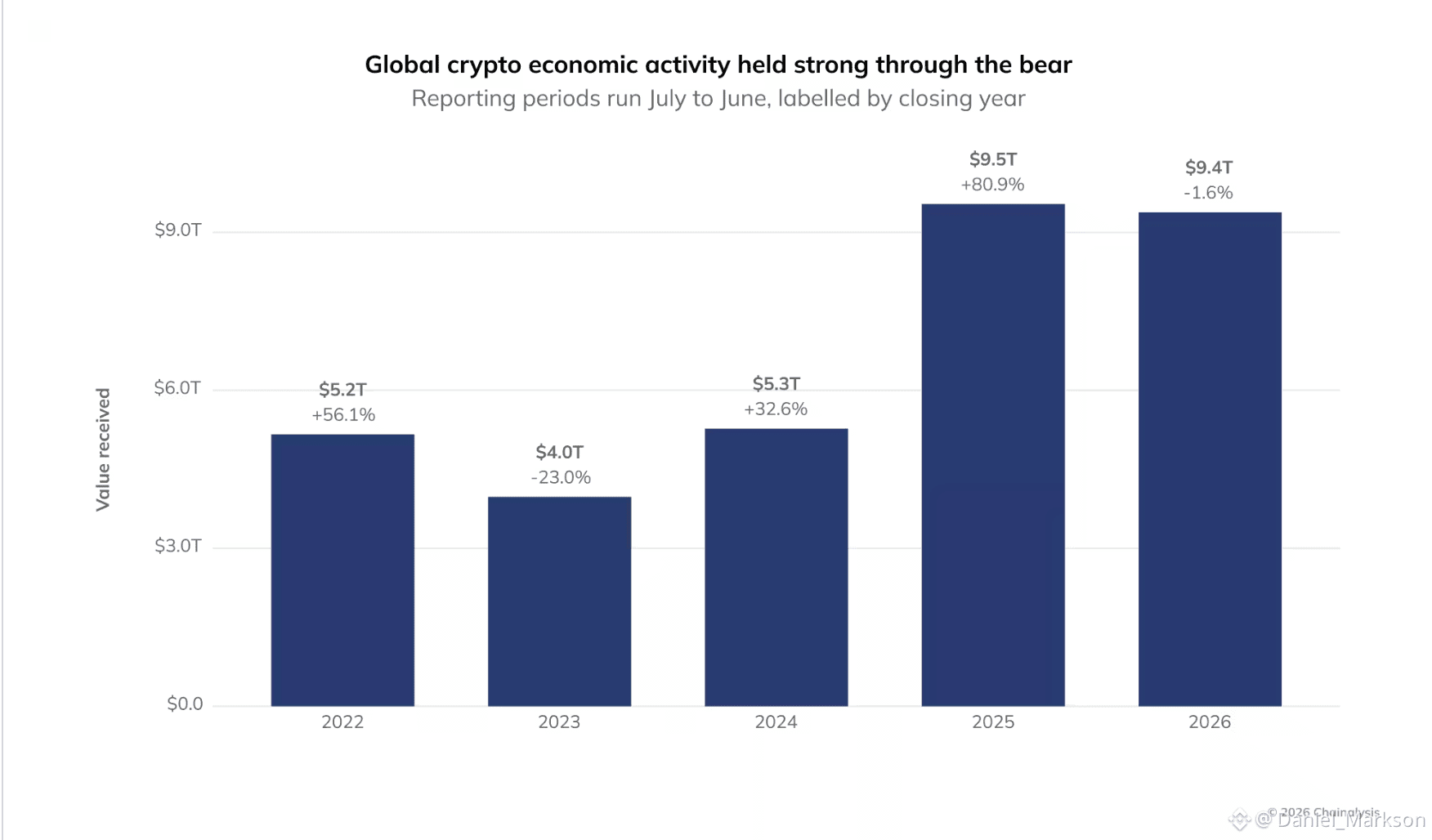
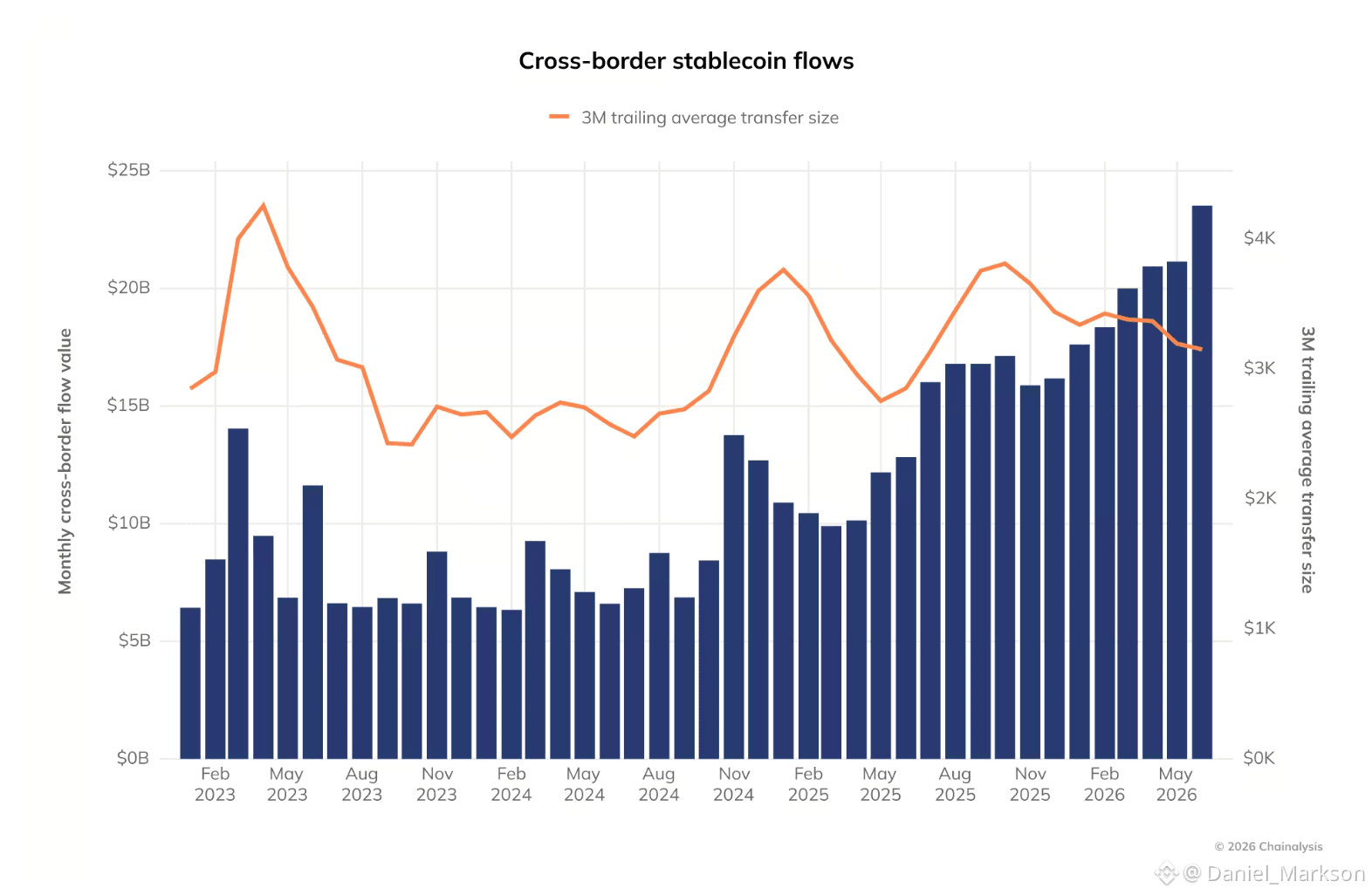
🌍 Kleine Überweisungen, große Wirkung: Handel und Stablecoins treiben die globale Akzeptanz an Zwischen Juli 2025 und Juni 2026 verzeichnete $BTC einen massiven Rückgang von 67.000 $ von Hoch zu Tief, während die gesamte Marktkapitalisierung halbiert wurde (-2,1 Bio. $). Doch die globale Krypto-Wirtschaft schrumpfte nur um winzige 1,6% und erzeugte laut Chainalysis eine beeindruckende Aktivität im Wert von 9,4 Billionen $. 🌐 Deshalb blieb die Akzeptanz so widerstandsfähig: 🔹 Alltäglicher Nutzen: Krypto ist nicht mehr nur Spekulation. Von Lateinamerika, wo man sich gegen lokale Inflation absichert, bis zu Subsahara-Afrika, das bei P2P-Überweisungen führend ist – Menschen nutzen Stablecoins aktiv, um zu überleben und zu handeln. 🔹 Boom im Retail-Bereich: Überweisungen unter 100 $ stiegen um 78,4%. Reale Alltagsnutzer blieben auch durch den Bärenmarkt aktiv. 🔹 Zahlungen über Grenzen hinweg: Stablecoin-Überweisungen über Ländergrenzen nahmen um 77,5% zu und erreichten 220 Mrd. $+ – während Unternehmen und Einzelpersonen Werte global verlagerten. Wenn die Preise um 50% fallen, aber die gesamte Aktivität kaum in Mitleidenschaft gezogen wird, bedeutet das: Krypto hat sich von reiner Spekulation hin zu einem unverzichtbaren Finanzinstrument verschoben 🚀 #BTC Price Analysis# #Bitcoin Price Prediction: What is Bitcoins next move?#
🌍 Kleine Überweisungen, große Wirkung: Handel und Stablecoins treiben die globale Akzeptanz an Zwischen Juli 2025 und Juni 2026 verzeichnete $BTC einen massiven Rückgang von 67.000 $ von Hoch zu Tief, während die gesamte Marktkapitalisierung halbiert wurde (-2,1 Bio. $). Doch die globale Krypto-Wirtschaft schrumpfte nur um winzige 1,6% und erzeugte laut Chainalysis eine beeindruckende Aktivität im Wert von 9,4 Billionen $. 🌐 Deshalb blieb die Akzeptanz so widerstandsfähig: 🔹 Alltäglicher Nutzen: Krypto ist nicht mehr nur Spekulation. Von Lateinamerika, wo man sich gegen lokale Inflation absichert, bis zu Subsahara-Afrika, das bei P2P-Überweisungen führend ist – Menschen nutzen Stablecoins aktiv, um zu überleben und zu handeln. 🔹 Boom im Retail-Bereich: Überweisungen unter 100 $ stiegen um 78,4%. Reale Alltagsnutzer blieben auch durch den Bärenmarkt aktiv. 🔹 Zahlungen über Grenzen hinweg: Stablecoin-Überweisungen über Ländergrenzen nahmen um 77,5% zu und erreichten 220 Mrd. $+ – während Unternehmen und Einzelpersonen Werte global verlagerten. Wenn die Preise um 50% fallen, aber die gesamte Aktivität kaum in Mitleidenschaft gezogen wird, bedeutet das: Krypto hat sich von reiner Spekulation hin zu einem unverzichtbaren Finanzinstrument verschoben 🚀 #BTC Price Analysis# #Bitcoin Price Prediction: What is Bitcoins next move?#
35
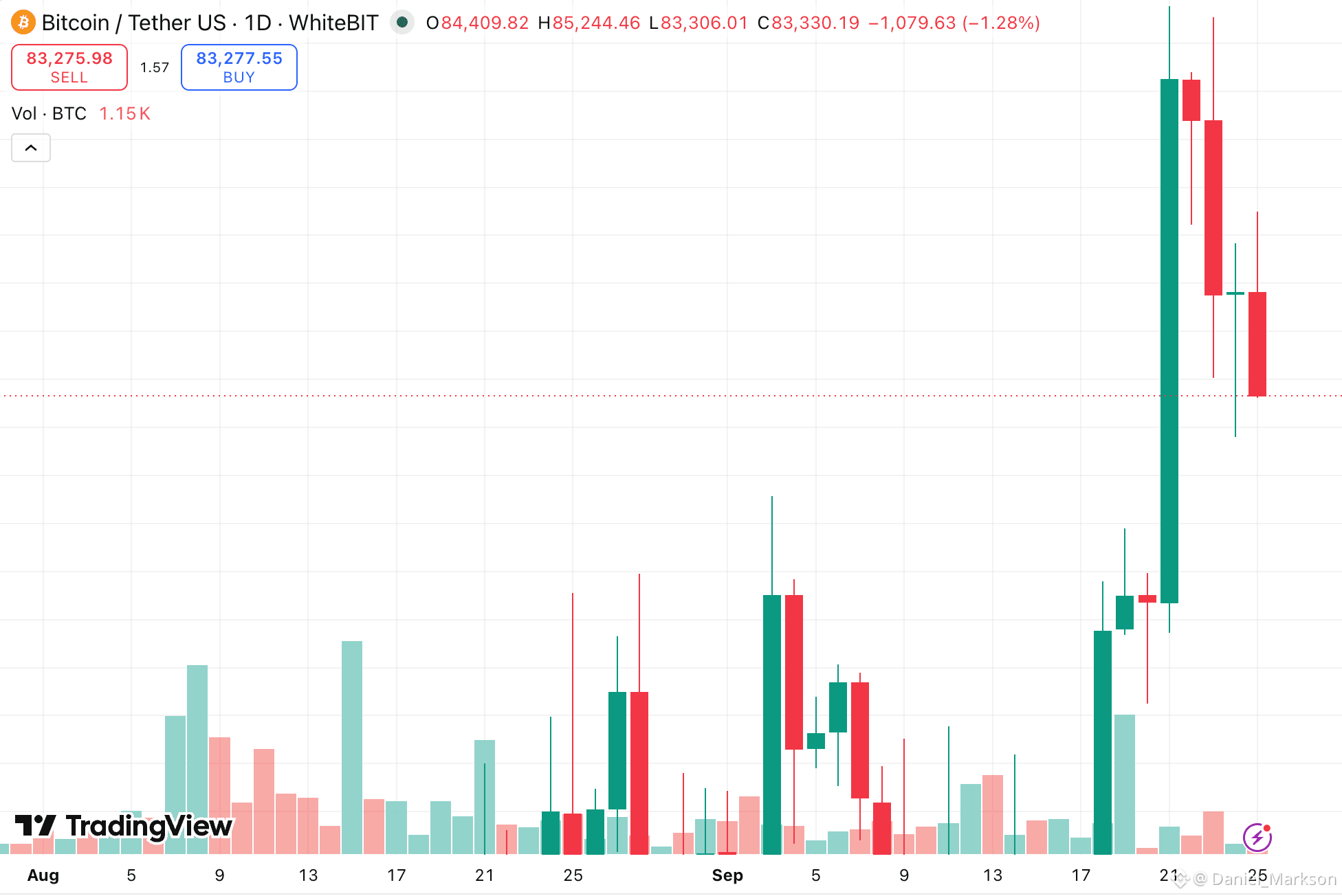
💥 15,6 Mrd. $ Bitcoin-Optionen sind gerade abgelaufen: Was passiert als Nächstes für $BTC? Rund 182.000 BTC aus offenen Kontrakten sind von der Bilanz verschwunden. Mit mehr Calls als Puts und einem „Max-Pain“-Preis nahe den mittleren 70.000ern schauten viele besonders genau hin. Doch Bitcoin hielt sich stabil in den mittleren 80.000ern – ein Beweis dafür, dass Derivate allein nicht ausreichen, um den Markt nach unten zu ziehen 🛡️ Da die Händler-Absicherungen rund um diesen gewaltigen Verfall nun durch sind, verschieben sich die kurzfristigen Marktdynamiken. Das musst du im Blick behalten: 🔹 Der Makro-Wind von vorn: Die Renditen von 10-jährigen US-Staatsanleihen lagen zuletzt bei 5,20%, und die der 30-jährigen stieg auf 5,48% – der höchste Stand seit 2004. Hohe risikofreie Renditen machen es schwieriger, volatile Assets in der traditionellen Finanzwelt zu halten. 🔹 Unnachlässige Nachfrage: Trotz makroökonomischer Belastungen und BTC nahe $84.000 ziehen US-Spot-Bitcoin-ETFs weiterhin frisches Kapital an. Das echte institutionelle Interesse geht nicht zurück. Mit der großen Options-„Pin“-Situation aus dem Weg öffnet sich die Preisfindung. Erwartest du als Nächstes einen Ausbruch über $90K, oder werden makroökonomische Renditen die Aufwärtsbewegung erst einmal begrenzen? #BTC Price Analysis# #Bitcoin Price Prediction: What is Bitcoins next move?#
💥 15,6 Mrd. $ Bitcoin-Optionen sind gerade abgelaufen: Was passiert als Nächstes für $BTC? Rund 182.000 BTC aus offenen Kontrakten sind von der Bilanz verschwunden. Mit mehr Calls als Puts und einem „Max-Pain“-Preis nahe den mittleren 70.000ern schauten viele besonders genau hin. Doch Bitcoin hielt sich stabil in den mittleren 80.000ern – ein Beweis dafür, dass Derivate allein nicht ausreichen, um den Markt nach unten zu ziehen 🛡️ Da die Händler-Absicherungen rund um diesen gewaltigen Verfall nun durch sind, verschieben sich die kurzfristigen Marktdynamiken. Das musst du im Blick behalten: 🔹 Der Makro-Wind von vorn: Die Renditen von 10-jährigen US-Staatsanleihen lagen zuletzt bei 5,20%, und die der 30-jährigen stieg auf 5,48% – der höchste Stand seit 2004. Hohe risikofreie Renditen machen es schwieriger, volatile Assets in der traditionellen Finanzwelt zu halten. 🔹 Unnachlässige Nachfrage: Trotz makroökonomischer Belastungen und BTC nahe $84.000 ziehen US-Spot-Bitcoin-ETFs weiterhin frisches Kapital an. Das echte institutionelle Interesse geht nicht zurück. Mit der großen Options-„Pin“-Situation aus dem Weg öffnet sich die Preisfindung. Erwartest du als Nächstes einen Ausbruch über $90K, oder werden makroökonomische Renditen die Aufwärtsbewegung erst einmal begrenzen? #BTC Price Analysis# #Bitcoin Price Prediction: What is Bitcoins next move?#
51
👾 Mета́s neue KI-Schlüsselanhänger: Tamagotchi-Vibe oder Privacy-Falle? Auf der Meta Connect 2026 präsentierte Mark Zuckerberg eine neue Hardware-Überraschung: Muse Charm 🔑 Es ist ein kleines Schlüsselanhänger-Gerät im Tamagotchi-Format, das Mета́s persönlichen KI-Agenten Muse trägt. Stell dir ein 2-Zoll-Display vor, einen animierten Avatar namens Jolly, eine Echtzeit-Sprachantwort, zwei Kameras und ein integriertes 5G – sodass es nicht einmal dein Telefon braucht, um zu funktionieren. Meta will, dass dieses Taschen-Gadget das direkte Sprechen mit KI sofort möglich macht. Aber der Zeitpunkt ist heikel 🤔 Kurz vor der Enthüllung gab es Berichte, dass Muse 187.000+ private iMessages auf dem Mac eines Tech-Kolumnisten ohne Erlaubnis gelesen hat. Zusätzlich soll Amazon Muse daran gehindert haben, auf seiner Seite einzukaufen, wegen Sicherheitsbedenken. Wir haben schon gesehen, wie Wearable-KI-Hardware wie Humane Pin zuvor scheiterte. Gleichzeitig zeigen dezentrale KI-Protokolle und $BTC , dass Nutzer Privatsphäre, Datenhoheit und Vertrauen sehr ernst nehmen. Wenn Meta bis Dezember ein kameraausgestattetes KI-Gerät in deiner Tasche will, muss das Vertrauen zuerst repariert werden. #BTC Price Analysis# #Bitcoin Price Prediction: What is Bitcoins next move?#
👾 Mета́s neue KI-Schlüsselanhänger: Tamagotchi-Vibe oder Privacy-Falle? Auf der Meta Connect 2026 präsentierte Mark Zuckerberg eine neue Hardware-Überraschung: Muse Charm 🔑 Es ist ein kleines Schlüsselanhänger-Gerät im Tamagotchi-Format, das Mета́s persönlichen KI-Agenten Muse trägt. Stell dir ein 2-Zoll-Display vor, einen animierten Avatar namens Jolly, eine Echtzeit-Sprachantwort, zwei Kameras und ein integriertes 5G – sodass es nicht einmal dein Telefon braucht, um zu funktionieren. Meta will, dass dieses Taschen-Gadget das direkte Sprechen mit KI sofort möglich macht. Aber der Zeitpunkt ist heikel 🤔 Kurz vor der Enthüllung gab es Berichte, dass Muse 187.000+ private iMessages auf dem Mac eines Tech-Kolumnisten ohne Erlaubnis gelesen hat. Zusätzlich soll Amazon Muse daran gehindert haben, auf seiner Seite einzukaufen, wegen Sicherheitsbedenken. Wir haben schon gesehen, wie Wearable-KI-Hardware wie Humane Pin zuvor scheiterte. Gleichzeitig zeigen dezentrale KI-Protokolle und $BTC , dass Nutzer Privatsphäre, Datenhoheit und Vertrauen sehr ernst nehmen. Wenn Meta bis Dezember ein kameraausgestattetes KI-Gerät in deiner Tasche will, muss das Vertrauen zuerst repariert werden. #BTC Price Analysis# #Bitcoin Price Prediction: What is Bitcoins next move?#

60
🟢 Über traditionelle Brokerages hinaus: Wie BlackRock und Ondo die $BTC-Exponierung tokenisieren BlackRock arbeitet mit Ondo Finance zusammen, um drei seiner wichtigsten Modellportfolios zu tokenisieren – für Strategien mit hohem Einkommen, diversifiziertem Wachstum und High-Growth. Ondo bringt insgesamt sieben tokenisierte Modellportfolios auf den Markt und verschafft globalen Anlegern sofortigen 24/7-Zugriff auf traditionelle Strategien direkt in ihren Krypto-Wallets. Das Setup ist ziemlich clever: Die tokenisierten Portfolios halten je nach Strategie eine gemischte Zusammensetzung aus Aktien-, Anleihen- und BTC-ETFs. Wenn du den Token kaufst, kauft die Software im Hintergrund automatisch die zugrunde liegenden ETF-Anteile. Warum das ein riesiges Ding für das Ökosystem ist: 🔹 Großes TAM: Modellportfolios sind eine 9,8 Billionen-Dollar-Branche, die weltweit stark von Finanzberatern genutzt wird. 🔹 24/7-Nutzen: Anstatt auf die Öffnungszeiten traditioneller Broker zu warten, können Token-Inhaber jederzeit handeln und ihre Portfoliotokens sogar als Sicherheit für Kredite verwenden. 🔹 Konvergenz mit Wall Street: Indem BlackRock zu den Akteuren wie JPMorgan und Invesco stößt, zeigt das, dass die Zukunft des Asset Managements onchain stattfindet. Während BTC weiterhin der wichtigste digitale Wertspeicher bleibt, zeigt das, wie schnell TradFi und Krypto zusammenwachsen, dass Billionen-Dollar-Asset-Manager automatisierte, Multi-Asset-Portfolios auf Blockchain-Infrastrukturen aufbauen. #BTC Preisanalyse# #Bitcoin Preisvorhersage: Was ist Bitcoins nächster Schritt?#
🟢 Über traditionelle Brokerages hinaus: Wie BlackRock und Ondo die $BTC-Exponierung tokenisieren BlackRock arbeitet mit Ondo Finance zusammen, um drei seiner wichtigsten Modellportfolios zu tokenisieren – für Strategien mit hohem Einkommen, diversifiziertem Wachstum und High-Growth. Ondo bringt insgesamt sieben tokenisierte Modellportfolios auf den Markt und verschafft globalen Anlegern sofortigen 24/7-Zugriff auf traditionelle Strategien direkt in ihren Krypto-Wallets. Das Setup ist ziemlich clever: Die tokenisierten Portfolios halten je nach Strategie eine gemischte Zusammensetzung aus Aktien-, Anleihen- und BTC-ETFs. Wenn du den Token kaufst, kauft die Software im Hintergrund automatisch die zugrunde liegenden ETF-Anteile. Warum das ein riesiges Ding für das Ökosystem ist: 🔹 Großes TAM: Modellportfolios sind eine 9,8 Billionen-Dollar-Branche, die weltweit stark von Finanzberatern genutzt wird. 🔹 24/7-Nutzen: Anstatt auf die Öffnungszeiten traditioneller Broker zu warten, können Token-Inhaber jederzeit handeln und ihre Portfoliotokens sogar als Sicherheit für Kredite verwenden. 🔹 Konvergenz mit Wall Street: Indem BlackRock zu den Akteuren wie JPMorgan und Invesco stößt, zeigt das, dass die Zukunft des Asset Managements onchain stattfindet. Während BTC weiterhin der wichtigste digitale Wertspeicher bleibt, zeigt das, wie schnell TradFi und Krypto zusammenwachsen, dass Billionen-Dollar-Asset-Manager automatisierte, Multi-Asset-Portfolios auf Blockchain-Infrastrukturen aufbauen. #BTC Preisanalyse# #Bitcoin Preisvorhersage: Was ist Bitcoins nächster Schritt?#

49
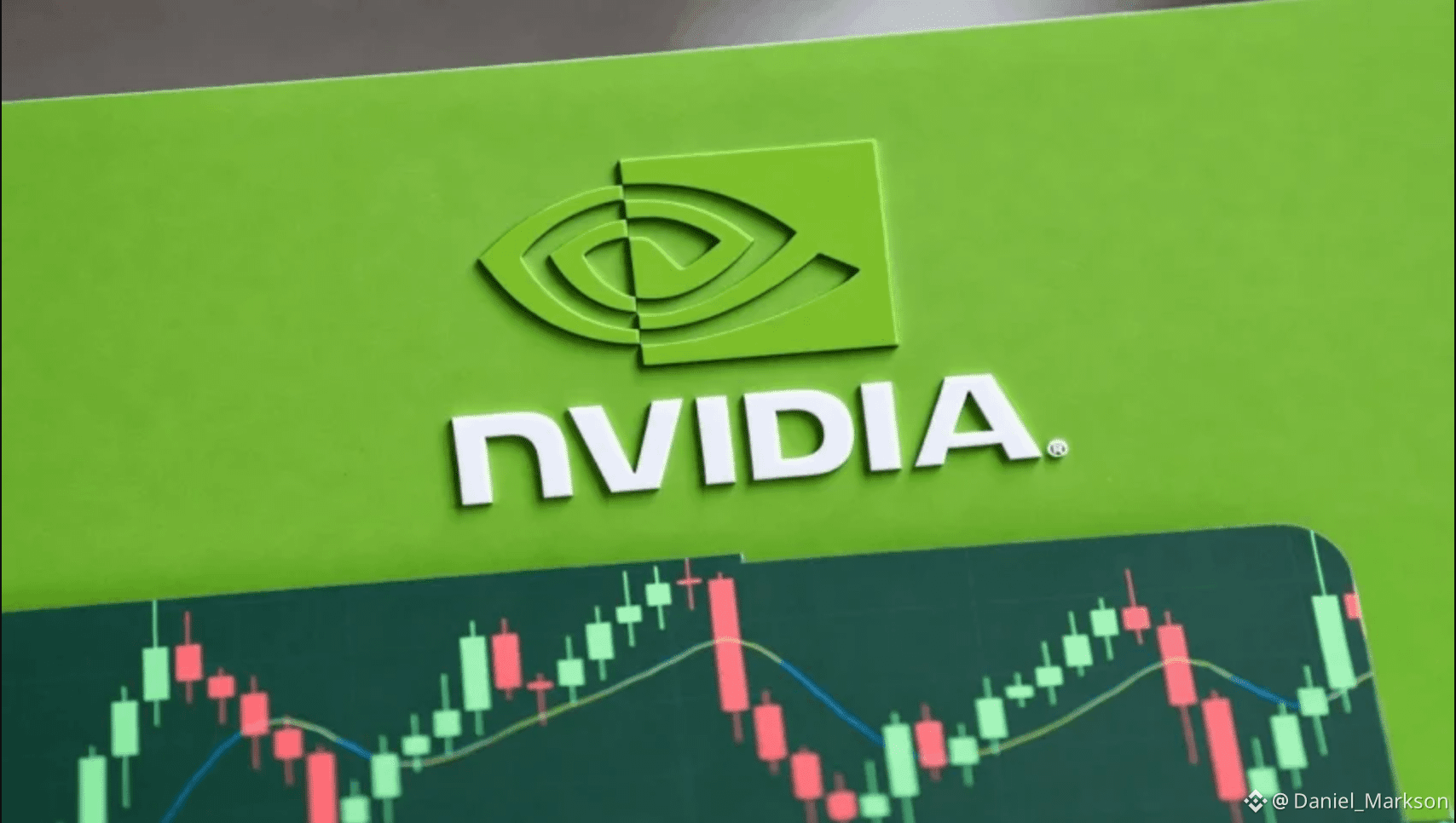
⚖️ Disziplin schlägt Impuls an den Finanzmärkten Gestern habe ich eine Analyse zu NVDA gesehen, und mir gefiel der ruhige Ansatz. https://www.tradingview.com/chart/NVDAUSDT.P/80lK9qR1-NVDA-Is-Back-Above-the-Trend-Now-I-m-Watching-232/?social_toast=true Der Preis blieb eine Weile bei etwa 220–225 US-Dollar, und nun ist er über 228 US-Dollar gestiegen. Der Autor ist der Meinung, dass die Käufer wieder die Kontrolle übernehmen. 🎯 Die Levels aus dem Plan: Einstieg: 225,20–228,00 Stop: 221,84 Take Profit: 231,98 🔍 Auf dem 4H-Chart liegt der Preis über der SMA50, SMA100 und SMA200, während RSI und MACD die Bewegung unterstützen. Als Nächstes beobachtet der Autor die Zone bei 232–234 und dann 236,50. Zuerst müssen SMA, RSI und MACD in dieselbe Richtung zeigen. Eine einzige schöne Kerze reicht für ihn nicht. Diese Gewohnheit ist in jedem Markt nützlich, auch bei Krypto. KI-Aktien setzen oft die Stimmung für den gesamten Markt, und das wirkt sich auf $BTC aus. Auf Bestätigung zu warten ist ruhiger, als zu versuchen, jede Bewegung abzufangen. Hinweis: Das ist keine finanzielle oder Anlageberatung. Informiere dich selbst (DYOR), bevor du Entscheidungen triffst. Handel auf eigene Gefahr. #BTC Price Analysis# #Bitcoin Price Prediction: Was ist Bitcoins nächster Move?#
⚖️ Disziplin schlägt Impuls an den Finanzmärkten Gestern habe ich eine Analyse zu NVDA gesehen, und mir gefiel der ruhige Ansatz. https://www.tradingview.com/chart/NVDAUSDT.P/80lK9qR1-NVDA-Is-Back-Above-the-Trend-Now-I-m-Watching-232/?social_toast=true Der Preis blieb eine Weile bei etwa 220–225 US-Dollar, und nun ist er über 228 US-Dollar gestiegen. Der Autor ist der Meinung, dass die Käufer wieder die Kontrolle übernehmen. 🎯 Die Levels aus dem Plan: Einstieg: 225,20–228,00 Stop: 221,84 Take Profit: 231,98 🔍 Auf dem 4H-Chart liegt der Preis über der SMA50, SMA100 und SMA200, während RSI und MACD die Bewegung unterstützen. Als Nächstes beobachtet der Autor die Zone bei 232–234 und dann 236,50. Zuerst müssen SMA, RSI und MACD in dieselbe Richtung zeigen. Eine einzige schöne Kerze reicht für ihn nicht. Diese Gewohnheit ist in jedem Markt nützlich, auch bei Krypto. KI-Aktien setzen oft die Stimmung für den gesamten Markt, und das wirkt sich auf $BTC aus. Auf Bestätigung zu warten ist ruhiger, als zu versuchen, jede Bewegung abzufangen. Hinweis: Das ist keine finanzielle oder Anlageberatung. Informiere dich selbst (DYOR), bevor du Entscheidungen triffst. Handel auf eigene Gefahr. #BTC Price Analysis# #Bitcoin Price Prediction: Was ist Bitcoins nächster Move?#
65
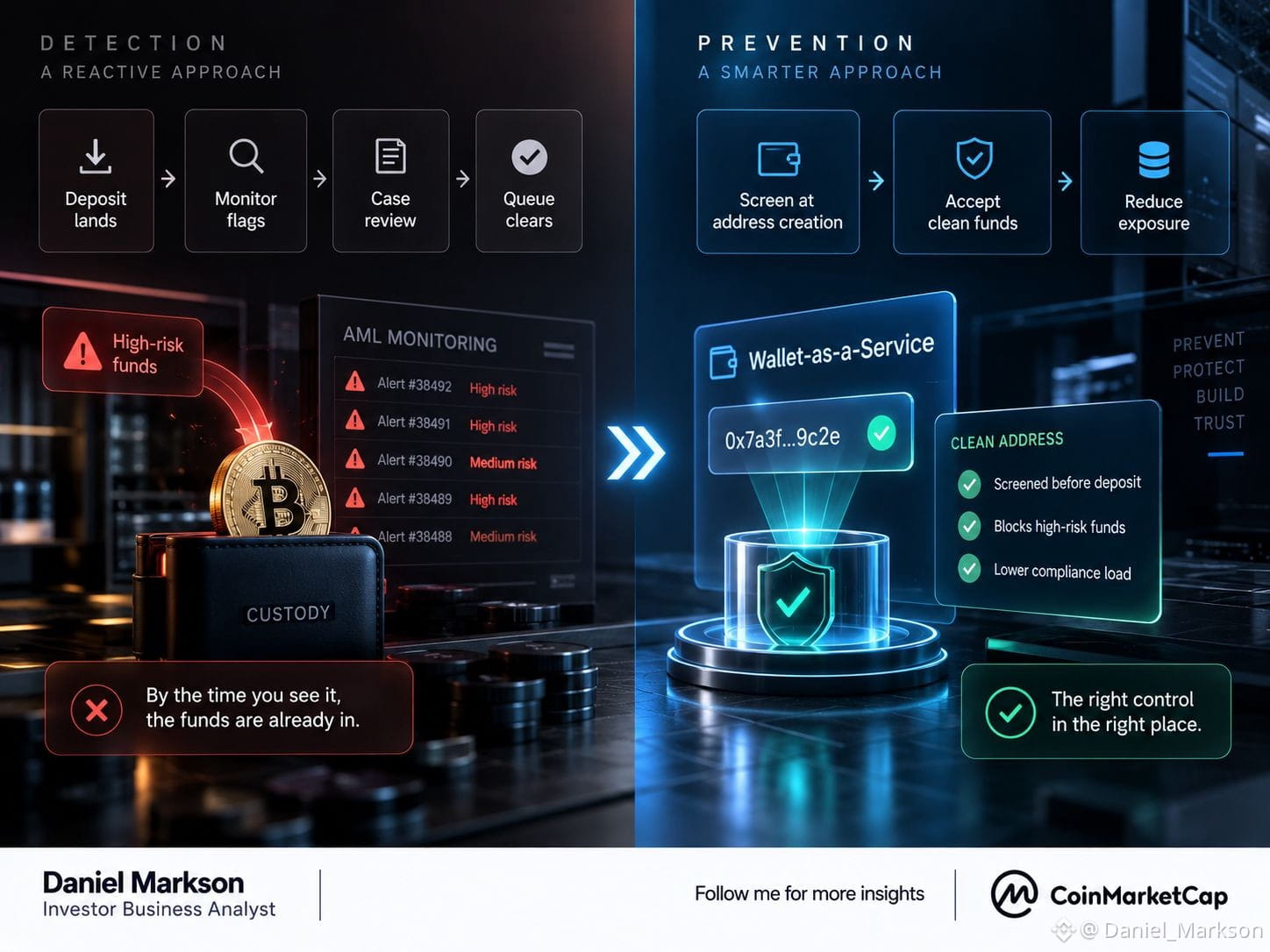
❓ Was passiert zwischen dem Eingang einer Einzahlung und dem Auslösen eines Flags? Früher haben wir das Monitoring-Dashboard als Beweis dafür betrachtet, dass das AML-Programm funktioniert. Alerts wurden ausgelöst, Fälle geprüft und der Queue war bis Freitag leer – das nannte das Ops-Team Compliance. 💡 Niemand hat das hinterfragt, bis jemand fragte: „Was passiert zwischen dem Eingang einer kontaminierten Einzahlung und dem Monitoring, das sie flaggt?“ Zu diesem Zeitpunkt ist das $BTC – oder welches Asset auch immer eingegangen ist – bereits in Verwahrung, manchmal sogar abgezogen. Der Alert informiert dich über ein Problem, das du bereits besitzt. Die Erkennung war nie die Kontrolle; sie war der Beleg. Die übliche Lösung ist, das Monitoring härter zu tunen – mehr Regeln, strengere Schwellen, schnellere Reviews. Das verkürzt zwar die Verzögerung, nicht aber die Exposition. 👇 Prävention sitzt an der Einzahlungsadresse – nicht im Log: Screening bei der Adressgenerierung, bevor Gelder akzeptiert werden. Wenn wir ein WhiteBIT Wallet-as-a-Service nehmen: https://institutional.whitebit.com/crypto-wallets-for-business?utm_source=coinmarketcap&utm_medium=waas_dan&utm_campaign=post 🧩 AML-Screening bei der Adresserstellung 🧩 über 340+ Kryptowährungen und 80+ Netzwerke, nicht als nachträgliches Add-on an eine einzelne Chain gebunden. 🧩 Die Integration läuft in rund vier Wochen mit kalkulierbaren Kosten. Oder es gibt das Openfort Wallet-as-a-Service, das eine andere Frage beantwortet: https://www.openfort.io/wallet-as-a-service?utm_source=coinmarketcap&utm_medium=waas_dan&utm_campaign=post 📍White-Label 📍jede Wallet ist ein Smart Account und liefert standardmäßig Gas-Sponsoring, Session-Keys und gebündelte Transaktionen – gut für die UX, aber kein Ersatz für das Screening upstream. Kein Screening erwischt Gelder ohne On-Chain-Historie. Eine Kontrolle, die nur erkennt, ist eine Stufe zu spät; eine, die bei der Erstellung screen’t, ist an der richtigen Stelle. Disclaimer: Das ist keine finanzielle oder Anlageberatung. Mach dir selbst ein Bild (DYOR), bevor du Entscheidungen triffst. Auf eigene Gefahr.
❓ Was passiert zwischen dem Eingang einer Einzahlung und dem Auslösen eines Flags? Früher haben wir das Monitoring-Dashboard als Beweis dafür betrachtet, dass das AML-Programm funktioniert. Alerts wurden ausgelöst, Fälle geprüft und der Queue war bis Freitag leer – das nannte das Ops-Team Compliance. 💡 Niemand hat das hinterfragt, bis jemand fragte: „Was passiert zwischen dem Eingang einer kontaminierten Einzahlung und dem Monitoring, das sie flaggt?“ Zu diesem Zeitpunkt ist das $BTC – oder welches Asset auch immer eingegangen ist – bereits in Verwahrung, manchmal sogar abgezogen. Der Alert informiert dich über ein Problem, das du bereits besitzt. Die Erkennung war nie die Kontrolle; sie war der Beleg. Die übliche Lösung ist, das Monitoring härter zu tunen – mehr Regeln, strengere Schwellen, schnellere Reviews. Das verkürzt zwar die Verzögerung, nicht aber die Exposition. 👇 Prävention sitzt an der Einzahlungsadresse – nicht im Log: Screening bei der Adressgenerierung, bevor Gelder akzeptiert werden. Wenn wir ein WhiteBIT Wallet-as-a-Service nehmen: https://institutional.whitebit.com/crypto-wallets-for-business?utm_source=coinmarketcap&utm_medium=waas_dan&utm_campaign=post 🧩 AML-Screening bei der Adresserstellung 🧩 über 340+ Kryptowährungen und 80+ Netzwerke, nicht als nachträgliches Add-on an eine einzelne Chain gebunden. 🧩 Die Integration läuft in rund vier Wochen mit kalkulierbaren Kosten. Oder es gibt das Openfort Wallet-as-a-Service, das eine andere Frage beantwortet: https://www.openfort.io/wallet-as-a-service?utm_source=coinmarketcap&utm_medium=waas_dan&utm_campaign=post 📍White-Label 📍jede Wallet ist ein Smart Account und liefert standardmäßig Gas-Sponsoring, Session-Keys und gebündelte Transaktionen – gut für die UX, aber kein Ersatz für das Screening upstream. Kein Screening erwischt Gelder ohne On-Chain-Historie. Eine Kontrolle, die nur erkennt, ist eine Stufe zu spät; eine, die bei der Erstellung screen’t, ist an der richtigen Stelle. Disclaimer: Das ist keine finanzielle oder Anlageberatung. Mach dir selbst ein Bild (DYOR), bevor du Entscheidungen triffst. Auf eigene Gefahr.
1
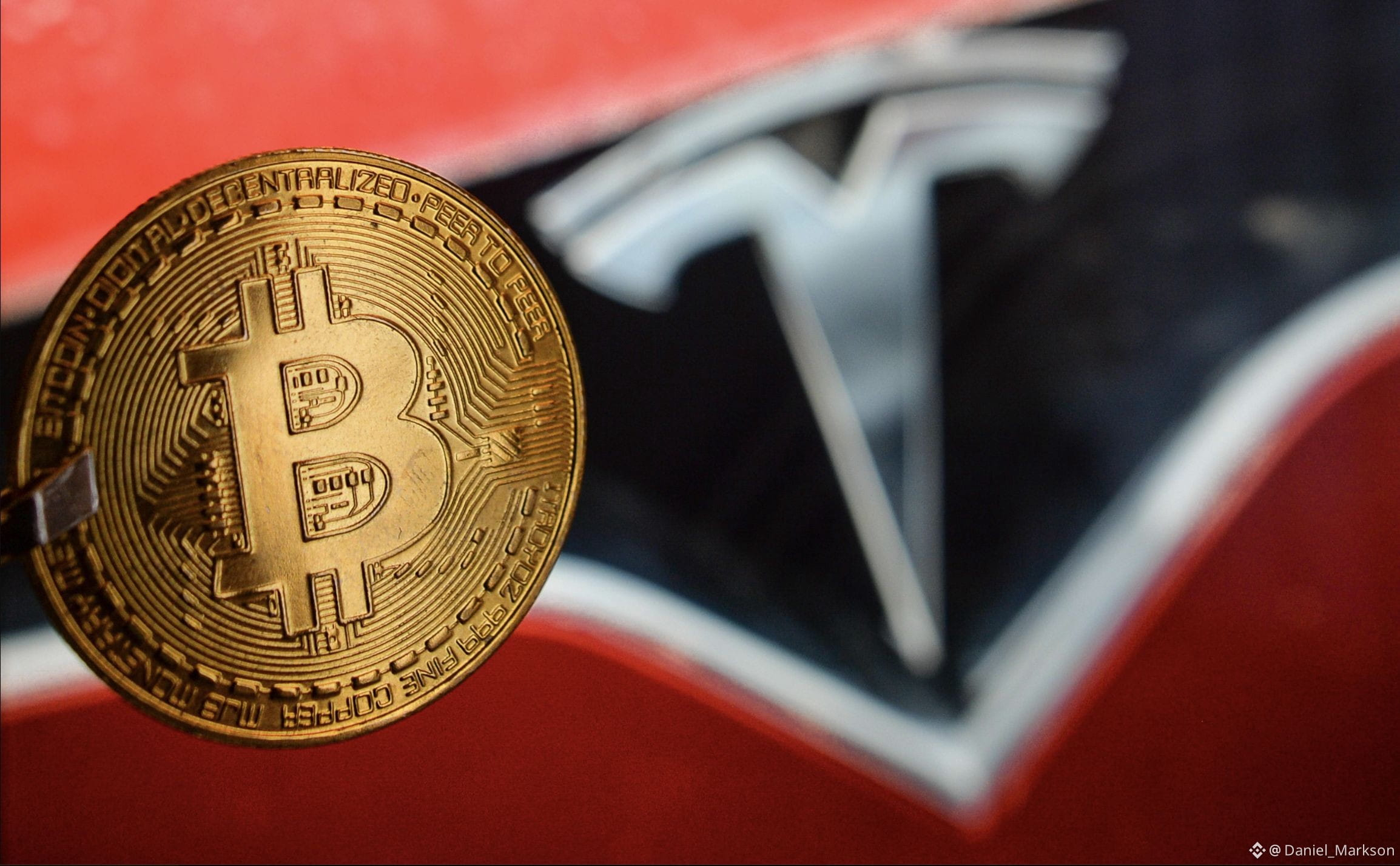
🔋 Tesla machte in einer Woche 122 Mio. $ mit $BTC – ohne eine einzige Coin zu bewegen! Wusstest du, dass Tesla nur 5,1 Mio. $ davon entfernt ist, einen Bitcoin-Bestand im Wert von 1 Mrd. $ zu halten? Dank des BTC-Anstiegs von ungefähr 14% diese Woche gewann Teslas seit langem gehaltenes “Stash” von 11.509 BTC einen unglaublichen Wertzuwachs von 122,6 Mio. $ auf dem Papier. Das Verrückte? 🤔 Sie haben in fast vier Jahren keinen einzigen Token gekauft oder verkauft! Das zeigt, wie stark eine solide Krypto-Treasury die Bilanz eines Unternehmens beeinflussen kann, ohne noch einen weiteren Dollar einzusetzen. 📍 Also, was hat diese plötzliche BTC-Rallye befeuert? Eine Recherche von CoinMarketCap zeigt, dass eine massive Short-Squeeze eine große Rolle gespielt hat: Dabei mussten mehr als 500 Mio. $ in bärischen Positionen liquidiert werden, als die Preise stiegen. Wie CoinMarketCap Head of Research Alice Liu bemerkte, wurde der unmittelbare Pump zu einem großen Teil durch das Auflösen von Short-Positionen ausgelöst – und nicht durch eine komplett neue Welle von Retail-Käufern. Dennoch: U.S.-Spot-Bitcoin-ETFs verzeichnen wieder starke Zuflüsse und liefern damit echten institutionellen Rückhalt hinter der Liquidations-Kaskade. Die große Frage für Trader lautet nun: Können Spot-Käufer einspringen und diese Gewinne aufrechterhalten, sobald sich der Short Squeeze abkühlt? Wenn BTC weiter aufgrund organischer Nachfrage steigt, wird Teslas Bilanz schon sehr bald die zehnstellige Marke erreichen 🚀 #BTC Price Analysis# #Bitcoin Price Prediction: What is Bitcoins next move?#
🔋 Tesla machte in einer Woche 122 Mio. $ mit $BTC – ohne eine einzige Coin zu bewegen! Wusstest du, dass Tesla nur 5,1 Mio. $ davon entfernt ist, einen Bitcoin-Bestand im Wert von 1 Mrd. $ zu halten? Dank des BTC-Anstiegs von ungefähr 14% diese Woche gewann Teslas seit langem gehaltenes “Stash” von 11.509 BTC einen unglaublichen Wertzuwachs von 122,6 Mio. $ auf dem Papier. Das Verrückte? 🤔 Sie haben in fast vier Jahren keinen einzigen Token gekauft oder verkauft! Das zeigt, wie stark eine solide Krypto-Treasury die Bilanz eines Unternehmens beeinflussen kann, ohne noch einen weiteren Dollar einzusetzen. 📍 Also, was hat diese plötzliche BTC-Rallye befeuert? Eine Recherche von CoinMarketCap zeigt, dass eine massive Short-Squeeze eine große Rolle gespielt hat: Dabei mussten mehr als 500 Mio. $ in bärischen Positionen liquidiert werden, als die Preise stiegen. Wie CoinMarketCap Head of Research Alice Liu bemerkte, wurde der unmittelbare Pump zu einem großen Teil durch das Auflösen von Short-Positionen ausgelöst – und nicht durch eine komplett neue Welle von Retail-Käufern. Dennoch: U.S.-Spot-Bitcoin-ETFs verzeichnen wieder starke Zuflüsse und liefern damit echten institutionellen Rückhalt hinter der Liquidations-Kaskade. Die große Frage für Trader lautet nun: Können Spot-Käufer einspringen und diese Gewinne aufrechterhalten, sobald sich der Short Squeeze abkühlt? Wenn BTC weiter aufgrund organischer Nachfrage steigt, wird Teslas Bilanz schon sehr bald die zehnstellige Marke erreichen 🚀 #BTC Price Analysis# #Bitcoin Price Prediction: What is Bitcoins next move?#
30
⚡ Transparenz im Market Making: Der echte Unterschied Die meisten Projekte stellen die harten Fragen nicht, wenn sie einen Market Maker auswählen. Ich habe das schon erlebt: Ein Projekt nähert sich der Listung, bekommt ein Pitch-Deck mit Volumenschätzungen und Spread-Versprechen – und geht weiter, ohne die tatsächliche Verbindlichkeit hinter den Zahlen zu prüfen. Bevor du gelistest, stelle dir diese drei Fragen. Frage 1: Erfolgsbilanz bei vergleichbaren Listungen? 📈 Fordere Daten zu 3–5 vergleichbaren Launches an: Day-One-Spreads, Liquiditätstiefe im Verlauf, Konsistenz. Beispielsweise veröffentlicht das Crypto.com Market Maker Program diese Benchmarks – prüfe, ob vergleichbare Projekte die versprochenen Spreads auch unter Volatilität gehalten haben. Ein guter Market Maker kann dir das zeigen; wenn sie ausweichen, suche weiter. https://crypto.com/exchange/mm-programme?utm_source=coinmarketcap&utm_medium=mmpdan&utm_campaign=post Frage 2: Verbindlichkeiten quotieren und überwachen? ⚖️ Definiere es: Quote-Tiefe, maximaler Spread, Uptime, Reaktionszeiten. Wer überwacht das? Wie oft? Was passiert, wenn Zusagen nicht eingehalten werden? Die Echtzeit-APIs und die transparente Nachverfolgung von Crypto.com könnten dir die Sichtbarkeit geben, die du nutzen kannst – nicht Versprechen, die du nicht verifizieren kannst. Frage 3: Ausrichtung der Gebührenstruktur? 💰 Pauschale Retainer fördern Präsenz, nicht Qualität. Maker-Rebates belohnen Spreads und Liquiditätstiefe – und bringen die Rendite des Makers mit der Qualität deiner Listung in Einklang. Taker-Gebühren wie 0.02% zeigen, dass sie sich gutes Execution-Leistungsvermögen leisten können, ohne Ecken zu schneiden. Wenn du bewertest, fordere Transparenz: API-basierte Nachverfolgung, Qualifizierung, die Qualität belohnt, Gebühren, die die Ausrichtung beweisen. $BTC bewegt sich schnell; dein Market Maker muss da mithalten. Dieses Framework geht nicht darum, einen einzelnen Anbieter auszuwählen – sondern darum, die richtigen Verbindlichkeiten vor dem Launch einzufordern. Disclaimer: Das ist keine finanzielle oder Anlageberatung. Mach dir selbst ein Bild (DYOR), bevor du Entscheidungen triffst. Handle auf eigene Gefahr. #BTC Price Analysis# #Bitcoin Price Prediction: What is Bitcoins next move?#
⚡ Transparenz im Market Making: Der echte Unterschied Die meisten Projekte stellen die harten Fragen nicht, wenn sie einen Market Maker auswählen. Ich habe das schon erlebt: Ein Projekt nähert sich der Listung, bekommt ein Pitch-Deck mit Volumenschätzungen und Spread-Versprechen – und geht weiter, ohne die tatsächliche Verbindlichkeit hinter den Zahlen zu prüfen. Bevor du gelistest, stelle dir diese drei Fragen. Frage 1: Erfolgsbilanz bei vergleichbaren Listungen? 📈 Fordere Daten zu 3–5 vergleichbaren Launches an: Day-One-Spreads, Liquiditätstiefe im Verlauf, Konsistenz. Beispielsweise veröffentlicht das Crypto.com Market Maker Program diese Benchmarks – prüfe, ob vergleichbare Projekte die versprochenen Spreads auch unter Volatilität gehalten haben. Ein guter Market Maker kann dir das zeigen; wenn sie ausweichen, suche weiter. https://crypto.com/exchange/mm-programme?utm_source=coinmarketcap&utm_medium=mmpdan&utm_campaign=post Frage 2: Verbindlichkeiten quotieren und überwachen? ⚖️ Definiere es: Quote-Tiefe, maximaler Spread, Uptime, Reaktionszeiten. Wer überwacht das? Wie oft? Was passiert, wenn Zusagen nicht eingehalten werden? Die Echtzeit-APIs und die transparente Nachverfolgung von Crypto.com könnten dir die Sichtbarkeit geben, die du nutzen kannst – nicht Versprechen, die du nicht verifizieren kannst. Frage 3: Ausrichtung der Gebührenstruktur? 💰 Pauschale Retainer fördern Präsenz, nicht Qualität. Maker-Rebates belohnen Spreads und Liquiditätstiefe – und bringen die Rendite des Makers mit der Qualität deiner Listung in Einklang. Taker-Gebühren wie 0.02% zeigen, dass sie sich gutes Execution-Leistungsvermögen leisten können, ohne Ecken zu schneiden. Wenn du bewertest, fordere Transparenz: API-basierte Nachverfolgung, Qualifizierung, die Qualität belohnt, Gebühren, die die Ausrichtung beweisen. $BTC bewegt sich schnell; dein Market Maker muss da mithalten. Dieses Framework geht nicht darum, einen einzelnen Anbieter auszuwählen – sondern darum, die richtigen Verbindlichkeiten vor dem Launch einzufordern. Disclaimer: Das ist keine finanzielle oder Anlageberatung. Mach dir selbst ein Bild (DYOR), bevor du Entscheidungen triffst. Handle auf eigene Gefahr. #BTC Price Analysis# #Bitcoin Price Prediction: What is Bitcoins next move?#

26
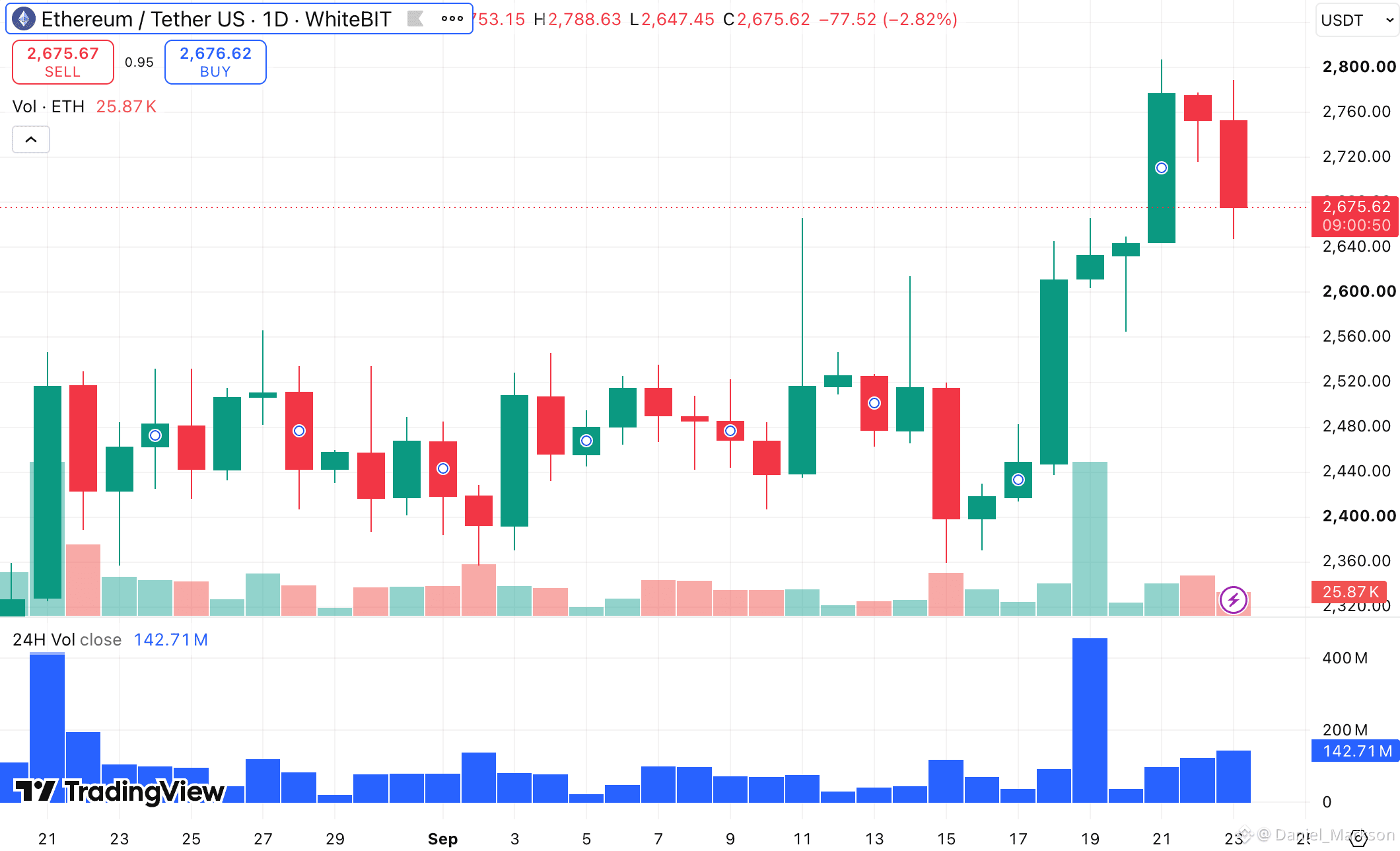
Wenig Börsenangebot & ETF-Zuflüsse: Rüstet sich ETH für einen massiven Ausbruch? 🤔 Ethereum baut nach dem Durchbrechen wichtiger technischer Hürden leise, aber spürbar Momentum auf, und Trader schauen offiziell wieder auf die Marke von 3.000 $ . 💎 Nachdem ETH $2.661 zurückerobert und sich Richtung $2.750 bewegt hatte, beendete es auf den Charts ein solides bullisches Fortsetzungs-Setup. 📈 Während $3.000 die wichtigste psychologische Schwelle ist, steht Ethereum zunächst eine kleinere Konsolidierungszone zwischen $2.775 und $2.825 gegenüber. Das Erreichen und Halten über dieser Zone schafft einen direkten, ununterbrochenen Weg hin zu $3.050. Die fundamentale Basis hinter diesem technischen Setup ist ebenfalls stark. 👉 Die Börsenreserven für Ethereum sind auf Mehrjahrestiefs um 14,88 Mio. ETH gefallen, da Staking weiterhin zirkulierendes Angebot absorbiert – das bedeutet, dass die verfügbare Verkaufsliquidität rasch schrumpft. Gleichzeitig bleibt die institutionelle Nachfrage über Spot-ETH-ETFs stark: Sie verzeichnete über 216 Mio. $ in Einzeltages-Zuflüssen und schiebt die kumulierten historischen Zuflüsse über 13,3 Mrd. $ . Während $BTC weiterhin das Tempo für den gesamten Markt vorgibt, ergibt die Kombination aus institutionellem Zuflussdruck und sich verknappendem On-Chain-Angebot bei Ethereum ein Lehrbuch-Setup für Outperformance, sobald der Widerstand bricht. Wird ETH $2.800 durchbrechen und noch vor Monatsende $3.000 erreichen? Poste deine Kursziele unten! 💬 #BTC Price Analysis# #Bitcoin Price Prediction: What is Bitcoins next move?#
Wenig Börsenangebot & ETF-Zuflüsse: Rüstet sich ETH für einen massiven Ausbruch? 🤔 Ethereum baut nach dem Durchbrechen wichtiger technischer Hürden leise, aber spürbar Momentum auf, und Trader schauen offiziell wieder auf die Marke von 3.000 $ . 💎 Nachdem ETH $2.661 zurückerobert und sich Richtung $2.750 bewegt hatte, beendete es auf den Charts ein solides bullisches Fortsetzungs-Setup. 📈 Während $3.000 die wichtigste psychologische Schwelle ist, steht Ethereum zunächst eine kleinere Konsolidierungszone zwischen $2.775 und $2.825 gegenüber. Das Erreichen und Halten über dieser Zone schafft einen direkten, ununterbrochenen Weg hin zu $3.050. Die fundamentale Basis hinter diesem technischen Setup ist ebenfalls stark. 👉 Die Börsenreserven für Ethereum sind auf Mehrjahrestiefs um 14,88 Mio. ETH gefallen, da Staking weiterhin zirkulierendes Angebot absorbiert – das bedeutet, dass die verfügbare Verkaufsliquidität rasch schrumpft. Gleichzeitig bleibt die institutionelle Nachfrage über Spot-ETH-ETFs stark: Sie verzeichnete über 216 Mio. $ in Einzeltages-Zuflüssen und schiebt die kumulierten historischen Zuflüsse über 13,3 Mrd. $ . Während $BTC weiterhin das Tempo für den gesamten Markt vorgibt, ergibt die Kombination aus institutionellem Zuflussdruck und sich verknappendem On-Chain-Angebot bei Ethereum ein Lehrbuch-Setup für Outperformance, sobald der Widerstand bricht. Wird ETH $2.800 durchbrechen und noch vor Monatsende $3.000 erreichen? Poste deine Kursziele unten! 💬 #BTC Price Analysis# #Bitcoin Price Prediction: What is Bitcoins next move?#
35
Anmelden und weiter Inhalte entdecken
Krypto-Nutzer weltweit auf Binance Square kennenlernen
⚡️ Bleib in Sachen Krypto stets am Puls.
💬 Die weltgrößte Kryptobörse vertraut darauf.
👍 Erhalte verlässliche Einblicke von verifizierten Creators.
E-Mail-Adresse/Telefonnummer
Trendthemen
BitcoinClears$85200
3,900 Aufrufe
127 Kommentare
Wir haben die Bewegung bekommen, und $BTC steht genau dort, wo wir vorher die Daten hatten. So sieht echte Geduld für einen Trade aus.
Die Daten kamen gemischt rein, aber mit ein paar wichtigen Zahlen. ADP Non-Farm Employment Change lag bei 90K gegenüber 73K Prognose, während Core PCE bei 0,2% gegenüber den erwarteten 0,3% lag. Das finale BIP war ebenfalls stärker bei 2,2% gegenüber 1,5% Prognose, während Personal Spending bei 0,9% gegenüber den erwarteten 0,8% lag. Gleichzeitig verfehlte Personal Income mit 0,2% gegenüber 0,5% Prognose.
BTC ist zunächst auf 85.600 $ gestiegen und ist jetzt wieder dort, wo es hingehört. Ich schaue immer noch in Richtung der unteren Bereiche bei 82.759 $ und der 80.000 $-Liquidität, weil die übergeordnete Liquidität erledigt und abgehakt ist.
Wir hatten während der Daten eine Live-Session, und in dieser Session haben wir den Markt bei 83.800 $ gesehen, dann bei 85.600 $ und anschließend wieder in Richtung 83.000 $ – und wir sind trotzdem nicht in einen Trade eingestiegen.
So sieht Geduld aus.
Wir können keinen Einstieg erzwingen, wenn der Markt keine klare Richtung hat. Der gleiche Bereich ist weiterhin im Fokus, und wir warten darauf, dass der Markt uns das Setup gibt.
Lasst mich wissen, Jungs: Wie war die Session? Und sollten wir mehr reguläre Sessions mit unseren geschätzten Mitgliedern machen, damit wir ordentliche Diskussionen über den Markt führen können?
#BitcoinClears$85200 #AltcoinSeasonIndexHoldsAbove60For5Days #USADPAdds90000JobsInSeptember #BitcoinSlipsBelow$84000 #SECToClarifyOnChainFundraisingRules
Crypto_LUX
·23 Likes
·9k Aufrufe
AltcoinSeasonIndexHoldsAbove60For5Days
24,533 Aufrufe
824 Kommentare
USADPAdds90000JobsInSeptember
9,673 Aufrufe
470 Kommentare