

AHMAÐ
4.5k Beiträge

AHMAÐ
 Square Verified
Melden
Nutzer blockieren
DCA: Don't Care Anymore

DEXE Halter
Regelmäßiger Trader
2.1 Jahre
276 Following
32.0K+ Follower
11.0K+ Like gegeben
Beiträge
Alle
Zitierungen
·
--
Einen Schritt nach vorn
Einen Schritt nach vorn


Binance South Asia
·
--
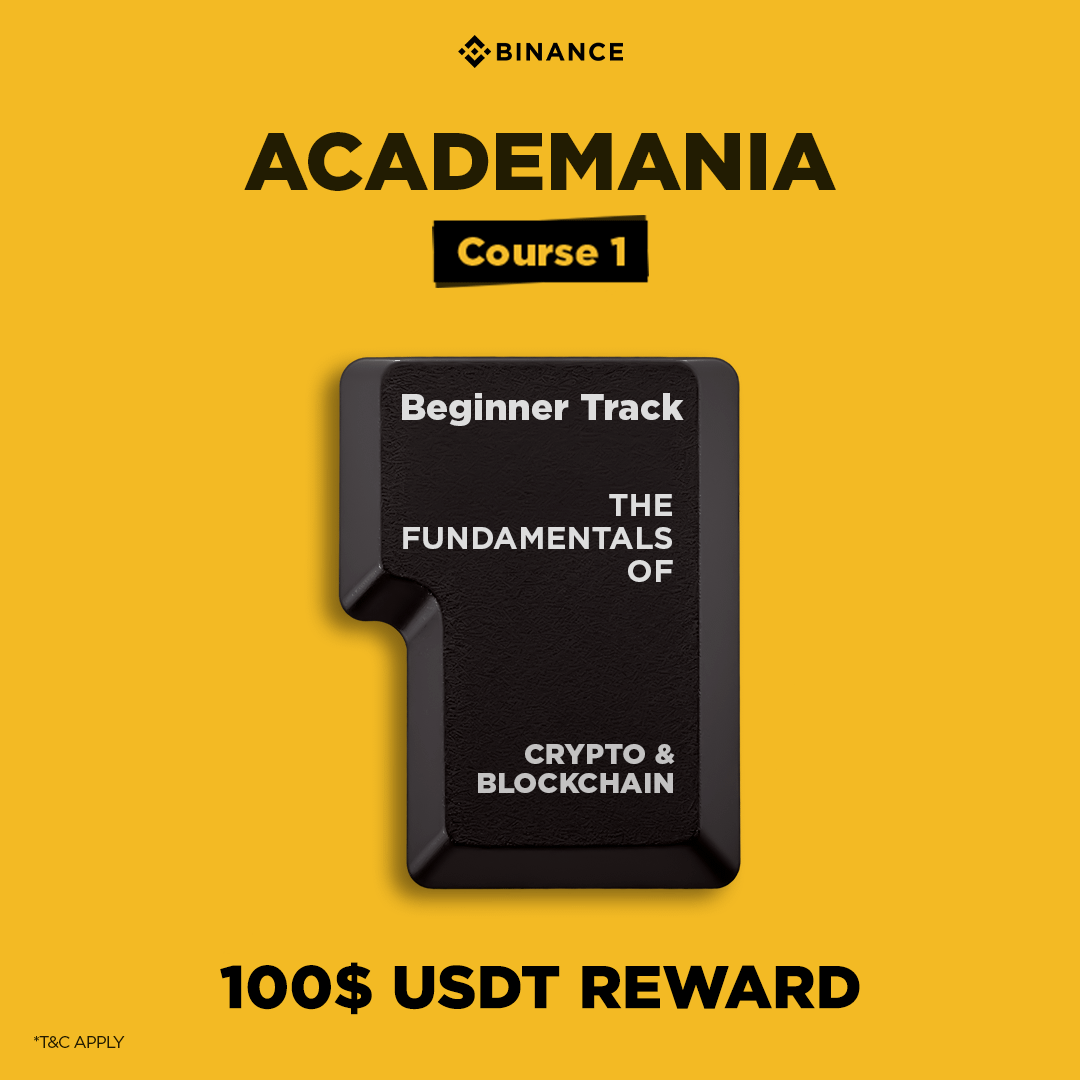
September Binance Academania Skill-Up ist live.
Der Kurs dieses Monats: Beginner Track - The Fundamentals of crypto and blockchain
Neu in Krypto? Starte mit den Grundlagen von Blockchain, Kryptowährungen, DeFi, Web3, Trading und Investieren.
So nimmst du teil:
1. Folge @Binance South Asia , like und reshare diesen Beitrag
2. Schließe den featured Kurs bis zum 5. Oktober 2026 ab
3. Antworte auf diesen Beitrag mit einem Screenshot deines Zertifikats
4. Tagge einen Freund in deiner Antwort
5. Submit your details here
Einsendeschluss ist am 5. Oktober 2026 um 23:59 Uhr IST.
10 berechtigte Teilnehmende werden nach dem Zufallsprinzip aus allen gültigen Einsendungen ausgewählt. Jede ausgewählte Person erhält als Belohnung $10 in USDT.
*Es gelten die AGB.
Der Kurs dieses Monats: Beginner Track - The Fundamentals of crypto and blockchain
Neu in Krypto? Starte mit den Grundlagen von Blockchain, Kryptowährungen, DeFi, Web3, Trading und Investieren.
So nimmst du teil:
1. Folge @Binance South Asia , like und reshare diesen Beitrag
2. Schließe den featured Kurs bis zum 5. Oktober 2026 ab
3. Antworte auf diesen Beitrag mit einem Screenshot deines Zertifikats
4. Tagge einen Freund in deiner Antwort
5. Submit your details here
Einsendeschluss ist am 5. Oktober 2026 um 23:59 Uhr IST.
10 berechtigte Teilnehmende werden nach dem Zufallsprinzip aus allen gültigen Einsendungen ausgewählt. Jede ausgewählte Person erhält als Belohnung $10 in USDT.
*Es gelten die AGB.
1
98
·
--
Übersetzung ansehen
shall add more positions if it remains intact
shall add more positions if it remains intact
AHMAÐ
·
--
Testen $SKY ☁️
2
79
·
--
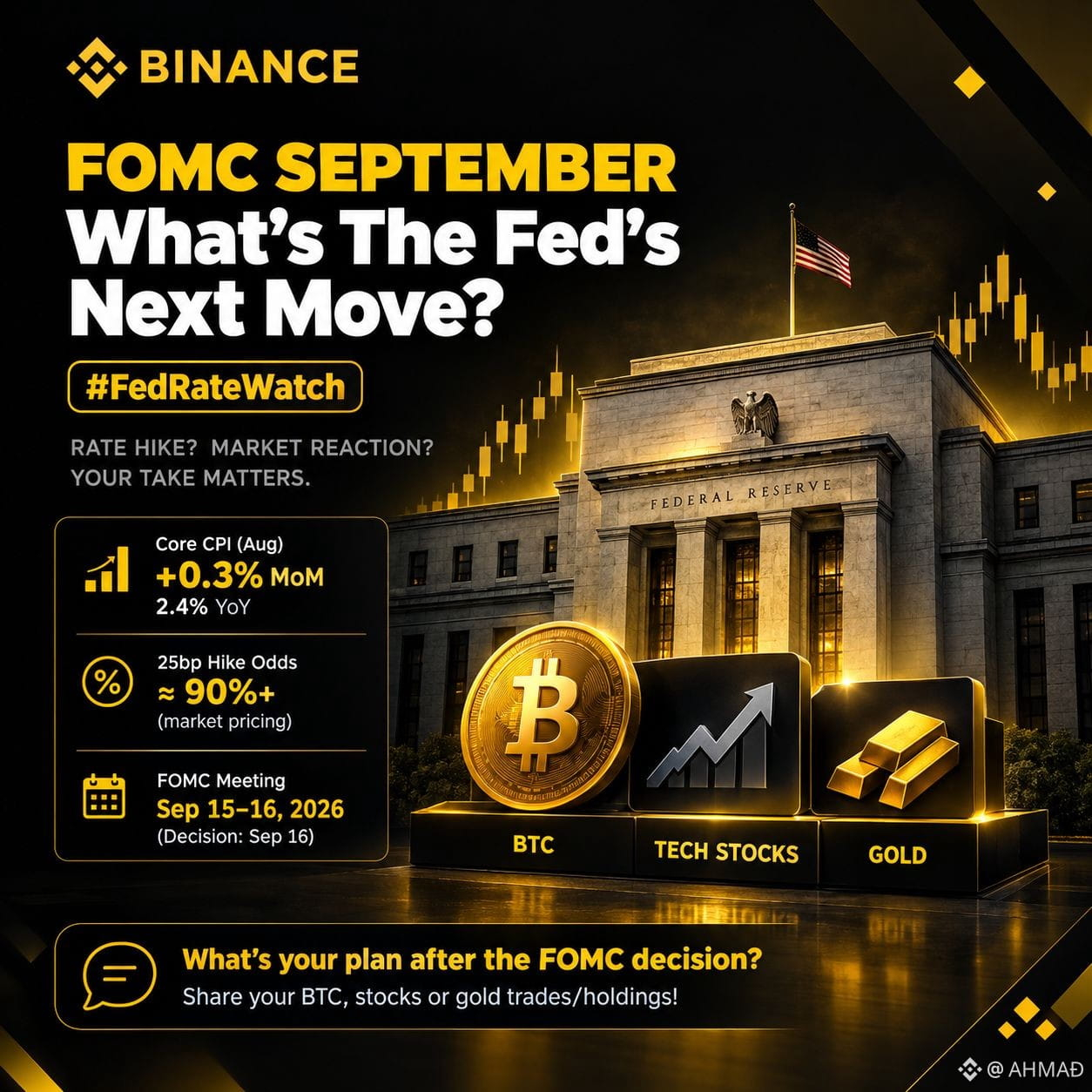
FOMC September: Steht die Fed kurz davor, das Spiel der Märkte zu verändern? 👀
Das September-FOMC-Treffen hat die Märkte in Alarmbereitschaft versetzt.
Der August-Kernverbraucherpreisindex stieg um 0,3% im Monatsvergleich, während die jährliche Kerninflation 2,4% erreichte. Da die Inflation weiterhin über dem 2%-Ziel der Fed liegt, sind die Erwartungen für eine Zinserhöhung um 25 Basispunkte deutlich gestiegen; die Markterwartungen liegen vor der Entscheidung inzwischen bei über 90%.
Doch die größere Frage ist nicht nur, ob die Fed erhöht. Sondern was als Nächstes kommt.
Wenn die Fed 25 bps liefert, werden die Märkte sich voraussichtlich auf den Tonfall der Erklärung und die Hinweise zur künftigen Geldpolitik konzentrieren.
Für BTC können strengere geldpolitische Bedingungen die Liquidität und die Risikobereitschaft verringern und damit möglicherweise kurzfristigen Druck erzeugen. Auch Tech-Aktien könnten unter Bewertungsdruck geraten, weil höhere Zinsen den Diskontsatz erhöhen, der auf zukünftige Gewinne angewendet wird. Gold könnte je nach realen Renditen, dem US-Dollar und den Inflationserwartungen unterschiedlich reagieren.
Für mich ist die entscheidende Variable die Forward Guidance der Fed und nicht die Schlagzeile der Zinserhöhung an sich.
Ich werde die Kursbewegung von BTC, die Renditen von Staatsanleihen, den DXY und Gold beobachten, um eine Bestätigung abzuwarten, bevor ich einen Trade in Betracht ziehe.
Worauf achtet ihr nach der FOMC-Entscheidung?
#FedRateWatch
FOMC September: Steht die Fed kurz davor, das Spiel der Märkte zu verändern? 👀
Das September-FOMC-Treffen hat die Märkte in Alarmbereitschaft versetzt.
Der August-Kernverbraucherpreisindex stieg um 0,3% im Monatsvergleich, während die jährliche Kerninflation 2,4% erreichte. Da die Inflation weiterhin über dem 2%-Ziel der Fed liegt, sind die Erwartungen für eine Zinserhöhung um 25 Basispunkte deutlich gestiegen; die Markterwartungen liegen vor der Entscheidung inzwischen bei über 90%.
Doch die größere Frage ist nicht nur, ob die Fed erhöht. Sondern was als Nächstes kommt.
Wenn die Fed 25 bps liefert, werden die Märkte sich voraussichtlich auf den Tonfall der Erklärung und die Hinweise zur künftigen Geldpolitik konzentrieren.
Für BTC können strengere geldpolitische Bedingungen die Liquidität und die Risikobereitschaft verringern und damit möglicherweise kurzfristigen Druck erzeugen. Auch Tech-Aktien könnten unter Bewertungsdruck geraten, weil höhere Zinsen den Diskontsatz erhöhen, der auf zukünftige Gewinne angewendet wird. Gold könnte je nach realen Renditen, dem US-Dollar und den Inflationserwartungen unterschiedlich reagieren.
Für mich ist die entscheidende Variable die Forward Guidance der Fed und nicht die Schlagzeile der Zinserhöhung an sich.
Ich werde die Kursbewegung von BTC, die Renditen von Staatsanleihen, den DXY und Gold beobachten, um eine Bestätigung abzuwarten, bevor ich einen Trade in Betracht ziehe.
Worauf achtet ihr nach der FOMC-Entscheidung?
#FedRateWatch
Das September-FOMC-Treffen hat die Märkte in Alarmbereitschaft versetzt.
Der August-Kernverbraucherpreisindex stieg um 0,3% im Monatsvergleich, während die jährliche Kerninflation 2,4% erreichte. Da die Inflation weiterhin über dem 2%-Ziel der Fed liegt, sind die Erwartungen für eine Zinserhöhung um 25 Basispunkte deutlich gestiegen; die Markterwartungen liegen vor der Entscheidung inzwischen bei über 90%.
Doch die größere Frage ist nicht nur, ob die Fed erhöht. Sondern was als Nächstes kommt.
Wenn die Fed 25 bps liefert, werden die Märkte sich voraussichtlich auf den Tonfall der Erklärung und die Hinweise zur künftigen Geldpolitik konzentrieren.
Für BTC können strengere geldpolitische Bedingungen die Liquidität und die Risikobereitschaft verringern und damit möglicherweise kurzfristigen Druck erzeugen. Auch Tech-Aktien könnten unter Bewertungsdruck geraten, weil höhere Zinsen den Diskontsatz erhöhen, der auf zukünftige Gewinne angewendet wird. Gold könnte je nach realen Renditen, dem US-Dollar und den Inflationserwartungen unterschiedlich reagieren.
Für mich ist die entscheidende Variable die Forward Guidance der Fed und nicht die Schlagzeile der Zinserhöhung an sich.
Ich werde die Kursbewegung von BTC, die Renditen von Staatsanleihen, den DXY und Gold beobachten, um eine Bestätigung abzuwarten, bevor ich einen Trade in Betracht ziehe.
Worauf achtet ihr nach der FOMC-Entscheidung?
#FedRateWatch
4
106
·
--
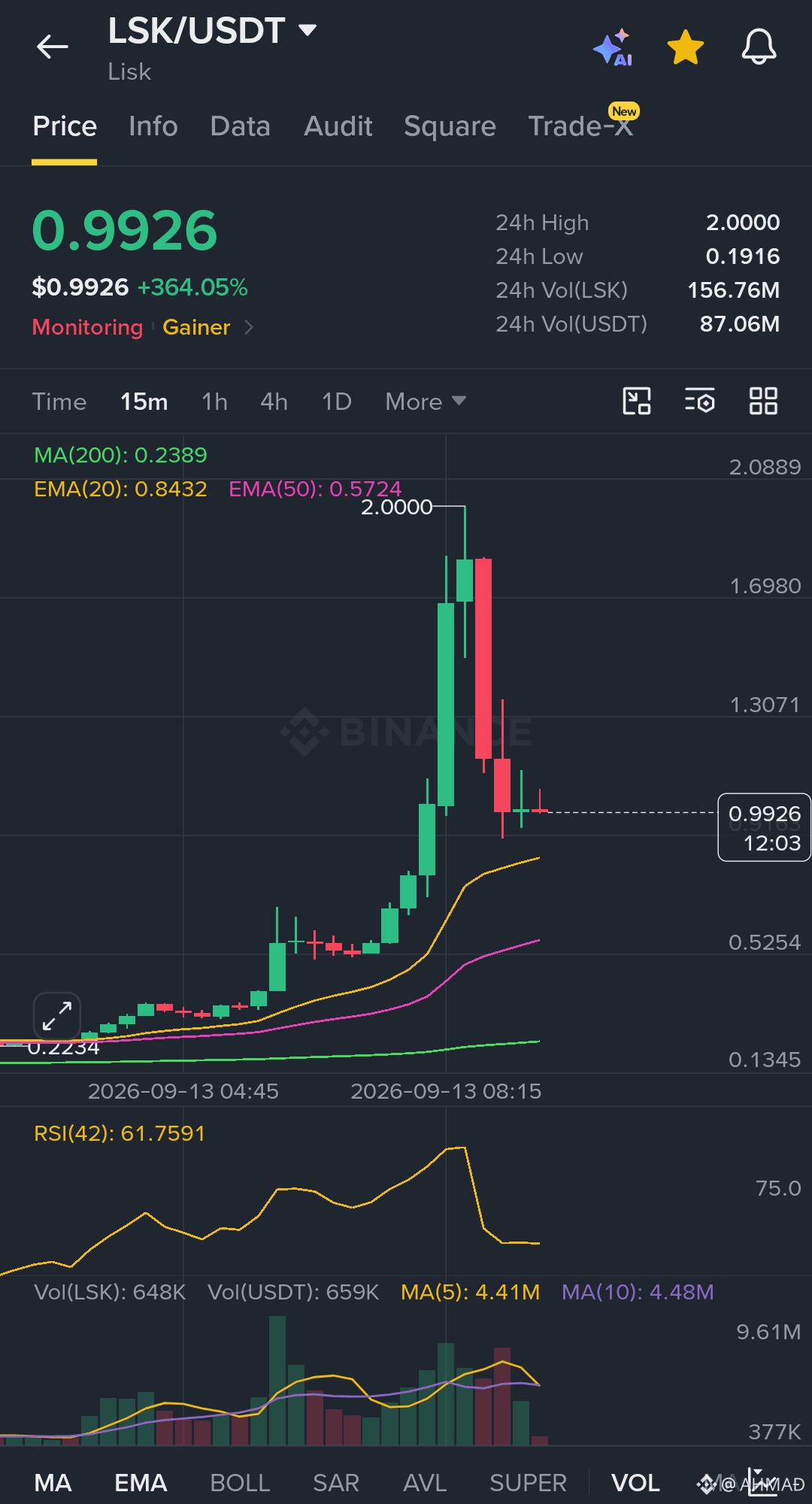
$LSK
Die Leute sehen eine gefälschte Pumpe und stecken ihre Investitionen weg, während Wale ihre TP's setzen.
Sieh, wie heftig es abgestürzt ist
$LSK
Die Leute sehen eine gefälschte Pumpe und stecken ihre Investitionen weg, während Wale ihre TP's setzen.
Sieh, wie heftig es abgestürzt ist
Die Leute sehen eine gefälschte Pumpe und stecken ihre Investitionen weg, während Wale ihre TP's setzen.
Sieh, wie heftig es abgestürzt ist
1
4
311
·
--
Jemand hat eine $BTC long Position im Wert von 70 Millionen US-Dollar mit dem 40-fachen Hebel eröffnet.
Er ist jetzt nur noch 460 US-Dollar von der Liquidation entfernt.
Jemand hat eine $BTC long Position im Wert von 70 Millionen US-Dollar mit dem 40-fachen Hebel eröffnet.
Er ist jetzt nur noch 460 US-Dollar von der Liquidation entfernt.
Er ist jetzt nur noch 460 US-Dollar von der Liquidation entfernt.

2
111
·
--
Bullisch
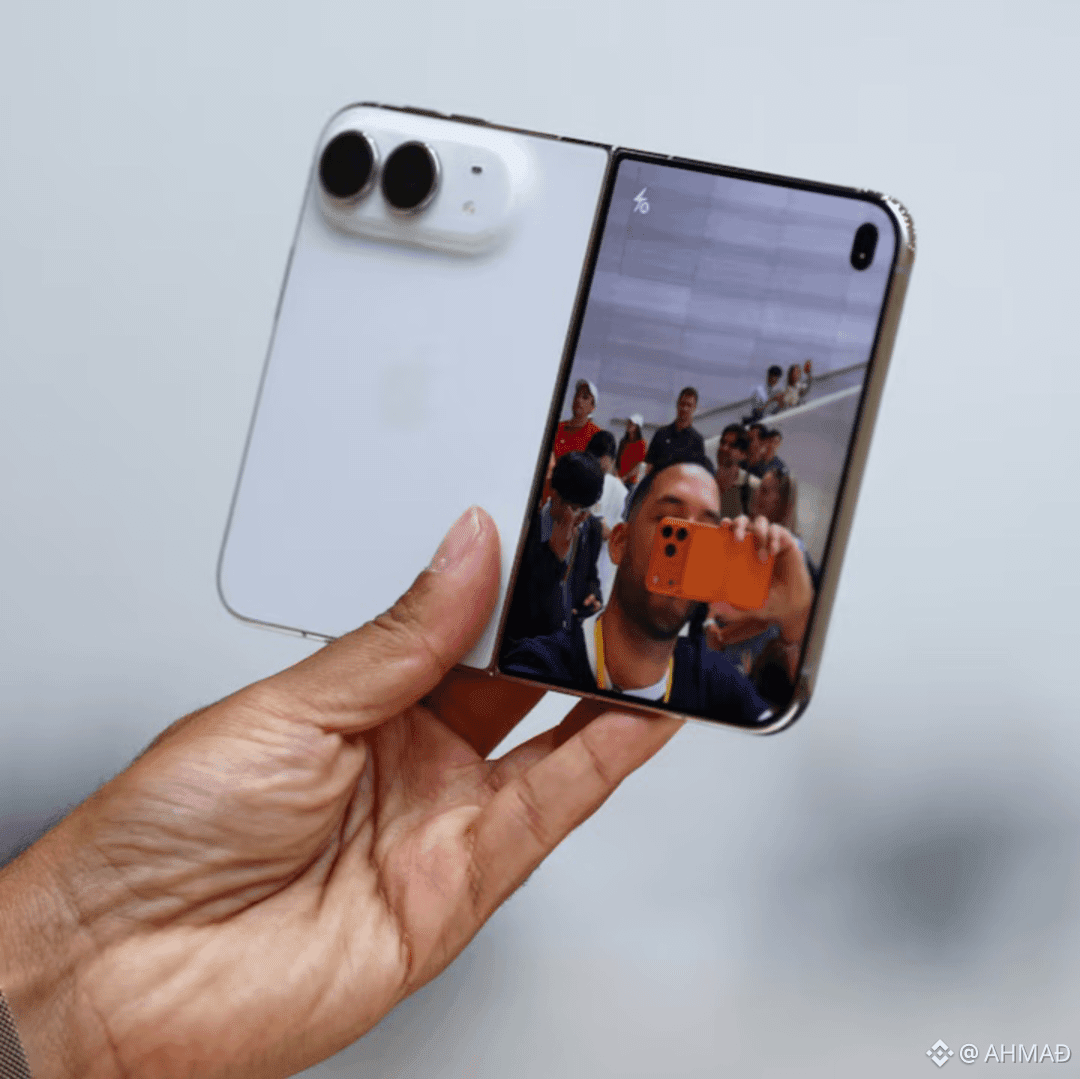
🍎 $AAPL Apple ist gerade in das Zeitalter der faltbaren Geräte eingetreten.
Dem Bericht zufolge kommt das erste faltbare iPhone mit einem Einstiegspreis von 1.999 US-Dollar.
Warum ist das wichtig für Krypto?
Apples riesiges Ökosystem könnte die Einführung von digitalen Zahlungen, tokenisierten Vermögenswerten und Web3-Erlebnissen auf dem Mobilgerät beschleunigen.
Ein Premium-Gerät, eine riesige Nutzerbasis und möglicherweise ein neuer Zugang für die digitale Wirtschaft. 👀
#Apple
🍎 $AAPL Apple ist gerade in das Zeitalter der faltbaren Geräte eingetreten.
Dem Bericht zufolge kommt das erste faltbare iPhone mit einem Einstiegspreis von 1.999 US-Dollar.
Warum ist das wichtig für Krypto?
Apples riesiges Ökosystem könnte die Einführung von digitalen Zahlungen, tokenisierten Vermögenswerten und Web3-Erlebnissen auf dem Mobilgerät beschleunigen.
Ein Premium-Gerät, eine riesige Nutzerbasis und möglicherweise ein neuer Zugang für die digitale Wirtschaft. 👀
#Apple
Dem Bericht zufolge kommt das erste faltbare iPhone mit einem Einstiegspreis von 1.999 US-Dollar.
Warum ist das wichtig für Krypto?
Apples riesiges Ökosystem könnte die Einführung von digitalen Zahlungen, tokenisierten Vermögenswerten und Web3-Erlebnissen auf dem Mobilgerät beschleunigen.
Ein Premium-Gerät, eine riesige Nutzerbasis und möglicherweise ein neuer Zugang für die digitale Wirtschaft. 👀
#Apple
3
328
·
--
Bleibt der Markt normal oder kommt eine Korrektur?
Bleibt der Markt normal oder kommt eine Korrektur?
3
197
·
--
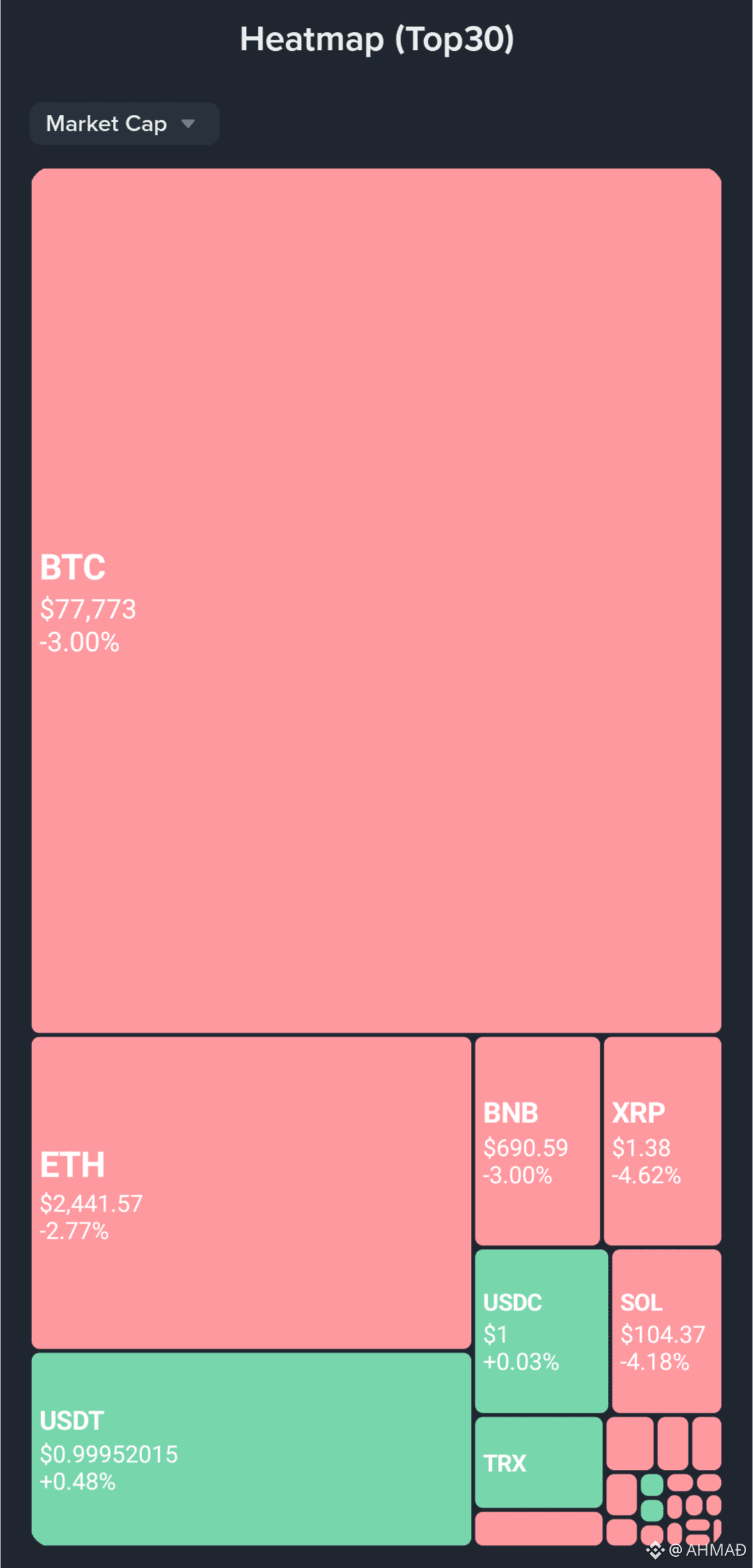
Heatmap (Marktkapitalisierung der Top 30)
$DEBIT $DEXE
Heatmap (Marktkapitalisierung der Top 30)
$DEBIT $DEXE
$DEBIT $DEXE
3
272
·
--
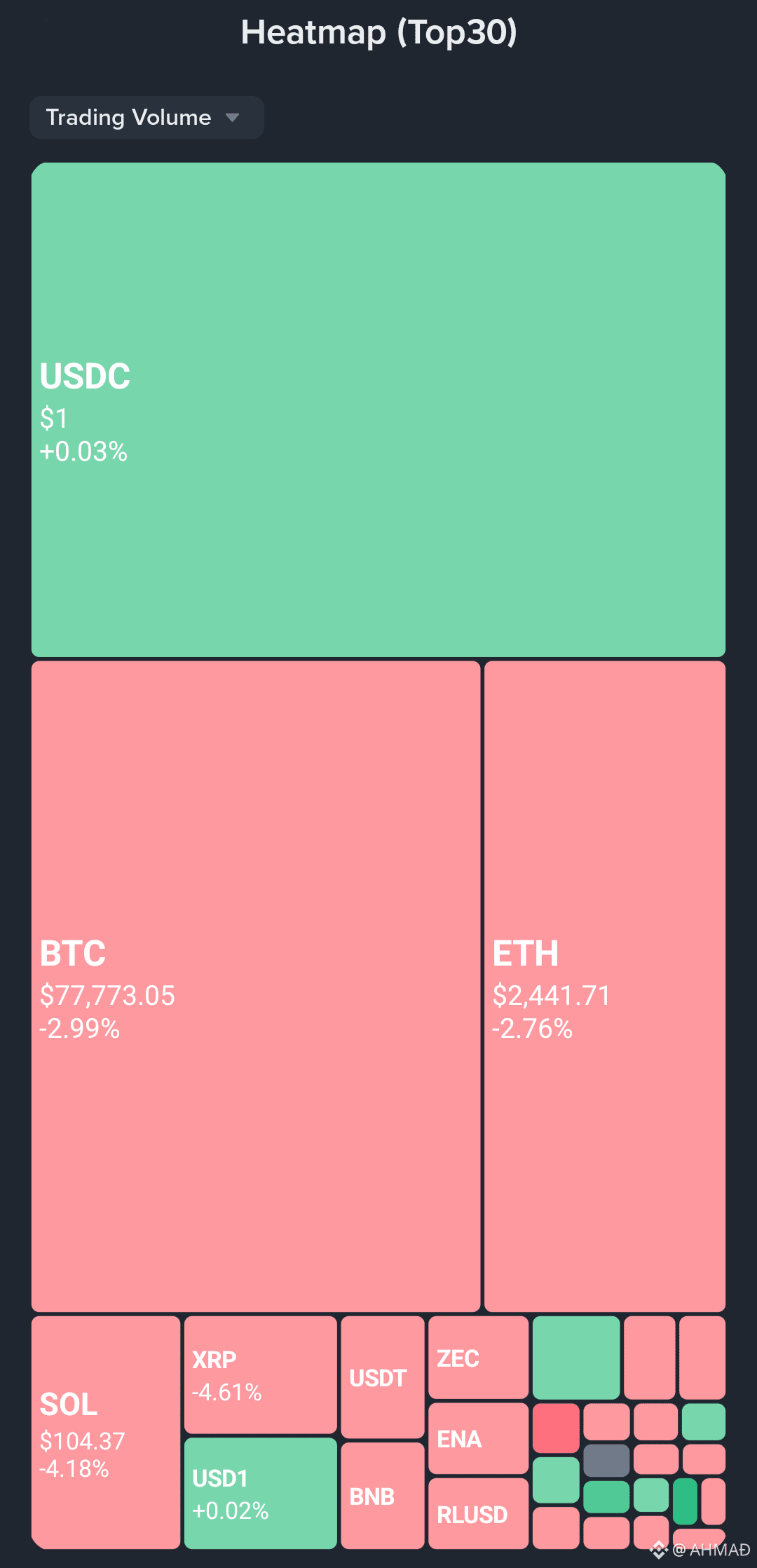
Heatmap (Handelsvolumen der Top 30)
$DEXE $AAPL.US
Heatmap (Handelsvolumen der Top 30)
$DEXE $AAPL.US
$DEXE $AAPL.US
2
336
·
--
2
432
·
--
DAS DUSKVM-DETAIL, DAS MIT WACHSENDEN DATENSCHUTZ-ANFORDERUNGEN NOCH WICHTIGER WERDEN KÖNNTE
Ich habe mir die Ausführungsarchitektur von Dusk erneut angesehen, und eine Designentscheidung ist mir besonders aufgefallen: Dusk zwingt nicht jede teure kryptografische Operation dazu, vollständig innerhalb der VM stattzufinden.
Piecrust stellt zwar die WASM-Ausführungsumgebung bereit, aber Dusk nutzt Host-Funktionen, um Operationen wie Hashing, Proof-Validierung und Signaturprüfung zu übernehmen. In der Whitepaper steht, dass dadurch komplexe kryptografische Aufgaben effizienter ausgeführt werden können, als wenn sie nur innerhalb der VM ablaufen würden.
Ein finanzorientiertes Netzwerk mit Fokus auf Privatsphäre verarbeitet nicht einfach nur normale Überweisungen. Seine Architektur beruht stark auf kryptografischer Verifizierung, und diese Operationen können bei zunehmender Nutzung zu einer erheblichen rechnerischen Belastung werden.
Wenn man teure Grundbausteine in Host-Funktionen verlagert, entsteht eine Trennung:
Die VM übernimmt die Ausführung von Contracts, während spezialisierte Infrastruktur die schweren kryptografischen Operationen übernimmt.
Das Whitepaper weist außerdem darauf hin, dass die Ergebnisse über die Knoten hinweg repliziert werden, sodass die Optimierung die dezentrale Verifizierungsanforderung nicht einfach abschaffen soll.
Aber es gibt einen Trade-off, den ich es wert finde, im Blick zu behalten.
Je mehr Funktionalität in spezialisierte Host-Fähigkeiten wandert, desto wichtiger wird die Schnittstelle zwischen der VM und diesen Fähigkeiten. Sie gewinnen Performance und Effizienz, aber die Ausführungsumgebung wird auch stärker von protokollspezifischer Infrastruktur abhängig.
Für Dusk mag das ein angemessener Trade-off sein.
Wenn das Netzwerk datenschutzfreundliche Anwendungen mit erheblichen ZK-Workloads unterstützen will, ergibt es mehr Sinn, kryptografische Berechnung als erstklassige Infrastruktur-Anforderung zu behandeln, statt so zu tun, als wäre jede Operation einfach nur eine weitere WASM-Instruction.
Der eigentliche Test besteht darin, ob diese Architektur weiterhin Effizienz bietet, wenn Datenschutz-Workloads skaliert werden.
Ist spezialisierte kryptografische Ausführung der richtige Weg, um Privatsphäre im Netzwerkmaßstab praktikabel zu machen?
@Dusk_Foundation $DUSK #dusk
DAS DUSKVM-DETAIL, DAS MIT WACHSENDEN DATENSCHUTZ-ANFORDERUNGEN NOCH WICHTIGER WERDEN KÖNNTE
Ich habe mir die Ausführungsarchitektur von Dusk erneut angesehen, und eine Designentscheidung ist mir besonders aufgefallen: Dusk zwingt nicht jede teure kryptografische Operation dazu, vollständig innerhalb der VM stattzufinden.
Piecrust stellt zwar die WASM-Ausführungsumgebung bereit, aber Dusk nutzt Host-Funktionen, um Operationen wie Hashing, Proof-Validierung und Signaturprüfung zu übernehmen. In der Whitepaper steht, dass dadurch komplexe kryptografische Aufgaben effizienter ausgeführt werden können, als wenn sie nur innerhalb der VM ablaufen würden.
Ein finanzorientiertes Netzwerk mit Fokus auf Privatsphäre verarbeitet nicht einfach nur normale Überweisungen. Seine Architektur beruht stark auf kryptografischer Verifizierung, und diese Operationen können bei zunehmender Nutzung zu einer erheblichen rechnerischen Belastung werden.
Wenn man teure Grundbausteine in Host-Funktionen verlagert, entsteht eine Trennung:
Die VM übernimmt die Ausführung von Contracts, während spezialisierte Infrastruktur die schweren kryptografischen Operationen übernimmt.
Das Whitepaper weist außerdem darauf hin, dass die Ergebnisse über die Knoten hinweg repliziert werden, sodass die Optimierung die dezentrale Verifizierungsanforderung nicht einfach abschaffen soll.
Aber es gibt einen Trade-off, den ich es wert finde, im Blick zu behalten.
Je mehr Funktionalität in spezialisierte Host-Fähigkeiten wandert, desto wichtiger wird die Schnittstelle zwischen der VM und diesen Fähigkeiten. Sie gewinnen Performance und Effizienz, aber die Ausführungsumgebung wird auch stärker von protokollspezifischer Infrastruktur abhängig.
Für Dusk mag das ein angemessener Trade-off sein.
Wenn das Netzwerk datenschutzfreundliche Anwendungen mit erheblichen ZK-Workloads unterstützen will, ergibt es mehr Sinn, kryptografische Berechnung als erstklassige Infrastruktur-Anforderung zu behandeln, statt so zu tun, als wäre jede Operation einfach nur eine weitere WASM-Instruction.
Der eigentliche Test besteht darin, ob diese Architektur weiterhin Effizienz bietet, wenn Datenschutz-Workloads skaliert werden.
Ist spezialisierte kryptografische Ausführung der richtige Weg, um Privatsphäre im Netzwerkmaßstab praktikabel zu machen?
@Dusk $DUSK #dusk
Ich habe mir die Ausführungsarchitektur von Dusk erneut angesehen, und eine Designentscheidung ist mir besonders aufgefallen: Dusk zwingt nicht jede teure kryptografische Operation dazu, vollständig innerhalb der VM stattzufinden.
Piecrust stellt zwar die WASM-Ausführungsumgebung bereit, aber Dusk nutzt Host-Funktionen, um Operationen wie Hashing, Proof-Validierung und Signaturprüfung zu übernehmen. In der Whitepaper steht, dass dadurch komplexe kryptografische Aufgaben effizienter ausgeführt werden können, als wenn sie nur innerhalb der VM ablaufen würden.
Ein finanzorientiertes Netzwerk mit Fokus auf Privatsphäre verarbeitet nicht einfach nur normale Überweisungen. Seine Architektur beruht stark auf kryptografischer Verifizierung, und diese Operationen können bei zunehmender Nutzung zu einer erheblichen rechnerischen Belastung werden.
Wenn man teure Grundbausteine in Host-Funktionen verlagert, entsteht eine Trennung:
Die VM übernimmt die Ausführung von Contracts, während spezialisierte Infrastruktur die schweren kryptografischen Operationen übernimmt.
Das Whitepaper weist außerdem darauf hin, dass die Ergebnisse über die Knoten hinweg repliziert werden, sodass die Optimierung die dezentrale Verifizierungsanforderung nicht einfach abschaffen soll.
Aber es gibt einen Trade-off, den ich es wert finde, im Blick zu behalten.
Je mehr Funktionalität in spezialisierte Host-Fähigkeiten wandert, desto wichtiger wird die Schnittstelle zwischen der VM und diesen Fähigkeiten. Sie gewinnen Performance und Effizienz, aber die Ausführungsumgebung wird auch stärker von protokollspezifischer Infrastruktur abhängig.
Für Dusk mag das ein angemessener Trade-off sein.
Wenn das Netzwerk datenschutzfreundliche Anwendungen mit erheblichen ZK-Workloads unterstützen will, ergibt es mehr Sinn, kryptografische Berechnung als erstklassige Infrastruktur-Anforderung zu behandeln, statt so zu tun, als wäre jede Operation einfach nur eine weitere WASM-Instruction.
Der eigentliche Test besteht darin, ob diese Architektur weiterhin Effizienz bietet, wenn Datenschutz-Workloads skaliert werden.
Ist spezialisierte kryptografische Ausführung der richtige Weg, um Privatsphäre im Netzwerkmaßstab praktikabel zu machen?
@Dusk $DUSK #dusk
1
222
·
--
Ich habe mir das transparente Transaktionsmodell von Dusk angesehen und etwas übersehen, das fast zu banal klang: der Nonce.
Moonlight ist Dusk' kontobasiertes Transaktionsmodell. Jede Account hat einen öffentlichen Schlüssel, einen Kontostand und eine Nonce. Die Nonce fungiert dabei als Zähler für Transaktionen, die von diesem Account gesendet werden.
Dieser winzige Zähler hat eine größere Aufgabe, als es zunächst scheint.
Das Whitepaper stellt die Nonce ausdrücklich in den Zusammenhang mit Replay-Schutz. Eine Transaktion ist nicht einfach allein dadurch autorisiert, dass die Signatur gültig ist; die Transaktionssequenz des Accounts muss ebenfalls stimmig sein.
Das ist eines dieser Stücke Blockchain-Infrastruktur, das Nutzer fast nie bemerken, wenn es korrekt funktioniert.
Du signierst eine Transaktion, das Netzwerk verarbeitet sie, dein Kontostand verändert sich und du machst weiter.
Aber ohne Mechanismen, die verhindern, dass eine alte gültige Transaktion erneut akzeptiert wird, könnte dieselbe Autorisierung potenziell zu einem komplett anderen Sicherheitsproblem werden.
Was ich an Dusk interessant finde, ist, dass Moonlight und Phoenix die gleichen grundlegenden Anforderungen an Transaktionen mit sehr unterschiedlichen Modellen lösen.
Moonlight macht Account-Status, Kontostände und Transaktionsmetadaten öffentlich sichtbar. Phoenix verlagert die Überprüfung des Kontostands und den Schutz vor Double-Spending in ZK-Beweise und Nullifier. Dennoch müssen beide weiterhin Eigentümerschaft etablieren, Malleability verhindern und Double Spending stoppen.
Daher ist die eigentliche Design-Entscheidung nicht einfach public vs. private.
Es geht darum, wie viel des State-Transitions das Netzwerk direkt verifizieren kann, und wie viel kryptografisch bewiesen werden muss.
Das macht die bescheidene Nonce interessanter, als sie klingt.
Die sichtbare Transaktion ist nur die Oberfläche. Darunter steckt eine Sammlung von Regeln, die sicherstellen, dass dieselbe Autorisierung nicht einfach erneut abgespielt werden kann.
Wie viele Blockchain-„Features“ sind tatsächlich unsichtbare Sicherheitsannahmen, die Nutzer erst bemerken, wenn sie scheitern?
@Dusk_Foundation $DUSK #dusk
Ich habe mir das transparente Transaktionsmodell von Dusk angesehen und etwas übersehen, das fast zu banal klang: der Nonce.
Moonlight ist Dusk' kontobasiertes Transaktionsmodell. Jede Account hat einen öffentlichen Schlüssel, einen Kontostand und eine Nonce. Die Nonce fungiert dabei als Zähler für Transaktionen, die von diesem Account gesendet werden.
Dieser winzige Zähler hat eine größere Aufgabe, als es zunächst scheint.
Das Whitepaper stellt die Nonce ausdrücklich in den Zusammenhang mit Replay-Schutz. Eine Transaktion ist nicht einfach allein dadurch autorisiert, dass die Signatur gültig ist; die Transaktionssequenz des Accounts muss ebenfalls stimmig sein.
Das ist eines dieser Stücke Blockchain-Infrastruktur, das Nutzer fast nie bemerken, wenn es korrekt funktioniert.
Du signierst eine Transaktion, das Netzwerk verarbeitet sie, dein Kontostand verändert sich und du machst weiter.
Aber ohne Mechanismen, die verhindern, dass eine alte gültige Transaktion erneut akzeptiert wird, könnte dieselbe Autorisierung potenziell zu einem komplett anderen Sicherheitsproblem werden.
Was ich an Dusk interessant finde, ist, dass Moonlight und Phoenix die gleichen grundlegenden Anforderungen an Transaktionen mit sehr unterschiedlichen Modellen lösen.
Moonlight macht Account-Status, Kontostände und Transaktionsmetadaten öffentlich sichtbar. Phoenix verlagert die Überprüfung des Kontostands und den Schutz vor Double-Spending in ZK-Beweise und Nullifier. Dennoch müssen beide weiterhin Eigentümerschaft etablieren, Malleability verhindern und Double Spending stoppen.
Daher ist die eigentliche Design-Entscheidung nicht einfach public vs. private.
Es geht darum, wie viel des State-Transitions das Netzwerk direkt verifizieren kann, und wie viel kryptografisch bewiesen werden muss.
Das macht die bescheidene Nonce interessanter, als sie klingt.
Die sichtbare Transaktion ist nur die Oberfläche. Darunter steckt eine Sammlung von Regeln, die sicherstellen, dass dieselbe Autorisierung nicht einfach erneut abgespielt werden kann.
Wie viele Blockchain-„Features“ sind tatsächlich unsichtbare Sicherheitsannahmen, die Nutzer erst bemerken, wenn sie scheitern?
@Dusk $DUSK #dusk
Moonlight ist Dusk' kontobasiertes Transaktionsmodell. Jede Account hat einen öffentlichen Schlüssel, einen Kontostand und eine Nonce. Die Nonce fungiert dabei als Zähler für Transaktionen, die von diesem Account gesendet werden.
Dieser winzige Zähler hat eine größere Aufgabe, als es zunächst scheint.
Das Whitepaper stellt die Nonce ausdrücklich in den Zusammenhang mit Replay-Schutz. Eine Transaktion ist nicht einfach allein dadurch autorisiert, dass die Signatur gültig ist; die Transaktionssequenz des Accounts muss ebenfalls stimmig sein.
Das ist eines dieser Stücke Blockchain-Infrastruktur, das Nutzer fast nie bemerken, wenn es korrekt funktioniert.
Du signierst eine Transaktion, das Netzwerk verarbeitet sie, dein Kontostand verändert sich und du machst weiter.
Aber ohne Mechanismen, die verhindern, dass eine alte gültige Transaktion erneut akzeptiert wird, könnte dieselbe Autorisierung potenziell zu einem komplett anderen Sicherheitsproblem werden.
Was ich an Dusk interessant finde, ist, dass Moonlight und Phoenix die gleichen grundlegenden Anforderungen an Transaktionen mit sehr unterschiedlichen Modellen lösen.
Moonlight macht Account-Status, Kontostände und Transaktionsmetadaten öffentlich sichtbar. Phoenix verlagert die Überprüfung des Kontostands und den Schutz vor Double-Spending in ZK-Beweise und Nullifier. Dennoch müssen beide weiterhin Eigentümerschaft etablieren, Malleability verhindern und Double Spending stoppen.
Daher ist die eigentliche Design-Entscheidung nicht einfach public vs. private.
Es geht darum, wie viel des State-Transitions das Netzwerk direkt verifizieren kann, und wie viel kryptografisch bewiesen werden muss.
Das macht die bescheidene Nonce interessanter, als sie klingt.
Die sichtbare Transaktion ist nur die Oberfläche. Darunter steckt eine Sammlung von Regeln, die sicherstellen, dass dieselbe Autorisierung nicht einfach erneut abgespielt werden kann.
Wie viele Blockchain-„Features“ sind tatsächlich unsichtbare Sicherheitsannahmen, die Nutzer erst bemerken, wenn sie scheitern?
@Dusk $DUSK #dusk
2
142
·
--
DER INTERESSANTE TEIL VON DUSKS PRIVACY-MODELL KÖNNTE SEIN, WAS ES NICHT ONCHAIN STELLT
Ich habe immer weiter über Dusk-Privacyeinblicken nachgedacht – in die entgegengesetzte Richtung: nicht darüber, was es verbirgt, sondern darüber, was das Netzwerk trotzdem noch wissen muss.
Phoenix nutzt geschirmte UTXOs, bei denen Notizen in einen Merkle-Baum eingecommitet und mithilfe von Nullifizierern ausgegeben werden. Die zugrunde liegende Transaktion kann vertraulich bleiben, während das Netzwerk die Regeln verifiziert, die für gültige Zustandsübergänge erforderlich sind.
Das schafft eine ganz bestimmte Aufteilung von Informationen.
Das Whitepaper beschreibt die Transaktionsstruktur so, dass sie den Merkle-Root, Nullifizierer, neue Notizen, optionale Einzahlungen/Daten, Gas-Parameter sowie einen ZK-Beweis enthält. Das Netzwerk verifiziert den Beweis anhand öffentlicher Inputs, statt die versteckten Details der Transaktion direkt zu prüfen.
Aber hier ist der Aspekt, den ich für noch wichtiger halte.
Dusk versucht nicht, alles dauerhaft unsichtbar zu machen.
Die Architektur umfasst außerdem Citadel 2, bei dem Nutzer Anmeldeinformationen gezielt offenlegen können, wenn eine Anwendung einen Nachweis der Berechtigung benötigt. Die Executive Summary beschreibt das als die Möglichkeit, den Besitz einer registrierten Lizenz nachzuweisen, ohne den Inhalt der Lizenz offenzulegen.
Die Gestaltung ist also nicht wirklich:
privat vs. öffentlich.
Es ist eher:
standardmäßig privat + nur das nachweisen, was die Anwendung benötigt.
Das ist ein viel nützlicheres Modell für regulierte Finanzen.
Aber es gibt noch eine ungelöste operative Frage. Die Forschung weist speziell darauf hin, dass eine Integration mit KYC-Systemen und Sitzungsinformationen Linkability erzeugen könnte, selbst wenn die zugrunde liegenden personenbezogenen Daten nicht onchain gespeichert werden.
Kryptografie kann die Transaktion schützen.
Sie kann nicht automatisch garantieren, dass jede Anwendung, die um die Transaktion herum gebaut wird, die gleichen Privacy-Eigenschaften bewahrt.
Das ist der Teil, den ich im Blick behalten würde.
Kann Dusk selektive Offenlegung ermöglichen, ohne zuzulassen, dass die umgebende Compliance-Infrastruktur das Überwachungspotenzial, vor dem das System schützen sollte, still und heimlich neu erschafft?
@Dusk_Foundation $DUSK #dusk
DER INTERESSANTE TEIL VON DUSKS PRIVACY-MODELL KÖNNTE SEIN, WAS ES NICHT ONCHAIN STELLT
Ich habe immer weiter über Dusk-Privacyeinblicken nachgedacht – in die entgegengesetzte Richtung: nicht darüber, was es verbirgt, sondern darüber, was das Netzwerk trotzdem noch wissen muss.
Phoenix nutzt geschirmte UTXOs, bei denen Notizen in einen Merkle-Baum eingecommitet und mithilfe von Nullifizierern ausgegeben werden. Die zugrunde liegende Transaktion kann vertraulich bleiben, während das Netzwerk die Regeln verifiziert, die für gültige Zustandsübergänge erforderlich sind.
Das schafft eine ganz bestimmte Aufteilung von Informationen.
Das Whitepaper beschreibt die Transaktionsstruktur so, dass sie den Merkle-Root, Nullifizierer, neue Notizen, optionale Einzahlungen/Daten, Gas-Parameter sowie einen ZK-Beweis enthält. Das Netzwerk verifiziert den Beweis anhand öffentlicher Inputs, statt die versteckten Details der Transaktion direkt zu prüfen.
Aber hier ist der Aspekt, den ich für noch wichtiger halte.
Dusk versucht nicht, alles dauerhaft unsichtbar zu machen.
Die Architektur umfasst außerdem Citadel 2, bei dem Nutzer Anmeldeinformationen gezielt offenlegen können, wenn eine Anwendung einen Nachweis der Berechtigung benötigt. Die Executive Summary beschreibt das als die Möglichkeit, den Besitz einer registrierten Lizenz nachzuweisen, ohne den Inhalt der Lizenz offenzulegen.
Die Gestaltung ist also nicht wirklich:
privat vs. öffentlich.
Es ist eher:
standardmäßig privat + nur das nachweisen, was die Anwendung benötigt.
Das ist ein viel nützlicheres Modell für regulierte Finanzen.
Aber es gibt noch eine ungelöste operative Frage. Die Forschung weist speziell darauf hin, dass eine Integration mit KYC-Systemen und Sitzungsinformationen Linkability erzeugen könnte, selbst wenn die zugrunde liegenden personenbezogenen Daten nicht onchain gespeichert werden.
Kryptografie kann die Transaktion schützen.
Sie kann nicht automatisch garantieren, dass jede Anwendung, die um die Transaktion herum gebaut wird, die gleichen Privacy-Eigenschaften bewahrt.
Das ist der Teil, den ich im Blick behalten würde.
Kann Dusk selektive Offenlegung ermöglichen, ohne zuzulassen, dass die umgebende Compliance-Infrastruktur das Überwachungspotenzial, vor dem das System schützen sollte, still und heimlich neu erschafft?
@Dusk $DUSK #dusk
Ich habe immer weiter über Dusk-Privacyeinblicken nachgedacht – in die entgegengesetzte Richtung: nicht darüber, was es verbirgt, sondern darüber, was das Netzwerk trotzdem noch wissen muss.
Phoenix nutzt geschirmte UTXOs, bei denen Notizen in einen Merkle-Baum eingecommitet und mithilfe von Nullifizierern ausgegeben werden. Die zugrunde liegende Transaktion kann vertraulich bleiben, während das Netzwerk die Regeln verifiziert, die für gültige Zustandsübergänge erforderlich sind.
Das schafft eine ganz bestimmte Aufteilung von Informationen.
Das Whitepaper beschreibt die Transaktionsstruktur so, dass sie den Merkle-Root, Nullifizierer, neue Notizen, optionale Einzahlungen/Daten, Gas-Parameter sowie einen ZK-Beweis enthält. Das Netzwerk verifiziert den Beweis anhand öffentlicher Inputs, statt die versteckten Details der Transaktion direkt zu prüfen.
Aber hier ist der Aspekt, den ich für noch wichtiger halte.
Dusk versucht nicht, alles dauerhaft unsichtbar zu machen.
Die Architektur umfasst außerdem Citadel 2, bei dem Nutzer Anmeldeinformationen gezielt offenlegen können, wenn eine Anwendung einen Nachweis der Berechtigung benötigt. Die Executive Summary beschreibt das als die Möglichkeit, den Besitz einer registrierten Lizenz nachzuweisen, ohne den Inhalt der Lizenz offenzulegen.
Die Gestaltung ist also nicht wirklich:
privat vs. öffentlich.
Es ist eher:
standardmäßig privat + nur das nachweisen, was die Anwendung benötigt.
Das ist ein viel nützlicheres Modell für regulierte Finanzen.
Aber es gibt noch eine ungelöste operative Frage. Die Forschung weist speziell darauf hin, dass eine Integration mit KYC-Systemen und Sitzungsinformationen Linkability erzeugen könnte, selbst wenn die zugrunde liegenden personenbezogenen Daten nicht onchain gespeichert werden.
Kryptografie kann die Transaktion schützen.
Sie kann nicht automatisch garantieren, dass jede Anwendung, die um die Transaktion herum gebaut wird, die gleichen Privacy-Eigenschaften bewahrt.
Das ist der Teil, den ich im Blick behalten würde.
Kann Dusk selektive Offenlegung ermöglichen, ohne zuzulassen, dass die umgebende Compliance-Infrastruktur das Überwachungspotenzial, vor dem das System schützen sollte, still und heimlich neu erschafft?
@Dusk $DUSK #dusk
1
158
·
--
$DUSK
$DUSK

Noor221
·
--
BullischWelche Münze ist am besten zum Halten.... welche Münze bringt großen Gewinn...$BTC
$BNB
$ETH
$BNB
$ETH
1
63
·
--
WARUM DUSKS BLOCKZERTIFIKAT SPANNENDER IST ALS „FAST FINALITY“
Ich habe Dunks Konsens immer wieder als deterministische Finalität beschrieben gesehen, aber das zugrunde liegende Mechanismus-Detail verdient meiner Meinung nach mehr Aufmerksamkeit: Das Netzwerk muss genau wissen, welche Wähler für einen finalisierten Block verantwortlich waren.
Dusk's Succinct Attestation nutzt Wahlkomitees für Validierung und Ratifizierung. Jedes Komitee hat derzeit einen globalen Parameter von 64 Credits, und die Stimmen werden entsprechend der Credits gewichtet, die jeder Provisioner zugewiesen sind.
Der interessante Teil kommt dann, wenn mehr Stimmen als die Schwelle für das Quorum verfügbar sind.
Das Whitepaper erklärt, dass andernfalls mehrere gültige Bestätigungen (Attestations) für dieselbe Iteration existieren könnten. Dusk fügt daher die Bestätigung des vorherigen Blocks in jeden Block ein und erstellt so ein Blockzertifikat, das eine eindeutige Menge von Wählern festlegt. Diese eindeutige Wählermenge wird anschließend für die Abrechnung von Belohnungen und Strafen verwendet.
Das klingt wie ein kleines Implementierungsdetail, bis man über das Anreizsystem nachdenkt.
Konsens entscheidet nicht nur:
„War dieser Block gültig?“
Er stellt auch fest:
„Welche genauen Teilnehmer sollen für dieses Ergebnis Anerkennung oder Strafen erhalten?“
Dusk verwendet dann BLS-Signaturen, sodass Stimmen für einen bestimmten Schritt zu einer einzigen Signatur aggregiert werden können, während ein Bitset identifiziert, welche Mitglieder des Komitees tatsächlich teilgenommen haben.
Ich finde diese Trennung wichtig, weil Validator-Ökonomien und Konsenskorrektheit normalerweise so diskutiert werden, als wären sie unabhängig.
Hier sind sie über die Attestation-Struktur miteinander verbunden.
Die verbleibende Frage ist, was operativ passiert, wenn Komitees wiederholt kein Quorum erreichen. Das Whitepaper sagt, dass eine Runde erneut iterieren kann, mit einem aktuell auf 50 Iterationen festgelegten Maximum; der spannendere reale Praxistest ist jedoch, wie oft das Netzwerk in tatsächlicher Umgebung diese Randfälle unter widrigen Bedingungen erreicht.
Fast finality schafft die Schlagzeilen.
Die Abrechnung darüber, wer diese Finalität tatsächlich gesichert hat, ist der Teil, den ich aufschlussreicher finde.
@Dusk_Foundation $DUSK #dusk
WARUM DUSKS BLOCKZERTIFIKAT SPANNENDER IST ALS „FAST FINALITY“
Ich habe Dunks Konsens immer wieder als deterministische Finalität beschrieben gesehen, aber das zugrunde liegende Mechanismus-Detail verdient meiner Meinung nach mehr Aufmerksamkeit: Das Netzwerk muss genau wissen, welche Wähler für einen finalisierten Block verantwortlich waren.
Dusk's Succinct Attestation nutzt Wahlkomitees für Validierung und Ratifizierung. Jedes Komitee hat derzeit einen globalen Parameter von 64 Credits, und die Stimmen werden entsprechend der Credits gewichtet, die jeder Provisioner zugewiesen sind.
Der interessante Teil kommt dann, wenn mehr Stimmen als die Schwelle für das Quorum verfügbar sind.
Das Whitepaper erklärt, dass andernfalls mehrere gültige Bestätigungen (Attestations) für dieselbe Iteration existieren könnten. Dusk fügt daher die Bestätigung des vorherigen Blocks in jeden Block ein und erstellt so ein Blockzertifikat, das eine eindeutige Menge von Wählern festlegt. Diese eindeutige Wählermenge wird anschließend für die Abrechnung von Belohnungen und Strafen verwendet.
Das klingt wie ein kleines Implementierungsdetail, bis man über das Anreizsystem nachdenkt.
Konsens entscheidet nicht nur:
„War dieser Block gültig?“
Er stellt auch fest:
„Welche genauen Teilnehmer sollen für dieses Ergebnis Anerkennung oder Strafen erhalten?“
Dusk verwendet dann BLS-Signaturen, sodass Stimmen für einen bestimmten Schritt zu einer einzigen Signatur aggregiert werden können, während ein Bitset identifiziert, welche Mitglieder des Komitees tatsächlich teilgenommen haben.
Ich finde diese Trennung wichtig, weil Validator-Ökonomien und Konsenskorrektheit normalerweise so diskutiert werden, als wären sie unabhängig.
Hier sind sie über die Attestation-Struktur miteinander verbunden.
Die verbleibende Frage ist, was operativ passiert, wenn Komitees wiederholt kein Quorum erreichen. Das Whitepaper sagt, dass eine Runde erneut iterieren kann, mit einem aktuell auf 50 Iterationen festgelegten Maximum; der spannendere reale Praxistest ist jedoch, wie oft das Netzwerk in tatsächlicher Umgebung diese Randfälle unter widrigen Bedingungen erreicht.
Fast finality schafft die Schlagzeilen.
Die Abrechnung darüber, wer diese Finalität tatsächlich gesichert hat, ist der Teil, den ich aufschlussreicher finde.
@Dusk $DUSK #dusk
Ich habe Dunks Konsens immer wieder als deterministische Finalität beschrieben gesehen, aber das zugrunde liegende Mechanismus-Detail verdient meiner Meinung nach mehr Aufmerksamkeit: Das Netzwerk muss genau wissen, welche Wähler für einen finalisierten Block verantwortlich waren.
Dusk's Succinct Attestation nutzt Wahlkomitees für Validierung und Ratifizierung. Jedes Komitee hat derzeit einen globalen Parameter von 64 Credits, und die Stimmen werden entsprechend der Credits gewichtet, die jeder Provisioner zugewiesen sind.
Der interessante Teil kommt dann, wenn mehr Stimmen als die Schwelle für das Quorum verfügbar sind.
Das Whitepaper erklärt, dass andernfalls mehrere gültige Bestätigungen (Attestations) für dieselbe Iteration existieren könnten. Dusk fügt daher die Bestätigung des vorherigen Blocks in jeden Block ein und erstellt so ein Blockzertifikat, das eine eindeutige Menge von Wählern festlegt. Diese eindeutige Wählermenge wird anschließend für die Abrechnung von Belohnungen und Strafen verwendet.
Das klingt wie ein kleines Implementierungsdetail, bis man über das Anreizsystem nachdenkt.
Konsens entscheidet nicht nur:
„War dieser Block gültig?“
Er stellt auch fest:
„Welche genauen Teilnehmer sollen für dieses Ergebnis Anerkennung oder Strafen erhalten?“
Dusk verwendet dann BLS-Signaturen, sodass Stimmen für einen bestimmten Schritt zu einer einzigen Signatur aggregiert werden können, während ein Bitset identifiziert, welche Mitglieder des Komitees tatsächlich teilgenommen haben.
Ich finde diese Trennung wichtig, weil Validator-Ökonomien und Konsenskorrektheit normalerweise so diskutiert werden, als wären sie unabhängig.
Hier sind sie über die Attestation-Struktur miteinander verbunden.
Die verbleibende Frage ist, was operativ passiert, wenn Komitees wiederholt kein Quorum erreichen. Das Whitepaper sagt, dass eine Runde erneut iterieren kann, mit einem aktuell auf 50 Iterationen festgelegten Maximum; der spannendere reale Praxistest ist jedoch, wie oft das Netzwerk in tatsächlicher Umgebung diese Randfälle unter widrigen Bedingungen erreicht.
Fast finality schafft die Schlagzeilen.
Die Abrechnung darüber, wer diese Finalität tatsächlich gesichert hat, ist der Teil, den ich aufschlussreicher finde.
@Dusk $DUSK #dusk
2
356
·
--
HODL HODL HODL HODL HODL HODL HODL HODL HODL HODL HODL HODL HODL HODL HODL HODL HODL HODL HODL HODL HODL HODL HODL HODL HODL HODL HODL HODL HODL HODL HODL HODL HODL HODL HODL HODL HODL HODL HODL HODL HODL HODL HODL HODL HODL HODL HODL HODL HODL HODL HODL HODL HODL HODL HODL HODL HODL HODL HODL HODL HODL HODL HODL HODL HODL HODL HODL HODL HODL HODL HODL HODL HODL HODL HODL HODL HODL HODL HODL HODL HODL HODL HODL HODL HODL HODL HODL HODL HODL HODL HODL HODL HODL
HODL HODL HODL HODL HODL HODL HODL HODL HODL HODL HODL HODL HODL HODL HODL HODL HODL HODL HODL HODL HODL HODL HODL HODL HODL HODL HODL HODL HODL HODL HODL HODL HODL HODL HODL HODL HODL HODL HODL HODL HODL HODL HODL HODL HODL HODL HODL HODL HODL HODL HODL HODL HODL HODL HODL HODL HODL HODL HODL HODL HODL HODL HODL HODL HODL HODL HODL HODL HODL HODL HODL HODL HODL HODL HODL HODL HODL HODL HODL HODL HODL HODL HODL HODL HODL HODL HODL HODL HODL HODL HODL HODL HODL
1
51
Anmelden und weiter Inhalte entdecken
Krypto-Nutzer weltweit auf Binance Square kennenlernen
⚡️ Bleib in Sachen Krypto stets am Puls.
💬 Die weltgrößte Kryptobörse vertraut darauf.
👍 Erhalte verlässliche Einblicke von verifizierten Creators.
E-Mail-Adresse/Telefonnummer
Trendthemen
UKFCAWinsCourtOrderToRecover851400Pounds
10,686 Aufrufe
531 Kommentare
🚨 KRYPTOREGULIERUNG BETRITT JETZT EINE NEUE PHASE: SIE SCHREIBEN NICHT NUR REGELN — SIE HOLEN GELD ZURÜCK.
Die britische FCA hat eine weitere gerichtlich gestützte Vermögensrückgewinnung gesichert und verstärkt damit einen breiteren Durchsetzungsansatz gegen unbefugte Finanz- und Kryptoaktivitäten.
Und schau dir an, was gleichzeitig passiert:
🇬🇧 FCA → Durchsetzung + Vermögensrückgewinnung
🇺🇸 SEC → klarere Regeln für funktionale Krypto-Assets
🇺🇸 Fed → formale Stablecoin-Aufsicht unter dem GENIUS Act
Diese Kombination ist entscheidend.
Regulierungsbehörden debattieren nicht länger, ob Krypto in das Finanzsystem gehört.
Stattdessen entscheiden sie zunehmend, wer Zugang bekommt, welche Regeln gilt, und was passiert, wenn diese Regeln gebrochen werden.
Der nächste Krypto-Zyklus könnte nicht „Regulierung vs. Innovation“ sein.
Er könnte reguliertes Krypto sein — im Gegensatz zu allen, die den Standard nicht erfüllen können. 👀
$COIN $CRCL $BTC
#ukfcawinscourtordertorecover851400pounds #ChainlinkLaunchesCCIP2WithEnterpriseVerification #GoldFallsTo$4144 #QNTFallsOver40%FromMorningHigh #USDTAdds845900HoldersInPast7Days
KimHotbae
·2 Likes
·4.1k Aufrufe
ChainlinkLaunchesCCIP2WithEnterpriseVerification
24,408 Aufrufe
747 Kommentare
GoldFallsTo$4144
9,677 Aufrufe
124 Kommentare