

Bit_ardizor
4.6k Beiträge

Bit_ardizor
Pro crypto Trader market analyst sharing market insights / since 2017_: Twitter/X @agela157056
Trade eröffnen
Gelegenheitstrader
1.5 Jahre
52 Following
2.8K+ Follower
14.4K+ Like gegeben
Beiträge
Portfolio
Alle
Zitierungen
Live

Ezra_Insight
·
--
Ich habe die Krypto-Welt beobachtet, die unzählige Geschichten über „Eigentum“ erzählt – Eigentum an Daten, Identität, digitalen Vermögenswerten – und doch verlassen sich die meisten Leute, während KI immer tiefer im Internet verankert wird, immer noch auf eine Handvoll zentralisierter Gateways, um Fragen zu stellen, Informationen zu entdecken und mit Intelligenz zu interagieren.
Wir sprechen oft über Dezentralisierung, aber irgendwie fühlt es sich normal an, dass unser digitales Denken immer noch durch Infrastrukturen fließt, die von jemand anderem kontrolliert werden. Diese Spannung ist etwas, zu dem ich immer wieder zurückkomme.
Hier gibt es ein leises, aber wichtiges Problem: Die heutigen KI-Produkte bieten Bequemlichkeit, aber nicht unbedingt Kontrolle. Vielleicht ist den meisten Nutzern das noch egal, genau wie es einmal eine Zeit gab, in der die Leute selten hinterfragten, wo ihre Daten gespeichert waren.
Aber solche Veränderungen passieren normalerweise allmählich.
Aus meiner Sicht scheint OpenGradient Chat dies anders anzugehen. Nicht durch den Start eines weiteren Chatbots, sondern indem untersucht wird, ob KI auf Infrastrukturen existieren kann, bei denen Nutzer oder Gemeinschaften eine größere Rolle in der Governance spielen. Der Fokus scheint weniger darauf zu liegen, KI intelligenter zu machen, und mehr darauf, neu zu überdenken, wer letztendlich Einfluss darauf hat.
Natürlich klingt KI-Souveränität in der Theorie verlockend. Aber die Märkte sind voller attraktiver Narrative, die niemals in echte Akzeptanz umschlagen. Whitepapers schaffen keine Nachfrage, und Slogans bauen keine Gewohnheiten auf. Die eigentliche Frage ist, ob die Nutzer bereit sind, etwas Bequemlichkeit gegen größere Kontrolle einzutauschen.
Diese Antwort braucht wahrscheinlich Zeit.
#OPG #Opg #opg $OPG @OpenGradient
Wir sprechen oft über Dezentralisierung, aber irgendwie fühlt es sich normal an, dass unser digitales Denken immer noch durch Infrastrukturen fließt, die von jemand anderem kontrolliert werden. Diese Spannung ist etwas, zu dem ich immer wieder zurückkomme.
Hier gibt es ein leises, aber wichtiges Problem: Die heutigen KI-Produkte bieten Bequemlichkeit, aber nicht unbedingt Kontrolle. Vielleicht ist den meisten Nutzern das noch egal, genau wie es einmal eine Zeit gab, in der die Leute selten hinterfragten, wo ihre Daten gespeichert waren.
Aber solche Veränderungen passieren normalerweise allmählich.
Aus meiner Sicht scheint OpenGradient Chat dies anders anzugehen. Nicht durch den Start eines weiteren Chatbots, sondern indem untersucht wird, ob KI auf Infrastrukturen existieren kann, bei denen Nutzer oder Gemeinschaften eine größere Rolle in der Governance spielen. Der Fokus scheint weniger darauf zu liegen, KI intelligenter zu machen, und mehr darauf, neu zu überdenken, wer letztendlich Einfluss darauf hat.
Natürlich klingt KI-Souveränität in der Theorie verlockend. Aber die Märkte sind voller attraktiver Narrative, die niemals in echte Akzeptanz umschlagen. Whitepapers schaffen keine Nachfrage, und Slogans bauen keine Gewohnheiten auf. Die eigentliche Frage ist, ob die Nutzer bereit sind, etwas Bequemlichkeit gegen größere Kontrolle einzutauschen.
Diese Antwort braucht wahrscheinlich Zeit.
#OPG #Opg #opg $OPG @OpenGradient



Bit_Rase
·
--
Eine Sache, auf die ich immer achte, wenn ich mir KI-Projekte anschaue, ist, ob der Token tatsächlich eine Rolle über Spekulation hinaus hat.
Wenn man sich die Tokenomics von OpenLedger anschaut, fällt als erstes auf, dass $OPEN direkt mit der Netzwerkaktivität verbunden ist. Er ist als Gas positioniert, die Zahlungsmethode für KI-Inferenz und Modellerstellung, sowie der Belohnungsmechanismus für Datenbeitragsleister durch Proof of Attribution.
Ja... auf dem Papier schafft das einen umfassenderen Anreizloop als viele KI-Token, die Schwierigkeiten haben, die Token-Nachfrage mit der tatsächlichen Nutzung zu verbinden.
Um es ganz einfach zu sagen: Die Idee ist, dass Entwickler, Validatoren, Beitragsleister und Nutzer alle innerhalb desselben wirtschaftlichen Systems agieren. Die Frage ist, ob diese Ausrichtung skalierbar ist, wenn die Akzeptanz wächst.
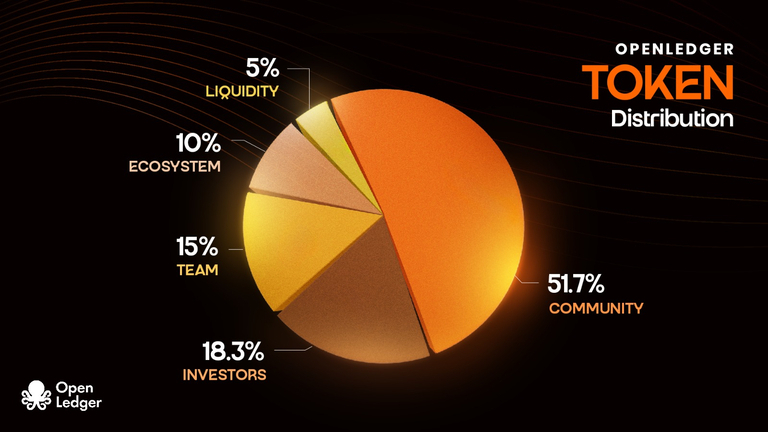
Die 61,71% Zuteilung für die Gemeinschaft und die Entwicklung des Ökosystems ist interessant. Es deutet auf einen langfristigen Fokus auf das Wachstum des Netzwerks hin, anstatt das Eigentum zu stark im Voraus zu konzentrieren.
Und ehrlich gesagt, da wird es interessanter.
Kann OpenLedger genügend echte KI-Aktivität generieren, um eine nachhaltige Nachfrage nach $OPEN zu schaffen? Werden KI-Entwickler dieses Ökosystem der konkurrierenden Infrastruktur vorziehen? Und wie effektiv werden die Ressourcen der Schatzkammer eingesetzt, um Entwickler und Beitragsleister anzuziehen?
Ich meine, tatsächlich könnte der Erfolg von Proof of Attribution einer der wichtigsten Faktoren hier sein. Datenbeitragsleister zu belohnen klingt verlockend, aber Attributionssysteme werden zunehmend schwierig, je mehr Netzwerke wachsen.
Ja, ich habe es gesagt.
Starke Nützlichkeit ist wichtig, aber die langfristige Nachhaltigkeit hängt oft von der Ausführung, den Governance-Entscheidungen, der Expansion des Ökosystems und der Frage ab, ob die Anreize auch Jahre später noch ausgerichtet bleiben.
OpenLedger hat eine interessante Grundlage geschaffen. Die größere Frage ist, ob die Nutzung des Netzwerks schließlich stark genug wird, um das wirtschaftliche Modell dahinter zu rechtfertigen.
Die Zeit wird es zeigen.. 👍
@OpenLedger #OpenLedger $OPEN
Wenn man sich die Tokenomics von OpenLedger anschaut, fällt als erstes auf, dass $OPEN direkt mit der Netzwerkaktivität verbunden ist. Er ist als Gas positioniert, die Zahlungsmethode für KI-Inferenz und Modellerstellung, sowie der Belohnungsmechanismus für Datenbeitragsleister durch Proof of Attribution.
Ja... auf dem Papier schafft das einen umfassenderen Anreizloop als viele KI-Token, die Schwierigkeiten haben, die Token-Nachfrage mit der tatsächlichen Nutzung zu verbinden.
Um es ganz einfach zu sagen: Die Idee ist, dass Entwickler, Validatoren, Beitragsleister und Nutzer alle innerhalb desselben wirtschaftlichen Systems agieren. Die Frage ist, ob diese Ausrichtung skalierbar ist, wenn die Akzeptanz wächst.
Die 61,71% Zuteilung für die Gemeinschaft und die Entwicklung des Ökosystems ist interessant. Es deutet auf einen langfristigen Fokus auf das Wachstum des Netzwerks hin, anstatt das Eigentum zu stark im Voraus zu konzentrieren.
Und ehrlich gesagt, da wird es interessanter.
Kann OpenLedger genügend echte KI-Aktivität generieren, um eine nachhaltige Nachfrage nach $OPEN zu schaffen? Werden KI-Entwickler dieses Ökosystem der konkurrierenden Infrastruktur vorziehen? Und wie effektiv werden die Ressourcen der Schatzkammer eingesetzt, um Entwickler und Beitragsleister anzuziehen?
Ich meine, tatsächlich könnte der Erfolg von Proof of Attribution einer der wichtigsten Faktoren hier sein. Datenbeitragsleister zu belohnen klingt verlockend, aber Attributionssysteme werden zunehmend schwierig, je mehr Netzwerke wachsen.
Ja, ich habe es gesagt.
Starke Nützlichkeit ist wichtig, aber die langfristige Nachhaltigkeit hängt oft von der Ausführung, den Governance-Entscheidungen, der Expansion des Ökosystems und der Frage ab, ob die Anreize auch Jahre später noch ausgerichtet bleiben.
OpenLedger hat eine interessante Grundlage geschaffen. Die größere Frage ist, ob die Nutzung des Netzwerks schließlich stark genug wird, um das wirtschaftliche Modell dahinter zu rechtfertigen.
Die Zeit wird es zeigen.. 👍
@OpenLedger #OpenLedger $OPEN
Bit_Rase
·
--
ECHTE FRAGE DER KI-WIRTSCHAFT: DATENBESITZ, WERTVERTEILUNG & OPENLEDGER’S ATTRIBUTIONSMODELL
Manchmal, wenn ich über OpenLedger nachdenke, kommt es mir so vor, als wäre das, was wir die „KI-Wirtschaft“ nennen, nicht wirklich etwas Neues..... Stattdessen ist es die alte Frage, die in neuer Form zurückkommt:
Wer besitzt eigentlich die Daten?
Denn die Art und Weise, wie wir KI heute sehen, sieht von außen aus wie ein sehr intelligentes, sehr schnelles, sehr magisches System. Aber wenn du hineinschaust, ist es so - irgendwo werden menschlich generierte Daten, Texte, Bilder, Gespräche, Verhaltensweisen... alles in kleine Stücke zerlegt, um Modelle zu trainieren. Und dann werden diese Modelle wieder zu Produkten riesiger Unternehmen und kommen auf den Markt. Hier bleibt eine unbequeme Frage - was haben die Menschen, die diese Daten erstellt haben, tatsächlich bekommen?
Wer besitzt eigentlich die Daten?
Denn die Art und Weise, wie wir KI heute sehen, sieht von außen aus wie ein sehr intelligentes, sehr schnelles, sehr magisches System. Aber wenn du hineinschaust, ist es so - irgendwo werden menschlich generierte Daten, Texte, Bilder, Gespräche, Verhaltensweisen... alles in kleine Stücke zerlegt, um Modelle zu trainieren. Und dann werden diese Modelle wieder zu Produkten riesiger Unternehmen und kommen auf den Markt. Hier bleibt eine unbequeme Frage - was haben die Menschen, die diese Daten erstellt haben, tatsächlich bekommen?
Bit_Rase
·
--
#bedrock $BR @Bedrock
Ich habe darüber nachgedacht, wie sich Bitcoin-Ertragsprodukte entwickeln, und Bedrocks Ansatz ist ein interessantes Beispiel dafür, wohin der Markt zu gehen scheint.
Ja, Erträge auf BTC zu generieren, hat immer attraktiv geklungen. Aber die eigentliche Frage ist, woher diese Erträge tatsächlich kommen und ob die Anreize über die Zeit nachhaltig bleiben.
Wenn ich es ganz einfach sage, versucht Bedrock, untätigen Bitcoin in ein produktives Asset durch mehrere Ertragsquellen zu verwandeln, während die Transparenz bezüglich der Renditen betont wird. Die Idee klingt einfach, aber die tiefere Frage ist, ob diversifizierte Ertragsströme ein widerstandsfähigeres Modell schaffen können, im Vergleich dazu, sich auf einen einzigen Anreizmechanismus zu verlassen.
Und ehrlich gesagt, Transparenz könnte hier einer der wichtigsten Faktoren sein. Viele Ertragsplattformen konzentrieren sich stark auf APY-Zahlen, während Nutzer oft weniger Zeit damit verbringen, die zugrunde liegende Risikostruktur zu verstehen.
Ich meine, tatsächlich hängt der langfristige Erfolg vielleicht weniger von den Erträgen selbst ab und mehr von der Akzeptanz des Ökosystems. Werden uniBTC, brBTC und zukünftige Vault-Produkte genug Liquidität anziehen, um Netzwerkeffekte zu erzeugen? Kann die Governance verantwortungsbewusst wachsen, während das Ökosystem sich entwickelt? Wie wird das Treasury-Management die Nachhaltigkeit in verschiedenen Marktzyklen unterstützen?
Ja, ich habe es gesagt. Hohe Erträge ziehen Nutzer an, aber nachhaltige Anreize halten sie.
Das Konzept hat Stärken, insbesondere in Bezug auf Kapitaleffizienz und Transparenz. Gleichzeitig bleiben die Abhängigkeit von externen Ertragsquellen, sich ändernde Marktbedingungen und die Ausrichtung der Anreize wichtige Bereiche, auf die man achten sollte.
Im Moment sieht das Modell nach einer Studie wert aus. Ob es eine dauerhafte Schicht für die Produktivität von Bitcoin wird oder einfach nur eine weitere zyklusgetriebene Gelegenheit ist, bleibt eine offene Frage.
Die Zeit wird es zeigen.. 👍
#bedrock @Bedrock $BR
Ich habe darüber nachgedacht, wie sich Bitcoin-Ertragsprodukte entwickeln, und Bedrocks Ansatz ist ein interessantes Beispiel dafür, wohin der Markt zu gehen scheint.
Ja, Erträge auf BTC zu generieren, hat immer attraktiv geklungen. Aber die eigentliche Frage ist, woher diese Erträge tatsächlich kommen und ob die Anreize über die Zeit nachhaltig bleiben.
Wenn ich es ganz einfach sage, versucht Bedrock, untätigen Bitcoin in ein produktives Asset durch mehrere Ertragsquellen zu verwandeln, während die Transparenz bezüglich der Renditen betont wird. Die Idee klingt einfach, aber die tiefere Frage ist, ob diversifizierte Ertragsströme ein widerstandsfähigeres Modell schaffen können, im Vergleich dazu, sich auf einen einzigen Anreizmechanismus zu verlassen.
Und ehrlich gesagt, Transparenz könnte hier einer der wichtigsten Faktoren sein. Viele Ertragsplattformen konzentrieren sich stark auf APY-Zahlen, während Nutzer oft weniger Zeit damit verbringen, die zugrunde liegende Risikostruktur zu verstehen.
Ich meine, tatsächlich hängt der langfristige Erfolg vielleicht weniger von den Erträgen selbst ab und mehr von der Akzeptanz des Ökosystems. Werden uniBTC, brBTC und zukünftige Vault-Produkte genug Liquidität anziehen, um Netzwerkeffekte zu erzeugen? Kann die Governance verantwortungsbewusst wachsen, während das Ökosystem sich entwickelt? Wie wird das Treasury-Management die Nachhaltigkeit in verschiedenen Marktzyklen unterstützen?
Ja, ich habe es gesagt. Hohe Erträge ziehen Nutzer an, aber nachhaltige Anreize halten sie.
Das Konzept hat Stärken, insbesondere in Bezug auf Kapitaleffizienz und Transparenz. Gleichzeitig bleiben die Abhängigkeit von externen Ertragsquellen, sich ändernde Marktbedingungen und die Ausrichtung der Anreize wichtige Bereiche, auf die man achten sollte.
Im Moment sieht das Modell nach einer Studie wert aus. Ob es eine dauerhafte Schicht für die Produktivität von Bitcoin wird oder einfach nur eine weitere zyklusgetriebene Gelegenheit ist, bleibt eine offene Frage.
Die Zeit wird es zeigen.. 👍
#bedrock @Bedrock $BR
Bit_Rase
·
--
Als ich zum ersten Mal von #Genius las, schien es wie ein einfacher Meilenstein…… aber dann hält man einen Moment inne und denkt nach :
Was ändert sich hier wirklich ?
Was ich sehe : Unterstützt von Anchorage Digital und Falcon Finance, sieht fUSD auf dem Papier als GENIUS-bereite USD-Stablecoin ziemlich schick aus. Institutionelle Verwahrung via Ceffu, eine Ertragsstruktur von rund 3% für berechtigte Inhaber….. es scheint alles ziemlich schick zu sein. Angesichts der Fragmentierung von DeFi ist es fast übertrieben schick. Denn die eigentliche Frage dreht sich nicht um die Liste der Partnerschaften. Die Frage ist, wird es einen Unterschied im Fluss der Liquidität oder im Trading-Erlebnis der Nutzer über die Systeme hinweg machen. Stablecoins sind bereits überall, also :
Was ist an dieser Schicht über das Compliance-Rahmenwerk hinaus anders ?
Vielleicht ist der interessantere Aspekt nicht der Token selbst, sondern der Versuch, von Anfang an im regulatorischen Rahmen zu agieren. Die Einhaltung des GENIUS-Gesetzes gab ihm einen anderen Ausgangspunkt - näher an der institutionellen Nutzung als am Testen im Einzelhandel. Dieser Teil scheint absichtlich zu sein. Trotzdem komme ich immer wieder auf den fragmentierten Zustand der Nutzererfahrung und Liquidität zurück. Wenn Nutzer durch mehrere Schichten, Verwahrer und Protokolle navigieren müssen, nur um einfache Aufgaben auszuführen, hat das System wirklich nichts vereinfacht - es hat nur die Komplexität neu angeordnet.
Also ja, es ist ein Schritt nach vorne..... aber ob es strukturell oder nur eine infrastrukturelle Neukonfiguration ist, bleibt unklar. Vielleicht werden wir das erst verstehen, nachdem es im großen Maßstab verwendet wird - 100%🚀
@GeniusOfficial #genius $GENIUS
Was ändert sich hier wirklich ?
Was ich sehe : Unterstützt von Anchorage Digital und Falcon Finance, sieht fUSD auf dem Papier als GENIUS-bereite USD-Stablecoin ziemlich schick aus. Institutionelle Verwahrung via Ceffu, eine Ertragsstruktur von rund 3% für berechtigte Inhaber….. es scheint alles ziemlich schick zu sein. Angesichts der Fragmentierung von DeFi ist es fast übertrieben schick. Denn die eigentliche Frage dreht sich nicht um die Liste der Partnerschaften. Die Frage ist, wird es einen Unterschied im Fluss der Liquidität oder im Trading-Erlebnis der Nutzer über die Systeme hinweg machen. Stablecoins sind bereits überall, also :
Was ist an dieser Schicht über das Compliance-Rahmenwerk hinaus anders ?
Vielleicht ist der interessantere Aspekt nicht der Token selbst, sondern der Versuch, von Anfang an im regulatorischen Rahmen zu agieren. Die Einhaltung des GENIUS-Gesetzes gab ihm einen anderen Ausgangspunkt - näher an der institutionellen Nutzung als am Testen im Einzelhandel. Dieser Teil scheint absichtlich zu sein. Trotzdem komme ich immer wieder auf den fragmentierten Zustand der Nutzererfahrung und Liquidität zurück. Wenn Nutzer durch mehrere Schichten, Verwahrer und Protokolle navigieren müssen, nur um einfache Aufgaben auszuführen, hat das System wirklich nichts vereinfacht - es hat nur die Komplexität neu angeordnet.
Also ja, es ist ein Schritt nach vorne..... aber ob es strukturell oder nur eine infrastrukturelle Neukonfiguration ist, bleibt unklar. Vielleicht werden wir das erst verstehen, nachdem es im großen Maßstab verwendet wird - 100%🚀
@GeniusOfficial #genius $GENIUS


MAYA_
·
--
Bullisch#genius $GENIUS @GeniusOfficial
Ehrlich gesagt: Manchmal denke ich, dass das größte Problem mit DeFi nicht der Mangel an neuen Funktionen ist, sondern vielmehr die Tatsache, dass alles verstreut ist, wie zum Beispiel:
Liquidität an einem Ort.
Nutzer an einem anderen.
Ausführung an einem anderen.
Als ich also von $GENIUS las, war meine erste Aufmerksamkeit nicht auf dem Token, sondern darauf, welches Problem @GeniusOfficial Terminal zu lösen versucht. Die Idee der Liquiditätsaggregation aus 150+ DEXs ist interessant. Denn die meisten Trader wollen sich eigentlich nicht damit beschäftigen, welche Blockchain Liquidität hat, sie wollen einfach die beste Ausführung. Wenn der Aufwand für den Kettenwechsel oder manuelles Bridging reduziert werden kann, könnte sich die Nutzererfahrung erheblich ändern. Und ich dachte auch über die Ghost Orders-Funktion nach - das hat mich wirklich zum Nachdenken gebracht. On-Chain-Transparenz wird normalerweise als Stärke von DeFi angesehen, kann aber für große Trader manchmal zu einer Schwäche werden. Wenn die Auftragsausführung im Hintergrund verteilt werden kann, könnte der Marktimpact oder unerwünschtes Tracking etwas reduziert werden. Zumindest zeigt die Idee auf ein echtes Problem hin. Der GeniusFi PropAMM-Aspekt ist ebenfalls nicht schlecht. Es reicht nicht aus, nur Liquidität anzuziehen, es ist auch wichtig, sie effizient zu nutzen. Wenn man sich die Geschichte von DeFi ansieht, kann man erkennen, dass die Fragmentierung von Liquidität das Wachstum des Ökosystems erheblich verlangsamt. Aber hier ist die eigentliche Frage. Adoption kommt nicht nur, weil die Technologie beeindruckend ist. Liquidität, Nutzer, Volumen und konsistente Aktivität - alles muss zusammen wachsen. $GENIUS befindet sich jetzt an einem Punkt, an dem die Vision ziemlich klar ist. Jetzt bleibt abzuwarten, ob diese Infrastruktur im Einklang mit der realen Nutzer-Nachfrage skalieren kann oder ob sie wie viele ehrgeizige DeFi-Projekte auf halbem Weg an Schwung verliert - schauen wir mal 🚀
Ehrlich gesagt: Manchmal denke ich, dass das größte Problem mit DeFi nicht der Mangel an neuen Funktionen ist, sondern vielmehr die Tatsache, dass alles verstreut ist, wie zum Beispiel:
Liquidität an einem Ort.
Nutzer an einem anderen.
Ausführung an einem anderen.
Als ich also von $GENIUS las, war meine erste Aufmerksamkeit nicht auf dem Token, sondern darauf, welches Problem @GeniusOfficial Terminal zu lösen versucht. Die Idee der Liquiditätsaggregation aus 150+ DEXs ist interessant. Denn die meisten Trader wollen sich eigentlich nicht damit beschäftigen, welche Blockchain Liquidität hat, sie wollen einfach die beste Ausführung. Wenn der Aufwand für den Kettenwechsel oder manuelles Bridging reduziert werden kann, könnte sich die Nutzererfahrung erheblich ändern. Und ich dachte auch über die Ghost Orders-Funktion nach - das hat mich wirklich zum Nachdenken gebracht. On-Chain-Transparenz wird normalerweise als Stärke von DeFi angesehen, kann aber für große Trader manchmal zu einer Schwäche werden. Wenn die Auftragsausführung im Hintergrund verteilt werden kann, könnte der Marktimpact oder unerwünschtes Tracking etwas reduziert werden. Zumindest zeigt die Idee auf ein echtes Problem hin. Der GeniusFi PropAMM-Aspekt ist ebenfalls nicht schlecht. Es reicht nicht aus, nur Liquidität anzuziehen, es ist auch wichtig, sie effizient zu nutzen. Wenn man sich die Geschichte von DeFi ansieht, kann man erkennen, dass die Fragmentierung von Liquidität das Wachstum des Ökosystems erheblich verlangsamt. Aber hier ist die eigentliche Frage. Adoption kommt nicht nur, weil die Technologie beeindruckend ist. Liquidität, Nutzer, Volumen und konsistente Aktivität - alles muss zusammen wachsen. $GENIUS befindet sich jetzt an einem Punkt, an dem die Vision ziemlich klar ist. Jetzt bleibt abzuwarten, ob diese Infrastruktur im Einklang mit der realen Nutzer-Nachfrage skalieren kann oder ob sie wie viele ehrgeizige DeFi-Projekte auf halbem Weg an Schwung verliert - schauen wir mal 🚀
MAYA_
·
--
#openledger $OPEN
Ich habe über @OpenLedger gelesen, und eine Sache kommt mir immer wieder in den Sinn..... Die am meisten unterbewertete Schicht im KI-Sektor ist wahrscheinlich nicht das Modell, sondern das Datenbesitz. Denn alle reden über den KI-Output, aber woher kommen die Daten, wer trägt dazu bei, und wem kommt der Wert tatsächlich zugute, dieser Teil bleibt weitgehend unsichtbar.
Um ehrlich zu sein :
Die gesamte Thesis von $OPEN scheint zu versuchen, diesen Bereich herauszufordern. Ihr Datanets-Konzept ist interessant. Es werden gemeinschaftlich besessene Datensätze erstellt, Modelltraining wird durchgeführt, und dann versuchen sie durch Proof of Attribution nachzuvollziehen, welche Daten tatsächlich einen Einfluss auf den Modell-Output haben. Es klingt gut in der Theorie, aber ehrlich gesagt, die Ausführung ist der wahre Test. Attribution Claims sind einfach, aber sie genau zu beweisen, ist viel schwieriger. Allerdings kommt mir eine Sache in den Sinn. @OpenLedger versucht nicht nur, die KI-Narrative durch die Einführung von Tokens einzufangen, sondern versucht vielmehr, die Datenebene, die Modellebene, die Inferenzebene - alles in ein Ökosystem zu bringen, wie z.B.:
OpenLoRA.
ModelFactory.
On-chain Rewards.
AI-Agent-Infrastruktur.
All das zusammen scheint darauf hinzudeuten, dass sie versuchen, die KI-Ökonomie aus einer besitzzentrierten Perspektive neu aufzubauen. Die Partnerschaft mit Pundi AI scheint aus diesem Grund relevant zu sein. Wenn die Datenerstellung und die Modelausbringung im selben ökonomischen Kreislauf sind, dann gibt es eine Chance, einen Ökosystem-Effekt zu erzeugen. Aber hier kommt eine Pause. Das größte Problem bei KI-Projekten ist nicht die Technologie, sondern die Adoption. Tausende von Protokollen wurden mit starken Visionen gestartet, aber die echte Nutzung ist nicht gekommen. Im Fall von $OPEN scheint die Frage nicht die Technologie zu sein. Die Frage ist :
Wollen die Leute wirklich für Datenbeiträge, Attribution und dezentralen KI-Besitz bezahlen ?
Wenn die Antwort "ja" ist, dann wird @OpenLedger nicht nur ein weiterer KI-Token sein. Und wenn die Adoption nicht kommt, dann verstummt selbst die stärkste Infrastruktur oft - naja, die Zeit wird es zeigen🚀
Ich habe über @OpenLedger gelesen, und eine Sache kommt mir immer wieder in den Sinn..... Die am meisten unterbewertete Schicht im KI-Sektor ist wahrscheinlich nicht das Modell, sondern das Datenbesitz. Denn alle reden über den KI-Output, aber woher kommen die Daten, wer trägt dazu bei, und wem kommt der Wert tatsächlich zugute, dieser Teil bleibt weitgehend unsichtbar.
Um ehrlich zu sein :
Die gesamte Thesis von $OPEN scheint zu versuchen, diesen Bereich herauszufordern. Ihr Datanets-Konzept ist interessant. Es werden gemeinschaftlich besessene Datensätze erstellt, Modelltraining wird durchgeführt, und dann versuchen sie durch Proof of Attribution nachzuvollziehen, welche Daten tatsächlich einen Einfluss auf den Modell-Output haben. Es klingt gut in der Theorie, aber ehrlich gesagt, die Ausführung ist der wahre Test. Attribution Claims sind einfach, aber sie genau zu beweisen, ist viel schwieriger. Allerdings kommt mir eine Sache in den Sinn. @OpenLedger versucht nicht nur, die KI-Narrative durch die Einführung von Tokens einzufangen, sondern versucht vielmehr, die Datenebene, die Modellebene, die Inferenzebene - alles in ein Ökosystem zu bringen, wie z.B.:
OpenLoRA.
ModelFactory.
On-chain Rewards.
AI-Agent-Infrastruktur.
All das zusammen scheint darauf hinzudeuten, dass sie versuchen, die KI-Ökonomie aus einer besitzzentrierten Perspektive neu aufzubauen. Die Partnerschaft mit Pundi AI scheint aus diesem Grund relevant zu sein. Wenn die Datenerstellung und die Modelausbringung im selben ökonomischen Kreislauf sind, dann gibt es eine Chance, einen Ökosystem-Effekt zu erzeugen. Aber hier kommt eine Pause. Das größte Problem bei KI-Projekten ist nicht die Technologie, sondern die Adoption. Tausende von Protokollen wurden mit starken Visionen gestartet, aber die echte Nutzung ist nicht gekommen. Im Fall von $OPEN scheint die Frage nicht die Technologie zu sein. Die Frage ist :
Wollen die Leute wirklich für Datenbeiträge, Attribution und dezentralen KI-Besitz bezahlen ?
Wenn die Antwort "ja" ist, dann wird @OpenLedger nicht nur ein weiterer KI-Token sein. Und wenn die Adoption nicht kommt, dann verstummt selbst die stärkste Infrastruktur oft - naja, die Zeit wird es zeigen🚀

MAYA_
·
--
IST DIE ZUKUNFT DER KI EIN MODELLE ÜBER EIGENTUM? | EINIGE SELTSAME GEDANKEN BEIM LESEN VON OPENLEDGER
Um ehrlich zu sein: Einige Projekte machen von der ersten Sekunde an offensichtlich, was sie zu tun versuchen. @OpenLedger fühlte sich für mich nicht wie eines davon an.
Eigentlich ganz im Gegenteil.
Je öfter ich das Whitepaper geöffnet habe, desto mehr hatte ich das Gefühl, ein Problem zu lesen, anstatt ein Projekt. Und das Interessante ist, dass das Problem nicht KI ist. Zumindest nicht direkt.
Weil jetzt jeder über KI redet. Neue Modelle, neue Agenten, Inferenzkosten, GPUs, Skalierung.... es gibt endlose Diskussionen darüber. Aber es gibt einen Punkt, an dem die gesamte Branche plötzlich seltsam still wird.
Eigentlich ganz im Gegenteil.
Je öfter ich das Whitepaper geöffnet habe, desto mehr hatte ich das Gefühl, ein Problem zu lesen, anstatt ein Projekt. Und das Interessante ist, dass das Problem nicht KI ist. Zumindest nicht direkt.
Weil jetzt jeder über KI redet. Neue Modelle, neue Agenten, Inferenzkosten, GPUs, Skalierung.... es gibt endlose Diskussionen darüber. Aber es gibt einen Punkt, an dem die gesamte Branche plötzlich seltsam still wird.

Spectre BTC
·
--
In der letzten Woche habe ich die Kreditvergabe-Funktion eines Junior-Entwicklers überprüft. Der Ablauf umfasste einen manuellen Schritt: Benutzer reichen verifizierte Daten ein → Admin überprüft → Admin genehmigt → Benutzer erhält Zugang.
Ich fragte ihn: „Wenn die Daten bereits verifiziert sind, warum brauchen wir dann noch eine Überprüfung durch den Admin?“
Er hielt inne – und hatte keine überzeugende Antwort 😅
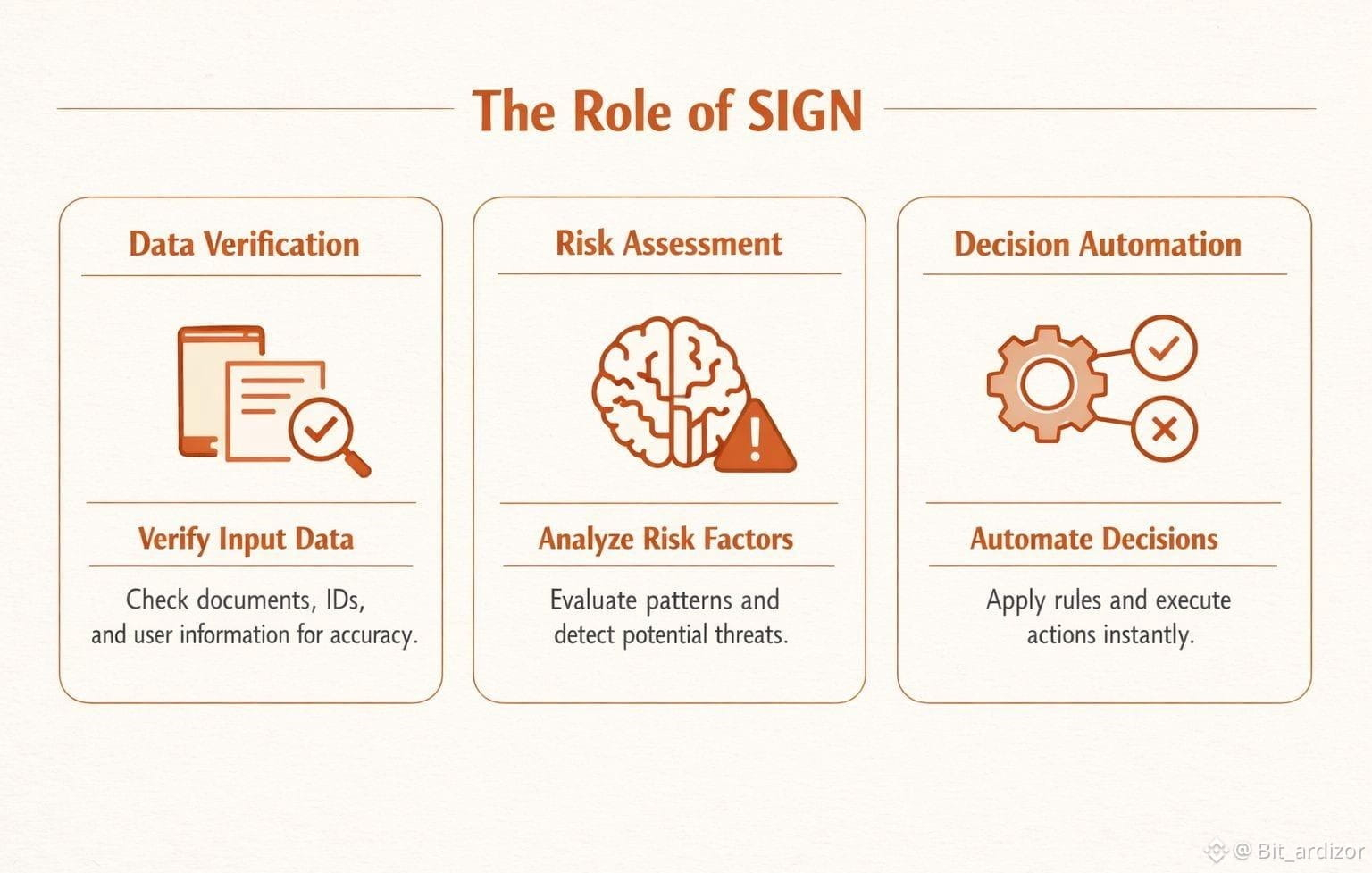
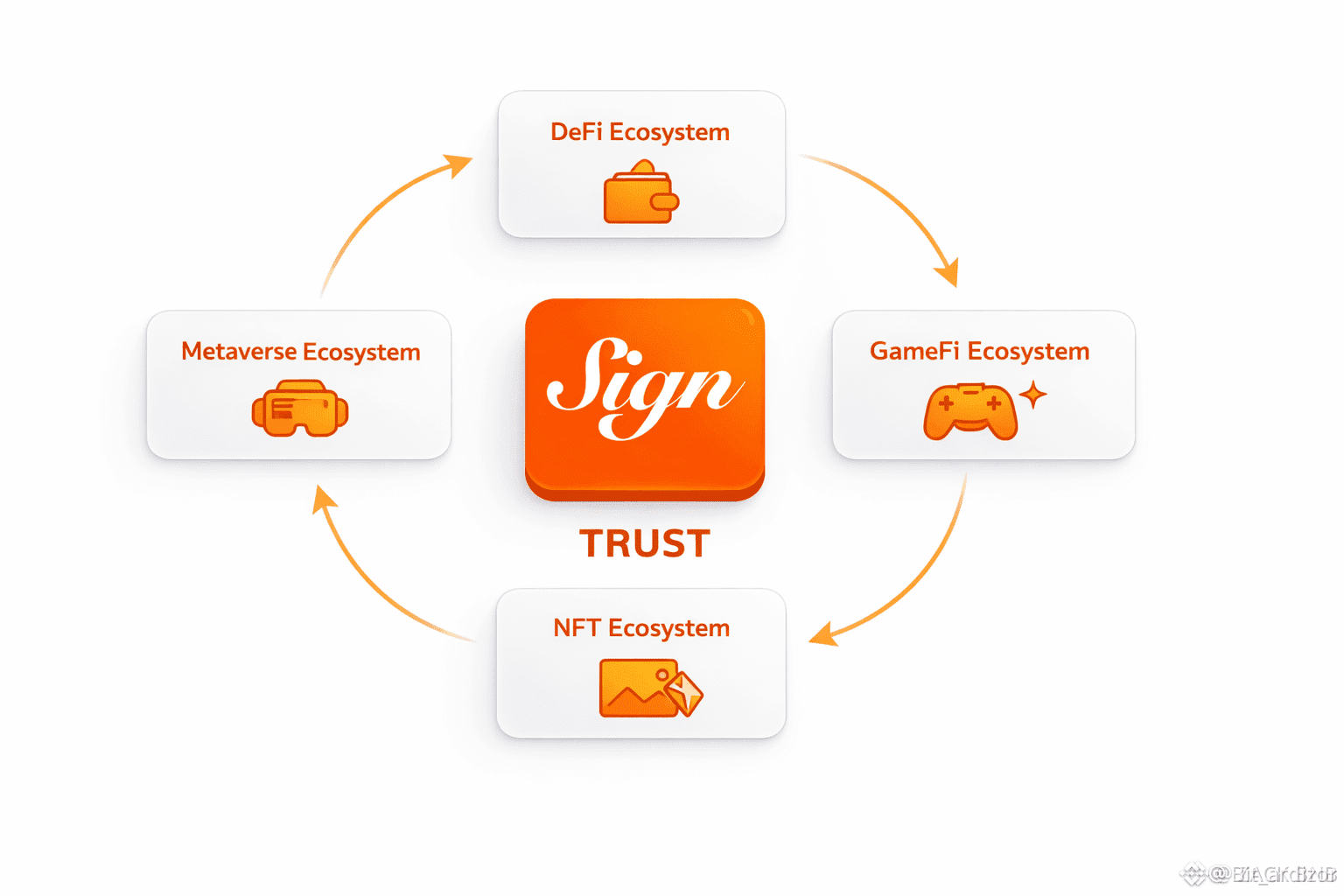
Genau das ist die Lücke, die $SIGN auf sehr praktische Weise schließt.
Die Verifizierung ist nur der Ausgangspunkt. Der wahre Wert ergibt sich aus der Automatisierung von Entscheidungen basierend auf verifizierten Daten.
Hier stechen die Schema-Hooks von Sign hervor. Anstatt nur als Attestierungsregister zu fungieren, ermöglicht es Sign, dass benutzerdefinierte Solidity-Logik automatisch ausgeführt wird, wann immer eine Attestierung erstellt, aktualisiert oder widerrufen wird.
Anstatt sich auf manuelle Prozesse zu verlassen:
Eine gültige KYC-Attestierung kann automatisch die Genehmigung eines Kredits auslösen
Das Erreichen eines Kreditlimits kann die Zinssätze dynamisch anpassen
Eine abgelaufene Compliance-Attestierung kann sofort den Zugang widerrufen
Keine Admin-Überprüfungen. Keine Off-Chain-Listener. Kein zentralisiertes Backend.
Sign verifiziert nicht nur Daten – es ermöglicht Anwendungen, automatisch auf diese Daten zuzugreifen, basierend auf vordefinierter Logik.
@SignOfficial #SignDigitalSovereignInfra $SIGN
Ich fragte ihn: „Wenn die Daten bereits verifiziert sind, warum brauchen wir dann noch eine Überprüfung durch den Admin?“
Er hielt inne – und hatte keine überzeugende Antwort 😅
Genau das ist die Lücke, die $SIGN auf sehr praktische Weise schließt.
Die Verifizierung ist nur der Ausgangspunkt. Der wahre Wert ergibt sich aus der Automatisierung von Entscheidungen basierend auf verifizierten Daten.
Hier stechen die Schema-Hooks von Sign hervor. Anstatt nur als Attestierungsregister zu fungieren, ermöglicht es Sign, dass benutzerdefinierte Solidity-Logik automatisch ausgeführt wird, wann immer eine Attestierung erstellt, aktualisiert oder widerrufen wird.
Anstatt sich auf manuelle Prozesse zu verlassen:
Eine gültige KYC-Attestierung kann automatisch die Genehmigung eines Kredits auslösen
Das Erreichen eines Kreditlimits kann die Zinssätze dynamisch anpassen
Eine abgelaufene Compliance-Attestierung kann sofort den Zugang widerrufen
Keine Admin-Überprüfungen. Keine Off-Chain-Listener. Kein zentralisiertes Backend.
Sign verifiziert nicht nur Daten – es ermöglicht Anwendungen, automatisch auf diese Daten zuzugreifen, basierend auf vordefinierter Logik.
@SignOfficial #SignDigitalSovereignInfra $SIGN
Spectre BTC
·
--
Was bricht tatsächlich zuerst in einem Visasystem… Vertrauen oder der Prozess?
Ich habe darüber auf sehr praktische Weise nachgedacht, nicht als Theorie, sondern als jemand, der den Friktionen ausgesetzt war. Du stehst früh auf, sammelst Dokumente, überprüfst alles doppelt, stehst in Warteschlangen, gehst mit Menschen um, die möglicherweise klare Antworten haben oder auch nicht, und selbst nach alledem bist du dir nicht sicher, wo dein Antrag steht. Wenn also ein e-Visum-System verspricht, all dies zu vereinfachen, ist die eigentliche Frage nicht „Ist es digital?“ - sondern „Reduziert es tatsächlich die Unsicherheit?“
Bit_Rase
·
--
Vor ein paar Tagen bin ich plötzlich auf das Sign Protocol gestoßen… und ehrlich gesagt, konnte ich zuerst nicht ganz begreifen, was es war. Um ehrlich zu sein, lag mein Fokus zu diesem Zeitpunkt woanders – Preis, Liquidität, Transaktionsgeschwindigkeit… diese üblichen Dinge. Ich sah auch, was alle anderen sahen. Aber nach einer Weile hatte ich das Gefühl, dass mir etwas fehlte. Ich stellte allmählich fest, dass wir nicht tatsächlich am Preis arbeiteten, sondern am Verhalten.
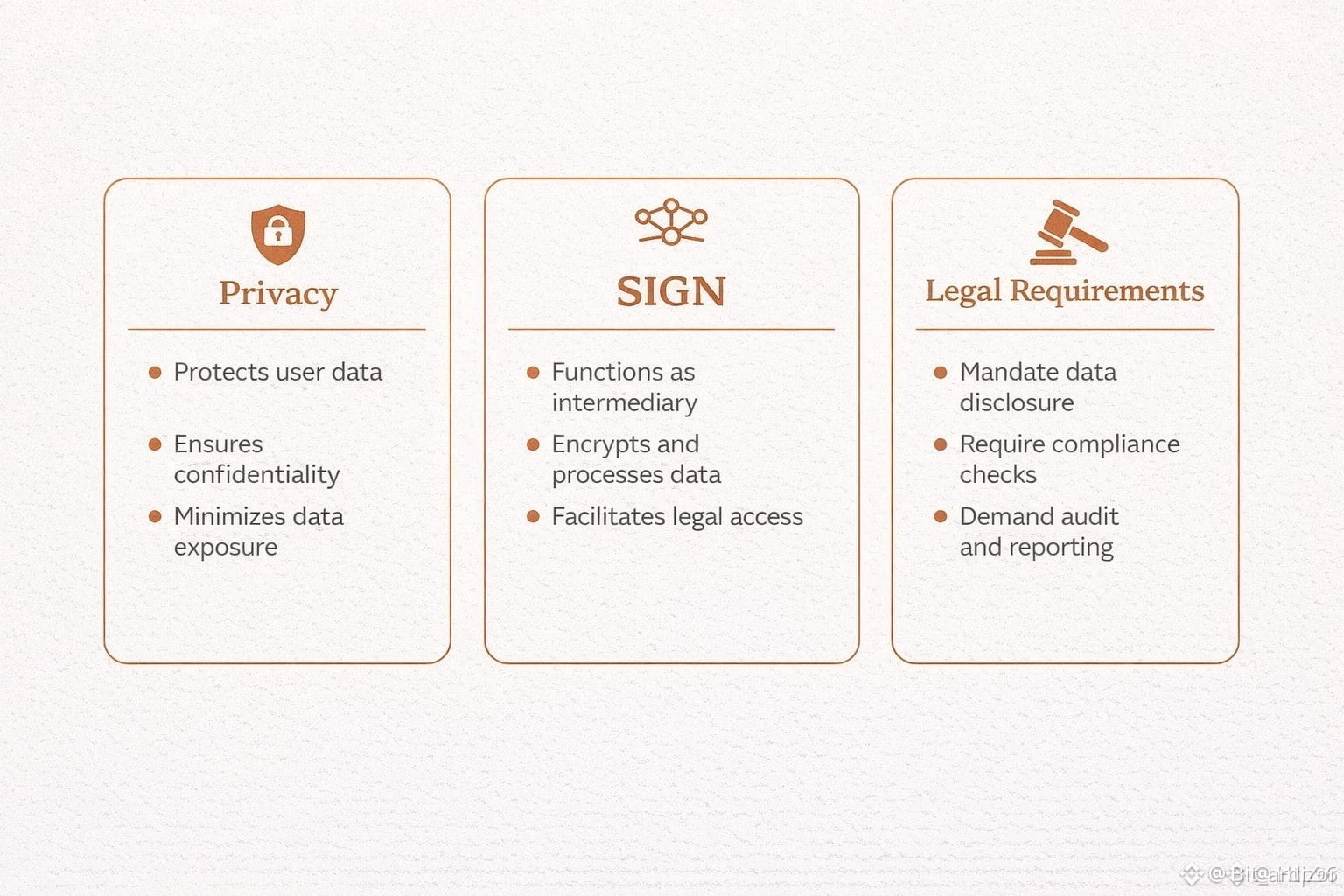
Die Art und Weise, wie wir jetzt Entscheidungen im Krypto-Bereich treffen – ehrlich gesagt, es ist größtenteils ein Ratespiel. Ich sah Screenshots, ich sah Hype, jemand sagte „demnächst“ – wir dachten nicht, dass es geschehen würde. Das Lustige ist, während wir ein vertrauenswürdiges System aufbauen, stehen wir wieder auf Vertrauen, oder? Sign stellt hier eine leicht unangenehme Frage – wenn du es nicht glaubst, kannst du dann eine Entscheidung auf der Grundlage von Beweisen treffen? Es klingt einfach… aber die Auswirkungen sind enorm. Es bedeutet, dass jede Zahlung, jeder Zugang, jede Belohnung – diese werden nur stattfinden, wenn es einen Beweis gibt. Es bedeutet nicht, dass jemand etwas gesagt hat… es bedeutet, dass etwas passiert ist. Ich finde diesen Wandel interessant. Denn er bringt uns von der Erzählung zum Ergebnis. Aber wieder stecke ich an einem Punkt fest – wer definiert den Beweis? Wenn die Beweisebene nicht neutral ist, kann das System selbst dann voreingenommen werden, wenn es technisch korrekt ist. Eine weitere Sache – Kosten. Wenn du alles verifizieren musst, wird die Berechnung zunehmen. ZKP ist noch nicht billig. Es wird Kompromisse geben, wenn es um die Skalierung geht. Also bin ich noch nicht vollends überzeugt. Aber es ist auch nicht wert, ignoriert zu werden. Denn die Richtung ist echt.
Ich meine tatsächlich…
Krypto versucht vielleicht endlich, sich von „Glauben“ zu „Verifizierbarkeit“ zu bewegen.
Der Rest… die Ausführung wird es zeigen🚀
@SignOfficial $SIGN #SignDigitalSovereignInfra
Die Art und Weise, wie wir jetzt Entscheidungen im Krypto-Bereich treffen – ehrlich gesagt, es ist größtenteils ein Ratespiel. Ich sah Screenshots, ich sah Hype, jemand sagte „demnächst“ – wir dachten nicht, dass es geschehen würde. Das Lustige ist, während wir ein vertrauenswürdiges System aufbauen, stehen wir wieder auf Vertrauen, oder? Sign stellt hier eine leicht unangenehme Frage – wenn du es nicht glaubst, kannst du dann eine Entscheidung auf der Grundlage von Beweisen treffen? Es klingt einfach… aber die Auswirkungen sind enorm. Es bedeutet, dass jede Zahlung, jeder Zugang, jede Belohnung – diese werden nur stattfinden, wenn es einen Beweis gibt. Es bedeutet nicht, dass jemand etwas gesagt hat… es bedeutet, dass etwas passiert ist. Ich finde diesen Wandel interessant. Denn er bringt uns von der Erzählung zum Ergebnis. Aber wieder stecke ich an einem Punkt fest – wer definiert den Beweis? Wenn die Beweisebene nicht neutral ist, kann das System selbst dann voreingenommen werden, wenn es technisch korrekt ist. Eine weitere Sache – Kosten. Wenn du alles verifizieren musst, wird die Berechnung zunehmen. ZKP ist noch nicht billig. Es wird Kompromisse geben, wenn es um die Skalierung geht. Also bin ich noch nicht vollends überzeugt. Aber es ist auch nicht wert, ignoriert zu werden. Denn die Richtung ist echt.
Ich meine tatsächlich…
Krypto versucht vielleicht endlich, sich von „Glauben“ zu „Verifizierbarkeit“ zu bewegen.
Der Rest… die Ausführung wird es zeigen🚀
@SignOfficial $SIGN #SignDigitalSovereignInfra
Spectre BTC
·
--
Von Gatekeepern zu verifizierbarem Vertrauen - Die stille Evolution der e-Visa-Systeme
Ich habe in letzter Zeit viel darüber nachgedacht, während ich mich mit e-Visa-Systemen beschäftigt habe. Auf der Oberfläche klingt es nach einem weiteren digitalen Upgrade – Formulare wurden online verschoben, Dokumente hochgeladen, Genehmigungen automatisiert. Aber wenn man tatsächlich damit sitzt, ist der Wandel tiefer als das. Es geht nicht nur um Digitalisierung. Es ist ein leises Redesign, wie Vertrauen zwischen Menschen und Institutionen funktioniert.
Und ehrlich gesagt...
Traditionell war die Ausstellung von Visa immer aufwendig. Nicht nur im Prozess, sondern auch in der Struktur. Man sammelt Dokumente, steht in Warteschlangen, hat mit Vermittlern zu tun und verlässt sich auf eine Kette von Genehmigungen, die man nie wirklich sieht. Selbst als Länder e-Visa-Portale einführten, haben die meisten einfach dieselbe zentralisierte Logik online repliziert. Die Oberfläche änderte sich, aber die darunterliegende Architektur blieb gleich. Ein System besitzt alles, kontrolliert alles, und man hofft einfach, dass es funktioniert, wenn man es braucht.
Und ehrlich gesagt...
Traditionell war die Ausstellung von Visa immer aufwendig. Nicht nur im Prozess, sondern auch in der Struktur. Man sammelt Dokumente, steht in Warteschlangen, hat mit Vermittlern zu tun und verlässt sich auf eine Kette von Genehmigungen, die man nie wirklich sieht. Selbst als Länder e-Visa-Portale einführten, haben die meisten einfach dieselbe zentralisierte Logik online repliziert. Die Oberfläche änderte sich, aber die darunterliegende Architektur blieb gleich. Ein System besitzt alles, kontrolliert alles, und man hofft einfach, dass es funktioniert, wenn man es braucht.
MAYA_
·
--
Bullisch#signdigitalsovereigninfra $SIGN
Seit einiger Zeit beschäftige ich mich immer wieder mit derselben Frage… Wie real ist dieses „programmierbare Geld“ und wie viel ist ein Konzept? Es scheint ein wenig seltsam zu sein, darüber nachzudenken, wie die staatliche Finanzierung zuvor war. Geld wurde gesendet… aber was danach passierte – ob die richtigen Personen es bekamen, ob es richtig verwendet wurde – dieser Teil ist fast ein blinder Fleck. Es gab Vertrauen, aber keine Struktur zur Überprüfung. @SignOfficial betrachtet das hier ein wenig anders. Sie sagen im Grunde – Geld selbst ist nichts, wenn Bedingungen daran geknüpft werden können, kann ein Nachweis angehängt werden – dann ist es schlau. Ich meine, nehmen wir an, jemand erhält einen Zuschuss. Früher gab es nur eine Liste – wer ihn bekommen wird. Jetzt sagen sie, nein… zuerst beweisen, ob Sie berechtigt sind. Nicht nur ID – Aktivität, Geschichte, Beitrag – diese können auch zählen. Eine etwas tiefere Schicht. Dann der eigentliche Punkt – Bedingung. Geld wird nur freigegeben, wenn der Nachweis kommt. Zum Beispiel, wenn der Landwirt wirklich den Dünger erhalten hat, wenn das nicht bezeugt wird, wird das Geld nicht freigegeben. Hier bewegen sich Politik und Zahlung zusammen. Aber hier kommt ein Gedanke… wer gibt diesen Nachweis? Wer validiert? Denn wenn die Überprüfungsschicht nicht vertrauenswürdig ist, wird das gesamte System wieder an denselben Punkt zurückkehren. Eine weitere interessante Sache - Zeitkontrolle. Wenn Geld übrig bleibt, wird es ablaufen oder zurückgezogen. Klingt effizient… aber sind wirklich alle Szenarien so sauber?
Am Ende scheint es mir –
@SignOfficial baut nicht nur ein Zahlungssystem, sondern versucht vielmehr, Entscheidungslogik zu kodieren. Die Idee ist ziemlich stark. Aber die Umsetzung… insbesondere Vertrauen und Kosten - diese beiden Bereiche werden der echte Test sein🚀
Seit einiger Zeit beschäftige ich mich immer wieder mit derselben Frage… Wie real ist dieses „programmierbare Geld“ und wie viel ist ein Konzept? Es scheint ein wenig seltsam zu sein, darüber nachzudenken, wie die staatliche Finanzierung zuvor war. Geld wurde gesendet… aber was danach passierte – ob die richtigen Personen es bekamen, ob es richtig verwendet wurde – dieser Teil ist fast ein blinder Fleck. Es gab Vertrauen, aber keine Struktur zur Überprüfung. @SignOfficial betrachtet das hier ein wenig anders. Sie sagen im Grunde – Geld selbst ist nichts, wenn Bedingungen daran geknüpft werden können, kann ein Nachweis angehängt werden – dann ist es schlau. Ich meine, nehmen wir an, jemand erhält einen Zuschuss. Früher gab es nur eine Liste – wer ihn bekommen wird. Jetzt sagen sie, nein… zuerst beweisen, ob Sie berechtigt sind. Nicht nur ID – Aktivität, Geschichte, Beitrag – diese können auch zählen. Eine etwas tiefere Schicht. Dann der eigentliche Punkt – Bedingung. Geld wird nur freigegeben, wenn der Nachweis kommt. Zum Beispiel, wenn der Landwirt wirklich den Dünger erhalten hat, wenn das nicht bezeugt wird, wird das Geld nicht freigegeben. Hier bewegen sich Politik und Zahlung zusammen. Aber hier kommt ein Gedanke… wer gibt diesen Nachweis? Wer validiert? Denn wenn die Überprüfungsschicht nicht vertrauenswürdig ist, wird das gesamte System wieder an denselben Punkt zurückkehren. Eine weitere interessante Sache - Zeitkontrolle. Wenn Geld übrig bleibt, wird es ablaufen oder zurückgezogen. Klingt effizient… aber sind wirklich alle Szenarien so sauber?
Am Ende scheint es mir –
@SignOfficial baut nicht nur ein Zahlungssystem, sondern versucht vielmehr, Entscheidungslogik zu kodieren. Die Idee ist ziemlich stark. Aber die Umsetzung… insbesondere Vertrauen und Kosten - diese beiden Bereiche werden der echte Test sein🚀

MAYA_
·
--
Bullisch#signdigitalsovereigninfra $SIGN
Seit einiger Zeit beschäftige ich mich immer wieder mit derselben Frage… Wie real ist dieses „programmierbare Geld“ und wie viel ist ein Konzept? Es scheint ein wenig seltsam zu sein, darüber nachzudenken, wie die staatliche Finanzierung zuvor war. Geld wurde gesendet… aber was danach passierte – ob die richtigen Personen es bekamen, ob es richtig verwendet wurde – dieser Teil ist fast ein blinder Fleck. Es gab Vertrauen, aber keine Struktur zur Überprüfung. @SignOfficial betrachtet das hier ein wenig anders. Sie sagen im Grunde – Geld selbst ist nichts, wenn Bedingungen daran geknüpft werden können, kann ein Nachweis angehängt werden – dann ist es schlau. Ich meine, nehmen wir an, jemand erhält einen Zuschuss. Früher gab es nur eine Liste – wer ihn bekommen wird. Jetzt sagen sie, nein… zuerst beweisen, ob Sie berechtigt sind. Nicht nur ID – Aktivität, Geschichte, Beitrag – diese können auch zählen. Eine etwas tiefere Schicht. Dann der eigentliche Punkt – Bedingung. Geld wird nur freigegeben, wenn der Nachweis kommt. Zum Beispiel, wenn der Landwirt wirklich den Dünger erhalten hat, wenn das nicht bezeugt wird, wird das Geld nicht freigegeben. Hier bewegen sich Politik und Zahlung zusammen. Aber hier kommt ein Gedanke… wer gibt diesen Nachweis? Wer validiert? Denn wenn die Überprüfungsschicht nicht vertrauenswürdig ist, wird das gesamte System wieder an denselben Punkt zurückkehren. Eine weitere interessante Sache - Zeitkontrolle. Wenn Geld übrig bleibt, wird es ablaufen oder zurückgezogen. Klingt effizient… aber sind wirklich alle Szenarien so sauber?
Am Ende scheint es mir –
@SignOfficial baut nicht nur ein Zahlungssystem, sondern versucht vielmehr, Entscheidungslogik zu kodieren. Die Idee ist ziemlich stark. Aber die Umsetzung… insbesondere Vertrauen und Kosten - diese beiden Bereiche werden der echte Test sein🚀
Seit einiger Zeit beschäftige ich mich immer wieder mit derselben Frage… Wie real ist dieses „programmierbare Geld“ und wie viel ist ein Konzept? Es scheint ein wenig seltsam zu sein, darüber nachzudenken, wie die staatliche Finanzierung zuvor war. Geld wurde gesendet… aber was danach passierte – ob die richtigen Personen es bekamen, ob es richtig verwendet wurde – dieser Teil ist fast ein blinder Fleck. Es gab Vertrauen, aber keine Struktur zur Überprüfung. @SignOfficial betrachtet das hier ein wenig anders. Sie sagen im Grunde – Geld selbst ist nichts, wenn Bedingungen daran geknüpft werden können, kann ein Nachweis angehängt werden – dann ist es schlau. Ich meine, nehmen wir an, jemand erhält einen Zuschuss. Früher gab es nur eine Liste – wer ihn bekommen wird. Jetzt sagen sie, nein… zuerst beweisen, ob Sie berechtigt sind. Nicht nur ID – Aktivität, Geschichte, Beitrag – diese können auch zählen. Eine etwas tiefere Schicht. Dann der eigentliche Punkt – Bedingung. Geld wird nur freigegeben, wenn der Nachweis kommt. Zum Beispiel, wenn der Landwirt wirklich den Dünger erhalten hat, wenn das nicht bezeugt wird, wird das Geld nicht freigegeben. Hier bewegen sich Politik und Zahlung zusammen. Aber hier kommt ein Gedanke… wer gibt diesen Nachweis? Wer validiert? Denn wenn die Überprüfungsschicht nicht vertrauenswürdig ist, wird das gesamte System wieder an denselben Punkt zurückkehren. Eine weitere interessante Sache - Zeitkontrolle. Wenn Geld übrig bleibt, wird es ablaufen oder zurückgezogen. Klingt effizient… aber sind wirklich alle Szenarien so sauber?
Am Ende scheint es mir –
@SignOfficial baut nicht nur ein Zahlungssystem, sondern versucht vielmehr, Entscheidungslogik zu kodieren. Die Idee ist ziemlich stark. Aber die Umsetzung… insbesondere Vertrauen und Kosten - diese beiden Bereiche werden der echte Test sein🚀
Anmelden und weiter Inhalte entdecken