
Devis_H23 Crypto Insights
126 Beiträge

Devis_H23 Crypto Insights
Melden
Nutzer blockieren
Tracking crypto markets Target 115$ to 1 000$
Hochfrequenz-Trader
4.7 Jahre
6 Following
353 Follower
2.3K+ Like gegeben
Beiträge
PINNED
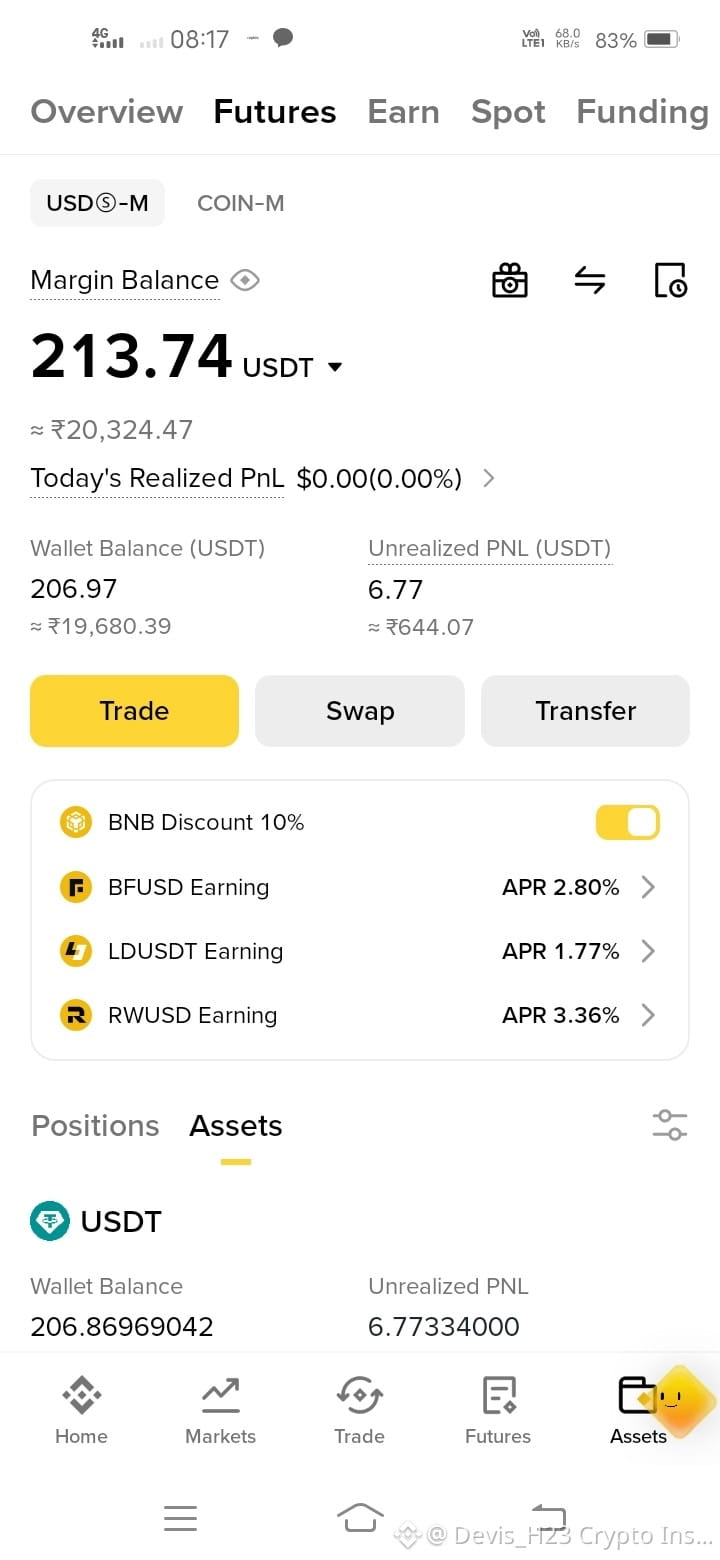
Ich habe diese Reise mit nur 115 USDT begonnen.
Eine Woche später sitze ich bei 213,74 USDT.
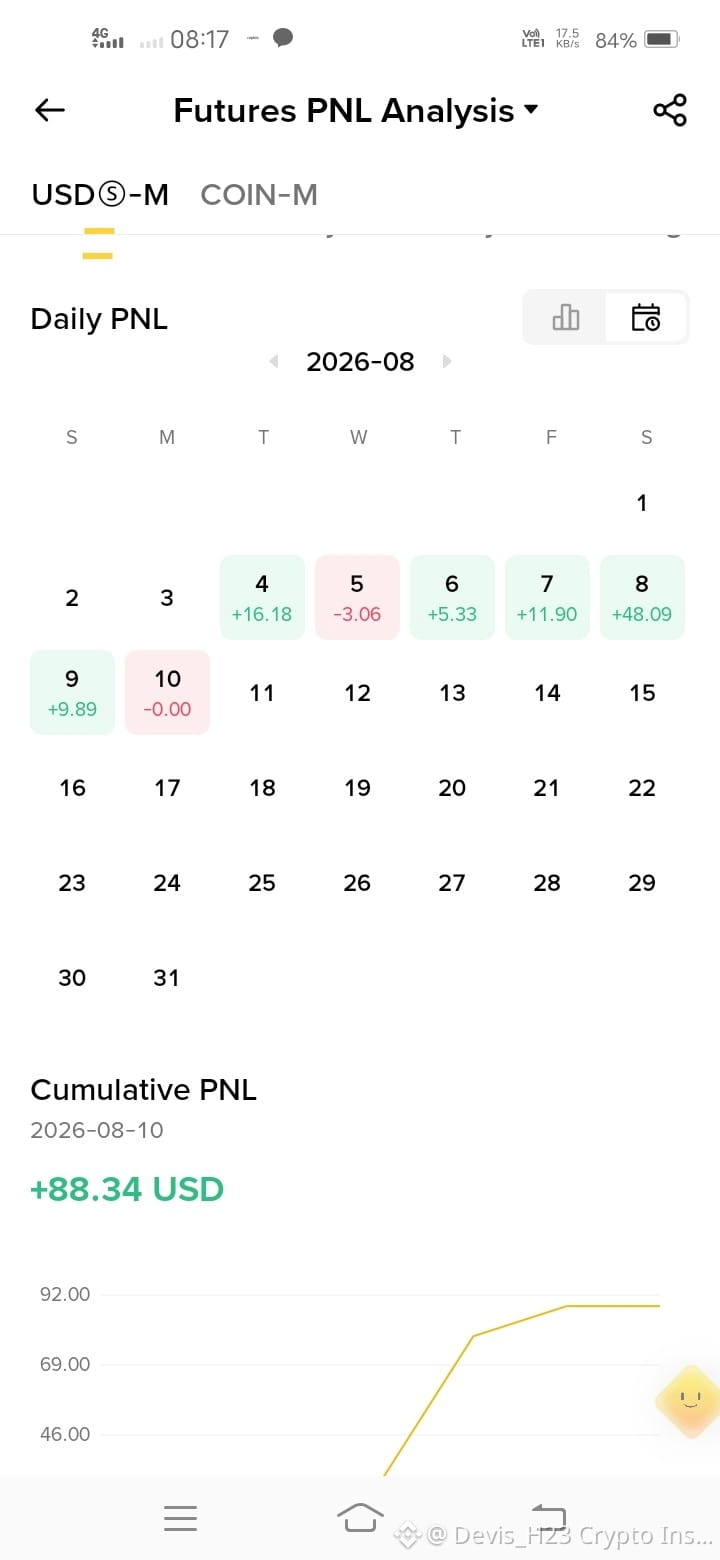
+88,34 USDT kumulativer PnL.
Ehrlich gesagt ist die Zahl, über die ich am meisten glücklich bin, nicht der Gewinn.
Sondern die Tatsache, dass ich nicht jeden Tag einen grünen Tag hatte.
Es gab auch Verluste.
4. Aug → +16,18
5. Aug → -3,06
6. Aug → +5,33
7. Aug → +11,90
8. Aug → +48,09
9. Aug → +9,89
So sieht Trading aus.
Manche Tage gewinnt man.
Manche Tage holt sich der Markt etwas zurück.
Der wichtigste Teil ist, was du nach einem verlustreichen Trade machst.
Mein Ziel ist immer noch 1.000 USDT.
Ich werde diese Reise weiterhin mit echten Ergebnissen dokumentieren – gute Tage, schlechte Tage, Trades und Lektionen.
Keine gefälschten Screenshots.
Keine Verluste verstecken.
Nur die Reise, wie sie passiert.
Wenn du auch ein kleines Konto aufbaust, bleib bei mir.
Schauen wir, wie weit wir damit kommen. 🤝📈
#Devish #pump
Ich habe diese Reise mit nur 115 USDT begonnen.
Eine Woche später sitze ich bei 213,74 USDT.
+88,34 USDT kumulativer PnL.
Ehrlich gesagt ist die Zahl, über die ich am meisten glücklich bin, nicht der Gewinn.
Sondern die Tatsache, dass ich nicht jeden Tag einen grünen Tag hatte.
Es gab auch Verluste.
4. Aug → +16,18
5. Aug → -3,06
6. Aug → +5,33
7. Aug → +11,90
8. Aug → +48,09
9. Aug → +9,89
So sieht Trading aus.
Manche Tage gewinnt man.
Manche Tage holt sich der Markt etwas zurück.
Der wichtigste Teil ist, was du nach einem verlustreichen Trade machst.
Mein Ziel ist immer noch 1.000 USDT.
Ich werde diese Reise weiterhin mit echten Ergebnissen dokumentieren – gute Tage, schlechte Tage, Trades und Lektionen.
Keine gefälschten Screenshots.
Keine Verluste verstecken.
Nur die Reise, wie sie passiert.
Wenn du auch ein kleines Konto aufbaust, bleib bei mir.
Schauen wir, wie weit wir damit kommen. 🤝📈
#Devish #pump
Eine Woche später sitze ich bei 213,74 USDT.
+88,34 USDT kumulativer PnL.
Ehrlich gesagt ist die Zahl, über die ich am meisten glücklich bin, nicht der Gewinn.
Sondern die Tatsache, dass ich nicht jeden Tag einen grünen Tag hatte.
Es gab auch Verluste.
4. Aug → +16,18
5. Aug → -3,06
6. Aug → +5,33
7. Aug → +11,90
8. Aug → +48,09
9. Aug → +9,89
So sieht Trading aus.
Manche Tage gewinnt man.
Manche Tage holt sich der Markt etwas zurück.
Der wichtigste Teil ist, was du nach einem verlustreichen Trade machst.
Mein Ziel ist immer noch 1.000 USDT.
Ich werde diese Reise weiterhin mit echten Ergebnissen dokumentieren – gute Tage, schlechte Tage, Trades und Lektionen.
Keine gefälschten Screenshots.
Keine Verluste verstecken.
Nur die Reise, wie sie passiert.
Wenn du auch ein kleines Konto aufbaust, bleib bei mir.
Schauen wir, wie weit wir damit kommen. 🤝📈
#Devish #pump
127
PINNED
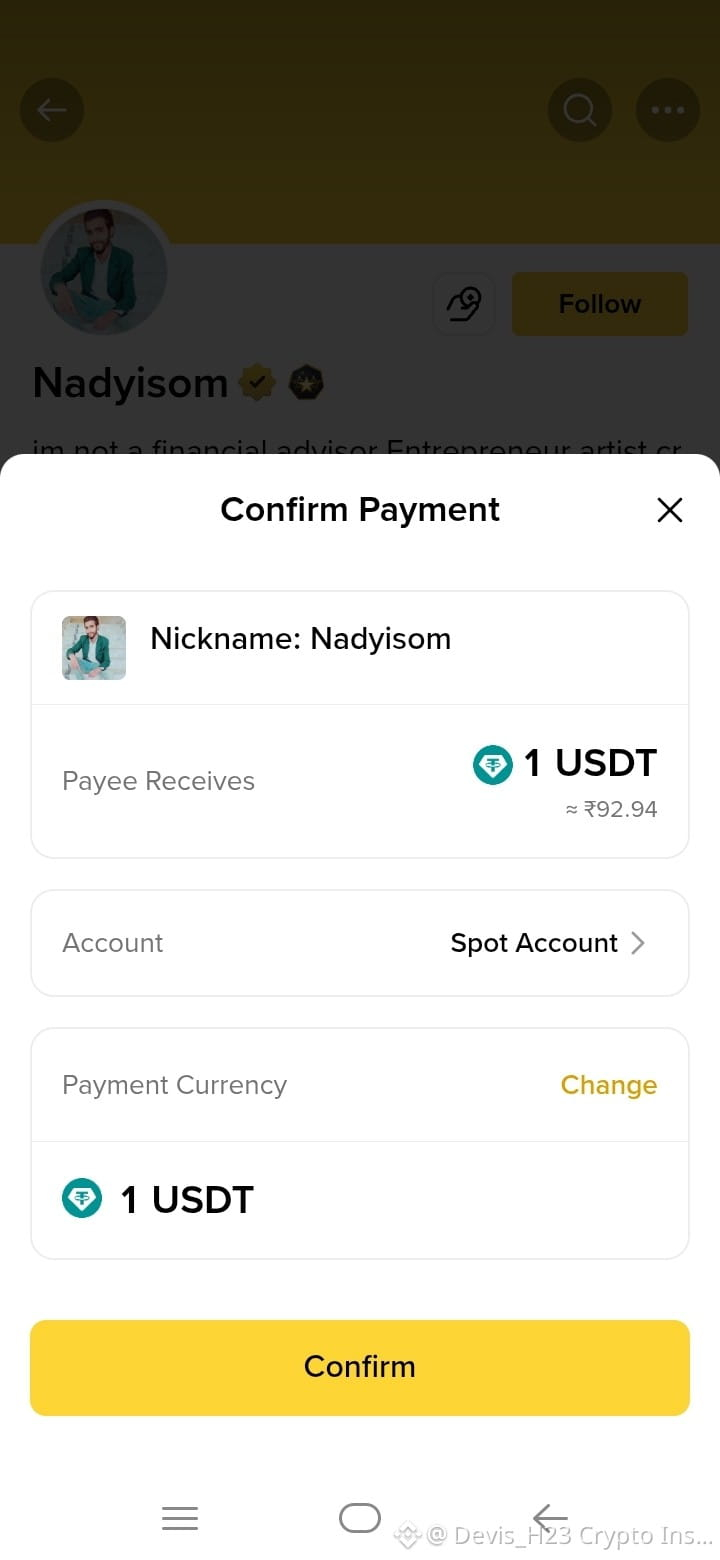
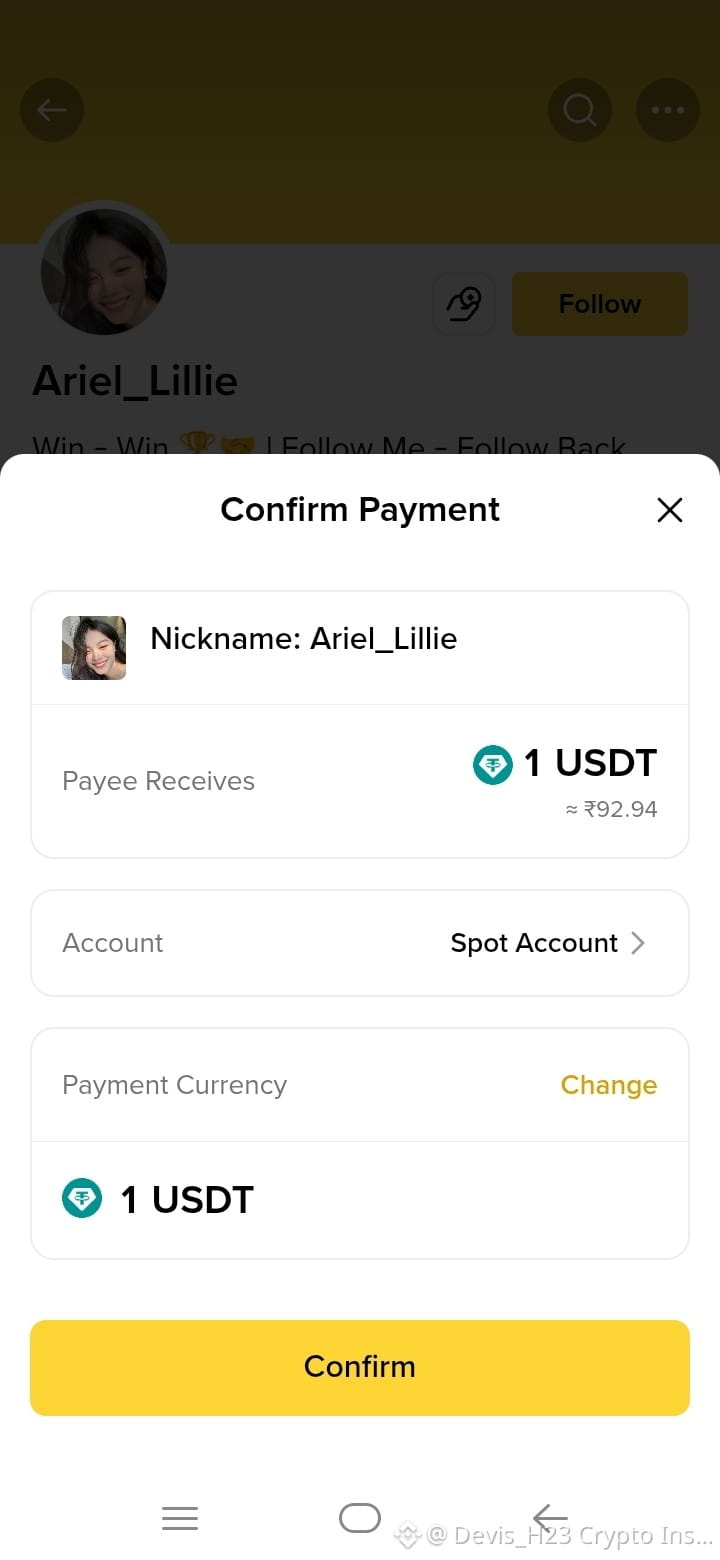
🏆 SAISON 1 BELONUNGEN VERTEILT! BEWEIS ANHÄNGEND 💸🤝
Echte Unterstützung verdient echte Belohnungen! Saison 1 ist offiziell vorbei, und ich habe gerade die Zahlungen an unser erstes Set von Champions gesendet. 🛡️🔥
Ein riesiges GLÜCKWUNSCH an unsere Bezahlten Legenden:
🔥 TOP 3 (Über 20 Punkte):
🥇 @Square-Creator-8c4c76eaa9a3e — BEZAHLT ✅
🥈 @Nadeem_Bisharat — BEZAHLT ✅
🥉 @Square-Creator-Lillie — BEZAHLT ✅
🌟 SPEZIALAUSWAHL (Unsere echten treuen Unterstützer):
🙌 @Square-Creator-67684fbb52082 — BEZAHLT ✅
🙌 @Square-Creator-474b24783 — BEZAHLT ✅
100% Transparenz. Überprüfen Sie die angehängten Screenshots als Zahlungsbeweis! 💸🤝 Wir reden nicht nur, wir schätzen unsere Gemeinschaft.
🚀 SAISON 2 UPDATE:
Machen Sie sich bereit! Ich finalisiere derzeit das neue Punktesystem. Es wird GRÖßER und SCHNELLER! 📈
Das Leaderboard wird zurückgesetzt und die Regeln für Saison 2 kommen bald. Bleiben Sie dran, um Ihren Platz zu beanspruchen! 🏁💎
#creatorpad #BinanceSquare #CryptoRewards #Write2Earn #GIVEAWAY🎁
🏆 SAISON 1 BELONUNGEN VERTEILT! BEWEIS ANHÄNGEND 💸🤝
Echte Unterstützung verdient echte Belohnungen! Saison 1 ist offiziell vorbei, und ich habe gerade die Zahlungen an unser erstes Set von Champions gesendet. 🛡️🔥
Ein riesiges GLÜCKWUNSCH an unsere Bezahlten Legenden:
🔥 TOP 3 (Über 20 Punkte):
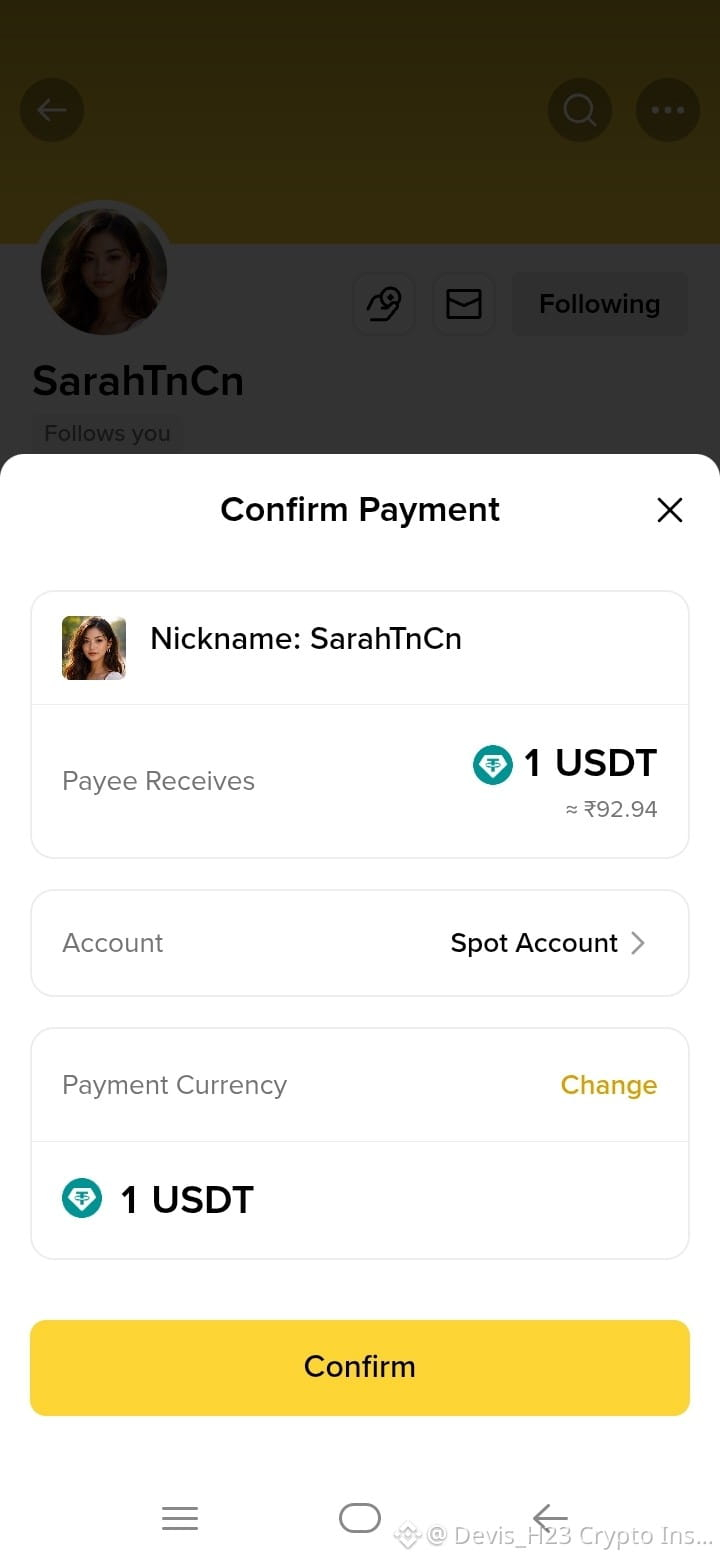
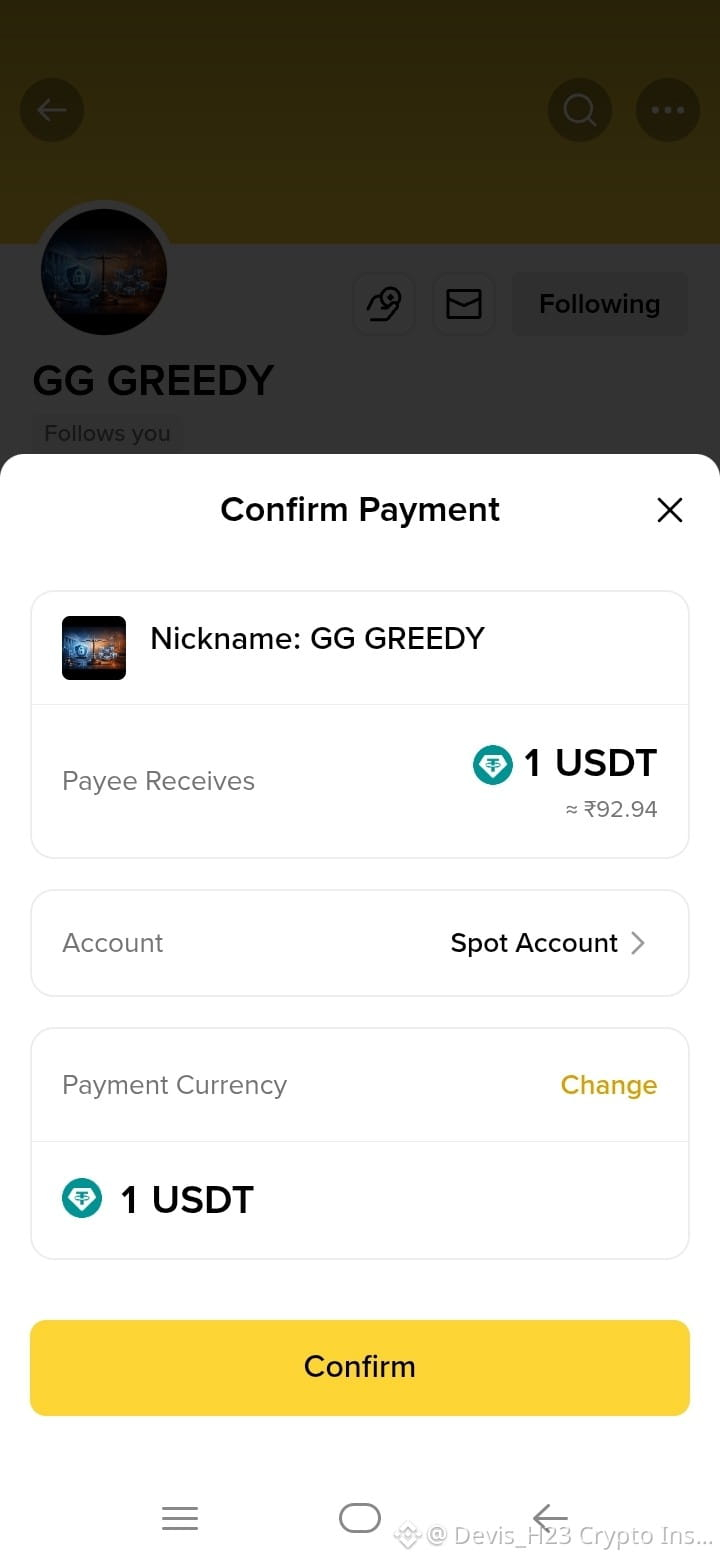
🥇 @GG GREEDY — BEZAHLT ✅
🥈 @Nadyisom — BEZAHLT ✅
🥉 @ZarrocBTC — BEZAHLT ✅
🌟 SPEZIALAUSWAHL (Unsere echten treuen Unterstützer):
🙌 @mutual support — BEZAHLT ✅
🙌 @Sarah_welcome_summer — BEZAHLT ✅
100% Transparenz. Überprüfen Sie die angehängten Screenshots als Zahlungsbeweis! 💸🤝 Wir reden nicht nur, wir schätzen unsere Gemeinschaft.
🚀 SAISON 2 UPDATE:
Machen Sie sich bereit! Ich finalisiere derzeit das neue Punktesystem. Es wird GRÖßER und SCHNELLER! 📈
Das Leaderboard wird zurückgesetzt und die Regeln für Saison 2 kommen bald. Bleiben Sie dran, um Ihren Platz zu beanspruchen! 🏁💎
#creatorpad #BinanceSquare #CryptoRewards #Write2Earn #GIVEAWAY🎁
Echte Unterstützung verdient echte Belohnungen! Saison 1 ist offiziell vorbei, und ich habe gerade die Zahlungen an unser erstes Set von Champions gesendet. 🛡️🔥
Ein riesiges GLÜCKWUNSCH an unsere Bezahlten Legenden:
🔥 TOP 3 (Über 20 Punkte):
🥇 @GG GREEDY — BEZAHLT ✅
🥈 @Nadyisom — BEZAHLT ✅
🥉 @ZarrocBTC — BEZAHLT ✅
🌟 SPEZIALAUSWAHL (Unsere echten treuen Unterstützer):
🙌 @mutual support — BEZAHLT ✅
🙌 @Sarah_welcome_summer — BEZAHLT ✅
100% Transparenz. Überprüfen Sie die angehängten Screenshots als Zahlungsbeweis! 💸🤝 Wir reden nicht nur, wir schätzen unsere Gemeinschaft.
🚀 SAISON 2 UPDATE:
Machen Sie sich bereit! Ich finalisiere derzeit das neue Punktesystem. Es wird GRÖßER und SCHNELLER! 📈
Das Leaderboard wird zurückgesetzt und die Regeln für Saison 2 kommen bald. Bleiben Sie dran, um Ihren Platz zu beanspruchen! 🏁💎
#creatorpad #BinanceSquare #CryptoRewards #Write2Earn #GIVEAWAY🎁
16
2
25
5.2k
━━━━━━━━━━━━━━━━━━
🔎 Du musst nicht alles preisgeben, um etwas zu beweisen.
━━━━━━━━━━━━━━━━━━
Denk an finanzielle Verifizierung.
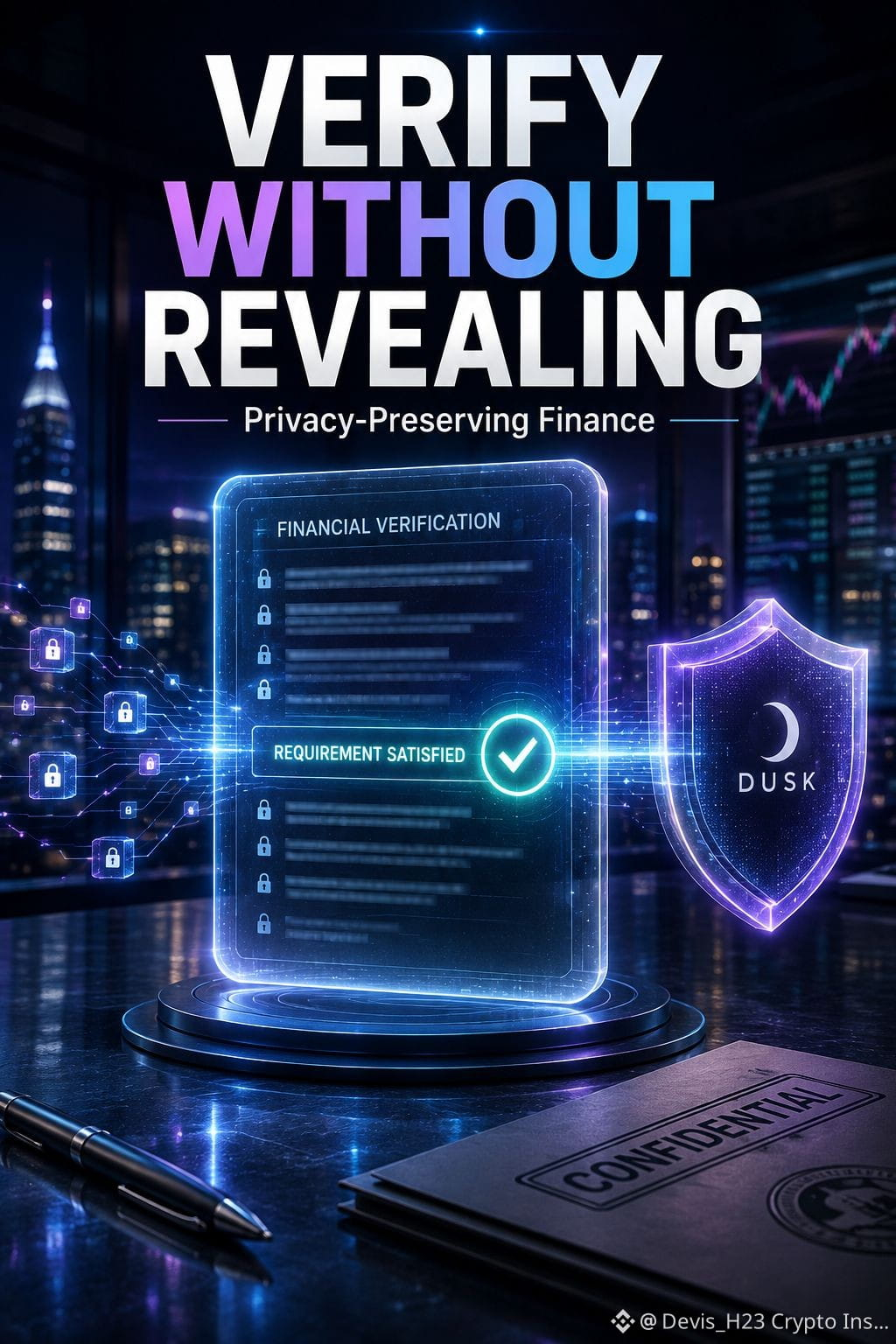
Ein Unternehmen muss möglicherweise nachweisen, dass es bestimmte Anforderungen erfüllt, ohne dabei jedes einzelne Stück sensibler Information hinter diesem Nachweis offenzulegen.
Genau hier wird datenschutzfreundliche Infrastruktur interessant.
@Dusk_Foundation entwickelt vertrauliche Smart Contracts für Finanzanwendungen und möchte Verifizierung ermöglichen, ohne dass es zu unnötiger Offenlegung kommt.
Würdest du es vorziehen, dass Finanzsysteme nur das offenlegen, was verifiziert werden muss?
$DUSK
#dusk
━━━━━━━━━━━━━━━━━━
━━━━━━━━━━━━━━━━━━
🔎 Du musst nicht alles preisgeben, um etwas zu beweisen.
━━━━━━━━━━━━━━━━━━
Denk an finanzielle Verifizierung.
Ein Unternehmen muss möglicherweise nachweisen, dass es bestimmte Anforderungen erfüllt, ohne dabei jedes einzelne Stück sensibler Information hinter diesem Nachweis offenzulegen.
Genau hier wird datenschutzfreundliche Infrastruktur interessant.
@Dusk entwickelt vertrauliche Smart Contracts für Finanzanwendungen und möchte Verifizierung ermöglichen, ohne dass es zu unnötiger Offenlegung kommt.
Würdest du es vorziehen, dass Finanzsysteme nur das offenlegen, was verifiziert werden muss?
$DUSK
#dusk
━━━━━━━━━━━━━━━━━━
🔎 Du musst nicht alles preisgeben, um etwas zu beweisen.
━━━━━━━━━━━━━━━━━━
Denk an finanzielle Verifizierung.
Ein Unternehmen muss möglicherweise nachweisen, dass es bestimmte Anforderungen erfüllt, ohne dabei jedes einzelne Stück sensibler Information hinter diesem Nachweis offenzulegen.
Genau hier wird datenschutzfreundliche Infrastruktur interessant.
@Dusk entwickelt vertrauliche Smart Contracts für Finanzanwendungen und möchte Verifizierung ermöglichen, ohne dass es zu unnötiger Offenlegung kommt.
Würdest du es vorziehen, dass Finanzsysteme nur das offenlegen, was verifiziert werden muss?
$DUSK
#dusk
━━━━━━━━━━━━━━━━━━
74
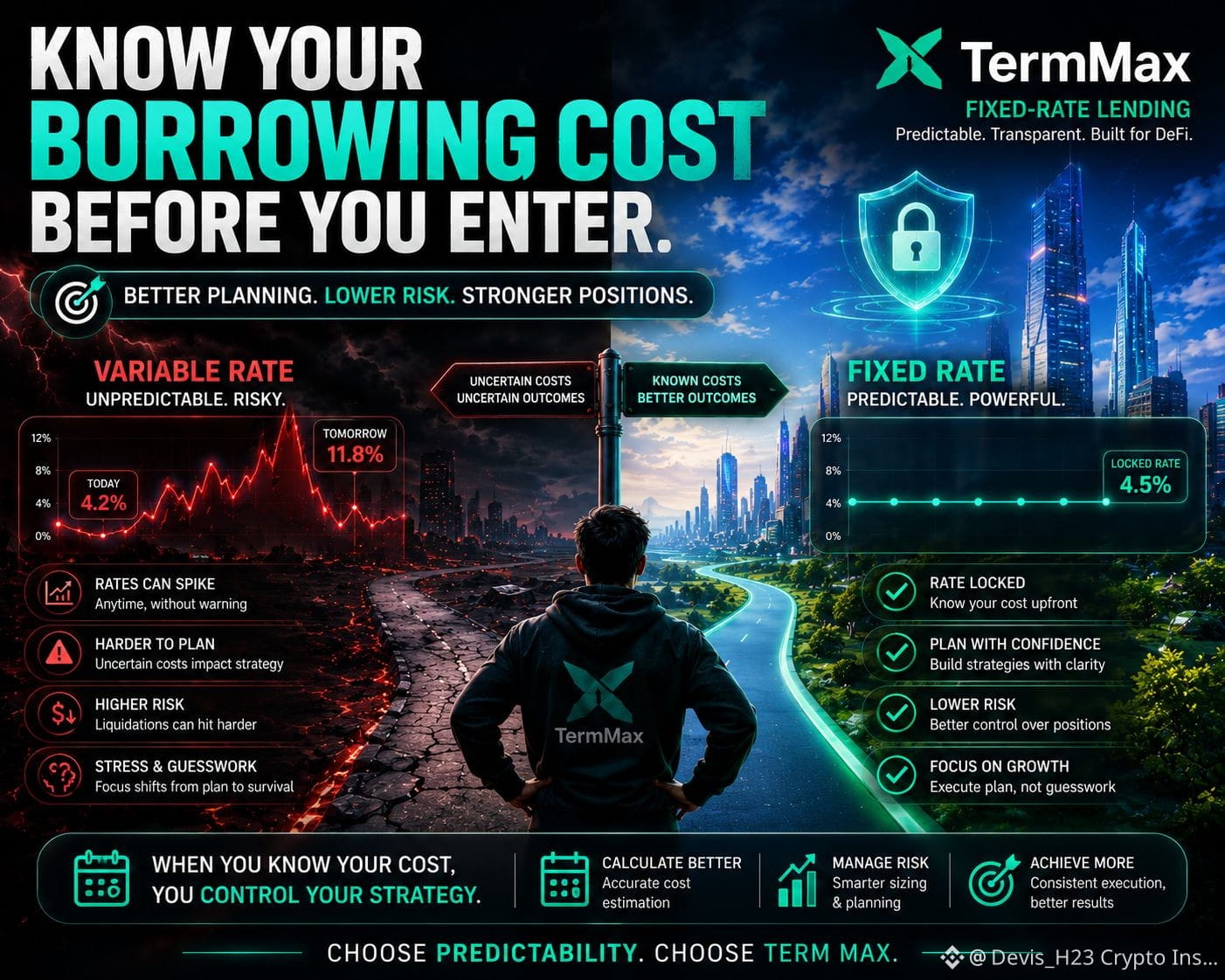
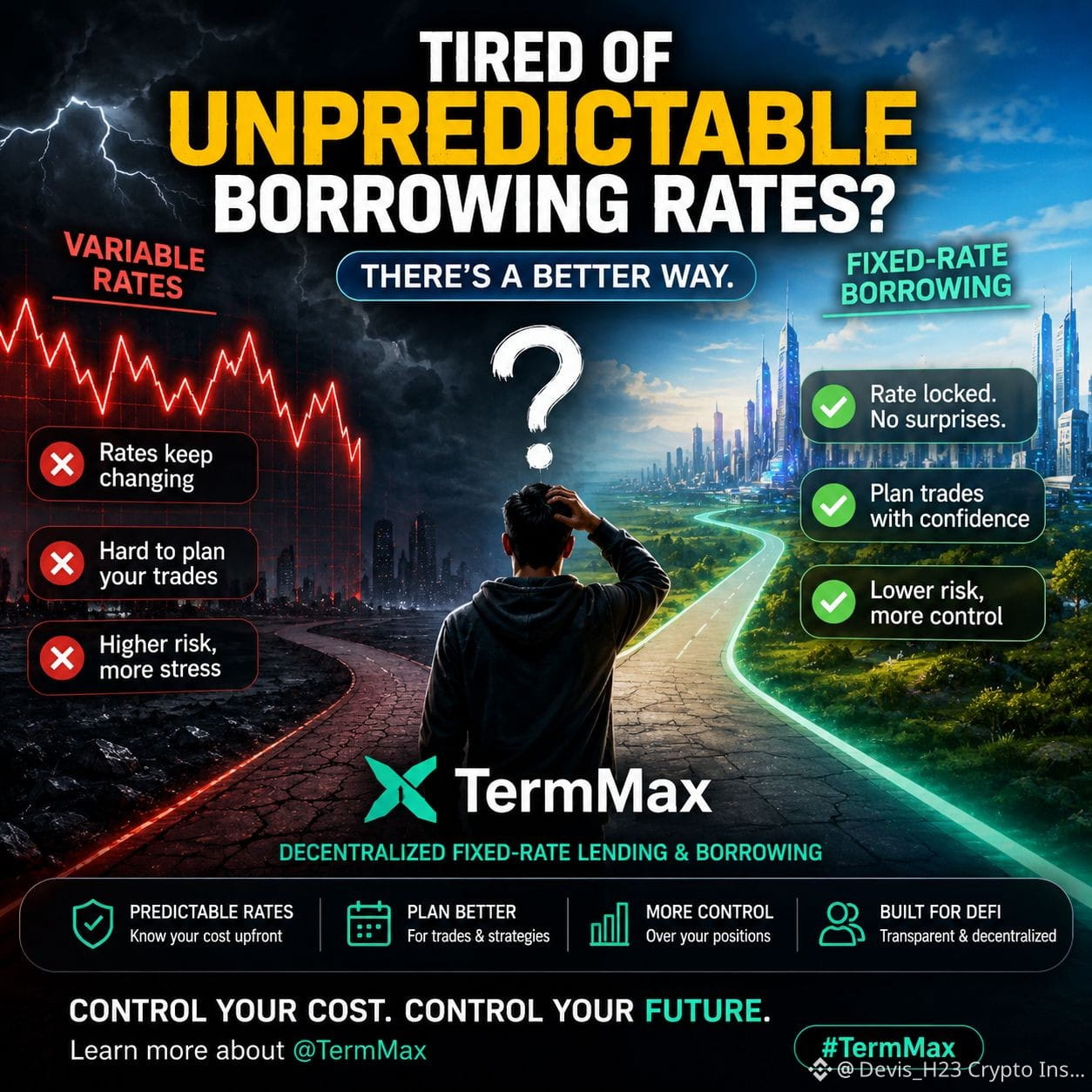
DeFi hat das Ausleihen und Verleihen zugänglicher gemacht, aber Zugänglichkeit allein löst nicht das Problem der Unsicherheit.
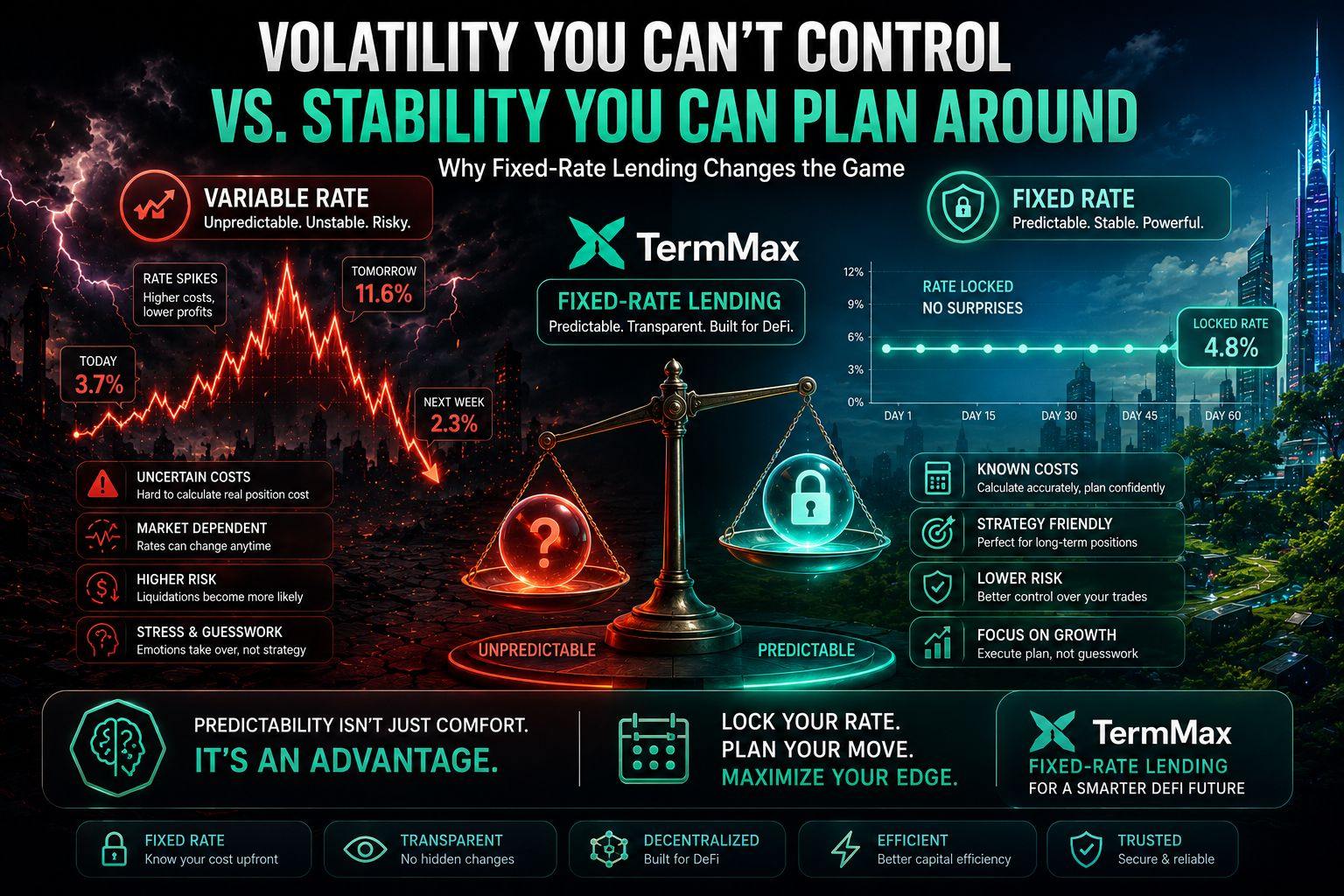
Wenn sich die Zinssätze ständig ändern, kann es schwierig sein, die tatsächlichen Kosten einer Kreditaufnahme oder die Rendite einzuschätzen, die Sie aus dem Verleihen über einen längeren Zeitraum erzielen könnten.
Festzinsmärkte bieten einen anderen Ansatz: mehr Klarheit über den Zinssatz für einen definierten Zeitraum, sodass die Planung leichter fällt.
Deshalb ist @termmax ein spannendes Konzept für DeFi — es bringt Festzins-Lending und -Borrowing in eine dezentrale Umgebung.
Glaubst du, dass vorhersehbare Zinssätze mit der Weiterentwicklung von DeFi wichtiger werden?
#TermMax
DeFi hat das Ausleihen und Verleihen zugänglicher gemacht, aber Zugänglichkeit allein löst nicht das Problem der Unsicherheit.
Wenn sich die Zinssätze ständig ändern, kann es schwierig sein, die tatsächlichen Kosten einer Kreditaufnahme oder die Rendite einzuschätzen, die Sie aus dem Verleihen über einen längeren Zeitraum erzielen könnten.
Festzinsmärkte bieten einen anderen Ansatz: mehr Klarheit über den Zinssatz für einen definierten Zeitraum, sodass die Planung leichter fällt.
Deshalb ist @TermMax ein spannendes Konzept für DeFi — es bringt Festzins-Lending und -Borrowing in eine dezentrale Umgebung.
Glaubst du, dass vorhersehbare Zinssätze mit der Weiterentwicklung von DeFi wichtiger werden?
#TermMax
Wenn sich die Zinssätze ständig ändern, kann es schwierig sein, die tatsächlichen Kosten einer Kreditaufnahme oder die Rendite einzuschätzen, die Sie aus dem Verleihen über einen längeren Zeitraum erzielen könnten.
Festzinsmärkte bieten einen anderen Ansatz: mehr Klarheit über den Zinssatz für einen definierten Zeitraum, sodass die Planung leichter fällt.
Deshalb ist @TermMax ein spannendes Konzept für DeFi — es bringt Festzins-Lending und -Borrowing in eine dezentrale Umgebung.
Glaubst du, dass vorhersehbare Zinssätze mit der Weiterentwicklung von DeFi wichtiger werden?
#TermMax
75
Ein unterschätztes Problem in DeFi ist die Planung.
Wenn sich deine Kreditkosten ständig ändern, wird es schwieriger, die tatsächlichen Kosten für das Halten einer Position über Wochen oder Monate hinweg abzuschätzen. Eine Strategie kann am Anfang profitabel wirken, aber weniger attraktiv werden, wenn sich die Finanzierungskosten gegen dich entwickeln.
Kredite mit festem Zinssatz machen diese Berechnung viel klarer, weil der Zinssatz für den vereinbarten Zeitraum bekannt ist.
Deshalb ist @termmax interessant: Es bringt festverzinsliches Leihen und Borgen in DeFi.
Würde es deine Art, eine Position zu verwalten, verändern, wenn du deine Kreditkosten im Voraus kennen würdest?
#TermMax
Ein unterschätztes Problem in DeFi ist die Planung.
Wenn sich deine Kreditkosten ständig ändern, wird es schwieriger, die tatsächlichen Kosten für das Halten einer Position über Wochen oder Monate hinweg abzuschätzen. Eine Strategie kann am Anfang profitabel wirken, aber weniger attraktiv werden, wenn sich die Finanzierungskosten gegen dich entwickeln.
Kredite mit festem Zinssatz machen diese Berechnung viel klarer, weil der Zinssatz für den vereinbarten Zeitraum bekannt ist.
Deshalb ist @TermMax interessant: Es bringt festverzinsliches Leihen und Borgen in DeFi.
Würde es deine Art, eine Position zu verwalten, verändern, wenn du deine Kreditkosten im Voraus kennen würdest?
#TermMax
Wenn sich deine Kreditkosten ständig ändern, wird es schwieriger, die tatsächlichen Kosten für das Halten einer Position über Wochen oder Monate hinweg abzuschätzen. Eine Strategie kann am Anfang profitabel wirken, aber weniger attraktiv werden, wenn sich die Finanzierungskosten gegen dich entwickeln.
Kredite mit festem Zinssatz machen diese Berechnung viel klarer, weil der Zinssatz für den vereinbarten Zeitraum bekannt ist.
Deshalb ist @TermMax interessant: Es bringt festverzinsliches Leihen und Borgen in DeFi.
Würde es deine Art, eine Position zu verwalten, verändern, wenn du deine Kreditkosten im Voraus kennen würdest?
#TermMax
74
🔐 Was wäre, wenn finanzielle Privatsphäre in die Infrastruktur eingebaut wäre — nicht erst später hinzugefügt?
@Dusk_Foundation arbeitet an einer datenschutzorientierten Layer-1 für Finanzanwendungen, mit Vertraulichen Smart Contracts, die sensible Informationen on-chain schützen.
Für mich ist das eine der spannenderen Richtungen im Blockchain-Finanzwesen.
Würdest du Finanz-Apps stärker on-chain nutzen, wenn die Privatsphäre eingebaut wäre?
$DUSK #dusk
🔐 Was wäre, wenn finanzielle Privatsphäre in die Infrastruktur eingebaut wäre — nicht erst später hinzugefügt?
@Dusk arbeitet an einer datenschutzorientierten Layer-1 für Finanzanwendungen, mit Vertraulichen Smart Contracts, die sensible Informationen on-chain schützen.
Für mich ist das eine der spannenderen Richtungen im Blockchain-Finanzwesen.
Würdest du Finanz-Apps stärker on-chain nutzen, wenn die Privatsphäre eingebaut wäre?
$DUSK #dusk
@Dusk arbeitet an einer datenschutzorientierten Layer-1 für Finanzanwendungen, mit Vertraulichen Smart Contracts, die sensible Informationen on-chain schützen.
Für mich ist das eine der spannenderen Richtungen im Blockchain-Finanzwesen.
Würdest du Finanz-Apps stärker on-chain nutzen, wenn die Privatsphäre eingebaut wäre?
$DUSK #dusk

86
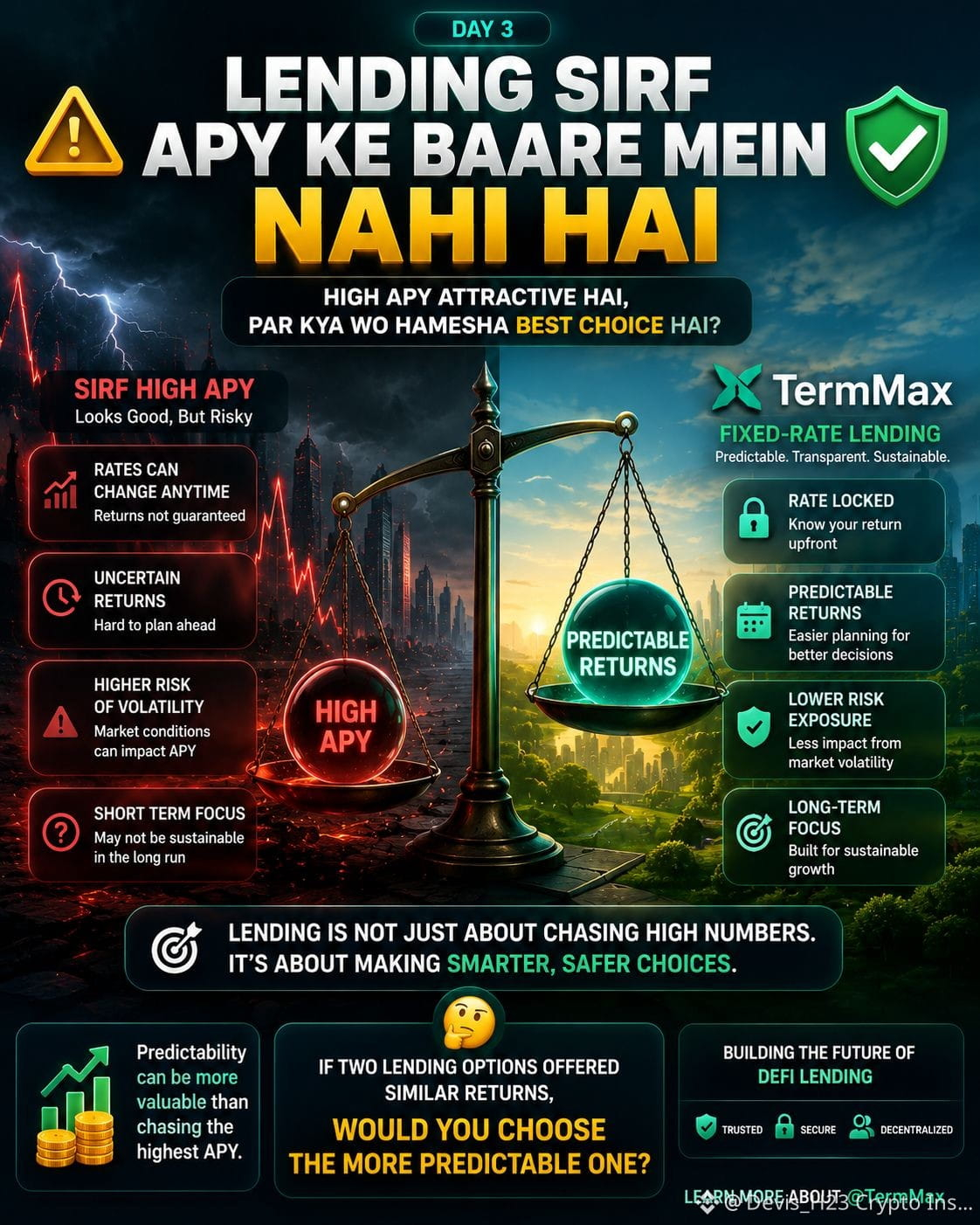
Hohe APY wirkt attraktiv, aber APY allein erzählt nicht die ganze Geschichte.
Beim Verleihen in DeFi müssen Nutzer auch an Zinsänderungen denken, daran, wie lange ihr Kapital gebunden ist, und wie planbar ihre Renditen sind.
Hier geht @termmax einen interessanten Ansatz mit festverzinslichen Kreditmärkten: Die erwartete Verzinsung lässt sich über einen definierten Zeitraum leichter verstehen.
Manchmal sind planbare Renditen nützlicher, als nur der höchsten Zahl nachzujagen.
Wenn zwei Kreditoptionen ähnliche Renditen bieten würden: Würdest du dich für die planbarere entscheiden?
#TermMax
Hohe APY wirkt attraktiv, aber APY allein erzählt nicht die ganze Geschichte.
Beim Verleihen in DeFi müssen Nutzer auch an Zinsänderungen denken, daran, wie lange ihr Kapital gebunden ist, und wie planbar ihre Renditen sind.
Hier geht @TermMax einen interessanten Ansatz mit festverzinslichen Kreditmärkten: Die erwartete Verzinsung lässt sich über einen definierten Zeitraum leichter verstehen.
Manchmal sind planbare Renditen nützlicher, als nur der höchsten Zahl nachzujagen.
Wenn zwei Kreditoptionen ähnliche Renditen bieten würden: Würdest du dich für die planbarere entscheiden?
#TermMax
Beim Verleihen in DeFi müssen Nutzer auch an Zinsänderungen denken, daran, wie lange ihr Kapital gebunden ist, und wie planbar ihre Renditen sind.
Hier geht @TermMax einen interessanten Ansatz mit festverzinslichen Kreditmärkten: Die erwartete Verzinsung lässt sich über einen definierten Zeitraum leichter verstehen.
Manchmal sind planbare Renditen nützlicher, als nur der höchsten Zahl nachzujagen.
Wenn zwei Kreditoptionen ähnliche Renditen bieten würden: Würdest du dich für die planbarere entscheiden?
#TermMax
68
🔐 Blockchain-Transparenz ist wertvoll.
Aber wenn Finanzanwendungen auf der On-Chain-Ebene laufen, sollte sensible Information nicht automatisch öffentlich werden.
@Dusk_Foundation baut eine datenschutzorientierte Layer-1 mit Confidential Smart Contracts für Finanzanwendungen.
Datenschutz geht nicht darum, alles zu verbergen.
Es geht darum, zu kontrollieren, was sichtbar sein soll.
$DUSK #dusk
🔐 Blockchain-Transparenz ist wertvoll.
Aber wenn Finanzanwendungen auf der On-Chain-Ebene laufen, sollte sensible Information nicht automatisch öffentlich werden.
@Dusk baut eine datenschutzorientierte Layer-1 mit Confidential Smart Contracts für Finanzanwendungen.
Datenschutz geht nicht darum, alles zu verbergen.
Es geht darum, zu kontrollieren, was sichtbar sein soll.
$DUSK #dusk
Aber wenn Finanzanwendungen auf der On-Chain-Ebene laufen, sollte sensible Information nicht automatisch öffentlich werden.
@Dusk baut eine datenschutzorientierte Layer-1 mit Confidential Smart Contracts für Finanzanwendungen.
Datenschutz geht nicht darum, alles zu verbergen.
Es geht darum, zu kontrollieren, was sichtbar sein soll.
$DUSK #dusk

84
🔐 Datenschutz und Compliance müssen nicht im Wettbewerb stehen.
Finanzanwendungen müssen sensible Informationen schützen und dennoch innerhalb regulatorischer Rahmenbedingungen arbeiten.
@Dusk_Foundation entwickelt eine datenschutzorientierte Layer-1 mit vertraulichen Smart Contracts, ausgelegt für Finanzanwendungen.
Die spannende Frage ist nicht, ob Finanzen privat sein sollten.
Sondern wie Datenschutz neben Compliance funktionieren kann.
$DUSK #dusk
🔐 Datenschutz und Compliance müssen nicht im Wettbewerb stehen.
Finanzanwendungen müssen sensible Informationen schützen und dennoch innerhalb regulatorischer Rahmenbedingungen arbeiten.
@Dusk entwickelt eine datenschutzorientierte Layer-1 mit vertraulichen Smart Contracts, ausgelegt für Finanzanwendungen.
Die spannende Frage ist nicht, ob Finanzen privat sein sollten.
Sondern wie Datenschutz neben Compliance funktionieren kann.
$DUSK #dusk
Finanzanwendungen müssen sensible Informationen schützen und dennoch innerhalb regulatorischer Rahmenbedingungen arbeiten.
@Dusk entwickelt eine datenschutzorientierte Layer-1 mit vertraulichen Smart Contracts, ausgelegt für Finanzanwendungen.
Die spannende Frage ist nicht, ob Finanzen privat sein sollten.
Sondern wie Datenschutz neben Compliance funktionieren kann.
$DUSK #dusk

61
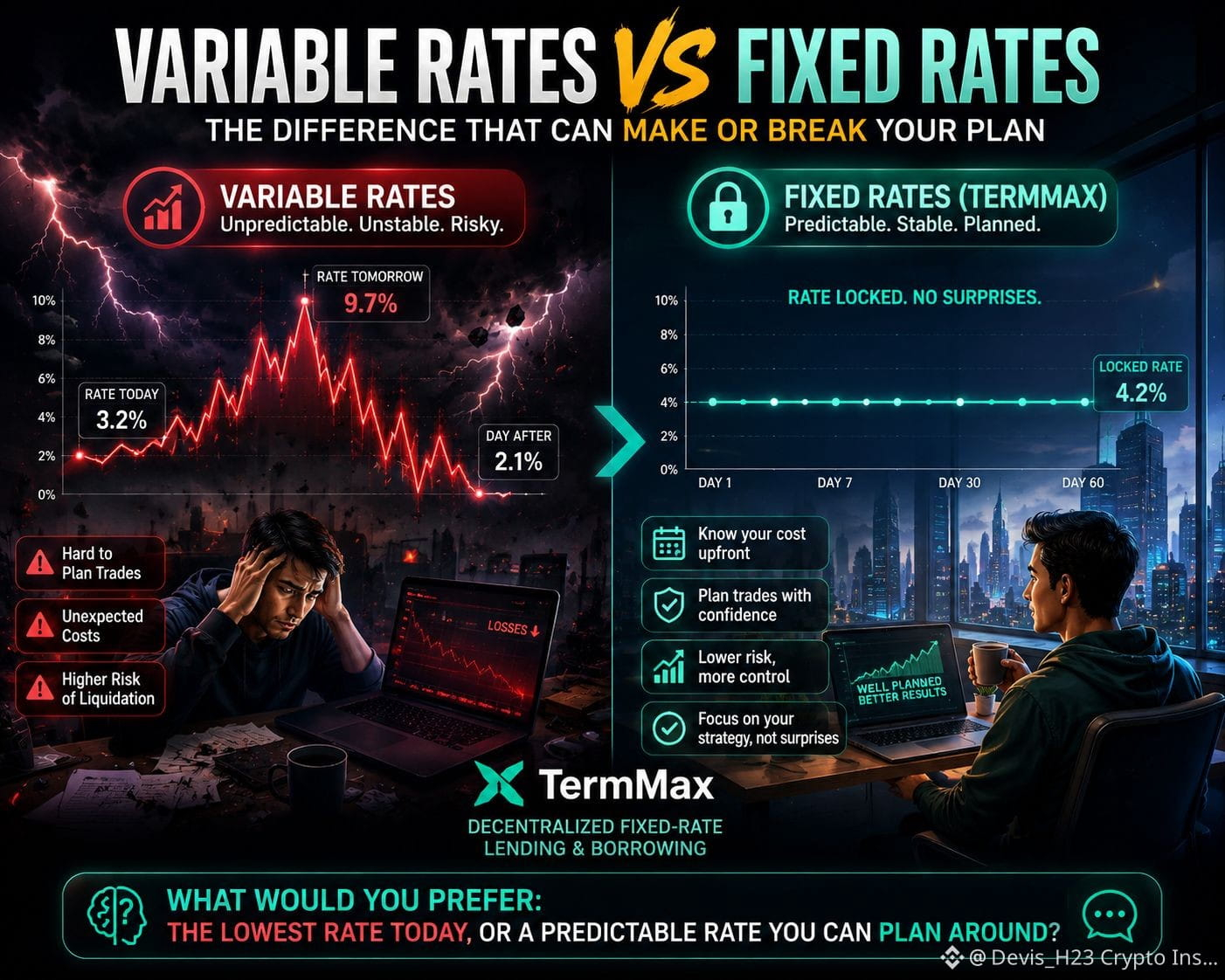
Ein niedriger Kreditzinssatz heute bedeutet nicht immer niedrige Kreditkosten morgen.
Variable Zinssätze können sich mit den Marktbedingungen ändern. Für DeFi-Nutzer kann diese Ungewissheit es schwierig machen, zu planen, wie viel eine Position über die Zeit tatsächlich kosten wird.
Ein Modell mit festem Zinssatz geht dieses Problem anders an: Der Zinssatz für die Aufnahme von Mitteln kann im Voraus für einen definierten Zeitraum bekannt sein.
Genau das macht @termmax interesting für mich – es bringt mehr Planbarkeit in DeFi-Kreditvergabe und -aufnahme.
Würdest du lieber: den niedrigsten Satz heute oder einen vorhersehbaren Satz, mit dem du planen kannst?
#TermMax
Ein niedriger Kreditzinssatz heute bedeutet nicht immer niedrige Kreditkosten morgen.
Variable Zinssätze können sich mit den Marktbedingungen ändern. Für DeFi-Nutzer kann diese Ungewissheit es schwierig machen, zu planen, wie viel eine Position über die Zeit tatsächlich kosten wird.
Ein Modell mit festem Zinssatz geht dieses Problem anders an: Der Zinssatz für die Aufnahme von Mitteln kann im Voraus für einen definierten Zeitraum bekannt sein.
Genau das macht @TermMax interesting für mich – es bringt mehr Planbarkeit in DeFi-Kreditvergabe und -aufnahme.
Würdest du lieber: den niedrigsten Satz heute oder einen vorhersehbaren Satz, mit dem du planen kannst?
#TermMax
Variable Zinssätze können sich mit den Marktbedingungen ändern. Für DeFi-Nutzer kann diese Ungewissheit es schwierig machen, zu planen, wie viel eine Position über die Zeit tatsächlich kosten wird.
Ein Modell mit festem Zinssatz geht dieses Problem anders an: Der Zinssatz für die Aufnahme von Mitteln kann im Voraus für einen definierten Zeitraum bekannt sein.
Genau das macht @TermMax interesting für mich – es bringt mehr Planbarkeit in DeFi-Kreditvergabe und -aufnahme.
Würdest du lieber: den niedrigsten Satz heute oder einen vorhersehbaren Satz, mit dem du planen kannst?
#TermMax
92
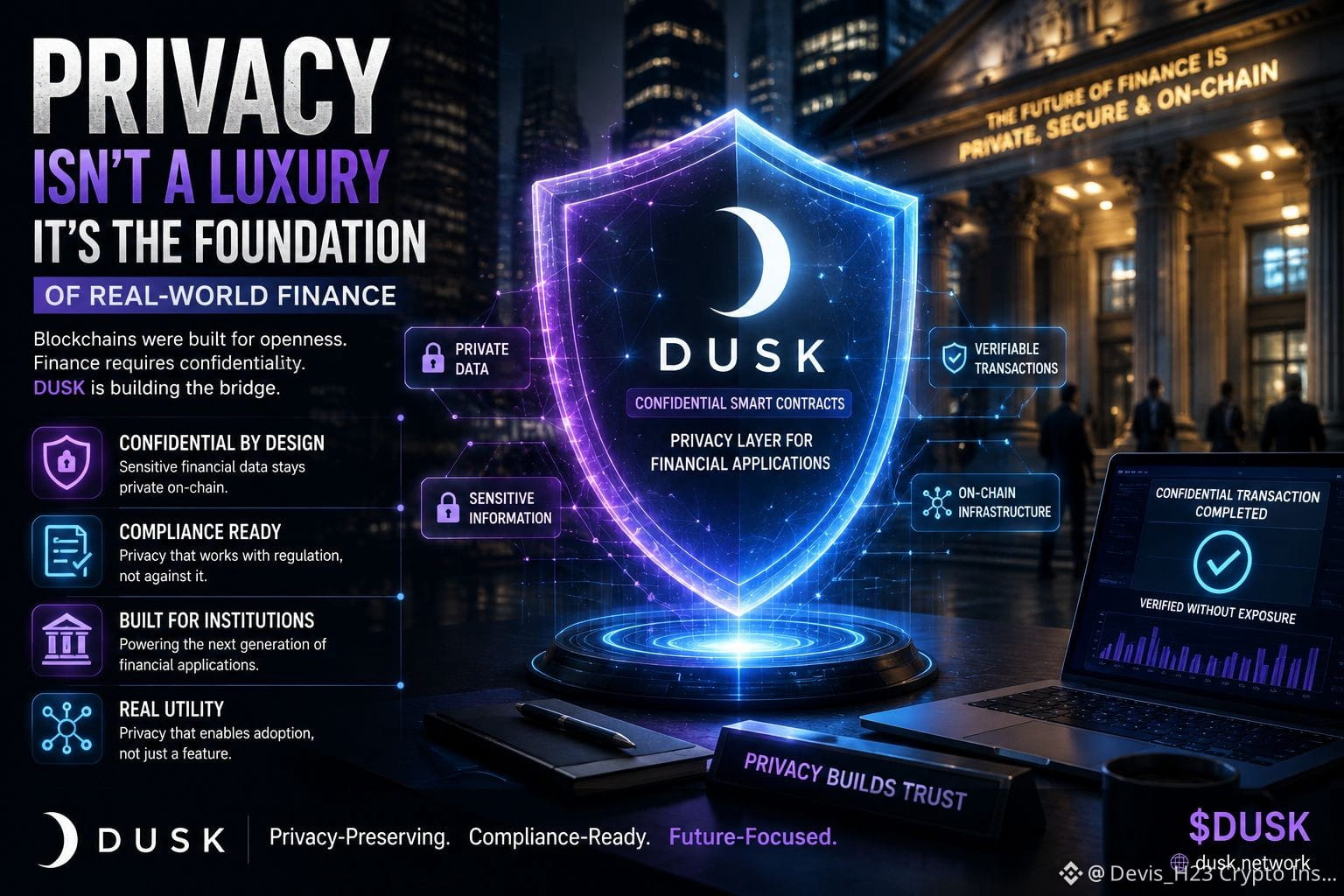
🔐 Der Datenschutz wird immer wichtiger, wenn Blockchain näher an die reale Finanzwelt rückt.
Ein öffentliches Ledger kann Transparenz schaffen, doch Finanzanwendungen verarbeiten oft Informationen, die nicht für alle sichtbar sein sollten.
@Dusk_Foundation steht für vertrauliche Smart Contracts und hat zum Ziel, Finanzanwendungen Privatsphäre zu ermöglichen, ohne auf die Vorteile der Blockchain-Infrastruktur zu verzichten.
Würdest du On-Chain-Finanzierung eher vertrauen, wenn der Datenschutz von Anfang an integriert wäre?
$DUSK #dusk
🔐 Der Datenschutz wird immer wichtiger, wenn Blockchain näher an die reale Finanzwelt rückt.
Ein öffentliches Ledger kann Transparenz schaffen, doch Finanzanwendungen verarbeiten oft Informationen, die nicht für alle sichtbar sein sollten.
@Dusk steht für vertrauliche Smart Contracts und hat zum Ziel, Finanzanwendungen Privatsphäre zu ermöglichen, ohne auf die Vorteile der Blockchain-Infrastruktur zu verzichten.
Würdest du On-Chain-Finanzierung eher vertrauen, wenn der Datenschutz von Anfang an integriert wäre?
$DUSK #dusk
Ein öffentliches Ledger kann Transparenz schaffen, doch Finanzanwendungen verarbeiten oft Informationen, die nicht für alle sichtbar sein sollten.
@Dusk steht für vertrauliche Smart Contracts und hat zum Ziel, Finanzanwendungen Privatsphäre zu ermöglichen, ohne auf die Vorteile der Blockchain-Infrastruktur zu verzichten.
Würdest du On-Chain-Finanzierung eher vertrauen, wenn der Datenschutz von Anfang an integriert wäre?
$DUSK #dusk
60
Die meisten schauen sich nur den Kredit- bzw. Borrowing-Zins an und bleiben dabei stehen.
Aber das größere Problem ist die Unsicherheit.
Wenn sich der Zinssatz ständig ändert, kann sich auch deine Kredit-/Leihkosten verändern, während deine Position noch offen ist. Das erschwert die Planung des Risikos und die Berechnung der tatsächlichen Kosten einer Position.
Hier wird eine Kreditvergabe zu festen Zinssätzen interessant.
@termmax konzentriert sich auf Kredite und Borrowing mit festen Zinssätzen und gibt Nutzern mehr Planungssicherheit, statt ständig zu raten, wohin sich die Zinsen als Nächstes bewegen könnten.
Würdest du dich für planbare Kreditkosten entscheiden – statt für möglicherweise günstigere, aber variable Konditionen?
#termmax
Die meisten schauen sich nur den Kredit- bzw. Borrowing-Zins an und bleiben dabei stehen.
Aber das größere Problem ist die Unsicherheit.
Wenn sich der Zinssatz ständig ändert, kann sich auch deine Kredit-/Leihkosten verändern, während deine Position noch offen ist. Das erschwert die Planung des Risikos und die Berechnung der tatsächlichen Kosten einer Position.
Hier wird eine Kreditvergabe zu festen Zinssätzen interessant.
@TermMax konzentriert sich auf Kredite und Borrowing mit festen Zinssätzen und gibt Nutzern mehr Planungssicherheit, statt ständig zu raten, wohin sich die Zinsen als Nächstes bewegen könnten.
Würdest du dich für planbare Kreditkosten entscheiden – statt für möglicherweise günstigere, aber variable Konditionen?
#termmax
Aber das größere Problem ist die Unsicherheit.
Wenn sich der Zinssatz ständig ändert, kann sich auch deine Kredit-/Leihkosten verändern, während deine Position noch offen ist. Das erschwert die Planung des Risikos und die Berechnung der tatsächlichen Kosten einer Position.
Hier wird eine Kreditvergabe zu festen Zinssätzen interessant.
@TermMax konzentriert sich auf Kredite und Borrowing mit festen Zinssätzen und gibt Nutzern mehr Planungssicherheit, statt ständig zu raten, wohin sich die Zinsen als Nächstes bewegen könnten.
Würdest du dich für planbare Kreditkosten entscheiden – statt für möglicherweise günstigere, aber variable Konditionen?
#termmax
75
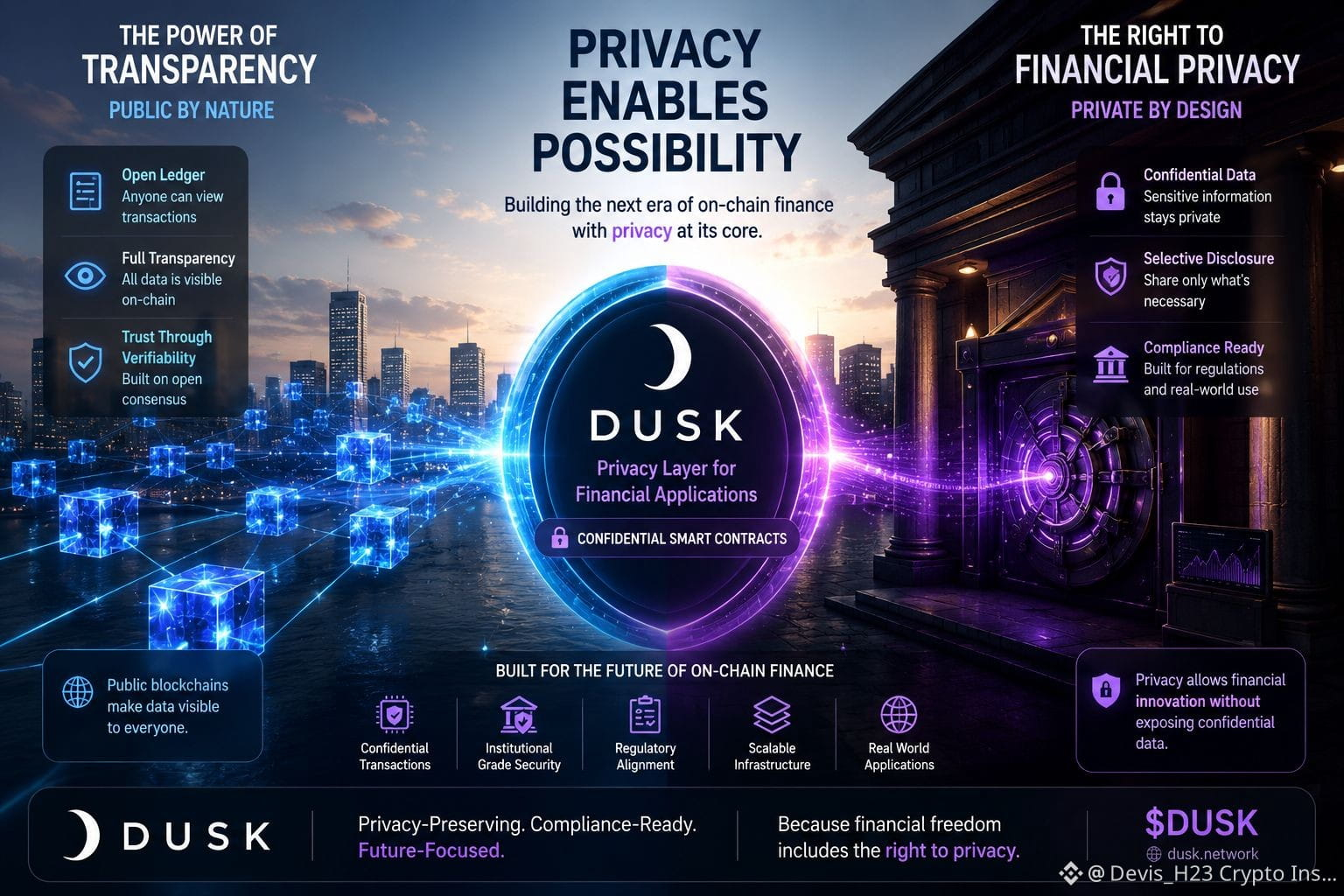
🔎 Transparenz ist mächtig — aber sollten wirklich alle finanziellen Details öffentlich sein?
Für den Alltag erwarten die Menschen, dass sensible Informationen privat bleiben. Dasselbe Prinzip gilt, wenn sich finanzielle Aktivitäten auf der On-Chain-Ebene bewegen.
@Dusk_Foundation baut eine datenschutzorientierte L
ayer-1 für Finanzanwendungen, nutzt vertrauliche Smart Contracts, um Privatsphäre in programmierbares Finance zu bringen.
Die Zukunft des On-Chain-Finance ist möglicherweise nicht vollständig öffentlich oder vollständig privat — aber intelligent privat.
$DUSK #dusk
🔎 Transparenz ist mächtig — aber sollten wirklich alle finanziellen Details öffentlich sein?
Für den Alltag erwarten die Menschen, dass sensible Informationen privat bleiben. Dasselbe Prinzip gilt, wenn sich finanzielle Aktivitäten auf der On-Chain-Ebene bewegen.
@Dusk baut eine datenschutzorientierte L
ayer-1 für Finanzanwendungen, nutzt vertrauliche Smart Contracts, um Privatsphäre in programmierbares Finance zu bringen.
Die Zukunft des On-Chain-Finance ist möglicherweise nicht vollständig öffentlich oder vollständig privat — aber intelligent privat.
$DUSK #dusk
Für den Alltag erwarten die Menschen, dass sensible Informationen privat bleiben. Dasselbe Prinzip gilt, wenn sich finanzielle Aktivitäten auf der On-Chain-Ebene bewegen.
@Dusk baut eine datenschutzorientierte L
ayer-1 für Finanzanwendungen, nutzt vertrauliche Smart Contracts, um Privatsphäre in programmierbares Finance zu bringen.
Die Zukunft des On-Chain-Finance ist möglicherweise nicht vollständig öffentlich oder vollständig privat — aber intelligent privat.
$DUSK #dusk
101
·
--
Bullisch
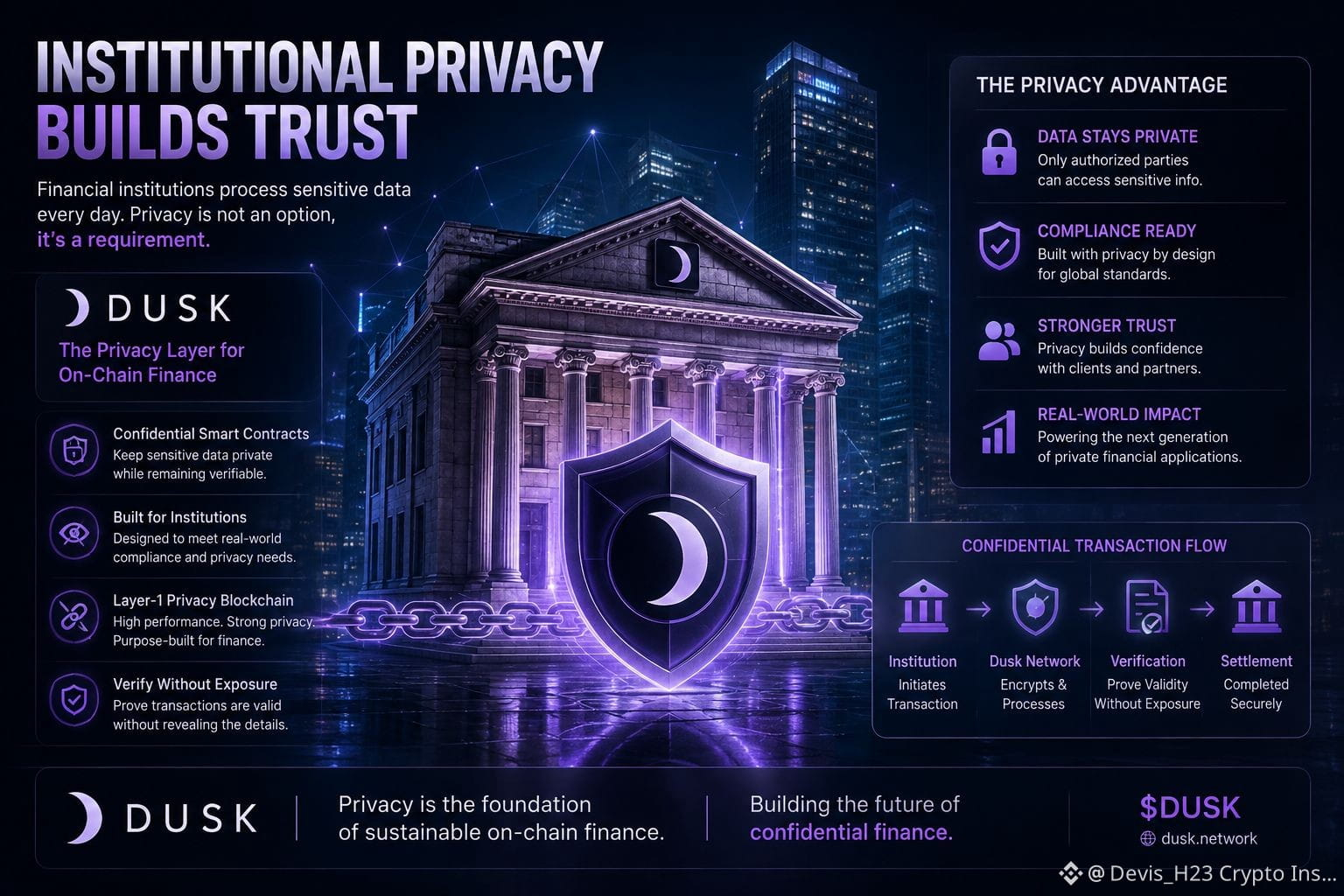
🏦 Finanzinstitute verarbeiten jeden Tag sensible Daten.
Wenn diese Aktivität auf einer vollständig transparenten Blockchain abgebildet wird, entsteht ein schwieriger Zielkonflikt zwischen öffentlicher Nachprüfbarkeit und finanzieller Privatsphäre.
@Dusk_Foundation baut Infrastruktur für vertrauliche Finanzanwendungen auf und zielt darauf ab, Privatsphäre in der On-Chain-Nutzung praktisch zu machen.
$DUSK #dusk
🏦 Finanzinstitute verarbeiten jeden Tag sensible Daten.
Wenn diese Aktivität auf einer vollständig transparenten Blockchain abgebildet wird, entsteht ein schwieriger Zielkonflikt zwischen öffentlicher Nachprüfbarkeit und finanzieller Privatsphäre.
@Dusk baut Infrastruktur für vertrauliche Finanzanwendungen auf und zielt darauf ab, Privatsphäre in der On-Chain-Nutzung praktisch zu machen.
$DUSK #dusk
Wenn diese Aktivität auf einer vollständig transparenten Blockchain abgebildet wird, entsteht ein schwieriger Zielkonflikt zwischen öffentlicher Nachprüfbarkeit und finanzieller Privatsphäre.
@Dusk baut Infrastruktur für vertrauliche Finanzanwendungen auf und zielt darauf ab, Privatsphäre in der On-Chain-Nutzung praktisch zu machen.
$DUSK #dusk
2
1
97
·
--
Bärisch
━━━━━━━━━━━━━━━━━━
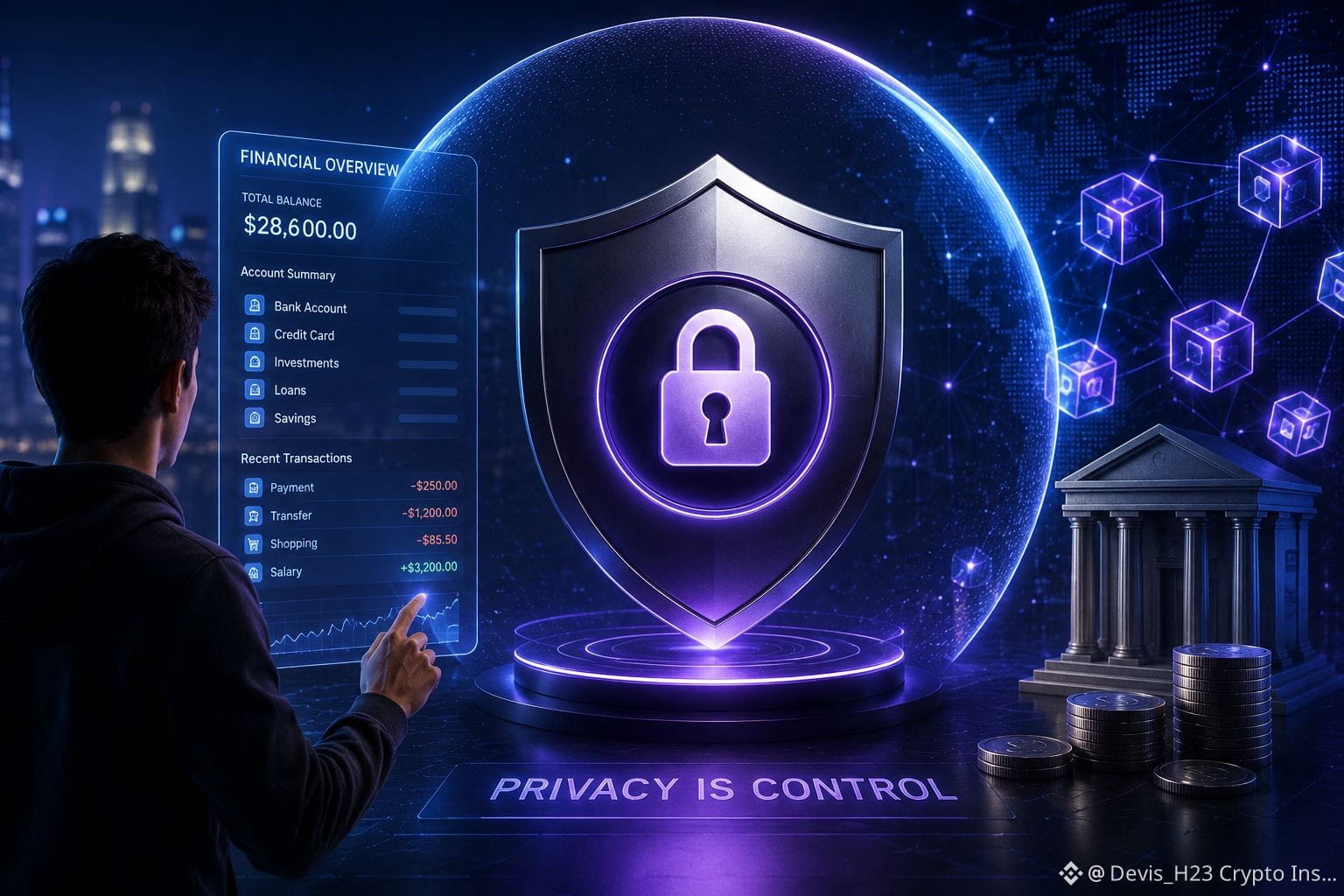
Würden Sie wollen, dass alle Ihre Finanzaktivitäten sehen?
━━━━━━━━━━━━━━━━━━
Wahrscheinlich nicht.
Wir schützen unsere Kontoauszüge, Zahlungen und Kontostände aus gutem Grund. Blockchain-Finanzwesen sollte dafür nicht auf diese Privatsphäre verzichten müssen.
@Dusk_Foundation entwickelt vertrauliche Smart Contracts für Finanzanwendungen und bringt Privatsphäre in On-Chain-Finanzierungen, während die Nachprüfbarkeit im Fokus bleibt.
Privatsphäre bedeutet nicht Verstecken.
Es bedeutet Kontrolle.
$DUSK
#dusk
━━━━━━━━━━━━━━━━━━
━━━━━━━━━━━━━━━━━━
Würden Sie wollen, dass alle Ihre Finanzaktivitäten sehen?
━━━━━━━━━━━━━━━━━━
Wahrscheinlich nicht.
Wir schützen unsere Kontoauszüge, Zahlungen und Kontostände aus gutem Grund. Blockchain-Finanzwesen sollte dafür nicht auf diese Privatsphäre verzichten müssen.
@Dusk entwickelt vertrauliche Smart Contracts für Finanzanwendungen und bringt Privatsphäre in On-Chain-Finanzierungen, während die Nachprüfbarkeit im Fokus bleibt.
Privatsphäre bedeutet nicht Verstecken.
Es bedeutet Kontrolle.
$DUSK
#dusk
━━━━━━━━━━━━━━━━━━
Würden Sie wollen, dass alle Ihre Finanzaktivitäten sehen?
━━━━━━━━━━━━━━━━━━
Wahrscheinlich nicht.
Wir schützen unsere Kontoauszüge, Zahlungen und Kontostände aus gutem Grund. Blockchain-Finanzwesen sollte dafür nicht auf diese Privatsphäre verzichten müssen.
@Dusk entwickelt vertrauliche Smart Contracts für Finanzanwendungen und bringt Privatsphäre in On-Chain-Finanzierungen, während die Nachprüfbarkeit im Fokus bleibt.
Privatsphäre bedeutet nicht Verstecken.
Es bedeutet Kontrolle.
$DUSK
#dusk
━━━━━━━━━━━━━━━━━━
92
$SOXS
entry:39.20-39.55
TP1:38
TP2:36
TP3:34
SL:42.20
entry hier👇👇
$SOXS
entry:39.20-39.55
TP1:38
TP2:36
TP3:34
SL:42.20
entry hier👇👇
entry:39.20-39.55
TP1:38
TP2:36
TP3:34
SL:42.20
entry hier👇👇
270
144
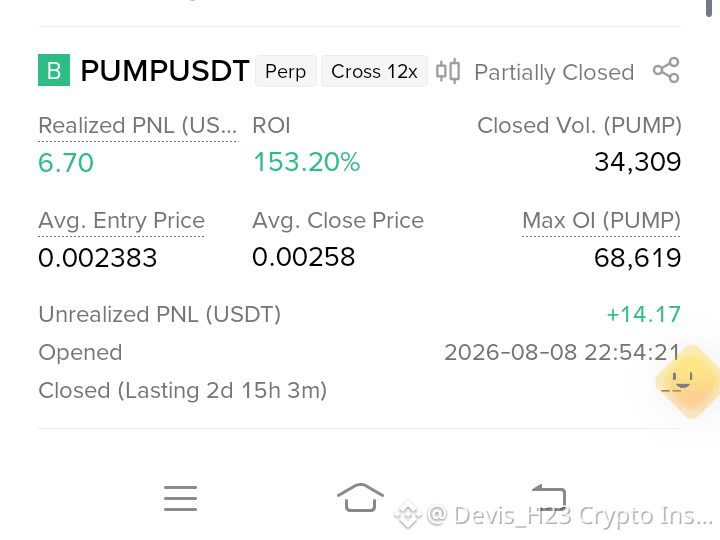
Noch ein Tag, noch ein Update.
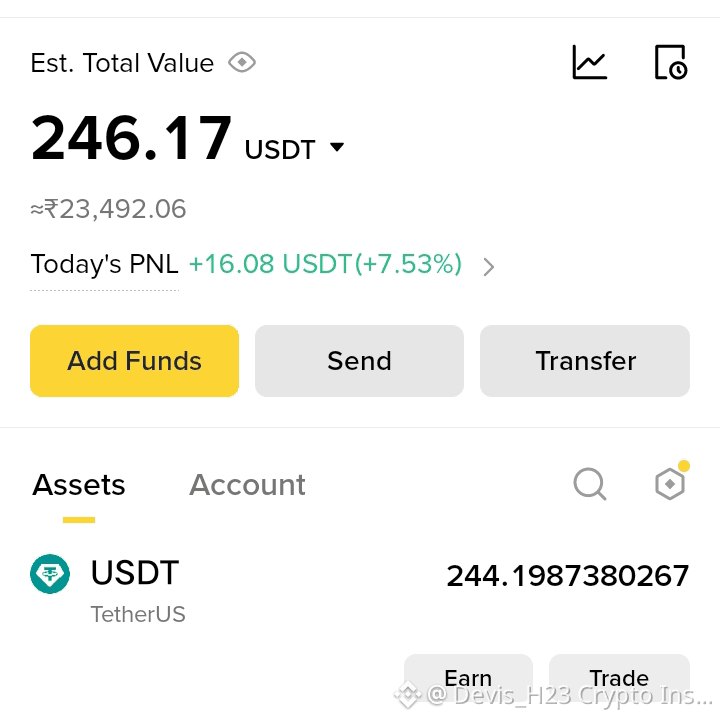
Ich habe diese Reise mit 115 USDT gestartet.
Heute liegt das Konto bei 246,17 USDT. 📈
PnL von heute: +16,08 USDT
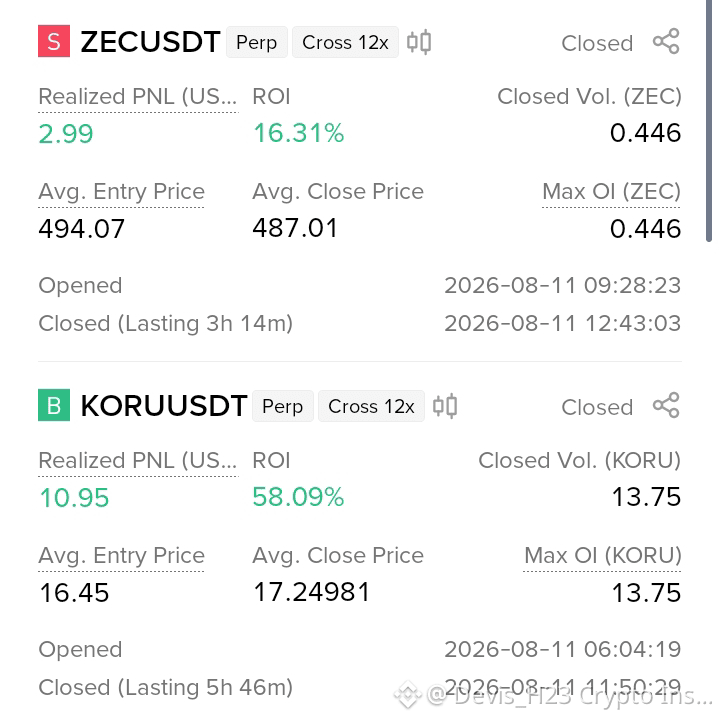
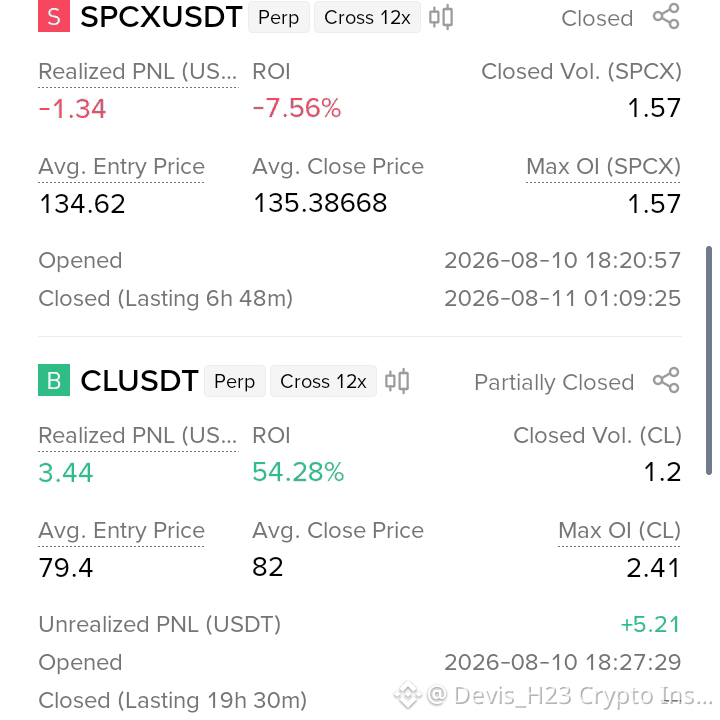
Einige der Trades von heute:
🟢 KORUUSDT: +10,95 USDT
🟢 XAGUSDT: +4,68 USDT
🟢 ZECUSDT: +2,99 USDT
🔴 SPCXUSDT: -1,34 USDT
Ich habe außerdem noch Positionen laufen, daher können sich die Zahlen mit dem Markt ändern.
Ich werde nicht so tun, als wäre jeder Trade perfekt.
Ein bisschen klappt.
Ein bisschen nicht.
Genau das möchte ich mit dieser Reise zeigen.
115 → 246,17 USDT
Das Ziel sind immer noch 1.000 USDT.
Ein Trade nach dem anderen.
Eine Lektion nach der anderen.
Wenn du diese Reise verfolgst, bleib bei mir. 🤝📈
#Devish #BTC #TrendingTopic
Noch ein Tag, noch ein Update.
Ich habe diese Reise mit 115 USDT gestartet.
Heute liegt das Konto bei 246,17 USDT. 📈
PnL von heute: +16,08 USDT
Einige der Trades von heute:
🟢 KORUUSDT: +10,95 USDT
🟢 XAGUSDT: +4,68 USDT
🟢 ZECUSDT: +2,99 USDT
🔴 SPCXUSDT: -1,34 USDT
Ich habe außerdem noch Positionen laufen, daher können sich die Zahlen mit dem Markt ändern.
Ich werde nicht so tun, als wäre jeder Trade perfekt.
Ein bisschen klappt.
Ein bisschen nicht.
Genau das möchte ich mit dieser Reise zeigen.
115 → 246,17 USDT
Das Ziel sind immer noch 1.000 USDT.
Ein Trade nach dem anderen.
Eine Lektion nach der anderen.
Wenn du diese Reise verfolgst, bleib bei mir. 🤝📈
#Devish #BTC #TrendingTopic
Ich habe diese Reise mit 115 USDT gestartet.
Heute liegt das Konto bei 246,17 USDT. 📈
PnL von heute: +16,08 USDT
Einige der Trades von heute:
🟢 KORUUSDT: +10,95 USDT
🟢 XAGUSDT: +4,68 USDT
🟢 ZECUSDT: +2,99 USDT
🔴 SPCXUSDT: -1,34 USDT
Ich habe außerdem noch Positionen laufen, daher können sich die Zahlen mit dem Markt ändern.
Ich werde nicht so tun, als wäre jeder Trade perfekt.
Ein bisschen klappt.
Ein bisschen nicht.
Genau das möchte ich mit dieser Reise zeigen.
115 → 246,17 USDT
Das Ziel sind immer noch 1.000 USDT.
Ein Trade nach dem anderen.
Eine Lektion nach der anderen.
Wenn du diese Reise verfolgst, bleib bei mir. 🤝📈
#Devish #BTC #TrendingTopic
104
Die Reise geht weiter. 📈
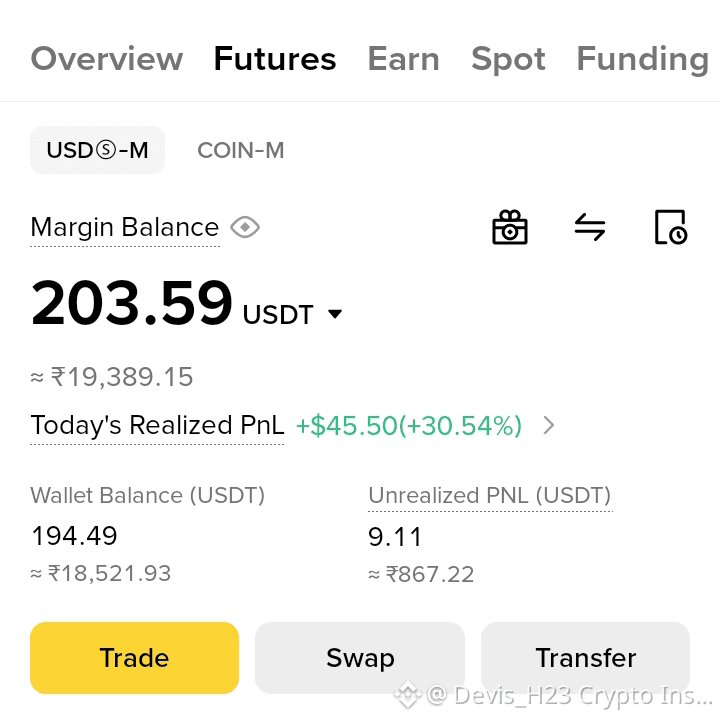
Ich habe dieses Konto mit 115 USDT gestartet.
Nach einem weiteren Handelstag ist es jetzt auf 203,59 USDT angewachsen.
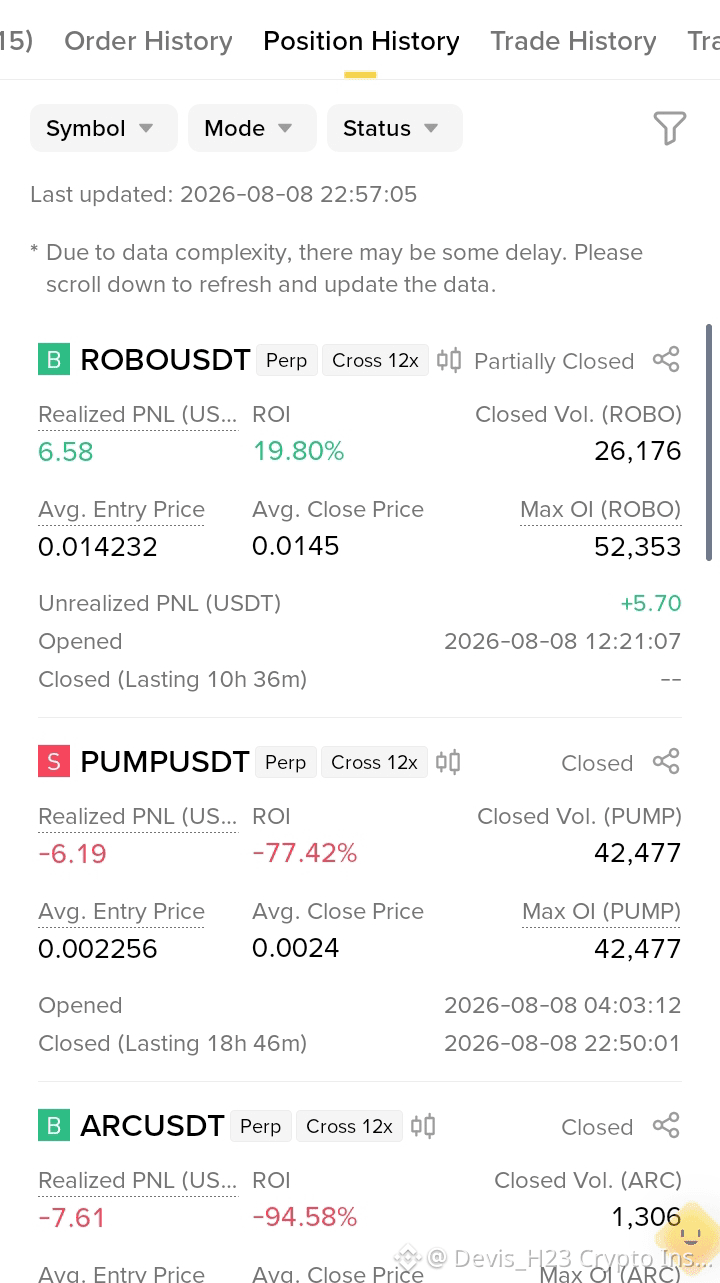
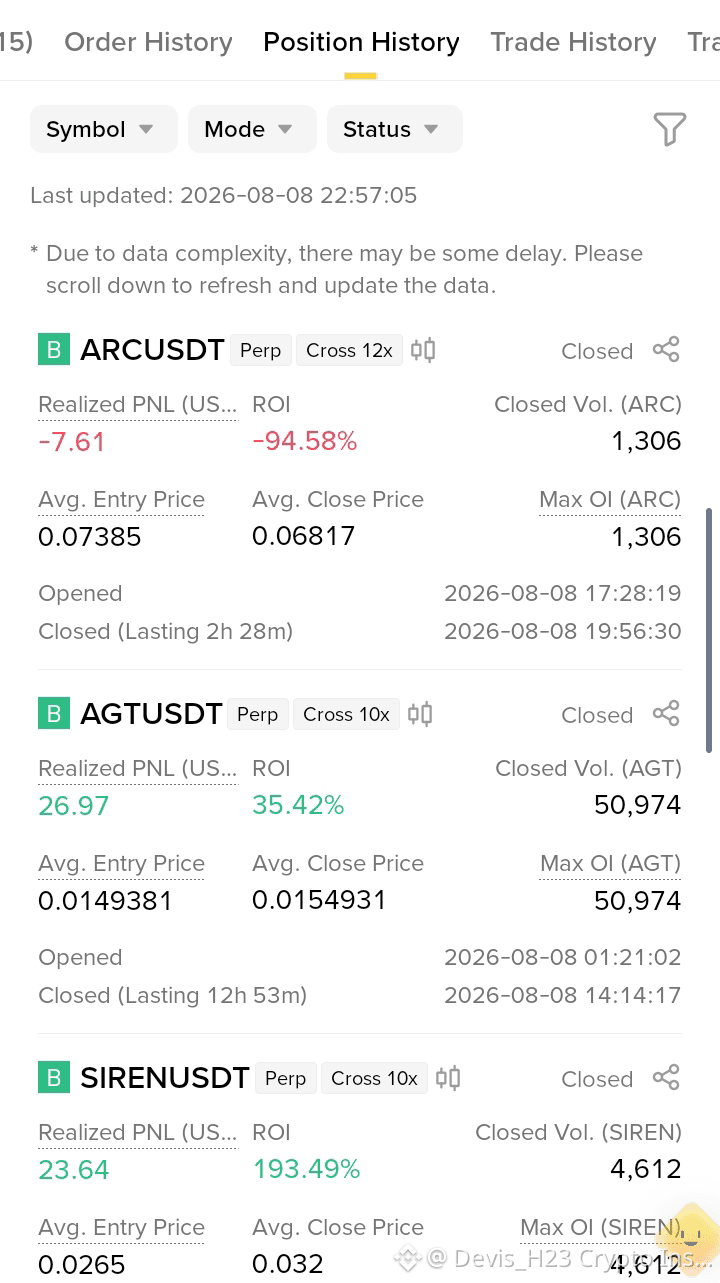
Die heutigen Ergebnisse:
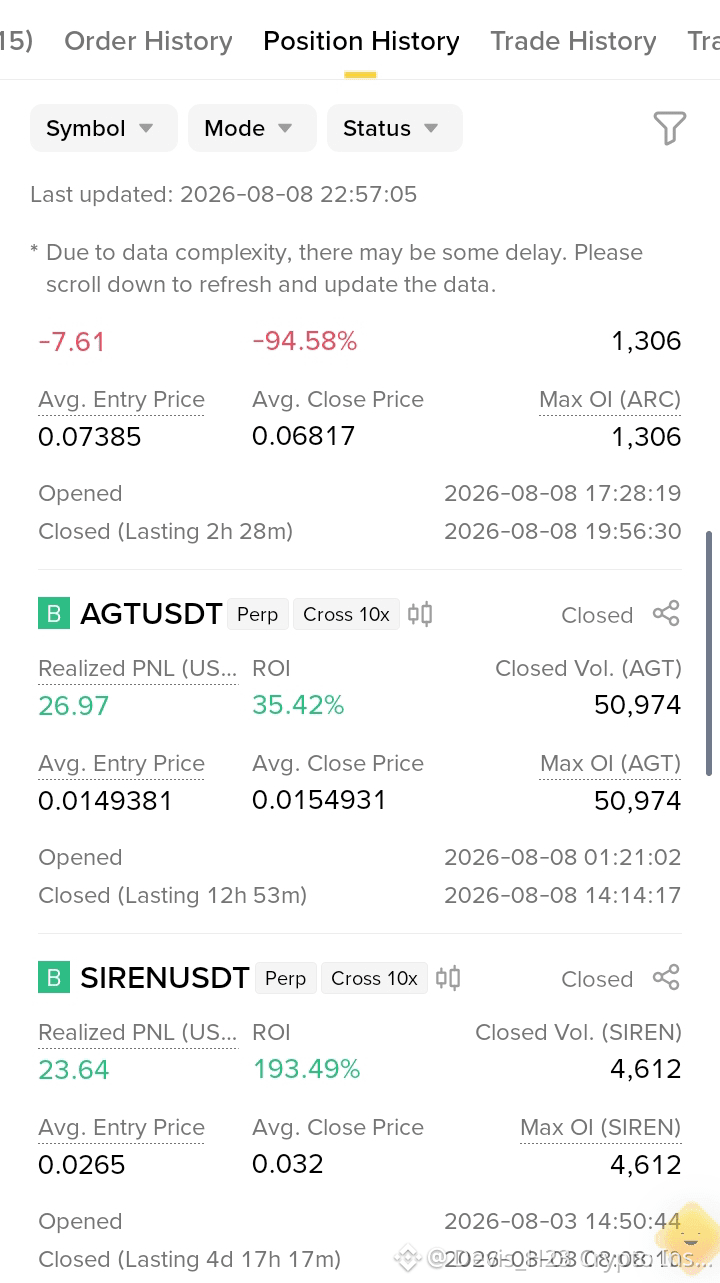
🟢 AGTUSDT: +26,97 USDT
🟢 SIRENUSDT: +23,64 USDT
🟢 ROBOUSDT: +6,58 USDT
🔴 PUMPUSDT: -6,19 USDT
🔴 ARCUSDT: -7,61 USDT
Realisierter PnL heute: +45,50 USDT
Nicht jeder Trade wird ein Gewinner sein, und das ist völlig in Ordnung.
Ich werde die guten Trades, die schlechten Trades, die Gewinne und die Verluste teilen — alles wird echt sein.
🎯 Ziel: 1.000 USDT
115 → 203,59 USDT
Ich werde auch die Setups und Signale teilen, die ich unterwegs mitnehme.
Wenn du meinen Trades folgen und aus der Reise lernen möchtest, folge mir und sei Teil davon.
Keine falschen Versprechen.
Keine garantierten Gewinne.
Nur echte Trades, echte Ergebnisse und eine echte Reise.
Wachsen wir gemeinsam. 🤝📈
#Devish
Die Reise geht weiter. 📈
Ich habe dieses Konto mit 115 USDT gestartet.
Nach einem weiteren Handelstag ist es jetzt auf 203,59 USDT angewachsen.
Die heutigen Ergebnisse:
🟢 AGTUSDT: +26,97 USDT
🟢 SIRENUSDT: +23,64 USDT
🟢 ROBOUSDT: +6,58 USDT
🔴 PUMPUSDT: -6,19 USDT
🔴 ARCUSDT: -7,61 USDT
Realisierter PnL heute: +45,50 USDT
Nicht jeder Trade wird ein Gewinner sein, und das ist völlig in Ordnung.
Ich werde die guten Trades, die schlechten Trades, die Gewinne und die Verluste teilen — alles wird echt sein.
🎯 Ziel: 1.000 USDT
115 → 203,59 USDT
Ich werde auch die Setups und Signale teilen, die ich unterwegs mitnehme.
Wenn du meinen Trades folgen und aus der Reise lernen möchtest, folge mir und sei Teil davon.
Keine falschen Versprechen.
Keine garantierten Gewinne.
Nur echte Trades, echte Ergebnisse und eine echte Reise.
Wachsen wir gemeinsam. 🤝📈
#Devish
Ich habe dieses Konto mit 115 USDT gestartet.
Nach einem weiteren Handelstag ist es jetzt auf 203,59 USDT angewachsen.
Die heutigen Ergebnisse:
🟢 AGTUSDT: +26,97 USDT
🟢 SIRENUSDT: +23,64 USDT
🟢 ROBOUSDT: +6,58 USDT
🔴 PUMPUSDT: -6,19 USDT
🔴 ARCUSDT: -7,61 USDT
Realisierter PnL heute: +45,50 USDT
Nicht jeder Trade wird ein Gewinner sein, und das ist völlig in Ordnung.
Ich werde die guten Trades, die schlechten Trades, die Gewinne und die Verluste teilen — alles wird echt sein.
🎯 Ziel: 1.000 USDT
115 → 203,59 USDT
Ich werde auch die Setups und Signale teilen, die ich unterwegs mitnehme.
Wenn du meinen Trades folgen und aus der Reise lernen möchtest, folge mir und sei Teil davon.
Keine falschen Versprechen.
Keine garantierten Gewinne.
Nur echte Trades, echte Ergebnisse und eine echte Reise.
Wachsen wir gemeinsam. 🤝📈
#Devish
1
1
154
Eine neue Reise begann mit nur 115 USDT.
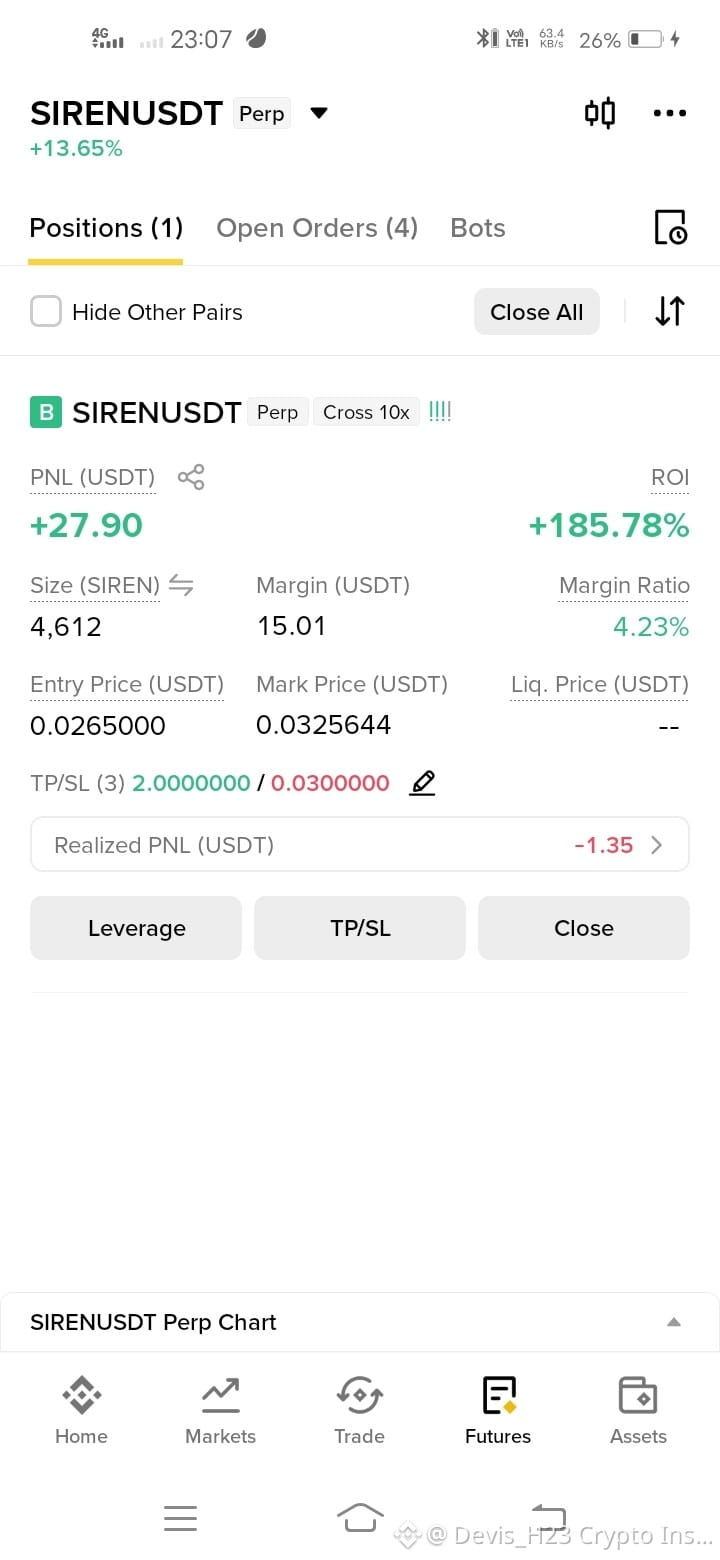
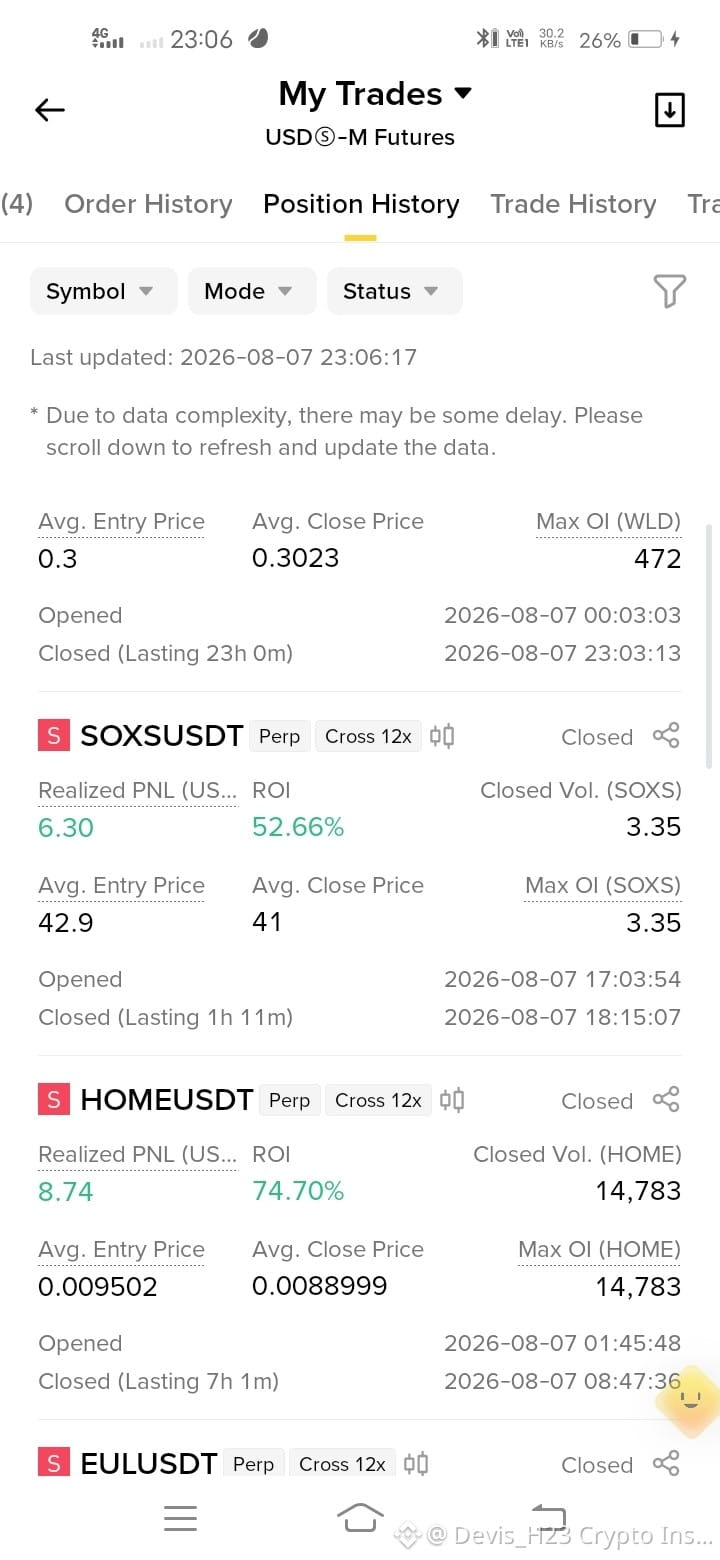
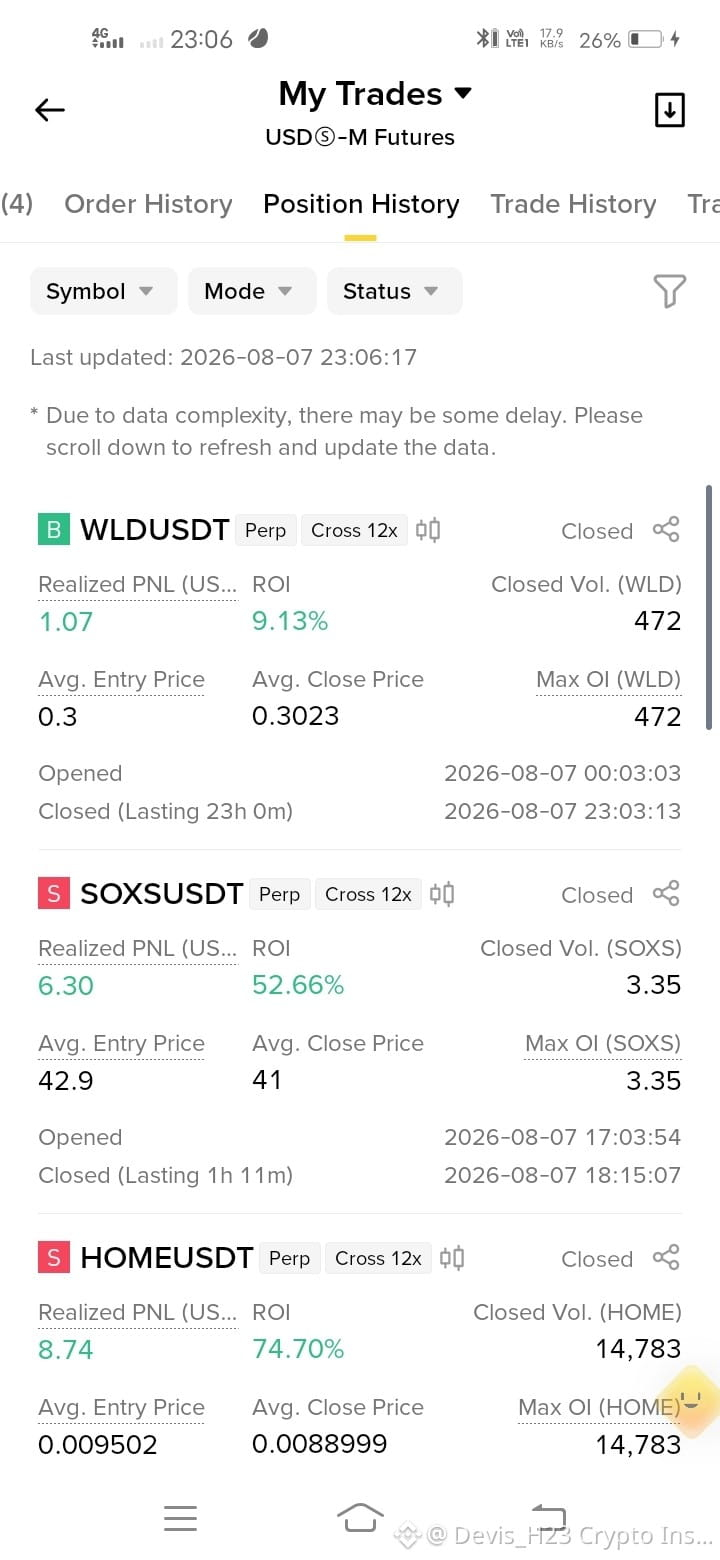
Ein paar Tage später ist das Konto bereits auf 176,93 USDT gewachsen.
Es ist immer noch ein langer Weg bis zu meinem Ziel von 1.000 USDT, aber jede Reise beginnt mit einem ersten Schritt.
Die Screenshots unten zeigen mein aktuelles Guthaben und die Trades hinter diesem Fortschritt.
Ich bin nicht hier, um nur Gewinntrades zu zeigen.
Ich werde alles teilen.
🟢 Gewinntrades.
🔴 Verlusttrades.
📊 Täglicher Fortschritt.
📸 Echte Screenshots.
🧠 Gelernte Lektionen.
Kein gefälschter PnL.
Keine bearbeiteten Ergebnisse.
Keine schlechten Tage versteckt.
Ob der Markt mich belohnt oder mich demütigt, du wirst jeden Schritt dieser Reise sehen.
Das Ziel ist nicht nur, 1.000 USDT zu erreichen.
Das Ziel ist, sie durch Disziplin, Geduld und korrektes Risikomanagement zu verdienen.
Wenn du daran interessiert bist, einer echten Trading-Reise zu folgen, tritt mir bei.
Lass uns sehen, wohin diese Reise führt.
Eine neue Reise begann mit nur 115 USDT.
Ein paar Tage später ist das Konto bereits auf 176,93 USDT gewachsen.
Es ist immer noch ein langer Weg bis zu meinem Ziel von 1.000 USDT, aber jede Reise beginnt mit einem ersten Schritt.
Die Screenshots unten zeigen mein aktuelles Guthaben und die Trades hinter diesem Fortschritt.
Ich bin nicht hier, um nur Gewinntrades zu zeigen.
Ich werde alles teilen.
🟢 Gewinntrades.
🔴 Verlusttrades.
📊 Täglicher Fortschritt.
📸 Echte Screenshots.
🧠 Gelernte Lektionen.
Kein gefälschter PnL.
Keine bearbeiteten Ergebnisse.
Keine schlechten Tage versteckt.
Ob der Markt mich belohnt oder mich demütigt, du wirst jeden Schritt dieser Reise sehen.
Das Ziel ist nicht nur, 1.000 USDT zu erreichen.
Das Ziel ist, sie durch Disziplin, Geduld und korrektes Risikomanagement zu verdienen.
Wenn du daran interessiert bist, einer echten Trading-Reise zu folgen, tritt mir bei.
Lass uns sehen, wohin diese Reise führt.
Ein paar Tage später ist das Konto bereits auf 176,93 USDT gewachsen.
Es ist immer noch ein langer Weg bis zu meinem Ziel von 1.000 USDT, aber jede Reise beginnt mit einem ersten Schritt.
Die Screenshots unten zeigen mein aktuelles Guthaben und die Trades hinter diesem Fortschritt.
Ich bin nicht hier, um nur Gewinntrades zu zeigen.
Ich werde alles teilen.
🟢 Gewinntrades.
🔴 Verlusttrades.
📊 Täglicher Fortschritt.
📸 Echte Screenshots.
🧠 Gelernte Lektionen.
Kein gefälschter PnL.
Keine bearbeiteten Ergebnisse.
Keine schlechten Tage versteckt.
Ob der Markt mich belohnt oder mich demütigt, du wirst jeden Schritt dieser Reise sehen.
Das Ziel ist nicht nur, 1.000 USDT zu erreichen.
Das Ziel ist, sie durch Disziplin, Geduld und korrektes Risikomanagement zu verdienen.
Wenn du daran interessiert bist, einer echten Trading-Reise zu folgen, tritt mir bei.
Lass uns sehen, wohin diese Reise führt.
289
Anmelden und weiter Inhalte entdecken
Krypto-Nutzer weltweit auf Binance Square kennenlernen
⚡️ Bleib in Sachen Krypto stets am Puls.
💬 Die weltgrößte Kryptobörse vertraut darauf.
👍 Erhalte verlässliche Einblicke von verifizierten Creators.
E-Mail-Adresse/Telefonnummer
Trendthemen
NEARRisesNearly80%InAWeek
23 Aufrufe
36 Kommentare
#nearrisesnearly80%inaweek
NEAR Protocol steht diese Woche völlig unter Dampf – hier ist, was den Anstieg antreibt 🔥
Was für eine Woche für NEAR! 🚀 Einen fast 80% Gewinn in nur 7 Tagen zu schaffen ist nicht einfach Glück; das zeigt eine enorme Dynamik, die um NEARs Vision von Chain Abstraction und die Integration von KI herum entsteht. Wenn technische Effizienz auf Retail-Hype trifft, bekommen wir genau diese Art von Kursbewegung.
Hältst du NEAR für die lange Frist, oder machst du bei diesen Kursen Gewinne? Poste deine Strategie unten! 👇
$NEAR
#BitcoinHits$85K #Near #crypto
Lily星星
·0 Likes
·222 Aufrufe
MultiversXPlansHardForkRecovery
655 Aufrufe
103 Kommentare
CircleLaunchesInstitutionalBTCBackedBorrowing
2,565 Aufrufe
267 Kommentare