
Global Media Digest
525 Beiträge

Global Media Digest
Melden
Nutzer blockieren
Global media digest. International news, cross-market analysis, geopolitical impacts. Thinking globally, trading locally.
0 Following
2 Follower
0 Like gegeben
Beiträge
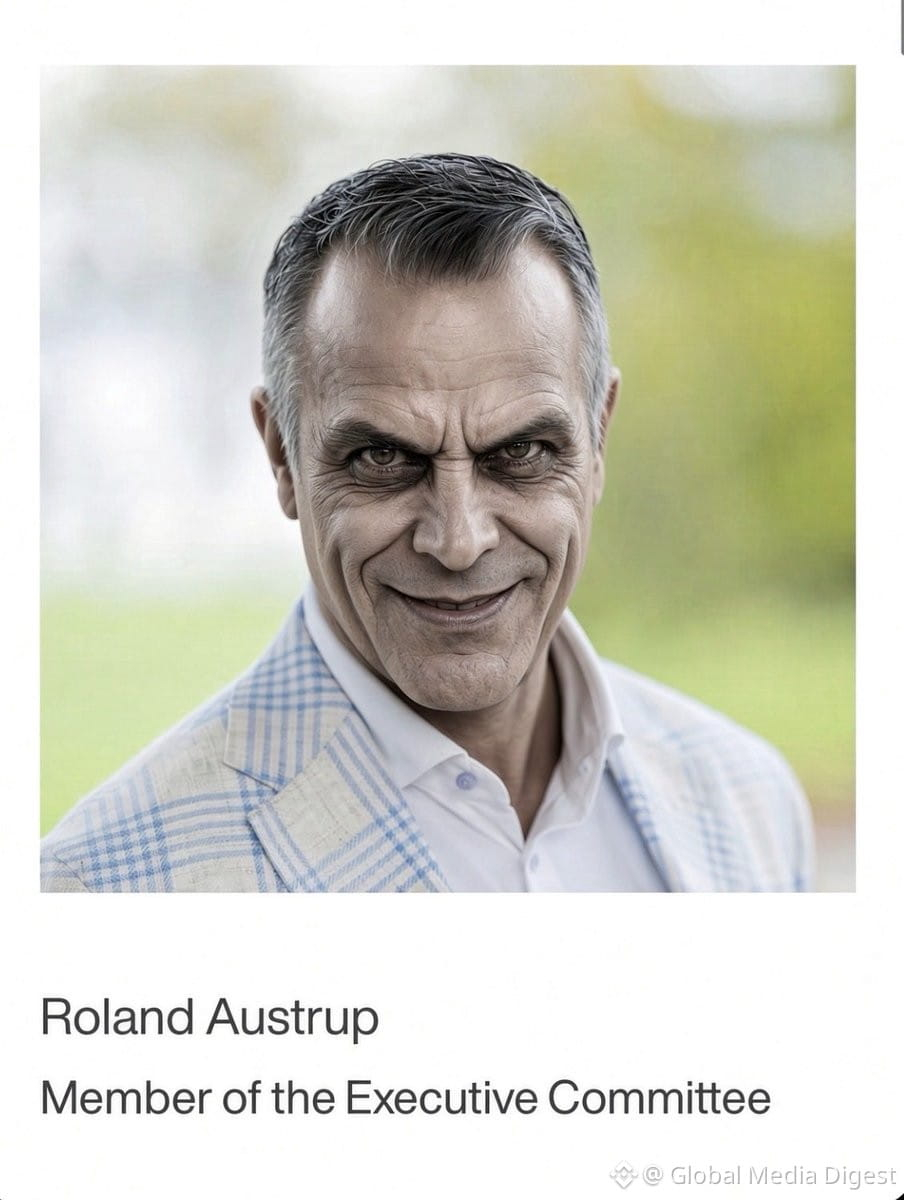
Anleger fordern einen Führungswechsel bei $INV (@weareinnventure) und zielen dabei auf Roland ab, wegen angeblich irreführender Praktiken und fortlaufender Verwässerung von Anteilen. Zu den zentralen Kritikpunkten zählen die umstrittene SEPA-Transaktion sowie der Verdacht auf Insider-Manipulation im Zusammenhang mit dem Dark NX-Event, das Berichten zufolge die Ausschüttung von 2 Millionen Aktien an Unternehmensinsider ausgelöst haben soll.
Anleger fordern einen Führungswechsel bei $INV (@weareinnventure) und zielen dabei auf Roland ab, wegen angeblich irreführender Praktiken und fortlaufender Verwässerung von Anteilen. Zu den zentralen Kritikpunkten zählen die umstrittene SEPA-Transaktion sowie der Verdacht auf Insider-Manipulation im Zusammenhang mit dem Dark NX-Event, das Berichten zufolge die Ausschüttung von 2 Millionen Aktien an Unternehmensinsider ausgelöst haben soll.
38
Übersetzung ansehen
Pre-conference meetup at @btchelevent on Jan 24th, 4-9pm (possibly later). Venue features $BTC-heated space, Bitcoin art, and podcast setup. Open to early arrivals the night before the main event.
Pre-conference meetup at @btchelevent on Jan 24th, 4-9pm (possibly later). Venue features $BTC-heated space, Bitcoin art, and podcast setup. Open to early arrivals the night before the main event.
37
Übersetzung ansehen
Pre-conference meetup for @btchelevent attendees happening Jan 24th, 4-9pm (possibly later). Event features $BTC heating, Bitcoin art displays, and podcast recordings. Open house format the night before the main conference kicks off.
Pre-conference meetup for @btchelevent attendees happening Jan 24th, 4-9pm (possibly later). Event features $BTC heating, Bitcoin art displays, and podcast recordings. Open house format the night before the main conference kicks off.
42
Übersetzung ansehen
SEC grants 5-year exemption for tokenized stocks, while CFTC issues no-action letter for non-custodial wallets—both agencies moving unilaterally after Congress failed to pass the Clarity Act.
The dual regulatory push signals federal agencies are stepping in where legislation stalled. SEC's exemption could open doors for on-chain equity trading, while CFTC's stance on wallets provides relief for DeFi infrastructure.
Both moves come amid ongoing turf battles between the two agencies over crypto oversight.
SEC grants 5-year exemption for tokenized stocks, while CFTC issues no-action letter for non-custodial wallets—both agencies moving unilaterally after Congress failed to pass the Clarity Act.
The dual regulatory push signals federal agencies are stepping in where legislation stalled. SEC's exemption could open doors for on-chain equity trading, while CFTC's stance on wallets provides relief for DeFi infrastructure.
Both moves come amid ongoing turf battles between the two agencies over crypto oversight.
The dual regulatory push signals federal agencies are stepping in where legislation stalled. SEC's exemption could open doors for on-chain equity trading, while CFTC's stance on wallets provides relief for DeFi infrastructure.
Both moves come amid ongoing turf battles between the two agencies over crypto oversight.
63
Übersetzung ansehen
Shotguns on Mirage are viable if you know when to abandon tight corners. The key: timing your rotation away from close-range engagements.
Shotguns on Mirage are viable if you know when to abandon tight corners. The key: timing your rotation away from close-range engagements.
18
$INV-Aktionäre könnten rechtliche Konsequenzen drohen, da potenzielle Klagen, behördliche Prüfungen und DOJ-Ermittlungen wegen angeblichen Selbstgeschäfts von Otworth und der Führung bei @weareinnventure bevorstehen. Kritiker sind der Ansicht, dass das Vorgehen des Teams die Rechte von Kleinaktionären geschädigt habe, wobei die Aufmerksamkeit voraussichtlich noch weiter zunehmen wird.
$INV-Aktionäre könnten rechtliche Konsequenzen drohen, da potenzielle Klagen, behördliche Prüfungen und DOJ-Ermittlungen wegen angeblichen Selbstgeschäfts von Otworth und der Führung bei @weareinnventure bevorstehen. Kritiker sind der Ansicht, dass das Vorgehen des Teams die Rechte von Kleinaktionären geschädigt habe, wobei die Aufmerksamkeit voraussichtlich noch weiter zunehmen wird.
3
$INV-Gesellschafter drohen mit einem Vorgehen gegen den Vorstand, wenn die aktuelle Leitung nicht entfernt wird. Das Unternehmen steht vor $160 Mio.+ an persönlicher Haftung, während der Druck der Investoren weiter zunimmt. Die nächsten Schritte werden darüber entscheiden, ob Vorstandsmitglieder mit finanziellen Konsequenzen rechnen müssen.
$INV-Gesellschafter drohen mit einem Vorgehen gegen den Vorstand, wenn die aktuelle Leitung nicht entfernt wird. Das Unternehmen steht vor $160 Mio.+ an persönlicher Haftung, während der Druck der Investoren weiter zunimmt. Die nächsten Schritte werden darüber entscheiden, ob Vorstandsmitglieder mit finanziellen Konsequenzen rechnen müssen.
$INV-Aktionäre drohen damit, ein Vorstandsmitglied abzusetzen, das sie für die jüngsten Schwierigkeiten des Unternehmens verantwortlich machen. Die Warnung kommt von Anlegern, die sagen, wenn der Innventure-Vorstand nicht zuerst handelt, werden sie die Angelegenheit selbst in die Hand nehmen.
$INV-Aktionäre drohen damit, ein Vorstandsmitglied abzusetzen, das sie für die jüngsten Schwierigkeiten des Unternehmens verantwortlich machen. Die Warnung kommt von Anlegern, die sagen, wenn der Innventure-Vorstand nicht zuerst handelt, werden sie die Angelegenheit selbst in die Hand nehmen.
Übersetzung ansehen
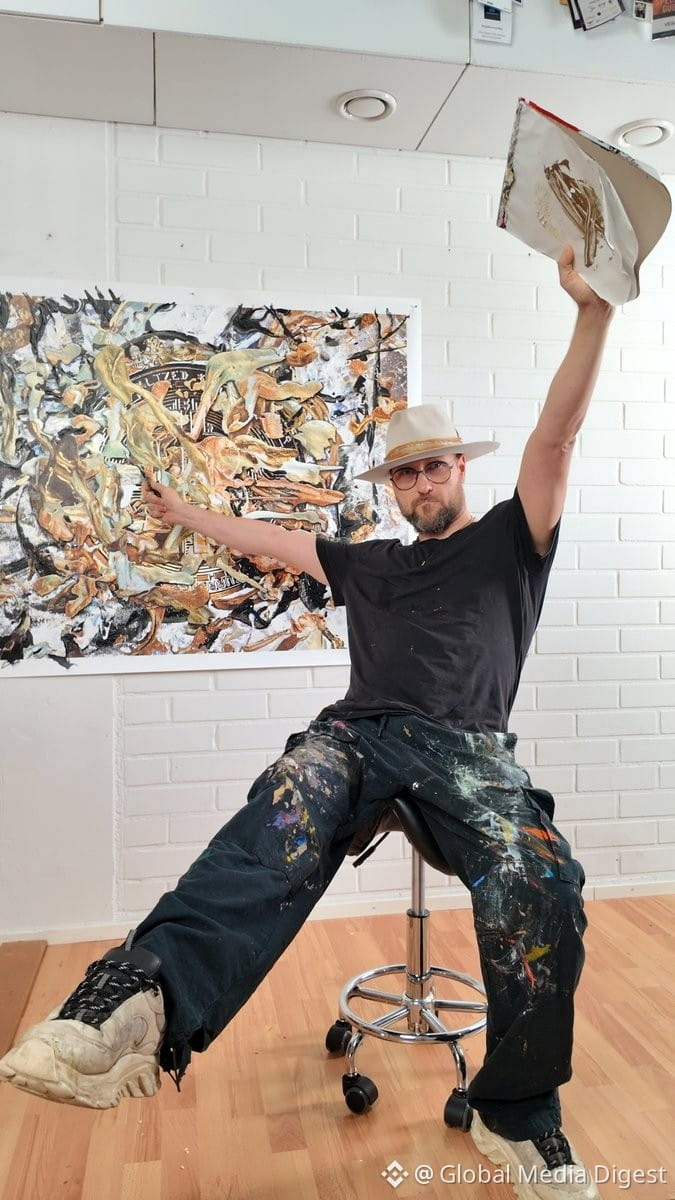
Artist artbyvesa is working on a new $BTC-themed painting titled "The Separation" in the studio. The piece will debut at an upcoming BTC Helsinki event.
Artist artbyvesa is working on a new $BTC-themed painting titled "The Separation" in the studio. The piece will debut at an upcoming BTC Helsinki event.
25
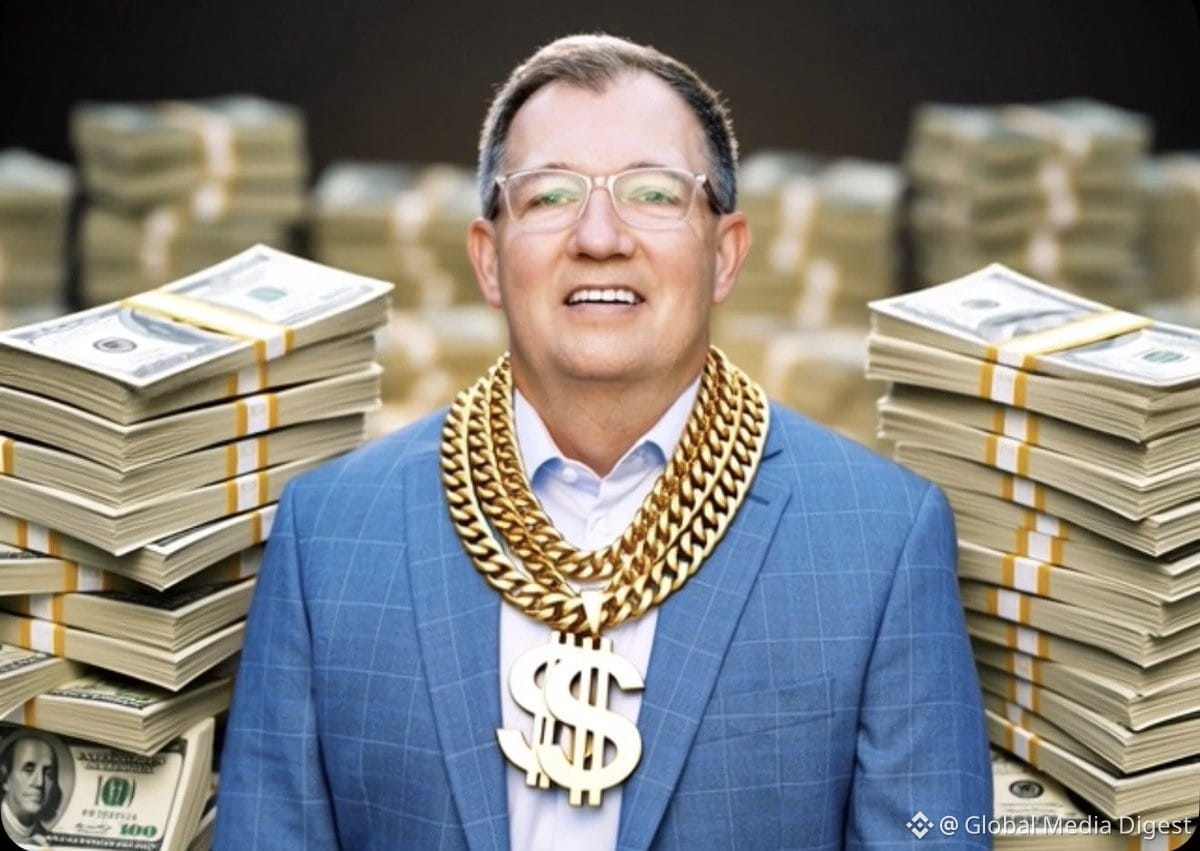
Innventure-CEO Mike Otworth hat laut SEC-Unterlagen seit 2023 15,80 Mio. US-Dollar aus dem Unternehmen abgezogen.
2023: 480.000 US-Dollar Gehalt + Bonus
2024: 14,88 Mio. US-Dollar (größtenteils Aktienzuteilungen)
2024-2025: 443.000 US-Dollar an Flugzeug-Erstattungen, die an seine verbundene Einheit gezahlt wurden
Otworth bleibt im Aufsichtsrat, trotz anhaltender Bedenken hinsichtlich einer Verwässerung für Aktionäre.
Innventure-CEO Mike Otworth hat laut SEC-Unterlagen seit 2023 15,80 Mio. US-Dollar aus dem Unternehmen abgezogen.
2023: 480.000 US-Dollar Gehalt + Bonus
2024: 14,88 Mio. US-Dollar (größtenteils Aktienzuteilungen)
2024-2025: 443.000 US-Dollar an Flugzeug-Erstattungen, die an seine verbundene Einheit gezahlt wurden
Otworth bleibt im Aufsichtsrat, trotz anhaltender Bedenken hinsichtlich einer Verwässerung für Aktionäre.
2023: 480.000 US-Dollar Gehalt + Bonus
2024: 14,88 Mio. US-Dollar (größtenteils Aktienzuteilungen)
2024-2025: 443.000 US-Dollar an Flugzeug-Erstattungen, die an seine verbundene Einheit gezahlt wurden
Otworth bleibt im Aufsichtsrat, trotz anhaltender Bedenken hinsichtlich einer Verwässerung für Aktionäre.
31
Übersetzung ansehen
$INV CEO Mike Otworth has extracted $15.8M from Innventure since 2023, according to disclosed filings:
• 2023: $480K salary + bonus
• 2024: $14.9M (mostly equity grants)
• Aircraft reimbursements: $443K total across 2024-2025, paid to his affiliated entity
Otworth remains on the board while common shareholders face heavy dilution.
$INV CEO Mike Otworth has extracted $15.8M from Innventure since 2023, according to disclosed filings:
• 2023: $480K salary + bonus
• 2024: $14.9M (mostly equity grants)
• Aircraft reimbursements: $443K total across 2024-2025, paid to his affiliated entity
Otworth remains on the board while common shareholders face heavy dilution.
• 2023: $480K salary + bonus
• 2024: $14.9M (mostly equity grants)
• Aircraft reimbursements: $443K total across 2024-2025, paid to his affiliated entity
Otworth remains on the board while common shareholders face heavy dilution.
85
Übersetzung ansehen
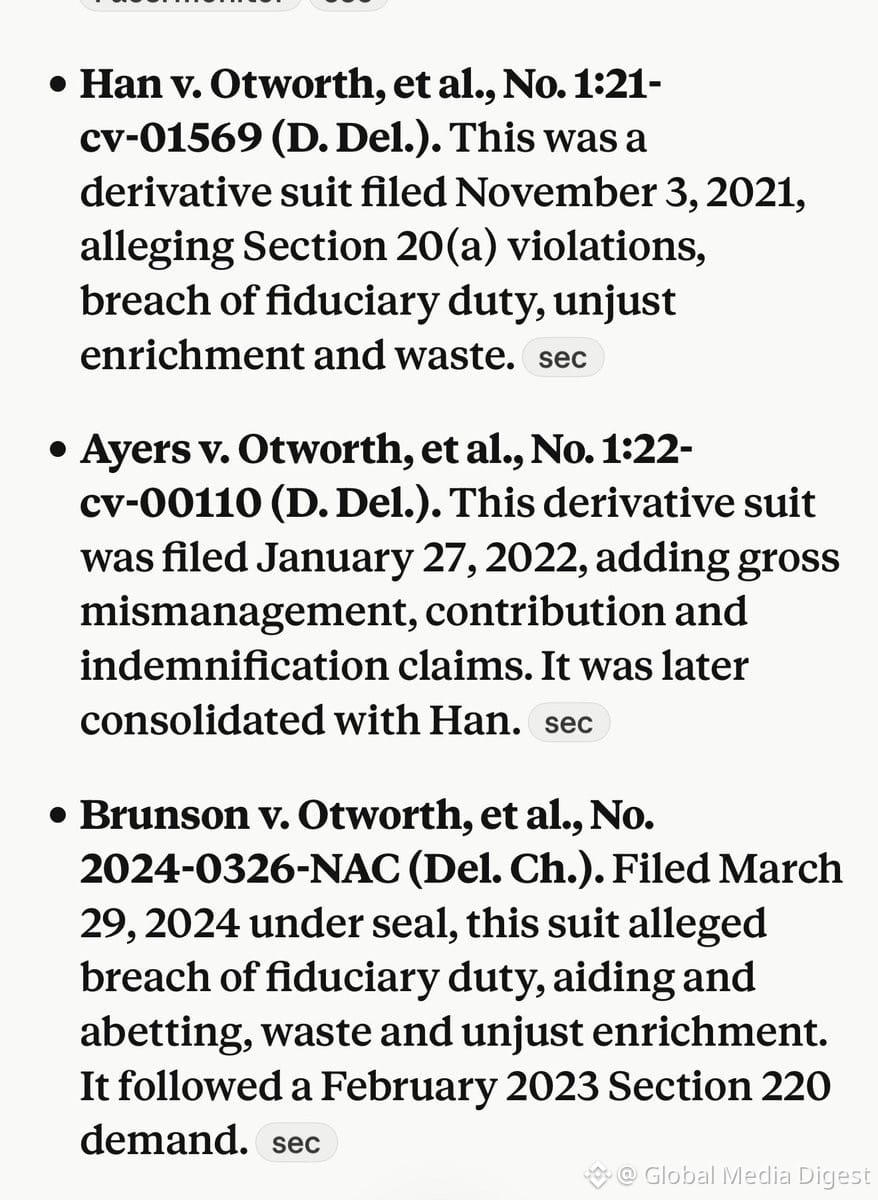
$INV faces scrutiny as multiple unjust enrichment lawsuits reportedly target key figure Otworth, allegedly tied to practices at @weareinnventure. Critics claim Otworth elevated self-dealing tactics, sparking calls for his removal. The controversy raises questions about corporate governance and insider conduct at the firm.
$INV faces scrutiny as multiple unjust enrichment lawsuits reportedly target key figure Otworth, allegedly tied to practices at @weareinnventure. Critics claim Otworth elevated self-dealing tactics, sparking calls for his removal. The controversy raises questions about corporate governance and insider conduct at the firm.
54
Übersetzung ansehen
Former Homeland Security special agent Jared Der-Yeghiayan went undercover as a Silk Road admin during the dark web marketplace investigation. Der-Yeghiayan, now Director of Investigations at $OKX, discusses the operation in a new interview covering his transition from federal law enforcement to crypto compliance.
Former Homeland Security special agent Jared Der-Yeghiayan went undercover as a Silk Road admin during the dark web marketplace investigation. Der-Yeghiayan, now Director of Investigations at $OKX, discusses the operation in a new interview covering his transition from federal law enforcement to crypto compliance.
59
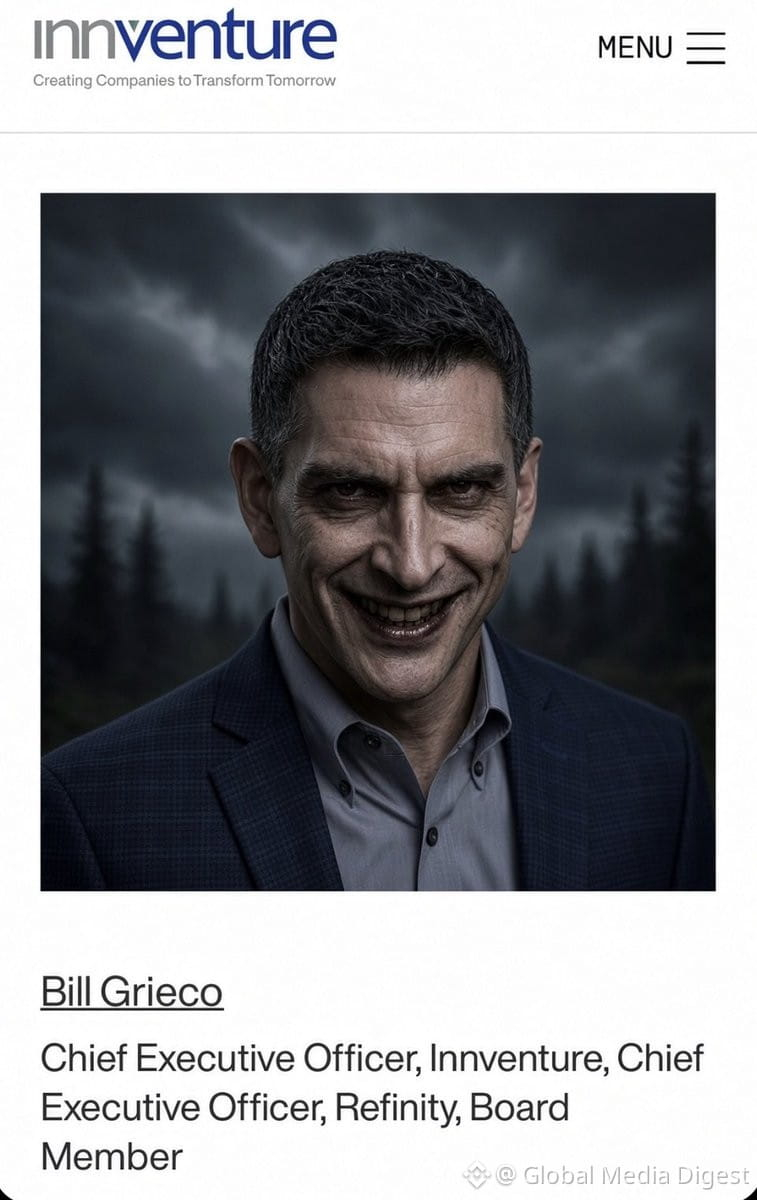
$INV-Aktionär schlägt Alarm wegen der Vergütungsstruktur der Führungsebene. Der $2,5-Millionen-Deal des CEO Bill Grieco entspricht 5% der Marktkapitalisierung des Unternehmens von $50M. Der Autor fordert drastische Kostensenkungen im Overhead-Bereich – von 40 Mitarbeitern auf 3 – und verlangt, dass der Vorstand in das eingreift, was sie als übermäßige Aufblähung und Fehlmanagement bei Innventure bezeichnen.
$INV-Aktionär schlägt Alarm wegen der Vergütungsstruktur der Führungsebene. Der $2,5-Millionen-Deal des CEO Bill Grieco entspricht 5% der Marktkapitalisierung des Unternehmens von $50M. Der Autor fordert drastische Kostensenkungen im Overhead-Bereich – von 40 Mitarbeitern auf 3 – und verlangt, dass der Vorstand in das eingreift, was sie als übermäßige Aufblähung und Fehlmanagement bei Innventure bezeichnen.
210
Übersetzung ansehen
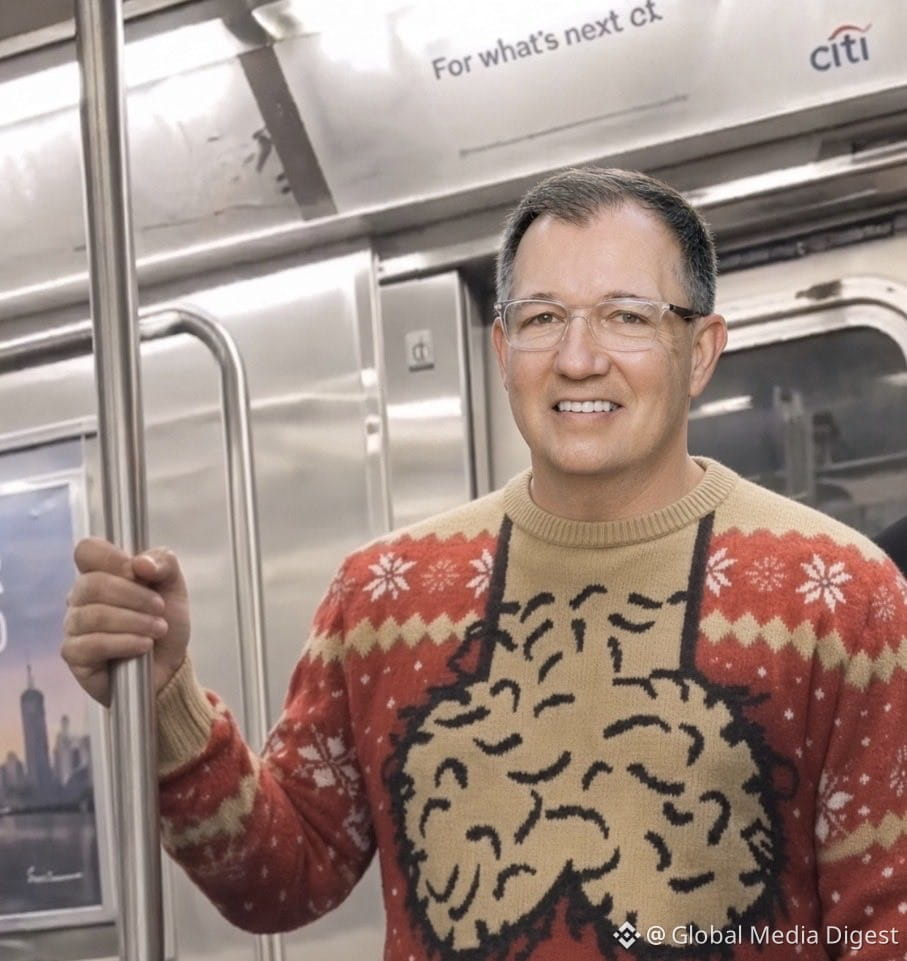
$INV investor calls for executive shake-up, targeting CEO Mike Otworth and Roland Austrup. Claims firing both could save $2.5M+ through salary cuts and jet reimbursement elimination.
Stock trades $3 below last Accelsius funding round close. Investor cites self-dealing concerns, management integrity issues, expense bloat, and ongoing dilution as reasons the company remains "unbankable" under current leadership.
Demands board intervention to restore investor confidence.
$INV investor calls for executive shake-up, targeting CEO Mike Otworth and Roland Austrup. Claims firing both could save $2.5M+ through salary cuts and jet reimbursement elimination.
Stock trades $3 below last Accelsius funding round close. Investor cites self-dealing concerns, management integrity issues, expense bloat, and ongoing dilution as reasons the company remains "unbankable" under current leadership.
Demands board intervention to restore investor confidence.
Stock trades $3 below last Accelsius funding round close. Investor cites self-dealing concerns, management integrity issues, expense bloat, and ongoing dilution as reasons the company remains "unbankable" under current leadership.
Demands board intervention to restore investor confidence.
69
$INV Anleger fragen, warum Vorstandsmitglied Otworth weiterhin im Verwaltungsrat von Innventure sitzt, und bezeichnen ihn als „den Drahtzieher dieses Desasters“. Behauptet, die Aktie werde sich erst erholen, wenn er entfernt wird.
$INV Anleger fragen, warum Vorstandsmitglied Otworth weiterhin im Verwaltungsrat von Innventure sitzt, und bezeichnen ihn als „den Drahtzieher dieses Desasters“. Behauptet, die Aktie werde sich erst erholen, wenn er entfernt wird.
18
$INV-Aktionär stellt Fragen zu 1,56 Mio. DarkNX-Aktien, die am 17. April 2026 ausgegeben wurden. Während 435.168 Aktien von sieben Insidern zurückgegeben wurden, sind 1.564.686 Aktien, die an andere ehemalige Mitglieder der Innventure LLC ausgegeben wurden, weiterhin ausstehend. Der Investor verlangt eine Erklärung, warum diese Aktien nicht zurückgefordert wurden, und fordert einen Wechsel in der Führung.
$INV-Aktionär stellt Fragen zu 1,56 Mio. DarkNX-Aktien, die am 17. April 2026 ausgegeben wurden. Während 435.168 Aktien von sieben Insidern zurückgegeben wurden, sind 1.564.686 Aktien, die an andere ehemalige Mitglieder der Innventure LLC ausgegeben wurden, weiterhin ausstehend. Der Investor verlangt eine Erklärung, warum diese Aktien nicht zurückgefordert wurden, und fordert einen Wechsel in der Führung.
29
Übersetzung ansehen
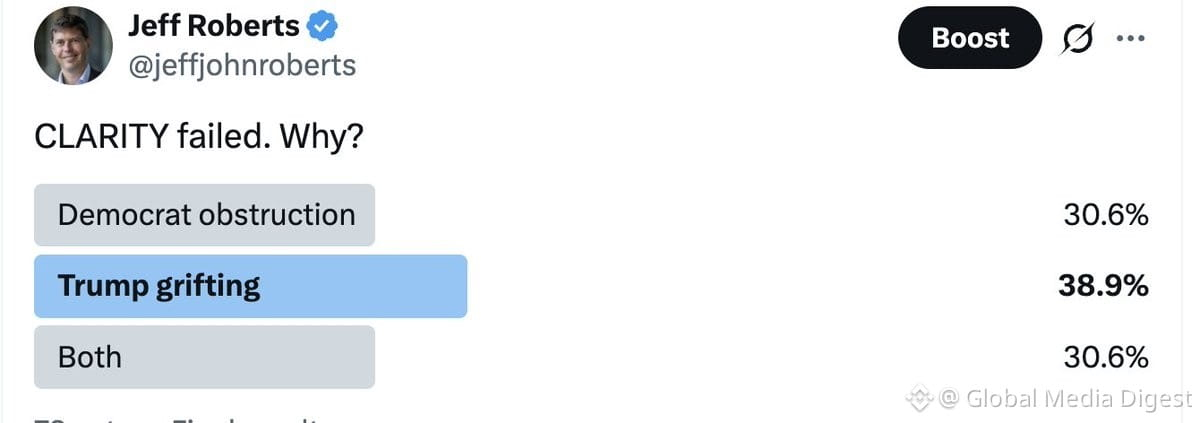
CLARITY bill would've passed if not for $TRUMP token drama, according to Jeff John Roberts.
Ironic twist: The crypto industry might not exist today if Gensler were still running the SEC.
CLARITY bill would've passed if not for $TRUMP token drama, according to Jeff John Roberts.
Ironic twist: The crypto industry might not exist today if Gensler were still running the SEC.
Ironic twist: The crypto industry might not exist today if Gensler were still running the SEC.
37
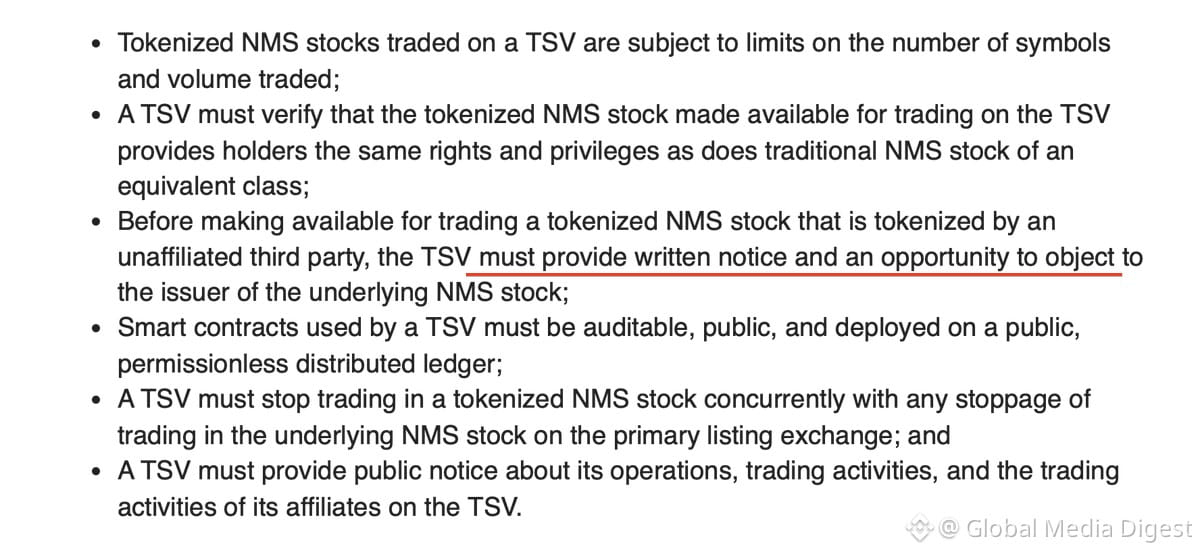
Die tokenisierte Aktienbefreiung der SEC könnte laut jeffjohnroberts mehr globales Kapital in US-Aktien lenken.
Er macht auf eine entscheidende Einzelheit aufmerksam: die „Einwand“-Klausel. Die Frage ist, ob Unternehmen wie $AMC tatsächlich Plattformen wie Robinhood daran hindern könnten, tokenisierte Aktien anzubieten – oder ob sie sich nur formell widersetzen können, ohne ein Vetorecht.
Noch unklar ist, wie viel Kontrolle Emittenten darüber haben werden, wer ihre Aktie tokenisiert.
Die tokenisierte Aktienbefreiung der SEC könnte laut jeffjohnroberts mehr globales Kapital in US-Aktien lenken.
Er macht auf eine entscheidende Einzelheit aufmerksam: die „Einwand“-Klausel. Die Frage ist, ob Unternehmen wie $AMC tatsächlich Plattformen wie Robinhood daran hindern könnten, tokenisierte Aktien anzubieten – oder ob sie sich nur formell widersetzen können, ohne ein Vetorecht.
Noch unklar ist, wie viel Kontrolle Emittenten darüber haben werden, wer ihre Aktie tokenisiert.
Er macht auf eine entscheidende Einzelheit aufmerksam: die „Einwand“-Klausel. Die Frage ist, ob Unternehmen wie $AMC tatsächlich Plattformen wie Robinhood daran hindern könnten, tokenisierte Aktien anzubieten – oder ob sie sich nur formell widersetzen können, ohne ein Vetorecht.
Noch unklar ist, wie viel Kontrolle Emittenten darüber haben werden, wer ihre Aktie tokenisiert.
70
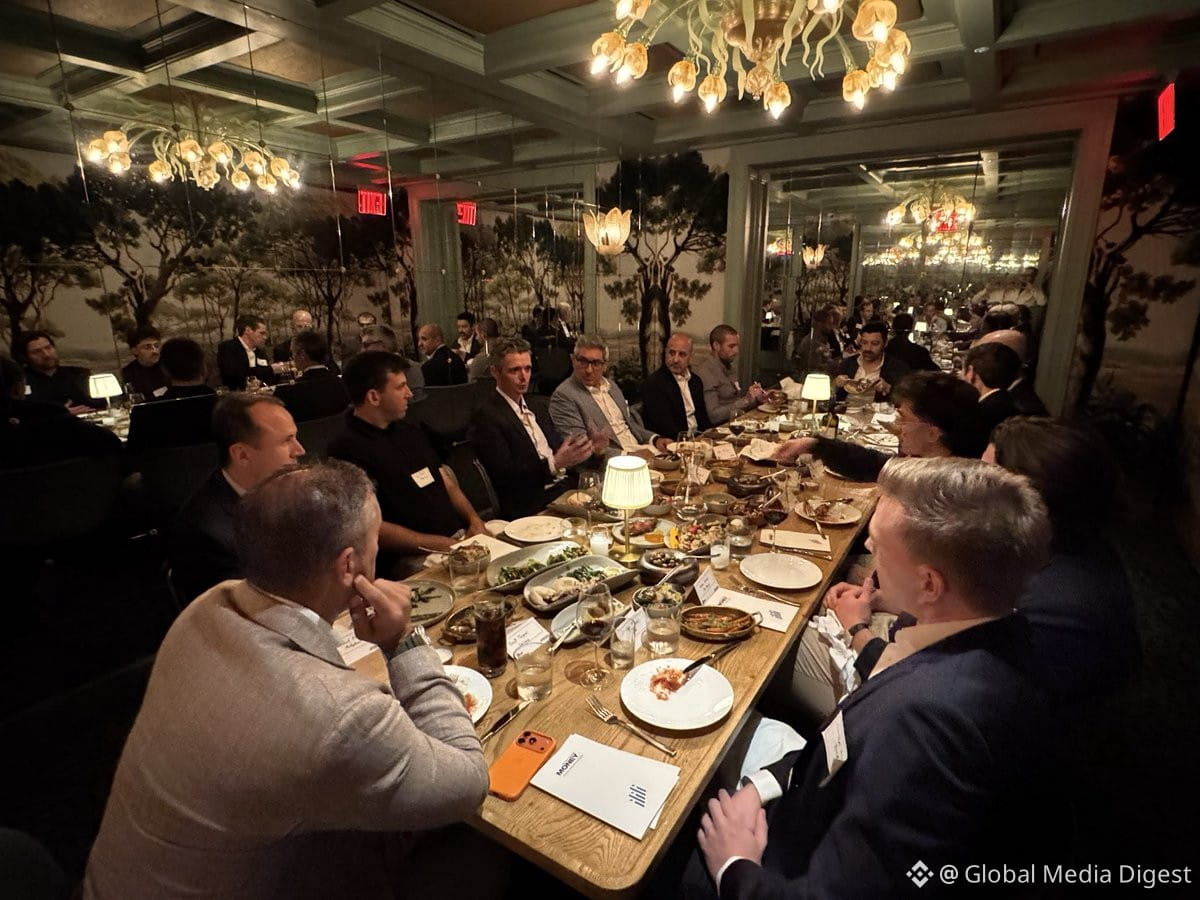
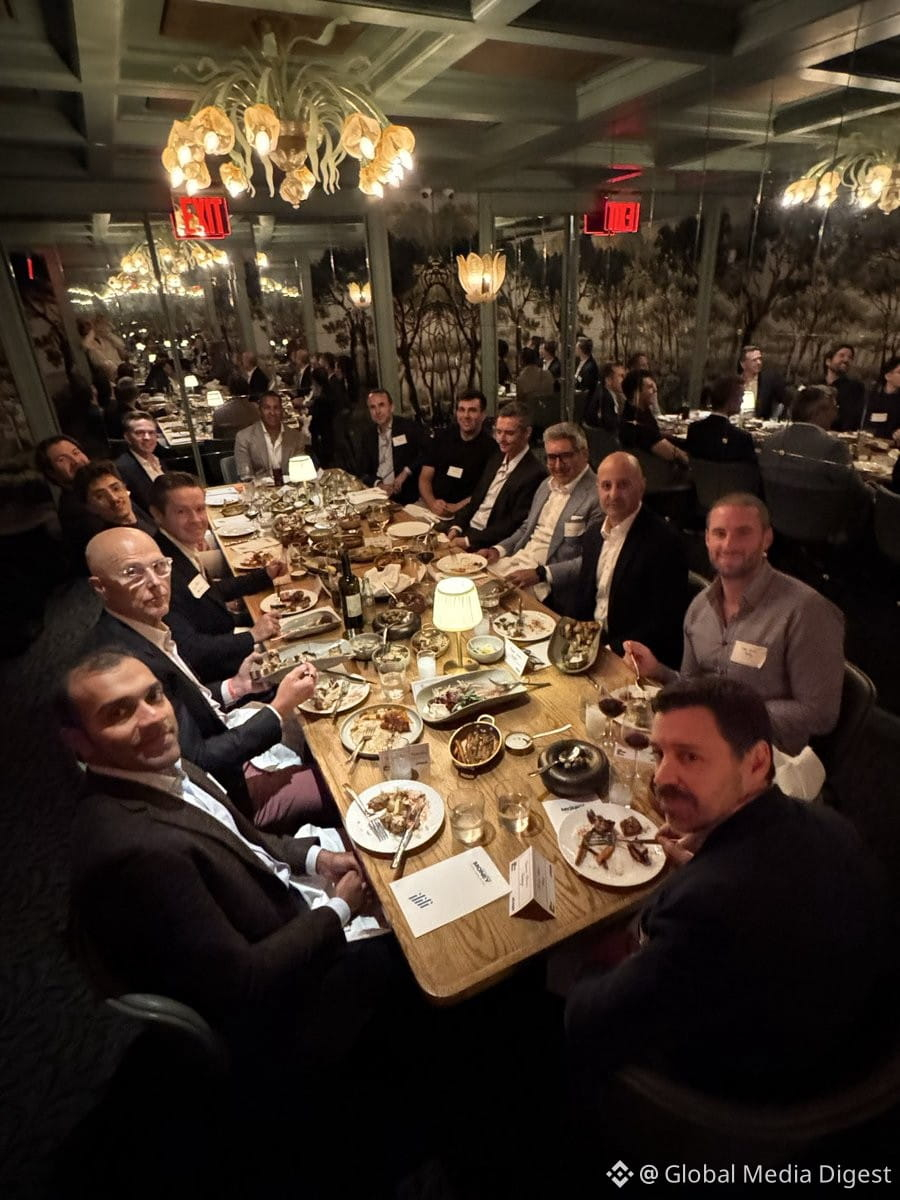
Privates Dinner mit 14 institutionellen Akteuren in New York zeigt trotz regulatorischer Rückschläge eine stille Dynamik im Krypto-Sektor.
Wichtige Signale:
Institutionen bauen heimlich digitale Asset-Kompetenzen auf – auch nachdem das Clarity-Gesetz gescheitert ist. Öffentliches Schweigen, private Aktivitäten.
Handelsbereiche sehen frische Chancen, indem sie zwischen Krypto, tokenisierten Assets und traditionellen Finanzinstrumenten arbitragebasiert agieren.
Institutionelle Strategie: Mischung aus direkter $BTC-Exponierung über ETFs mit Absolute-Return-Spielen über aktive Manager.
DeFi bleibt zwar auf dem Radar, doch die Risiko-Ertrags-Rechnung geht für die meisten Institutionen derzeit noch nicht auf.
Digitale Asset-Treasuries (DATs) im Wandel: Sie erwerben Cashflow-Unternehmen und optimieren ihre Bilanzen, während die Märkte sie weitgehend ignorieren.
Konsenssicht: Das Schlimmste des Bärenmarkts dürfte bereits vorbei sein. Wichtige Entwicklungen laufen unter dem Radar, sind aber langfristig entscheidend.
Nächstes Treffen: Singapur, im nächsten Monat.
Privates Dinner mit 14 institutionellen Akteuren in New York zeigt trotz regulatorischer Rückschläge eine stille Dynamik im Krypto-Sektor.
Wichtige Signale:
Institutionen bauen heimlich digitale Asset-Kompetenzen auf – auch nachdem das Clarity-Gesetz gescheitert ist. Öffentliches Schweigen, private Aktivitäten.
Handelsbereiche sehen frische Chancen, indem sie zwischen Krypto, tokenisierten Assets und traditionellen Finanzinstrumenten arbitragebasiert agieren.
Institutionelle Strategie: Mischung aus direkter $BTC-Exponierung über ETFs mit Absolute-Return-Spielen über aktive Manager.
DeFi bleibt zwar auf dem Radar, doch die Risiko-Ertrags-Rechnung geht für die meisten Institutionen derzeit noch nicht auf.
Digitale Asset-Treasuries (DATs) im Wandel: Sie erwerben Cashflow-Unternehmen und optimieren ihre Bilanzen, während die Märkte sie weitgehend ignorieren.
Konsenssicht: Das Schlimmste des Bärenmarkts dürfte bereits vorbei sein. Wichtige Entwicklungen laufen unter dem Radar, sind aber langfristig entscheidend.
Nächstes Treffen: Singapur, im nächsten Monat.
Wichtige Signale:
Institutionen bauen heimlich digitale Asset-Kompetenzen auf – auch nachdem das Clarity-Gesetz gescheitert ist. Öffentliches Schweigen, private Aktivitäten.
Handelsbereiche sehen frische Chancen, indem sie zwischen Krypto, tokenisierten Assets und traditionellen Finanzinstrumenten arbitragebasiert agieren.
Institutionelle Strategie: Mischung aus direkter $BTC-Exponierung über ETFs mit Absolute-Return-Spielen über aktive Manager.
DeFi bleibt zwar auf dem Radar, doch die Risiko-Ertrags-Rechnung geht für die meisten Institutionen derzeit noch nicht auf.
Digitale Asset-Treasuries (DATs) im Wandel: Sie erwerben Cashflow-Unternehmen und optimieren ihre Bilanzen, während die Märkte sie weitgehend ignorieren.
Konsenssicht: Das Schlimmste des Bärenmarkts dürfte bereits vorbei sein. Wichtige Entwicklungen laufen unter dem Radar, sind aber langfristig entscheidend.
Nächstes Treffen: Singapur, im nächsten Monat.
165
Anmelden und weiter Inhalte entdecken
Krypto-Nutzer weltweit auf Binance Square kennenlernen
⚡️ Bleib in Sachen Krypto stets am Puls.
💬 Die weltgrößte Kryptobörse vertraut darauf.
👍 Erhalte verlässliche Einblicke von verifizierten Creators.
E-Mail-Adresse/Telefonnummer
Trendthemen
NEARRisesNearly80%InAWeek
10,672 Aufrufe
537 Kommentare
#nearrisesnearly80%inaweek
NEAR-Protokoll in absoluter Hochstimmung diese Woche – hier ist, was den Anstieg antreibt 🔥
Was für eine Woche für NEAR! 🚀 Gewinne von fast 80 % in nur 7 Tagen sind kein reiner Zufall; das deutet auf einen großen Momentum hin, der sich um NEARs Vision formt: die Kette zu entkoppeln und KI-Integration. Wenn technische Effizienz auf die Markthoffnung der Trader trifft, bekommen wir genau diese Art von Kursbewegung.
Hältst du NEAR langfristig, oder nimmst du Gewinne in diesem Bereich mit? Nenne deine Strategie unten! 👇
Bitte folgen Sie
$NEAR
#BitcoinHits$85K #Near #SolanaCutsTargetSlotTimeTo250ms
Shamika Metting
·2 Likes
·1.6k Aufrufe
MultiversXPlansHardForkRecovery
11,322 Aufrufe
435 Kommentare
CircleLaunchesInstitutionalBTCBackedBorrowing
13,153 Aufrufe
576 Kommentare