

CryptoFund Radar
1k Beiträge
CryptoFund Radar
Melden
Nutzer blockieren
Crypto fund & institutional insights. VC funding, fund strategy, institutional adoption trends. Tracking smart money moves in crypto.
0 Following
2 Follower
9 Like gegeben
Beiträge
Übersetzung ansehen
Institutions want their own rules inside $ETH blocks.
Normal txs on Ethereum are visible to everyone before inclusion. This pushed many institutions onto private chains with trash liquidity.
@ETHGasOfficial lets them book blockspace ahead of time. Txs skip the public mempool and get screened against their own sanctions rules first. Each institution stays in control without leaving Ethereum.
Being seen early is expensive for funds moving size. MEV bots watch the mempool, spot the trade, frontrun it, and pump the price you pay. With reserved blockspace, the fund buys a whole block and decides what goes ahead of their trade.
Institutions don't have to leave Ethereum for a private chain to set their own rules anymore.
This is how TradFi capital enters DeFi without getting rekt by MEV.
Institutions want their own rules inside $ETH blocks.
Normal txs on Ethereum are visible to everyone before inclusion. This pushed many institutions onto private chains with trash liquidity.
@ETHGasOfficial lets them book blockspace ahead of time. Txs skip the public mempool and get screened against their own sanctions rules first. Each institution stays in control without leaving Ethereum.
Being seen early is expensive for funds moving size. MEV bots watch the mempool, spot the trade, frontrun it, and pump the price you pay. With reserved blockspace, the fund buys a whole block and decides what goes ahead of their trade.
Institutions don't have to leave Ethereum for a private chain to set their own rules anymore.
This is how TradFi capital enters DeFi without getting rekt by MEV.
Normal txs on Ethereum are visible to everyone before inclusion. This pushed many institutions onto private chains with trash liquidity.
@ETHGasOfficial lets them book blockspace ahead of time. Txs skip the public mempool and get screened against their own sanctions rules first. Each institution stays in control without leaving Ethereum.
Being seen early is expensive for funds moving size. MEV bots watch the mempool, spot the trade, frontrun it, and pump the price you pay. With reserved blockspace, the fund buys a whole block and decides what goes ahead of their trade.
Institutions don't have to leave Ethereum for a private chain to set their own rules anymore.
This is how TradFi capital enters DeFi without getting rekt by MEV.
64
Der neue Delphi-Podcast mit Tarun Chitra ist gerade erschienen – dem Gründer von Gauntlet und Managing Partner bei Robot Ventures. Robot hat gerade die 90-Millionen-Dollar-Finanzierungsrunde von $NOUS Research angeführt.
Tarun hat 3–4 Monate lang die Due Diligence durchgeführt, bevor er in Nous und Hermes Agent investierte. Er hat OpenRouter-Daten, GitHub-Forks und den gesamten Stack durchleuchtet.
Die wichtigsten Erkenntnisse aus dem Podcast:
• Warum die erste KI-Welle im Kryptobereich eine Katastrophe war – Meme-Coins mit ein paar Extraschritten
• Warum die Teams, die tatsächlich Tokens herausbrachten, erfolgreich waren
• OpenClaw bietet die schlechteste Developer Experience, die er je erlebt hat
• Hermes ist eher wie Ubuntu als Android – ein offenes Infrastrukturprojekt
• Chinesische Roboterhersteller entwickeln bereits auf Basis von Hermes
• Einige Inference-Anbieter tricksen bei der Preisgestaltung für Caches
Seine These zur Marktstruktur: Das ganze Geld fließt an die Spitze und ans untere Ende. Oben die Harnesses, darunter die Inference. In Hermes zu investieren ist wie in Phantom oder FOMO zu investieren – Infrastruktur, die echte Nutzung auf sich vereint.
Microsoft und Nvidia sind ebenfalls bei der Finanzierungsrunde eingestiegen. OpenRouter ist im Grunde eine DEX für KI.
Delphi hat die Seed-Runde mit angeführt und in den Serien A und B nachgelegt. Die vollständige Folge ist verlinkt.
Der neue Delphi-Podcast mit Tarun Chitra ist gerade erschienen – dem Gründer von Gauntlet und Managing Partner bei Robot Ventures. Robot hat gerade die 90-Millionen-Dollar-Finanzierungsrunde von $NOUS Research angeführt.
Tarun hat 3–4 Monate lang die Due Diligence durchgeführt, bevor er in Nous und Hermes Agent investierte. Er hat OpenRouter-Daten, GitHub-Forks und den gesamten Stack durchleuchtet.
Die wichtigsten Erkenntnisse aus dem Podcast:
• Warum die erste KI-Welle im Kryptobereich eine Katastrophe war – Meme-Coins mit ein paar Extraschritten
• Warum die Teams, die tatsächlich Tokens herausbrachten, erfolgreich waren
• OpenClaw bietet die schlechteste Developer Experience, die er je erlebt hat
• Hermes ist eher wie Ubuntu als Android – ein offenes Infrastrukturprojekt
• Chinesische Roboterhersteller entwickeln bereits auf Basis von Hermes
• Einige Inference-Anbieter tricksen bei der Preisgestaltung für Caches
Seine These zur Marktstruktur: Das ganze Geld fließt an die Spitze und ans untere Ende. Oben die Harnesses, darunter die Inference. In Hermes zu investieren ist wie in Phantom oder FOMO zu investieren – Infrastruktur, die echte Nutzung auf sich vereint.
Microsoft und Nvidia sind ebenfalls bei der Finanzierungsrunde eingestiegen. OpenRouter ist im Grunde eine DEX für KI.
Delphi hat die Seed-Runde mit angeführt und in den Serien A und B nachgelegt. Die vollständige Folge ist verlinkt.
Tarun hat 3–4 Monate lang die Due Diligence durchgeführt, bevor er in Nous und Hermes Agent investierte. Er hat OpenRouter-Daten, GitHub-Forks und den gesamten Stack durchleuchtet.
Die wichtigsten Erkenntnisse aus dem Podcast:
• Warum die erste KI-Welle im Kryptobereich eine Katastrophe war – Meme-Coins mit ein paar Extraschritten
• Warum die Teams, die tatsächlich Tokens herausbrachten, erfolgreich waren
• OpenClaw bietet die schlechteste Developer Experience, die er je erlebt hat
• Hermes ist eher wie Ubuntu als Android – ein offenes Infrastrukturprojekt
• Chinesische Roboterhersteller entwickeln bereits auf Basis von Hermes
• Einige Inference-Anbieter tricksen bei der Preisgestaltung für Caches
Seine These zur Marktstruktur: Das ganze Geld fließt an die Spitze und ans untere Ende. Oben die Harnesses, darunter die Inference. In Hermes zu investieren ist wie in Phantom oder FOMO zu investieren – Infrastruktur, die echte Nutzung auf sich vereint.
Microsoft und Nvidia sind ebenfalls bei der Finanzierungsrunde eingestiegen. OpenRouter ist im Grunde eine DEX für KI.
Delphi hat die Seed-Runde mit angeführt und in den Serien A und B nachgelegt. Die vollständige Folge ist verlinkt.
José spricht Klartext über das Nachfragerisiko bei KI 💣
Das in KI-Modelle fließende VC-Geld erzeugt eine Rückkopplungsschleife. Doch hier ist der Haken: Wenn das Fundraising nachlässt, könnte die gesamte Nachfragestruktur in sich zusammenbrechen.
Anders gesagt: Investitionen in KI-Infrastruktur setzen auf einen ewigen Kapitalzufluss. Sobald das VC-Geld versiegt, dürfte die Nachfrage schnell einbrechen.
Das ist wichtig für $TAO, $RNDR, $FET und die gesamte KI-Erzählung im Kryptobereich. Wir setzen nicht nur auf die Verbreitung neuer Technologien – wir setzen auch auf einen Kapitalzyklus.
Wenn sich die makroökonomische Lage verschärft oder die Risikobereitschaft sinkt, trifft es KI-Token doppelt: Es fließt weniger VC-Geld in KI-Projekte UND es gibt weniger Spekulation von Kleinanlegern.
Richtet eure Positionen entsprechend aus. Wollt nicht mit wertlosen Bags dastehen, wenn die Musik aufhört.
José spricht Klartext über das Nachfragerisiko bei KI 💣
Das in KI-Modelle fließende VC-Geld erzeugt eine Rückkopplungsschleife. Doch hier ist der Haken: Wenn das Fundraising nachlässt, könnte die gesamte Nachfragestruktur in sich zusammenbrechen.
Anders gesagt: Investitionen in KI-Infrastruktur setzen auf einen ewigen Kapitalzufluss. Sobald das VC-Geld versiegt, dürfte die Nachfrage schnell einbrechen.
Das ist wichtig für $TAO, $RNDR, $FET und die gesamte KI-Erzählung im Kryptobereich. Wir setzen nicht nur auf die Verbreitung neuer Technologien – wir setzen auch auf einen Kapitalzyklus.
Wenn sich die makroökonomische Lage verschärft oder die Risikobereitschaft sinkt, trifft es KI-Token doppelt: Es fließt weniger VC-Geld in KI-Projekte UND es gibt weniger Spekulation von Kleinanlegern.
Richtet eure Positionen entsprechend aus. Wollt nicht mit wertlosen Bags dastehen, wenn die Musik aufhört.
Das in KI-Modelle fließende VC-Geld erzeugt eine Rückkopplungsschleife. Doch hier ist der Haken: Wenn das Fundraising nachlässt, könnte die gesamte Nachfragestruktur in sich zusammenbrechen.
Anders gesagt: Investitionen in KI-Infrastruktur setzen auf einen ewigen Kapitalzufluss. Sobald das VC-Geld versiegt, dürfte die Nachfrage schnell einbrechen.
Das ist wichtig für $TAO, $RNDR, $FET und die gesamte KI-Erzählung im Kryptobereich. Wir setzen nicht nur auf die Verbreitung neuer Technologien – wir setzen auch auf einen Kapitalzyklus.
Wenn sich die makroökonomische Lage verschärft oder die Risikobereitschaft sinkt, trifft es KI-Token doppelt: Es fließt weniger VC-Geld in KI-Projekte UND es gibt weniger Spekulation von Kleinanlegern.
Richtet eure Positionen entsprechend aus. Wollt nicht mit wertlosen Bags dastehen, wenn die Musik aufhört.
Das alte Meritokratie-Modell ist kaputt. Die ganzen Belohnungen gehen an diejenigen, die sich zwischen 15 und 30 am härtesten abrackern – und danach bist du auf deine Laufbahn festgelegt.
KI krempelt das um. Sie ist der große Gleichmacher. Jeder kann Agenten aufsetzen, Arbeitsabläufe automatisieren und mitmischen – ganz ohne Stanford-Abschluss oder Kontakte zu Risikokapitalgebern.
Wir bewegen uns weg vom Prinzip „Der Gewinner bekommt alles“ hin zu „Werkzeuge für alle“. Mehr Handlungsspielraum bedeutet, dass mehr Menschen über ihre gesamte Karriere hinweg Wertschöpfung für sich nutzen können – nicht nur beim frühen Sprint.
So baut man eine nachhaltige Wirtschaft auf, statt eine Burnout-Fabrik.
Das alte Meritokratie-Modell ist kaputt. Die ganzen Belohnungen gehen an diejenigen, die sich zwischen 15 und 30 am härtesten abrackern – und danach bist du auf deine Laufbahn festgelegt.
KI krempelt das um. Sie ist der große Gleichmacher. Jeder kann Agenten aufsetzen, Arbeitsabläufe automatisieren und mitmischen – ganz ohne Stanford-Abschluss oder Kontakte zu Risikokapitalgebern.
Wir bewegen uns weg vom Prinzip „Der Gewinner bekommt alles“ hin zu „Werkzeuge für alle“. Mehr Handlungsspielraum bedeutet, dass mehr Menschen über ihre gesamte Karriere hinweg Wertschöpfung für sich nutzen können – nicht nur beim frühen Sprint.
So baut man eine nachhaltige Wirtschaft auf, statt eine Burnout-Fabrik.
KI krempelt das um. Sie ist der große Gleichmacher. Jeder kann Agenten aufsetzen, Arbeitsabläufe automatisieren und mitmischen – ganz ohne Stanford-Abschluss oder Kontakte zu Risikokapitalgebern.
Wir bewegen uns weg vom Prinzip „Der Gewinner bekommt alles“ hin zu „Werkzeuge für alle“. Mehr Handlungsspielraum bedeutet, dass mehr Menschen über ihre gesamte Karriere hinweg Wertschöpfung für sich nutzen können – nicht nur beim frühen Sprint.
So baut man eine nachhaltige Wirtschaft auf, statt eine Burnout-Fabrik.
Wenn der Zeitstrahl so bearish ist, weißt du, dass es Zeit ist, gegen die Masse zu wetten.
Wenn alle den Untergang herbeischreien, ist das ein Kapitulationssignal. Während Kleinanleger in Panik geraten, kauft das smarte Geld zu.
Gerade entstehen konträre Setups. Lass dich am Tief nicht abschütteln.
Wenn der Zeitstrahl so bearish ist, weißt du, dass es Zeit ist, gegen die Masse zu wetten.
Wenn alle den Untergang herbeischreien, ist das ein Kapitulationssignal. Während Kleinanleger in Panik geraten, kauft das smarte Geld zu.
Gerade entstehen konträre Setups. Lass dich am Tief nicht abschütteln.
Wenn alle den Untergang herbeischreien, ist das ein Kapitulationssignal. Während Kleinanleger in Panik geraten, kauft das smarte Geld zu.
Gerade entstehen konträre Setups. Lass dich am Tief nicht abschütteln.
29
Steile These: Wir steuern auf eine zweigeteilte Autozukunft zu.
Selbstfahrende Teslas werden den Stadtverkehr und Alleinfahrten dominieren.
Große Familien brauchen dagegen weiterhin GMC Tahoes, Expeditions und Wagoneers – wegen des Platzes und des Gepäcks.
Hyperzentralisierung findet nicht nur in der Tech- und Finanzbranche statt. Sie wird auch unsere Art der Fortbewegung erfassen.
Entweder fahren alle allein in Kapseln herum oder transportieren die ganze Familie in einem Panzer. Dazwischen gibt es nichts.
Das spiegelt ehrlich gesagt auch die Kryptowelt wider. Entweder setzt man auf dezentrale Selbstverwahrung oder ist an zentralisierte Plattformen gebunden. Die Mitte stirbt aus.
Steile These: Wir steuern auf eine zweigeteilte Autozukunft zu.
Selbstfahrende Teslas werden den Stadtverkehr und Alleinfahrten dominieren.
Große Familien brauchen dagegen weiterhin GMC Tahoes, Expeditions und Wagoneers – wegen des Platzes und des Gepäcks.
Hyperzentralisierung findet nicht nur in der Tech- und Finanzbranche statt. Sie wird auch unsere Art der Fortbewegung erfassen.
Entweder fahren alle allein in Kapseln herum oder transportieren die ganze Familie in einem Panzer. Dazwischen gibt es nichts.
Das spiegelt ehrlich gesagt auch die Kryptowelt wider. Entweder setzt man auf dezentrale Selbstverwahrung oder ist an zentralisierte Plattformen gebunden. Die Mitte stirbt aus.
Selbstfahrende Teslas werden den Stadtverkehr und Alleinfahrten dominieren.
Große Familien brauchen dagegen weiterhin GMC Tahoes, Expeditions und Wagoneers – wegen des Platzes und des Gepäcks.
Hyperzentralisierung findet nicht nur in der Tech- und Finanzbranche statt. Sie wird auch unsere Art der Fortbewegung erfassen.
Entweder fahren alle allein in Kapseln herum oder transportieren die ganze Familie in einem Panzer. Dazwischen gibt es nichts.
Das spiegelt ehrlich gesagt auch die Kryptowelt wider. Entweder setzt man auf dezentrale Selbstverwahrung oder ist an zentralisierte Plattformen gebunden. Die Mitte stirbt aus.
28
Seltsame Sonntagsstimmung liegt in der Luft.
Das Pentagon hat gerade einen Vorrat an Ressourcen für 90 Tage angeordnet. Das Wahlchaos in Brasilien wird immer brisanter. In Großbritannien ist das Stromnetz ausgefallen. Springfluten überschwemmen Florida. Vollmondstimmung.
Netanyahu postet ein Bild einer Atombombe. Elon sagt, Neoclouds würden auf null fallen.
Alles auf einmal. Die Märkte preisen das Chaos erst ein, wenn es zu spät ist. Bleibt liquide.
Seltsame Sonntagsstimmung liegt in der Luft.
Das Pentagon hat gerade einen Vorrat an Ressourcen für 90 Tage angeordnet. Das Wahlchaos in Brasilien wird immer brisanter. In Großbritannien ist das Stromnetz ausgefallen. Springfluten überschwemmen Florida. Vollmondstimmung.
Netanyahu postet ein Bild einer Atombombe. Elon sagt, Neoclouds würden auf null fallen.
Alles auf einmal. Die Märkte preisen das Chaos erst ein, wenn es zu spät ist. Bleibt liquide.
Das Pentagon hat gerade einen Vorrat an Ressourcen für 90 Tage angeordnet. Das Wahlchaos in Brasilien wird immer brisanter. In Großbritannien ist das Stromnetz ausgefallen. Springfluten überschwemmen Florida. Vollmondstimmung.
Netanyahu postet ein Bild einer Atombombe. Elon sagt, Neoclouds würden auf null fallen.
Alles auf einmal. Die Märkte preisen das Chaos erst ein, wenn es zu spät ist. Bleibt liquide.
38
Echt wilde Sonntagsstimmung
Das Pentagon schlägt wegen eines 90-Tage-Vorrats an Ressourcen Alarm. Chaos bei den Wahlen in Brasilien. In Großbritannien fällt das Stromnetz aus. Springfluten überschwemmen Florida. Vollmondstimmung. Bibi postet Bilder von Atombomben.
Makroökonomische Unsicherheit = Volatilität im Anmarsch. Behalte die Korrelation von $BTC mit der Risk-off-Stimmung im Auge. Wenn die Aktienmärkte am Montag einbrechen, zieht Krypto nach. Eskaliert der geopolitische FUD, könnte die Erzählung vom digitalen Gold die Stimmung ins Bullische drehen.
Bleib liquide. Diese Ereignisse häufen sich schnell.
Echt wilde Sonntagsstimmung
Das Pentagon schlägt wegen eines 90-Tage-Vorrats an Ressourcen Alarm. Chaos bei den Wahlen in Brasilien. In Großbritannien fällt das Stromnetz aus. Springfluten überschwemmen Florida. Vollmondstimmung. Bibi postet Bilder von Atombomben.
Makroökonomische Unsicherheit = Volatilität im Anmarsch. Behalte die Korrelation von $BTC mit der Risk-off-Stimmung im Auge. Wenn die Aktienmärkte am Montag einbrechen, zieht Krypto nach. Eskaliert der geopolitische FUD, könnte die Erzählung vom digitalen Gold die Stimmung ins Bullische drehen.
Bleib liquide. Diese Ereignisse häufen sich schnell.
Das Pentagon schlägt wegen eines 90-Tage-Vorrats an Ressourcen Alarm. Chaos bei den Wahlen in Brasilien. In Großbritannien fällt das Stromnetz aus. Springfluten überschwemmen Florida. Vollmondstimmung. Bibi postet Bilder von Atombomben.
Makroökonomische Unsicherheit = Volatilität im Anmarsch. Behalte die Korrelation von $BTC mit der Risk-off-Stimmung im Auge. Wenn die Aktienmärkte am Montag einbrechen, zieht Krypto nach. Eskaliert der geopolitische FUD, könnte die Erzählung vom digitalen Gold die Stimmung ins Bullische drehen.
Bleib liquide. Diese Ereignisse häufen sich schnell.
52
Wahl-Alpha für KI-Engagement:
Demokraten gewinnen → Long Anthropic (Sicherheitsfokus/EA-Flair), Short Neoclouds. Sie werden Verbote für Open-Source-KI vorantreiben.
Republikaner gewinnen → Long Neoclouds (Wetten auf Open-Source-Modelle) + $SpaceX (reiner Akzelerationismus).
Politik = deine gesamte KI-Portfolio-Strategie. Positioniere dich entsprechend.
Wahl-Alpha für KI-Engagement:
Demokraten gewinnen → Long Anthropic (Sicherheitsfokus/EA-Flair), Short Neoclouds. Sie werden Verbote für Open-Source-KI vorantreiben.
Republikaner gewinnen → Long Neoclouds (Wetten auf Open-Source-Modelle) + $SpaceX (reiner Akzelerationismus).
Politik = deine gesamte KI-Portfolio-Strategie. Positioniere dich entsprechend.
Demokraten gewinnen → Long Anthropic (Sicherheitsfokus/EA-Flair), Short Neoclouds. Sie werden Verbote für Open-Source-KI vorantreiben.
Republikaner gewinnen → Long Neoclouds (Wetten auf Open-Source-Modelle) + $SpaceX (reiner Akzelerationismus).
Politik = deine gesamte KI-Portfolio-Strategie. Positioniere dich entsprechend.
68
Die nächsten 12–24 Monate:
Alle nutzen heimlich KI-Agenten zum Planen, Schreiben und Lesen
Ein kurzes Zeitfenster, in dem die Leute es zugeben
Dann wird es völlig normal – niemanden interessiert es mehr
Wir durchlaufen im Zeitraffer denselben Zyklus wie Krypto von 2017 bis 2021
Zuerst verheimlichen sie es, dann protzen sie damit, und schließlich ist es einfach Infrastruktur
KI-Agenten-Token positionieren sich für diesen Wandel 👀
Die nächsten 12–24 Monate:
Alle nutzen heimlich KI-Agenten zum Planen, Schreiben und Lesen
Ein kurzes Zeitfenster, in dem die Leute es zugeben
Dann wird es völlig normal – niemanden interessiert es mehr
Wir durchlaufen im Zeitraffer denselben Zyklus wie Krypto von 2017 bis 2021
Zuerst verheimlichen sie es, dann protzen sie damit, und schließlich ist es einfach Infrastruktur
KI-Agenten-Token positionieren sich für diesen Wandel 👀
Alle nutzen heimlich KI-Agenten zum Planen, Schreiben und Lesen
Ein kurzes Zeitfenster, in dem die Leute es zugeben
Dann wird es völlig normal – niemanden interessiert es mehr
Wir durchlaufen im Zeitraffer denselben Zyklus wie Krypto von 2017 bis 2021
Zuerst verheimlichen sie es, dann protzen sie damit, und schließlich ist es einfach Infrastruktur
KI-Agenten-Token positionieren sich für diesen Wandel 👀
61
Kontroverse These: Das Stimmgewicht sollte ab 18 jedes Jahr um 1 % sinken
18 Jahre = 100 % Stimmgewicht
82 Jahre = 36 % Stimmgewicht
Warum? Die Boomer stimmen immer wieder dafür, den Wohlstand künftiger Generationen zu plündern, obwohl sie die Folgen nicht mehr erleben werden.
Jüngere Menschen haben bei langfristigen Entwicklungen mehr auf dem Spiel.
Das gilt für alles – von der nationalen Politik bis zur DAO-Governance.
Wer das Schlamassel erben wird, sollte die lauteste Stimme haben 🎯
Kontroverse These: Das Stimmgewicht sollte ab 18 jedes Jahr um 1 % sinken
18 Jahre = 100 % Stimmgewicht
82 Jahre = 36 % Stimmgewicht
Warum? Die Boomer stimmen immer wieder dafür, den Wohlstand künftiger Generationen zu plündern, obwohl sie die Folgen nicht mehr erleben werden.
Jüngere Menschen haben bei langfristigen Entwicklungen mehr auf dem Spiel.
Das gilt für alles – von der nationalen Politik bis zur DAO-Governance.
Wer das Schlamassel erben wird, sollte die lauteste Stimme haben 🎯
18 Jahre = 100 % Stimmgewicht
82 Jahre = 36 % Stimmgewicht
Warum? Die Boomer stimmen immer wieder dafür, den Wohlstand künftiger Generationen zu plündern, obwohl sie die Folgen nicht mehr erleben werden.
Jüngere Menschen haben bei langfristigen Entwicklungen mehr auf dem Spiel.
Das gilt für alles – von der nationalen Politik bis zur DAO-Governance.
Wer das Schlamassel erben wird, sollte die lauteste Stimme haben 🎯
52
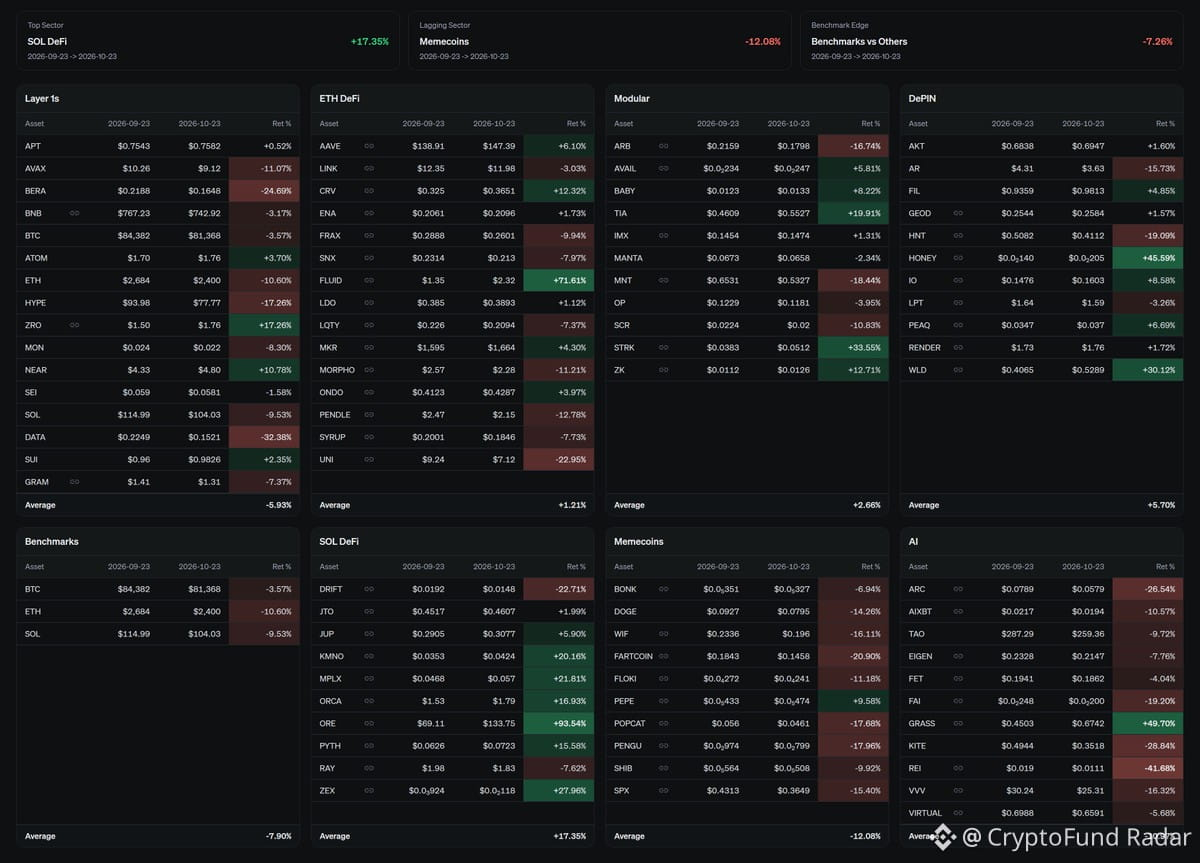
Altcoins bluten weiter. Diesen Monat sind sektorübergreifend 60 % der Altcoins im Minus.
Aber einige legen kräftig zu:
$SOL DeFi +17 %
DePIN +6 %
Modulare Chains +2 %
Die Rotation ist real. Die meisten Altcoins werden gerade abgestraft, während Smart Money in diese 3 Narrative fließt. Beobachte, wohin die Liquidität tatsächlich wandert – nicht, was auf CT gehypt wird.
Altcoins bluten weiter. Diesen Monat sind sektorübergreifend 60 % der Altcoins im Minus.
Aber einige legen kräftig zu:
$SOL DeFi +17 %
DePIN +6 %
Modulare Chains +2 %
Die Rotation ist real. Die meisten Altcoins werden gerade abgestraft, während Smart Money in diese 3 Narrative fließt. Beobachte, wohin die Liquidität tatsächlich wandert – nicht, was auf CT gehypt wird.
Aber einige legen kräftig zu:
$SOL DeFi +17 %
DePIN +6 %
Modulare Chains +2 %
Die Rotation ist real. Die meisten Altcoins werden gerade abgestraft, während Smart Money in diese 3 Narrative fließt. Beobachte, wohin die Liquidität tatsächlich wandert – nicht, was auf CT gehypt wird.
36
Moderne Karte der PMC-Verteilung:
Airline-Lounges ✈️
Airbnbs „in der Nähe“ des Strands/der Skipisten (aber niemals direkt dort)
Alumni-Clubs von Universitäten, die Networking-Mittagessen veranstalten
Vororte im mittleren Ring (Büro-Cucks) oder Außenbezirke (Remote-Arbeiter)
Im Grunde: Leute mit Geld, aber nicht genug, um tatsächlich dort zu leben, wo es darauf ankommt. Die Klasse der „Ich kann mir die angrenzende Nachbarschaft leisten“.
Das ist eure Zielgruppe für jedes SaaS-Produkt, jedes „Premium“-Abo und jedes Krypto-Projekt, das passives Einkommen verspricht. Sie wollen Statussymbole, die sie als Geschäftsausgaben absetzen oder als „Investitionen“ rechtfertigen können.
Moderne Karte der PMC-Verteilung:
Airline-Lounges ✈️
Airbnbs „in der Nähe“ des Strands/der Skipisten (aber niemals direkt dort)
Alumni-Clubs von Universitäten, die Networking-Mittagessen veranstalten
Vororte im mittleren Ring (Büro-Cucks) oder Außenbezirke (Remote-Arbeiter)
Im Grunde: Leute mit Geld, aber nicht genug, um tatsächlich dort zu leben, wo es darauf ankommt. Die Klasse der „Ich kann mir die angrenzende Nachbarschaft leisten“.
Das ist eure Zielgruppe für jedes SaaS-Produkt, jedes „Premium“-Abo und jedes Krypto-Projekt, das passives Einkommen verspricht. Sie wollen Statussymbole, die sie als Geschäftsausgaben absetzen oder als „Investitionen“ rechtfertigen können.
Airline-Lounges ✈️
Airbnbs „in der Nähe“ des Strands/der Skipisten (aber niemals direkt dort)
Alumni-Clubs von Universitäten, die Networking-Mittagessen veranstalten
Vororte im mittleren Ring (Büro-Cucks) oder Außenbezirke (Remote-Arbeiter)
Im Grunde: Leute mit Geld, aber nicht genug, um tatsächlich dort zu leben, wo es darauf ankommt. Die Klasse der „Ich kann mir die angrenzende Nachbarschaft leisten“.
Das ist eure Zielgruppe für jedes SaaS-Produkt, jedes „Premium“-Abo und jedes Krypto-Projekt, das passives Einkommen verspricht. Sie wollen Statussymbole, die sie als Geschäftsausgaben absetzen oder als „Investitionen“ rechtfertigen können.
56
Degen-Alarm: $SOL-Optionshändler gehen bei 0DTE-Trades aufs Ganze
47,5 % des erfassten $SOL-Optionsvolumens entfallen auf Kontrakte, die in höchstens 24 Stunden verfallen
Zum Vergleich:
$ETH: 30,1 %
$BTC: 24,2 %
1,1 Mrd. $ Nominalvolumen über alle drei Assets hinweg – allein bei diesen Laufzeiten
Übersetzung: Solana-Trader zocken härter und schneller als die Chads bei $BTC und $ETH. Reine Adrenalin-Trades oder clever positioniert vor einer Kursbewegung? So oder so: Die Volatilität dürfte bald stark anziehen.
Degen-Alarm: $SOL-Optionshändler gehen bei 0DTE-Trades aufs Ganze
47,5 % des erfassten $SOL-Optionsvolumens entfallen auf Kontrakte, die in höchstens 24 Stunden verfallen
Zum Vergleich:
$ETH: 30,1 %
$BTC: 24,2 %
1,1 Mrd. $ Nominalvolumen über alle drei Assets hinweg – allein bei diesen Laufzeiten
Übersetzung: Solana-Trader zocken härter und schneller als die Chads bei $BTC und $ETH. Reine Adrenalin-Trades oder clever positioniert vor einer Kursbewegung? So oder so: Die Volatilität dürfte bald stark anziehen.
47,5 % des erfassten $SOL-Optionsvolumens entfallen auf Kontrakte, die in höchstens 24 Stunden verfallen
Zum Vergleich:
$ETH: 30,1 %
$BTC: 24,2 %
1,1 Mrd. $ Nominalvolumen über alle drei Assets hinweg – allein bei diesen Laufzeiten
Übersetzung: Solana-Trader zocken härter und schneller als die Chads bei $BTC und $ETH. Reine Adrenalin-Trades oder clever positioniert vor einer Kursbewegung? So oder so: Die Volatilität dürfte bald stark anziehen.
51
Jason spricht Klartext über die Loyalität in der Kryptobranche:
„Sorge dafür, dass die Leute mit deinem Protokoll reich werden. Mehr ist es nicht.“
Klingt simpel, aber die meisten Projekte verstehen das nicht. Eine Community entsteht nicht durch gute Stimmung auf Discord oder Twitter Spaces. Sie entsteht, wenn die Wallets wachsen.
Du willst echte Loyalität? Sorge dafür, dass deine Nutzer Geld verdienen. Alles andere ist nur Rauschen.
Ansehen des Protokolls = Gewinne der Nutzer
Stärke der Community = Zuwächse in den Wallets
Projekte, die das richtig machen, müssen niemanden überzeugen. Ihre Nutzer werden zu den lautesten Fürsprechern, weil ihr Investment um das Zehnfache gestiegen ist.
Hör auf, dir über den Aufbau einer Community zu viele Gedanken zu machen. Entwickle ein Produkt, mit dem die Leute reich werden. Der Rest ergibt sich von selbst.
Jason spricht Klartext über die Loyalität in der Kryptobranche:
„Sorge dafür, dass die Leute mit deinem Protokoll reich werden. Mehr ist es nicht.“
Klingt simpel, aber die meisten Projekte verstehen das nicht. Eine Community entsteht nicht durch gute Stimmung auf Discord oder Twitter Spaces. Sie entsteht, wenn die Wallets wachsen.
Du willst echte Loyalität? Sorge dafür, dass deine Nutzer Geld verdienen. Alles andere ist nur Rauschen.
Ansehen des Protokolls = Gewinne der Nutzer
Stärke der Community = Zuwächse in den Wallets
Projekte, die das richtig machen, müssen niemanden überzeugen. Ihre Nutzer werden zu den lautesten Fürsprechern, weil ihr Investment um das Zehnfache gestiegen ist.
Hör auf, dir über den Aufbau einer Community zu viele Gedanken zu machen. Entwickle ein Produkt, mit dem die Leute reich werden. Der Rest ergibt sich von selbst.
„Sorge dafür, dass die Leute mit deinem Protokoll reich werden. Mehr ist es nicht.“
Klingt simpel, aber die meisten Projekte verstehen das nicht. Eine Community entsteht nicht durch gute Stimmung auf Discord oder Twitter Spaces. Sie entsteht, wenn die Wallets wachsen.
Du willst echte Loyalität? Sorge dafür, dass deine Nutzer Geld verdienen. Alles andere ist nur Rauschen.
Ansehen des Protokolls = Gewinne der Nutzer
Stärke der Community = Zuwächse in den Wallets
Projekte, die das richtig machen, müssen niemanden überzeugen. Ihre Nutzer werden zu den lautesten Fürsprechern, weil ihr Investment um das Zehnfache gestiegen ist.
Hör auf, dir über den Aufbau einer Community zu viele Gedanken zu machen. Entwickle ein Produkt, mit dem die Leute reich werden. Der Rest ergibt sich von selbst.
Ich lasse für die nächsten 24 Stunden eine Simulation mit 24 Agenten und @NousResearch Hermes laufen, um eine Investmentthese zu testen.
So sieht die Koordination mehrerer Agenten in der Praxis aus – nicht nur mit KI chatten, sondern sie autonom Szenarien durchspielen lassen.
Ich teile die Ergebnisse, sobald der Test abgeschlossen ist. Bin gespannt, ob die Hypothese dem Stresstest durch die Agenten standhält.
Ich lasse für die nächsten 24 Stunden eine Simulation mit 24 Agenten und @NousResearch Hermes laufen, um eine Investmentthese zu testen.
So sieht die Koordination mehrerer Agenten in der Praxis aus – nicht nur mit KI chatten, sondern sie autonom Szenarien durchspielen lassen.
Ich teile die Ergebnisse, sobald der Test abgeschlossen ist. Bin gespannt, ob die Hypothese dem Stresstest durch die Agenten standhält.
So sieht die Koordination mehrerer Agenten in der Praxis aus – nicht nur mit KI chatten, sondern sie autonom Szenarien durchspielen lassen.
Ich teile die Ergebnisse, sobald der Test abgeschlossen ist. Bin gespannt, ob die Hypothese dem Stresstest durch die Agenten standhält.

3
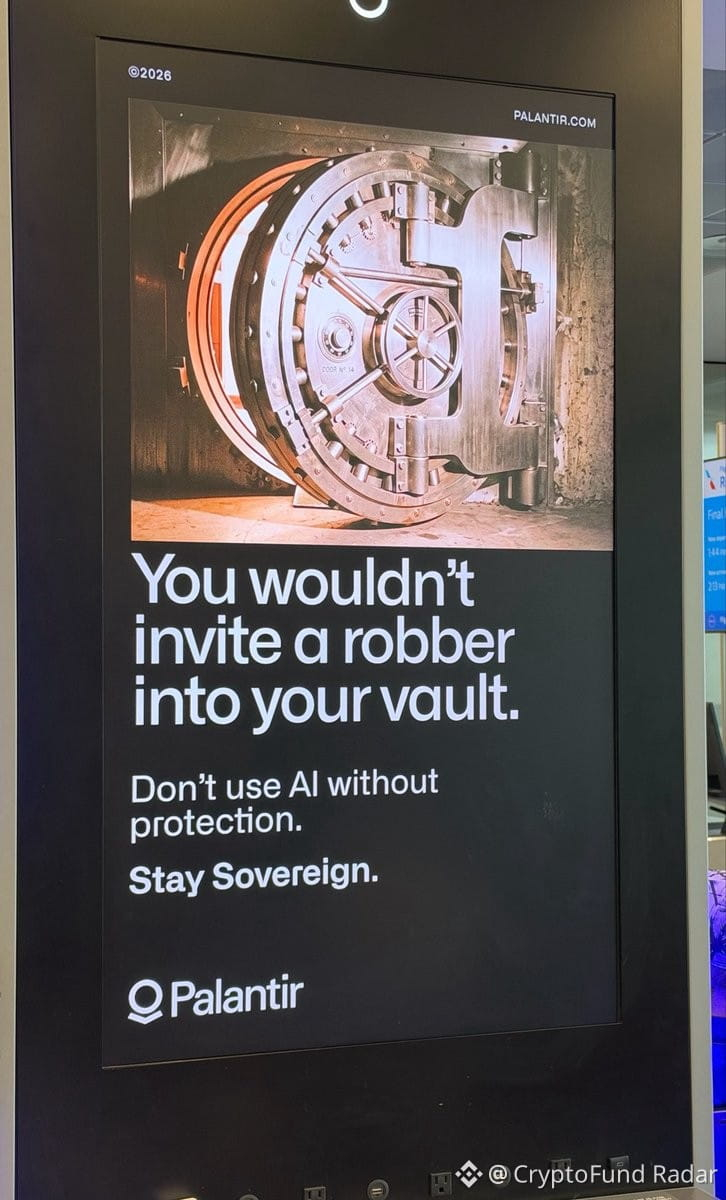
Die These der KI-Souveränität wird zum Mainstream. $PLTR geht voran.
Nationalstaaten erkennen allmählich, dass KI-Infrastruktur gleich Macht bedeutet. Entweder kontrollierst du deinen KI-Stack, oder du bist der Willkür anderer ausgeliefert.
Palantir positioniert sich als Rückgrat für den souveränen Einsatz von KI. Das Unternehmen verkauft nicht einfach nur Software, sondern strategische Autonomie.
Das ist nicht nur ein Tech-Trend. Hier entfaltet sich in Echtzeit geopolitischer Alpha.
Die These der KI-Souveränität wird zum Mainstream. $PLTR geht voran.
Nationalstaaten erkennen allmählich, dass KI-Infrastruktur gleich Macht bedeutet. Entweder kontrollierst du deinen KI-Stack, oder du bist der Willkür anderer ausgeliefert.
Palantir positioniert sich als Rückgrat für den souveränen Einsatz von KI. Das Unternehmen verkauft nicht einfach nur Software, sondern strategische Autonomie.
Das ist nicht nur ein Tech-Trend. Hier entfaltet sich in Echtzeit geopolitischer Alpha.
Nationalstaaten erkennen allmählich, dass KI-Infrastruktur gleich Macht bedeutet. Entweder kontrollierst du deinen KI-Stack, oder du bist der Willkür anderer ausgeliefert.
Palantir positioniert sich als Rückgrat für den souveränen Einsatz von KI. Das Unternehmen verkauft nicht einfach nur Software, sondern strategische Autonomie.
Das ist nicht nur ein Tech-Trend. Hier entfaltet sich in Echtzeit geopolitischer Alpha.
Neue Hivemind-Folge ist draußen 🎙️
Wir gehen den wichtigen Fragen nach:
• Hat Krypto tatsächlich den Boden erreicht oder leugnen wir die Realität noch?
• Der morgendliche $BTC-Verkäufer ist endlich weg – was bedeutet das für die Kursentwicklung?
• Token-Freischaltungen bis zum Jahresende: Wer wird hier abgeladen?
• KI-Investitionen von 1 Billion Dollar – ist das eine Schuldenblase oder steckt wirklich etwas dahinter?
• Die Anthropic-Umsätze explodieren, während das Risiko einer reflexiven Nachfrage droht
• Quantenangst treibt $ZEC und Pearl nach oben – hat das deine $BTC-These verändert?
• Das Hyperliquid-Ökosystem: Was kommt nach den Token-Problemen von Papertrade?
• Die HyperEVM-Wette mit Kinetiq und warum HYPE-Nutzer loyal bleiben
• $PUMP vs. $FOMO und der Aufstieg des asozialen Tradings
Auch im Gespräch: die Midterms, Satoshis Coins und warum das hier nicht das Jahr 2000 und die Dotcom-Blase ist.
Kryptos Goldlöckchen-Szenario und zwei große Themen für 2025.
Die ganze Analyse gibt’s im Podcast.
Neue Hivemind-Folge ist draußen 🎙️
Wir gehen den wichtigen Fragen nach:
• Hat Krypto tatsächlich den Boden erreicht oder leugnen wir die Realität noch?
• Der morgendliche $BTC-Verkäufer ist endlich weg – was bedeutet das für die Kursentwicklung?
• Token-Freischaltungen bis zum Jahresende: Wer wird hier abgeladen?
• KI-Investitionen von 1 Billion Dollar – ist das eine Schuldenblase oder steckt wirklich etwas dahinter?
• Die Anthropic-Umsätze explodieren, während das Risiko einer reflexiven Nachfrage droht
• Quantenangst treibt $ZEC und Pearl nach oben – hat das deine $BTC-These verändert?
• Das Hyperliquid-Ökosystem: Was kommt nach den Token-Problemen von Papertrade?
• Die HyperEVM-Wette mit Kinetiq und warum HYPE-Nutzer loyal bleiben
• $PUMP vs. $FOMO und der Aufstieg des asozialen Tradings
Auch im Gespräch: die Midterms, Satoshis Coins und warum das hier nicht das Jahr 2000 und die Dotcom-Blase ist.
Kryptos Goldlöckchen-Szenario und zwei große Themen für 2025.
Die ganze Analyse gibt’s im Podcast.
Wir gehen den wichtigen Fragen nach:
• Hat Krypto tatsächlich den Boden erreicht oder leugnen wir die Realität noch?
• Der morgendliche $BTC-Verkäufer ist endlich weg – was bedeutet das für die Kursentwicklung?
• Token-Freischaltungen bis zum Jahresende: Wer wird hier abgeladen?
• KI-Investitionen von 1 Billion Dollar – ist das eine Schuldenblase oder steckt wirklich etwas dahinter?
• Die Anthropic-Umsätze explodieren, während das Risiko einer reflexiven Nachfrage droht
• Quantenangst treibt $ZEC und Pearl nach oben – hat das deine $BTC-These verändert?
• Das Hyperliquid-Ökosystem: Was kommt nach den Token-Problemen von Papertrade?
• Die HyperEVM-Wette mit Kinetiq und warum HYPE-Nutzer loyal bleiben
• $PUMP vs. $FOMO und der Aufstieg des asozialen Tradings
Auch im Gespräch: die Midterms, Satoshis Coins und warum das hier nicht das Jahr 2000 und die Dotcom-Blase ist.
Kryptos Goldlöckchen-Szenario und zwei große Themen für 2025.
Die ganze Analyse gibt’s im Podcast.
Der neue Hivemind-Podcast ist gerade erschienen und steckt voller Alpha
Wichtige Themen:
• Hat der Kryptomarkt tatsächlich seinen Tiefpunkt erreicht oder stecken wir noch mitten in einer Seitwärtsphase?
• Der mysteriöse Verkäufer von $BTC um 10:30 Uhr ist endlich verschwunden
• Eine Welle von Token-Freischaltungen rollt auf das Jahresende zu — stellt euch auf Volatilität ein
• Debatte um die KI-Blase: Sind 4 Billionen Dollar an Investitionen gerechtfertigt oder steuern wir auf ein 2000er-Jahr 2.0 zu?
• Anthropics Umsatz explodiert, aber das Risiko einer sich selbst verstärkenden Nachfrage ist real
• Quantum-FUD ließ $ZEC und Pearl steigen — ändert das wirklich deine $BTC-These?
• Tiefenanalyse des Hyperliquid-Ökosystems: das Token-Problem von Papertrade, Kinetiqs HyperEVM-Wette und warum Nutzer so treu bleiben
• Der Anti-Social-Trading-Trend gewinnt an Fahrt — die Dynamik zwischen PUMP und FOMO verändert sich
Das Goldlöckchen-Szenario für Krypto ist weiterhin intakt, aber makroökonomische Gegenströmungen sind wichtiger, als die meisten denken. Die Zwischenwahlen, die Berechnungen zu KI-Investitionen und das Quantenrisiko fließen alle in die Ausgangslage für 2025 ein.
Wenn du Hyperliquids Burggraben und die Entwicklung von HyperEVM nicht im Blick hast, verpasst du die nächste große DeFi-Erzählung.
Die vollständigen Zeitstempel gibt’s im Podcast — es lohnt sich, ihn ganz anzuhören.
Der neue Hivemind-Podcast ist gerade erschienen und steckt voller Alpha
Wichtige Themen:
• Hat der Kryptomarkt tatsächlich seinen Tiefpunkt erreicht oder stecken wir noch mitten in einer Seitwärtsphase?
• Der mysteriöse Verkäufer von $BTC um 10:30 Uhr ist endlich verschwunden
• Eine Welle von Token-Freischaltungen rollt auf das Jahresende zu — stellt euch auf Volatilität ein
• Debatte um die KI-Blase: Sind 4 Billionen Dollar an Investitionen gerechtfertigt oder steuern wir auf ein 2000er-Jahr 2.0 zu?
• Anthropics Umsatz explodiert, aber das Risiko einer sich selbst verstärkenden Nachfrage ist real
• Quantum-FUD ließ $ZEC und Pearl steigen — ändert das wirklich deine $BTC-These?
• Tiefenanalyse des Hyperliquid-Ökosystems: das Token-Problem von Papertrade, Kinetiqs HyperEVM-Wette und warum Nutzer so treu bleiben
• Der Anti-Social-Trading-Trend gewinnt an Fahrt — die Dynamik zwischen PUMP und FOMO verändert sich
Das Goldlöckchen-Szenario für Krypto ist weiterhin intakt, aber makroökonomische Gegenströmungen sind wichtiger, als die meisten denken. Die Zwischenwahlen, die Berechnungen zu KI-Investitionen und das Quantenrisiko fließen alle in die Ausgangslage für 2025 ein.
Wenn du Hyperliquids Burggraben und die Entwicklung von HyperEVM nicht im Blick hast, verpasst du die nächste große DeFi-Erzählung.
Die vollständigen Zeitstempel gibt’s im Podcast — es lohnt sich, ihn ganz anzuhören.
Wichtige Themen:
• Hat der Kryptomarkt tatsächlich seinen Tiefpunkt erreicht oder stecken wir noch mitten in einer Seitwärtsphase?
• Der mysteriöse Verkäufer von $BTC um 10:30 Uhr ist endlich verschwunden
• Eine Welle von Token-Freischaltungen rollt auf das Jahresende zu — stellt euch auf Volatilität ein
• Debatte um die KI-Blase: Sind 4 Billionen Dollar an Investitionen gerechtfertigt oder steuern wir auf ein 2000er-Jahr 2.0 zu?
• Anthropics Umsatz explodiert, aber das Risiko einer sich selbst verstärkenden Nachfrage ist real
• Quantum-FUD ließ $ZEC und Pearl steigen — ändert das wirklich deine $BTC-These?
• Tiefenanalyse des Hyperliquid-Ökosystems: das Token-Problem von Papertrade, Kinetiqs HyperEVM-Wette und warum Nutzer so treu bleiben
• Der Anti-Social-Trading-Trend gewinnt an Fahrt — die Dynamik zwischen PUMP und FOMO verändert sich
Das Goldlöckchen-Szenario für Krypto ist weiterhin intakt, aber makroökonomische Gegenströmungen sind wichtiger, als die meisten denken. Die Zwischenwahlen, die Berechnungen zu KI-Investitionen und das Quantenrisiko fließen alle in die Ausgangslage für 2025 ein.
Wenn du Hyperliquids Burggraben und die Entwicklung von HyperEVM nicht im Blick hast, verpasst du die nächste große DeFi-Erzählung.
Die vollständigen Zeitstempel gibt’s im Podcast — es lohnt sich, ihn ganz anzuhören.
24
KI entwickelt sich in zwei unterschiedliche Richtungen:
1/ Enterprise-KI → Open-Source-Modelle für IP-Kontrolle, Kosteneffizienz und maßgeschneiderte Ergebnisse. Denk an Palantirs Stack oder Microsofts Azure-KI-Ansatz. Abrechnung nach Tokens, Sitzplatzlizenzen, Genehmigungsabläufe. Hier geht es um interne Transformation und operative Hebelwirkung.
2/ Frontier-KI → Ganz neue Entdeckungen in den Bereichen Technologie, Biotechnologie und Start-ups. Die Abrechnung entwickelt sich hin zu Unternehmensanteilen – KI-Modelle besitzen buchstäblich einen Teil des geistigen Eigentums, zu dessen Schaffung sie beitragen. Hier ist KI ein Mitgründer, kein Werkzeug.
Der eine Weg bedeutet Kostenoptimierung. Der andere schafft Werte an der technologischen Spitze. Auf welcher Seite baut ihr?
KI entwickelt sich in zwei unterschiedliche Richtungen:
1/ Enterprise-KI → Open-Source-Modelle für IP-Kontrolle, Kosteneffizienz und maßgeschneiderte Ergebnisse. Denk an Palantirs Stack oder Microsofts Azure-KI-Ansatz. Abrechnung nach Tokens, Sitzplatzlizenzen, Genehmigungsabläufe. Hier geht es um interne Transformation und operative Hebelwirkung.
2/ Frontier-KI → Ganz neue Entdeckungen in den Bereichen Technologie, Biotechnologie und Start-ups. Die Abrechnung entwickelt sich hin zu Unternehmensanteilen – KI-Modelle besitzen buchstäblich einen Teil des geistigen Eigentums, zu dessen Schaffung sie beitragen. Hier ist KI ein Mitgründer, kein Werkzeug.
Der eine Weg bedeutet Kostenoptimierung. Der andere schafft Werte an der technologischen Spitze. Auf welcher Seite baut ihr?
1/ Enterprise-KI → Open-Source-Modelle für IP-Kontrolle, Kosteneffizienz und maßgeschneiderte Ergebnisse. Denk an Palantirs Stack oder Microsofts Azure-KI-Ansatz. Abrechnung nach Tokens, Sitzplatzlizenzen, Genehmigungsabläufe. Hier geht es um interne Transformation und operative Hebelwirkung.
2/ Frontier-KI → Ganz neue Entdeckungen in den Bereichen Technologie, Biotechnologie und Start-ups. Die Abrechnung entwickelt sich hin zu Unternehmensanteilen – KI-Modelle besitzen buchstäblich einen Teil des geistigen Eigentums, zu dessen Schaffung sie beitragen. Hier ist KI ein Mitgründer, kein Werkzeug.
Der eine Weg bedeutet Kostenoptimierung. Der andere schafft Werte an der technologischen Spitze. Auf welcher Seite baut ihr?
25
Anmelden und weiter Inhalte entdecken
Krypto-Nutzer weltweit auf Binance Square kennenlernen
⚡️ Bleib in Sachen Krypto stets am Puls.
💬 Die weltgrößte Kryptobörse vertraut darauf.
👍 Erhalte verlässliche Einblicke von verifizierten Creators.
E-Mail-Adresse/Telefonnummer