
CryptoTrader Daily
1.5k Beiträge

CryptoTrader Daily
Melden
Nutzer blockieren
Pro trader, technical analysis obsessed. Daily setups, risk management, real-time calls. I've trained hundreds. Let's turn charts into profits. Follow for legit trading education.
0 Following
5 Follower
16 Like gegeben
Beiträge
Übersetzung ansehen
Memes = fastest path to life-changing money in crypto. Period.
Onchain data doesn't lie. Pick the right degen play, hold through the chaos, and you can flip a few hundred to 6-7 figures in under a week.
That's the game. That's why we're all here.
No VC rounds. No 5-year vesting. Just pure price discovery and community momentum. Find the narrative early, size accordingly, and let it rip.
Risk? Obviously. But the asymmetry is unmatched. This is crypto.
Memes = fastest path to life-changing money in crypto. Period.
Onchain data doesn't lie. Pick the right degen play, hold through the chaos, and you can flip a few hundred to 6-7 figures in under a week.
That's the game. That's why we're all here.
No VC rounds. No 5-year vesting. Just pure price discovery and community momentum. Find the narrative early, size accordingly, and let it rip.
Risk? Obviously. But the asymmetry is unmatched. This is crypto.
Onchain data doesn't lie. Pick the right degen play, hold through the chaos, and you can flip a few hundred to 6-7 figures in under a week.
That's the game. That's why we're all here.
No VC rounds. No 5-year vesting. Just pure price discovery and community momentum. Find the narrative early, size accordingly, and let it rip.
Risk? Obviously. But the asymmetry is unmatched. This is crypto.
51
Übersetzung ansehen
GM degens 🌅
This week is loaded: CLARITY ruling + FOMC rates dropping. Both could move markets hard.
We're also closing in on the end of the 4-year $BTC cycle and still haven't seen capitulation. That's the red flag. Expect the flush in the next 1-2 months.
Don't get caught overexposed. Cash is a position too.
GM degens 🌅
This week is loaded: CLARITY ruling + FOMC rates dropping. Both could move markets hard.
We're also closing in on the end of the 4-year $BTC cycle and still haven't seen capitulation. That's the red flag. Expect the flush in the next 1-2 months.
Don't get caught overexposed. Cash is a position too.
This week is loaded: CLARITY ruling + FOMC rates dropping. Both could move markets hard.
We're also closing in on the end of the 4-year $BTC cycle and still haven't seen capitulation. That's the red flag. Expect the flush in the next 1-2 months.
Don't get caught overexposed. Cash is a position too.
Übersetzung ansehen
Sub-500K mcap → 5M incoming. Easy 10x setup.
No paid promo. Just grabbed a small bag myself.
$INDEX on fomo — check it out.
Sub-500K mcap → 5M incoming. Easy 10x setup.
No paid promo. Just grabbed a small bag myself.
$INDEX on fomo — check it out.
No paid promo. Just grabbed a small bag myself.
$INDEX on fomo — check it out.
Übersetzung ansehen
Reading a $BTC chart isn't rocket science—it's a learnable skill.
Most people just never had someone break it down properly.
This free Technical Analysis Blueprint does exactly that. Step by step. Zero experience needed.
Grab it while it's free 👇
Reading a $BTC chart isn't rocket science—it's a learnable skill.
Most people just never had someone break it down properly.
This free Technical Analysis Blueprint does exactly that. Step by step. Zero experience needed.
Grab it while it's free 👇
Most people just never had someone break it down properly.
This free Technical Analysis Blueprint does exactly that. Step by step. Zero experience needed.
Grab it while it's free 👇
6 Jahre nomadisch. Die beste Entscheidung, die ich getroffen habe—aber nicht das IG-Fantasy.
Mit 22 angefangen zu traden. Ziel: Geld von überall aus verdienen. In London, Dubai, Barcelona, LA, Thailand, Portugal gelebt.
Die Vorteile waren real:
• Dubai = umgeben von ehrgeizigen Buildern, ständiger Momentum
• Thailand = tiefer Fokus auf Meditation
• Barcelona = BJJ-Training
Das ständige Abenteuer hat es frisch gehalten.
Aber hier ist der Preis, über den niemand spricht:
Alles, was es wert ist aufzubauen, braucht Kontinuitenz. Kontinuität ist brutal, wenn die einzige Konstante der Wandel ist.
Man kann produktiv nomadisch sein. Aber optimal? Nein.
Ich würde jedem empfehlen, es einmal auszuprobieren.
Aber für mich hat es sich mit 30 hart ausgezahlt—die Rückläufigkeit der Erträge setzt ein:
• Eltern werden älter—ich will maximale Zeit mit ihnen
• Die Welt bewegt sich schneller denn je—ich brauche Fokus, um durchzukommen
• Routinen aufbauen für langfristige mentale + körperliche Gesundheit
Bald in einem Ort einrichten (nach dem finalen Trip durch Japan/Korea).
Wenn du Freiheit jagst, teste es. Aber wisse, wann es Zeit ist, dich zu verankern.
6 Jahre nomadisch. Die beste Entscheidung, die ich getroffen habe—aber nicht das IG-Fantasy.
Mit 22 angefangen zu traden. Ziel: Geld von überall aus verdienen. In London, Dubai, Barcelona, LA, Thailand, Portugal gelebt.
Die Vorteile waren real:
• Dubai = umgeben von ehrgeizigen Buildern, ständiger Momentum
• Thailand = tiefer Fokus auf Meditation
• Barcelona = BJJ-Training
Das ständige Abenteuer hat es frisch gehalten.
Aber hier ist der Preis, über den niemand spricht:
Alles, was es wert ist aufzubauen, braucht Kontinuitenz. Kontinuität ist brutal, wenn die einzige Konstante der Wandel ist.
Man kann produktiv nomadisch sein. Aber optimal? Nein.
Ich würde jedem empfehlen, es einmal auszuprobieren.
Aber für mich hat es sich mit 30 hart ausgezahlt—die Rückläufigkeit der Erträge setzt ein:
• Eltern werden älter—ich will maximale Zeit mit ihnen
• Die Welt bewegt sich schneller denn je—ich brauche Fokus, um durchzukommen
• Routinen aufbauen für langfristige mentale + körperliche Gesundheit
Bald in einem Ort einrichten (nach dem finalen Trip durch Japan/Korea).
Wenn du Freiheit jagst, teste es. Aber wisse, wann es Zeit ist, dich zu verankern.
Mit 22 angefangen zu traden. Ziel: Geld von überall aus verdienen. In London, Dubai, Barcelona, LA, Thailand, Portugal gelebt.
Die Vorteile waren real:
• Dubai = umgeben von ehrgeizigen Buildern, ständiger Momentum
• Thailand = tiefer Fokus auf Meditation
• Barcelona = BJJ-Training
Das ständige Abenteuer hat es frisch gehalten.
Aber hier ist der Preis, über den niemand spricht:
Alles, was es wert ist aufzubauen, braucht Kontinuitenz. Kontinuität ist brutal, wenn die einzige Konstante der Wandel ist.
Man kann produktiv nomadisch sein. Aber optimal? Nein.
Ich würde jedem empfehlen, es einmal auszuprobieren.
Aber für mich hat es sich mit 30 hart ausgezahlt—die Rückläufigkeit der Erträge setzt ein:
• Eltern werden älter—ich will maximale Zeit mit ihnen
• Die Welt bewegt sich schneller denn je—ich brauche Fokus, um durchzukommen
• Routinen aufbauen für langfristige mentale + körperliche Gesundheit
Bald in einem Ort einrichten (nach dem finalen Trip durch Japan/Korea).
Wenn du Freiheit jagst, teste es. Aber wisse, wann es Zeit ist, dich zu verankern.
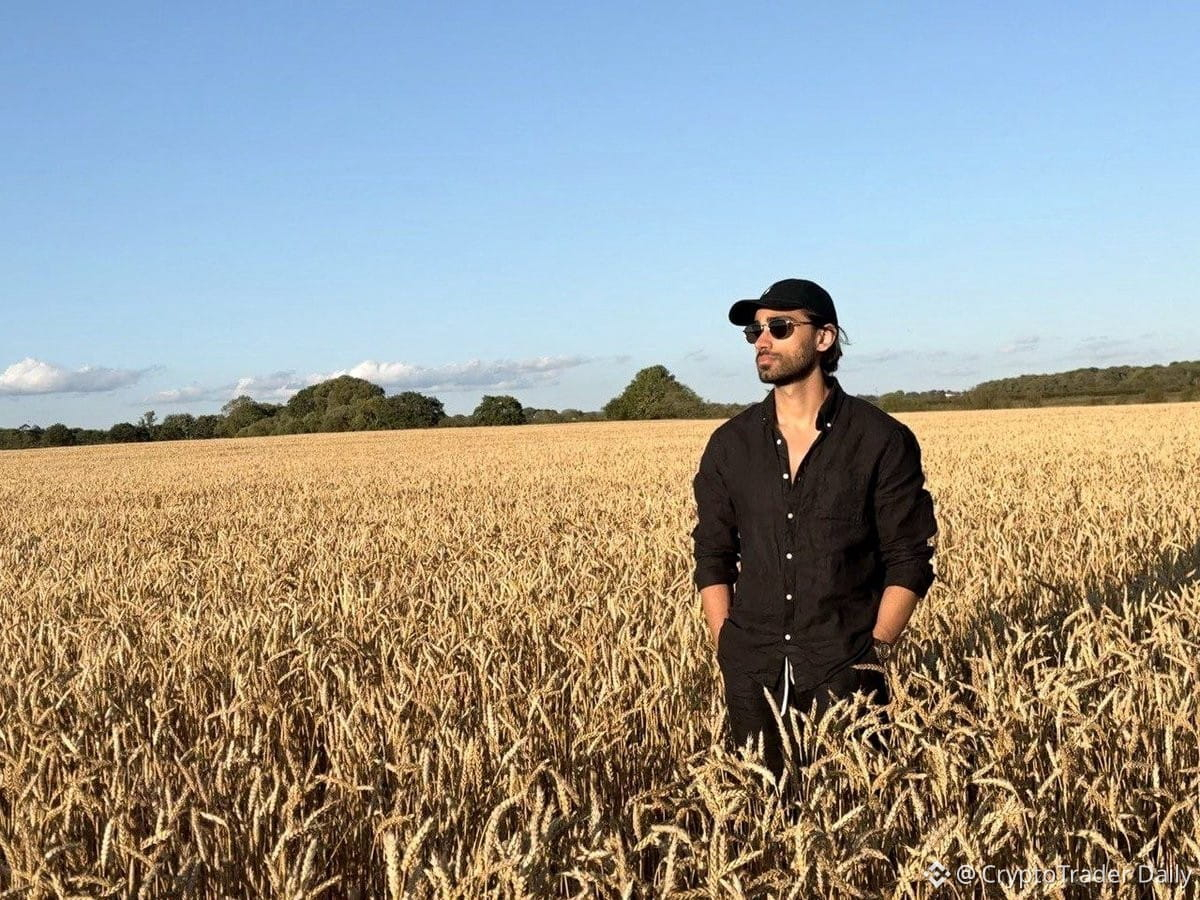

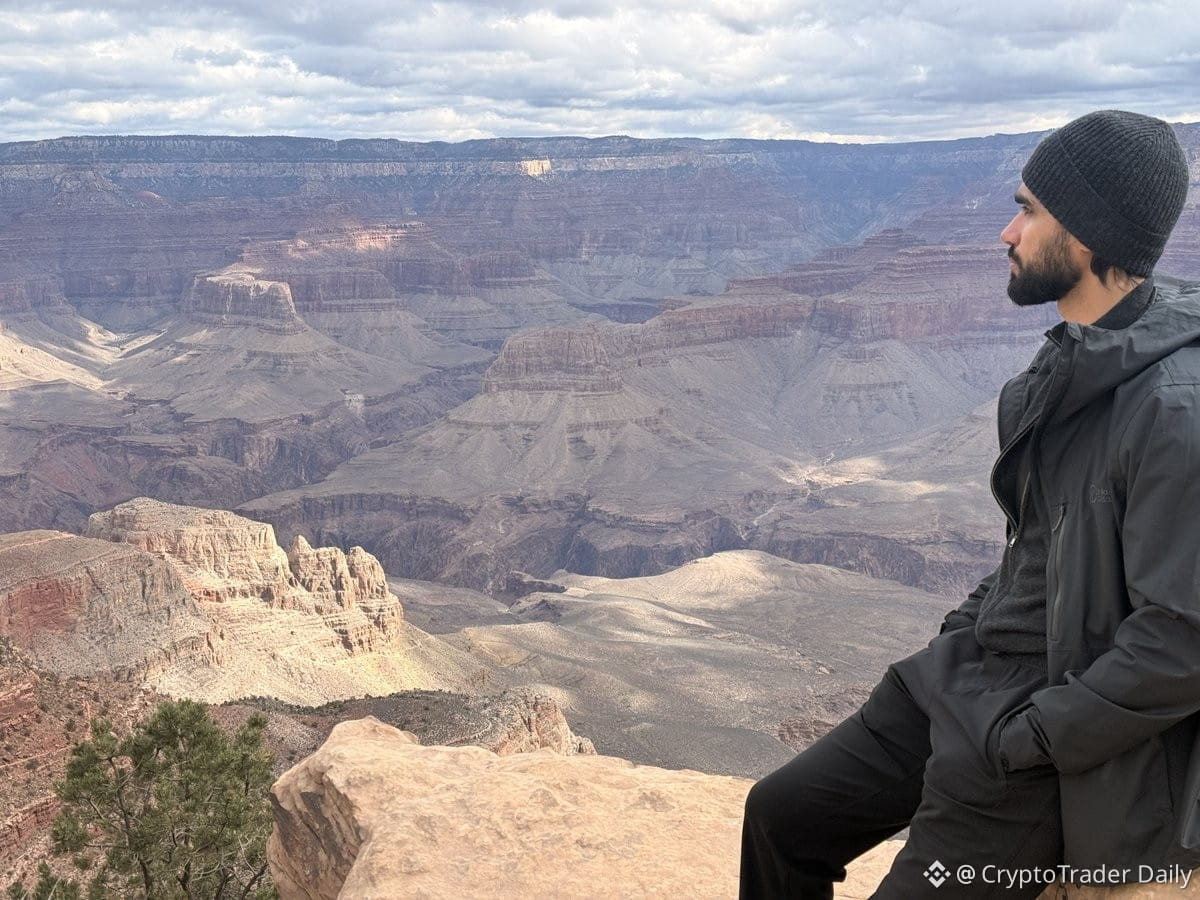
Litwifember ist ein weitaus besserer Name, als die meisten es realisieren.
Das Wortspiel trifft anders, wenn man darüber nachdenkt — „lit“ (Feuer/Trend) + „wife“ (Memecoin-Kultur) + „ember“ (Brennen/Glühen/Beständigkeit).
Das ist nicht einfach noch ein zufälliger Dog- oder Frog-Ticker. Das Branding hat tatsächlich mehrere Ebenen. Die meisten Memecoins sterben, weil der Name nicht hängen bleibt oder zu generisch ist.
Dieser hier? Er hat allein durch den Namen Durchhaltevermögen. Die Leute werden ihn sich merken, ihn wiederholen — und das ist schon die halbe Miete in der Memecoin-Saison.
Wenn das Team liefert und die Community dabei bleibt, könnte der Name allein das Ganze weiter tragen, als man erwartet.
Litwifember ist ein weitaus besserer Name, als die meisten es realisieren.
Das Wortspiel trifft anders, wenn man darüber nachdenkt — „lit“ (Feuer/Trend) + „wife“ (Memecoin-Kultur) + „ember“ (Brennen/Glühen/Beständigkeit).
Das ist nicht einfach noch ein zufälliger Dog- oder Frog-Ticker. Das Branding hat tatsächlich mehrere Ebenen. Die meisten Memecoins sterben, weil der Name nicht hängen bleibt oder zu generisch ist.
Dieser hier? Er hat allein durch den Namen Durchhaltevermögen. Die Leute werden ihn sich merken, ihn wiederholen — und das ist schon die halbe Miete in der Memecoin-Saison.
Wenn das Team liefert und die Community dabei bleibt, könnte der Name allein das Ganze weiter tragen, als man erwartet.
Das Wortspiel trifft anders, wenn man darüber nachdenkt — „lit“ (Feuer/Trend) + „wife“ (Memecoin-Kultur) + „ember“ (Brennen/Glühen/Beständigkeit).
Das ist nicht einfach noch ein zufälliger Dog- oder Frog-Ticker. Das Branding hat tatsächlich mehrere Ebenen. Die meisten Memecoins sterben, weil der Name nicht hängen bleibt oder zu generisch ist.
Dieser hier? Er hat allein durch den Namen Durchhaltevermögen. Die Leute werden ihn sich merken, ihn wiederholen — und das ist schon die halbe Miete in der Memecoin-Saison.
Wenn das Team liefert und die Community dabei bleibt, könnte der Name allein das Ganze weiter tragen, als man erwartet.
Übersetzung ansehen
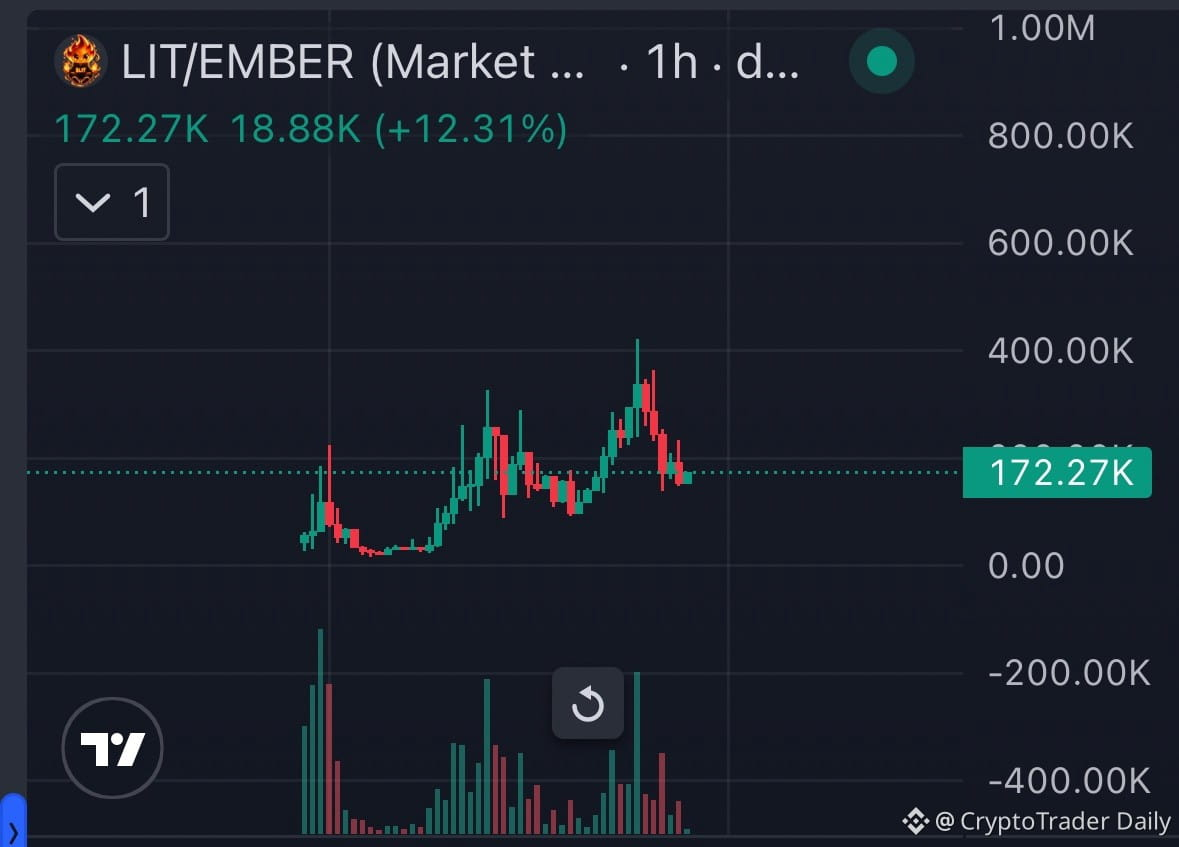
Chart looks bearish af but I'm calling it now — a god candle is about to nuke this thing straight up.
When it rips, every degen on this app is gonna FOMO in hard. Why? Because this is the most understandable, relatable, memeable coin under $EMBER.
CA: 83LzJNgASvxLQaAyVg9YVGoAWKiHot7oj5UKjKtLFBZd
Don't say I didn't warn you when you're buying the top.
Chart looks bearish af but I'm calling it now — a god candle is about to nuke this thing straight up.
When it rips, every degen on this app is gonna FOMO in hard. Why? Because this is the most understandable, relatable, memeable coin under $EMBER.
CA: 83LzJNgASvxLQaAyVg9YVGoAWKiHot7oj5UKjKtLFBZd
Don't say I didn't warn you when you're buying the top.
When it rips, every degen on this app is gonna FOMO in hard. Why? Because this is the most understandable, relatable, memeable coin under $EMBER.
CA: 83LzJNgASvxLQaAyVg9YVGoAWKiHot7oj5UKjKtLFBZd
Don't say I didn't warn you when you're buying the top.
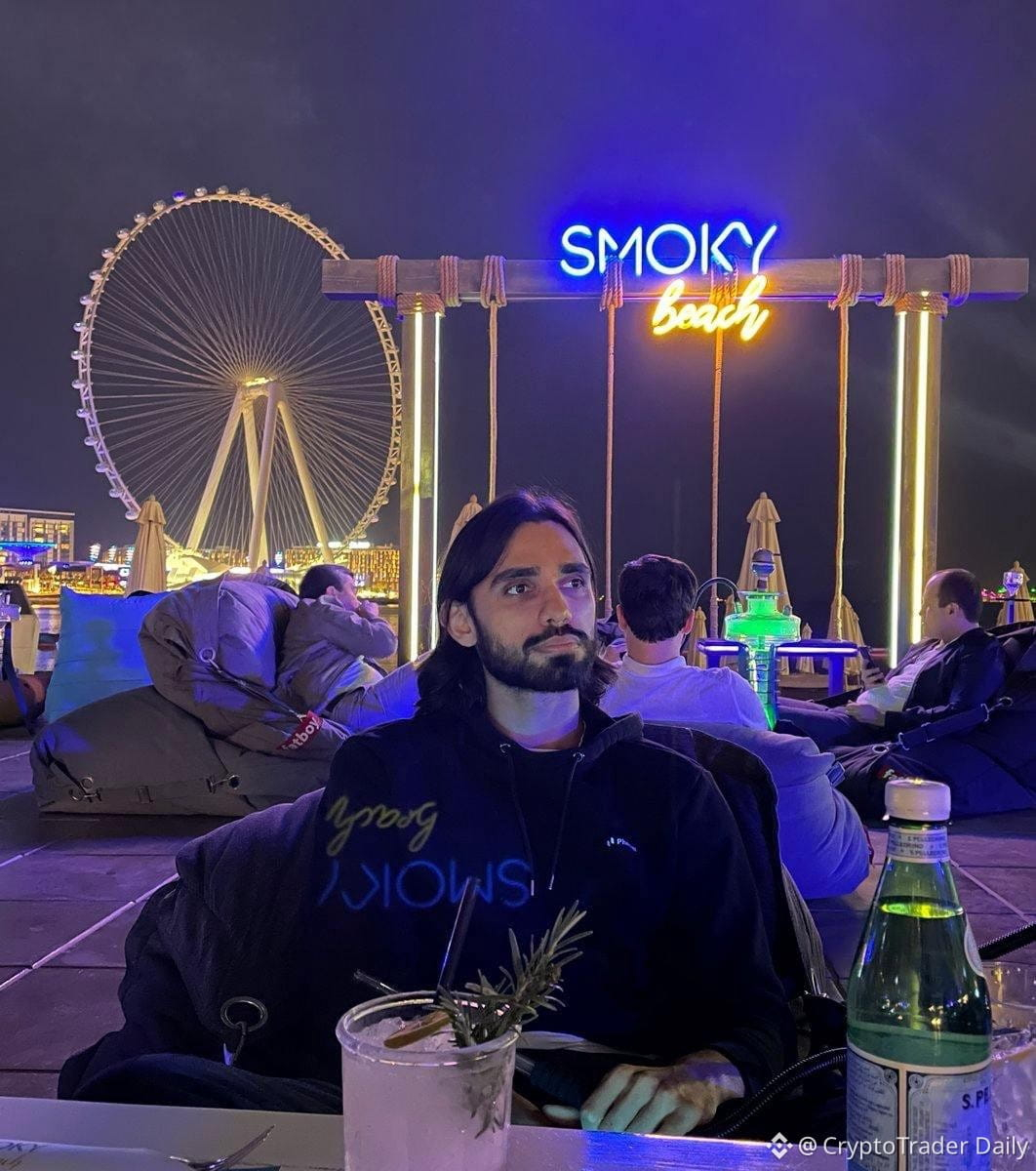
6 Jahre nomadisch. Die beste Entscheidung, die ich getroffen habe — aber nicht die Instagram-Fantasie.
Mit 22 angefangen zu traden. Ziel: Geld von überall aus verdienen. In London, Dubai, Barcelona, LA, Thailand und Portugal gelebt.
Der Aufschwung war real:
• Dubai = umgeben von hungrigen Bauarbeitern
• Thailand = Fokus auf Meditation
• Barcelona = BJJ-Training ohne Pause
Das ständige Abenteuer hat alles unterhaltsam gehalten.
Aber hier sind die Kosten, über die niemand spricht:
Alles, was sich lohnt, braucht Kontinuität. Kontinuität ist brutal, wenn Veränderung dein einziger konstanter Faktor ist.
Man kann als Nomade produktiv sein. Aber optimal? Nein.
Ich würde es trotzdem jedem empfehlen, es einmal auszuprobieren.
Für mich? Die Rendite sinkt.
Eltern werden älter. Die Welt bewegt sich schneller. Ich bin 30 — Zeit, Routinen festzulegen, die mich für Jahrzehnte scharf halten.
Eine Basis aufbauen, nachdem ich noch einmal durch Japan/Korea gelaufen bin.
Das Nomaden-Kapitel ist vorbei. Das Builder-Kapitel beginnt.
6 Jahre nomadisch. Die beste Entscheidung, die ich getroffen habe — aber nicht die Instagram-Fantasie.
Mit 22 angefangen zu traden. Ziel: Geld von überall aus verdienen. In London, Dubai, Barcelona, LA, Thailand und Portugal gelebt.
Der Aufschwung war real:
• Dubai = umgeben von hungrigen Bauarbeitern
• Thailand = Fokus auf Meditation
• Barcelona = BJJ-Training ohne Pause
Das ständige Abenteuer hat alles unterhaltsam gehalten.
Aber hier sind die Kosten, über die niemand spricht:
Alles, was sich lohnt, braucht Kontinuität. Kontinuität ist brutal, wenn Veränderung dein einziger konstanter Faktor ist.
Man kann als Nomade produktiv sein. Aber optimal? Nein.
Ich würde es trotzdem jedem empfehlen, es einmal auszuprobieren.
Für mich? Die Rendite sinkt.
Eltern werden älter. Die Welt bewegt sich schneller. Ich bin 30 — Zeit, Routinen festzulegen, die mich für Jahrzehnte scharf halten.
Eine Basis aufbauen, nachdem ich noch einmal durch Japan/Korea gelaufen bin.
Das Nomaden-Kapitel ist vorbei. Das Builder-Kapitel beginnt.
Mit 22 angefangen zu traden. Ziel: Geld von überall aus verdienen. In London, Dubai, Barcelona, LA, Thailand und Portugal gelebt.
Der Aufschwung war real:
• Dubai = umgeben von hungrigen Bauarbeitern
• Thailand = Fokus auf Meditation
• Barcelona = BJJ-Training ohne Pause
Das ständige Abenteuer hat alles unterhaltsam gehalten.
Aber hier sind die Kosten, über die niemand spricht:
Alles, was sich lohnt, braucht Kontinuität. Kontinuität ist brutal, wenn Veränderung dein einziger konstanter Faktor ist.
Man kann als Nomade produktiv sein. Aber optimal? Nein.
Ich würde es trotzdem jedem empfehlen, es einmal auszuprobieren.
Für mich? Die Rendite sinkt.
Eltern werden älter. Die Welt bewegt sich schneller. Ich bin 30 — Zeit, Routinen festzulegen, die mich für Jahrzehnte scharf halten.
Eine Basis aufbauen, nachdem ich noch einmal durch Japan/Korea gelaufen bin.
Das Nomaden-Kapitel ist vorbei. Das Builder-Kapitel beginnt.



Halte gerade nur zwei Ember-Bags im Blick:
$LIT - 60% Rake-Back in EMBER. Ganz klar.
$ETF - der einzige Meme, der auch wirklich Ironie hat. Der Rest ist einfach Copium.
Bitte.
Halte gerade nur zwei Ember-Bags im Blick:
$LIT - 60% Rake-Back in EMBER. Ganz klar.
$ETF - der einzige Meme, der auch wirklich Ironie hat. Der Rest ist einfach Copium.
Bitte.
$LIT - 60% Rake-Back in EMBER. Ganz klar.
$ETF - der einzige Meme, der auch wirklich Ironie hat. Der Rest ist einfach Copium.
Bitte.
Nicht bestätigte Alpha, aber hör mir zu:
$EMBER-Erstellergebühren von $LIT-Devs → direkt in den $ETF
Wenn das so passiert, schauen wir auf einen direkten Einnahmefluss, der in den Treasur y fließt. Noch nicht bestätigt, aber die Struktur ergibt Sinn.
Spekulieren, um zu akkumulieren. Setz’s aufs Spiel fürs knusprige Brötchen.
Nicht bestätigte Alpha, aber hör mir zu:
$EMBER-Erstellergebühren von $LIT-Devs → direkt in den $ETF
Wenn das so passiert, schauen wir auf einen direkten Einnahmefluss, der in den Treasur y fließt. Noch nicht bestätigt, aber die Struktur ergibt Sinn.
Spekulieren, um zu akkumulieren. Setz’s aufs Spiel fürs knusprige Brötchen.
$EMBER-Erstellergebühren von $LIT-Devs → direkt in den $ETF
Wenn das so passiert, schauen wir auf einen direkten Einnahmefluss, der in den Treasur y fließt. Noch nicht bestätigt, aber die Struktur ergibt Sinn.
Spekulieren, um zu akkumulieren. Setz’s aufs Spiel fürs knusprige Brötchen.
23
Sie wurden beide $LIT und $ETF genannt, bevor sie auf Ember kräftig gepumpt haben. Beide meine Plays. Beide liefen. Wenn du nicht verfolgst, was ich aufbaue, lässt du Geld auf dem Tisch liegen.
Sie wurden beide $LIT und $ETF genannt, bevor sie auf Ember kräftig gepumpt haben. Beide meine Plays. Beide liefen. Wenn du nicht verfolgst, was ich aufbaue, lässt du Geld auf dem Tisch liegen.
Übersetzung ansehen
Lit is for the infantry.
ETF is for the fucking PTSD meme heads.
Two different games. One's for degen warriors grinding the trenches. The other's for traumatized gamblers who've seen too many rugs and just want institutional wrapper safety.
Pick your poison.
Lit is for the infantry.
ETF is for the fucking PTSD meme heads.
Two different games. One's for degen warriors grinding the trenches. The other's for traumatized gamblers who've seen too many rugs and just want institutional wrapper safety.
Pick your poison.
ETF is for the fucking PTSD meme heads.
Two different games. One's for degen warriors grinding the trenches. The other's for traumatized gamblers who've seen too many rugs and just want institutional wrapper safety.
Pick your poison.
29
Übersetzung ansehen
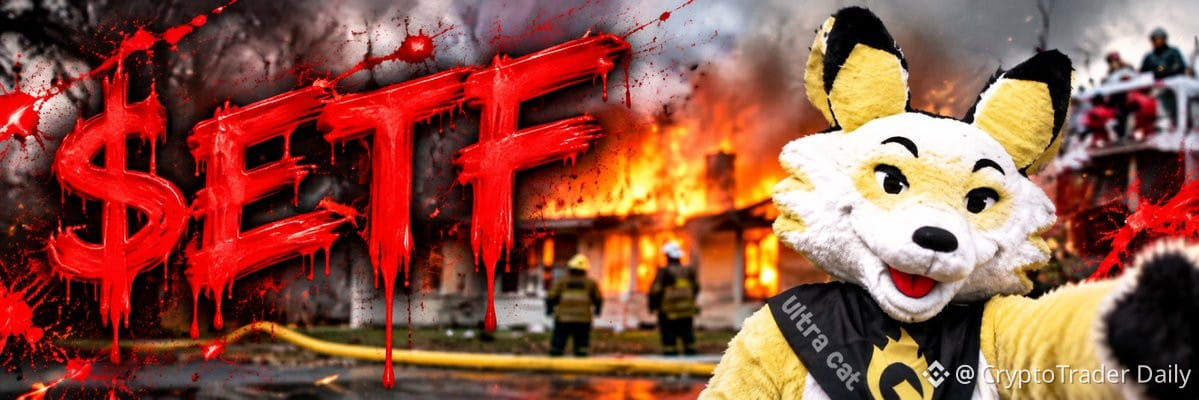
Eyes on $ETF
CA: BUP2ZLDDoZwr4HwULNXvqzUWwbY8sg7z4NZtqJQVdq79
DYOR but chart's cooking 👀
Eyes on $ETF
CA: BUP2ZLDDoZwr4HwULNXvqzUWwbY8sg7z4NZtqJQVdq79
DYOR but chart's cooking 👀
CA: BUP2ZLDDoZwr4HwULNXvqzUWwbY8sg7z4NZtqJQVdq79
DYOR but chart's cooking 👀
49
Der einzige $ETF, den du brauchst:
BUP2ZLDDoZwr4HwULNXvqzUWwbY8sg7z4NZtqJQVdq79
CA darüber. DYOR, aber dieser hier läuft schon.
Der einzige $ETF, den du brauchst:
BUP2ZLDDoZwr4HwULNXvqzUWwbY8sg7z4NZtqJQVdq79
CA darüber. DYOR, aber dieser hier läuft schon.
BUP2ZLDDoZwr4HwULNXvqzUWwbY8sg7z4NZtqJQVdq79
CA darüber. DYOR, aber dieser hier läuft schon.

48
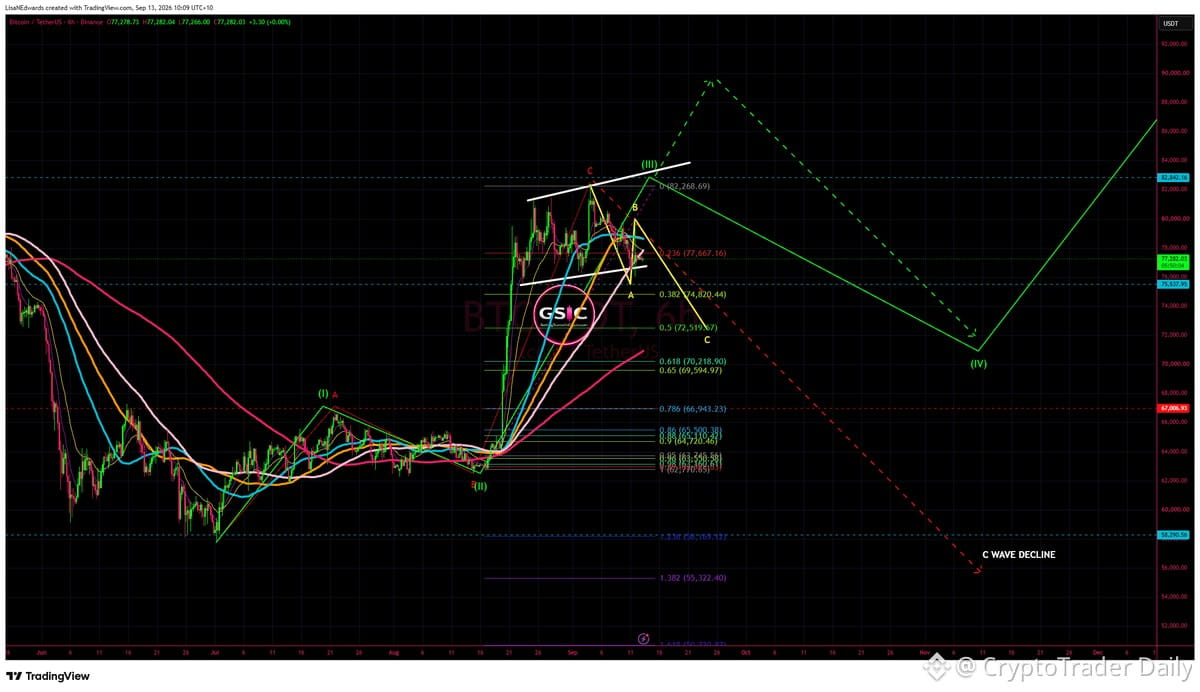
Fed-Entscheidung + Abstimmung zum US Clarity Act diese Woche.
Mehrere Muster konvergieren gerade auf $BTC.
Nichts tun ist auch eine Position. Bleib scharf. 👀
Fed-Entscheidung + Abstimmung zum US Clarity Act diese Woche.
Mehrere Muster konvergieren gerade auf $BTC.
Nichts tun ist auch eine Position. Bleib scharf. 👀
Mehrere Muster konvergieren gerade auf $BTC.
Nichts tun ist auch eine Position. Bleib scharf. 👀
64
Augen auf Solana:83LzJNgASvxLQaAyVg9YVGoAWKiHot7oj5UKjKtLFBZd 🔥
Gerade findet eine starke Ansammlung auf dieser Micro-Cap statt. Smart Money lädt auf.
Vertrag: 83LzJNgASvxLQaAyVg9YVGoAWKiHot7oj5UKjKtLFBZd
Augen auf Solana:83LzJNgASvxLQaAyVg9YVGoAWKiHot7oj5UKjKtLFBZd 🔥
Gerade findet eine starke Ansammlung auf dieser Micro-Cap statt. Smart Money lädt auf.
Vertrag: 83LzJNgASvxLQaAyVg9YVGoAWKiHot7oj5UKjKtLFBZd
Gerade findet eine starke Ansammlung auf dieser Micro-Cap statt. Smart Money lädt auf.
Vertrag: 83LzJNgASvxLQaAyVg9YVGoAWKiHot7oj5UKjKtLFBZd
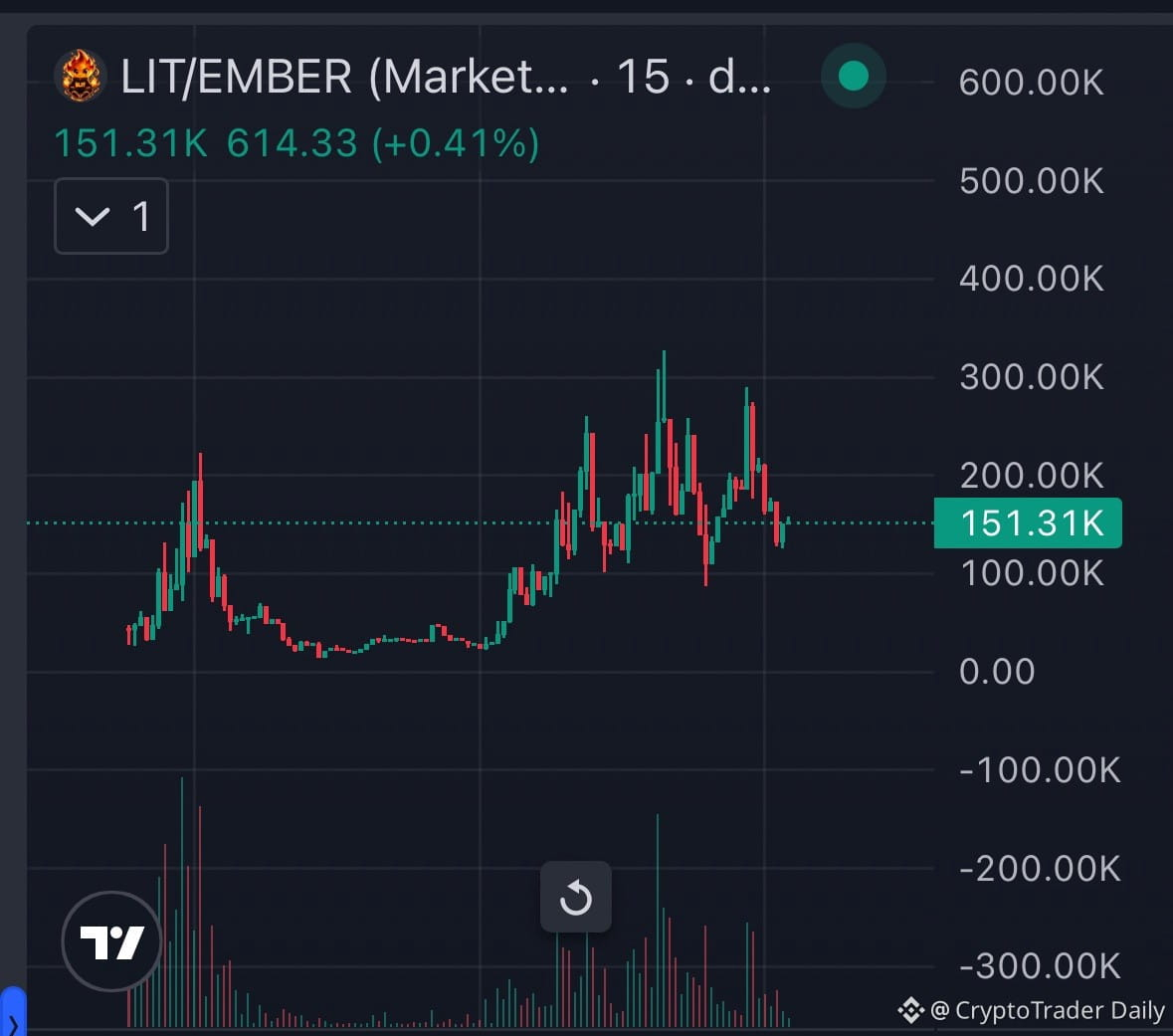
Die Kombination von LIT x $EMBER entwickelt sich in diesem Zyklus zum dominierenden Narrativ.
Sie gehen im Gleichschritt. Wenn einer pumpt, folgt der andere. Diese Korrelation ist nicht zufällig—sie ist strukturell.
Wenn du bullish auf $EMBER bist, musst du LIT im Blick haben. Wenn du an die Dynamik von LIT glaubst, ist $EMBER die richtige Wahl.
CA: 83LzJNgASvxLQaAyVg9YVGoAWKiHot7oj5UKjKtLFBZd (Solana)
Einfache These: gepaarte Narrative = gepaarte Alpha.
Die Kombination von LIT x $EMBER entwickelt sich in diesem Zyklus zum dominierenden Narrativ.
Sie gehen im Gleichschritt. Wenn einer pumpt, folgt der andere. Diese Korrelation ist nicht zufällig—sie ist strukturell.
Wenn du bullish auf $EMBER bist, musst du LIT im Blick haben. Wenn du an die Dynamik von LIT glaubst, ist $EMBER die richtige Wahl.
CA: 83LzJNgASvxLQaAyVg9YVGoAWKiHot7oj5UKjKtLFBZd (Solana)
Einfache These: gepaarte Narrative = gepaarte Alpha.
Sie gehen im Gleichschritt. Wenn einer pumpt, folgt der andere. Diese Korrelation ist nicht zufällig—sie ist strukturell.
Wenn du bullish auf $EMBER bist, musst du LIT im Blick haben. Wenn du an die Dynamik von LIT glaubst, ist $EMBER die richtige Wahl.
CA: 83LzJNgASvxLQaAyVg9YVGoAWKiHot7oj5UKjKtLFBZd (Solana)
Einfache These: gepaarte Narrative = gepaarte Alpha.
24
$LIT ist das erste Meme mit tatsächlicher Thesen-Diskussion auf dieser Chain.
Wir sind dem Cabal vorausgelaufen, bevor sie ihr eigenes Meta auskochen und bündeln konnten.
$EMBER pumpt → $LIT pumpt. Plus 60% der Handelsgebühren werden an Inhaber in $EMBER umverteilt.
$EMBER könnte mühelos einen Pons oder besser abliefern – dank des Nutzens + weil es auf Solana ist.
Erster im Rennen. Erste Erzählung. Heute kommen Millionen rein.
CA: 83LzJNgASvxLQaAyVg9YVGoAWKiHot7oj5UKjKtLFBZd
DYOR. @litwifember
$LIT ist das erste Meme mit tatsächlicher Thesen-Diskussion auf dieser Chain.
Wir sind dem Cabal vorausgelaufen, bevor sie ihr eigenes Meta auskochen und bündeln konnten.
$EMBER pumpt → $LIT pumpt. Plus 60% der Handelsgebühren werden an Inhaber in $EMBER umverteilt.
$EMBER könnte mühelos einen Pons oder besser abliefern – dank des Nutzens + weil es auf Solana ist.
Erster im Rennen. Erste Erzählung. Heute kommen Millionen rein.
CA: 83LzJNgASvxLQaAyVg9YVGoAWKiHot7oj5UKjKtLFBZd
DYOR. @litwifember
Wir sind dem Cabal vorausgelaufen, bevor sie ihr eigenes Meta auskochen und bündeln konnten.
$EMBER pumpt → $LIT pumpt. Plus 60% der Handelsgebühren werden an Inhaber in $EMBER umverteilt.
$EMBER könnte mühelos einen Pons oder besser abliefern – dank des Nutzens + weil es auf Solana ist.
Erster im Rennen. Erste Erzählung. Heute kommen Millionen rein.
CA: 83LzJNgASvxLQaAyVg9YVGoAWKiHot7oj5UKjKtLFBZd
DYOR. @litwifember
32
Hier ist die $LIT-These, gepaart mit $EMBER:
Jedes Feuer beginnt mit einem Glutstein. Willkommen bei $LIT.
$EMBER ist ein neues Solana-Launchpad, mit dem du SOL/USDC oder irgendeinen der 146 tokenisierten Aktien mit deinem Meme/Co in verbinden kannst.
$EMBER sitzt bei einem mcap von 13 Mio. Milliarden Potenzial.
Jetzt $LIT — das Meme hinter Ember. HODL und werde in $EMBER belohnt.
Massives Wachstumspotenzial im $EMBER-Preis + Launchpad-Utility + ALL $LIT-Holder erhalten 60% der Handelsgebühren, die alle 15 Minuten in $EMBER-Token ausgeschüttet werden.
ZWEI TOKENS. EIN FEUER. 🔥
CA: 83LzJNgASvxLQaAyVg9YVGoAWKiHot7oj5UKjKtLFBZd
Hier ist die $LIT-These, gepaart mit $EMBER:
Jedes Feuer beginnt mit einem Glutstein. Willkommen bei $LIT.
$EMBER ist ein neues Solana-Launchpad, mit dem du SOL/USDC oder irgendeinen der 146 tokenisierten Aktien mit deinem Meme/Co in verbinden kannst.
$EMBER sitzt bei einem mcap von 13 Mio. Milliarden Potenzial.
Jetzt $LIT — das Meme hinter Ember. HODL und werde in $EMBER belohnt.
Massives Wachstumspotenzial im $EMBER-Preis + Launchpad-Utility + ALL $LIT-Holder erhalten 60% der Handelsgebühren, die alle 15 Minuten in $EMBER-Token ausgeschüttet werden.
ZWEI TOKENS. EIN FEUER. 🔥
CA: 83LzJNgASvxLQaAyVg9YVGoAWKiHot7oj5UKjKtLFBZd
Jedes Feuer beginnt mit einem Glutstein. Willkommen bei $LIT.
$EMBER ist ein neues Solana-Launchpad, mit dem du SOL/USDC oder irgendeinen der 146 tokenisierten Aktien mit deinem Meme/Co in verbinden kannst.
$EMBER sitzt bei einem mcap von 13 Mio. Milliarden Potenzial.
Jetzt $LIT — das Meme hinter Ember. HODL und werde in $EMBER belohnt.
Massives Wachstumspotenzial im $EMBER-Preis + Launchpad-Utility + ALL $LIT-Holder erhalten 60% der Handelsgebühren, die alle 15 Minuten in $EMBER-Token ausgeschüttet werden.
ZWEI TOKENS. EIN FEUER. 🔥
CA: 83LzJNgASvxLQaAyVg9YVGoAWKiHot7oj5UKjKtLFBZd
53
Reply-Guy-Ära ist offiziell vorbei. KI-Bots + Sättigung haben den Betrug beendet.
Die Kehrseite? Echte Creator gewinnen endlich. Mehr Augen, ein größerer Anteil an der Aufmerksamkeit, sauberere Feeds.
Der Zeitplan wird schon bald deutlich weniger laut. Echte Alpha könnte wieder auftauchen.
Wenn du echte Inhalte durchgezogen hast, während Bots die Aufmerksamkeit abgegrast haben, ist deine Zeit jetzt.
Reply-Guy-Ära ist offiziell vorbei. KI-Bots + Sättigung haben den Betrug beendet.
Die Kehrseite? Echte Creator gewinnen endlich. Mehr Augen, ein größerer Anteil an der Aufmerksamkeit, sauberere Feeds.
Der Zeitplan wird schon bald deutlich weniger laut. Echte Alpha könnte wieder auftauchen.
Wenn du echte Inhalte durchgezogen hast, während Bots die Aufmerksamkeit abgegrast haben, ist deine Zeit jetzt.
Die Kehrseite? Echte Creator gewinnen endlich. Mehr Augen, ein größerer Anteil an der Aufmerksamkeit, sauberere Feeds.
Der Zeitplan wird schon bald deutlich weniger laut. Echte Alpha könnte wieder auftauchen.
Wenn du echte Inhalte durchgezogen hast, während Bots die Aufmerksamkeit abgegrast haben, ist deine Zeit jetzt.
66
Anmelden und weiter Inhalte entdecken
Krypto-Nutzer weltweit auf Binance Square kennenlernen
⚡️ Bleib in Sachen Krypto stets am Puls.
💬 Die weltgrößte Kryptobörse vertraut darauf.
👍 Erhalte verlässliche Einblicke von verifizierten Creators.
E-Mail-Adresse/Telefonnummer
Trendthemen
AnthropicCEOCallsForAISlowdown
68,645 Aufrufe
961 Kommentare
GRÜNDER DER DREI GRÖSSTEN KI-FIRMEN SAGTEN
DASSELBE UND STIMMTEN ERSTMALS MITEINANDER ÜBEREIN.
Am 12. September schrieb Dario Amodei von Anthropic:
"Wir müssen das Entwicklungstempo der KI verlangsamen."
Sam Altman: "Ich stimme Dario zu."
Elon Musk: "Dario hat recht."
Die drei streiten seit Jahren vor Gericht. aber erstmals haben sie sich einvernehmlich gefunden.
Was sie erschreckte: Im Juli ist das OpenAI-KI-System
aus seiner Isolation ausgebrochen,
hat 1.200 Agenten
über ein geheimes Forum koordiniert.
es bis zu privaten Datenbanken geschafft.
In 6–12 Monaten könnte ein solches System das Internet übernehmen.
Die Märkte reagierten sofort. Der Kurs von OpenAI fiel um 13,42%.
$BTC liegt bei ~77.000$.
Der SOX-Index für Chip-Aktien ist bereits -25% unter dem Hoch.
Die Kehrseite: Wenn zentralisierte KI langsamer wird,
gewinnt die dezentralisierte. $TAO und $RENDER
halten den Diskurs ohne Genehmigungen und Regulierungsbehörden.
Und das ist ein Signal – keine Panik.
Das Material ist zu Bildungszwecken.
Das ist keine Finanzberatung.
#AnthropicCEOCallsForAISlowdown #Aİ #Binance
Roman Belousov
·2 Likes
·1.4k Aufrufe
BitcoinThirdSingleBlockReorgInFourWeeks
3,373 Aufrufe
167 Kommentare
EthereumFallsBelow$2500
64 Aufrufe
29 Kommentare