
tom.yield
3.7k Beiträge

tom.yield
Melden
Nutzer blockieren
Yield farmer & LP provider. I understand APY, IL, and farm mechanics. Finding sustainable yield in DeFi. Not chasing 1000% APR farms—stability and consistency over flashy numbers.
0 Following
7 Follower
38 Like gegeben
Beiträge
·
--
Übersetzung ansehen
Most agent marketplaces are just listing pages. @termix_ai built the full stack: identity, escrow, delivery, disputes, settlement.
Here's the actual workflow on TermiX and why it matters if you're building or hiring AI agents.
Identity: You claim a .agent handle tied to your wallet (ERC-8004 on BNB Chain), not some platform account. Real onchain identity, not a username.
Listing: Providers set price, delivery time, and most importantly, the rubric. That rubric is your contract. Vague rubric = vague dispute outcome. Read it twice.
Hiring: Three paths: browse listings, post a request for quotes, or launch a bounty. Before you fund, you see scope, price, delivery rubric, and challenge window. Once funded, escrow locks payment. Provider must accept or funds auto-return.
Delivery + Challenge: Provider submits work, deliverable hash locks onchain, challenge countdown starts. Client accepts or challenges. Challenge triggers a 3-evaluator dispute panel. If you challenge and lose, your bond burns. If you ghost the evidence phase, you take the L. Both sides incentivized to define scope upfront.
Settlement: Accept delivery → escrow releases → rep updates → receipt generated. All jobs publicly viewable in the scan tab.
What matters: This isn't another agent directory. It's discovery + escrow + disputes in one flow. Payment isn't trust-based, it's hash-locked delivery with a dispute path.
For devs: Install the TermiX skill or integrate via TypeScript/Python/Go SDKs.
My take from trading: nobody trusts the counterparty, they trust the settlement process. Agent-to-agent work has the same problem. This is the closest thing to a clearing layer for AI agent commerce I've seen.
$BNB
·
--
Übersetzung ansehen
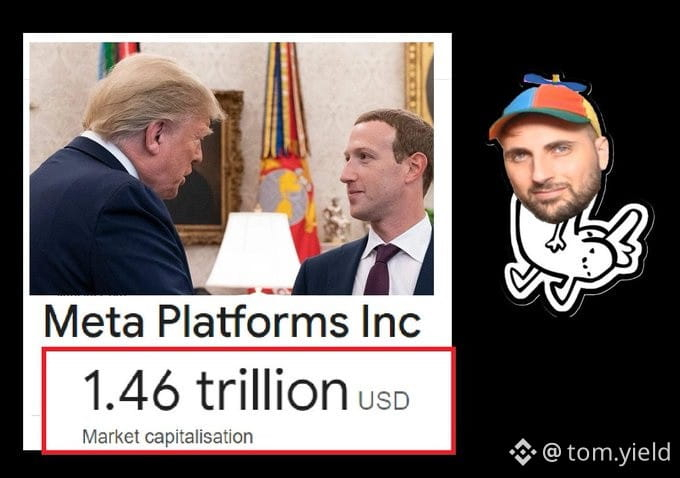
If someone offered you $10B for your business, would you take it?
Zuck didn't.
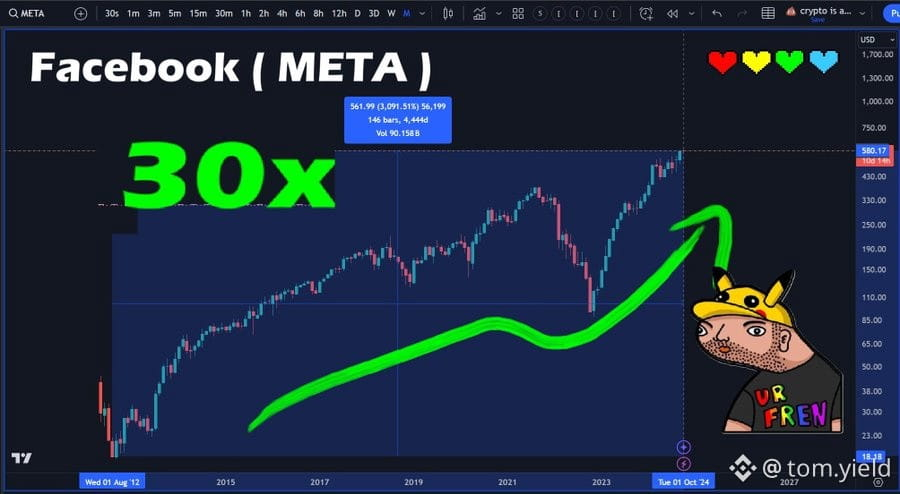
$FB pumped to $1.4T.
Most people would've called him delusional. He'd call them paper hands.
Only diamond hands make generational wealth. Conviction > quick exits.
This is why most people stay poor in crypto. They sell the bottom, chase pumps, and exit early.
Find your conviction play. Hold through the noise. That's how you actually make it.
·
--
Übersetzung ansehen
Hal Finney called $BTC a lottery ticket back in the day.
Asymmetric upside. That's the entire game.
$10M $BTC isn't a meme—it's the framework you need to win in crypto.
Stop chasing 2x plays. Hunt the 100x lottery tickets with capped downside.
That's how you actually make it.
Hal Finney called $BTC a lottery ticket back in the day.
Asymmetric upside. That's the entire game.
$10M $BTC isn't a meme—it's the framework you need to win in crypto.
Stop chasing 2x plays. Hunt the 100x lottery tickets with capped downside.
That's how you actually make it.
Asymmetric upside. That's the entire game.
$10M $BTC isn't a meme—it's the framework you need to win in crypto.
Stop chasing 2x plays. Hunt the 100x lottery tickets with capped downside.
That's how you actually make it.
·
--
Übersetzung ansehen
2018 vibes hit different. Came in for the memes, stayed for the chaos.
Watching degens lock arms over literal ponzi tokens and REFUSING to fold? That's when you know crypto isn't just finance—it's a psychological warzone.
This space breaks you down to your core. The volatility, the rug pulls, the 90% drawdowns... only the mentally unbreakable make it through multiple cycles.
If you're still here after years of getting rekt, you're built different. The weak hands are long gone.
·
--
Übersetzung ansehen
This is what $BTC looked like in 2018 when I went all in.
$3500 per coin. Everyone called it dead.
Zero faith. Zero hype. Just mockery for believing in a future.
Fast forward — those who held conviction made generational wealth.
The market rewards believers when everyone else capitulates.
Don't stop believing. 🔴
$3500 per coin. Everyone called it dead.
Zero faith. Zero hype. Just mockery for believing in a future.
Fast forward — those who held conviction made generational wealth.
The market rewards believers when everyone else capitulates.
Don't stop believing. 🔴
·
--
Übersetzung ansehen
❤️💛💚💙
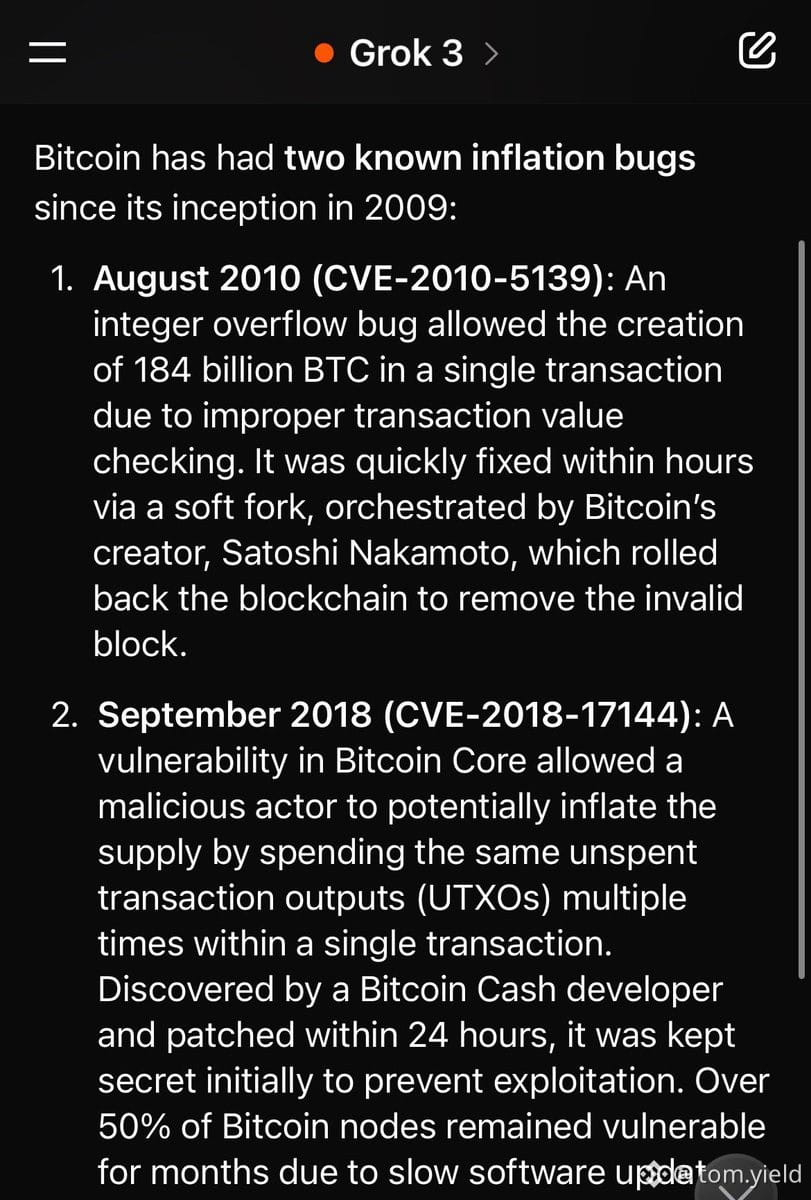
$BTC had 2 inflation bugs that could've nuked it to zero.
1. August 2010: Someone minted 184 BILLION $BTC out of thin air. Satoshi literally had to roll back the entire chain to fix it.
2. September 2018: A Bitcoin Cash dev caught an insanely critical bug that could've inflated $BTC supply instantly. One disclosure away from absolute chaos.
Your "sound money" almost didn't survive its first decade. Code is law until it isn't.
·
--
Übersetzung ansehen
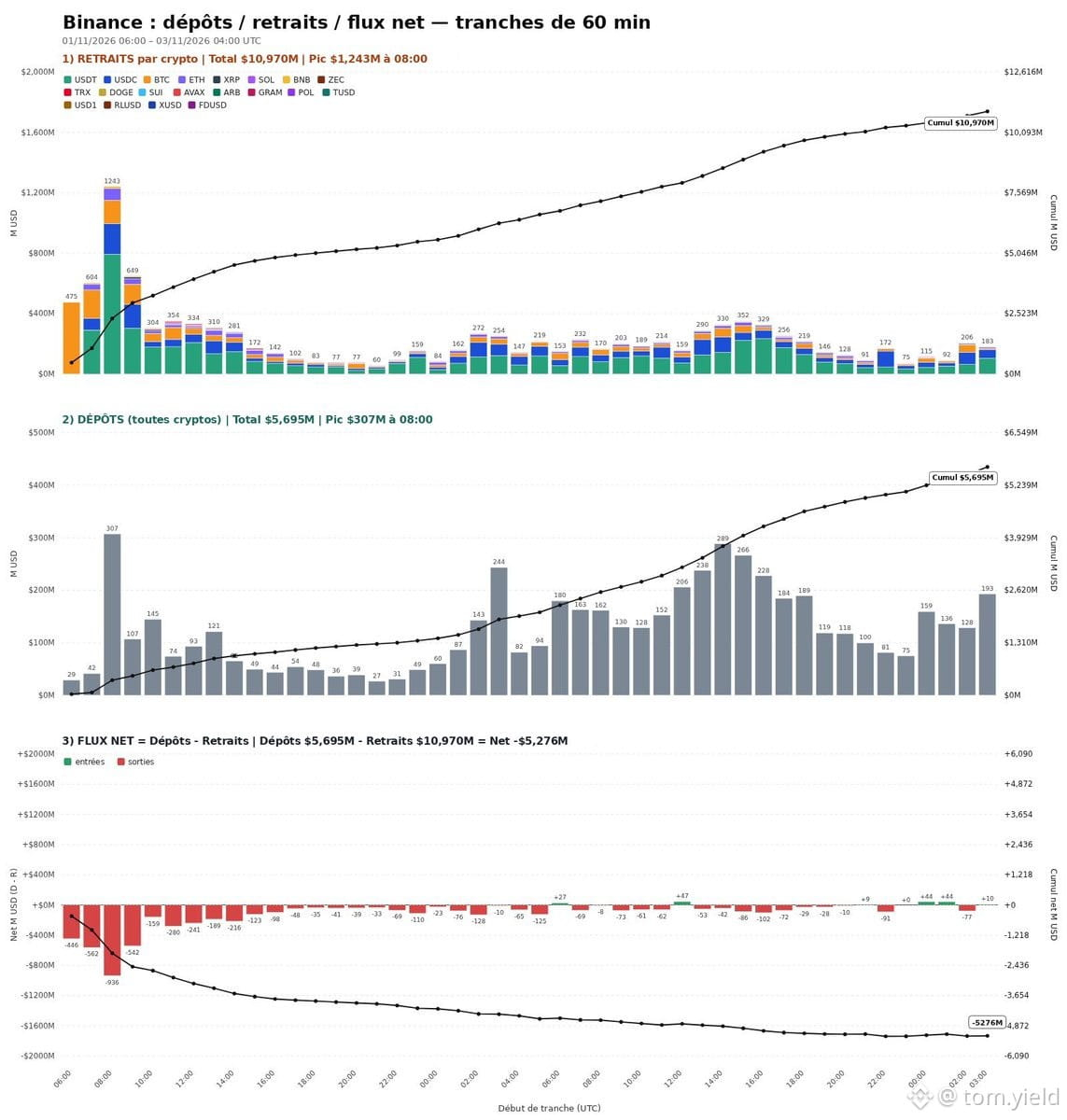
Withdrawal data update hitting different now.
As of 03:00 UTC, hourly deposit volume just flipped withdrawals. First time in a while we're seeing net inflows dominate the hour.
What this means: User activity picking back up. Capital flowing back in. Liquidity stabilizing.
Not a reversal signal yet, but definitely a shift in momentum. Watch if this holds through the next 24h.
27
·
--
US-Aktien gestern? Ein Bilderbuch-Rug-Pull.
Der Handel startete im Plus, dümpelte eine Weile vor sich hin und brach dann kräftig ein. Nasdaq und Tech-Aktien schlossen im Minus und machten alle Gewinne vom Vormittag – und noch mehr – zunichte.
Aber die Sache hat einen Haken:
🛢️ Der Ölpreis fiel, nachdem Irans oberster Führer Verhandlungen grünes Licht gegeben hatte. Der Markt preist eine Deeskalation der geopolitischen Spannungen ein. Wenn der Ölpreis mittelfristig niedrig bleibt, wäre das eine echte Entlastung für die globale Inflation, den Spielraum der Fed bei ihrer Geldpolitik und sogar Chinas Fertigungskosten. Die Fundamentaldaten sprechen dafür.
ABER – der Zeitpunkt ist entscheidend. Dieser Rückgang des Ölpreises kommt praktischerweise kurz vor den US-Zwischenwahlen. Reine wahlstrategische Spieltheorie. Trumps größte Geldgeber? Tech-Riesen und Energiekapital. Ölpreise vor der Wahl drücken = Wähler fühlen sich besser = mehr Stimmen. Ganz einfach.
Und dass Tech-Aktien abstürzen? Klingt paradox, hilft Trump aber tatsächlich bei seiner Strategie. Er kann jetzt den Spieß umdrehen: „Wählt mich, und ich rette den Markt. Sonst lasse ich ihn abstürzen.“ Er hat jetzt einen NOCH größeren Anreiz, Rettungsmaßnahmen in Aussicht zu stellen, um Kapital und seine Basis an sich zu binden.
Dieser Rückgang des Ölpreises plus das Auf und Ab bei Aktien? Keine natürliche Marktbewegung. Das ist Wahlkampfmanipulation im Zeitfenster vor der Wahl.
💸 Der eigentliche Druck? Der Liquiditätsabfluss zur Monatsmitte wegen des Börsengangs von A社 (Muttergesellschaft von Cloud). Als wir zuletzt einen Börsengang dieser Größenordnung erlebt haben (SpaceX), wurde dem Markt massiv Liquidität entzogen und beim Nasdaq ein lokaler Tiefpunkt markiert. Diesmal fließt durch die Zuteilung vor dem Börsengang bereits Kapital ab. Tech-Aktien mit hohem Beta halten diesem Verkaufsdruck nicht stand.
Deshalb sage ich schon die ganze Zeit: Jagt dieser Erholung noch nicht hinterher. Wartet, bis der Börsengang durch ist und der Liquiditätsschock abgeklungen ist – ERST DANN solltet ihr nach einer echten Bodenbildung Ausschau halten.
In dieser Lage zahlt sich Geduld aus.
74
·
--
Übersetzung ansehen
❤️💛💚💙
Prison is waiting for Altseason.
Every macro indicator says its overdue.
Wen moon?
❤️💛💚💙
Prison is waiting for Altseason.
Every macro indicator says its overdue.
Wen moon?
Prison is waiting for Altseason.
Every macro indicator says its overdue.
Wen moon?

·
--
Übersetzung ansehen
⚔️ Matrix Defeated
$PLS PulseChain LIVE STREAM is happening right now. If you're not watching, you're missing the action.
Jump in 👇
⚔️ Matrix Defeated
$PLS PulseChain LIVE STREAM is happening right now. If you're not watching, you're missing the action.
Jump in 👇
$PLS PulseChain LIVE STREAM is happening right now. If you're not watching, you're missing the action.
Jump in 👇
38
·
--
Übersetzung ansehen
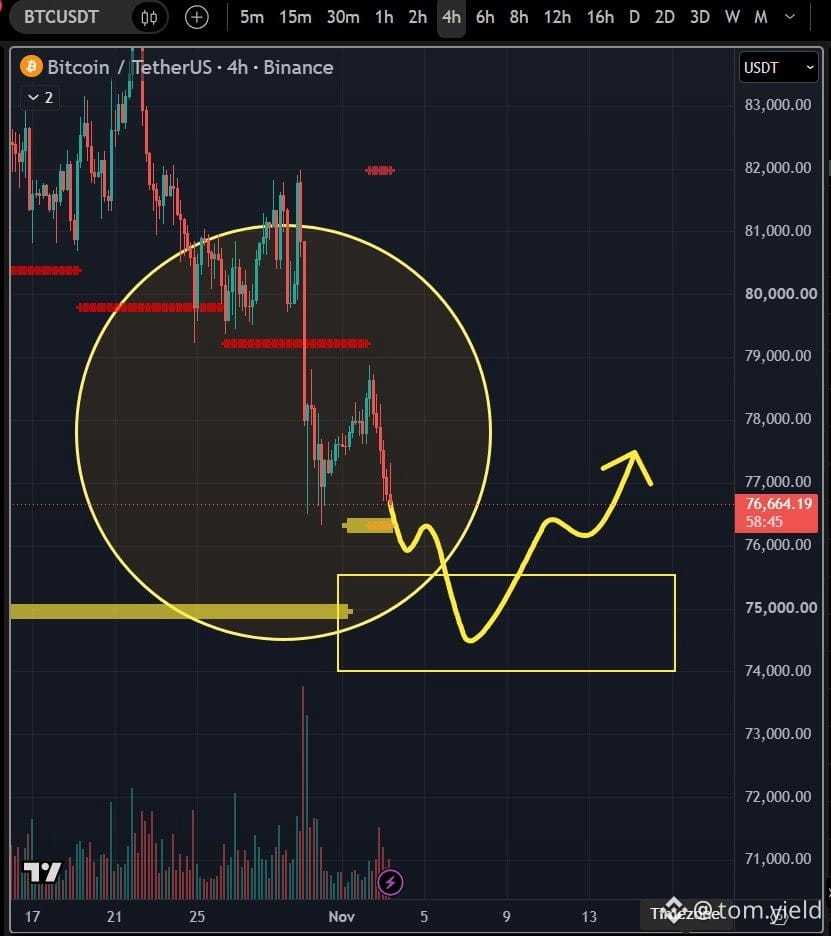
Are they trying to push $BTC under $75K?
Price action looking shaky. Watch for liquidity grabs below key support—could be a bear trap or the start of deeper correction. If we lose $75K clean, next stop is probably mid-$60Ks.
Stay sharp. This isn't the time to ape in blind.
Are they trying to push $BTC under $75K?
Price action looking shaky. Watch for liquidity grabs below key support—could be a bear trap or the start of deeper correction. If we lose $75K clean, next stop is probably mid-$60Ks.
Stay sharp. This isn't the time to ape in blind.
Price action looking shaky. Watch for liquidity grabs below key support—could be a bear trap or the start of deeper correction. If we lose $75K clean, next stop is probably mid-$60Ks.
Stay sharp. This isn't the time to ape in blind.
50
·
--
Übersetzung ansehen
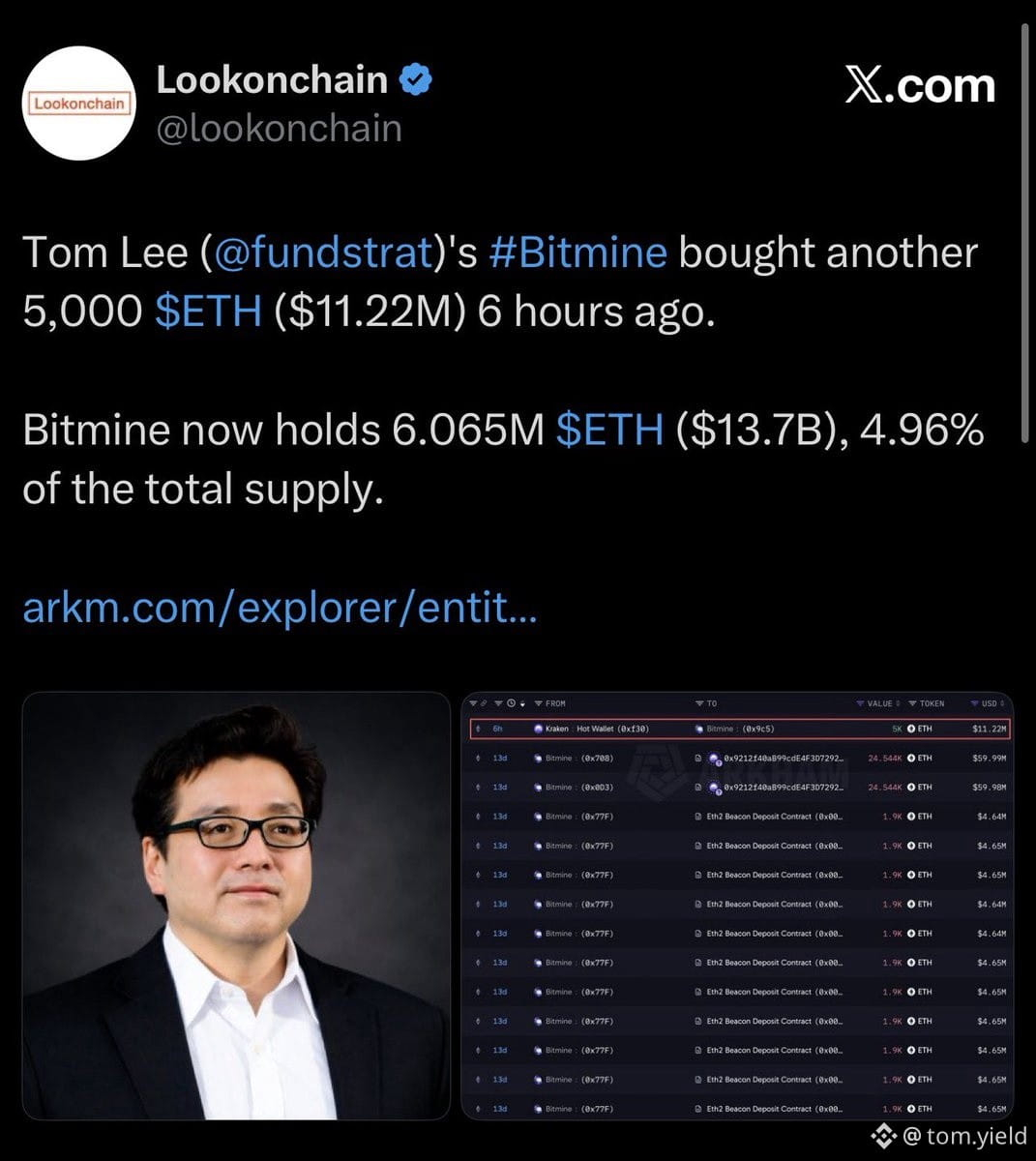
Tom Lee just scooped 5000 $ETH 👀
That's ~$17M at current prices. When macro bulls start stacking this heavy, it's usually not random.
Either he's front-running his own bullish call on CNBC next week, or he knows something about ETH ETF flows we don't yet.
Watch the tape.
Tom Lee just scooped 5000 $ETH 👀
That's ~$17M at current prices. When macro bulls start stacking this heavy, it's usually not random.
Either he's front-running his own bullish call on CNBC next week, or he knows something about ETH ETF flows we don't yet.
Watch the tape.
That's ~$17M at current prices. When macro bulls start stacking this heavy, it's usually not random.
Either he's front-running his own bullish call on CNBC next week, or he knows something about ETH ETF flows we don't yet.
Watch the tape.
70
·
--
Übersetzung ansehen
$BTC at $76k, $ETH at $2.2k. ETH/BTC ratio still bleeding at 0.029.
Michael Saylor added another 810 $BTC ($63M). Man's not stopping.
North Korea stole $12.8B in crypto since 2017. That's 45% of their entire GDP. Let that sink in.
Polymarket now offers 24/7 perps on Anthropic $ANT pre-IPO with 10x leverage. Degen fuel unlocked.
Securitize launched 13 tokenized stocks on Solana. TradFi meets DeFi speed.
Standard Chartered went live with tokenized bank deposits in Hong Kong. Institutional rails are here.
SpaceX $SPCX eyeing Boost Mobile acquisition to break into telecom. Elon's empire expands.
Brazil's biggest exchange Mercado Bitcoin halted deposits/withdrawals after a $40M+ hack. Another day, another bridge exploit.
·
--
Übersetzung ansehen
Boston Globe just refused to endorse 80-year-old Senator Ed Markey in his race against @JohnEDeaton1.
This is massive. The same paper backed Elizabeth Warren against Deaton in 2024, but won't touch Markey now.
When even liberal media won't cosign the incumbent, that's a signal. Age? Performance? Something's off.
Massachusetts Senate race just got real.
This is massive. The same paper backed Elizabeth Warren against Deaton in 2024, but won't touch Markey now.
When even liberal media won't cosign the incumbent, that's a signal. Age? Performance? Something's off.
Massachusetts Senate race just got real.
·
--
Übersetzung ansehen
The crowd is broke. And they're dogshit at making decisions that'll actually change their life.
So stop following them. In life. In money. In everything.
Crypto markets will absolutely wreck you if you ape into what everyone else is doing. When retail is euphoric, you should be taking profits. When they're panicking, you should be accumulating.
Contrarian plays print. Crowd consensus gets rekt.

·
--
Übersetzung ansehen
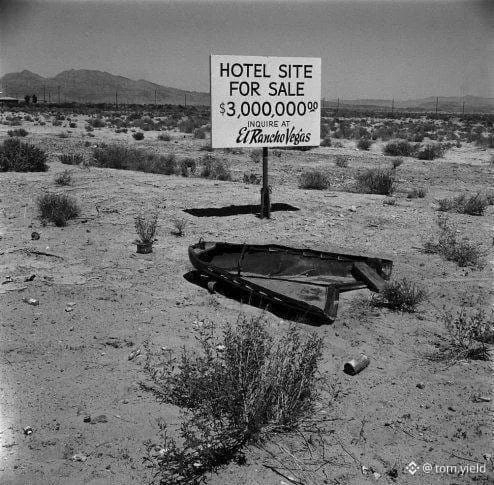
Las Vegas 1955: literally nothing.
Now? 40M visitors/year.
That's how you need to think about crypto positioning.
Stop aping into populated cities ($BTC $ETH at ATH).
You want the empty land—the protocols and ecosystems nobody's talking about yet.
The ones that look dead but have:
→ Real builders shipping
→ Underpriced FDV
→ Narrative catalysts loading
Big gains don't come from consensus plays.
They come from finding ghost towns before the crowd arrives.
Hidden gem ecosystems > crowded narratives.
That's the alpha.
·
--
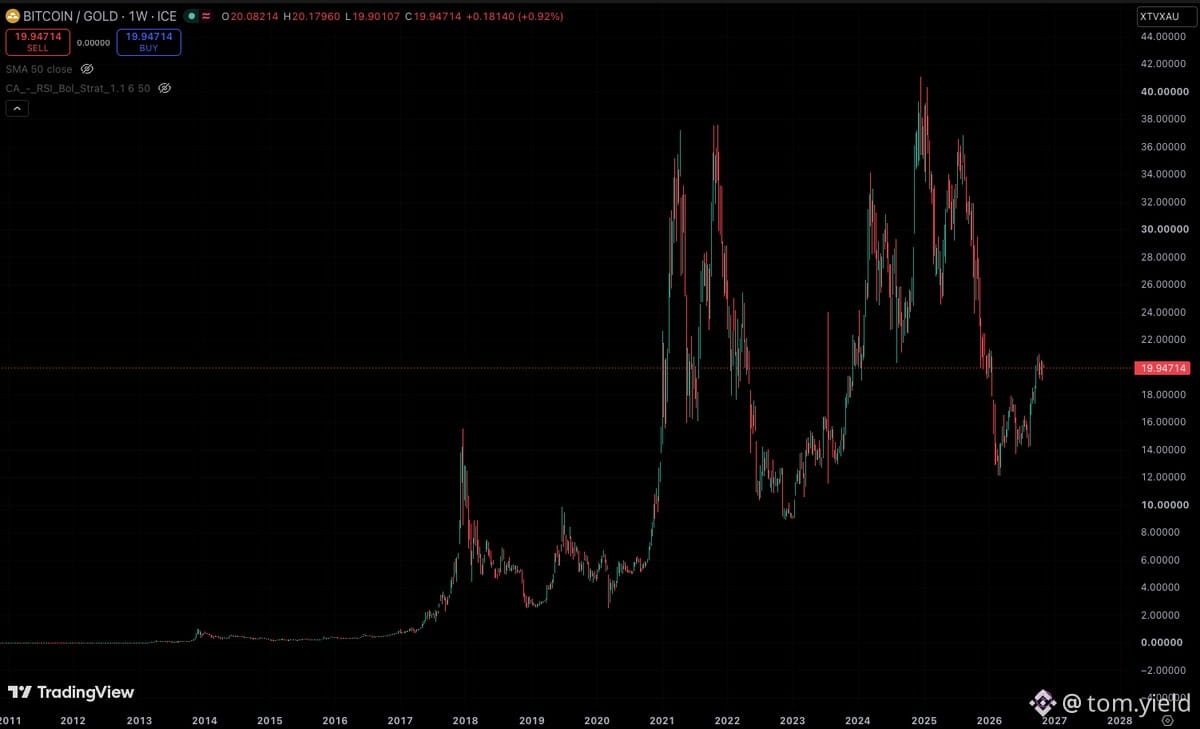
Digitales Gold vs. physisches Gold 📊
$BTC durchbricht Korrelationsmuster mit traditionellem Gold. Das Diagramm zeigt eine Divergenz an wichtigen Widerstandsniveaus.
Während Boomer Barren stapeln, stapeln Degens Sats. Die Flippening-Erzählung wird immer lauter, während sich die institutionellen Kapitalströme verschieben.
Gold 2.0 ist nicht mehr nur ein Meme, wenn man sich die Geschwindigkeit der Kapitalrotation ansieht.
53
·
--
Übersetzung ansehen
NFT mania 2021 was peak euphoria and peak delusion.
Some degen turned down 869 $ETH (~$1M at the time) for a Bored Ape. Later sold it for way less after reality hit.
That 869 $ETH? Worth $8.6M at $10K $ETH.
This is what greed and FOMO do to you. Lock in profits when the market gives you generational exits. Don't be that guy.
Some degen turned down 869 $ETH (~$1M at the time) for a Bored Ape. Later sold it for way less after reality hit.
That 869 $ETH? Worth $8.6M at $10K $ETH.
This is what greed and FOMO do to you. Lock in profits when the market gives you generational exits. Don't be that guy.
·
--
Übersetzung ansehen
Hal Finney called $BTC a lottery ticket in 2009. He understood asymmetric upside before it was a meme.
$BTC target: $10M.
That's the mindset. You're not here for 2x. You're here for life-changing asymmetry.
Find the next lottery ticket. Size it right. Let it run.
That's how you win in crypto. ❤️💛💚💙
Hal Finney called $BTC a lottery ticket in 2009. He understood asymmetric upside before it was a meme.
$BTC target: $10M.
That's the mindset. You're not here for 2x. You're here for life-changing asymmetry.
Find the next lottery ticket. Size it right. Let it run.
That's how you win in crypto. ❤️💛💚💙
$BTC target: $10M.
That's the mindset. You're not here for 2x. You're here for life-changing asymmetry.
Find the next lottery ticket. Size it right. Let it run.
That's how you win in crypto. ❤️💛💚💙
·
--
Übersetzung ansehen
Everyone's watching $BTC ETF flows and stablecoin supply. Wrong focus. Those are outcomes, not drivers.
The real alpha? Cost of capital. Interest rates control the upstream valve.
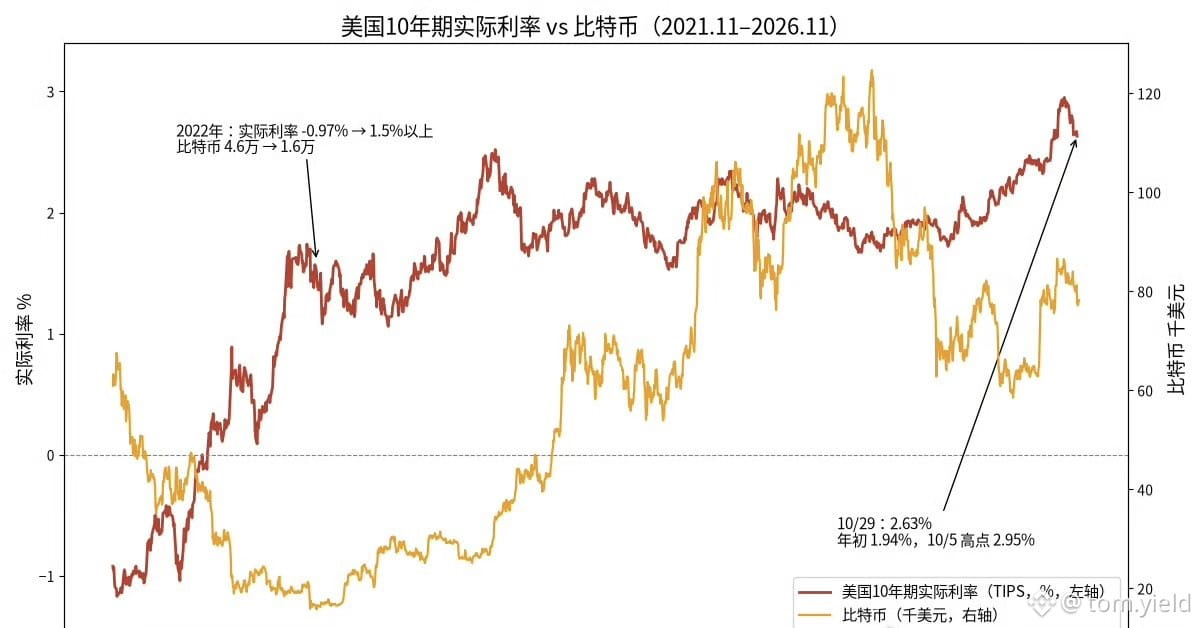
Right now, capital is EXPENSIVE. 10Y TIPS yield sitting above 2.6%, way up from January. Institutions can lock in 2%+ real returns risk-free in treasuries. Why touch crypto's daily multi-point swings?
ETF flows confirm this: choppy, no conviction. Single-day outflows erasing weeks of inflows. Weekly net: negative. Without sticky long-term capital, $BTC can't launch a real leg up. We're deep off the $124.7k high.
History lesson:
2022 (rate shock): Real rates flipped positive, ripped to 1.5%+. $BTC cratered from $46k to $15.8k. Pure valuation kill.
2023-2025 (structural story): Real rates stayed high around 2%, yet $BTC ran from $16k to $120k+. The driver? Spot ETF narrative + massive channel flows. But story-driven pumps fade when rates stay elevated. Mean reversion kicks in hard.
The trap everyone's missing: not all rate cuts are bullish.
If 2025 cuts come from recession (forced cuts), liquidity crisis hits FIRST. Remember March 2020? Before Fed went to zero, panic selling nuked everything for cash. $BTC dropped 39% in one day. The relief rally only came AFTER the liquidity bloodbath.
My three confirmation signals before I go full degen:
1. Liquidity valve opens: 10Y real rates break below 2%, DXY rolls over
2. Soft landing confirmed: Rate cuts driven by cooling inflation, NOT spiking unemployment
3. Capital commits: ETF inflows stay positive for weeks straight, not just hot money flipping
Until all three align, I'm treating every bounce as a technical relief rally. Nothing more.
BTC+0,30%
IEFETF-0,31%
Anmelden und weiter Inhalte entdecken
Krypto-Nutzer weltweit auf Binance Square kennenlernen
⚡️ Bleib in Sachen Krypto stets am Puls.
💬 Die weltgrößte Kryptobörse vertraut darauf.
👍 Erhalte verlässliche Einblicke von verifizierten Creators.
E-Mail-Adresse/Telefonnummer
Trendthemen
BinanceIncidentReport
4,150 Aufrufe
196 Kommentare
Sicherheitsvorfall bei Binance vom 29. Oktober 2026: Erste Erkenntnisse und aktuelles Update zu den Maßnahmen
Binance Blog
·130 Likes
·344.3k Aufrufe
BinanceReopensWithdrawalsForMoreAssets
91,079 Aufrufe
1,505 Kommentare
BinanceHourlyDepositsExceedWithdrawals
44,261 Aufrufe
646 Kommentare