
Agora_Flux
102 Beiträge

Agora_Flux
Melden
Nutzer blockieren
Reflects project's purpose// tech - signals// Analyst // Defi protocol TESTOR// Click + to follow for more info.🚀
0 Following
2 Follower
3 Like gegeben
Beiträge
·
--
Übersetzung ansehen
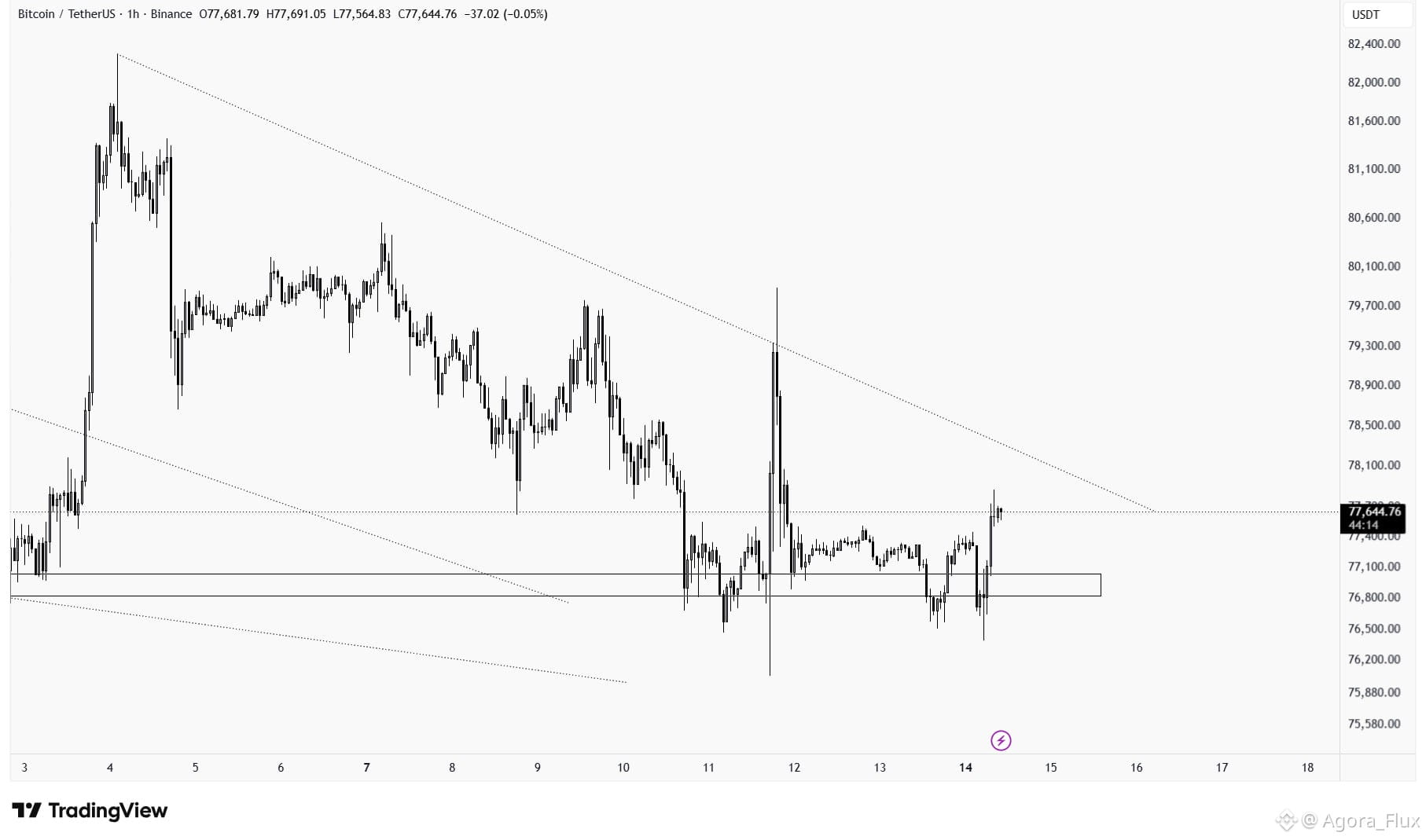
🔴 $BTC closed its weekly candle pretty well with a strong bearish close.
On the hourly timeframe, price is still moving back and forth around the support area.
Price has now flipped the zone again and is expected to be rejected from the resistance line.
#BTC Price Analysis#
🔴 $BTC closed its weekly candle pretty well with a strong bearish close.
On the hourly timeframe, price is still moving back and forth around the support area.
Price has now flipped the zone again and is expected to be rejected from the resistance line.
#BTC Price Analysis#
On the hourly timeframe, price is still moving back and forth around the support area.
Price has now flipped the zone again and is expected to be rejected from the resistance line.
#BTC Price Analysis#
62
·
--
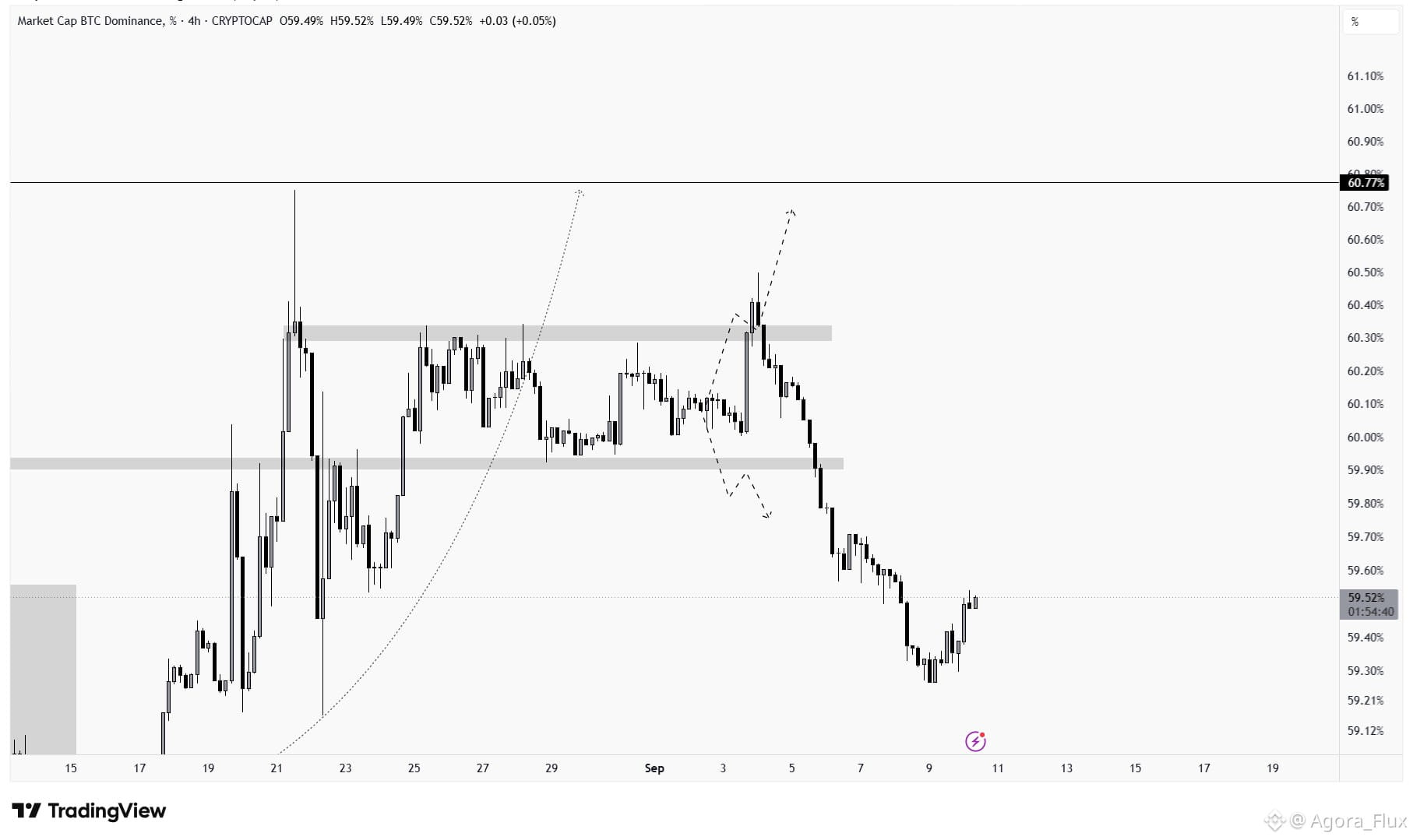
🔴 $BTC.D gab einen Fakeout und bricht nun nach unten aus, wobei der Index zwischen wichtigen Zonen pendelt. Wenn der Index tiefer rutscht, wird das bereits einen guten Money-Flow in Altcoins erzeugen, wie wir gesehen haben: Altcoins sind in den letzten zwei Wochen deutlich nach oben gesprungen. Weitere Bewegung ist zu erwarten, und es könnte weiterhin nach unten gehen.
#BTC Price Analysis#
🔴 $BTC.D gab einen Fakeout und bricht nun nach unten aus, wobei der Index zwischen wichtigen Zonen pendelt. Wenn der Index tiefer rutscht, wird das bereits einen guten Money-Flow in Altcoins erzeugen, wie wir gesehen haben: Altcoins sind in den letzten zwei Wochen deutlich nach oben gesprungen. Weitere Bewegung ist zu erwarten, und es könnte weiterhin nach unten gehen.
#BTC Price Analysis#
#BTC Price Analysis#
68
·
--
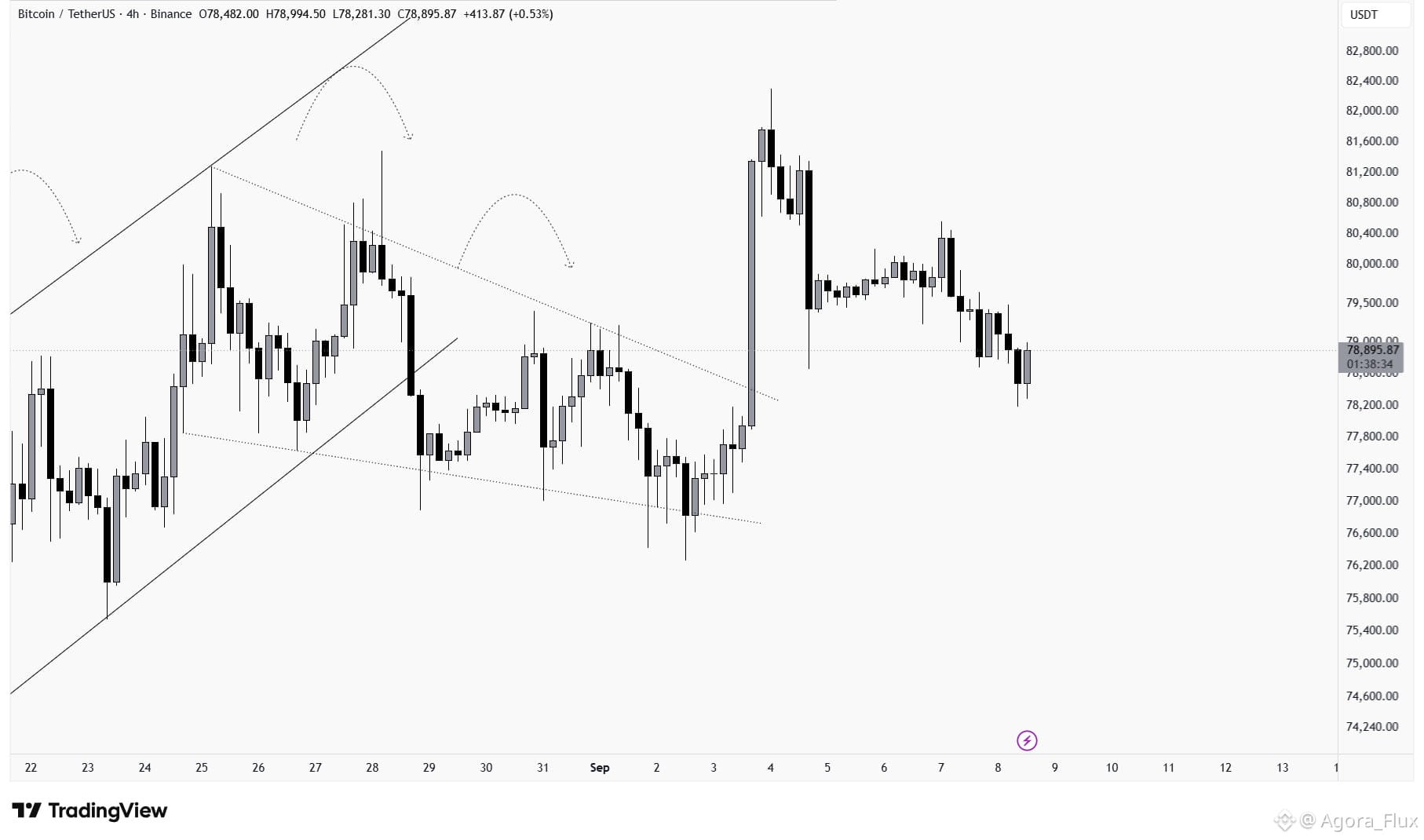
🔴 $BTC ist nach unten losgegangen und hat diese kleine Spanne nach unten durchbrochen. Der Preis steuert jetzt auf einen Retest des fallenden Keilmusters zu, und die NY-Session könnte etwas Neues bringen.
#BTC Price Analysis#
🔴 $BTC ist nach unten losgegangen und hat diese kleine Spanne nach unten durchbrochen. Der Preis steuert jetzt auf einen Retest des fallenden Keilmusters zu, und die NY-Session könnte etwas Neues bringen.
#BTC Price Analysis#
#BTC Price Analysis#
48
·
--
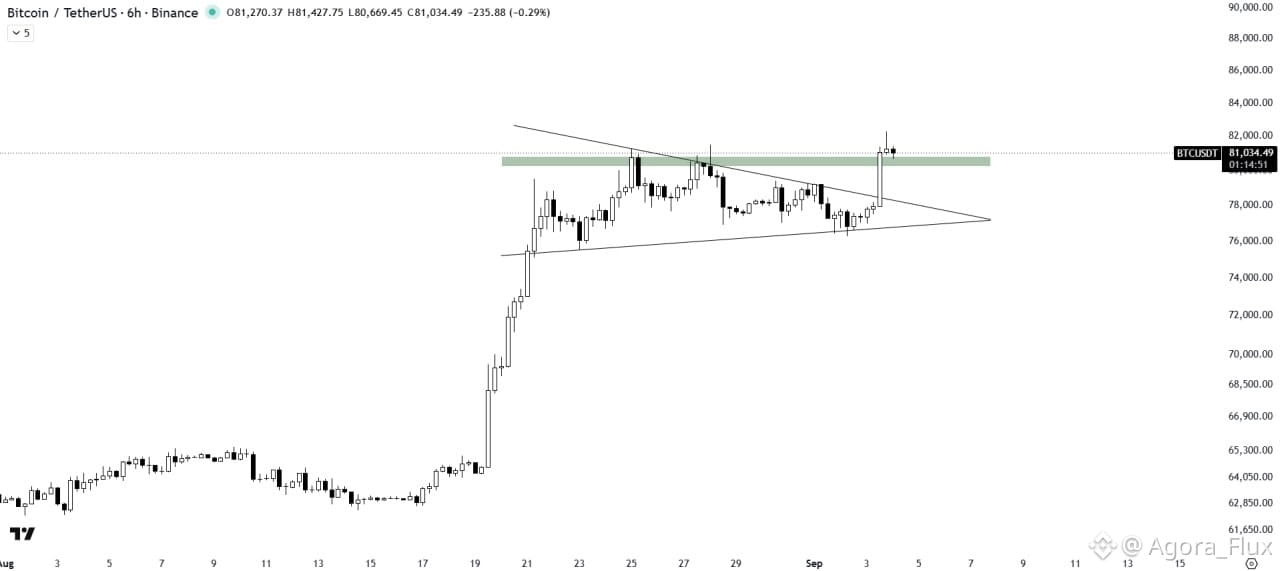
🔴 $BTC/USDT ANALYSE
Bitcoin hat mit erheblichem Volumen aus dem Pennant-Muster ausgebrochen und signalisiert starke bullische Dynamik.
Derzeit testet es die wichtige S/R-Zone, und ein erfolgreicher Retest könnte eine weitere bullische Bestätigung liefern.
Ein erfolgreicher Halt über diesem Niveau könnte einen weiteren bullischen Rallye im Markt auslösen. Behalte die weiteren Kursentwicklungen im Blick.
#BTC Price Analysis#
🔴 $BTC/USDT ANALYSE
Bitcoin hat mit erheblichem Volumen aus dem Pennant-Muster ausgebrochen und signalisiert starke bullische Dynamik.
Derzeit testet es die wichtige S/R-Zone, und ein erfolgreicher Retest könnte eine weitere bullische Bestätigung liefern.
Ein erfolgreicher Halt über diesem Niveau könnte einen weiteren bullischen Rallye im Markt auslösen. Behalte die weiteren Kursentwicklungen im Blick.
#BTC Price Analysis#
Bitcoin hat mit erheblichem Volumen aus dem Pennant-Muster ausgebrochen und signalisiert starke bullische Dynamik.
Derzeit testet es die wichtige S/R-Zone, und ein erfolgreicher Retest könnte eine weitere bullische Bestätigung liefern.
Ein erfolgreicher Halt über diesem Niveau könnte einen weiteren bullischen Rallye im Markt auslösen. Behalte die weiteren Kursentwicklungen im Blick.
#BTC Price Analysis#
71
·
--
🔴 $BTC/USDT ANALYSE
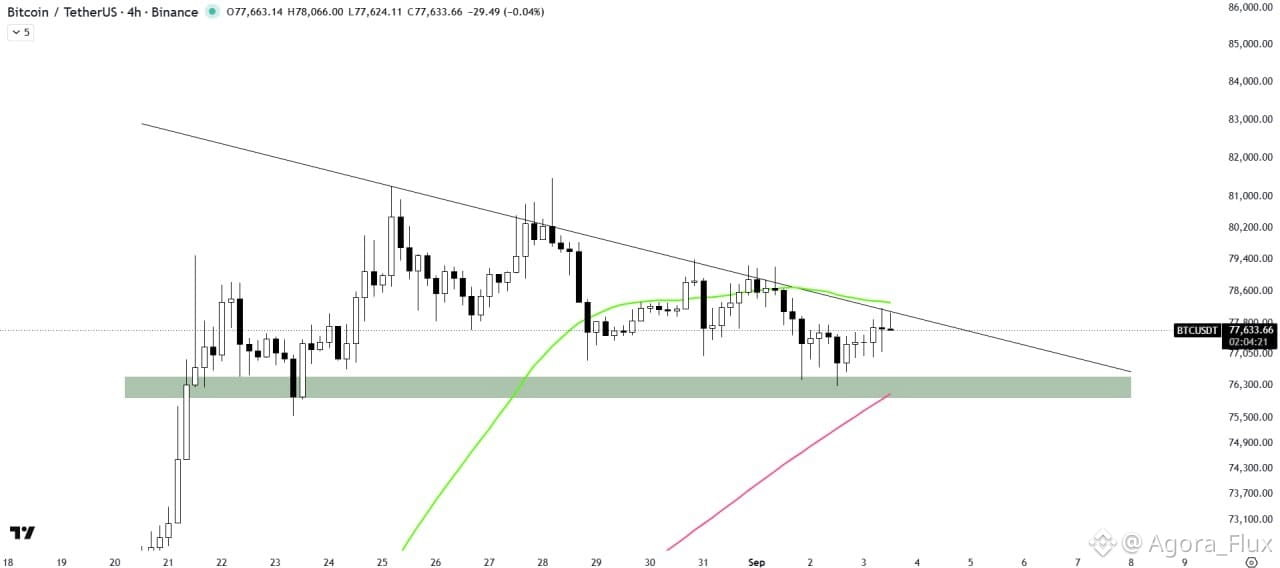
Bitcoin konsolidiert innerhalb des absteigenden Dreiecks und wird aktuell unterhalb der Widerstandstrendlinie gehandelt.
Die 50MA wirkt als entscheidende Widerstandsbarriere, während die 100MA unterhalb der aktuellen Kursbewegung Unterstützung bietet.
Wir müssen auf einen soliden Ausbruch oder einen Breakdown des Musters warten, um die nächste Richtung zu bestätigen.
#BTC Price Analysis#
🔴 $BTC/USDT ANALYSE
Bitcoin konsolidiert innerhalb des absteigenden Dreiecks und wird aktuell unterhalb der Widerstandstrendlinie gehandelt.
Die 50MA wirkt als entscheidende Widerstandsbarriere, während die 100MA unterhalb der aktuellen Kursbewegung Unterstützung bietet.
Wir müssen auf einen soliden Ausbruch oder einen Breakdown des Musters warten, um die nächste Richtung zu bestätigen.
#BTC Price Analysis#
Bitcoin konsolidiert innerhalb des absteigenden Dreiecks und wird aktuell unterhalb der Widerstandstrendlinie gehandelt.
Die 50MA wirkt als entscheidende Widerstandsbarriere, während die 100MA unterhalb der aktuellen Kursbewegung Unterstützung bietet.
Wir müssen auf einen soliden Ausbruch oder einen Breakdown des Musters warten, um die nächste Richtung zu bestätigen.
#BTC Price Analysis#
64
·
--
🔴 $BTC/USDT ANALYSE
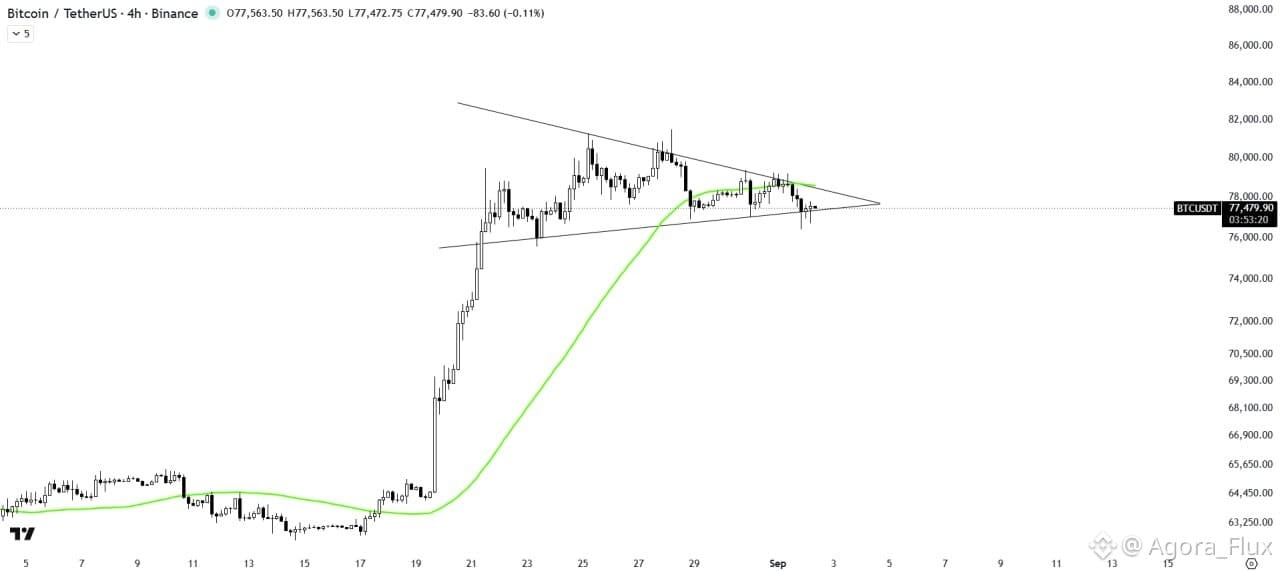
Bitcoin konsolidiert innerhalb des Pennant-Musters und hält sich aktuell oberhalb der Support-Trendlinie.
Die 50MA fungiert als entscheidende Widerstandsbarriere über dem aktuellen Kursgeschehen.
Wir müssen auf einen soliden Ausbruch aus dem Pennant warten, während ein Bruch unterhalb der Unterstützung die Formation ungültig machen würde.
#BTC Price Analysis#
🔴 $BTC/USDT ANALYSE
Bitcoin konsolidiert innerhalb des Pennant-Musters und hält sich aktuell oberhalb der Support-Trendlinie.
Die 50MA fungiert als entscheidende Widerstandsbarriere über dem aktuellen Kursgeschehen.
Wir müssen auf einen soliden Ausbruch aus dem Pennant warten, während ein Bruch unterhalb der Unterstützung die Formation ungültig machen würde.
#BTC Price Analysis#
Bitcoin konsolidiert innerhalb des Pennant-Musters und hält sich aktuell oberhalb der Support-Trendlinie.
Die 50MA fungiert als entscheidende Widerstandsbarriere über dem aktuellen Kursgeschehen.
Wir müssen auf einen soliden Ausbruch aus dem Pennant warten, während ein Bruch unterhalb der Unterstützung die Formation ungültig machen würde.
#BTC Price Analysis#
77
·
--
Habe etwas Interessantes auf ETHENA Move gefunden. Ich beobachte ENA nicht, weil es gerade pumpt. Ich beobachte, was passiert, wenn die Käufer aufhören, hinterherzulaufen.🤔
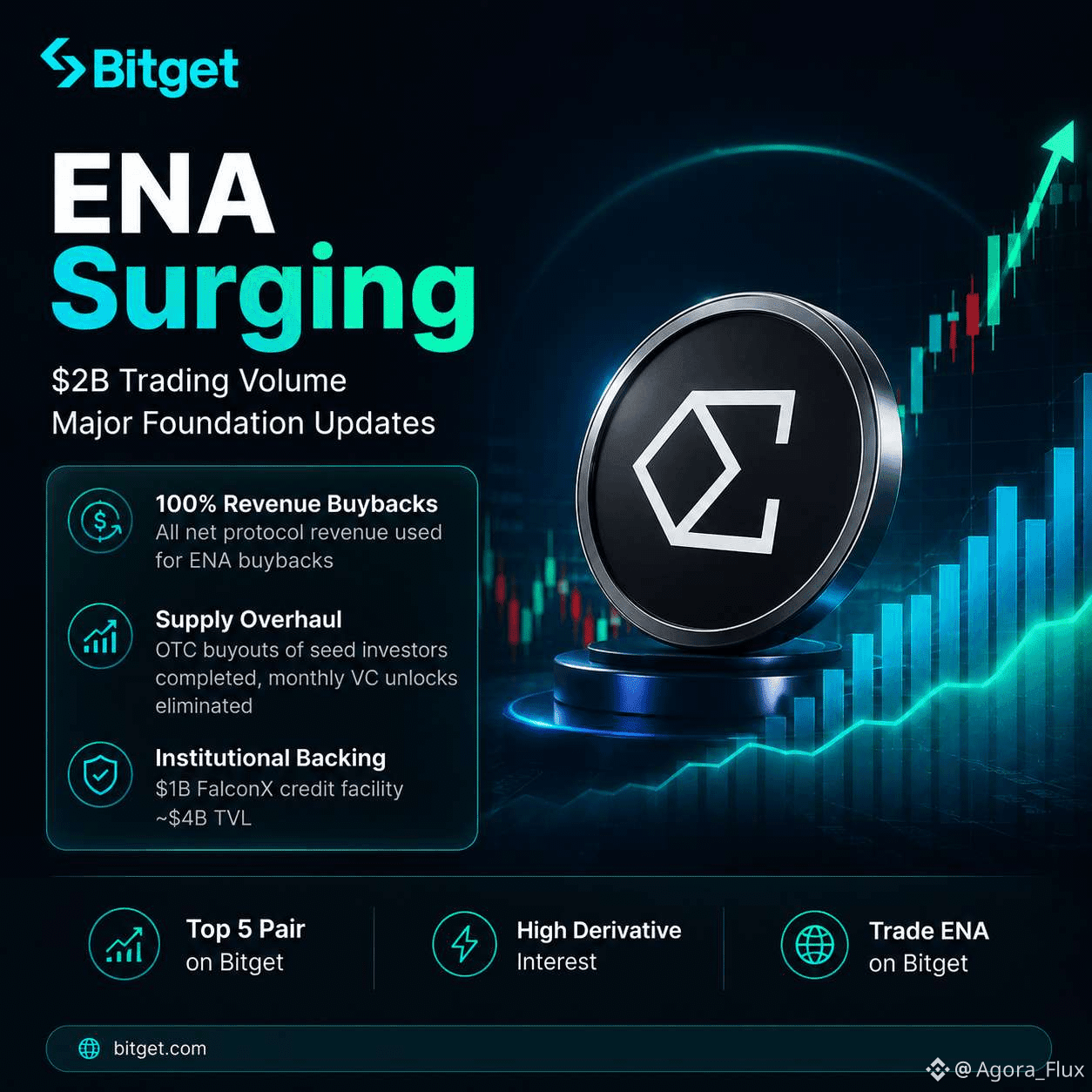
Ich habe mir das Setup auf Bitget angesehen und das Volumen von 2B hat meine Aufmerksamkeit geweckt, aber die größere Story für mich ist, was hinter dem Token passiert.
Ethena hat gerade genehmigt, 100% der Nettoeinnahmen des Protokolls in $ENA-Rückkäufe zu stecken, während die monatlichen VC-Unlocks entfernt wurden. Das ist wichtig, weil es die Angebotsseite des Trades verändert.
Wenn das Protokoll weiterhin Einnahmen generiert, während ein Teil des üblichen Verkaufsdrucks wegfällt, dann steckt hinter einem starken Move bei ENA etwas Substanzielleres als nur Momentum.
Und mit einem TVL von rund 4B plus der FalconX-Institutional-Credit-Facility ist offensichtlich, dass um Ethena herum mehr passiert als nur Retail-Spekulation.
Trotzdem würde ich mich nach einem Move wie diesem nicht von FOMO in eine Kerze drängen lassen. Meine Trading-Idee ist simpel: Lass ENA zurückkommen, auch wenn ich $ETH traden sollte. Wenn die Käufer eingreifen und ein höheres Tief verteidigen, ist das die Bestätigung, die ich sehen möchte, bevor ich einen Long in Betracht ziehe.
Wenn diese Struktur bricht, gehe ich raus. Die Story ist spannend. Die Reaktion beim nächsten Pullback ist das, was ich wirklich sehen will.
ETHENA, Fortsetzung oder Falle?
#Altcoin Season#
Habe etwas Interessantes auf ETHENA Move gefunden. Ich beobachte ENA nicht, weil es gerade pumpt. Ich beobachte, was passiert, wenn die Käufer aufhören, hinterherzulaufen.🤔
Ich habe mir das Setup auf Bitget angesehen und das Volumen von 2B hat meine Aufmerksamkeit geweckt, aber die größere Story für mich ist, was hinter dem Token passiert.
Ethena hat gerade genehmigt, 100% der Nettoeinnahmen des Protokolls in $ENA-Rückkäufe zu stecken, während die monatlichen VC-Unlocks entfernt wurden. Das ist wichtig, weil es die Angebotsseite des Trades verändert.
Wenn das Protokoll weiterhin Einnahmen generiert, während ein Teil des üblichen Verkaufsdrucks wegfällt, dann steckt hinter einem starken Move bei ENA etwas Substanzielleres als nur Momentum.
Und mit einem TVL von rund 4B plus der FalconX-Institutional-Credit-Facility ist offensichtlich, dass um Ethena herum mehr passiert als nur Retail-Spekulation.
Trotzdem würde ich mich nach einem Move wie diesem nicht von FOMO in eine Kerze drängen lassen. Meine Trading-Idee ist simpel: Lass ENA zurückkommen, auch wenn ich $ETH traden sollte. Wenn die Käufer eingreifen und ein höheres Tief verteidigen, ist das die Bestätigung, die ich sehen möchte, bevor ich einen Long in Betracht ziehe.
Wenn diese Struktur bricht, gehe ich raus. Die Story ist spannend. Die Reaktion beim nächsten Pullback ist das, was ich wirklich sehen will.
ETHENA, Fortsetzung oder Falle?
#Altcoin Season#
Ich habe mir das Setup auf Bitget angesehen und das Volumen von 2B hat meine Aufmerksamkeit geweckt, aber die größere Story für mich ist, was hinter dem Token passiert.
Ethena hat gerade genehmigt, 100% der Nettoeinnahmen des Protokolls in $ENA-Rückkäufe zu stecken, während die monatlichen VC-Unlocks entfernt wurden. Das ist wichtig, weil es die Angebotsseite des Trades verändert.
Wenn das Protokoll weiterhin Einnahmen generiert, während ein Teil des üblichen Verkaufsdrucks wegfällt, dann steckt hinter einem starken Move bei ENA etwas Substanzielleres als nur Momentum.
Und mit einem TVL von rund 4B plus der FalconX-Institutional-Credit-Facility ist offensichtlich, dass um Ethena herum mehr passiert als nur Retail-Spekulation.
Trotzdem würde ich mich nach einem Move wie diesem nicht von FOMO in eine Kerze drängen lassen. Meine Trading-Idee ist simpel: Lass ENA zurückkommen, auch wenn ich $ETH traden sollte. Wenn die Käufer eingreifen und ein höheres Tief verteidigen, ist das die Bestätigung, die ich sehen möchte, bevor ich einen Long in Betracht ziehe.
Wenn diese Struktur bricht, gehe ich raus. Die Story ist spannend. Die Reaktion beim nächsten Pullback ist das, was ich wirklich sehen will.
ETHENA, Fortsetzung oder Falle?
#Altcoin Season#
71
·
--
Schauen wir uns die $BTC/USDT-Analyse an
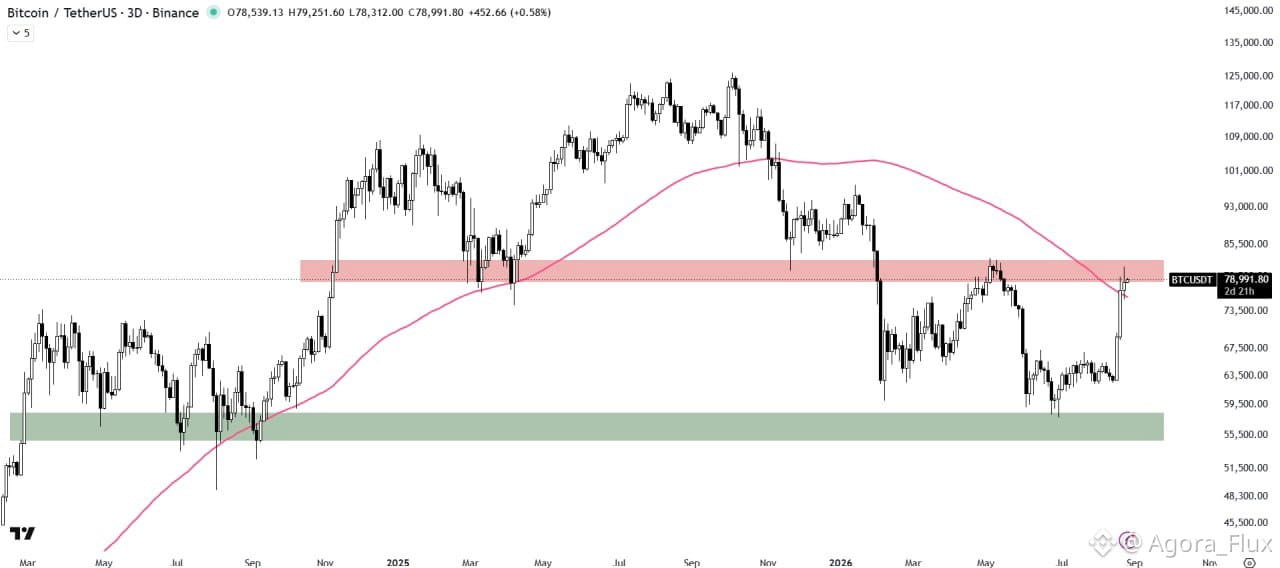
Bitcoin handelt oberhalb des 100MA, das als wichtige Unterstützung fungiert, während der Preis innerhalb der horizontalen Angebotszone bleibt.
Ein anhaltender Halt über dem 100MA, gefolgt von einem Ausbruch aus der Angebotszone, könnte einen starken Aufwärtsimpuls auslösen.
Andererseits würde ein Bruch unter die 100MA-Unterstützung auf weiteres Abwärtspotenzial im Markt hindeuten.
#BTC Preisanalyse#
Schauen wir uns die $BTC/USDT-Analyse an
Bitcoin handelt oberhalb des 100MA, das als wichtige Unterstützung fungiert, während der Preis innerhalb der horizontalen Angebotszone bleibt.
Ein anhaltender Halt über dem 100MA, gefolgt von einem Ausbruch aus der Angebotszone, könnte einen starken Aufwärtsimpuls auslösen.
Andererseits würde ein Bruch unter die 100MA-Unterstützung auf weiteres Abwärtspotenzial im Markt hindeuten.
#BTC Preisanalyse#
Bitcoin handelt oberhalb des 100MA, das als wichtige Unterstützung fungiert, während der Preis innerhalb der horizontalen Angebotszone bleibt.
Ein anhaltender Halt über dem 100MA, gefolgt von einem Ausbruch aus der Angebotszone, könnte einen starken Aufwärtsimpuls auslösen.
Andererseits würde ein Bruch unter die 100MA-Unterstützung auf weiteres Abwärtspotenzial im Markt hindeuten.
#BTC Preisanalyse#
81
·
--
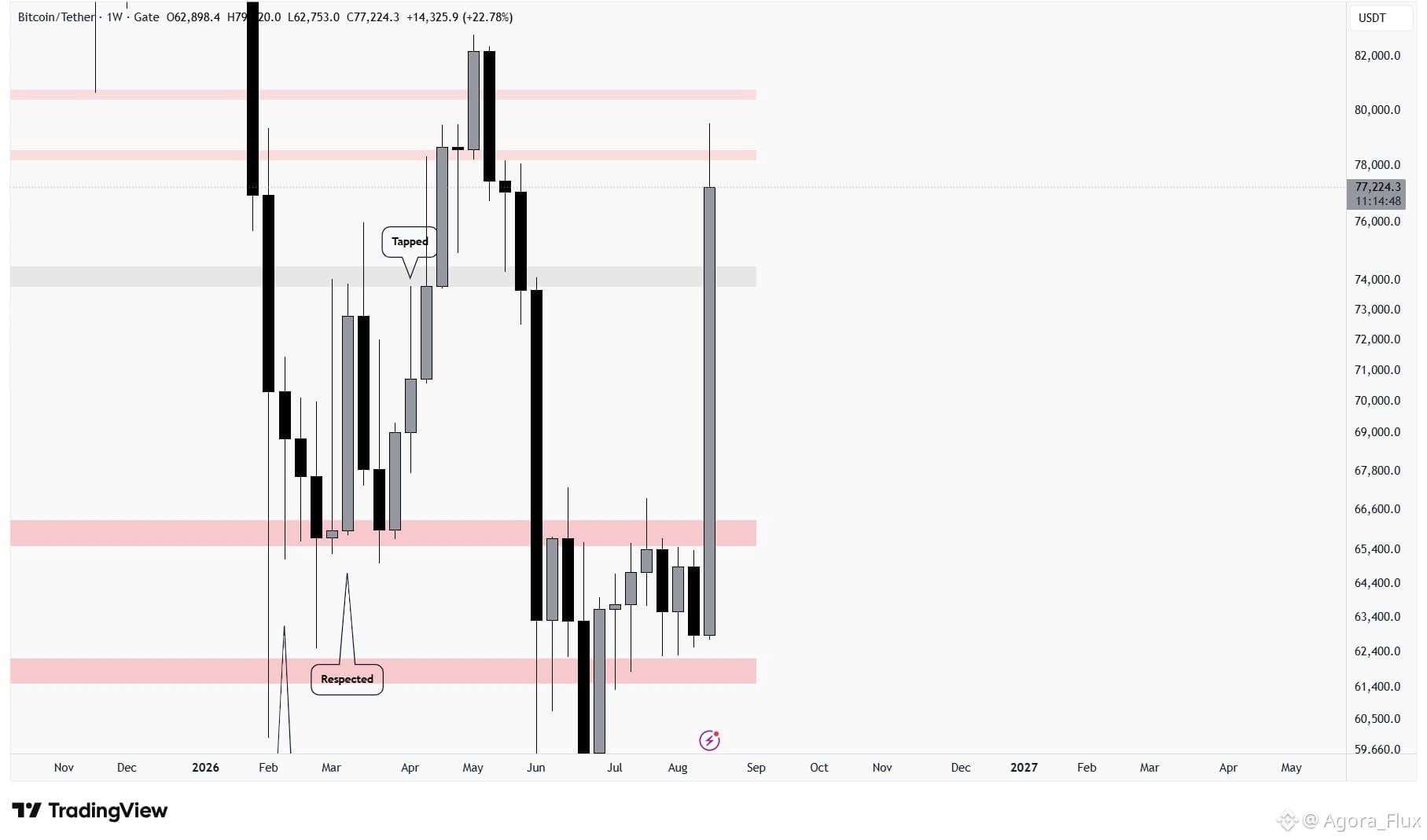
🔴 $BTC WOCHEN-TRADINGZEITFENSTER UPDATE:
BTC hatte einen sehr starken Aufwärtsmove und eine sehr bullische Kerze direkt bis zum Widerstand bei etwa $78.150.
Wenn die heutige Kerze so stark schließt, erwarte eine flache Korrektur, gefolgt von einem weiteren Anstieg.
Daher könnte die Woche eine Retracement-Phase beinhalten.
#BTC Preisanalyse#
🔴 $BTC WOCHEN-TRADINGZEITFENSTER UPDATE:
BTC hatte einen sehr starken Aufwärtsmove und eine sehr bullische Kerze direkt bis zum Widerstand bei etwa $78.150.
Wenn die heutige Kerze so stark schließt, erwarte eine flache Korrektur, gefolgt von einem weiteren Anstieg.
Daher könnte die Woche eine Retracement-Phase beinhalten.
#BTC Preisanalyse#
BTC hatte einen sehr starken Aufwärtsmove und eine sehr bullische Kerze direkt bis zum Widerstand bei etwa $78.150.
Wenn die heutige Kerze so stark schließt, erwarte eine flache Korrektur, gefolgt von einem weiteren Anstieg.
Daher könnte die Woche eine Retracement-Phase beinhalten.
#BTC Preisanalyse#
76
·
--
Alle jagen die KI-Story hinterher, aber eine der stärksten Bewegungen dieser Woche kam aus einer anderen Ecke des Marktes, während $BTC konsolidiert.
ZEC ist in wenigen Tagen um über 60% durchgestartet, und was meine Aufmerksamkeit nicht nur auf den Preis gelenkt hat. Auf Bitget ist das $ZECUSDT-Volumen regelrecht explodiert, als Trader gleichzeitig auf zwei große Katalysatoren reagierten: die aktualisierte Spot-ETF-Einreichung von Grayscale und das erfolgreiche Upgrade des Ironwood-Netzwerks. Genau so eine Kombination sorgt normalerweise dafür, dass die Volatilität länger hoch bleibt, als die meisten erwarten.
Der ETF-Aspekt ist deshalb wichtig, weil er institutionelle Aufmerksamkeit mitbringt. Das Ironwood-Upgrade ist deshalb relevant, weil es die Datenschutz-Infrastruktur stärkt, die hinter Zcash selbst steckt. Wenn sich Story und Fundamentals decken, richten Märkte ihre Aufmerksamkeit meist besonders darauf.
Jetzt ist nicht die Frage, ob ZEC schon gelaufen ist. Sondern ob die Volatilität bereits vorbei ist.
Meiner Meinung nach kommt es hier stärker auf Strategie an als auf Vorhersagen. Anstatt zu versuchen, jedes Hoch und Tief zu erraten, schaue ich mir Grid Futures auf Bitget an, um von den starken Preisschwankungen zu profitieren. Wenn ein Markt anfängt, sich innerhalb eines Tages um 10–20% zu bewegen, macht es oft mehr Sinn, wenn ein Bot systematisch Dips kauft und Rebounds verkauft, statt emotional zu traden.
Wenn ZEC weiter ETF-Spekulation und Aufmerksamkeit aus dem Privacy-Sektor anzieht, könnte Volatilität weiterhin eine der größten Chancen im Krypto-Bereich sein. Blendest du diese Bewegung aus oder glaubst du, dass die ETF-Story noch Potenzial hat?
#Altcoin Season# #Macro Insights#
Alle jagen die KI-Story hinterher, aber eine der stärksten Bewegungen dieser Woche kam aus einer anderen Ecke des Marktes, während $BTC konsolidiert.
ZEC ist in wenigen Tagen um über 60% durchgestartet, und was meine Aufmerksamkeit nicht nur auf den Preis gelenkt hat. Auf Bitget ist das $ZECUSDT-Volumen regelrecht explodiert, als Trader gleichzeitig auf zwei große Katalysatoren reagierten: die aktualisierte Spot-ETF-Einreichung von Grayscale und das erfolgreiche Upgrade des Ironwood-Netzwerks. Genau so eine Kombination sorgt normalerweise dafür, dass die Volatilität länger hoch bleibt, als die meisten erwarten.
Der ETF-Aspekt ist deshalb wichtig, weil er institutionelle Aufmerksamkeit mitbringt. Das Ironwood-Upgrade ist deshalb relevant, weil es die Datenschutz-Infrastruktur stärkt, die hinter Zcash selbst steckt. Wenn sich Story und Fundamentals decken, richten Märkte ihre Aufmerksamkeit meist besonders darauf.
Jetzt ist nicht die Frage, ob ZEC schon gelaufen ist. Sondern ob die Volatilität bereits vorbei ist.
Meiner Meinung nach kommt es hier stärker auf Strategie an als auf Vorhersagen. Anstatt zu versuchen, jedes Hoch und Tief zu erraten, schaue ich mir Grid Futures auf Bitget an, um von den starken Preisschwankungen zu profitieren. Wenn ein Markt anfängt, sich innerhalb eines Tages um 10–20% zu bewegen, macht es oft mehr Sinn, wenn ein Bot systematisch Dips kauft und Rebounds verkauft, statt emotional zu traden.
Wenn ZEC weiter ETF-Spekulation und Aufmerksamkeit aus dem Privacy-Sektor anzieht, könnte Volatilität weiterhin eine der größten Chancen im Krypto-Bereich sein. Blendest du diese Bewegung aus oder glaubst du, dass die ETF-Story noch Potenzial hat?
#Altcoin Season# #Macro Insights#
ZEC ist in wenigen Tagen um über 60% durchgestartet, und was meine Aufmerksamkeit nicht nur auf den Preis gelenkt hat. Auf Bitget ist das $ZECUSDT-Volumen regelrecht explodiert, als Trader gleichzeitig auf zwei große Katalysatoren reagierten: die aktualisierte Spot-ETF-Einreichung von Grayscale und das erfolgreiche Upgrade des Ironwood-Netzwerks. Genau so eine Kombination sorgt normalerweise dafür, dass die Volatilität länger hoch bleibt, als die meisten erwarten.
Der ETF-Aspekt ist deshalb wichtig, weil er institutionelle Aufmerksamkeit mitbringt. Das Ironwood-Upgrade ist deshalb relevant, weil es die Datenschutz-Infrastruktur stärkt, die hinter Zcash selbst steckt. Wenn sich Story und Fundamentals decken, richten Märkte ihre Aufmerksamkeit meist besonders darauf.
Jetzt ist nicht die Frage, ob ZEC schon gelaufen ist. Sondern ob die Volatilität bereits vorbei ist.
Meiner Meinung nach kommt es hier stärker auf Strategie an als auf Vorhersagen. Anstatt zu versuchen, jedes Hoch und Tief zu erraten, schaue ich mir Grid Futures auf Bitget an, um von den starken Preisschwankungen zu profitieren. Wenn ein Markt anfängt, sich innerhalb eines Tages um 10–20% zu bewegen, macht es oft mehr Sinn, wenn ein Bot systematisch Dips kauft und Rebounds verkauft, statt emotional zu traden.
Wenn ZEC weiter ETF-Spekulation und Aufmerksamkeit aus dem Privacy-Sektor anzieht, könnte Volatilität weiterhin eine der größten Chancen im Krypto-Bereich sein. Blendest du diese Bewegung aus oder glaubst du, dass die ETF-Story noch Potenzial hat?
#Altcoin Season# #Macro Insights#
70
·
--
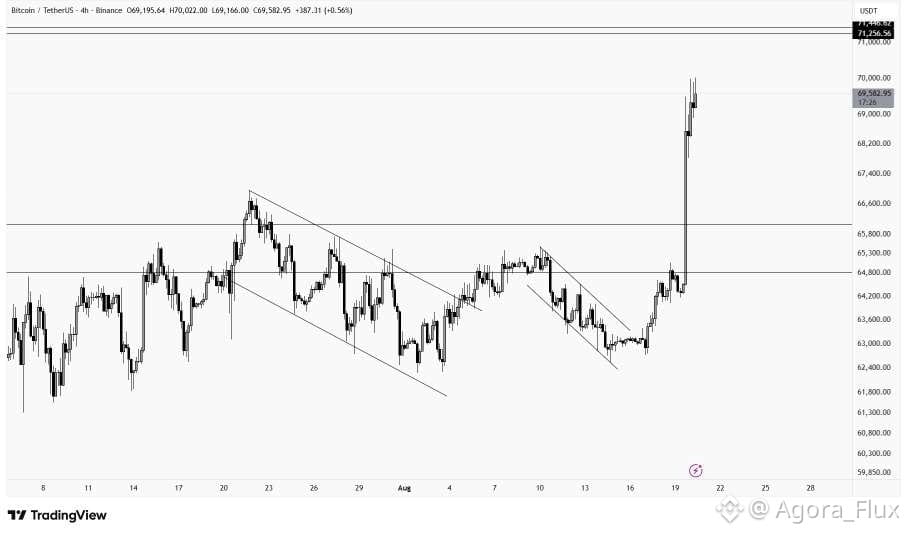
🔴 $BTC ist über ein wichtiges Widerstandsniveau hinausgeschossen und hat mit einem starken Ausbruch schnell die Marke von $70.000 erreicht.
Die nächste entscheidende Widerstandszone liegt zwischen $71.250 und $71.450. Von hier aus kann der Preis entweder für eine Rücksetzung (Retracement) zurückgehen oder direkt in diesen Widerstand hineinlaufen, bevor Korrekturen im Marktgeschehen den weiteren Weg zeigen.
#BTC Price Analysis#
🔴 $BTC ist über ein wichtiges Widerstandsniveau hinausgeschossen und hat mit einem starken Ausbruch schnell die Marke von $70.000 erreicht.
Die nächste entscheidende Widerstandszone liegt zwischen $71.250 und $71.450. Von hier aus kann der Preis entweder für eine Rücksetzung (Retracement) zurückgehen oder direkt in diesen Widerstand hineinlaufen, bevor Korrekturen im Marktgeschehen den weiteren Weg zeigen.
#BTC Price Analysis#
Die nächste entscheidende Widerstandszone liegt zwischen $71.250 und $71.450. Von hier aus kann der Preis entweder für eine Rücksetzung (Retracement) zurückgehen oder direkt in diesen Widerstand hineinlaufen, bevor Korrekturen im Marktgeschehen den weiteren Weg zeigen.
#BTC Price Analysis#
54
·
--
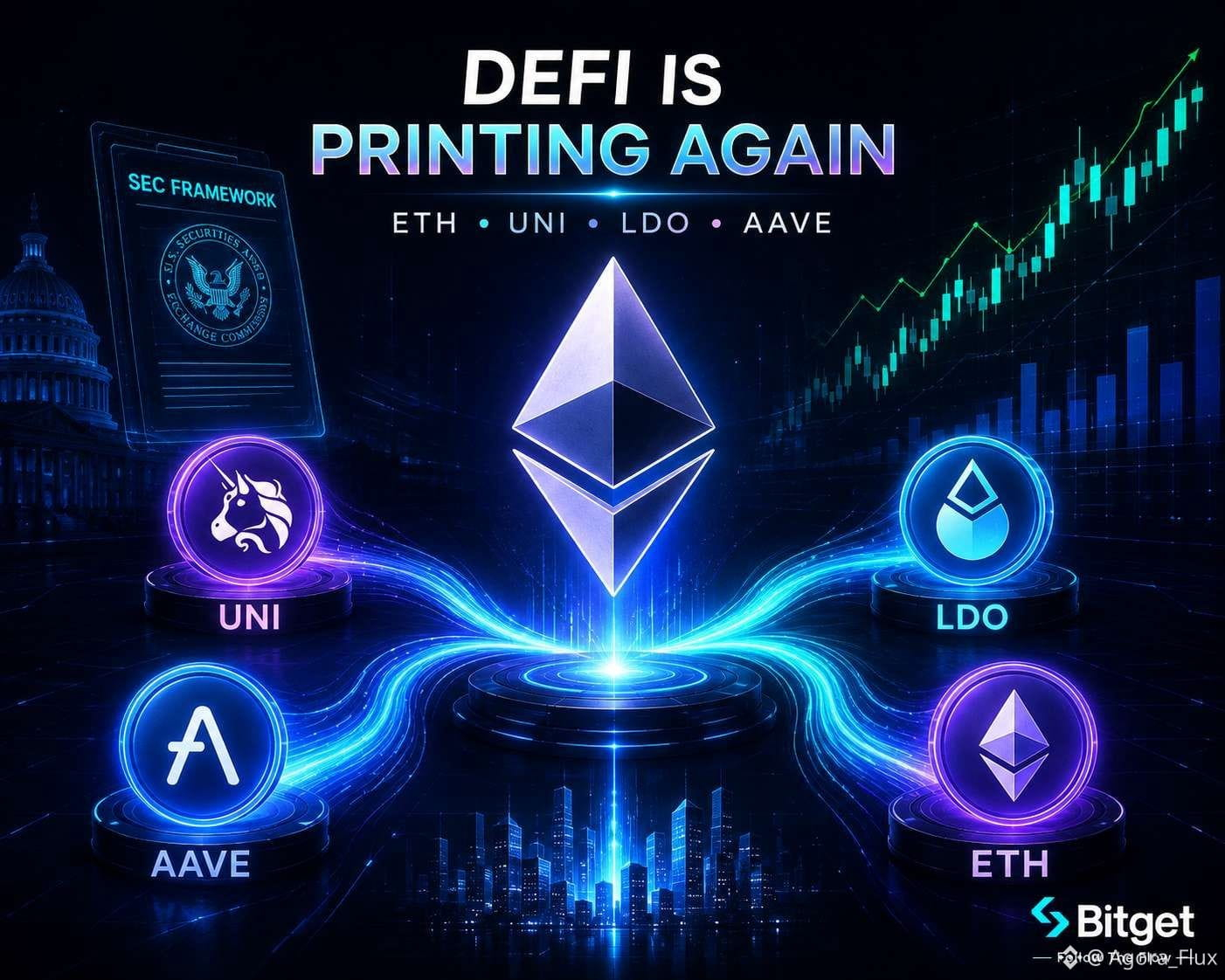
Die meisten Trader behandeln DeFi immer noch so, als wäre es 2022. Ich glaube, sie werden gleich sehr überrascht sein. Während ich bei bitget unterwegs war, habe ich herausgefunden, dass der Markt Narrativen liebt. Das kluge Geld liebt Cashflows. Und zum ersten Mal seit einiger Zeit fängt DeFi an, beides anzubieten.
Zum ersten Mal seit Jahren bekommt DeFi etwas, das es dringend vermisst hat:
Regulatorische Klarheit.
Der von der SEC vorgeschlagene Krypto-Rahmen ist nicht einfach nur wieder eine Schlagzeile. Wenn er umgesetzt wird, reduziert er eines der größten Risiken, das Institutionen bisher ferngehalten hat.
Kombiniert das jetzt mit dem, was bereits im Hintergrund passiert:
• $UNI drängt tiefer in die wertebasierte Wertabschöpfung über Gebühren
• $AAVE setzt seine Dominanz im DeFi-Lending fort
• $LDO profitiert vom Wachstum des Ethereum-Stakings
• $ETH steht im Zentrum des gesamten Ökosystems
Darum schaue ich mir das an – nicht, weil sich die Kurse bewegen, sondern weil sich die Fundamentaldaten verbessern, während die Stimmung noch hinterherhinkt. Und ich werde UNI und ETH auf bitget traden.
Wenn diese Rotation weiter anhält: Was glaubt ihr, wird von hier aus am besten performen? Mich interessiert, worauf alle gerade achten.👇
#Altcoin Season#
Die meisten Trader behandeln DeFi immer noch so, als wäre es 2022. Ich glaube, sie werden gleich sehr überrascht sein. Während ich bei bitget unterwegs war, habe ich herausgefunden, dass der Markt Narrativen liebt. Das kluge Geld liebt Cashflows. Und zum ersten Mal seit einiger Zeit fängt DeFi an, beides anzubieten.
Zum ersten Mal seit Jahren bekommt DeFi etwas, das es dringend vermisst hat:
Regulatorische Klarheit.
Der von der SEC vorgeschlagene Krypto-Rahmen ist nicht einfach nur wieder eine Schlagzeile. Wenn er umgesetzt wird, reduziert er eines der größten Risiken, das Institutionen bisher ferngehalten hat.
Kombiniert das jetzt mit dem, was bereits im Hintergrund passiert:
• $UNI drängt tiefer in die wertebasierte Wertabschöpfung über Gebühren
• $AAVE setzt seine Dominanz im DeFi-Lending fort
• $LDO profitiert vom Wachstum des Ethereum-Stakings
• $ETH steht im Zentrum des gesamten Ökosystems
Darum schaue ich mir das an – nicht, weil sich die Kurse bewegen, sondern weil sich die Fundamentaldaten verbessern, während die Stimmung noch hinterherhinkt. Und ich werde UNI und ETH auf bitget traden.
Wenn diese Rotation weiter anhält: Was glaubt ihr, wird von hier aus am besten performen? Mich interessiert, worauf alle gerade achten.👇
#Altcoin Season#
Zum ersten Mal seit Jahren bekommt DeFi etwas, das es dringend vermisst hat:
Regulatorische Klarheit.
Der von der SEC vorgeschlagene Krypto-Rahmen ist nicht einfach nur wieder eine Schlagzeile. Wenn er umgesetzt wird, reduziert er eines der größten Risiken, das Institutionen bisher ferngehalten hat.
Kombiniert das jetzt mit dem, was bereits im Hintergrund passiert:
• $UNI drängt tiefer in die wertebasierte Wertabschöpfung über Gebühren
• $AAVE setzt seine Dominanz im DeFi-Lending fort
• $LDO profitiert vom Wachstum des Ethereum-Stakings
• $ETH steht im Zentrum des gesamten Ökosystems
Darum schaue ich mir das an – nicht, weil sich die Kurse bewegen, sondern weil sich die Fundamentaldaten verbessern, während die Stimmung noch hinterherhinkt. Und ich werde UNI und ETH auf bitget traden.
Wenn diese Rotation weiter anhält: Was glaubt ihr, wird von hier aus am besten performen? Mich interessiert, worauf alle gerade achten.👇
#Altcoin Season#
82
·
--
Was wäre, wenn die größte $XRP-Rallye dieses Zyklus nicht von Tradern angetrieben wird, sondern von Washington?
Seit Jahren bewegt sich XRP auf Schlagzeilen aus dem Gerichtssaal. Jetzt bewegt es sich auf etwas viel Größeres zu: Regulierung, Politik und ein Platz am Tisch des zukünftigen Finanzsystems.
Seit Jahren wird Krypto wie ein Außenseiter gegenüber dem traditionellen Finanzwesen behandelt. Diese Woche fühlte sich anders an.
Für Trader, die schnell auf diese Entwicklungen reagieren wollen, verfolge ich die Bewegung auf Bitget, wo die XRP-Liquidität während des gesamten News-Zyklus aktiv war.
Präsident Trump hat sich mit Führungskräften von Ripple, Chainlink, Coinbase, Nasdaq, Kraken, ICE sowie Regulierungsbehörden zusammengesetzt, um zu besprechen, wie Krypto in die Zukunft des US-Finanzsystems passt. Das ist keine Meme-Überschrift. Das ist Infrastruktur, die auf höchster Ebene diskutiert wird.
Deshalb beobachte ich $XRP genau.
Wenn der CLARITY Act vorankommt und die regulatorische Unsicherheit weiter nachlässt, könnte XRP zu den größten Gewinnern gehören. Der Markt scheint das bereits einzupreisen: $XRP gewinnt zweistellig, während das Volumen über mehrere Börsen hinweg stark anstieg.
Was meine Aufmerksamkeit nicht auf den Pump selbst gelenkt hat.
Sondern darauf, dass XRP allmählich von einer „rechtlichen Auseinandersetzung“-Erzählung zu einer „finanziellen Infrastruktur“-Erzählung wechselt.
Egal, ob du bullisch oder bärisch bist — das ist ein großer Wandel in der Art, wie der Markt das Asset bewertet.
Ich persönlich halte den Zeitplan zum 15. September für den CLARITY Act im Blick, denn das könnte wichtiger sein als jede kurzfristige Preis-Kerze.
Die eigentliche Frage ist nicht, ob XRP heute gepumpt hat.
Sondern, ob der Markt beginnt, einzupreisen, wie die Krypto-Regulierung in den nächsten Jahren aussehen könnte.
#Macro Insights# #Altcoin Season#
Was wäre, wenn die größte $XRP-Rallye dieses Zyklus nicht von Tradern angetrieben wird, sondern von Washington?
Seit Jahren bewegt sich XRP auf Schlagzeilen aus dem Gerichtssaal. Jetzt bewegt es sich auf etwas viel Größeres zu: Regulierung, Politik und ein Platz am Tisch des zukünftigen Finanzsystems.
Seit Jahren wird Krypto wie ein Außenseiter gegenüber dem traditionellen Finanzwesen behandelt. Diese Woche fühlte sich anders an.
Für Trader, die schnell auf diese Entwicklungen reagieren wollen, verfolge ich die Bewegung auf Bitget, wo die XRP-Liquidität während des gesamten News-Zyklus aktiv war.
Präsident Trump hat sich mit Führungskräften von Ripple, Chainlink, Coinbase, Nasdaq, Kraken, ICE sowie Regulierungsbehörden zusammengesetzt, um zu besprechen, wie Krypto in die Zukunft des US-Finanzsystems passt. Das ist keine Meme-Überschrift. Das ist Infrastruktur, die auf höchster Ebene diskutiert wird.
Deshalb beobachte ich $XRP genau.
Wenn der CLARITY Act vorankommt und die regulatorische Unsicherheit weiter nachlässt, könnte XRP zu den größten Gewinnern gehören. Der Markt scheint das bereits einzupreisen: $XRP gewinnt zweistellig, während das Volumen über mehrere Börsen hinweg stark anstieg.
Was meine Aufmerksamkeit nicht auf den Pump selbst gelenkt hat.
Sondern darauf, dass XRP allmählich von einer „rechtlichen Auseinandersetzung“-Erzählung zu einer „finanziellen Infrastruktur“-Erzählung wechselt.
Egal, ob du bullisch oder bärisch bist — das ist ein großer Wandel in der Art, wie der Markt das Asset bewertet.
Ich persönlich halte den Zeitplan zum 15. September für den CLARITY Act im Blick, denn das könnte wichtiger sein als jede kurzfristige Preis-Kerze.
Die eigentliche Frage ist nicht, ob XRP heute gepumpt hat.
Sondern, ob der Markt beginnt, einzupreisen, wie die Krypto-Regulierung in den nächsten Jahren aussehen könnte.
#Macro Insights# #Altcoin Season#
Seit Jahren bewegt sich XRP auf Schlagzeilen aus dem Gerichtssaal. Jetzt bewegt es sich auf etwas viel Größeres zu: Regulierung, Politik und ein Platz am Tisch des zukünftigen Finanzsystems.
Seit Jahren wird Krypto wie ein Außenseiter gegenüber dem traditionellen Finanzwesen behandelt. Diese Woche fühlte sich anders an.
Für Trader, die schnell auf diese Entwicklungen reagieren wollen, verfolge ich die Bewegung auf Bitget, wo die XRP-Liquidität während des gesamten News-Zyklus aktiv war.
Präsident Trump hat sich mit Führungskräften von Ripple, Chainlink, Coinbase, Nasdaq, Kraken, ICE sowie Regulierungsbehörden zusammengesetzt, um zu besprechen, wie Krypto in die Zukunft des US-Finanzsystems passt. Das ist keine Meme-Überschrift. Das ist Infrastruktur, die auf höchster Ebene diskutiert wird.
Deshalb beobachte ich $XRP genau.
Wenn der CLARITY Act vorankommt und die regulatorische Unsicherheit weiter nachlässt, könnte XRP zu den größten Gewinnern gehören. Der Markt scheint das bereits einzupreisen: $XRP gewinnt zweistellig, während das Volumen über mehrere Börsen hinweg stark anstieg.
Was meine Aufmerksamkeit nicht auf den Pump selbst gelenkt hat.
Sondern darauf, dass XRP allmählich von einer „rechtlichen Auseinandersetzung“-Erzählung zu einer „finanziellen Infrastruktur“-Erzählung wechselt.
Egal, ob du bullisch oder bärisch bist — das ist ein großer Wandel in der Art, wie der Markt das Asset bewertet.
Ich persönlich halte den Zeitplan zum 15. September für den CLARITY Act im Blick, denn das könnte wichtiger sein als jede kurzfristige Preis-Kerze.
Die eigentliche Frage ist nicht, ob XRP heute gepumpt hat.
Sondern, ob der Markt beginnt, einzupreisen, wie die Krypto-Regulierung in den nächsten Jahren aussehen könnte.
#Macro Insights# #Altcoin Season#

·
--
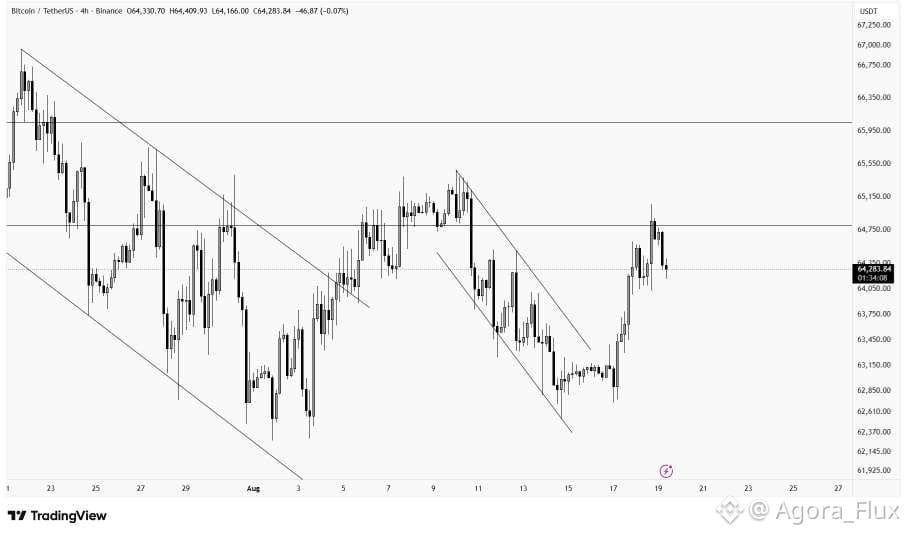
🔴 $BTC hat den Widerstandsbereich erneut getestet, und die Marke hält weiterhin stand.
Der Kurs wurde klar zurückgewiesen, was auf eine wahrscheinliche Bewegung zurück in Richtung der Mitte der aktuellen Spanne hindeutet.
Auf dem höheren Timeframe bildet sich ein Inverse Head & Shoulders-Muster, das als frühes Signal für eine mögliche Trendwende dienen könnte.
#BTC Price Analysis#
🔴 $BTC hat den Widerstandsbereich erneut getestet, und die Marke hält weiterhin stand.
Der Kurs wurde klar zurückgewiesen, was auf eine wahrscheinliche Bewegung zurück in Richtung der Mitte der aktuellen Spanne hindeutet.
Auf dem höheren Timeframe bildet sich ein Inverse Head & Shoulders-Muster, das als frühes Signal für eine mögliche Trendwende dienen könnte.
#BTC Price Analysis#
Der Kurs wurde klar zurückgewiesen, was auf eine wahrscheinliche Bewegung zurück in Richtung der Mitte der aktuellen Spanne hindeutet.
Auf dem höheren Timeframe bildet sich ein Inverse Head & Shoulders-Muster, das als frühes Signal für eine mögliche Trendwende dienen könnte.
#BTC Price Analysis#
61
·
--
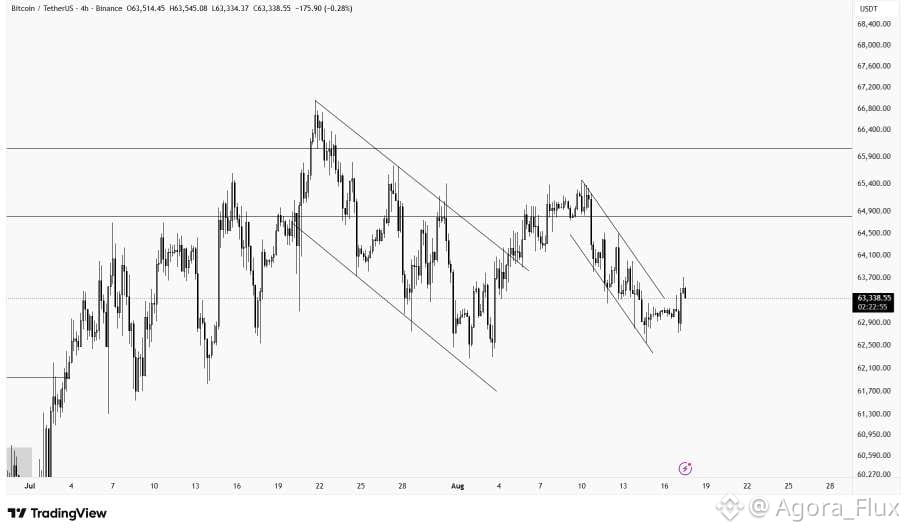
🔴 $BTC hat seine wöchentliche Kerze nahe dem Unterstützungsbereich geschlossen, und es ist im Moment nichts besonders klar.
Diese Woche ist wahrscheinlich dasselbe zu sehen, und es wird wenig getan.
Ein Abwärtstrend ist zu erwarten.
#BTC Price Analysis#
🔴 $BTC hat seine wöchentliche Kerze nahe dem Unterstützungsbereich geschlossen, und es ist im Moment nichts besonders klar.
Diese Woche ist wahrscheinlich dasselbe zu sehen, und es wird wenig getan.
Ein Abwärtstrend ist zu erwarten.
#BTC Price Analysis#
Diese Woche ist wahrscheinlich dasselbe zu sehen, und es wird wenig getan.
Ein Abwärtstrend ist zu erwarten.
#BTC Price Analysis#
63
·
--
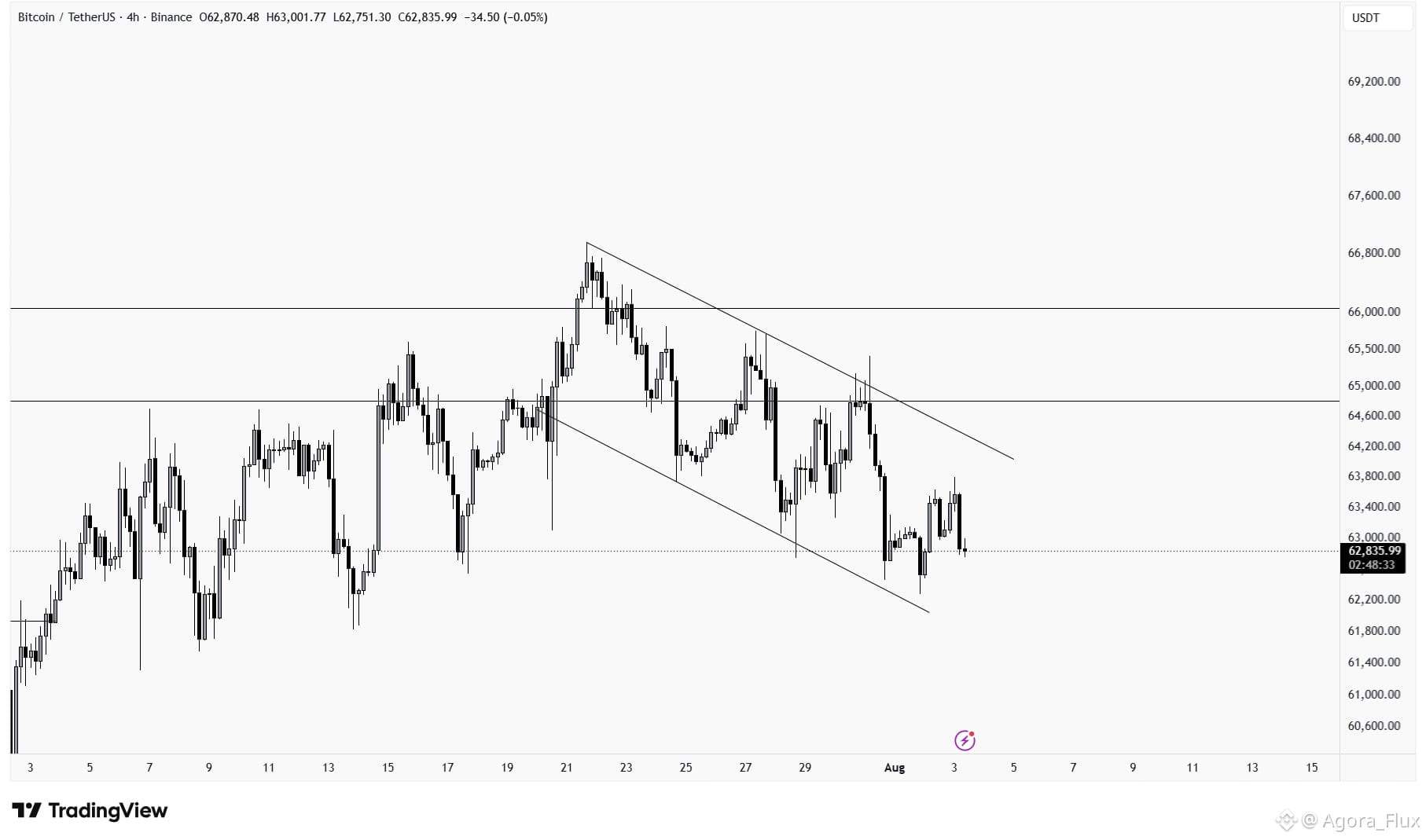
🔴 Der wöchentliche Chart von $BTC zeigt, dass die Kerze zwischen wichtigen Unterstützungs- und Widerstandsniveaus schließt.
Im H4-Zeitrahmen bildet die Kursbewegung einen engen Kanal, was darauf hindeutet, dass der bärische Trend mit weiteren Abwärtsbewegungen anhalten könnte.
#BTC-Preisanal se#
🔴 Der wöchentliche Chart von $BTC zeigt, dass die Kerze zwischen wichtigen Unterstützungs- und Widerstandsniveaus schließt.
Im H4-Zeitrahmen bildet die Kursbewegung einen engen Kanal, was darauf hindeutet, dass der bärische Trend mit weiteren Abwärtsbewegungen anhalten könnte.
#BTC-Preisanal se#
Im H4-Zeitrahmen bildet die Kursbewegung einen engen Kanal, was darauf hindeutet, dass der bärische Trend mit weiteren Abwärtsbewegungen anhalten könnte.
#BTC-Preisanal se#
76
·
--
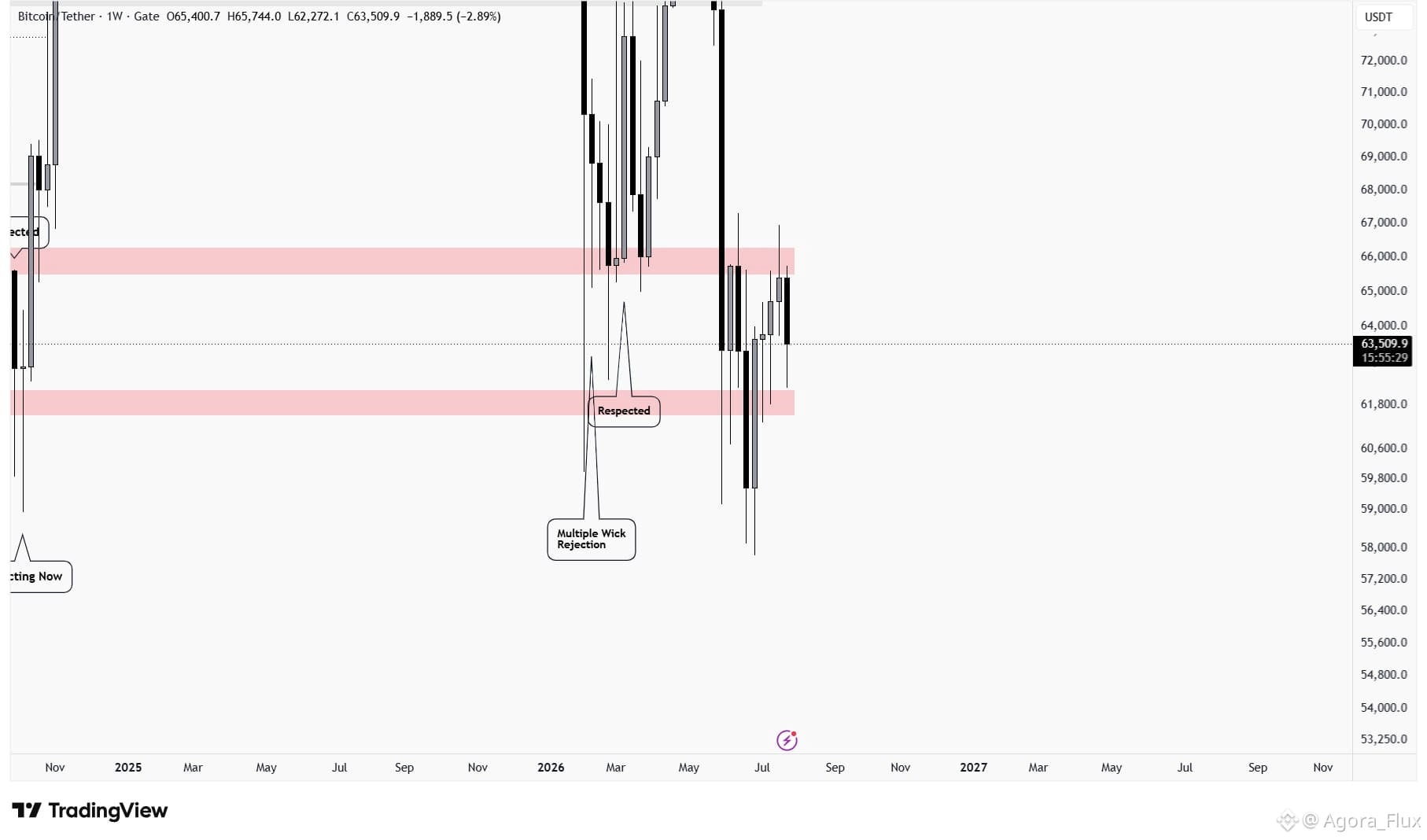
🔴 $BTC WOCHEN-ZEITRAHMEN UPDATE:
BTC ist diese Woche erneut in die Zone eingetaucht. In dieser Woche fiel der Preis erneut in den Bereich der Unterstützung und trat ihn beinahe ein.
Der Preis bewegt sich nun deutlich in einer Spanne und muss einen klaren Ausbruch nach unten zeigen.
#BTC-Preisanalyse#
🔴 $BTC WOCHEN-ZEITRAHMEN UPDATE:
BTC ist diese Woche erneut in die Zone eingetaucht. In dieser Woche fiel der Preis erneut in den Bereich der Unterstützung und trat ihn beinahe ein.
Der Preis bewegt sich nun deutlich in einer Spanne und muss einen klaren Ausbruch nach unten zeigen.
#BTC-Preisanalyse#
BTC ist diese Woche erneut in die Zone eingetaucht. In dieser Woche fiel der Preis erneut in den Bereich der Unterstützung und trat ihn beinahe ein.
Der Preis bewegt sich nun deutlich in einer Spanne und muss einen klaren Ausbruch nach unten zeigen.
#BTC-Preisanalyse#
80
·
--
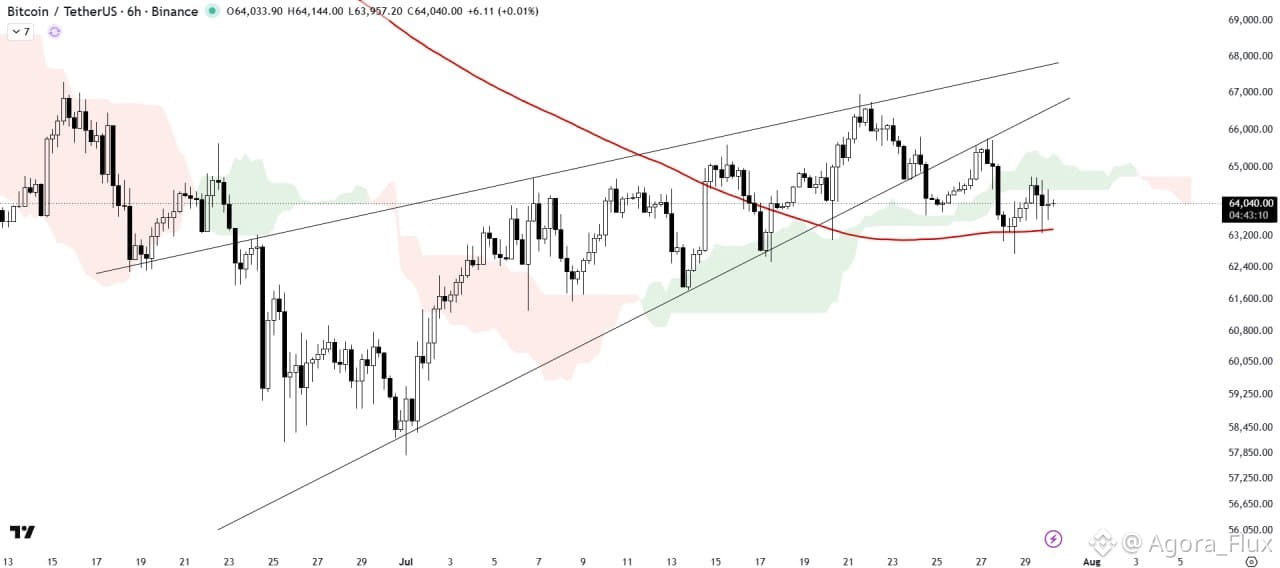
🔴 $BTC/USDT ANALYSE
Bitcoin handelt unterhalb der Ichimoku-Wolke, die als starker Widerstand wirkt, nachdem es aus dem aufsteigenden Keilmuster ausgebrochen ist.
Ein Ausbruch über die Wolke könnte einen bullischen Aufschwung auslösen, während ein Bruch unter den 200-Tage-Durchschnitt (200 MA) wahrscheinlich zu weiteren Marktkorrekturen führen würde.
#TradingSetup
🔴 $BTC/USDT ANALYSE
Bitcoin handelt unterhalb der Ichimoku-Wolke, die als starker Widerstand wirkt, nachdem es aus dem aufsteigenden Keilmuster ausgebrochen ist.
Ein Ausbruch über die Wolke könnte einen bullischen Aufschwung auslösen, während ein Bruch unter den 200-Tage-Durchschnitt (200 MA) wahrscheinlich zu weiteren Marktkorrekturen führen würde.
#TradingSetup
Bitcoin handelt unterhalb der Ichimoku-Wolke, die als starker Widerstand wirkt, nachdem es aus dem aufsteigenden Keilmuster ausgebrochen ist.
Ein Ausbruch über die Wolke könnte einen bullischen Aufschwung auslösen, während ein Bruch unter den 200-Tage-Durchschnitt (200 MA) wahrscheinlich zu weiteren Marktkorrekturen führen würde.
#TradingSetup
50
·
--
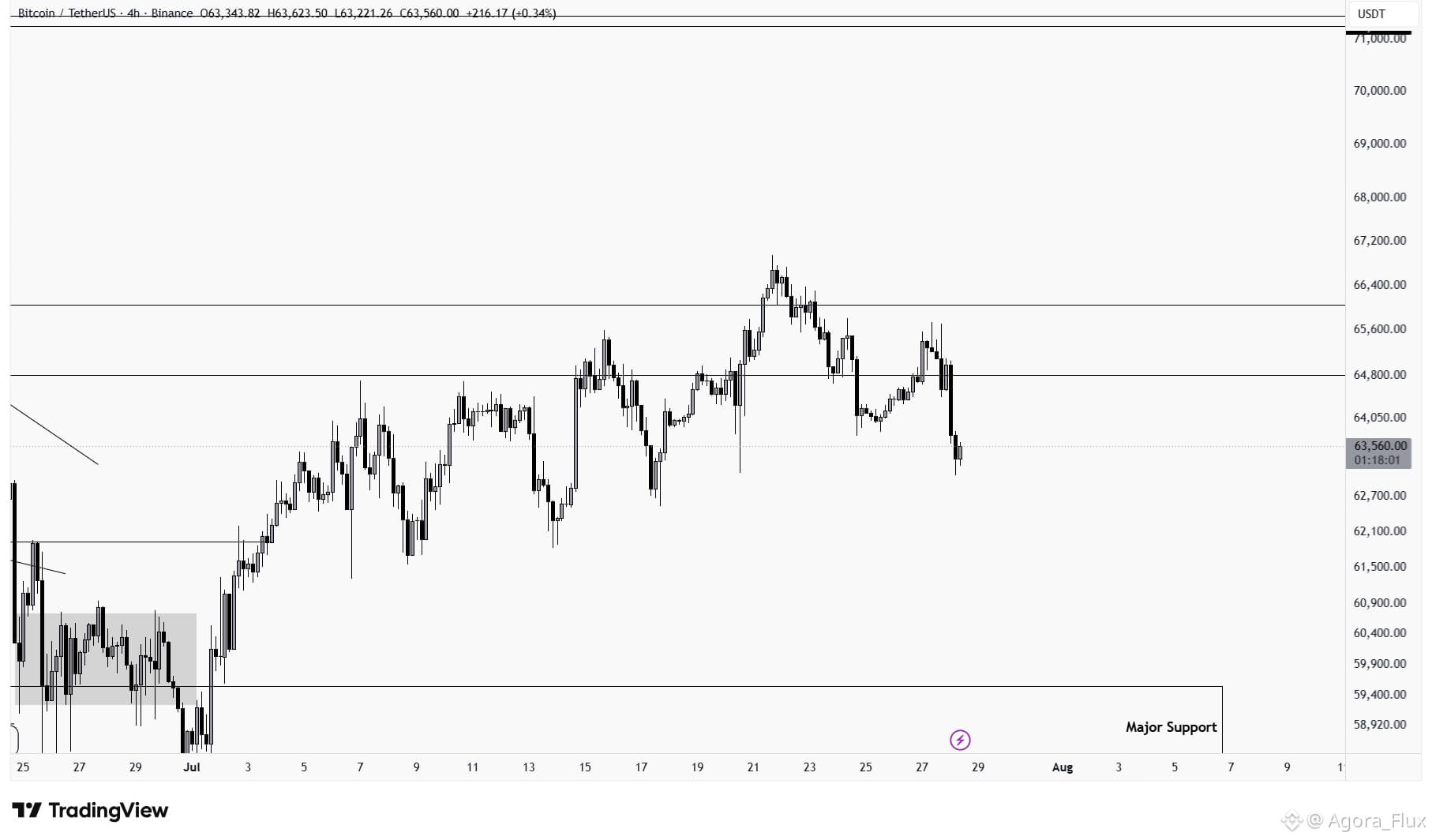
🔴 $BTC ist weiter gefallen und setzt den Abwärtstrend fort.
Unsere Einschätzung seit gestern war klar bärisch, und das Abwärtsrisiko bleibt bestehen. L
Händler, die Short-Positionen halten, sollten diese sorgfältig verwalten.
Beachten Sie, dass die Entscheidung zur Federal Funds Rate für morgen angesetzt ist, was die Volatilität weiter erhöhen könnte.
#BTC Price Analysis#
🔴 $BTC ist weiter gefallen und setzt den Abwärtstrend fort.
Unsere Einschätzung seit gestern war klar bärisch, und das Abwärtsrisiko bleibt bestehen. L
Händler, die Short-Positionen halten, sollten diese sorgfältig verwalten.
Beachten Sie, dass die Entscheidung zur Federal Funds Rate für morgen angesetzt ist, was die Volatilität weiter erhöhen könnte.
#BTC Price Analysis#
Unsere Einschätzung seit gestern war klar bärisch, und das Abwärtsrisiko bleibt bestehen. L
Händler, die Short-Positionen halten, sollten diese sorgfältig verwalten.
Beachten Sie, dass die Entscheidung zur Federal Funds Rate für morgen angesetzt ist, was die Volatilität weiter erhöhen könnte.
#BTC Price Analysis#
·
--
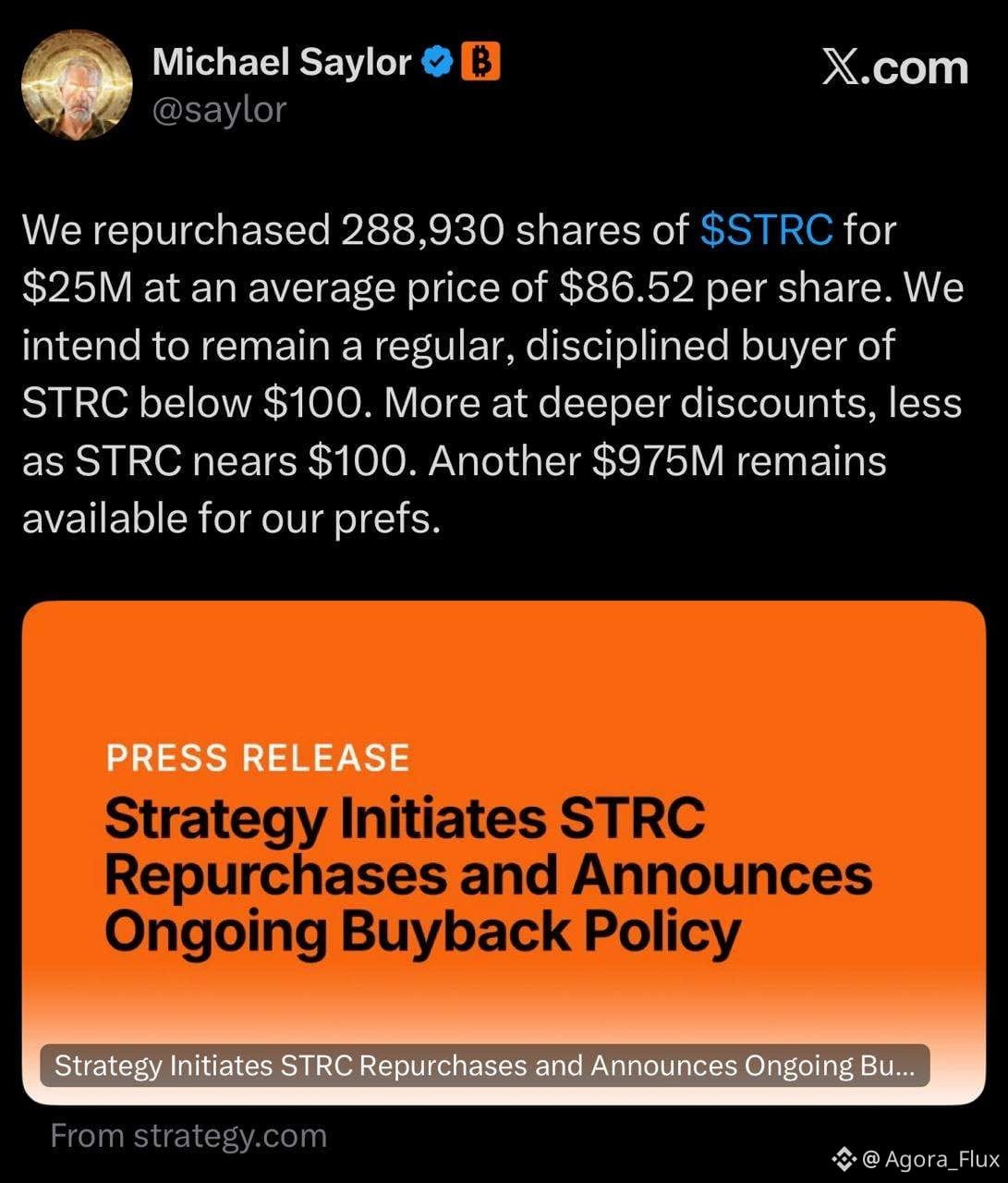
🔴 Rückkäufe werden außerhalb der USD-Reserve finanziert, einschließlich durch #BTC- und MSTR-Verkäufe, abhängig von den Marktbedingungen.
Unser Ziel ist, dass STRC nahe 100 $ mit hoher Liquidität, geringer Volatilität und gesunder, nachhaltiger unabhängiger Nachfrage handelt.
Wir werden unter 100 $ keine Ausgabe tätigen ~ Saylor
#Macro Insights#
🔴 Rückkäufe werden außerhalb der USD-Reserve finanziert, einschließlich durch #BTC- und MSTR-Verkäufe, abhängig von den Marktbedingungen.
Unser Ziel ist, dass STRC nahe 100 $ mit hoher Liquidität, geringer Volatilität und gesunder, nachhaltiger unabhängiger Nachfrage handelt.
Wir werden unter 100 $ keine Ausgabe tätigen ~ Saylor
#Macro Insights#
Unser Ziel ist, dass STRC nahe 100 $ mit hoher Liquidität, geringer Volatilität und gesunder, nachhaltiger unabhängiger Nachfrage handelt.
Wir werden unter 100 $ keine Ausgabe tätigen ~ Saylor
#Macro Insights#
113
Anmelden und weiter Inhalte entdecken
Krypto-Nutzer weltweit auf Binance Square kennenlernen
⚡️ Bleib in Sachen Krypto stets am Puls.
💬 Die weltgrößte Kryptobörse vertraut darauf.
👍 Erhalte verlässliche Einblicke von verifizierten Creators.
E-Mail-Adresse/Telefonnummer
Trendthemen
FedRateWatch
37,913 Aufrufe
213 Kommentare
Teile & gewinne Traffic-Belohnungen in unserer Kampagne mit angesagtem Hashtag
✨Thema: FOMC September, Was ist der nächste Schritt der Fed?
👉So nimmst du teil:
Veröffentliche einen kurzen Beitrag oder Artikel mit dem Hashtag #FedRateWatch
Erstelle Inhalte basierend auf den folgenden Blickwinkeln:
- Der August-Core-CPI stieg um 0,3% im Monatsvergleich, und die Wahrscheinlichkeit für eine 25bp-Erhöhung diese Woche liegt nun bei fast 90%. Erwartest du diese Woche eine Zinserhöhung? Handelt es sich um einen einmaligen Schritt oder den Beginn eines längeren Zinserhöhungszyklus?
- Wenn die Erhöhung erfolgt: Wie entwickelt sich das für BTC, Tech-Aktien und Gold? Aufwärts- oder abwärtsgerichtet?
- Wie planst du als Nächstes zu handeln? Teile deinen BTC-, Aktien- oder Gold-Trade/Bestände mit unserem Trade-Sharing-Widget.
⏰Kampagnenzeitraum:
- 2026-09-15 11:00 - 2026-09-17 3:00 UTC
🎁Belohnung:
- Qualifizierte Beiträge, die die oben genannten Richtlinien erfüllen und mehr als 100 Wörter enthalten, werden überprüft und erhalten möglicherweise einen zufälligen Traffic-Boost von 500 bis 3.000 Aufrufen. Du erhältst eine Benachrichtigung von deiner Feed-Secretary, wenn dein Beitrag ausgewählt wird.
- Erhalte die Chance, dass dein Artikel auf Binance Square Official vorgestellt wird
Du brauchst Ideen für deinen Beitrag? Besuche die Themenseite #FedRateWatch oder die Square Guide on How to Post for Better Reach.
Binance Square Official
·68 Likes
·102.3k Aufrufe
BitcoinReboundsTo$79K
34,914 Aufrufe
283 Kommentare
BessentEndorsesFinalClarityActDraft
3,168 Aufrufe
129 Kommentare