


🌍 #PositiveMindsGlobalResults
BINANCE SQUARE | INVEST • LEARN • GROW • TOGETHER
Sunday, November 29, 2026
The AI Boom Is Entering a New Phase: Falling Compute Prices, Rising Debt and a Market Rebound
The technology market is sending a mixed signal: AI demand remains enormous, but the cost of computing, financing infrastructure and maintaining growth is becoming a much bigger part of the story. Falling GPU rental prices, massive infrastructure investments, growing corporate debt and renewed volatility in cryptocurrency markets are reshaping investor expectations.
The past 24 hours highlight a growing shift in the AI economy—from a race to secure computing power toward a race to deliver AI profitably.

The past 24 hours highlight a growing shift in the AI economy—from a race to secure computing power toward a race to deliver AI profitably. 1. SpaceX: GPU Prices Are Falling, but AI Compute Demand Remains Strong
The AI infrastructure market is beginning to show a more complicated pricing picture. SpaceX has reportedly reduced spot rental prices for smaller GPU clusters, while demand for larger, high-performance computing configurations remains strong.
Reported Blackwell GPU spot rates have declined approximately 20%–35%, suggesting that additional capacity is putting pressure on certain rental prices. However, cheaper access to smaller GPU clusters does not necessarily mean the entire AI computing market is oversupplied. Pricing depends on GPU type, cluster size, workload, availability and contract duration.
This could be an important turning point for AI infrastructure: the industry may be moving away from universally expensive compute toward a market where pricing and profitability depend increasingly on scale, efficiency and utilization.
2. Starbase: A $250 Million Energy Investment Highlights AI's Power Challenge
SpaceX's reported installation of more than $250 million in Tesla Megapack battery systems at its Starbase data-center development illustrates how AI infrastructure is expanding beyond chips and servers.
Large AI facilities require dependable electricity, cooling and energy management. Battery storage can help stabilize power delivery and support operations during periods of changing demand, although it does not replace the need for sustained electricity generation.
The Starbase development, reportedly involving a major data-center and power-generation project, also highlights the growing relationship between AI computing, energy infrastructure and industrial investment.
3. Google and SpaceX: The AI Compute Partnership Could Expand
Elon Musk said on November 28 that Google had expressed interest in renting additional computing capacity from SpaceX. No new agreement, pricing or additional capacity commitment was disclosed.
The existing relationship is already substantial. Google has a multiyear agreement for computing resources involving approximately 110,000 Nvidia GPUs, alongside CPUs, memory and other infrastructure.
The potential expansion is significant because it shows that even major technology companies with their own cloud platforms and AI infrastructure may continue relying on outside providers to secure additional computing capacity.
For investors, the key question is not simply how much compute is being purchased, but whether this growing spending translates into sustainable AI revenue and long-term returns.
4. Tesla: Energy Storage Is Becoming Part of the AI Investment Story
Tesla's annual meeting and its energy-storage business remain important to the broader AI infrastructure narrative. The Megapack deployment associated with SpaceX's Starbase development demonstrates how energy storage is increasingly connected to the construction of large computing facilities.
Tesla is no longer being viewed only through the lens of electric vehicle production. Its energy business, battery deployment, autonomous technology and potential exposure to AI infrastructure are becoming additional areas investors evaluate.
The challenge remains execution: battery demand, margins, manufacturing capacity and project economics will determine whether these opportunities translate into durable earnings growth.
5. AI Financing: The Cost of Building the Future Is Getting Harder to Ignore
The AI investment boom is increasingly testing capital markets.
Technology companies are committing enormous sums to data centers, advanced processors, power infrastructure and cloud capacity. Debt financing can accelerate expansion, but it also creates greater exposure to interest costs, refinancing conditions and future cash-flow expectations.
Investors are beginning to ask tougher questions:
How much AI infrastructure is actually generating revenue?
Can data-center investments earn returns above their financing costs?
What happens if computing prices decline faster than demand grows?
Will borrowing remain affordable if Treasury yields stay elevated?
Could infrastructure spending outpace the growth of paying AI customers?
The AI story is therefore evolving from a pure growth narrative into a capital-efficiency test. Companies that build aggressively but fail to monetize capacity could face pressure even if AI adoption continues expanding.
6. Wall Street Rebounds, but the Recovery Still Needs Confirmation
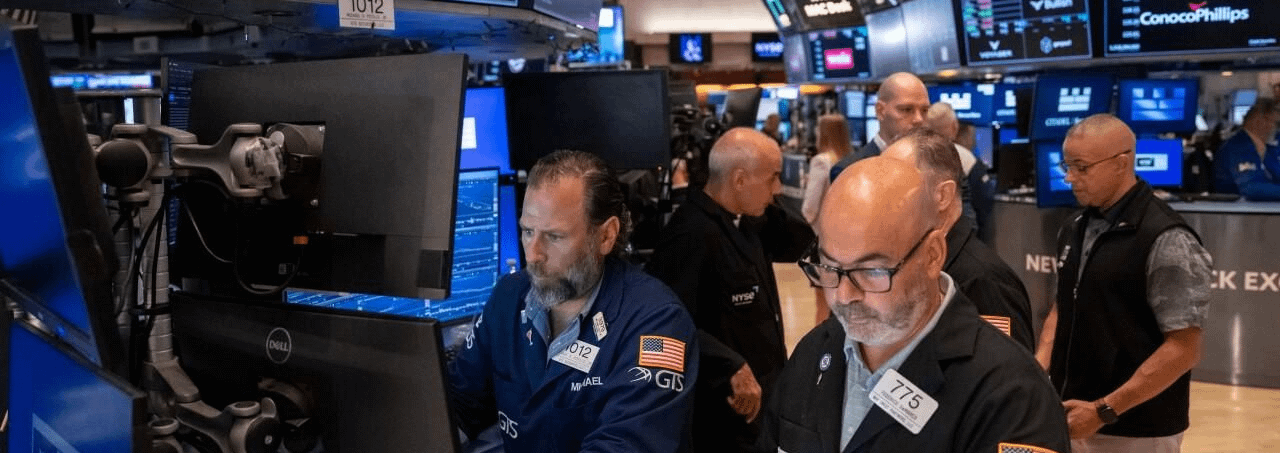
U.S. equities ended Friday with a powerful rebound as technology and AI-related shares recovered from recent selling pressure.
Dow Jones: +1.18%
S&P 500: +1.60%
Nasdaq Composite: +2.31%
The weekly gains were even stronger, helping restore confidence after a turbulent period for technology valuations.
However, the rebound does not automatically mean market risks have disappeared. Investors are still balancing strong economic growth against inflation, expensive AI valuations, capital expenditure and uncertainty surrounding Federal Reserve policy.
The market may be recovering, but investors still need evidence that earnings growth can justify the prices being paid for technology and AI assets.
7. Treasury Yields Rise as Investors Reassess Risk
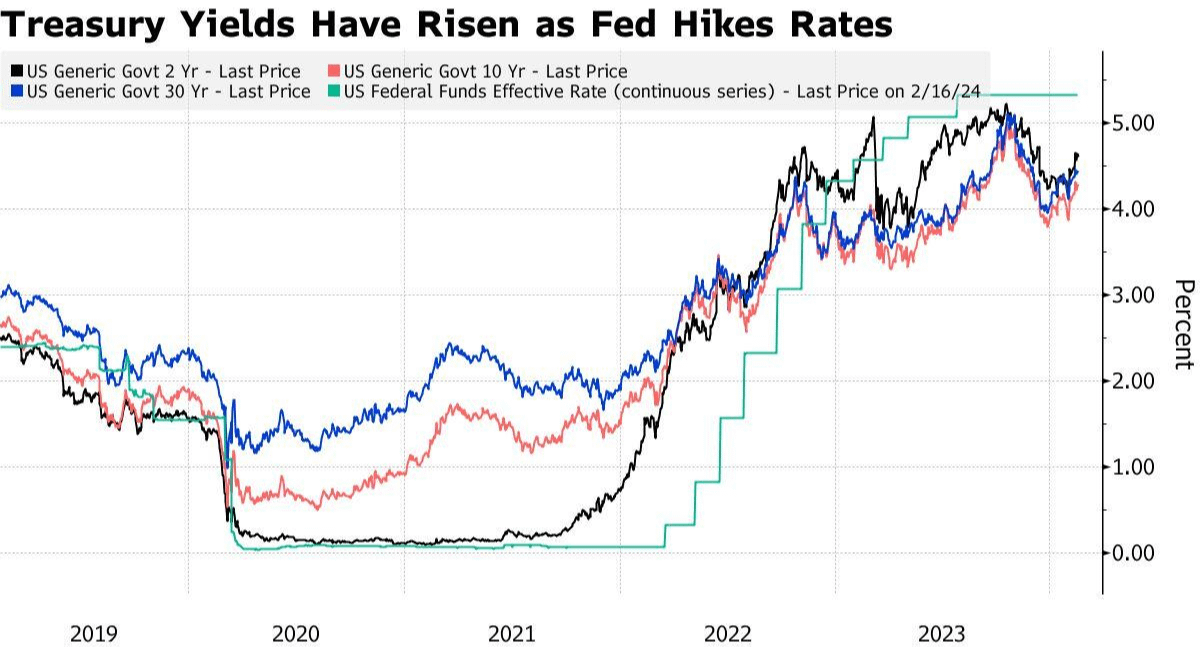
The 10-year U.S. Treasury yield climbed toward 4.93% as investors reassessed inflation, economic growth and interest-rate expectations.
Higher yields can create pressure across financial markets. They increase borrowing costs, raise the hurdle rate for corporate investments and can reduce the attractiveness of high-valuation technology companies.
This is particularly important for AI businesses that require billions of dollars in infrastructure spending before generating the full financial benefits of their investments.
A stronger economy can support equities, but persistently elevated yields may limit how far valuations can expand.
8. November Jobs Report: The Next Major Test for the Federal Reserve
Investors are preparing for the upcoming U.S. employment report, which could influence expectations for the Federal Reserve's next interest-rate decision.
The report will help markets assess whether employment conditions are cooling, remaining resilient or showing signs of renewed inflationary pressure.
Three outcomes could matter most:
Stronger employment: Could reinforce concerns that interest rates need to remain higher for longer.
Moderate job growth: Could support a more balanced outlook for inflation and economic stability.
Unexpected weakness: Could increase concerns about economic slowdown, even if it improves the prospects of monetary easing.
Markets are particularly sensitive because inflation, bond yields, technology valuations and crypto prices are increasingly interconnected.
9. The AI Race: Microsoft, Google, Amazon, OpenAI and Anthropic
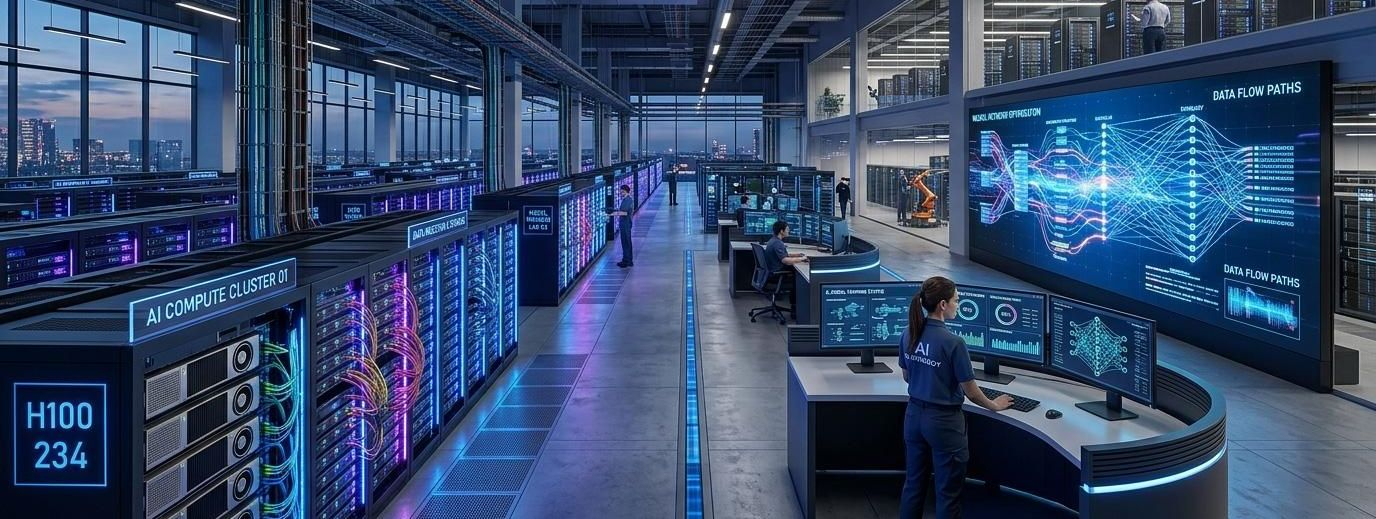
The competition between major AI companies is entering a more expensive phase. The industry's leading players are racing to secure computing capacity, build proprietary models, attract enterprise customers and turn AI into sustainable commercial products.
The companies investors should watch:
Microsoft — Azure growth, AI monetization, Copilot adoption and infrastructure spending.
Google — Gemini development, cloud expansion, AI search monetization and computing partnerships.
Amazon — AWS demand, AI infrastructure investments, cloud margins and enterprise adoption.
OpenAI — AI subscription revenue, enterprise adoption, computing costs and commercial growth.
Anthropic — Claude enterprise demand, AWS partnerships, computing capacity and its ability to scale profitability.
Nvidia — GPU demand, data-center growth, margins and whether customers can sustain enormous chip purchases.
AMD — AI accelerator market-share opportunities and competition with Nvidia.
Intel — Manufacturing execution, product competitiveness, restructuring and recovery potential.
Apple — AI integration, device upgrades, ecosystem growth and services revenue.
The biggest question for 2027 may not be which company develops the most powerful AI model. It may be which company can turn AI capability into recurring revenue, stronger margins and sustainable cash flow.
10. Cryptocurrency: Bitcoin's Recovery Remains Vulnerable
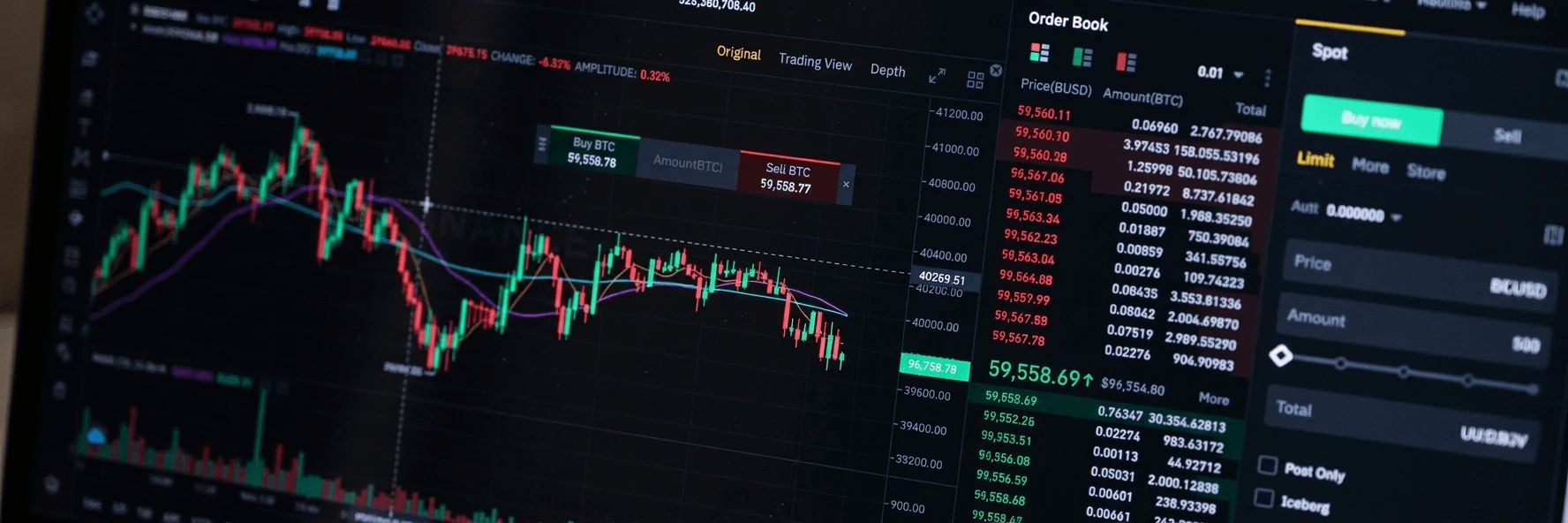
While technology stocks recovered, cryptocurrency markets continued to face pressure, with Bitcoin slipping below an important technical threshold.
The divergence between equities and crypto is worth watching. Bitcoin is increasingly influenced by liquidity conditions, Treasury yields, institutional flows, ETF demand, leverage and broader risk appetite.
A stock-market recovery does not guarantee a Bitcoin recovery. If bond yields remain elevated or investors continue reducing risk exposure, crypto could experience additional volatility.
The coming sessions will be important for determining whether Bitcoin can reclaim lost levels or whether sellers retain control of the short-term trend.
11. What Investors Should Watch in the Coming Week
AI Infrastructure
GPU rental prices, data-center utilization, new contracts and computing demand.
Energy & Capital Expenditure
Battery deployments, electricity costs, financing and infrastructure delays.
Technology Stocks
Whether the recent rebound develops into a sustainable recovery or another volatile rally.
Federal Reserve & Jobs
Employment data, inflation expectations, Treasury yields and rate projections.
Bitcoin & Crypto
ETF flows, support levels, liquidity, leverage and institutional risk appetite.
The Bigger Picture
The AI revolution is still progressing, but the financial landscape surrounding it is changing.
Computing capacity is expanding. GPU prices are becoming more competitive in certain segments. Data centers are demanding enormous amounts of electricity. Technology companies are borrowing, investing and competing at unprecedented scale, while investors are becoming increasingly selective about who can actually generate returns.
The recent stock-market rebound offers renewed optimism, but the next phase will be decided by earnings, cash flow, execution and economic conditions—not headlines alone.
The AI opportunity remains powerful. However, in the next chapter of this market, growth without profitability may no longer be enough.
Disclaimer:
This article is for informational and educational purposes only and does not constitute financial or investment advice. Financial markets, cryptocurrencies, technology stocks and AI-related investments carry risks, including volatility, valuation uncertainty and potential loss of capital. Always conduct your own research and make investment decisions based on your financial situation and risk tolerance.
#AI #ArtificialIntelligence #SpaceX #Tesla #Nvidia #Microsoft #Google #Amazon #OpenAI #Anthropic #AMD #Intel #Apple #Bitcoin #CryptoMarket #StockMarket #WallStreet #FederalReserve #TreasuryYields #JobsReport #DataCenters #GPU #TechStocks #InvestLearnGrow #PositiveMindsGlobalResults

