

#canmarketsreboundafterthanksgiving? 🌍 #PositiveMindsGlobalResults
BINANCE SQUARE | INVEST • LEARN • GROW • TOGETHER
NOVEMBER 26, 2026 | US ECONOMY • FEDERAL RESERVE • INFLATION • AI • TECHNOLOGY • STOCK MARKETS • CRYPTOCURRENCIES
THE ECONOMY IS GROWING, BUT WALL STREET IS GETTING NERVOUS: INFLATION, AI AND THE NEXT MARKET TEST
The American economy may still be expanding, corporate investment remains enormous, and artificial intelligence continues to reshape the technology industry. Yet beneath the headline growth, a different story is emerging: investors are becoming increasingly uncomfortable with the cost of growth, the persistence of inflation, elevated interest rates, and the uncertainty surrounding how much today's AI spending will ultimately deliver.
This is a market caught between two realities. The economic data may look resilient, but financial markets are increasingly focused on what could go wrong next.
1. The Federal Reserve's inflation warning is putting bond investors on alert
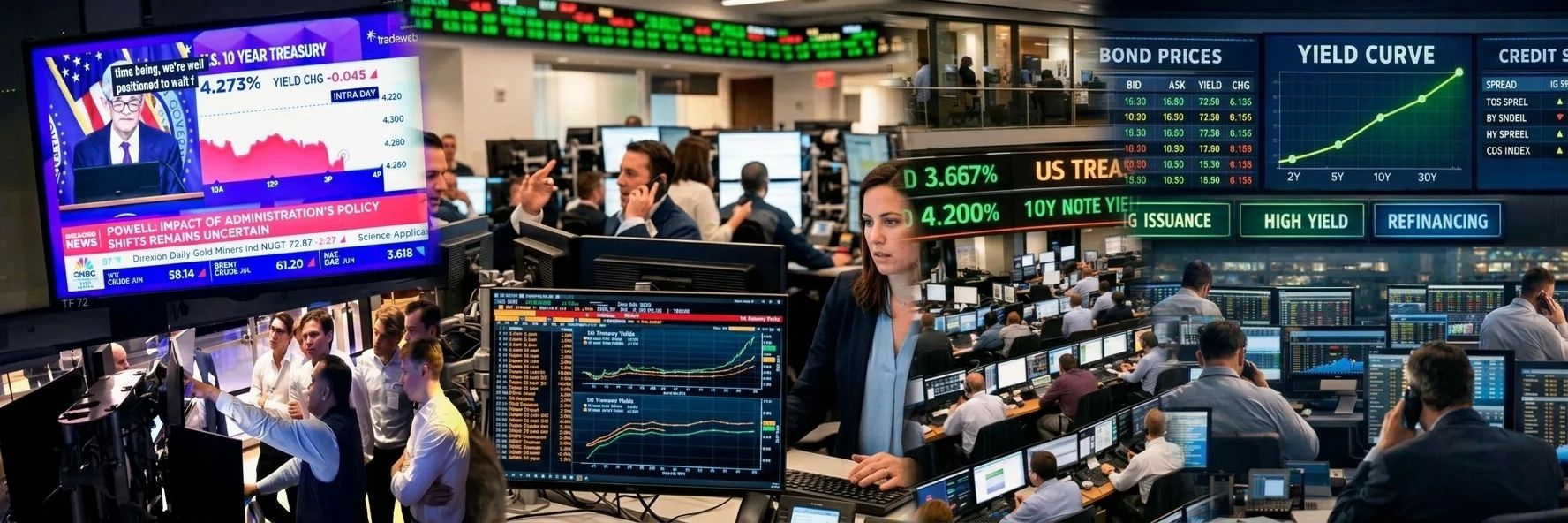
Inflation remains one of the most important variables shaping the next direction of global financial markets. Even when inflation cools, investors remain sensitive to signs that price pressures could stay above the Federal Reserve's comfort zone for longer than expected.
For bond investors, this creates a difficult equation. If inflation proves stubborn, interest rates may remain elevated, reducing the attractiveness of bonds with lower yields and potentially pushing Treasury yields higher. Higher yields can also increase borrowing costs for businesses, consumers and governments.
The consequences extend far beyond the bond market.
Higher yields can:
Put pressure on technology and growth-stock valuations.
Increase mortgage and corporate borrowing costs.
Strengthen the US dollar.
Reduce liquidity flowing into riskier assets.
Make investors more selective about cryptocurrencies and speculative investments.
The market's concern isn't necessarily that the economy is weak. It is that an economy growing strongly while inflation remains persistent could make the Federal Reserve's path toward monetary easing much more complicated.
2. Why investors are nervous despite strong economic growth
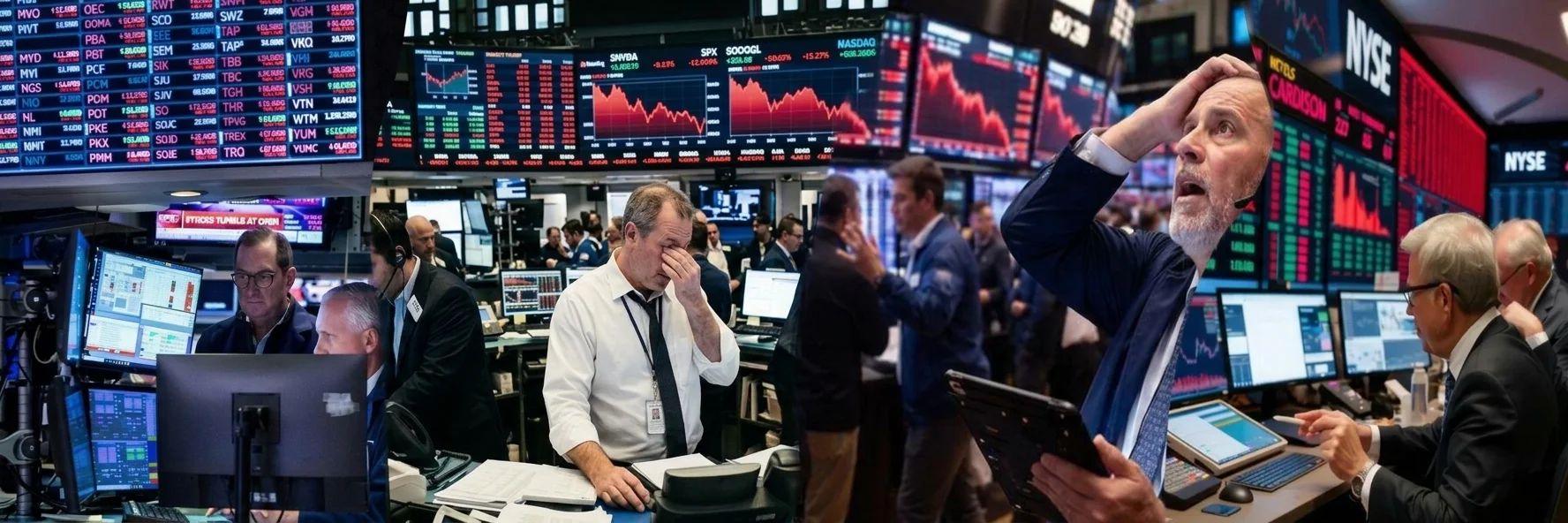
Strong economic growth is normally positive for stocks. However, markets don't simply trade on whether the economy is growing—they trade on expectations, valuations, interest rates and future profitability.
Today's uncertainty reflects several competing forces:
Economic resilience: Consumer spending and business activity may remain stronger than anticipated.
Inflation risk: Strong demand can keep prices and wages elevated.
AI spending pressure: Companies are committing billions to infrastructure before the full return on investment is clear.
Valuation concerns: Investors are questioning whether some technology stocks have already priced in years of future growth.
Geopolitical uncertainty: Trade restrictions, tariffs, energy disruptions and international tensions can quickly change economic expectations.
This is why markets can fall even when economic news appears positive. Good economic data may reduce the probability of rate cuts, while bad data may increase recession fears. Investors are navigating a narrow path where either outcome can create volatility.
3. The AI downturn is separating companies with real earnings from companies with expensive promises
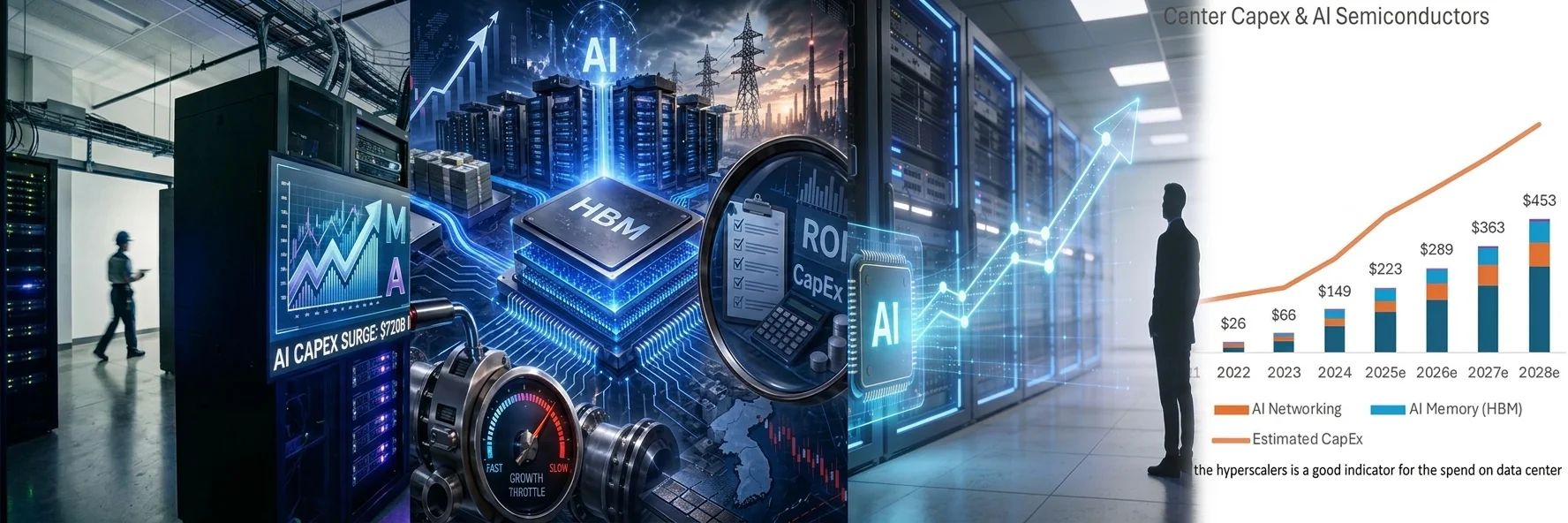
The AI industry is entering a more demanding phase. The initial excitement surrounding artificial intelligence created enormous valuations across semiconductors, cloud computing, software and infrastructure.
But investors are increasingly asking a more difficult question:
Who is actually turning AI investment into sustainable profits?
Companies with strong cash flow, established customers, recurring revenue and diversified business models may be better positioned to withstand an AI-sector correction.
Five technology companies investors are watching closely include:
Alphabet
Its advertising business, cloud operations and AI ecosystem provide several potential revenue engines beyond speculative AI demand.
Microsoft
Enterprise software, cloud subscriptions and AI integration offer multiple paths to monetizing AI across existing customers.
Apple
Its large device ecosystem, services revenue and cash-generating capacity may provide resilience if investors become more cautious about aggressive AI spending.
Amazon
AWS, advertising and its broader retail ecosystem give Amazon exposure to AI infrastructure and enterprise demand while maintaining multiple revenue streams.
Broadcom
Custom chips, networking infrastructure and semiconductor-related demand position it within the AI build-out without relying exclusively on one AI product.
Resilience does not mean these companies are immune to falling share prices. It means investors may find greater comfort in businesses with established financial foundations when the market begins demanding proof rather than promises.
4. The AI market correction is becoming a confidence test
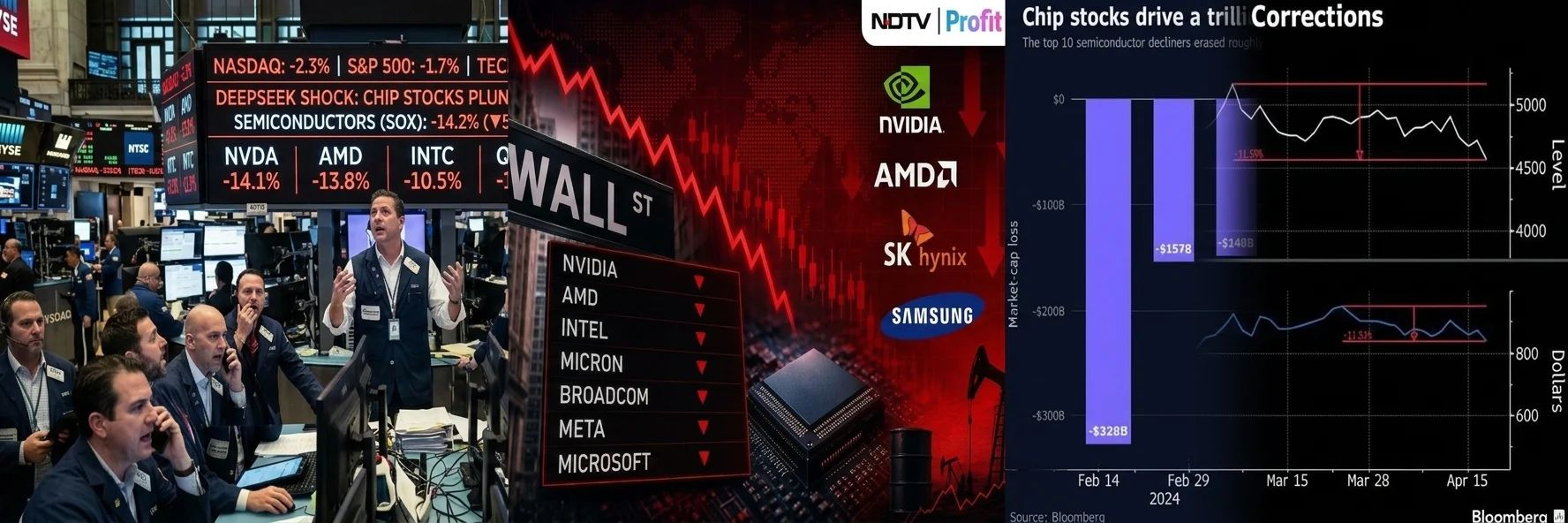
The recent volatility has revealed how quickly investor sentiment can change in the AI industry.
A powerful rally can turn into a sharp sell-off when expectations become too high. Investors are no longer buying every AI-related stock simply because it carries an artificial-intelligence narrative. Instead, they are examining spending plans, margins, competitive advantages, cash flow and the time required for investments to become profitable.
Recent trading has demonstrated the instability of the AI market. Nvidia's dramatic rally following renewed leadership developments quickly encountered selling pressure, while Anthropic and other AI-linked stocks experienced substantial price swings.
The market is beginning to ask five uncomfortable questions:
Is AI demand growing fast enough to justify the infrastructure being built?
Can AI companies generate profits that match their enormous valuations?
Will data centres, chips and computing capacity become oversupplied?
Could cheaper AI models reduce the pricing power of today's leading companies?
How much money will investors continue committing if interest rates stay higher for longer?
The answers will determine whether the current correction becomes a temporary adjustment—or a deeper repricing of the entire technology sector.
5. The biggest technology companies are facing different challenges
While investors are selling technology stocks collectively, the underlying businesses are not facing identical challenges. Some companies are building AI infrastructure, others are developing models, manufacturing chips, expanding cloud services or attempting to commercialize new technologies.
SpaceX

SpaceX represents a different type of technology investment story. Its long-term ambitions extend beyond conventional aerospace, with reusable rockets, satellite connectivity, space transportation and the potential development of space-based infrastructure.
Its strategic importance is increasingly connected to the wider technology ecosystem, including communications, computing infrastructure and ambitious future projects.
However, investors must distinguish between long-term technological potential and the financial risks associated with capital-intensive projects, execution timelines and valuation expectations.
Tesla
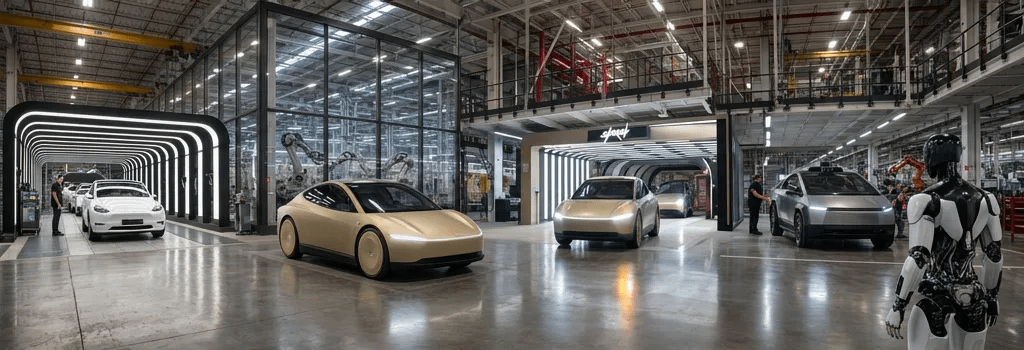
Tesla's investment narrative is evolving beyond electric vehicle sales.
Autonomous driving, robotics, AI training infrastructure, energy storage and the possibility of future robotaxi services are increasingly central to the company's long-term ambitions.
The challenge is proving that these emerging businesses can become meaningful revenue and profit engines rather than simply increasing expectations.
Tesla remains particularly sensitive to competition, consumer demand, vehicle pricing, margins and the timeline for delivering its autonomous-technology ambitions.
Microsoft
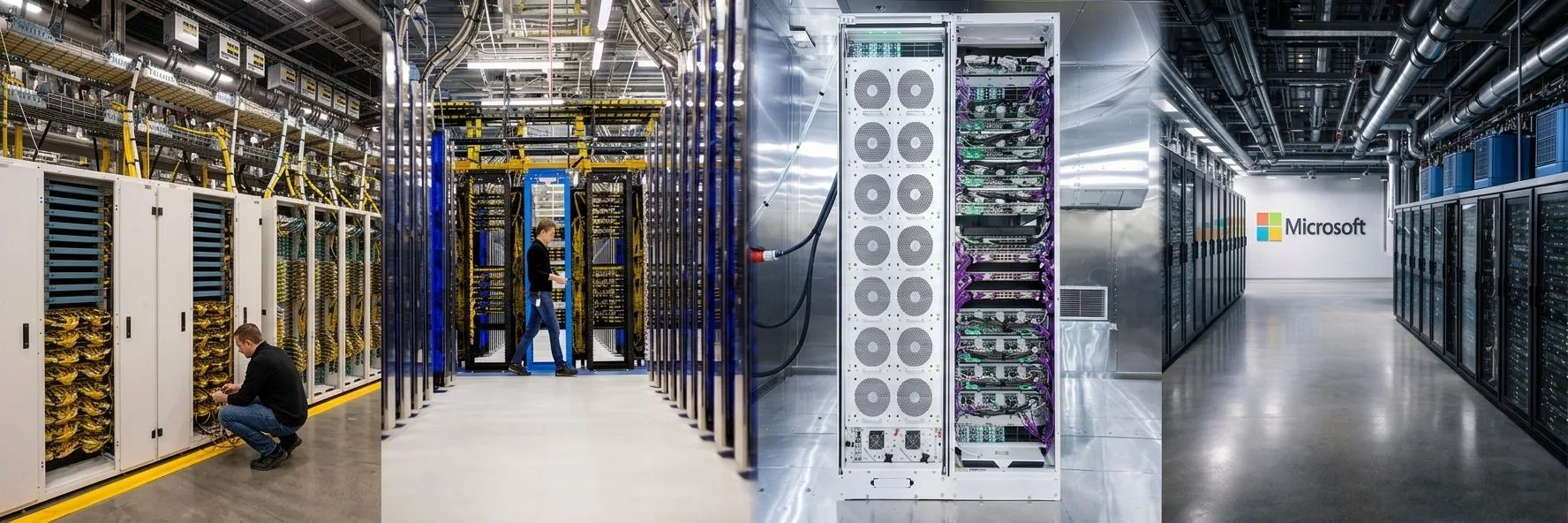
Microsoft occupies one of the most important positions in the AI commercialization race because it has an established enterprise customer base, cloud infrastructure, productivity software and AI integration across its ecosystem.
The opportunity is substantial—but so is the cost of expanding AI computing capacity.
Investors increasingly want evidence that AI revenue growth can justify the massive spending on chips, data centres, energy and infrastructure. The stronger Microsoft's AI monetization becomes, the easier it may be for the market to defend its investment valuation.
Anthropic
🌍 PositiveMindsGlobalResults BINANCE SQUARE | INVEST • LEARN • GROW • TOGETHER | NOVEMBER 26, 2026 | US ECONOMY • FEDERAL RESERVE • INFLATION • AI • TECHNOLOGY • STOCK MARKETS • CRYPTOCURRENCIES
Anthropic has become one of the most closely watched players in the rapidly expanding AI industry.
Its Claude models and enterprise-focused AI tools position the company in a competitive market where product capability, customer adoption, computing costs and commercial scalability are becoming increasingly important.
The company's market valuation and share-price volatility also highlight a broader issue facing newly listed AI businesses: strong technology and investor excitement do not automatically translate into stable valuations.
Investors will ultimately judge the company on revenue growth, commercial adoption, competitive strength and its ability to manage the cost of developing increasingly powerful AI models.
Alphabet and Google
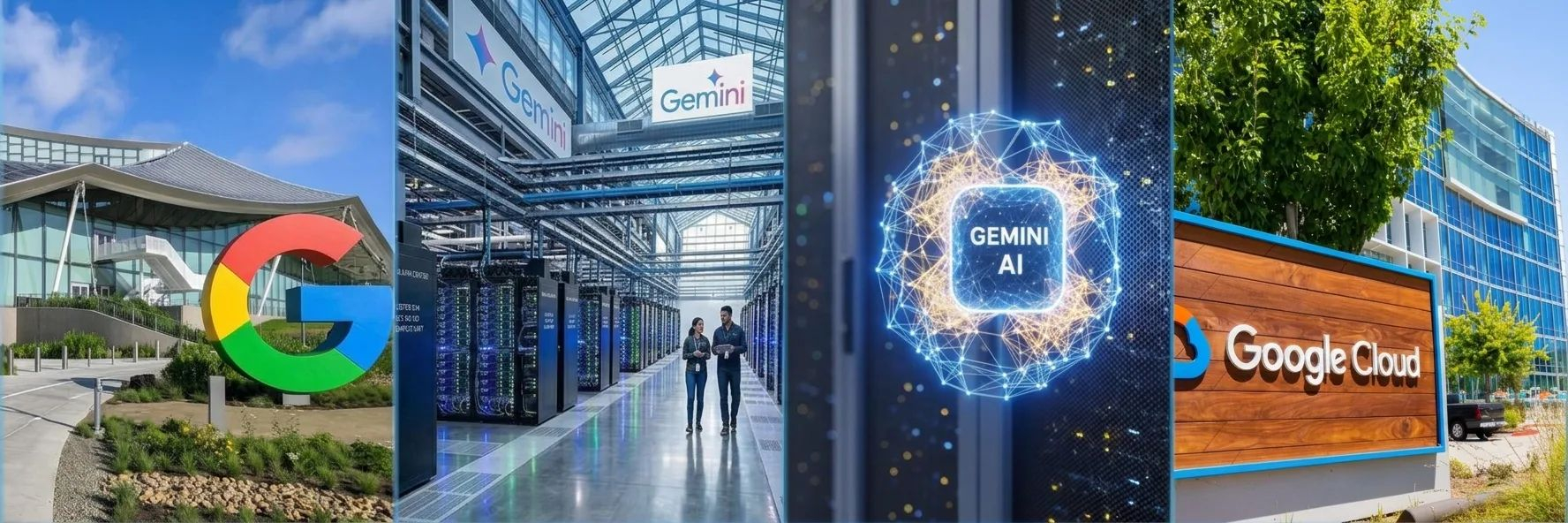
Alphabet is facing a strategic challenge that could also become a significant opportunity.
The company must protect its dominant search ecosystem while expanding AI-powered products, cloud computing and its Gemini platform. AI is transforming how users search for information, interact with technology and discover digital services.
The transition creates potential growth opportunities but also introduces uncertainty about advertising economics, search behavior, competition and the cost of developing AI systems.
Alphabet's advantage lies in its scale, data, infrastructure, research capabilities and established global business—but maintaining that advantage will require continued investment.
AMD
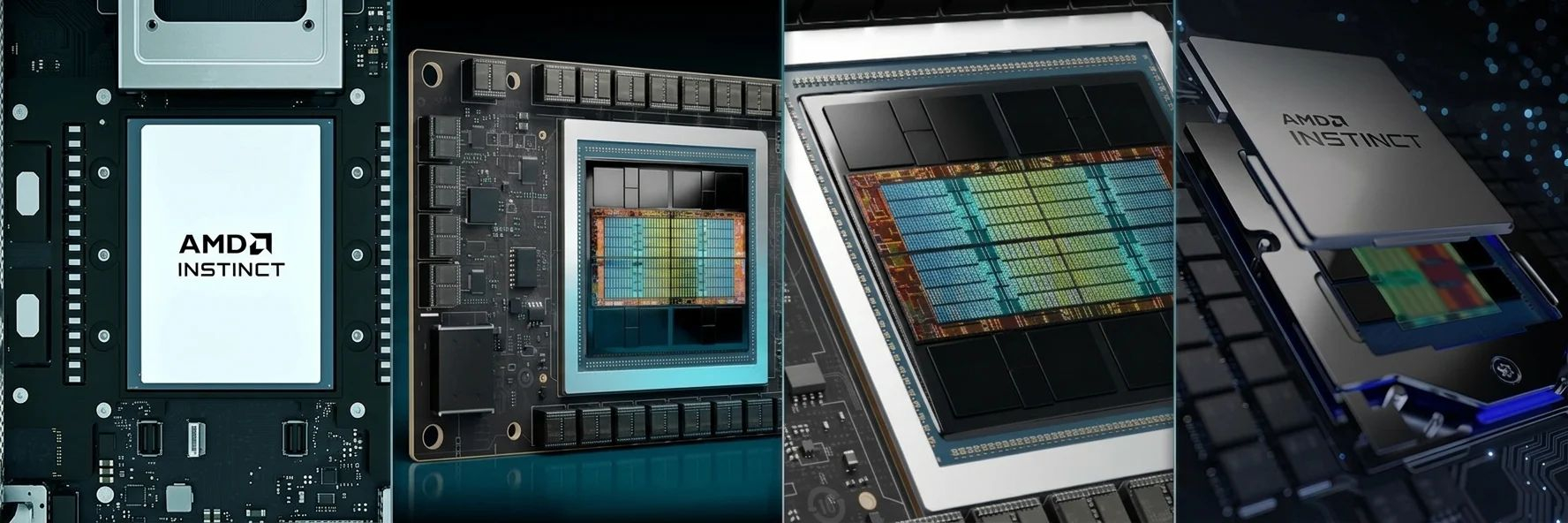
AMD is positioned to benefit from growing demand for AI accelerators, data-centre processors and high-performance computing.
The company is attempting to expand its role in an industry where AI infrastructure spending has created enormous opportunities for chip suppliers.
But semiconductor investors face a challenging environment: valuations can move rapidly based on expectations, product launches, customer commitments, supply capacity and competition.
AMD's long-term opportunity remains closely tied to whether it can capture more AI infrastructure demand and convert that opportunity into sustained earnings growth.
Intel
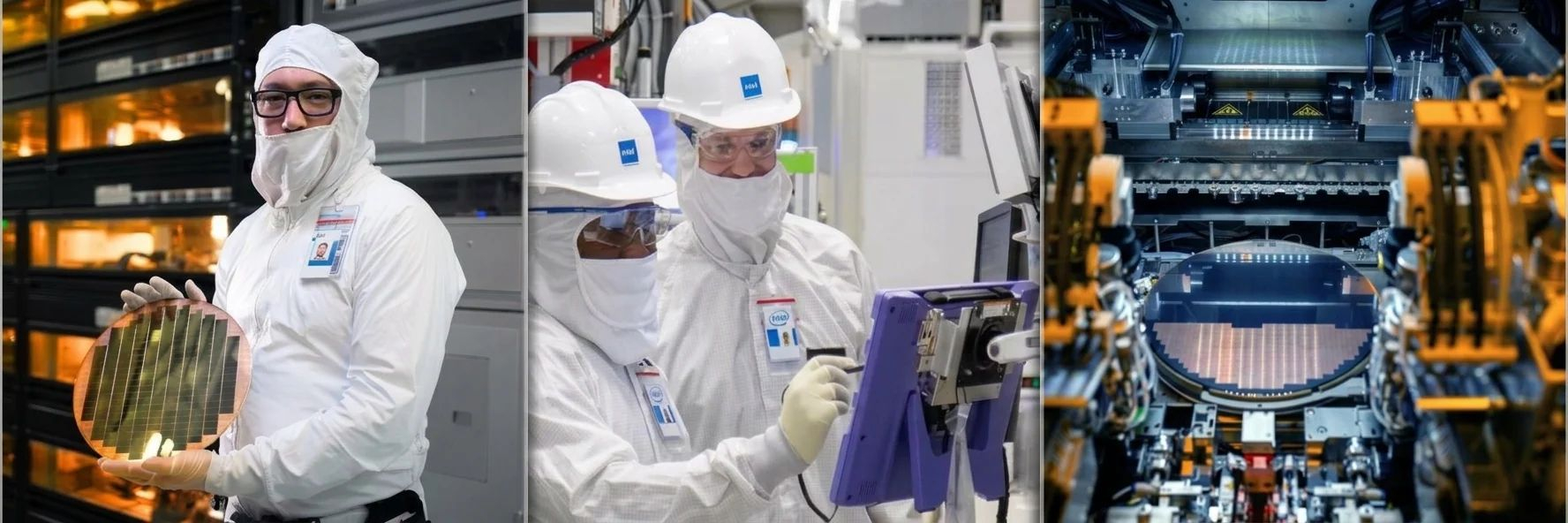
Intel's story is increasingly about execution, manufacturing competitiveness and rebuilding its position in a strategically important industry.
Advanced manufacturing, foundry operations, chip packaging and next-generation processors could create long-term opportunities—but these ambitions require enormous investment and technical execution.
Investors are watching whether Intel can translate its manufacturing strategy into competitive products, improved financial performance and stronger customer confidence.
The semiconductor industry may continue growing, but not every company will benefit equally.
6. Jensen Huang's extraordinary statement—and the pressure behind the AI story

The headline surrounding Jensen Huang—claiming that no story has been more tortured than his in human history—captures the intensity of the attention surrounding Nvidia, AI and the recent market turmoil.
Regardless of the dramatic wording, the wider story is about how quickly leadership narratives, investor confidence and market expectations can change.
Nvidia has become one of the most influential companies in the AI economy. Its chips are central to data-centre expansion, AI model training and the development of advanced computing infrastructure.
That influence also means the company is exposed to unusually high expectations.
When Nvidia rallies, confidence can spread across the entire AI sector. When its shares decline, investors often reassess the companies connected to AI infrastructure, including chipmakers, cloud providers, data-centre operators and AI startups.
The recent swings illustrate how heavily the market has become concentrated around a relatively small group of companies driving the AI investment cycle.
The challenge is not simply whether AI is revolutionary. It is whether the market has correctly estimated the speed, scale and profitability of that revolution.
7. CPI, PCE and Treasury yields: the numbers that could change everything
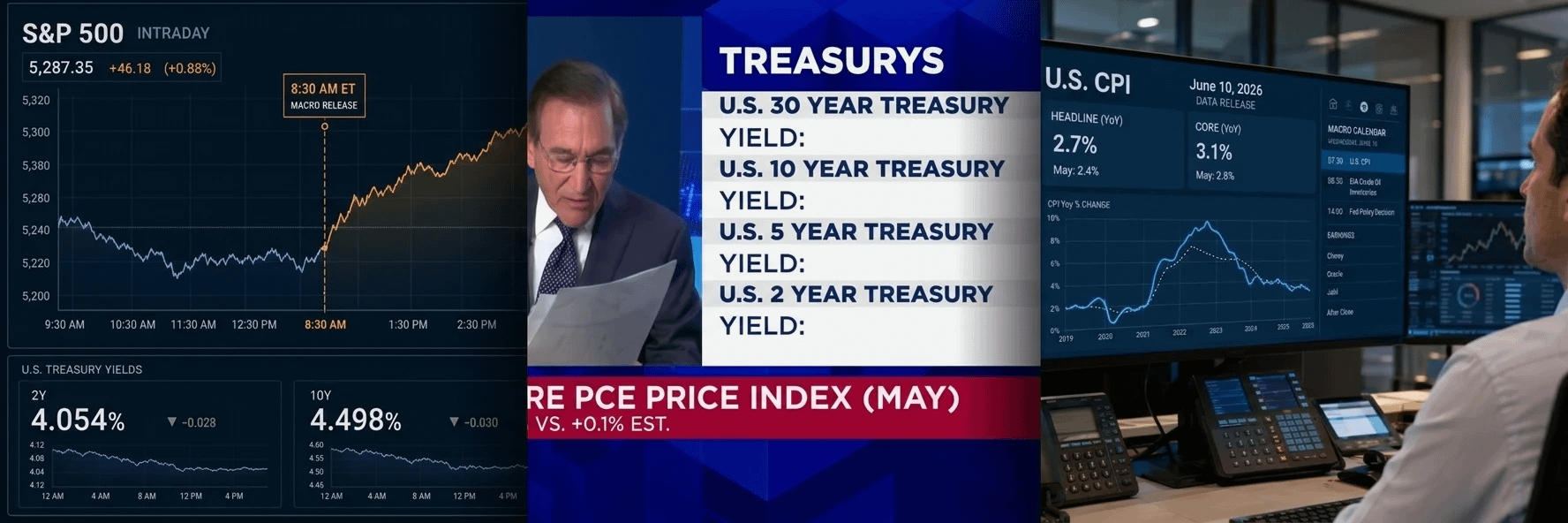
Inflation data could become the next major catalyst for stocks, bonds and cryptocurrencies.
Two indicators remain particularly important:

If inflation remains stubborn, Treasury yields could rise as investors reduce expectations for interest-rate cuts or price in the possibility of tighter monetary policy.
That scenario could pressure:
Technology and AI stocks with elevated valuations.
Small-cap stocks with greater borrowing needs.
Real estate and interest-rate-sensitive sectors.
Growth-oriented ETFs.
Bitcoin and other risk-sensitive digital assets.
On the other hand, a meaningful cooling in inflation could support bond prices, reduce pressure on yields and potentially restore investor appetite for equities.
The market's next major direction may therefore depend less on headline economic growth and more on whether growth can continue without reigniting inflation.
8. Stocks and ETFs: investors are changing what they want to own
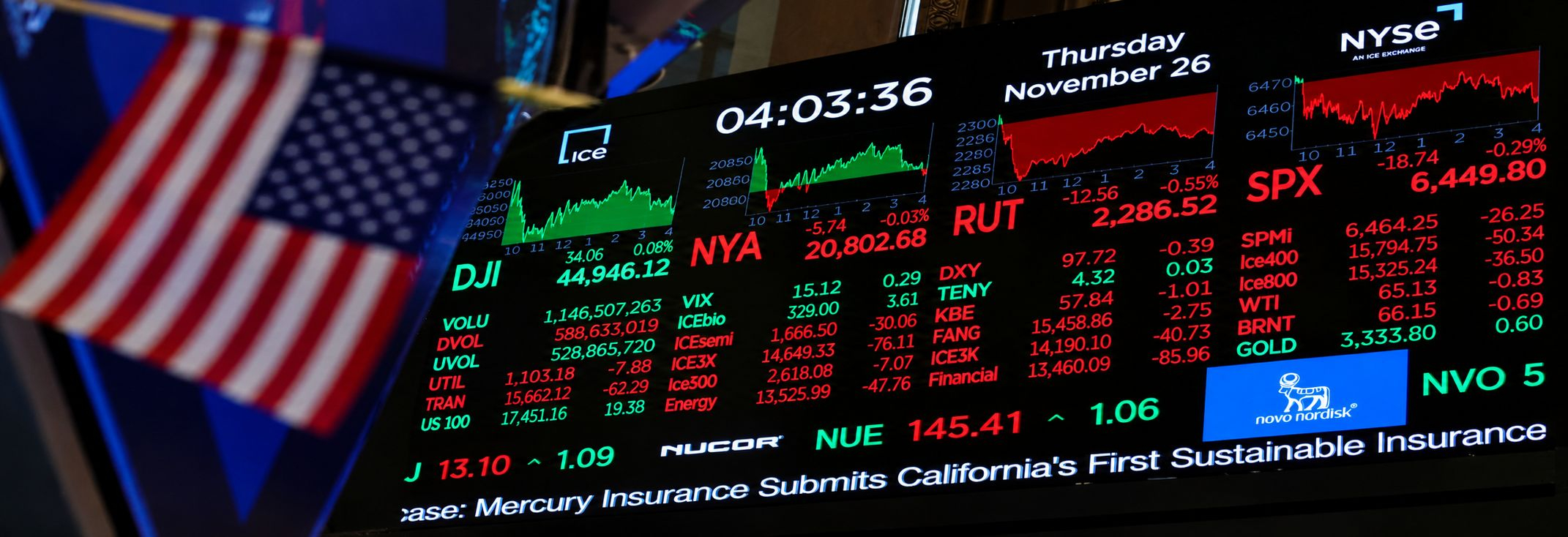
The recent volatility is encouraging investors to reconsider portfolio concentration.
Rather than automatically buying every dip in technology, some market participants may increasingly favour diversification, cash-flow strength and more defensive exposure.
Market segment What investors are watching
Technology & AI Earnings, AI monetization and valuation sustainability
Semiconductor ETFs Chip demand, competition and capital expenditure
S&P 500 ETFs Broad earnings strength and market concentration
Dividend ETFs Income stability and defensive characteristics
Treasury ETFs Inflation, yields and future Fed policy
Gold ETFs Inflation, geopolitical risks and safe-haven demand
Energy ETFs Oil prices, supply disruptions and geopolitical developments
ETF performance is not guaranteed. Diversification can help manage concentration risk, but it cannot eliminate market losses.
The next stage of this market may reward companies capable of generating earnings without continuously relying on enormous new investment.
9. The bigger picture: a strong economy can still produce a weak stock market
This may be the most important lesson from the current environment.
Economic growth, rising corporate profits and technological innovation do not guarantee rising stock prices.
A market can decline when:
Investors previously paid too much for future growth.
Interest rates remain higher than expected.
Corporate investment increases faster than profits.
Inflation threatens purchasing power.
Earnings guidance disappoints.
Political or trade uncertainty changes business expectations.
Recent market trading reflects this conflict. Stronger economic growth and corporate earnings have provided support, but inflation, tariff concerns and uncertainty over AI spending have continued to weigh on sentiment.
The AI revolution may still be in its early stages. However, financial markets are entering a phase where enthusiasm alone may no longer be enough.
The winners could ultimately be companies that combine technological leadership with disciplined spending, sustainable margins, strong balance sheets and real customer demand.
10. What could happen next?
BULLISH SCENARIO
Inflation cools, yields stabilize and AI earnings catch up
Softer inflation, improved bond-market conditions, continued economic expansion and stronger AI monetization could restore confidence, support equities and encourage a recovery in technology and crypto assets.
BEARISH SCENARIO
Inflation remains elevated and AI spending disappoints
Higher yields, increasing borrowing costs, weaker technology earnings and declining confidence in AI valuations could deepen the correction and extend weakness across risk assets.
BASE-CASE POSSIBILITY
A volatile market with selective opportunities
Investors may continue rotating between technology, defensive sectors, bonds and cash while waiting for clearer inflation data, Fed signals and evidence that AI investments are producing sustainable returns.
Final perspective
The current market environment is not simply a story about falling technology stocks. It is a collision between economic strength, inflation risk, expensive capital, technological ambition and investor expectations.
Artificial intelligence remains one of the most transformative investment themes of this generation. But the market is beginning to distinguish between the companies building the future and the companies whose valuations already assume that future has arrived.
SpaceX, Tesla, Microsoft, Anthropic, Alphabet, Google, AMD, Intel and Nvidia represent different sides of this technological transformation. Their long-term opportunities remain significant, but their paths will not be identical—and their share prices may continue to experience substantial volatility.
The next phase of the market will likely reward patience, financial discipline, genuine innovation and realistic valuations.
The AI story is not over. The market is simply demanding a more convincing chapter.
Market Risk Disclaimer: This article is for informational and educational purposes only and does not constitute financial, investment or trading advice. Financial markets, stocks, ETFs and cryptocurrencies involve risk, including the potential loss of capital. Market outlooks and scenarios are not guarantees of future performance. Always conduct your own research (DYOR) and assess your risk tolerance before making investment decisions.
#AI #FederalReserve #Inflation #CPI #PCE #WallStreet #StockMarket #Technology #ArtificialIntelligence #Nvidia #Microsoft #Tesla #Google #AMD #Intel #SpaceX #Anthropic #Bitcoin #Crypto

