
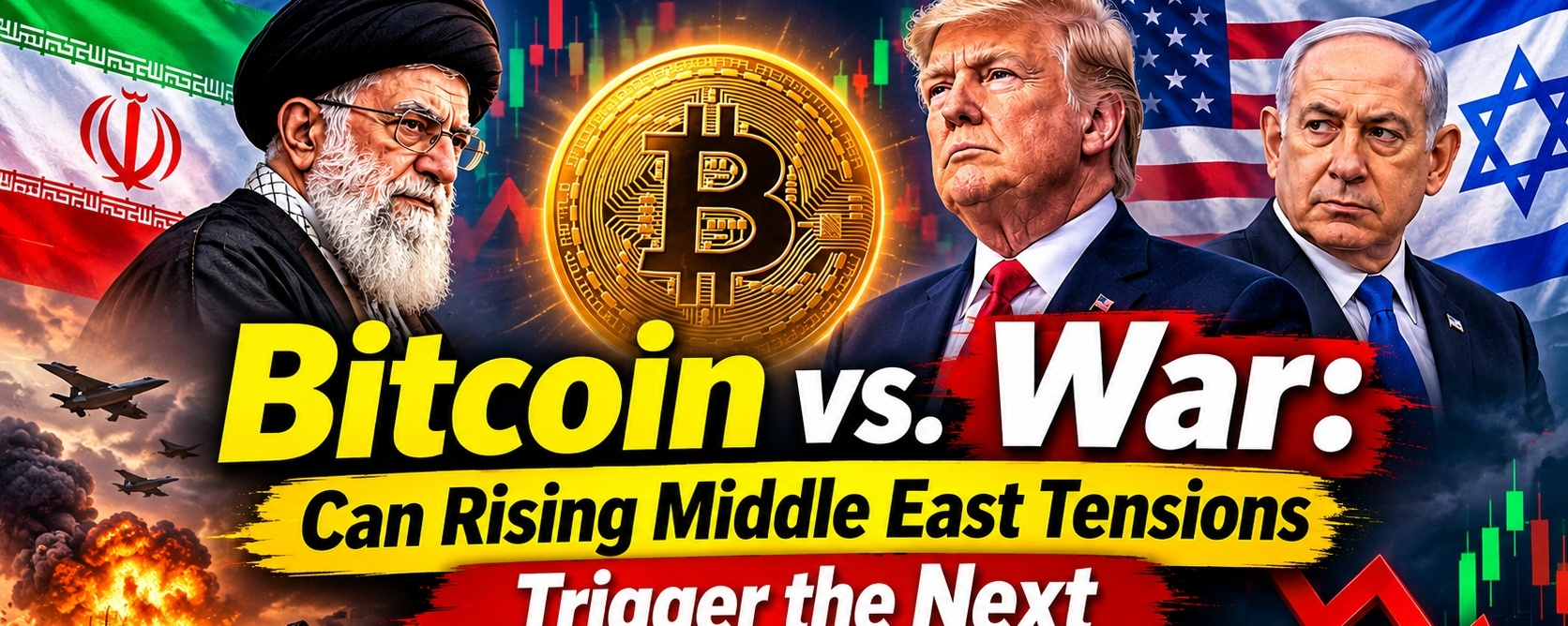


The crypto market is watching more than Bitcoin charts right now. One of the biggest factors shaping global investor sentiment is the ongoing conflict involving Iran, the United States, and Israel.
And there's one important question every crypto trader should be asking:
If tensions escalate again, what happens to Bitcoin?
The Geopolitical Factor Behind Bitcoin
Geopolitical conflicts can create uncertainty across financial markets. When tensions rise, investors often become more cautious, reduce exposure to risky assets, and move toward liquidity or traditional safe-haven investments.
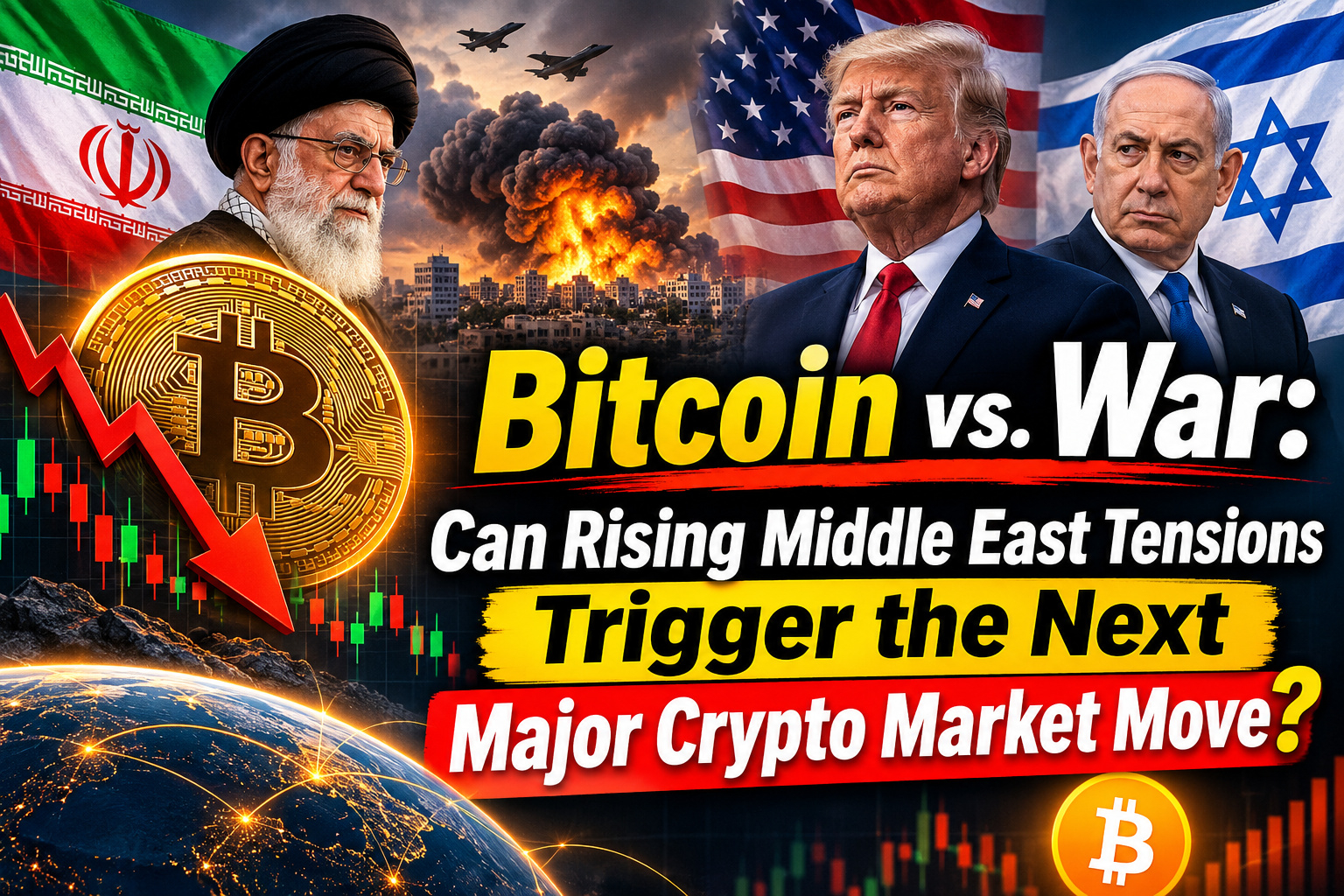
Bitcoin is no exception.
Although Bitcoin is often described as digital gold, its market behavior during geopolitical crises has not always matched traditional safe-haven assets. Sometimes it faces selling pressure alongside stocks and other risk-sensitive investments.
This is why traders should not automatically assume that war-related uncertainty will push BTC higher.
Why the Iran–US–Israel Situation Matters
The latest developments suggest that the situation remains uncertain.
There have been signals that further major US strikes may be avoided, but there is still no clear resolution to the conflict. Military tensions, diplomatic uncertainty, and risks surrounding the Strait of Hormuz continue to influence global market sentiment.
The Strait of Hormuz is particularly important because disruptions to this route can affect global energy supplies.
If tensions increase and oil prices rise sharply, inflation concerns could return. That may influence expectations around interest rates and the Federal Reserve's future decisions.
And that's where Bitcoin becomes particularly interesting.
Three Possible Impacts on Bitcoin
1. Further Escalation: More Market Volatility
If military tensions intensify, traders may become more defensive. This could increase selling pressure across risk assets, including Bitcoin and altcoins.
However, the actual reaction will depend on how markets interpret the developments.
2. Higher Oil Prices: Pressure on Risk Assets
A prolonged disruption to energy supplies could push oil prices higher and increase inflation concerns.
If markets begin expecting tighter monetary policy or higher interest rates for longer, liquidity-sensitive assets such as Bitcoin could face additional pressure.
3. De-escalation: Potential Relief for Crypto
If diplomatic progress reduces geopolitical uncertainty, investor confidence could improve.
Lower energy-price pressure and improving risk sentiment could create a more supportive environment for crypto assets.
But a recovery is never guaranteed. Bitcoin will still depend on liquidity, institutional demand, market positioning, and broader economic conditions.
What Should Bitcoin Traders Watch?
Rather than reacting emotionally to every breaking headline, I believe traders should keep their attention on a few important factors:
- BTC Price Action: Is Bitcoin holding its important support levels?
- Trading Volume: Are buyers actually stepping in during market recoveries?
- Oil Prices: Are energy markets showing signs of renewed supply concerns?
- US Dollar: Is demand for dollar liquidity increasing?
- Federal Reserve Expectations: Are interest-rate expectations becoming more restrictive?
These indicators can help traders understand whether geopolitical developments are creating temporary volatility or a broader change in market conditions.
My Final Thoughts
One thing is clear: Bitcoin is increasingly influenced by events beyond the crypto industry.
The Iran–US–Israel situation is not just a political or military story. It also has the potential to influence energy markets, inflation expectations, global liquidity, and investor confidence.
Personally, I believe this is a time for careful analysis rather than emotional trading.
A military escalation does not automatically mean Bitcoin will crash, and a diplomatic breakthrough does not guarantee a rally.
The real opportunity is understanding how global events translate into market behavior before making a trading decision.
Keep watching the headlines, but let price action confirm the market's direction.
What do you think?
If tensions escalate again, will Bitcoin face another major correction, or could it surprise the market with a strong recovery?