$NVDAB : When Busy Trading Feels Like Progress
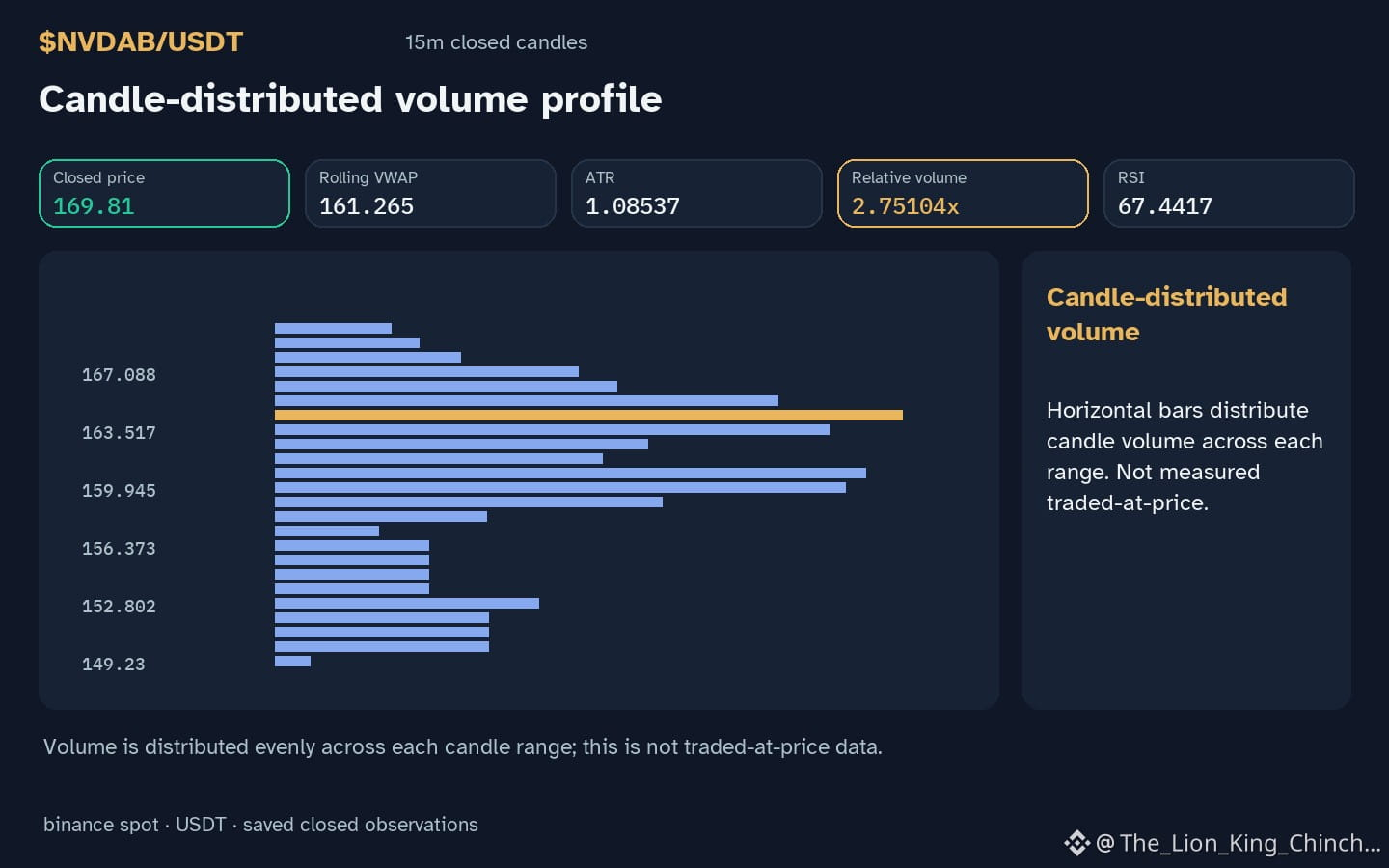
$NVDAB : NVDAB shows an hourly up direction while volume sits 2.75x baseline, and price remains inside the recorded range. Does high activity automatically mean higher productivity, or could it simply be a false badge of effort?
A common decision bias in this scenario is the *action bias*. the urge to act because the market feels alive. Traders may interpret the above‑baseline volume as a signal to add positions, anchoring their confidence to the visible activity rather than the underlying price context. The price staying within the range suggests limited directional strength, yet the urge to trade can grow from the perceived urgency.
One possible reaction is to increase trade frequency, believing that each additional entry proves skill. This can lead to over‑trading, where transaction costs and emotional fatigue outweigh any marginal gains. The bias is reinforced by the *regret avoidance* trap: after a missed small move, a trader may jump in later, hoping not to regret inaction.
A practical self‑check: before opening a new position, pause and ask whether the trade adds strategic value or merely satisfies the need to be active. Write down the intended risk‑reward and compare it to the current 67.4 reading; if the rationale is weak, consider holding.
A counterexample would be a clear break of the local resistance accompanied by sustained volume, which could validate further entries. Future closed‑candle evidence of a breakout beyond the recorded range would weaken the over‑trading hypothesis and suggest genuine momentum.
Probabilistic market research, not a recommendation or guaranteed return.
#NVDAB #TradingPsychology #CryptoLearning