

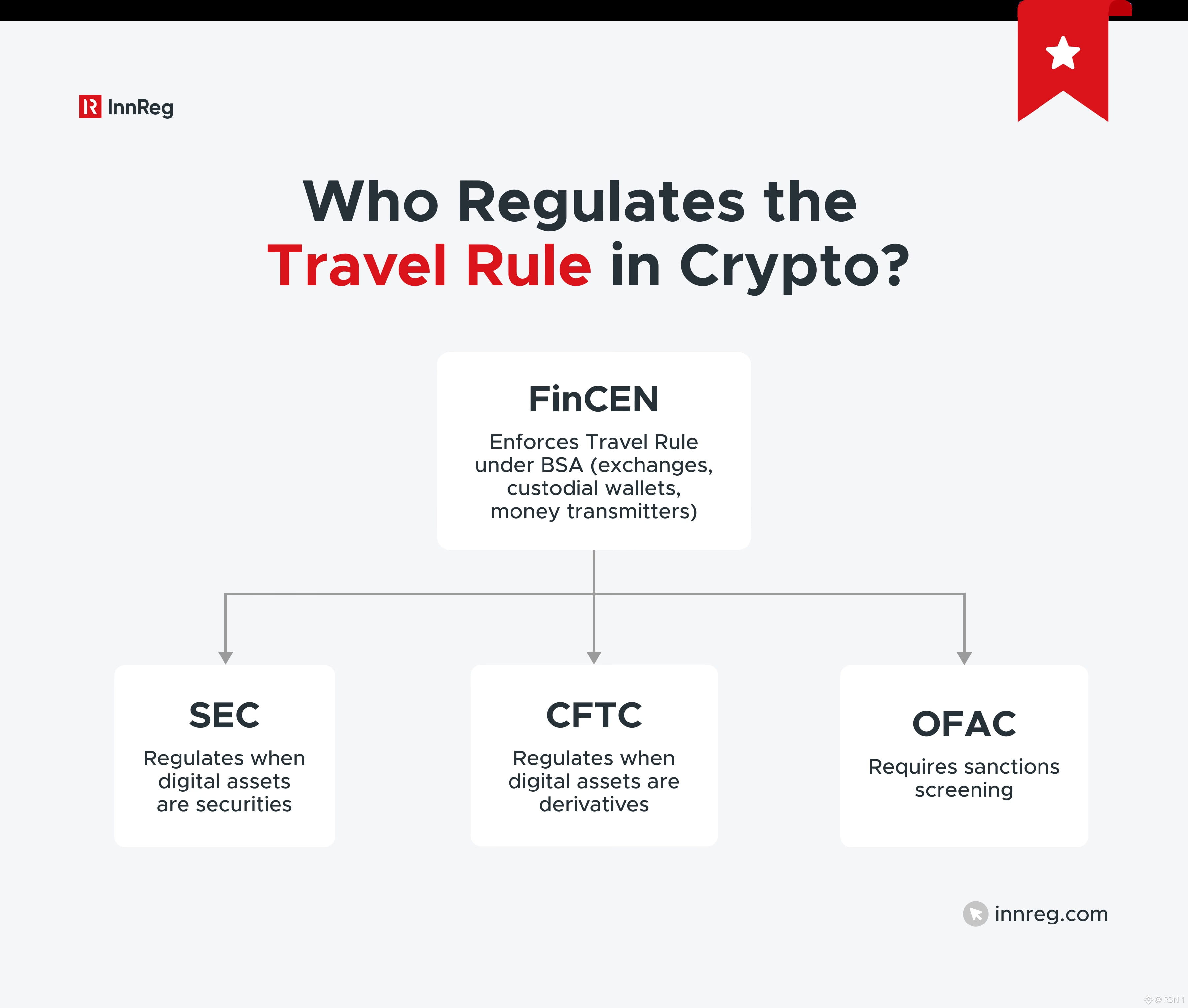
FinCEN and the Federal Reserve are withdrawing a 2020 proposal to cut the Travel Rule threshold for cross-border transfers from $3,000 to $250. The agencies will take no further action, the notice is scheduled for the Federal Register on Nov 9, and the current $3,000 threshold stays. The Travel Rule is the identity-sharing requirement: institutions must collect and pass along sender and recipient information above a threshold. The proposal would also have clarified that the rules apply to convertible virtual currency and digital assets. At $250, small cross-border payments like remittances would have been covered. There were real arguments on both sides. The DEA, IRS and Secret Service had supported lowering the threshold. The proposal also drew nearly 3,000 comments raising concerns about financial privacy, compliance costs, and the burden of collecting personal information. federalregister It’s also the second withdrawal in about a month. On Oct 5, FinCEN dropped its 2020 unhosted-wallet proposal and its 2023 plan to treat crypto mixing as a primary money laundering concern. Two pulled proposals could signal a lighter touch, or a reset before more tailored rules arrive. Regulatory headlines often move sentiment more than their legal weight. These were proposals, never final rules, so nothing came off the books. But a shrinking overhang matters for builders working on stablecoin payments and small cross-border use cases. The risk is that a withdrawal isn’t a repeal. Exchanges still have to meet existing anti-money-laundering and customer identification rules, and the agencies left the door open to new proposals as stablecoin regulation develops. The bullish possibility is a clearer path for low-value crypto payments. bitbase Withdrawn proposals don’t change the law. They change the mood, and the mood changes what gets built. $BTC #BTC Price Analysis# #Meme Alpha#
Krypto-Nutzer weltweit auf Binance Square kennenlernen
⚡️ Bleib in Sachen Krypto stets am Puls.
💬 Die weltgrößte Kryptobörse vertraut darauf.
👍 Erhalte verlässliche Einblicke von verifizierten Creators.
E-Mail-Adresse/Telefonnummer