



When reviewing a Bitcoin perpetual futures screen on Binance, observers see two separate figures, Last Price and Mark Price. Although these values often appear close, they serve distinct operational functions. Confusing them can lead to misunderstandings regarding position valuation and risk triggers. Bitcoin perpetual contracts illustrate why tracking the distinction between these two references is critical.
Last Price represents the latest executed contract trade price for the Bitcoin perpetual contract. It records the specific value at which the most recent trade occurred. Because Last Price only reflects the latest executed transaction, it can exhibit short-term last-price volatility. Looking at Last Price by itself does not provide an overview of position health or account stability.
Mark Price is a separate price reference used for unrealized profit and loss and liquidation calculations. The two prices can differ. On Binance, Mark Price is intended to reduce unnecessary liquidations resulting from short-term last-price volatility. By separating contract risk assessments from the latest trade price, Mark Price acts as an independent reference for open contract status.

Although Mark Price limits disruptions from brief price spikes, it does not remove liquidation risk. Liquidation relates to insufficient margin against maintenance requirements. If a Bitcoin perpetual position lacks adequate margin backing, liquidation occurs when maintenance requirements are breached, regardless of the protective intent behind the mark pricing mechanism.
A mark reference does not guarantee an execution price. Mark Price is an accounting benchmark for position monitoring, not a guaranteed transaction quote. When contract orders execute, they fill based on actual market trading rather than the Mark Price figure. Observers should not expect realized execution prices to match the mark reference displayed on the interface.
Interpreting interface labels accurately is essential when analyzing contracts. The label BTCUSDT Perp is an instrument label, not proof of a trade or asset ownership. Furthermore, a screenshot of Last Price alone is not the full liquidation reference. Determining account health requires evaluating maintenance requirements and margin balances rather than an isolated trade print.
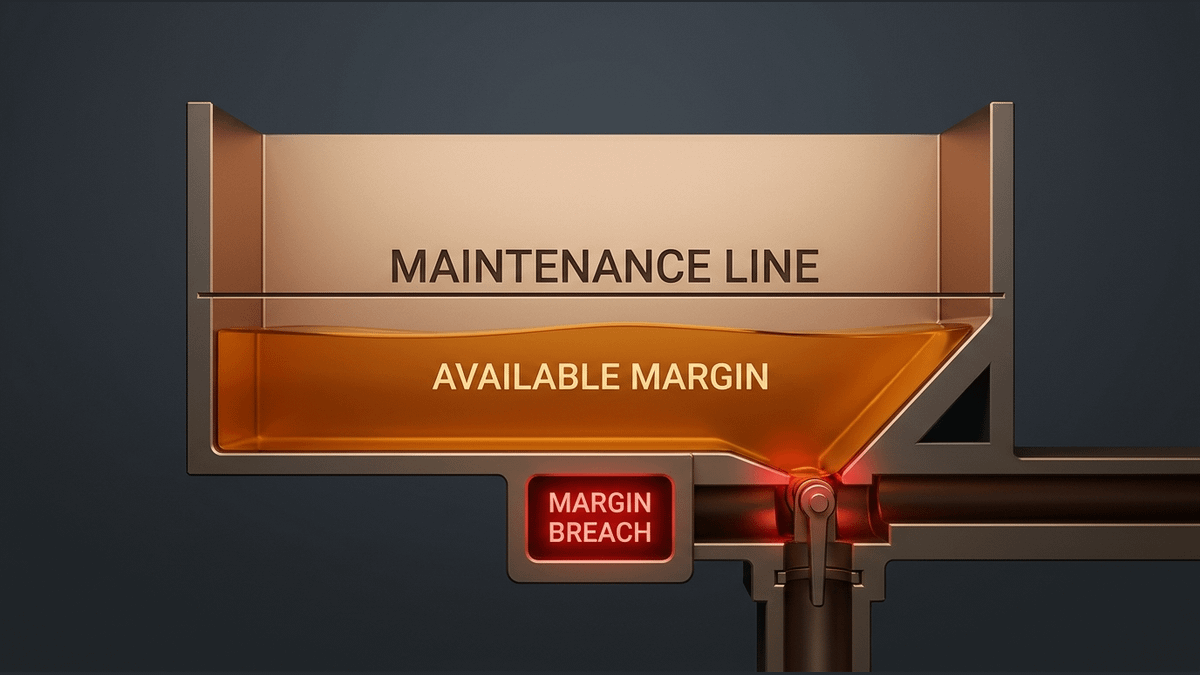
Recognizing the boundary between Last Price and Mark Price ensures an accurate understanding of Bitcoin perpetual futures. Last Price shows the latest executed trade price, while Mark Price governs unrealized profit and loss and liquidation calculations. Understanding these distinctions helps market participants review contract interfaces clearly and without false expectations.
