


◆━━━━━━━━━━━━━━━━━━━━━━◆
Let me start with a confession most traders never make out loud.
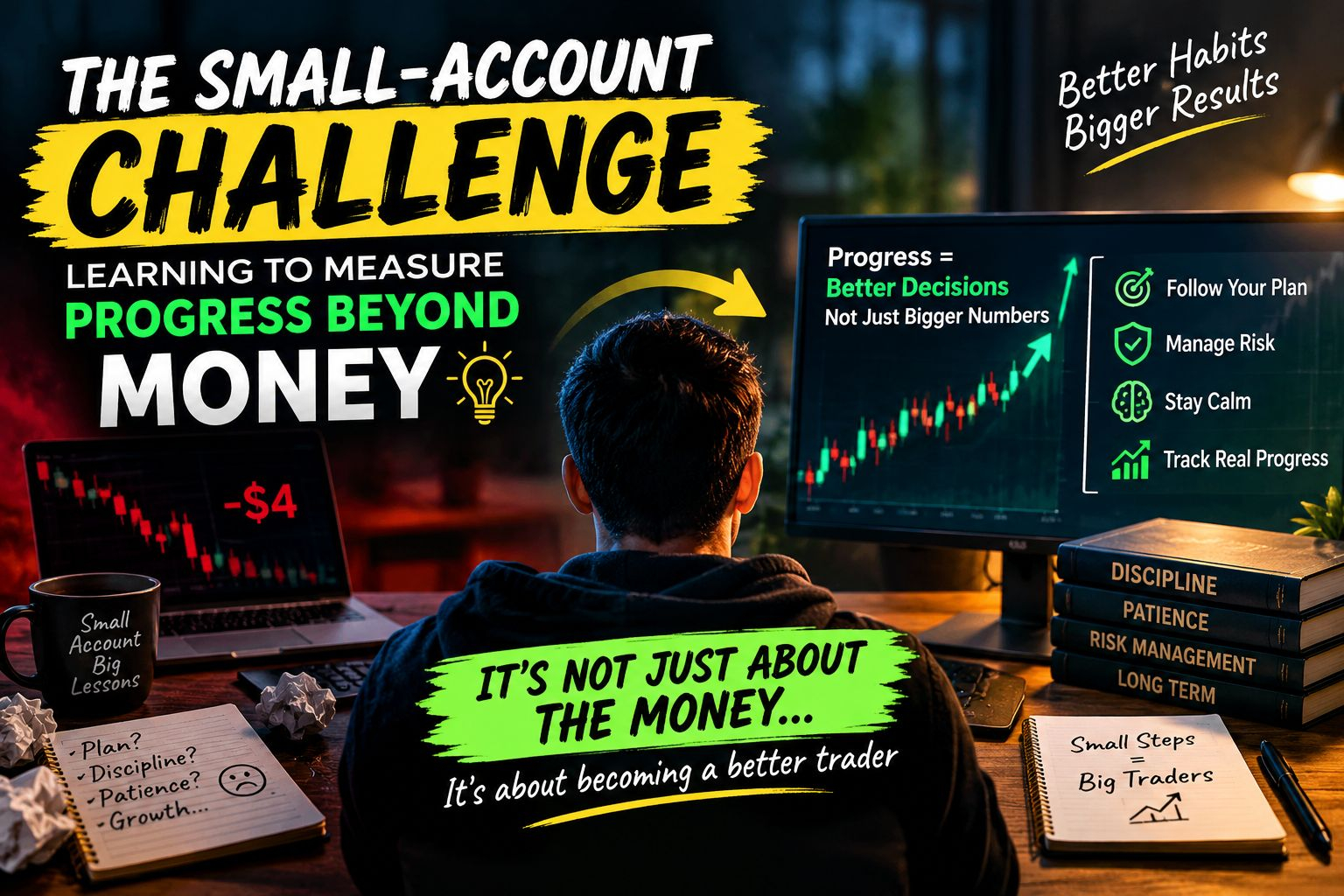
When your account is small, every red candle feels personal. A $4 loss doesn't just shrink your balance. It shrinks your confidence, your patience, and sometimes your will to keep going.
If you've ever stared at a small account and thought, "Is this even worth it?", this article is for you.
Here's the truth nobody puts on a flashy screenshot: a small account is not a weaker version of a big account. It's a training ground. And the traders who treat it that way are the ones who quietly build something that lasts.
◆━━━━━━━━━━━━━━━━━━━━━━◆
◆ WHY SMALL ACCOUNTS FEEL SO HEAVY
When your balance is low, the dollar amounts feel tiny, but the emotional weight is huge. Why?
✔︎ Every percentage swing looks dramatic on a small number
✔︎ You start comparing yourself to people with bigger screenshots
✔︎ You feel pressure to "grow fast" because slow growth looks invisible
✔︎ Patience feels like falling behind
This pressure is exactly where most beginners go wrong. They chase speed instead of skill. They oversize positions, skip their plan, and call it "being aggressive." In reality, it's just being impatient with a smaller budget.
◆━━━━━━━━━━━━━━━━━━━━━━◆
◆ THE BIG SHIFT: FROM MONEY SCORE TO PROCESS SCORE
If the only thing you track is your balance, you're measuring the noisiest number in trading.
Think about it. A good decision can lose money. A bad decision can make money. Over a handful of trades, the result tells you almost nothing about your actual ability.
So instead of asking "How much did I make?", start asking "How well did I trade?"
Here's a simple 3-part scorecard you can use after every session:
① Did I follow my plan?
Entry, exit, and position size, all decided before the trade, not during it.
② Did I respect my risk?
Did I stay inside the limit I set, even when I felt tempted to stretch it?
③ Did I stay emotionally steady?
No revenge trades. No panic exits. No "just one more" after a loss.
Give yourself a simple check or cross for each one. A day with three checks and a small loss is a better day than three crosses and a lucky profit. That sounds backwards at first, but it's how professionals think.
◆━━━━━━━━━━━━━━━━━━━━━━◆
◆ 7 WAYS TO MEASURE PROGRESS BEYOND MONEY
Here are metrics that actually show whether you're improving as a trader:
➤ 1. Plan Adherence Rate
Out of your last 20 trades, how many followed your written rules? Aim to push this number up over time. It's the closest thing to a "skill score" you'll find.
➤ 2. Risk Consistency
Are you risking a similar, small portion of your account on every trade? Stable risk is a sign of a stable mind.
➤ 3. Journal Streak
How many days in a row have you logged your trades and your feelings? Consistency in journaling often predicts consistency in trading.
➤ 4. Emotional Recovery Time
After a loss, how long does it take you to feel calm again? If that window is shrinking, you're growing.
➤ 5. Quality Over Quantity
Are you taking fewer, cleaner setups instead of forcing trades out of boredom? Doing less, but better, is real progress.
➤ 6. Mistake Awareness
Can you name your top 3 repeating mistakes? Traders who can name them can fix them. Traders who can't will keep paying for them.
➤ 7. Drawdown Behavior
When the account dips, do you stick to your plan or start improvising? How you act in a drawdown tells you more than how you act in a win.
◆━━━━━━━━━━━━━━━━━━━━━━◆
◆ THE SMALL-ACCOUNT TRAPS TO AVOID
Let's be honest about what quietly damages small accounts:
✘ Oversizing to "make it worth it"
✘ Overtrading because the account feels "too small to protect"
✘ Using high leverage as a shortcut to bigger numbers
✘ Jumping between strategies every few days
✘ Measuring success only by daily profit
Notice something? None of these are market problems. They're behavior problems. And behavior is the one thing you can actually control. ✔︎
◆━━━━━━━━━━━━━━━━━━━━━━◆
◆ A SIMPLE 4-STEP FRAMEWORK TO REBUILD YOUR MINDSET
➜ Step 1: Set a goal that isn't a dollar amount
Example: "Follow my plan on 15 out of my next 20 trades."
➜ Step 2: Keep risk small and fixed
Small risk gives you room to make mistakes without breaking your confidence.
➜ Step 3: Review weekly, not emotionally
Look at your journal once a week. Patterns show up in weeks, not in single trades.
➜ Step 4: Celebrate process wins
Followed your rules during a loss? That's a win. Say it. Write it down. Mean it.
◆━━━━━━━━━━━━━━━━━━━━━━◆
◆ WHY THIS APPROACH WORKS
Money is a result. Habits are the cause.
When you build habits like discipline, patience, and risk control on a small account, you're building a foundation that doesn't change when the numbers get bigger. Bad habits, on the other hand, simply scale up along with the account. A trader who can't manage $100 calmly will struggle just as much with a larger balance.
So a small account isn't something to escape quickly. It's a place to become the kind of trader who's ready for whatever comes next.
◆━━━━━━━━━━━━━━━━━━━━━━◆
◆ FINAL THOUGHTS
Progress in trading is rarely loud. It looks like a trader who skipped a bad setup. It looks like a stop-loss respected. It looks like a journal filled in on a tired evening.
None of that shows up on a profit chart. But all of it shows up in your future.
Measure the process, protect your capital, and let time do the rest.
◆━━━━━━━━━━━━━━━━━━━━━━◆
◆ YOUR TURN
I'd love to hear from you:
➤ What's one non-money metric you track in your trading?
➤ What's the hardest part of managing a small account for you?
Drop your answer in the comments. Your experience might be exactly what another trader needs to read today.
If this helped, share it with a trader who's still learning, and follow for more practical trading psychology content.
◆━━━━━━━━━━━━━━━━━━━━━━◆
Risk Disclosure: This article is for educational purposes only and does not constitute financial or investment advice. Trading cryptocurrencies and derivatives involves significant risk, and you may lose some or all of your capital. Always do your own research and only trade with funds you can afford to lose.


#BinancePick #EarningsSeason #USQ3GDPAndSeptemberPCEDueNextWeek #SouthKoreaDelaysCryptoIncomeTax #DowDrops653Points