


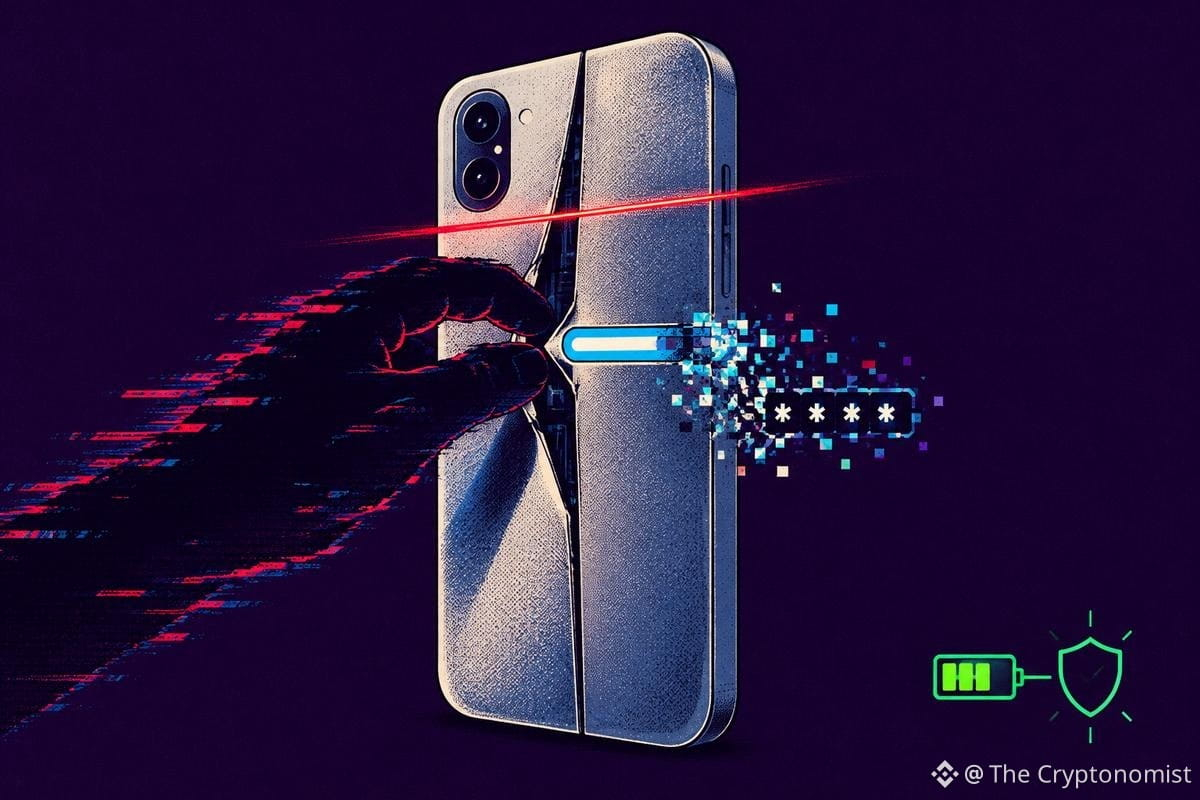
Ledger’s Atom device looks like an Android phone, but its role is to sign crypto transactions alongside the handset users already carry. Unveiled on October 15, 2026, it arrives as Ledger confronts a supply-chain breach in Southeast Asia involving devices altered before they reached customers.
Key takeaways
Atom combines a smartphone-like design with crypto transaction signing.
Tampered Ledger devices contained implants that transmitted recovery phrases over LTE.
Ledger plans tamper-detection features and website-only initial sales for Atom.
Crypto Briefing reported that Atom is designed to complement, rather than replace, a user’s phone. The announcement also follows Ledger’s decision to describe its products as “signers” instead of “hardware wallets.”
Ledger’s Atom device brings Android to transaction signing
Atom uses Android and resembles an ordinary smartphone, while providing a dedicated function for approving crypto transactions. It pairs with the phone a user already owns.
CoinDesk reported additional functionality: users will be able to install applications including WhatsApp, Instagram and TikTok, then switch between everyday smartphone functions and a protected mode for managing digital assets. Its report also describes integration with the AI assistant OpenClaw.
Ledger’s Atom device combines familiar Android applications with a separate asset-management mode, rather than following the minimalist approach associated with traditional hardware wallets.
CoinDesk also reported that production will take place at Ledger’s location in Vietnam, where the company manufactures its more complex devices.
Hardware implants prompted sales suspensions across Asia
The Southeast Asia breach involved Ledger devices modified before delivery to buyers through resellers, including CryptoBilis. The compromised units contained unauthorized hardware implants capable of capturing recovery phrases during setup and transmitting them over LTE.
CoinDesk described hidden chips that intercepted 24-word recovery phrases by reading signals from device screens. These phrases serve as the owner’s ultimate safeguard for access to digital assets.
The outlet also reported that Tether froze $10 million in USDT connected to the theft. The incident largely affected Southeast Asian users; Ledger cited research on October 14, 2026, showing no reported loss of funds in Europe.
Ledger’s sales and shipments across Indonesia, Singapore, Thailand, the Philippines, Vietnam, Malaysia and Hong Kong had been suspended by mid-October 2026.
Atom’s protections target tampering before delivery
Ledger says Atom will include physical safeguards aimed at the kind of tampering involved in the CryptoBilis breach. A spokesperson told CoinDesk that the design includes an enclosure around sensitive components, sensors to detect removal of the screen or back cover, and packaging that reveals signs of opening.
The tamper-detection system has its own battery, allowing it to operate while the device is switched off.
“The Core protection enclosure will explicitly block the screen reader implants from this weekend’s incident,” the spokesperson told CoinDesk.
Ledger also plans to sell Atom initially through its own website, rather than third-party sellers, to limit exposure to the distribution channels implicated in the breach. CoinDesk reported that the company will not offer trade-ins to customers affected by the incident.
According to CoinDesk, Ledger’s Atom device is scheduled for release in mid-2027, while the primary report says Ledger has not yet disclosed Atom’s availability.
Article produced with the assistance of artificial intelligence and reviewed by the editorial team.