


America’s diesel market has entered dangerous territory.
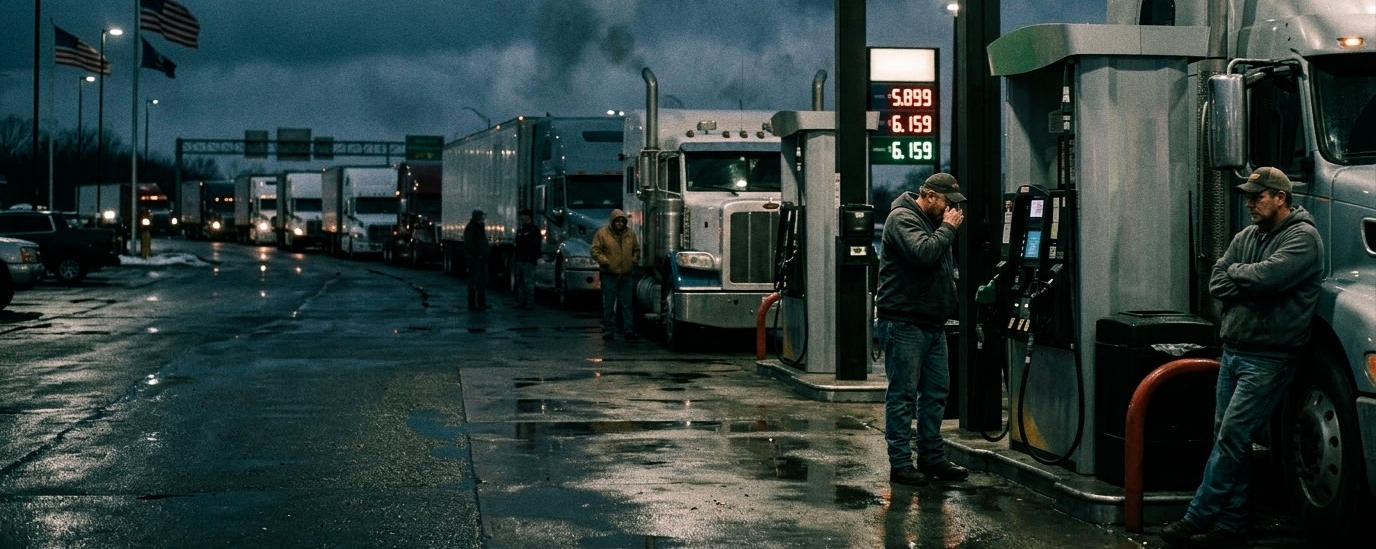
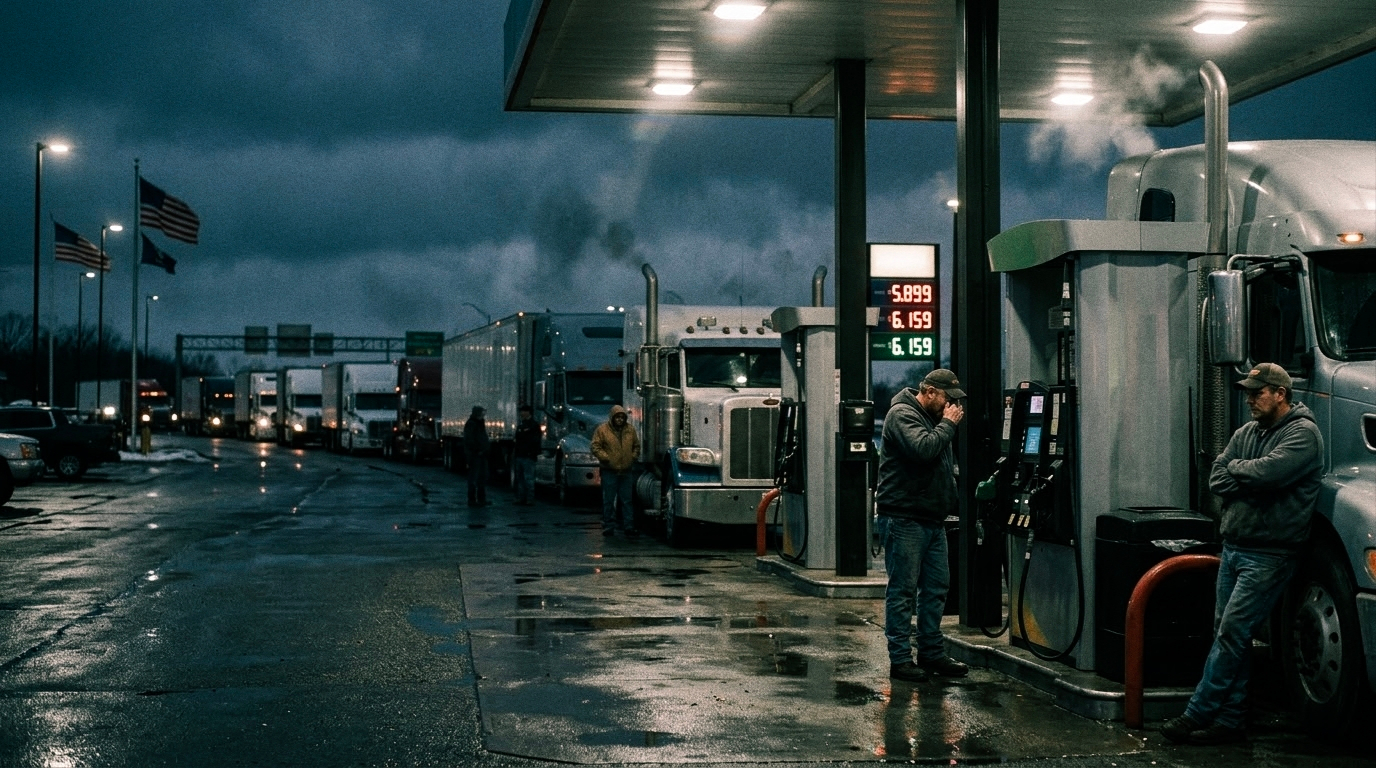
The national average diesel price recently surged above $6.50 PER GALLON, reaching levels never seen before. For an economy that depends heavily on diesel-powered trucks, agriculture, construction and logistics, this isn’t just a fuel problem.
It is an inflation problem.
On October 5, President Donald Trump signed an executive order temporarily allowing red-dyed diesel — normally reserved for off-road uses such as farming and construction — to be used more broadly on public highways.
And here is where the money gets serious:
💥 Federal highway diesel tax: 24.4 CENTS PER GALLON
💥 On a 250-gallon fill, that represents roughly $61 in federal tax
💥 The White House says savings could exceed $100 per fill where states also match the federal relief.
💥 The tax deferral runs through the end of 2026, with no interest or penalties, while Treasury is directed to explore whether the deferred obligation can ultimately be eliminated.
But don’t misunderstand what is happening.
THIS DOES NOT CREATE MORE DIESEL.
Red-dyed diesel is chemically the same fuel as conventional diesel; the major difference here is its tax treatment and the regulatory restrictions surrounding its use.
That means Washington is attacking the cost burden, not magically fixing the underlying supply shortage.
And that shortage is ugly.
Global diesel inventories have been squeezed by disrupted energy flows, refinery constraints and geopolitical conflicts. Reuters reports that refined-fuel exports from the Gulf region remained significantly below pre-war levels, adding pressure to already-tight diesel and jet-fuel markets.
The White House has blamed tight global supply, the Russia-Ukraine war and insufficient refining capacity for the surge.
Meanwhile, the G7 has agreed to release 100 MILLION BARRELS of crude and diesel from emergency reserves in an effort to stabilize the market.
And the economic consequences go far beyond the gas station.
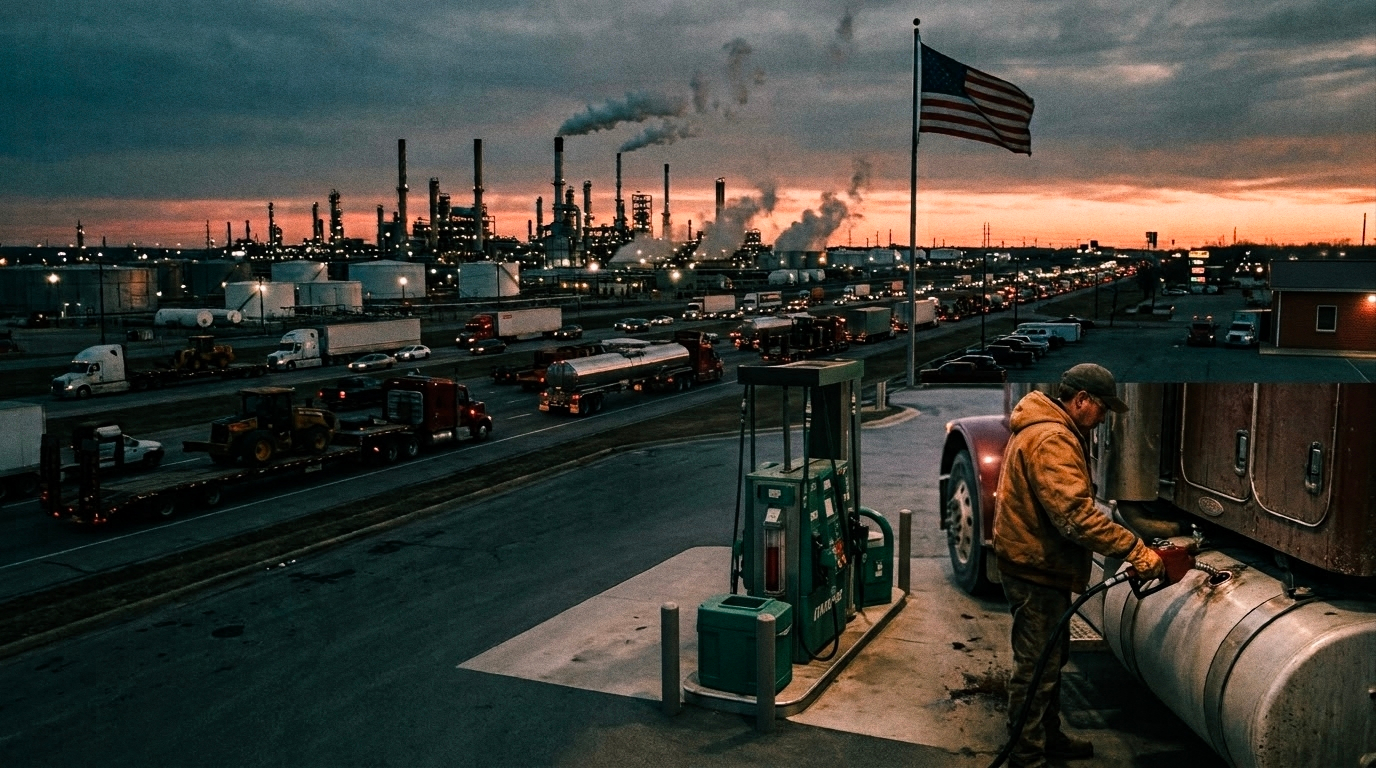
🚛 Trucks burn diesel.
🌾 Farmers burn diesel.
🏗️ Construction burns diesel.
🚢 Supply chains depend on diesel.
🏭 Industrial transportation depends on diesel.
🛒 And transportation costs eventually flow into the price of goods.
So when diesel explodes, everything downstream feels the pressure.
That is why this policy matters.
But there is a hard economic reality underneath the political spectacle:
A tax cut can reduce the price paid by the user. It cannot manufacture refining capacity. It cannot instantly rebuild inventories. It cannot repair disrupted supply chains.
Reuters previously reported that analysts questioned whether expanding red-dyed diesel access would materially lower overall pump prices because it does not increase the physical supply of diesel.
So America now faces a much bigger question:
IS THIS A TEMPORARY PRESSURE VALVE — OR THE BEGINNING OF A MUCH DEEPER FUEL CRISIS?
With the U.S. midterm elections approaching on November 3, the timing is impossible to ignore. Reuters reported that the administration is under significant political pressure as elevated energy costs hit American households and businesses.
The numbers are simple.
$6+ DIESEL.
24.4¢ FEDERAL TAX.
TIGHT GLOBAL SUPPLY.
REFINING BOTTLENECKS.
100 MILLION BARRELS OF G7 RESERVES.
AND A PRESIDENT TRYING TO PUSH THE COST SHOCK BACK DOWN.
This is no longer just about diesel.
IT’S ABOUT HOW LONG THE WORLD CAN ABSORB AN ENERGY SHOCK BEFORE FUEL BECOMES AN INFLATION SHOCK — AND AN INFLATION SHOCK BECOMES A POLITICAL CRISIS.
The next few months will show whether this emergency measure actually provides meaningful relief — or merely buys the economy more time.