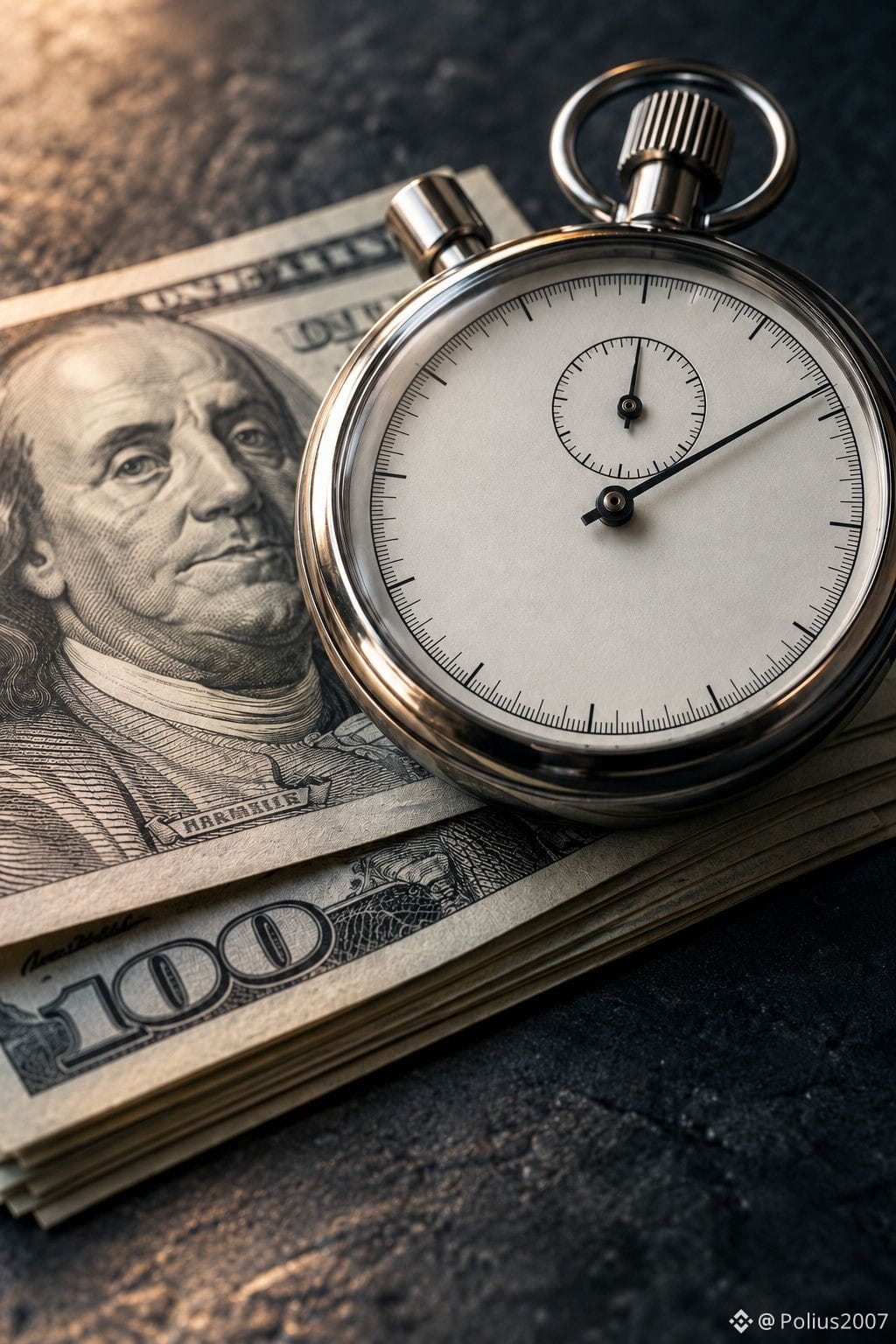
Two trading screens can show the same funding rate and leave you with very different bills.
For perpetual futures, funding is a periodic payment between traders holding opposite sides of the market. The percentage comes with a clock. Bybit's documentation explicitly says the interval differs between contracts.
Take a simple example: a $10,000 position paying 0.01% at each settlement. That's $1 per payment. Over a full day, an eight-hour interval means three payments, or $3. An hourly interval means 24 payments, or $24. This assumes the position value and rate stay unchanged and you're holding it at every settlement. It's an illustration, not a forecast.
I'd want the interval beside the percentage when comparing markets. A smaller-looking rate can still cost more over the time I plan to hold the trade. Comparing the rates alone leaves the number of payments out of the bill.
For perpetual futures, funding is a periodic payment between traders holding opposite sides of the market. The percentage comes with a clock. Bybit's documentation explicitly says the interval differs between contracts.
Take a simple example: a $10,000 position paying 0.01% at each settlement. That's $1 per payment. Over a full day, an eight-hour interval means three payments, or $3. An hourly interval means 24 payments, or $24. This assumes the position value and rate stay unchanged and you're holding it at every settlement. It's an illustration, not a forecast.
I'd want the interval beside the percentage when comparing markets. A smaller-looking rate can still cost more over the time I plan to hold the trade. Comparing the rates alone leaves the number of payments out of the bill.