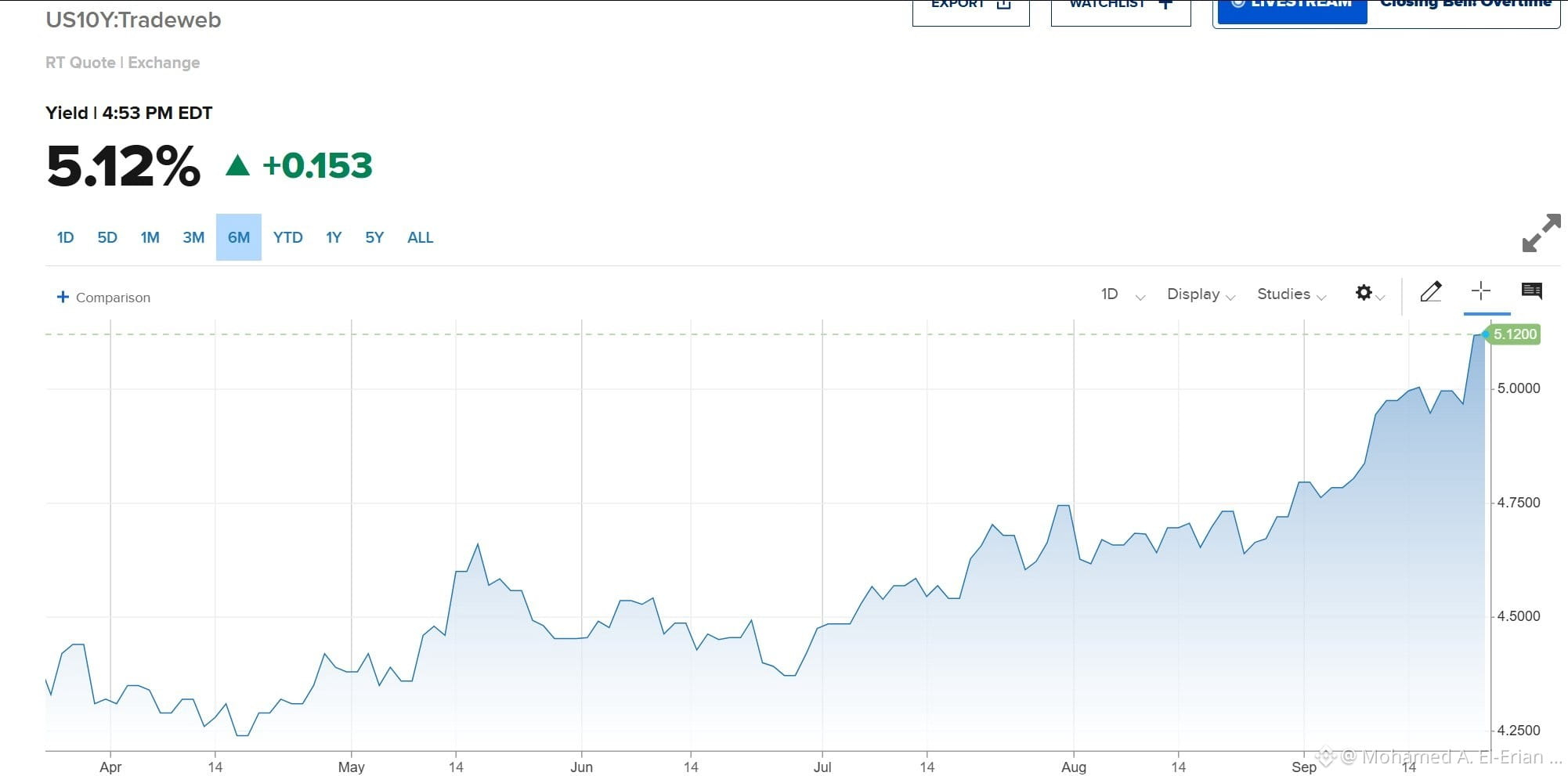
Understanding the Predictable Rise in Treasury Yields
A significant number of people in the financial world seem caught off guard by the latest jump in United States yields. This widespread astonishment is genuinely fascinating because the underlying forces driving this upward trend have been visible for quite a while. Rather than sudden economic shifts, psychological anchoring is influencing market reactions much more heavily than it should. For over ten years following the 2008 Global Financial Crisis, we experienced an era of artificially suppressed, low yields. That extended period profoundly shaped our collective mindset, making it hard for many to adjust to the current financial reality.
When we look past this mental block, the core reasons for the current situation are well established. First, the upcoming borrowing intentions of massive issuers have been communicated very clearly. This includes the financing strategies of both the government and large corporates, with tech companies being particularly notable. On top of that, the Federal Reserve has continually pointed toward strong economic activity.
Furthermore, the financial community has extensively discussed the reasons why traditional buyers and holders of United States bonds are experiencing a decline in both their capacity and their willingness to invest. Globally, the difficult challenge of figuring out the ultimate conclusion to the US/Israel-Iran conflict continues to be a subject of intense debate. Considering all of these highly visible and widely discussed factors together, the recent market movements are a completely logical progression rather than an unexpected shock.
#economy #markets #yields #bonds
A significant number of people in the financial world seem caught off guard by the latest jump in United States yields. This widespread astonishment is genuinely fascinating because the underlying forces driving this upward trend have been visible for quite a while. Rather than sudden economic shifts, psychological anchoring is influencing market reactions much more heavily than it should. For over ten years following the 2008 Global Financial Crisis, we experienced an era of artificially suppressed, low yields. That extended period profoundly shaped our collective mindset, making it hard for many to adjust to the current financial reality.
When we look past this mental block, the core reasons for the current situation are well established. First, the upcoming borrowing intentions of massive issuers have been communicated very clearly. This includes the financing strategies of both the government and large corporates, with tech companies being particularly notable. On top of that, the Federal Reserve has continually pointed toward strong economic activity.
Furthermore, the financial community has extensively discussed the reasons why traditional buyers and holders of United States bonds are experiencing a decline in both their capacity and their willingness to invest. Globally, the difficult challenge of figuring out the ultimate conclusion to the US/Israel-Iran conflict continues to be a subject of intense debate. Considering all of these highly visible and widely discussed factors together, the recent market movements are a completely logical progression rather than an unexpected shock.
#economy #markets #yields #bonds