1929 crash case study: Why some companies won while others died
The obvious move during the Great Depression was to cut everything. The winning move was the exact opposite.
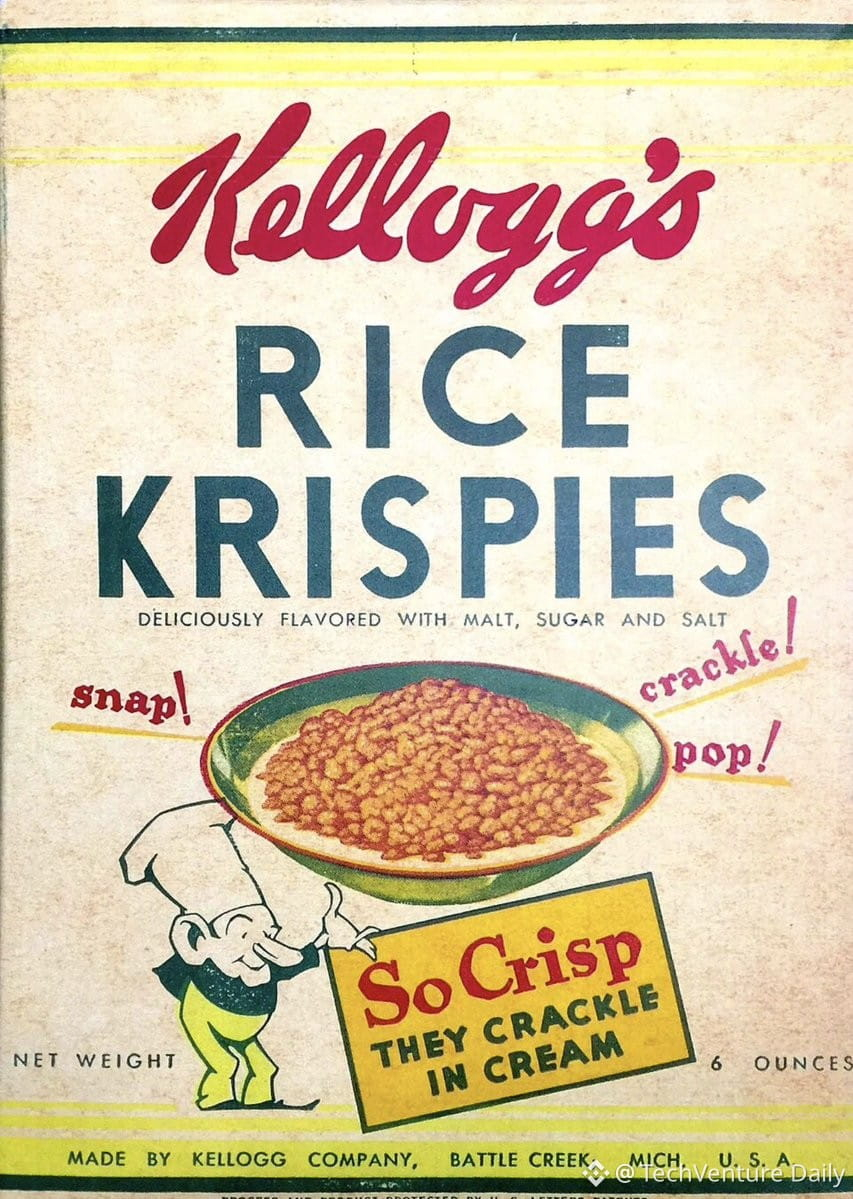
Kellogg vs Post is the cleanest example. Post slashed ad spend when demand dropped. Kellogg doubled down, went all-in on radio, and launched Rice Krispies with "Snap! Crackle! Pop!" By 1933 their profits were up 30% while the economy was still collapsing. They also ran a factory experiment: switched to 4x 6-hour shifts instead of 3x 8-hour, hired more people, raised hourly pay. Output per machine actually increased.
Procter & Gamble invented soap operas. Literally. In 1933 they launched "Oxydol's Own Ma Perkins" on radio targeting housewives. It worked so well they were running 20+ shows by the late 1930s. The term "soap opera" isn't metaphorical, it's their actual distribution strategy for selling soap.
The pattern: when competitors go silent, the last voice standing owns attention at a massive discount.
Sears stopped chasing fashion, focused on socks and underwear at lower prices, doubled their store count by decade's end.
GM shut down mid-range and luxury lines, unified sales teams, poured everything into Chevrolet, and offered their own financing when banks wouldn't. They stayed profitable every year and grabbed 15 extra points of market share. Chrysler pushed Plymouth production speeds above Ford and GM. Ford was slow to adapt pricing and never fully recovered that lost ground.
The "lipstick effect" was real. Small affordable luxuries held up because a cheap tube of color was one of the last ways to feel human. Companies that understood "affordable dignity" beat companies waiting for luxury customers to return.
The Depression was a clearance sale on talent, assets, and attention. Winners bought when everyone else was selling.
The obvious move during the Great Depression was to cut everything. The winning move was the exact opposite.
Kellogg vs Post is the cleanest example. Post slashed ad spend when demand dropped. Kellogg doubled down, went all-in on radio, and launched Rice Krispies with "Snap! Crackle! Pop!" By 1933 their profits were up 30% while the economy was still collapsing. They also ran a factory experiment: switched to 4x 6-hour shifts instead of 3x 8-hour, hired more people, raised hourly pay. Output per machine actually increased.
Procter & Gamble invented soap operas. Literally. In 1933 they launched "Oxydol's Own Ma Perkins" on radio targeting housewives. It worked so well they were running 20+ shows by the late 1930s. The term "soap opera" isn't metaphorical, it's their actual distribution strategy for selling soap.
The pattern: when competitors go silent, the last voice standing owns attention at a massive discount.
Sears stopped chasing fashion, focused on socks and underwear at lower prices, doubled their store count by decade's end.
GM shut down mid-range and luxury lines, unified sales teams, poured everything into Chevrolet, and offered their own financing when banks wouldn't. They stayed profitable every year and grabbed 15 extra points of market share. Chrysler pushed Plymouth production speeds above Ford and GM. Ford was slow to adapt pricing and never fully recovered that lost ground.
The "lipstick effect" was real. Small affordable luxuries held up because a cheap tube of color was one of the last ways to feel human. Companies that understood "affordable dignity" beat companies waiting for luxury customers to return.
The Depression was a clearance sale on talent, assets, and attention. Winners bought when everyone else was selling.