PUTIN’S WAR BILL IS FINALLY HITTING HOME.
Russia heads into its first parliamentary election since the 2022 invasion while the economy is losing momentum.
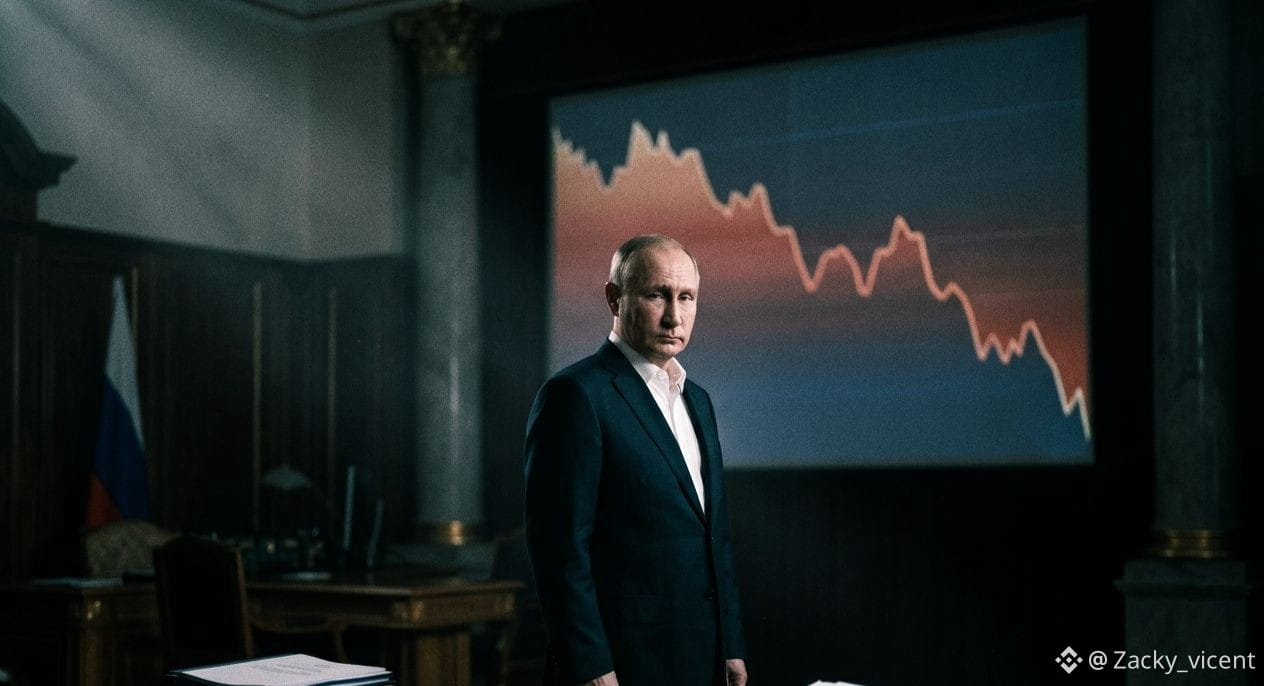
The Kremlin is raising taxes. The budget deficit reached 2.8% of GDP in January–July, above the full-year target of 1.6%. Ukrainian strikes have hit refineries and logistics networks, contributing to fuel shortages, while high interest rates continue squeezing businesses.
And here is the brutal part:
MORE WAR MEANS MORE COST.
Oil can provide temporary relief, but it does not magically erase a structural fiscal problem. Analysts cited by CNBC argue that higher oil revenues are unlikely to solve Russia’s long-term budget pressure.
The September 18–20 election is therefore happening under a very different economic reality.
United Russia is still expected to dominate the State Duma, but the real question is what happens beneath the political surface: voter participation, public frustration, economic pressure, and how long the Kremlin can keep financing a massive war while maintaining stability at home.
Russia has money.
Russia has oil.
Russia has power.
BUT NONE OF THAT MAKES THE BILL DISAPPEAR.
WAR ALWAYS SENDS AN INVOICE.
And eventually, somebody has to pay it.
$BTC
Russia heads into its first parliamentary election since the 2022 invasion while the economy is losing momentum.
The Kremlin is raising taxes. The budget deficit reached 2.8% of GDP in January–July, above the full-year target of 1.6%. Ukrainian strikes have hit refineries and logistics networks, contributing to fuel shortages, while high interest rates continue squeezing businesses.
And here is the brutal part:
MORE WAR MEANS MORE COST.
Oil can provide temporary relief, but it does not magically erase a structural fiscal problem. Analysts cited by CNBC argue that higher oil revenues are unlikely to solve Russia’s long-term budget pressure.
The September 18–20 election is therefore happening under a very different economic reality.
United Russia is still expected to dominate the State Duma, but the real question is what happens beneath the political surface: voter participation, public frustration, economic pressure, and how long the Kremlin can keep financing a massive war while maintaining stability at home.
Russia has money.
Russia has oil.
Russia has power.
BUT NONE OF THAT MAKES THE BILL DISAPPEAR.
WAR ALWAYS SENDS AN INVOICE.
And eventually, somebody has to pay it.
$BTC