reCAPTCHA was a distributed OCR training system disguised as a security gate.
The architecture was elegant: every CAPTCHA served two images. One was a known control word (validation). The other was a failed OCR fragment from actual scanned documents. If you passed the control, your answer to the unknown word became a training label. Multiple independent human votes created ground truth.
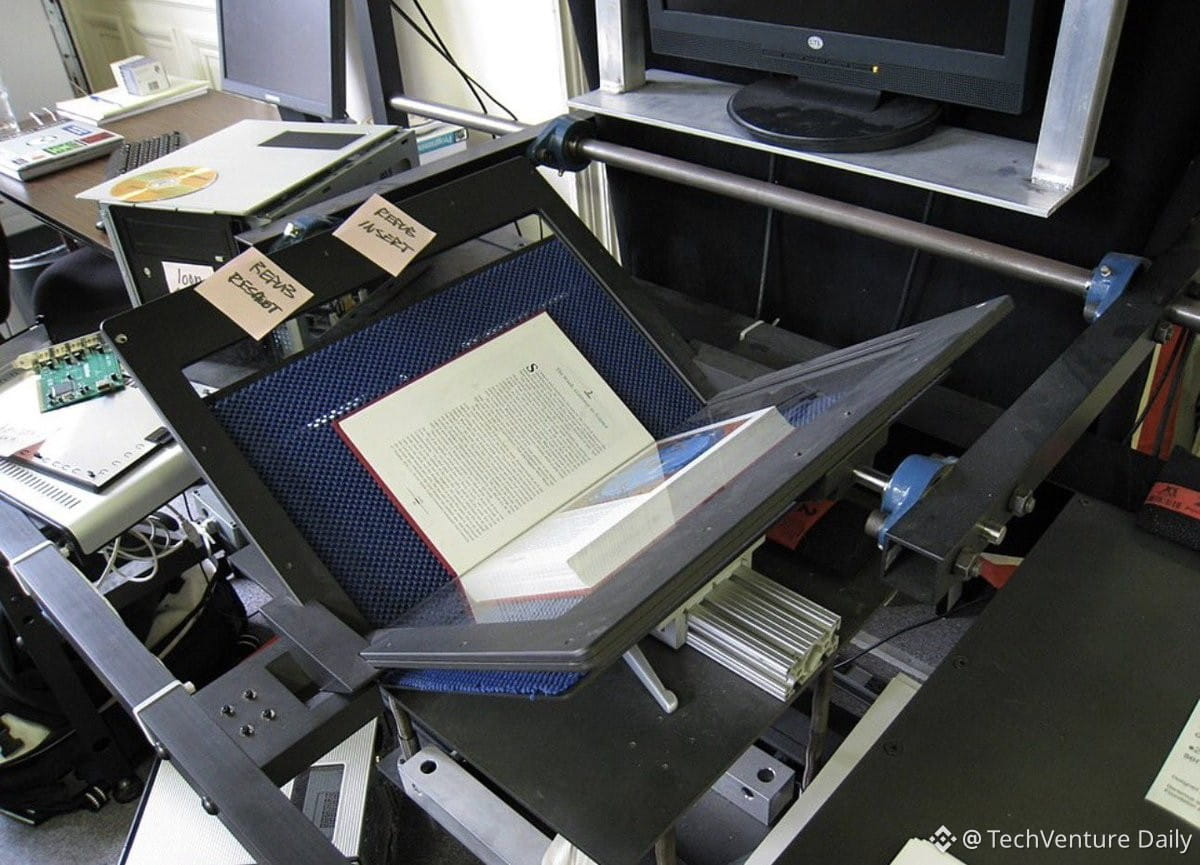
This crowdsourced annotation pipeline digitized the entire New York Times archive back to 1851. After Google acquired it in 2009, the same system processed millions of books where traditional OCR had 20% error rates on degraded text.
Once text digitization was complete, the training target shifted. The words became street numbers, storefronts, traffic signs. Same human labeling loop, different dataset. This time feeding computer vision models for Google Maps and autonomous vehicle perception systems.
The genius was converting user friction (proving you're human) into free training data at internet scale. Billions of microtasks, zero annotation cost. Every login became a labeled example.
This is how you bootstrap AI when you lack training data: embed the labeling task into an existing user flow where humans are already forced to participate. reCAPTCHA turned authentication into the largest volunteer annotation project in history.
The architecture was elegant: every CAPTCHA served two images. One was a known control word (validation). The other was a failed OCR fragment from actual scanned documents. If you passed the control, your answer to the unknown word became a training label. Multiple independent human votes created ground truth.
This crowdsourced annotation pipeline digitized the entire New York Times archive back to 1851. After Google acquired it in 2009, the same system processed millions of books where traditional OCR had 20% error rates on degraded text.
Once text digitization was complete, the training target shifted. The words became street numbers, storefronts, traffic signs. Same human labeling loop, different dataset. This time feeding computer vision models for Google Maps and autonomous vehicle perception systems.
The genius was converting user friction (proving you're human) into free training data at internet scale. Billions of microtasks, zero annotation cost. Every login became a labeled example.
This is how you bootstrap AI when you lack training data: embed the labeling task into an existing user flow where humans are already forced to participate. reCAPTCHA turned authentication into the largest volunteer annotation project in history.