THE OIL WAR ISN’T OVER. THE GAME IS JUST GETTING DARKER.
Trump says the Iran war could end shortly after the November midterms—and predicts oil prices will “plummet” when it does.
But the battlefield tells a far uglier story.
Brent just closed around $104.61, while WTI finished near $100.05. Oil briefly ripped above $108 as tensions exploded across the region.
Then came the real warning.
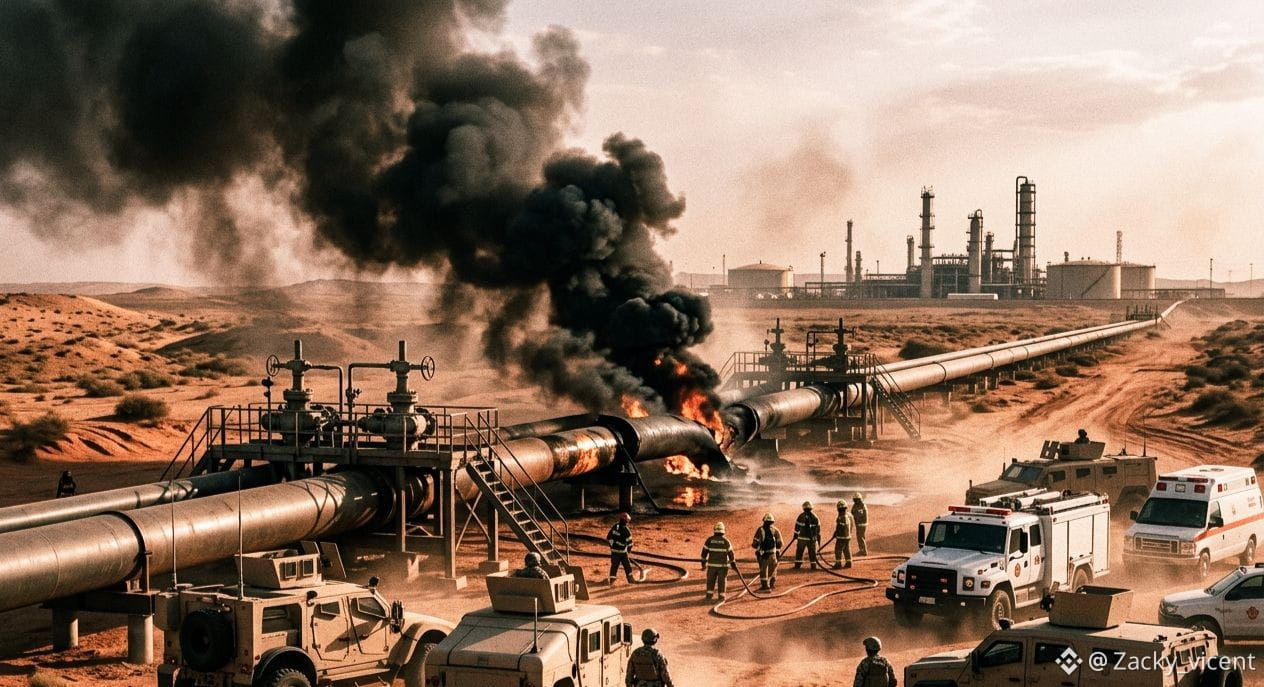
Saudi Arabia shut down part of its critical East-West crude pipeline after drone attacks caused fires and damage near Riyadh and Medina. That pipeline can move roughly 7 million barrels per day toward the Red Sea.
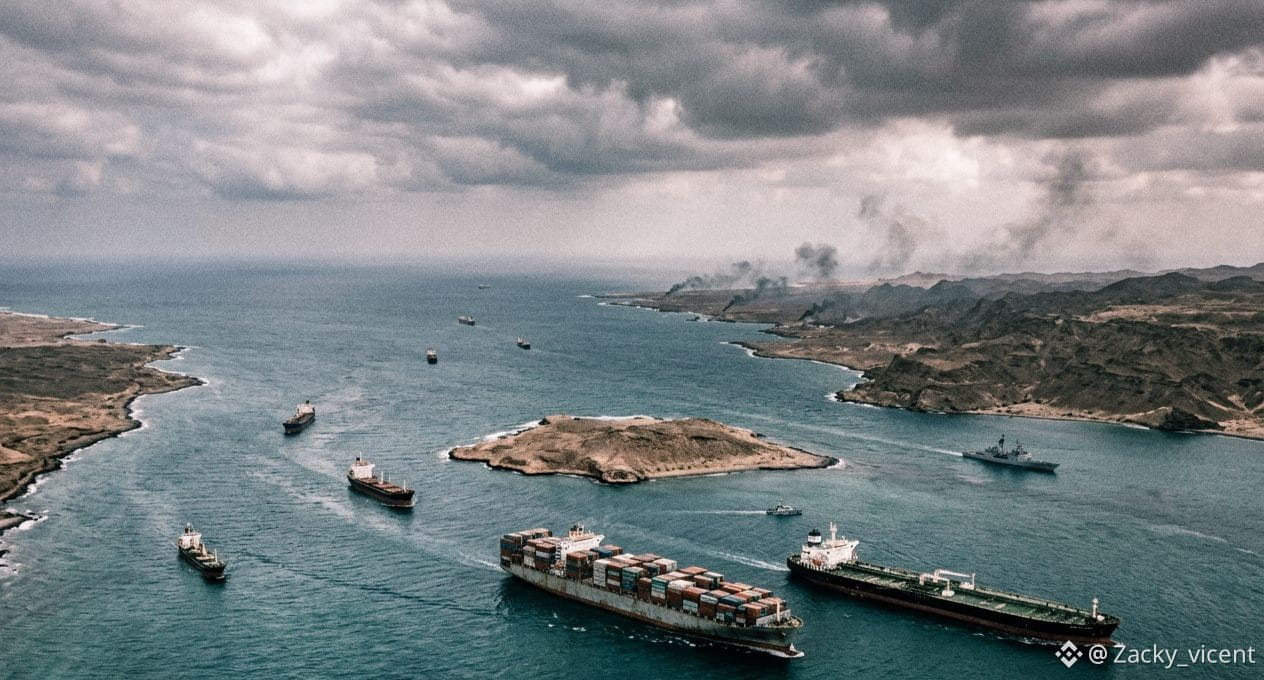
And now the Houthis are reportedly advancing toward Perim Island, a strategic chokepoint controlling access around Bab el-Mandeb.
Think about the map.
Hormuz on one side.
Bab el-Mandeb on the other.
Two critical arteries of global energy and trade.
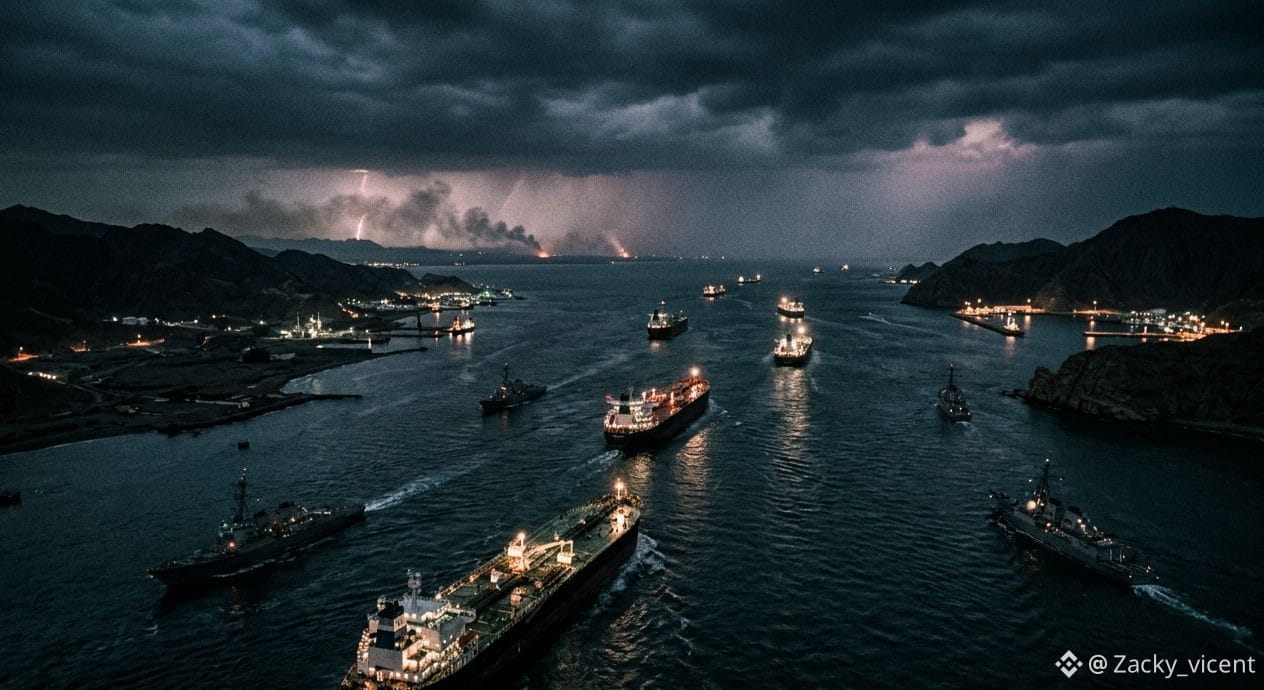
If Iran and its proxies can pressure both chokepoints, this stops being just another regional war.
It becomes a threat to the global supply chain itself.
Trump says the Houthis have contacted Washington and supposedly don’t want a war with the United States.
Meanwhile, Iran’s President Masoud Pezeshkian says Iran will not surrender.
So while politicians talk about peace, the battlefield keeps moving.
That is the brutal reality:
Markets don’t price promises.
Markets price risk.
One diplomatic meeting in Oman can crush an oil premium.
One drone strike can send it screaming higher.
One closure in Hormuz can shake the entire global economy.
And if Trump is right and the war ends after the midterms, oil could indeed collapse as the geopolitical risk premium disappears.
But until that happens?
The oil market is sitting on a powder keg.
The people celebrating a possible peace deal are watching the headlines.
The people watching the money are watching the chokepoints.
Because in geopolitics, nobody gives a damn about your optimism.
CONTROL THE ROUTES.
CONTROL THE OIL.
CONTROL THE LEVERAGE.
the bastards will fight like hell for it.
$BTC
Trump says the Iran war could end shortly after the November midterms—and predicts oil prices will “plummet” when it does.
But the battlefield tells a far uglier story.
Brent just closed around $104.61, while WTI finished near $100.05. Oil briefly ripped above $108 as tensions exploded across the region.
Then came the real warning.
Saudi Arabia shut down part of its critical East-West crude pipeline after drone attacks caused fires and damage near Riyadh and Medina. That pipeline can move roughly 7 million barrels per day toward the Red Sea.
And now the Houthis are reportedly advancing toward Perim Island, a strategic chokepoint controlling access around Bab el-Mandeb.
Think about the map.
Hormuz on one side.
Bab el-Mandeb on the other.
Two critical arteries of global energy and trade.
If Iran and its proxies can pressure both chokepoints, this stops being just another regional war.
It becomes a threat to the global supply chain itself.
Trump says the Houthis have contacted Washington and supposedly don’t want a war with the United States.
Meanwhile, Iran’s President Masoud Pezeshkian says Iran will not surrender.
So while politicians talk about peace, the battlefield keeps moving.
That is the brutal reality:
Markets don’t price promises.
Markets price risk.
One diplomatic meeting in Oman can crush an oil premium.
One drone strike can send it screaming higher.
One closure in Hormuz can shake the entire global economy.
And if Trump is right and the war ends after the midterms, oil could indeed collapse as the geopolitical risk premium disappears.
But until that happens?
The oil market is sitting on a powder keg.
The people celebrating a possible peace deal are watching the headlines.
The people watching the money are watching the chokepoints.
Because in geopolitics, nobody gives a damn about your optimism.
CONTROL THE ROUTES.
CONTROL THE OIL.
CONTROL THE LEVERAGE.
the bastards will fight like hell for it.
$BTC