#dusk $DUSK @Dusk Ich habe mir etwas Zeit genommen, die technische Seite von Dusk durchzugehen, und ehrlich gesagt war der Teil, der bei mir hängen blieb, nicht die Privatsphäre selbst.
Zunächst dachte ich an Dusk wie an eine typische, privatsphäreorientierte Kette: Transaktionsdetails verbergen, beweisen, dass die Transaktion gültig ist, und dann weiter.
Aber das spannendere Problem scheint zu sein, was passiert, wenn Privatsphäre auf regulierte Vermögenswerte trifft.
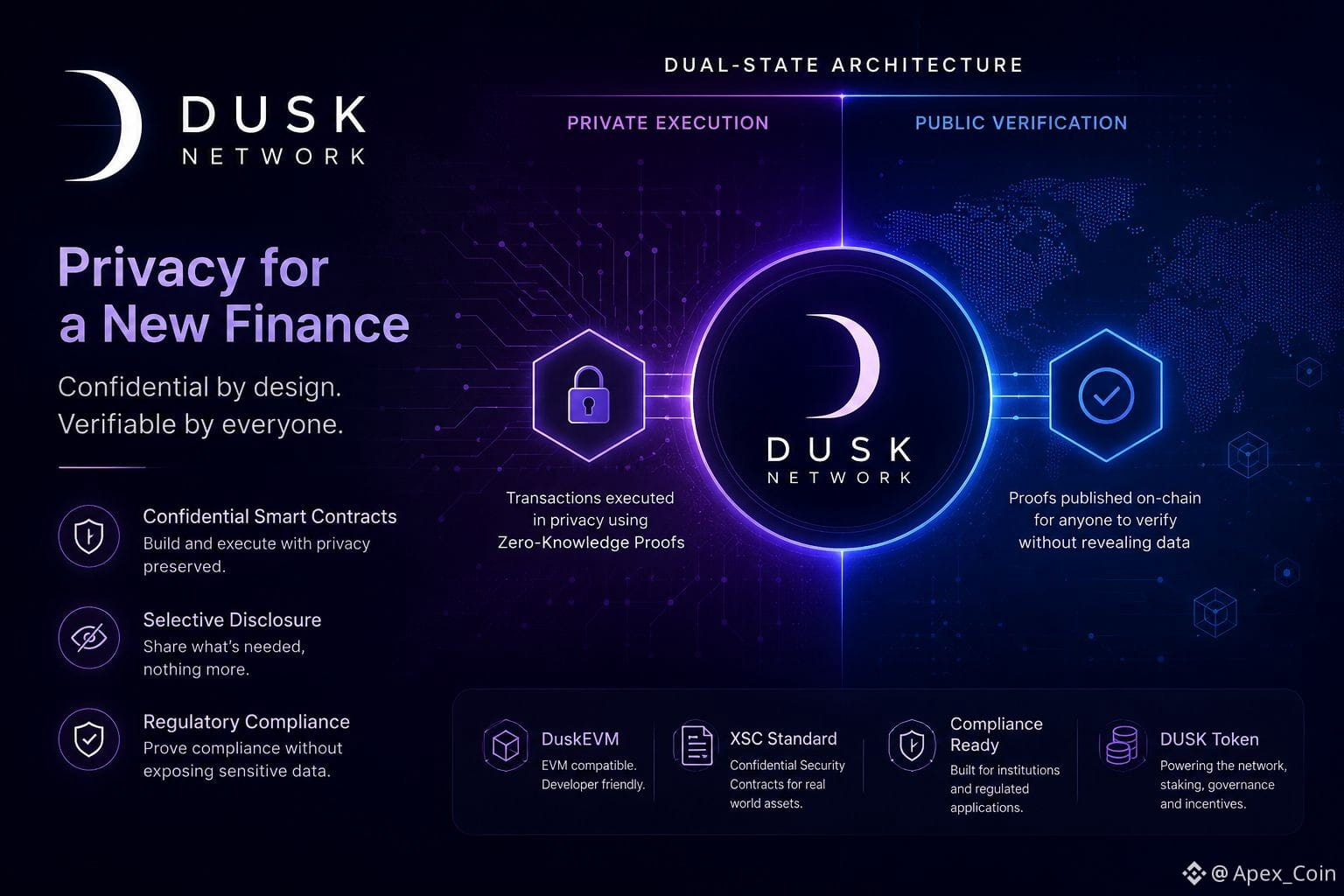
Mit Zero-Knowledge-Beweisen kann man potenziell beweisen, dass eine Transaktion bestimmten Regeln folgt, ohne Guthaben, Gegenparteien oder andere sensible Informationen für alle im Netzwerk offenzulegen.
Das ergibt Sinn für Institutionen.
Sie möchten ihre gesamte finanzielle Aktivität nicht unbedingt öffentlich einsehbar haben, aber Aufsichtsbehörden brauchen dennoch eine Möglichkeit, zu überprüfen, dass die Regeln eingehalten wurden.
Dann wird das Modell zu etwas wie:
Private Informationen → kryptografischer Beweis → öffentliche Verifizierung.
Sieht ziemlich sauber aus.
Doch dann bin ich auf den Teil gestoßen, den ich wesentlich interessanter finde: selektive Offenlegung.
Wenn eine Institution oder Regulierungsbehörde tieferen Zugriff braucht, wer entscheidet dann eigentlich, ob sie es sehen dürfen?
Wird das durch Protokollregeln gesteuert? Durch Governance? Bestimmte kryptografische Schlüssel? Durch eine vertrauenswürdige Instanz?
Denn genau hier denke ich, beginnt die eigentliche Frage der Dezentralisierung.
Der regulative Zugriff an sich ist nicht zwangsläufig das Problem.
Tatsächlich ist komplett undurchsichtige Finanzinfrastruktur für regulierte Märkte vermutlich nicht realistisch.
Das größere Risiko besteht darin, dass ein Zugriffsmechanismus im Laufe der Zeit still und leise immer mächtiger werden kann.
Heute mag es heißen: „Zeig diese Informationen für eine legitime Prüfung.“
Morgen könnte derselbe Mechanismus daraus werden: „Diese Entität kann alles einsehen“?
Für mich macht das Dusk weniger zu einer einfachen Diskussion über Privatsphäre und mehr zu einem Entwurfsproblem für Autorität.
ZK kann beweisen, dass etwas gültig ist.
Aber ZK allein entscheidet nicht, wer das Recht hat, nach den verborgenen Informationen zu fragen.
Und vielleicht ist das das schwierigere Problem, das zu lösen ist.
Wenn Dusk Offenlegung begrenzt, nachweisbar, prüfbar und gegen einseitige Kontrolle widerstandsfähig machen kann, dann ist das ein völlig anderes Versprechen als „einfach nur eine Datenschicht zu haben“.
Zunächst dachte ich an Dusk wie an eine typische, privatsphäreorientierte Kette: Transaktionsdetails verbergen, beweisen, dass die Transaktion gültig ist, und dann weiter.
Aber das spannendere Problem scheint zu sein, was passiert, wenn Privatsphäre auf regulierte Vermögenswerte trifft.
Mit Zero-Knowledge-Beweisen kann man potenziell beweisen, dass eine Transaktion bestimmten Regeln folgt, ohne Guthaben, Gegenparteien oder andere sensible Informationen für alle im Netzwerk offenzulegen.
Das ergibt Sinn für Institutionen.
Sie möchten ihre gesamte finanzielle Aktivität nicht unbedingt öffentlich einsehbar haben, aber Aufsichtsbehörden brauchen dennoch eine Möglichkeit, zu überprüfen, dass die Regeln eingehalten wurden.
Dann wird das Modell zu etwas wie:
Private Informationen → kryptografischer Beweis → öffentliche Verifizierung.
Sieht ziemlich sauber aus.
Doch dann bin ich auf den Teil gestoßen, den ich wesentlich interessanter finde: selektive Offenlegung.
Wenn eine Institution oder Regulierungsbehörde tieferen Zugriff braucht, wer entscheidet dann eigentlich, ob sie es sehen dürfen?
Wird das durch Protokollregeln gesteuert? Durch Governance? Bestimmte kryptografische Schlüssel? Durch eine vertrauenswürdige Instanz?
Denn genau hier denke ich, beginnt die eigentliche Frage der Dezentralisierung.
Der regulative Zugriff an sich ist nicht zwangsläufig das Problem.
Tatsächlich ist komplett undurchsichtige Finanzinfrastruktur für regulierte Märkte vermutlich nicht realistisch.
Das größere Risiko besteht darin, dass ein Zugriffsmechanismus im Laufe der Zeit still und leise immer mächtiger werden kann.
Heute mag es heißen: „Zeig diese Informationen für eine legitime Prüfung.“
Morgen könnte derselbe Mechanismus daraus werden: „Diese Entität kann alles einsehen“?
Für mich macht das Dusk weniger zu einer einfachen Diskussion über Privatsphäre und mehr zu einem Entwurfsproblem für Autorität.
ZK kann beweisen, dass etwas gültig ist.
Aber ZK allein entscheidet nicht, wer das Recht hat, nach den verborgenen Informationen zu fragen.
Und vielleicht ist das das schwierigere Problem, das zu lösen ist.
Wenn Dusk Offenlegung begrenzt, nachweisbar, prüfbar und gegen einseitige Kontrolle widerstandsfähig machen kann, dann ist das ein völlig anderes Versprechen als „einfach nur eine Datenschicht zu haben“.