

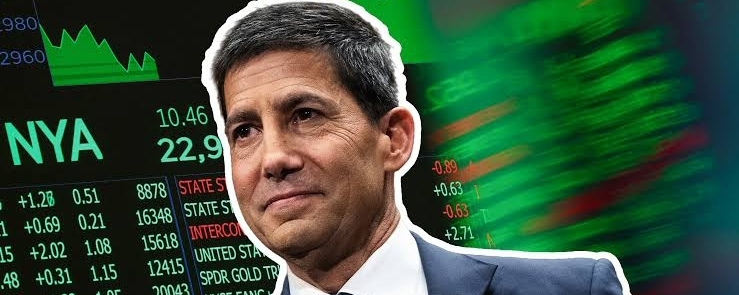

Für Krypto könnte die größte Schlagzeile rund um Kevin Warsh derzeit möglicherweise gar keine Bitcoin-Ankündigung sein.
Das ist das, was er nicht sagt.
Warsh hat die Fed in Richtung eines viel weniger vorhersehbaren Kommunikationsstils gebracht und den Märkten damit weniger Hinweise gegeben, wohin die Zinsen gehen. Das ist für Krypto wichtig, weil Bitcoin oft nicht nur auf die Zinsen selbst reagiert, sondern auch auf die Erwartungen bezüglich der künftigen Liquidität.
Die neuesten Zahlen machen die Lage noch interessanter.
Die Inflationsdaten für Juli kamen ohne große positive Überraschung herein, während auch die jüngsten Daten zum Arbeitsmarkt Anzeichen einer Abkühlung gezeigt haben. Infolgedessen haben Händler ihre Erwartungen für eine Zinserhöhung im September reduziert. Reuters berichtete, dass die Chancen auf eine Zinserhöhung im September nach den neuesten Inflationsdaten auf etwa 40% gefallen waren, von 55% eine Woche zuvor.
Das klingt bullisch für Bitcoin.
Aber da gibt es einen Haken.
Die Fed ist weiterhin gespalten. Einige Funktionäre glauben, die Zinsen müssten noch weiter steigen, um die Inflation unter Kontrolle zu halten, während andere denken, die aktuelle Politik sei bereits restriktiv genug. Warsh selbst hat es bislang vermieden, dem Markt eine klare Antwort darauf zu geben, was als Nächstes kommt.
Für Krypto-Trader ergibt sich daraus eine seltsame Ausgangslage.
Wenn die Inflation weiter abkühlt und die Fed von einer weiteren Zinserhöhung abrückt, könnten sich die Erwartungen an die Liquidität verbessern und Risikoanlagen profitieren. Bitcoin dürfte wahrscheinlich eines der ersten Märkte sein, auf die Trader achten.
Wenn die Inflation jedoch hartnäckig bleibt und Warsh eher noch hawkisch wird, könnte das Gegenteil passieren. Höhere Zinsen für länger können den Dollar stärken und volatile Assets wie Krypto weniger attraktiv machen.
Deshalb denke ich nicht, dass die Warsh-Geschichte einfach „gut für Bitcoin“ oder „schlecht für Bitcoin“ ist.
Die eigentliche Frage ist, was die nächsten Inflations- und Arbeitsmarktdaten die Fed tun lassen.
Und genau deshalb könnten die nächsten Wochen viel mehr für Krypto bedeuten als eine Schlagzeile von Warsh.
Bitcoin wartet nicht auf eine Ansprache.
Es wartet auf die Daten hinter der Entscheidung.#EthereumFoundationDropsPoseidonForL1
