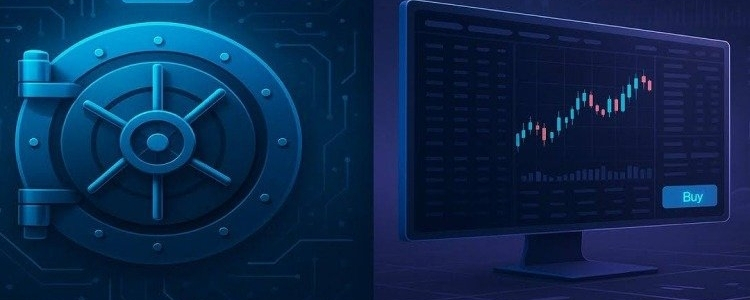
Für viele Trader ist die erste ernsthafte Berührung mit einer Krypto-Börse nicht die Startseite, sondern der Moment, in dem sie echtes Geld einzahlen, Orders platzieren und versuchen, Gelder wieder zurückzubekommen. Einige Plattformen sind vollständig lizenziert und technisch sicher, wirken aber trotzdem verwirrend oder langsam, sobald man sie täglich nutzt. Andere bieten zwar einen reibungslosen Zugang, haben jedoch rechtliche Lücken oder schwache Kontrollen, vor denen Regulierungsbehörden immer wieder warnen.
Wenn Sie verstehen, worauf Sie bei einer Krypto-Börse achten sollten, bedeutet das, die Kontrollen zu unterscheiden, die Ihre Identität und Ihr Geld schützen, von den Funktionen, die darüber entscheiden, ob die Plattform wirklich zu Ihrem Stil passt. Denn beide Ebenen sind wichtig, wenn es um Performance geht – und nicht nur um den Zugang.
Das liegt hinter vielen regionalen Einschränkungen und erklärt, warum eine Krypto-Börse zu Hause reibungslos funktionieren kann, aber bei Reisen zusätzliche Prüfungen verlangt oder sogar bestimmte Aktivitäten blockiert, wenn Zahlungen über bestimmte Korridore geroutet werden.
Häufig Reisende, Remote Workers und Nutzer mit hohem Handelsvolumen müssen daher prüfen, wo die Börse tatsächlich arbeiten darf, wie sie die Verpflichtungen aus der Travel-Rule handhabt und ob sie in den Regionen, die für sie relevant sind, eine nachweislich stabile Zugänglichkeit hat. Sobald diese strukturelle Ebene erfüllt ist und die Plattform grundlegende Tests zu Verwahrung, Mandanten-/Kontentrennung, der Historie von Vorfällen sowie zum rechtlichen Status besteht, stellt sich die spannendere Frage, ob die Börse wirklich zu der Art passt, wie Sie handeln.
Nachdem Sicherheits- und Regulierungsfragen geklärt sind, wechselt das Gespräch von „Ist das sicher?“ zu „Funktioniert das für die Art, wie ich trade?“. Analysten und Gründer auf X wiederholen häufig, dass kein einzelner Krypto-Börsenplatz wirklich für alle gleichermaßen gut ist: Einsteiger wollen Klarheit und Unterstützung, aktive Trader wünschen sich Tiefe und Geschwindigkeit, und Institutionen brauchen Kontrolle und Reporting. Der gleiche Handelsplatz, der sich für jemanden perfekt anfühlt, der als Erstes Bitcoin kauft, kann sich für jemanden mit automatisierten Strategien dagegen als zu begrenzt oder zu teuer anfühlen.
Die Nutzererfahrung ist meist der erste Unterschied, den Einsteiger bemerken. Neue Trader bevorzugen häufig aufgeräumte Oberflächen, große Buttons zum Kaufen und Verkaufen, klare Kontostände sowie einfache Einzahlungsabläufe. Mehrere Kommentatoren betonen, dass Bildung, einfache Glossare und ein reaktionsschneller Kundenservice Einsteigern helfen, frühe Fehler zu vermeiden und Vertrauen zu gewinnen, um am Ball zu bleiben – weshalb stark regulierte, kundenorientierte Börsen oft zu Einstiegspunkten für Nutzer werden, die zum ersten Mal handeln.
Der tägliche Handel hängt davon ab, wie gut die Plattform in Ihren Ablauf passt. Eine Krypto-Börse kann sicher und reguliert sein, aber trotzdem langsam wirken, wenn grundlegende Aktionen zu viele Schritte erfordern oder der Bildschirm sich nicht schnell aktualisiert, sobald sich die Kurse ändern. Trader, die den ganzen Tag mit Charts arbeiten, brauchen eine konsistente Order-Erfassung, stabile Chart-Updates und ein Layout, das ihnen ermöglicht, von der Analyse zur Ausführung zu wechseln, ohne ihr Tempo zu unterbrechen. Wer mehrere Positionen im Spot- und Derivatehandel verwaltet, braucht klare Tabs, schnelles Umschalten und zuverlässige Updates, die auch in Phasen hoher Volatilität nicht einfrieren.
Auch langfristige Anleger profitieren von einer Plattform, auf der sich Einzahlungen, Auszahlungen, Kontoauszüge und die Portfolioansicht einfach verwalten lassen – ohne in unnötigen Menüs zu suchen. Diese Details des Workflows beeinträchtigen nicht die Sicherheit, aber sie beeinflussen den Komfort. Mit der Zeit formen sie – mehr, als Nutzer ahnen – Vertrauen, Tempo und Genauigkeit.
Ein starkes Trading-Setup beginnt mit einer sicheren und regulierten Plattform – entfaltet aber sein volles Potenzial erst dann, wenn die Börse Ihre Methode unterstützt. Die richtige Mischung aus Liquidität, Tools, Gebühren und Workflow schafft ein Umfeld, in dem sich Ihre Entscheidungen leichter umsetzen lassen und Ihr Ablauf konstant bleibt. Jeder Trader braucht etwas anderes, und die besten Ergebnisse entstehen meist dadurch, dass man eine Krypto-Börse wählt, die Ihr Tempo unterstützt – statt eine, die Sie zwingt, sich ihrem Design anzupassen.