
Today, Walrus Protocol exists in a crypto landscape that finally understands the importance of modular design. Execution, settlement, and data availability are no longer forced into a single layer. I’m seeing Walrus positioned naturally within this shift, not competing with chains, but supporting them.
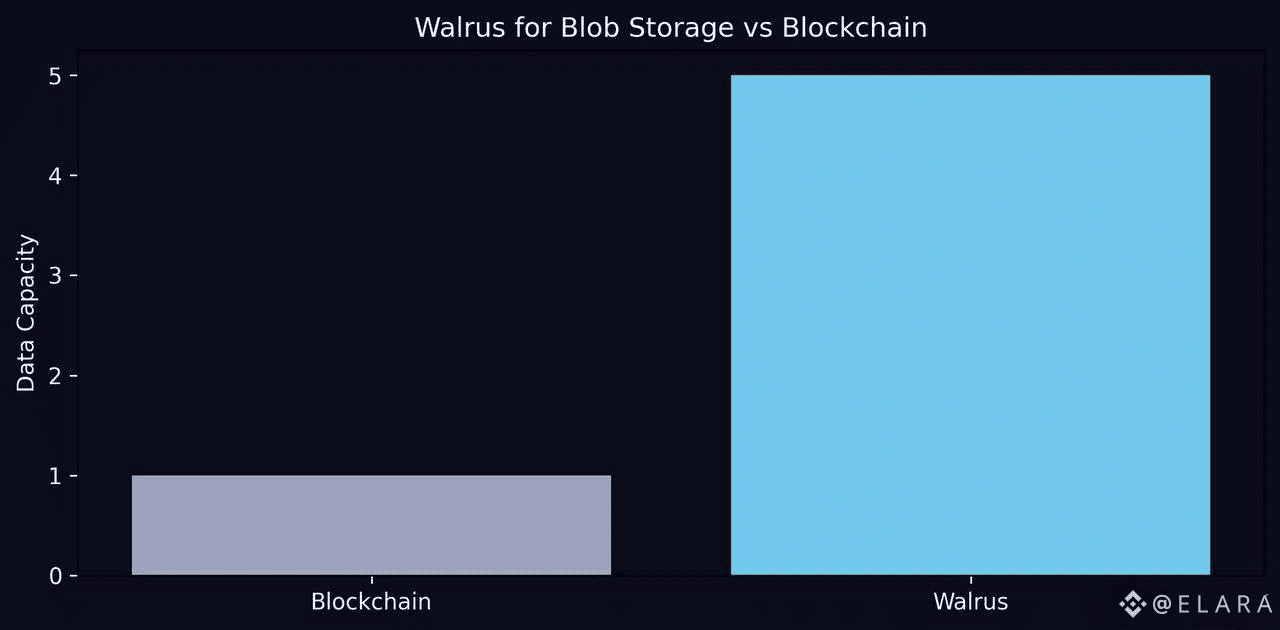
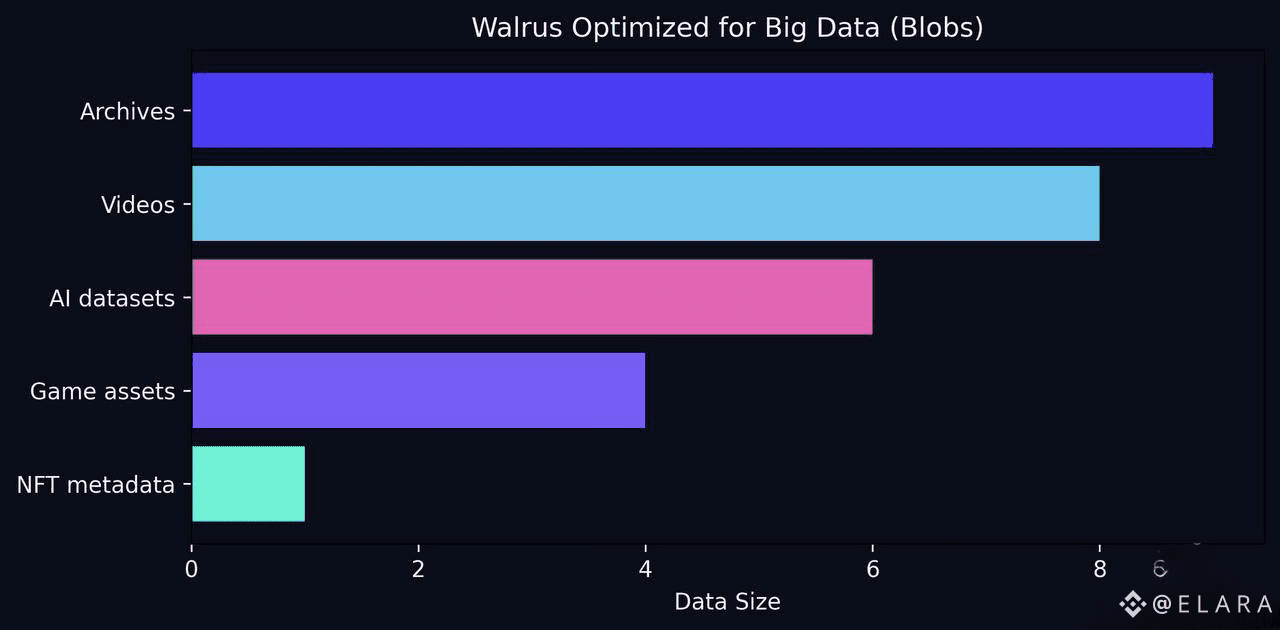
Looking years ahead, Walrus may become the kind of infrastructure users never think about. Applications may rely on it to store state, media, proofs, and history, while users interact with simple interfaces unaware of where data lives. If this happens, Walrus succeeds by disappearing into the background.
They’re not promising dominance. They’re offering reliability. That distinction matters. In an industry shaped by cycles of hype, projects like Walrus grow slowly, often overlooked until they become essential. We’re seeing a future where data availability is no longer optional, and networks that ignore it struggle to scale meaningfully.
If Walrus continues on this path, its success will not be measured in headlines but in dependency. When applications quietly assume data will always be there, always verifiable, always accessible, Walrus will have done its job. The future it points toward is not loud, but stable, reminding us that the strongest foundations are often the least visible.

