

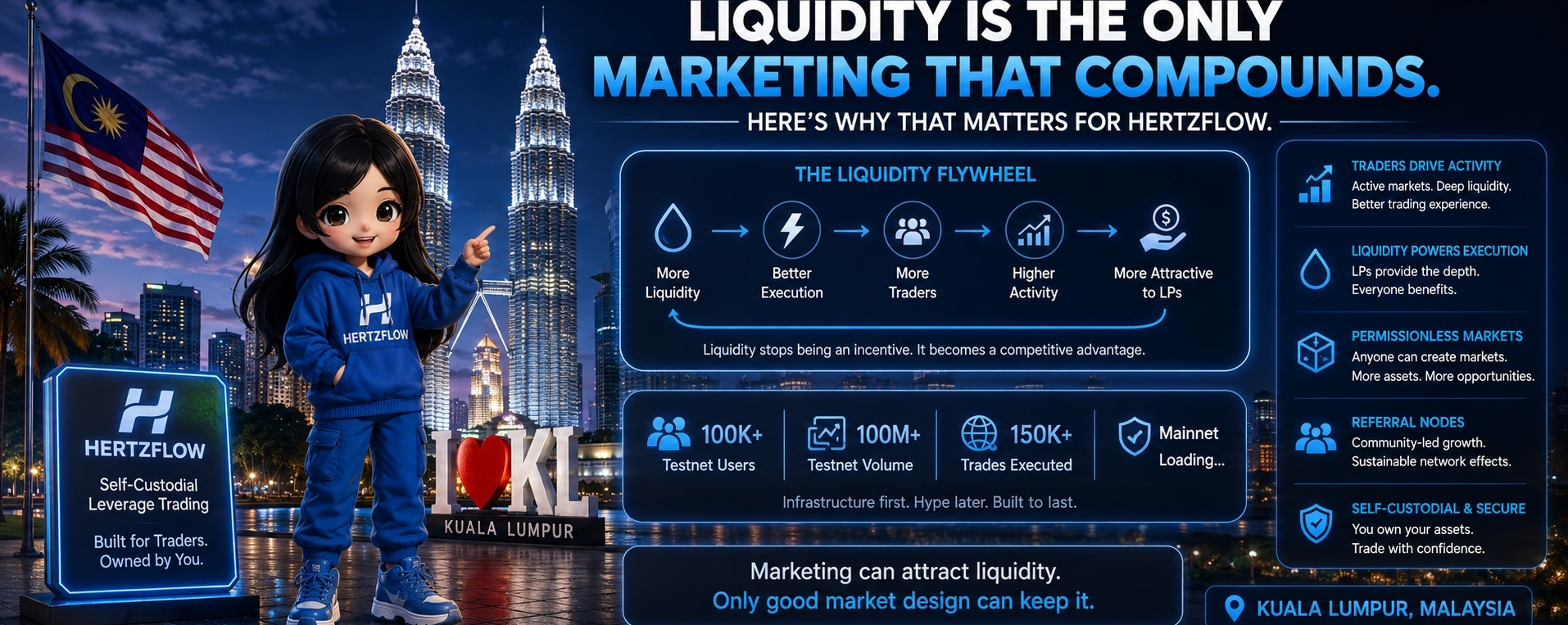


Die meisten Projekte behandeln das Mainnet wie eine Marketingkampagne.
Mehr Ankündigungen.
Mehr Teaser.
Mehr Countdowns.
Aber ein Muster, das ich bemerkt habe, ist, dass einige der interessantesten Signale auftauchen, wenn ein Team aufhört, darüber zu sprechen, was als Nächstes kommt, und beginnt, sich auf das vorzubereiten, was danach kommt.
Deshalb hat mich der kürzliche Testnet-Reset von @Hertzflow_xyz besonders aufmerksam gemacht.
Am 29. Juli hat das Team den gesamten Testnet-Status zusammen mit einem Vertrags-Update zurückgesetzt, dabei frühere Nutzerdaten gelöscht und die Teilnehmenden gebeten, bei Null zu starten.
Auf den ersten Blick sah es wie ein routinemäßiges Wartungs-Update aus.
Ich glaube, das könnte etwas noch Wichtigeres aussagen.
Testnetze gibt es, um Probleme aufzudecken.
Mainnets gibt es, um sie zu überleben.
Das sind völlig andere Ziele.
Solange ein Protokoll noch experimentiert, ist die Bewahrung historischer Testnetzdaten nicht immer die Priorität.
Aber sobald davon ausgegangen wird, dass echtes Kapital in das System eintritt, werden Annahmen zu Haftungsrisiken.
Der Status wird zurückgesetzt.
Verträge werden gehärtet.
Sonderfälle werden erneut überprüft.
Nicht weil es aufregend ist.
Denn das ist notwendig.
Das gilt besonders für ein Protokoll, das selbstverwaltetes gehebeltes Trading aufbaut.
Wenn Nutzer ihre eigenen Assets kontrollieren und echte Positionen auf dem Spiel stehen, zählt die Ausführung viel mehr als das Marketing.
Ein erfolgreicher Launch wird nicht daran gemessen, wie viel Aufmerksamkeit er erzeugt.
Es wird daran gemessen, wie wenig schiefgeht, nachdem es passiert ist.
Ich denke außerdem, dass das eine breitere Abweichung widerspiegelt zwischen Software bauen und Finanzinfrastruktur bauen.
Software kann sich oft nach dem Release weiter verbessern.
Finanzinfrastruktur schafft Vertrauen, noch bevor sie veröffentlicht wird.
Deshalb achte ich normalerweise sehr genau auf technische Entscheidungen, die keine Schlagzeilen machen.
Das sind oft die stärksten Signale dafür, dass ein Team auf Haltbarkeit statt auf Aufregung optimiert.
Natürlich garantiert ein Testnet-Reset nicht, dass das Mainnet erfolgreich sein wird.
Letztlich zählt vor allem die Ausführung.
Aber ich finde Infrastruktur-Updates wie dieses viel aussagekräftiger als ein weiterer Countdown-Post oder eine Werbekampagne.
Manchmal schenkt der Markt dem zu viel Aufmerksamkeit, was Teams sagen.
Und es wird nicht genug Aufmerksamkeit darauf verwendet, was sie still und leise dafür wieder aufbauen.
Deshalb denke ich, dass der interessanteste Teil des jüngsten Updates von Hertzflow nicht die Ankündigung selbst war.
Das war das, worauf das Team offenbar Wert gelegt hat, bevor es die Nutzer bat, dem Protokoll echtes Kapital anzuvertrauen.
Die stärksten Infrastrukturprojekte bereiten sich nicht nur auf den Launch vor.
Sie bereiten alles vor, was danach passiert.
Achten Sie vor dem Mainnet eher auf das Marketing eines Protokolls oder auf die technischen Entscheidungen, die im Hintergrund getroffen werden?
@Hertzflow_xyz