

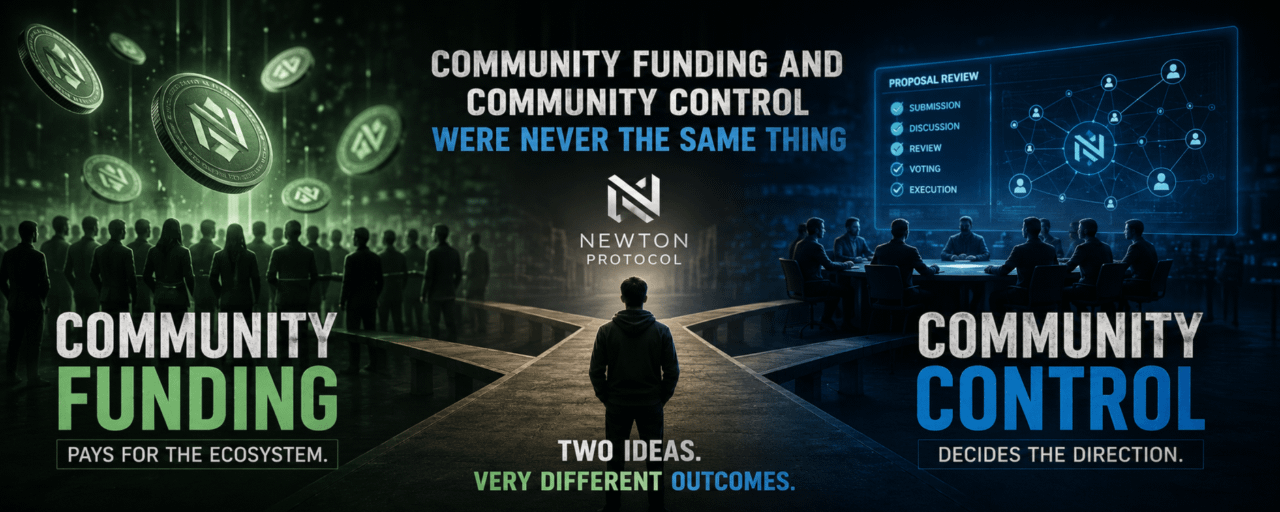

Je länger ich damit verbringe, Krypto-Governance-Modelle zu lesen, desto mehr fällt mir auf, dass Menschen oft zwei völlig unterschiedliche Ideen durcheinanderbringen.
Community-Finanzierung.
Kontrolle durch die Community.
Eine Zeit lang dachte ich, dass sie sich von Natur aus zusammenfügen. Wenn die Community die Entwicklung bezahlt, dann entscheidet die Community doch auch darüber, wohin alles geht.
Nachdem ich einige Zeit mit dem Newton Protocol verbracht hatte, hörte ich auf, sie als dasselbe anzusehen.
Diese Veränderung geschah langsam.
Viele Krypto-Projekte sagen stolz, sie seien communityfinanziert, weil ein Teil des Token-Angebots Unterstützer, Forschende, Ecosystem-Grants oder Infrastruktur finanziert. Das klingt auf dem Papier dezentral. Aber wenn ich genauer hinschaue, finde ich meistens heraus, dass die eigentlichen Entscheidungen immer noch über eine relativ kleine Koordinationsschicht laufen.
Das Geld kommt aus der Community.
Die Richtung kommt woandersher.
Dieser Unterschied ist viel wichtiger, als die Leute zugeben.
Das Newton Protocol scheint diese Trennung zu erkennen, statt so zu tun, als gäbe es sie nicht.
So wie ich es verstehe, wird Governance um strukturierte Vorschläge herum aufgebaut: öffentliche Diskussionen, Bewertungszeiträume und mehrere Phasen, bevor sich irgendetwas Wichtiges ändert. Ich mag diesen Ansatz tatsächlich, weil er etwas Unbequemes akzeptiert.
Jedem Geld zu geben, um etwas aufzubauen, schafft nicht automatisch gute Governance.
In vielen Ökosystemen werden Förderprogramme zu Popularitätswettbewerben. Teams lernen, wie man ansprechende Vorschläge schreibt, statt schwierige Probleme zu lösen. Communities stimmen ab, ohne technische Details zu lesen. Große Token-Inhaber beeinflussen die Ergebnisse oft einfach deshalb, weil sie mehr Stimmgewicht haben.
Von außen sieht es immer noch dezentral aus.
Im Inneren formen Anreize still und leise das Ergebnis.
Der Vorschlagsprozess von Newton wirkt eher darauf ausgerichtet, Entscheidungen zu verlangsamen, als jede Entscheidung schnell zu machen.
Das könnte Leute frustrieren, die erwarten, dass sich Governance mit der Geschwindigkeit eines Startups bewegt.
Aber die Infrastruktur sollte wahrscheinlich langsamer vorankommen als die Anwendungen.
Wenn Governance-Änderungen Gateways, Berechtigungen, Identitätssysteme oder Protokollregeln betreffen, hat jede schnell getroffene Entscheidung langfristige Konsequenzen.
Dieser Interessenkonflikt wirkt eher beabsichtigt als zufällig.
Etwas anderes ist mir aufgefallen.
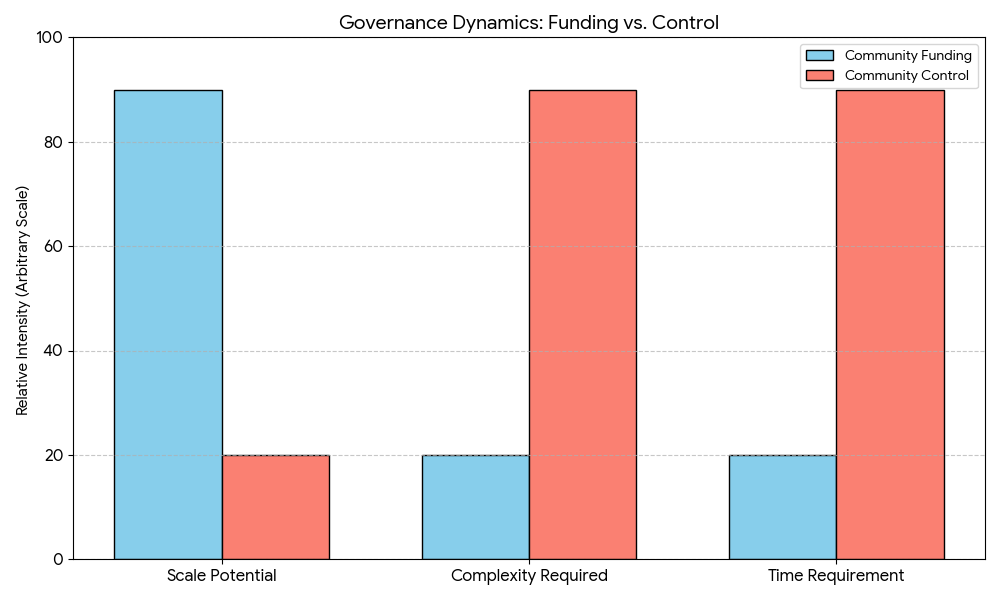
Community-Finanzierung schafft Möglichkeiten.
Gemeinschaftliche Kontrolle schafft Verantwortung.
Diese beiden Dinge skalieren nicht mit derselben Geschwindigkeit.
Tausende Menschen können Grants erhalten, Code beitragen, Dokumentation schreiben oder Software testen. Aber es sind komplett andere Dinge, dieselben Tausenden sorgfältig die Protokollarchitektur bewerten zu lassen.
Die meisten Menschen haben einfach nicht die Zeit.
Einige haben nicht den Hintergrund.
Andere stimmen anhand des Rufs ab, statt anhand von Belegen.
Das ist keine Kritik.
Wahrscheinlich ist es einfach, wie große Communities sich von Natur aus verhalten.
Hier wird Governance-Design wichtiger als Governance-Slogans.
Newton scheint mehr Aufwand darauf zu verwenden, zu definieren, wie Vorschläge vorankommen, statt einfach mehr Vorschläge zu ermutigen.
Ich glaube, diese Unterscheidung ist gesund.
Ein Protokoll mit unbegrenzter Freiheit bei Vorschlägen kann leicht zu Governance-Müdigkeit führen. Irgendwann liest niemand mehr etwas sorgfältig. Partizipation existiert, aber die Aufmerksamkeit verschwindet.
Aufmerksamkeit ist normalerweise die knappe Ressource.
Keine Vetomacht.
Eine Frage, die ich mir immer wieder gestellt habe, war, ob strukturierte Governance irgendwann zu stark von erfahrenen Mitwirkenden abhängt.
Wenn dieselben Personen wiederholt Diskussionen steuern, weil sie das Protokoll am besten verstehen, entsteht dadurch langsam so etwas wie eine informelle Führungsebene?
Vielleicht.
Fachwissen ist hilfreich.
Aber Fachwissen kann sich still und leise zu Einfluss entwickeln, selbst ohne dass irgendjemand beabsichtigt, so etwas zu bewirken.
Diese Spannung dürfte wohl nie ganz verschwinden.
Noch eine Sache, die ich bemerkt habe: Die Finanzierung selbst garantiert selten Unabhängigkeit.
Ein Builder, der Ökosystem-Unterstützung erhält, kann seine Optimierung trotzdem darauf ausrichten, was die Governance-Reviewer genehmigen wollen.
Das ist normales menschliches Verhalten.
Finanzielle Anreize formen Prioritäten, auch wenn niemand ausdrücklich danach fragt.
Der interessante Teil ist, ob das Governance-System weiterhin dazu ermutigen kann, uneinig zu sein, statt Einigkeit zu belohnen.
Das ist viel schwieriger.
Newton scheint anzuerkennen, dass Governance nicht nur darin besteht, Ressourcen zu verteilen, sondern auch darin, einen Prozess zu schaffen, in dem Entscheidungen sichtbar, überprüfbar und vor ihrer endgültigen Festschreibung offen für Widerspruch bleiben.
Das wirkt belastbarer, als einfach zu sagen, die Community sei in der Verantwortung.
Ich glaube immer noch nicht, dass irgendein Governance-System das Gleichgewicht zwischen Offenheit und Koordination vollständig löst.
Jemand prüft zuerst immer.
Irgendjemand versteht immer mehr als die anderen.
Irgendjemand hat immer mehr Kontext.
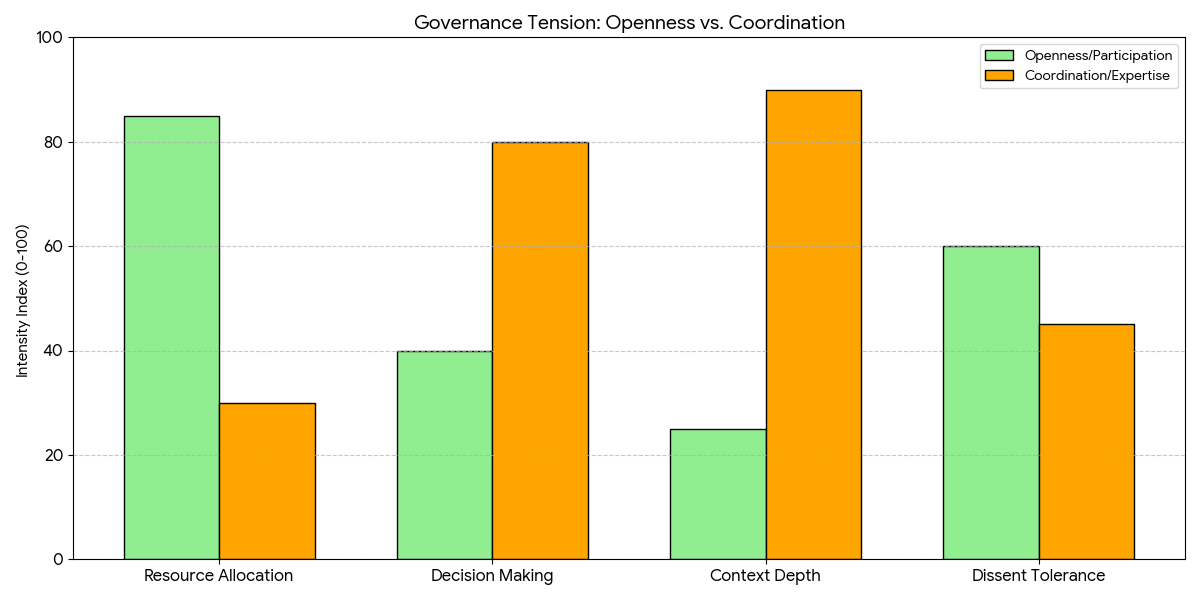
Die entscheidende Frage ist, ob diese Unterschiede transparent genug bleiben, damit die breitere Community sie bei Bedarf infrage stellen kann.
Nachdem ich Newtons Governance-Ansatz gelesen habe, kam ich zu dem Schluss, dass es weniger darum geht, wer Geld bekommt, sondern eher darum, wer den Weg still und leise mitbestimmt, bevor überhaupt Entscheidungen über die Finanzierung getroffen werden.
Das waren am Ende zwei sehr unterschiedliche Fragen.
Und wahrscheinlich hätte ich sie viel früher voneinander trennen sollen.
