

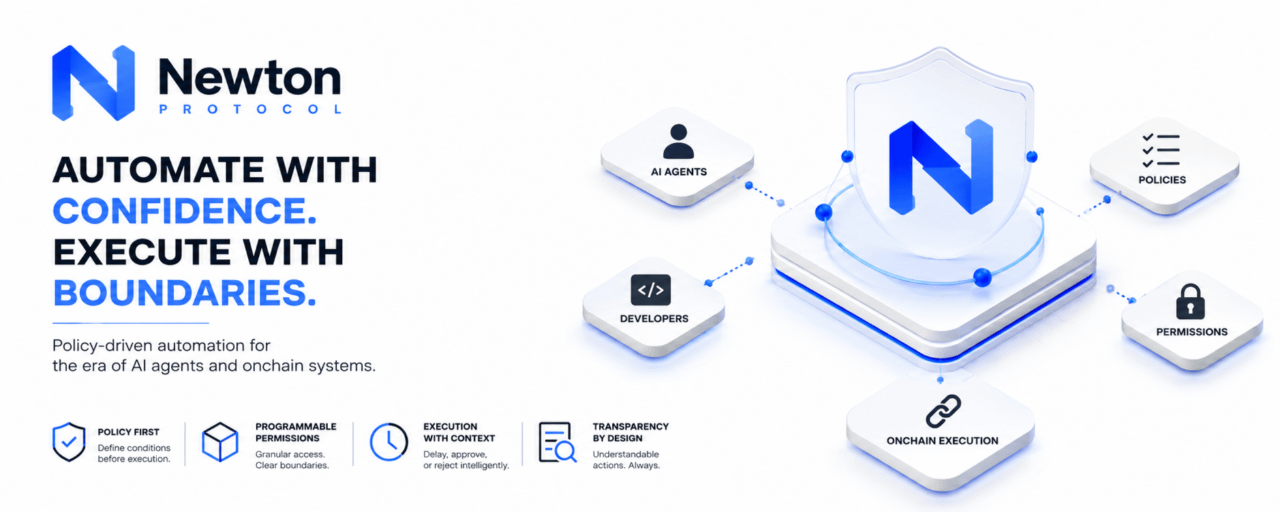

Je mehr Zeit ich in der Nähe von Krypto verbringe, desto weniger interessiere ich mich für Projekte, die versprechen, alles zu erledigen. Ich achte stärker auf Systeme, die ihre eigenen Grenzen zu verstehen scheinen. Deshalb steht das Newton Protocol teilweise weiterhin auf meiner Beobachtungsliste. Aus Sicht eines Entwicklers ist der interessante Teil nicht, ob es Aktionen automatisieren kann. Der interessante Teil ist, ob diese Aktionen auch dann noch nachvollziehbar bleiben, wenn sie nicht mehr in den Händen des Entwicklers liegen.
Viele Blockchain-Anwendungen gehen heutzutage noch davon aus, dass ein Nutzer immer anwesend ist. Jemand signiert jede Transaktion. Jemand prüft jedes Detail. Jemand bemerkt, wenn etwas seltsam aussieht.
Diese Annahme beginnt zu brechen, sobald KI-Agenten und automatisierte Workflows zur Normalität werden.
Newton Protocol scheint genau darauf aufgebaut zu sein, dass sich die Realität verändert.
Statt nur zu fragen, wie ein Agent etwas ausführen kann, fragt man, welche Bedingungen vor der Ausführung überhaupt vorhanden sein müssen. Das klingt nach einer kleinen Designentscheidung, aber es verändert, wie sich das gesamte System anfühlt.
Als Entwickler denke ich, dass das ein gesünderer Ausgangspunkt ist.
Viele Automatisierungssysteme werden kompliziert, weil jede neue Funktion einfach auf die letzte draufgesetzt wird. Berechtigungen wachsen. Ausnahmen vermehren sich. Irgendwann versteht niemand mehr den vollständigen Weg von der Anfrage bis zur Ausführung.
Newton scheint sich in eine andere Richtung zu bewegen.
Policies werden Teil des Systems, statt irgendwo außerhalb davon zu leben.
Das ist wichtig, weil Policies oft dort sind, wo die echten Entscheidungen getroffen werden.
Entwickler schreiben normalerweise Business-Logik. Nutzer definieren Präferenzen. Security-Teams erstellen Einschränkungen. Diese Bausteine existieren oft getrennt, und sie über die Zeit hinweg synchron zu halten, wird schwierig.
Newton versucht, diese Ebenen direkter miteinander zu verbinden.
Ob sich dieser Ansatz gut skalieren lässt, ist noch offen, aber ich verstehe, warum jemand, der langfristige Infrastruktur entwirft, sich dafür entscheiden würde.
Noch etwas, das ich bemerkt habe: Newton scheint nicht besessen davon zu sein, jede Entscheidung sofort zu treffen.
Krypto behandelt Geschwindigkeit manchmal als einzigen relevanten Maßstab.
Aber schnelle Ausführung ohne Kontext ist nicht immer die bessere Ausführung.
Wenn automatisierte Agenten mit Treasury-Operationen, Portfoliomanagement oder wiederkehrenden Onchain-Aufgaben beginnen, gibt es Situationen, in denen es sicherer ist, eine Aktion zu verzögern, als sie sofort auszuführen.
Das ist eine Designphilosophie, die ich nicht oft genug sehe.
Es akzeptiert, dass das Verweigern einer Aktion ein System manchmal besser schützen kann als das Genehmigen.
Entwickler verbringen normalerweise den Großteil ihrer Zeit damit, über erfolgreiche Ausführung nachzudenken.
Fehler verdienen die gleiche Aufmerksamkeit.
Eine fehlgeschlagene Berechtigungsprüfung von heute kann morgen viel größere Probleme verhindern.
Dieser Gedanke ist in Newtons Architektur überall sichtbar.
Trotzdem gibt es Trade-offs.
Das Hinzufügen von Policy-Ebenen bedeutet das Hinzufügen von Komplexität.
Jede Regel braucht irgendwann Wartung.
Jede Bedingung schafft einen weiteren Ort, an dem unerwartetes Verhalten auftauchen kann.
Einfache Systeme scheitern auf einfache Weise.
Policy-gesteuerte Systeme können leise ausfallen.
Manchmal passiert einfach nichts, und die Nutzer fragen sich, ob die Software defekt ist oder nur ihren eigenen Anweisungen folgt.
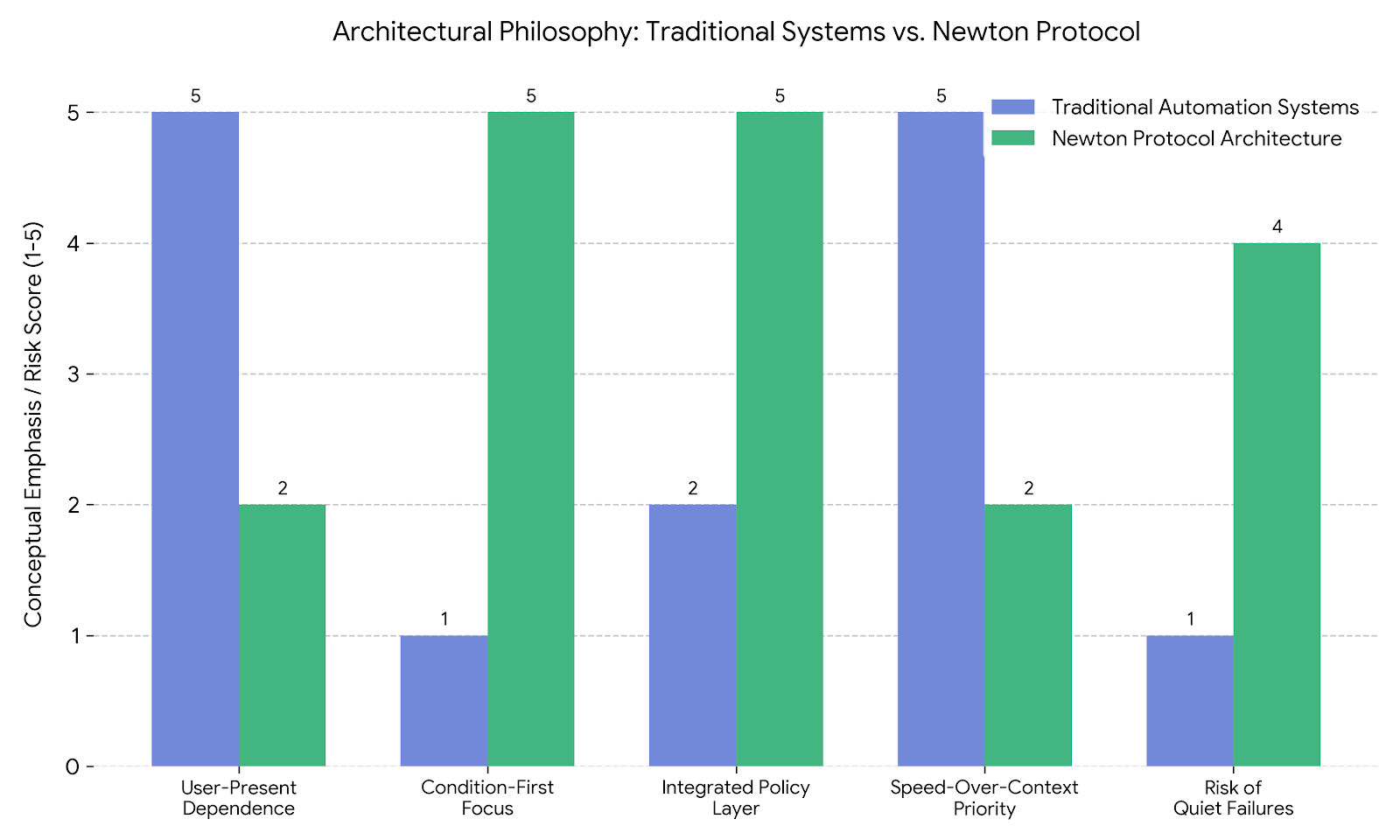
Dieser Unterschied wird wichtig, sobald tausende automatisierte Agenten gleichzeitig zu arbeiten beginnen.
Das Debuggen von automatisiertem Verhalten ist schon jetzt schwierig.
Das Debuggen von automatisiertem Verhalten, das von mehreren Policy-Ebenen gesteuert wird, kann noch schwieriger werden.
Das ist nicht unbedingt eine Schwäche.
Es ist schlicht der Preis dafür, etwas Sichereres bauen zu wollen.
Ich frage mich auch immer wieder, wie flexibel diese Policies nach dem Deployment bleiben.
Viele Krypto-Systeme beginnen mit sauberen Governance-Modellen, werden aber später schwer zu aktualisieren.
Entwickler entdecken irgendwann Edge Cases, die niemand vorhergesehen hat.
Nutzer verlangen Ausnahmen.
Partner benötigen individuelle Integrationen.
Jede Ausnahme verändert das ursprüngliche Design ein wenig.
Die Herausforderung besteht darin, Flexibilität zu bewahren, ohne dass Policies bedeutungslos werden.
Newton wird wahrscheinlich demselben Druck ausgesetzt sein, wenn die Nutzung wächst.
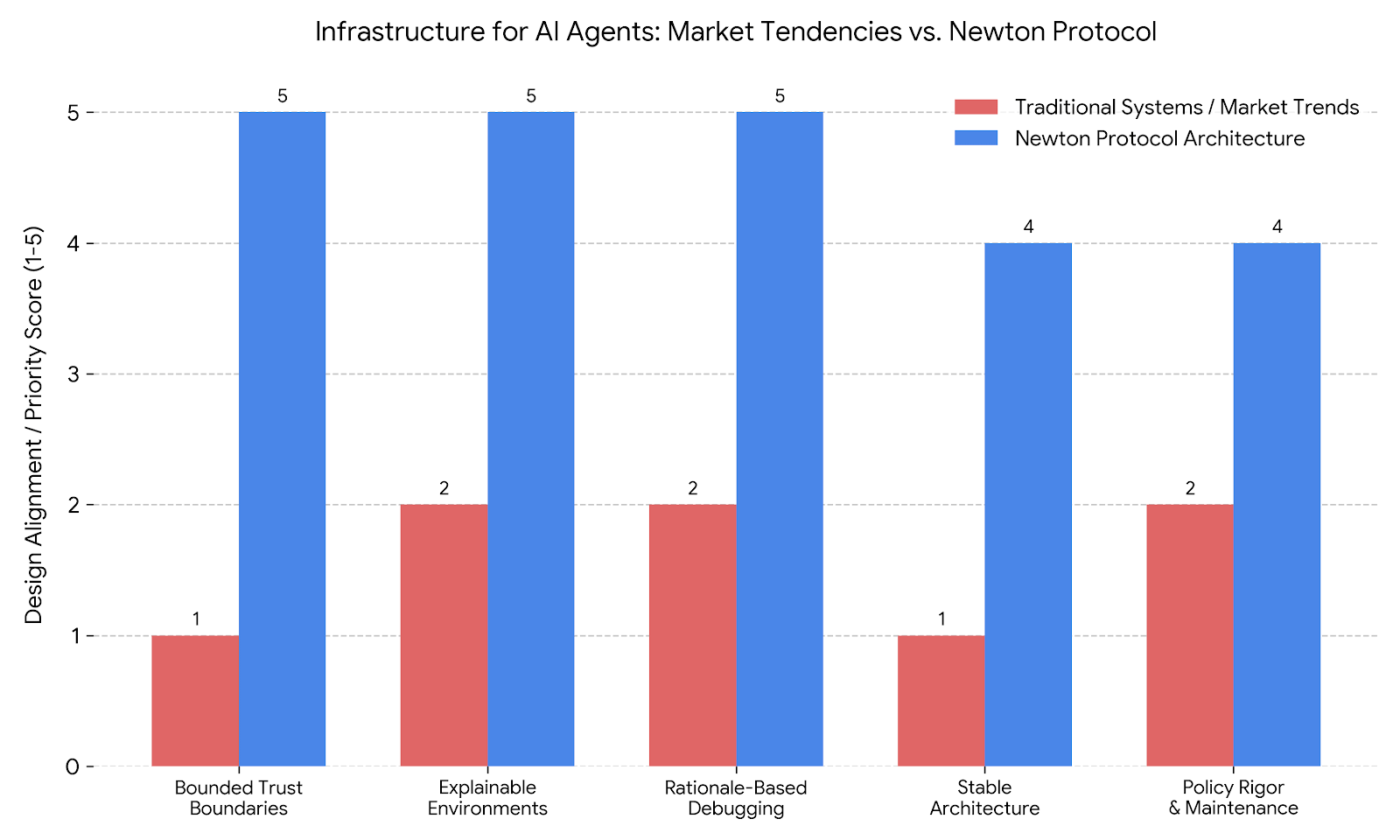
Ein weiteres Detail, das ich schätze: Newton scheint darauf fokussiert zu sein, Grenzen zu definieren, statt Vertrauen vorauszusetzen.
Viele Blockchain-Anwendungen verhalten sich noch immer so, als verdiene jede verbundene Anwendung weitreichende Berechtigungen.
Die Geschichte hat gezeigt, dass diese Annahme Probleme erzeugt.
Wallet-Exploits, Fehler bei Genehmigungen, kompromittierte Schnittstellen und schlecht designte Automatisierung haben alle gezeigt, dass uneingeschränktes Vertrauen selten für immer sicher bleibt.
Newton wirkt eher daran interessiert, einzuschränken, was Software vor der Ausführung überhaupt tun darf.
Das wirkt realistischer, als von jedem Teilnehmer perfektes Verhalten anzunehmen.
Ich denke auch, dass Entwickler zunehmend erkennen, dass KI die Anforderungen an die Infrastruktur stärker verändert als die Nutzeroberflächen.
Alle haben Spaß daran, über intelligentere Modelle zu diskutieren.
Viel weniger Menschen sprechen über vorhersehbare Ausführungsumgebungen.
Selbst ein fähiger KI-Agent wird schwer zu vertrauen sein, wenn die umgebende Infrastruktur nicht klar erklären kann, warum eine Aktion ausgeführt wurde.
Transparenz wird Teil der Usability.
Entwickler, die automatisierte Systeme debuggen, brauchen mehr als eine Transaktionshistorie.
Sie brauchen eine Begründung, die auch noch Wochen später verständlich bleibt.
Ob Newton dieses Problem vollständig löst, bleibt ungewiss, aber es wirkt zumindest so, als sei es auf der richtigen Ebene angesetzt.
Die jüngste Entwicklung im Newton-Ökosystem hat weiterhin vor allem eine KI-orientierte Automatisierung, policy-basierte Ausführung, programmierbare Berechtigungen sowie Infrastruktur betont, die für autonome Onchain-Agenten statt für die traditionelle manuelle Wallet-Interaktion ausgelegt ist. Diese Richtung deutet darauf hin, dass das Team seiner ursprünglichen Designidee treu bleibt, statt ständig neue Storys an Markttrends anzupassen.
Konsistenz ist wichtig.
Krypto belohnt Projekte oft dafür, jeden Monat neue Funktionen auszuliefern.
Entwickler bewerten oft etwas anderes.
Stabile Architektur ist schwieriger zu bemerken, aber sie erzeugt im Laufe der Zeit weniger Überraschungen.
Natürlich entkommt kein Protokoll dem Druck der Realität.
Wenn mehr Integrationen auftauchen, steigen die Performance-Erwartungen.
Policies werden größer.
Edge Cases vermehren sich.
Entwickler fangen an, nach Abkürzungen zu fragen.
Diese Momente zeigen normalerweise, ob die ursprüngliche Architektur sorgfältig entworfen wurde oder nur in der Doku gut aussah.
Wahrscheinlich wird dort bewertet werden, wie Newton in der nächsten Wachstumsphase abschneidet.
Für den Moment hält mich vor allem nicht auf, dass es Automatisierung will.
Viele Protokolle wollen das bereits.
Es ist genau so, als würde Newton genauso viel Aufwand darauf verwenden, zu überlegen, wann Automatisierung pausieren, verweigern oder innerhalb klar definierter Grenzen bleiben sollte.
Von wo aus ich es sehe, wirkt diese Frage wertvoller, als einfach nur zu fragen, wie man noch eine Transaktion ausführen kann.