
#vitol
vitol
273 Aufrufe
6 Kommentare
Hot
Zuletzt

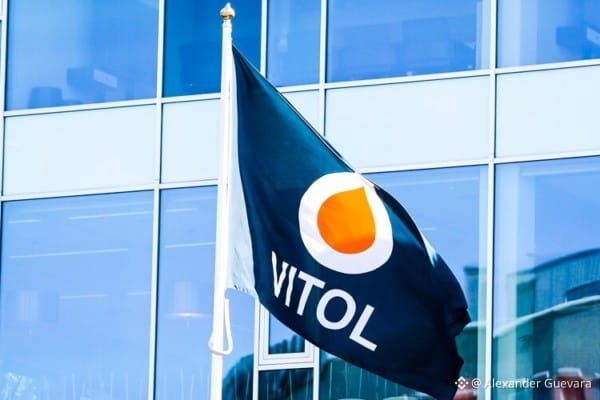
Reuters: Vitol will expandieren und bereitet die Eröffnung eines Büros in Venezuela vor
Verschiedene Handelsunternehmen, darunter Vitol, haben in diesem Jahr den Großteil der Erdölproduktion Venezuelas exportiert.
Das Energie- und Rohstoffhandelsunternehmen Vitol bereitet derzeit die ersten Schritte vor, um ein Büro in Venezuela zu eröffnen.
Wie Reuters berichtete, sagten drei Quellen, dass die Pläne von Vitol Vertrauen in die karibische Nation und in die Anfang dieses Jahres geschlossene Erdöl-Vereinbarung zeigen, um den Export von bis zu 50 Millionen Barrel Erdöl zu ermöglichen.
Wichtig ist festzuhalten, dass Unternehmen wie Vitol, Trafigura und andere Handelsgesellschaften in diesem Jahr den Großteil der Erdölproduktion Venezuelas im Rahmen der Vereinbarungen exportieren, die mit Petróleos de Venezuela S.A. (PDVSA) geschlossen wurden und die von der Regierung des US-Präsidenten Donald Trump überwacht werden.
Die mit den Hintergründen vertrauten Quellen präzisierten, dass das Büro, das in Caracas eröffnet werden soll, zunächst etwa ein Dutzend Menschen Beschäftigung bieten würde, und zwar gezielt in Positionen, die mit dem Handel verbunden sind.
Henry Medina, Direktor von Vitol für Lateinamerika, sagte gegenüber dem internationalen Medium per E-Mail: „Seit vielen Jahren unterhält Vitol eine solide Beziehung zu PDVSA“.
Er fügte hinzu, man wolle „diese Beziehung festigen und neue Allianzen in Venezuela entwickeln sowie im Land eine bedeutende Präsenz aufbauen“.
Zwei Quellen erklärten außerdem, dass Mario Pantoja, der 35 Jahre lang bei Chevron gearbeitet hatte, derjenige sein könnte, der das Büro in Venezuela leitet.
#Vitol #venezuela #ChevronAcciones #PDVSA #caracasvenezuela $CL $BZ $NATGAS
Reuters: Vitol will expandieren und bereitet die Eröffnung eines Büros in Venezuela vor
Verschiedene Handelsunternehmen, darunter Vitol, haben in diesem Jahr den Großteil der Erdölproduktion Venezuelas exportiert.
Das Energie- und Rohstoffhandelsunternehmen Vitol bereitet derzeit die ersten Schritte vor, um ein Büro in Venezuela zu eröffnen.
Wie Reuters berichtete, sagten drei Quellen, dass die Pläne von Vitol Vertrauen in die karibische Nation und in die Anfang dieses Jahres geschlossene Erdöl-Vereinbarung zeigen, um den Export von bis zu 50 Millionen Barrel Erdöl zu ermöglichen.
Wichtig ist festzuhalten, dass Unternehmen wie Vitol, Trafigura und andere Handelsgesellschaften in diesem Jahr den Großteil der Erdölproduktion Venezuelas im Rahmen der Vereinbarungen exportieren, die mit Petróleos de Venezuela S.A. (PDVSA) geschlossen wurden und die von der Regierung des US-Präsidenten Donald Trump überwacht werden.
Die mit den Hintergründen vertrauten Quellen präzisierten, dass das Büro, das in Caracas eröffnet werden soll, zunächst etwa ein Dutzend Menschen Beschäftigung bieten würde, und zwar gezielt in Positionen, die mit dem Handel verbunden sind.
Henry Medina, Direktor von Vitol für Lateinamerika, sagte gegenüber dem internationalen Medium per E-Mail: „Seit vielen Jahren unterhält Vitol eine solide Beziehung zu PDVSA“.
Er fügte hinzu, man wolle „diese Beziehung festigen und neue Allianzen in Venezuela entwickeln sowie im Land eine bedeutende Präsenz aufbauen“.
Zwei Quellen erklärten außerdem, dass Mario Pantoja, der 35 Jahre lang bei Chevron gearbeitet hatte, derjenige sein könnte, der das Büro in Venezuela leitet.
#Vitol #venezuela #ChevronAcciones #PDVSA #caracasvenezuela $CL $BZ $NATGAS
Verschiedene Handelsunternehmen, darunter Vitol, haben in diesem Jahr den Großteil der Erdölproduktion Venezuelas exportiert.
Das Energie- und Rohstoffhandelsunternehmen Vitol bereitet derzeit die ersten Schritte vor, um ein Büro in Venezuela zu eröffnen.
Wie Reuters berichtete, sagten drei Quellen, dass die Pläne von Vitol Vertrauen in die karibische Nation und in die Anfang dieses Jahres geschlossene Erdöl-Vereinbarung zeigen, um den Export von bis zu 50 Millionen Barrel Erdöl zu ermöglichen.
Wichtig ist festzuhalten, dass Unternehmen wie Vitol, Trafigura und andere Handelsgesellschaften in diesem Jahr den Großteil der Erdölproduktion Venezuelas im Rahmen der Vereinbarungen exportieren, die mit Petróleos de Venezuela S.A. (PDVSA) geschlossen wurden und die von der Regierung des US-Präsidenten Donald Trump überwacht werden.
Die mit den Hintergründen vertrauten Quellen präzisierten, dass das Büro, das in Caracas eröffnet werden soll, zunächst etwa ein Dutzend Menschen Beschäftigung bieten würde, und zwar gezielt in Positionen, die mit dem Handel verbunden sind.
Henry Medina, Direktor von Vitol für Lateinamerika, sagte gegenüber dem internationalen Medium per E-Mail: „Seit vielen Jahren unterhält Vitol eine solide Beziehung zu PDVSA“.
Er fügte hinzu, man wolle „diese Beziehung festigen und neue Allianzen in Venezuela entwickeln sowie im Land eine bedeutende Präsenz aufbauen“.
Zwei Quellen erklärten außerdem, dass Mario Pantoja, der 35 Jahre lang bei Chevron gearbeitet hatte, derjenige sein könnte, der das Büro in Venezuela leitet.
#Vitol #venezuela #ChevronAcciones #PDVSA #caracasvenezuela $CL $BZ $NATGAS
3
162

·
--
🛢️ 💼 Vitol im Gespräch, um seine Schieferöl-Einheit VTX Energy an Carnelian und EnCap zu verkaufen 🏛️ 🔄
Der Rohstoffhandelsgigant Vitol Group befindet sich in fortgeschrittenen Verhandlungen, um seine Schieferöl-Tochter VTX Energy Partners LLC zu verkaufen, wie Bloomberg berichtet 🔍.
📊 Die wichtigsten Punkte der Transaktion:
🤝 Die Käufer: Die Private-Equity-Firmen Carnelian Energy Capital und EnCap Investments gelten als potenzielle Käufer der US-Schieferöl-Einheit 💰.
🛑 Strategischer Wandel: Wenn diese Vereinbarung zustande käme, würde das für Vitol einen strategischen Rückzug aus der Onshore-Öl- und Gasproduktion in den Vereinigten Staaten 🇺🇸 bedeuten.
💬 Glaubst du, dass der Ausstieg von Vitol aus dem US-Schieferöl ein Zeichen für eine Abkühlung im Sektor ist oder nur eine Kapitalrotation? Schreib unten deine Meinung! 👇🔥
$BTC
{spot}(BTCUSDT)
$BNB
{spot}(BNBUSDT)
$SOL
{spot}(SOLUSDT)
#Vitol #VTXEnergy #Carnelian #ShaleOil #EnergySector
🛢️ 💼 Vitol im Gespräch, um seine Schieferöl-Einheit VTX Energy an Carnelian und EnCap zu verkaufen 🏛️ 🔄
Der Rohstoffhandelsgigant Vitol Group befindet sich in fortgeschrittenen Verhandlungen, um seine Schieferöl-Tochter VTX Energy Partners LLC zu verkaufen, wie Bloomberg berichtet 🔍.
📊 Die wichtigsten Punkte der Transaktion:
🤝 Die Käufer: Die Private-Equity-Firmen Carnelian Energy Capital und EnCap Investments gelten als potenzielle Käufer der US-Schieferöl-Einheit 💰.
🛑 Strategischer Wandel: Wenn diese Vereinbarung zustande käme, würde das für Vitol einen strategischen Rückzug aus der Onshore-Öl- und Gasproduktion in den Vereinigten Staaten 🇺🇸 bedeuten.
💬 Glaubst du, dass der Ausstieg von Vitol aus dem US-Schieferöl ein Zeichen für eine Abkühlung im Sektor ist oder nur eine Kapitalrotation? Schreib unten deine Meinung! 👇🔥
$BTC
$BNB
$SOL
#Vitol #VTXEnergy #Carnelian #ShaleOil #EnergySector
Der Rohstoffhandelsgigant Vitol Group befindet sich in fortgeschrittenen Verhandlungen, um seine Schieferöl-Tochter VTX Energy Partners LLC zu verkaufen, wie Bloomberg berichtet 🔍.
📊 Die wichtigsten Punkte der Transaktion:
🤝 Die Käufer: Die Private-Equity-Firmen Carnelian Energy Capital und EnCap Investments gelten als potenzielle Käufer der US-Schieferöl-Einheit 💰.
🛑 Strategischer Wandel: Wenn diese Vereinbarung zustande käme, würde das für Vitol einen strategischen Rückzug aus der Onshore-Öl- und Gasproduktion in den Vereinigten Staaten 🇺🇸 bedeuten.
💬 Glaubst du, dass der Ausstieg von Vitol aus dem US-Schieferöl ein Zeichen für eine Abkühlung im Sektor ist oder nur eine Kapitalrotation? Schreib unten deine Meinung! 👇🔥
$BTC
$BNB
$SOL
#Vitol #VTXEnergy #Carnelian #ShaleOil #EnergySector
96

·
--
Vitol Gewinnbericht
Vitol berichtet von einem Gewinn von 2 Milliarden Dollar im ersten Quartal trotz Verluste, die mit dem Konflikt im Iran verbunden sind.
#Vitol #OilMarkets #globaleconomy #IranConflict
Vitol Gewinnbericht
Vitol berichtet von einem Gewinn von 2 Milliarden Dollar im ersten Quartal trotz Verluste, die mit dem Konflikt im Iran verbunden sind.
#Vitol #OilMarkets #globaleconomy #IranConflict
Vitol berichtet von einem Gewinn von 2 Milliarden Dollar im ersten Quartal trotz Verluste, die mit dem Konflikt im Iran verbunden sind.
#Vitol #OilMarkets #globaleconomy #IranConflict
2
145

Artikel
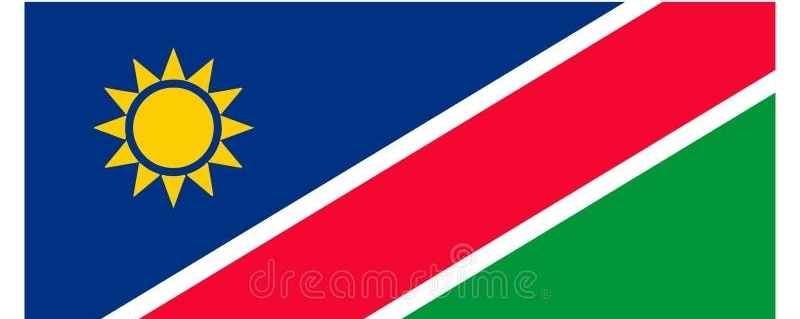
🇳🇦 Namibias Ölambitionen beschleunigen: Nassans Vitol-Tankstellendeal signalisiert neues Energie-WachstumNamibia wandelt sich rasch von einem aufstrebenden Frontier-Markt zu einer der am genauesten beobachteten Energiewirtschaften Afrikas. Der jüngste strategische Schritt – Nassans Übernahme des Tankstellennetzes von Vitol – ist mehr als nur eine Erweiterung im Einzelhandel. Er steht für einen gezielten Ansatz, um die heimische Kraftstoffverteilung zu stärken und Namibia gleichzeitig für den erwarteten Ölboom des Landes zu positionieren.
Während globale Investoren weiterhin Offshore-Entdeckungen im Orange Basin verfolgen, zeigt diese Transaktion, wie lokale Unternehmen sich auf eine Zukunft vorbereiten, in der Namibia zu den weltweit am schnellsten wachsenden Ölproduzenten gehören könnte.
🇳🇦 Namibias Ölambitionen beschleunigen: Nassans Vitol-Tankstellendeal signalisiert neues Energie-Wachstum
Namibia wandelt sich rasch von einem aufstrebenden Frontier-Markt zu einer der am genauesten beobachteten Energiewirtschaften Afrikas. Der jüngste strategische Schritt – Nassans Übernahme des Tankstellennetzes von Vitol – ist mehr als nur eine Erweiterung im Einzelhandel. Er steht für einen gezielten Ansatz, um die heimische Kraftstoffverteilung zu stärken und Namibia gleichzeitig für den erwarteten Ölboom des Landes zu positionieren.
Während globale Investoren weiterhin Offshore-Entdeckungen im Orange Basin verfolgen, zeigt diese Transaktion, wie lokale Unternehmen sich auf eine Zukunft vorbereiten, in der Namibia zu den weltweit am schnellsten wachsenden Ölproduzenten gehören könnte.
Während globale Investoren weiterhin Offshore-Entdeckungen im Orange Basin verfolgen, zeigt diese Transaktion, wie lokale Unternehmen sich auf eine Zukunft vorbereiten, in der Namibia zu den weltweit am schnellsten wachsenden Ölproduzenten gehören könnte.
132
Anmelden und weiter Inhalte entdecken
Krypto-Nutzer weltweit auf Binance Square kennenlernen
⚡️ Bleib in Sachen Krypto stets am Puls.
💬 Die weltgrößte Kryptobörse vertraut darauf.
👍 Erhalte verlässliche Einblicke von verifizierten Creators.
E-Mail-Adresse/Telefonnummer
Trendthemen
1
#ClarityActFacesProceduralVoteSept15
22,024 Aufrufe
378 Kommentare
2
#US2YearYieldRisesTo4.61%
22,459 Aufrufe
454 Kommentare
3
#US10YearTreasuryYieldNears5%
11,476 Aufrufe
255 Kommentare
4
#CryptoLiquidations$674MIn24H
6,135 Aufrufe
73 Kommentare
5
#TokenizedStockHoldersUp619.1%
14,650 Aufrufe
276 Kommentare
6
#RevolutConfirmsFakeGovEmailDataBreach
34,503 Aufrufe
569 Kommentare
7
#CanadaOSFISaysTokenizedDepositsEqualTraditionalDeposits
1,542 Aufrufe
52 Kommentare
8
#USBankCompletesCrossBorderPaymentPilotOnStellar
35,611 Aufrufe
780 Kommentare
9
#NvidiaInTalksToInvestUpTo$10BInAnthropicIPO
2,796 Aufrufe
62 Kommentare
10
#EtherRalliesAsBearishBetsLiquidate
50,235 Aufrufe
969 Kommentare