
#toddblanche
toddblanche
487 Aufrufe
4 Kommentare
Hot
Zuletzt

·
--
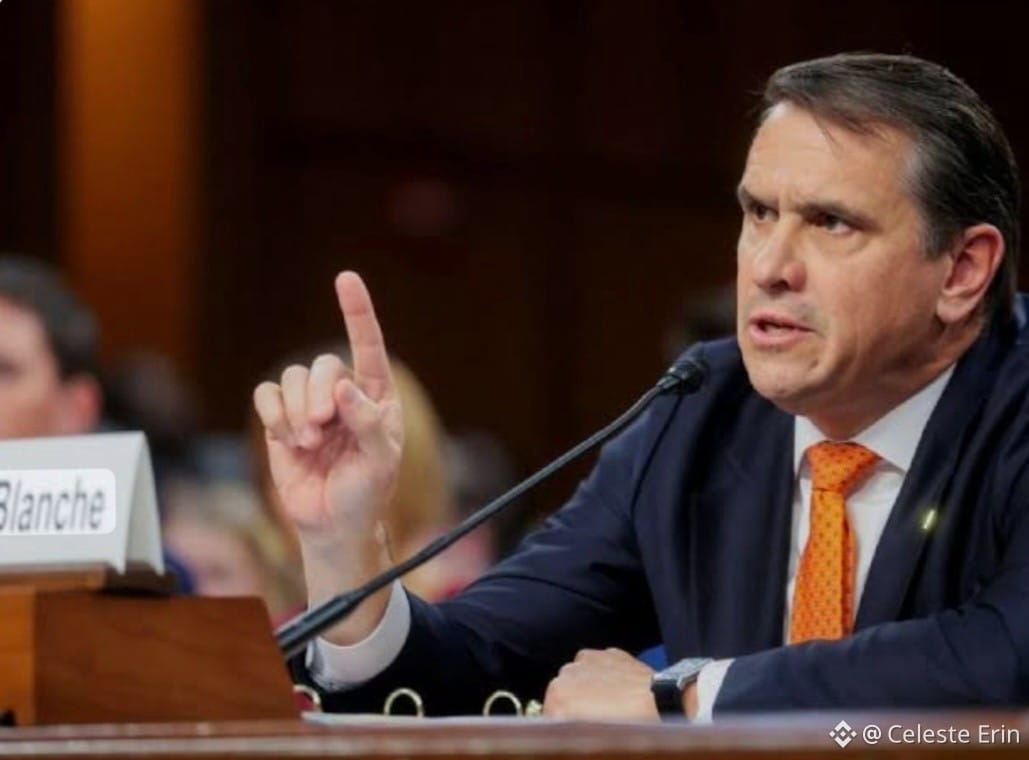
⚖️ 🇺🇸 Todd Blanche sieht sich mit harten Kritiken von Epstein-Opfern auf seinem Weg in den Senat konfrontiert 🏛️ 🛑
Der amtierende Generalstaatsanwalt der Vereinigten Staaten, Todd Blanche, steht im Zentrum einer Kontroverse, nachdem er sich im Justizministerium (DOJ) mit einer Gruppe von Überlebenden des Jeffrey-Epstein-Falls getroffen hat, wie CNBC berichtet.
📊 Die wichtigsten Punkte des Treffens:
🗣️ Unterschiedliche Standpunkte: Während das DOJ das Treffen als „produktiv“ bezeichnete, beschrieben die Opfer es radikal anders – sie kritisierten es als herablassend, ausweichend und ausschließlich darauf ausgerichtet, endgültig seine Bestätigung im Senat sicherzustellen.
💬 Aussagen der Opfer: Annie Farmer erklärte, das Treffen habe ihr mehr Gründe gegeben, die Senatoren dazu aufzufordern, gegen Blanche zu stimmen; Liz Stein nannte es „entmutigend“, und Dani Bensky sagte, er sei wie bei einer bloßen Formalität behandelt worden.
🏛️ Die Lage im Senat: Trotz der Kritik bewertete der republikanische Senator Thom Tillis die Gesprächsbereitschaft von Blanche positiv und deutete an, dass er seine dauerhafte Ernennung unterstützen könnte. Damit milderte er seine anfängliche Haltung, nachdem er am vergangenen Donnerstag noch gesagt hatte, er würde nicht dafür stimmen, mit der Ernennung voranzugehen.
💬 Glaubst du, dass die Kritiken der Epstein-Opfer die Bestätigung von Blanche im Senat aufhalten werden, oder setzt sich die politische Mehrheit durch? Schreib unten deine Meinung! 👇🔥
$BTC
{spot}(BTCUSDT)
$BNB
{spot}(BNBUSDT)
$SOL
{spot}(SOLUSDT)
#ToddBlanche #SenateConfirmation #EpsteinVictims #DOJ #WashingtonNews
⚖️ 🇺🇸 Todd Blanche sieht sich mit harten Kritiken von Epstein-Opfern auf seinem Weg in den Senat konfrontiert 🏛️ 🛑
Der amtierende Generalstaatsanwalt der Vereinigten Staaten, Todd Blanche, steht im Zentrum einer Kontroverse, nachdem er sich im Justizministerium (DOJ) mit einer Gruppe von Überlebenden des Jeffrey-Epstein-Falls getroffen hat, wie CNBC berichtet.
📊 Die wichtigsten Punkte des Treffens:
🗣️ Unterschiedliche Standpunkte: Während das DOJ das Treffen als „produktiv“ bezeichnete, beschrieben die Opfer es radikal anders – sie kritisierten es als herablassend, ausweichend und ausschließlich darauf ausgerichtet, endgültig seine Bestätigung im Senat sicherzustellen.
💬 Aussagen der Opfer: Annie Farmer erklärte, das Treffen habe ihr mehr Gründe gegeben, die Senatoren dazu aufzufordern, gegen Blanche zu stimmen; Liz Stein nannte es „entmutigend“, und Dani Bensky sagte, er sei wie bei einer bloßen Formalität behandelt worden.
🏛️ Die Lage im Senat: Trotz der Kritik bewertete der republikanische Senator Thom Tillis die Gesprächsbereitschaft von Blanche positiv und deutete an, dass er seine dauerhafte Ernennung unterstützen könnte. Damit milderte er seine anfängliche Haltung, nachdem er am vergangenen Donnerstag noch gesagt hatte, er würde nicht dafür stimmen, mit der Ernennung voranzugehen.
💬 Glaubst du, dass die Kritiken der Epstein-Opfer die Bestätigung von Blanche im Senat aufhalten werden, oder setzt sich die politische Mehrheit durch? Schreib unten deine Meinung! 👇🔥
$BTC
$BNB
$SOL
#ToddBlanche #SenateConfirmation #EpsteinVictims #DOJ #WashingtonNews
Der amtierende Generalstaatsanwalt der Vereinigten Staaten, Todd Blanche, steht im Zentrum einer Kontroverse, nachdem er sich im Justizministerium (DOJ) mit einer Gruppe von Überlebenden des Jeffrey-Epstein-Falls getroffen hat, wie CNBC berichtet.
📊 Die wichtigsten Punkte des Treffens:
🗣️ Unterschiedliche Standpunkte: Während das DOJ das Treffen als „produktiv“ bezeichnete, beschrieben die Opfer es radikal anders – sie kritisierten es als herablassend, ausweichend und ausschließlich darauf ausgerichtet, endgültig seine Bestätigung im Senat sicherzustellen.
💬 Aussagen der Opfer: Annie Farmer erklärte, das Treffen habe ihr mehr Gründe gegeben, die Senatoren dazu aufzufordern, gegen Blanche zu stimmen; Liz Stein nannte es „entmutigend“, und Dani Bensky sagte, er sei wie bei einer bloßen Formalität behandelt worden.
🏛️ Die Lage im Senat: Trotz der Kritik bewertete der republikanische Senator Thom Tillis die Gesprächsbereitschaft von Blanche positiv und deutete an, dass er seine dauerhafte Ernennung unterstützen könnte. Damit milderte er seine anfängliche Haltung, nachdem er am vergangenen Donnerstag noch gesagt hatte, er würde nicht dafür stimmen, mit der Ernennung voranzugehen.
💬 Glaubst du, dass die Kritiken der Epstein-Opfer die Bestätigung von Blanche im Senat aufhalten werden, oder setzt sich die politische Mehrheit durch? Schreib unten deine Meinung! 👇🔥
$BTC
$BNB
$SOL
#ToddBlanche #SenateConfirmation #EpsteinVictims #DOJ #WashingtonNews
1
443


·
--
Artikel
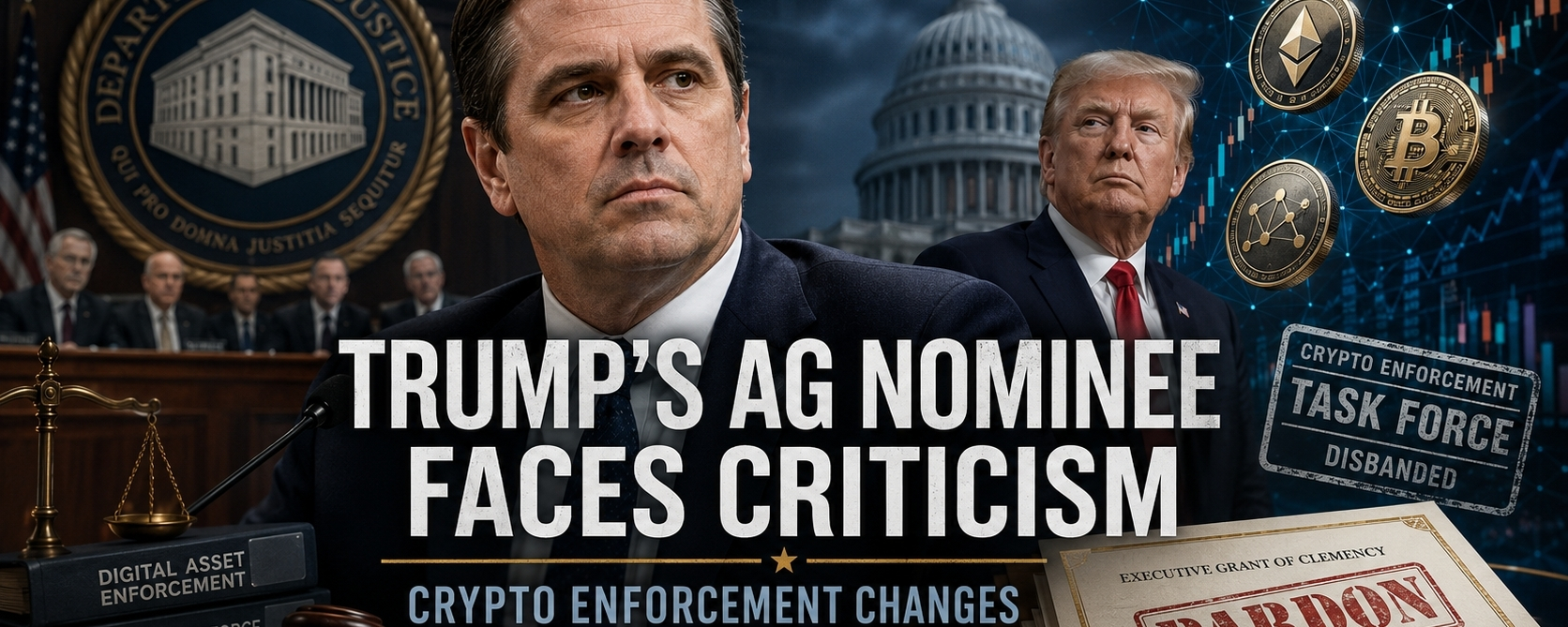
Trump-Kandidat für das Amt des Justizministers sieht sich mit Kritik an Krypto-Durchsetzung und Begnadigungsrückschlägen konfrontiertTodd Blanche, Präsident Donald Trumps Kandidat für das Amt des US-Justizministers, sieht sich erneut mit der Frage konfrontiert, ob der freundlichere Ansatz des Justizministeriums gegenüber Kryptowährungen seine Fähigkeit geschwächt hat, einflussreiche Akteure der Branche zur Verantwortung zu ziehen.
Die Kritik verschärfte sich während der Anhörung von Blanche im Senatsausschuss für Justiz am 15. Juli 2026. Senator Dick Durbin, der ranghöchste Demokrat des Ausschusses, warf Blanche vor, die spezialisierte Durchsetzungsstelle des Justizministeriums für Kryptowährungen aufgelöst und laufende Ermittlungen mit Bezug zur Branche beendet zu haben. Blanche, der zuvor als persönlicher Verteidiger von Trump tätig gewesen war, wies weitergehende Hinweise zurück, wonach seine Entscheidungen von Loyalität gegenüber dem Präsidenten getrieben gewesen seien.
Trump-Kandidat für das Amt des Justizministers sieht sich mit Kritik an Krypto-Durchsetzung und Begnadigungsrückschlägen konfrontiert
Todd Blanche, Präsident Donald Trumps Kandidat für das Amt des US-Justizministers, sieht sich erneut mit der Frage konfrontiert, ob der freundlichere Ansatz des Justizministeriums gegenüber Kryptowährungen seine Fähigkeit geschwächt hat, einflussreiche Akteure der Branche zur Verantwortung zu ziehen.
Die Kritik verschärfte sich während der Anhörung von Blanche im Senatsausschuss für Justiz am 15. Juli 2026. Senator Dick Durbin, der ranghöchste Demokrat des Ausschusses, warf Blanche vor, die spezialisierte Durchsetzungsstelle des Justizministeriums für Kryptowährungen aufgelöst und laufende Ermittlungen mit Bezug zur Branche beendet zu haben. Blanche, der zuvor als persönlicher Verteidiger von Trump tätig gewesen war, wies weitergehende Hinweise zurück, wonach seine Entscheidungen von Loyalität gegenüber dem Präsidenten getrieben gewesen seien.
Die Kritik verschärfte sich während der Anhörung von Blanche im Senatsausschuss für Justiz am 15. Juli 2026. Senator Dick Durbin, der ranghöchste Demokrat des Ausschusses, warf Blanche vor, die spezialisierte Durchsetzungsstelle des Justizministeriums für Kryptowährungen aufgelöst und laufende Ermittlungen mit Bezug zur Branche beendet zu haben. Blanche, der zuvor als persönlicher Verteidiger von Trump tätig gewesen war, wies weitergehende Hinweise zurück, wonach seine Entscheidungen von Loyalität gegenüber dem Präsidenten getrieben gewesen seien.
5
186

·
--
⚖️ Wichtiger Wandel in der Krypto-Regulierung: Der Fokus liegt jetzt auf Verbrechen, nicht auf Entwicklern!
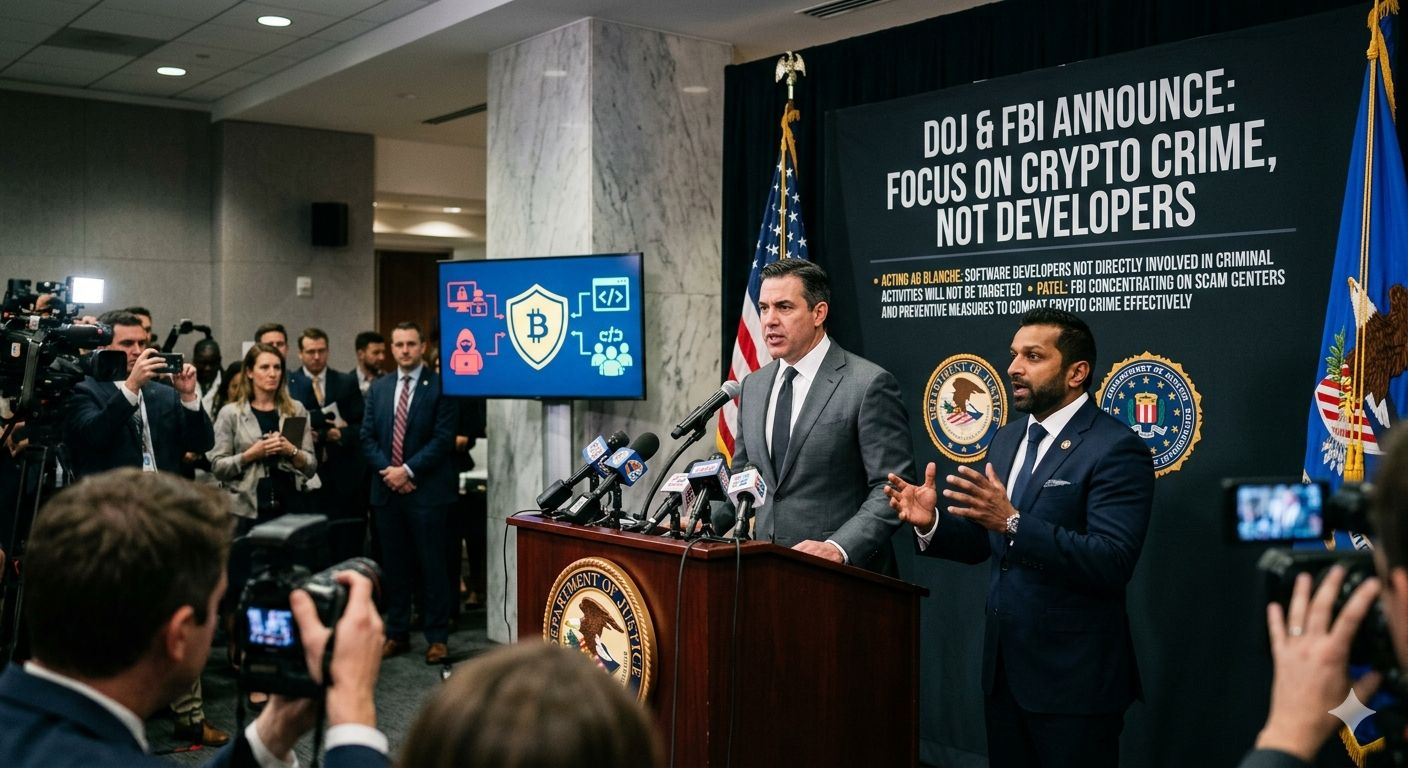
Top-US-Beamte—Interim-Justizminister Todd Blanche und FBI-Direktor Kash Patel—haben eine neue Haltung eingenommen, die eine große Erleichterung für das Krypto-Ökosystem darstellt.
Warum ist dieses Update wichtig?
Fokusverschiebung: Die Beamten haben klargestellt, dass ihr primärer Fokus nicht mehr auf „Code“ oder „Softwareentwicklern“ liegt, sondern darauf, reale Verbrechen zu verhindern, die im Namen von Krypto begangen werden.
Unterstützung für Innovation: Todd Blanche betonte, dass Entwickler, die nicht direkt in kriminelle Aktivitäten verwickelt sind, keine Angst mehr vor Ermittlungen oder Anklagen haben müssen. Aggressive Politiken unter früheren Regierungen erstickten Innovationen, was jetzt rückgängig gemacht werden soll.
Maßnahmen gegen Betrüger: FBI-Direktor Kash Patel erklärte, dass das gesamte FBI-Team nun auf Betrugszentren und präventive Maßnahmen fokussiert ist, um Krypto-Kriminalität effektiv zu eliminieren.
Fazit: Diese Entscheidung ist ein positives Signal für die Krypto-Industrie, da sie Entwicklern die Freiheit gibt, ohne Angst zu bauen, während gleichzeitig die Schrauben gegen schlechte Akteure (Betrüger) angezogen werden.
Glaubst du, dass dieser Ansatz das Vertrauen in die globalen Krypto-Märkte wiederherstellen wird? Teile deine Gedanken unten mit! 👇
$PRL $AIOT $ORCA
#CryptoNews #ToddBlanche #KashPatel #FBI #BlockchainInnovation
⚖️ Wichtiger Wandel in der Krypto-Regulierung: Der Fokus liegt jetzt auf Verbrechen, nicht auf Entwicklern!
Top-US-Beamte—Interim-Justizminister Todd Blanche und FBI-Direktor Kash Patel—haben eine neue Haltung eingenommen, die eine große Erleichterung für das Krypto-Ökosystem darstellt.
Warum ist dieses Update wichtig?
Fokusverschiebung: Die Beamten haben klargestellt, dass ihr primärer Fokus nicht mehr auf „Code“ oder „Softwareentwicklern“ liegt, sondern darauf, reale Verbrechen zu verhindern, die im Namen von Krypto begangen werden.
Unterstützung für Innovation: Todd Blanche betonte, dass Entwickler, die nicht direkt in kriminelle Aktivitäten verwickelt sind, keine Angst mehr vor Ermittlungen oder Anklagen haben müssen. Aggressive Politiken unter früheren Regierungen erstickten Innovationen, was jetzt rückgängig gemacht werden soll.
Maßnahmen gegen Betrüger: FBI-Direktor Kash Patel erklärte, dass das gesamte FBI-Team nun auf Betrugszentren und präventive Maßnahmen fokussiert ist, um Krypto-Kriminalität effektiv zu eliminieren.
Fazit: Diese Entscheidung ist ein positives Signal für die Krypto-Industrie, da sie Entwicklern die Freiheit gibt, ohne Angst zu bauen, während gleichzeitig die Schrauben gegen schlechte Akteure (Betrüger) angezogen werden.
Glaubst du, dass dieser Ansatz das Vertrauen in die globalen Krypto-Märkte wiederherstellen wird? Teile deine Gedanken unten mit! 👇
$PRL $AIOT $ORCA
#CryptoNews #ToddBlanche #KashPatel #FBI #BlockchainInnovation
Top-US-Beamte—Interim-Justizminister Todd Blanche und FBI-Direktor Kash Patel—haben eine neue Haltung eingenommen, die eine große Erleichterung für das Krypto-Ökosystem darstellt.
Warum ist dieses Update wichtig?
Fokusverschiebung: Die Beamten haben klargestellt, dass ihr primärer Fokus nicht mehr auf „Code“ oder „Softwareentwicklern“ liegt, sondern darauf, reale Verbrechen zu verhindern, die im Namen von Krypto begangen werden.
Unterstützung für Innovation: Todd Blanche betonte, dass Entwickler, die nicht direkt in kriminelle Aktivitäten verwickelt sind, keine Angst mehr vor Ermittlungen oder Anklagen haben müssen. Aggressive Politiken unter früheren Regierungen erstickten Innovationen, was jetzt rückgängig gemacht werden soll.
Maßnahmen gegen Betrüger: FBI-Direktor Kash Patel erklärte, dass das gesamte FBI-Team nun auf Betrugszentren und präventive Maßnahmen fokussiert ist, um Krypto-Kriminalität effektiv zu eliminieren.
Fazit: Diese Entscheidung ist ein positives Signal für die Krypto-Industrie, da sie Entwicklern die Freiheit gibt, ohne Angst zu bauen, während gleichzeitig die Schrauben gegen schlechte Akteure (Betrüger) angezogen werden.
Glaubst du, dass dieser Ansatz das Vertrauen in die globalen Krypto-Märkte wiederherstellen wird? Teile deine Gedanken unten mit! 👇
$PRL $AIOT $ORCA
#CryptoNews #ToddBlanche #KashPatel #FBI #BlockchainInnovation
377
Anmelden und weiter Inhalte entdecken
Krypto-Nutzer weltweit auf Binance Square kennenlernen
⚡️ Bleib in Sachen Krypto stets am Puls.
💬 Die weltgrößte Kryptobörse vertraut darauf.
👍 Erhalte verlässliche Einblicke von verifizierten Creators.
E-Mail-Adresse/Telefonnummer
Trendthemen
1
#FedRateWatch
613,985 Aufrufe
2,855 Kommentare
2
#EthereumFallsBelow$2400
0 Aufrufe
20 Kommentare
3
#USSenateBlocksClarityAct
0 Aufrufe
0 Kommentare
4
#BitcoinSlidesTo$76000
24,666 Aufrufe
122 Kommentare
5
#BitcoinReboundsTo$79K
63,053 Aufrufe
403 Kommentare
6
#StrategyMarketCapPassesFord
42,827 Aufrufe
688 Kommentare
7
#ClarityActOddsHalveOnPolymarket
68,359 Aufrufe
580 Kommentare
8
#US30YTreasuryYieldTops5.40%
36,915 Aufrufe
388 Kommentare
9
#BessentEndorsesFinalClarityActDraft
59,483 Aufrufe
767 Kommentare
10
#ZamaOpens16ConfidentialMorphoVaults
20,701 Aufrufe
375 Kommentare