
#sto
sto
3.9M Aufrufe
11,554 Kommentare
Hot
Zuletzt

Übersetzung ansehen
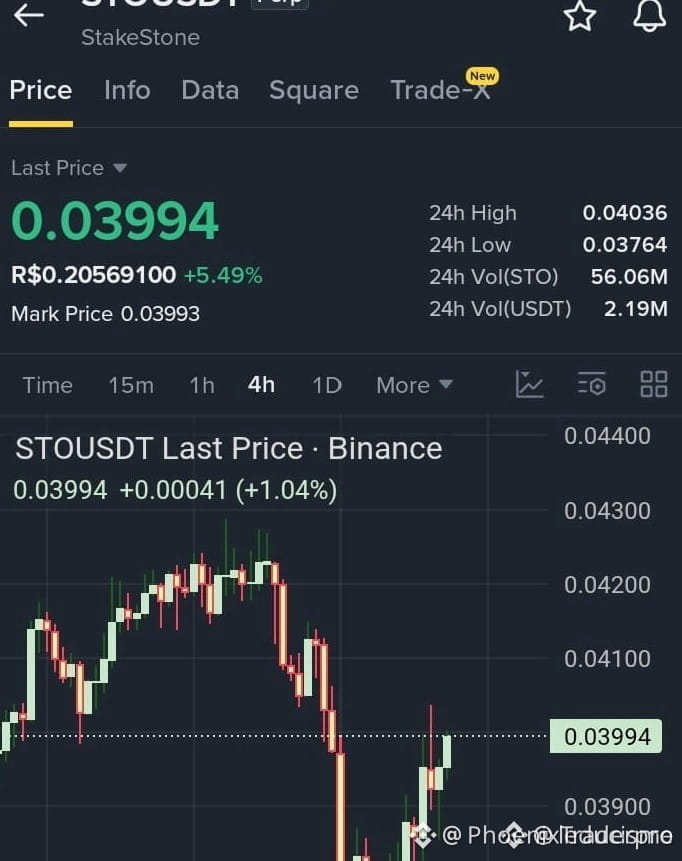
🚀 $STO SHORT SQUEEZE IN FULL EFFECT AS AGGRESSIVE BUYERS LIQUIDATE BEARS! 💥
Aggressive buyers are driving $STO higher, executing a relentless short squeeze as fresh capital pours into the order book. 📊 Bears are getting completely trapped as momentum surges past key overhead resistance without looking back.
Sympathy plays are already popping on the radar, with both $LAB and $LSK building quiet order flow foundations right behind this move. 🔍 When the lead horse runs this hard, secondary momentum plays rarely stay dormant for long.
💡 The window to front-run the secondary wave is closing fast as volatility expands across the sector. 💬 Are you riding this primary breakout on $STO or setting bids for the $LAB and $LSK catch-up move? 👇
⚠️ Not financial advice. Always manage your risk. 🛡️
🏷️ #STO #LAB #LSK #Breakout #Crypto
🔥 ⚡
🚀 $STO SHORT SQUEEZE IN FULL EFFECT AS AGGRESSIVE BUYERS LIQUIDATE BEARS! 💥
Aggressive buyers are driving $STO higher, executing a relentless short squeeze as fresh capital pours into the order book. 📊 Bears are getting completely trapped as momentum surges past key overhead resistance without looking back.
Sympathy plays are already popping on the radar, with both $LAB and $LSK building quiet order flow foundations right behind this move. 🔍 When the lead horse runs this hard, secondary momentum plays rarely stay dormant for long.
💡 The window to front-run the secondary wave is closing fast as volatility expands across the sector. 💬 Are you riding this primary breakout on $STO or setting bids for the $LAB and $LSK catch-up move? 👇
⚠️ Not financial advice. Always manage your risk. 🛡️
🏷️ #STO #LAB #LSK #Breakout #Crypto
🔥 ⚡
Aggressive buyers are driving $STO higher, executing a relentless short squeeze as fresh capital pours into the order book. 📊 Bears are getting completely trapped as momentum surges past key overhead resistance without looking back.
Sympathy plays are already popping on the radar, with both $LAB and $LSK building quiet order flow foundations right behind this move. 🔍 When the lead horse runs this hard, secondary momentum plays rarely stay dormant for long.
💡 The window to front-run the secondary wave is closing fast as volatility expands across the sector. 💬 Are you riding this primary breakout on $STO or setting bids for the $LAB and $LSK catch-up move? 👇
⚠️ Not financial advice. Always manage your risk. 🛡️
🏷️ #STO #LAB #LSK #Breakout #Crypto
🔥 ⚡
180

Übersetzung ansehen
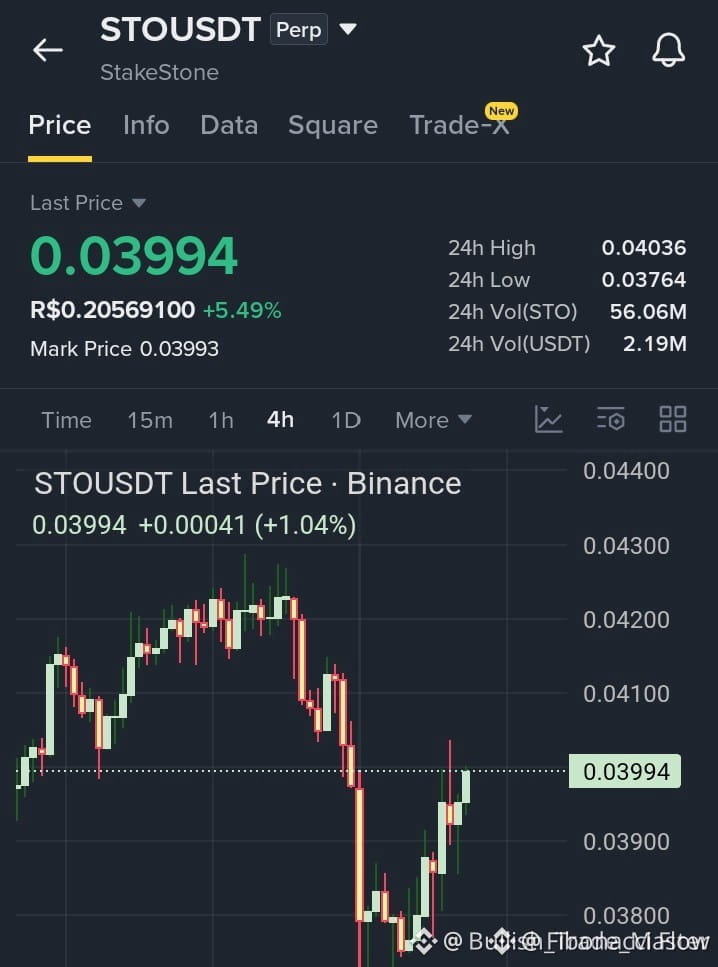
💥 $STO IGNITES EXPLOSIVE BULLISH MOMENTUM AS BUYERS STEP FOOT ON THE GAS! ⚡
Aggressive spot absorption on $STO is driving order flow straight into key resistance, leaving sellers struggling to defend their positions. 📊 Momentum indicators across shorter timeframes are flashing strong expansion as volume steadily climbs alongside $LAB and $LSK .
When bid pressure builds with this level of consistency, market structure typically favors a clean continuation through overhead liquidity. ⚡ The tape is showing clear institutional footprint work, absorbing sell walls before the real push unfolds.
💬 Are you riding this momentum wave on $STO now or waiting for the breakout confirmation? 👇
⚠️ Not financial advice. Always manage your risk. 🛡️
🏷️ #STO #Crypto #Bullish #Momentum #Altcoins
⚡ 💎
💥 $STO IGNITES EXPLOSIVE BULLISH MOMENTUM AS BUYERS STEP FOOT ON THE GAS! ⚡
Aggressive spot absorption on $STO is driving order flow straight into key resistance, leaving sellers struggling to defend their positions. 📊 Momentum indicators across shorter timeframes are flashing strong expansion as volume steadily climbs alongside $LAB and $LSK .
When bid pressure builds with this level of consistency, market structure typically favors a clean continuation through overhead liquidity. ⚡ The tape is showing clear institutional footprint work, absorbing sell walls before the real push unfolds.
💬 Are you riding this momentum wave on $STO now or waiting for the breakout confirmation? 👇
⚠️ Not financial advice. Always manage your risk. 🛡️
🏷️ #STO #Crypto #Bullish #Momentum #Altcoins
⚡ 💎
Aggressive spot absorption on $STO is driving order flow straight into key resistance, leaving sellers struggling to defend their positions. 📊 Momentum indicators across shorter timeframes are flashing strong expansion as volume steadily climbs alongside $LAB and $LSK .
When bid pressure builds with this level of consistency, market structure typically favors a clean continuation through overhead liquidity. ⚡ The tape is showing clear institutional footprint work, absorbing sell walls before the real push unfolds.
💬 Are you riding this momentum wave on $STO now or waiting for the breakout confirmation? 👇
⚠️ Not financial advice. Always manage your risk. 🛡️
🏷️ #STO #Crypto #Bullish #Momentum #Altcoins
⚡ 💎
73

Übersetzung ansehen
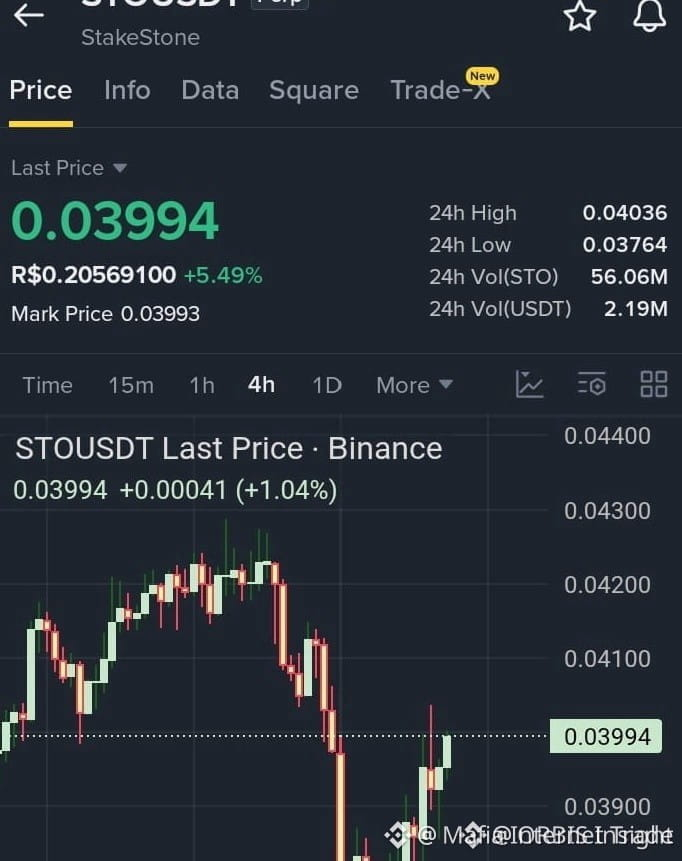
🦈 $STO VOLUMETRIC BREAKOUT TRIGGERS AGGRESSIVE ROTATION INTO $LAB AND $LSK ! 🚀
After weeks of tight range compression, $STO just unlocked explosive upward momentum backed by a massive influx of buy-side volume. 📊 Smart money completed its re-accumulation phase, completely obliterating trapped short sellers and driving a vertical expansion phase.
We are now seeing immediate capital spillover into high-beta sympathy plays $LAB and $LSK as traders position for the secondary wave. 💡 Order flow favors aggressive buyers here while market liquidity shifts rapidly toward momentum leaders.
💬 Are you riding the primary impulse on $STO or front-running the rotation into $LAB and $LSK ? 👇
⚠️ Not financial advice. Always manage your risk. 🛡️
🏷️ #STO #LAB #LSK #Crypto #Breakout
⚡ 💎
🦈 $STO VOLUMETRIC BREAKOUT TRIGGERS AGGRESSIVE ROTATION INTO $LAB AND $LSK ! 🚀
After weeks of tight range compression, $STO just unlocked explosive upward momentum backed by a massive influx of buy-side volume. 📊 Smart money completed its re-accumulation phase, completely obliterating trapped short sellers and driving a vertical expansion phase.
We are now seeing immediate capital spillover into high-beta sympathy plays $LAB and $LSK as traders position for the secondary wave. 💡 Order flow favors aggressive buyers here while market liquidity shifts rapidly toward momentum leaders.
💬 Are you riding the primary impulse on $STO or front-running the rotation into $LAB and $LSK ? 👇
⚠️ Not financial advice. Always manage your risk. 🛡️
🏷️ #STO #LAB #LSK #Crypto #Breakout
⚡ 💎
After weeks of tight range compression, $STO just unlocked explosive upward momentum backed by a massive influx of buy-side volume. 📊 Smart money completed its re-accumulation phase, completely obliterating trapped short sellers and driving a vertical expansion phase.
We are now seeing immediate capital spillover into high-beta sympathy plays $LAB and $LSK as traders position for the secondary wave. 💡 Order flow favors aggressive buyers here while market liquidity shifts rapidly toward momentum leaders.
💬 Are you riding the primary impulse on $STO or front-running the rotation into $LAB and $LSK ? 👇
⚠️ Not financial advice. Always manage your risk. 🛡️
🏷️ #STO #LAB #LSK #Crypto #Breakout
⚡ 💎
193

·
--
Bärisch
🔴 $STO — KURZES SIGNAL
📊 Überzeugung: 92,9👉100,9%
⚖️ R:R: Bis zu 1:2,65
🎯 Einstieg: 0,03880–0,03900 $
🛑 SL: 0,04150 $ (+6,7%)
🎯 TP1: 0,03700 $ (-4,9%)
🎯 TP2: 0,03500 $ (-10,0%)
🎯 TP3: 0,03200 $ (-17,7%)
🔥 Wichtige Signale:
• Anteil Top Trader: 5,43 → 4,29 ↓
• Privatanleger weiterhin stark long
• OI ~78,2 Mio., nach dem Selloff größtenteils flach
• Funding auf +0,0005% erholt
• Basis nahe null/negativ
• Taker-Verkäufe nach dem Bounce zurückgekehrt
• 0,0370-$-Support ist der zentrale Cascade-Trigger
⚡ Bestätigung: Ablehnung um 0,0390–0,0400 $ und 15m/1H-Schluss unter 0,0370 $.
❌ Ungültig: Nachhaltiges Zurückerobern über 0,04150 $.
⚠️ Extremes Long-Positionierung bedeutet, dass ein Short Squeeze (Kursanstieg durch Eindeckungen) weiterhin möglich ist. Nicht hinterherlaufen und Positionsgröße kontrollieren.
#STO #StakeStone #Crypto #Futures #Trading
{future}(STOUSDT)
🔴 $STO — KURZES SIGNAL
📊 Überzeugung: 92,9👉100,9%
⚖️ R:R: Bis zu 1:2,65
🎯 Einstieg: 0,03880–0,03900 $
🛑 SL: 0,04150 $ (+6,7%)
🎯 TP1: 0,03700 $ (-4,9%)
🎯 TP2: 0,03500 $ (-10,0%)
🎯 TP3: 0,03200 $ (-17,7%)
🔥 Wichtige Signale:
• Anteil Top Trader: 5,43 → 4,29 ↓
• Privatanleger weiterhin stark long
• OI ~78,2 Mio., nach dem Selloff größtenteils flach
• Funding auf +0,0005% erholt
• Basis nahe null/negativ
• Taker-Verkäufe nach dem Bounce zurückgekehrt
• 0,0370-$-Support ist der zentrale Cascade-Trigger
⚡ Bestätigung: Ablehnung um 0,0390–0,0400 $ und 15m/1H-Schluss unter 0,0370 $.
❌ Ungültig: Nachhaltiges Zurückerobern über 0,04150 $.
⚠️ Extremes Long-Positionierung bedeutet, dass ein Short Squeeze (Kursanstieg durch Eindeckungen) weiterhin möglich ist. Nicht hinterherlaufen und Positionsgröße kontrollieren.
#STO #StakeStone #Crypto #Futures #Trading
📊 Überzeugung: 92,9👉100,9%
⚖️ R:R: Bis zu 1:2,65
🎯 Einstieg: 0,03880–0,03900 $
🛑 SL: 0,04150 $ (+6,7%)
🎯 TP1: 0,03700 $ (-4,9%)
🎯 TP2: 0,03500 $ (-10,0%)
🎯 TP3: 0,03200 $ (-17,7%)
🔥 Wichtige Signale:
• Anteil Top Trader: 5,43 → 4,29 ↓
• Privatanleger weiterhin stark long
• OI ~78,2 Mio., nach dem Selloff größtenteils flach
• Funding auf +0,0005% erholt
• Basis nahe null/negativ
• Taker-Verkäufe nach dem Bounce zurückgekehrt
• 0,0370-$-Support ist der zentrale Cascade-Trigger
⚡ Bestätigung: Ablehnung um 0,0390–0,0400 $ und 15m/1H-Schluss unter 0,0370 $.
❌ Ungültig: Nachhaltiges Zurückerobern über 0,04150 $.
⚠️ Extremes Long-Positionierung bedeutet, dass ein Short Squeeze (Kursanstieg durch Eindeckungen) weiterhin möglich ist. Nicht hinterherlaufen und Positionsgröße kontrollieren.
#STO #StakeStone #Crypto #Futures #Trading

70

·
--
Bullisch
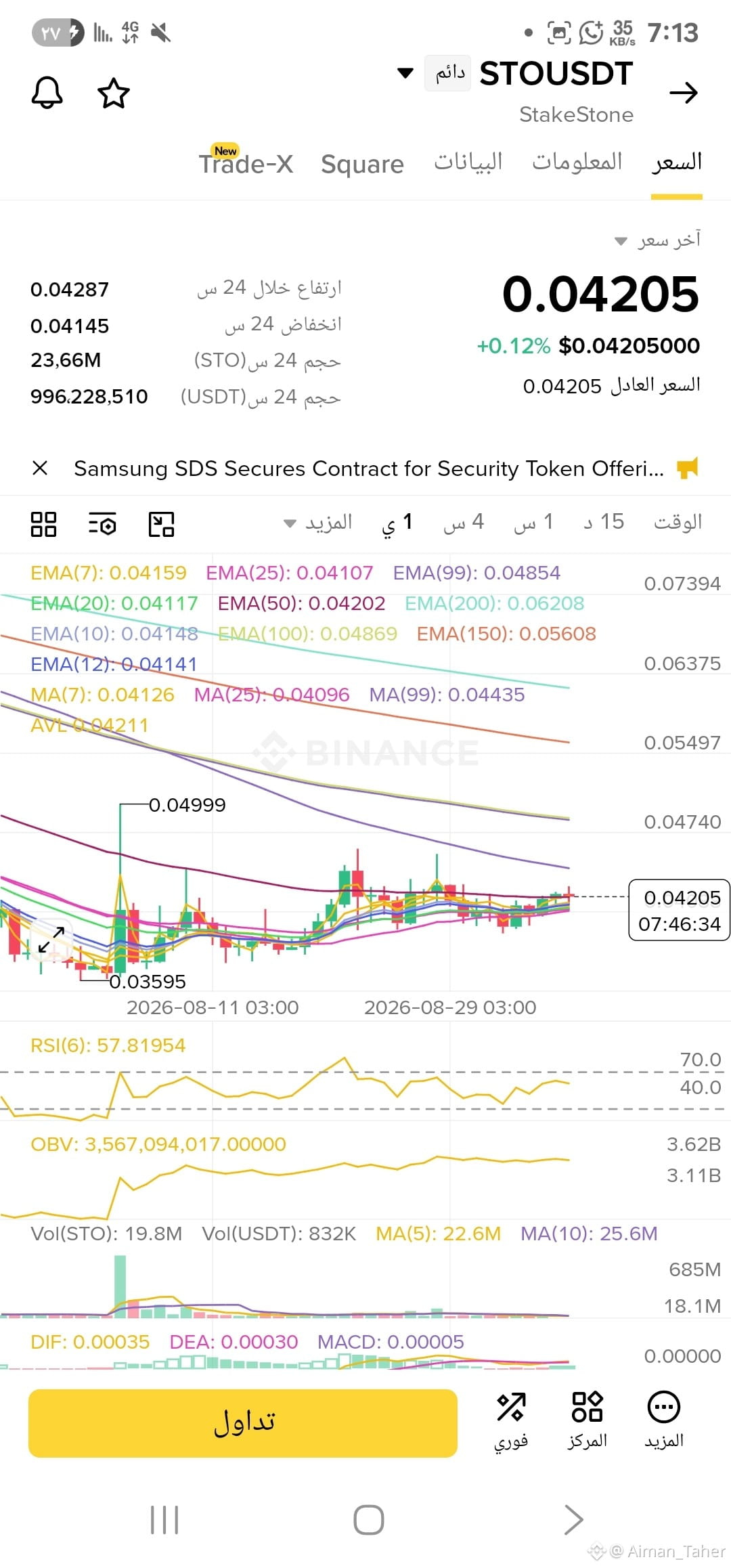
$STO Positive seitliche Akkumulationsbewegung über dem Tief bei 0.03595, die den Durchbruch über die Durchschnitte vorbereitet und die Grundlage für eine neue Investitions-Aufwärtswelle schafft!
🟢 Einstiegszonen (Spot / Futures): 0.03950 - 0.04200
🎯 Investitionsziele: 0.04600 ⬅ 0.04950 ⬅ 0.05400
🛑 Stop-Loss: 0.03500
📊 Technische Indikatoren: Fortgesetzte positive Konsolidierung über den nahen EMA-Durchschnitten bei gleichzeitiger Beibehaltung des Aufwärts-Momentums über den RSI bei 57.81, was die Chancen erhöht, die avisierten Kursniveaus stabil zu erreichen.
Handel hier $STO
{future}(STOUSDT)
#STO #Crypto #Binance
$STO Positive seitliche Akkumulationsbewegung über dem Tief bei 0.03595, die den Durchbruch über die Durchschnitte vorbereitet und die Grundlage für eine neue Investitions-Aufwärtswelle schafft!
🟢 Einstiegszonen (Spot / Futures): 0.03950 - 0.04200
🎯 Investitionsziele: 0.04600 ⬅ 0.04950 ⬅ 0.05400
🛑 Stop-Loss: 0.03500
📊 Technische Indikatoren: Fortgesetzte positive Konsolidierung über den nahen EMA-Durchschnitten bei gleichzeitiger Beibehaltung des Aufwärts-Momentums über den RSI bei 57.81, was die Chancen erhöht, die avisierten Kursniveaus stabil zu erreichen.
Handel hier $STO
#STO #Crypto #Binance
🟢 Einstiegszonen (Spot / Futures): 0.03950 - 0.04200
🎯 Investitionsziele: 0.04600 ⬅ 0.04950 ⬅ 0.05400
🛑 Stop-Loss: 0.03500
📊 Technische Indikatoren: Fortgesetzte positive Konsolidierung über den nahen EMA-Durchschnitten bei gleichzeitiger Beibehaltung des Aufwärts-Momentums über den RSI bei 57.81, was die Chancen erhöht, die avisierten Kursniveaus stabil zu erreichen.
Handel hier $STO
#STO #Crypto #Binance
249

·
--
🇰🇷 Südkorea terminiert auf Februar 2027: Vollständige Einführung eines tokenisierten Wertpapiermarkts
Die südkoreanischen Aufsichtsbehörden haben angekündigt, bis Februar 2027 einen vollständigen Markt für tokenisierte Wertpapiere (STO) einzuführen.
Das bedeutet, dass Südkorea zu einer der führenden Volkswirtschaften in Asien gehören wird, die die Wertpapier-Tokenisierung umfassend vorantreiben.
Vom regulatorischen Rahmen bis zur Handelsinfrastruktur baut Südkorea seine Positionen rasch aus. Das asiatische RWA-Rennen heizt sich auf — Hongkong, Singapur, Japan und Südkorea legen alle früh los. Wer wird am Ende siegen?
#韩国 #STO #代币化证券 #Asien-Krypto
🇰🇷 Südkorea terminiert auf Februar 2027: Vollständige Einführung eines tokenisierten Wertpapiermarkts
Die südkoreanischen Aufsichtsbehörden haben angekündigt, bis Februar 2027 einen vollständigen Markt für tokenisierte Wertpapiere (STO) einzuführen.
Das bedeutet, dass Südkorea zu einer der führenden Volkswirtschaften in Asien gehören wird, die die Wertpapier-Tokenisierung umfassend vorantreiben.
Vom regulatorischen Rahmen bis zur Handelsinfrastruktur baut Südkorea seine Positionen rasch aus. Das asiatische RWA-Rennen heizt sich auf — Hongkong, Singapur, Japan und Südkorea legen alle früh los. Wer wird am Ende siegen?
#韩国 #STO #代币化证券 #Asien-Krypto
Die südkoreanischen Aufsichtsbehörden haben angekündigt, bis Februar 2027 einen vollständigen Markt für tokenisierte Wertpapiere (STO) einzuführen.
Das bedeutet, dass Südkorea zu einer der führenden Volkswirtschaften in Asien gehören wird, die die Wertpapier-Tokenisierung umfassend vorantreiben.
Vom regulatorischen Rahmen bis zur Handelsinfrastruktur baut Südkorea seine Positionen rasch aus. Das asiatische RWA-Rennen heizt sich auf — Hongkong, Singapur, Japan und Südkorea legen alle früh los. Wer wird am Ende siegen?
#韩国 #STO #代币化证券 #Asien-Krypto
25

Lisk (LSK) steigt sprunghaft, da Order Blocks sich festigen, das Volumen stark anzieht und die Community-Adoption beschleunigt. Storj (STO) profitiert von explosivem Ökosystemwachstum, Liquiditätszuflüssen und einer zunehmend bullischen Stimmung der Anleger. Waves (WAVES) zeigt starke Dynamik, ein sprunghaftes Ansteigen der Handelsaktivität und innovative plattformübergreifende Lösungen, die die Nachfrage ankurbeln. Alle drei präsentieren einen überzeugenden starken Kauf-Case 🚀 #crypto #LISK #STO #WAVES
Lisk (LSK) steigt sprunghaft, da Order Blocks sich festigen, das Volumen stark anzieht und die Community-Adoption beschleunigt. Storj (STO) profitiert von explosivem Ökosystemwachstum, Liquiditätszuflüssen und einer zunehmend bullischen Stimmung der Anleger. Waves (WAVES) zeigt starke Dynamik, ein sprunghaftes Ansteigen der Handelsaktivität und innovative plattformübergreifende Lösungen, die die Nachfrage ankurbeln. Alle drei präsentieren einen überzeugenden starken Kauf-Case 🚀 #crypto #LISK #STO #WAVES
372


·
--
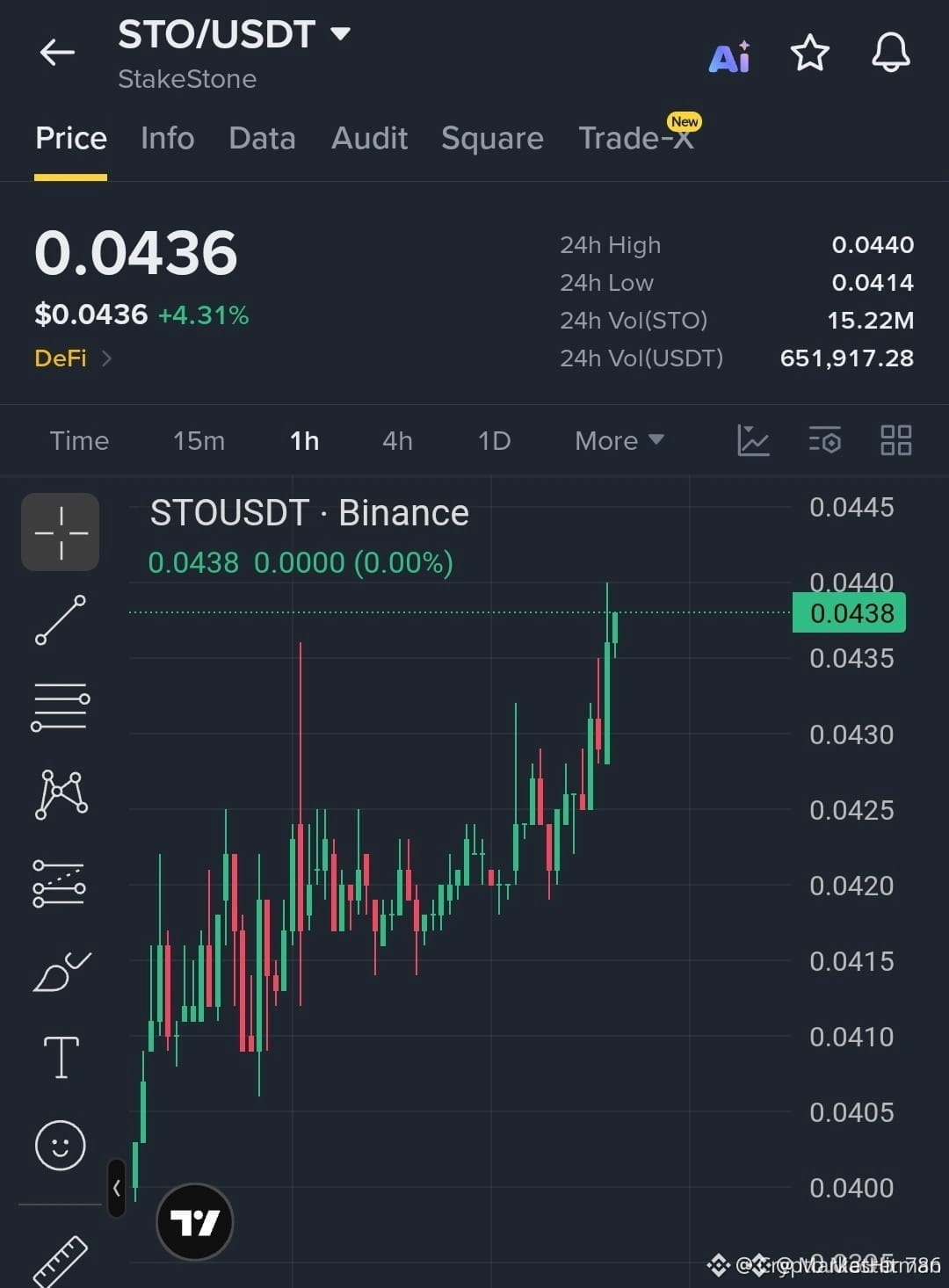
💥 $STO DISPLACEMENT DRÜCKT AUF WIDERSTAND, WÄHREND DIE LIQUIDITÄT SICH ANSAMMELT! 📈
Einstieg: 0.0433 - 0.0438 ⚡
Ziel: 0.0445 - 0.0460 🎯
Stop Loss: 0.0425 ⚠️
📌 $STO zeigt eine starke strukturelle Verschiebung und absorbiert die Sell-Side-Liquidität, während Käufer die Nachfragezone bei 0.0433 aggressiv verteidigen. 📊 Der Kurs drückt direkt in den wichtigsten Widerstand bei 0.0440, wobei der Orderflow die Aufwärts-Expansion unterstützt.
💡 Ein anhaltender Halt oberhalb der unmittelbaren Niveaus eröffnet den Weg zu ungemilderten Liquiditätszielen bis hin zu 0.0460. 💬 Reitest du dieses strukturelle Momentum oder wartest du auf einen Rücksetzer in die Nachfrage? 👇
⚠️ Keine Finanzberatung. Verwalte stets dein Risiko. 🛡️
🏷️ #STO #Breakout #Crypto #Altcoins #Trading
🎯 🦈
💥 $STO DISPLACEMENT DRÜCKT AUF WIDERSTAND, WÄHREND DIE LIQUIDITÄT SICH ANSAMMELT! 📈
Einstieg: 0.0433 - 0.0438 ⚡
Ziel: 0.0445 - 0.0460 🎯
Stop Loss: 0.0425 ⚠️
📌 $STO zeigt eine starke strukturelle Verschiebung und absorbiert die Sell-Side-Liquidität, während Käufer die Nachfragezone bei 0.0433 aggressiv verteidigen. 📊 Der Kurs drückt direkt in den wichtigsten Widerstand bei 0.0440, wobei der Orderflow die Aufwärts-Expansion unterstützt.
💡 Ein anhaltender Halt oberhalb der unmittelbaren Niveaus eröffnet den Weg zu ungemilderten Liquiditätszielen bis hin zu 0.0460. 💬 Reitest du dieses strukturelle Momentum oder wartest du auf einen Rücksetzer in die Nachfrage? 👇
⚠️ Keine Finanzberatung. Verwalte stets dein Risiko. 🛡️
🏷️ #STO #Breakout #Crypto #Altcoins #Trading
🎯 🦈
Einstieg: 0.0433 - 0.0438 ⚡
Ziel: 0.0445 - 0.0460 🎯
Stop Loss: 0.0425 ⚠️
📌 $STO zeigt eine starke strukturelle Verschiebung und absorbiert die Sell-Side-Liquidität, während Käufer die Nachfragezone bei 0.0433 aggressiv verteidigen. 📊 Der Kurs drückt direkt in den wichtigsten Widerstand bei 0.0440, wobei der Orderflow die Aufwärts-Expansion unterstützt.
💡 Ein anhaltender Halt oberhalb der unmittelbaren Niveaus eröffnet den Weg zu ungemilderten Liquiditätszielen bis hin zu 0.0460. 💬 Reitest du dieses strukturelle Momentum oder wartest du auf einen Rücksetzer in die Nachfrage? 👇
⚠️ Keine Finanzberatung. Verwalte stets dein Risiko. 🛡️
🏷️ #STO #Breakout #Crypto #Altcoins #Trading
🎯 🦈
257

·
--
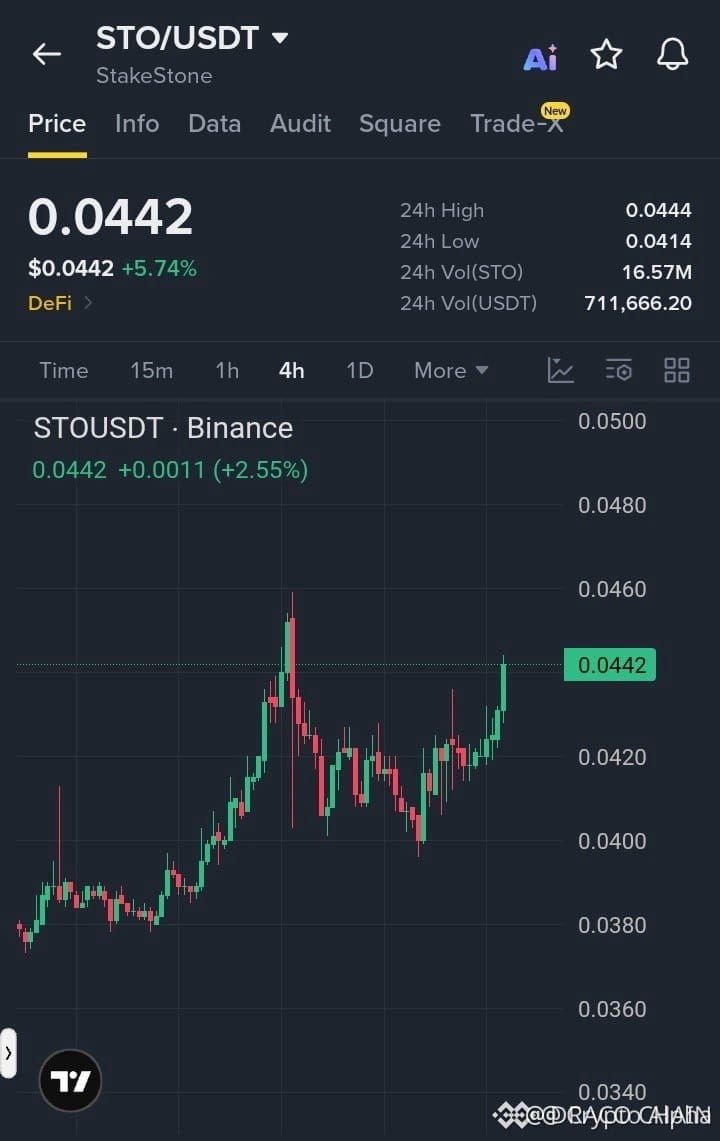
🚨 $STO HERAUSFORDERND KRITISCH 0.0444 WIDERSTAND DAUERHAFTES INSTITUTIONELLES ANSAMMELN BAUT HÖHERE TÄLER AUF! 💥
Einstieg: 0.0435 - 0.0442 ⚡
Ziel: 0.0455 / 0.0470 / 0.0490 🚀
Stop Loss: 0.0420 ⚠️
$STO hat eine saubere strukturelle höhere-Tief-Reihe etabliert, nachdem die feste Verteidigung der 0.0400-Nachfragezone erfolgt ist. Smart Money absorbiert zunehmend Verkaufsliquidität unterhalb der 0.0444-Angebotsobergrenze im 4H-Zeitrahmen, was auf eine mögliche Ausweitung in die Bereiche oberer Ineffizienzen hindeutet. 📊
Ein anhaltender Ausbruch/Verdrängung oberhalb des Widerstands räumt den Weg frei für eine strukturierte Multi-Target-Rallye hin zu höheren Liquiditätspools, gestützt durch einen stabilen Order-Flow-Impuls. 🔍 💬 Positionierst du dich für diese strukturelle Kompression oder wartest du auf einen bestätigten Breakout-Close? 👇
⚠️ Keine finanzielle Beratung. Verwalte immer dein Risiko. 🛡️
🏷️ #STO #LongSetup #Breakout #Crypto #Altcoins
🦈 💎
🚨 $STO HERAUSFORDERND KRITISCH 0.0444 WIDERSTAND DAUERHAFTES INSTITUTIONELLES ANSAMMELN BAUT HÖHERE TÄLER AUF! 💥
Einstieg: 0.0435 - 0.0442 ⚡
Ziel: 0.0455 / 0.0470 / 0.0490 🚀
Stop Loss: 0.0420 ⚠️
$STO hat eine saubere strukturelle höhere-Tief-Reihe etabliert, nachdem die feste Verteidigung der 0.0400-Nachfragezone erfolgt ist. Smart Money absorbiert zunehmend Verkaufsliquidität unterhalb der 0.0444-Angebotsobergrenze im 4H-Zeitrahmen, was auf eine mögliche Ausweitung in die Bereiche oberer Ineffizienzen hindeutet. 📊
Ein anhaltender Ausbruch/Verdrängung oberhalb des Widerstands räumt den Weg frei für eine strukturierte Multi-Target-Rallye hin zu höheren Liquiditätspools, gestützt durch einen stabilen Order-Flow-Impuls. 🔍 💬 Positionierst du dich für diese strukturelle Kompression oder wartest du auf einen bestätigten Breakout-Close? 👇
⚠️ Keine finanzielle Beratung. Verwalte immer dein Risiko. 🛡️
🏷️ #STO #LongSetup #Breakout #Crypto #Altcoins
🦈 💎
Einstieg: 0.0435 - 0.0442 ⚡
Ziel: 0.0455 / 0.0470 / 0.0490 🚀
Stop Loss: 0.0420 ⚠️
$STO hat eine saubere strukturelle höhere-Tief-Reihe etabliert, nachdem die feste Verteidigung der 0.0400-Nachfragezone erfolgt ist. Smart Money absorbiert zunehmend Verkaufsliquidität unterhalb der 0.0444-Angebotsobergrenze im 4H-Zeitrahmen, was auf eine mögliche Ausweitung in die Bereiche oberer Ineffizienzen hindeutet. 📊
Ein anhaltender Ausbruch/Verdrängung oberhalb des Widerstands räumt den Weg frei für eine strukturierte Multi-Target-Rallye hin zu höheren Liquiditätspools, gestützt durch einen stabilen Order-Flow-Impuls. 🔍 💬 Positionierst du dich für diese strukturelle Kompression oder wartest du auf einen bestätigten Breakout-Close? 👇
⚠️ Keine finanzielle Beratung. Verwalte immer dein Risiko. 🛡️
🏷️ #STO #LongSetup #Breakout #Crypto #Altcoins
🦈 💎
231

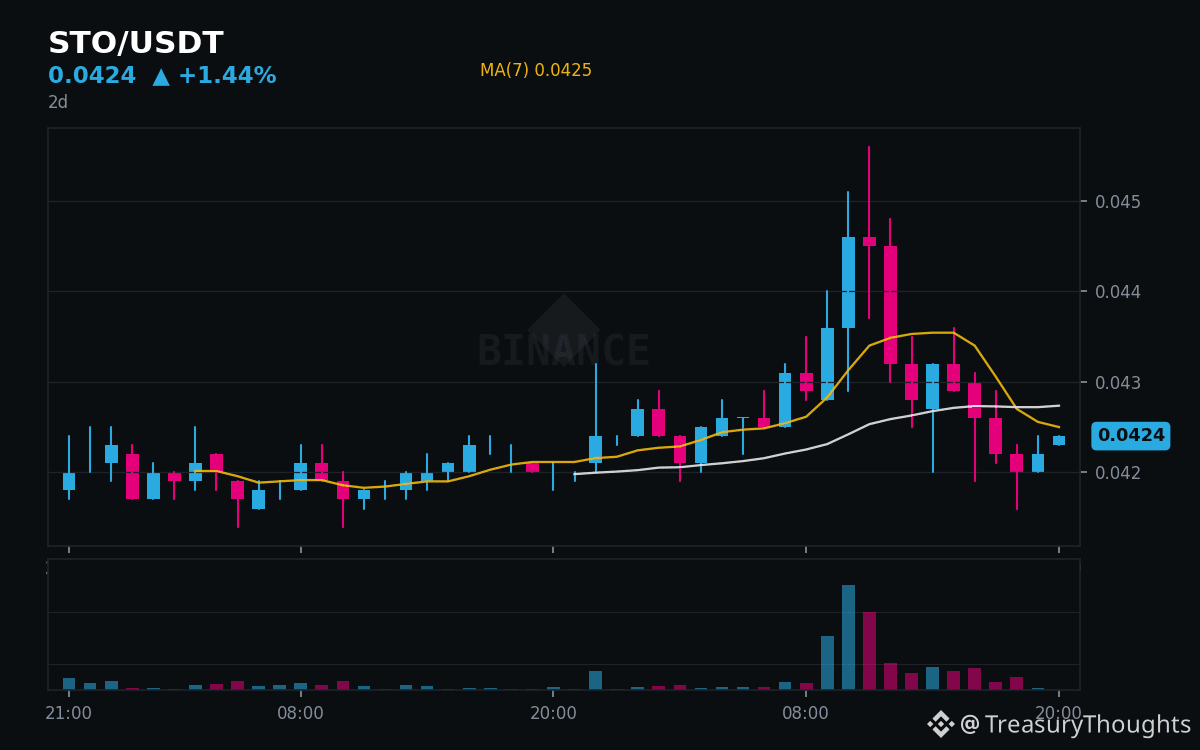
$STO hätte einen bullischen MACD-Crossover auf dem 15‑Minuten-Chart bekommen, die höheren Timeframes bestätigen das Signal. Ich eröffne die Position, aber ich rechne schon damit, wie es aussehen wird, wenn es nach unten dreht 😑
🟢 Long (bullischer MACD-Crossover) | MACD Crossover
Einstieg: 0.0422577 - 0.0423846
Stop: 0.0414752
Take: 0.0436
RSI: n/v | Score: 62/100
R:R 1:1.5
Informationspost, keine Finanzempfehlung.
#STO #CryptoTrading
$STO hätte einen bullischen MACD-Crossover auf dem 15‑Minuten-Chart bekommen, die höheren Timeframes bestätigen das Signal. Ich eröffne die Position, aber ich rechne schon damit, wie es aussehen wird, wenn es nach unten dreht 😑
🟢 Long (bullischer MACD-Crossover) | MACD Crossover
Einstieg: 0.0422577 - 0.0423846
Stop: 0.0414752
Take: 0.0436
RSI: n/v | Score: 62/100
R:R 1:1.5
Informationspost, keine Finanzempfehlung.
#STO #CryptoTrading
🟢 Long (bullischer MACD-Crossover) | MACD Crossover
Einstieg: 0.0422577 - 0.0423846
Stop: 0.0414752
Take: 0.0436
RSI: n/v | Score: 62/100
R:R 1:1.5
Informationspost, keine Finanzempfehlung.
#STO #CryptoTrading
123

·
--
$STO +5.52% | $VELODROME +4.71% | $UNI +4.27%
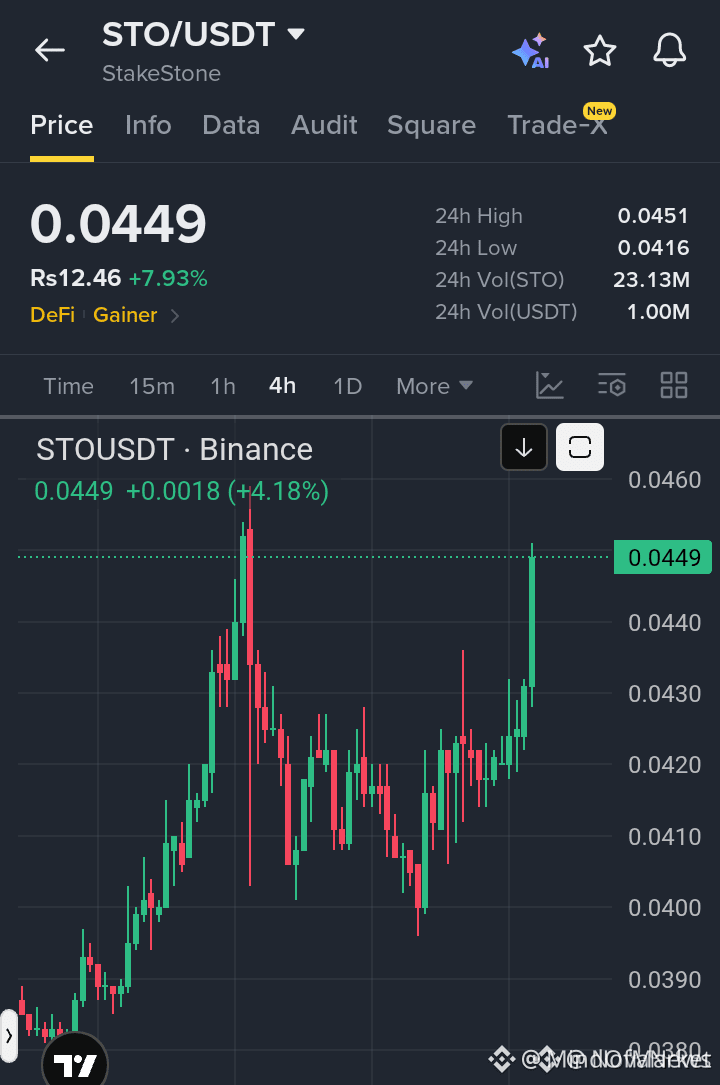
#STO wurde auf bis zu 0,0440 $ angehoben und verzeichnete +5,52% bei einem Handelsvolumen von 1,4 Mio. $. Der Preissprung deutet auf frischen Kaufdruck hin, doch die eher geringe Ordermenge lässt vermuten, dass die Rally zerbrechlich sein könnte.
#VELODROME stieg auf 0,0236 $, +4,71% bei demselben Volumen von 1,4 Mio. $ wie bei STO. Parallele Bewegungen deuten auf eine gemeinsame Marktentstimmung bei diesen Assets mit niedrigerer Marktkapitalisierung hin.
#UNI kletterte auf 4,64 $ und +4,27% bei einem soliden Volumen von 27,6 Mio. $. Als Governance-Token von Uniswap könnte sein gleichmäßigerer Fluss dem Anstieg mehr Beständigkeit verleihen.
👀 Achte darauf, ob die engeren Volumen-Cluster für STO und VELODROME ihre Gewinne halten können, während UNI mit tieferer Liquidität nach vorn zieht.
#Binance #Write2Earn
$STO +5.52% | $VELODROME +4.71% | $UNI +4.27%
#STO wurde auf bis zu 0,0440 $ angehoben und verzeichnete +5,52% bei einem Handelsvolumen von 1,4 Mio. $. Der Preissprung deutet auf frischen Kaufdruck hin, doch die eher geringe Ordermenge lässt vermuten, dass die Rally zerbrechlich sein könnte.
#VELODROME stieg auf 0,0236 $, +4,71% bei demselben Volumen von 1,4 Mio. $ wie bei STO. Parallele Bewegungen deuten auf eine gemeinsame Marktentstimmung bei diesen Assets mit niedrigerer Marktkapitalisierung hin.
#UNI kletterte auf 4,64 $ und +4,27% bei einem soliden Volumen von 27,6 Mio. $. Als Governance-Token von Uniswap könnte sein gleichmäßigerer Fluss dem Anstieg mehr Beständigkeit verleihen.
👀 Achte darauf, ob die engeren Volumen-Cluster für STO und VELODROME ihre Gewinne halten können, während UNI mit tieferer Liquidität nach vorn zieht.
#Binance #Write2Earn
#STO wurde auf bis zu 0,0440 $ angehoben und verzeichnete +5,52% bei einem Handelsvolumen von 1,4 Mio. $. Der Preissprung deutet auf frischen Kaufdruck hin, doch die eher geringe Ordermenge lässt vermuten, dass die Rally zerbrechlich sein könnte.
#VELODROME stieg auf 0,0236 $, +4,71% bei demselben Volumen von 1,4 Mio. $ wie bei STO. Parallele Bewegungen deuten auf eine gemeinsame Marktentstimmung bei diesen Assets mit niedrigerer Marktkapitalisierung hin.
#UNI kletterte auf 4,64 $ und +4,27% bei einem soliden Volumen von 27,6 Mio. $. Als Governance-Token von Uniswap könnte sein gleichmäßigerer Fluss dem Anstieg mehr Beständigkeit verleihen.
👀 Achte darauf, ob die engeren Volumen-Cluster für STO und VELODROME ihre Gewinne halten können, während UNI mit tieferer Liquidität nach vorn zieht.
#Binance #Write2Earn
1
111

·
--
🚨 $STO EINRICHTEN EINES KLASSISCHEN DOUBLE-BOTTOM-LIQUIDITY-SWEEPS VOR DEM AUSBRUCH! 💥
Einstieg: 0.0450 ⚡
Ziel: 0.0520 🚀
📌 $STO formt gerade eine saubere 4H-Double-Bottom-Reversal-Struktur direkt unter einem wichtigen Widerstand. Smart Money nimmt die darüberliegende Sell-Liquidität still und leise auf und legt damit die Grundlage für eine Expansion nach oben. 🦈
📊 Ein klarer struktureller Reclaim von 0.0450 schaltet den oberen Liquiditätspool frei – Richtung 0.0520. Behalte den Blick auf die sekundäre Dynamik über $HEMI und $TRUMP , während sich der breitere Markt-Orderflow verlagert. 💡
💬 Fährst du hier den strukturellen Reclaim mit oder wartest du auf den Breakout-Retest? 👇
⚠️ Keine Finanzberatung. Managemente stets dein Risiko. 🛡️
🏷️ #STO #Breakout #MarketStructure #Crypto
🎯 🦈
🚨 $STO EINRICHTEN EINES KLASSISCHEN DOUBLE-BOTTOM-LIQUIDITY-SWEEPS VOR DEM AUSBRUCH! 💥
Einstieg: 0.0450 ⚡
Ziel: 0.0520 🚀
📌 $STO formt gerade eine saubere 4H-Double-Bottom-Reversal-Struktur direkt unter einem wichtigen Widerstand. Smart Money nimmt die darüberliegende Sell-Liquidität still und leise auf und legt damit die Grundlage für eine Expansion nach oben. 🦈
📊 Ein klarer struktureller Reclaim von 0.0450 schaltet den oberen Liquiditätspool frei – Richtung 0.0520. Behalte den Blick auf die sekundäre Dynamik über $HEMI und $TRUMP , während sich der breitere Markt-Orderflow verlagert. 💡
💬 Fährst du hier den strukturellen Reclaim mit oder wartest du auf den Breakout-Retest? 👇
⚠️ Keine Finanzberatung. Managemente stets dein Risiko. 🛡️
🏷️ #STO #Breakout #MarketStructure #Crypto
🎯 🦈
Einstieg: 0.0450 ⚡
Ziel: 0.0520 🚀
📌 $STO formt gerade eine saubere 4H-Double-Bottom-Reversal-Struktur direkt unter einem wichtigen Widerstand. Smart Money nimmt die darüberliegende Sell-Liquidität still und leise auf und legt damit die Grundlage für eine Expansion nach oben. 🦈
📊 Ein klarer struktureller Reclaim von 0.0450 schaltet den oberen Liquiditätspool frei – Richtung 0.0520. Behalte den Blick auf die sekundäre Dynamik über $HEMI und $TRUMP , während sich der breitere Markt-Orderflow verlagert. 💡
💬 Fährst du hier den strukturellen Reclaim mit oder wartest du auf den Breakout-Retest? 👇
⚠️ Keine Finanzberatung. Managemente stets dein Risiko. 🛡️
🏷️ #STO #Breakout #MarketStructure #Crypto
🎯 🦈
123

·
--
Bullisch
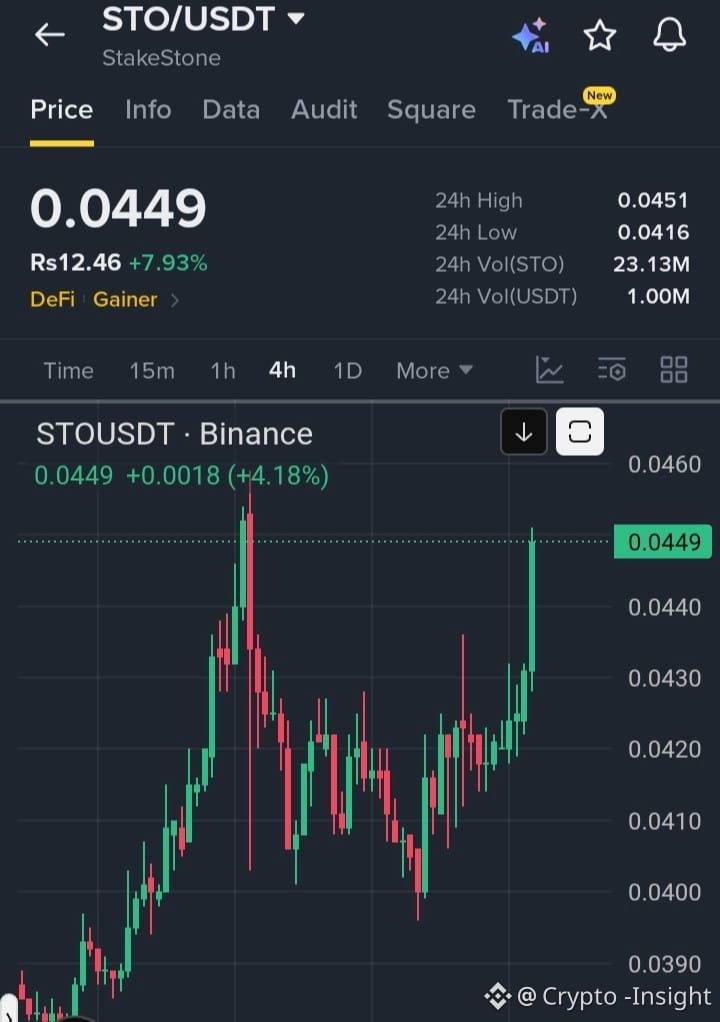
„Smart Money“ könnte gerade $STO in die richtige Richtung bewegen…!!
#STO zeigt derzeit eine starke bullische Dynamik, nachdem es sich nach seinen jüngsten Tiefpunkten gut erholt hat und wieder in Richtung des jüngsten Hochs drängt. Die aktuelle Kursstruktur zeigt starken Kaufdruck, da Käufer in Richtung eines Widerstands nahe 0.0451 drücken, während sie die Unterstützung oberhalb von 0.0416 halten. Wenn diese bullische Stärke anhält, könnte dies als Nächstes Ziele wie 0.0460 und 0.0480 ansteuern next$ZEC
{future}(ZECUSDT)
$RE
{future}(REUSDT)
„Smart Money“ könnte gerade $STO in die richtige Richtung bewegen…!!
#STO zeigt derzeit eine starke bullische Dynamik, nachdem es sich nach seinen jüngsten Tiefpunkten gut erholt hat und wieder in Richtung des jüngsten Hochs drängt. Die aktuelle Kursstruktur zeigt starken Kaufdruck, da Käufer in Richtung eines Widerstands nahe 0.0451 drücken, während sie die Unterstützung oberhalb von 0.0416 halten. Wenn diese bullische Stärke anhält, könnte dies als Nächstes Ziele wie 0.0460 und 0.0480 ansteuern next$ZEC
$RE
#STO zeigt derzeit eine starke bullische Dynamik, nachdem es sich nach seinen jüngsten Tiefpunkten gut erholt hat und wieder in Richtung des jüngsten Hochs drängt. Die aktuelle Kursstruktur zeigt starken Kaufdruck, da Käufer in Richtung eines Widerstands nahe 0.0451 drücken, während sie die Unterstützung oberhalb von 0.0416 halten. Wenn diese bullische Stärke anhält, könnte dies als Nächstes Ziele wie 0.0460 und 0.0480 ansteuern next$ZEC
$RE
1
289



Artikel
SPOT STO MARKTUPDATE:🔥BULLISCHER MOMENTUM GEGEN ENTLASTUNGSDRUCK 🔥
Spot STO-Einblicke
Kurzfassung
STO gewann in 24 Stunden 2,4 %, angetrieben von einer bullischen Retail-Stimmung; allerdings birgt ein bevorstehendes Unlock von 2,14 % unmittelbare Risiken. Prüfe das Live-STO/USDT-Chart auf Binance, um die Interaktion mit dem Widerstand zu überwachen.
Haupttreiber
Retail-Stimmung Hoch: Community-Mitglieder erwarten starkes Upside-Potenzial, wobei die Erwartungen an einen +120%-Run das Basisinteresse von Retail-Käufen befeuern. Diese Zuversicht verbreitet sich über Social-Media-Kanäle und Handelsforen und schafft eine starke psychologische Basis, die neue Marktteilnehmer dazu ermutigt, bei kleineren Rücksetzern Positionen zu eröffnen.
SPOT STO MARKTUPDATE:
🔥BULLISCHER MOMENTUM GEGEN ENTLASTUNGSDRUCK 🔥
Spot STO-Einblicke
Kurzfassung
STO gewann in 24 Stunden 2,4 %, angetrieben von einer bullischen Retail-Stimmung; allerdings birgt ein bevorstehendes Unlock von 2,14 % unmittelbare Risiken. Prüfe das Live-STO/USDT-Chart auf Binance, um die Interaktion mit dem Widerstand zu überwachen.
Haupttreiber
Retail-Stimmung Hoch: Community-Mitglieder erwarten starkes Upside-Potenzial, wobei die Erwartungen an einen +120%-Run das Basisinteresse von Retail-Käufen befeuern. Diese Zuversicht verbreitet sich über Social-Media-Kanäle und Handelsforen und schafft eine starke psychologische Basis, die neue Marktteilnehmer dazu ermutigt, bei kleineren Rücksetzern Positionen zu eröffnen.
Spot STO-Einblicke
Kurzfassung
STO gewann in 24 Stunden 2,4 %, angetrieben von einer bullischen Retail-Stimmung; allerdings birgt ein bevorstehendes Unlock von 2,14 % unmittelbare Risiken. Prüfe das Live-STO/USDT-Chart auf Binance, um die Interaktion mit dem Widerstand zu überwachen.
Haupttreiber
Retail-Stimmung Hoch: Community-Mitglieder erwarten starkes Upside-Potenzial, wobei die Erwartungen an einen +120%-Run das Basisinteresse von Retail-Käufen befeuern. Diese Zuversicht verbreitet sich über Social-Media-Kanäle und Handelsforen und schafft eine starke psychologische Basis, die neue Marktteilnehmer dazu ermutigt, bei kleineren Rücksetzern Positionen zu eröffnen.
287
13
287

·
--
Bullisch
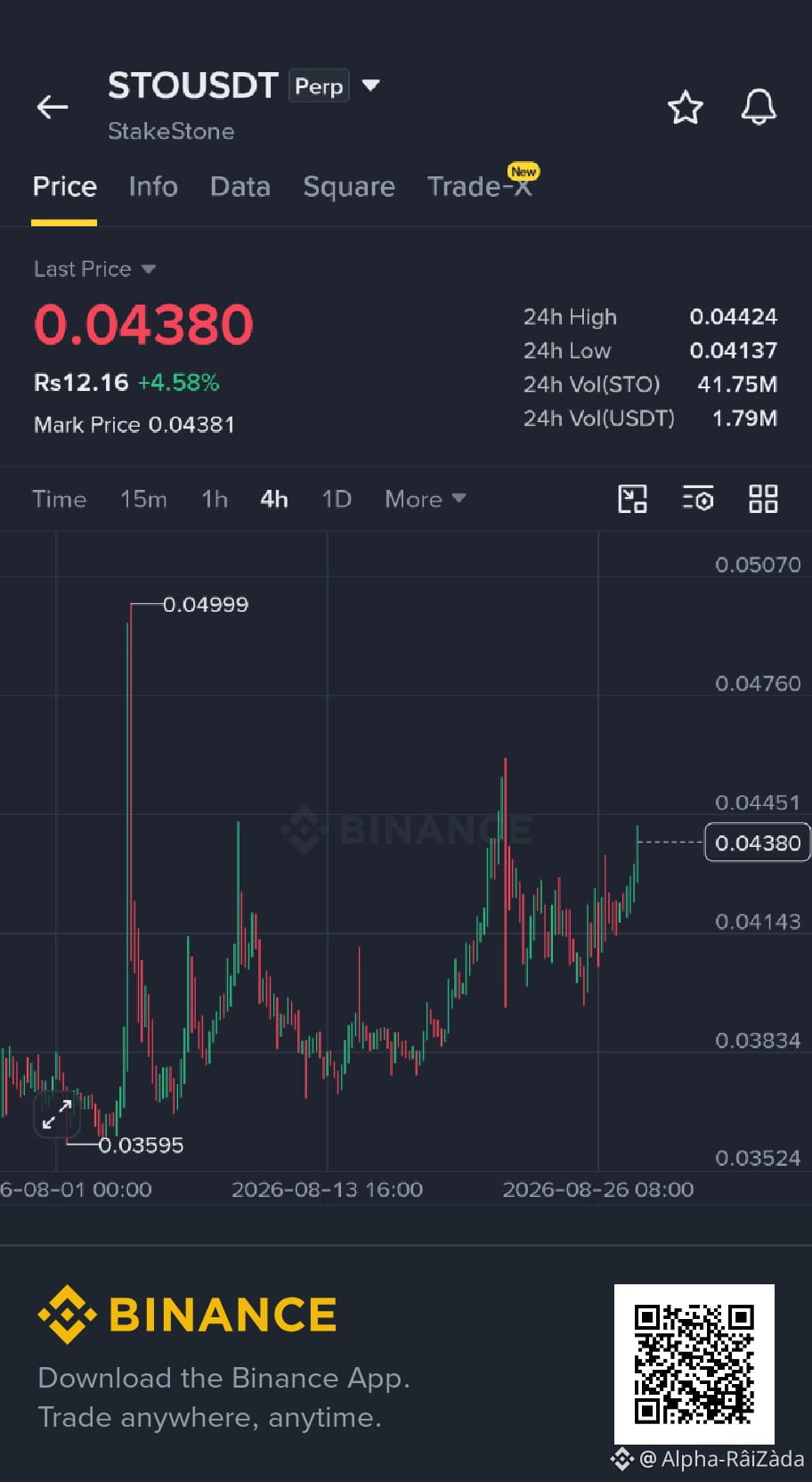
🚀 $STO
{spot}(STOUSDT)
— DURCHBRUCH-MOMENTUM AUFBAU
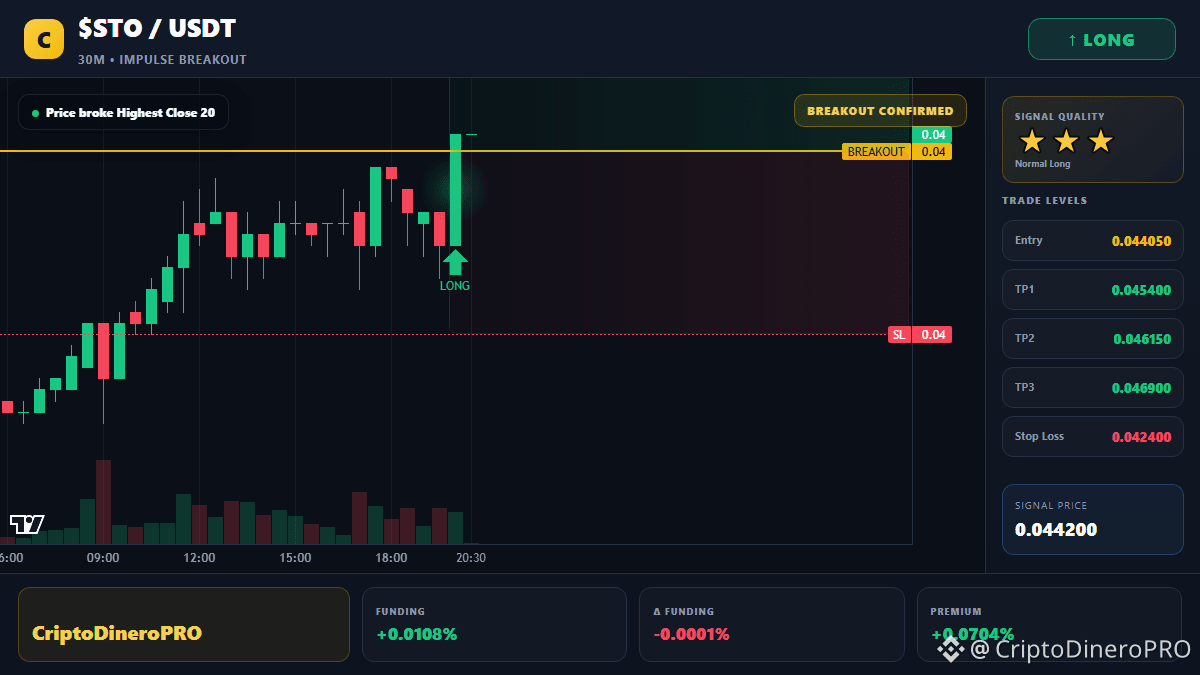
$STO drückt nach einem klaren bullischen Move nach oben weiter, während die Käufer die Kontrolle behalten, während der Kurs sich der $0.0440-Widerstandszone nähert.
🟢 LONG-SETUP
📍 Einstieg: $0.0430–$0.0438
🎯 TP1: $0.0445
🎯 TP2: $0.0450
🎯 TP3: $0.0460
🛑 SL: $0.0420
🔥 Wichtiger Punkt: Ein sauberer Bruch und ein Halt über $0.0440 könnte den nächsten Aufwärtsimpuls verstärken.
⚠️ Auf Bestätigung im Bereich des Widerstands warten und das Risiko sorgfältig steuern.
#STO #LongSetup #CryptoTrading #Futures_signal
🚀 $STO
— DURCHBRUCH-MOMENTUM AUFBAU
$STO drückt nach einem klaren bullischen Move nach oben weiter, während die Käufer die Kontrolle behalten, während der Kurs sich der $0.0440-Widerstandszone nähert.
🟢 LONG-SETUP
📍 Einstieg: $0.0430–$0.0438
🎯 TP1: $0.0445
🎯 TP2: $0.0450
🎯 TP3: $0.0460
🛑 SL: $0.0420
🔥 Wichtiger Punkt: Ein sauberer Bruch und ein Halt über $0.0440 könnte den nächsten Aufwärtsimpuls verstärken.
⚠️ Auf Bestätigung im Bereich des Widerstands warten und das Risiko sorgfältig steuern.
#STO #LongSetup #CryptoTrading #Futures_signal
— DURCHBRUCH-MOMENTUM AUFBAU
$STO drückt nach einem klaren bullischen Move nach oben weiter, während die Käufer die Kontrolle behalten, während der Kurs sich der $0.0440-Widerstandszone nähert.
🟢 LONG-SETUP
📍 Einstieg: $0.0430–$0.0438
🎯 TP1: $0.0445
🎯 TP2: $0.0450
🎯 TP3: $0.0460
🛑 SL: $0.0420
🔥 Wichtiger Punkt: Ein sauberer Bruch und ein Halt über $0.0440 könnte den nächsten Aufwärtsimpuls verstärken.
⚠️ Auf Bestätigung im Bereich des Widerstands warten und das Risiko sorgfältig steuern.
#STO #LongSetup #CryptoTrading #Futures_signal
132

·
--
$STO at 0.0422 ist kein zufälliges Rauschen, es bereitet einen Test des 0.0500-Bereichs vor. 🚀
Wenn es 0.0400 verliert, liege ich falsch.
Einfach.
RSI ist nur 56, das Volumen ist 2x der 20d-Durchschnitt, und der 4h-Trend wird immer noch zerschnitten. Das sagt mir, dass das noch nicht fertig ist, aber auch nicht sauber. 🧠 Longs zahlen das Funding, also kann die Squeeze weitergehen, wenn Spot weiter auftaucht, und $BTC bleibt ruhig.
Rückgewinnung von 0.0500 und das öffnet sich schnell. 📈
#STO
#Krypto
$STO at 0.0422 ist kein zufälliges Rauschen, es bereitet einen Test des 0.0500-Bereichs vor. 🚀
Wenn es 0.0400 verliert, liege ich falsch.
Einfach.
RSI ist nur 56, das Volumen ist 2x der 20d-Durchschnitt, und der 4h-Trend wird immer noch zerschnitten. Das sagt mir, dass das noch nicht fertig ist, aber auch nicht sauber. 🧠 Longs zahlen das Funding, also kann die Squeeze weitergehen, wenn Spot weiter auftaucht, und $BTC bleibt ruhig.
Rückgewinnung von 0.0500 und das öffnet sich schnell. 📈
#STO
#Krypto
Wenn es 0.0400 verliert, liege ich falsch.
Einfach.
RSI ist nur 56, das Volumen ist 2x der 20d-Durchschnitt, und der 4h-Trend wird immer noch zerschnitten. Das sagt mir, dass das noch nicht fertig ist, aber auch nicht sauber. 🧠 Longs zahlen das Funding, also kann die Squeeze weitergehen, wenn Spot weiter auftaucht, und $BTC bleibt ruhig.
Rückgewinnung von 0.0500 und das öffnet sich schnell. 📈
#STO
#Krypto
337

·
--
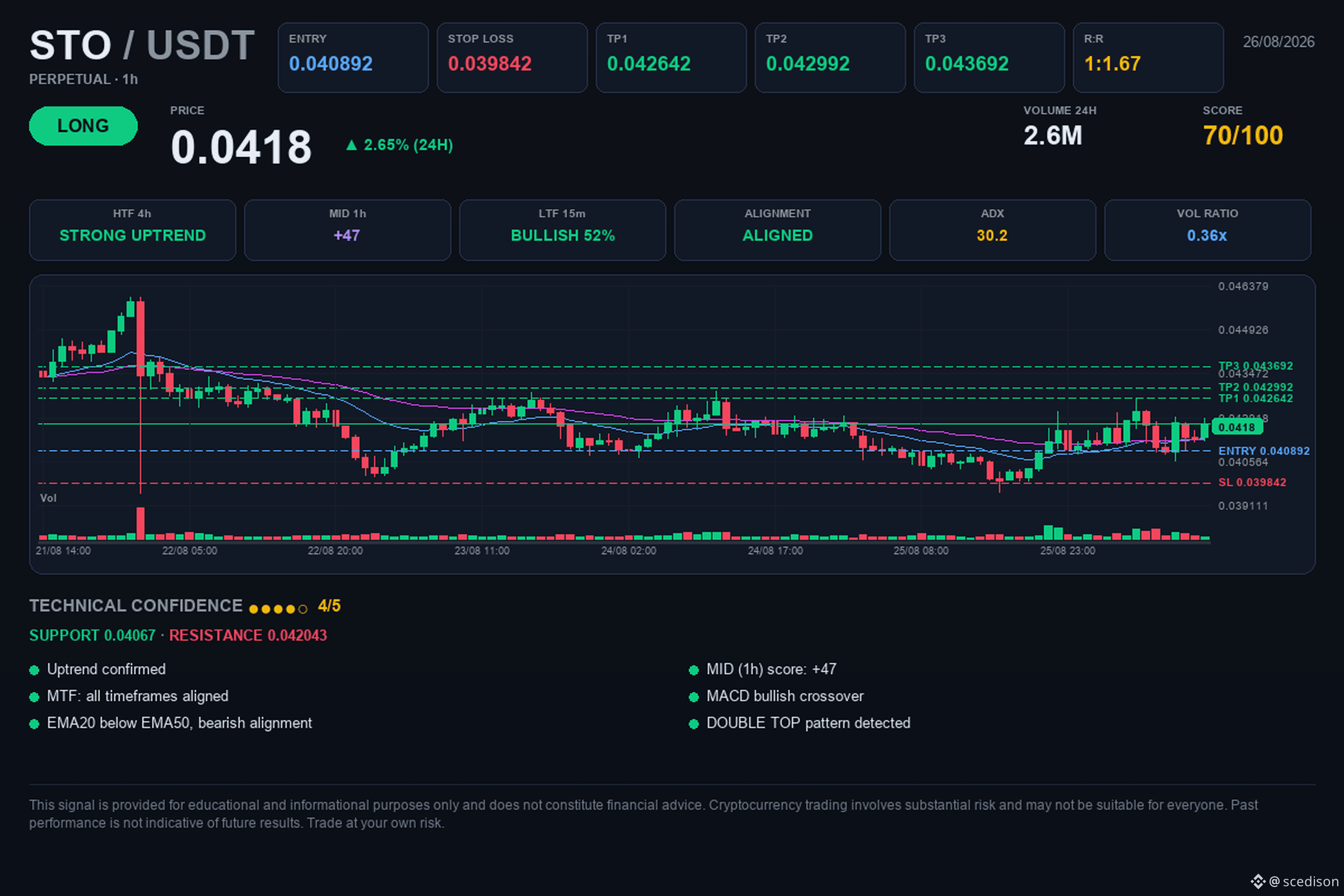
📢 $STO / $USDT | 🟢 LONG | ⭐ 70%
🎯 Ziel: $0.042642. Schafft es das?
🎯 Operationsniveaus:
🟢 Einstieg: $0.040892
🛑 Stop Loss: $0.039842
🏁 TP1: $0.042642
🏁 TP2: $0.042992
🏁 TP3: $0.043692
📈 Analyse:
Die Struktur von $STO zeigt in allen Zeitrahmen (MTF) eine bullische Ausrichtung, gestützt durch einen ADX von 30.21, der eine Trendrichtung mit gefestigter Stärke bestätigt. Der bullische MACD-Cross (ein Momentum-Indikator, der Veränderungen in der Trendstärke misst) zusammen mit einem RSI von 55.63 (der zeigt, dass noch Raum vor den Überkauft-Niveaus besteht) bestätigt den Rebound über dem Triple-Bottom-Muster und positioniert den Preis oberhalb des POC von $0.041618 (Point of Control, der Punkt mit dem höchsten transaktionierten Volumen).
⚖️ Risiko/Ertrag: 1:1.67
⏱️ Zeitrahmen: 1H
📐 Technisches Vertrauen: 4/5
Die These wird ungültig, wenn der Preis den Stop Loss von $0.039842 durchbricht und damit die Struktur steigender Tiefs aufhebt. Es ist entscheidend, den Bruch des unmittelbaren Widerstands bei $0.042043 zu beobachten, um die Fortsetzung des bullischen Impulses in Richtung der gesetzten Ziele zu bestätigen.
Hältst du das aktuelle Volumen für ausreichend, um den Widerstand bei $0.042043 zu durchbrechen?
💡 Diese Analyse dient nur zu Bildungszwecken und ist keine Finanzberatung. Informiere dich selbst und entscheide in Ruhe.
#crypto #STO #trading #Futures #Bullish
📢 $STO / $USDT | 🟢 LONG | ⭐ 70%
🎯 Ziel: $0.042642. Schafft es das?
🎯 Operationsniveaus:
🟢 Einstieg: $0.040892
🛑 Stop Loss: $0.039842
🏁 TP1: $0.042642
🏁 TP2: $0.042992
🏁 TP3: $0.043692
📈 Analyse:
Die Struktur von $STO zeigt in allen Zeitrahmen (MTF) eine bullische Ausrichtung, gestützt durch einen ADX von 30.21, der eine Trendrichtung mit gefestigter Stärke bestätigt. Der bullische MACD-Cross (ein Momentum-Indikator, der Veränderungen in der Trendstärke misst) zusammen mit einem RSI von 55.63 (der zeigt, dass noch Raum vor den Überkauft-Niveaus besteht) bestätigt den Rebound über dem Triple-Bottom-Muster und positioniert den Preis oberhalb des POC von $0.041618 (Point of Control, der Punkt mit dem höchsten transaktionierten Volumen).
⚖️ Risiko/Ertrag: 1:1.67
⏱️ Zeitrahmen: 1H
📐 Technisches Vertrauen: 4/5
Die These wird ungültig, wenn der Preis den Stop Loss von $0.039842 durchbricht und damit die Struktur steigender Tiefs aufhebt. Es ist entscheidend, den Bruch des unmittelbaren Widerstands bei $0.042043 zu beobachten, um die Fortsetzung des bullischen Impulses in Richtung der gesetzten Ziele zu bestätigen.
Hältst du das aktuelle Volumen für ausreichend, um den Widerstand bei $0.042043 zu durchbrechen?
💡 Diese Analyse dient nur zu Bildungszwecken und ist keine Finanzberatung. Informiere dich selbst und entscheide in Ruhe.
#crypto #STO #trading #Futures #Bullish
🎯 Ziel: $0.042642. Schafft es das?
🎯 Operationsniveaus:
🟢 Einstieg: $0.040892
🛑 Stop Loss: $0.039842
🏁 TP1: $0.042642
🏁 TP2: $0.042992
🏁 TP3: $0.043692
📈 Analyse:
Die Struktur von $STO zeigt in allen Zeitrahmen (MTF) eine bullische Ausrichtung, gestützt durch einen ADX von 30.21, der eine Trendrichtung mit gefestigter Stärke bestätigt. Der bullische MACD-Cross (ein Momentum-Indikator, der Veränderungen in der Trendstärke misst) zusammen mit einem RSI von 55.63 (der zeigt, dass noch Raum vor den Überkauft-Niveaus besteht) bestätigt den Rebound über dem Triple-Bottom-Muster und positioniert den Preis oberhalb des POC von $0.041618 (Point of Control, der Punkt mit dem höchsten transaktionierten Volumen).
⚖️ Risiko/Ertrag: 1:1.67
⏱️ Zeitrahmen: 1H
📐 Technisches Vertrauen: 4/5
Die These wird ungültig, wenn der Preis den Stop Loss von $0.039842 durchbricht und damit die Struktur steigender Tiefs aufhebt. Es ist entscheidend, den Bruch des unmittelbaren Widerstands bei $0.042043 zu beobachten, um die Fortsetzung des bullischen Impulses in Richtung der gesetzten Ziele zu bestätigen.
Hältst du das aktuelle Volumen für ausreichend, um den Widerstand bei $0.042043 zu durchbrechen?
💡 Diese Analyse dient nur zu Bildungszwecken und ist keine Finanzberatung. Informiere dich selbst und entscheide in Ruhe.
#crypto #STO #trading #Futures #Bullish
46
Anmelden und weiter Inhalte entdecken
Krypto-Nutzer weltweit auf Binance Square kennenlernen
⚡️ Bleib in Sachen Krypto stets am Puls.
💬 Die weltgrößte Kryptobörse vertraut darauf.
👍 Erhalte verlässliche Einblicke von verifizierten Creators.
E-Mail-Adresse/Telefonnummer
Trendthemen
1
#SECReceivesGrayscaleLitecoinTrustETFFiling
15,616 Aufrufe
336 Kommentare
2
#ClarityActFacesProceduralVoteSept15
113,923 Aufrufe
1,314 Kommentare
3
#US10YearTreasuryYieldNears5%
39,307 Aufrufe
676 Kommentare
4
#CryptoLiquidations$674MIn24H
9,163 Aufrufe
107 Kommentare
5
#TokenizedStockHoldersUp619.1%
40,227 Aufrufe
612 Kommentare
6
#RevolutConfirmsFakeGovEmailDataBreach
66,943 Aufrufe
893 Kommentare
7
#CanadaOSFISaysTokenizedDepositsEqualTraditionalDeposits
3,846 Aufrufe
80 Kommentare
8
#USBankCompletesCrossBorderPaymentPilotOnStellar
60,379 Aufrufe
995 Kommentare
9
#NvidiaInTalksToInvestUpTo$10BInAnthropicIPO
4,419 Aufrufe
77 Kommentare
10
#EtherRalliesAsBearishBetsLiquidate
87,403 Aufrufe
1,234 Kommentare