

#robotic
robotic
2,949 Aufrufe
36 Kommentare
Hot
Zuletzt
·
--
Bärisch
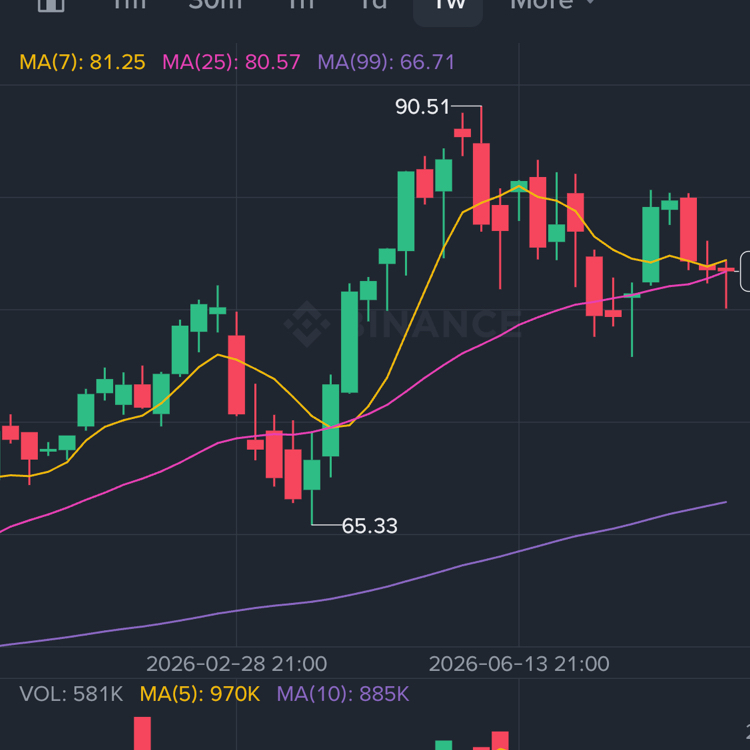
Ein Auge auf $ROBO (ROBO Global Robotics & Automation Index ETF) behalten. Er liegt derzeit bei etwa 80,54 $, heute um +1,13 % im Plus, mit einem leichten Anstieg im nachbörslichen Handel.
Es sieht so aus, als hätte er vor ein paar Monaten ein Hoch von 90,51 $ erreicht, ist dann in Richtung 78 $ zurückgefallen und konsolidiert sich jetzt genau um die gleitenden Durchschnitte herum.
Definitiv ein Chart, den man für die nächste mögliche Bewegung in Tech und Automatisierung im Auge behalten sollte.
#ROBO #Robotic #Investing #StockMarket
{future}(ROBOUSDT)
Ein Auge auf $ROBO (ROBO Global Robotics & Automation Index ETF) behalten. Er liegt derzeit bei etwa 80,54 $, heute um +1,13 % im Plus, mit einem leichten Anstieg im nachbörslichen Handel.
Es sieht so aus, als hätte er vor ein paar Monaten ein Hoch von 90,51 $ erreicht, ist dann in Richtung 78 $ zurückgefallen und konsolidiert sich jetzt genau um die gleitenden Durchschnitte herum.
Definitiv ein Chart, den man für die nächste mögliche Bewegung in Tech und Automatisierung im Auge behalten sollte.
#ROBO #Robotic #Investing #StockMarket
Es sieht so aus, als hätte er vor ein paar Monaten ein Hoch von 90,51 $ erreicht, ist dann in Richtung 78 $ zurückgefallen und konsolidiert sich jetzt genau um die gleitenden Durchschnitte herum.
Definitiv ein Chart, den man für die nächste mögliche Bewegung in Tech und Automatisierung im Auge behalten sollte.
#ROBO #Robotic #Investing #StockMarket
249

·
--
Artikel
Fabric Foundation und $ROBO: Aufbau des Betriebssystems der Robotik-WirtschaftDas Panorama der Kryptowährungen im Jahr 2026 erlebt eine faszinierende Konvergenz zwischen künstlicher Intelligenz, Robotik und Dezentralisierung. Im Zentrum dieser Evolution steht die Fabric Foundation, ein Projekt, das über die einfachen technologischen Versprechungen hinausgeht und eine echte wirtschaftliche Infrastruktur für autonome Maschinen aufbauen möchte.
Was ist die Fabric Foundation?
Wir sollten @FabricFND nicht als einfache Token-Plattform betrachten. Ihre Vision ist es, als "Android für Roboter" zu fungieren und die notwendige Schicht von Intelligenz und Zahlungen bereitzustellen, damit autonome Systeme unabhängig operieren können. Statt isolierter Roboter schlägt die Stiftung ein Netzwerk vor, in dem diese Maschinen sich koordinieren, transaktionieren und wirtschaftlichen Wert ohne ständige menschliche Intervention generieren können.
Fabric Foundation und $ROBO: Aufbau des Betriebssystems der Robotik-Wirtschaft
Das Panorama der Kryptowährungen im Jahr 2026 erlebt eine faszinierende Konvergenz zwischen künstlicher Intelligenz, Robotik und Dezentralisierung. Im Zentrum dieser Evolution steht die Fabric Foundation, ein Projekt, das über die einfachen technologischen Versprechungen hinausgeht und eine echte wirtschaftliche Infrastruktur für autonome Maschinen aufbauen möchte.
Was ist die Fabric Foundation?
Wir sollten @Fabric Foundation nicht als einfache Token-Plattform betrachten. Ihre Vision ist es, als "Android für Roboter" zu fungieren und die notwendige Schicht von Intelligenz und Zahlungen bereitzustellen, damit autonome Systeme unabhängig operieren können. Statt isolierter Roboter schlägt die Stiftung ein Netzwerk vor, in dem diese Maschinen sich koordinieren, transaktionieren und wirtschaftlichen Wert ohne ständige menschliche Intervention generieren können.
Was ist die Fabric Foundation?
Wir sollten @Fabric Foundation nicht als einfache Token-Plattform betrachten. Ihre Vision ist es, als "Android für Roboter" zu fungieren und die notwendige Schicht von Intelligenz und Zahlungen bereitzustellen, damit autonome Systeme unabhängig operieren können. Statt isolierter Roboter schlägt die Stiftung ein Netzwerk vor, in dem diese Maschinen sich koordinieren, transaktionieren und wirtschaftlichen Wert ohne ständige menschliche Intervention generieren können.
5
40

·
--
Bullisch
🚨 $UNITREE Robotics feiert ein beeindruckendes Shanghai-Debüt! 🤖📈
$UNITREE Robotics, offiziell bekannt als Yushu Technology, stieg zum Auftakt seines Börsendebüts in Shanghai um 629%, nachdem das Unternehmen 6,1 Milliarden Yuan ($904 Mio.) eingesammelt hatte.
🔹 Emissionspreis: 150,8 Yuan 🔹 Eröffnungskurs: 1.100 Yuan🔹 Implizierte Marktbewertung: 445 Milliarden Yuan 🔹 2025 Umsatz: 1,7 Milliarden Yuan, von 393 Mio. Yuan zuvor gestiegen 🔹 Ausgelieferte humanoide Roboter 2025: 5.500+🔹 Bruttomarge: 60%+
Mit der Notierung wird Unitree zum ersten börsennotierten Hersteller humanoider Roboter auf dem chinesischen Festland, was das wachsende Interesse von Investoren an Physical $AI und Robotik unterstreicht.
📊 JPMorgan geht davon aus, dass die weltweiten Auslieferungen humanoider Roboter bis 2030 1,75 Millionen Einheiten erreichen werden, verglichen mit nur 18.000 im Jahr 2025.
⚠️ Analysten warnen jedoch, dass der starke Kursanstieg am ersten Tag stark durch die Nachfrage von Privatanlegern getrieben sein könnte, während die Bewertungen bereits als extrem hoch gelten.
🤖 Chinas Wettrennen im Bereich humanoider Robotik heizt sich weiter an.
#AI #UnitreeRobotics #HumanoidRobot
#Robotic #Binance
🚨 $UNITREE Robotics feiert ein beeindruckendes Shanghai-Debüt! 🤖📈
$UNITREE Robotics, offiziell bekannt als Yushu Technology, stieg zum Auftakt seines Börsendebüts in Shanghai um 629%, nachdem das Unternehmen 6,1 Milliarden Yuan ($904 Mio.) eingesammelt hatte.
🔹 Emissionspreis: 150,8 Yuan 🔹 Eröffnungskurs: 1.100 Yuan🔹 Implizierte Marktbewertung: 445 Milliarden Yuan 🔹 2025 Umsatz: 1,7 Milliarden Yuan, von 393 Mio. Yuan zuvor gestiegen 🔹 Ausgelieferte humanoide Roboter 2025: 5.500+🔹 Bruttomarge: 60%+
Mit der Notierung wird Unitree zum ersten börsennotierten Hersteller humanoider Roboter auf dem chinesischen Festland, was das wachsende Interesse von Investoren an Physical $AI und Robotik unterstreicht.
📊 JPMorgan geht davon aus, dass die weltweiten Auslieferungen humanoider Roboter bis 2030 1,75 Millionen Einheiten erreichen werden, verglichen mit nur 18.000 im Jahr 2025.
⚠️ Analysten warnen jedoch, dass der starke Kursanstieg am ersten Tag stark durch die Nachfrage von Privatanlegern getrieben sein könnte, während die Bewertungen bereits als extrem hoch gelten.
🤖 Chinas Wettrennen im Bereich humanoider Robotik heizt sich weiter an.
#AI #UnitreeRobotics #HumanoidRobot
#Robotic #Binance
$UNITREE Robotics, offiziell bekannt als Yushu Technology, stieg zum Auftakt seines Börsendebüts in Shanghai um 629%, nachdem das Unternehmen 6,1 Milliarden Yuan ($904 Mio.) eingesammelt hatte.
🔹 Emissionspreis: 150,8 Yuan 🔹 Eröffnungskurs: 1.100 Yuan🔹 Implizierte Marktbewertung: 445 Milliarden Yuan 🔹 2025 Umsatz: 1,7 Milliarden Yuan, von 393 Mio. Yuan zuvor gestiegen 🔹 Ausgelieferte humanoide Roboter 2025: 5.500+🔹 Bruttomarge: 60%+
Mit der Notierung wird Unitree zum ersten börsennotierten Hersteller humanoider Roboter auf dem chinesischen Festland, was das wachsende Interesse von Investoren an Physical $AI und Robotik unterstreicht.
📊 JPMorgan geht davon aus, dass die weltweiten Auslieferungen humanoider Roboter bis 2030 1,75 Millionen Einheiten erreichen werden, verglichen mit nur 18.000 im Jahr 2025.
⚠️ Analysten warnen jedoch, dass der starke Kursanstieg am ersten Tag stark durch die Nachfrage von Privatanlegern getrieben sein könnte, während die Bewertungen bereits als extrem hoch gelten.
🤖 Chinas Wettrennen im Bereich humanoider Robotik heizt sich weiter an.
#AI #UnitreeRobotics #HumanoidRobot
#Robotic #Binance
86
·
--
$ROBO Option 1: Visionär & Informativ (Am besten für allgemeine Zielgruppen)
Während KI-Systeme aus der Software und in die physische Welt treten, wer regiert die Maschinen? 🤔🤖
Treten Sie der Fabric Foundation (https://fabric.foundation) bei – einer gemeinnützigen Organisation, die sich der Förderung von Open Robotics & AGI widmet. Sie bauen die dezentralisierte Infrastruktur für das öffentliche Wohl auf, die benötigt wird, damit Menschen und intelligente Maschinen sicher und produktiv zusammenarbeiten können.
Schwerpunktbereiche:
🔹 Mensch-Maschine-Ausrichtung
🔹 Dezentrale Roboteridentität & Aufgabenverteilung
🔹 Open-Source KI-Robotik
Es ist an der Zeit, eine sichere, beobachtbare und global zugängliche Zukunft für KI zu schaffen. 🌍🦾
Option 2: Crypto/Web3 Fokussiert (Am besten für die Krypto-Community)
Die Zukunft der autonomen Roboter wird on-chain sein. ⛓️🤖
https://fabric.foundation baut das Netzwerk für Zahlungen, Identität und Kapitalverteilung auf, das es Robotern ermöglichen wird, als autonome wirtschaftliche Teilnehmer zu agieren.
Angetrieben vom neu gestarteten ROBO-Token stellt das Fabric-Protokoll sicher, dass keine einzelne Entität die Zukunft intelligenter Maschinen kontrolliert. Von Netzwerkgebühren bis hin zu crowdsourced Robot Koordination, ROBO treibt die dezentrale Maschinenwirtschaft voran.
Bereit, die Roboterwirtschaft zu besitzen? 🚀🛠️ #ROBO
Option 3: Kurz & Prägnant
Die Robotikindustrie befindet sich an einem Wendepunkt. 📈🤖
Die Fabric Foundation (https://fabric.foundation) baut die Open-Source-Governance und wirtschaftliche Infrastruktur auf, um sicherzustellen, dass KI und autonome Maschinen sicher, ausgerichtet und für jeden zugänglich bleiben. Angetrieben von $ROBO, dezentralisieren sie die Zukunft von AGI. 🌐✨
Tauchen Sie ein in die Zukunft der Mensch-Maschine-Zusammenarbeit! 👇 #FabricFoundation #ArtificialIntelligence #Robotic #Krypto
$ROBO Option 1: Visionär & Informativ (Am besten für allgemeine Zielgruppen)
Während KI-Systeme aus der Software und in die physische Welt treten, wer regiert die Maschinen? 🤔🤖
Treten Sie der Fabric Foundation (https://fabric.foundation) bei – einer gemeinnützigen Organisation, die sich der Förderung von Open Robotics & AGI widmet. Sie bauen die dezentralisierte Infrastruktur für das öffentliche Wohl auf, die benötigt wird, damit Menschen und intelligente Maschinen sicher und produktiv zusammenarbeiten können.
Schwerpunktbereiche:
🔹 Mensch-Maschine-Ausrichtung
🔹 Dezentrale Roboteridentität & Aufgabenverteilung
🔹 Open-Source KI-Robotik
Es ist an der Zeit, eine sichere, beobachtbare und global zugängliche Zukunft für KI zu schaffen. 🌍🦾
Option 2: Crypto/Web3 Fokussiert (Am besten für die Krypto-Community)
Die Zukunft der autonomen Roboter wird on-chain sein. ⛓️🤖
https://fabric.foundation baut das Netzwerk für Zahlungen, Identität und Kapitalverteilung auf, das es Robotern ermöglichen wird, als autonome wirtschaftliche Teilnehmer zu agieren.
Angetrieben vom neu gestarteten ROBO-Token stellt das Fabric-Protokoll sicher, dass keine einzelne Entität die Zukunft intelligenter Maschinen kontrolliert. Von Netzwerkgebühren bis hin zu crowdsourced Robot Koordination, ROBO treibt die dezentrale Maschinenwirtschaft voran.
Bereit, die Roboterwirtschaft zu besitzen? 🚀🛠️ #ROBO
Option 3: Kurz & Prägnant
Die Robotikindustrie befindet sich an einem Wendepunkt. 📈🤖
Die Fabric Foundation (https://fabric.foundation) baut die Open-Source-Governance und wirtschaftliche Infrastruktur auf, um sicherzustellen, dass KI und autonome Maschinen sicher, ausgerichtet und für jeden zugänglich bleiben. Angetrieben von $ROBO , dezentralisieren sie die Zukunft von AGI. 🌐✨
Tauchen Sie ein in die Zukunft der Mensch-Maschine-Zusammenarbeit! 👇 #FabricFoundation #ArtificialIntelligence #Robotic #Krypto
Während KI-Systeme aus der Software und in die physische Welt treten, wer regiert die Maschinen? 🤔🤖
Treten Sie der Fabric Foundation (https://fabric.foundation) bei – einer gemeinnützigen Organisation, die sich der Förderung von Open Robotics & AGI widmet. Sie bauen die dezentralisierte Infrastruktur für das öffentliche Wohl auf, die benötigt wird, damit Menschen und intelligente Maschinen sicher und produktiv zusammenarbeiten können.
Schwerpunktbereiche:
🔹 Mensch-Maschine-Ausrichtung
🔹 Dezentrale Roboteridentität & Aufgabenverteilung
🔹 Open-Source KI-Robotik
Es ist an der Zeit, eine sichere, beobachtbare und global zugängliche Zukunft für KI zu schaffen. 🌍🦾
Option 2: Crypto/Web3 Fokussiert (Am besten für die Krypto-Community)
Die Zukunft der autonomen Roboter wird on-chain sein. ⛓️🤖
https://fabric.foundation baut das Netzwerk für Zahlungen, Identität und Kapitalverteilung auf, das es Robotern ermöglichen wird, als autonome wirtschaftliche Teilnehmer zu agieren.
Angetrieben vom neu gestarteten ROBO-Token stellt das Fabric-Protokoll sicher, dass keine einzelne Entität die Zukunft intelligenter Maschinen kontrolliert. Von Netzwerkgebühren bis hin zu crowdsourced Robot Koordination, ROBO treibt die dezentrale Maschinenwirtschaft voran.
Bereit, die Roboterwirtschaft zu besitzen? 🚀🛠️ #ROBO
Option 3: Kurz & Prägnant
Die Robotikindustrie befindet sich an einem Wendepunkt. 📈🤖
Die Fabric Foundation (https://fabric.foundation) baut die Open-Source-Governance und wirtschaftliche Infrastruktur auf, um sicherzustellen, dass KI und autonome Maschinen sicher, ausgerichtet und für jeden zugänglich bleiben. Angetrieben von $ROBO , dezentralisieren sie die Zukunft von AGI. 🌐✨
Tauchen Sie ein in die Zukunft der Mensch-Maschine-Zusammenarbeit! 👇 #FabricFoundation #ArtificialIntelligence #Robotic #Krypto
47

·
--
Kein Zweifel, dass der Trend der Robotik in Zukunft stark wachsen wird und Axis Robotics das führende Krypto-Projekt sein wird.
Schaut euch an, die First Lady der Vereinigten Staaten erscheint mit einem Roboter und bestätigt uns, dass der Trend zur Robotik stark investiert wird und Projekte im Bereich Web3-Robotik wie Axis in Zukunft weiter wachsen werden.
Dies ist nicht nur eine vorübergehende Erzählung, sondern ein langfristiger Technologiekreislauf, in dem KI, Hardware und Blockchain kombiniert werden, um echten Wert und nachhaltige Cashflows zu schaffen.
Aktuell sind die Aufgaben weiterhin geöffnet und die alten Aufgaben sind für euch verfügbar, um euch auf der Axis-Plattform einzuarbeiten.
#Axis #Robotic
Kein Zweifel, dass der Trend der Robotik in Zukunft stark wachsen wird und Axis Robotics das führende Krypto-Projekt sein wird.
Schaut euch an, die First Lady der Vereinigten Staaten erscheint mit einem Roboter und bestätigt uns, dass der Trend zur Robotik stark investiert wird und Projekte im Bereich Web3-Robotik wie Axis in Zukunft weiter wachsen werden.
Dies ist nicht nur eine vorübergehende Erzählung, sondern ein langfristiger Technologiekreislauf, in dem KI, Hardware und Blockchain kombiniert werden, um echten Wert und nachhaltige Cashflows zu schaffen.
Aktuell sind die Aufgaben weiterhin geöffnet und die alten Aufgaben sind für euch verfügbar, um euch auf der Axis-Plattform einzuarbeiten.
#Axis #Robotic
Schaut euch an, die First Lady der Vereinigten Staaten erscheint mit einem Roboter und bestätigt uns, dass der Trend zur Robotik stark investiert wird und Projekte im Bereich Web3-Robotik wie Axis in Zukunft weiter wachsen werden.
Dies ist nicht nur eine vorübergehende Erzählung, sondern ein langfristiger Technologiekreislauf, in dem KI, Hardware und Blockchain kombiniert werden, um echten Wert und nachhaltige Cashflows zu schaffen.
Aktuell sind die Aufgaben weiterhin geöffnet und die alten Aufgaben sind für euch verfügbar, um euch auf der Axis-Plattform einzuarbeiten.
#Axis #Robotic
2
6
4.1k
Anmelden und weiter Inhalte entdecken
Krypto-Nutzer weltweit auf Binance Square kennenlernen
⚡️ Bleib in Sachen Krypto stets am Puls.
💬 Die weltgrößte Kryptobörse vertraut darauf.
👍 Erhalte verlässliche Einblicke von verifizierten Creators.
E-Mail-Adresse/Telefonnummer
Trendthemen
1
#XRPLedgerPatchesXRPCreationBug
65,228 Aufrufe
777 Kommentare
2
#STRKRisesAbout20%In24Hours
99,642 Aufrufe
1,015 Kommentare
3
#TetherFreezesUSDTLinkedToLedgerTheft
31,722 Aufrufe
622 Kommentare
4
#CFTCMovesToFoldEventContractsIntoSwapsRules
13,215 Aufrufe
410 Kommentare
5
#LedgerPausesCryptoBilisSales
22,006 Aufrufe
359 Kommentare
6
#EvernorthCompletesSPACMergerWithArmadaII
17,980 Aufrufe
274 Kommentare
7
#NEARAccountsSupportPostQuantumMLDSA
15,469 Aufrufe
210 Kommentare
8
#B3PlansSecuritiesTokenizationPlatformForFirstHalfOf2027
813 Aufrufe
30 Kommentare
9
#TelegramExpectedToLaunchGramWallet
8,350 Aufrufe
94 Kommentare
10
#BitcoinReboundsTo$83K
79,836 Aufrufe
313 Kommentare