
#optimjack
optimjack
18 Aufrufe
5 Kommentare
Hot
Zuletzt

Artikel
Übersetzung ansehen
OPTIMJACK Hits 186+ Sites: How to Protect Your Crypto🚨 Wallet addresses were swapped on major sites for hours. Here is what's confirmed and how to stay safe.
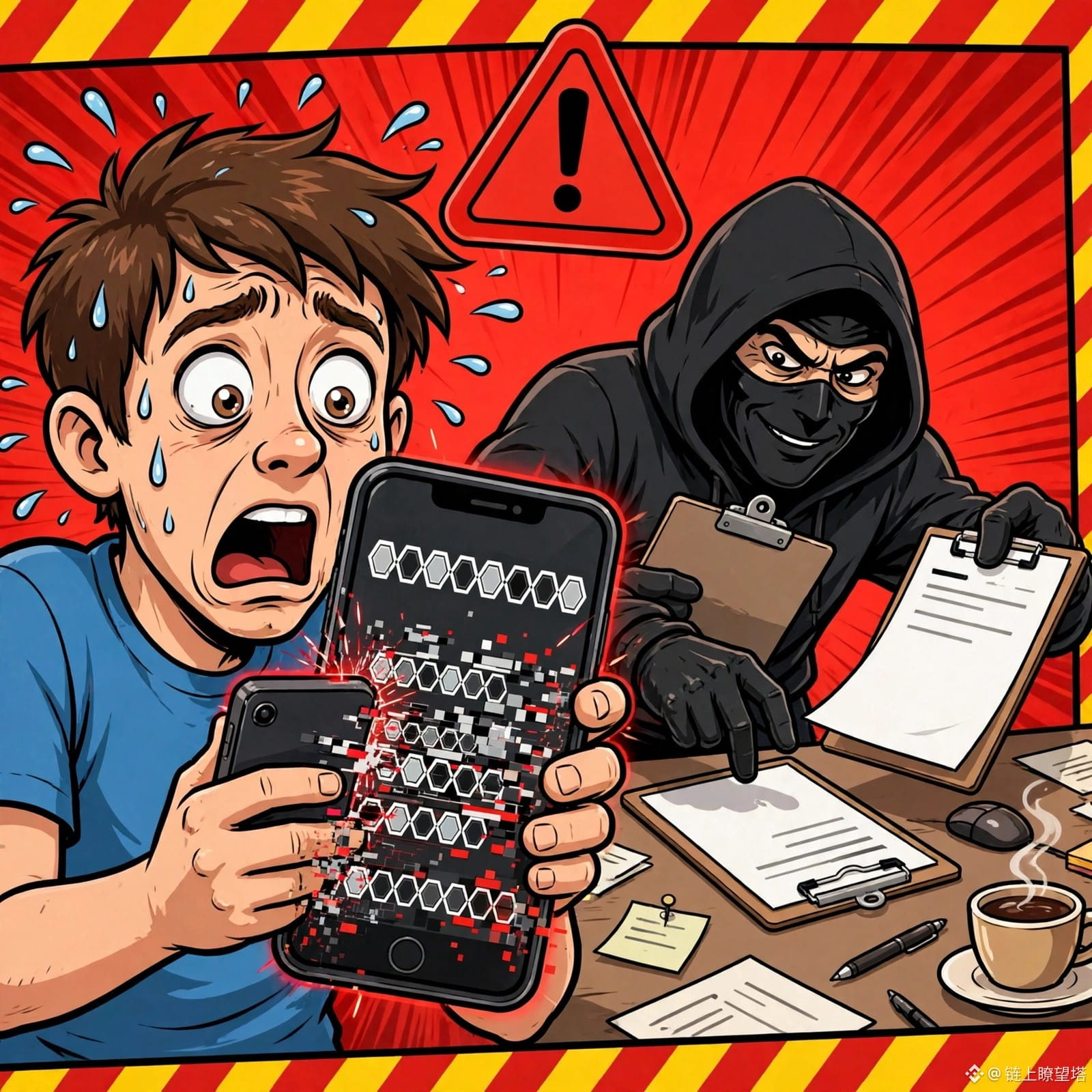
Copying a wallet address and pasting it is a habit most of us never think twice about. 🤔 On Monday, that habit was the attack.
📊 What Happened?
On November 16, researcher Scott Helme and his team at Report URI found malicious code inside scripts hosted by Optimizely, a platform many websites use for A/B testing. Counts vary by source: at least 178 organizations, with 186 sites and 188 infected script files reported. Sites named include CNN, BBC, Zoom, Fox News, Salesforce and GitLab. The campaign is called OPTIMJACK.
🔧 What the Code Did
Swapped wallet addresses a visitor copied with one controlled by the attacker (a "clipper")Skimmed card numbers from checkout formsLoaded a second stage on iPhones and iPads. Researchers say that's delivery, not proof that devices were compromised.
StepSecurity noted it couldn't read payment fields isolated in third-party payment frames.
⏱️ Timeline
The first injected code appeared around 04:21 UTC on Nov 16. Optimizely's cleanup ran from about 20:40 to 21:10 UTC, and by 21:52 UTC only one of the 188 files still held malicious code. That's roughly 13-16 hours of exposure, depending on the site.
🛠️ What Optimizely Says
In a notice at 01:02 UTC on Nov 17, Optimizely confirmed an attacker exploited a vulnerability in its Experimentation product, reported to be the account signup flow. It says it patched the flaw, removed the injected code, ended sessions, revoked tokens and reset access for affected accounts.
🛑 What We Still Don't Know
How the attacker got write access to so many unrelated customer projects hasn't been explained, and nobody knows how many visitors were exposed. Reported crypto losses are small, about $6,600 to $7,040, but that's early data from individual trackers, not a final tally.
🛡️ Four Habits That Protect You
Check the address after pasting. Compare the first and last several characters with the source.Send a small test first on any large transfer.Confirm on your hardware wallet's screen, not only in the browser.Check your history. If you sent funds on Nov 16 after copying an address from a website, look at the recipient address in your wallet record.
⚠️ The Risk Scenario
A clipper only works if you don't look at what you pasted. The scripts came from Optimizely's own trusted domain, so even careful sites were hit, and the same technique can return through any third-party script.
👀 Three Things to Watch Next
Optimizely's full explanation of how the attacker got inAny confirmed user losses or newly named sitesWhether sites move to stricter script controls
💡 The Takeaway
The weak point wasn't a wallet or an exchange. It was a script on sites people trust. I'd treat every pasted address as unverified until I've checked it myself.
Do you verify addresses before sending, or trust the paste? And did you copy a crypto address from a website yesterday? I'd like to hear. 👇
That is the part worth watching.
This post is for informational and educational purposes only and is not financial advice. Crypto markets are volatile. Always conduct your own research before making financial decisions.
#BinanceSquare #CryptoSecurity #OPTIMJACK #CryptoNews
{spot}(BTCUSDT)
{spot}(ETHUSDT)
OPTIMJACK Hits 186+ Sites: How to Protect Your Crypto
🚨 Wallet addresses were swapped on major sites for hours. Here is what's confirmed and how to stay safe.
Copying a wallet address and pasting it is a habit most of us never think twice about. 🤔 On Monday, that habit was the attack.
📊 What Happened?
On November 16, researcher Scott Helme and his team at Report URI found malicious code inside scripts hosted by Optimizely, a platform many websites use for A/B testing. Counts vary by source: at least 178 organizations, with 186 sites and 188 infected script files reported. Sites named include CNN, BBC, Zoom, Fox News, Salesforce and GitLab. The campaign is called OPTIMJACK.
🔧 What the Code Did
Swapped wallet addresses a visitor copied with one controlled by the attacker (a "clipper")Skimmed card numbers from checkout formsLoaded a second stage on iPhones and iPads. Researchers say that's delivery, not proof that devices were compromised.
StepSecurity noted it couldn't read payment fields isolated in third-party payment frames.
⏱️ Timeline
The first injected code appeared around 04:21 UTC on Nov 16. Optimizely's cleanup ran from about 20:40 to 21:10 UTC, and by 21:52 UTC only one of the 188 files still held malicious code. That's roughly 13-16 hours of exposure, depending on the site.
🛠️ What Optimizely Says
In a notice at 01:02 UTC on Nov 17, Optimizely confirmed an attacker exploited a vulnerability in its Experimentation product, reported to be the account signup flow. It says it patched the flaw, removed the injected code, ended sessions, revoked tokens and reset access for affected accounts.
🛑 What We Still Don't Know
How the attacker got write access to so many unrelated customer projects hasn't been explained, and nobody knows how many visitors were exposed. Reported crypto losses are small, about $6,600 to $7,040, but that's early data from individual trackers, not a final tally.
🛡️ Four Habits That Protect You
Check the address after pasting. Compare the first and last several characters with the source.Send a small test first on any large transfer.Confirm on your hardware wallet's screen, not only in the browser.Check your history. If you sent funds on Nov 16 after copying an address from a website, look at the recipient address in your wallet record.
⚠️ The Risk Scenario
A clipper only works if you don't look at what you pasted. The scripts came from Optimizely's own trusted domain, so even careful sites were hit, and the same technique can return through any third-party script.
👀 Three Things to Watch Next
Optimizely's full explanation of how the attacker got inAny confirmed user losses or newly named sitesWhether sites move to stricter script controls
💡 The Takeaway
The weak point wasn't a wallet or an exchange. It was a script on sites people trust. I'd treat every pasted address as unverified until I've checked it myself.
Do you verify addresses before sending, or trust the paste? And did you copy a crypto address from a website yesterday? I'd like to hear. 👇
That is the part worth watching.
This post is for informational and educational purposes only and is not financial advice. Crypto markets are volatile. Always conduct your own research before making financial decisions.
#BinanceSquare #CryptoSecurity #OPTIMJACK #CryptoNews
Copying a wallet address and pasting it is a habit most of us never think twice about. 🤔 On Monday, that habit was the attack.
📊 What Happened?
On November 16, researcher Scott Helme and his team at Report URI found malicious code inside scripts hosted by Optimizely, a platform many websites use for A/B testing. Counts vary by source: at least 178 organizations, with 186 sites and 188 infected script files reported. Sites named include CNN, BBC, Zoom, Fox News, Salesforce and GitLab. The campaign is called OPTIMJACK.
🔧 What the Code Did
Swapped wallet addresses a visitor copied with one controlled by the attacker (a "clipper")Skimmed card numbers from checkout formsLoaded a second stage on iPhones and iPads. Researchers say that's delivery, not proof that devices were compromised.
StepSecurity noted it couldn't read payment fields isolated in third-party payment frames.
⏱️ Timeline
The first injected code appeared around 04:21 UTC on Nov 16. Optimizely's cleanup ran from about 20:40 to 21:10 UTC, and by 21:52 UTC only one of the 188 files still held malicious code. That's roughly 13-16 hours of exposure, depending on the site.
🛠️ What Optimizely Says
In a notice at 01:02 UTC on Nov 17, Optimizely confirmed an attacker exploited a vulnerability in its Experimentation product, reported to be the account signup flow. It says it patched the flaw, removed the injected code, ended sessions, revoked tokens and reset access for affected accounts.
🛑 What We Still Don't Know
How the attacker got write access to so many unrelated customer projects hasn't been explained, and nobody knows how many visitors were exposed. Reported crypto losses are small, about $6,600 to $7,040, but that's early data from individual trackers, not a final tally.
🛡️ Four Habits That Protect You
Check the address after pasting. Compare the first and last several characters with the source.Send a small test first on any large transfer.Confirm on your hardware wallet's screen, not only in the browser.Check your history. If you sent funds on Nov 16 after copying an address from a website, look at the recipient address in your wallet record.
⚠️ The Risk Scenario
A clipper only works if you don't look at what you pasted. The scripts came from Optimizely's own trusted domain, so even careful sites were hit, and the same technique can return through any third-party script.
👀 Three Things to Watch Next
Optimizely's full explanation of how the attacker got inAny confirmed user losses or newly named sitesWhether sites move to stricter script controls
💡 The Takeaway
The weak point wasn't a wallet or an exchange. It was a script on sites people trust. I'd treat every pasted address as unverified until I've checked it myself.
Do you verify addresses before sending, or trust the paste? And did you copy a crypto address from a website yesterday? I'd like to hear. 👇
That is the part worth watching.
This post is for informational and educational purposes only and is not financial advice. Crypto markets are volatile. Always conduct your own research before making financial decisions.
#BinanceSquare #CryptoSecurity #OPTIMJACK #CryptoNews
1
1
44

·
--
Übersetzung ansehen
Ledger dan BBC ikut menyebarkan malware penukar alamat kripto — lewat situs mereka sendiri.
Fakta: Senin 16 Nov, skrip Optimizely yang dipakai 178 organisasi disusupi kode jahat kampanye "Optimjack" (Cointelegraph 17 Nov, riset Report URI; dikonfirmasi independen oleh BleepingComputer). Yang kena termasuk Ledger, OANDA/Coinpass dan IG, plus IKEA, Salesforce, Zoom, BBC dan CNN. Malwarenya menukar alamat dompet yang kalian copy-paste dengan alamat penyerang, dan menyedot data kartu dari formulir. BBC pertama terlihat 04:21 UTC; sebagian besar kode sudah dibersihkan Senin malam, dan Optimizely bilang celahnya sudah ditambal.
Opiniku: yang berbahaya bukan jumlah kerugiannya — baru sekitar 7.100 dolar AS kripto yang masuk ke dompet terkait, sebagian malah diduga dana penyerang sendiri. Bahayanya adalah metodenya: situs tepercaya yang jadi kurir. Dompet hardware Ledger sendiri tidak dibobol; yang kena skrip di situsnya.
Yang aku pantau selanjutnya: apakah ada gelombang kedua lewat penyedia skrip pihak ketiga lain, dan berapa banyak data kartu yang benar-benar lolos — itu belum bisa dipastikan.
Sejak lama aku selalu cek ulang alamat tempel karakter demi karakter sebelum kirim. Copy-paste saja tidak cukup lagi.
Kalian sudah biasa cek ulang alamat sebelum kirim, atau masih percaya penuh sama clipboard?
Bukan nasihat finansial — DYOR selalu.
#KeamananKripto #Optimjack
Ledger dan BBC ikut menyebarkan malware penukar alamat kripto — lewat situs mereka sendiri.
Fakta: Senin 16 Nov, skrip Optimizely yang dipakai 178 organisasi disusupi kode jahat kampanye "Optimjack" (Cointelegraph 17 Nov, riset Report URI; dikonfirmasi independen oleh BleepingComputer). Yang kena termasuk Ledger, OANDA/Coinpass dan IG, plus IKEA, Salesforce, Zoom, BBC dan CNN. Malwarenya menukar alamat dompet yang kalian copy-paste dengan alamat penyerang, dan menyedot data kartu dari formulir. BBC pertama terlihat 04:21 UTC; sebagian besar kode sudah dibersihkan Senin malam, dan Optimizely bilang celahnya sudah ditambal.
Opiniku: yang berbahaya bukan jumlah kerugiannya — baru sekitar 7.100 dolar AS kripto yang masuk ke dompet terkait, sebagian malah diduga dana penyerang sendiri. Bahayanya adalah metodenya: situs tepercaya yang jadi kurir. Dompet hardware Ledger sendiri tidak dibobol; yang kena skrip di situsnya.
Yang aku pantau selanjutnya: apakah ada gelombang kedua lewat penyedia skrip pihak ketiga lain, dan berapa banyak data kartu yang benar-benar lolos — itu belum bisa dipastikan.
Sejak lama aku selalu cek ulang alamat tempel karakter demi karakter sebelum kirim. Copy-paste saja tidak cukup lagi.
Kalian sudah biasa cek ulang alamat sebelum kirim, atau masih percaya penuh sama clipboard?
Bukan nasihat finansial — DYOR selalu.
#KeamananKripto #Optimjack
Fakta: Senin 16 Nov, skrip Optimizely yang dipakai 178 organisasi disusupi kode jahat kampanye "Optimjack" (Cointelegraph 17 Nov, riset Report URI; dikonfirmasi independen oleh BleepingComputer). Yang kena termasuk Ledger, OANDA/Coinpass dan IG, plus IKEA, Salesforce, Zoom, BBC dan CNN. Malwarenya menukar alamat dompet yang kalian copy-paste dengan alamat penyerang, dan menyedot data kartu dari formulir. BBC pertama terlihat 04:21 UTC; sebagian besar kode sudah dibersihkan Senin malam, dan Optimizely bilang celahnya sudah ditambal.
Opiniku: yang berbahaya bukan jumlah kerugiannya — baru sekitar 7.100 dolar AS kripto yang masuk ke dompet terkait, sebagian malah diduga dana penyerang sendiri. Bahayanya adalah metodenya: situs tepercaya yang jadi kurir. Dompet hardware Ledger sendiri tidak dibobol; yang kena skrip di situsnya.
Yang aku pantau selanjutnya: apakah ada gelombang kedua lewat penyedia skrip pihak ketiga lain, dan berapa banyak data kartu yang benar-benar lolos — itu belum bisa dipastikan.
Sejak lama aku selalu cek ulang alamat tempel karakter demi karakter sebelum kirim. Copy-paste saja tidak cukup lagi.
Kalian sudah biasa cek ulang alamat sebelum kirim, atau masih percaya penuh sama clipboard?
Bukan nasihat finansial — DYOR selalu.
#KeamananKripto #Optimjack
3

·
--
Ein Skript auf CNN-, BBC- und Zoom-Seiten könnte die Wallet-Adresse austauschen, die du kopiert hast.
Das ist OPTIMJACK. Hier erfährst du, was das für alle bedeutet, die $BTC oder $ETH halten.
Was passiert ist: Am 16. November wurde eine von einem Anbieter gehostete Skriptdatei (aus dem CDN von Optimizely) verändert. Der Sicherheitsforscher Scott Helme zählte 186 infizierte Websites. Der Code ersetzte Krypto-Adressen auf der Seite und in der Zwischenablage und versuchte außerdem, Kreditkartennummern abzugreifen (StepSecurity).
Wie schlimm war es? Alex Thorn von Galaxy verfolgte die Blockchain-Daten: Opfer schickten tatsächlich etwa 2.266 US-Dollar in 19 Transaktionen – gegenüber den zunächst gemeldeten rund 7.040 US-Dollar, in denen auch die eigenen Gelder des Angreifers enthalten waren. Nur etwa 600 US-Dollar stammten von Bitcoin-Opfern.
Warum das trotzdem wichtig ist: Der Code der Website selbst war sauber. Der Austausch fand in einer Datei eines Drittanbieters statt – eine vertrauenswürdige Seite reichte also aus. Die geringen Verluste sagen wahrscheinlich mehr über Glück und Timing aus als über die Reichweite des Angreifers.
Was Inhaber tun können: Vergleiche die ersten und letzten Zeichen einer eingefügten Adresse mit denen auf deinem Wallet- oder Hardware-Wallet-Bildschirm, bevor du eine Überweisung bestätigst.
Hast du Adressen schon vor heute direkt auf dem Gerät überprüft oder erst nach einer Geschichte wie dieser?
#CryptoSecurity #OPTIMJACK
Offenlegung: Wenn du hier über Cashtags handelst, erhalte ich möglicherweise Write-to-Earn-Provisionen.
Ein Skript auf CNN-, BBC- und Zoom-Seiten könnte die Wallet-Adresse austauschen, die du kopiert hast.
Das ist OPTIMJACK. Hier erfährst du, was das für alle bedeutet, die $BTC oder $ETH halten.
Was passiert ist: Am 16. November wurde eine von einem Anbieter gehostete Skriptdatei (aus dem CDN von Optimizely) verändert. Der Sicherheitsforscher Scott Helme zählte 186 infizierte Websites. Der Code ersetzte Krypto-Adressen auf der Seite und in der Zwischenablage und versuchte außerdem, Kreditkartennummern abzugreifen (StepSecurity).
Wie schlimm war es? Alex Thorn von Galaxy verfolgte die Blockchain-Daten: Opfer schickten tatsächlich etwa 2.266 US-Dollar in 19 Transaktionen – gegenüber den zunächst gemeldeten rund 7.040 US-Dollar, in denen auch die eigenen Gelder des Angreifers enthalten waren. Nur etwa 600 US-Dollar stammten von Bitcoin-Opfern.
Warum das trotzdem wichtig ist: Der Code der Website selbst war sauber. Der Austausch fand in einer Datei eines Drittanbieters statt – eine vertrauenswürdige Seite reichte also aus. Die geringen Verluste sagen wahrscheinlich mehr über Glück und Timing aus als über die Reichweite des Angreifers.
Was Inhaber tun können: Vergleiche die ersten und letzten Zeichen einer eingefügten Adresse mit denen auf deinem Wallet- oder Hardware-Wallet-Bildschirm, bevor du eine Überweisung bestätigst.
Hast du Adressen schon vor heute direkt auf dem Gerät überprüft oder erst nach einer Geschichte wie dieser?
#CryptoSecurity #OPTIMJACK
Offenlegung: Wenn du hier über Cashtags handelst, erhalte ich möglicherweise Write-to-Earn-Provisionen.
Das ist OPTIMJACK. Hier erfährst du, was das für alle bedeutet, die $BTC oder $ETH halten.
Was passiert ist: Am 16. November wurde eine von einem Anbieter gehostete Skriptdatei (aus dem CDN von Optimizely) verändert. Der Sicherheitsforscher Scott Helme zählte 186 infizierte Websites. Der Code ersetzte Krypto-Adressen auf der Seite und in der Zwischenablage und versuchte außerdem, Kreditkartennummern abzugreifen (StepSecurity).
Wie schlimm war es? Alex Thorn von Galaxy verfolgte die Blockchain-Daten: Opfer schickten tatsächlich etwa 2.266 US-Dollar in 19 Transaktionen – gegenüber den zunächst gemeldeten rund 7.040 US-Dollar, in denen auch die eigenen Gelder des Angreifers enthalten waren. Nur etwa 600 US-Dollar stammten von Bitcoin-Opfern.
Warum das trotzdem wichtig ist: Der Code der Website selbst war sauber. Der Austausch fand in einer Datei eines Drittanbieters statt – eine vertrauenswürdige Seite reichte also aus. Die geringen Verluste sagen wahrscheinlich mehr über Glück und Timing aus als über die Reichweite des Angreifers.
Was Inhaber tun können: Vergleiche die ersten und letzten Zeichen einer eingefügten Adresse mit denen auf deinem Wallet- oder Hardware-Wallet-Bildschirm, bevor du eine Überweisung bestätigst.
Hast du Adressen schon vor heute direkt auf dem Gerät überprüft oder erst nach einer Geschichte wie dieser?
#CryptoSecurity #OPTIMJACK
Offenlegung: Wenn du hier über Cashtags handelst, erhalte ich möglicherweise Write-to-Earn-Provisionen.
20

·
--
Übersetzung ansehen
离谱到家了:昨天一天,BBC、CNN、Ledger、汇丰、宜家这些大站全被黑客借 Optimizely 挂了马,178 家机构、188 个脚本中招。你复制个钱包地址,粘贴出来可能已经变成黑客的,信用卡信息、Cookie、截图也一起被偷,昨晚已确认到账 7040 美元。好在 187 个脚本当晚已清理,只剩 1 个。昨天你有没有打开过这些网站?转账前一定再核对一遍地址!
#黑客攻击 #Optimjack #Ledger #加密货币安全 #钱包安全
离谱到家了:昨天一天,BBC、CNN、Ledger、汇丰、宜家这些大站全被黑客借 Optimizely 挂了马,178 家机构、188 个脚本中招。你复制个钱包地址,粘贴出来可能已经变成黑客的,信用卡信息、Cookie、截图也一起被偷,昨晚已确认到账 7040 美元。好在 187 个脚本当晚已清理,只剩 1 个。昨天你有没有打开过这些网站?转账前一定再核对一遍地址!
#黑客攻击 #Optimjack #Ledger #加密货币安全 #钱包安全
#黑客攻击 #Optimjack #Ledger #加密货币安全 #钱包安全
HSBCUS+0,05%
Anmelden und weiter Inhalte entdecken
Krypto-Nutzer weltweit auf Binance Square kennenlernen
⚡️ Bleib in Sachen Krypto stets am Puls.
💬 Die weltgrößte Kryptobörse vertraut darauf.
👍 Erhalte verlässliche Einblicke von verifizierten Creators.
E-Mail-Adresse/Telefonnummer
Trendthemen
1
#NvidiaEarningsTonight:AIStocks’NextMove?
1,781 Aufrufe
81 Kommentare
2
#A Packed Week of Earnings and Data Tests Markets
91,160 Aufrufe
507 Kommentare
3
#AnthropicIPOTestsInvestorAppetiteForAI
184,843 Aufrufe
1,924 Kommentare
4
#NvidiaBoardNotConsideringHuang’sReturnasCEO
28,578 Aufrufe
355 Kommentare
5
#WhatInvestmentSignalsDo13FFilingsReveal?
16,362 Aufrufe
258 Kommentare
6
#GoldmanSachsAndMillenniumEachHeldOver$1.2BInBitcoinETFs
707 Aufrufe
7 Kommentare
7
#InvescoStablecoinReservesFundLaunchesOnEthereum
8,643 Aufrufe
153 Kommentare
8
#CypherpunkReports$306MQ3NetProfit
1,263 Aufrufe
17 Kommentare
9
#OPTIMJACKAttackInfectsAtLeast186Websites
14,951 Aufrufe
194 Kommentare
10
#StrategySells2.09MMSTRSharesFor$244.7M
2,963 Aufrufe
22 Kommentare