

#framework
framework
11,878 Aufrufe
25 Kommentare
Hot
Zuletzt

·
--
Artikel
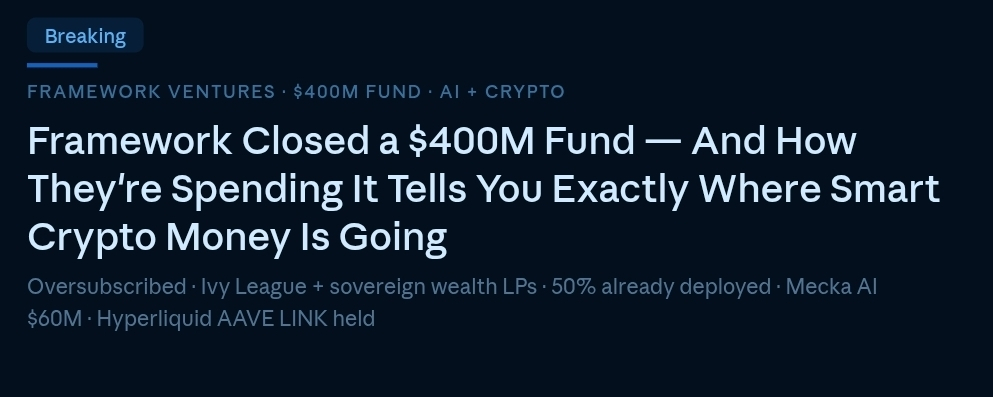
Framework Ventures Hat Gerade Einen Fonds Über 400 Millionen US-Dollar Geschlossen — Und Die Art, Wie Sie Ihn Ausgeben, Sagt Dir Ganz GenauFramework Ventures — der San-Francisco-VC, der frühzeitig Wetten auf Aave, Chainlink und Hyperliquid eingegangen ist — hat gerade einen vierten Fonds in Höhe von 400 Millionen US-Dollar geschlossen. Das Interesse war überzeichnet. Die LP-Basis umfasst Staatsfonds, eine Ivy-League-Stiftung, gemeinnützige Organisationen und Funds of Funds. Und ungefähr die Hälfte des Kapitals ist bereits investiert.
Aber hier ist der Teil, der wirklich zählt: Das Geld fließt nicht allein in Krypto.
Framework investiert über Blockchain, künstliche Intelligenz, Robotik und Energie hinweg — alles unter der Bezeichnung „Frontier Technology“. Die exakten Worte des Mitgründers Vance Spencer: „Die Grenzen zwischen zukunftsweisenden Technologien lösen sich rasch auf. Die nächste Generation von Unternehmen, die neue Kategorien definieren, wird nicht sauber in eine einzelne Branche passen.“ Die Firma hat bereits eine Series-A-Finanzierung über 60 Millionen US-Dollar für Mecka AI angeführt, ein Robotics-Data-Startup mit Kunden aus den Mag-7 sowie einer prognostizierten jährlichen Run-Rate von 100 Millionen US-Dollar. Im Februar hat sie außerdem 500 Millionen US-Dollar an Finanzierung über das Sky-Stablecoin-Ökosystem gemeinsam mit dem Hypothekenunternehmen Better arrangiert — eine Vereinbarung, bei der Krypto-Schienen eine traditionelle Immobilienkreditgeschäftsbank finanzieren.
Framework Ventures Hat Gerade Einen Fonds Über 400 Millionen US-Dollar Geschlossen — Und Die Art, Wie Sie Ihn Ausgeben, Sagt Dir Ganz Genau
Framework Ventures — der San-Francisco-VC, der frühzeitig Wetten auf Aave, Chainlink und Hyperliquid eingegangen ist — hat gerade einen vierten Fonds in Höhe von 400 Millionen US-Dollar geschlossen. Das Interesse war überzeichnet. Die LP-Basis umfasst Staatsfonds, eine Ivy-League-Stiftung, gemeinnützige Organisationen und Funds of Funds. Und ungefähr die Hälfte des Kapitals ist bereits investiert.
Aber hier ist der Teil, der wirklich zählt: Das Geld fließt nicht allein in Krypto.
Framework investiert über Blockchain, künstliche Intelligenz, Robotik und Energie hinweg — alles unter der Bezeichnung „Frontier Technology“. Die exakten Worte des Mitgründers Vance Spencer: „Die Grenzen zwischen zukunftsweisenden Technologien lösen sich rasch auf. Die nächste Generation von Unternehmen, die neue Kategorien definieren, wird nicht sauber in eine einzelne Branche passen.“ Die Firma hat bereits eine Series-A-Finanzierung über 60 Millionen US-Dollar für Mecka AI angeführt, ein Robotics-Data-Startup mit Kunden aus den Mag-7 sowie einer prognostizierten jährlichen Run-Rate von 100 Millionen US-Dollar. Im Februar hat sie außerdem 500 Millionen US-Dollar an Finanzierung über das Sky-Stablecoin-Ökosystem gemeinsam mit dem Hypothekenunternehmen Better arrangiert — eine Vereinbarung, bei der Krypto-Schienen eine traditionelle Immobilienkreditgeschäftsbank finanzieren.
Aber hier ist der Teil, der wirklich zählt: Das Geld fließt nicht allein in Krypto.
Framework investiert über Blockchain, künstliche Intelligenz, Robotik und Energie hinweg — alles unter der Bezeichnung „Frontier Technology“. Die exakten Worte des Mitgründers Vance Spencer: „Die Grenzen zwischen zukunftsweisenden Technologien lösen sich rasch auf. Die nächste Generation von Unternehmen, die neue Kategorien definieren, wird nicht sauber in eine einzelne Branche passen.“ Die Firma hat bereits eine Series-A-Finanzierung über 60 Millionen US-Dollar für Mecka AI angeführt, ein Robotics-Data-Startup mit Kunden aus den Mag-7 sowie einer prognostizierten jährlichen Run-Rate von 100 Millionen US-Dollar. Im Februar hat sie außerdem 500 Millionen US-Dollar an Finanzierung über das Sky-Stablecoin-Ökosystem gemeinsam mit dem Hypothekenunternehmen Better arrangiert — eine Vereinbarung, bei der Krypto-Schienen eine traditionelle Immobilienkreditgeschäftsbank finanzieren.
55

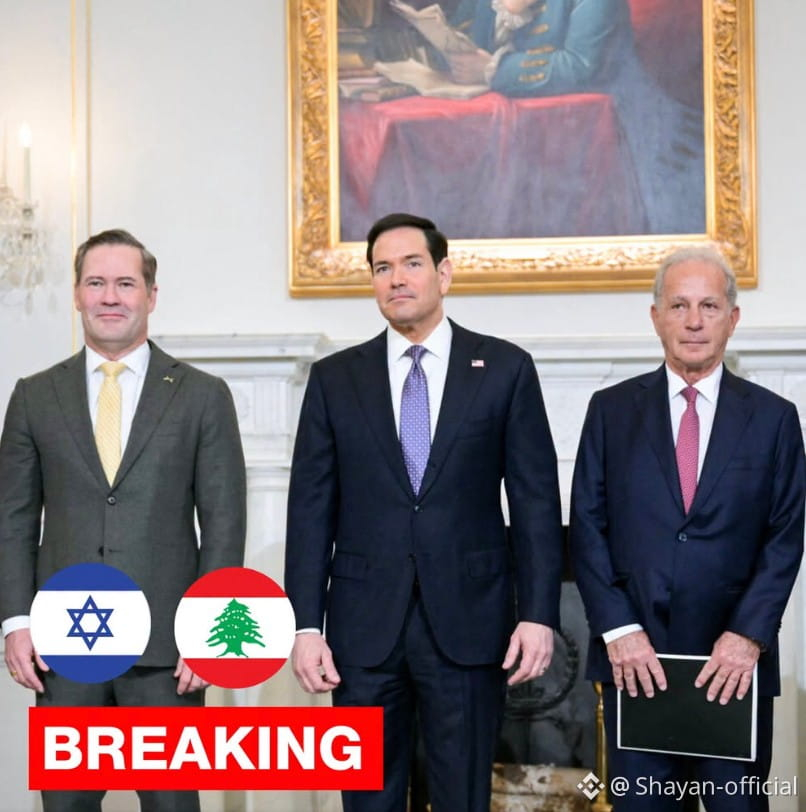
🚨UPDATE: Die Hisbollah hat den vom US-Vermittler ausgehandelten Rahmenabkommensplan abgelehnt, wie die NYT berichtet.
#Uptade #Hezbollah #Framework
🚨UPDATE: Die Hisbollah hat den vom US-Vermittler ausgehandelten Rahmenabkommensplan abgelehnt, wie die NYT berichtet.
#Uptade #Hezbollah #Framework
#Uptade #Hezbollah #Framework

78

·
--
Artikel
Systematisches HandelsbuchIch werde nicht über die Ein- oder Ausstiegsregeln diskutieren.70 Aber das Positionsmanagement, das Geldmanagement und der Stop-Loss sind ein Chaos. Erstens, warum 3%? Generiert das die richtige Risikomenge? Was ist, wenn ich besonders konservativ bin, sollte ich dann immer noch 3% verwenden? Wenn ich an einem bestimmten Trade nicht so interessiert bin, wie viel sollte ich dann setzen? Ich habe typischerweise 40 Positionen in meinem Portfolio, also sollte ich dann 40 Lose von 3% meines Portfolios gleichzeitig riskieren (was bedeutet, dass 120% meines gesamten Portfolios auf dem Spiel stehen)? Macht 3% Sinn, wenn ich eine langsamere Handelsregel benutze? Die oben genannten Positionsgrößen könnten für jemanden mit einer Kontogröße von vielleicht £50.000 und einer bestimmten Risikobereitschaft sinnvoll sein, aber was ist mit allen anderen? Sie könnten korrekt sein, als das Buch geschrieben wurde, aber sind sie immer noch richtig, wenn wir es fünf Jahre später lesen? Was ist mit einem Instrument, das nicht gelistet ist, können wir damit handeln? Wie? Schließlich ist es falsch, einen Stop-Loss ausschließlich auf der Grundlage deines Kapitals und deiner persönlichen Schmerzgrenze festzulegen.71 Jemand mit einem kleinen Konto, der es hasst, Geld zu verlieren, würde seine sehr engen Stops nach ein paar Minuten auslösen, während ein großes Hedgefonds möglicherweise eine verlierende Position nach Jahrzehnten schließen würde. Stops, die in Öl-Futures sinnvoll wären, wären im relativ ruhigen USD/CAD FX-Markt völlig falsch. Ein Stop, der in der friedlichen Ruhe von 2006 korrekt war, wäre in dem Wahnsinn, den wir 2008 gesehen haben, absurd eng. Die Lösung besteht darin, die Komponenten deines Systems zu trennen: Handelsregeln (einschließlich expliziter oder impliziter Stop-Losses), Positionsgrößen und die Berechnung deiner Volatilität 70. Die Regeln sind nicht zu schlecht, da sie rein systematisch und sehr einfach sind. Sie sind jedoch binär (du bist entweder vollständig drin oder draußen), was nicht ideal ist, und nur eine Handelsregelvariante zu haben, ist auch nicht perfekt.71. Das wird von den meisten guten Tradern anerkannt. Hier ist Jack Schwager in Hedge Fund Wizards, der den Hedgefonds-Manager Colm O’Shea interviewt: Jack: „Also benutzt du keine Stops?“ Colm: „Nein, das tue ich. Ich setze sie nur weit genug. In diesen frühen Tagen habe ich Stops nicht auf Niveaus gesetzt, die auf der zugrunde liegenden Hypothese des Trades sinnvoll waren. Ich setzte Stops basierend auf meiner Schmerzgrenze. Wenn ich jetzt aus einem Trade aussteige, liegt es daran, dass ich falsch lag... Die Preise sind nicht konsistent mit meiner Hypothese. Ich liege falsch und muss raus und die Situation neu überdenken.“ (Meine Betonung.)95 Systematisches Handelsziel (der durchschnittliche Geldbetrag, den du bereit bist zu riskieren). Du kannst dann jede Komponente unabhängig von den anderen beweglichen Teilen gestalten. Handelsregeln und Stop-Losses sollten nur auf der erwarteten Marktpreisvolatilität basieren und sollten niemals die Größe deines Kontos berücksichtigen. Die Berechnung eines Volatilitätsziels, wie viel deines Kapitals du riskieren solltest, ist eine Funktion der Kontogröße und deiner Schmerzgrenze.72 Positionen sollten dann basierend auf der Volatilität der Märkte, wie zuversichtlich deine Preisprognosen sind, und dem Betrag an Kapital, den du riskieren möchtest, dimensioniert werden. Jede dieser Komponenten ist Teil des modularen Rahmens, der zusammen ein komplettes Handelssystem bildet. Warum ein modularer Rahmen? Denk daran, dass ich in der Einleitung dieses Buches eine Analogie zwischen Autos und Handelssystemen gezogen habe. Handelsregeln sind der Motor des Systems. Diese geben dir eine Prognose für die Preise von Instrumenten; ob sie voraussichtlich steigen oder fallen und um wie viel. In einem Auto übersetzen das Chassis, der Antriebsstrang und das Getriebe die Leistung, die der Motor erzeugt, in Vorwärtsbewegung. Ebenso wirst du einen Positionsrisikomanagementrahmen um deine Handelsregeln herum haben. Dies übersetzt Prognosen in die tatsächlichen Positionen, die du halten musst. Wie ich in der Einleitung sagte, sind die Komponenten eines modernen Autos modular, sodass sie einzeln durch Alternativen ersetzt werden können. Die Handelsregeln und andere Komponenten in meinem Rahmen können ebenfalls getauscht und geändert werden. Die Wörter Modul und Komponente könnten implizieren, dass dies komplexe Prozesse sind, die Tausende von Zeilen Computer-Code zur Implementierung benötigen. Das ist nicht der Fall. Jedes Teil beinhaltet nur ein paar Schritte grundlegender Arithmetik, die nur einen Taschenrechner oder eine einfache Tabelle erfordern. Lass uns genauer auf die Vorteile des modularen Ansatzes eingehen. Flexibilität Der offensichtlichste Vorteil eines modularen Designs ist die Flexibilität. Autos können wirklich jede Farbe haben, die du möchtest, einschließlich schwarz. Ebenso kann mein Rahmen für fast jede Handelsregel angepasst werden, einschließlich der diskretionären Prognosen, die von halbautomatischen Tradern verwendet werden, und der sehr einfachen Regel, die von Asset-Allocating-Investoren verwendet wird. Wenn dir die Positionsgrößenkomponente oder ein anderer Teil des Rahmens nicht gefällt, kannst du sie durch deine eigene ersetzen. Transparente Module 72. Es gibt andere Überlegungen, wie die Höhe des erforderlichen Hebels im Vergleich zu dem, was verfügbar ist, und die erwartete Leistung des Systems. Ich werde diese in Kapitel neun, „Volatilitätszielsetzung“, ausführlicher besprechen.96 Kapitel Fünf. Rahmenübersicht Es ist möglich, Rahmen zu haben, die schön modular sind, aber vollständig undurchsichtige Black Boxes enthalten. Die meisten PCs sind so aufgebaut. Du kannst die Festplatte oder die Grafikkarte ersetzen, aber du kannst sie nicht leicht modifizieren oder deine eigene erstellen, also bist du gezwungen, ein mysteriöses Teil durch ein anderes zu ersetzen. Im Gegensatz dazu ist jede Komponente in meinem Rahmen transparent – ich werde erklären, wie und warum sie konstruiert ist. Das sollte dir das Verständnis und das Vertrauen geben, jede Modul anzupassen oder deine eigene von Grund auf neu zu erstellen. Einzelne Komponenten mit gut definiertem Interface Wenn du das Getriebe in deinem Auto ersetzt, musst du sicher sein, dass das Auto weiterhin vorwärts oder rückwärts fährt, wie erforderlich. Aber wenn der Ausgang der Antriebswelle in deinem neuen Getriebe umgekehrt ist, wirst du in deine Haustür fahren, wenn du eigentlich rückwärts aus deiner Einfahrt fahren wolltest. Um dies zu vermeiden, müssen wir angeben, dass die Welle im Getriebe im Uhrzeigersinn rotieren muss, um das Auto vorwärts zu bewegen, und umgekehrt. Ebenso, wenn du eine neue Handelsregel verwendest, sollte der Rest des modularen Handelssystemrahmens weiterhin korrekt funktionieren und dir angemessen dimensionierte Positionen geben. Dazu müssen die einzelnen Komponenten ein gut definiertes Interface haben – eine Spezifikation, die beschreibt, wie sie mit anderen Teilen des Systems interagieren. Zum Beispiel wird es im Rahmen wichtig sein, dass eine Handelsregel-Prognose von sagen wir +1,5 eine konsistente Bedeutung hat, egal welchen Handelsstil oder welches Instrument du verwendest.
Systematisches Handelsbuch
Ich werde nicht über die Ein- oder Ausstiegsregeln diskutieren.70 Aber das Positionsmanagement, das Geldmanagement und der Stop-Loss sind ein Chaos. Erstens, warum 3%? Generiert das die richtige Risikomenge? Was ist, wenn ich besonders konservativ bin, sollte ich dann immer noch 3% verwenden? Wenn ich an einem bestimmten Trade nicht so interessiert bin, wie viel sollte ich dann setzen? Ich habe typischerweise 40 Positionen in meinem Portfolio, also sollte ich dann 40 Lose von 3% meines Portfolios gleichzeitig riskieren (was bedeutet, dass 120% meines gesamten Portfolios auf dem Spiel stehen)? Macht 3% Sinn, wenn ich eine langsamere Handelsregel benutze? Die oben genannten Positionsgrößen könnten für jemanden mit einer Kontogröße von vielleicht £50.000 und einer bestimmten Risikobereitschaft sinnvoll sein, aber was ist mit allen anderen? Sie könnten korrekt sein, als das Buch geschrieben wurde, aber sind sie immer noch richtig, wenn wir es fünf Jahre später lesen? Was ist mit einem Instrument, das nicht gelistet ist, können wir damit handeln? Wie? Schließlich ist es falsch, einen Stop-Loss ausschließlich auf der Grundlage deines Kapitals und deiner persönlichen Schmerzgrenze festzulegen.71 Jemand mit einem kleinen Konto, der es hasst, Geld zu verlieren, würde seine sehr engen Stops nach ein paar Minuten auslösen, während ein großes Hedgefonds möglicherweise eine verlierende Position nach Jahrzehnten schließen würde. Stops, die in Öl-Futures sinnvoll wären, wären im relativ ruhigen USD/CAD FX-Markt völlig falsch. Ein Stop, der in der friedlichen Ruhe von 2006 korrekt war, wäre in dem Wahnsinn, den wir 2008 gesehen haben, absurd eng. Die Lösung besteht darin, die Komponenten deines Systems zu trennen: Handelsregeln (einschließlich expliziter oder impliziter Stop-Losses), Positionsgrößen und die Berechnung deiner Volatilität 70. Die Regeln sind nicht zu schlecht, da sie rein systematisch und sehr einfach sind. Sie sind jedoch binär (du bist entweder vollständig drin oder draußen), was nicht ideal ist, und nur eine Handelsregelvariante zu haben, ist auch nicht perfekt.71. Das wird von den meisten guten Tradern anerkannt. Hier ist Jack Schwager in Hedge Fund Wizards, der den Hedgefonds-Manager Colm O’Shea interviewt: Jack: „Also benutzt du keine Stops?“ Colm: „Nein, das tue ich. Ich setze sie nur weit genug. In diesen frühen Tagen habe ich Stops nicht auf Niveaus gesetzt, die auf der zugrunde liegenden Hypothese des Trades sinnvoll waren. Ich setzte Stops basierend auf meiner Schmerzgrenze. Wenn ich jetzt aus einem Trade aussteige, liegt es daran, dass ich falsch lag... Die Preise sind nicht konsistent mit meiner Hypothese. Ich liege falsch und muss raus und die Situation neu überdenken.“ (Meine Betonung.)95 Systematisches Handelsziel (der durchschnittliche Geldbetrag, den du bereit bist zu riskieren). Du kannst dann jede Komponente unabhängig von den anderen beweglichen Teilen gestalten. Handelsregeln und Stop-Losses sollten nur auf der erwarteten Marktpreisvolatilität basieren und sollten niemals die Größe deines Kontos berücksichtigen. Die Berechnung eines Volatilitätsziels, wie viel deines Kapitals du riskieren solltest, ist eine Funktion der Kontogröße und deiner Schmerzgrenze.72 Positionen sollten dann basierend auf der Volatilität der Märkte, wie zuversichtlich deine Preisprognosen sind, und dem Betrag an Kapital, den du riskieren möchtest, dimensioniert werden. Jede dieser Komponenten ist Teil des modularen Rahmens, der zusammen ein komplettes Handelssystem bildet. Warum ein modularer Rahmen? Denk daran, dass ich in der Einleitung dieses Buches eine Analogie zwischen Autos und Handelssystemen gezogen habe. Handelsregeln sind der Motor des Systems. Diese geben dir eine Prognose für die Preise von Instrumenten; ob sie voraussichtlich steigen oder fallen und um wie viel. In einem Auto übersetzen das Chassis, der Antriebsstrang und das Getriebe die Leistung, die der Motor erzeugt, in Vorwärtsbewegung. Ebenso wirst du einen Positionsrisikomanagementrahmen um deine Handelsregeln herum haben. Dies übersetzt Prognosen in die tatsächlichen Positionen, die du halten musst. Wie ich in der Einleitung sagte, sind die Komponenten eines modernen Autos modular, sodass sie einzeln durch Alternativen ersetzt werden können. Die Handelsregeln und andere Komponenten in meinem Rahmen können ebenfalls getauscht und geändert werden. Die Wörter Modul und Komponente könnten implizieren, dass dies komplexe Prozesse sind, die Tausende von Zeilen Computer-Code zur Implementierung benötigen. Das ist nicht der Fall. Jedes Teil beinhaltet nur ein paar Schritte grundlegender Arithmetik, die nur einen Taschenrechner oder eine einfache Tabelle erfordern. Lass uns genauer auf die Vorteile des modularen Ansatzes eingehen. Flexibilität Der offensichtlichste Vorteil eines modularen Designs ist die Flexibilität. Autos können wirklich jede Farbe haben, die du möchtest, einschließlich schwarz. Ebenso kann mein Rahmen für fast jede Handelsregel angepasst werden, einschließlich der diskretionären Prognosen, die von halbautomatischen Tradern verwendet werden, und der sehr einfachen Regel, die von Asset-Allocating-Investoren verwendet wird. Wenn dir die Positionsgrößenkomponente oder ein anderer Teil des Rahmens nicht gefällt, kannst du sie durch deine eigene ersetzen. Transparente Module 72. Es gibt andere Überlegungen, wie die Höhe des erforderlichen Hebels im Vergleich zu dem, was verfügbar ist, und die erwartete Leistung des Systems. Ich werde diese in Kapitel neun, „Volatilitätszielsetzung“, ausführlicher besprechen.96 Kapitel Fünf. Rahmenübersicht Es ist möglich, Rahmen zu haben, die schön modular sind, aber vollständig undurchsichtige Black Boxes enthalten. Die meisten PCs sind so aufgebaut. Du kannst die Festplatte oder die Grafikkarte ersetzen, aber du kannst sie nicht leicht modifizieren oder deine eigene erstellen, also bist du gezwungen, ein mysteriöses Teil durch ein anderes zu ersetzen. Im Gegensatz dazu ist jede Komponente in meinem Rahmen transparent – ich werde erklären, wie und warum sie konstruiert ist. Das sollte dir das Verständnis und das Vertrauen geben, jede Modul anzupassen oder deine eigene von Grund auf neu zu erstellen. Einzelne Komponenten mit gut definiertem Interface Wenn du das Getriebe in deinem Auto ersetzt, musst du sicher sein, dass das Auto weiterhin vorwärts oder rückwärts fährt, wie erforderlich. Aber wenn der Ausgang der Antriebswelle in deinem neuen Getriebe umgekehrt ist, wirst du in deine Haustür fahren, wenn du eigentlich rückwärts aus deiner Einfahrt fahren wolltest. Um dies zu vermeiden, müssen wir angeben, dass die Welle im Getriebe im Uhrzeigersinn rotieren muss, um das Auto vorwärts zu bewegen, und umgekehrt. Ebenso, wenn du eine neue Handelsregel verwendest, sollte der Rest des modularen Handelssystemrahmens weiterhin korrekt funktionieren und dir angemessen dimensionierte Positionen geben. Dazu müssen die einzelnen Komponenten ein gut definiertes Interface haben – eine Spezifikation, die beschreibt, wie sie mit anderen Teilen des Systems interagieren. Zum Beispiel wird es im Rahmen wichtig sein, dass eine Handelsregel-Prognose von sagen wir +1,5 eine konsistente Bedeutung hat, egal welchen Handelsstil oder welches Instrument du verwendest.
116
Anmelden und weiter Inhalte entdecken
Krypto-Nutzer weltweit auf Binance Square kennenlernen
⚡️ Bleib in Sachen Krypto stets am Puls.
💬 Die weltgrößte Kryptobörse vertraut darauf.
👍 Erhalte verlässliche Einblicke von verifizierten Creators.
E-Mail-Adresse/Telefonnummer
Trendthemen
1
#NFPWatch
10.4M Aufrufe
16,695 Kommentare
2
#BitcoinRisesToward$85K
730 Aufrufe
24 Kommentare
3
#AmazonPlansToSell$8BNvidiaChips
620 Aufrufe
28 Kommentare
4
#NEARFallsToAround$4.70Down14%
28,940 Aufrufe
62 Kommentare
5
#EthereumFoundationLaunchesZkAPIOnMainnet
34,386 Aufrufe
506 Kommentare
6
#EvernorthPlansNasdaqListingOct8
55,850 Aufrufe
460 Kommentare
7
#SECProposesCryptoCustodyFramework
49,887 Aufrufe
399 Kommentare
8
#IMFApproves$139MDisbursementToElSalvador
27,445 Aufrufe
27 Kommentare
9
#AnthropicTargetsIPOAsSoonAsMidNovember
32,884 Aufrufe
345 Kommentare
10
#EtherGains70.9%InQ3
249,749 Aufrufe
1,697 Kommentare