
#cryptoregulation
cryptoregulation
16.8M Aufrufe
47,065 Kommentare
Hot
Zuletzt

#clarityactoddshalveonpolymarket
CLARITY Act: Wahrscheinlichkeit sank von 34% auf 17% bei Polymarket.
Rückgang um 17 Punkte in einer Nacht.
Grund: Uneinigkeit über Bestimmungen zu Ethik und dem demokratischen Gegenangebot.
Der verfahrensbezogene Votumstermin vom 15. September benötigt 60 Stimmen.
Für Krypto: anhaltende Unsicherheit bei Listings, Compliance und Expansion in den USA.
Verifizierte Zusagen und Textänderungen beachten.
Für BTC: Gebühren und Liquidität sind neben Washington entscheidend.
Was würde dich glauben lassen, dass es zu einer Einigung kommt?
#CLARITYAct #CryptoRegulation #Polymarket
$AKE $AIN $POWER
{future}(AKEUSDT)
{future}(AINUSDT)
{future}(POWERUSDT)
#clarityactoddshalveonpolymarket
CLARITY Act: Wahrscheinlichkeit sank von 34% auf 17% bei Polymarket.
Rückgang um 17 Punkte in einer Nacht.
Grund: Uneinigkeit über Bestimmungen zu Ethik und dem demokratischen Gegenangebot.
Der verfahrensbezogene Votumstermin vom 15. September benötigt 60 Stimmen.
Für Krypto: anhaltende Unsicherheit bei Listings, Compliance und Expansion in den USA.
Verifizierte Zusagen und Textänderungen beachten.
Für BTC: Gebühren und Liquidität sind neben Washington entscheidend.
Was würde dich glauben lassen, dass es zu einer Einigung kommt?
#CLARITYAct #CryptoRegulation #Polymarket
$AKE $AIN $POWER
CLARITY Act: Wahrscheinlichkeit sank von 34% auf 17% bei Polymarket.
Rückgang um 17 Punkte in einer Nacht.
Grund: Uneinigkeit über Bestimmungen zu Ethik und dem demokratischen Gegenangebot.
Der verfahrensbezogene Votumstermin vom 15. September benötigt 60 Stimmen.
Für Krypto: anhaltende Unsicherheit bei Listings, Compliance und Expansion in den USA.
Verifizierte Zusagen und Textänderungen beachten.
Für BTC: Gebühren und Liquidität sind neben Washington entscheidend.
Was würde dich glauben lassen, dass es zu einer Einigung kommt?
#CLARITYAct #CryptoRegulation #Polymarket
$AKE $AIN $POWER

Feed-Creator-4301df656:
Si no se aprueba, tenemos que aprovechar los descuentos. Es ganar o ganar, si sube, vendemos, si baja a comprar.
2
4
3.3k

·
--
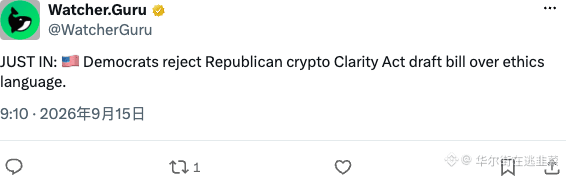
Die Demokraten haben den Gesetzentwurf zur „Clear Crypto“-Vorlage der Republikaner erneut abgewürgt – es hängt an den Ethics-Regeln. Totlachend: Der „Clear“-Entwurf wird seit zwei Jahren gefordert, aber beide Parteien spielen weiter die Moral-Karte gegeneinander, und der Markt bekommt nicht mal eine klare Ansage. Fällt das regulatorische Schuhwerk endlich? Erst mal: Wahlen abwarten吧。
$BTC #CryptoRegulation
Die Demokraten haben den Gesetzentwurf zur „Clear Crypto“-Vorlage der Republikaner erneut abgewürgt – es hängt an den Ethics-Regeln. Totlachend: Der „Clear“-Entwurf wird seit zwei Jahren gefordert, aber beide Parteien spielen weiter die Moral-Karte gegeneinander, und der Markt bekommt nicht mal eine klare Ansage. Fällt das regulatorische Schuhwerk endlich? Erst mal: Wahlen abwarten吧。
$BTC #CryptoRegulation
$BTC #CryptoRegulation
1.7k

·
--
Bärisch
🆘 BREAKING NEWS !!!
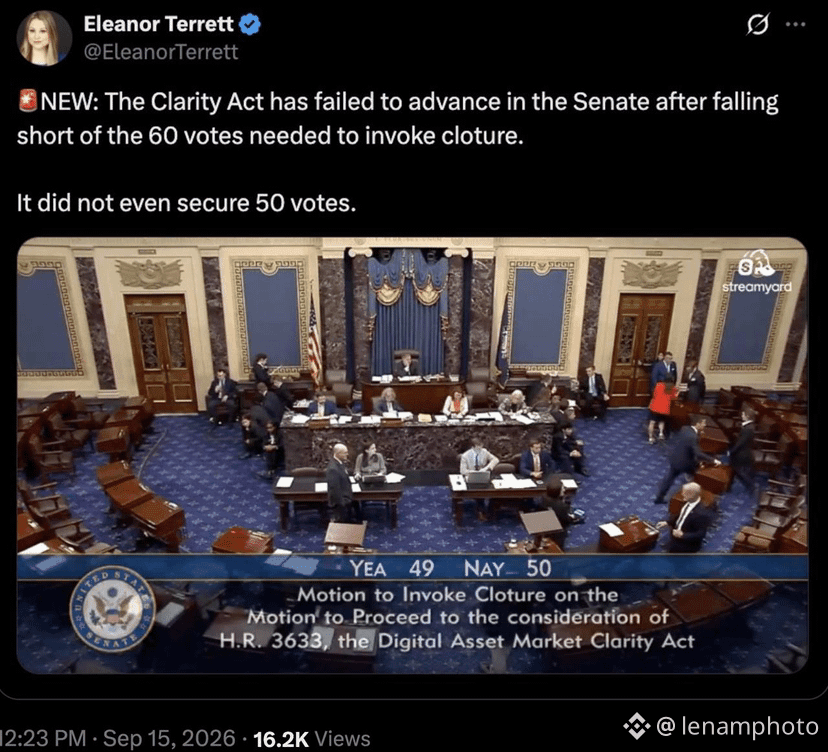
CLARITY-Gesetz scheitert im Senat zu einer Weiterentwicklung und verfehlt sogar eine einfache Mehrheit 🏛️
Die Cloture-Abstimmung zu H.R. 3633, dem Digital Asset Market Clarity Act, endete am 15. Sep. 2026 um 19:23 UTC mit 49-50 – deutlich unter den 60 Stimmen, die erforderlich gewesen wären, um fortzufahren. Sen. Chris Coons (D) war der einzige Senator, der nicht abstimmte.
Die politischen Einsätze sind bemerkenswert: 15 der Senatoren, die gegen den Gesetzentwurf stimmten, stehen bei den Wiederwahlen in den November-Midterms 🗳️ In der Wahlperiode 2024 gewannen 53 der 58 kryptounterstützten Kandidaten ihre Rennen – ein Hinweis darauf, wie stark die politische Kriegskasse der Branche wächst.
Eine Abstimmung gegen Kryptowährungs-Gesetzgebung könnte ohne Konsequenzen nicht auskommen. ⚖️ #FedRateWatch
#CLARITYAct #Senate #CryptoRegulation
$BTC $ETH $XRP
{future}(XRPUSDT)
{future}(ETHUSDT)
{future}(BTCUSDT)
🆘 BREAKING NEWS !!!
CLARITY-Gesetz scheitert im Senat zu einer Weiterentwicklung und verfehlt sogar eine einfache Mehrheit 🏛️
Die Cloture-Abstimmung zu H.R. 3633, dem Digital Asset Market Clarity Act, endete am 15. Sep. 2026 um 19:23 UTC mit 49-50 – deutlich unter den 60 Stimmen, die erforderlich gewesen wären, um fortzufahren. Sen. Chris Coons (D) war der einzige Senator, der nicht abstimmte.
Die politischen Einsätze sind bemerkenswert: 15 der Senatoren, die gegen den Gesetzentwurf stimmten, stehen bei den Wiederwahlen in den November-Midterms 🗳️ In der Wahlperiode 2024 gewannen 53 der 58 kryptounterstützten Kandidaten ihre Rennen – ein Hinweis darauf, wie stark die politische Kriegskasse der Branche wächst.
Eine Abstimmung gegen Kryptowährungs-Gesetzgebung könnte ohne Konsequenzen nicht auskommen. ⚖️ #FedRateWatch
#CLARITYAct #Senate #CryptoRegulation
$BTC $ETH $XRP
CLARITY-Gesetz scheitert im Senat zu einer Weiterentwicklung und verfehlt sogar eine einfache Mehrheit 🏛️
Die Cloture-Abstimmung zu H.R. 3633, dem Digital Asset Market Clarity Act, endete am 15. Sep. 2026 um 19:23 UTC mit 49-50 – deutlich unter den 60 Stimmen, die erforderlich gewesen wären, um fortzufahren. Sen. Chris Coons (D) war der einzige Senator, der nicht abstimmte.
Die politischen Einsätze sind bemerkenswert: 15 der Senatoren, die gegen den Gesetzentwurf stimmten, stehen bei den Wiederwahlen in den November-Midterms 🗳️ In der Wahlperiode 2024 gewannen 53 der 58 kryptounterstützten Kandidaten ihre Rennen – ein Hinweis darauf, wie stark die politische Kriegskasse der Branche wächst.
Eine Abstimmung gegen Kryptowährungs-Gesetzgebung könnte ohne Konsequenzen nicht auskommen. ⚖️ #FedRateWatch
#CLARITYAct #Senate #CryptoRegulation
$BTC $ETH $XRP

287
#clarityactoddshalveonpolymarket
CLARITY Act: Wahrscheinlichkeit sinkt innerhalb eines Tages von 31% auf 19% auf Polymarket.
Der Senat stimmt heute ab. Es werden 60 Stimmen benötigt.
Überarbeiteter Text mit Änderungen, um den Demokraten entgegenzukommen. Die Opposition bleibt bestehen.
Was eine Pattsituation bedeutet: anhaltende Unsicherheit für Broker, Entwickler und Institutionen.
Bitcoin hat sich vor der Abstimmung bereits abgeschwächt.
Märkte reagieren auf Änderungen der Wahrscheinlichkeiten – nicht nur auf die endgültige Entscheidung.
Kann die heutige Abstimmung diesen Rückgang umkehren?
Hinweis: Nur zu Bildungszwecken.
#CryptoRegulation #GrowWithSAC #FedRateWatch $ASTR $SAGA $TUT
{spot}(ASTRUSDT)
{spot}(SAGAUSDT)
{spot}(TUTUSDT)
#clarityactoddshalveonpolymarket
CLARITY Act: Wahrscheinlichkeit sinkt innerhalb eines Tages von 31% auf 19% auf Polymarket.
Der Senat stimmt heute ab. Es werden 60 Stimmen benötigt.
Überarbeiteter Text mit Änderungen, um den Demokraten entgegenzukommen. Die Opposition bleibt bestehen.
Was eine Pattsituation bedeutet: anhaltende Unsicherheit für Broker, Entwickler und Institutionen.
Bitcoin hat sich vor der Abstimmung bereits abgeschwächt.
Märkte reagieren auf Änderungen der Wahrscheinlichkeiten – nicht nur auf die endgültige Entscheidung.
Kann die heutige Abstimmung diesen Rückgang umkehren?
Hinweis: Nur zu Bildungszwecken.
#CryptoRegulation #GrowWithSAC #FedRateWatch $ASTR $SAGA $TUT
CLARITY Act: Wahrscheinlichkeit sinkt innerhalb eines Tages von 31% auf 19% auf Polymarket.
Der Senat stimmt heute ab. Es werden 60 Stimmen benötigt.
Überarbeiteter Text mit Änderungen, um den Demokraten entgegenzukommen. Die Opposition bleibt bestehen.
Was eine Pattsituation bedeutet: anhaltende Unsicherheit für Broker, Entwickler und Institutionen.
Bitcoin hat sich vor der Abstimmung bereits abgeschwächt.
Märkte reagieren auf Änderungen der Wahrscheinlichkeiten – nicht nur auf die endgültige Entscheidung.
Kann die heutige Abstimmung diesen Rückgang umkehren?
Hinweis: Nur zu Bildungszwecken.
#CryptoRegulation #GrowWithSAC #FedRateWatch $ASTR $SAGA $TUT
3
2.7k

·
--
Artikel
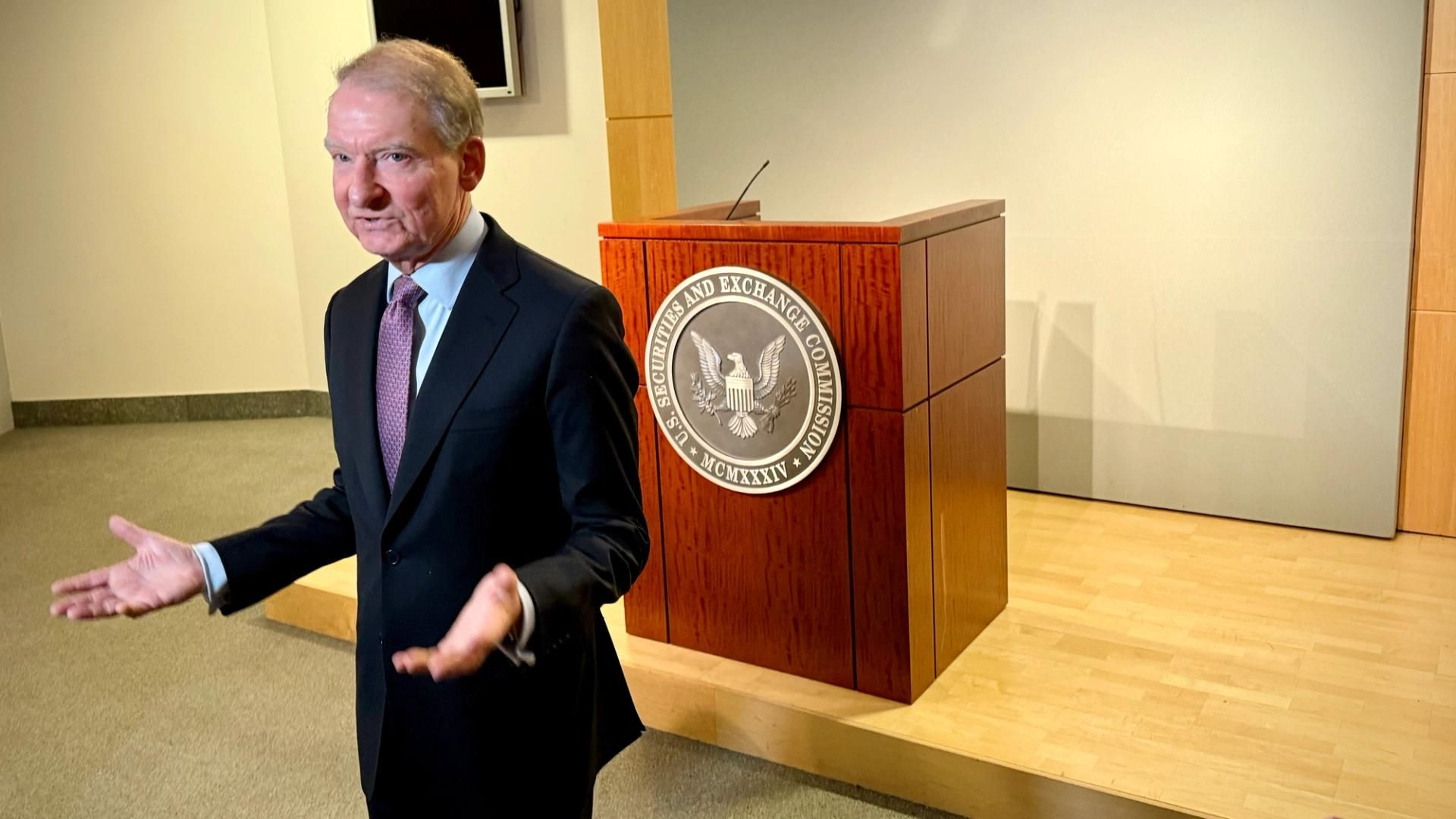
SEC SCHMETTERT Krypto-Regeln: Atkins signalisiert neue regulatorische WelleSEC SCHMETTERT Krypto-Regeln: Atkins signalisiert neue regulatorische Welle
SEC-Chef Gary Atkins hat gerade eine Bombe platzen lassen, die durch jede Brieftasche und jeden Anleger ohne Brieftasche auf dem Markt rollen wird. In einer Erklärung, die alle verbleibenden Zweifel auslöschte, bestätigte Atkins, dass Krypto-Emissionen, die Modernisierung von Transferagenten und Verwahrung zum Rückgrat des regulatorischen Vorstoßes der Behörde werden — und gleichzeitig erklärte, dass die SEC weiterhin Krypto-Regeln vorantreiben wird, auch ohne das Clarity Act. Das ist historisch: Die Flut hat begonnen, und niemand hatte das kommen sehen.
SEC SCHMETTERT Krypto-Regeln: Atkins signalisiert neue regulatorische Welle
SEC SCHMETTERT Krypto-Regeln: Atkins signalisiert neue regulatorische Welle
SEC-Chef Gary Atkins hat gerade eine Bombe platzen lassen, die durch jede Brieftasche und jeden Anleger ohne Brieftasche auf dem Markt rollen wird. In einer Erklärung, die alle verbleibenden Zweifel auslöschte, bestätigte Atkins, dass Krypto-Emissionen, die Modernisierung von Transferagenten und Verwahrung zum Rückgrat des regulatorischen Vorstoßes der Behörde werden — und gleichzeitig erklärte, dass die SEC weiterhin Krypto-Regeln vorantreiben wird, auch ohne das Clarity Act. Das ist historisch: Die Flut hat begonnen, und niemand hatte das kommen sehen.
SEC-Chef Gary Atkins hat gerade eine Bombe platzen lassen, die durch jede Brieftasche und jeden Anleger ohne Brieftasche auf dem Markt rollen wird. In einer Erklärung, die alle verbleibenden Zweifel auslöschte, bestätigte Atkins, dass Krypto-Emissionen, die Modernisierung von Transferagenten und Verwahrung zum Rückgrat des regulatorischen Vorstoßes der Behörde werden — und gleichzeitig erklärte, dass die SEC weiterhin Krypto-Regeln vorantreiben wird, auch ohne das Clarity Act. Das ist historisch: Die Flut hat begonnen, und niemand hatte das kommen sehen.
651

·
--
#russiancentralbankflagscryptoasfinancialrisk
Russlands Zentralbank warnt erneut vor Krypto-Risiken: Regionales Vorgehen vs. globale Akzeptanz 🇷🇺⚠️
🚨 Die Bank von Russland hat in ihrem neuesten Strategiepapier Kryptowährungen und Stablecoins offiziell als wesentliche Risiken für die Finanzmärkte eingestuft! 📉🏦
Obwohl Russland den regulierten Krypto-Handel sowie Rahmen für grenzüberschreitende Abwicklungen legalisiert hat, warnt die Zentralbank, dass unkontrollierte private Stablecoins eine ernsthafte Gefahr darstellen könnten – als „Geldsurrogate“, die den nationalen Rubel ersetzen.
📊 Kernaussagen im Überblick:
⚠️ Rubel vs. Stablecoins: Regulierer befürchten, dass die weitverbreitete Nutzung von Stablecoins die heimische Fiat-Währung im täglichen Wirtschaftsleben verdrängen könnte.
🔒 Vorgehen gegen nicht lizenzierte Anbieter: Nicht lizenzierte Krypto-Plattformen, die den Token-Umlauf organisieren, können strafrechtlich zur Verantwortung gezogen werden; nicht konforme Unternehmen müssen mit hohen verwaltungsrechtlichen Geldstrafen rechnen.
📈 Obergrenzen für Privatanleger: Nicht qualifizierte Privatanleger unterliegen strengen Handelslimits (~300.000 Rubel/Jahr) und verpflichtenden Wissenschecks, während qualifizierte Anleger ohne Limits handeln.
🌐 Grenzüberschreitende Dualität: Inländische Krypto-Zahlungen für Waren/Dienstleistungen bleiben strikt verboten, gleichzeitig ist Krypto ausdrücklich für internationale Import-Export-Abrechnungen autorisiert.
💡 Warum das für den Markt wichtig ist:
Russlands Vorgehen verdeutlicht einen wachsenden globalen Trend: Regierungen nutzen Krypto für den grenzüberschreitenden Handel und institutionelle Liquidität, gehen jedoch hart gegen eine Verdrängung von inländischem Fiat vor. Zentralbanken wollen die technologische Effizienz – ohne dabei die geldpolitische Souveränität zu verlieren! 🌍⚖️
💬 Werden strenge inländische Beschränkungen Privatanleger auf dezentrale Plattformen drängen, oder sorgt eine strikte Regulierung für eine sicherere Akzeptanz? Teilen Sie Ihre Meinung unten! 👇
#Russian #FinancialRisk #CryptoRegulation
#russiancentralbankflagscryptoasfinancialrisk
Russlands Zentralbank warnt erneut vor Krypto-Risiken: Regionales Vorgehen vs. globale Akzeptanz 🇷🇺⚠️
🚨 Die Bank von Russland hat in ihrem neuesten Strategiepapier Kryptowährungen und Stablecoins offiziell als wesentliche Risiken für die Finanzmärkte eingestuft! 📉🏦
Obwohl Russland den regulierten Krypto-Handel sowie Rahmen für grenzüberschreitende Abwicklungen legalisiert hat, warnt die Zentralbank, dass unkontrollierte private Stablecoins eine ernsthafte Gefahr darstellen könnten – als „Geldsurrogate“, die den nationalen Rubel ersetzen.
📊 Kernaussagen im Überblick:
⚠️ Rubel vs. Stablecoins: Regulierer befürchten, dass die weitverbreitete Nutzung von Stablecoins die heimische Fiat-Währung im täglichen Wirtschaftsleben verdrängen könnte.
🔒 Vorgehen gegen nicht lizenzierte Anbieter: Nicht lizenzierte Krypto-Plattformen, die den Token-Umlauf organisieren, können strafrechtlich zur Verantwortung gezogen werden; nicht konforme Unternehmen müssen mit hohen verwaltungsrechtlichen Geldstrafen rechnen.
📈 Obergrenzen für Privatanleger: Nicht qualifizierte Privatanleger unterliegen strengen Handelslimits (~300.000 Rubel/Jahr) und verpflichtenden Wissenschecks, während qualifizierte Anleger ohne Limits handeln.
🌐 Grenzüberschreitende Dualität: Inländische Krypto-Zahlungen für Waren/Dienstleistungen bleiben strikt verboten, gleichzeitig ist Krypto ausdrücklich für internationale Import-Export-Abrechnungen autorisiert.
💡 Warum das für den Markt wichtig ist:
Russlands Vorgehen verdeutlicht einen wachsenden globalen Trend: Regierungen nutzen Krypto für den grenzüberschreitenden Handel und institutionelle Liquidität, gehen jedoch hart gegen eine Verdrängung von inländischem Fiat vor. Zentralbanken wollen die technologische Effizienz – ohne dabei die geldpolitische Souveränität zu verlieren! 🌍⚖️
💬 Werden strenge inländische Beschränkungen Privatanleger auf dezentrale Plattformen drängen, oder sorgt eine strikte Regulierung für eine sicherere Akzeptanz? Teilen Sie Ihre Meinung unten! 👇
#Russian #FinancialRisk #CryptoRegulation
Russlands Zentralbank warnt erneut vor Krypto-Risiken: Regionales Vorgehen vs. globale Akzeptanz 🇷🇺⚠️
🚨 Die Bank von Russland hat in ihrem neuesten Strategiepapier Kryptowährungen und Stablecoins offiziell als wesentliche Risiken für die Finanzmärkte eingestuft! 📉🏦
Obwohl Russland den regulierten Krypto-Handel sowie Rahmen für grenzüberschreitende Abwicklungen legalisiert hat, warnt die Zentralbank, dass unkontrollierte private Stablecoins eine ernsthafte Gefahr darstellen könnten – als „Geldsurrogate“, die den nationalen Rubel ersetzen.
📊 Kernaussagen im Überblick:
⚠️ Rubel vs. Stablecoins: Regulierer befürchten, dass die weitverbreitete Nutzung von Stablecoins die heimische Fiat-Währung im täglichen Wirtschaftsleben verdrängen könnte.
🔒 Vorgehen gegen nicht lizenzierte Anbieter: Nicht lizenzierte Krypto-Plattformen, die den Token-Umlauf organisieren, können strafrechtlich zur Verantwortung gezogen werden; nicht konforme Unternehmen müssen mit hohen verwaltungsrechtlichen Geldstrafen rechnen.
📈 Obergrenzen für Privatanleger: Nicht qualifizierte Privatanleger unterliegen strengen Handelslimits (~300.000 Rubel/Jahr) und verpflichtenden Wissenschecks, während qualifizierte Anleger ohne Limits handeln.
🌐 Grenzüberschreitende Dualität: Inländische Krypto-Zahlungen für Waren/Dienstleistungen bleiben strikt verboten, gleichzeitig ist Krypto ausdrücklich für internationale Import-Export-Abrechnungen autorisiert.
💡 Warum das für den Markt wichtig ist:
Russlands Vorgehen verdeutlicht einen wachsenden globalen Trend: Regierungen nutzen Krypto für den grenzüberschreitenden Handel und institutionelle Liquidität, gehen jedoch hart gegen eine Verdrängung von inländischem Fiat vor. Zentralbanken wollen die technologische Effizienz – ohne dabei die geldpolitische Souveränität zu verlieren! 🌍⚖️
💬 Werden strenge inländische Beschränkungen Privatanleger auf dezentrale Plattformen drängen, oder sorgt eine strikte Regulierung für eine sicherere Akzeptanz? Teilen Sie Ihre Meinung unten! 👇
#Russian #FinancialRisk #CryptoRegulation

ABO3ZAM:
السياسة النقدية الروسية تفرض تحدياً على سيولة الأفراد، مما قد يسبب تذبذباً لحظياً في تمركز الزخم. أنصحكم بمراقبة مناطق الرفض السعري بدقة، وتأمين الأرباح عند ظهور إشارات ضعف الاتجاه، فالحفاظ على رأس المال في ظل القيود التنظيمية هو جوهر النجاح.
1
1
1.3k

·
--
#ussenateblocksclarityact
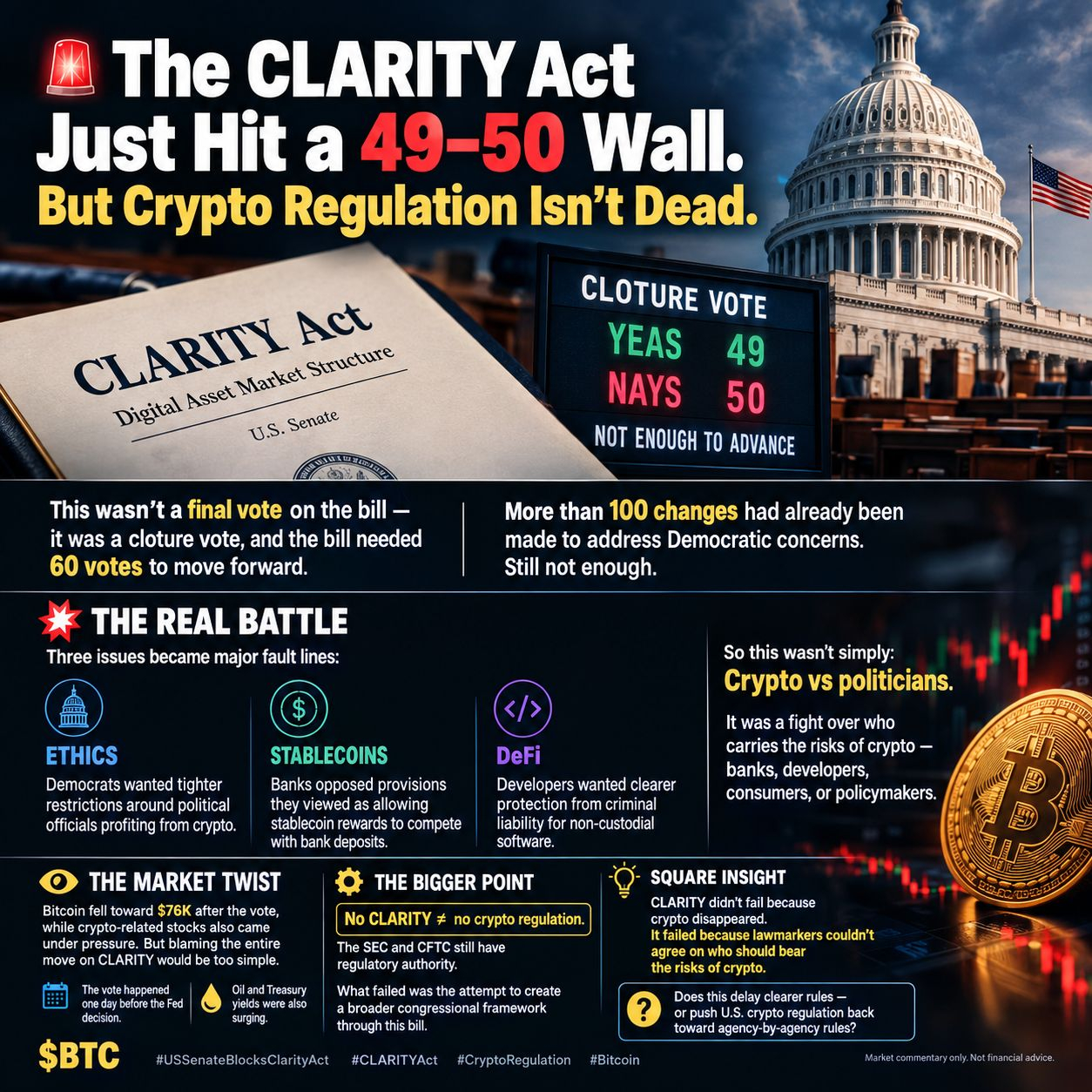
🚨 Das CLARITY-Gesetz ist gerade an eine 49–50er Wand gestoßen. Aber die Krypto-Regulierung ist nicht tot.
Der US-Senat hat das CLARITY-Gesetz gerade daran gehindert, voranzukommen.
49–50.
Der Gesetzentwurf brauchte 60 Stimmen, um weitergeführt zu werden.
Und genau hier wird die Geschichte interessant. 👀
Das war eine Cloture-Abstimmung — keine endgültige Abstimmung über den Gesetzentwurf selbst.
Also lautet die Schlagzeile nicht:
❌ „Der Senat hat die Krypto-Regulierung abgewürgt.“
Es ist:
Der Senat konnte nicht genug Stimmen aufbringen, um das Gesetz zur Marktstruktur voranzubringen.
Und mehr als 100 Änderungen wurden bereits vorgenommen, um die Bedenken der Demokraten zu adressieren.
Trotzdem nicht genug.
🧨 DER ECHTE KAMPF
Drei Themen wurden zu großen Bruchlinien:
→ Ethik: Demokraten wollten strengere Auflagen für politische Amtsträger, die von Krypto profitieren.
→ Stablecoins: Banken waren gegen Bestimmungen, die sie so verstanden, dass sie Stablecoin-Prämien ermöglichen, um mit Bankeinlagen zu konkurrieren.
→ DeFi: Entwickler wollten einen klareren Schutz vor strafrechtlicher Haftung für nicht verwaltete (non-custodial) Software.
Also war das nicht einfach:
Krypto vs. Politiker.
Es war ein Streit darüber, wer die Risiken von Krypto trägt — Banken, Entwickler, Verbraucher oder politische Entscheidungsträger.
👀 DER MARKT-WEND
Bitcoin fiel nach der Abstimmung in Richtung 76.000 US-Dollar, und auch aktienbezogene Krypto-Titel gerieten unter Druck.
Aber es der gesamten Entwicklung auf CLARITY anzulasten, wäre zu einfach.
Die Abstimmung fand nur einen Tag vor der Fed-Entscheidung statt, während auch Öl- und US-Treasury-Renditen stark anstiegen.
Und hier ist der wichtigere Punkt:
Kein CLARITY ≠ keine Krypto-Regulierung.
Die SEC und die CFTC haben weiterhin regulatorische Zuständigkeit.
Was gescheitert ist, war der Versuch, mit diesem Gesetzentwurf einen breiteren gesetzlichen Rahmen im Kongress zu schaffen.
🧠 Square Insight
CLARITY ist nicht gescheitert, weil Krypto verschwunden ist. Es ist gescheitert, weil sich Gesetzgeber nicht darauf einigen konnten, wer die Risiken von Krypto tragen soll.
Die größere Frage jetzt:
Verzögert das klarere Regeln — oder schiebt es die US-Krypto-Regulierung zurück hin zu Regeln nach dem Prinzip „Behörde für Behörde“?
$BTC
{future}(BTCUSDT)
#CLARITYAct #CryptoRegulation #Bitcoin
Nur Marktkommentare. Keine finanzielle Beratung.
#ussenateblocksclarityact
🚨 Das CLARITY-Gesetz ist gerade an eine 49–50er Wand gestoßen. Aber die Krypto-Regulierung ist nicht tot.
Der US-Senat hat das CLARITY-Gesetz gerade daran gehindert, voranzukommen.
49–50.
Der Gesetzentwurf brauchte 60 Stimmen, um weitergeführt zu werden.
Und genau hier wird die Geschichte interessant. 👀
Das war eine Cloture-Abstimmung — keine endgültige Abstimmung über den Gesetzentwurf selbst.
Also lautet die Schlagzeile nicht:
❌ „Der Senat hat die Krypto-Regulierung abgewürgt.“
Es ist:
Der Senat konnte nicht genug Stimmen aufbringen, um das Gesetz zur Marktstruktur voranzubringen.
Und mehr als 100 Änderungen wurden bereits vorgenommen, um die Bedenken der Demokraten zu adressieren.
Trotzdem nicht genug.
🧨 DER ECHTE KAMPF
Drei Themen wurden zu großen Bruchlinien:
→ Ethik: Demokraten wollten strengere Auflagen für politische Amtsträger, die von Krypto profitieren.
→ Stablecoins: Banken waren gegen Bestimmungen, die sie so verstanden, dass sie Stablecoin-Prämien ermöglichen, um mit Bankeinlagen zu konkurrieren.
→ DeFi: Entwickler wollten einen klareren Schutz vor strafrechtlicher Haftung für nicht verwaltete (non-custodial) Software.
Also war das nicht einfach:
Krypto vs. Politiker.
Es war ein Streit darüber, wer die Risiken von Krypto trägt — Banken, Entwickler, Verbraucher oder politische Entscheidungsträger.
👀 DER MARKT-WEND
Bitcoin fiel nach der Abstimmung in Richtung 76.000 US-Dollar, und auch aktienbezogene Krypto-Titel gerieten unter Druck.
Aber es der gesamten Entwicklung auf CLARITY anzulasten, wäre zu einfach.
Die Abstimmung fand nur einen Tag vor der Fed-Entscheidung statt, während auch Öl- und US-Treasury-Renditen stark anstiegen.
Und hier ist der wichtigere Punkt:
Kein CLARITY ≠ keine Krypto-Regulierung.
Die SEC und die CFTC haben weiterhin regulatorische Zuständigkeit.
Was gescheitert ist, war der Versuch, mit diesem Gesetzentwurf einen breiteren gesetzlichen Rahmen im Kongress zu schaffen.
🧠 Square Insight
CLARITY ist nicht gescheitert, weil Krypto verschwunden ist. Es ist gescheitert, weil sich Gesetzgeber nicht darauf einigen konnten, wer die Risiken von Krypto tragen soll.
Die größere Frage jetzt:
Verzögert das klarere Regeln — oder schiebt es die US-Krypto-Regulierung zurück hin zu Regeln nach dem Prinzip „Behörde für Behörde“?
$BTC
#CLARITYAct #CryptoRegulation #Bitcoin
Nur Marktkommentare. Keine finanzielle Beratung.
🚨 Das CLARITY-Gesetz ist gerade an eine 49–50er Wand gestoßen. Aber die Krypto-Regulierung ist nicht tot.
Der US-Senat hat das CLARITY-Gesetz gerade daran gehindert, voranzukommen.
49–50.
Der Gesetzentwurf brauchte 60 Stimmen, um weitergeführt zu werden.
Und genau hier wird die Geschichte interessant. 👀
Das war eine Cloture-Abstimmung — keine endgültige Abstimmung über den Gesetzentwurf selbst.
Also lautet die Schlagzeile nicht:
❌ „Der Senat hat die Krypto-Regulierung abgewürgt.“
Es ist:
Der Senat konnte nicht genug Stimmen aufbringen, um das Gesetz zur Marktstruktur voranzubringen.
Und mehr als 100 Änderungen wurden bereits vorgenommen, um die Bedenken der Demokraten zu adressieren.
Trotzdem nicht genug.
🧨 DER ECHTE KAMPF
Drei Themen wurden zu großen Bruchlinien:
→ Ethik: Demokraten wollten strengere Auflagen für politische Amtsträger, die von Krypto profitieren.
→ Stablecoins: Banken waren gegen Bestimmungen, die sie so verstanden, dass sie Stablecoin-Prämien ermöglichen, um mit Bankeinlagen zu konkurrieren.
→ DeFi: Entwickler wollten einen klareren Schutz vor strafrechtlicher Haftung für nicht verwaltete (non-custodial) Software.
Also war das nicht einfach:
Krypto vs. Politiker.
Es war ein Streit darüber, wer die Risiken von Krypto trägt — Banken, Entwickler, Verbraucher oder politische Entscheidungsträger.
👀 DER MARKT-WEND
Bitcoin fiel nach der Abstimmung in Richtung 76.000 US-Dollar, und auch aktienbezogene Krypto-Titel gerieten unter Druck.
Aber es der gesamten Entwicklung auf CLARITY anzulasten, wäre zu einfach.
Die Abstimmung fand nur einen Tag vor der Fed-Entscheidung statt, während auch Öl- und US-Treasury-Renditen stark anstiegen.
Und hier ist der wichtigere Punkt:
Kein CLARITY ≠ keine Krypto-Regulierung.
Die SEC und die CFTC haben weiterhin regulatorische Zuständigkeit.
Was gescheitert ist, war der Versuch, mit diesem Gesetzentwurf einen breiteren gesetzlichen Rahmen im Kongress zu schaffen.
🧠 Square Insight
CLARITY ist nicht gescheitert, weil Krypto verschwunden ist. Es ist gescheitert, weil sich Gesetzgeber nicht darauf einigen konnten, wer die Risiken von Krypto tragen soll.
Die größere Frage jetzt:
Verzögert das klarere Regeln — oder schiebt es die US-Krypto-Regulierung zurück hin zu Regeln nach dem Prinzip „Behörde für Behörde“?
$BTC
#CLARITYAct #CryptoRegulation #Bitcoin
Nur Marktkommentare. Keine finanzielle Beratung.
104
·
--
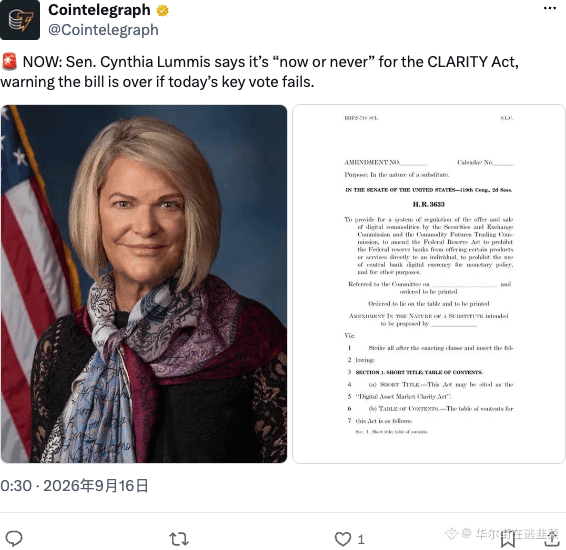
Lummis legt direkt die Karten auf: Heute ist die entscheidende Abstimmung zum CLARITY Act – wenn die durchfällt, ist das Gesetz endgültig durch, kein zweites Mal.
Der Krypto-Regulierungsrahmen steckt schon so lange im Senat fest, und der Markt wurde die ganze Zeit mit der Erwartung „wird schon irgendwann durchgehen“ hingehalten. Wenn diese Abstimmung heute nicht durchkommt, wird die Stimmung kurzfristig sicher einen harten Rückschlag bekommen – und von Gesetzgebungs-„Erleichterungen“ ist dann erst recht nichts mehr zu erwarten.
$BTC #CryptoRegulation
Lummis legt direkt die Karten auf: Heute ist die entscheidende Abstimmung zum CLARITY Act – wenn die durchfällt, ist das Gesetz endgültig durch, kein zweites Mal.
Der Krypto-Regulierungsrahmen steckt schon so lange im Senat fest, und der Markt wurde die ganze Zeit mit der Erwartung „wird schon irgendwann durchgehen“ hingehalten. Wenn diese Abstimmung heute nicht durchkommt, wird die Stimmung kurzfristig sicher einen harten Rückschlag bekommen – und von Gesetzgebungs-„Erleichterungen“ ist dann erst recht nichts mehr zu erwarten.
$BTC #CryptoRegulation
Der Krypto-Regulierungsrahmen steckt schon so lange im Senat fest, und der Markt wurde die ganze Zeit mit der Erwartung „wird schon irgendwann durchgehen“ hingehalten. Wenn diese Abstimmung heute nicht durchkommt, wird die Stimmung kurzfristig sicher einen harten Rückschlag bekommen – und von Gesetzgebungs-„Erleichterungen“ ist dann erst recht nichts mehr zu erwarten.
$BTC #CryptoRegulation
1
267

·
--
Bullisch
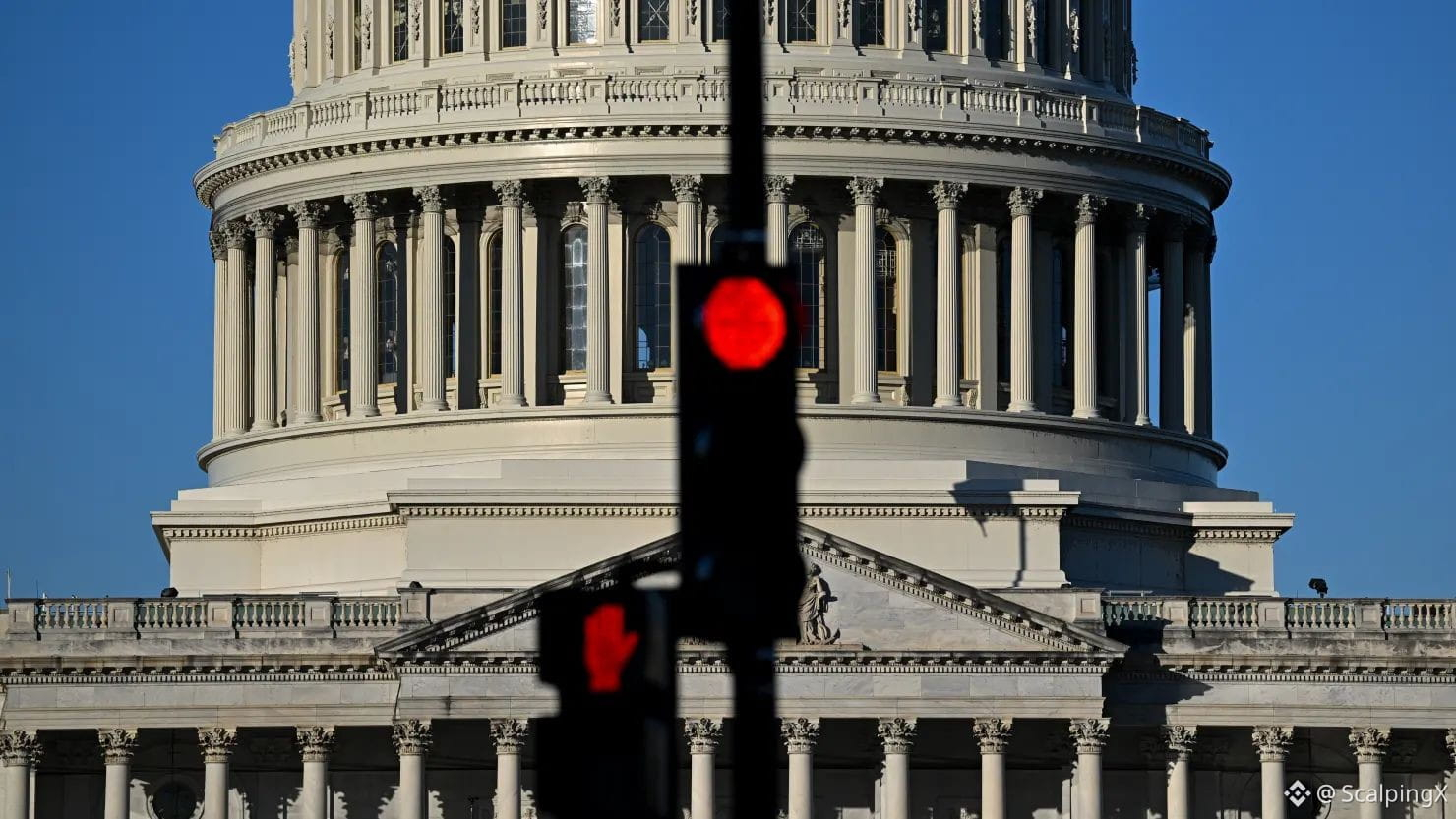
CLARITY-Gesetz im Senat blockiert und damit die Aussichten auf einen einheitlichen US-Krypto-Regulierungsrahmen verzögert
🏛️ Der US-Senat verfehlte die für die Eröffnung der Debatte zu H.R. 3633 nötigen 60 Stimmen; die Klotur-Abstimmung endete 49–50. Dabei handelte es sich um eine Verfahrensabstimmung über den Antrag, das Verfahren fortzusetzen, nicht um eine Abstimmung über die Verabschiedung des Gesetzes selbst.
📑 Alle 49 Stimmen für kamen von Republikanern, während keine Demokratin oder kein Demokrat bzw. kein Unabhängiger mit Ja stimmte. Die Initiatoren hatten zuvor 126 Änderungen in den endgültigen Text eingearbeitet, doch Streitigkeiten über Ethik und Interessenkonflikte blieben weiterhin ungelöst.
🔄 Anschließend brachte Thom Tillis den Antrag auf erneute Beratung ein und hielt damit einen verfahrensrechtlichen Weg für eine weitere Abstimmung offen. Allerdings ändert das nicht die Anforderung, 60 Stimmen zu sichern.
📉 BTC fiel nach dem Ergebnis um etwa 3–4%, während COIN und CRCL um nahe 9% nachgaben. Auch Staatsanleiherenditen, höhere Ölpreise und Erwartungen im Vorfeld der Fed-Entscheidung belasteten risikoreiche Anlagen, sodass sich die Bewegung nicht eindeutig allein auf CLARITY zurückführen lässt.
#CryptoRegulation $BTC $ETH $SOL
CLARITY-Gesetz im Senat blockiert und damit die Aussichten auf einen einheitlichen US-Krypto-Regulierungsrahmen verzögert
🏛️ Der US-Senat verfehlte die für die Eröffnung der Debatte zu H.R. 3633 nötigen 60 Stimmen; die Klotur-Abstimmung endete 49–50. Dabei handelte es sich um eine Verfahrensabstimmung über den Antrag, das Verfahren fortzusetzen, nicht um eine Abstimmung über die Verabschiedung des Gesetzes selbst.
📑 Alle 49 Stimmen für kamen von Republikanern, während keine Demokratin oder kein Demokrat bzw. kein Unabhängiger mit Ja stimmte. Die Initiatoren hatten zuvor 126 Änderungen in den endgültigen Text eingearbeitet, doch Streitigkeiten über Ethik und Interessenkonflikte blieben weiterhin ungelöst.
🔄 Anschließend brachte Thom Tillis den Antrag auf erneute Beratung ein und hielt damit einen verfahrensrechtlichen Weg für eine weitere Abstimmung offen. Allerdings ändert das nicht die Anforderung, 60 Stimmen zu sichern.
📉 BTC fiel nach dem Ergebnis um etwa 3–4%, während COIN und CRCL um nahe 9% nachgaben. Auch Staatsanleiherenditen, höhere Ölpreise und Erwartungen im Vorfeld der Fed-Entscheidung belasteten risikoreiche Anlagen, sodass sich die Bewegung nicht eindeutig allein auf CLARITY zurückführen lässt.
#CryptoRegulation $BTC $ETH $SOL
🏛️ Der US-Senat verfehlte die für die Eröffnung der Debatte zu H.R. 3633 nötigen 60 Stimmen; die Klotur-Abstimmung endete 49–50. Dabei handelte es sich um eine Verfahrensabstimmung über den Antrag, das Verfahren fortzusetzen, nicht um eine Abstimmung über die Verabschiedung des Gesetzes selbst.
📑 Alle 49 Stimmen für kamen von Republikanern, während keine Demokratin oder kein Demokrat bzw. kein Unabhängiger mit Ja stimmte. Die Initiatoren hatten zuvor 126 Änderungen in den endgültigen Text eingearbeitet, doch Streitigkeiten über Ethik und Interessenkonflikte blieben weiterhin ungelöst.
🔄 Anschließend brachte Thom Tillis den Antrag auf erneute Beratung ein und hielt damit einen verfahrensrechtlichen Weg für eine weitere Abstimmung offen. Allerdings ändert das nicht die Anforderung, 60 Stimmen zu sichern.
📉 BTC fiel nach dem Ergebnis um etwa 3–4%, während COIN und CRCL um nahe 9% nachgaben. Auch Staatsanleiherenditen, höhere Ölpreise und Erwartungen im Vorfeld der Fed-Entscheidung belasteten risikoreiche Anlagen, sodass sich die Bewegung nicht eindeutig allein auf CLARITY zurückführen lässt.
#CryptoRegulation $BTC $ETH $SOL
99

·
--
⚖️ Gesetzentwurf zur Bitcoin-Reserve $BTC c des US steht im Jahr 2026 beinahe kurz vor der Verabschiedung
Am 16. September wird der Finanzausschuss des US-Repräsentantenhauses den Gesetzentwurf H.R. 8957 (ARMA) prüfen, der von Abgeordnetem Nick Begich eingebracht wurde, um den nationalen BTC-Reservebestand offiziell zu machen, der mindestens 20 Jahre lang gehalten werden soll.
Warum ist das bemerkenswert?
Die Wahrscheinlichkeit der Verabschiedung liegt nur noch bei 5–6% und ist damit stark gesunken von 60% im Dezember des vergangenen Jahres, da der parlamentarische Zeitplan vor der Zwischenwahl im November sehr dicht ist.
Ganz einfach:
Die USA halten 328.000 BTC (rund 25 Milliarden USD), doch es ist schwierig, diese Zahl per Gesetz in eine offizielle Reserve zu verwandeln.
#CryptoRegulation #CryptoNews
🔗 Quelle: AMBCrypto
⚠️ Die Informationen dienen nur zur Orientierung und stellen keine Anlageberatung dar. Bitte informieren Sie sich selbst, bevor Sie Entscheidungen treffen (DYOR).
⚖️ Gesetzentwurf zur Bitcoin-Reserve $BTC c des US steht im Jahr 2026 beinahe kurz vor der Verabschiedung
Am 16. September wird der Finanzausschuss des US-Repräsentantenhauses den Gesetzentwurf H.R. 8957 (ARMA) prüfen, der von Abgeordnetem Nick Begich eingebracht wurde, um den nationalen BTC-Reservebestand offiziell zu machen, der mindestens 20 Jahre lang gehalten werden soll.
Warum ist das bemerkenswert?
Die Wahrscheinlichkeit der Verabschiedung liegt nur noch bei 5–6% und ist damit stark gesunken von 60% im Dezember des vergangenen Jahres, da der parlamentarische Zeitplan vor der Zwischenwahl im November sehr dicht ist.
Ganz einfach:
Die USA halten 328.000 BTC (rund 25 Milliarden USD), doch es ist schwierig, diese Zahl per Gesetz in eine offizielle Reserve zu verwandeln.
#CryptoRegulation #CryptoNews
🔗 Quelle: AMBCrypto
⚠️ Die Informationen dienen nur zur Orientierung und stellen keine Anlageberatung dar. Bitte informieren Sie sich selbst, bevor Sie Entscheidungen treffen (DYOR).
Am 16. September wird der Finanzausschuss des US-Repräsentantenhauses den Gesetzentwurf H.R. 8957 (ARMA) prüfen, der von Abgeordnetem Nick Begich eingebracht wurde, um den nationalen BTC-Reservebestand offiziell zu machen, der mindestens 20 Jahre lang gehalten werden soll.
Warum ist das bemerkenswert?
Die Wahrscheinlichkeit der Verabschiedung liegt nur noch bei 5–6% und ist damit stark gesunken von 60% im Dezember des vergangenen Jahres, da der parlamentarische Zeitplan vor der Zwischenwahl im November sehr dicht ist.
Ganz einfach:
Die USA halten 328.000 BTC (rund 25 Milliarden USD), doch es ist schwierig, diese Zahl per Gesetz in eine offizielle Reserve zu verwandeln.
#CryptoRegulation #CryptoNews
🔗 Quelle: AMBCrypto
⚠️ Die Informationen dienen nur zur Orientierung und stellen keine Anlageberatung dar. Bitte informieren Sie sich selbst, bevor Sie Entscheidungen treffen (DYOR).
259

·
--
Verifiziert
Wall Street lieferte Gründe zum Verkauf von Krypto. XRP beschloss, sie zu ignorieren.
Schau dir die Kombination an:
📈 Treasury 10Y überstieg die 5%
🛢️ Brent endete nahe bei 105,7 $
📉 Nasdaq -0,56%
🏦 der Markt rechnet mit ~90% Wahrscheinlichkeit für einen Anstieg der Zinssätze
Theoretisch ein katastrophales Cocktailrezept für risikoreiche Assets.
Aber während $BTC einfach bei rund 78K Widerstand leistete…
$XRP stieg in nur neun Stunden um ~5%.
Was hat sich geändert?
Nicht Bitcoin.
Washington.
Heute tauchte eine neue Version des CLARITY Act mit 126 relevanten Änderungen gegenüber dem vorherigen Text auf, nachdem das Weiße Haus einen großen Teil der ethischen Forderungen akzeptiert hatte, die nötig sind, um Unterstützung über Parteigrenzen hinweg zu erreichen.
Und morgen kommt der Test:
Der Senat braucht 60 Stimmen, damit das Projekt weitergeht.
Dort begann der Markt, etwas Interessantes zu tun.
XRP durchbrach die Zone um 1,38 $, stieg bis in den Bereich von etwa 1,45 $ und näherte sich genau der Gegend, in der es anfällige Shorts gab.
Verfügbare Derivate-Daten deuten auf:
⚡ Binance Futures OI XRP ≈ 426 Mio. $
💥 ~9,46 Mio. $ Short-Positionen, die bei einer weiteren Bewegung von ~5% potenziell exponiert sind
🎯 geschätzte Pain-Zone bei etwa 1,464 $
Das ist wichtig, weil wir heute wahrscheinlich zwei unterschiedliche Käufer gesehen haben:
1️⃣ Kapital, das sich dem möglichen regulatorischen Wandel voraussetzt;
2️⃣ Shorts, die zum Rückkauf gezwungen werden mussten, als XRP den Widerstand brach.
Und das erklärt, warum XRP sich abkoppeln konnte, während Technologiewerte unter Druck gerieten.
Aber morgen können wir echtes Repricing von einem bloßen Short Squeeze unterscheiden.
Wenn der Senat die 60 Stimmen bekommt und XRP den Anstieg nach Bekanntwerden des Ergebnisses hält, würde das Geld sagen:
„die clarity ist mehr wert als das heutige Gegenwind-Makro.“
Wenn das Projekt vorankommt und XRP die News verkauft…
dann war die Bewegung wahrscheinlich zu einem großen Teil bereits eingepreist.
Das ist die Grafik, die ich morgen sehen will.
Kein BTC.
#XRP #CLARITYAct #CryptoRegulation
{spot}(XRPUSDT)
Wall Street lieferte Gründe zum Verkauf von Krypto. XRP beschloss, sie zu ignorieren.
Schau dir die Kombination an:
📈 Treasury 10Y überstieg die 5%
🛢️ Brent endete nahe bei 105,7 $
📉 Nasdaq -0,56%
🏦 der Markt rechnet mit ~90% Wahrscheinlichkeit für einen Anstieg der Zinssätze
Theoretisch ein katastrophales Cocktailrezept für risikoreiche Assets.
Aber während $BTC einfach bei rund 78K Widerstand leistete…
$XRP stieg in nur neun Stunden um ~5%.
Was hat sich geändert?
Nicht Bitcoin.
Washington.
Heute tauchte eine neue Version des CLARITY Act mit 126 relevanten Änderungen gegenüber dem vorherigen Text auf, nachdem das Weiße Haus einen großen Teil der ethischen Forderungen akzeptiert hatte, die nötig sind, um Unterstützung über Parteigrenzen hinweg zu erreichen.
Und morgen kommt der Test:
Der Senat braucht 60 Stimmen, damit das Projekt weitergeht.
Dort begann der Markt, etwas Interessantes zu tun.
XRP durchbrach die Zone um 1,38 $, stieg bis in den Bereich von etwa 1,45 $ und näherte sich genau der Gegend, in der es anfällige Shorts gab.
Verfügbare Derivate-Daten deuten auf:
⚡ Binance Futures OI XRP ≈ 426 Mio. $
💥 ~9,46 Mio. $ Short-Positionen, die bei einer weiteren Bewegung von ~5% potenziell exponiert sind
🎯 geschätzte Pain-Zone bei etwa 1,464 $
Das ist wichtig, weil wir heute wahrscheinlich zwei unterschiedliche Käufer gesehen haben:
1️⃣ Kapital, das sich dem möglichen regulatorischen Wandel voraussetzt;
2️⃣ Shorts, die zum Rückkauf gezwungen werden mussten, als XRP den Widerstand brach.
Und das erklärt, warum XRP sich abkoppeln konnte, während Technologiewerte unter Druck gerieten.
Aber morgen können wir echtes Repricing von einem bloßen Short Squeeze unterscheiden.
Wenn der Senat die 60 Stimmen bekommt und XRP den Anstieg nach Bekanntwerden des Ergebnisses hält, würde das Geld sagen:
„die clarity ist mehr wert als das heutige Gegenwind-Makro.“
Wenn das Projekt vorankommt und XRP die News verkauft…
dann war die Bewegung wahrscheinlich zu einem großen Teil bereits eingepreist.
Das ist die Grafik, die ich morgen sehen will.
Kein BTC.
#XRP #CLARITYAct #CryptoRegulation
Schau dir die Kombination an:
📈 Treasury 10Y überstieg die 5%
🛢️ Brent endete nahe bei 105,7 $
📉 Nasdaq -0,56%
🏦 der Markt rechnet mit ~90% Wahrscheinlichkeit für einen Anstieg der Zinssätze
Theoretisch ein katastrophales Cocktailrezept für risikoreiche Assets.
Aber während $BTC einfach bei rund 78K Widerstand leistete…
$XRP stieg in nur neun Stunden um ~5%.
Was hat sich geändert?
Nicht Bitcoin.
Washington.
Heute tauchte eine neue Version des CLARITY Act mit 126 relevanten Änderungen gegenüber dem vorherigen Text auf, nachdem das Weiße Haus einen großen Teil der ethischen Forderungen akzeptiert hatte, die nötig sind, um Unterstützung über Parteigrenzen hinweg zu erreichen.
Und morgen kommt der Test:
Der Senat braucht 60 Stimmen, damit das Projekt weitergeht.
Dort begann der Markt, etwas Interessantes zu tun.
XRP durchbrach die Zone um 1,38 $, stieg bis in den Bereich von etwa 1,45 $ und näherte sich genau der Gegend, in der es anfällige Shorts gab.
Verfügbare Derivate-Daten deuten auf:
⚡ Binance Futures OI XRP ≈ 426 Mio. $
💥 ~9,46 Mio. $ Short-Positionen, die bei einer weiteren Bewegung von ~5% potenziell exponiert sind
🎯 geschätzte Pain-Zone bei etwa 1,464 $
Das ist wichtig, weil wir heute wahrscheinlich zwei unterschiedliche Käufer gesehen haben:
1️⃣ Kapital, das sich dem möglichen regulatorischen Wandel voraussetzt;
2️⃣ Shorts, die zum Rückkauf gezwungen werden mussten, als XRP den Widerstand brach.
Und das erklärt, warum XRP sich abkoppeln konnte, während Technologiewerte unter Druck gerieten.
Aber morgen können wir echtes Repricing von einem bloßen Short Squeeze unterscheiden.
Wenn der Senat die 60 Stimmen bekommt und XRP den Anstieg nach Bekanntwerden des Ergebnisses hält, würde das Geld sagen:
„die clarity ist mehr wert als das heutige Gegenwind-Makro.“
Wenn das Projekt vorankommt und XRP die News verkauft…
dann war die Bewegung wahrscheinlich zu einem großen Teil bereits eingepreist.
Das ist die Grafik, die ich morgen sehen will.
Kein BTC.
#XRP #CLARITYAct #CryptoRegulation
836

·
--
Artikel
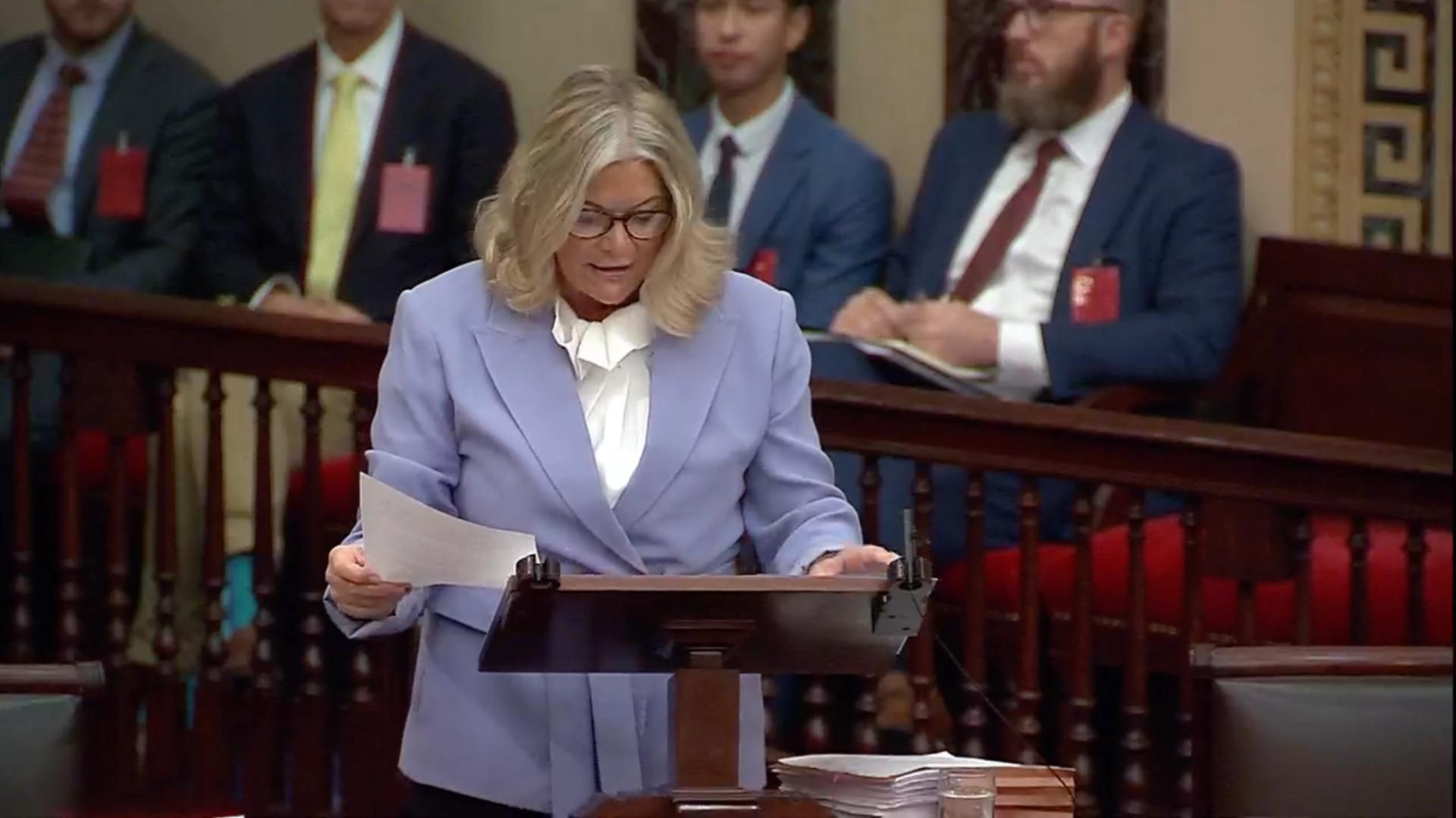
Krypto-Senat kassiert Klatsche: Der Clarity Act prallt ab und die Community reagiertGM, ihr Lieben—der Senat hat dem Clarity Act gerade ein „Nein“ entgegengeworfen. Das bedeutet: Der Traum der Krypto-Branche von einem klaren Regulierungsrahmen steckt weiterhin in einem legislativen Schlagloch fest. Der Gesetzentwurf, der Krypto-Firmen eine solide rechtliche Grundlage geben sollte, scheiterte knapp an der 60-Stimmen-Grenze—also spielt der Kryptomarkt weiterhin in einer rechtlichen Sandkiste, die genauso unvorhersehbar ist wie der Preis einer Meme Coin.
Der Alpha: Der Clarity Act sollte klären, wie die bestehenden Wertpapiergesetze auf Krypto anzuwenden sind—mit dem Potenzial, die rechtliche Unklarheit für Börsen, DeFi-Protokolle und Wallet-Anbieter zu verringern. Sein Scheitern zeigt, dass Regulierer noch zögern, Krypto wirklich vollumfänglich zu akzeptieren, und dass die Branche weiter für Klarheit kämpfen muss—während sie sich gleichzeitig durch ein Flickwerk aus staatlichen und bundesstaatlichen Regeln navigiert. #CryptoRegulation #DeFi #Binance
Krypto-Senat kassiert Klatsche: Der Clarity Act prallt ab und die Community reagiert
GM, ihr Lieben—der Senat hat dem Clarity Act gerade ein „Nein“ entgegengeworfen. Das bedeutet: Der Traum der Krypto-Branche von einem klaren Regulierungsrahmen steckt weiterhin in einem legislativen Schlagloch fest. Der Gesetzentwurf, der Krypto-Firmen eine solide rechtliche Grundlage geben sollte, scheiterte knapp an der 60-Stimmen-Grenze—also spielt der Kryptomarkt weiterhin in einer rechtlichen Sandkiste, die genauso unvorhersehbar ist wie der Preis einer Meme Coin.
Der Alpha: Der Clarity Act sollte klären, wie die bestehenden Wertpapiergesetze auf Krypto anzuwenden sind—mit dem Potenzial, die rechtliche Unklarheit für Börsen, DeFi-Protokolle und Wallet-Anbieter zu verringern. Sein Scheitern zeigt, dass Regulierer noch zögern, Krypto wirklich vollumfänglich zu akzeptieren, und dass die Branche weiter für Klarheit kämpfen muss—während sie sich gleichzeitig durch ein Flickwerk aus staatlichen und bundesstaatlichen Regeln navigiert. #CryptoRegulation #DeFi #Binance
Der Alpha: Der Clarity Act sollte klären, wie die bestehenden Wertpapiergesetze auf Krypto anzuwenden sind—mit dem Potenzial, die rechtliche Unklarheit für Börsen, DeFi-Protokolle und Wallet-Anbieter zu verringern. Sein Scheitern zeigt, dass Regulierer noch zögern, Krypto wirklich vollumfänglich zu akzeptieren, und dass die Branche weiter für Klarheit kämpfen muss—während sie sich gleichzeitig durch ein Flickwerk aus staatlichen und bundesstaatlichen Regeln navigiert. #CryptoRegulation #DeFi #Binance
4

#bessentendorsesfinalclarityactdraft
Der Finanzminister Scott Bessent unterstützt nun offiziell den finalen Entwurf des CLARITY-Gesetzesentwurfs, bevor es heute zur entscheidenden Abstimmung im US-Senat kommt. Seine Haltung ist eindeutig: Die Verabschiedung dieser Gesetzgebung ist notwendig, damit die USA weltweit die Führung bei digitalen Vermögenswerten übernehmen können. Der aktualisierte Entwurf gibt dem Finanzministerium endlich die Befugnisse, die es benötigt, um die Risiken von Stablecoins für Community-Banken zu steuern.
Der Senat braucht 60 Stimmen, um diese Vorlage heute durchzubringen, und wir sehen bereits einen breiteren Rückgang/eine Konsolidierung am Markt, während die Liquidität an der Margin-Seite aussteht. Wie immer liegt der Fokus hier nur auf einer umfassenden Gesamtanalyse. Eine regulatorische Wende in diesem Ausmaß ist letztlich der Faktor, der die langfristige Struktur des Marktes und die Richtung bestimmt, in die institutionelles Kapital danach fließen wird. Rechnen Sie mit einigen starken Volatilitäten über verschiedene Sektoren hinweg, sobald die endgültige Abstimmung angesetzt ist.
Bitte weiterlesen
#CLARITYAct #CryptoRegulation #ScottBessent
$BTC
{future}(BTCUSDT)
#bessentendorsesfinalclarityactdraft
Der Finanzminister Scott Bessent unterstützt nun offiziell den finalen Entwurf des CLARITY-Gesetzesentwurfs, bevor es heute zur entscheidenden Abstimmung im US-Senat kommt. Seine Haltung ist eindeutig: Die Verabschiedung dieser Gesetzgebung ist notwendig, damit die USA weltweit die Führung bei digitalen Vermögenswerten übernehmen können. Der aktualisierte Entwurf gibt dem Finanzministerium endlich die Befugnisse, die es benötigt, um die Risiken von Stablecoins für Community-Banken zu steuern.
Der Senat braucht 60 Stimmen, um diese Vorlage heute durchzubringen, und wir sehen bereits einen breiteren Rückgang/eine Konsolidierung am Markt, während die Liquidität an der Margin-Seite aussteht. Wie immer liegt der Fokus hier nur auf einer umfassenden Gesamtanalyse. Eine regulatorische Wende in diesem Ausmaß ist letztlich der Faktor, der die langfristige Struktur des Marktes und die Richtung bestimmt, in die institutionelles Kapital danach fließen wird. Rechnen Sie mit einigen starken Volatilitäten über verschiedene Sektoren hinweg, sobald die endgültige Abstimmung angesetzt ist.
Bitte weiterlesen
#CLARITYAct #CryptoRegulation #ScottBessent
$BTC
Der Finanzminister Scott Bessent unterstützt nun offiziell den finalen Entwurf des CLARITY-Gesetzesentwurfs, bevor es heute zur entscheidenden Abstimmung im US-Senat kommt. Seine Haltung ist eindeutig: Die Verabschiedung dieser Gesetzgebung ist notwendig, damit die USA weltweit die Führung bei digitalen Vermögenswerten übernehmen können. Der aktualisierte Entwurf gibt dem Finanzministerium endlich die Befugnisse, die es benötigt, um die Risiken von Stablecoins für Community-Banken zu steuern.
Der Senat braucht 60 Stimmen, um diese Vorlage heute durchzubringen, und wir sehen bereits einen breiteren Rückgang/eine Konsolidierung am Markt, während die Liquidität an der Margin-Seite aussteht. Wie immer liegt der Fokus hier nur auf einer umfassenden Gesamtanalyse. Eine regulatorische Wende in diesem Ausmaß ist letztlich der Faktor, der die langfristige Struktur des Marktes und die Richtung bestimmt, in die institutionelles Kapital danach fließen wird. Rechnen Sie mit einigen starken Volatilitäten über verschiedene Sektoren hinweg, sobald die endgültige Abstimmung angesetzt ist.
Bitte weiterlesen
#CLARITYAct #CryptoRegulation #ScottBessent
$BTC

ABO3ZAM:
التحولات التنظيمية تفرض إعادة تموضع للسيولة، والسوق حاليا في مرحلة اختبار لمناطق الرفض السعري. أنصح بالتروي وعدم الانجراف خلف الزخم اللحظي، مع ضرورة تأمين الأرباح عند أي ارتداد، فالمحترف يبني مركزه بهدوء بانتظار تأكيد استقرار الاتجاه بعد التصويت.
9
1
278

·
--
Bullisch
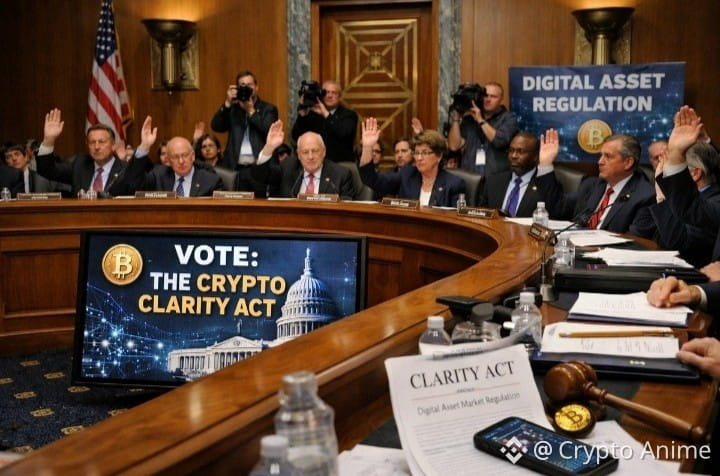
🚨 KRYPTOTRADER, DER SENAT KANN DEN MARKT HEUTE INS WANKEN BRINGEN.
Das CLARITY-Gesetz geht auf einen entscheidenden Moment zu. 🇺🇸
Da die formelle Abstimmung am Dienstag um 14:15 Uhr ET (Eastern Time) näher rückt, haben die Senatsdemokraten den Republikanern einen kurzfristigen Gegenentwurf geschickt.
🔹 Demokraten setzen sich für einen stärkeren Anlegerschutz und strengere Krypto-Überwachung ein.
🔹 Republikaner argumentieren, zu viele Einschränkungen könnten Innovation bremsen und Krypto-Unternehmen ins Ausland treiben.
🔹 Der Gesetzentwurf braucht 60 Stimmen, um voranzukommen.
Die Verhandlungen laufen noch, und das Ergebnis könnte frische Volatilität in die Kryptomärkte bringen.
Ich behalte das genau im Blick. Eine politische Schlagzeile kann sich schnell in einen marktbewegenden Auslöser verwandeln. 👀📈
DYOR • NFA 🚀
$DOT $IDOL $BULLA
{future}(BULLAUSDT)
{future}(IDOLUSDT)
{future}(DOTUSDT)
#CryptoNews #CLARITYAct #bitcoin #CryptoRegulation
🚨 KRYPTOTRADER, DER SENAT KANN DEN MARKT HEUTE INS WANKEN BRINGEN.
Das CLARITY-Gesetz geht auf einen entscheidenden Moment zu. 🇺🇸
Da die formelle Abstimmung am Dienstag um 14:15 Uhr ET (Eastern Time) näher rückt, haben die Senatsdemokraten den Republikanern einen kurzfristigen Gegenentwurf geschickt.
🔹 Demokraten setzen sich für einen stärkeren Anlegerschutz und strengere Krypto-Überwachung ein.
🔹 Republikaner argumentieren, zu viele Einschränkungen könnten Innovation bremsen und Krypto-Unternehmen ins Ausland treiben.
🔹 Der Gesetzentwurf braucht 60 Stimmen, um voranzukommen.
Die Verhandlungen laufen noch, und das Ergebnis könnte frische Volatilität in die Kryptomärkte bringen.
Ich behalte das genau im Blick. Eine politische Schlagzeile kann sich schnell in einen marktbewegenden Auslöser verwandeln. 👀📈
DYOR • NFA 🚀
$DOT $IDOL $BULLA
#CryptoNews #CLARITYAct #bitcoin #CryptoRegulation
Das CLARITY-Gesetz geht auf einen entscheidenden Moment zu. 🇺🇸
Da die formelle Abstimmung am Dienstag um 14:15 Uhr ET (Eastern Time) näher rückt, haben die Senatsdemokraten den Republikanern einen kurzfristigen Gegenentwurf geschickt.
🔹 Demokraten setzen sich für einen stärkeren Anlegerschutz und strengere Krypto-Überwachung ein.
🔹 Republikaner argumentieren, zu viele Einschränkungen könnten Innovation bremsen und Krypto-Unternehmen ins Ausland treiben.
🔹 Der Gesetzentwurf braucht 60 Stimmen, um voranzukommen.
Die Verhandlungen laufen noch, und das Ergebnis könnte frische Volatilität in die Kryptomärkte bringen.
Ich behalte das genau im Blick. Eine politische Schlagzeile kann sich schnell in einen marktbewegenden Auslöser verwandeln. 👀📈
DYOR • NFA 🚀
$DOT $IDOL $BULLA
#CryptoNews #CLARITYAct #bitcoin #CryptoRegulation
1
15
·
--

Artikel
Übersetzung ansehen
Crypto Longs Gone to the Moon: $570M Slashed in 24 HoursGM fam, while the rest of the world was sipping coffee, the crypto market just got a reality check—$570 million of bullish futures got liquidated faster than a meme coin on a hype cycle. The Clarity Act, meant to bring transparency, ended up being the ultimate “no‑clue” joke for traders who overleveraged on $BTC and $ETH.
The Alpha: The Clarity Act’s failure to enforce proper margin calls meant that traders who had piled on long positions in Bitcoin and Ethereum futures were suddenly wiped out in a single day. This 24‑hour liquidation spree wiped out roughly $570 million in positions, sending shockwaves through the derivatives market. The fallout highlights the fragility of high‑leverage bets when regulatory frameworks lag behind market innovation. #CryptoRegulation #Futures #BTC #ETH
Punchline Insight: If you’re riding the crypto wave, remember: leverage is a double‑edged sword. The Clarity Act’s flop shows that even with a “clear” law, the market can still turn a bullish stance into a bearish nightmare. Stay cautious, keep your risk in check, and don’t let the hype blind you—because the next 24 hours could be your last.
Engagement Bait: What’s your biggest lesson from today’s liquidations? Drop a meme that captures the feeling of watching your longs evaporate!
Crypto Longs Gone to the Moon: $570M Slashed in 24 Hours
GM fam, while the rest of the world was sipping coffee, the crypto market just got a reality check—$570 million of bullish futures got liquidated faster than a meme coin on a hype cycle. The Clarity Act, meant to bring transparency, ended up being the ultimate “no‑clue” joke for traders who overleveraged on $BTC and $ETH .
The Alpha: The Clarity Act’s failure to enforce proper margin calls meant that traders who had piled on long positions in Bitcoin and Ethereum futures were suddenly wiped out in a single day. This 24‑hour liquidation spree wiped out roughly $570 million in positions, sending shockwaves through the derivatives market. The fallout highlights the fragility of high‑leverage bets when regulatory frameworks lag behind market innovation. #CryptoRegulation #Futures #BTC #ETH
Punchline Insight: If you’re riding the crypto wave, remember: leverage is a double‑edged sword. The Clarity Act’s flop shows that even with a “clear” law, the market can still turn a bullish stance into a bearish nightmare. Stay cautious, keep your risk in check, and don’t let the hype blind you—because the next 24 hours could be your last.
Engagement Bait: What’s your biggest lesson from today’s liquidations? Drop a meme that captures the feeling of watching your longs evaporate!
The Alpha: The Clarity Act’s failure to enforce proper margin calls meant that traders who had piled on long positions in Bitcoin and Ethereum futures were suddenly wiped out in a single day. This 24‑hour liquidation spree wiped out roughly $570 million in positions, sending shockwaves through the derivatives market. The fallout highlights the fragility of high‑leverage bets when regulatory frameworks lag behind market innovation. #CryptoRegulation #Futures #BTC #ETH
Punchline Insight: If you’re riding the crypto wave, remember: leverage is a double‑edged sword. The Clarity Act’s flop shows that even with a “clear” law, the market can still turn a bullish stance into a bearish nightmare. Stay cautious, keep your risk in check, and don’t let the hype blind you—because the next 24 hours could be your last.
Engagement Bait: What’s your biggest lesson from today’s liquidations? Drop a meme that captures the feeling of watching your longs evaporate!
28
·
--
Übersetzung ansehen
📉 Bitcoin $BTC và các cổ phiếu crypto lớn vừa sụt giảm sau khi Clarity Act bị bác bỏ.
Sự việc làm dấy lên lo ngại ngắn hạn về khung pháp lý cho tài sản số tại Hoa Kỳ. Tuy nhiên, các nhà phân tích nói với The Block rằng thất bại này không gây tổn hại mang tính cấu trúc cho ngành.
Vì sao đáng chú ý?
Theo các chuyên gia, đợt giảm chỉ là tạm thời và động lực định giá crypto thời gian tới nằm ở lãi suất cùng môi trường tiền tệ vĩ mô, chứ không phải một văn bản pháp lý đơn lẻ.
Nói đơn giản:
Tin xấu về luật chỉ làm giá rung lắc ngắn hạn, còn dòng tiền dài hạn vẫn chạy theo lãi suất và chính sách tiền tệ.
#CryptoRegulation #CryptoNews
🔗 Nguồn: The Block
⚠️ Thông tin chỉ mang tính tham khảo, không phải lời khuyên đầu tư. Hãy tự nghiên cứu trước khi quyết định (DYOR).
📉 Bitcoin $BTC và các cổ phiếu crypto lớn vừa sụt giảm sau khi Clarity Act bị bác bỏ.
Sự việc làm dấy lên lo ngại ngắn hạn về khung pháp lý cho tài sản số tại Hoa Kỳ. Tuy nhiên, các nhà phân tích nói với The Block rằng thất bại này không gây tổn hại mang tính cấu trúc cho ngành.
Vì sao đáng chú ý?
Theo các chuyên gia, đợt giảm chỉ là tạm thời và động lực định giá crypto thời gian tới nằm ở lãi suất cùng môi trường tiền tệ vĩ mô, chứ không phải một văn bản pháp lý đơn lẻ.
Nói đơn giản:
Tin xấu về luật chỉ làm giá rung lắc ngắn hạn, còn dòng tiền dài hạn vẫn chạy theo lãi suất và chính sách tiền tệ.
#CryptoRegulation #CryptoNews
🔗 Nguồn: The Block
⚠️ Thông tin chỉ mang tính tham khảo, không phải lời khuyên đầu tư. Hãy tự nghiên cứu trước khi quyết định (DYOR).
Sự việc làm dấy lên lo ngại ngắn hạn về khung pháp lý cho tài sản số tại Hoa Kỳ. Tuy nhiên, các nhà phân tích nói với The Block rằng thất bại này không gây tổn hại mang tính cấu trúc cho ngành.
Vì sao đáng chú ý?
Theo các chuyên gia, đợt giảm chỉ là tạm thời và động lực định giá crypto thời gian tới nằm ở lãi suất cùng môi trường tiền tệ vĩ mô, chứ không phải một văn bản pháp lý đơn lẻ.
Nói đơn giản:
Tin xấu về luật chỉ làm giá rung lắc ngắn hạn, còn dòng tiền dài hạn vẫn chạy theo lãi suất và chính sách tiền tệ.
#CryptoRegulation #CryptoNews
🔗 Nguồn: The Block
⚠️ Thông tin chỉ mang tính tham khảo, không phải lời khuyên đầu tư. Hãy tự nghiên cứu trước khi quyết định (DYOR).
62

·
--
Übersetzung ansehen
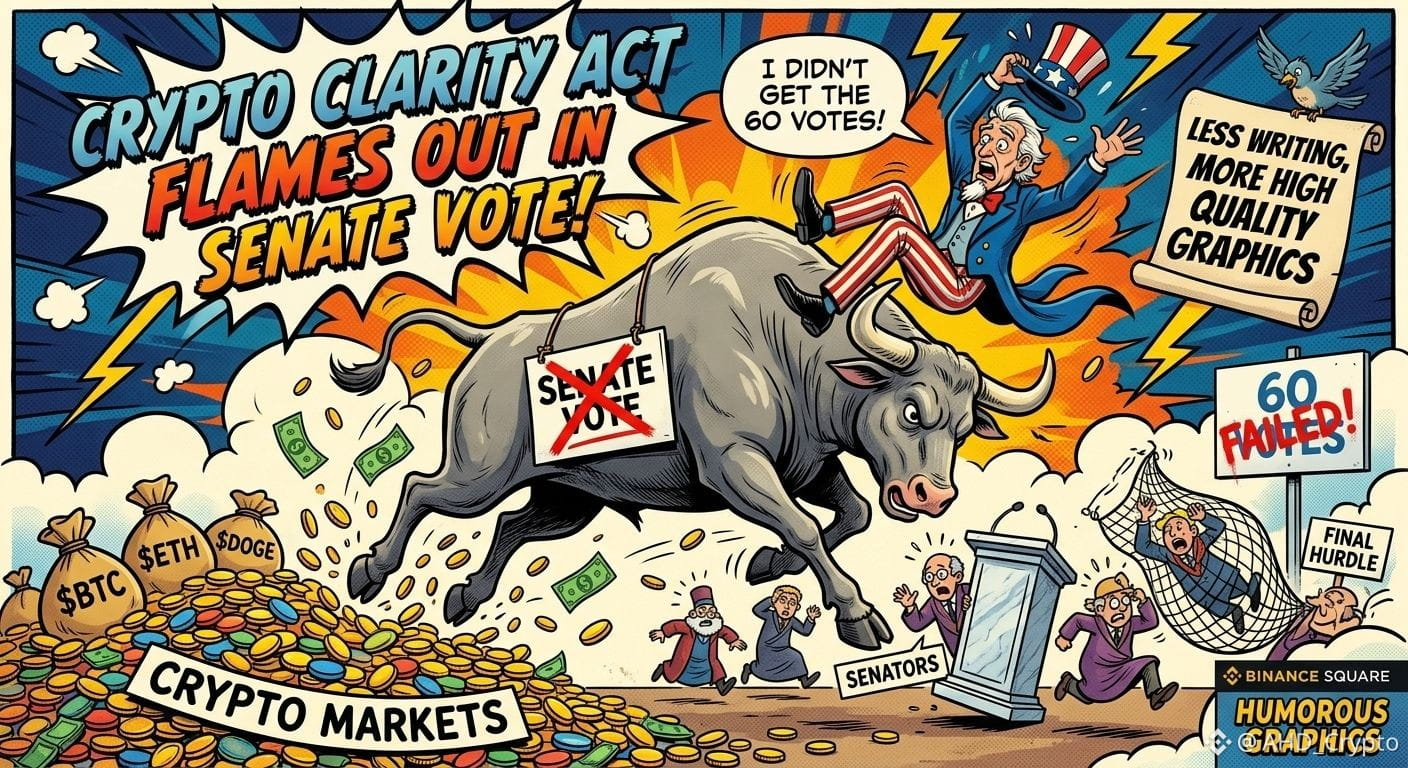
Senate Rejects Crypto Clarity Act: 60-Vote Threshold Falls Short 🏛️📉
The long-anticipated effort to establish a comprehensive federal regulatory framework for digital assets in the United States hit a major roadblock. The Senate’s Crypto Clarity Act failed to clear the crucial 60-vote procedural threshold, stalling a multi-year legislative push backed heavily by industry leaders.
Key Takeaways:
>> Procedural Defeat: The procedural vote ended 49-50, falling short of the 60 votes required to move forward.
>> Core Disagreements: Lawmakers clashed over regulatory oversight boundaries, ethical guardrails for government officials, and the impact of stablecoin yield mechanisms on traditional banking deposits.
>> Market Reaction: Leading digital assets reacted immediately, with $BTC dipping over 3% following the news as market uncertainty resurfaced.
{future}(BTCUSDT)
Agency-Led Oversight: With legislation stalled, the market structure will continue to rely on agency rulemaking from the SEC and CFTC for the near term.
Will Washington find common ground for crypto regulation soon, or will clarity remain out of reach? Drop your thoughts below! 👇
#writetoearn #BTC #CryptoNews #CryptoRegulation #Write2Earn
Senate Rejects Crypto Clarity Act: 60-Vote Threshold Falls Short 🏛️📉
The long-anticipated effort to establish a comprehensive federal regulatory framework for digital assets in the United States hit a major roadblock. The Senate’s Crypto Clarity Act failed to clear the crucial 60-vote procedural threshold, stalling a multi-year legislative push backed heavily by industry leaders.
Key Takeaways:
>> Procedural Defeat: The procedural vote ended 49-50, falling short of the 60 votes required to move forward.
>> Core Disagreements: Lawmakers clashed over regulatory oversight boundaries, ethical guardrails for government officials, and the impact of stablecoin yield mechanisms on traditional banking deposits.
>> Market Reaction: Leading digital assets reacted immediately, with $BTC dipping over 3% following the news as market uncertainty resurfaced.
Agency-Led Oversight: With legislation stalled, the market structure will continue to rely on agency rulemaking from the SEC and CFTC for the near term.
Will Washington find common ground for crypto regulation soon, or will clarity remain out of reach? Drop your thoughts below! 👇
#writetoearn #BTC #CryptoNews #CryptoRegulation #Write2Earn
The long-anticipated effort to establish a comprehensive federal regulatory framework for digital assets in the United States hit a major roadblock. The Senate’s Crypto Clarity Act failed to clear the crucial 60-vote procedural threshold, stalling a multi-year legislative push backed heavily by industry leaders.
Key Takeaways:
>> Procedural Defeat: The procedural vote ended 49-50, falling short of the 60 votes required to move forward.
>> Core Disagreements: Lawmakers clashed over regulatory oversight boundaries, ethical guardrails for government officials, and the impact of stablecoin yield mechanisms on traditional banking deposits.
>> Market Reaction: Leading digital assets reacted immediately, with $BTC dipping over 3% following the news as market uncertainty resurfaced.
Agency-Led Oversight: With legislation stalled, the market structure will continue to rely on agency rulemaking from the SEC and CFTC for the near term.
Will Washington find common ground for crypto regulation soon, or will clarity remain out of reach? Drop your thoughts below! 👇
#writetoearn #BTC #CryptoNews #CryptoRegulation #Write2Earn
14

Senatorin Elizabeth Warren fordert den US-Kongress auf, das CLARITY-Gesetz zu blockieren, und argumentiert, dass der aktuelle Gesetzentwurf den Anlegerschutz, Risiken für das Finanzsystem, die nationale Sicherheit und kryptobezogene Interessenkonflikte nicht ausreichend adressiert. �
Ausschuss für Bankenwesen des US-Senats +1
Die Entwicklung kommt zustande, nachdem der Senat es am 15. September nicht geschafft hat, den Gesetzentwurf voranzubringen, mit einer 49-zu-50-Verfahrensabstimmung – knapp verfehlt, da 60 Stimmen erforderlich waren. �
reuters.com +1
📉 Krypto-Händler beobachten das aufmerksam.
Die entscheidende Frage lautet nun: Wird das CLARITY-Gesetz wiederbelebt, oder bleibt die regulatorische Unsicherheit bestehen?
#Crypto #CLARITYAct #Bitcoin #BTC走势分析 #Ethereum✅ #CryptoRegulation
Senatorin Elizabeth Warren fordert den US-Kongress auf, das CLARITY-Gesetz zu blockieren, und argumentiert, dass der aktuelle Gesetzentwurf den Anlegerschutz, Risiken für das Finanzsystem, die nationale Sicherheit und kryptobezogene Interessenkonflikte nicht ausreichend adressiert. �
Ausschuss für Bankenwesen des US-Senats +1
Die Entwicklung kommt zustande, nachdem der Senat es am 15. September nicht geschafft hat, den Gesetzentwurf voranzubringen, mit einer 49-zu-50-Verfahrensabstimmung – knapp verfehlt, da 60 Stimmen erforderlich waren. �
reuters.com +1
📉 Krypto-Händler beobachten das aufmerksam.
Die entscheidende Frage lautet nun: Wird das CLARITY-Gesetz wiederbelebt, oder bleibt die regulatorische Unsicherheit bestehen?
#Crypto #CLARITYAct #Bitcoin #BTC走势分析 #Ethereum✅ #CryptoRegulation
Ausschuss für Bankenwesen des US-Senats +1
Die Entwicklung kommt zustande, nachdem der Senat es am 15. September nicht geschafft hat, den Gesetzentwurf voranzubringen, mit einer 49-zu-50-Verfahrensabstimmung – knapp verfehlt, da 60 Stimmen erforderlich waren. �
reuters.com +1
📉 Krypto-Händler beobachten das aufmerksam.
Die entscheidende Frage lautet nun: Wird das CLARITY-Gesetz wiederbelebt, oder bleibt die regulatorische Unsicherheit bestehen?
#Crypto #CLARITYAct #Bitcoin #BTC走势分析 #Ethereum✅ #CryptoRegulation
46

Übersetzung ansehen
🚨 $BTC ENTERS THE REGULATORY SPOTLIGHT AS ARGENTINA FLIPS THE TAX SWITCH ⚡
📊 Argentina is pulling the regulatory curtain on crypto tax transparency, and $BTC holders should read the tape carefully. 🦈 By 2029, overseas crypto activity will face standardized reporting, forcing trading platforms and intermediaries to map identities, tax residences, and transaction trails.
💡 This is not a new tax, but it is a new visibility layer. 🌊 Smart money always adapts to compliance flows before the crowd.
💬 Will transparency make crypto more investable, or more fragile?
⚠️ Not financial advice. Always manage your risk. 🛡️
🏷️ #BTC #CryptoRegulation #Argentina #TaxTransparency #SmartMoney
🎯 🦈
🚨 $BTC ENTERS THE REGULATORY SPOTLIGHT AS ARGENTINA FLIPS THE TAX SWITCH ⚡
📊 Argentina is pulling the regulatory curtain on crypto tax transparency, and $BTC holders should read the tape carefully. 🦈 By 2029, overseas crypto activity will face standardized reporting, forcing trading platforms and intermediaries to map identities, tax residences, and transaction trails.
💡 This is not a new tax, but it is a new visibility layer. 🌊 Smart money always adapts to compliance flows before the crowd.
💬 Will transparency make crypto more investable, or more fragile?
⚠️ Not financial advice. Always manage your risk. 🛡️
🏷️ #BTC #CryptoRegulation #Argentina #TaxTransparency #SmartMoney
🎯 🦈
📊 Argentina is pulling the regulatory curtain on crypto tax transparency, and $BTC holders should read the tape carefully. 🦈 By 2029, overseas crypto activity will face standardized reporting, forcing trading platforms and intermediaries to map identities, tax residences, and transaction trails.
💡 This is not a new tax, but it is a new visibility layer. 🌊 Smart money always adapts to compliance flows before the crowd.
💬 Will transparency make crypto more investable, or more fragile?
⚠️ Not financial advice. Always manage your risk. 🛡️
🏷️ #BTC #CryptoRegulation #Argentina #TaxTransparency #SmartMoney
🎯 🦈
14

#bessentendorsesfinalclarityactdraft
Finanzminister Scott Bessent hat gerade offiziell den finalen Entwurf des CLARITY-Gesetzentwurfs vor der heutigen entscheidenden Abstimmung im Senat unterstützt. Seine Haltung ist eindeutig: Die Verabschiedung dieser Gesetzgebung ist entscheidend dafür, dass die USA im globalen digitalen Asset-Sektor führend bleiben. Der aktualisierte Entwurf gibt dem Finanzministerium nun endlich die notwendige Befugnis, die Risiken von Stablecoins für Gemeinschaftsbanken zu steuern.
Der Senat benötigt heute 60 Stimmen, um das durchzubringen, und wir sehen bereits, wie sich der breitere Markt konsolidiert, während die Liquidität an der Seitenlinie abwartet. Wie immer liegt mein Fokus hier strikt auf der makroökonomischen Analyse. Eine regulatorische Verschiebung dieser Größenordnung ist es, die letztlich die langfristige Marktstruktur bestimmt und wohin das institutionelle Geld als Nächstes fließt. Erwarten Sie, dass es über alle Bereiche hinweg zu spürbarer Volatilität kommt, sobald die finale Abstimmung ansteht.
#CLARITYAct #CryptoRegulation #ScottBessent
$BTC
{future}(BTCUSDT)
$SOL
{future}(SOLUSDT)
$XRP
{future}(XRPUSDT)
#bessentendorsesfinalclarityactdraft
Finanzminister Scott Bessent hat gerade offiziell den finalen Entwurf des CLARITY-Gesetzentwurfs vor der heutigen entscheidenden Abstimmung im Senat unterstützt. Seine Haltung ist eindeutig: Die Verabschiedung dieser Gesetzgebung ist entscheidend dafür, dass die USA im globalen digitalen Asset-Sektor führend bleiben. Der aktualisierte Entwurf gibt dem Finanzministerium nun endlich die notwendige Befugnis, die Risiken von Stablecoins für Gemeinschaftsbanken zu steuern.
Der Senat benötigt heute 60 Stimmen, um das durchzubringen, und wir sehen bereits, wie sich der breitere Markt konsolidiert, während die Liquidität an der Seitenlinie abwartet. Wie immer liegt mein Fokus hier strikt auf der makroökonomischen Analyse. Eine regulatorische Verschiebung dieser Größenordnung ist es, die letztlich die langfristige Marktstruktur bestimmt und wohin das institutionelle Geld als Nächstes fließt. Erwarten Sie, dass es über alle Bereiche hinweg zu spürbarer Volatilität kommt, sobald die finale Abstimmung ansteht.
#CLARITYAct #CryptoRegulation #ScottBessent
$BTC
$SOL
$XRP
Finanzminister Scott Bessent hat gerade offiziell den finalen Entwurf des CLARITY-Gesetzentwurfs vor der heutigen entscheidenden Abstimmung im Senat unterstützt. Seine Haltung ist eindeutig: Die Verabschiedung dieser Gesetzgebung ist entscheidend dafür, dass die USA im globalen digitalen Asset-Sektor führend bleiben. Der aktualisierte Entwurf gibt dem Finanzministerium nun endlich die notwendige Befugnis, die Risiken von Stablecoins für Gemeinschaftsbanken zu steuern.
Der Senat benötigt heute 60 Stimmen, um das durchzubringen, und wir sehen bereits, wie sich der breitere Markt konsolidiert, während die Liquidität an der Seitenlinie abwartet. Wie immer liegt mein Fokus hier strikt auf der makroökonomischen Analyse. Eine regulatorische Verschiebung dieser Größenordnung ist es, die letztlich die langfristige Marktstruktur bestimmt und wohin das institutionelle Geld als Nächstes fließt. Erwarten Sie, dass es über alle Bereiche hinweg zu spürbarer Volatilität kommt, sobald die finale Abstimmung ansteht.
#CLARITYAct #CryptoRegulation #ScottBessent
$BTC
$SOL
$XRP

ABO3ZAM:
تحليل دقيق يا فيصل. ترقب تمرير التشريع يفرض حالة ترقب وتمركز حذر للسيولة. راقب تفاعل الأسعار عند مناطق الرفض السعري بدقة، واحرص على تأمين الأرباح وإدارة المخاطر بحزم لحين تأكيد الارتداد الفعلي للاتجاه اللحظي.
4
1
403
Anmelden und weiter Inhalte entdecken
Krypto-Nutzer weltweit auf Binance Square kennenlernen
⚡️ Bleib in Sachen Krypto stets am Puls.
💬 Die weltgrößte Kryptobörse vertraut darauf.
👍 Erhalte verlässliche Einblicke von verifizierten Creators.
E-Mail-Adresse/Telefonnummer
Trendthemen
1
#FedRateWatch
719,842 Aufrufe
3,414 Kommentare
2
#ArgentinaCommitsToOECDCryptoReportingBy2029
742 Aufrufe
48 Kommentare
3
#EthereumFallsBelow$2400
1,343 Aufrufe
43 Kommentare
4
#USDTLaunchesOnZamaPrivacyProtocol
0 Aufrufe
5 Kommentare
5
#USSenateBlocksClarityAct
9,726 Aufrufe
228 Kommentare
6
#BitcoinSlidesTo$76000
31,708 Aufrufe
145 Kommentare
7
#BitcoinReboundsTo$79K
65,593 Aufrufe
420 Kommentare
8
#StrategyMarketCapPassesFord
54,005 Aufrufe
824 Kommentare
9
#ClarityActOddsHalveOnPolymarket
89,940 Aufrufe
741 Kommentare
10
#US30YTreasuryYieldTops5.40%
46,770 Aufrufe
480 Kommentare