
#eurequireswalletmakersreportflawsin24hours
eurequireswalletmakersreportflawsin24hours
1,782 Aufrufe
73 Kommentare
Hot
Zuletzt

·
--
Übersetzung ansehen
Everyone thinks self-custody makes you completely immune to third-party threats, but actually software vulnerabilities can compromise your funds before you even realize a patch is needed.
Many investors hold assets like $DOT or park their stable savings in $USDT thinking their hardware or non-custodial setup is an impenetrable vault, only to find out that a zero-day exploit drained their balance while developers stayed silent.
Think of your favorite crypto wallet like a smart home security system. When a lock maker discovers a master key flaw, you need to know immediately, not three months later when burglars already found the loophole. Under new European regulations forcing wallet providers to report critical security flaws within 24 hours, the way software maintainers handle exposure is shifting rapidly.
First, this mandate removes the common industry habit of quiet patching, giving users holding assets like $ETC transparent disclosure rather than guessing after an incident. Second, it forces developers to treat software maintenance with the same urgency as traditional financial infrastructure. Third, it reminds everyday holders that maintaining security is not just about keeping your seed phrase on paper, but also about staying proactive with timely updates.
How do you think this 24-hour disclosure rule will impact open-source wallet development in the long run?
#EURequiresWalletMakersReportFlawsIn24Hours #ClarityActFacesProceduralVoteSept15
Everyone thinks self-custody makes you completely immune to third-party threats, but actually software vulnerabilities can compromise your funds before you even realize a patch is needed.
Many investors hold assets like $DOT or park their stable savings in $USDT thinking their hardware or non-custodial setup is an impenetrable vault, only to find out that a zero-day exploit drained their balance while developers stayed silent.
Think of your favorite crypto wallet like a smart home security system. When a lock maker discovers a master key flaw, you need to know immediately, not three months later when burglars already found the loophole. Under new European regulations forcing wallet providers to report critical security flaws within 24 hours, the way software maintainers handle exposure is shifting rapidly.
First, this mandate removes the common industry habit of quiet patching, giving users holding assets like $ETC transparent disclosure rather than guessing after an incident. Second, it forces developers to treat software maintenance with the same urgency as traditional financial infrastructure. Third, it reminds everyday holders that maintaining security is not just about keeping your seed phrase on paper, but also about staying proactive with timely updates.
How do you think this 24-hour disclosure rule will impact open-source wallet development in the long run?
#EURequiresWalletMakersReportFlawsIn24Hours #ClarityActFacesProceduralVoteSept15
Many investors hold assets like $DOT or park their stable savings in $USDT thinking their hardware or non-custodial setup is an impenetrable vault, only to find out that a zero-day exploit drained their balance while developers stayed silent.
Think of your favorite crypto wallet like a smart home security system. When a lock maker discovers a master key flaw, you need to know immediately, not three months later when burglars already found the loophole. Under new European regulations forcing wallet providers to report critical security flaws within 24 hours, the way software maintainers handle exposure is shifting rapidly.
First, this mandate removes the common industry habit of quiet patching, giving users holding assets like $ETC transparent disclosure rather than guessing after an incident. Second, it forces developers to treat software maintenance with the same urgency as traditional financial infrastructure. Third, it reminds everyday holders that maintaining security is not just about keeping your seed phrase on paper, but also about staying proactive with timely updates.
How do you think this 24-hour disclosure rule will impact open-source wallet development in the long run?
#EURequiresWalletMakersReportFlawsIn24Hours #ClarityActFacesProceduralVoteSept15
22

Übersetzung ansehen
The average crypto holder discovers a wallet exploit the same way they discover a crash: after the money is already gone.
You can grind through two bear markets and still lose the lot overnight because a wallet maker sat on a known flaw. That specific fear never really leaves once you have seen it happen around you.
The EU now requires wallet makers to report actively exploited vulnerabilities within 24 hours. It sounds like paperwork until you remember 2016, when some platforms took weeks just to admit they had been drained. People refresh $USDT balances and $DOT charts every hour. Almost nobody checks whether the software holding those coins has a disclosed hole in it.
I have watched this play out in every cycle. Greed is sitting at 65 right now, and that number has a habit of making security feel like someone else's problem. The rule will not kill every exploit. It does end the long silence that used to last until the damage was already irreversible. When $LSK starts ripping, attention goes to the chart and nowhere else.
Where do you keep the bulk of your stack when news like this hits?
#EURequiresWalletMakersReportFlawsIn24Hours #LSKSurgesOver515 #BitcoinThirdSingleBlockReorgInFourWeeks
The average crypto holder discovers a wallet exploit the same way they discover a crash: after the money is already gone.
You can grind through two bear markets and still lose the lot overnight because a wallet maker sat on a known flaw. That specific fear never really leaves once you have seen it happen around you.
The EU now requires wallet makers to report actively exploited vulnerabilities within 24 hours. It sounds like paperwork until you remember 2016, when some platforms took weeks just to admit they had been drained. People refresh $USDT balances and $DOT charts every hour. Almost nobody checks whether the software holding those coins has a disclosed hole in it.
I have watched this play out in every cycle. Greed is sitting at 65 right now, and that number has a habit of making security feel like someone else's problem. The rule will not kill every exploit. It does end the long silence that used to last until the damage was already irreversible. When $LSK starts ripping, attention goes to the chart and nowhere else.
Where do you keep the bulk of your stack when news like this hits?
#EURequiresWalletMakersReportFlawsIn24Hours #LSKSurgesOver515 #BitcoinThirdSingleBlockReorgInFourWeeks
You can grind through two bear markets and still lose the lot overnight because a wallet maker sat on a known flaw. That specific fear never really leaves once you have seen it happen around you.
The EU now requires wallet makers to report actively exploited vulnerabilities within 24 hours. It sounds like paperwork until you remember 2016, when some platforms took weeks just to admit they had been drained. People refresh $USDT balances and $DOT charts every hour. Almost nobody checks whether the software holding those coins has a disclosed hole in it.
I have watched this play out in every cycle. Greed is sitting at 65 right now, and that number has a habit of making security feel like someone else's problem. The rule will not kill every exploit. It does end the long silence that used to last until the damage was already irreversible. When $LSK starts ripping, attention goes to the chart and nowhere else.
Where do you keep the bulk of your stack when news like this hits?
#EURequiresWalletMakersReportFlawsIn24Hours #LSKSurgesOver515 #BitcoinThirdSingleBlockReorgInFourWeeks
171

·
--
Übersetzung ansehen
Why is nobody talking about how the EU's 24-hour wallet flaw rule could make self-custody riskier, not safer?
Traders already live with the nightmare of waking up to a drained wallet. You finally move $USDT off an exchange, you think you are in control, and then a silent exploit hits before any patch exists.
This is a case study in regulators solving the wrong problem. A 24-hour reporting clock sounds like accountability. In the real world of wallet security, the dangerous window is the time between finding a bug and shipping a fix that does not break signing, recovery, or hardware flows. Compressing that into a day does not create better software. It creates rushed disclosures, incomplete patches, and a bigger attack surface while teams scramble to satisfy a deadline instead of the actual threat.
We have already seen how timing mistakes play out around $DOT tooling and $LSK infrastructure. Money sits on-chain around the clock. There is no freeze button like a bank.
Treating wallet makers like appliance manufacturers misses that. The comfortable take is that Europe is protecting retail. The uncomfortable one is that serious builders will delay features, leave the market, or ship half-baked updates, and users will pay for it.
Where do you think this actually leaves European wallet users from here?
#EURequiresWalletMakersReportFlawsIn24Hours #ClarityActFacesProceduralVoteSept15 #LSKSurgesOver515
Why is nobody talking about how the EU's 24-hour wallet flaw rule could make self-custody riskier, not safer?
Traders already live with the nightmare of waking up to a drained wallet. You finally move $USDT off an exchange, you think you are in control, and then a silent exploit hits before any patch exists.
This is a case study in regulators solving the wrong problem. A 24-hour reporting clock sounds like accountability. In the real world of wallet security, the dangerous window is the time between finding a bug and shipping a fix that does not break signing, recovery, or hardware flows. Compressing that into a day does not create better software. It creates rushed disclosures, incomplete patches, and a bigger attack surface while teams scramble to satisfy a deadline instead of the actual threat.
We have already seen how timing mistakes play out around $DOT tooling and $LSK infrastructure. Money sits on-chain around the clock. There is no freeze button like a bank.
Treating wallet makers like appliance manufacturers misses that. The comfortable take is that Europe is protecting retail. The uncomfortable one is that serious builders will delay features, leave the market, or ship half-baked updates, and users will pay for it.
Where do you think this actually leaves European wallet users from here?
#EURequiresWalletMakersReportFlawsIn24Hours #ClarityActFacesProceduralVoteSept15 #LSKSurgesOver515
Traders already live with the nightmare of waking up to a drained wallet. You finally move $USDT off an exchange, you think you are in control, and then a silent exploit hits before any patch exists.
This is a case study in regulators solving the wrong problem. A 24-hour reporting clock sounds like accountability. In the real world of wallet security, the dangerous window is the time between finding a bug and shipping a fix that does not break signing, recovery, or hardware flows. Compressing that into a day does not create better software. It creates rushed disclosures, incomplete patches, and a bigger attack surface while teams scramble to satisfy a deadline instead of the actual threat.
We have already seen how timing mistakes play out around $DOT tooling and $LSK infrastructure. Money sits on-chain around the clock. There is no freeze button like a bank.
Treating wallet makers like appliance manufacturers misses that. The comfortable take is that Europe is protecting retail. The uncomfortable one is that serious builders will delay features, leave the market, or ship half-baked updates, and users will pay for it.
Where do you think this actually leaves European wallet users from here?
#EURequiresWalletMakersReportFlawsIn24Hours #ClarityActFacesProceduralVoteSept15 #LSKSurgesOver515
144

Übersetzung ansehen
Picture this: a developer discovers a zero-day vulnerability in your favorite self-custody app at midnight, and an official countdown begins immediately.
Most of us know the sickening feeling of refreshing a balance after hearing exploit rumors, wondering if our funds are safe or if we are already too late. In self-custody, delayed disclosures and silent patches have historically left users completely in the dark while their capital sits on the line.
Under newly surfaced EU rules, wallet providers will be required to report critical security flaws within twenty-four hours. This approach represents a massive departure from traditional vulnerability disclosure, where development teams typically kept quiet for weeks until a patch was fully tested and deployed. Compare this to past wallet exploits where delayed disclosures left millions in assets like $USDT vulnerable to drainers before anyone noticed. While networks like $DOT rely on transparent on-chain governance to address network-level risks, client-side software has long operated under its own unregulated timeline.
Forcing rapid notification certainly puts pressure on teams to act, but it also creates a dangerous paradox. If a maker is forced to report a vulnerability before finishing a security patch, they risk handing an exploit roadmap directly to bad actors before users can safely migrate.
Do you think a strict 24-hour reporting deadline makes self-custody safer, or does it give attackers an unfair advantage?
#EURequiresWalletMakersReportFlawsIn24Hours #ClarityActFacesProceduralVoteSept15
Picture this: a developer discovers a zero-day vulnerability in your favorite self-custody app at midnight, and an official countdown begins immediately.
Most of us know the sickening feeling of refreshing a balance after hearing exploit rumors, wondering if our funds are safe or if we are already too late. In self-custody, delayed disclosures and silent patches have historically left users completely in the dark while their capital sits on the line.
Under newly surfaced EU rules, wallet providers will be required to report critical security flaws within twenty-four hours. This approach represents a massive departure from traditional vulnerability disclosure, where development teams typically kept quiet for weeks until a patch was fully tested and deployed. Compare this to past wallet exploits where delayed disclosures left millions in assets like $USDT vulnerable to drainers before anyone noticed. While networks like $DOT rely on transparent on-chain governance to address network-level risks, client-side software has long operated under its own unregulated timeline.
Forcing rapid notification certainly puts pressure on teams to act, but it also creates a dangerous paradox. If a maker is forced to report a vulnerability before finishing a security patch, they risk handing an exploit roadmap directly to bad actors before users can safely migrate.
Do you think a strict 24-hour reporting deadline makes self-custody safer, or does it give attackers an unfair advantage?
#EURequiresWalletMakersReportFlawsIn24Hours #ClarityActFacesProceduralVoteSept15
Most of us know the sickening feeling of refreshing a balance after hearing exploit rumors, wondering if our funds are safe or if we are already too late. In self-custody, delayed disclosures and silent patches have historically left users completely in the dark while their capital sits on the line.
Under newly surfaced EU rules, wallet providers will be required to report critical security flaws within twenty-four hours. This approach represents a massive departure from traditional vulnerability disclosure, where development teams typically kept quiet for weeks until a patch was fully tested and deployed. Compare this to past wallet exploits where delayed disclosures left millions in assets like $USDT vulnerable to drainers before anyone noticed. While networks like $DOT rely on transparent on-chain governance to address network-level risks, client-side software has long operated under its own unregulated timeline.
Forcing rapid notification certainly puts pressure on teams to act, but it also creates a dangerous paradox. If a maker is forced to report a vulnerability before finishing a security patch, they risk handing an exploit roadmap directly to bad actors before users can safely migrate.
Do you think a strict 24-hour reporting deadline makes self-custody safer, or does it give attackers an unfair advantage?
#EURequiresWalletMakersReportFlawsIn24Hours #ClarityActFacesProceduralVoteSept15
38

·
--
#eurequireswalletmakersreportflawsin24hours 🔐
Die EU-CRA erhöht die Anforderungen an die Produktsicherheit vernetzter Produkte. Ab dem 11. Sept. 2026 beginnen Meldepflichten für Sicherheitslücken und Vorfälle, einschließlich einer 24-Stunden-Meldung an ENISA. Erfahren Sie, wie Lattice-FPGAs dabei helfen können, die Einsatzbereitschaft sicherzustellen:$ZRX $INTW $ETHFI
#eurequireswalletmakersreportflawsin24hours 🔐
Die EU-CRA erhöht die Anforderungen an die Produktsicherheit vernetzter Produkte. Ab dem 11. Sept. 2026 beginnen Meldepflichten für Sicherheitslücken und Vorfälle, einschließlich einer 24-Stunden-Meldung an ENISA. Erfahren Sie, wie Lattice-FPGAs dabei helfen können, die Einsatzbereitschaft sicherzustellen:$ZRX $INTW $ETHFI
Die EU-CRA erhöht die Anforderungen an die Produktsicherheit vernetzter Produkte. Ab dem 11. Sept. 2026 beginnen Meldepflichten für Sicherheitslücken und Vorfälle, einschließlich einer 24-Stunden-Meldung an ENISA. Erfahren Sie, wie Lattice-FPGAs dabei helfen können, die Einsatzbereitschaft sicherzustellen:$ZRX $INTW $ETHFI
202


·
--
Bullisch
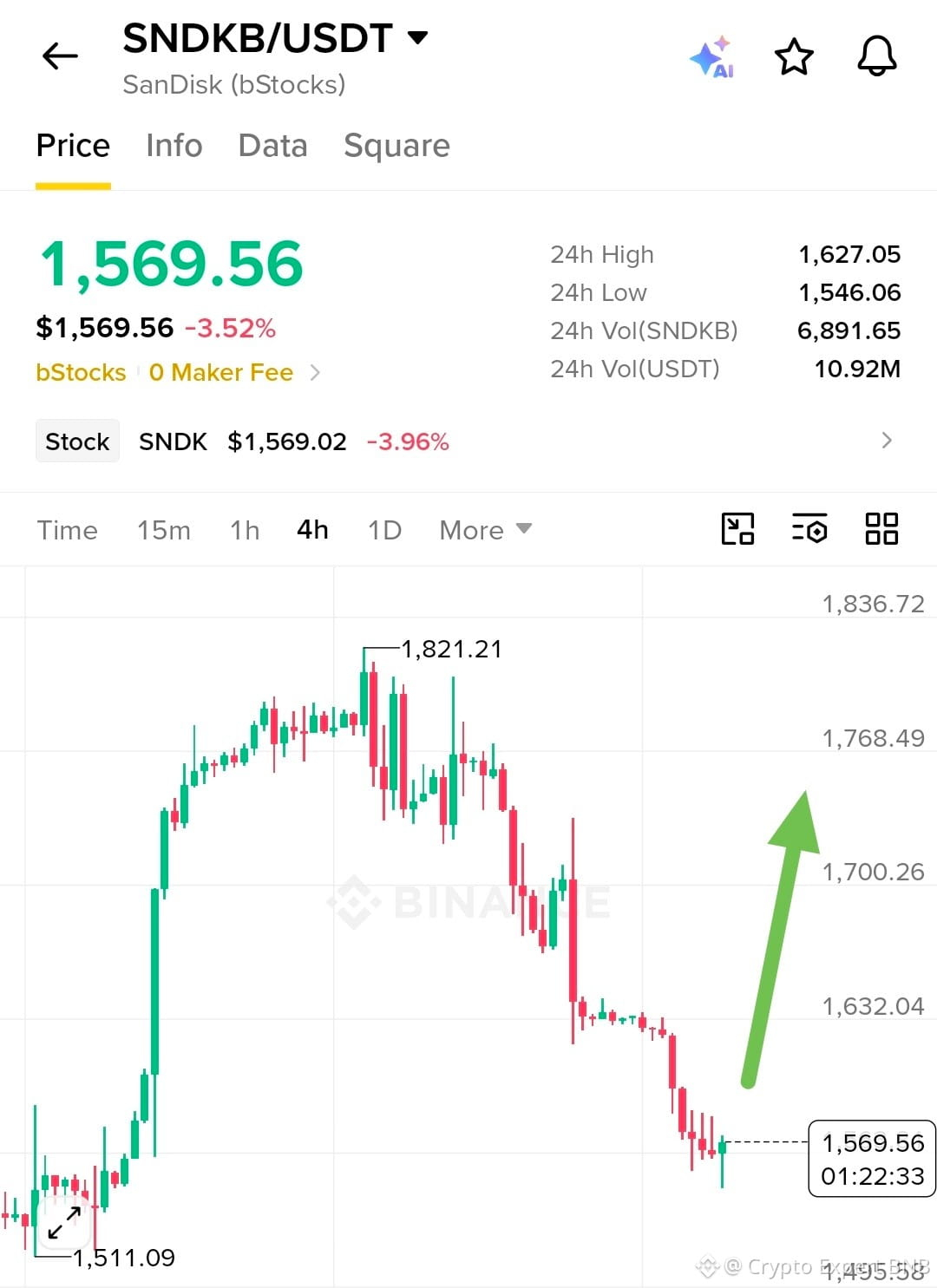
$SNDKB SNDK $1.569 | 1H Trade Setup
$SNDK Kaufen/Long 🟢
🔹 Einstieg: $1.550–$1.575
🎯 TP1: $1.610
🎯 TP2: $1.665
🎯 TP3: $1.720
🛑 SL: $1.505
$SNDK
Tendenz: Bullisch bei einer Rückeroberung des $1.575-Bereichs. Aktuelle technische Daten zeigen, dass der Schwung nachgelassen hat und der RSI sich dem überverkauften Bereich nähert. Daher ist ein Rebound-Setup möglich, aber eine Bestätigung ist wichtig.
⚠️ Wenn SNDK $1.505 bei starkem Verkauf verliert, vermeide den Long und warte auf ein neues Setup.#EURequiresWalletMakersReportFlawsIn24Hours
$SNDKB SNDK $1.569 | 1H Trade Setup
$SNDK Kaufen/Long 🟢
🔹 Einstieg: $1.550–$1.575
🎯 TP1: $1.610
🎯 TP2: $1.665
🎯 TP3: $1.720
🛑 SL: $1.505
$SNDK
Tendenz: Bullisch bei einer Rückeroberung des $1.575-Bereichs. Aktuelle technische Daten zeigen, dass der Schwung nachgelassen hat und der RSI sich dem überverkauften Bereich nähert. Daher ist ein Rebound-Setup möglich, aber eine Bestätigung ist wichtig.
⚠️ Wenn SNDK $1.505 bei starkem Verkauf verliert, vermeide den Long und warte auf ein neues Setup.#EURequiresWalletMakersReportFlawsIn24Hours
$SNDK Kaufen/Long 🟢
🔹 Einstieg: $1.550–$1.575
🎯 TP1: $1.610
🎯 TP2: $1.665
🎯 TP3: $1.720
🛑 SL: $1.505
$SNDK
Tendenz: Bullisch bei einer Rückeroberung des $1.575-Bereichs. Aktuelle technische Daten zeigen, dass der Schwung nachgelassen hat und der RSI sich dem überverkauften Bereich nähert. Daher ist ein Rebound-Setup möglich, aber eine Bestätigung ist wichtig.
⚠️ Wenn SNDK $1.505 bei starkem Verkauf verliert, vermeide den Long und warte auf ein neues Setup.#EURequiresWalletMakersReportFlawsIn24Hours
ABO3ZAM:
تحليل موفق، لكن الحذر واجب عند مستوى 1575؛ فالزخم الحالي يفتقر للسيولة الكافية لتأكيد الارتداد. راقب مناطق الرفض السعري جيداً، وأمن أرباحك جزئياً عند الأهداف الأولى، مع الالتزام الصارم بوقف الخسارة لحماية رأس المال من تقلبات السيولة اللحظية.
1
1
249

·
--
Übersetzung ansehen
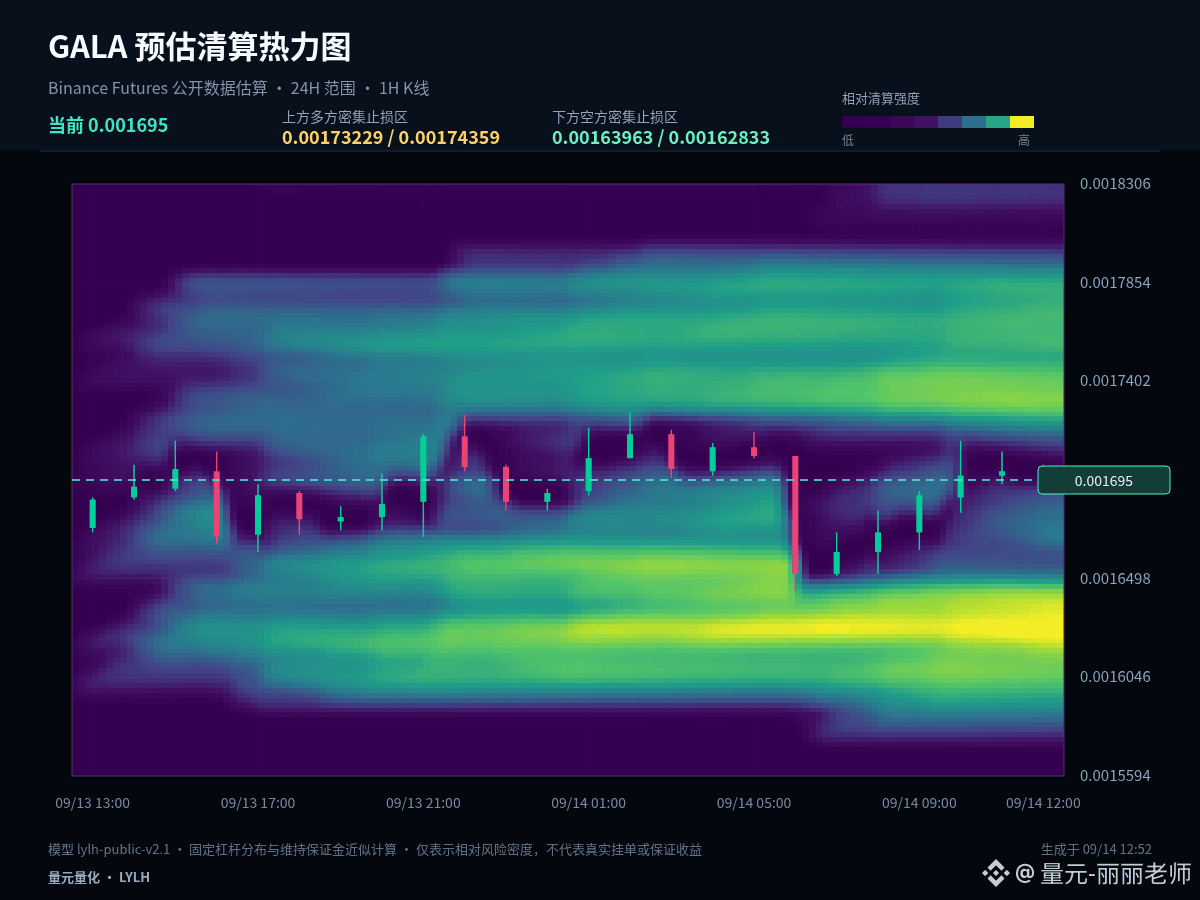
$GALA #GALA 从布局角度看,重点不是追逐已经发生的波动,而是提前确定自己愿意等待的位置。当前价 0.001698,1小时 -0.12%,24小时 +1.49%。
当前1小时 -0.12%、24小时 +1.49%,两个周期没有形成足够清晰的同向配合。区间行情里,追涨杀跌的容错率较低,更适合用上沿确认方向、下沿确认承接,中轴只作为强弱分界。
第一观察区是 0.0016865,用于判断普通回踩是否结束;第二观察区是 0.001646,用于判断更深回撤能否形成承接。向上则关注 0.001727,突破后需要回踩确认,避免把短暂刺穿误认为趋势已经打开。
对已有仓位的人,重点是按支撑是否失效来管理,而不是被每次波动带着走;对空仓的人,优先等待突破回踩或支撑确认。现货可以分批,合约则应缩短决策链条,先确定止损位置,再决定是否参与。
分批的意义不是不断摊低成本,而是在结构仍有效时控制节奏。一旦关键支撑失效,就应停止原来的布局方案,等待新的价格区间形成。
交易计划必须包含失效条件。判断正确可以分段兑现,判断错误也要允许自己退出,不能用加仓掩盖最初逻辑已经变化。行情会更新,观点也应跟随价格证据调整。
#EURequiresWalletMakersReportFlawsIn24Hours
$GALA #GALA 从布局角度看,重点不是追逐已经发生的波动,而是提前确定自己愿意等待的位置。当前价 0.001698,1小时 -0.12%,24小时 +1.49%。
当前1小时 -0.12%、24小时 +1.49%,两个周期没有形成足够清晰的同向配合。区间行情里,追涨杀跌的容错率较低,更适合用上沿确认方向、下沿确认承接,中轴只作为强弱分界。
第一观察区是 0.0016865,用于判断普通回踩是否结束;第二观察区是 0.001646,用于判断更深回撤能否形成承接。向上则关注 0.001727,突破后需要回踩确认,避免把短暂刺穿误认为趋势已经打开。
对已有仓位的人,重点是按支撑是否失效来管理,而不是被每次波动带着走;对空仓的人,优先等待突破回踩或支撑确认。现货可以分批,合约则应缩短决策链条,先确定止损位置,再决定是否参与。
分批的意义不是不断摊低成本,而是在结构仍有效时控制节奏。一旦关键支撑失效,就应停止原来的布局方案,等待新的价格区间形成。
交易计划必须包含失效条件。判断正确可以分段兑现,判断错误也要允许自己退出,不能用加仓掩盖最初逻辑已经变化。行情会更新,观点也应跟随价格证据调整。
#EURequiresWalletMakersReportFlawsIn24Hours
当前1小时 -0.12%、24小时 +1.49%,两个周期没有形成足够清晰的同向配合。区间行情里,追涨杀跌的容错率较低,更适合用上沿确认方向、下沿确认承接,中轴只作为强弱分界。
第一观察区是 0.0016865,用于判断普通回踩是否结束;第二观察区是 0.001646,用于判断更深回撤能否形成承接。向上则关注 0.001727,突破后需要回踩确认,避免把短暂刺穿误认为趋势已经打开。
对已有仓位的人,重点是按支撑是否失效来管理,而不是被每次波动带着走;对空仓的人,优先等待突破回踩或支撑确认。现货可以分批,合约则应缩短决策链条,先确定止损位置,再决定是否参与。
分批的意义不是不断摊低成本,而是在结构仍有效时控制节奏。一旦关键支撑失效,就应停止原来的布局方案,等待新的价格区间形成。
交易计划必须包含失效条件。判断正确可以分段兑现,判断错误也要允许自己退出,不能用加仓掩盖最初逻辑已经变化。行情会更新,观点也应跟随价格证据调整。
#EURequiresWalletMakersReportFlawsIn24Hours
23

·
--
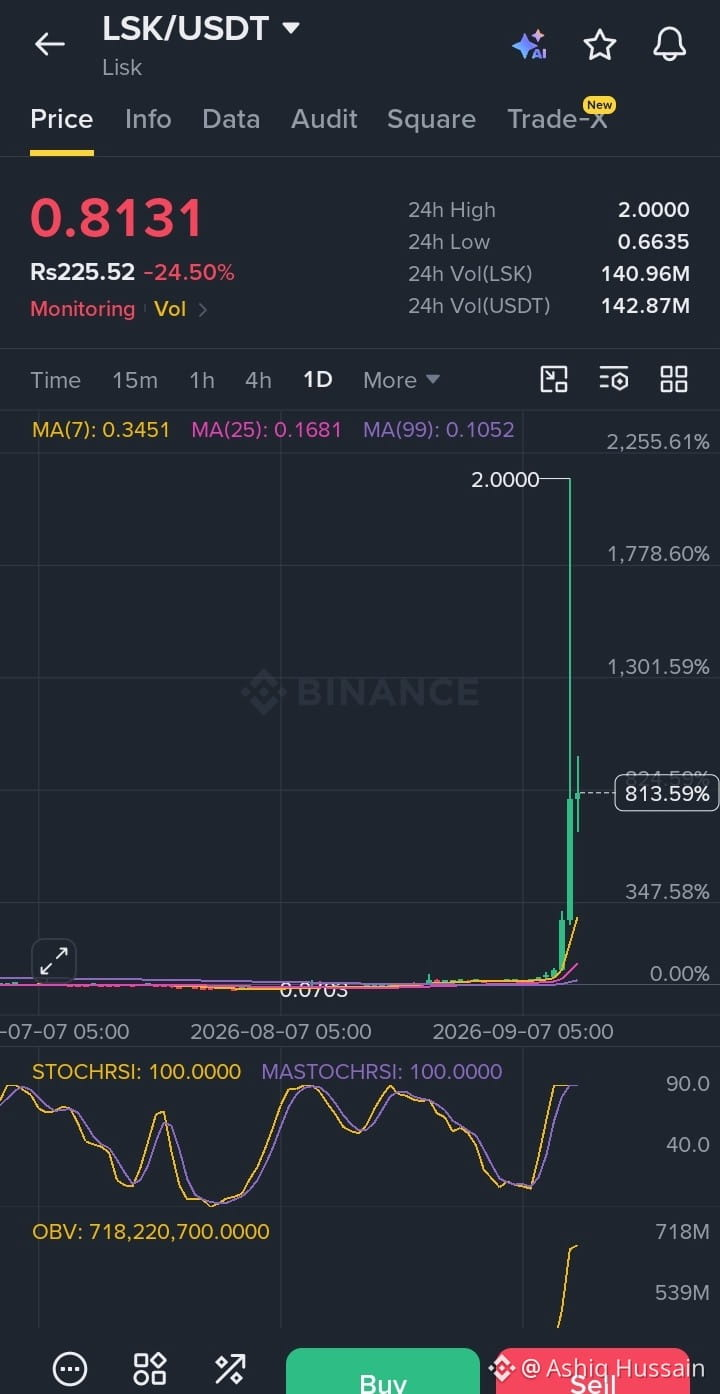
$LSK handelt an der Binance Spot bei 0,8147 $, im Vergleich zu einem 24-Stunden-Kurs zu Beginn von 1,0599 $ (-23,1%). Die Handelsspanne war ungewöhnlich groß: 0,6635–2,0000 $, mit etwa 143,3 Mio. $ im LSKUSDT-Umsatz. Dies folgt auf einen starken Anstieg, der im Markt-Update vom Vortag gemeldet wurde, als LSK in 24 Stunden um +267,6% gestiegen war.
{spot}(LSKUSDT)
#lsk #LSKSurgesOver515%In24Hours #KoreaCryptoTaxDelayPetitionMeetsReviewThreshold #EURequiresWalletMakersReportFlawsIn24Hours #ZcashNU7VoteEndsSeptember14
$LSK handelt an der Binance Spot bei 0,8147 $, im Vergleich zu einem 24-Stunden-Kurs zu Beginn von 1,0599 $ (-23,1%). Die Handelsspanne war ungewöhnlich groß: 0,6635–2,0000 $, mit etwa 143,3 Mio. $ im LSKUSDT-Umsatz. Dies folgt auf einen starken Anstieg, der im Markt-Update vom Vortag gemeldet wurde, als LSK in 24 Stunden um +267,6% gestiegen war.
#lsk #LSKSurgesOver515%In24Hours #KoreaCryptoTaxDelayPetitionMeetsReviewThreshold #EURequiresWalletMakersReportFlawsIn24Hours #ZcashNU7VoteEndsSeptember14
#lsk #LSKSurgesOver515%In24Hours #KoreaCryptoTaxDelayPetitionMeetsReviewThreshold #EURequiresWalletMakersReportFlawsIn24Hours #ZcashNU7VoteEndsSeptember14
86

·
--
Bullisch
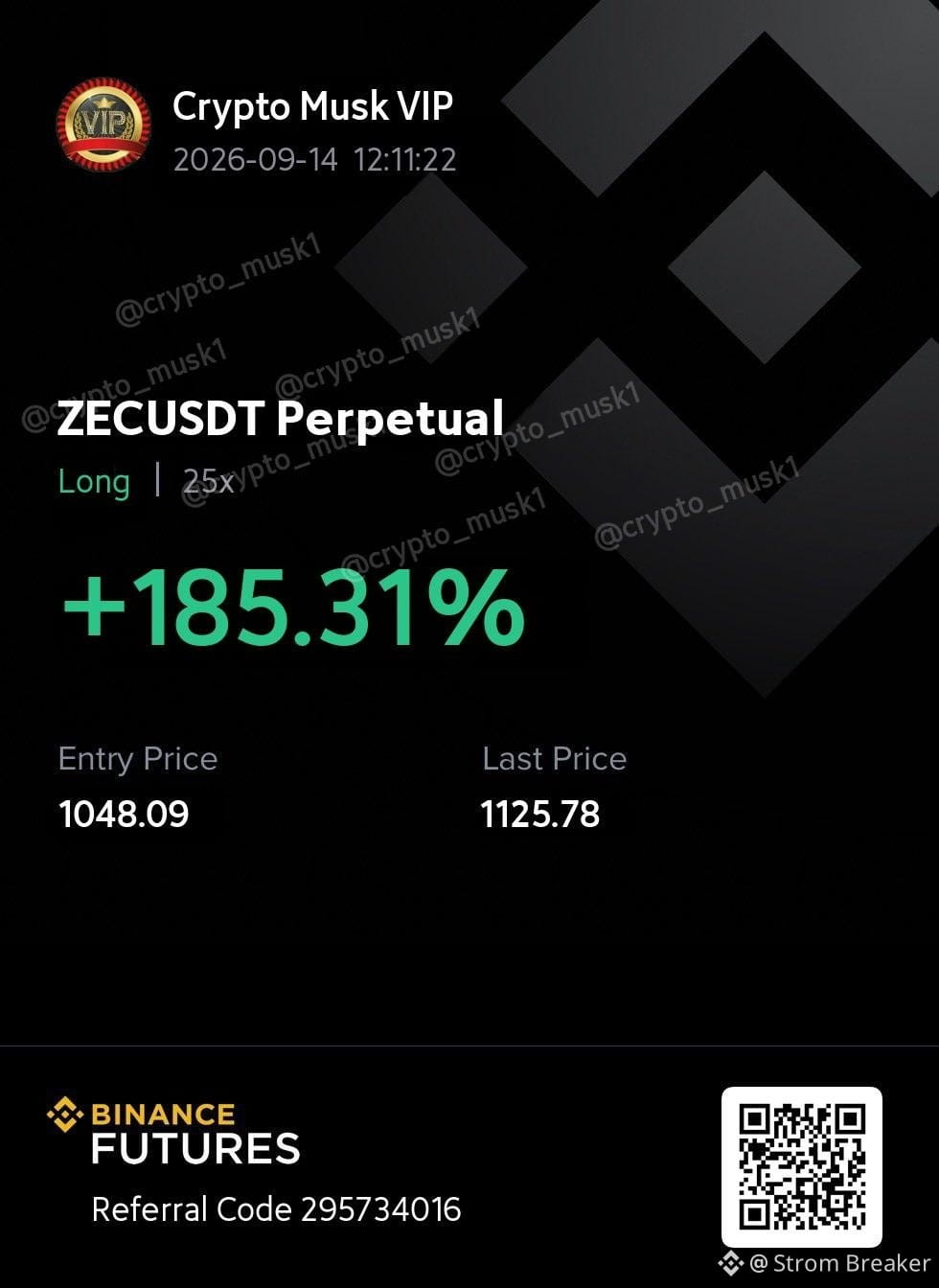
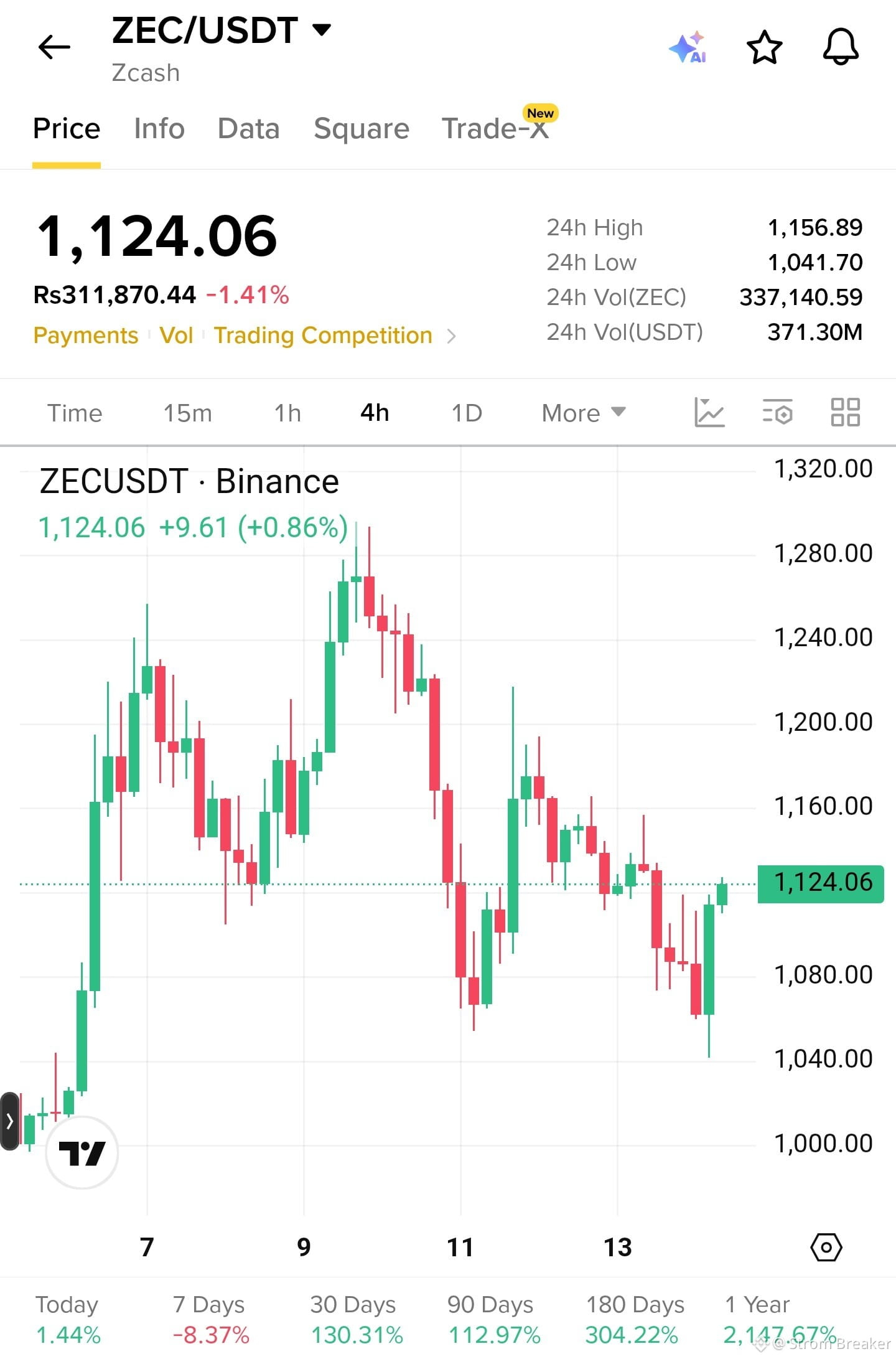
$ZEC zeigt ein potenziell bullisches Setup basierend auf der Thunder-Strategie und der aktuellen Preisbewegung. Der Plan ist, sich in die Position rund um die beiden Einstiegszonen schrittweise einzukaufen, wobei das Risiko klar definiert bleibt.
🔰 Einstiegszonen: 1049.46 / 1017.97
🎯 Ziele: 1055.48 → 1077.41 → 1099.33 → 1121.25
🛑 Stop Loss: 983.344
⚡ Leverage: 10x Isoliert
Handele mit sauberem Risikomanagement und vermeide Überexposition. Warte immer auf Bestätigung, bevor du einsteigst.
{spot}(ZECUSDT)
#EURequiresWalletMakersReportFlawsIn24Hours #LSKSurgesOver515%In24Hours #AnthropicCEOCallsForAISlowdown #ZcashNU7VoteEndsSeptember14 #ClarityActLawIn2026OddsRiseTo30%
$ZEC zeigt ein potenziell bullisches Setup basierend auf der Thunder-Strategie und der aktuellen Preisbewegung. Der Plan ist, sich in die Position rund um die beiden Einstiegszonen schrittweise einzukaufen, wobei das Risiko klar definiert bleibt.
🔰 Einstiegszonen: 1049.46 / 1017.97
🎯 Ziele: 1055.48 → 1077.41 → 1099.33 → 1121.25
🛑 Stop Loss: 983.344
⚡ Leverage: 10x Isoliert
Handele mit sauberem Risikomanagement und vermeide Überexposition. Warte immer auf Bestätigung, bevor du einsteigst.
#EURequiresWalletMakersReportFlawsIn24Hours #LSKSurgesOver515%In24Hours #AnthropicCEOCallsForAISlowdown #ZcashNU7VoteEndsSeptember14 #ClarityActLawIn2026OddsRiseTo30%
🔰 Einstiegszonen: 1049.46 / 1017.97
🎯 Ziele: 1055.48 → 1077.41 → 1099.33 → 1121.25
🛑 Stop Loss: 983.344
⚡ Leverage: 10x Isoliert
Handele mit sauberem Risikomanagement und vermeide Überexposition. Warte immer auf Bestätigung, bevor du einsteigst.
#EURequiresWalletMakersReportFlawsIn24Hours #LSKSurgesOver515%In24Hours #AnthropicCEOCallsForAISlowdown #ZcashNU7VoteEndsSeptember14 #ClarityActLawIn2026OddsRiseTo30%
306
·
--
Übersetzung ansehen
Most traders treat network upgrades as simple pump events, yet historically, major protocol forks cause more liquidity bleed than price expansion.
I have watched too many portfolios get wrecked over the last decade buying into governance hype right before voting deadlines, only to be left holding the bag when the actual implementation takes months.
The NU7 community vote for $ZEC closing today is not just another routine governance poll. It addresses fundamental consensus changes and transition mechanisms that determine whether privacy tech can actually survive tightening regulatory scrutiny. When you look back at legacy assets like $ETC or storage protocols like $FIL, structural shifts either rekindle developer activity or permanently fragment network hash power.
Governance votes are fundamentally about long-term network survival, not next week's green candles. The market is currently sitting in Greed territory, which often blinds participants to the technical trade-offs between zero-knowledge scalability and institutional compliance pressure. Passing a vote is merely the blueprint, whereas the real test has always been maintaining miner consensus and node adoption without fracturing the ecosystem.
Do you think privacy coins can still find a viable middle ground with global regulators after this upgrade cycle?
#ZcashNU7VoteEndsSeptember14 #EURequiresWalletMakersReportFlawsIn24Hours #ClarityActFacesProceduralVoteSept15
Most traders treat network upgrades as simple pump events, yet historically, major protocol forks cause more liquidity bleed than price expansion.
I have watched too many portfolios get wrecked over the last decade buying into governance hype right before voting deadlines, only to be left holding the bag when the actual implementation takes months.
The NU7 community vote for $ZEC closing today is not just another routine governance poll. It addresses fundamental consensus changes and transition mechanisms that determine whether privacy tech can actually survive tightening regulatory scrutiny. When you look back at legacy assets like $ETC or storage protocols like $FIL , structural shifts either rekindle developer activity or permanently fragment network hash power.
Governance votes are fundamentally about long-term network survival, not next week's green candles. The market is currently sitting in Greed territory, which often blinds participants to the technical trade-offs between zero-knowledge scalability and institutional compliance pressure. Passing a vote is merely the blueprint, whereas the real test has always been maintaining miner consensus and node adoption without fracturing the ecosystem.
Do you think privacy coins can still find a viable middle ground with global regulators after this upgrade cycle?
#ZcashNU7VoteEndsSeptember14 #EURequiresWalletMakersReportFlawsIn24Hours #ClarityActFacesProceduralVoteSept15
I have watched too many portfolios get wrecked over the last decade buying into governance hype right before voting deadlines, only to be left holding the bag when the actual implementation takes months.
The NU7 community vote for $ZEC closing today is not just another routine governance poll. It addresses fundamental consensus changes and transition mechanisms that determine whether privacy tech can actually survive tightening regulatory scrutiny. When you look back at legacy assets like $ETC or storage protocols like $FIL , structural shifts either rekindle developer activity or permanently fragment network hash power.
Governance votes are fundamentally about long-term network survival, not next week's green candles. The market is currently sitting in Greed territory, which often blinds participants to the technical trade-offs between zero-knowledge scalability and institutional compliance pressure. Passing a vote is merely the blueprint, whereas the real test has always been maintaining miner consensus and node adoption without fracturing the ecosystem.
Do you think privacy coins can still find a viable middle ground with global regulators after this upgrade cycle?
#ZcashNU7VoteEndsSeptember14 #EURequiresWalletMakersReportFlawsIn24Hours #ClarityActFacesProceduralVoteSept15
60

·
--
Übersetzung ansehen
Why is nobody talking about how governance votes like NU7 could quietly redefine the privacy sector while everyone chases green candles elsewhere?
Most traders spend weeks chasing high-beta momentum plays like $LSK or rotating back into safety with $USDT, only to completely ignore fundamental protocol upgrades that decide whether privacy tech actually survives regulatory scrutiny.
Take the latest $ZEC governance cycle as a textbook case study. While retail attention is split across broader market pumps, the NU7 upgrade vote represents a pivotal architectural fork in Zcash governance. It is not just another routine network maintenance vote; it directly impacts how privacy pools operate and interact with shifting global compliance frameworks.
When fundamental protocol shifts happen in silence, the market usually misprices the risk until liquidity abruptly dries up or surges on major exchange listings. Governance participation is often the clearest leading indicator for network sustainability, yet it remains the most overlooked metric by active participants.
Where do you think privacy assets head once these key architectural votes settle?
#ZcashNU7VoteEndsSeptember14 #EURequiresWalletMakersReportFlawsIn24Hours #LSKSurgesOver515
Why is nobody talking about how governance votes like NU7 could quietly redefine the privacy sector while everyone chases green candles elsewhere?
Most traders spend weeks chasing high-beta momentum plays like $LSK or rotating back into safety with $USDT, only to completely ignore fundamental protocol upgrades that decide whether privacy tech actually survives regulatory scrutiny.
Take the latest $ZEC governance cycle as a textbook case study. While retail attention is split across broader market pumps, the NU7 upgrade vote represents a pivotal architectural fork in Zcash governance. It is not just another routine network maintenance vote; it directly impacts how privacy pools operate and interact with shifting global compliance frameworks.
When fundamental protocol shifts happen in silence, the market usually misprices the risk until liquidity abruptly dries up or surges on major exchange listings. Governance participation is often the clearest leading indicator for network sustainability, yet it remains the most overlooked metric by active participants.
Where do you think privacy assets head once these key architectural votes settle?
#ZcashNU7VoteEndsSeptember14 #EURequiresWalletMakersReportFlawsIn24Hours #LSKSurgesOver515
Most traders spend weeks chasing high-beta momentum plays like $LSK or rotating back into safety with $USDT, only to completely ignore fundamental protocol upgrades that decide whether privacy tech actually survives regulatory scrutiny.
Take the latest $ZEC governance cycle as a textbook case study. While retail attention is split across broader market pumps, the NU7 upgrade vote represents a pivotal architectural fork in Zcash governance. It is not just another routine network maintenance vote; it directly impacts how privacy pools operate and interact with shifting global compliance frameworks.
When fundamental protocol shifts happen in silence, the market usually misprices the risk until liquidity abruptly dries up or surges on major exchange listings. Governance participation is often the clearest leading indicator for network sustainability, yet it remains the most overlooked metric by active participants.
Where do you think privacy assets head once these key architectural votes settle?
#ZcashNU7VoteEndsSeptember14 #EURequiresWalletMakersReportFlawsIn24Hours #LSKSurgesOver515
122

·
--
Bärisch
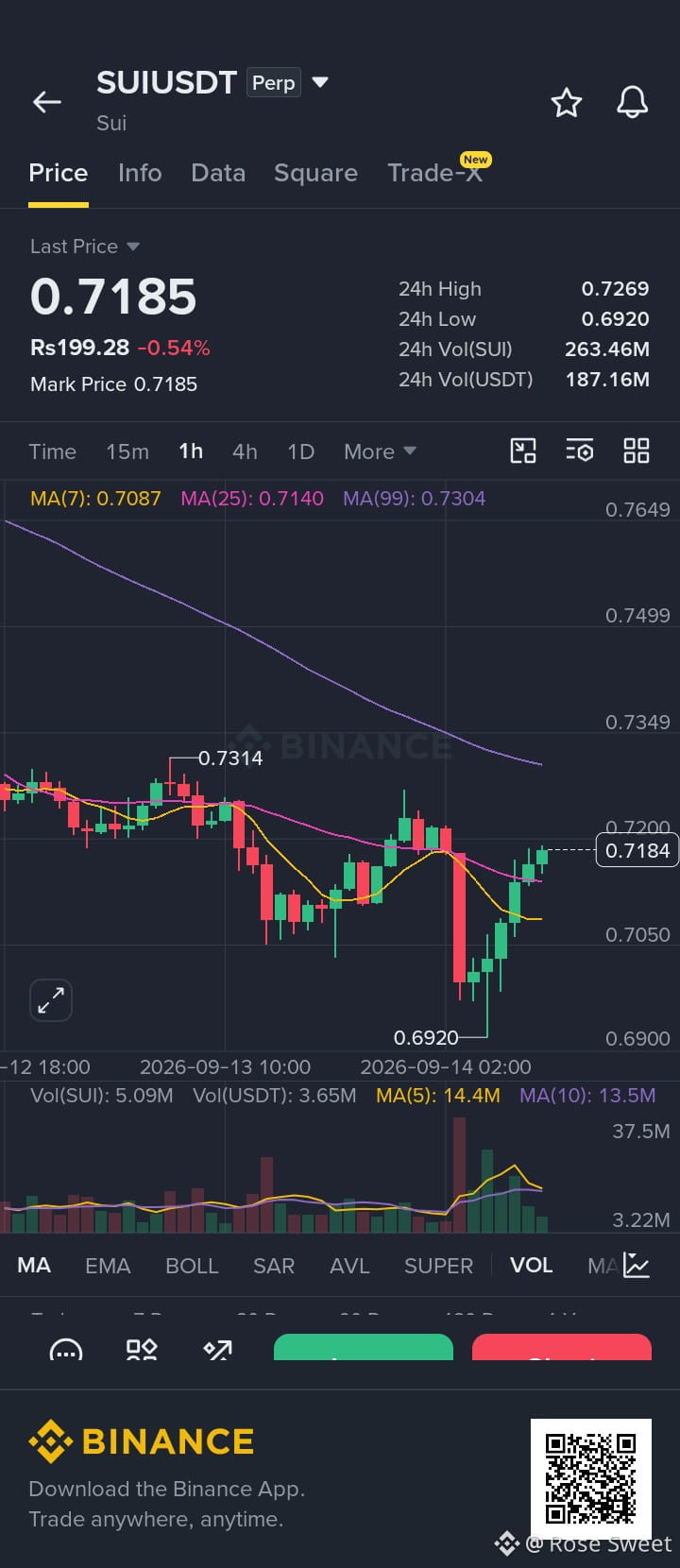
$SUI Lang (75x Leverage) | Den Dip bei Nachfrage kaufen – nicht dem Pump hinterherjagen.
SUI hat meine Ziel-Entry-Zone erreicht. In diesem Stadium geht es um diszipliniertes Ausführen, nicht um Markt-Raten. Ich bin live in diesem Trade, aber ich steige sofort aus, wenn die Support- (Unterstützungs-) Ebene bricht.
Entry Zone: 0.71580 – 0.71780
Take Profit 1: 0.72430 (Risk/Reward 1:0.7)
Take Profit 2: 0.72940 (Risk/Reward 1:1.2)
Take Profit 3: 0.73690 (Risk/Reward 1:2.0)
Stop Loss: 0.70670
$SUI
{future}(SUIUSDT)
$ADA
{future}(ADAUSDT)
#AnthropicCEOCallsForAISlowdown #EURequiresWalletMakersReportFlawsIn24Hours
$SUI Lang (75x Leverage) | Den Dip bei Nachfrage kaufen – nicht dem Pump hinterherjagen.
SUI hat meine Ziel-Entry-Zone erreicht. In diesem Stadium geht es um diszipliniertes Ausführen, nicht um Markt-Raten. Ich bin live in diesem Trade, aber ich steige sofort aus, wenn die Support- (Unterstützungs-) Ebene bricht.
Entry Zone: 0.71580 – 0.71780
Take Profit 1: 0.72430 (Risk/Reward 1:0.7)
Take Profit 2: 0.72940 (Risk/Reward 1:1.2)
Take Profit 3: 0.73690 (Risk/Reward 1:2.0)
Stop Loss: 0.70670
$SUI
$ADA
#AnthropicCEOCallsForAISlowdown #EURequiresWalletMakersReportFlawsIn24Hours
SUI hat meine Ziel-Entry-Zone erreicht. In diesem Stadium geht es um diszipliniertes Ausführen, nicht um Markt-Raten. Ich bin live in diesem Trade, aber ich steige sofort aus, wenn die Support- (Unterstützungs-) Ebene bricht.
Entry Zone: 0.71580 – 0.71780
Take Profit 1: 0.72430 (Risk/Reward 1:0.7)
Take Profit 2: 0.72940 (Risk/Reward 1:1.2)
Take Profit 3: 0.73690 (Risk/Reward 1:2.0)
Stop Loss: 0.70670
$SUI
$ADA
#AnthropicCEOCallsForAISlowdown #EURequiresWalletMakersReportFlawsIn24Hours
25
·
--
Jeder denkt, dass eine massive grüne Kerze eine einfache Aufwärtsausbruch-Story bedeutet, aber tatsächlich werden die meisten Retail-Portfolios genau dadurch ausgedünnt, dass man parabolische Pumps hinterherjagt.
Wir haben alle gesehen, wie eine Coin sich innerhalb von Stunden vervielfacht, wie man in Panik Angst hat, die Fahrt zu verpassen, und wie man genau dann die exakte Spitze kauft, bevor die Liquidität verschwindet. Es ist eine schmerzhafte Lektion, die viel zu viele Trader überrumpelt: zuzusehen, wie dein $USDT-Balance halbiert wird, während frühe Teilnehmer unauffällig Gewinne mitnehmen.
Stell dir eine plötzliche Preisexplosion wie einen überfüllten Aufzug vor, der nach oben schießt. Wenn $LSK in einem Rutsch Hunderte Prozent in kürzester Zeit zulegt, heißt das selten, dass sich die zugrunde liegenden Fundamentals über Nacht wirklich verändert haben. Stattdessen schaffen dünne Liquidität und erzwungene Short-Liquidationen ein künstliches Vakuum, und wenn der Momentum-Drive schließlich ins Stocken gerät, versucht plötzlich jeder gleichzeitig durch genau eine enge Ausgangstür zu rennen.
Erfahrenes Kapital verfolgt selten vertikale Linien. Während die Aufmerksamkeit zwischen Momentum-Spielen und älteren Netzwerken wie $DOT wechselt, wissen disziplinierte Trader, dass Abwarten, bis sich eine saubere Preisstruktur bildet, jedes Mal besser ist als Impuls-Käufe. Deinen Drawdown zu schützen ist viel wichtiger, als jeden flüchtigen Spike zu erwischen.
Wie gehst du persönlich mit dem Risiko um, wenn ein Asset komplett vertikal wird?
#LSKSurgesOver515 #EURequiresWalletMakersReportFlawsIn24Hours #BitcoinThirdSingleBlockReorgInFourWeeks
Jeder denkt, dass eine massive grüne Kerze eine einfache Aufwärtsausbruch-Story bedeutet, aber tatsächlich werden die meisten Retail-Portfolios genau dadurch ausgedünnt, dass man parabolische Pumps hinterherjagt.
Wir haben alle gesehen, wie eine Coin sich innerhalb von Stunden vervielfacht, wie man in Panik Angst hat, die Fahrt zu verpassen, und wie man genau dann die exakte Spitze kauft, bevor die Liquidität verschwindet. Es ist eine schmerzhafte Lektion, die viel zu viele Trader überrumpelt: zuzusehen, wie dein $USDT-Balance halbiert wird, während frühe Teilnehmer unauffällig Gewinne mitnehmen.
Stell dir eine plötzliche Preisexplosion wie einen überfüllten Aufzug vor, der nach oben schießt. Wenn $LSK in einem Rutsch Hunderte Prozent in kürzester Zeit zulegt, heißt das selten, dass sich die zugrunde liegenden Fundamentals über Nacht wirklich verändert haben. Stattdessen schaffen dünne Liquidität und erzwungene Short-Liquidationen ein künstliches Vakuum, und wenn der Momentum-Drive schließlich ins Stocken gerät, versucht plötzlich jeder gleichzeitig durch genau eine enge Ausgangstür zu rennen.
Erfahrenes Kapital verfolgt selten vertikale Linien. Während die Aufmerksamkeit zwischen Momentum-Spielen und älteren Netzwerken wie $DOT wechselt, wissen disziplinierte Trader, dass Abwarten, bis sich eine saubere Preisstruktur bildet, jedes Mal besser ist als Impuls-Käufe. Deinen Drawdown zu schützen ist viel wichtiger, als jeden flüchtigen Spike zu erwischen.
Wie gehst du persönlich mit dem Risiko um, wenn ein Asset komplett vertikal wird?
#LSKSurgesOver515 #EURequiresWalletMakersReportFlawsIn24Hours #BitcoinThirdSingleBlockReorgInFourWeeks
Wir haben alle gesehen, wie eine Coin sich innerhalb von Stunden vervielfacht, wie man in Panik Angst hat, die Fahrt zu verpassen, und wie man genau dann die exakte Spitze kauft, bevor die Liquidität verschwindet. Es ist eine schmerzhafte Lektion, die viel zu viele Trader überrumpelt: zuzusehen, wie dein $USDT-Balance halbiert wird, während frühe Teilnehmer unauffällig Gewinne mitnehmen.
Stell dir eine plötzliche Preisexplosion wie einen überfüllten Aufzug vor, der nach oben schießt. Wenn $LSK in einem Rutsch Hunderte Prozent in kürzester Zeit zulegt, heißt das selten, dass sich die zugrunde liegenden Fundamentals über Nacht wirklich verändert haben. Stattdessen schaffen dünne Liquidität und erzwungene Short-Liquidationen ein künstliches Vakuum, und wenn der Momentum-Drive schließlich ins Stocken gerät, versucht plötzlich jeder gleichzeitig durch genau eine enge Ausgangstür zu rennen.
Erfahrenes Kapital verfolgt selten vertikale Linien. Während die Aufmerksamkeit zwischen Momentum-Spielen und älteren Netzwerken wie $DOT wechselt, wissen disziplinierte Trader, dass Abwarten, bis sich eine saubere Preisstruktur bildet, jedes Mal besser ist als Impuls-Käufe. Deinen Drawdown zu schützen ist viel wichtiger, als jeden flüchtigen Spike zu erwischen.
Wie gehst du persönlich mit dem Risiko um, wenn ein Asset komplett vertikal wird?
#LSKSurgesOver515 #EURequiresWalletMakersReportFlawsIn24Hours #BitcoinThirdSingleBlockReorgInFourWeeks

92

·
--
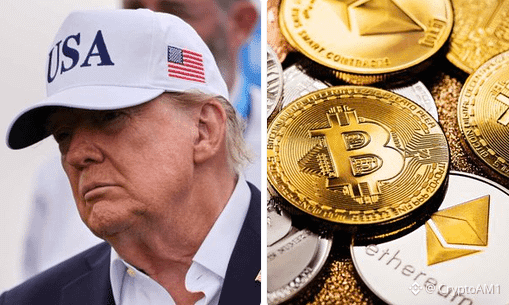
SOFORT: TRUMP STIMMT EIN ZU EINER NEUEN ZWEIPARTEIEN-ETHIKBESTIMMUNG IN EINEM GROẞEN KRYPTOWÄHRUNGSGESETZ, SAGS EIN GOP-MITARBEITER#AnthropicCEOCallsForAISlowdown #BitcoinThirdSingleBlockReorgInFourWeeks #ClarityActLawIn2026OddsRiseTo30% #KoreaCryptoTaxDelayPetitionMeetsReviewThreshold #EURequiresWalletMakersReportFlawsIn24Hours $NVDAB $AAPLB $NVDA.US
{stock_us}(NVDA.US)
SOFORT: TRUMP STIMMT EIN ZU EINER NEUEN ZWEIPARTEIEN-ETHIKBESTIMMUNG IN EINEM GROẞEN KRYPTOWÄHRUNGSGESETZ, SAGS EIN GOP-MITARBEITER#AnthropicCEOCallsForAISlowdown #BitcoinThirdSingleBlockReorgInFourWeeks #ClarityActLawIn2026OddsRiseTo30% #KoreaCryptoTaxDelayPetitionMeetsReviewThreshold #EURequiresWalletMakersReportFlawsIn24Hours $NVDAB $AAPLB $NVDA.US
52

·
--
$LSK ist derzeit extrem volatil und hat vor kurzem eine starke Bewegung nach oben gemacht, bevor ein großer Teil des Gewinns wieder abgegeben wurde. Aktuelle Berichte verknüpfen die Bewegung mit Short-Liquidationen und den Erwartungen rund um einen vorgeschlagenen 100M $LSK Burn. �
CoinMarketCap +1
📈 Bullish: Starker Momentum-Impuls, wenn LSK in der Nähe des jüngsten Ausbruch-Bereichs hält.
⚠️ Risiko: Die enormen Preisschwankungen in letzter Zeit machen das Jagen des Pumps gefährlich.
🎯 Strategie: Auf einen Rücksetzer und eine Bestätigung warten, statt nach einer großen Kerze einzusteigen.
Insgesamt: 🟡 Hochnsrisiko / extrem volatil — mit strikt gesetztem Stop-Loss handeln
{spot}(LSKUSDT)
#AnthropicCEOCallsForAISlowdown #EURequiresWalletMakersReportFlawsIn24Hours #LSKSurgesOver515%In24Hours
$LSK ist derzeit extrem volatil und hat vor kurzem eine starke Bewegung nach oben gemacht, bevor ein großer Teil des Gewinns wieder abgegeben wurde. Aktuelle Berichte verknüpfen die Bewegung mit Short-Liquidationen und den Erwartungen rund um einen vorgeschlagenen 100M $LSK Burn. �
CoinMarketCap +1
📈 Bullish: Starker Momentum-Impuls, wenn LSK in der Nähe des jüngsten Ausbruch-Bereichs hält.
⚠️ Risiko: Die enormen Preisschwankungen in letzter Zeit machen das Jagen des Pumps gefährlich.
🎯 Strategie: Auf einen Rücksetzer und eine Bestätigung warten, statt nach einer großen Kerze einzusteigen.
Insgesamt: 🟡 Hochnsrisiko / extrem volatil — mit strikt gesetztem Stop-Loss handeln
#AnthropicCEOCallsForAISlowdown #EURequiresWalletMakersReportFlawsIn24Hours #LSKSurgesOver515%In24Hours
CoinMarketCap +1
📈 Bullish: Starker Momentum-Impuls, wenn LSK in der Nähe des jüngsten Ausbruch-Bereichs hält.
⚠️ Risiko: Die enormen Preisschwankungen in letzter Zeit machen das Jagen des Pumps gefährlich.
🎯 Strategie: Auf einen Rücksetzer und eine Bestätigung warten, statt nach einer großen Kerze einzusteigen.
Insgesamt: 🟡 Hochnsrisiko / extrem volatil — mit strikt gesetztem Stop-Loss handeln
#AnthropicCEOCallsForAISlowdown #EURequiresWalletMakersReportFlawsIn24Hours #LSKSurgesOver515%In24Hours
149
·
--
Bärisch
Übersetzung ansehen
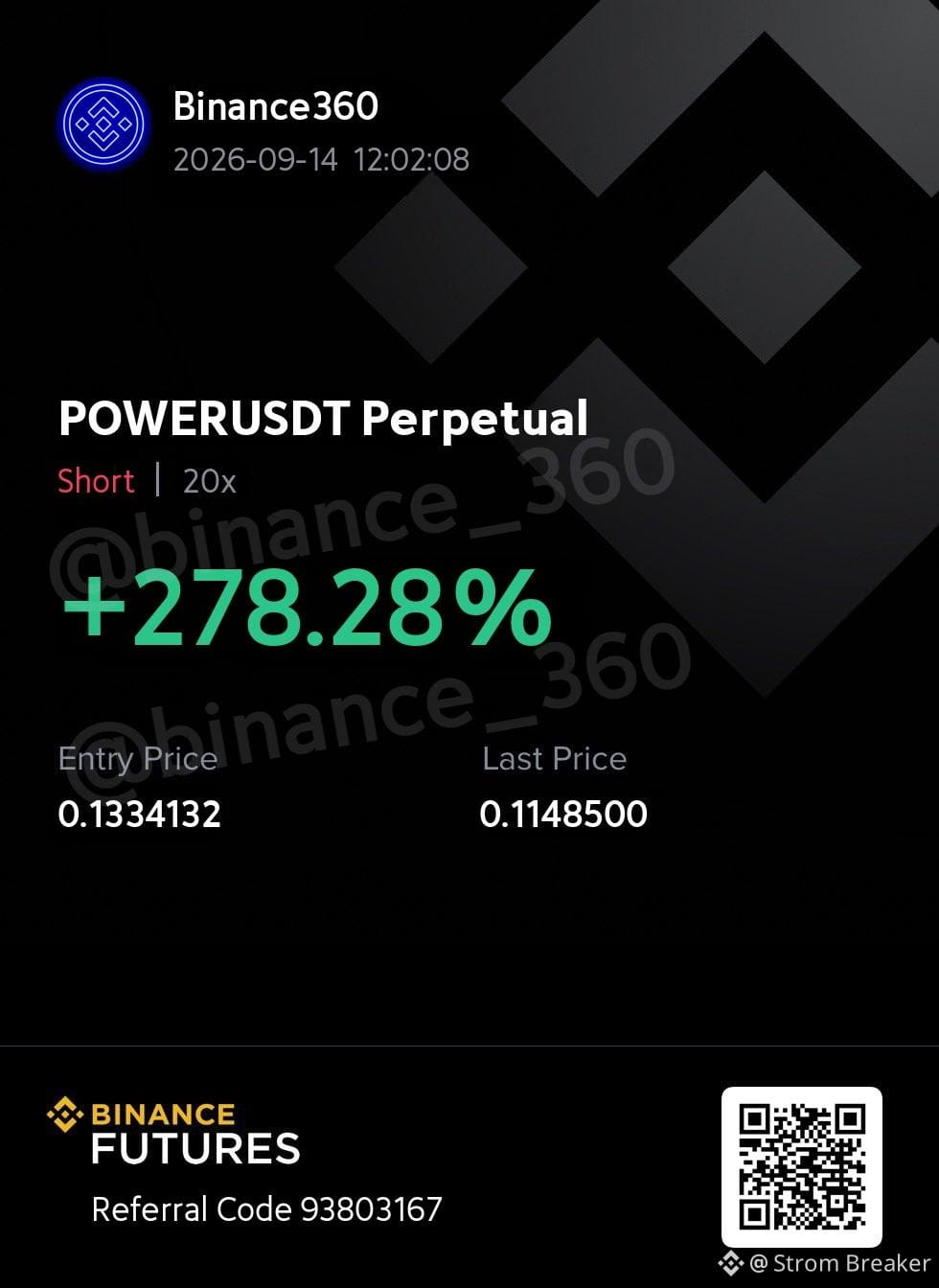
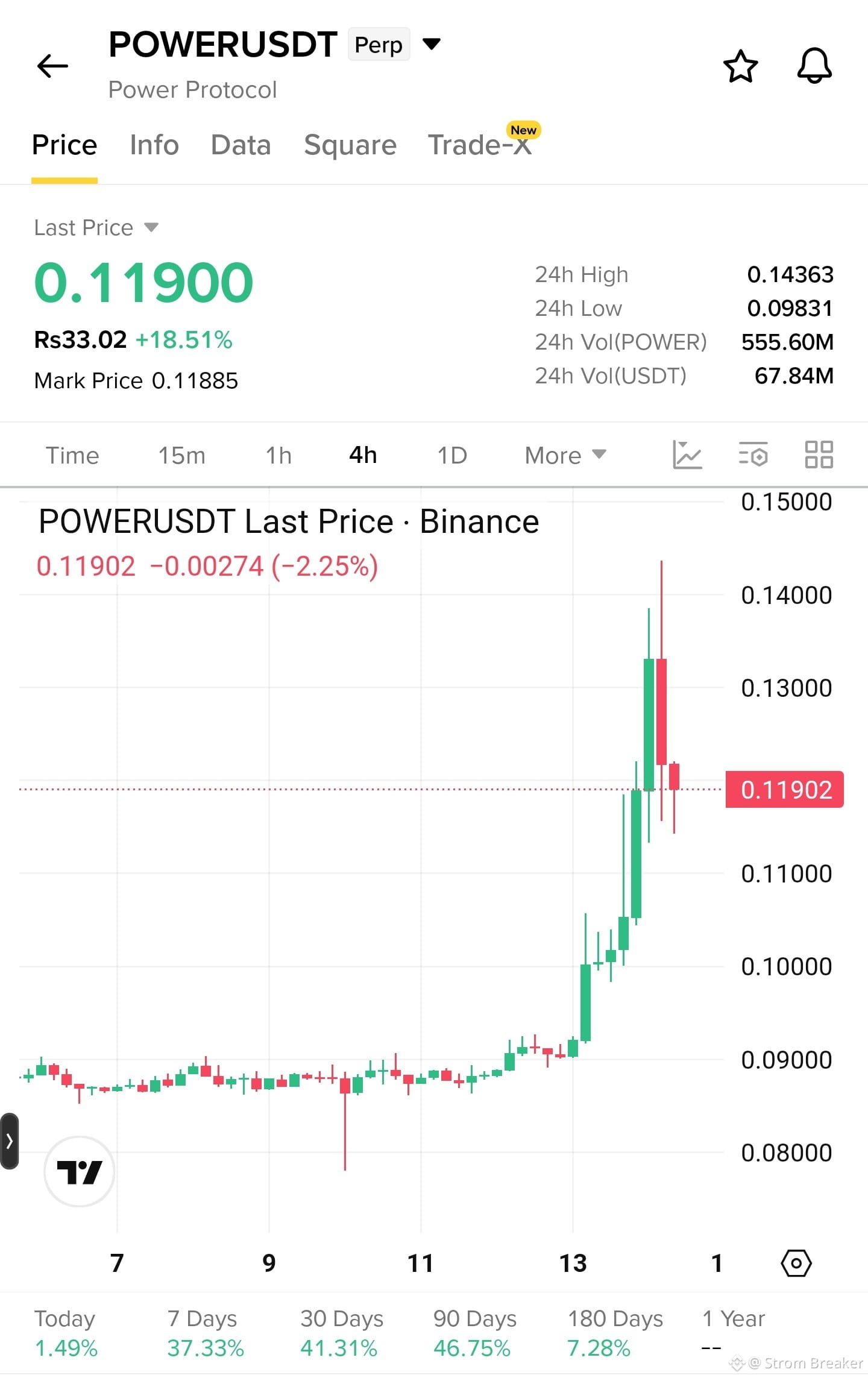
On the 15-minute timeframe, $POWER is showing a bearish setup. The short entry zone is 0.1372372–0.1332400, with downside targets placed progressively at 0.1325671, 0.1285499, 0.1245327, 0.1205155, and 0.1164983.
🛑 Stop Loss: 0.1425668
⚡ Leverage: 10x
📊 Manage risk carefully and avoid overexposure in volatile conditions.
#EURequiresWalletMakersReportFlawsIn24Hours #LSKSurgesOver515%In24Hours #AnthropicCEOCallsForAISlowdown #ZcashNU7VoteEndsSeptember14 #LSKSurgesOver515%In24Hours
{future}(POWERUSDT)
On the 15-minute timeframe, $POWER is showing a bearish setup. The short entry zone is 0.1372372–0.1332400, with downside targets placed progressively at 0.1325671, 0.1285499, 0.1245327, 0.1205155, and 0.1164983.
🛑 Stop Loss: 0.1425668
⚡ Leverage: 10x
📊 Manage risk carefully and avoid overexposure in volatile conditions.
#EURequiresWalletMakersReportFlawsIn24Hours #LSKSurgesOver515%In24Hours #AnthropicCEOCallsForAISlowdown #ZcashNU7VoteEndsSeptember14 #LSKSurgesOver515%In24Hours
🛑 Stop Loss: 0.1425668
⚡ Leverage: 10x
📊 Manage risk carefully and avoid overexposure in volatile conditions.
#EURequiresWalletMakersReportFlawsIn24Hours #LSKSurgesOver515%In24Hours #AnthropicCEOCallsForAISlowdown #ZcashNU7VoteEndsSeptember14 #LSKSurgesOver515%In24Hours
94

·
--
Artikel
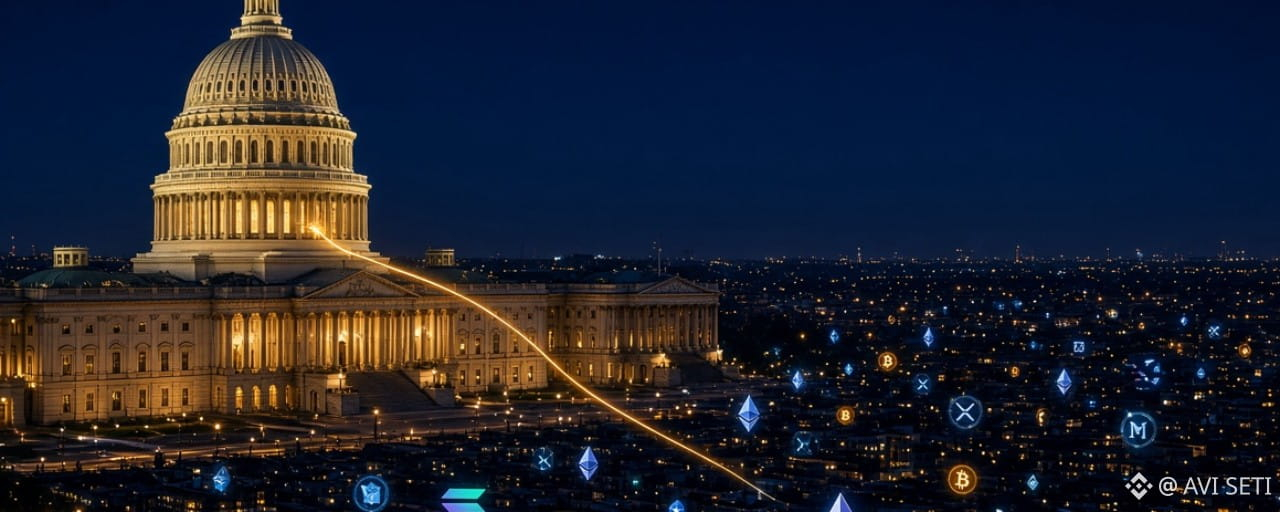
Die Abstimmung, die Krypto einfrieren oder befreien könnte: Hinter dem CLARITY-Act-Duell von morgenHook:
Bitcoin liegt still bei 77.500 $. Ethereum schlägt derweil leise den Markt. XRP hat in den ETF-Zuflüssen über neun Tage hinweg 644 Millionen US-Dollar eingesammelt und sich keinen Millimeter bewegt. Das ist keine Langeweile – es ist der gesamte Kryptomarkt, der die Luft anhält. Morgen stimmt der Senat über eine frisch überarbeitete 630-seitige Version des CLARITY Act ab, und je nachdem, was passiert, könnte der 15. September 2026 als der Tag in Erinnerung bleiben, an dem die US-Krypto-Regulierung endlich erwachsen wurde – oder als der Tag, an dem sie in das nächste Jahrzehnt zurückgedrängt wurde.
Die Abstimmung, die Krypto einfrieren oder befreien könnte: Hinter dem CLARITY-Act-Duell von morgen
Hook:
Bitcoin liegt still bei 77.500 $. Ethereum schlägt derweil leise den Markt. XRP hat in den ETF-Zuflüssen über neun Tage hinweg 644 Millionen US-Dollar eingesammelt und sich keinen Millimeter bewegt. Das ist keine Langeweile – es ist der gesamte Kryptomarkt, der die Luft anhält. Morgen stimmt der Senat über eine frisch überarbeitete 630-seitige Version des CLARITY Act ab, und je nachdem, was passiert, könnte der 15. September 2026 als der Tag in Erinnerung bleiben, an dem die US-Krypto-Regulierung endlich erwachsen wurde – oder als der Tag, an dem sie in das nächste Jahrzehnt zurückgedrängt wurde.
Bitcoin liegt still bei 77.500 $. Ethereum schlägt derweil leise den Markt. XRP hat in den ETF-Zuflüssen über neun Tage hinweg 644 Millionen US-Dollar eingesammelt und sich keinen Millimeter bewegt. Das ist keine Langeweile – es ist der gesamte Kryptomarkt, der die Luft anhält. Morgen stimmt der Senat über eine frisch überarbeitete 630-seitige Version des CLARITY Act ab, und je nachdem, was passiert, könnte der 15. September 2026 als der Tag in Erinnerung bleiben, an dem die US-Krypto-Regulierung endlich erwachsen wurde – oder als der Tag, an dem sie in das nächste Jahrzehnt zurückgedrängt wurde.
ABO3ZAM:
The compression in price action indicates significant momentum concentration, suggesting a liquidity sweep is imminent upon the legislative outcome. Institutional order flow remains defensive; prioritize capital preservation and maintain strict stop-loss discipline at key invalidation levels to mitigate volatility risk during this binary event.
1
86
·
--
Bitcoin hält sich derzeit bei rund 77.500–77.700 US-Dollar und steuert auf die entscheidende Abstimmung im Senat von morgen zu – zu einer überarbeiteten, 630-seitigen Version des CLARITY Act. Diese wurde diese Woche von den Republikanern im Senat vorgestellt und weist über 100 Änderungen auf, die sich ausdrücklich gegen „dezentralisierte-in-name-only“-Krypto-Protokolle richten. Der Markt befindet sich weiterhin in einem engen, margenarmen Haltemuster: Prognosemärkte zeigen, dass Händler davon ausgehen, dass BTC den Tag über oberhalb von 68.000–70.000 US-Dollar bleibt. Das deutet eher auf Konsolidierung als auf klare Überzeugung hin.
Mittlere Inhaber sollen derweil in Stärke verkaufen, während Mega-Whales weiterhin still weiter akkumulieren – laut Kommentaren des Chefs für Business Development von XS.com. Dadurch entsteht anhaltender Widerstand durch „Overhead“, obwohl darunter weiterhin eine solide institutionelle Nachfrage besteht. Da Bitcoin immer noch etwa 39% unter seinem Allzeithoch vom Oktober 2025 von 128.198 US-Dollar liegt, entwickelt sich die Senatsabstimmung von morgen zu dem nächsten echten Richtungs-katalysator für den Markt.
#Bitcoin #BTC #CLARITYAct #CryptoNews #EURequiresWalletMakersReportFlawsIn24Hours
Bitcoin hält sich derzeit bei rund 77.500–77.700 US-Dollar und steuert auf die entscheidende Abstimmung im Senat von morgen zu – zu einer überarbeiteten, 630-seitigen Version des CLARITY Act. Diese wurde diese Woche von den Republikanern im Senat vorgestellt und weist über 100 Änderungen auf, die sich ausdrücklich gegen „dezentralisierte-in-name-only“-Krypto-Protokolle richten. Der Markt befindet sich weiterhin in einem engen, margenarmen Haltemuster: Prognosemärkte zeigen, dass Händler davon ausgehen, dass BTC den Tag über oberhalb von 68.000–70.000 US-Dollar bleibt. Das deutet eher auf Konsolidierung als auf klare Überzeugung hin.
Mittlere Inhaber sollen derweil in Stärke verkaufen, während Mega-Whales weiterhin still weiter akkumulieren – laut Kommentaren des Chefs für Business Development von XS.com. Dadurch entsteht anhaltender Widerstand durch „Overhead“, obwohl darunter weiterhin eine solide institutionelle Nachfrage besteht. Da Bitcoin immer noch etwa 39% unter seinem Allzeithoch vom Oktober 2025 von 128.198 US-Dollar liegt, entwickelt sich die Senatsabstimmung von morgen zu dem nächsten echten Richtungs-katalysator für den Markt.
#Bitcoin #BTC #CLARITYAct #CryptoNews #EURequiresWalletMakersReportFlawsIn24Hours
Mittlere Inhaber sollen derweil in Stärke verkaufen, während Mega-Whales weiterhin still weiter akkumulieren – laut Kommentaren des Chefs für Business Development von XS.com. Dadurch entsteht anhaltender Widerstand durch „Overhead“, obwohl darunter weiterhin eine solide institutionelle Nachfrage besteht. Da Bitcoin immer noch etwa 39% unter seinem Allzeithoch vom Oktober 2025 von 128.198 US-Dollar liegt, entwickelt sich die Senatsabstimmung von morgen zu dem nächsten echten Richtungs-katalysator für den Markt.
#Bitcoin #BTC #CLARITYAct #CryptoNews #EURequiresWalletMakersReportFlawsIn24Hours
60

·
--
Bullisch
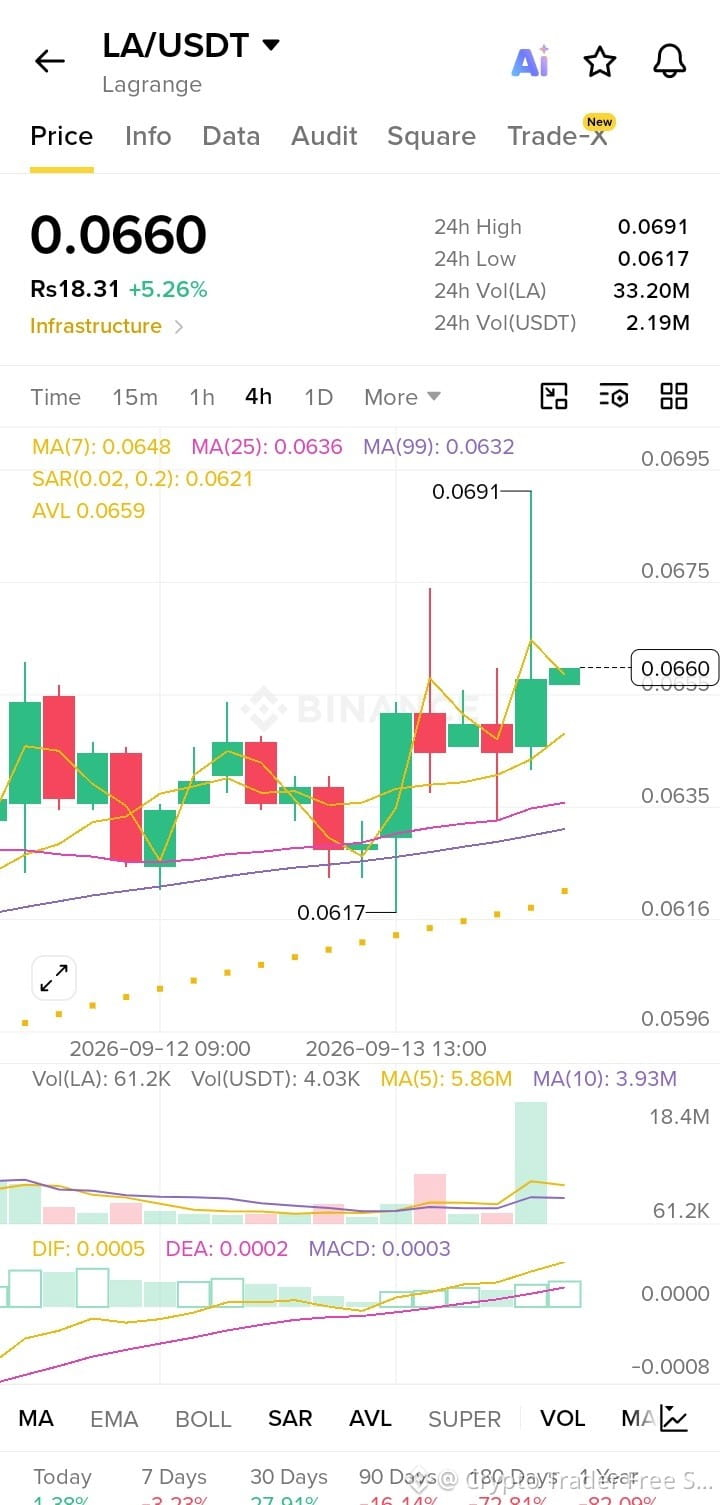
$LA 💎 ÖFFNE DEINE AUGEN, TRADER! Die grüne Linie geht weiter nach oben, während das Volumen die Dynamik unterstützt. Verpasse DIESE Chance nicht—beobachte genau auf eine mögliche Ausbruchsmöglichkeit.#EURequiresWalletMakersReportFlawsIn24Hours
{spot}(LAUSDT)
$CVC
$BABY
$LA 💎 ÖFFNE DEINE AUGEN, TRADER! Die grüne Linie geht weiter nach oben, während das Volumen die Dynamik unterstützt. Verpasse DIESE Chance nicht—beobachte genau auf eine mögliche Ausbruchsmöglichkeit.#EURequiresWalletMakersReportFlawsIn24Hours
$CVC
$BABY
$CVC
$BABY
1
37

·
--
Bullisch
🔥 $XAU USD BUY SETUP
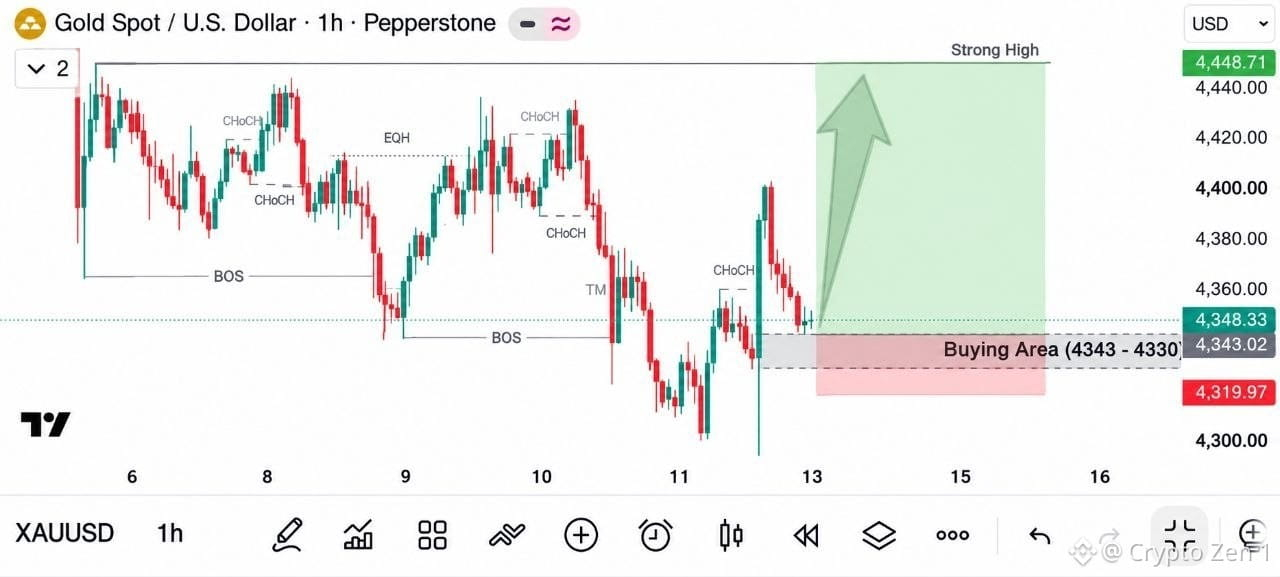
$GOLD.US hält den Bereich 4343 bis 4330 und Käufer steigen nach dem Dip ein
EP 4343 bis 4330
TP 4400 bis 4448+
SL Unter 4320
Die Reaktion aus dieser Zone sieht stark aus und ein möglicher Move zum vorherigen Hoch könnte als Nächstes kommen 📈
Bleib geduldig und manage das Risiko
#EURequiresWalletMakersReportFlawsIn24Hours
🔥 $XAU USD BUY SETUP
$GOLD.US hält den Bereich 4343 bis 4330 und Käufer steigen nach dem Dip ein
EP 4343 bis 4330
TP 4400 bis 4448+
SL Unter 4320
Die Reaktion aus dieser Zone sieht stark aus und ein möglicher Move zum vorherigen Hoch könnte als Nächstes kommen 📈
Bleib geduldig und manage das Risiko
#EURequiresWalletMakersReportFlawsIn24Hours
$GOLD.US hält den Bereich 4343 bis 4330 und Käufer steigen nach dem Dip ein
EP 4343 bis 4330
TP 4400 bis 4448+
SL Unter 4320
Die Reaktion aus dieser Zone sieht stark aus und ein möglicher Move zum vorherigen Hoch könnte als Nächstes kommen 📈
Bleib geduldig und manage das Risiko
#EURequiresWalletMakersReportFlawsIn24Hours
1
160
Anmelden und weiter Inhalte entdecken
Krypto-Nutzer weltweit auf Binance Square kennenlernen
⚡️ Bleib in Sachen Krypto stets am Puls.
💬 Die weltgrößte Kryptobörse vertraut darauf.
👍 Erhalte verlässliche Einblicke von verifizierten Creators.
E-Mail-Adresse/Telefonnummer
Trendthemen
1
#AnthropicCEOCallsForAISlowdown
81,950 Aufrufe
1,228 Kommentare
2
#BitcoinThirdSingleBlockReorgInFourWeeks
10,645 Aufrufe
351 Kommentare
3
#EthereumFallsBelow$2500
702 Aufrufe
46 Kommentare
4
#BitcoinDropsToIntradayLow$76367
261 Aufrufe
9 Kommentare
5
#WhiteHouseRejectsAISlowdownCalls
639 Aufrufe
48 Kommentare
6
#UKMayExemptTokenizedGoldFromFundRules
394 Aufrufe
34 Kommentare
7
#BitcoinSpotETFsRecord$463MNetOutflowLastWeek
21 Aufrufe
2 Kommentare
8
#LSKSurgesOver515%In24Hours
9,703 Aufrufe
201 Kommentare
9
#ClarityActLawIn2026OddsRiseTo30%
7,066 Aufrufe
118 Kommentare
10
#KoreaCryptoTaxDelayPetitionMeetsReviewThreshold
1,845 Aufrufe
63 Kommentare