
#digitalmoney
digitalmoney
10,132 Aufrufe
217 Kommentare
Hot
Zuletzt
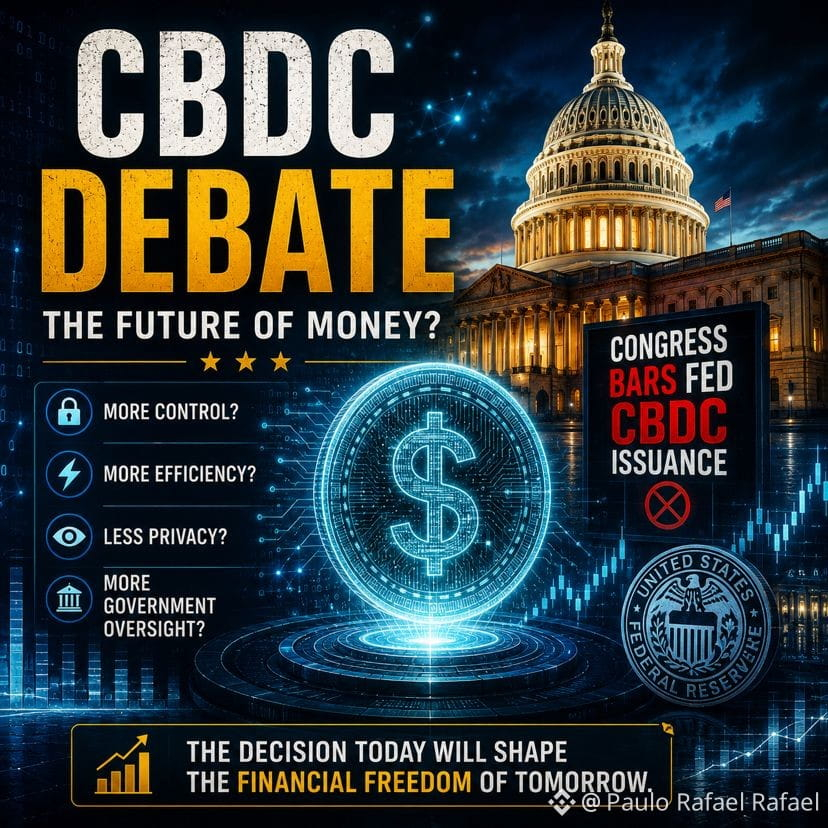
🏛️ #CBDC nos EUA enfrenta politische Widerstände
Der Kongress berät über Maßnahmen, um die Ausgabe einer CBDC durch die Federal Reserve zu begrenzen.
📊 Die Debatte spaltet die Meinungen:
• Mehr finanzielle Kontrolle?
• Mehr Effizienz bei Zahlungen?
• Weniger Privatsphäre?
• Mehr staatliche Aufsicht?
💡 Die Entscheidung könnte die Zukunft des digitalen Geldes beeinflussen.
💬 Sind CBDCs eine unvermeidliche Entwicklung oder ein Risiko für die finanzielle Freiheit?
#CBDC #FederalReserve #Crypto #Finance #DigitalMoney
🏛️ #CBDC nos EUA enfrenta politische Widerstände
Der Kongress berät über Maßnahmen, um die Ausgabe einer CBDC durch die Federal Reserve zu begrenzen.
📊 Die Debatte spaltet die Meinungen:
• Mehr finanzielle Kontrolle?
• Mehr Effizienz bei Zahlungen?
• Weniger Privatsphäre?
• Mehr staatliche Aufsicht?
💡 Die Entscheidung könnte die Zukunft des digitalen Geldes beeinflussen.
💬 Sind CBDCs eine unvermeidliche Entwicklung oder ein Risiko für die finanzielle Freiheit?
#CBDC #FederalReserve #Crypto #Finance #DigitalMoney
Der Kongress berät über Maßnahmen, um die Ausgabe einer CBDC durch die Federal Reserve zu begrenzen.
📊 Die Debatte spaltet die Meinungen:
• Mehr finanzielle Kontrolle?
• Mehr Effizienz bei Zahlungen?
• Weniger Privatsphäre?
• Mehr staatliche Aufsicht?
💡 Die Entscheidung könnte die Zukunft des digitalen Geldes beeinflussen.
💬 Sind CBDCs eine unvermeidliche Entwicklung oder ein Risiko für die finanzielle Freiheit?
#CBDC #FederalReserve #Crypto #Finance #DigitalMoney
38
·
--
Stellen Sie sich ein traditionelles Sparkonto vor, aber statt physischem Bargeld hält es jetzt digitale Gelder – jederzeit verfügbar und mit niedrigeren Transaktionsgebühren. Im Grunde ist das das, was bei der Tokenisierung von Cash-Management-Plattformen passiert.
Tokenisierung ist der Prozess, bei dem Vermögenswerte – wie Geld auf dem Bankkonto – in digitale Tokens auf einer Blockchain umgewandelt werden, wodurch es effizienter und zugänglicher wird. #TokenizationBasics #DigitalMoney
Nehmen Sie die jüngsten Nachrichten von BlackRock und J.P. Morgans Kinexys: Sie bringen einen tokenisierten europäischen Geldmarktfonds auf den Markt. Im Kern haben sie $311 Milliarden an Cash-Management-Plattformen digitalisiert und es so für professionelle Investoren leichter gemacht, auf ihre Mittel zuzugreifen und sie zu verwalten. Das hat das Potenzial, traditionelle Bankensysteme zu stören und neue Anlagechancen zu schaffen.
Was bedeutet das also für Sie? Wenn Sie bereits im Krypto-Bereich investieren, sollten Sie vielleicht weitere Möglichkeiten wie tokenisierte Fonds in Betracht ziehen. Wenn Sie neu im Investieren sind, könnte jetzt der richtige Zeitpunkt sein, sich über die Vorteile der Tokenisierung zu informieren und darüber, wie sie Ihre finanzielle Zukunft beeinflussen kann. #InvestInYourFuture #TokenizeYourSavings
Stellen Sie sich ein traditionelles Sparkonto vor, aber statt physischem Bargeld hält es jetzt digitale Gelder – jederzeit verfügbar und mit niedrigeren Transaktionsgebühren. Im Grunde ist das das, was bei der Tokenisierung von Cash-Management-Plattformen passiert.
Tokenisierung ist der Prozess, bei dem Vermögenswerte – wie Geld auf dem Bankkonto – in digitale Tokens auf einer Blockchain umgewandelt werden, wodurch es effizienter und zugänglicher wird. #TokenizationBasics #DigitalMoney
Nehmen Sie die jüngsten Nachrichten von BlackRock und J.P. Morgans Kinexys: Sie bringen einen tokenisierten europäischen Geldmarktfonds auf den Markt. Im Kern haben sie $311 Milliarden an Cash-Management-Plattformen digitalisiert und es so für professionelle Investoren leichter gemacht, auf ihre Mittel zuzugreifen und sie zu verwalten. Das hat das Potenzial, traditionelle Bankensysteme zu stören und neue Anlagechancen zu schaffen.
Was bedeutet das also für Sie? Wenn Sie bereits im Krypto-Bereich investieren, sollten Sie vielleicht weitere Möglichkeiten wie tokenisierte Fonds in Betracht ziehen. Wenn Sie neu im Investieren sind, könnte jetzt der richtige Zeitpunkt sein, sich über die Vorteile der Tokenisierung zu informieren und darüber, wie sie Ihre finanzielle Zukunft beeinflussen kann. #InvestInYourFuture #TokenizeYourSavings
Tokenisierung ist der Prozess, bei dem Vermögenswerte – wie Geld auf dem Bankkonto – in digitale Tokens auf einer Blockchain umgewandelt werden, wodurch es effizienter und zugänglicher wird. #TokenizationBasics #DigitalMoney
Nehmen Sie die jüngsten Nachrichten von BlackRock und J.P. Morgans Kinexys: Sie bringen einen tokenisierten europäischen Geldmarktfonds auf den Markt. Im Kern haben sie $311 Milliarden an Cash-Management-Plattformen digitalisiert und es so für professionelle Investoren leichter gemacht, auf ihre Mittel zuzugreifen und sie zu verwalten. Das hat das Potenzial, traditionelle Bankensysteme zu stören und neue Anlagechancen zu schaffen.
Was bedeutet das also für Sie? Wenn Sie bereits im Krypto-Bereich investieren, sollten Sie vielleicht weitere Möglichkeiten wie tokenisierte Fonds in Betracht ziehen. Wenn Sie neu im Investieren sind, könnte jetzt der richtige Zeitpunkt sein, sich über die Vorteile der Tokenisierung zu informieren und darüber, wie sie Ihre finanzielle Zukunft beeinflussen kann. #InvestInYourFuture #TokenizeYourSavings
2


·
--
Viele Menschen betrachten Bitcoin noch immer als einen schnellen Weg, um Geld zu verdienen. Ich sehe das anders. Bitcoin verfolgt ein größeres Ziel. Es wurde entwickelt, um den Wert über die Zeit zu schützen und den Menschen eine bessere Möglichkeit zu geben, ihr Geld zu sparen.
Kurzfristige Trends werden sich immer ändern. Neue Projekte, KI und andere angesagte Themen kommen und gehen. Das ändert jedoch nichts daran, wofür Bitcoin gebaut wurde. Das Netzwerk funktioniert weiter und geht voran.
Der Preis kann sich jeden Tag nach oben und unten bewegen, aber starke Inhaber bleiben auf das große Ganze fokussiert. Echte Entwicklung braucht Zeit und Geduld. Deshalb glauben viele Menschen auch langfristig an Bitcoin.
Wenn du an die Zukunft des digitalen Geldes glaubst, ist das eine gute Zeit, weiter zu lernen und bei deinem Plan zu bleiben.
#Bitcoin #HODL #DigitalMoney #Write2Earn $BTC
{spot}(BTCUSDT)
$DOT
{spot}(DOTUSDT)
$MSFTB
{spot}(MSFTBUSDT)
Viele Menschen betrachten Bitcoin noch immer als einen schnellen Weg, um Geld zu verdienen. Ich sehe das anders. Bitcoin verfolgt ein größeres Ziel. Es wurde entwickelt, um den Wert über die Zeit zu schützen und den Menschen eine bessere Möglichkeit zu geben, ihr Geld zu sparen.
Kurzfristige Trends werden sich immer ändern. Neue Projekte, KI und andere angesagte Themen kommen und gehen. Das ändert jedoch nichts daran, wofür Bitcoin gebaut wurde. Das Netzwerk funktioniert weiter und geht voran.
Der Preis kann sich jeden Tag nach oben und unten bewegen, aber starke Inhaber bleiben auf das große Ganze fokussiert. Echte Entwicklung braucht Zeit und Geduld. Deshalb glauben viele Menschen auch langfristig an Bitcoin.
Wenn du an die Zukunft des digitalen Geldes glaubst, ist das eine gute Zeit, weiter zu lernen und bei deinem Plan zu bleiben.
#Bitcoin #HODL #DigitalMoney #Write2Earn $BTC
$DOT
$MSFTB
Kurzfristige Trends werden sich immer ändern. Neue Projekte, KI und andere angesagte Themen kommen und gehen. Das ändert jedoch nichts daran, wofür Bitcoin gebaut wurde. Das Netzwerk funktioniert weiter und geht voran.
Der Preis kann sich jeden Tag nach oben und unten bewegen, aber starke Inhaber bleiben auf das große Ganze fokussiert. Echte Entwicklung braucht Zeit und Geduld. Deshalb glauben viele Menschen auch langfristig an Bitcoin.
Wenn du an die Zukunft des digitalen Geldes glaubst, ist das eine gute Zeit, weiter zu lernen und bei deinem Plan zu bleiben.
#Bitcoin #HODL #DigitalMoney #Write2Earn $BTC
$DOT
$MSFTB
1
242

·
--
Gold ist durch Geografie begrenzt.
Bitcoin ist nur durch den Internetzugang begrenzt.
Verschiedene Assets. Eine andere Ära. 🌍₿
#Bitcoin #BTC #Crypto #DigitalMoney $BTC
{spot}(BTCUSDT)
Gold ist durch Geografie begrenzt.
Bitcoin ist nur durch den Internetzugang begrenzt.
Verschiedene Assets. Eine andere Ära. 🌍₿
#Bitcoin #BTC #Crypto #DigitalMoney $BTC
Bitcoin ist nur durch den Internetzugang begrenzt.
Verschiedene Assets. Eine andere Ära. 🌍₿
#Bitcoin #BTC #Crypto #DigitalMoney $BTC
1
114

🚨 Der September startet mit einer großen Frage für Krypto-Trader…
Das globale Finanzsystem wird zunehmend digital, und die heutige Einführung des digitalen Rubels Russlands ist ein weiterer Hinweis darauf, dass das Rennen um digitales Geld immer schneller wird. 🌍💰
Aber CBDCs und Krypto sind NICHT dasselbe.
$BTC bleibt dezentralisiert, während ein CBDC von einer Zentralbank kontrolliert wird.
Das bringt mich zu folgender Überlegung:
Wird das Wachstum staatlicher digitaler Währungen irgendwann das Interesse an dezentralem Krypto erhöhen — oder konkurriert es damit? 👀
Ich beobachte $BTC und $ETH diesen Monat genau.
Was denkst du? CBDCs = Chance für Krypto, oder Konkurrenz? 🔥
#crypto #bitcoin #Ethereum✅ #CBDC #DigitalMoney #BinanceSquare
{spot}(BTCUSDT)
🚨 Der September startet mit einer großen Frage für Krypto-Trader…
Das globale Finanzsystem wird zunehmend digital, und die heutige Einführung des digitalen Rubels Russlands ist ein weiterer Hinweis darauf, dass das Rennen um digitales Geld immer schneller wird. 🌍💰
Aber CBDCs und Krypto sind NICHT dasselbe.
$BTC bleibt dezentralisiert, während ein CBDC von einer Zentralbank kontrolliert wird.
Das bringt mich zu folgender Überlegung:
Wird das Wachstum staatlicher digitaler Währungen irgendwann das Interesse an dezentralem Krypto erhöhen — oder konkurriert es damit? 👀
Ich beobachte $BTC und $ETH diesen Monat genau.
Was denkst du? CBDCs = Chance für Krypto, oder Konkurrenz? 🔥
#crypto #bitcoin #Ethereum✅ #CBDC #DigitalMoney #BinanceSquare
Das globale Finanzsystem wird zunehmend digital, und die heutige Einführung des digitalen Rubels Russlands ist ein weiterer Hinweis darauf, dass das Rennen um digitales Geld immer schneller wird. 🌍💰
Aber CBDCs und Krypto sind NICHT dasselbe.
$BTC bleibt dezentralisiert, während ein CBDC von einer Zentralbank kontrolliert wird.
Das bringt mich zu folgender Überlegung:
Wird das Wachstum staatlicher digitaler Währungen irgendwann das Interesse an dezentralem Krypto erhöhen — oder konkurriert es damit? 👀
Ich beobachte $BTC und $ETH diesen Monat genau.
Was denkst du? CBDCs = Chance für Krypto, oder Konkurrenz? 🔥
#crypto #bitcoin #Ethereum✅ #CBDC #DigitalMoney #BinanceSquare
1
124

·
--
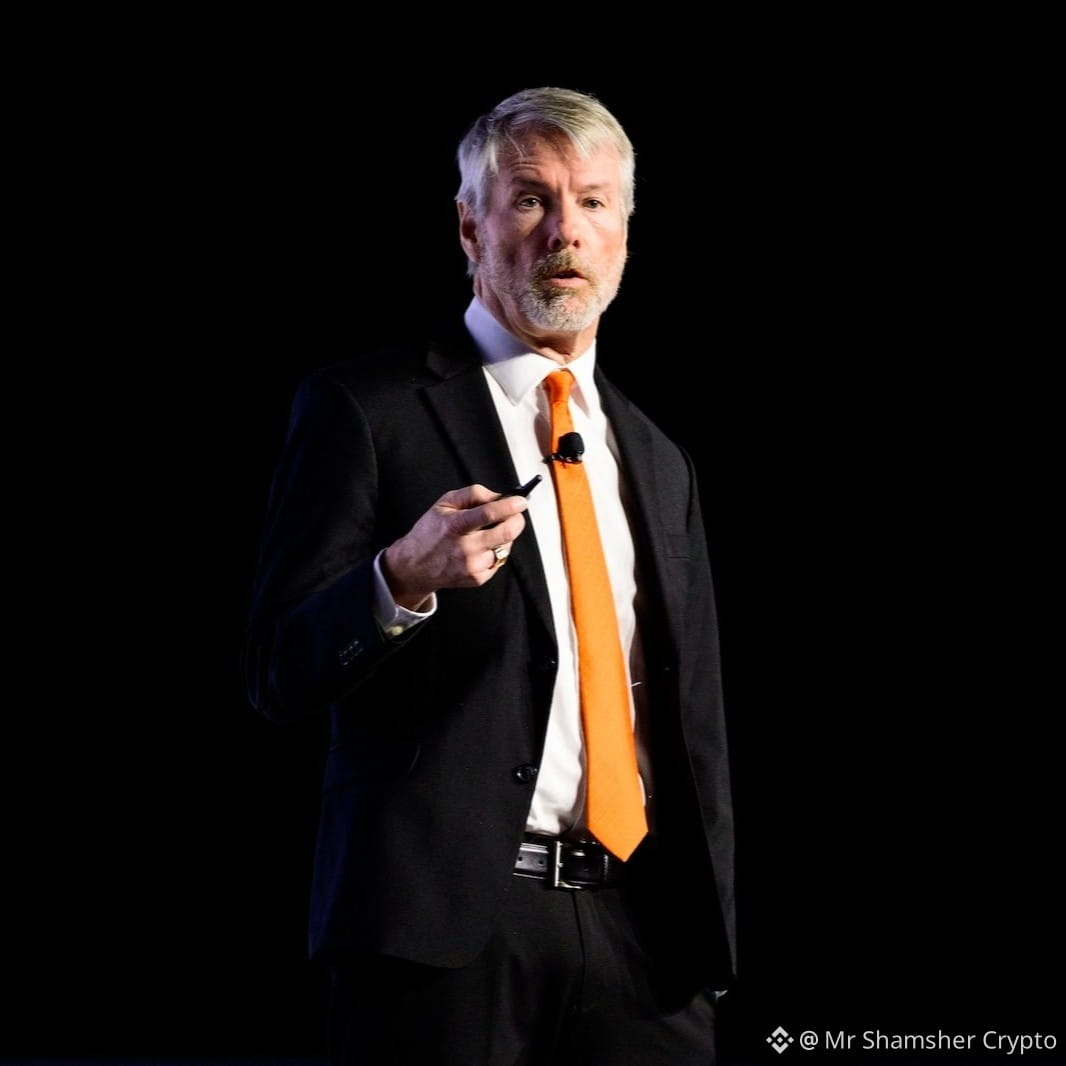
⚡ Michael Saylor’s „Heilige Dreifaltigkeit“ erklärt!
Laut Saylor ist Bitcoin nicht nur ein digitales Asset, sondern ein Finanzsystem, das die Chance bereithält, Billionen von Dollar aufzubauen. Es hat drei Säulen:
1️⃣ Digitales Kapital: Bitcoin ($BTC ) selbst ist ein knapper, kapitalstarker Vermögenswert mit hohem Energieaufwand, der langfristig als Wertaufbewahrungsmittel dient.
2️⃣ Digitale Kredite: Kreditinstrumente, die auf BTC aufbauen (wie yield-generierende Tools), die die Volatilität senken und Renditen liefern.
3️⃣ Digitale Währung: Wenn digitale Kredite mit Fiat-Cash-Äquivalenten kombiniert werden, entsteht eine stabile, verzinsliche digitale Währung.
Meinung & Rat:
Dieses Framework zeigt, dass für die institutionelle Akzeptanz inzwischen nicht nur das Halten von BTC reicht, sondern darüber hinaus große, skalierbare Finanzschichten aufgebaut werden. Als Trader: Schau im Markt nicht nur auf den Token-Preis; achte auf die Rotation dieses Kapitalstapels und des strukturierten Finanzwesens, denn die echte institutionelle Welle kommt genau von dort!
Glaubst du, dass Bitcoin-gestützter digitaler Kredit das traditionelle Bankensystem vollständig verändern wird? 👇
#MichaelSaylor #DigitalAssets #DigitalMoney #DigitalCapital #DigitalCredit
{future}(BNBUSDT)
{future}(ETHUSDT)
{future}(BTCUSDT)
⚡ Michael Saylor’s „Heilige Dreifaltigkeit“ erklärt!
Laut Saylor ist Bitcoin nicht nur ein digitales Asset, sondern ein Finanzsystem, das die Chance bereithält, Billionen von Dollar aufzubauen. Es hat drei Säulen:
1️⃣ Digitales Kapital: Bitcoin ($BTC ) selbst ist ein knapper, kapitalstarker Vermögenswert mit hohem Energieaufwand, der langfristig als Wertaufbewahrungsmittel dient.
2️⃣ Digitale Kredite: Kreditinstrumente, die auf BTC aufbauen (wie yield-generierende Tools), die die Volatilität senken und Renditen liefern.
3️⃣ Digitale Währung: Wenn digitale Kredite mit Fiat-Cash-Äquivalenten kombiniert werden, entsteht eine stabile, verzinsliche digitale Währung.
Meinung & Rat:
Dieses Framework zeigt, dass für die institutionelle Akzeptanz inzwischen nicht nur das Halten von BTC reicht, sondern darüber hinaus große, skalierbare Finanzschichten aufgebaut werden. Als Trader: Schau im Markt nicht nur auf den Token-Preis; achte auf die Rotation dieses Kapitalstapels und des strukturierten Finanzwesens, denn die echte institutionelle Welle kommt genau von dort!
Glaubst du, dass Bitcoin-gestützter digitaler Kredit das traditionelle Bankensystem vollständig verändern wird? 👇
#MichaelSaylor #DigitalAssets #DigitalMoney #DigitalCapital #DigitalCredit
Laut Saylor ist Bitcoin nicht nur ein digitales Asset, sondern ein Finanzsystem, das die Chance bereithält, Billionen von Dollar aufzubauen. Es hat drei Säulen:
1️⃣ Digitales Kapital: Bitcoin ($BTC ) selbst ist ein knapper, kapitalstarker Vermögenswert mit hohem Energieaufwand, der langfristig als Wertaufbewahrungsmittel dient.
2️⃣ Digitale Kredite: Kreditinstrumente, die auf BTC aufbauen (wie yield-generierende Tools), die die Volatilität senken und Renditen liefern.
3️⃣ Digitale Währung: Wenn digitale Kredite mit Fiat-Cash-Äquivalenten kombiniert werden, entsteht eine stabile, verzinsliche digitale Währung.
Meinung & Rat:
Dieses Framework zeigt, dass für die institutionelle Akzeptanz inzwischen nicht nur das Halten von BTC reicht, sondern darüber hinaus große, skalierbare Finanzschichten aufgebaut werden. Als Trader: Schau im Markt nicht nur auf den Token-Preis; achte auf die Rotation dieses Kapitalstapels und des strukturierten Finanzwesens, denn die echte institutionelle Welle kommt genau von dort!
Glaubst du, dass Bitcoin-gestützter digitaler Kredit das traditionelle Bankensystem vollständig verändern wird? 👇
#MichaelSaylor #DigitalAssets #DigitalMoney #DigitalCapital #DigitalCredit
1
19

·
--
Bullisch
$BTC 🌐 Entdecke Bitcoin — die originale dezentrale digitale Währung
Bitcoin ist ein innovatives Zahlungsnetzwerk und eine neue Art von Geld, entwickelt um ohne Banken oder zentrale Autorität zu funktionieren. (Bitcoin)
⚡ Was Bitcoin revolutionär macht:
• 🔓 Dezentralisiert — keine einzelne Entität besitzt oder kontrolliert das Netzwerk (Bitcoin)
• 🌍 Grenzüberschreitende Zahlungen — sende Wert überall auf der Welt, jederzeit
• ⚙️ Peer-to-Peer-Technologie — Transaktionen werden von einem globalen Netzwerk verifiziert, nicht von Zwischenhändlern (Bitcoin)
• 💸 Open-Source — transparenter Code, den jeder inspizieren und nutzen kann (Bitcoin)
💡 Die Kraft von Bitcoin liegt in seinem Design:
Ein System, in dem die Nutzer das Netzwerk kontrollieren, und die Teilnahme für alle offen ist. (Bitcoin)
🚀 Von Zahlungen bis hin zu einem Wertspeicher, Bitcoin verändert weiterhin, wie die Welt über Geld denkt.
#Bitcoin #BTC #Krypto #Blockchain #Dezentralisierung #DigitalMoney $BTC
{future}(BTCUSDT)
$BTC 🌐 Entdecke Bitcoin — die originale dezentrale digitale Währung
Bitcoin ist ein innovatives Zahlungsnetzwerk und eine neue Art von Geld, entwickelt um ohne Banken oder zentrale Autorität zu funktionieren. (Bitcoin)
⚡ Was Bitcoin revolutionär macht:
• 🔓 Dezentralisiert — keine einzelne Entität besitzt oder kontrolliert das Netzwerk (Bitcoin)
• 🌍 Grenzüberschreitende Zahlungen — sende Wert überall auf der Welt, jederzeit
• ⚙️ Peer-to-Peer-Technologie — Transaktionen werden von einem globalen Netzwerk verifiziert, nicht von Zwischenhändlern (Bitcoin)
• 💸 Open-Source — transparenter Code, den jeder inspizieren und nutzen kann (Bitcoin)
💡 Die Kraft von Bitcoin liegt in seinem Design:
Ein System, in dem die Nutzer das Netzwerk kontrollieren, und die Teilnahme für alle offen ist. (Bitcoin)
🚀 Von Zahlungen bis hin zu einem Wertspeicher, Bitcoin verändert weiterhin, wie die Welt über Geld denkt.
#Bitcoin #BTC #Krypto #Blockchain #Dezentralisierung #DigitalMoney $BTC
Bitcoin ist ein innovatives Zahlungsnetzwerk und eine neue Art von Geld, entwickelt um ohne Banken oder zentrale Autorität zu funktionieren. (Bitcoin)
⚡ Was Bitcoin revolutionär macht:
• 🔓 Dezentralisiert — keine einzelne Entität besitzt oder kontrolliert das Netzwerk (Bitcoin)
• 🌍 Grenzüberschreitende Zahlungen — sende Wert überall auf der Welt, jederzeit
• ⚙️ Peer-to-Peer-Technologie — Transaktionen werden von einem globalen Netzwerk verifiziert, nicht von Zwischenhändlern (Bitcoin)
• 💸 Open-Source — transparenter Code, den jeder inspizieren und nutzen kann (Bitcoin)
💡 Die Kraft von Bitcoin liegt in seinem Design:
Ein System, in dem die Nutzer das Netzwerk kontrollieren, und die Teilnahme für alle offen ist. (Bitcoin)
🚀 Von Zahlungen bis hin zu einem Wertspeicher, Bitcoin verändert weiterhin, wie die Welt über Geld denkt.
#Bitcoin #BTC #Krypto #Blockchain #Dezentralisierung #DigitalMoney $BTC
33
·
--
Bullisch
$BTC 🌐 Entdecke Bitcoin — das erste dezentrale digitale Geld der Welt
Bitcoin ist ein innovatives Zahlungssystem, das auf Peer-to-Peer-Technologie basiert — das bedeutet keine Banken, keine zentrale Autorität, nur Nutzer. (Bitcoin)
⚡ Warum Bitcoin wichtig ist:
• 🔓 Dezentralisiert — kein einzelnes Unternehmen kontrolliert das Netzwerk (Bitcoin)
• 🌍 Grenzenlose Zahlungen — sende Wert überall, jederzeit
• ⚙️ Open-Source — transparent und für jeden zugänglich (Bitcoin)
• 💸 Effiziente Transaktionen — niedrige Gebühren und globale Reichweite
💡 Bitcoin gehört niemandem — wird aber von Millionen genutzt, mit Transaktionen, die kollektiv von einem globalen Netzwerk verifiziert werden. (Bitcoin)
🚀 Mehr als nur Geld, Bitcoin ist eine finanzielle Revolution — sie verändert, wie Wert gespeichert, übertragen und weltweit vertraut wird.
#Bitcoin #BTC #Krypto #Blockchain #Dezentralisierung #DigitalMoney $BTC
{future}(BTCUSDT)
$BTC 🌐 Entdecke Bitcoin — das erste dezentrale digitale Geld der Welt
Bitcoin ist ein innovatives Zahlungssystem, das auf Peer-to-Peer-Technologie basiert — das bedeutet keine Banken, keine zentrale Autorität, nur Nutzer. (Bitcoin)
⚡ Warum Bitcoin wichtig ist:
• 🔓 Dezentralisiert — kein einzelnes Unternehmen kontrolliert das Netzwerk (Bitcoin)
• 🌍 Grenzenlose Zahlungen — sende Wert überall, jederzeit
• ⚙️ Open-Source — transparent und für jeden zugänglich (Bitcoin)
• 💸 Effiziente Transaktionen — niedrige Gebühren und globale Reichweite
💡 Bitcoin gehört niemandem — wird aber von Millionen genutzt, mit Transaktionen, die kollektiv von einem globalen Netzwerk verifiziert werden. (Bitcoin)
🚀 Mehr als nur Geld, Bitcoin ist eine finanzielle Revolution — sie verändert, wie Wert gespeichert, übertragen und weltweit vertraut wird.
#Bitcoin #BTC #Krypto #Blockchain #Dezentralisierung #DigitalMoney $BTC
Bitcoin ist ein innovatives Zahlungssystem, das auf Peer-to-Peer-Technologie basiert — das bedeutet keine Banken, keine zentrale Autorität, nur Nutzer. (Bitcoin)
⚡ Warum Bitcoin wichtig ist:
• 🔓 Dezentralisiert — kein einzelnes Unternehmen kontrolliert das Netzwerk (Bitcoin)
• 🌍 Grenzenlose Zahlungen — sende Wert überall, jederzeit
• ⚙️ Open-Source — transparent und für jeden zugänglich (Bitcoin)
• 💸 Effiziente Transaktionen — niedrige Gebühren und globale Reichweite
💡 Bitcoin gehört niemandem — wird aber von Millionen genutzt, mit Transaktionen, die kollektiv von einem globalen Netzwerk verifiziert werden. (Bitcoin)
🚀 Mehr als nur Geld, Bitcoin ist eine finanzielle Revolution — sie verändert, wie Wert gespeichert, übertragen und weltweit vertraut wird.
#Bitcoin #BTC #Krypto #Blockchain #Dezentralisierung #DigitalMoney $BTC
40

Großbritannien legt Zahlungsplan mit Nummerierung offen und strebt ein Multi-Währungs-Ökosystem an
- Die Aufsichtsbehörde in Großbritannien hat ein Update für den nationalen Plan zur Einzelhandels-Zahlungsabwicklung veröffentlicht.
- Der Plan fordert Unterstützung für die Infrastruktur zur Tokenisierung von Zahlungsströmen.
- Ziel ist es, die Interoperabilität mit neuen Formen digitaler Währungen sicherzustellen und auf ein „Multi-Währungs-Ökosystem“ hinzuwirken.
#BinanceSquare #CryptoNews #UK #Tokenization #DigitalMoney Web3 Blockchain
$btc $eth
vlikevn Titanbot
Quelle: CoinTelegraph
Großbritannien legt Zahlungsplan mit Nummerierung offen und strebt ein Multi-Währungs-Ökosystem an
- Die Aufsichtsbehörde in Großbritannien hat ein Update für den nationalen Plan zur Einzelhandels-Zahlungsabwicklung veröffentlicht.
- Der Plan fordert Unterstützung für die Infrastruktur zur Tokenisierung von Zahlungsströmen.
- Ziel ist es, die Interoperabilität mit neuen Formen digitaler Währungen sicherzustellen und auf ein „Multi-Währungs-Ökosystem“ hinzuwirken.
#BinanceSquare #CryptoNews #UK #Tokenization #DigitalMoney Web3 Blockchain
$btc $eth
vlikevn Titanbot
Quelle: CoinTelegraph
- Die Aufsichtsbehörde in Großbritannien hat ein Update für den nationalen Plan zur Einzelhandels-Zahlungsabwicklung veröffentlicht.
- Der Plan fordert Unterstützung für die Infrastruktur zur Tokenisierung von Zahlungsströmen.
- Ziel ist es, die Interoperabilität mit neuen Formen digitaler Währungen sicherzustellen und auf ein „Multi-Währungs-Ökosystem“ hinzuwirken.
#BinanceSquare #CryptoNews #UK #Tokenization #DigitalMoney Web3 Blockchain
$btc $eth
vlikevn Titanbot
Quelle: CoinTelegraph
254

·
--
Bullisch
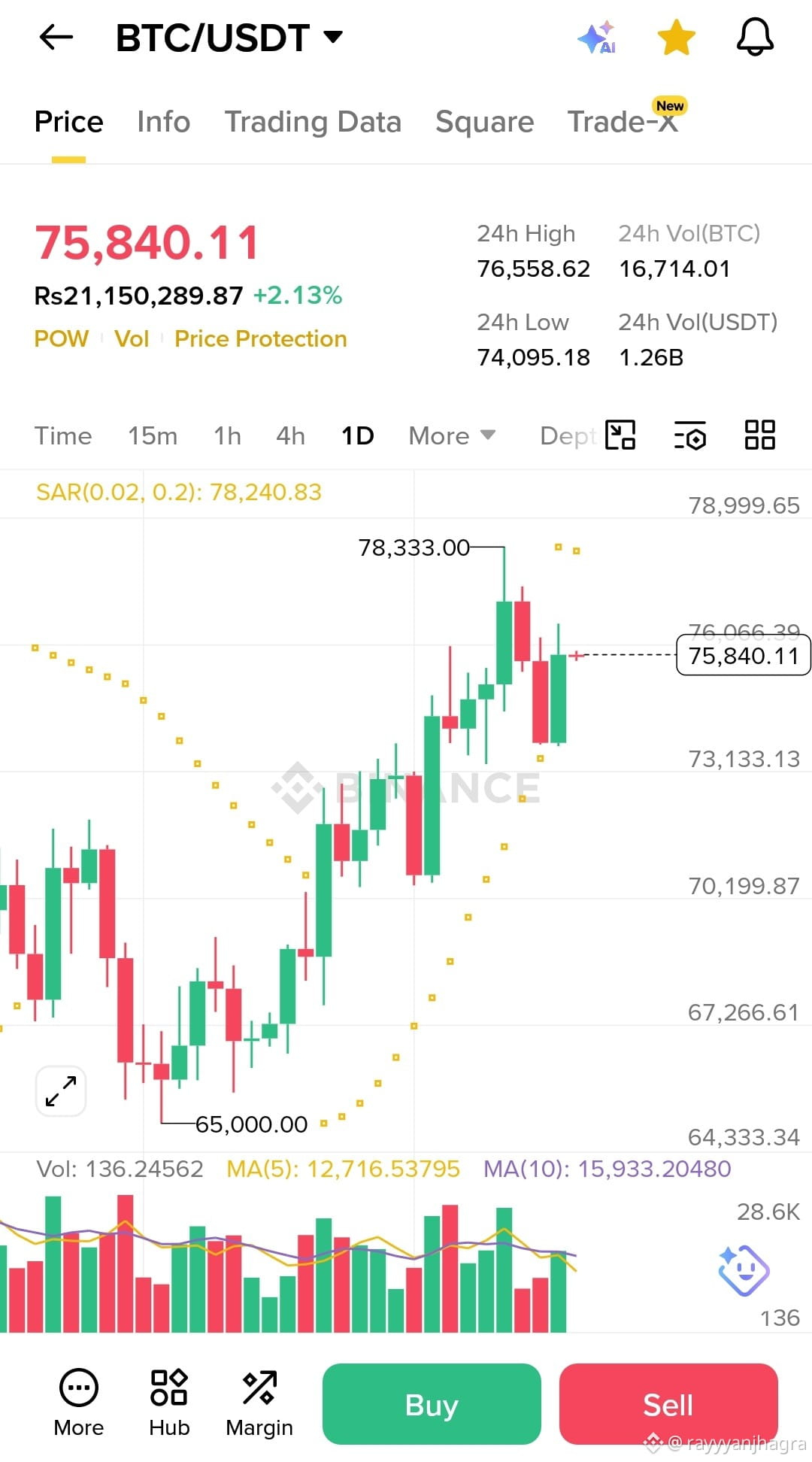
🪙 Bitcoin ($BTC ) – Einfacher Artikel
Bitcoin ($BTC ) ist die erste und beliebteste Kryptowährung der Welt, die 2009 von einer unbekannten Person oder Gruppe namens Satoshi Nakamoto geschaffen wurde. Es ist eine digitale Währung, die es Menschen ermöglicht, Geld online zu senden und zu empfangen, ohne Banken oder eine zentrale Autorität zu nutzen.
Bitcoin funktioniert mit einer Technologie namens Blockchain, die ein öffentliches Protokoll aller Transaktionen ist. Dieses System ist dezentralisiert, was bedeutet, dass keine Regierung oder Firma es kontrolliert. Stattdessen werden Transaktionen von Benutzern (Minern) mit leistungsstarken Computern verifiziert, die komplexe Probleme lösen.
Ein wichtiges Merkmal von Bitcoin ist sein begrenztes Angebot. Es können nur 21 Millionen Münzen existieren, was es im Laufe der Zeit rar und wertvoll macht. Aus diesem Grund betrachten viele Menschen Bitcoin als „digitales Gold“ und verwenden es sowohl für Investitionen als auch für Online-Zahlungen.
Bitcoin ist in den letzten Jahren massiv gewachsen und hat sehr hohe Preise erreicht, ist aber auch sehr volatil. Das bedeutet, dass sein Preis schnell steigen oder fallen kann, was es sowohl zu einer Gelegenheit als auch zu einem Risiko für Investoren macht.
Zusammenfassend lässt sich sagen, dass Bitcoin eine revolutionäre digitale Währung ist, die die Art und Weise verändert, wie Menschen über Geld denken. Es bietet Freiheit, Sicherheit und globalen Zugang, aber die Benutzer sollten die Risiken verstehen, bevor sie investieren.
#Bitcoin #BTC #crypto #blockchain #DigitalMoney
{spot}(BTCUSDT)
🪙 Bitcoin ($BTC ) – Einfacher Artikel
Bitcoin ($BTC ) ist die erste und beliebteste Kryptowährung der Welt, die 2009 von einer unbekannten Person oder Gruppe namens Satoshi Nakamoto geschaffen wurde. Es ist eine digitale Währung, die es Menschen ermöglicht, Geld online zu senden und zu empfangen, ohne Banken oder eine zentrale Autorität zu nutzen.
Bitcoin funktioniert mit einer Technologie namens Blockchain, die ein öffentliches Protokoll aller Transaktionen ist. Dieses System ist dezentralisiert, was bedeutet, dass keine Regierung oder Firma es kontrolliert. Stattdessen werden Transaktionen von Benutzern (Minern) mit leistungsstarken Computern verifiziert, die komplexe Probleme lösen.
Ein wichtiges Merkmal von Bitcoin ist sein begrenztes Angebot. Es können nur 21 Millionen Münzen existieren, was es im Laufe der Zeit rar und wertvoll macht. Aus diesem Grund betrachten viele Menschen Bitcoin als „digitales Gold“ und verwenden es sowohl für Investitionen als auch für Online-Zahlungen.
Bitcoin ist in den letzten Jahren massiv gewachsen und hat sehr hohe Preise erreicht, ist aber auch sehr volatil. Das bedeutet, dass sein Preis schnell steigen oder fallen kann, was es sowohl zu einer Gelegenheit als auch zu einem Risiko für Investoren macht.
Zusammenfassend lässt sich sagen, dass Bitcoin eine revolutionäre digitale Währung ist, die die Art und Weise verändert, wie Menschen über Geld denken. Es bietet Freiheit, Sicherheit und globalen Zugang, aber die Benutzer sollten die Risiken verstehen, bevor sie investieren.
#Bitcoin #BTC #crypto #blockchain #DigitalMoney
Bitcoin ($BTC ) ist die erste und beliebteste Kryptowährung der Welt, die 2009 von einer unbekannten Person oder Gruppe namens Satoshi Nakamoto geschaffen wurde. Es ist eine digitale Währung, die es Menschen ermöglicht, Geld online zu senden und zu empfangen, ohne Banken oder eine zentrale Autorität zu nutzen.
Bitcoin funktioniert mit einer Technologie namens Blockchain, die ein öffentliches Protokoll aller Transaktionen ist. Dieses System ist dezentralisiert, was bedeutet, dass keine Regierung oder Firma es kontrolliert. Stattdessen werden Transaktionen von Benutzern (Minern) mit leistungsstarken Computern verifiziert, die komplexe Probleme lösen.
Ein wichtiges Merkmal von Bitcoin ist sein begrenztes Angebot. Es können nur 21 Millionen Münzen existieren, was es im Laufe der Zeit rar und wertvoll macht. Aus diesem Grund betrachten viele Menschen Bitcoin als „digitales Gold“ und verwenden es sowohl für Investitionen als auch für Online-Zahlungen.
Bitcoin ist in den letzten Jahren massiv gewachsen und hat sehr hohe Preise erreicht, ist aber auch sehr volatil. Das bedeutet, dass sein Preis schnell steigen oder fallen kann, was es sowohl zu einer Gelegenheit als auch zu einem Risiko für Investoren macht.
Zusammenfassend lässt sich sagen, dass Bitcoin eine revolutionäre digitale Währung ist, die die Art und Weise verändert, wie Menschen über Geld denken. Es bietet Freiheit, Sicherheit und globalen Zugang, aber die Benutzer sollten die Risiken verstehen, bevor sie investieren.
#Bitcoin #BTC #crypto #blockchain #DigitalMoney
1
72

·
--
💰✨ Heute ein interessantes Krypto-Moment!
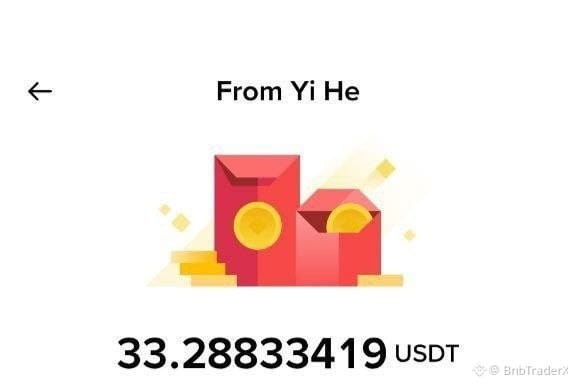
„Von Yi He“ wurden 33,28 USDT empfangen – in der Krypto-Welt ist jede Transaktion ein Signal für eine neue Gelegenheit 🚀
USDT ist ein Stablecoin, der dem Dollar entspricht, deshalb wird er für sichere und zuverlässige Transaktionen verwendet 💵
Aber denkt daran ⚠️
In der Krypto-Welt smart zu bleiben ist genauso wichtig wie Geld zu verdienen – vertrau nicht blind auf jeden Screenshot oder Nachricht ✔️
🔐 Sicher bleiben
📈 Clever bleiben
💡 Weiter lernen
#Crypto #USDT #Blockchain #DigitalMoney #CryptoAwareness
💰✨ Heute ein interessantes Krypto-Moment!
„Von Yi He“ wurden 33,28 USDT empfangen – in der Krypto-Welt ist jede Transaktion ein Signal für eine neue Gelegenheit 🚀
USDT ist ein Stablecoin, der dem Dollar entspricht, deshalb wird er für sichere und zuverlässige Transaktionen verwendet 💵
Aber denkt daran ⚠️
In der Krypto-Welt smart zu bleiben ist genauso wichtig wie Geld zu verdienen – vertrau nicht blind auf jeden Screenshot oder Nachricht ✔️
🔐 Sicher bleiben
📈 Clever bleiben
💡 Weiter lernen
#Crypto #USDT #Blockchain #DigitalMoney #CryptoAwareness
„Von Yi He“ wurden 33,28 USDT empfangen – in der Krypto-Welt ist jede Transaktion ein Signal für eine neue Gelegenheit 🚀
USDT ist ein Stablecoin, der dem Dollar entspricht, deshalb wird er für sichere und zuverlässige Transaktionen verwendet 💵
Aber denkt daran ⚠️
In der Krypto-Welt smart zu bleiben ist genauso wichtig wie Geld zu verdienen – vertrau nicht blind auf jeden Screenshot oder Nachricht ✔️
🔐 Sicher bleiben
📈 Clever bleiben
💡 Weiter lernen
#Crypto #USDT #Blockchain #DigitalMoney #CryptoAwareness
3
139

·
--
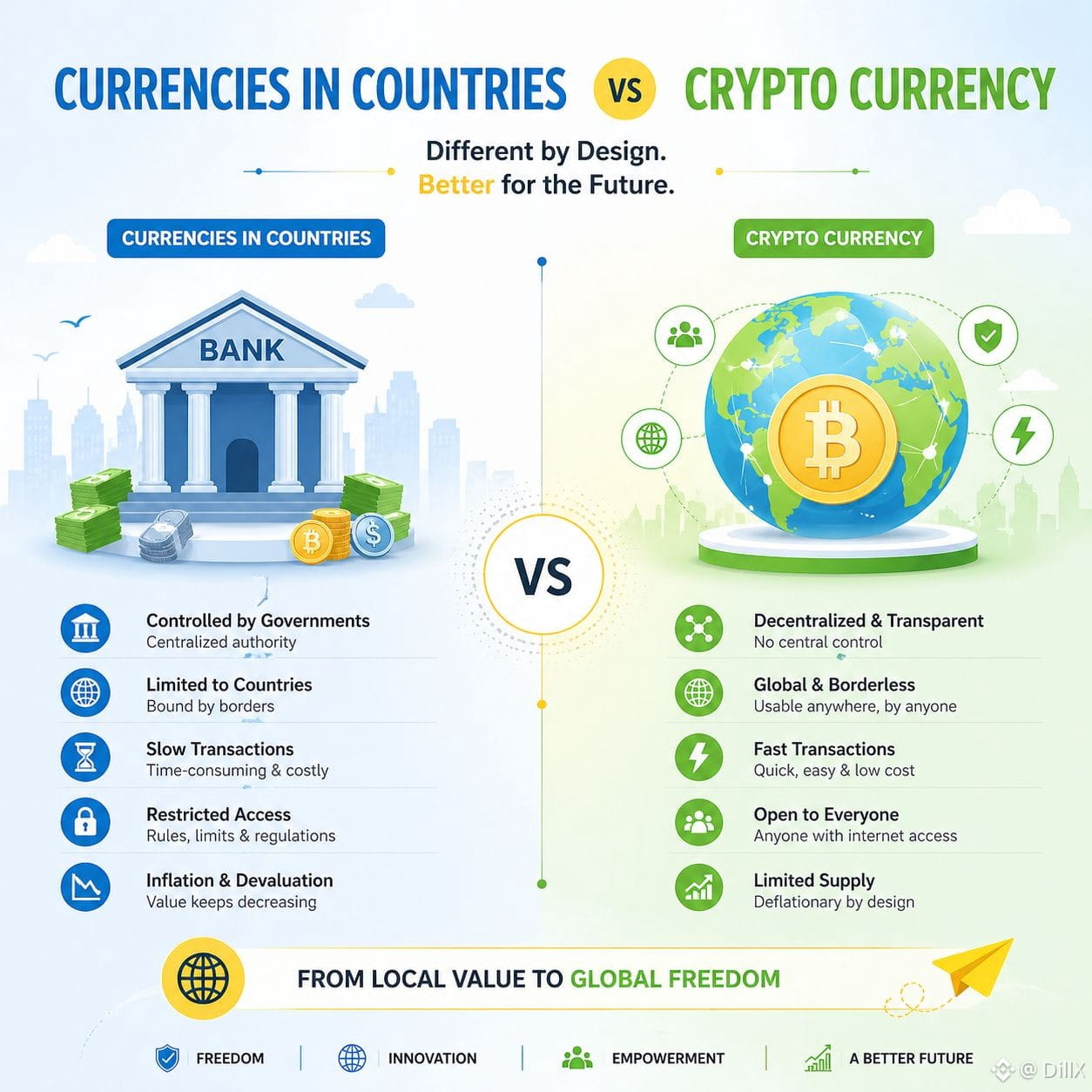
Grenzen schränken Geld ein… Krypto sprengt sie 🌍💸
$XRP
$BTC
$ETH
Währungen gehören zu Ländern 🏦
Krypto gehört zur Welt 🌐
Die eine ist kontrolliert, eingeschränkt und langsam ⏳
Die andere ist offen, grenzenlos und schnell ⚡
Von lokalem Wert ➡️ zu globaler Freiheit 🚀
Die Zukunft ist nicht nur Geld…
Es ist finanzielle Freiheit ohne Grenzen 💡✨
#CryptoRevolution #DigitalMoney #FutureFinance #NoBorders 💛
Grenzen schränken Geld ein… Krypto sprengt sie 🌍💸
$XRP
$BTC
$ETH
Währungen gehören zu Ländern 🏦
Krypto gehört zur Welt 🌐
Die eine ist kontrolliert, eingeschränkt und langsam ⏳
Die andere ist offen, grenzenlos und schnell ⚡
Von lokalem Wert ➡️ zu globaler Freiheit 🚀
Die Zukunft ist nicht nur Geld…
Es ist finanzielle Freiheit ohne Grenzen 💡✨
#CryptoRevolution #DigitalMoney #FutureFinance #NoBorders 💛
$XRP
$BTC
$ETH
Währungen gehören zu Ländern 🏦
Krypto gehört zur Welt 🌐
Die eine ist kontrolliert, eingeschränkt und langsam ⏳
Die andere ist offen, grenzenlos und schnell ⚡
Von lokalem Wert ➡️ zu globaler Freiheit 🚀
Die Zukunft ist nicht nur Geld…
Es ist finanzielle Freiheit ohne Grenzen 💡✨
#CryptoRevolution #DigitalMoney #FutureFinance #NoBorders 💛
1
127
Anmelden und weiter Inhalte entdecken
Krypto-Nutzer weltweit auf Binance Square kennenlernen
⚡️ Bleib in Sachen Krypto stets am Puls.
💬 Die weltgrößte Kryptobörse vertraut darauf.
👍 Erhalte verlässliche Einblicke von verifizierten Creators.
E-Mail-Adresse/Telefonnummer
Trendthemen
1
#CPIWatch
87.2M Aufrufe
503,606 Kommentare
2
#EtherRalliesAsBearishBetsLiquidate
7,940 Aufrufe
256 Kommentare
3
#EthereumHits$2600FirstTimeInSevenMonths
1,481 Aufrufe
30 Kommentare
4
#OpticalCommsStocksRallyOver3%
4,573 Aufrufe
112 Kommentare
5
#USInflationHoldsAt3.4%InAugust
7,071 Aufrufe
130 Kommentare
6
#CircleProposes$400MTazapayAcquisition
1,044 Aufrufe
22 Kommentare
7
#BitcoinReboundsAbove$79KAfterCPI
5,875 Aufrufe
148 Kommentare
8
#BNBTops730USDT
44,561 Aufrufe
1,005 Kommentare
9
#BitcoinOpenInterestShareRisesTo42.1%
30,141 Aufrufe
609 Kommentare
10
#OpenAILaunchesAgentsAPIPublicBeta
22,025 Aufrufe
388 Kommentare