
#beginnersguide
beginnersguide
677,837 Aufrufe
1,289 Kommentare
Hot
Zuletzt

·
--
Bullisch
Übersetzung ansehen
🚨 أهم 5 نصائح ذهبية لكل مبتدئ في عالم الكريبتو! 🧠👇
إذا كنت قد بدأت رحلتك حديثاً في سوق العملات الرقمية، إليك الأساسيات التي ستجنبك الخسائر وتساعدك على النجاح:
1️⃣ لا تستثمر إلا ما تستطيع تحمله:
السوق متقلب جداً! لا تجازف بالأموال التي تحتاجها لمعيشتك اليومية.
2️⃣ تعلم إدارة المخاطر (Risk Management):
استخدم دائماً أمر "إيقاف الخسارة" (Stop Loss) ولا تضع أكثر من 2% إلى 5% من رأس مالك في صفقة واحدة.
3️⃣ تجنب الخوف من تفويت الفرص (FOMO):
عندما ترى عملة ترتفع بشكل حاد، لا تقفز للشراء فوراً! انتظر دائماً مناطق التصحيح.
4️⃣ قم ببحثك الخاص (DYOR):
لا تتبع النصائح العشوائية في وسائل التواصل. افهم المشروع، تقنيته، والقيمة التي يقدمها قبل الاستثمار.
5️⃣ التنوع هو الأمان:
وزع محفظتك الاستثمارية بين العملات القوية والقيادية مثل $BTC و $BNB والعملات المستقرة $USDC لحماية رأس مالك.
💬 شاركونا في التعليقات: ما هي أهم نصيحة تعلمتها منذ دخولك هذا المجال؟ 👇
#Write2Earn #BinanceSquare #CryptoTips #BTC #BNB #BeginnersGuide
{spot}(BTCUSDT)
🚨 أهم 5 نصائح ذهبية لكل مبتدئ في عالم الكريبتو! 🧠👇
إذا كنت قد بدأت رحلتك حديثاً في سوق العملات الرقمية، إليك الأساسيات التي ستجنبك الخسائر وتساعدك على النجاح:
1️⃣ لا تستثمر إلا ما تستطيع تحمله:
السوق متقلب جداً! لا تجازف بالأموال التي تحتاجها لمعيشتك اليومية.
2️⃣ تعلم إدارة المخاطر (Risk Management):
استخدم دائماً أمر "إيقاف الخسارة" (Stop Loss) ولا تضع أكثر من 2% إلى 5% من رأس مالك في صفقة واحدة.
3️⃣ تجنب الخوف من تفويت الفرص (FOMO):
عندما ترى عملة ترتفع بشكل حاد، لا تقفز للشراء فوراً! انتظر دائماً مناطق التصحيح.
4️⃣ قم ببحثك الخاص (DYOR):
لا تتبع النصائح العشوائية في وسائل التواصل. افهم المشروع، تقنيته، والقيمة التي يقدمها قبل الاستثمار.
5️⃣ التنوع هو الأمان:
وزع محفظتك الاستثمارية بين العملات القوية والقيادية مثل $BTC و $BNB والعملات المستقرة $USDC لحماية رأس مالك.
💬 شاركونا في التعليقات: ما هي أهم نصيحة تعلمتها منذ دخولك هذا المجال؟ 👇
#Write2Earn #BinanceSquare #CryptoTips #BTC #BNB #BeginnersGuide
إذا كنت قد بدأت رحلتك حديثاً في سوق العملات الرقمية، إليك الأساسيات التي ستجنبك الخسائر وتساعدك على النجاح:
1️⃣ لا تستثمر إلا ما تستطيع تحمله:
السوق متقلب جداً! لا تجازف بالأموال التي تحتاجها لمعيشتك اليومية.
2️⃣ تعلم إدارة المخاطر (Risk Management):
استخدم دائماً أمر "إيقاف الخسارة" (Stop Loss) ولا تضع أكثر من 2% إلى 5% من رأس مالك في صفقة واحدة.
3️⃣ تجنب الخوف من تفويت الفرص (FOMO):
عندما ترى عملة ترتفع بشكل حاد، لا تقفز للشراء فوراً! انتظر دائماً مناطق التصحيح.
4️⃣ قم ببحثك الخاص (DYOR):
لا تتبع النصائح العشوائية في وسائل التواصل. افهم المشروع، تقنيته، والقيمة التي يقدمها قبل الاستثمار.
5️⃣ التنوع هو الأمان:
وزع محفظتك الاستثمارية بين العملات القوية والقيادية مثل $BTC و $BNB والعملات المستقرة $USDC لحماية رأس مالك.
💬 شاركونا في التعليقات: ما هي أهم نصيحة تعلمتها منذ دخولك هذا المجال؟ 👇
#Write2Earn #BinanceSquare #CryptoTips #BTC #BNB #BeginnersGuide
4
469

·
--
Erfolg auf dem Krypto-Markt beginnt mit einer entscheidenden Eigenschaft: Geduld. Wer versucht, über Nacht reich zu werden, wird nur Verluste ernten. 📉
Ein paar schnelle Tipps für Einsteiger:
Kaufe keine Coins blind aufgrund der Worte anderer – mach immer deine eigene Recherche (DYOR).
Starte mit einem kleinen Kapital und beherrsche das Risikomanagement.
Kontrolliere deine Gier und lerne, dich mit kleinen Gewinnen zufriedenzustellen.
Mit welcher Coin hast du deine Krypto-Reise begonnen? Lass es mich in den Kommentaren wissen! 👇
#BinanceSquare #CryptoTips #CryptoEducation #Beginnersguide
Erfolg auf dem Krypto-Markt beginnt mit einer entscheidenden Eigenschaft: Geduld. Wer versucht, über Nacht reich zu werden, wird nur Verluste ernten. 📉
Ein paar schnelle Tipps für Einsteiger:
Kaufe keine Coins blind aufgrund der Worte anderer – mach immer deine eigene Recherche (DYOR).
Starte mit einem kleinen Kapital und beherrsche das Risikomanagement.
Kontrolliere deine Gier und lerne, dich mit kleinen Gewinnen zufriedenzustellen.
Mit welcher Coin hast du deine Krypto-Reise begonnen? Lass es mich in den Kommentaren wissen! 👇
#BinanceSquare #CryptoTips #CryptoEducation #Beginnersguide
Ein paar schnelle Tipps für Einsteiger:
Kaufe keine Coins blind aufgrund der Worte anderer – mach immer deine eigene Recherche (DYOR).
Starte mit einem kleinen Kapital und beherrsche das Risikomanagement.
Kontrolliere deine Gier und lerne, dich mit kleinen Gewinnen zufriedenzustellen.
Mit welcher Coin hast du deine Krypto-Reise begonnen? Lass es mich in den Kommentaren wissen! 👇
#BinanceSquare #CryptoTips #CryptoEducation #Beginnersguide
64

·
--
Leitfaden für Anfänger: bStocks, TradFi und Binance Earn:
Drei Grundkonzepte in einfachen Worten:
TradFi: Das traditionelle Bankensystem (Aktien, Anleihen, Aktienmärkte).
bStocks: Tokenisierte Aktien (Apple, Tesla, S&P 500), die man mit Stablecoins ohne ausländische Broker kaufen kann.
Binance Earn: Krypto-Einlagen. Freie Mittel in Simple Earn bringen täglich Zinsen statt untätig auf dem Konto zu liegen.
Schneller Start: Halten Sie eine Reserve in Simple Earn mit täglichem APR, und für die Diversifizierung fügen Sie Anteile klassischer Unternehmen über bStocks hinzu.
#BinanceEarn #bStocks #TradFi #BeginnersGuide
Leitfaden für Anfänger: bStocks, TradFi und Binance Earn:
Drei Grundkonzepte in einfachen Worten:
TradFi: Das traditionelle Bankensystem (Aktien, Anleihen, Aktienmärkte).
bStocks: Tokenisierte Aktien (Apple, Tesla, S&P 500), die man mit Stablecoins ohne ausländische Broker kaufen kann.
Binance Earn: Krypto-Einlagen. Freie Mittel in Simple Earn bringen täglich Zinsen statt untätig auf dem Konto zu liegen.
Schneller Start: Halten Sie eine Reserve in Simple Earn mit täglichem APR, und für die Diversifizierung fügen Sie Anteile klassischer Unternehmen über bStocks hinzu.
#BinanceEarn #bStocks #TradFi #BeginnersGuide
Drei Grundkonzepte in einfachen Worten:
TradFi: Das traditionelle Bankensystem (Aktien, Anleihen, Aktienmärkte).
bStocks: Tokenisierte Aktien (Apple, Tesla, S&P 500), die man mit Stablecoins ohne ausländische Broker kaufen kann.
Binance Earn: Krypto-Einlagen. Freie Mittel in Simple Earn bringen täglich Zinsen statt untätig auf dem Konto zu liegen.
Schneller Start: Halten Sie eine Reserve in Simple Earn mit täglichem APR, und für die Diversifizierung fügen Sie Anteile klassischer Unternehmen über bStocks hinzu.
#BinanceEarn #bStocks #TradFi #BeginnersGuide
66

·
--
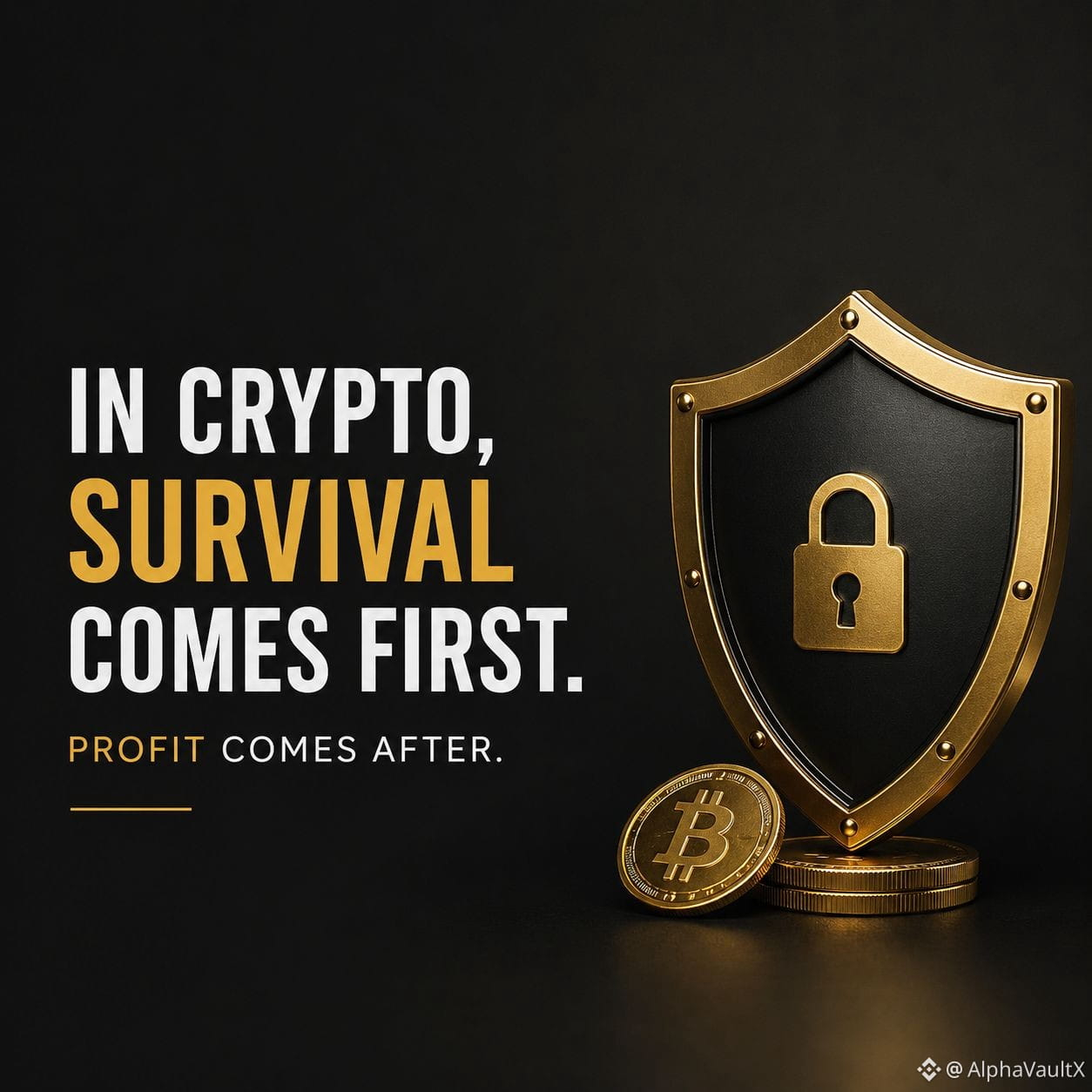
🚨 Bist du neu bei Krypto? Dein erstes Ziel sollte das Überleben sein, bevor du anfängst, Pumps hinterherzulaufen – lerne diese Dinge:
💥 Wie Spot- und Futures-Handel funktioniert
💥 Wie Leverage ein kleines Konto zerstören kann
💥 Positionsgröße
💥 Stop-Losses und Risikomanagement
💥 Wie man eine Recherche über einen bestimmten Token macht, bevor man kauft
💥 Wie man FOMO erkennt und emotionale Trades vermeidet
📌 Du musst nicht jeden Pump erwischen und du musst nicht den ganzen Tag und jeden Tag handeln.
Dein erster Erfolg in Krypto sollte darin bestehen zu lernen, wie man kein Geld verliert.
Beherrsche zuerst die Grundlagen, vertrau mir – Profit kommt danach.
$SOL $BTC $ETH
#Beginnersguide
#cryptoeducation
#RiskManagement
🚨 Bist du neu bei Krypto? Dein erstes Ziel sollte das Überleben sein, bevor du anfängst, Pumps hinterherzulaufen – lerne diese Dinge:
💥 Wie Spot- und Futures-Handel funktioniert
💥 Wie Leverage ein kleines Konto zerstören kann
💥 Positionsgröße
💥 Stop-Losses und Risikomanagement
💥 Wie man eine Recherche über einen bestimmten Token macht, bevor man kauft
💥 Wie man FOMO erkennt und emotionale Trades vermeidet
📌 Du musst nicht jeden Pump erwischen und du musst nicht den ganzen Tag und jeden Tag handeln.
Dein erster Erfolg in Krypto sollte darin bestehen zu lernen, wie man kein Geld verliert.
Beherrsche zuerst die Grundlagen, vertrau mir – Profit kommt danach.
$SOL $BTC $ETH
#Beginnersguide
#cryptoeducation
#RiskManagement
💥 Wie Spot- und Futures-Handel funktioniert
💥 Wie Leverage ein kleines Konto zerstören kann
💥 Positionsgröße
💥 Stop-Losses und Risikomanagement
💥 Wie man eine Recherche über einen bestimmten Token macht, bevor man kauft
💥 Wie man FOMO erkennt und emotionale Trades vermeidet
📌 Du musst nicht jeden Pump erwischen und du musst nicht den ganzen Tag und jeden Tag handeln.
Dein erster Erfolg in Krypto sollte darin bestehen zu lernen, wie man kein Geld verliert.
Beherrsche zuerst die Grundlagen, vertrau mir – Profit kommt danach.
$SOL $BTC $ETH
#Beginnersguide
#cryptoeducation
#RiskManagement
112

·
--

Artikel
Der ultimative Leitfaden für Einsteiger im Krypto-Trading: 12 Strategien, an denen du wirklich dranbleiben kannstKrypto-Trading wirkt von außen aufregend: große grüne Kerzen, Overnight-Pumps und Screenshots von „lebenverändernden Gewinnen“. In Wahrheit verlieren die meisten Einsteiger kein Geld, weil der Markt schlecht ist, sondern weil sie ohne Strategie, ohne Risikoregeln und mit viel zu viel Emotionen einsteigen.
Wenn du gerade erst anfängst, ist dein Ziel nicht, schnell reich zu werden. Dein Ziel ist es, lange genug zu überleben, um zu lernen, Fähigkeiten aufzubauen und dein Kapital mit der Zeit wachsen zu lassen. Dieser Leitfaden zeigt dir 12 praktische Strategien, die du schon ab dem ersten Tag nutzen kannst – ohne dich in Fachjargon oder Hype zu verheddern.
Der ultimative Leitfaden für Einsteiger im Krypto-Trading: 12 Strategien, an denen du wirklich dranbleiben kannst
Krypto-Trading wirkt von außen aufregend: große grüne Kerzen, Overnight-Pumps und Screenshots von „lebenverändernden Gewinnen“. In Wahrheit verlieren die meisten Einsteiger kein Geld, weil der Markt schlecht ist, sondern weil sie ohne Strategie, ohne Risikoregeln und mit viel zu viel Emotionen einsteigen.
Wenn du gerade erst anfängst, ist dein Ziel nicht, schnell reich zu werden. Dein Ziel ist es, lange genug zu überleben, um zu lernen, Fähigkeiten aufzubauen und dein Kapital mit der Zeit wachsen zu lassen. Dieser Leitfaden zeigt dir 12 praktische Strategien, die du schon ab dem ersten Tag nutzen kannst – ohne dich in Fachjargon oder Hype zu verheddern.
Wenn du gerade erst anfängst, ist dein Ziel nicht, schnell reich zu werden. Dein Ziel ist es, lange genug zu überleben, um zu lernen, Fähigkeiten aufzubauen und dein Kapital mit der Zeit wachsen zu lassen. Dieser Leitfaden zeigt dir 12 praktische Strategien, die du schon ab dem ersten Tag nutzen kannst – ohne dich in Fachjargon oder Hype zu verheddern.
95

🧠 Beitrag 5 — Anfänger-Trading-Tipp
Neu im Krypto-Trading? Fang hier an 👇
1️⃣ Lerne grundlegende technische Analyse
2️⃣ Verstehe Risikomanagement
3️⃣ Starte mit kleinen Positionen
4️⃣ Vermeide übermäßigen Leverage
5️⃣ Führe ein Trading-Journal
6️⃣ Triff niemals Entscheidungen, die nur auf dem Call anderer basieren
Dein Ziel ist nicht, bei jedem Trade zu gewinnen. Dein Ziel ist, durchzuhalten und besser zu werden. 📚📈
#Beginnersguide #LearnTogether
🧠 Beitrag 5 — Anfänger-Trading-Tipp
Neu im Krypto-Trading? Fang hier an 👇
1️⃣ Lerne grundlegende technische Analyse
2️⃣ Verstehe Risikomanagement
3️⃣ Starte mit kleinen Positionen
4️⃣ Vermeide übermäßigen Leverage
5️⃣ Führe ein Trading-Journal
6️⃣ Triff niemals Entscheidungen, die nur auf dem Call anderer basieren
Dein Ziel ist nicht, bei jedem Trade zu gewinnen. Dein Ziel ist, durchzuhalten und besser zu werden. 📚📈
#Beginnersguide #LearnTogether
Neu im Krypto-Trading? Fang hier an 👇
1️⃣ Lerne grundlegende technische Analyse
2️⃣ Verstehe Risikomanagement
3️⃣ Starte mit kleinen Positionen
4️⃣ Vermeide übermäßigen Leverage
5️⃣ Führe ein Trading-Journal
6️⃣ Triff niemals Entscheidungen, die nur auf dem Call anderer basieren
Dein Ziel ist nicht, bei jedem Trade zu gewinnen. Dein Ziel ist, durchzuhalten und besser zu werden. 📚📈
#Beginnersguide #LearnTogether
77

Die 3 größten Crypto-Fehler, die Anfänger vermeiden müssen! 🛑👇
Wenn du neu in der Krypto-Welt bist, können diese Fehler dein Wallet sofort leeren. Schütze deine Gelder, indem du Folgendes vermeidest:
1. Verfolgen von "Schnell-Reich-Werden"-Plänen 🏃♂️💨
Krypto ist kein Zaubertrick. Wenn dir jemand verspricht, dein Geld innerhalb eines Tages zu verdoppeln, ist das zu 100% ein Betrug. Konzentriere dich auf Lernen, nicht auf Glück in der Nacht!
2. Trading ohne Plan (FOMO) 📉
Eine Münze nur zu kaufen, weil sie grün ist oder alle darüber reden, ist eine große Falle. Investiere niemals Geld, das du dir nicht leisten kannst zu verlieren.
3. Ignorieren der Wallet-Sicherheit 🔒
Teile niemals deine Seed-Phrase oder OTP mit jemandem. Aktiviere immer Tools wie Anti-Phishing-Codes in deinem Binance-Konto, um deine E-Mails vor Hackern zu schützen.
Setze immer auf Bildung statt auf Spekulation! 📚💡
#Beginnersguide #BinanceSq$uare #cryptotrading #SpaceXIPOUSStocksOpenHigher #SpaceXIPOUSStocksOpenHigher
Die 3 größten Crypto-Fehler, die Anfänger vermeiden müssen! 🛑👇
Wenn du neu in der Krypto-Welt bist, können diese Fehler dein Wallet sofort leeren. Schütze deine Gelder, indem du Folgendes vermeidest:
1. Verfolgen von "Schnell-Reich-Werden"-Plänen 🏃♂️💨
Krypto ist kein Zaubertrick. Wenn dir jemand verspricht, dein Geld innerhalb eines Tages zu verdoppeln, ist das zu 100% ein Betrug. Konzentriere dich auf Lernen, nicht auf Glück in der Nacht!
2. Trading ohne Plan (FOMO) 📉
Eine Münze nur zu kaufen, weil sie grün ist oder alle darüber reden, ist eine große Falle. Investiere niemals Geld, das du dir nicht leisten kannst zu verlieren.
3. Ignorieren der Wallet-Sicherheit 🔒
Teile niemals deine Seed-Phrase oder OTP mit jemandem. Aktiviere immer Tools wie Anti-Phishing-Codes in deinem Binance-Konto, um deine E-Mails vor Hackern zu schützen.
Setze immer auf Bildung statt auf Spekulation! 📚💡
#Beginnersguide #BinanceSq$uare #cryptotrading #SpaceXIPOUSStocksOpenHigher #SpaceXIPOUSStocksOpenHigher
Wenn du neu in der Krypto-Welt bist, können diese Fehler dein Wallet sofort leeren. Schütze deine Gelder, indem du Folgendes vermeidest:
1. Verfolgen von "Schnell-Reich-Werden"-Plänen 🏃♂️💨
Krypto ist kein Zaubertrick. Wenn dir jemand verspricht, dein Geld innerhalb eines Tages zu verdoppeln, ist das zu 100% ein Betrug. Konzentriere dich auf Lernen, nicht auf Glück in der Nacht!
2. Trading ohne Plan (FOMO) 📉
Eine Münze nur zu kaufen, weil sie grün ist oder alle darüber reden, ist eine große Falle. Investiere niemals Geld, das du dir nicht leisten kannst zu verlieren.
3. Ignorieren der Wallet-Sicherheit 🔒
Teile niemals deine Seed-Phrase oder OTP mit jemandem. Aktiviere immer Tools wie Anti-Phishing-Codes in deinem Binance-Konto, um deine E-Mails vor Hackern zu schützen.
Setze immer auf Bildung statt auf Spekulation! 📚💡
#Beginnersguide #BinanceSq$uare #cryptotrading #SpaceXIPOUSStocksOpenHigher #SpaceXIPOUSStocksOpenHigher
169

Kryptowährung ist die Zukunft der digitalen Finanzen 🌐📈
Der Einstieg in den Krypto-Handel ist einfach, wenn du die Grundlagen lernst: 💰 Bitcoin & Ethereum für Anfänger
🔐 Sichere Wallets für Sicherheit
📊 Smarte Handelsstrategien
⚡ Schnelle und dezentrale Transaktionen
Starte klein, lerne täglich und handle weise.
Erfolg kommt mit Geduld und Wissen 🚀
#Krypto #Bitcoin #Ethereum #Handel #Beginnersguide Trader #CryptoTrading
Kryptowährung ist die Zukunft der digitalen Finanzen 🌐📈
Der Einstieg in den Krypto-Handel ist einfach, wenn du die Grundlagen lernst: 💰 Bitcoin & Ethereum für Anfänger
🔐 Sichere Wallets für Sicherheit
📊 Smarte Handelsstrategien
⚡ Schnelle und dezentrale Transaktionen
Starte klein, lerne täglich und handle weise.
Erfolg kommt mit Geduld und Wissen 🚀
#Krypto #Bitcoin #Ethereum #Handel #Beginnersguide Trader #CryptoTrading
Der Einstieg in den Krypto-Handel ist einfach, wenn du die Grundlagen lernst: 💰 Bitcoin & Ethereum für Anfänger
🔐 Sichere Wallets für Sicherheit
📊 Smarte Handelsstrategien
⚡ Schnelle und dezentrale Transaktionen
Starte klein, lerne täglich und handle weise.
Erfolg kommt mit Geduld und Wissen 🚀
#Krypto #Bitcoin #Ethereum #Handel #Beginnersguide Trader #CryptoTrading
1
164

Niemand bringt das Anfängern bei
Alle geben Motivation…
aber nur sehr wenige erklären, wo man tatsächlich BEGINNEN soll.
Die meisten Anfänger springen ins Trading, ohne zuerst die Grundlagen zu verstehen. Deshalb verlieren viele früh Geld und hören zu schnell auf.
Um ein disziplinierter Trader zu werden, musst du diese Grundlagen Schritt für Schritt verstehen:
• Futures & Optionen
• Candlestick
• Chartmuster
• Preisaktion
• Breakout & Breakdown
• Technische Analyse
• On-Chain-Analyse
• Volumen
• Indikator
• Risikomanagement
• Handelsstrategien
• Trading-Psychologie
Diese Konzepte zu meistern kann die Art und Weise, wie du den Markt siehst, komplett verändern.
Und dein Kumpel ist hier, um dir alles beizubringen — von den Grundlagen bis zu den fortgeschrittenen Techniken. 🚀
Und ja… das alles kostenlos.
#Beginnersguide
#Candlestick
#PriceAction
#cryptouniverseofficial
Niemand bringt das Anfängern bei
Alle geben Motivation…
aber nur sehr wenige erklären, wo man tatsächlich BEGINNEN soll.
Die meisten Anfänger springen ins Trading, ohne zuerst die Grundlagen zu verstehen. Deshalb verlieren viele früh Geld und hören zu schnell auf.
Um ein disziplinierter Trader zu werden, musst du diese Grundlagen Schritt für Schritt verstehen:
• Futures & Optionen
• Candlestick
• Chartmuster
• Preisaktion
• Breakout & Breakdown
• Technische Analyse
• On-Chain-Analyse
• Volumen
• Indikator
• Risikomanagement
• Handelsstrategien
• Trading-Psychologie
Diese Konzepte zu meistern kann die Art und Weise, wie du den Markt siehst, komplett verändern.
Und dein Kumpel ist hier, um dir alles beizubringen — von den Grundlagen bis zu den fortgeschrittenen Techniken. 🚀
Und ja… das alles kostenlos.
#Beginnersguide
#Candlestick
#PriceAction
#cryptouniverseofficial
Alle geben Motivation…
aber nur sehr wenige erklären, wo man tatsächlich BEGINNEN soll.
Die meisten Anfänger springen ins Trading, ohne zuerst die Grundlagen zu verstehen. Deshalb verlieren viele früh Geld und hören zu schnell auf.
Um ein disziplinierter Trader zu werden, musst du diese Grundlagen Schritt für Schritt verstehen:
• Futures & Optionen
• Candlestick
• Chartmuster
• Preisaktion
• Breakout & Breakdown
• Technische Analyse
• On-Chain-Analyse
• Volumen
• Indikator
• Risikomanagement
• Handelsstrategien
• Trading-Psychologie
Diese Konzepte zu meistern kann die Art und Weise, wie du den Markt siehst, komplett verändern.
Und dein Kumpel ist hier, um dir alles beizubringen — von den Grundlagen bis zu den fortgeschrittenen Techniken. 🚀
Und ja… das alles kostenlos.
#Beginnersguide
#Candlestick
#PriceAction
#cryptouniverseofficial
152

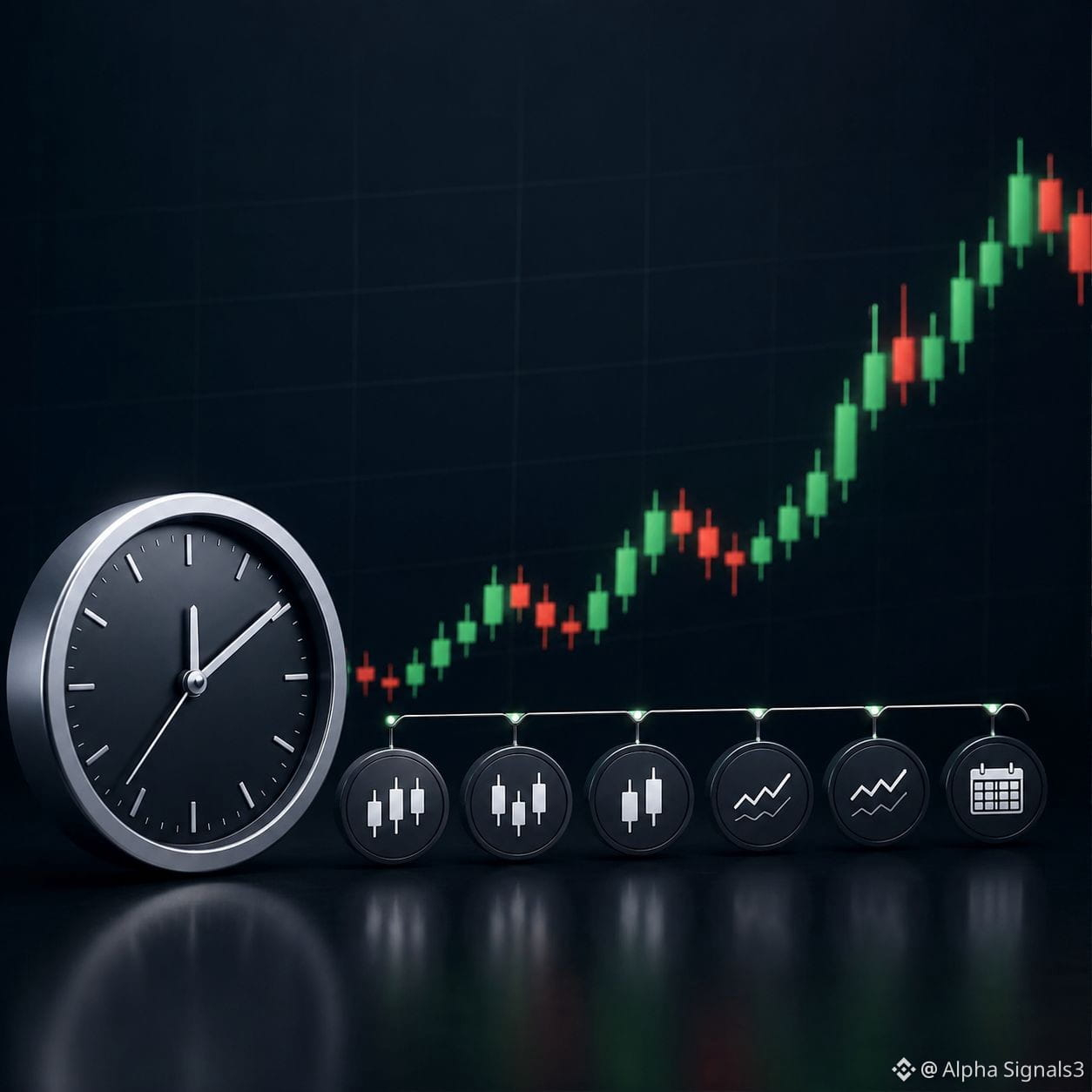
Was ist ein Timeframe?
Ein Timeframe zeigt, wie lange die Informationen einer Kerze (candlestick) sind.
📊 Häufige Timeframes:
🔹 1 Minute (1m)
🔹 5 Minuten (5m)
🔹 15 Minuten (15m)
🔹 1 Stunde (1H)
🔹 4 Stunden (4H)
🔹 1 Tag (1D)
Beispiel: Wenn du einen 1H Timeframe verwendest, zeigt jede Kerze die Preisbewegung über eine Stunde an.
💡 Für Anfänger ist es einfacher, den 1H und 4H Timeframe zu verstehen.
#trading #timeframe #Beginnersguide
$TSLAB $NVDAB
{spot}(NVDABUSDT)
{spot}(TSLABUSDT)
Was ist ein Timeframe?
Ein Timeframe zeigt, wie lange die Informationen einer Kerze (candlestick) sind.
📊 Häufige Timeframes:
🔹 1 Minute (1m)
🔹 5 Minuten (5m)
🔹 15 Minuten (15m)
🔹 1 Stunde (1H)
🔹 4 Stunden (4H)
🔹 1 Tag (1D)
Beispiel: Wenn du einen 1H Timeframe verwendest, zeigt jede Kerze die Preisbewegung über eine Stunde an.
💡 Für Anfänger ist es einfacher, den 1H und 4H Timeframe zu verstehen.
#trading #timeframe #Beginnersguide
$TSLAB $NVDAB
Ein Timeframe zeigt, wie lange die Informationen einer Kerze (candlestick) sind.
📊 Häufige Timeframes:
🔹 1 Minute (1m)
🔹 5 Minuten (5m)
🔹 15 Minuten (15m)
🔹 1 Stunde (1H)
🔹 4 Stunden (4H)
🔹 1 Tag (1D)
Beispiel: Wenn du einen 1H Timeframe verwendest, zeigt jede Kerze die Preisbewegung über eine Stunde an.
💡 Für Anfänger ist es einfacher, den 1H und 4H Timeframe zu verstehen.
#trading #timeframe #Beginnersguide
$TSLAB $NVDAB
100

Artikel
3 Goldene Regeln, die jeder Anfänger kennen muss, bevor er tradet!Wenn du neu in der Krypto-Welt bist, willkommen! Es ist eine spannende Reise, aber sie kann auch überwältigend sein. Mit Tausenden von Coins und unaufhörlichen Marktbewegungen ist es leicht, Geld zu verlieren, wenn du keinen Plan hast.
Um dir einen sicheren Start auf Binance zu ermöglichen, hier sind 3 goldene Regeln, an die sich jeder Anfänger halten sollte:
1. DYOR (Do Your Own Research) 🔍
Kaufe niemals einen Coin nur, weil dir jemand in den sozialen Medien gesagt hat, dass er zum Mond fliegen wird. Bevor du dein hart verdientes Geld investierst, frag dich:
3 Goldene Regeln, die jeder Anfänger kennen muss, bevor er tradet!
Wenn du neu in der Krypto-Welt bist, willkommen! Es ist eine spannende Reise, aber sie kann auch überwältigend sein. Mit Tausenden von Coins und unaufhörlichen Marktbewegungen ist es leicht, Geld zu verlieren, wenn du keinen Plan hast.
Um dir einen sicheren Start auf Binance zu ermöglichen, hier sind 3 goldene Regeln, an die sich jeder Anfänger halten sollte:
1. DYOR (Do Your Own Research) 🔍
Kaufe niemals einen Coin nur, weil dir jemand in den sozialen Medien gesagt hat, dass er zum Mond fliegen wird. Bevor du dein hart verdientes Geld investierst, frag dich:
Um dir einen sicheren Start auf Binance zu ermöglichen, hier sind 3 goldene Regeln, an die sich jeder Anfänger halten sollte:
1. DYOR (Do Your Own Research) 🔍
Kaufe niemals einen Coin nur, weil dir jemand in den sozialen Medien gesagt hat, dass er zum Mond fliegen wird. Bevor du dein hart verdientes Geld investierst, frag dich:
130

·
--
Artikel
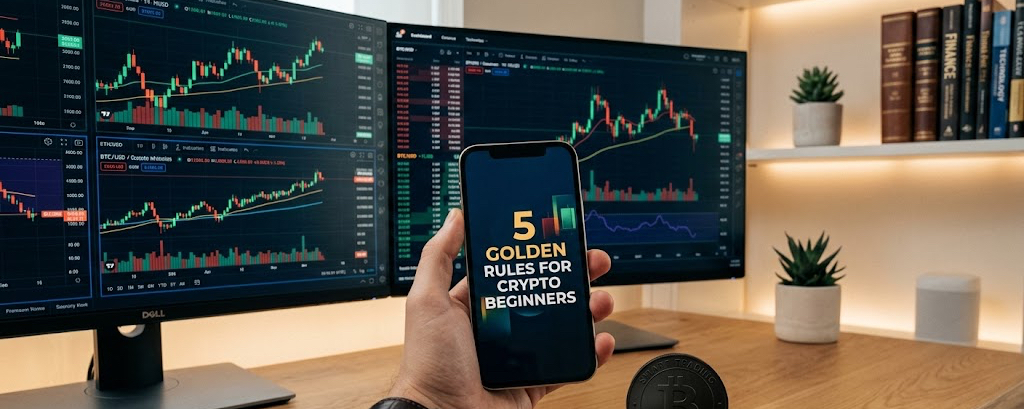
🚀 Der ultimative Anfängerleitfaden: 5 Regeln für smartes Krypto-TradingWillkommen in der aufregenden Welt des Krypto-Tradings! Egal, ob du ganz neu in diesem Bereich bist oder eine bessere Grundlage schaffen möchtest, Trading kann eine lohnende Reise sein, wenn es richtig gemacht wird. Der Markt kann jedoch extrem volatil sein, und ohne Plan einzusteigen, führt oft zu unnötigem Stress und Verlusten. [[1](https://www.binance.com/en/square/post/24638330228449)]
Hier sind die 5 goldenen Regeln, die jeder Anfänger wissen sollte, bevor er seinen ersten Trade platziert: [[1](https://www.binance.com/en/square/post/28302229858698), [2](https://www.binance.com/en-IN/square/post/32455568132546)]
1. Die goldene Regel: Investiere nur, was du dir leisten kannst zu verlieren 💰
🚀 Der ultimative Anfängerleitfaden: 5 Regeln für smartes Krypto-Trading
Willkommen in der aufregenden Welt des Krypto-Tradings! Egal, ob du ganz neu in diesem Bereich bist oder eine bessere Grundlage schaffen möchtest, Trading kann eine lohnende Reise sein, wenn es richtig gemacht wird. Der Markt kann jedoch extrem volatil sein, und ohne Plan einzusteigen, führt oft zu unnötigem Stress und Verlusten. [1]
Hier sind die 5 goldenen Regeln, die jeder Anfänger wissen sollte, bevor er seinen ersten Trade platziert: [1, 2]
1. Die goldene Regel: Investiere nur, was du dir leisten kannst zu verlieren 💰
Hier sind die 5 goldenen Regeln, die jeder Anfänger wissen sollte, bevor er seinen ersten Trade platziert: [1, 2]
1. Die goldene Regel: Investiere nur, was du dir leisten kannst zu verlieren 💰
114

·
--
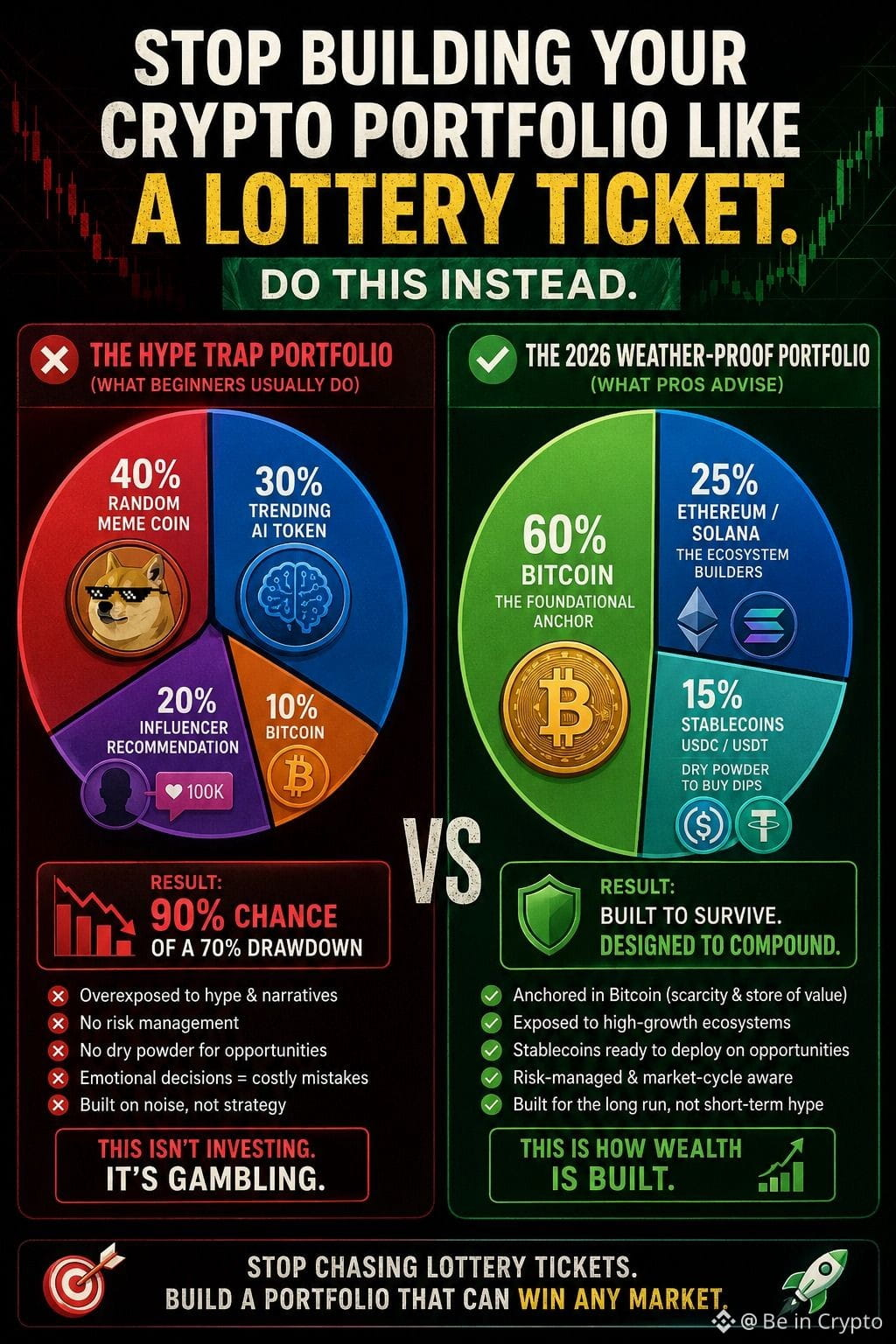
📈Hör auf, dein Krypto-Portfolio wie ein Lottoschein aufzubauen.
Die meisten Anfänger kaufen
Meme-Coins
Trend-Narrative
Influencer-Picks
Dann löscht ein Crash sie aus.
Ein smarter Aufbau:
60% Bitcoin (Basis)
25% Ethereum/Solana (Wachstum)
15% USDC/USDT (Bargeld für Dips)
Das Ziel ist nicht schnelles Geld – es geht darum, lange genug zu überleben, um zu kumulieren.
Zufällige Coins sind keine Diversifikation. Sie sind unkontrolliertes Risiko.
Konzentrier dich auf:
Risikomanagement
Langfristige Überzeugung
Kapitalerhalt
Überlebe zuerst. Wachse zweitens.
Viel Spaß beim Traden 🙂
#Crypto #Beginnersguide #solana #cryptoeducation
$SOL
{future}(SOLUSDT)
$BTC
{future}(BTCUSDT)
📈Hör auf, dein Krypto-Portfolio wie ein Lottoschein aufzubauen.
Die meisten Anfänger kaufen
Meme-Coins
Trend-Narrative
Influencer-Picks
Dann löscht ein Crash sie aus.
Ein smarter Aufbau:
60% Bitcoin (Basis)
25% Ethereum/Solana (Wachstum)
15% USDC/USDT (Bargeld für Dips)
Das Ziel ist nicht schnelles Geld – es geht darum, lange genug zu überleben, um zu kumulieren.
Zufällige Coins sind keine Diversifikation. Sie sind unkontrolliertes Risiko.
Konzentrier dich auf:
Risikomanagement
Langfristige Überzeugung
Kapitalerhalt
Überlebe zuerst. Wachse zweitens.
Viel Spaß beim Traden 🙂
#Crypto #Beginnersguide #solana #cryptoeducation
$SOL
$BTC
Die meisten Anfänger kaufen
Meme-Coins
Trend-Narrative
Influencer-Picks
Dann löscht ein Crash sie aus.
Ein smarter Aufbau:
60% Bitcoin (Basis)
25% Ethereum/Solana (Wachstum)
15% USDC/USDT (Bargeld für Dips)
Das Ziel ist nicht schnelles Geld – es geht darum, lange genug zu überleben, um zu kumulieren.
Zufällige Coins sind keine Diversifikation. Sie sind unkontrolliertes Risiko.
Konzentrier dich auf:
Risikomanagement
Langfristige Überzeugung
Kapitalerhalt
Überlebe zuerst. Wachse zweitens.
Viel Spaß beim Traden 🙂
#Crypto #Beginnersguide #solana #cryptoeducation
$SOL
$BTC
101

·
--
#Beginnersguide 5 Häufige Fehler, die jeder Einsteiger im Krypto-Investieren vermeiden sollte
Viele Menschen steigen in den Kryptowährungsmarkt ein, in der Hoffnung, schnell Gewinne zu machen. Auch wenn Krypto spannende Möglichkeiten bietet, machen Einsteiger oft Fehler, die zu unnötigen Verlusten führen können. Hier sind fünf häufige Fehler und wie du sie vermeiden kannst.
1. Investieren ohne Recherche
Ein Coin zu kaufen, nur weil er im Trend liegt oder jemand ihn empfohlen hat, ist riskant. Recherchiere vor einer Investition immer den Zweck des Projekts, das Team, die Roadmap und die Community.
2. Mehr investieren, als du verlieren kannst
Der Kryptomarkt ist stark volatil. Investiere nur Geld, dessen Verlust du verkraften kannst, ohne dein tägliches Leben oder deine finanziellen Verpflichtungen zu beeinträchtigen.
3. Risk Management ignorieren
Wenn du dein gesamtes Geld in eine einzige Kryptowährung steckst, steigt dein Risiko. Wenn du dein Portfolio diversifizierst und klare Anlageziele setzt, kannst du potenzielle Verluste reduzieren.
4. Gefühle steuern Entscheidungen lassen
Angst und Gier führen oft dazu, dass Anleger zu hohen Preisen kaufen und während der Marktcrashs verkaufen. Ein langfristiger Plan und das konsequente Einhalten können dir helfen, bessere Entscheidungen zu treffen.
5. Sicherheit vernachlässigen
Aktiviere immer die Zwei-Faktor-Authentifizierung (2FA), nutze starke Passwörter und sei vorsichtig bei Phishing-Websites und Betrügereien. Den Schutz deines Kontos zu gewährleisten ist genauso wichtig wie die Auswahl der richtigen Investition.
Fazit
Erfolgreiches Krypto-Investieren bedeutet nicht, über Nacht reich zu werden. Es erfordert Geduld, kontinuierliches Lernen, gründliche Recherche und diszipliniertes Risikomanagement. Wenn Einsteiger diese häufigen Fehler vermeiden, können sie eine stärkere Grundlage für langfristigen Erfolg im Kryptomarkt aufbauen.
#Beginnersguide 5 Häufige Fehler, die jeder Einsteiger im Krypto-Investieren vermeiden sollte
Viele Menschen steigen in den Kryptowährungsmarkt ein, in der Hoffnung, schnell Gewinne zu machen. Auch wenn Krypto spannende Möglichkeiten bietet, machen Einsteiger oft Fehler, die zu unnötigen Verlusten führen können. Hier sind fünf häufige Fehler und wie du sie vermeiden kannst.
1. Investieren ohne Recherche
Ein Coin zu kaufen, nur weil er im Trend liegt oder jemand ihn empfohlen hat, ist riskant. Recherchiere vor einer Investition immer den Zweck des Projekts, das Team, die Roadmap und die Community.
2. Mehr investieren, als du verlieren kannst
Der Kryptomarkt ist stark volatil. Investiere nur Geld, dessen Verlust du verkraften kannst, ohne dein tägliches Leben oder deine finanziellen Verpflichtungen zu beeinträchtigen.
3. Risk Management ignorieren
Wenn du dein gesamtes Geld in eine einzige Kryptowährung steckst, steigt dein Risiko. Wenn du dein Portfolio diversifizierst und klare Anlageziele setzt, kannst du potenzielle Verluste reduzieren.
4. Gefühle steuern Entscheidungen lassen
Angst und Gier führen oft dazu, dass Anleger zu hohen Preisen kaufen und während der Marktcrashs verkaufen. Ein langfristiger Plan und das konsequente Einhalten können dir helfen, bessere Entscheidungen zu treffen.
5. Sicherheit vernachlässigen
Aktiviere immer die Zwei-Faktor-Authentifizierung (2FA), nutze starke Passwörter und sei vorsichtig bei Phishing-Websites und Betrügereien. Den Schutz deines Kontos zu gewährleisten ist genauso wichtig wie die Auswahl der richtigen Investition.
Fazit
Erfolgreiches Krypto-Investieren bedeutet nicht, über Nacht reich zu werden. Es erfordert Geduld, kontinuierliches Lernen, gründliche Recherche und diszipliniertes Risikomanagement. Wenn Einsteiger diese häufigen Fehler vermeiden, können sie eine stärkere Grundlage für langfristigen Erfolg im Kryptomarkt aufbauen.
Viele Menschen steigen in den Kryptowährungsmarkt ein, in der Hoffnung, schnell Gewinne zu machen. Auch wenn Krypto spannende Möglichkeiten bietet, machen Einsteiger oft Fehler, die zu unnötigen Verlusten führen können. Hier sind fünf häufige Fehler und wie du sie vermeiden kannst.
1. Investieren ohne Recherche
Ein Coin zu kaufen, nur weil er im Trend liegt oder jemand ihn empfohlen hat, ist riskant. Recherchiere vor einer Investition immer den Zweck des Projekts, das Team, die Roadmap und die Community.
2. Mehr investieren, als du verlieren kannst
Der Kryptomarkt ist stark volatil. Investiere nur Geld, dessen Verlust du verkraften kannst, ohne dein tägliches Leben oder deine finanziellen Verpflichtungen zu beeinträchtigen.
3. Risk Management ignorieren
Wenn du dein gesamtes Geld in eine einzige Kryptowährung steckst, steigt dein Risiko. Wenn du dein Portfolio diversifizierst und klare Anlageziele setzt, kannst du potenzielle Verluste reduzieren.
4. Gefühle steuern Entscheidungen lassen
Angst und Gier führen oft dazu, dass Anleger zu hohen Preisen kaufen und während der Marktcrashs verkaufen. Ein langfristiger Plan und das konsequente Einhalten können dir helfen, bessere Entscheidungen zu treffen.
5. Sicherheit vernachlässigen
Aktiviere immer die Zwei-Faktor-Authentifizierung (2FA), nutze starke Passwörter und sei vorsichtig bei Phishing-Websites und Betrügereien. Den Schutz deines Kontos zu gewährleisten ist genauso wichtig wie die Auswahl der richtigen Investition.
Fazit
Erfolgreiches Krypto-Investieren bedeutet nicht, über Nacht reich zu werden. Es erfordert Geduld, kontinuierliches Lernen, gründliche Recherche und diszipliniertes Risikomanagement. Wenn Einsteiger diese häufigen Fehler vermeiden, können sie eine stärkere Grundlage für langfristigen Erfolg im Kryptomarkt aufbauen.
96

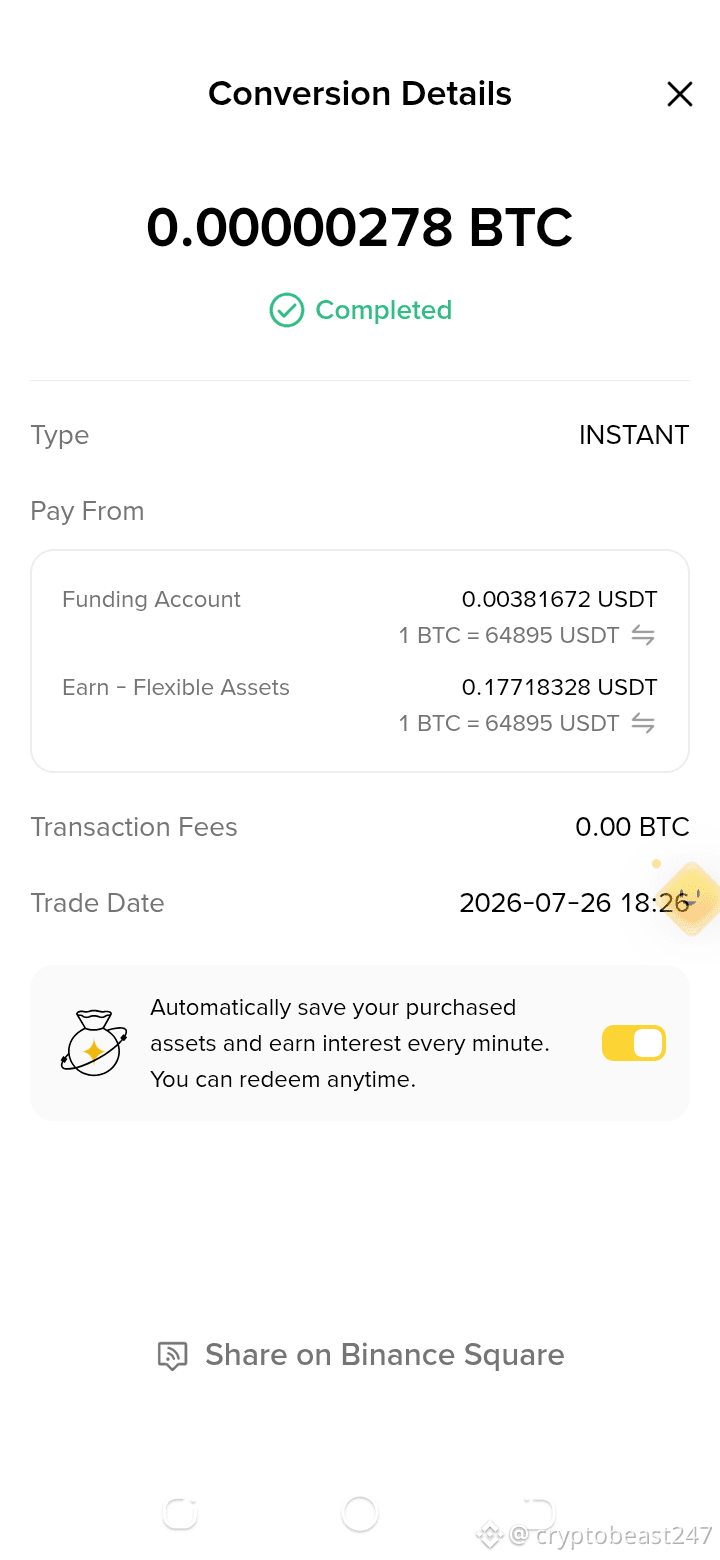
Krypto-Tipp für Einsteiger
Viele Einsteiger denken, sie müssten 1 ganzen Bitcoin kaufen.
Das musst du nicht.
Bitcoin ist in 100 Millionen Satoshis teilbar, also kannst du mit dem anfangen, was du dir leisten kannst.
Konstanz schlägt den Versuch, den Markt zu timen.
$BTC
#Beginnersguide #BTC
Krypto-Tipp für Einsteiger
Viele Einsteiger denken, sie müssten 1 ganzen Bitcoin kaufen.
Das musst du nicht.
Bitcoin ist in 100 Millionen Satoshis teilbar, also kannst du mit dem anfangen, was du dir leisten kannst.
Konstanz schlägt den Versuch, den Markt zu timen.
$BTC
#Beginnersguide #BTC
Viele Einsteiger denken, sie müssten 1 ganzen Bitcoin kaufen.
Das musst du nicht.
Bitcoin ist in 100 Millionen Satoshis teilbar, also kannst du mit dem anfangen, was du dir leisten kannst.
Konstanz schlägt den Versuch, den Markt zu timen.
$BTC
#Beginnersguide #BTC
1
88

Es gibt keinen garantierten Weg, um im Krypto-Bereich Gewinne zu erzielen, aber Trader und Investoren verbessern ihre Chancen, indem sie Risikomanagement, Geduld und eine wiederholbare Strategie kombinieren.
1. Kaufe starke Coins während Korrekturen
Fokussiere dich auf etablierte Projekte wie:
Bitcoin
Ethereum
Solana
Cardano
Viele erfolgreiche Investoren akkumulieren während Marktängsten, anstatt nach großen Rallyes zu kaufen.
2. Nutze Risikomanagement
Eine gängige Regel:
Riskiere nur 1–2% deines Trading-Kapitals pro Trade.
Verwende immer einen Stop-Loss.
Nutze niemals Geld, das du dir nicht leisten kannst zu verlieren.
3. Folge dem Trend
Ein einfacher Ansatz:
Kaufe, wenn der Markt höhere Hochs und höhere Tiefs macht.
Vermeide es, gegen starke Abwärtstrends zu kämpfen.
Lass Gewinner laufen und schneide Verlierer schnell ab.
4. Gewinne schrittweise realisieren
Anstatt auf den genauen Höhepunkt zu warten:
Verkaufe einen Teil beim ersten Ziel.
Verkaufe mehr bei höheren Zielen.
Halte eine kleine Position für größere Bewegungen.
5. Vermeide häufige Fehler
FOMO (Kaufen, weil alle anderen kaufen)
Übermäßige Leverage
Trading basierend auf Gerüchten
Investieren in Projekte, die du nicht verstehst
6. Denke langfristig
Viele der größten Krypto-Gewinne kamen von der Haltedauer qualitativ hochwertiger Assets über mehrere Marktzyklen, anstatt zu versuchen, jede kurzfristige Bewegung zu erwischen.
Ein einfacher Anfängerplan
70%: Langfristige Bestände (BTC, ETH, andere große Projekte)
20%: Swing-Trading-Möglichkeiten
10%: Höhere-riskante spekulative Trades
Das Ziel ist nicht, durch einen Trade reich zu werden. Das Ziel ist es, Kapital zu schützen und Gewinne über die Zeit zu kumulieren. Ein Trader, der jeden Monat konstant 3–5% verdient, übertrifft oft jemanden, der riesige Gewinne anstrebt und große Verluste hinnehmen muss.
#Beginnersguide #BTC
Es gibt keinen garantierten Weg, um im Krypto-Bereich Gewinne zu erzielen, aber Trader und Investoren verbessern ihre Chancen, indem sie Risikomanagement, Geduld und eine wiederholbare Strategie kombinieren.
1. Kaufe starke Coins während Korrekturen
Fokussiere dich auf etablierte Projekte wie:
Bitcoin
Ethereum
Solana
Cardano
Viele erfolgreiche Investoren akkumulieren während Marktängsten, anstatt nach großen Rallyes zu kaufen.
2. Nutze Risikomanagement
Eine gängige Regel:
Riskiere nur 1–2% deines Trading-Kapitals pro Trade.
Verwende immer einen Stop-Loss.
Nutze niemals Geld, das du dir nicht leisten kannst zu verlieren.
3. Folge dem Trend
Ein einfacher Ansatz:
Kaufe, wenn der Markt höhere Hochs und höhere Tiefs macht.
Vermeide es, gegen starke Abwärtstrends zu kämpfen.
Lass Gewinner laufen und schneide Verlierer schnell ab.
4. Gewinne schrittweise realisieren
Anstatt auf den genauen Höhepunkt zu warten:
Verkaufe einen Teil beim ersten Ziel.
Verkaufe mehr bei höheren Zielen.
Halte eine kleine Position für größere Bewegungen.
5. Vermeide häufige Fehler
FOMO (Kaufen, weil alle anderen kaufen)
Übermäßige Leverage
Trading basierend auf Gerüchten
Investieren in Projekte, die du nicht verstehst
6. Denke langfristig
Viele der größten Krypto-Gewinne kamen von der Haltedauer qualitativ hochwertiger Assets über mehrere Marktzyklen, anstatt zu versuchen, jede kurzfristige Bewegung zu erwischen.
Ein einfacher Anfängerplan
70%: Langfristige Bestände (BTC, ETH, andere große Projekte)
20%: Swing-Trading-Möglichkeiten
10%: Höhere-riskante spekulative Trades
Das Ziel ist nicht, durch einen Trade reich zu werden. Das Ziel ist es, Kapital zu schützen und Gewinne über die Zeit zu kumulieren. Ein Trader, der jeden Monat konstant 3–5% verdient, übertrifft oft jemanden, der riesige Gewinne anstrebt und große Verluste hinnehmen muss.
#Beginnersguide #BTC
1. Kaufe starke Coins während Korrekturen
Fokussiere dich auf etablierte Projekte wie:
Bitcoin
Ethereum
Solana
Cardano
Viele erfolgreiche Investoren akkumulieren während Marktängsten, anstatt nach großen Rallyes zu kaufen.
2. Nutze Risikomanagement
Eine gängige Regel:
Riskiere nur 1–2% deines Trading-Kapitals pro Trade.
Verwende immer einen Stop-Loss.
Nutze niemals Geld, das du dir nicht leisten kannst zu verlieren.
3. Folge dem Trend
Ein einfacher Ansatz:
Kaufe, wenn der Markt höhere Hochs und höhere Tiefs macht.
Vermeide es, gegen starke Abwärtstrends zu kämpfen.
Lass Gewinner laufen und schneide Verlierer schnell ab.
4. Gewinne schrittweise realisieren
Anstatt auf den genauen Höhepunkt zu warten:
Verkaufe einen Teil beim ersten Ziel.
Verkaufe mehr bei höheren Zielen.
Halte eine kleine Position für größere Bewegungen.
5. Vermeide häufige Fehler
FOMO (Kaufen, weil alle anderen kaufen)
Übermäßige Leverage
Trading basierend auf Gerüchten
Investieren in Projekte, die du nicht verstehst
6. Denke langfristig
Viele der größten Krypto-Gewinne kamen von der Haltedauer qualitativ hochwertiger Assets über mehrere Marktzyklen, anstatt zu versuchen, jede kurzfristige Bewegung zu erwischen.
Ein einfacher Anfängerplan
70%: Langfristige Bestände (BTC, ETH, andere große Projekte)
20%: Swing-Trading-Möglichkeiten
10%: Höhere-riskante spekulative Trades
Das Ziel ist nicht, durch einen Trade reich zu werden. Das Ziel ist es, Kapital zu schützen und Gewinne über die Zeit zu kumulieren. Ein Trader, der jeden Monat konstant 3–5% verdient, übertrifft oft jemanden, der riesige Gewinne anstrebt und große Verluste hinnehmen muss.
#Beginnersguide #BTC
108
Trading-Strategie für Anfänger (Krypto)
1. Handeln mit dem Trend
Die einfachste Regel:
✅ Kaufen in einem Aufwärtstrend (höhere Hochs und höhere Tiefs)
❌ Vermeide es, in einem starken Abwärtstrend zu kaufen
Verwende:
50 EMA
200 EMA
Bullish, wenn der Preis über beiden EMAs liegt.
2. Warte auf Unterstützung
Jage nicht den grünen Candles hinterher.
Kaufe in der Nähe von:
Unterstützungsniveaus
Trendlinienunterstützung
Gleitenden Durchschnitten
Das gibt ein besseres Risiko-Ertrags-Verhältnis.
3. Nutze die 1% Risiko-Regel
Riskiere niemals mehr als 1% deines Kontos in einem einzelnen Trade.
Beispiel:
Konto = $1.000
Maximaler Verlust pro Trade = $10
Das hält dich im Spiel, selbst nach mehreren Verlust-Trades.
4. Immer Stop-Loss verwenden
Setze den Stop-Loss unter:
Dem letzten Swing-Tief
Unterstützungszone
Bewege deinen Stop-Loss niemals weiter weg, nachdem du einen Trade eingegangen bist.
5. Ziel mindestens 1:2 Risiko/Ertrag
Beispiel:
Risiko = $10
Ziel = $20 oder mehr
Ein 1:2 Verhältnis bedeutet, dass du profitabel sein kannst, selbst wenn nur die Hälfte deiner Trades gewinnt.
6. Beste Zeitrahmen für Anfänger
Trend Analyse: Täglich (1D)
Einstiege: 4H
Bestätigung: 1H
Vermeide 5-Minuten- und 15-Minuten-Charts, wenn du anfängst.
7. Einfache Setup
Kauf-Setup
Preis über 200 EMA
Rückgang zur Unterstützung
Bullish Candle bildet sich
Trade eingehen
Stop unter Unterstützung
Ziel nächste Widerstand
Anfängerfehler zu vermeiden
❌ Übertrading
❌ Handeln mit Emotionen
❌ Kein Stop-Loss
❌ Hohe Leverage verwenden
❌ FOMO-Käufe nach riesigen Pumps
Eine gute Regel für Anfänger
"Warte auf Unterstützung, handle mit dem Trend und schütze dein Kapital."
Konzentriere dich zuerst darauf, dein Geld zu bewahren. Konsistente Gewinne kommen normalerweise nach der Entwicklung von Disziplin und Risikomanagement.
#Beginnersguide
Trading-Strategie für Anfänger (Krypto)
1. Handeln mit dem Trend
Die einfachste Regel:
✅ Kaufen in einem Aufwärtstrend (höhere Hochs und höhere Tiefs)
❌ Vermeide es, in einem starken Abwärtstrend zu kaufen
Verwende:
50 EMA
200 EMA
Bullish, wenn der Preis über beiden EMAs liegt.
2. Warte auf Unterstützung
Jage nicht den grünen Candles hinterher.
Kaufe in der Nähe von:
Unterstützungsniveaus
Trendlinienunterstützung
Gleitenden Durchschnitten
Das gibt ein besseres Risiko-Ertrags-Verhältnis.
3. Nutze die 1% Risiko-Regel
Riskiere niemals mehr als 1% deines Kontos in einem einzelnen Trade.
Beispiel:
Konto = $1.000
Maximaler Verlust pro Trade = $10
Das hält dich im Spiel, selbst nach mehreren Verlust-Trades.
4. Immer Stop-Loss verwenden
Setze den Stop-Loss unter:
Dem letzten Swing-Tief
Unterstützungszone
Bewege deinen Stop-Loss niemals weiter weg, nachdem du einen Trade eingegangen bist.
5. Ziel mindestens 1:2 Risiko/Ertrag
Beispiel:
Risiko = $10
Ziel = $20 oder mehr
Ein 1:2 Verhältnis bedeutet, dass du profitabel sein kannst, selbst wenn nur die Hälfte deiner Trades gewinnt.
6. Beste Zeitrahmen für Anfänger
Trend Analyse: Täglich (1D)
Einstiege: 4H
Bestätigung: 1H
Vermeide 5-Minuten- und 15-Minuten-Charts, wenn du anfängst.
7. Einfache Setup
Kauf-Setup
Preis über 200 EMA
Rückgang zur Unterstützung
Bullish Candle bildet sich
Trade eingehen
Stop unter Unterstützung
Ziel nächste Widerstand
Anfängerfehler zu vermeiden
❌ Übertrading
❌ Handeln mit Emotionen
❌ Kein Stop-Loss
❌ Hohe Leverage verwenden
❌ FOMO-Käufe nach riesigen Pumps
Eine gute Regel für Anfänger
"Warte auf Unterstützung, handle mit dem Trend und schütze dein Kapital."
Konzentriere dich zuerst darauf, dein Geld zu bewahren. Konsistente Gewinne kommen normalerweise nach der Entwicklung von Disziplin und Risikomanagement.
#Beginnersguide
1. Handeln mit dem Trend
Die einfachste Regel:
✅ Kaufen in einem Aufwärtstrend (höhere Hochs und höhere Tiefs)
❌ Vermeide es, in einem starken Abwärtstrend zu kaufen
Verwende:
50 EMA
200 EMA
Bullish, wenn der Preis über beiden EMAs liegt.
2. Warte auf Unterstützung
Jage nicht den grünen Candles hinterher.
Kaufe in der Nähe von:
Unterstützungsniveaus
Trendlinienunterstützung
Gleitenden Durchschnitten
Das gibt ein besseres Risiko-Ertrags-Verhältnis.
3. Nutze die 1% Risiko-Regel
Riskiere niemals mehr als 1% deines Kontos in einem einzelnen Trade.
Beispiel:
Konto = $1.000
Maximaler Verlust pro Trade = $10
Das hält dich im Spiel, selbst nach mehreren Verlust-Trades.
4. Immer Stop-Loss verwenden
Setze den Stop-Loss unter:
Dem letzten Swing-Tief
Unterstützungszone
Bewege deinen Stop-Loss niemals weiter weg, nachdem du einen Trade eingegangen bist.
5. Ziel mindestens 1:2 Risiko/Ertrag
Beispiel:
Risiko = $10
Ziel = $20 oder mehr
Ein 1:2 Verhältnis bedeutet, dass du profitabel sein kannst, selbst wenn nur die Hälfte deiner Trades gewinnt.
6. Beste Zeitrahmen für Anfänger
Trend Analyse: Täglich (1D)
Einstiege: 4H
Bestätigung: 1H
Vermeide 5-Minuten- und 15-Minuten-Charts, wenn du anfängst.
7. Einfache Setup
Kauf-Setup
Preis über 200 EMA
Rückgang zur Unterstützung
Bullish Candle bildet sich
Trade eingehen
Stop unter Unterstützung
Ziel nächste Widerstand
Anfängerfehler zu vermeiden
❌ Übertrading
❌ Handeln mit Emotionen
❌ Kein Stop-Loss
❌ Hohe Leverage verwenden
❌ FOMO-Käufe nach riesigen Pumps
Eine gute Regel für Anfänger
"Warte auf Unterstützung, handle mit dem Trend und schütze dein Kapital."
Konzentriere dich zuerst darauf, dein Geld zu bewahren. Konsistente Gewinne kommen normalerweise nach der Entwicklung von Disziplin und Risikomanagement.
#Beginnersguide
107

·
--
📚 Anfängerfrage
Was ist der Unterschied zwischen einer Coin und einem Token?
Viele Anfänger denken, dass sie dasselbe sind, aber sie erfüllen unterschiedliche Zwecke in Blockchain-Ökosystemen.
Über welchen hast du zuerst gelernt?
$BTC $BNB
#learncrypto #Beginnersguide
📚 Anfängerfrage
Was ist der Unterschied zwischen einer Coin und einem Token?
Viele Anfänger denken, dass sie dasselbe sind, aber sie erfüllen unterschiedliche Zwecke in Blockchain-Ökosystemen.
Über welchen hast du zuerst gelernt?
$BTC $BNB
#learncrypto #Beginnersguide
Was ist der Unterschied zwischen einer Coin und einem Token?
Viele Anfänger denken, dass sie dasselbe sind, aber sie erfüllen unterschiedliche Zwecke in Blockchain-Ökosystemen.
Über welchen hast du zuerst gelernt?
$BTC $BNB
#learncrypto #Beginnersguide
88

Artikel
Was ist Trading? Ein einfacher Leitfaden für EinsteigerHandeln bedeutet, Assets zu kaufen und zu verkaufen, mit dem Ziel, durch Preisänderungen Gewinne zu erzielen. Bei diesen Assets kann es sich um Aktien, Währungen, Rohstoffe oder Kryptowährungen handeln. In den letzten Jahren ist der Krypto-Handel auf Plattformen wie Binance zu einer der beliebtesten Möglichkeiten geworden, wie Menschen anfangen.
Die zwei wichtigsten Arten, zu handeln
1. Spot-Handel
Du kaufst ein Asset und besitzt es.
Beispiel: Du kaufst Bitcoin für 90.000 $. Später verkaufst du es für 95.000 $. Dein Gewinn beträgt 5.000 $ (vor Gebühren).
Das ist die einfachste und sicherste Art für Einsteiger.
Was ist Trading? Ein einfacher Leitfaden für Einsteiger
Handeln bedeutet, Assets zu kaufen und zu verkaufen, mit dem Ziel, durch Preisänderungen Gewinne zu erzielen. Bei diesen Assets kann es sich um Aktien, Währungen, Rohstoffe oder Kryptowährungen handeln. In den letzten Jahren ist der Krypto-Handel auf Plattformen wie Binance zu einer der beliebtesten Möglichkeiten geworden, wie Menschen anfangen.
Die zwei wichtigsten Arten, zu handeln
1. Spot-Handel
Du kaufst ein Asset und besitzt es.
Beispiel: Du kaufst Bitcoin für 90.000 $. Später verkaufst du es für 95.000 $. Dein Gewinn beträgt 5.000 $ (vor Gebühren).
Das ist die einfachste und sicherste Art für Einsteiger.
Die zwei wichtigsten Arten, zu handeln
1. Spot-Handel
Du kaufst ein Asset und besitzt es.
Beispiel: Du kaufst Bitcoin für 90.000 $. Später verkaufst du es für 95.000 $. Dein Gewinn beträgt 5.000 $ (vor Gebühren).
Das ist die einfachste und sicherste Art für Einsteiger.
1
48

·
--
Krypto ist keine magische Geldmaschine, aber wenn du es richtig lernst, kann es echte Möglichkeiten schaffen.🫣
✅Langfristig investieren statt jedem Hype hinterherzujagen. • Nur handeln, nachdem du die Grundlagen und das Risikomanagement gelernt hast. • Stake deine Coins, um passive Belohnungen zu verdienen, während du sie hältst. • Nimm an Airdrops von echten Projekten teil, um kostenlose Tokens zu bekommen. • Lerne eine wertvolle Fähigkeit wie Web3-Texten, Design oder Programmieren und werde in Krypto dafür bezahlt. • Erstelle Krypto-Content auf YouTube oder Social Media, wenn du gerne Wissen vermittelst. #Beginnersguide #begginers #CryptoNewss
Was denkst du 🤔 Wird es dir helfen oder nicht.
HINWEIS—Jemand hat es mir beigebracht, das sind nicht meine Gedanken 🫣
Krypto ist keine magische Geldmaschine, aber wenn du es richtig lernst, kann es echte Möglichkeiten schaffen.🫣
✅Langfristig investieren statt jedem Hype hinterherzujagen. • Nur handeln, nachdem du die Grundlagen und das Risikomanagement gelernt hast. • Stake deine Coins, um passive Belohnungen zu verdienen, während du sie hältst. • Nimm an Airdrops von echten Projekten teil, um kostenlose Tokens zu bekommen. • Lerne eine wertvolle Fähigkeit wie Web3-Texten, Design oder Programmieren und werde in Krypto dafür bezahlt. • Erstelle Krypto-Content auf YouTube oder Social Media, wenn du gerne Wissen vermittelst. #Beginnersguide #begginers #CryptoNewss
Was denkst du 🤔 Wird es dir helfen oder nicht.
HINWEIS—Jemand hat es mir beigebracht, das sind nicht meine Gedanken 🫣
✅Langfristig investieren statt jedem Hype hinterherzujagen. • Nur handeln, nachdem du die Grundlagen und das Risikomanagement gelernt hast. • Stake deine Coins, um passive Belohnungen zu verdienen, während du sie hältst. • Nimm an Airdrops von echten Projekten teil, um kostenlose Tokens zu bekommen. • Lerne eine wertvolle Fähigkeit wie Web3-Texten, Design oder Programmieren und werde in Krypto dafür bezahlt. • Erstelle Krypto-Content auf YouTube oder Social Media, wenn du gerne Wissen vermittelst. #Beginnersguide #begginers #CryptoNewss
Was denkst du 🤔 Wird es dir helfen oder nicht.
HINWEIS—Jemand hat es mir beigebracht, das sind nicht meine Gedanken 🫣
65
Anmelden und weiter Inhalte entdecken
Krypto-Nutzer weltweit auf Binance Square kennenlernen
⚡️ Bleib in Sachen Krypto stets am Puls.
💬 Die weltgrößte Kryptobörse vertraut darauf.
👍 Erhalte verlässliche Einblicke von verifizierten Creators.
E-Mail-Adresse/Telefonnummer
Trendthemen
1
#ClarityActFacesProceduralVoteSept15
63,293 Aufrufe
832 Kommentare
2
#US2YearYieldRisesTo4.61%
40,730 Aufrufe
723 Kommentare
3
#US10YearTreasuryYieldNears5%
25,092 Aufrufe
430 Kommentare
4
#CryptoLiquidations$674MIn24H
7,999 Aufrufe
92 Kommentare
5
#TokenizedStockHoldersUp619.1%
27,681 Aufrufe
435 Kommentare
6
#RevolutConfirmsFakeGovEmailDataBreach
50,137 Aufrufe
716 Kommentare
7
#CanadaOSFISaysTokenizedDepositsEqualTraditionalDeposits
2,180 Aufrufe
64 Kommentare
8
#USBankCompletesCrossBorderPaymentPilotOnStellar
48,655 Aufrufe
876 Kommentare
9
#NvidiaInTalksToInvestUpTo$10BInAnthropicIPO
3,726 Aufrufe
69 Kommentare
10
#EtherRalliesAsBearishBetsLiquidate
68,732 Aufrufe
1,098 Kommentare