
#714710
714710
1,730 Aufrufe
7 Kommentare
Hot
Zuletzt

Übersetzung ansehen
Lighter Pauses Withdrawals After Suspected $15.5 Million API Key Exploit• Lighter suspended withdrawals and pool creation on Nov. 16 after a suspected $15.5 million exploit.
• Researchers estimate losses of $10.39 million and $5.09 million across market maker accounts #714710 and #714723.
• The attacker's wallet withdrew $10.39 million in USDC at 10:11:47 UTC, per the Ethereum record.
Withdrawals and Pool Creation Halted
Decentralized perpetual futures venue Lighter has halted all withdrawals and the creation of new liquidity pools after on-chain observers flagged roughly $15.5 million leaving its Ethereum Layer 1 contract on Monday. In a Nov. 16 statement, the team said it was investigating a security incident that appeared to involve a single compromised external party, without naming the affected entity or putting a dollar figure on the loss. The halt covers every withdrawal and every new pool on the platform, and the team framed it as a precaution while it assessed the full impact. The suspected scale comes from researchers rather than the exchange. Early on-chain analysis pointed to an attacker withdrawing about $10.39 million in USDC, and follow-up work identified a second affected account, lifting the estimated total to roughly $15.48 million. Researcher 0xTria, citing observations from Korean blockchain analysts, traced the method to leaked API keys belonging to two large market maker accounts rather than a flaw in Lighter's protocol. The attacker first closed the victims' open trading positions and converted their holdings into USDC. Using one compromised account, the attacker then created a public zero-fee pool and deposited about $10,000 to acquire roughly 99.99% of its shares. The victims' USDC moved into that pool in batches of roughly $1 million and was redeemed back out, a route that appears to exploit how Lighter treats transfers between accounts sharing one Layer 1 address, which need no extra signature. Account #714710 reportedly lost $10.39 million, and account #714723 another $5.09 million.
Lighter Pins the Breach on a Leaked API Key
Lighter's follow-up update on Monday, posted at 12:49 UTC, narrowed the cause: the exchange said the incident stemmed from a leaked API key, the credential that lets trading software execute on an account's behalf, tied to one trader's account. It also stated that Lighter's protocol and smart contracts were not affected, and named the wallet address the team believes belongs to the attacker, an address community observers had already flagged. Chain timing frames how fast events moved: the first major withdrawal landed at 10:11:47 UTC, nearly an hour before Lighter's first public disclosure at 11:02 UTC, which paused withdrawals and pool creation. The venue, which settles trades on Ethereum using zero-knowledge proofs, placed the fault outside that settlement stack entirely. The team has switched on Guardian mode on its smart contract as a precaution and said its priority is recovering funds tied to what it described as an additional withdrawal attempt by the attacker. A contract upgrade carried out by Lighter's Security Council is meant to complete, with withdrawals reopening, before Monday ends. The update stops at a single compromised account and gives no dollar figure of its own. The $15.5 million total remains a researcher estimate the team has not confirmed, and Lighter has not said how the key leaked or whose account it belonged to.
Attacker Splits Funds Into 160 ETH Transfers
Ethereum's public record anchors the money trail. The attacker's wallet, 0xb3fffca23d4444eE73349825ACD84f7b5020e387, made the $10.39 million USDC withdrawal from the contract after receiving about $10,000 through a relay transfer roughly half an hour earlier. On-chain data shows the wallet swapped the USDC for about 5,760 ETH through CoW Swap and then split the holdings into 15 transfers of 160 ETH each, two of which were sent back. As of 12:51 UTC the address still held about 3,565 ETH. Analytics account Lookonchain reported the attacker was depositing funds on Hyperliquid, a larger perps rival, to buy the privacy coin Monero (XMR); neither Lighter nor the chain has confirmed that yet. A separate projection even models Lighter flipping Hyperliquid as the top perps platform by January 2027, a measure of how closely watched the venue had become. The incident reached the token directly. Upbit and Bithumb suspended LIT deposits and withdrawals in response to the security reports. LIT fell more than 17% at one point on Monday before recovering part of the loss to trade around $2.50 to $2.66, unwinding part of an October run built on the Robinhood Wallet integration and expanding token buybacks. Lighter itself had been expanding its infrastructure, launching an EVM development network in October that lets smart contracts manage trading orders and move assets between its Ethereum-compatible environment and Lighter Core. Our live monitoring shows the token down about 13.4% over the past 24 hours, and the full drawdown is charted in LIT technical analysis.
Still Paused, and Still Unconfirmed
The chain and the team's own words now bound the story tightly. The Ethereum record fixes the first theft at $10.39 million in USDC at 10:11:47 UTC, and Lighter's own post-mortem places the root cause in a leaked API key tied to one trader's account, with the protocol and smart contracts untouched. Remediation runs on the two tracks the team named: Guardian mode on the contract and a Security Council upgrade, with withdrawals targeted to reopen before Monday ends. What stays open sits in the gaps: the $15.5 million total is still a researcher estimate Lighter has not confirmed, the team has not explained how the key leaked, and no recovery figure exists for the attacker's additional withdrawal attempt. Until that upgrade lands, withdrawals and new pool creation stay paused.
Lighter Pauses Withdrawals After Suspected $15.5 Million API Key Exploit
• Lighter suspended withdrawals and pool creation on Nov. 16 after a suspected $15.5 million exploit.
• Researchers estimate losses of $10.39 million and $5.09 million across market maker accounts #714710 and #714723.
• The attacker's wallet withdrew $10.39 million in USDC at 10:11:47 UTC, per the Ethereum record.
Withdrawals and Pool Creation Halted
Decentralized perpetual futures venue Lighter has halted all withdrawals and the creation of new liquidity pools after on-chain observers flagged roughly $15.5 million leaving its Ethereum Layer 1 contract on Monday. In a Nov. 16 statement, the team said it was investigating a security incident that appeared to involve a single compromised external party, without naming the affected entity or putting a dollar figure on the loss. The halt covers every withdrawal and every new pool on the platform, and the team framed it as a precaution while it assessed the full impact. The suspected scale comes from researchers rather than the exchange. Early on-chain analysis pointed to an attacker withdrawing about $10.39 million in USDC, and follow-up work identified a second affected account, lifting the estimated total to roughly $15.48 million. Researcher 0xTria, citing observations from Korean blockchain analysts, traced the method to leaked API keys belonging to two large market maker accounts rather than a flaw in Lighter's protocol. The attacker first closed the victims' open trading positions and converted their holdings into USDC. Using one compromised account, the attacker then created a public zero-fee pool and deposited about $10,000 to acquire roughly 99.99% of its shares. The victims' USDC moved into that pool in batches of roughly $1 million and was redeemed back out, a route that appears to exploit how Lighter treats transfers between accounts sharing one Layer 1 address, which need no extra signature. Account #714710 reportedly lost $10.39 million, and account #714723 another $5.09 million.
Lighter Pins the Breach on a Leaked API Key
Lighter's follow-up update on Monday, posted at 12:49 UTC, narrowed the cause: the exchange said the incident stemmed from a leaked API key, the credential that lets trading software execute on an account's behalf, tied to one trader's account. It also stated that Lighter's protocol and smart contracts were not affected, and named the wallet address the team believes belongs to the attacker, an address community observers had already flagged. Chain timing frames how fast events moved: the first major withdrawal landed at 10:11:47 UTC, nearly an hour before Lighter's first public disclosure at 11:02 UTC, which paused withdrawals and pool creation. The venue, which settles trades on Ethereum using zero-knowledge proofs, placed the fault outside that settlement stack entirely. The team has switched on Guardian mode on its smart contract as a precaution and said its priority is recovering funds tied to what it described as an additional withdrawal attempt by the attacker. A contract upgrade carried out by Lighter's Security Council is meant to complete, with withdrawals reopening, before Monday ends. The update stops at a single compromised account and gives no dollar figure of its own. The $15.5 million total remains a researcher estimate the team has not confirmed, and Lighter has not said how the key leaked or whose account it belonged to.
Attacker Splits Funds Into 160 ETH Transfers
Ethereum's public record anchors the money trail. The attacker's wallet, 0xb3fffca23d4444eE73349825ACD84f7b5020e387, made the $10.39 million USDC withdrawal from the contract after receiving about $10,000 through a relay transfer roughly half an hour earlier. On-chain data shows the wallet swapped the USDC for about 5,760 ETH through CoW Swap and then split the holdings into 15 transfers of 160 ETH each, two of which were sent back. As of 12:51 UTC the address still held about 3,565 ETH. Analytics account Lookonchain reported the attacker was depositing funds on Hyperliquid, a larger perps rival, to buy the privacy coin Monero (XMR); neither Lighter nor the chain has confirmed that yet. A separate projection even models Lighter flipping Hyperliquid as the top perps platform by January 2027, a measure of how closely watched the venue had become. The incident reached the token directly. Upbit and Bithumb suspended LIT deposits and withdrawals in response to the security reports. LIT fell more than 17% at one point on Monday before recovering part of the loss to trade around $2.50 to $2.66, unwinding part of an October run built on the Robinhood Wallet integration and expanding token buybacks. Lighter itself had been expanding its infrastructure, launching an EVM development network in October that lets smart contracts manage trading orders and move assets between its Ethereum-compatible environment and Lighter Core. Our live monitoring shows the token down about 13.4% over the past 24 hours, and the full drawdown is charted in LIT technical analysis.
Still Paused, and Still Unconfirmed
The chain and the team's own words now bound the story tightly. The Ethereum record fixes the first theft at $10.39 million in USDC at 10:11:47 UTC, and Lighter's own post-mortem places the root cause in a leaked API key tied to one trader's account, with the protocol and smart contracts untouched. Remediation runs on the two tracks the team named: Guardian mode on the contract and a Security Council upgrade, with withdrawals targeted to reopen before Monday ends. What stays open sits in the gaps: the $15.5 million total is still a researcher estimate Lighter has not confirmed, the team has not explained how the key leaked, and no recovery figure exists for the attacker's additional withdrawal attempt. Until that upgrade lands, withdrawals and new pool creation stay paused.
• Researchers estimate losses of $10.39 million and $5.09 million across market maker accounts #714710 and #714723.
• The attacker's wallet withdrew $10.39 million in USDC at 10:11:47 UTC, per the Ethereum record.
Withdrawals and Pool Creation Halted
Decentralized perpetual futures venue Lighter has halted all withdrawals and the creation of new liquidity pools after on-chain observers flagged roughly $15.5 million leaving its Ethereum Layer 1 contract on Monday. In a Nov. 16 statement, the team said it was investigating a security incident that appeared to involve a single compromised external party, without naming the affected entity or putting a dollar figure on the loss. The halt covers every withdrawal and every new pool on the platform, and the team framed it as a precaution while it assessed the full impact. The suspected scale comes from researchers rather than the exchange. Early on-chain analysis pointed to an attacker withdrawing about $10.39 million in USDC, and follow-up work identified a second affected account, lifting the estimated total to roughly $15.48 million. Researcher 0xTria, citing observations from Korean blockchain analysts, traced the method to leaked API keys belonging to two large market maker accounts rather than a flaw in Lighter's protocol. The attacker first closed the victims' open trading positions and converted their holdings into USDC. Using one compromised account, the attacker then created a public zero-fee pool and deposited about $10,000 to acquire roughly 99.99% of its shares. The victims' USDC moved into that pool in batches of roughly $1 million and was redeemed back out, a route that appears to exploit how Lighter treats transfers between accounts sharing one Layer 1 address, which need no extra signature. Account #714710 reportedly lost $10.39 million, and account #714723 another $5.09 million.
Lighter Pins the Breach on a Leaked API Key
Lighter's follow-up update on Monday, posted at 12:49 UTC, narrowed the cause: the exchange said the incident stemmed from a leaked API key, the credential that lets trading software execute on an account's behalf, tied to one trader's account. It also stated that Lighter's protocol and smart contracts were not affected, and named the wallet address the team believes belongs to the attacker, an address community observers had already flagged. Chain timing frames how fast events moved: the first major withdrawal landed at 10:11:47 UTC, nearly an hour before Lighter's first public disclosure at 11:02 UTC, which paused withdrawals and pool creation. The venue, which settles trades on Ethereum using zero-knowledge proofs, placed the fault outside that settlement stack entirely. The team has switched on Guardian mode on its smart contract as a precaution and said its priority is recovering funds tied to what it described as an additional withdrawal attempt by the attacker. A contract upgrade carried out by Lighter's Security Council is meant to complete, with withdrawals reopening, before Monday ends. The update stops at a single compromised account and gives no dollar figure of its own. The $15.5 million total remains a researcher estimate the team has not confirmed, and Lighter has not said how the key leaked or whose account it belonged to.
Attacker Splits Funds Into 160 ETH Transfers
Ethereum's public record anchors the money trail. The attacker's wallet, 0xb3fffca23d4444eE73349825ACD84f7b5020e387, made the $10.39 million USDC withdrawal from the contract after receiving about $10,000 through a relay transfer roughly half an hour earlier. On-chain data shows the wallet swapped the USDC for about 5,760 ETH through CoW Swap and then split the holdings into 15 transfers of 160 ETH each, two of which were sent back. As of 12:51 UTC the address still held about 3,565 ETH. Analytics account Lookonchain reported the attacker was depositing funds on Hyperliquid, a larger perps rival, to buy the privacy coin Monero (XMR); neither Lighter nor the chain has confirmed that yet. A separate projection even models Lighter flipping Hyperliquid as the top perps platform by January 2027, a measure of how closely watched the venue had become. The incident reached the token directly. Upbit and Bithumb suspended LIT deposits and withdrawals in response to the security reports. LIT fell more than 17% at one point on Monday before recovering part of the loss to trade around $2.50 to $2.66, unwinding part of an October run built on the Robinhood Wallet integration and expanding token buybacks. Lighter itself had been expanding its infrastructure, launching an EVM development network in October that lets smart contracts manage trading orders and move assets between its Ethereum-compatible environment and Lighter Core. Our live monitoring shows the token down about 13.4% over the past 24 hours, and the full drawdown is charted in LIT technical analysis.
Still Paused, and Still Unconfirmed
The chain and the team's own words now bound the story tightly. The Ethereum record fixes the first theft at $10.39 million in USDC at 10:11:47 UTC, and Lighter's own post-mortem places the root cause in a leaked API key tied to one trader's account, with the protocol and smart contracts untouched. Remediation runs on the two tracks the team named: Guardian mode on the contract and a Security Council upgrade, with withdrawals targeted to reopen before Monday ends. What stays open sits in the gaps: the $15.5 million total is still a researcher estimate Lighter has not confirmed, the team has not explained how the key leaked, and no recovery figure exists for the attacker's additional withdrawal attempt. Until that upgrade lands, withdrawals and new pool creation stay paused.
9

·
--
🚨 $LIT VERRAT BEI LIGHTER!
Lighter, die Perpetuals-Börse, erwachte mit 15,48 Millionen USDC, die von zwei Market-Maker-Konten abgezogen worden waren. Für mich ist nicht die Summe das Schlimmste, sondern dass durchgesickerte API-Schlüssel ausreichten, um die Konten leerzuräumen, ohne dass das Protokoll versagte.
Schaut euch das Detail an, das niemand bemerkt:
→ Das Konto #714710 verlor heute Morgen, am 16. November, 10,39 Mio. Dollar und das Konto #714723 weitere 5,09 Mio. Dollar.
→ Der Angreifer erstellte einen öffentlichen Pool mit 0 % Gebühren, kaufte mit gerade einmal ~10.000 Dollar 99,99 % davon und zog die Gelder in Tranchen von jeweils etwa 1 Mio. Dollar ab.
→ Das Diebesgut wurde bereits über CoW Swap in ETH getauscht, und 640 ETH (~1,12 Mio. Dollar) wurden zu Hyperliquid transferiert, um 2.240 XMR zu kaufen – nahezu unmöglich zurückzuverfolgen.
Lighter hat Auszahlungen und die Erstellung von Pools bis auf Weiteres pausiert, und sein Token $LIT fiel um 9 %, von 2,75 auf 2,50 Dollar.
Glaubst du, dass dezentrale Börsen sicherer sind als zentralisierte? 👇
$LIT $ETH $XMR
#HackCrypto #Lighter #DeFiSicherheit
🚨 $LIT VERRAT BEI LIGHTER!
Lighter, die Perpetuals-Börse, erwachte mit 15,48 Millionen USDC, die von zwei Market-Maker-Konten abgezogen worden waren. Für mich ist nicht die Summe das Schlimmste, sondern dass durchgesickerte API-Schlüssel ausreichten, um die Konten leerzuräumen, ohne dass das Protokoll versagte.
Schaut euch das Detail an, das niemand bemerkt:
→ Das Konto #714710 verlor heute Morgen, am 16. November, 10,39 Mio. Dollar und das Konto #714723 weitere 5,09 Mio. Dollar.
→ Der Angreifer erstellte einen öffentlichen Pool mit 0 % Gebühren, kaufte mit gerade einmal ~10.000 Dollar 99,99 % davon und zog die Gelder in Tranchen von jeweils etwa 1 Mio. Dollar ab.
→ Das Diebesgut wurde bereits über CoW Swap in ETH getauscht, und 640 ETH (~1,12 Mio. Dollar) wurden zu Hyperliquid transferiert, um 2.240 XMR zu kaufen – nahezu unmöglich zurückzuverfolgen.
Lighter hat Auszahlungen und die Erstellung von Pools bis auf Weiteres pausiert, und sein Token $LIT fiel um 9 %, von 2,75 auf 2,50 Dollar.
Glaubst du, dass dezentrale Börsen sicherer sind als zentralisierte? 👇
$LIT $ETH $XMR
#HackCrypto #Lighter #DeFiSicherheit
Lighter, die Perpetuals-Börse, erwachte mit 15,48 Millionen USDC, die von zwei Market-Maker-Konten abgezogen worden waren. Für mich ist nicht die Summe das Schlimmste, sondern dass durchgesickerte API-Schlüssel ausreichten, um die Konten leerzuräumen, ohne dass das Protokoll versagte.
Schaut euch das Detail an, das niemand bemerkt:
→ Das Konto #714710 verlor heute Morgen, am 16. November, 10,39 Mio. Dollar und das Konto #714723 weitere 5,09 Mio. Dollar.
→ Der Angreifer erstellte einen öffentlichen Pool mit 0 % Gebühren, kaufte mit gerade einmal ~10.000 Dollar 99,99 % davon und zog die Gelder in Tranchen von jeweils etwa 1 Mio. Dollar ab.
→ Das Diebesgut wurde bereits über CoW Swap in ETH getauscht, und 640 ETH (~1,12 Mio. Dollar) wurden zu Hyperliquid transferiert, um 2.240 XMR zu kaufen – nahezu unmöglich zurückzuverfolgen.
Lighter hat Auszahlungen und die Erstellung von Pools bis auf Weiteres pausiert, und sein Token $LIT fiel um 9 %, von 2,75 auf 2,50 Dollar.
Glaubst du, dass dezentrale Börsen sicherer sind als zentralisierte? 👇
$LIT $ETH $XMR
#HackCrypto #Lighter #DeFiSicherheit
3.8k

·
--
Heute Abend hat Lighter selbst eine Mitteilung veröffentlicht. Gegen 19:02 Uhr Pekinger Zeit erklärte @Lighter_xyz, man untersuche einen Sicherheitsvorfall, der offenbar nur eine kompromittierte externe Partei betreffe. Vorsorglich wurden sämtliche Auszahlungen und das Erstellen von Pools ausgesetzt. Wann beides wieder möglich ist, dazu gab es keinen Zeitplan.
Wer dort Geld liegen hat, kommt vorerst nicht mehr daran.
Die On-Chain-Daten der letzten Stunden zeichnen den Ablauf recht deutlich nach. Lookonchain teilte die Analyse von @0xTria: Rund 15,5 Millionen US-Dollar in USDC wurden von zwei Market-Maker-Konten abgezogen. Eines war #714710 mit rund 10,39 Millionen, das andere #714723 mit rund 5,09 Millionen. Die offizielle Seite hat diese Zahlen bislang weder bestätigt noch gesagt, dass API-Schlüssel geleakt wurden. Der Ablauf passt jedoch zu den On-Chain-Daten. Laut der Analyse geschah das heute zwischen etwa 17:41 und 18:25 Uhr Pekinger Zeit.
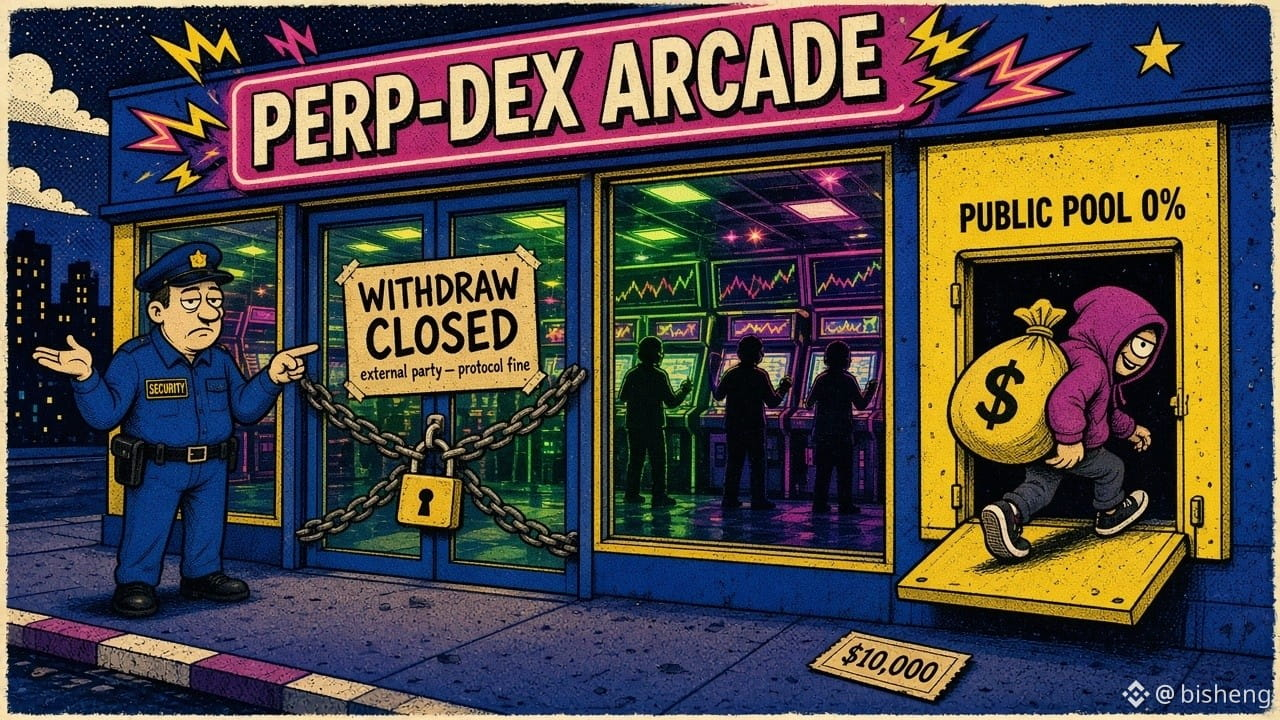
Der Ablauf war nicht besonders kompliziert. Zuerst wurden die Positionen auf diesen beiden Konten geschlossen, um die Margin freizusetzen. Dann wurde mit dem Konto des Opfers ein gebührenfreier öffentlicher Pool erstellt und etwa 10.000 US-Dollar eingezahlt, wodurch man sich einen Anteil von fast 99,99 Prozent sicherte. Anschließend wurde das USDC des Opfers in Tranchen von jeweils rund einer Million in diesen Pool eingezahlt, dann wurden die Anteile eingelöst und das Geld abgezogen. On-Chain-Beobachter sahen, dass die Angreiferadresse das Geld zuerst über CoW Protocol in Ethereum tauschte. Danach wurde es auf andere Wallets verteilt, wobei ein Teil zu Hyperliquid und Monero floss.
Ein Satz in der Analyse ist besonders wichtig. Mit einem Lighter-API-Schlüssel allein kann man Geld nicht direkt auf ein fremdes Konto überweisen; dafür ist zusätzlich eine Signatur der L1-Wallet nötig. Überweisungen zwischen Konten unter derselben L1-Adresse brauchen jedoch keine weitere Signatur. Ein öffentlicher Pool, den das Opfer selbst erstellt hat, gilt ebenfalls als sein eigenes Konto. Sobald der Schlüssel also geleakt ist, wird der Pool zum Auszahlungskanal. Mit 10.000 Dollar kauft man sich den Ausgang. Das ist kein ausgeklügelter Angriff, sondern eine offene Lücke bei den Berechtigungen.
Offiziell heißt es nun, es handle sich um eine „einzelne externe Partei“ und das Protokoll sei in Ordnung. Damit will man sich aus der Verantwortung ziehen. Das hält nicht stand. Dass sogar das Erstellen von Pools ausgesetzt wurde, kommt einem Eingeständnis gleich, dass dieser Weg funktioniert. Der Schlüssel ist der Eingang, die Pool-Regeln sind der Ausgang – beides ist problematisch. Wer weiterhin betont, es sei „keine Smart-Contract-Schwachstelle“, spielt mit Definitionen.
Man kann weiterhin Positionen eröffnen und schließen, aber das Geld lässt sich nicht abheben. Das ist keine Dezentralisierung. Das heißt, die Plattform kann mit einem Satz das Tor schließen.
Gerade habe ich gesehen, dass LIT bei etwa 2,59 US-Dollar liegt – fast 10 Prozent weniger als der vorherige Schlusskurs von rund 2,87 US-Dollar. Upbit und Bithumb haben Ein- und Auszahlungen von LIT bereits gemäß der offiziellen Mitteilung ausgesetzt. Der Kurs und die koreanischen Börsen haben schon reagiert; niemand wartet auf einen Bericht im Nachhinein.
Einige Analysen bringen die beiden Konten mit dem Londoner Market Maker Abraxas Capital in Verbindung. Eine der Transaktionen soll zuerst von einer bekannten Wallet des Unternehmens gekommen sein. Die offizielle Seite hat keinen Namen genannt. Das gilt vorerst als unbestätigt und sollte nicht als gesicherte Tatsache dargestellt werden.
Meine Einschätzung: Diese Sache lässt sich nicht mit „ein externer Schlüssel ist verloren gegangen“ abtun. Auszahlungen werden wahrscheinlich nach und nach wieder freigegeben. Ob Ein- und Auszahlungen von LIT bei den beiden koreanischen Börsen wieder möglich sind, hängt davon ab, wann diese die Sperre aufheben. Wenn die Berechtigungen für Pools nicht geändert werden, kann sich derselbe Ablauf wiederholen. Wer sein Geld noch dort liegen hat, sollte sich nicht mit „das Protokoll ist in Ordnung“ beruhigen lassen. Bislang gibt es von offizieller Seite keinen Zeitplan für die Wiederaufnahme. Eine Änderung der Pool-Regeln wäre hilfreicher als eine weitere Mitteilung über eine „externe Partei“.
#Lighter #LIT
Heute Abend hat Lighter selbst eine Mitteilung veröffentlicht. Gegen 19:02 Uhr Pekinger Zeit erklärte @Lighter_xyz, man untersuche einen Sicherheitsvorfall, der offenbar nur eine kompromittierte externe Partei betreffe. Vorsorglich wurden sämtliche Auszahlungen und das Erstellen von Pools ausgesetzt. Wann beides wieder möglich ist, dazu gab es keinen Zeitplan.
Wer dort Geld liegen hat, kommt vorerst nicht mehr daran.
Die On-Chain-Daten der letzten Stunden zeichnen den Ablauf recht deutlich nach. Lookonchain teilte die Analyse von @0xTria: Rund 15,5 Millionen US-Dollar in USDC wurden von zwei Market-Maker-Konten abgezogen. Eines war #714710 mit rund 10,39 Millionen, das andere #714723 mit rund 5,09 Millionen. Die offizielle Seite hat diese Zahlen bislang weder bestätigt noch gesagt, dass API-Schlüssel geleakt wurden. Der Ablauf passt jedoch zu den On-Chain-Daten. Laut der Analyse geschah das heute zwischen etwa 17:41 und 18:25 Uhr Pekinger Zeit.
Der Ablauf war nicht besonders kompliziert. Zuerst wurden die Positionen auf diesen beiden Konten geschlossen, um die Margin freizusetzen. Dann wurde mit dem Konto des Opfers ein gebührenfreier öffentlicher Pool erstellt und etwa 10.000 US-Dollar eingezahlt, wodurch man sich einen Anteil von fast 99,99 Prozent sicherte. Anschließend wurde das USDC des Opfers in Tranchen von jeweils rund einer Million in diesen Pool eingezahlt, dann wurden die Anteile eingelöst und das Geld abgezogen. On-Chain-Beobachter sahen, dass die Angreiferadresse das Geld zuerst über CoW Protocol in Ethereum tauschte. Danach wurde es auf andere Wallets verteilt, wobei ein Teil zu Hyperliquid und Monero floss.
Ein Satz in der Analyse ist besonders wichtig. Mit einem Lighter-API-Schlüssel allein kann man Geld nicht direkt auf ein fremdes Konto überweisen; dafür ist zusätzlich eine Signatur der L1-Wallet nötig. Überweisungen zwischen Konten unter derselben L1-Adresse brauchen jedoch keine weitere Signatur. Ein öffentlicher Pool, den das Opfer selbst erstellt hat, gilt ebenfalls als sein eigenes Konto. Sobald der Schlüssel also geleakt ist, wird der Pool zum Auszahlungskanal. Mit 10.000 Dollar kauft man sich den Ausgang. Das ist kein ausgeklügelter Angriff, sondern eine offene Lücke bei den Berechtigungen.
Offiziell heißt es nun, es handle sich um eine „einzelne externe Partei“ und das Protokoll sei in Ordnung. Damit will man sich aus der Verantwortung ziehen. Das hält nicht stand. Dass sogar das Erstellen von Pools ausgesetzt wurde, kommt einem Eingeständnis gleich, dass dieser Weg funktioniert. Der Schlüssel ist der Eingang, die Pool-Regeln sind der Ausgang – beides ist problematisch. Wer weiterhin betont, es sei „keine Smart-Contract-Schwachstelle“, spielt mit Definitionen.
Man kann weiterhin Positionen eröffnen und schließen, aber das Geld lässt sich nicht abheben. Das ist keine Dezentralisierung. Das heißt, die Plattform kann mit einem Satz das Tor schließen.
Gerade habe ich gesehen, dass LIT bei etwa 2,59 US-Dollar liegt – fast 10 Prozent weniger als der vorherige Schlusskurs von rund 2,87 US-Dollar. Upbit und Bithumb haben Ein- und Auszahlungen von LIT bereits gemäß der offiziellen Mitteilung ausgesetzt. Der Kurs und die koreanischen Börsen haben schon reagiert; niemand wartet auf einen Bericht im Nachhinein.
Einige Analysen bringen die beiden Konten mit dem Londoner Market Maker Abraxas Capital in Verbindung. Eine der Transaktionen soll zuerst von einer bekannten Wallet des Unternehmens gekommen sein. Die offizielle Seite hat keinen Namen genannt. Das gilt vorerst als unbestätigt und sollte nicht als gesicherte Tatsache dargestellt werden.
Meine Einschätzung: Diese Sache lässt sich nicht mit „ein externer Schlüssel ist verloren gegangen“ abtun. Auszahlungen werden wahrscheinlich nach und nach wieder freigegeben. Ob Ein- und Auszahlungen von LIT bei den beiden koreanischen Börsen wieder möglich sind, hängt davon ab, wann diese die Sperre aufheben. Wenn die Berechtigungen für Pools nicht geändert werden, kann sich derselbe Ablauf wiederholen. Wer sein Geld noch dort liegen hat, sollte sich nicht mit „das Protokoll ist in Ordnung“ beruhigen lassen. Bislang gibt es von offizieller Seite keinen Zeitplan für die Wiederaufnahme. Eine Änderung der Pool-Regeln wäre hilfreicher als eine weitere Mitteilung über eine „externe Partei“.
#Lighter #LIT
Wer dort Geld liegen hat, kommt vorerst nicht mehr daran.
Die On-Chain-Daten der letzten Stunden zeichnen den Ablauf recht deutlich nach. Lookonchain teilte die Analyse von @0xTria: Rund 15,5 Millionen US-Dollar in USDC wurden von zwei Market-Maker-Konten abgezogen. Eines war #714710 mit rund 10,39 Millionen, das andere #714723 mit rund 5,09 Millionen. Die offizielle Seite hat diese Zahlen bislang weder bestätigt noch gesagt, dass API-Schlüssel geleakt wurden. Der Ablauf passt jedoch zu den On-Chain-Daten. Laut der Analyse geschah das heute zwischen etwa 17:41 und 18:25 Uhr Pekinger Zeit.
Der Ablauf war nicht besonders kompliziert. Zuerst wurden die Positionen auf diesen beiden Konten geschlossen, um die Margin freizusetzen. Dann wurde mit dem Konto des Opfers ein gebührenfreier öffentlicher Pool erstellt und etwa 10.000 US-Dollar eingezahlt, wodurch man sich einen Anteil von fast 99,99 Prozent sicherte. Anschließend wurde das USDC des Opfers in Tranchen von jeweils rund einer Million in diesen Pool eingezahlt, dann wurden die Anteile eingelöst und das Geld abgezogen. On-Chain-Beobachter sahen, dass die Angreiferadresse das Geld zuerst über CoW Protocol in Ethereum tauschte. Danach wurde es auf andere Wallets verteilt, wobei ein Teil zu Hyperliquid und Monero floss.
Ein Satz in der Analyse ist besonders wichtig. Mit einem Lighter-API-Schlüssel allein kann man Geld nicht direkt auf ein fremdes Konto überweisen; dafür ist zusätzlich eine Signatur der L1-Wallet nötig. Überweisungen zwischen Konten unter derselben L1-Adresse brauchen jedoch keine weitere Signatur. Ein öffentlicher Pool, den das Opfer selbst erstellt hat, gilt ebenfalls als sein eigenes Konto. Sobald der Schlüssel also geleakt ist, wird der Pool zum Auszahlungskanal. Mit 10.000 Dollar kauft man sich den Ausgang. Das ist kein ausgeklügelter Angriff, sondern eine offene Lücke bei den Berechtigungen.
Offiziell heißt es nun, es handle sich um eine „einzelne externe Partei“ und das Protokoll sei in Ordnung. Damit will man sich aus der Verantwortung ziehen. Das hält nicht stand. Dass sogar das Erstellen von Pools ausgesetzt wurde, kommt einem Eingeständnis gleich, dass dieser Weg funktioniert. Der Schlüssel ist der Eingang, die Pool-Regeln sind der Ausgang – beides ist problematisch. Wer weiterhin betont, es sei „keine Smart-Contract-Schwachstelle“, spielt mit Definitionen.
Man kann weiterhin Positionen eröffnen und schließen, aber das Geld lässt sich nicht abheben. Das ist keine Dezentralisierung. Das heißt, die Plattform kann mit einem Satz das Tor schließen.
Gerade habe ich gesehen, dass LIT bei etwa 2,59 US-Dollar liegt – fast 10 Prozent weniger als der vorherige Schlusskurs von rund 2,87 US-Dollar. Upbit und Bithumb haben Ein- und Auszahlungen von LIT bereits gemäß der offiziellen Mitteilung ausgesetzt. Der Kurs und die koreanischen Börsen haben schon reagiert; niemand wartet auf einen Bericht im Nachhinein.
Einige Analysen bringen die beiden Konten mit dem Londoner Market Maker Abraxas Capital in Verbindung. Eine der Transaktionen soll zuerst von einer bekannten Wallet des Unternehmens gekommen sein. Die offizielle Seite hat keinen Namen genannt. Das gilt vorerst als unbestätigt und sollte nicht als gesicherte Tatsache dargestellt werden.
Meine Einschätzung: Diese Sache lässt sich nicht mit „ein externer Schlüssel ist verloren gegangen“ abtun. Auszahlungen werden wahrscheinlich nach und nach wieder freigegeben. Ob Ein- und Auszahlungen von LIT bei den beiden koreanischen Börsen wieder möglich sind, hängt davon ab, wann diese die Sperre aufheben. Wenn die Berechtigungen für Pools nicht geändert werden, kann sich derselbe Ablauf wiederholen. Wer sein Geld noch dort liegen hat, sollte sich nicht mit „das Protokoll ist in Ordnung“ beruhigen lassen. Bislang gibt es von offizieller Seite keinen Zeitplan für die Wiederaufnahme. Eine Änderung der Pool-Regeln wäre hilfreicher als eine weitere Mitteilung über eine „externe Partei“.
#Lighter #LIT
161

Übersetzung ansehen
Lighter 这事,现在满屏都在喊“不是协议被黑,只是做市商 API key 泄露”,评论区已经有人顺手喊抄底 LIT 了。我觉得这个说法恰恰是最该警惕的地方。
先说能核实的。社区分析(BlockBeats、@BimbaCrypto 等转述)说被掏的是两个大户账户 #714710 约1039万、#714723 约509万 USDC。我刚去 Lighter 公开 API 查了这两个账户:仓位全清,余额分别只剩1040.39和510.69 USDC。注意这两个数,正好约是原余额的万分之一。
这和社区还原的手法完全对得上:攻击者用受害账户建一个0手续费公共池,自己先放约1万刀拿到99.99%份额,再把受害账户的 USDC 分批挪进池子,然后赎回。受害人那边剩下的,就是那0.01%。
关键在权限设计。按社区分析,API key 本来不能直接往外部地址转钱,但同一个 L1 地址下的账户之间转账不需要额外签名,而受害账户自己建的池子被系统当成“自己的账户”。也就是说,一把只该用来下单的交易 key,绕一圈等于拿到了提款权。在 CEX 上大家开 API 都会关掉提币权限,就是为了防这种事;这里那道墙存在,但有个门没锁。
所以“不是协议漏洞”这句话我不太买账。合约没被打穿是真的,但让交易 key 能把钱搬走的规则就是协议的一部分。key 怎么丢的、是不是真的丢了,Lighter 截至我发帖还没出正式说明,这部分先别下结论。
链上那头:吴说引 Arkham,攻击地址 0xb3fff…e387 把1039万 USDC 通过 CoW 换成约5750枚 ETH;我刚查这个地址还剩约4804.5枚,已经在往外拆。
用 Lighter 跑 API 的兄弟,现在能做的就是把 key 全部作废重建,查一下自己 L1 下面有没有多出来不认识的池子或子账户。
Lighter 这事,现在满屏都在喊“不是协议被黑,只是做市商 API key 泄露”,评论区已经有人顺手喊抄底 LIT 了。我觉得这个说法恰恰是最该警惕的地方。
先说能核实的。社区分析(BlockBeats、@BimbaCrypto 等转述)说被掏的是两个大户账户 #714710 约1039万、#714723 约509万 USDC。我刚去 Lighter 公开 API 查了这两个账户:仓位全清,余额分别只剩1040.39和510.69 USDC。注意这两个数,正好约是原余额的万分之一。
这和社区还原的手法完全对得上:攻击者用受害账户建一个0手续费公共池,自己先放约1万刀拿到99.99%份额,再把受害账户的 USDC 分批挪进池子,然后赎回。受害人那边剩下的,就是那0.01%。
关键在权限设计。按社区分析,API key 本来不能直接往外部地址转钱,但同一个 L1 地址下的账户之间转账不需要额外签名,而受害账户自己建的池子被系统当成“自己的账户”。也就是说,一把只该用来下单的交易 key,绕一圈等于拿到了提款权。在 CEX 上大家开 API 都会关掉提币权限,就是为了防这种事;这里那道墙存在,但有个门没锁。
所以“不是协议漏洞”这句话我不太买账。合约没被打穿是真的,但让交易 key 能把钱搬走的规则就是协议的一部分。key 怎么丢的、是不是真的丢了,Lighter 截至我发帖还没出正式说明,这部分先别下结论。
链上那头:吴说引 Arkham,攻击地址 0xb3fff…e387 把1039万 USDC 通过 CoW 换成约5750枚 ETH;我刚查这个地址还剩约4804.5枚,已经在往外拆。
用 Lighter 跑 API 的兄弟,现在能做的就是把 key 全部作废重建,查一下自己 L1 下面有没有多出来不认识的池子或子账户。
先说能核实的。社区分析(BlockBeats、@BimbaCrypto 等转述)说被掏的是两个大户账户 #714710 约1039万、#714723 约509万 USDC。我刚去 Lighter 公开 API 查了这两个账户:仓位全清,余额分别只剩1040.39和510.69 USDC。注意这两个数,正好约是原余额的万分之一。
这和社区还原的手法完全对得上:攻击者用受害账户建一个0手续费公共池,自己先放约1万刀拿到99.99%份额,再把受害账户的 USDC 分批挪进池子,然后赎回。受害人那边剩下的,就是那0.01%。
关键在权限设计。按社区分析,API key 本来不能直接往外部地址转钱,但同一个 L1 地址下的账户之间转账不需要额外签名,而受害账户自己建的池子被系统当成“自己的账户”。也就是说,一把只该用来下单的交易 key,绕一圈等于拿到了提款权。在 CEX 上大家开 API 都会关掉提币权限,就是为了防这种事;这里那道墙存在,但有个门没锁。
所以“不是协议漏洞”这句话我不太买账。合约没被打穿是真的,但让交易 key 能把钱搬走的规则就是协议的一部分。key 怎么丢的、是不是真的丢了,Lighter 截至我发帖还没出正式说明,这部分先别下结论。
链上那头:吴说引 Arkham,攻击地址 0xb3fff…e387 把1039万 USDC 通过 CoW 换成约5750枚 ETH;我刚查这个地址还剩约4804.5枚,已经在往外拆。
用 Lighter 跑 API 的兄弟,现在能做的就是把 key 全部作废重建,查一下自己 L1 下面有没有多出来不认识的池子或子账户。
7

·
--
Übersetzung ansehen
观点:Lighter或为做市商账户API密钥泄露,而非黑客攻击事件观点:Lighter或为做市商账户API密钥泄露,而非黑客攻击事件
11 月 16 日,Predicts.guru 创始人 @0xTria 转发韩国交易员研究结论称,Lighter 正在经历的不是协议级别黑客攻击,而是 2 个大做市商账户的 API 密钥泄露。
攻击者关闭了受害者的仓位,从受害者账户创建了一个 0% 费用的公共池,投入约 1 万美元以拥有 99.99% 的份额,然后将受害者的 USDC 以 100 万美元的块分批转入池中并赎回。Lighter 上的 API 密钥无法向他人发送资金,但同一 L1 地址上的账户之间转账无需签名,而由受害者创建的池被视为他们自己的账户。
受影响资金总计约 1550 万美元:来自 #714710 的 1039 万美元,来自 #714723 的 509 万美元。
查看原文:https://x.com/0xtria/status/2122280548047671629?s=46
观点:Lighter或为做市商账户API密钥泄露,而非黑客攻击事件
观点:Lighter或为做市商账户API密钥泄露,而非黑客攻击事件
11 月 16 日,Predicts.guru 创始人 @0xTria 转发韩国交易员研究结论称,Lighter 正在经历的不是协议级别黑客攻击,而是 2 个大做市商账户的 API 密钥泄露。
攻击者关闭了受害者的仓位,从受害者账户创建了一个 0% 费用的公共池,投入约 1 万美元以拥有 99.99% 的份额,然后将受害者的 USDC 以 100 万美元的块分批转入池中并赎回。Lighter 上的 API 密钥无法向他人发送资金,但同一 L1 地址上的账户之间转账无需签名,而由受害者创建的池被视为他们自己的账户。
受影响资金总计约 1550 万美元:来自 #714710 的 1039 万美元,来自 #714723 的 509 万美元。
查看原文:https://x.com/0xtria/status/2122280548047671629?s=46
11 月 16 日,Predicts.guru 创始人 @0xTria 转发韩国交易员研究结论称,Lighter 正在经历的不是协议级别黑客攻击,而是 2 个大做市商账户的 API 密钥泄露。
攻击者关闭了受害者的仓位,从受害者账户创建了一个 0% 费用的公共池,投入约 1 万美元以拥有 99.99% 的份额,然后将受害者的 USDC 以 100 万美元的块分批转入池中并赎回。Lighter 上的 API 密钥无法向他人发送资金,但同一 L1 地址上的账户之间转账无需签名,而由受害者创建的池被视为他们自己的账户。
受影响资金总计约 1550 万美元:来自 #714710 的 1039 万美元,来自 #714723 的 509 万美元。
查看原文:https://x.com/0xtria/status/2122280548047671629?s=46
8
Anmelden und weiter Inhalte entdecken
Krypto-Nutzer weltweit auf Binance Square kennenlernen
⚡️ Bleib in Sachen Krypto stets am Puls.
💬 Die weltgrößte Kryptobörse vertraut darauf.
👍 Erhalte verlässliche Einblicke von verifizierten Creators.
E-Mail-Adresse/Telefonnummer
Trendthemen
1
#A Packed Week of Earnings and Data Tests Markets
82,717 Aufrufe
490 Kommentare
2
#AnthropicIPOTestsInvestorAppetiteForAI
163,546 Aufrufe
1,751 Kommentare
3
#NvidiaBoardNotConsideringHuang’sReturnasCEO
16,607 Aufrufe
243 Kommentare
4
#WhatInvestmentSignalsDo13FFilingsReveal?
10,481 Aufrufe
177 Kommentare
5
#GoldmanSachsAndMillenniumEachHeldOver$1.2BInBitcoinETFs
0 Aufrufe
1 Kommentare
6
#InvescoStablecoinReservesFundLaunchesOnEthereum
4,230 Aufrufe
96 Kommentare
7
#CypherpunkReports$306MQ3NetProfit
808 Aufrufe
16 Kommentare
8
#OPTIMJACKAttackInfectsAtLeast186Websites
7,567 Aufrufe
124 Kommentare
9
#StrategySells2.09MMSTRSharesFor$244.7M
2,255 Aufrufe
19 Kommentare
10
#StablecoinMarketShrinksAtFastestPaceSinceTerraLuna
8,884 Aufrufe
87 Kommentare